
Photos from current listings. Actual item, color, and included accessories may vary.
Water Drip System Buying Guide
A water drip system delivers low-flow water directly to plant roots through tubing, emitters, or spikes, cutting evaporation loss versus overhead spray. The core trade-off is between pressure-compensating, UV-stabilized tubing with barbed fittings (durable, multi-season) and thin-walled hose with push-in spikes or misters (cheap, one to two seasons). Buy pressure-compensating emitters and opaque UV-resistant tubing if you want a permanent bed; choose spike or bag systems only for pots, temporary beds, or vacation watering.
Median $36.99
Key takeaways
- Pressure-compensating (PC) emitters hold a rated flow (commonly 0.5–2 GPH) across roughly 10–50 PSI, so long runs stay even; non-PC drippers slow at the end of the line.
- Tubing grade decides lifespan: 1/4 in micro tubing suits short lateral runs, while 1/2 in mainline carries full zone flow; UV-stabilized opaque polyethylene outlasts clear or thin vinyl.
- Standard barbed 1/4 in fittings and 1/2 in mainline adapters let you mix emitters, tees, and shutoffs without proprietary connectors; quick-connect couplers speed assembly but must match the same nominal size.
At a glance
- Category
- Watering & Irrigation
- Last updated
- Nov 28, 2026
Current offers
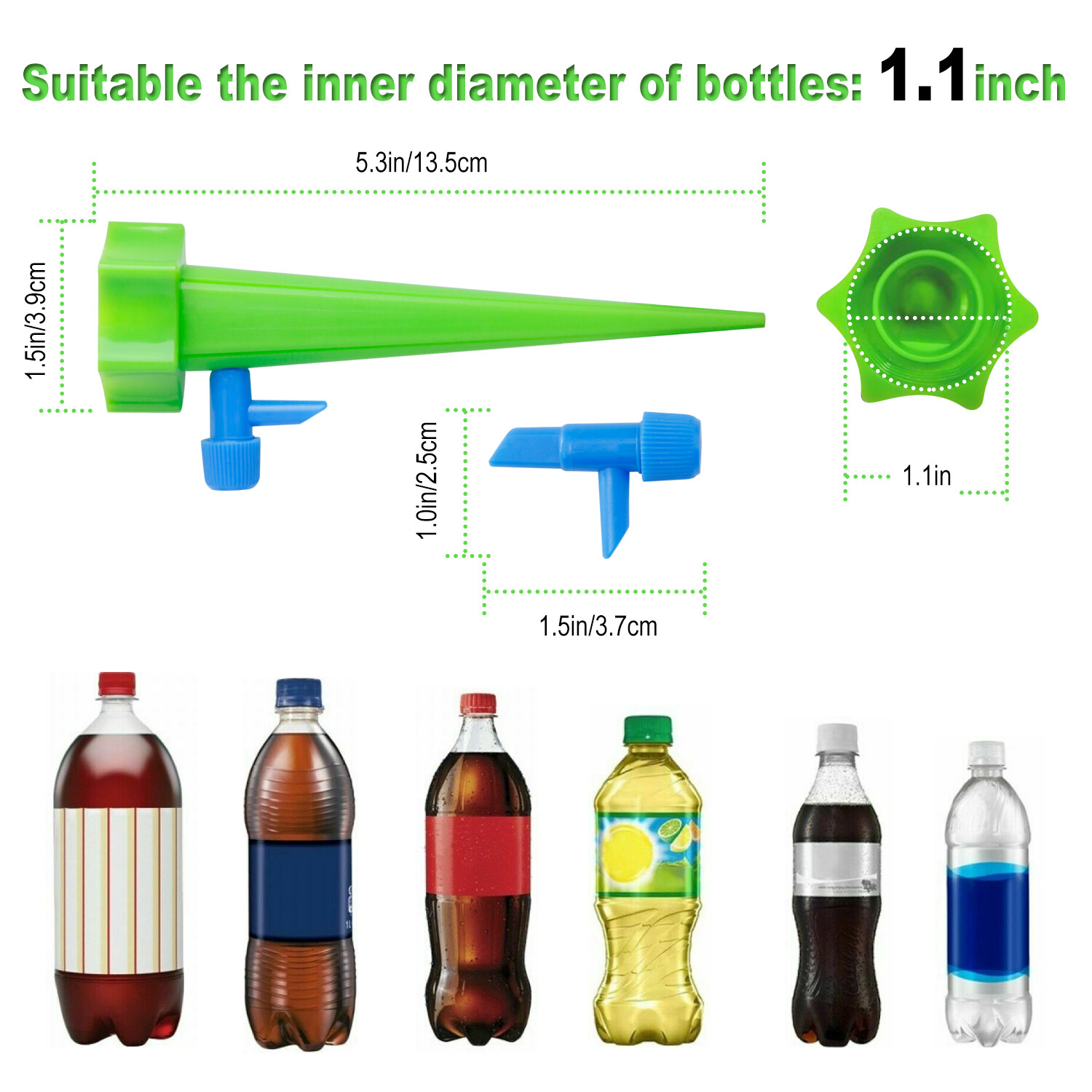 12/24PCS Automatic Self Watering System Plant Water Drip Irrigation Garden Tools$14.95Last checked Nov 19, 2026View on eBay
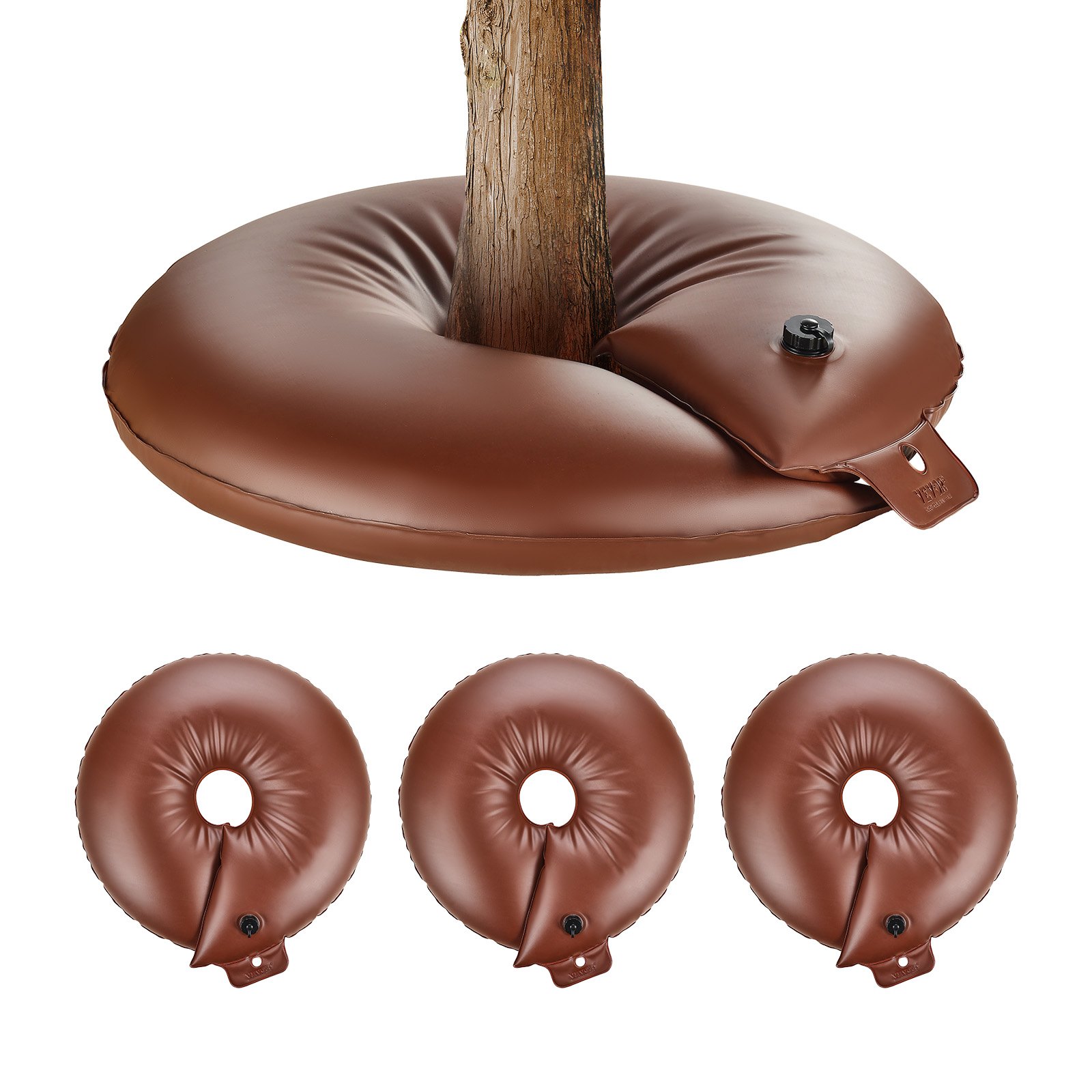 Tree Watering Bags Slow Release, 4 Pack 16 Gallons Ring, Reusable Refillable Irrigation Water Heavy Duty System For Shrub Root Drip$36.99View on Mallflare
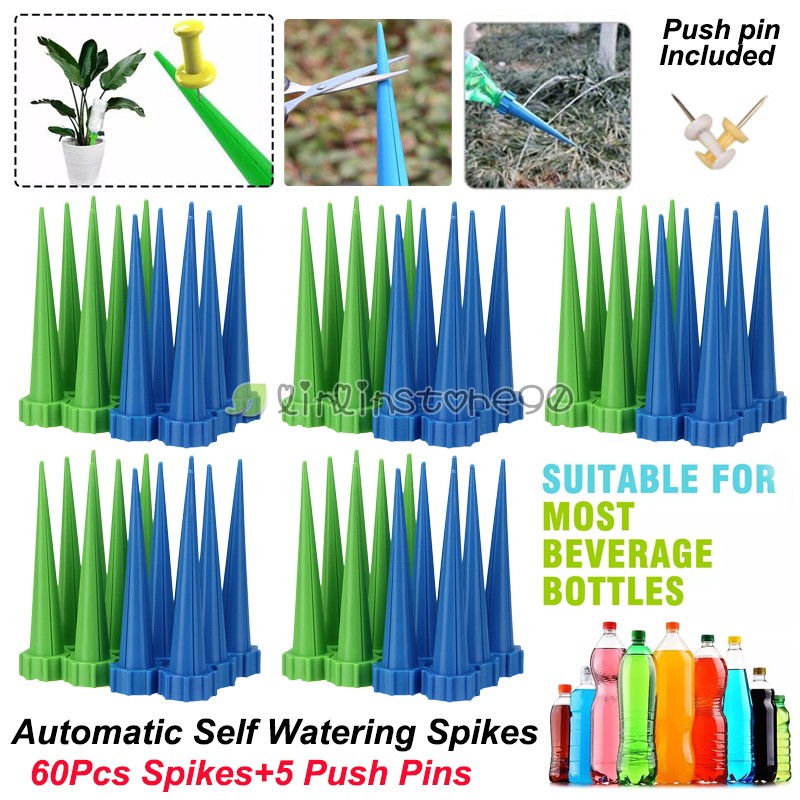 24-60Pcs Automatic Self Watering Spikes Plants Auto Water Drip Irrigation System$34.49View on eBay
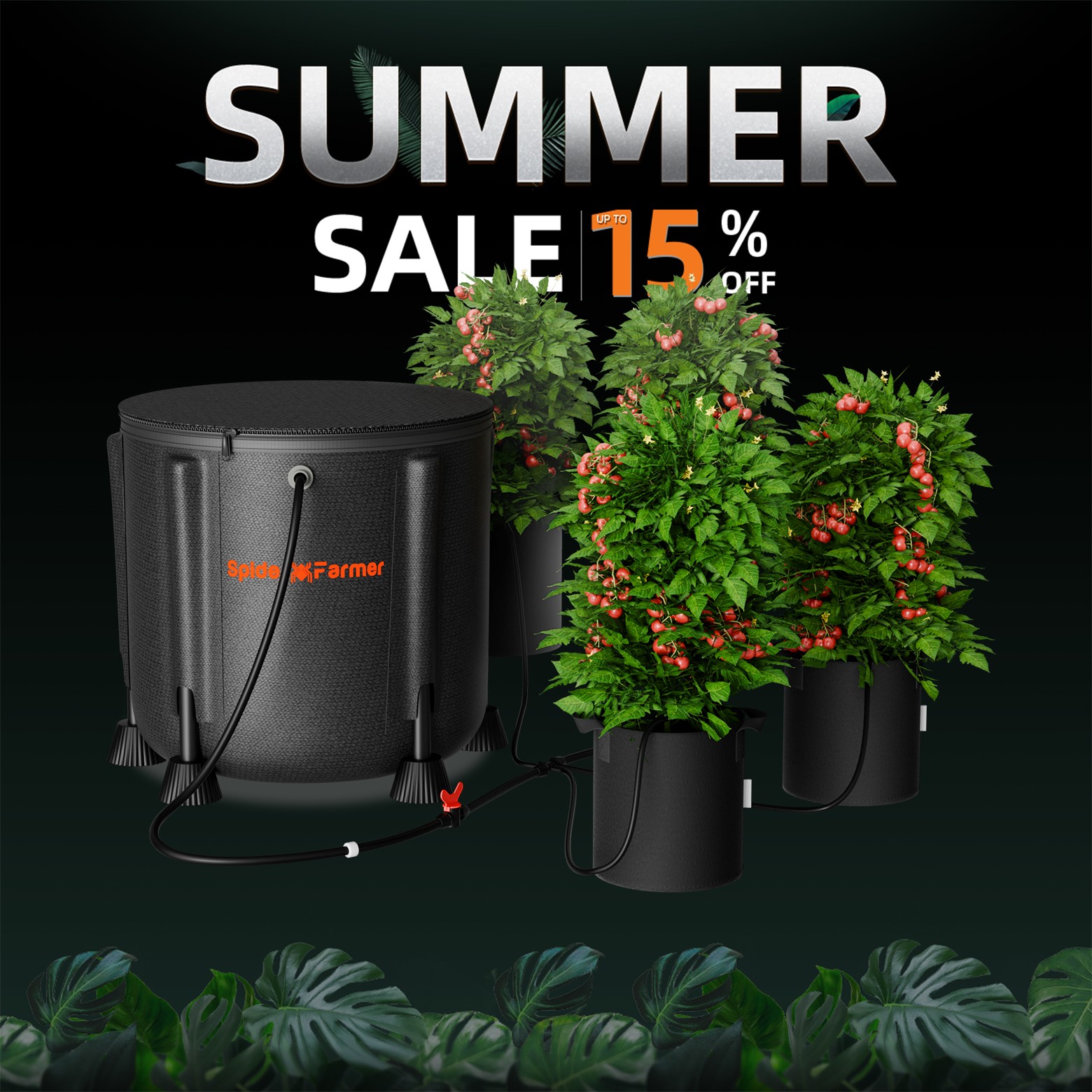 Spider Farmer Automatic Drip Irrigation System for Plants Water Pump Hose Spray$56.99Last checked Nov 19, 2026View on eBay
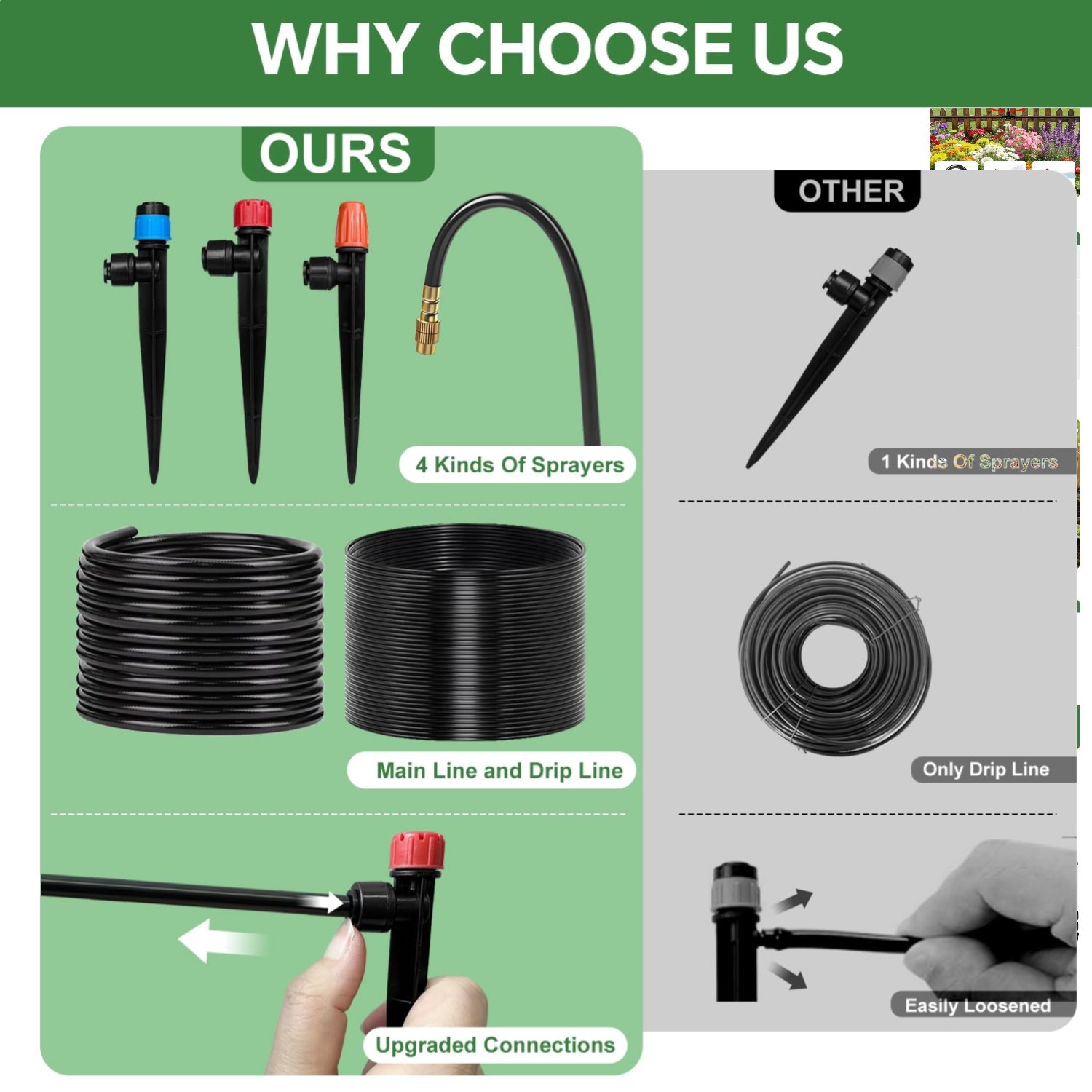 230FT Drip Irrigation System with 38 Adjustable Copper Nozzles - Water Efficient$107.99Last checked Nov 23, 2026View on eBay
Highlights
- Pressure-compensating (PC) emitters hold a rated flow (commonly 0.5–2 GPH) across roughly 10–50 PSI, so long runs stay even; non-PC drippers slow at the end of the line.
- Tubing grade decides lifespan: 1/4 in micro tubing suits short lateral runs, while 1/2 in mainline carries full zone flow; UV-stabilized opaque polyethylene outlasts clear or thin vinyl.
- Standard barbed 1/4 in fittings and 1/2 in mainline adapters let you mix emitters, tees, and shutoffs without proprietary connectors; quick-connect couplers speed assembly but must match the same nominal size.
- Self-watering spikes and 16-gallon slow-release tree bags are gravity or wick devices for single plants and vacation duty—they lack the pressure regulation and filtration of a plumbed drip zone.
Best use cases
- Permanent garden beds and hedgerows: pick a 1/2 in mainline kit with pressure-compensating 0.5–2 GPH emitters, a filter, and a pressure regulator at the spigot; skip spike-style kits that clog and tip.
- Containers, patio pots, and vacation watering: use adjustable spike emitters or 4-pack slow-release rings sized to pot volume; do not expect them to irrigate a full bed evenly.
- Newly planted trees and shrubs: choose 16-gallon ring tree bags for deep slow release over root balls; skip micro-spray for establishing trees because surface spray wastes water.
- Lawn or large mixed zones (190 ft+ runs): split into zones of matched emitter count and use 1/2 in mainline with PC drippers; a single long run of non-PC 1/4 in tubing will starve the far end.
Buying tips
- Size mainline by flow, not length: 1/2 in tubing feeds dozens of 1 GPH emitters; keep 1/4 in lateral runs short (roughly under 30 ft) to avoid pressure drop.
- Choose pressure-compensating emitters rated 0.5–2 GPH for even delivery on slopes and long rows; adjustable non-PC drippers suit only short, flat runs.
- Install a 25 PSI pressure regulator and a 100–200 mesh filter ahead of drip tubing—debris and excess line pressure are the top causes of clogged emitters and blown fittings.
- Match fitting system: barbed 1/4 in and 1/2 in fittings are cross-compatible, but quick-connect couplers are brand-specific—buy spares in the same system.
Specs
| Emitter Type | Pressure-compensating vs adjustable spike |
|---|---|
| Tubing Size | 1/2 in mainline / 1/4 in lateral |
| Flow Rating | 0.5–2 GPH per emitter |
| Filtration & Pressure | 100–200 mesh; 25 PSI regulator |
Related searches
What to check before buying
- Measure the spigot-to-bed distance and bed length; confirm the kit's mainline length covers the run with slack for turns and risers.
- Check outdoor spigot pressure and thread type (standard 3/4 in GHT in North America); add a regulator and backflow preventer where required.
- Confirm emitter count and flow fit the zone: total GPH should stay within the mainline and regulator capacity for even coverage.
- For tree bags, measure trunk diameter and root-ball spread to pick ring capacity (typically 16-gallon for medium trees); ensure a level site for slow release.
FAQ
Data sources: eBay / Amazon listings and product attribute feeds. Updated Nov 28, 2026.
Some links on this page are affiliate links. If you buy after clicking one, we may earn a commission at no extra cost to you. This does not change which products appear here or their order. Affiliate disclosure.