
Photos from current listings. Actual item, color, and included accessories may vary.
Drip Irrigation System Buying Guide
A drip irrigation system delivers low-pressure water directly to root zones through tubing, emitters, and a timer, cutting water use 30-50% versus sprinklers. The core trade-off is emitter precision and pressure regulation versus kit cheapness: barbed 1/4-inch vinyl kits leak and clog, while 1/2-inch polyethylene mains with pressure-compensating emitters and a filter last for seasons. The decision rule: buy a kit with a pressure regulator, filter, and PC emitters for anything permanent; reserve unregulated micro-tubing kits for temporary pot and raised-bed setups.
Median $27.64
Key takeaways
- Pressure-compensating (PC) emitters hold a fixed flow (typically 0.5, 1, or 2 GPH) across 10-50 PSI, while non-PC barbs vary flow with pressure and slope, causing overwatering at the spigot end.
- 1/2-inch polyethylene mainline (0.600-0.700 OD) carries 100-200 GPH at 25 PSI; 1/4-inch micro-tubing is limited to roughly 20-30 GPH per run and should feed only 5-10 emitters.
- Every municipal or well-fed system needs a 25 PSI pressure regulator and a 150-200 mesh filter upstream of emitters; debris is the leading cause of drip failure.
At a glance
- Category
- Watering & Irrigation
- Last updated
- Nov 28, 2026
Current offers
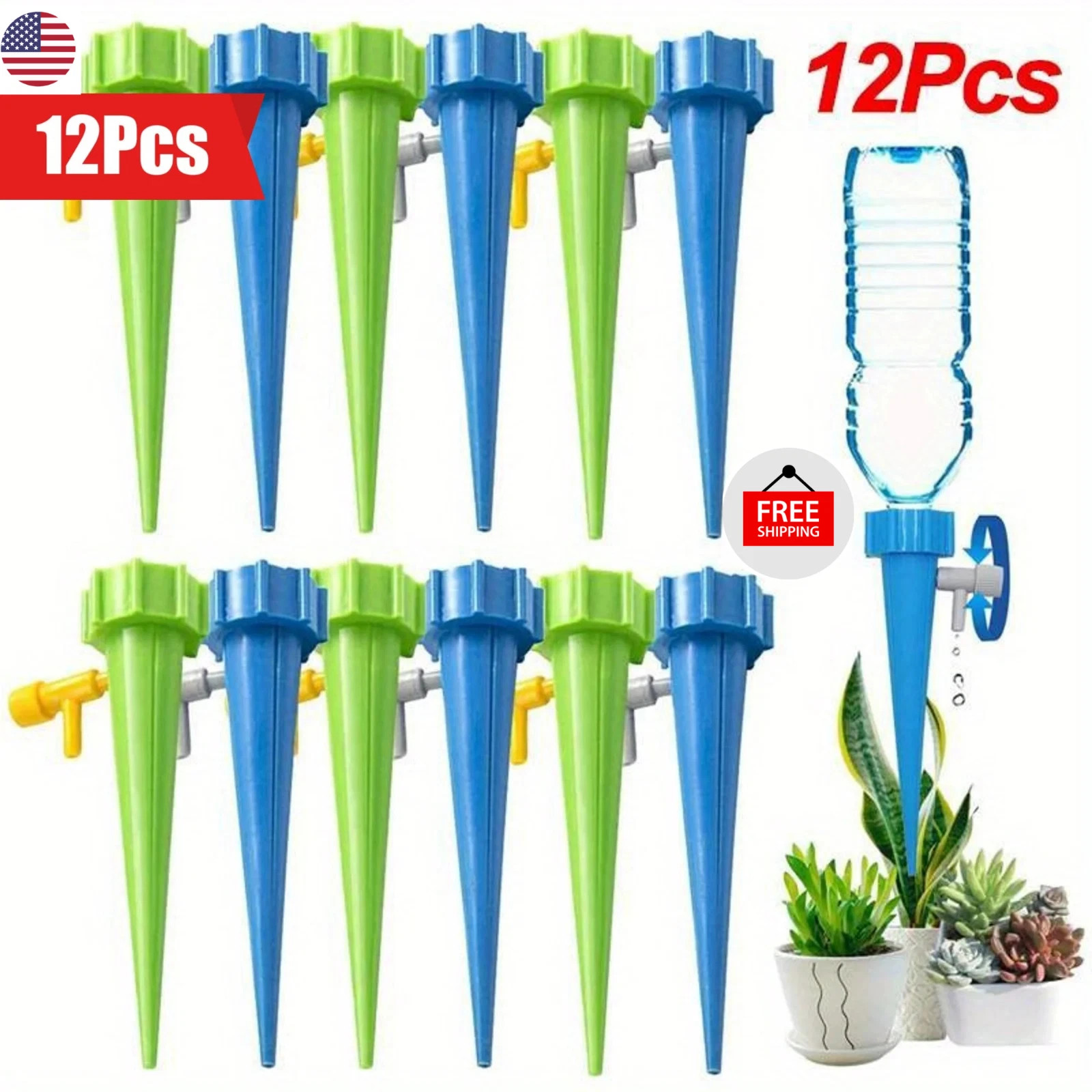 12Pcs Self Watering Spikes Automatic Irrigation Watering Drip System for Plants$5.45View on eBay
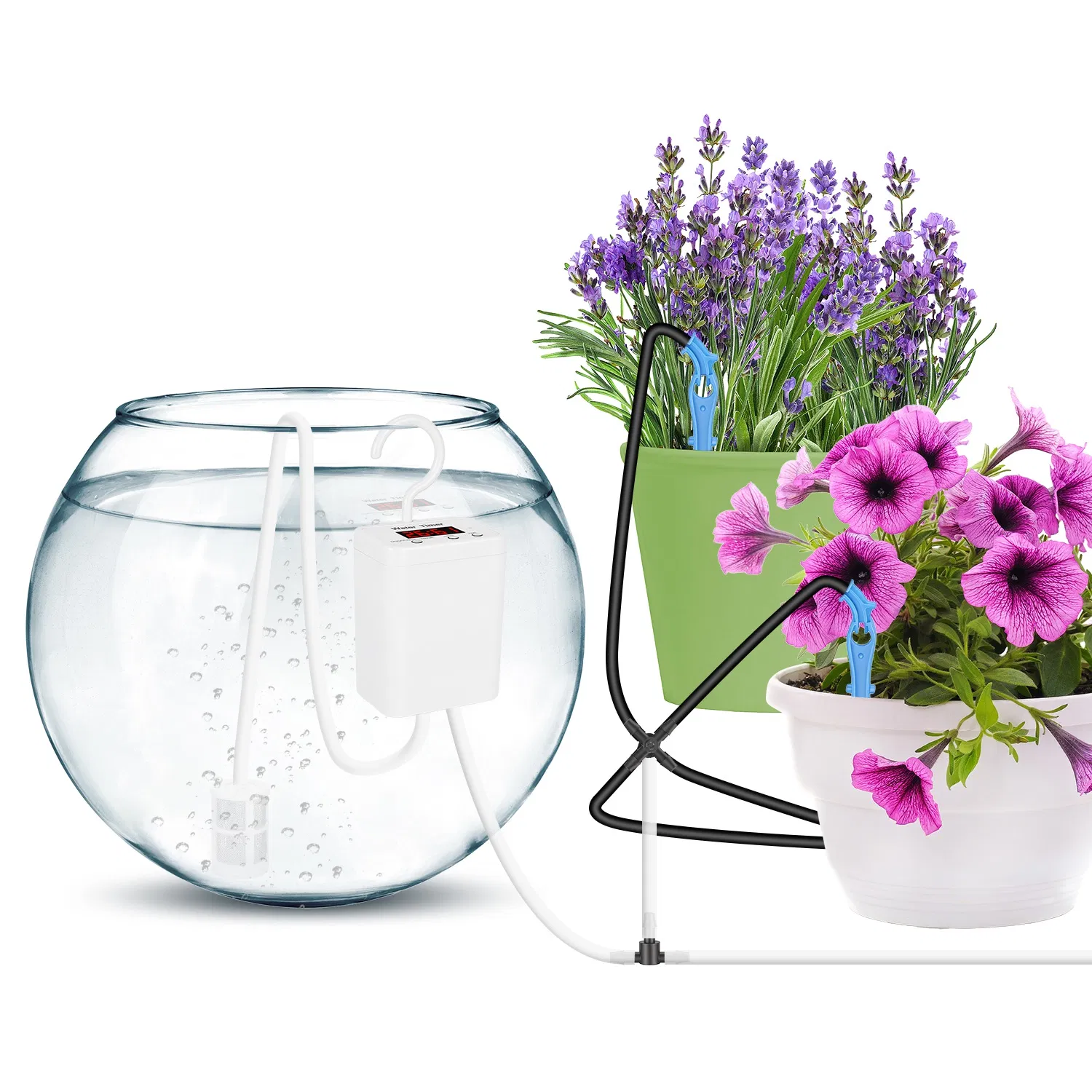 Automatic Plant Watering Device Indoor Drip Irrigation System with LCD Display Rechargeable Adjustable Timer for Up to 16 Arrows Vacation Self for Houseplant$35.99View on Mallflare
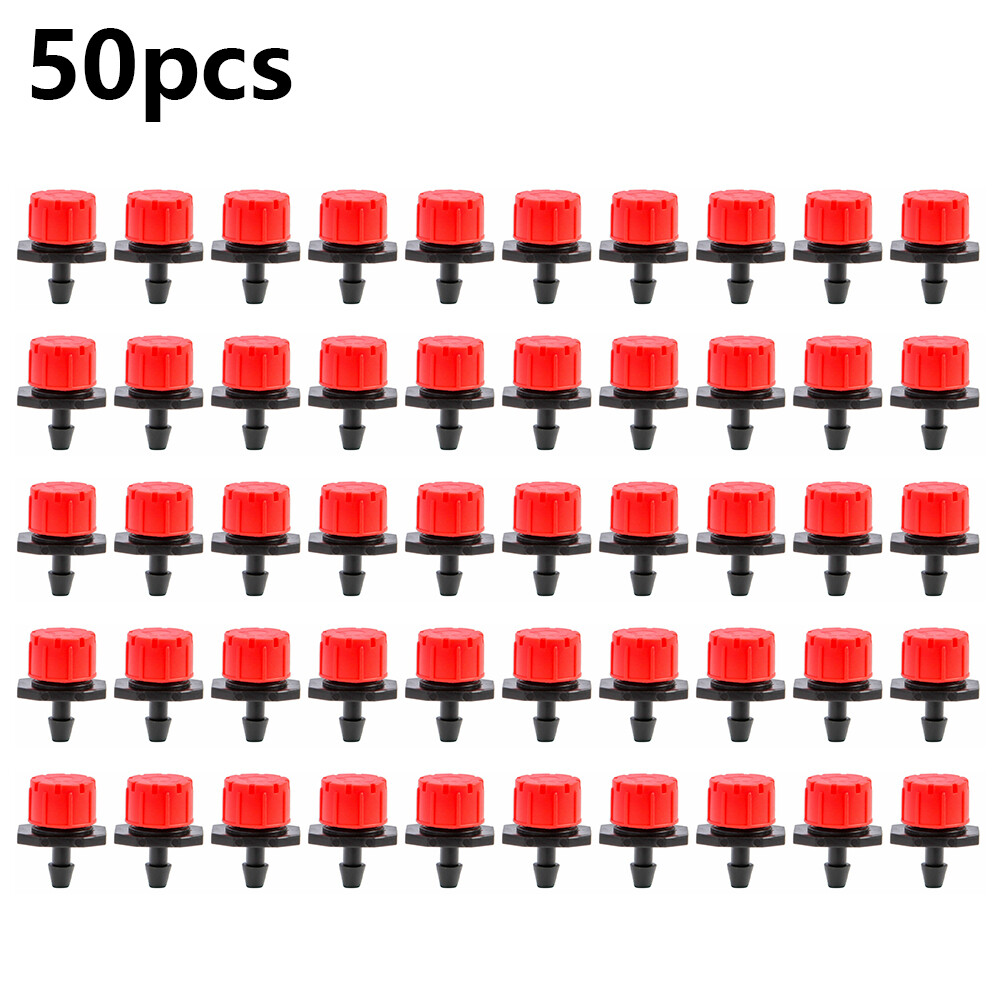 Adjustable Emitter Dripper Micro Drip Irrigation Sprinkler Watering System Lots$7.51View on eBay
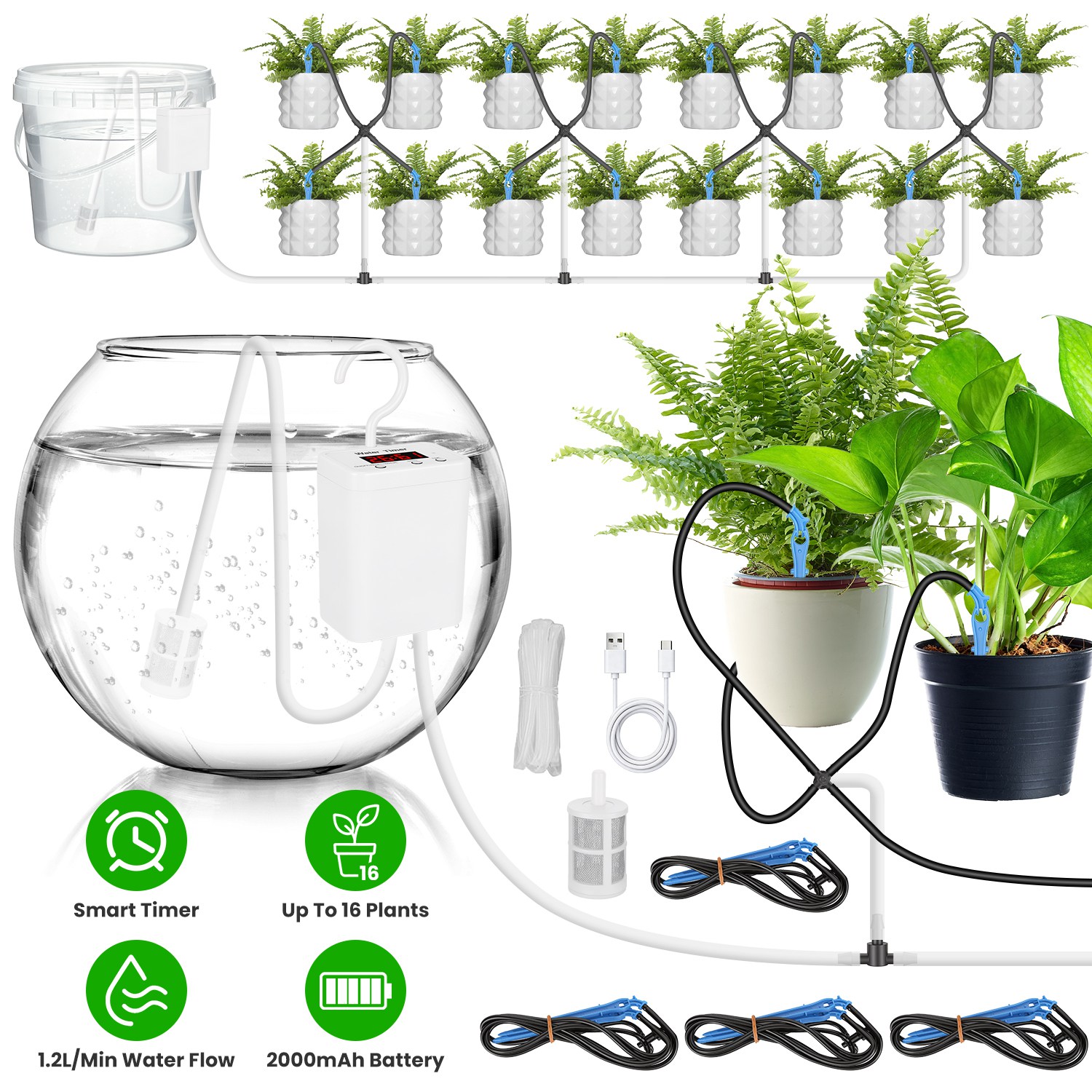 1Pc Automatic Plant Watering Device Indoor Drip Irrigation System With LCD Display Rechargeable Adjustable Timer For Up To 16 Arrows Vacation Self For House$37.99View on Mallflare
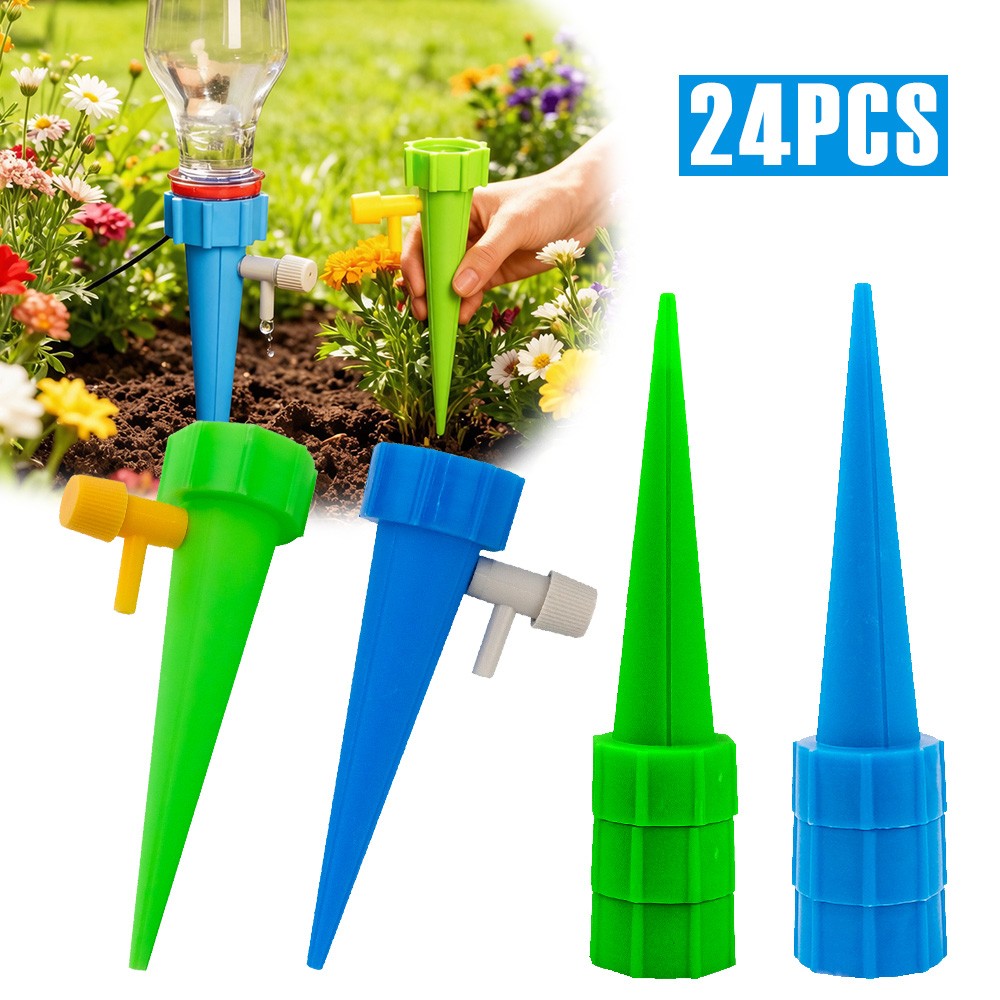 24PCS Self Watering Spikes Automatic Irrigation Watering Drip System for Plants$7.88View on eBay
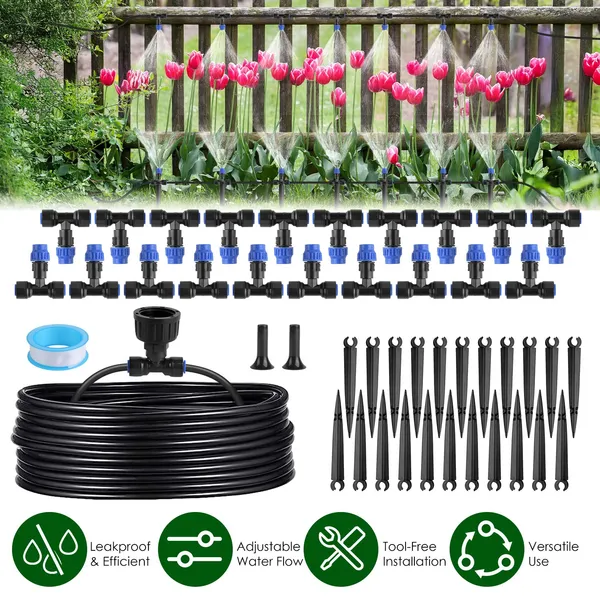 75FT Mist Drip Irrigation System With Adjustable Misting Nozzle Quick Connect Automatic Garden Watering For Lawn Patio Flower Bed$39.99View on Mallflare
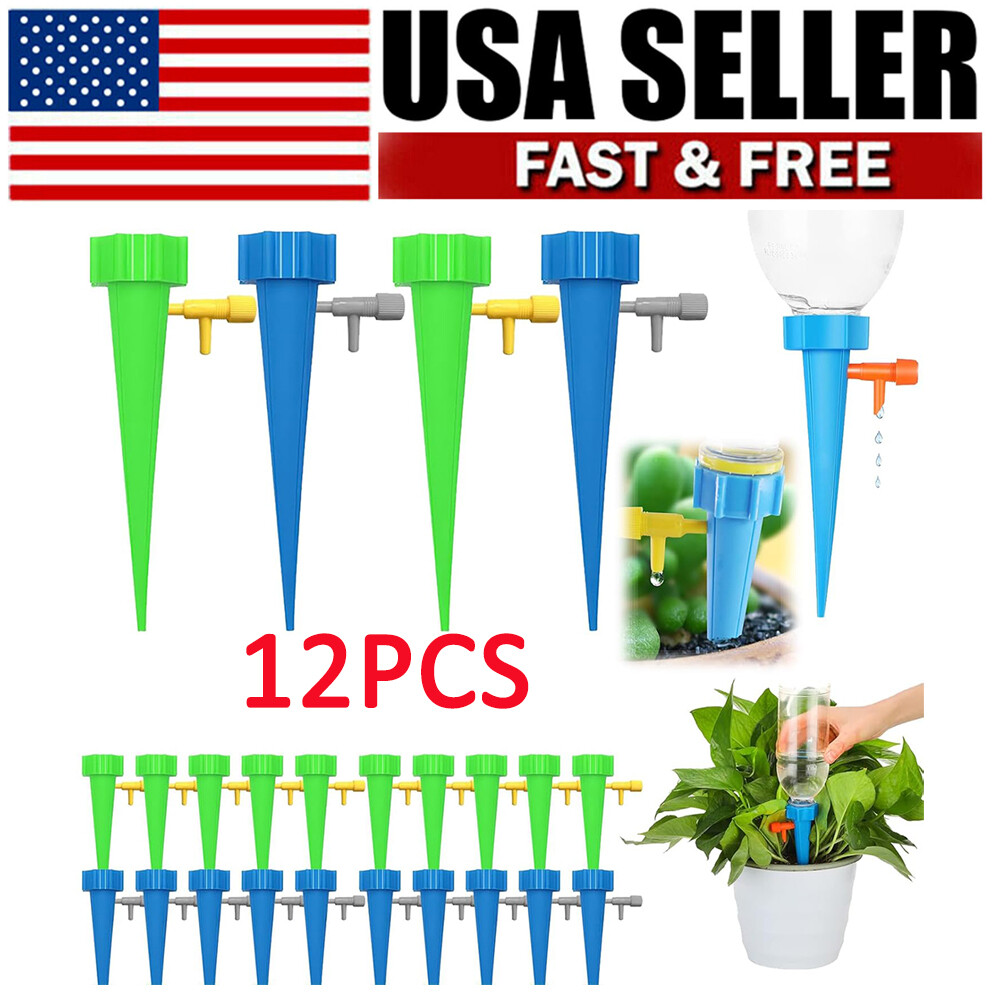 12Pcs Self Watering Spikes Automatic Irrigation Watering Drip System for Plants$8.79View on eBay
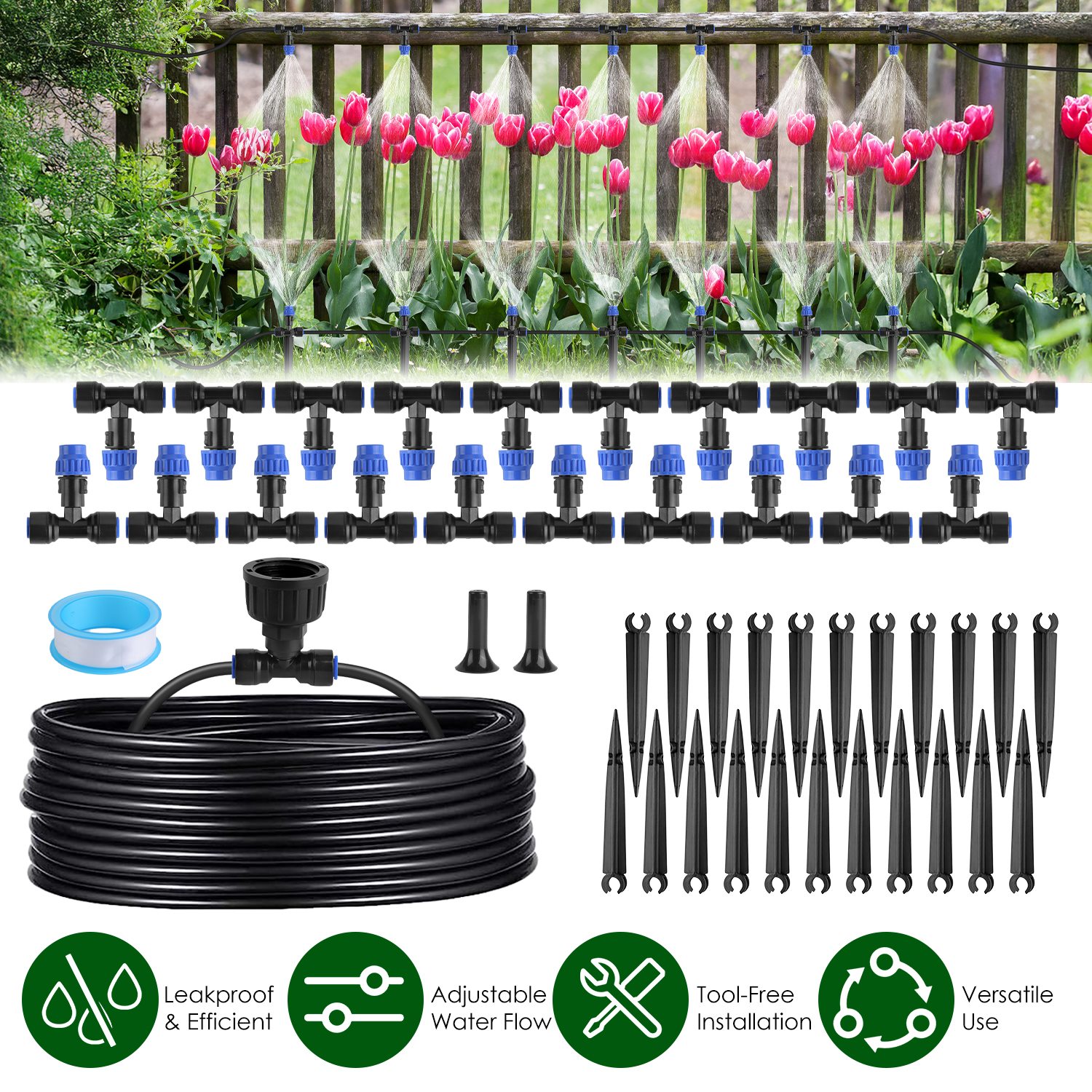 Complete Garden Drip Irrigation System Kit,Drip Kit, 75FT Watering with Adjustable Misting Nozzles for Greenhouse Lawn Patio Flower Bed$56.99View on Mallflare
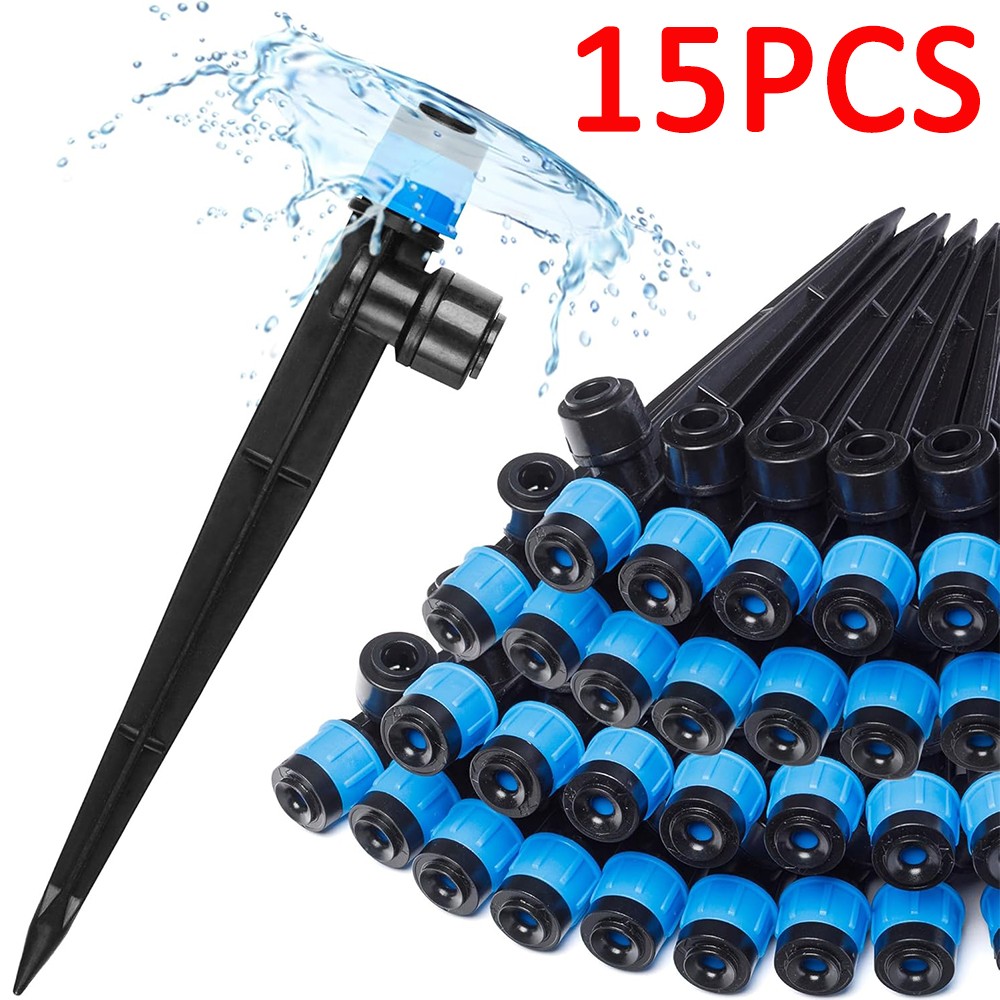 30Pcs Drip Irrigation Emitter 1/4" Garden Drip Watering System 360° Adjustable$9.29Last checked Nov 19, 2026View on eBay
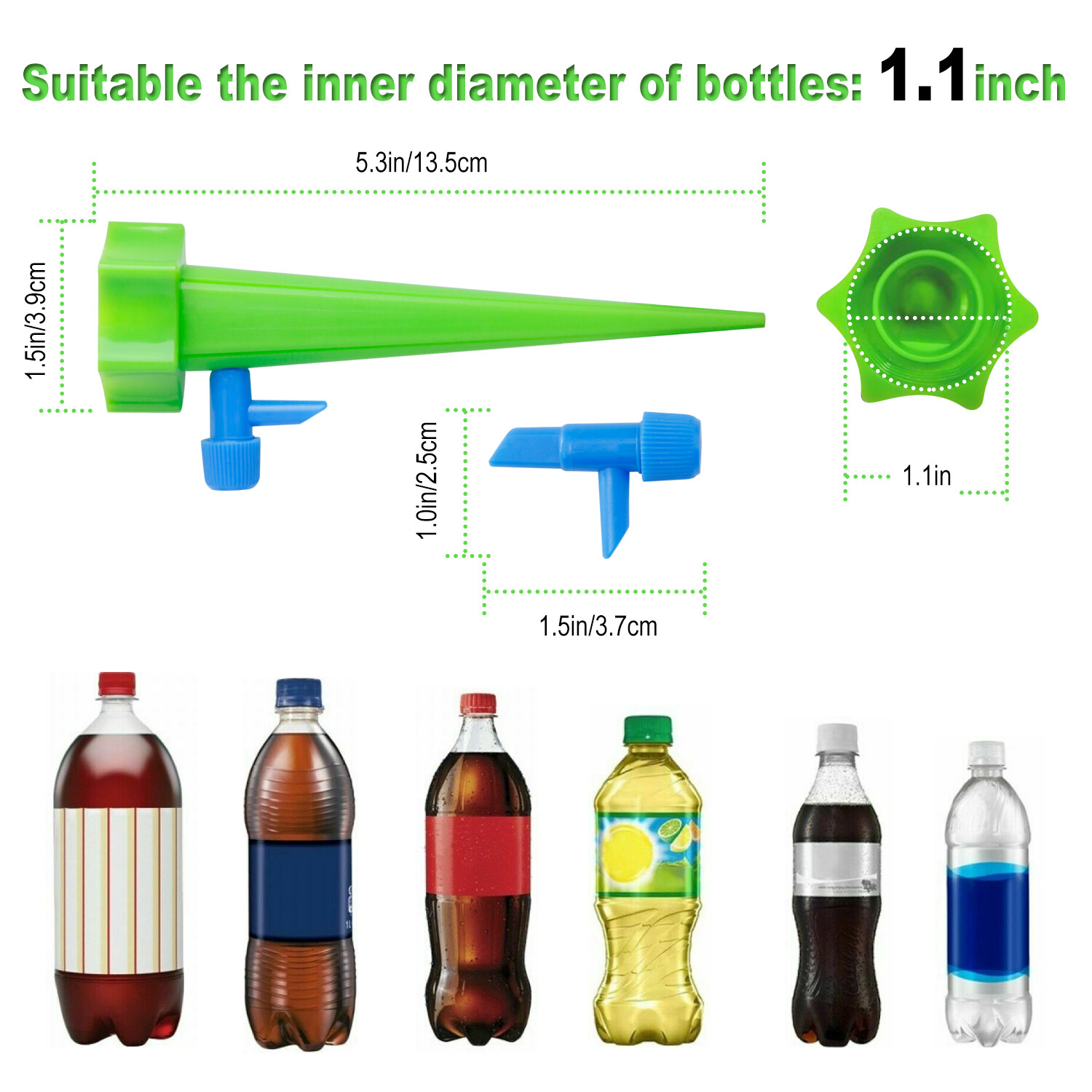 12/24PCS Garden Drip Irrigation Kit -Automatic Self Watering System for Vacation$9.95Last checked Nov 19, 2026View on eBay
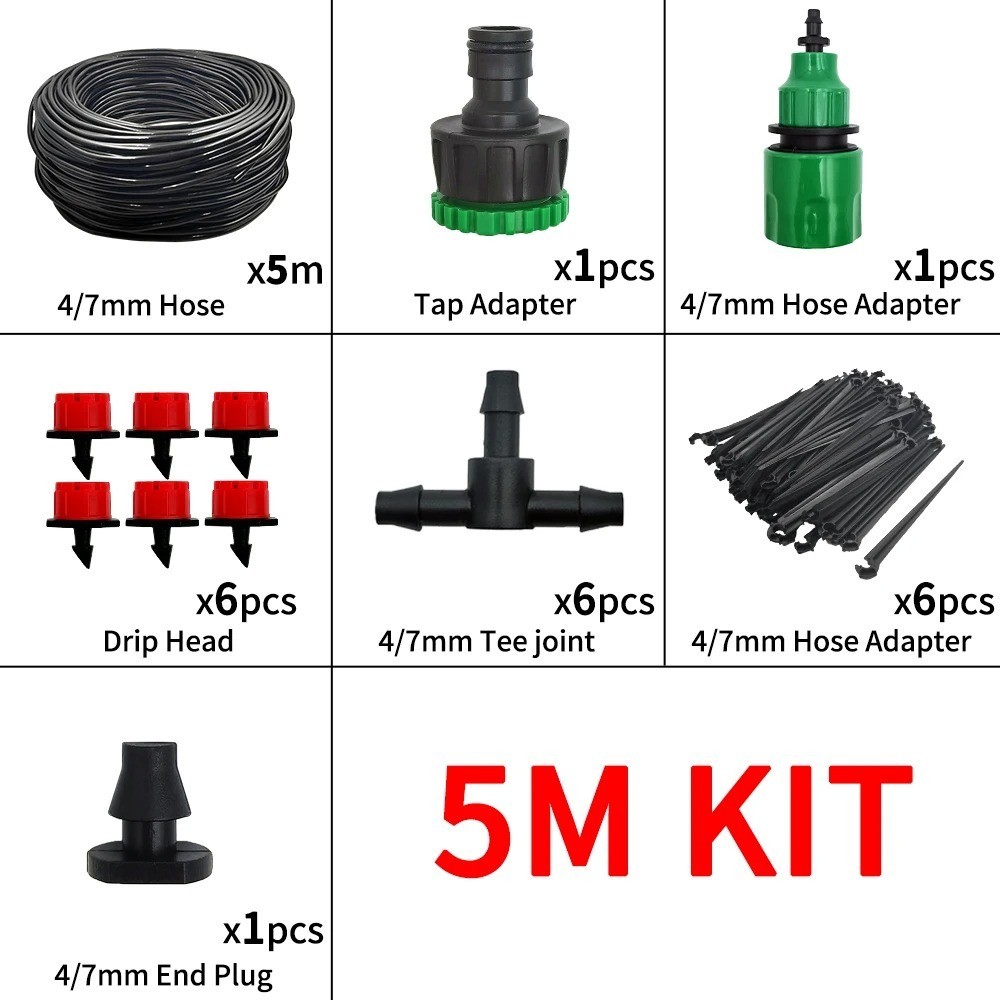 Drip Irrigation System Garden Plant Self Watering Mist Hose Micro Sprinkler Kit$10.70View on eBay
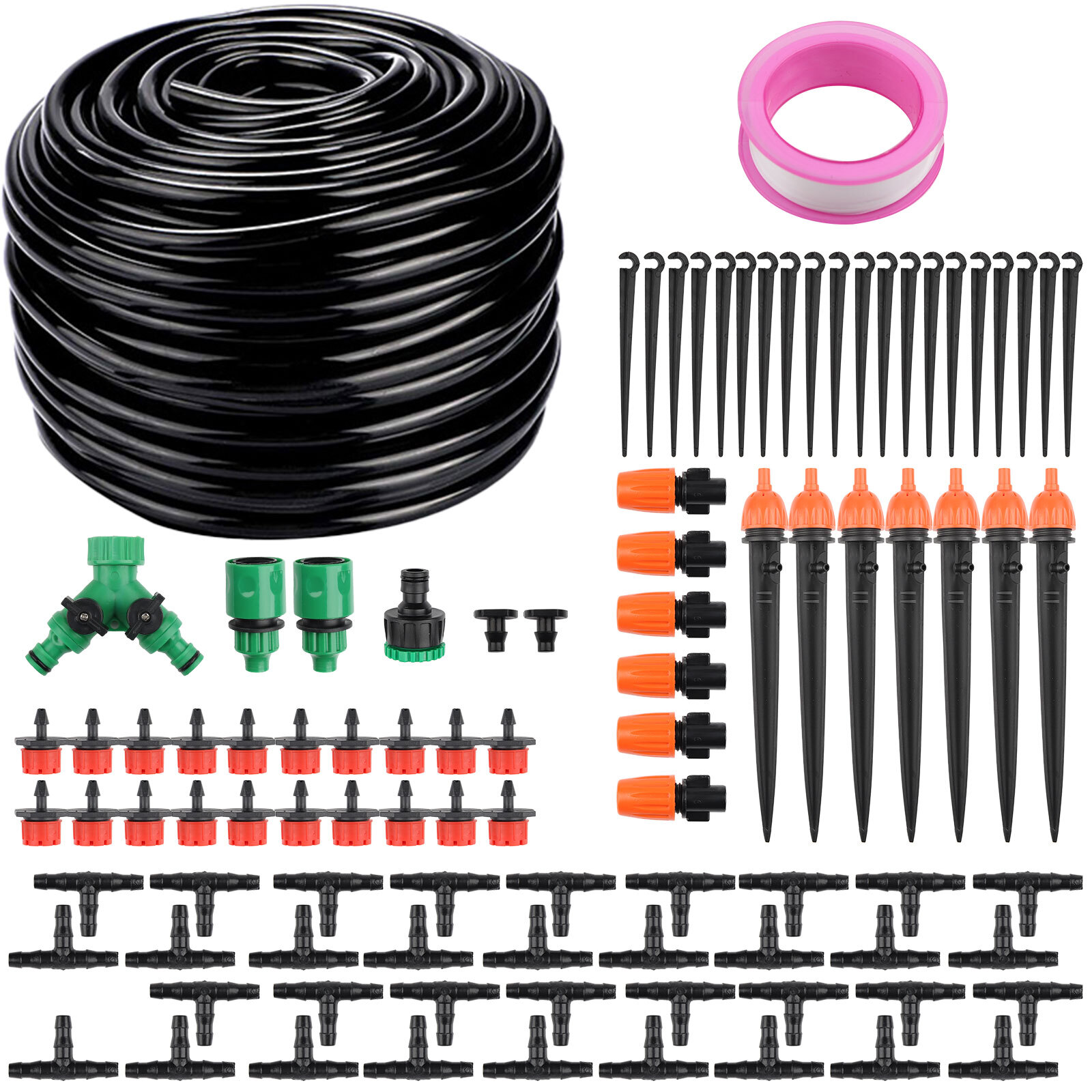 130FT Drip Irrigation System Garden Plant Self Watering Micro Hose Sprinkler Kit$15.99Last checked Nov 18, 2026View on eBay
- Drip Irrigation System Garden Plant Self Watering Hose Micro Sprinkler Kit$16.10Last checked Nov 19, 2026View on eBay
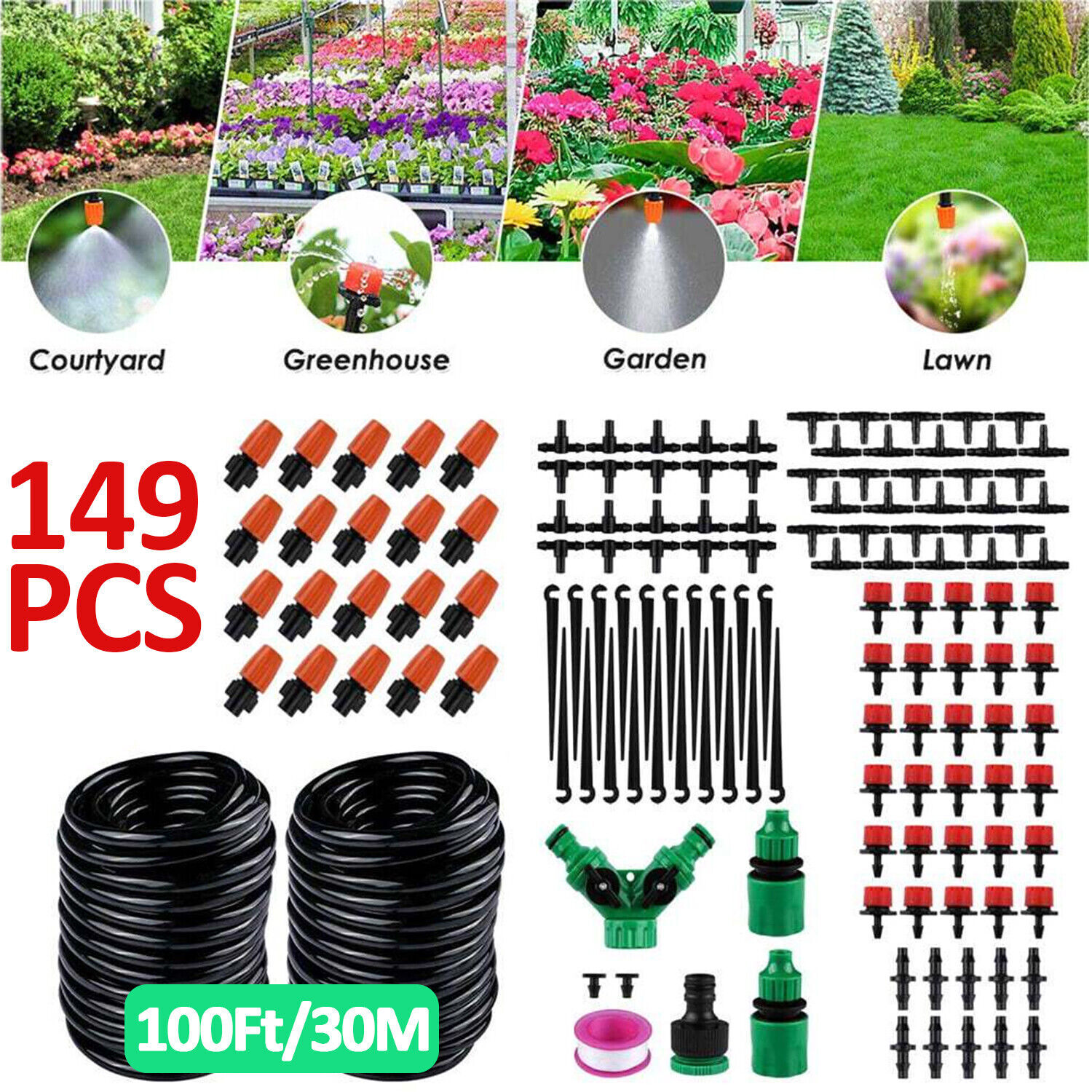 100ft Drip Irrigation System Garden Plant Self Watering Micro Hose Sprinkler Kit$19.94Last checked Nov 18, 2026View on eBay
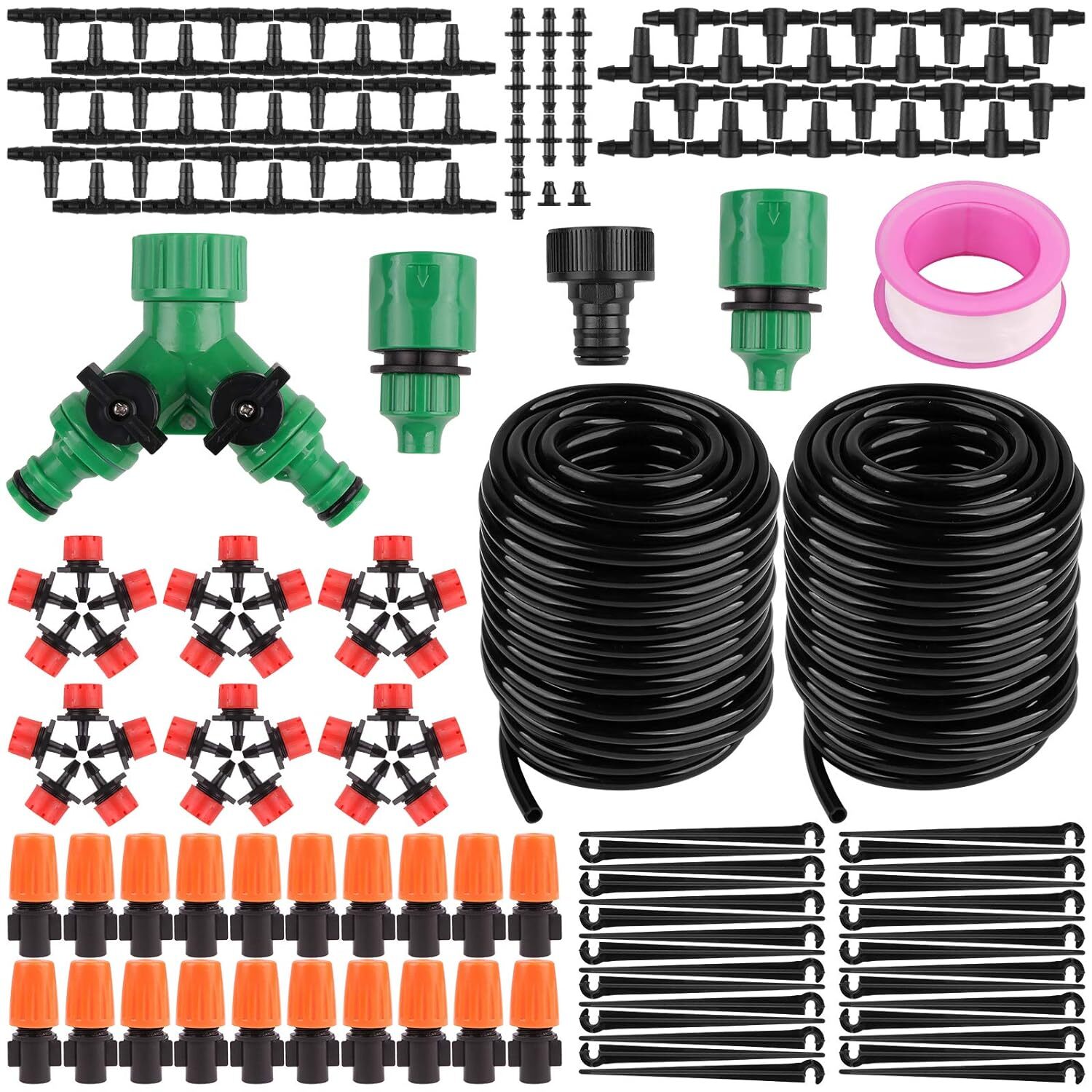 149PC Drip Irrigation System Garden Plant Self Watering Micro Hose Sprinkler Kit$19.98View on eBay
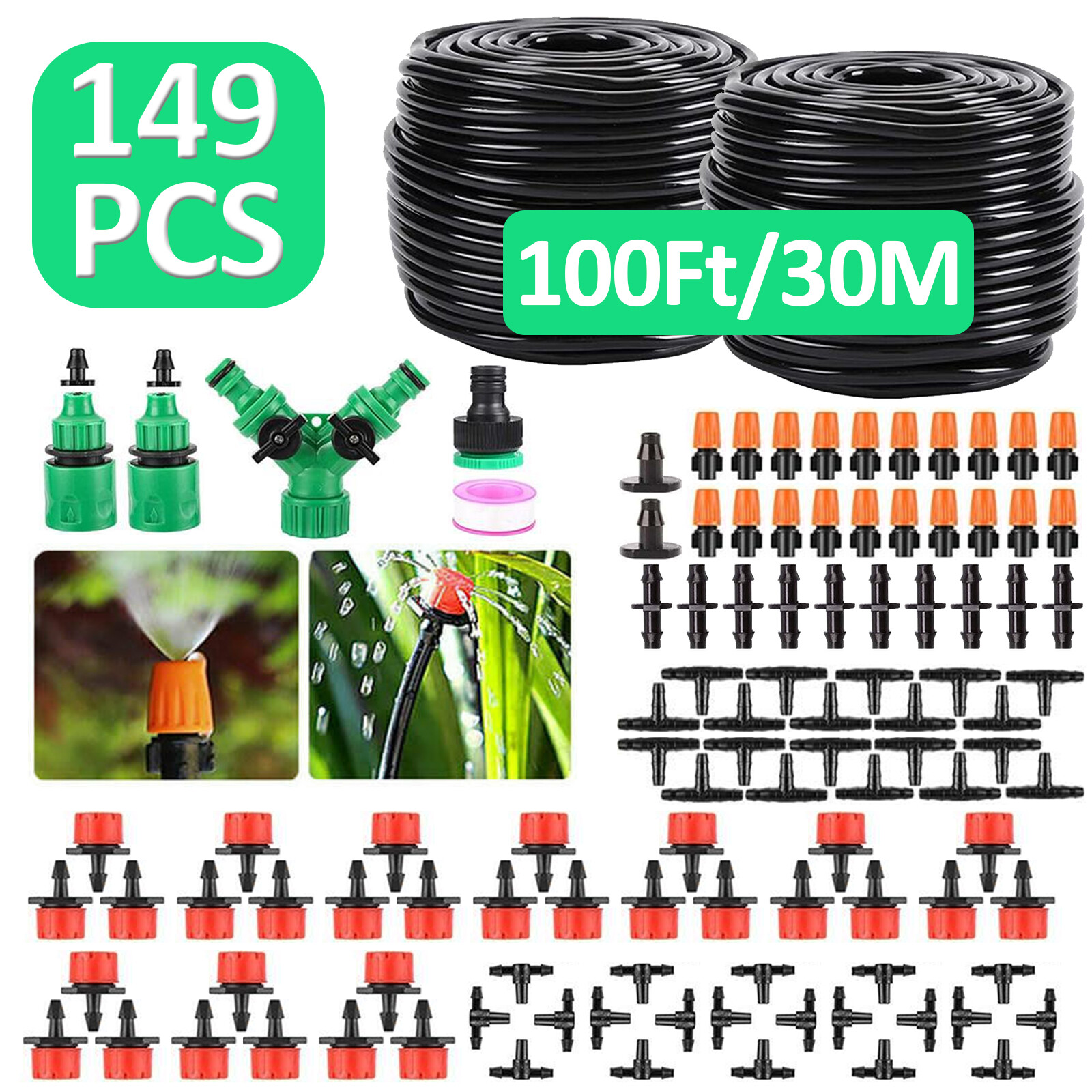 149-298pcs Micro Drip Irrigation System Kit Plant Garden Watering Hose Sprayer$19.99Last checked Nov 18, 2026View on eBay
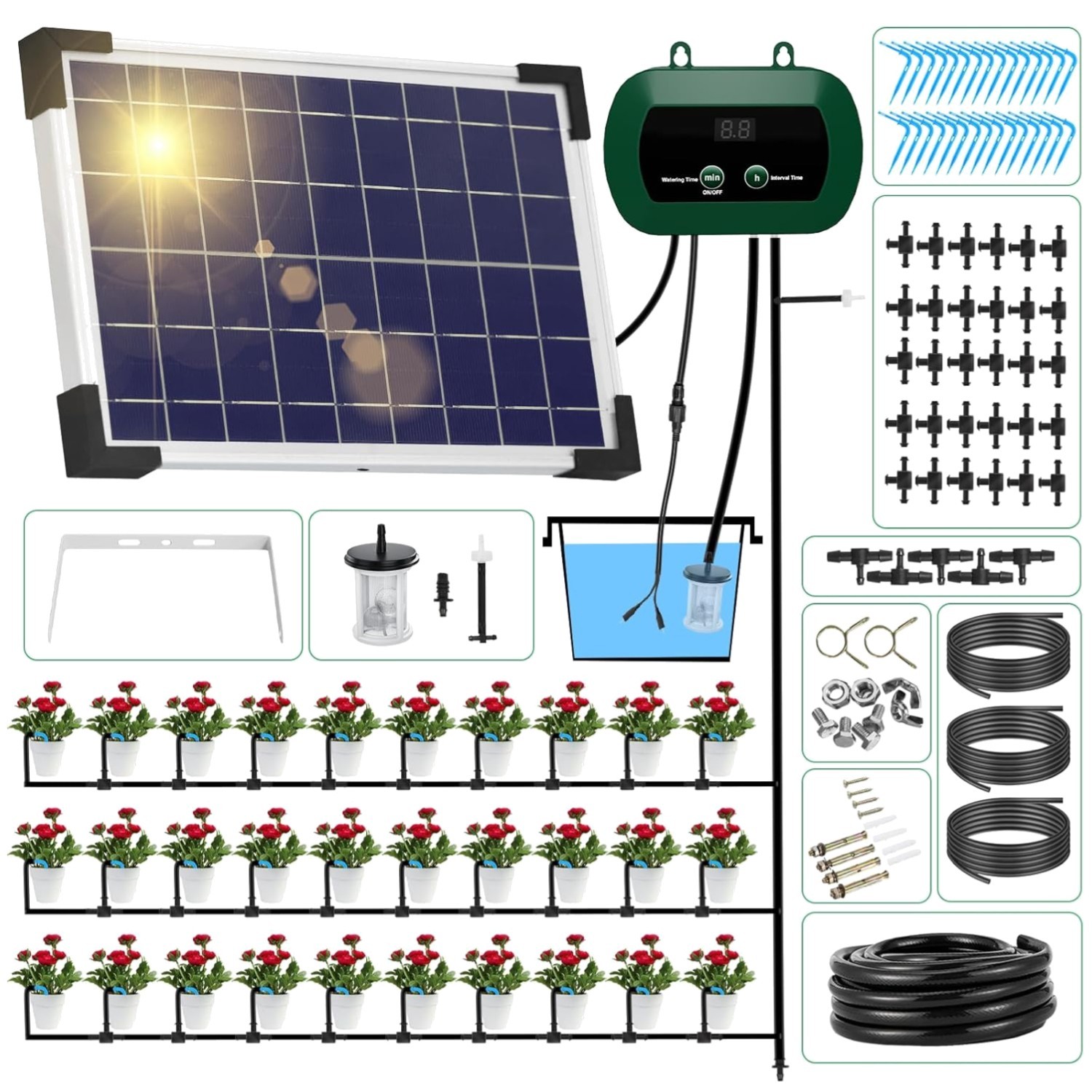 Solar Drip Irrigation System, Automatic Greenhouse Watering Kit With 15M Hose$19.99View on eBay
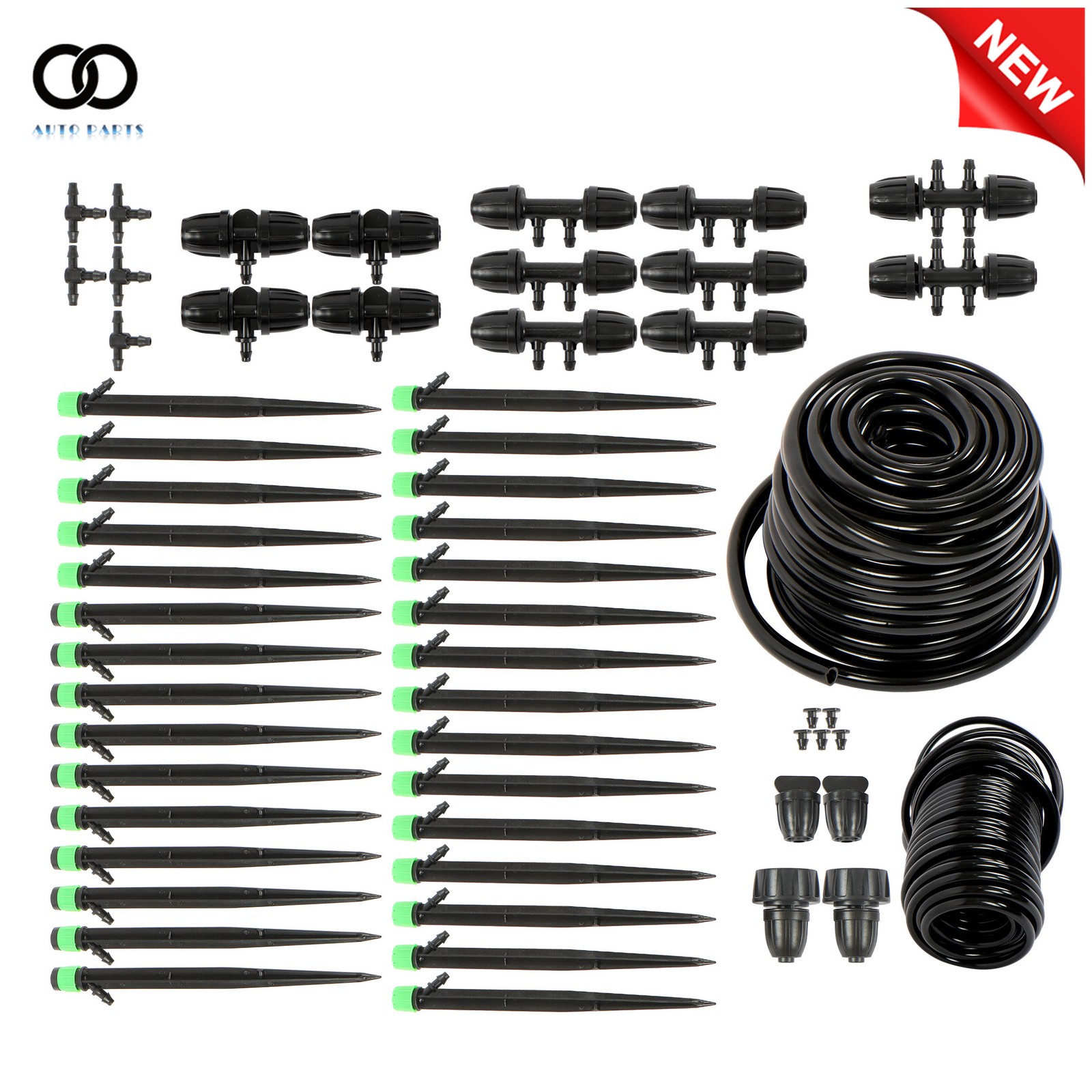 130 Feet Drip Irrigation System Adjustable Kit For Garden W/ Emitters Tubing$20.85View on eBay
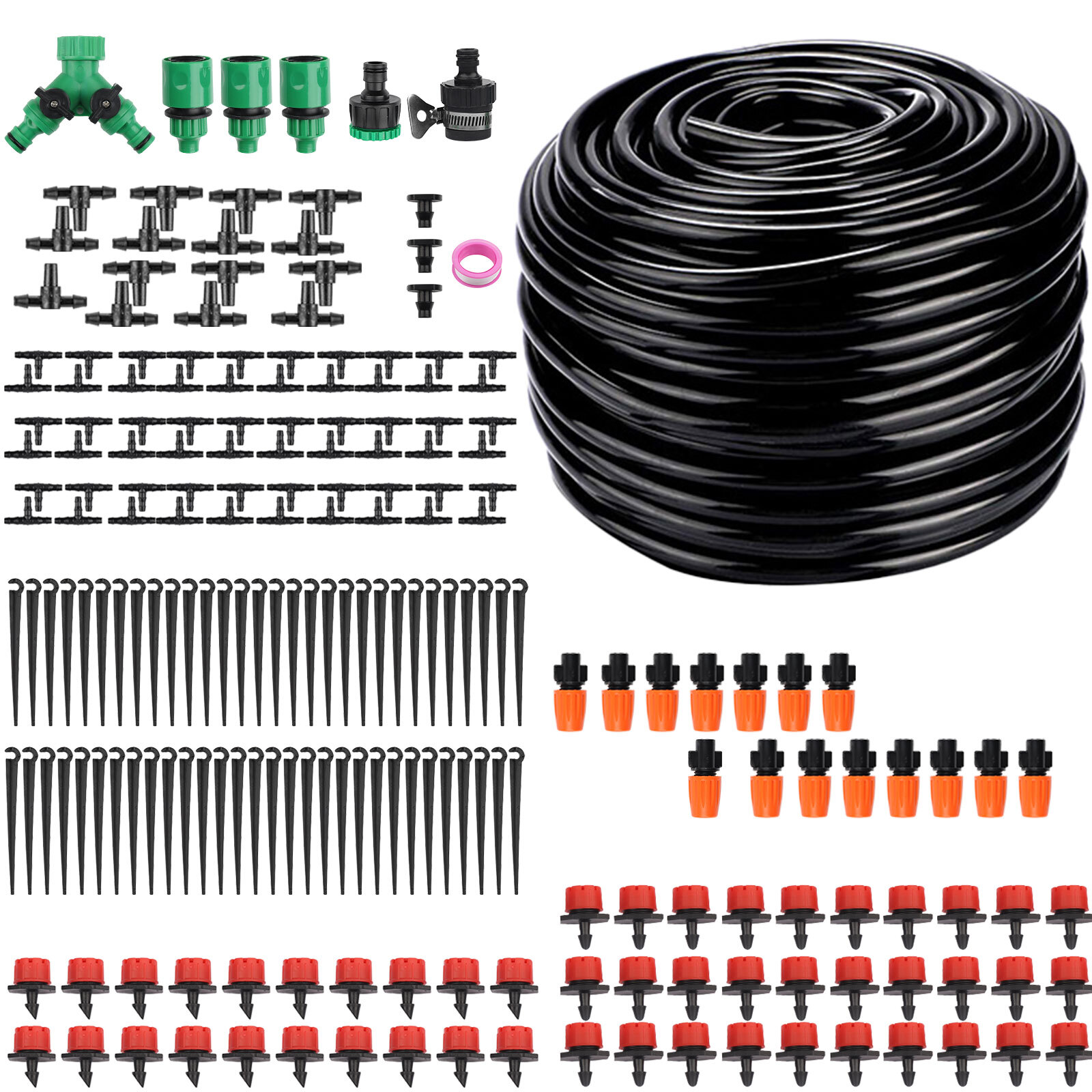 Drip Irrigation System Garden Plant Self Watering Hose Micro Sprinkler Kit$20.99Last checked Nov 19, 2026View on eBay
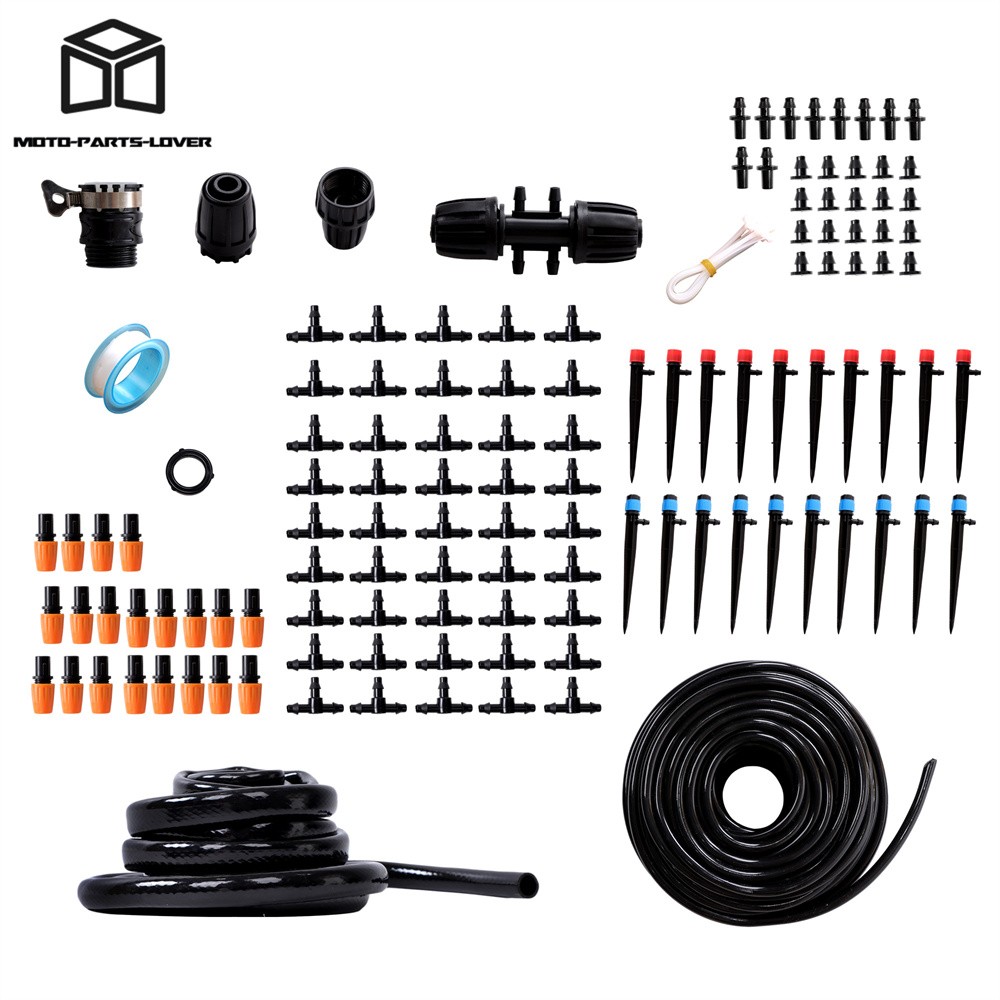 169FT Drip Irrigation System With 1/4" Tubing and Accessories For Garden & Lawn$21.39View on eBay
Highlights
- Pressure-compensating (PC) emitters hold a fixed flow (typically 0.5, 1, or 2 GPH) across 10-50 PSI, while non-PC barbs vary flow with pressure and slope, causing overwatering at the spigot end.
- 1/2-inch polyethylene mainline (0.600-0.700 OD) carries 100-200 GPH at 25 PSI; 1/4-inch micro-tubing is limited to roughly 20-30 GPH per run and should feed only 5-10 emitters.
- Every municipal or well-fed system needs a 25 PSI pressure regulator and a 150-200 mesh filter upstream of emitters; debris is the leading cause of drip failure.
- Battery timers split into latching solenoid valves (AA-cell, season-long) and inline hose timers with LCD programming; indoor vacation units use rechargeable pumps rated for 10-16 potted plants.
Best use cases
- Raised beds (4x8 ft or larger): choose a 1/2-inch mainline kit with 1 GPH PC emitters spaced 12-18 inches and a 25 PSI regulator; skip 1/4-inch-only micro kits, which starve the far end of the bed.
- Trees and shrubs: use two 2 GPH PC emitters per trunk on a 1/2-inch loop, or a 1/4-inch drip line coiled 18-24 inches from the trunk; skip misting nozzles, which wet foliage and promote fungus.
- Potted plants and vacation watering: pick a rechargeable pump-driven indoor unit with 10-16 drip arrows and an LCD schedule; skip outdoor hose timers, which need a pressurized spigot and are not suited to indoor reservoirs.
- Greenhouse and patio misting: use a 75-130 ft mist kit with brass or POM adjustable nozzles and quick-connect fittings; skip PC drip emitters if the goal is humidity and cooling rather than root-zone delivery.
Buying tips
- Size the mainline to the run: 1/2-inch tubing supports 200 ft of run and 200+ emitters; 1/4-inch micro-tubing tops out near 30 ft and 10 emitters before flow drops.
- Match emitter flow to soil: 0.5 GPH for clay and containers, 1 GPH for loam and raised beds, 2 GPH for sandy soil and trees; space emitters 12 inches in sand, 18 inches in loam.
- Demand a 25 PSI regulator and 150-mesh filter in any kit fed from a hose bib; without both, PC emitters lose accuracy and clog within one season.
- Prefer brass or POM emitters and ABS/POM manifolds over thin vinyl barbs; UV-stabilized polyethylene mainline outlasts clear vinyl 3-5 years outdoors.
Specs
| Emitter Type | PC vs non-PC / 0.5-2 GPH |
|---|---|
| Mainline Size | 1/2 in (200 ft) vs 1/4 in (30 ft) |
| Pressure Regulation | 25 PSI regulator + 150-mesh filter |
| Control Type | Battery timer / hose timer / pump |
Related searches
What to check before buying
- Measure the run length from spigot to the furthest plant and total plant count; multiply emitters by GPH to confirm the kit's flow rating at 25 PSI.
- Confirm your water source: hose bib (use a 3/4-inch FHT-to-1/2-inch adapter and backflow preventer) versus indoor reservoir (pump-driven kit only).
- Check outdoor temperature and sun exposure: UV-stabilized black polyethylene for full sun; vinyl micro-tubing only under mulch or in shade.
- Verify companion parts: timer (latching solenoid or hose-end), pressure regulator, filter, and end caps or flush valves must all be included or sourced.
FAQ
Data sources: eBay / Amazon listings and product attribute feeds. Updated Nov 28, 2026.
Some links on this page are affiliate links. If you buy after clicking one, we may earn a commission at no extra cost to you. This does not change which products appear here or their order. Affiliate disclosure.