
Photos from current listings. Actual item, color, and included accessories may vary.
Sprinkler Timer Buying Guide
A sprinkler timer is the control layer that automates hose bibs or in-ground zones, and the core trade-off is mechanical simplicity versus electronic programmability. Mechanical dial timers survive on water pressure alone with no batteries or app, while electronic and Wi-Fi timers add multi-zone scheduling, rain delay, and smart-home control at the cost of battery dependence and valve complexity. The decision rule: buy mechanical for one hose and zero maintenance, electronic for multi-program schedules, and Wi-Fi only when you need remote zone control and weather-aware skips.
Median $34.99
Key takeaways
- Mechanical hose timers use a water-driven dial with no batteries or electronics; electronic hose timers run solenoid valves on 2-4 AA batteries and add 3+ watering programs plus rain delay.
- Wi-Fi sprinkler controllers split into hose-bib smart timers with RF gateways (long-range hub-to-valve links) and in-ground multi-zone controllers that replace the wall-mounted clock and switch 24V AC valves.
- Zone count is the primary architecture tier: 1-zone hose timers for single spigots, 2-3 zone hose timers for separate beds, and 4-16 zone in-ground controllers for permanent irrigation systems.
At a glance
- Category
- Watering & Irrigation
- Last updated
- Nov 28, 2026
Current offers
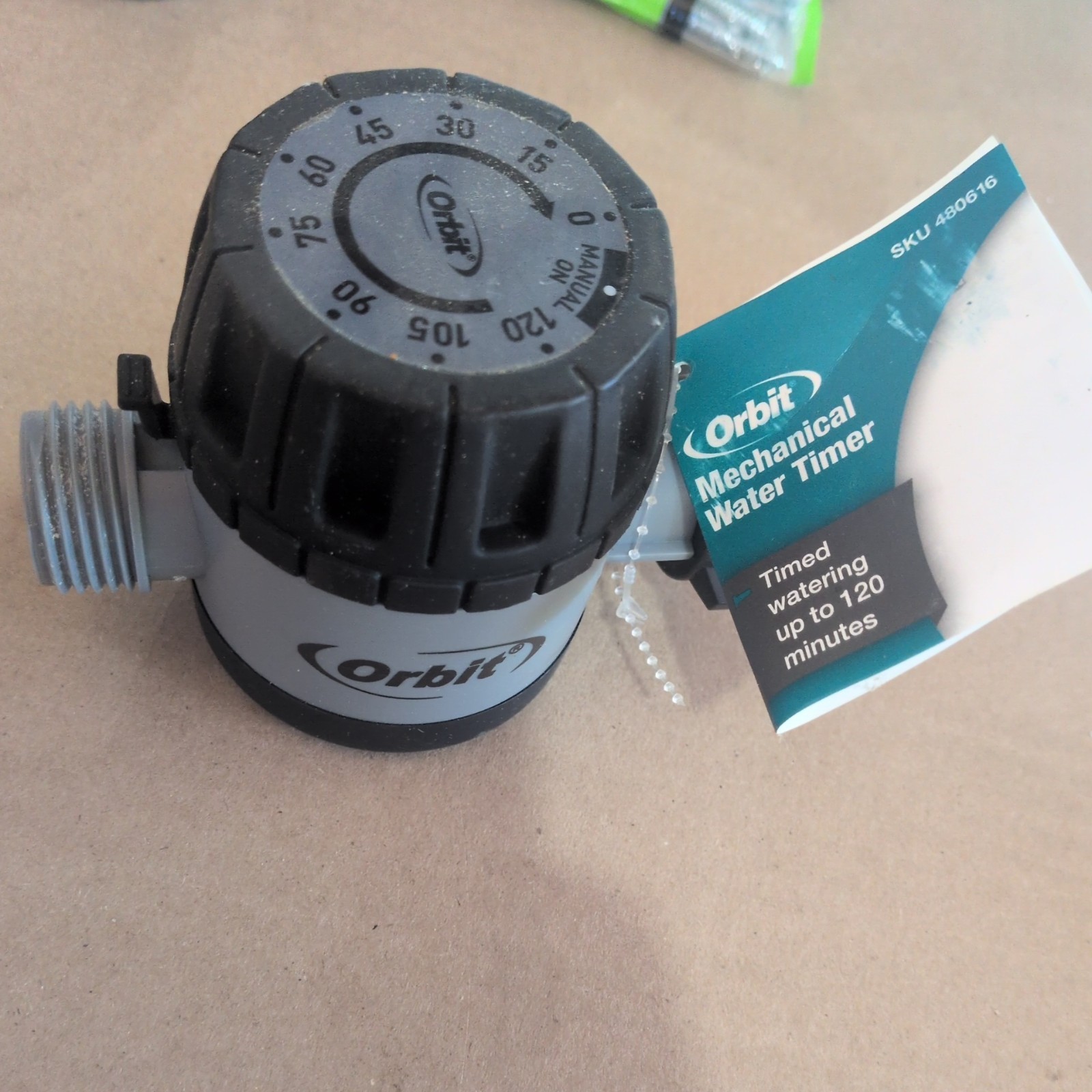 Mechanical Hose Watering Timer Sprinkler and Irrigation Timer$15.00View on eBay
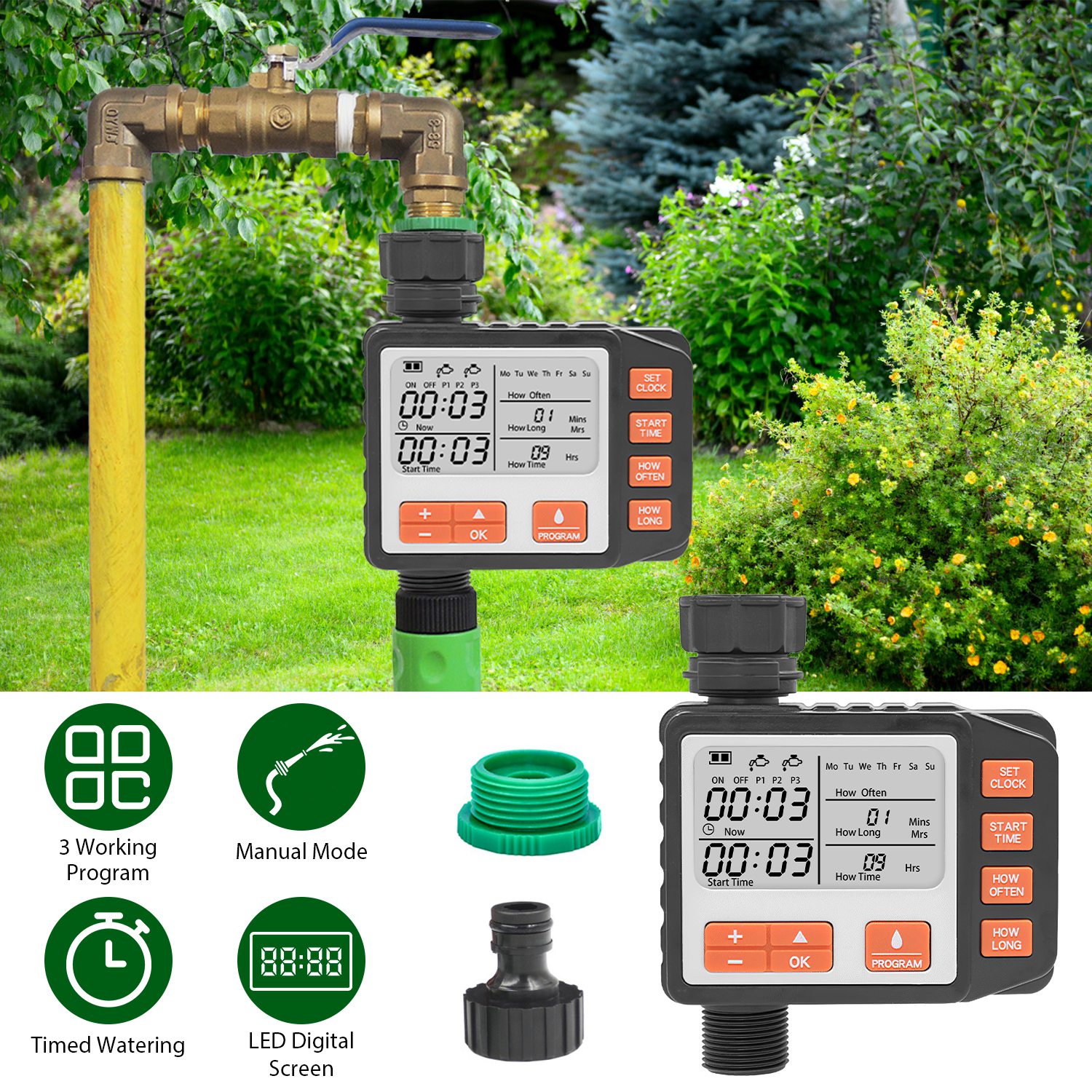 1Pc Sprinkler Timer With 3 Watering Programs Manual Mode Automatic System Waterproof Irrigation House Faucet For Garden Yard Lawn$33.99View on Mallflare
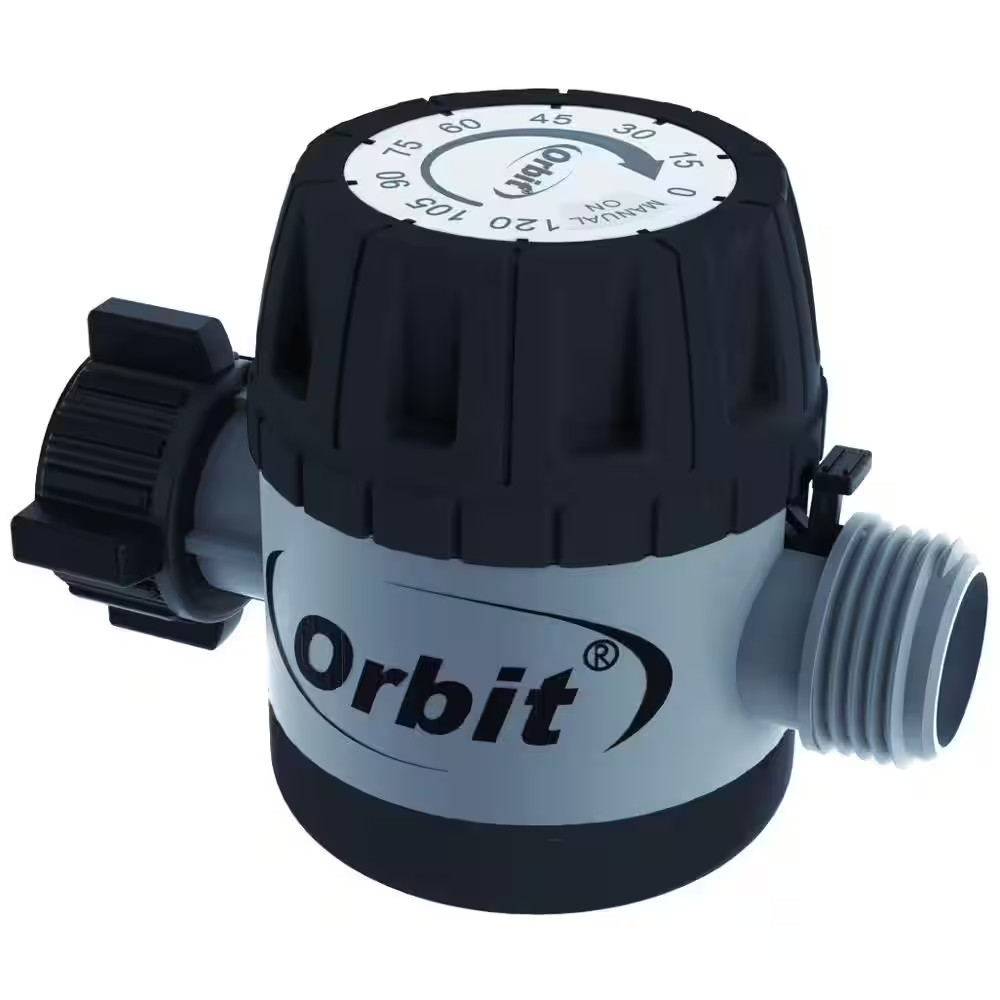 Mechanical Hose Watering Timer Sprinkler and Irrigation Timer$15.27View on eBay
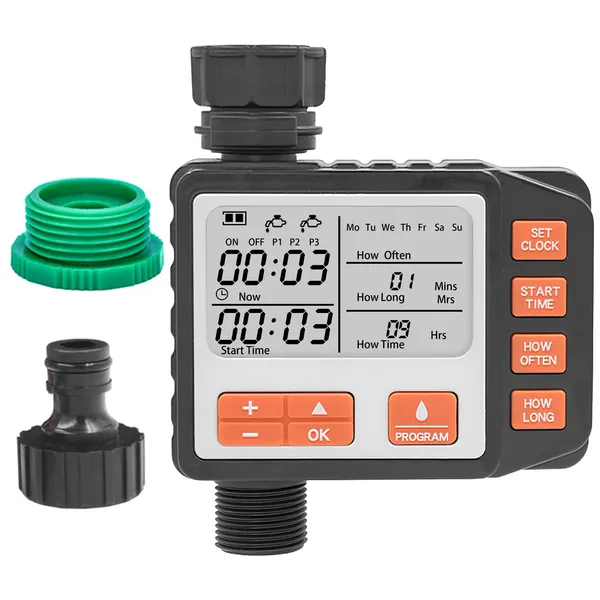 Sprinkler Timer With 3 Watering Programs Manual Mode Automatic System Waterproof Irrigation House Faucet For Garden Yard Lawn$48.99View on Mallflare
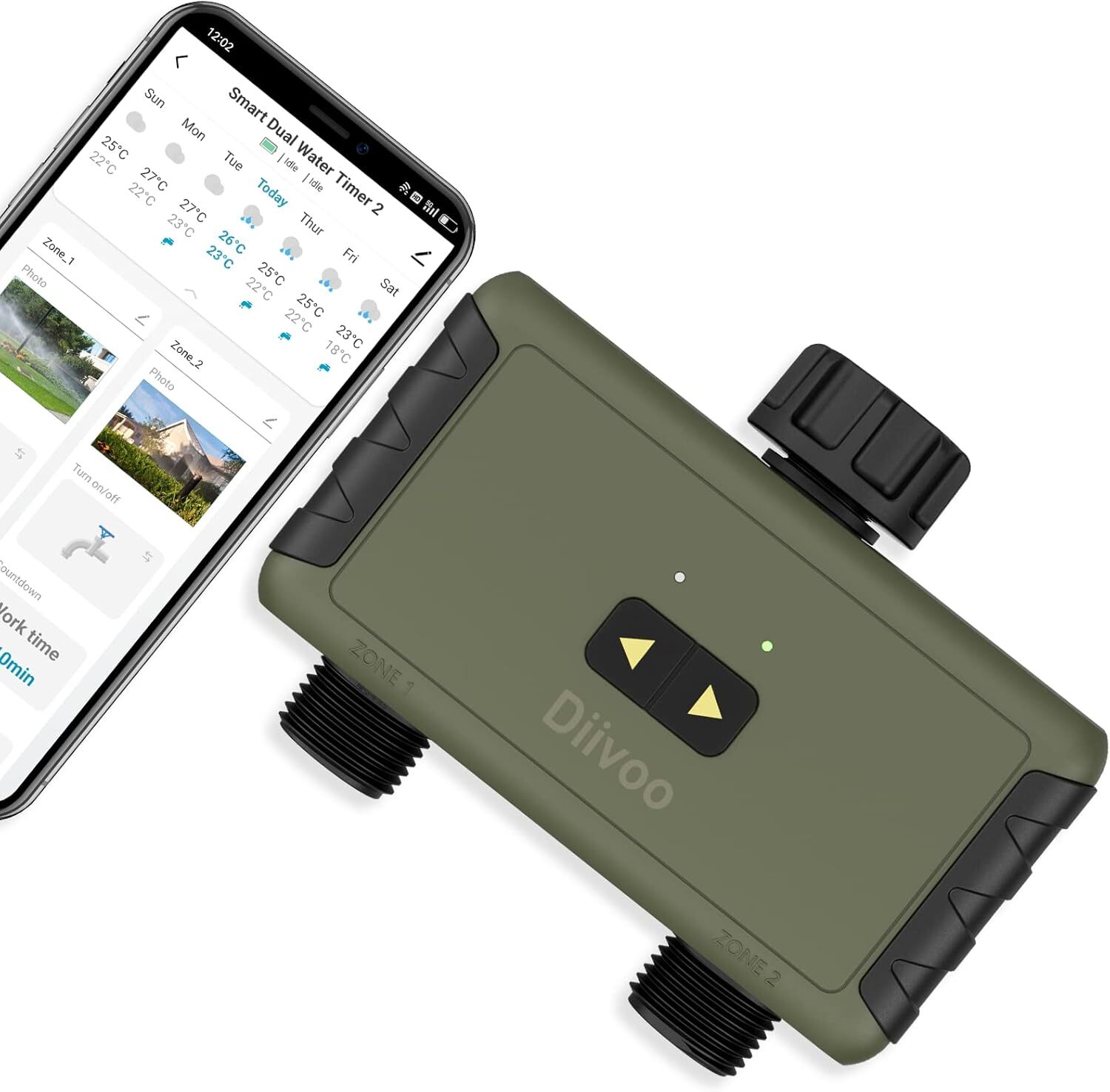 Sprinkler Timer 2 Zone Water Timer Outdoor Irrigation with Rain Delay for Garden$34.99View on eBay
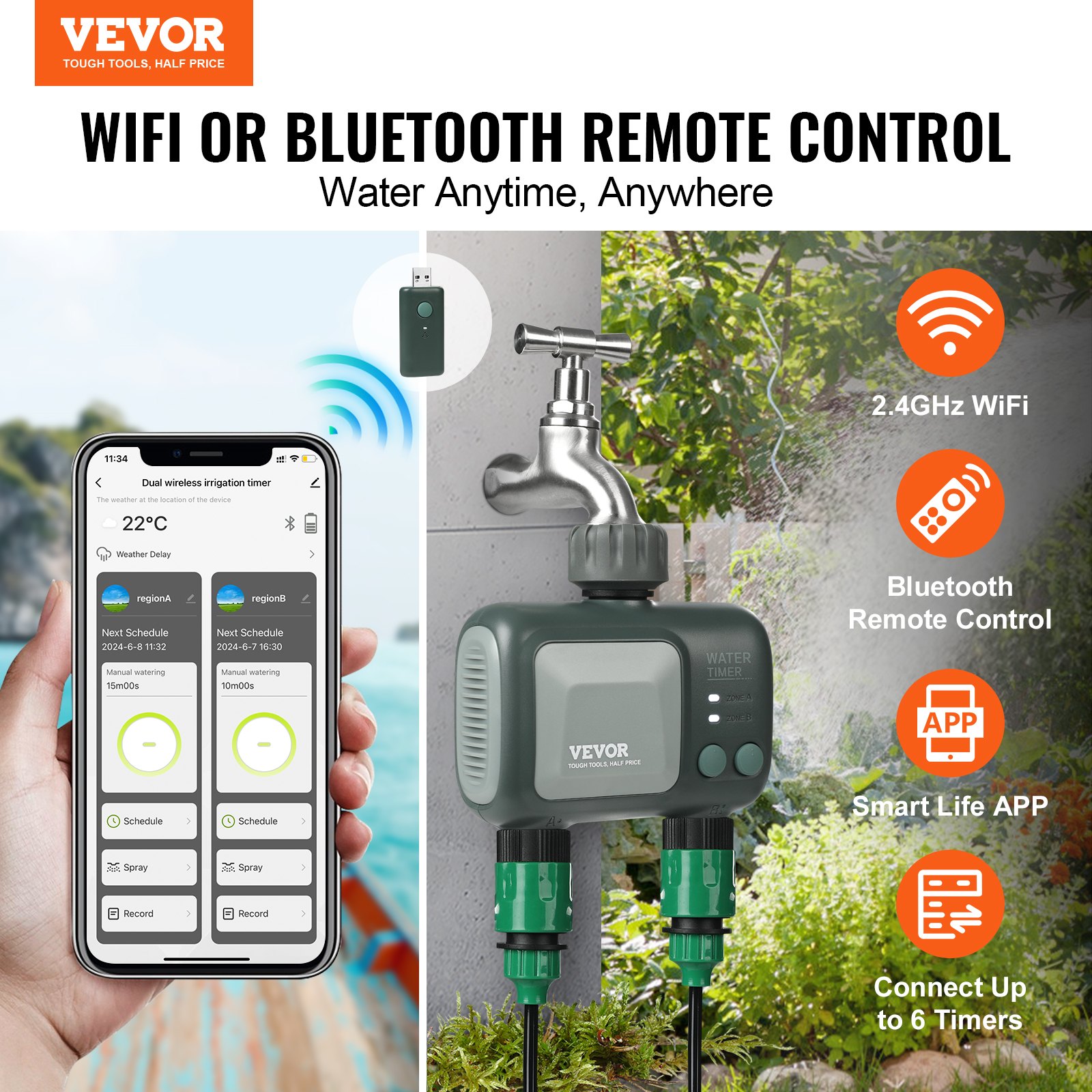 WiFi Sprinkler Timer, 2 Outlets, Smart Hose Faucet Water With Brass Inlet, APP Control Via 2.4Ghz Or Bluetooth, Voice Alexa And Google Assistant, IPX6 For Yard Watering$65.99View on Mallflare
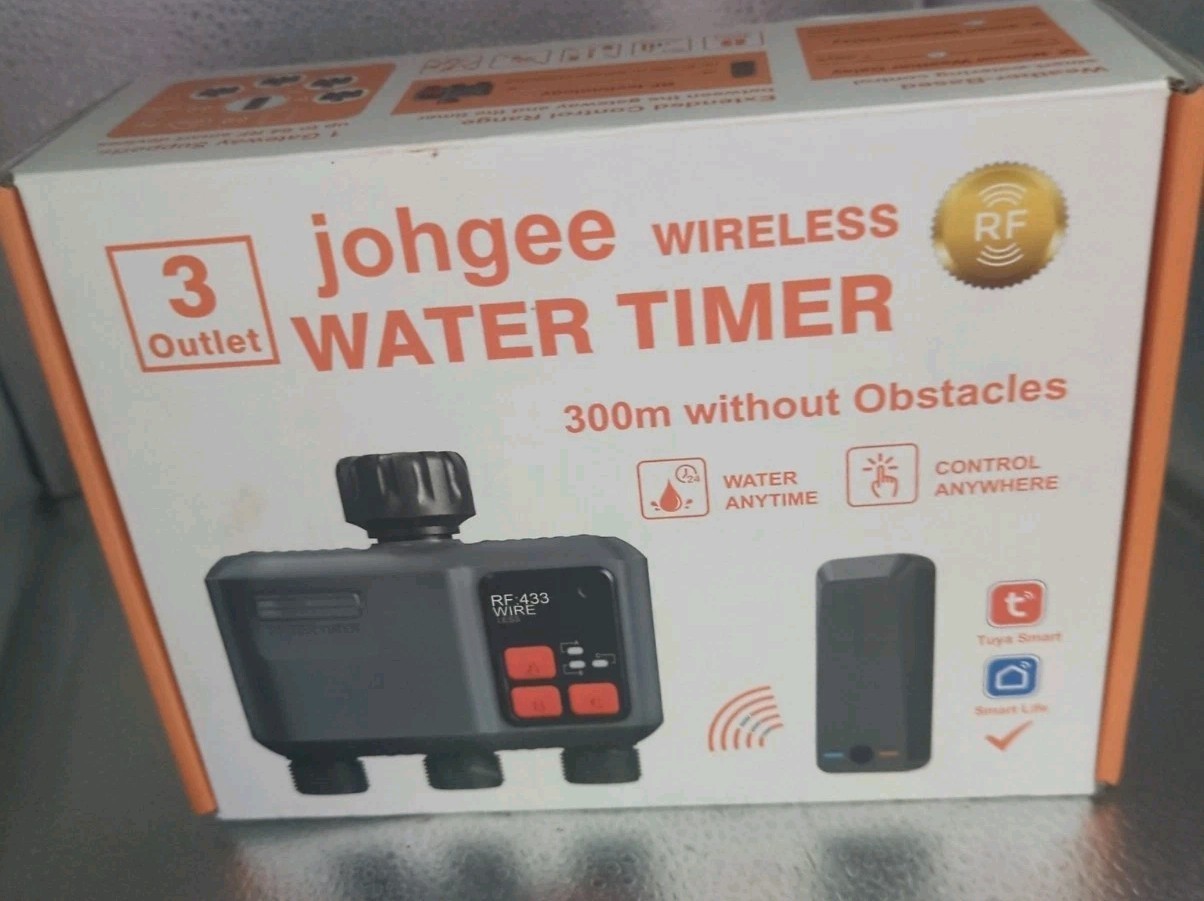 WiFi Sprinkler Timer 3 Zone with 984 Feet RF Gateway, 3 Outlet Smart Water Timer$64.00Last checked Nov 22, 2026View on eBay
Highlights
- Mechanical hose timers use a water-driven dial with no batteries or electronics; electronic hose timers run solenoid valves on 2-4 AA batteries and add 3+ watering programs plus rain delay.
- Wi-Fi sprinkler controllers split into hose-bib smart timers with RF gateways (long-range hub-to-valve links) and in-ground multi-zone controllers that replace the wall-mounted clock and switch 24V AC valves.
- Zone count is the primary architecture tier: 1-zone hose timers for single spigots, 2-3 zone hose timers for separate beds, and 4-16 zone in-ground controllers for permanent irrigation systems.
- Valve and body materials determine lifespan: ABS plastic bodies suit hose-end residential use, while in-ground controllers use sealed enclosures and brass or glass-filled nylon valves rated for continuous pressure.
Best use cases
- Best fit for mechanical: a single hose bib, hanging baskets, or a seasonal vegetable bed where you want set-and-forget watering with zero batteries; skip electronic if you water less than daily.
- Best fit for electronic multi-program hose timers: lawn plus flower beds on one spigot needing different run times and days; skip Wi-Fi if the timer is within arm's reach and you never travel.
- Best fit for Wi-Fi/RF hose timers: vacation watering, multiple remote spigots, or smart-home routines where rain delay and remote shutoff matter; skip if your Wi-Fi does not reach the yard without a gateway.
- Best fit for in-ground multi-zone controllers: permanent pop-up sprinkler systems with 24V AC valves; skip hose timers entirely once you have buried zones and a backflow-equipped manifold.
Buying tips
- Match timer type to water source: hose-thread timers fit standard 3/4-inch GHT spigots, while in-ground controllers wire to 24V AC solenoid valves and need a transformer plus zone wiring.
- Size zone count to your actual beds: one hose timer per spigot is cheaper than a manifold, but a 2-3 zone hose timer on a single spigot with a splitter covers multiple beds from one tap.
- Check pressure tolerance: mechanical dial timers need roughly 10-15 PSI minimum to advance, and electronic solenoid valves typically require 10-20 PSI to seal and close reliably.
- Prefer ABS or glass-filled nylon bodies over thin commodity plastic for UV exposure, and confirm the timer has a manual bypass so you can water during battery changes or repairs.
Specs
| Timer Type | Mechanical dial / Electronic / Wi-Fi smart |
|---|---|
| Zone Count | 1-zone hose / 2-3 zone / 4-16 zone in-ground |
| Power Source | Water-driven / 2-4 AA / 24V AC transformer |
| Connection Standard | 3/4-in GHT hose / 24V AC solenoid valve |
Related searches
What to check before buying
- Measure your spigot thread and spacing: standard 3/4-inch GHT hose thread, and confirm clearance for the timer body plus a splitter if you plan multiple zones.
- Verify water pressure at the tap with a gauge; below about 10 PSI mechanical timers stall and solenoid valves may not seal, so a pressure-reducing or boosting plan is needed.
- For Wi-Fi models, map the distance from router to timer and confirm the RF gateway range covers it, since garden walls and metal siding cut 2.4 GHz signal.
- For in-ground controllers, count existing 24V AC valves and confirm the controller's zone count and transformer VA rating exceed the total valve load.
FAQ
Data sources: eBay / Amazon listings and product attribute feeds. Updated Nov 28, 2026.
Some links on this page are affiliate links. If you buy after clicking one, we may earn a commission at no extra cost to you. This does not change which products appear here or their order. Affiliate disclosure.