
Photos from current listings. Actual item, color, and included accessories may vary.
Micro Drip Irrigation Buying Guide
Micro drip irrigation is a low-pressure, high-efficiency method that delivers water directly to plant roots through 1/4-inch tubing and emitters, cutting water use by up to 70% compared to sprinklers. Buyers often misjudge the difference between emitter flow rates, tubing sizes, and pressure requirements, leading to uneven watering or clogged systems. Focus on emitter type, tubing diameter, and pressure compatibility to build a reliable setup for garden beds, containers, or raised beds.
Median $19.98
Key takeaways
- Emitter flow rates typically range from 0.5 to 2 gallons per hour (GPH); lower rates suit clay soils, higher rates for sandy soils.
- 1/4-inch micro tubing is standard for individual plant feeds, while 1/2-inch mainline tubing supplies larger zones and reduces pressure loss.
- Pressure-compensating emitters maintain consistent flow across varying elevations and long runs, unlike non-compensating types.
At a glance
- Category
- Watering & Irrigation
- Last updated
- Nov 28, 2026
Current offers
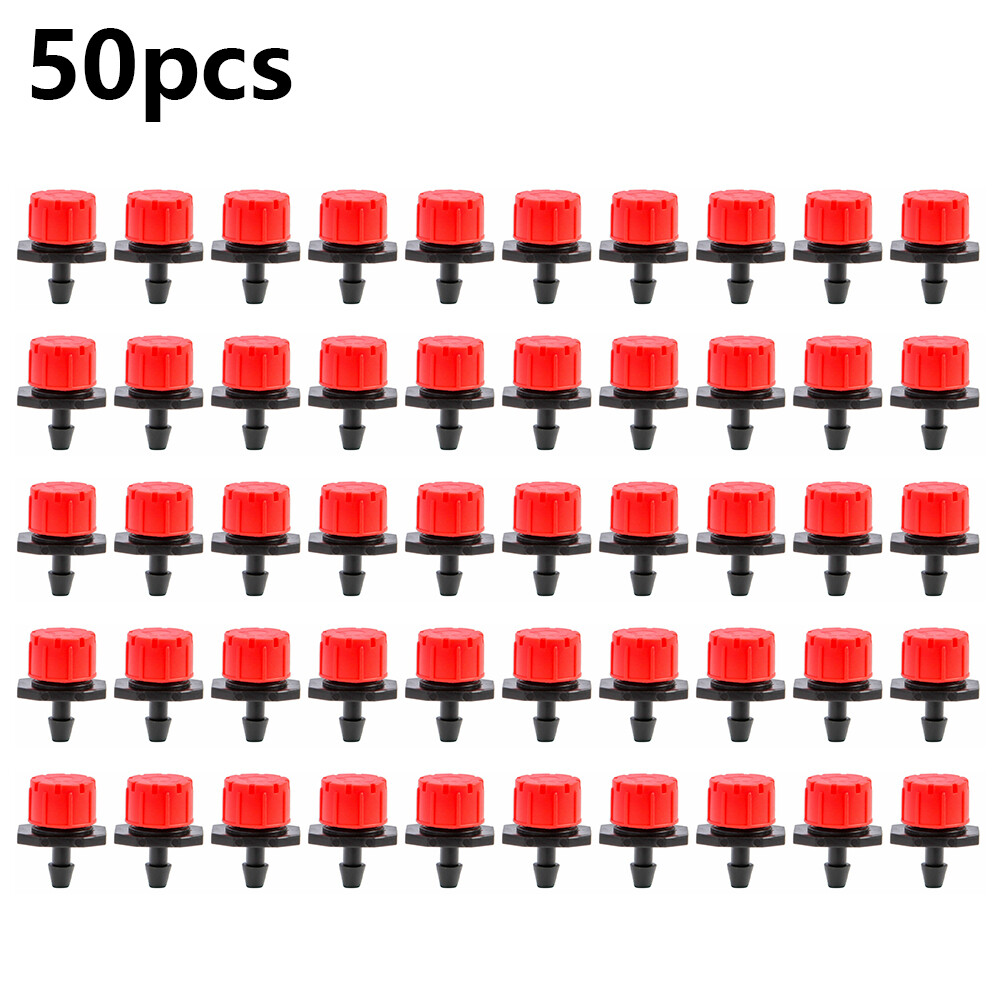 Adjustable Emitter Dripper Micro Drip Irrigation Sprinkler Watering System Lots$7.51View on eBay
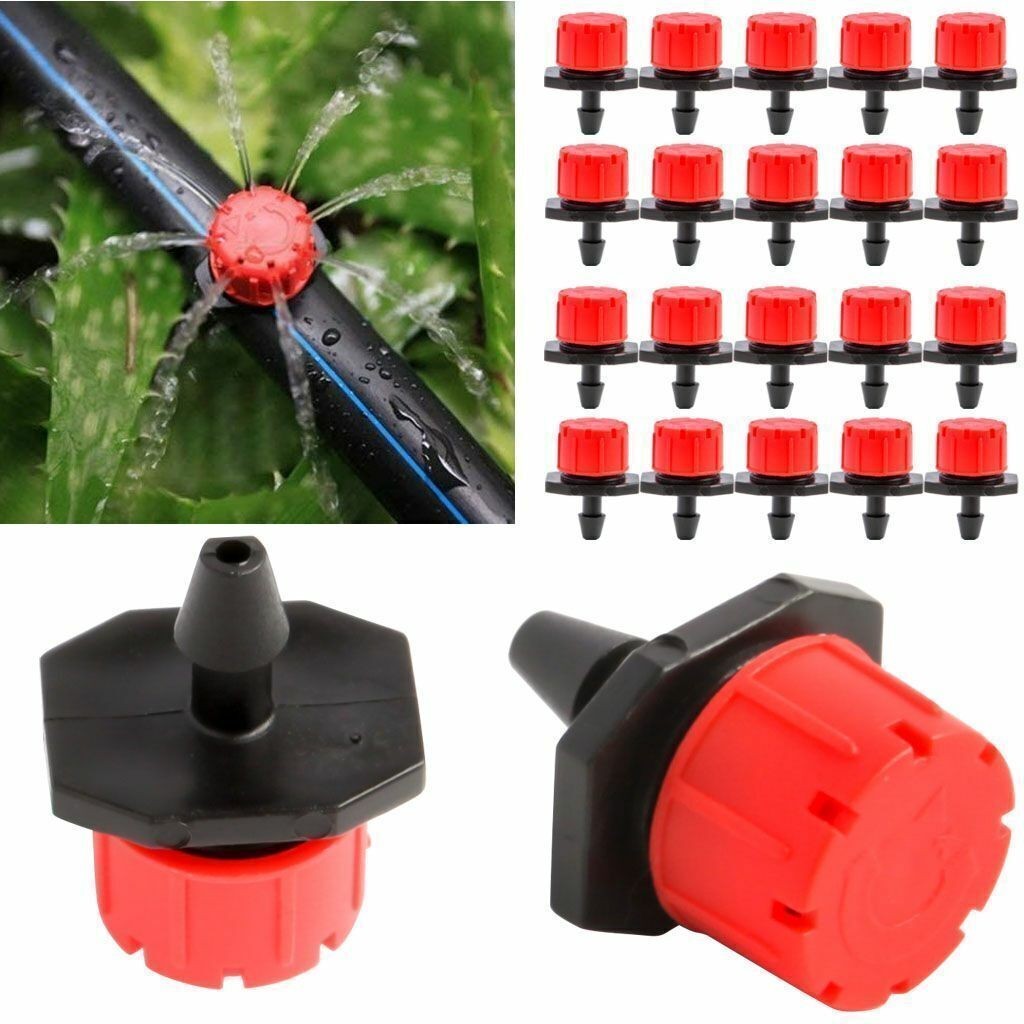 33-100ft Auto Drip Irrigation System Kit Timer Micro Sprinkler Garden Watering$7.99View on eBay
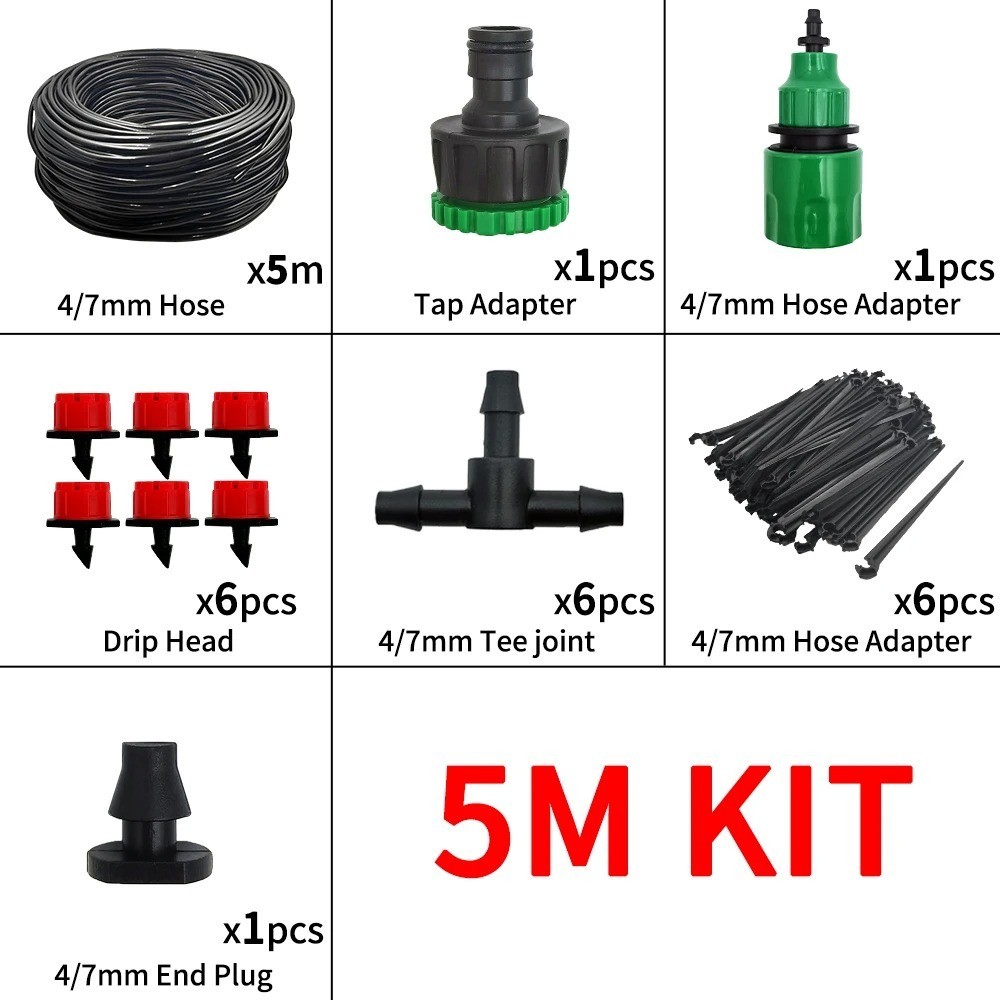 Drip Irrigation System Garden Plant Self Watering Mist Hose Micro Sprinkler Kit$10.70View on eBay
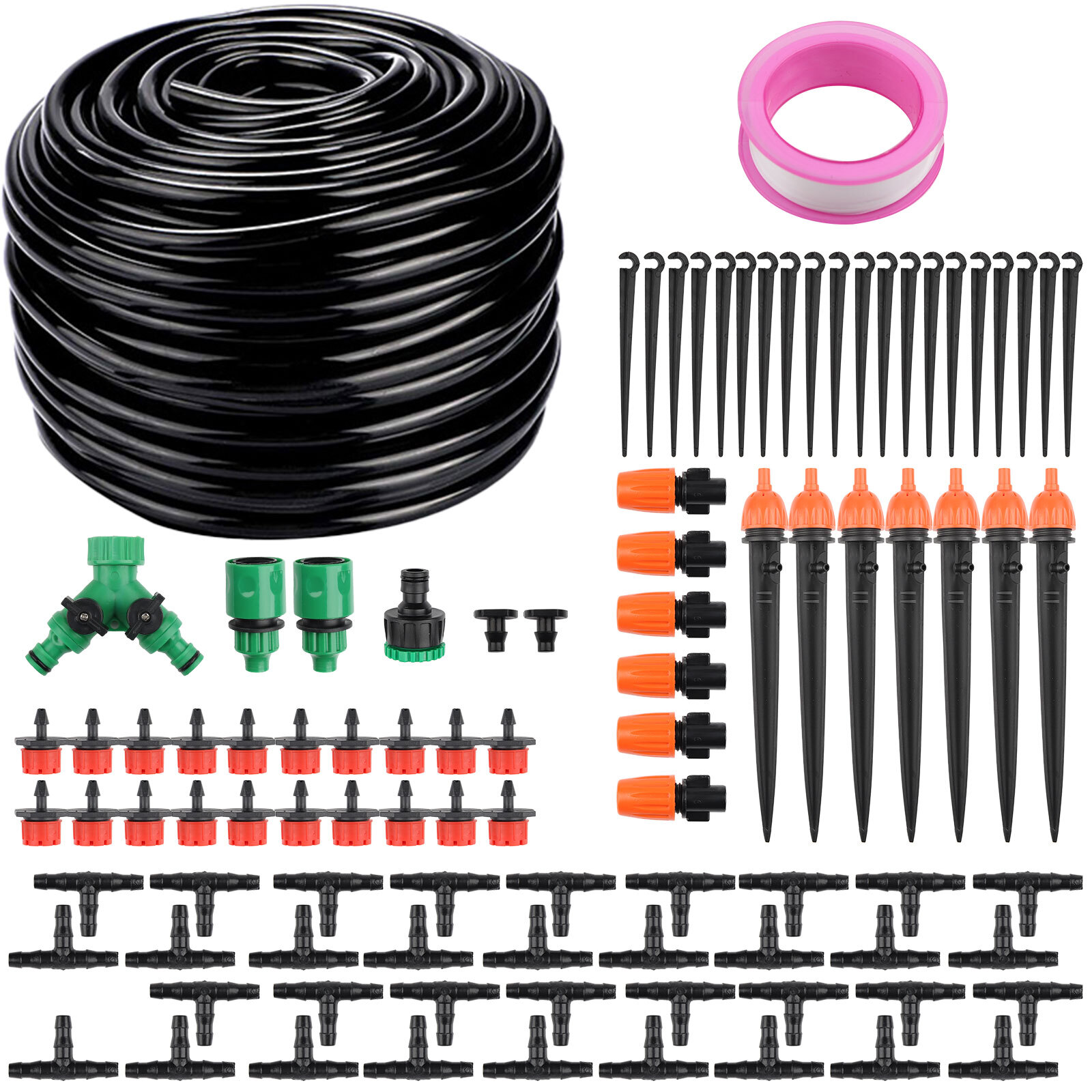 130FT Drip Irrigation System Garden Plant Self Watering Micro Hose Sprinkler Kit$15.99Last checked Nov 18, 2026View on eBay
- Drip Irrigation System Garden Plant Self Watering Hose Micro Sprinkler Kit$16.10Last checked Nov 19, 2026View on eBay
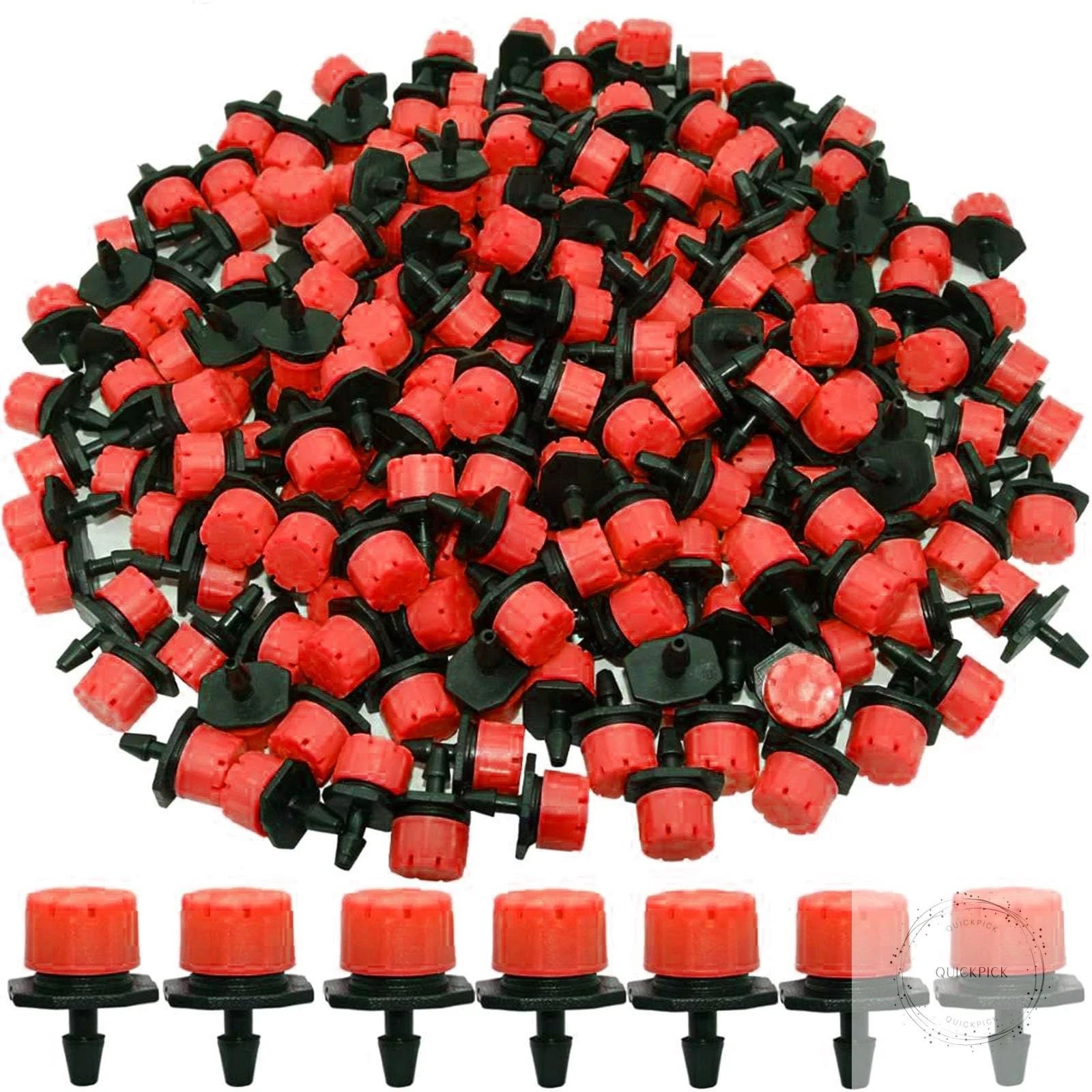 200Pcs Adjustable Drip Irrigation Emitters 1/4Inch Adjustable Micro Drip Irrigat$18.98Last checked Nov 19, 2026View on eBay
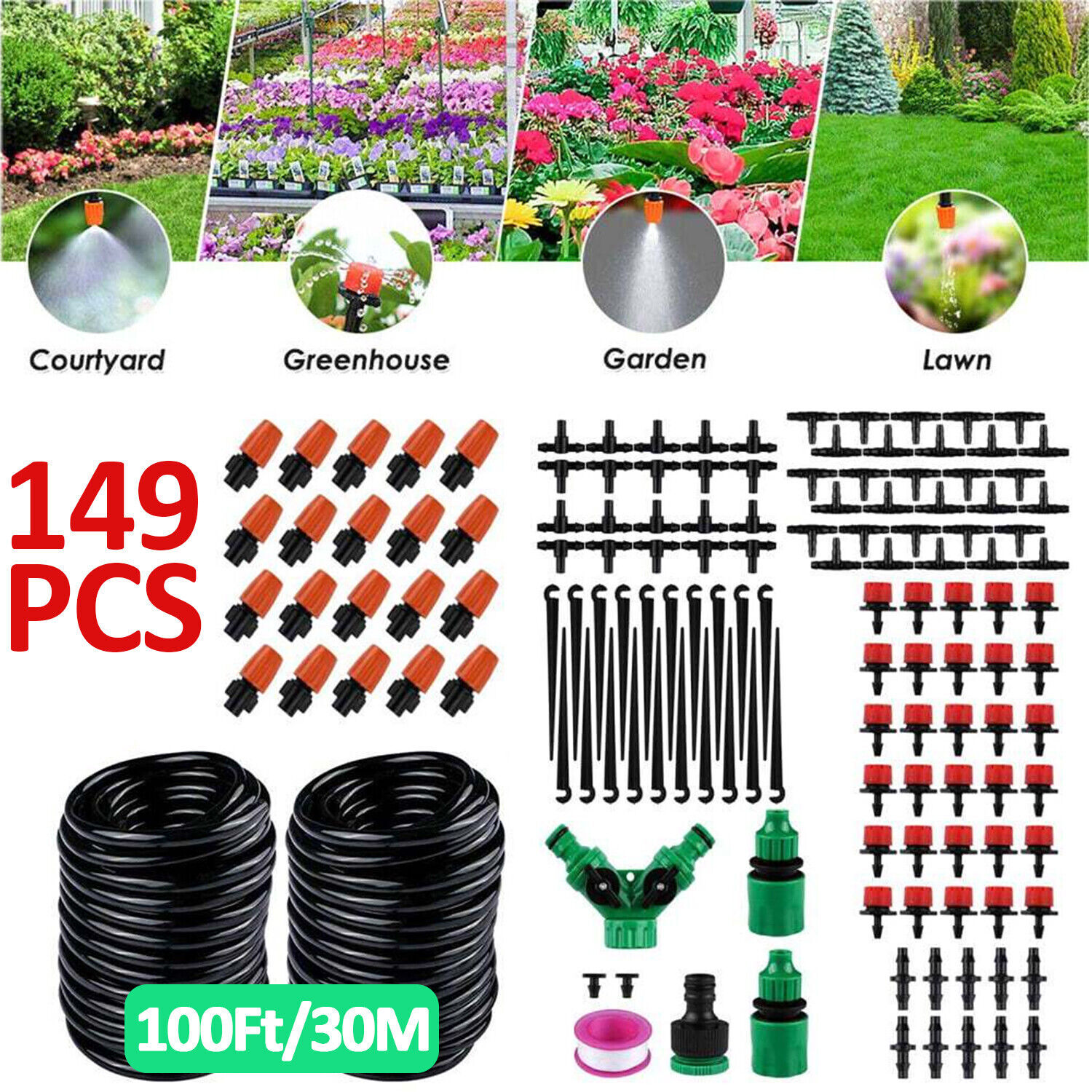 100ft Drip Irrigation System Garden Plant Self Watering Micro Hose Sprinkler Kit$19.94Last checked Nov 18, 2026View on eBay
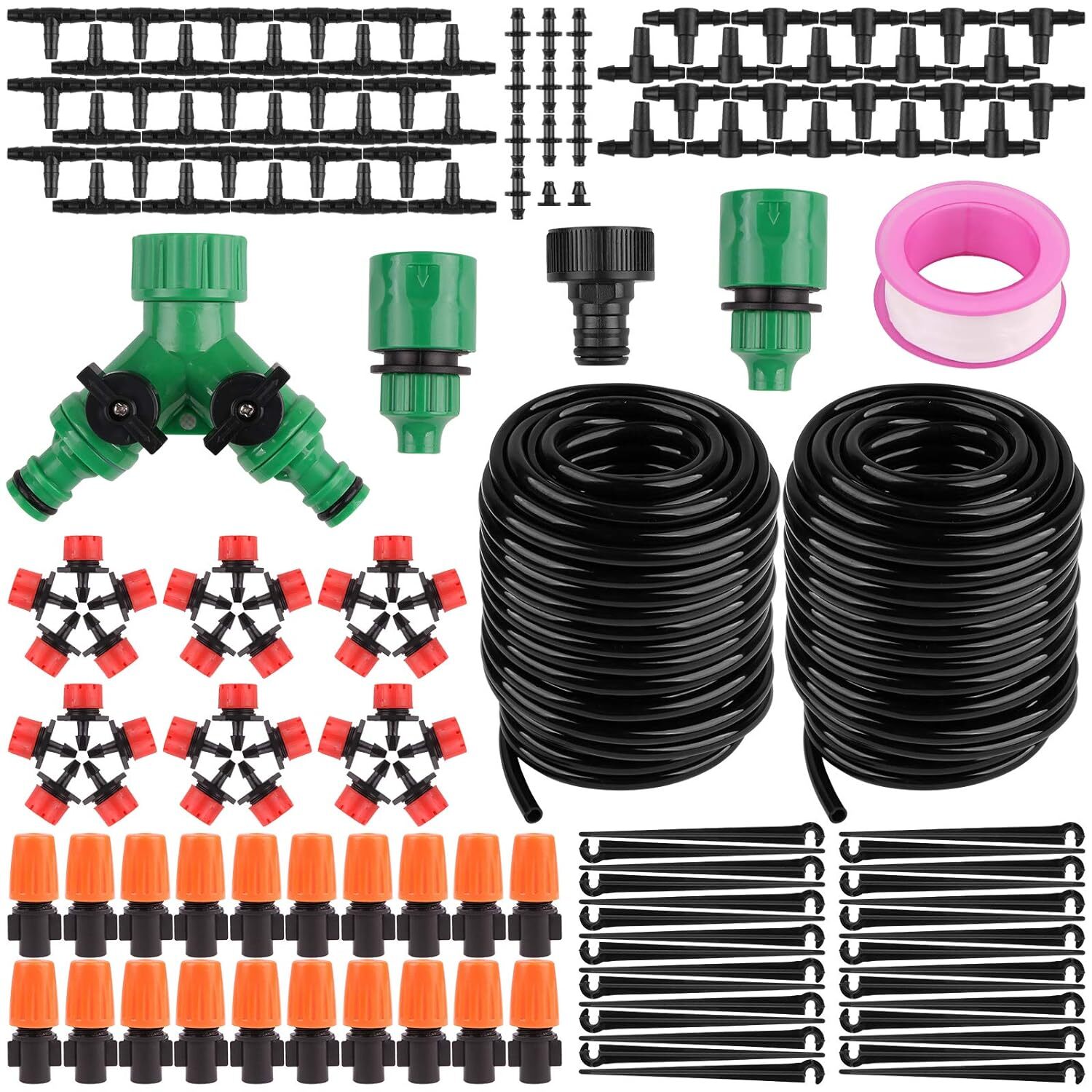 149PC Drip Irrigation System Garden Plant Self Watering Micro Hose Sprinkler Kit$19.98View on eBay
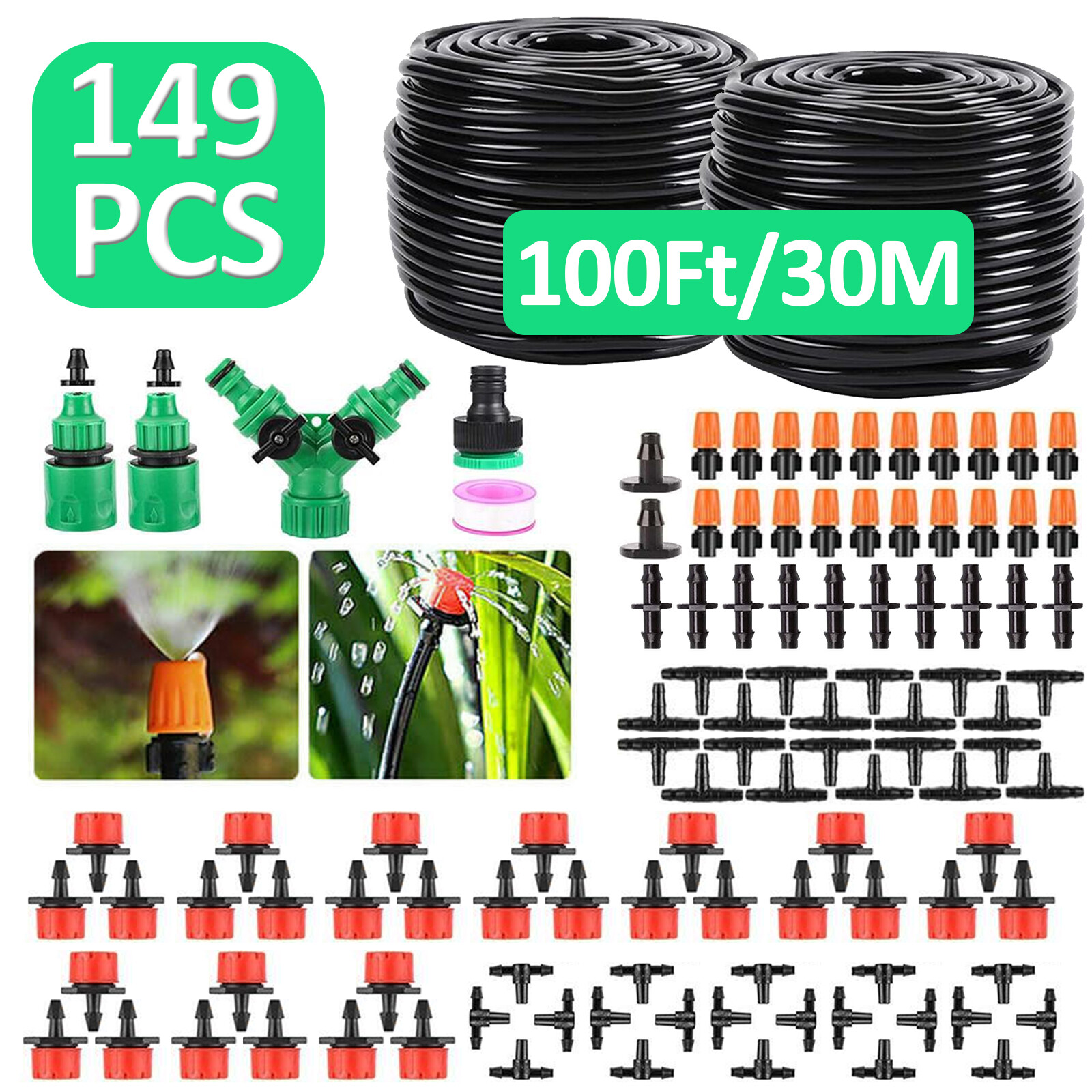 149-298pcs Micro Drip Irrigation System Kit Plant Garden Watering Hose Sprayer$19.99Last checked Nov 18, 2026View on eBay
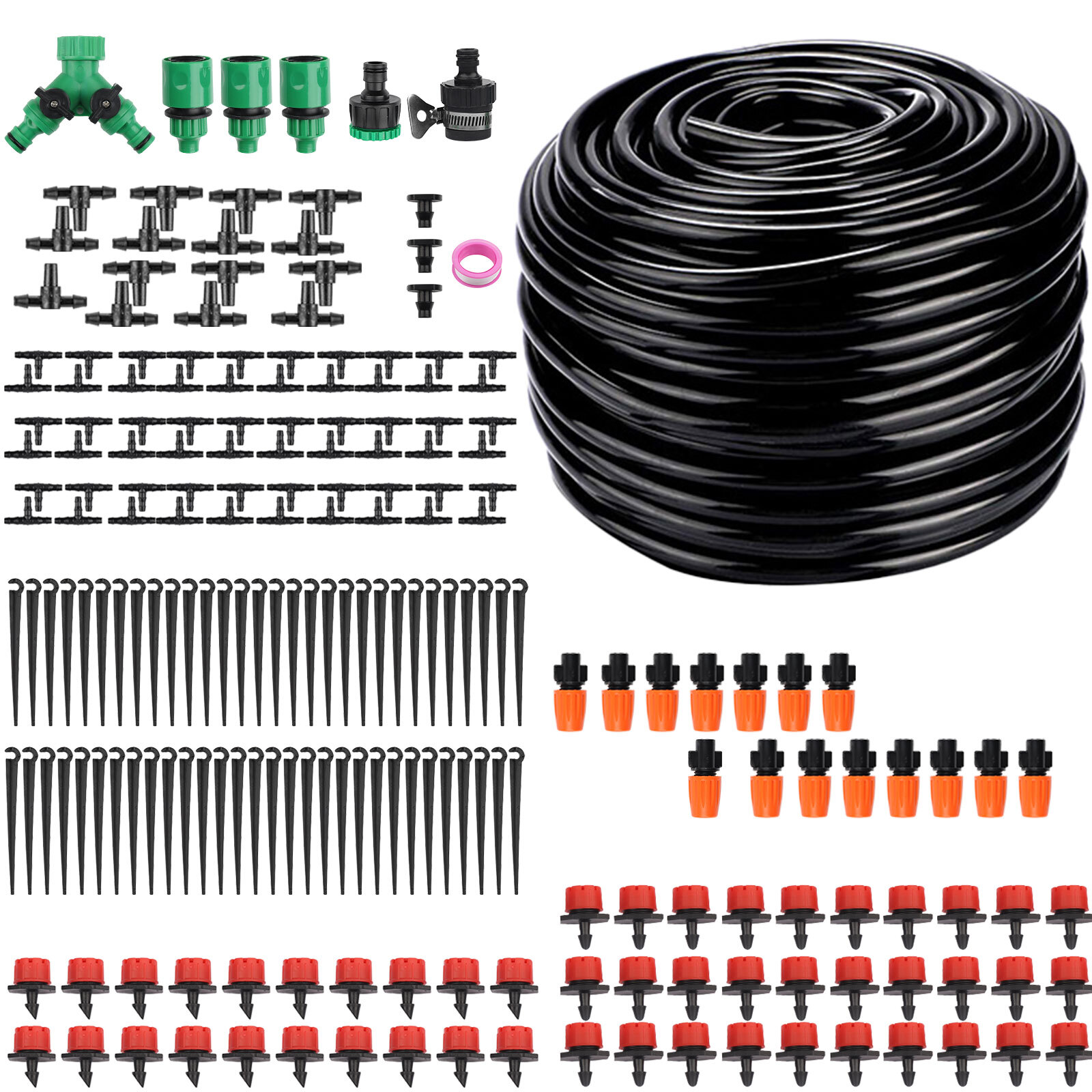 Drip Irrigation System Garden Plant Self Watering Hose Micro Sprinkler Kit$20.99Last checked Nov 19, 2026View on eBay
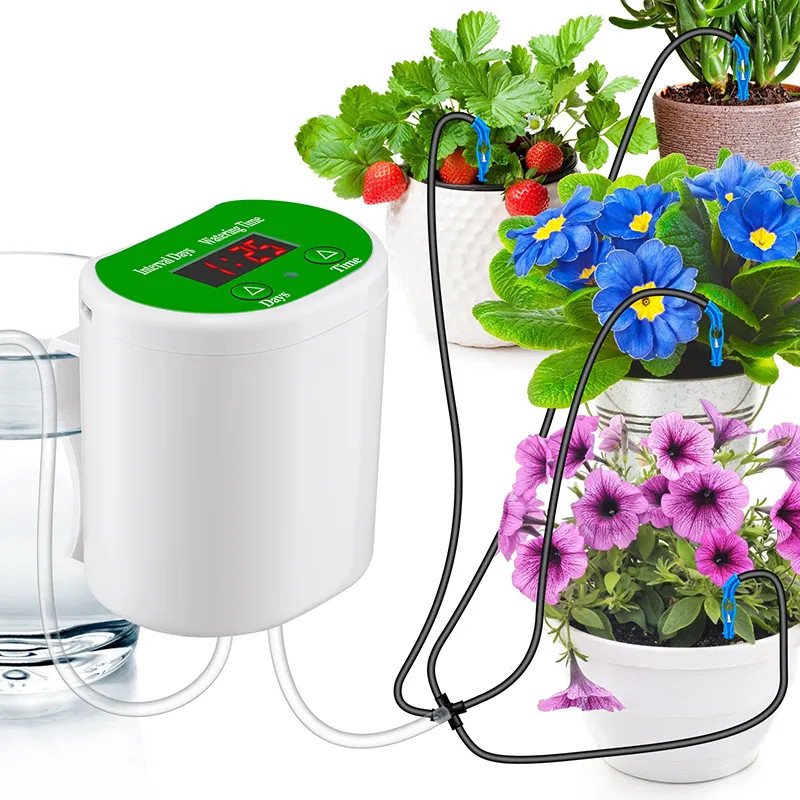 Automatic Drip Irrigation Kit, Houseplants DIY Micro Self Watering System 60 day$26.51Last checked Nov 28, 2026View on eBay
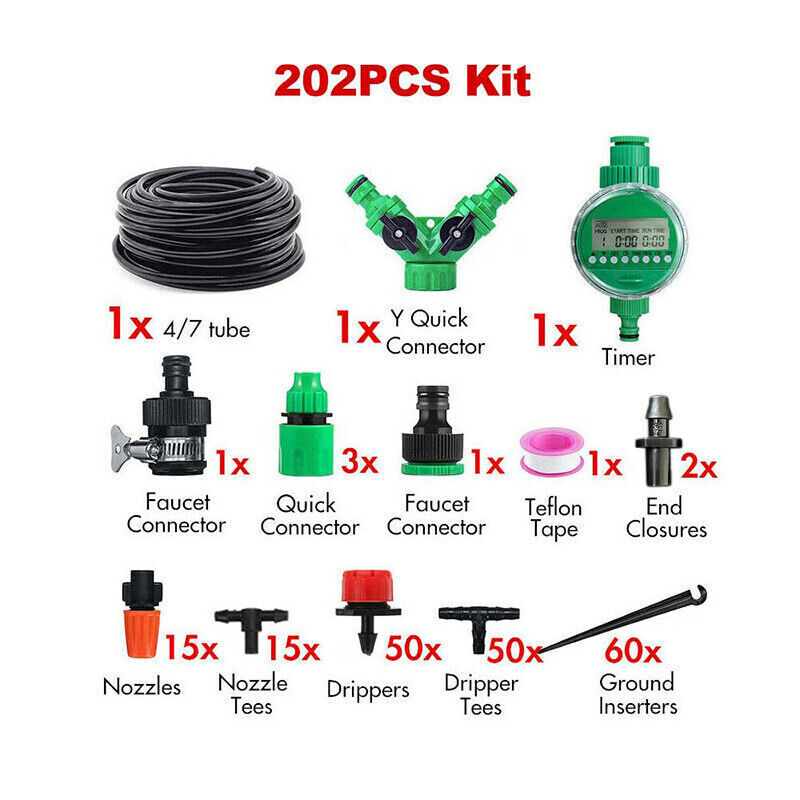 Auto Drip Irrigation System Garden Plant Self Watering Hose Micro Sprinkler Kit$38.84Last checked Nov 19, 2026View on eBay
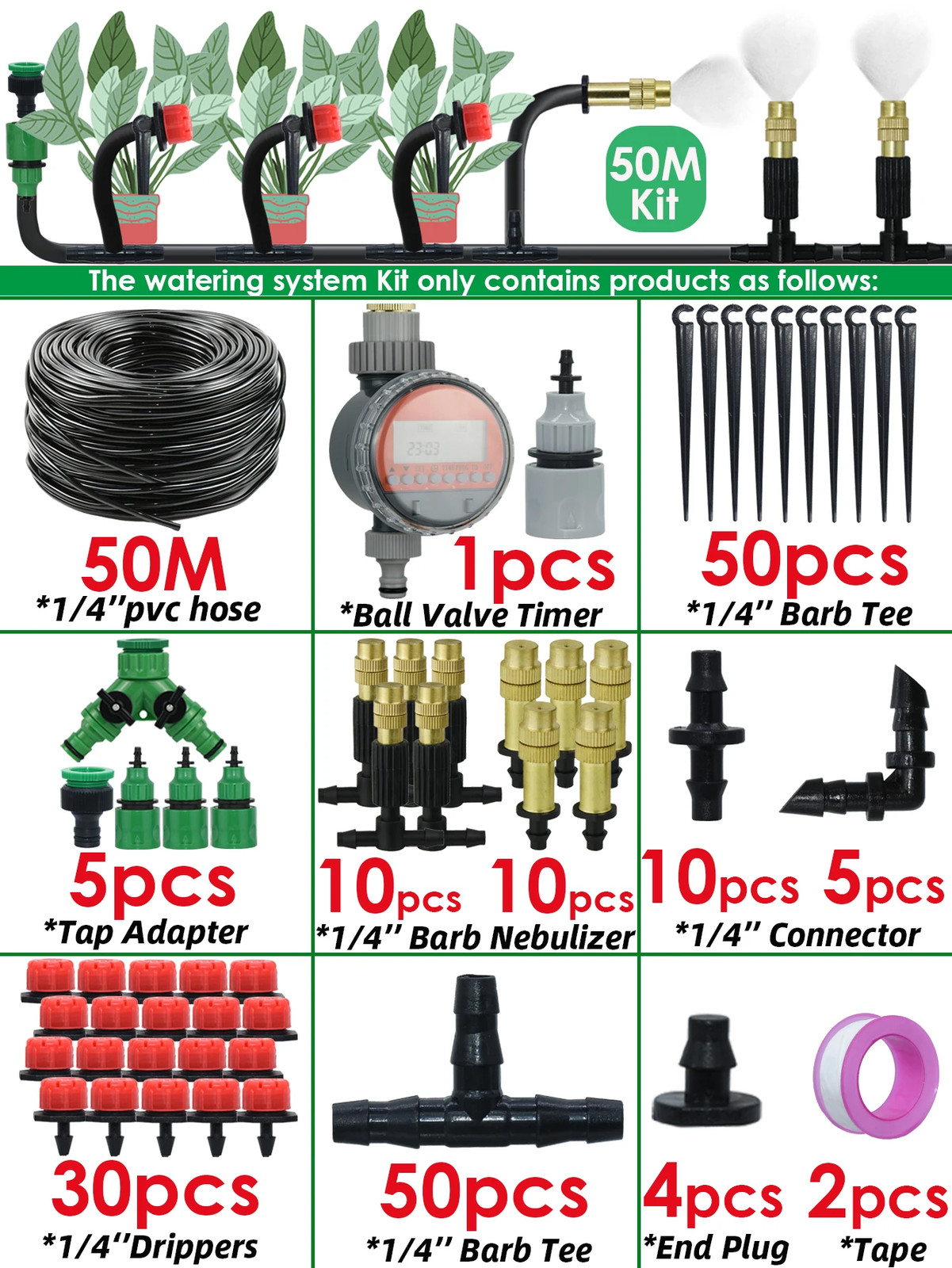 5M-50M Automatic Watering System Kit Garden Micro Drip Irrigation Controller DIY$122.99View on eBay
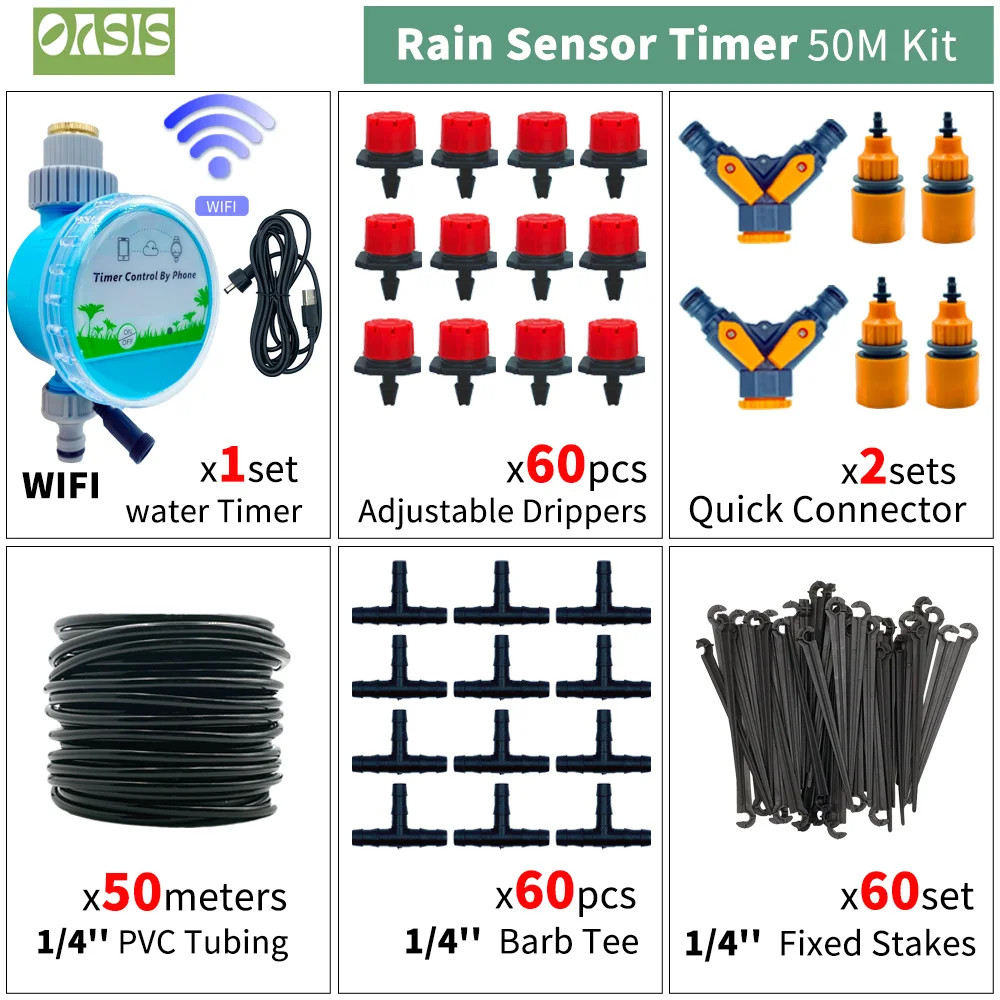 OASIS 50M-5M DIY Drip Irrigation System Automatic Watering Garden Hose Micro Dri$172.99View on eBay
- OASIS 50M-5M DIY Drip Irrigation System Automatic Watering Garden Hose Micro Dri$180.99View on eBay
Highlights
- Emitter flow rates typically range from 0.5 to 2 gallons per hour (GPH); lower rates suit clay soils, higher rates for sandy soils.
- 1/4-inch micro tubing is standard for individual plant feeds, while 1/2-inch mainline tubing supplies larger zones and reduces pressure loss.
- Pressure-compensating emitters maintain consistent flow across varying elevations and long runs, unlike non-compensating types.
- Barbed fittings and punch tools are required for leak-free connections; ABS plastic bodies resist UV degradation and impact in outdoor use.
Best use cases
- Best fit: Raised beds or row gardens with 1/2-inch mainline and 1/4-inch micro tubing to individual plants; choose pressure-compensating emitters for uniform delivery across 30+ feet.
- Best fit: Container gardens or patio pots with a timer-based kit using 1/4-inch tubing and 0.5 GPH emitters; skip high-flow sprinklers that waste water and cause runoff.
- Wrong fit: Large lawns or turf areas—micro drip cannot cover broadacre grass; use rotor or spray sprinklers instead to avoid dry spots and clogged emitters.
- Wrong fit: Low-pressure gravity-fed systems without a filter—debris quickly clogs small orifices; install a 200-mesh filter and ensure at least 10 PSI for reliable operation.
Buying tips
- Choose pressure-compensating emitters for runs over 15 feet or sloped terrain; they maintain even flow and prevent overwatering at low points.
- Size mainline tubing at 1/2-inch for zones up to 200 feet; use 1/4-inch only for individual plant drops to avoid excessive pressure loss.
- Inspect emitter flow rates: 0.5 GPH for clay soils and containers, 1 GPH for loam, and 2 GPH for sandy soils to match infiltration rates.
- Prioritize kits with a backflow preventer, filter, and pressure regulator to protect emitters and comply with local water codes.
Specs
| Emitter Type | Pressure-compensating vs non-compensating |
|---|---|
| Tubing Size | 1/4-inch micro / 1/2-inch mainline |
| Flow Rate | 0.5–2 GPH per emitter |
| Pressure Range | 10–30 PSI (regulator above 30 PSI) |
Related searches
What to check before buying
- Measure your water pressure at the hose bib; most micro drip systems require 10–30 PSI and a regulator for pressures above 30 PSI.
- Confirm outdoor hose thread standard (3/4-inch GHT) for timer or faucet connections; adapters exist for metric taps.
- Count plants and row lengths to calculate total emitter count and tubing length; add 10% extra for cuts and adjustments.
- Check that your timer or controller supports the required flow rate (total emitter GPH) without exceeding valve capacity.
FAQ
Data sources: eBay / Amazon listings and product attribute feeds. Updated Nov 28, 2026.
Some links on this page are affiliate links. If you buy after clicking one, we may earn a commission at no extra cost to you. This does not change which products appear here or their order. Affiliate disclosure.