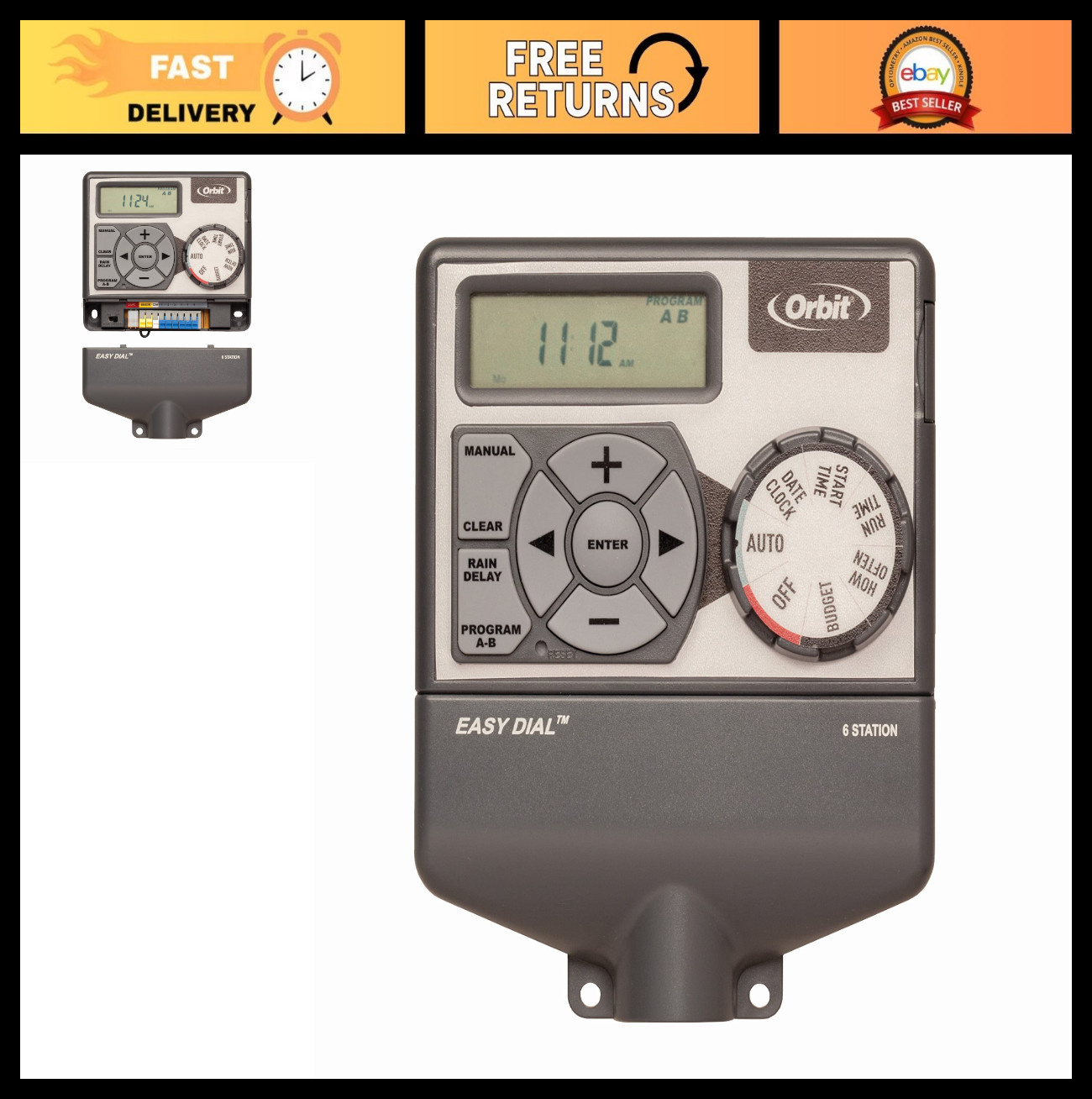

Photos from current listings. Actual item, color, and included accessories may vary.
Irrigation System Controller Buying Guide
Irrigation system controllers are the timing brains that automate valves, drip lines, and sprinkler zones; the core trade-off is between inexpensive dial timers with limited programming and smart controllers with app/weather control and zone expansion. Durable options use transformer-isolated 24V AC outputs, sealed valve drivers, and at least 6 stations with seasonal-adjust and rain-sensor terminals, while compromises rely on battery-only latching solenoids or fixed-interval knobs with no sensor input.
Median $84.29
Key takeaways
- Station count defines zone capacity: 4-6 stations suit residential beds and drip micro-zones; 8-12 stations cover full-yard sprinkler plus drip; expandable modules add zones in 3-4 station increments.
- Output type matters: 24V AC transformer with master valve/pump-start terminals drives standard solenoid valves; battery-operated timers use latching DC solenoids and cannot power conventional valves.
- Smart tier adds Wi-Fi/Bluetooth with EPA WaterSense-labeled weather skip, flow-monitor input, and per-zone run/soak cycles; dial tier offers only start time, duration, and days-of-week.
At a glance
- Category
- Watering & Irrigation
- Last updated
- Nov 28, 2026
Current offers
Highlights
- Station count defines zone capacity: 4-6 stations suit residential beds and drip micro-zones; 8-12 stations cover full-yard sprinkler plus drip; expandable modules add zones in 3-4 station increments.
- Output type matters: 24V AC transformer with master valve/pump-start terminals drives standard solenoid valves; battery-operated timers use latching DC solenoids and cannot power conventional valves.
- Smart tier adds Wi-Fi/Bluetooth with EPA WaterSense-labeled weather skip, flow-monitor input, and per-zone run/soak cycles; dial tier offers only start time, duration, and days-of-week.
- Valve driver durability depends on sealed PCB potting, surge suppression on solenoid lines, and a UL-listed class 2 transformer; indoor-only enclosures lack NEMA 3R gasketing and UV-stable housing.
Best use cases
- Best fit: 6-station indoor dial controller for a 3-5 zone yard of drip lines and pop-up heads where programming is set once per season and no app is needed.
- Best fit: 8-12 station smart Wi-Fi controller for mixed lawn and garden zones with weather-skip and flow monitoring, especially where local watering restrictions require adaptive scheduling.
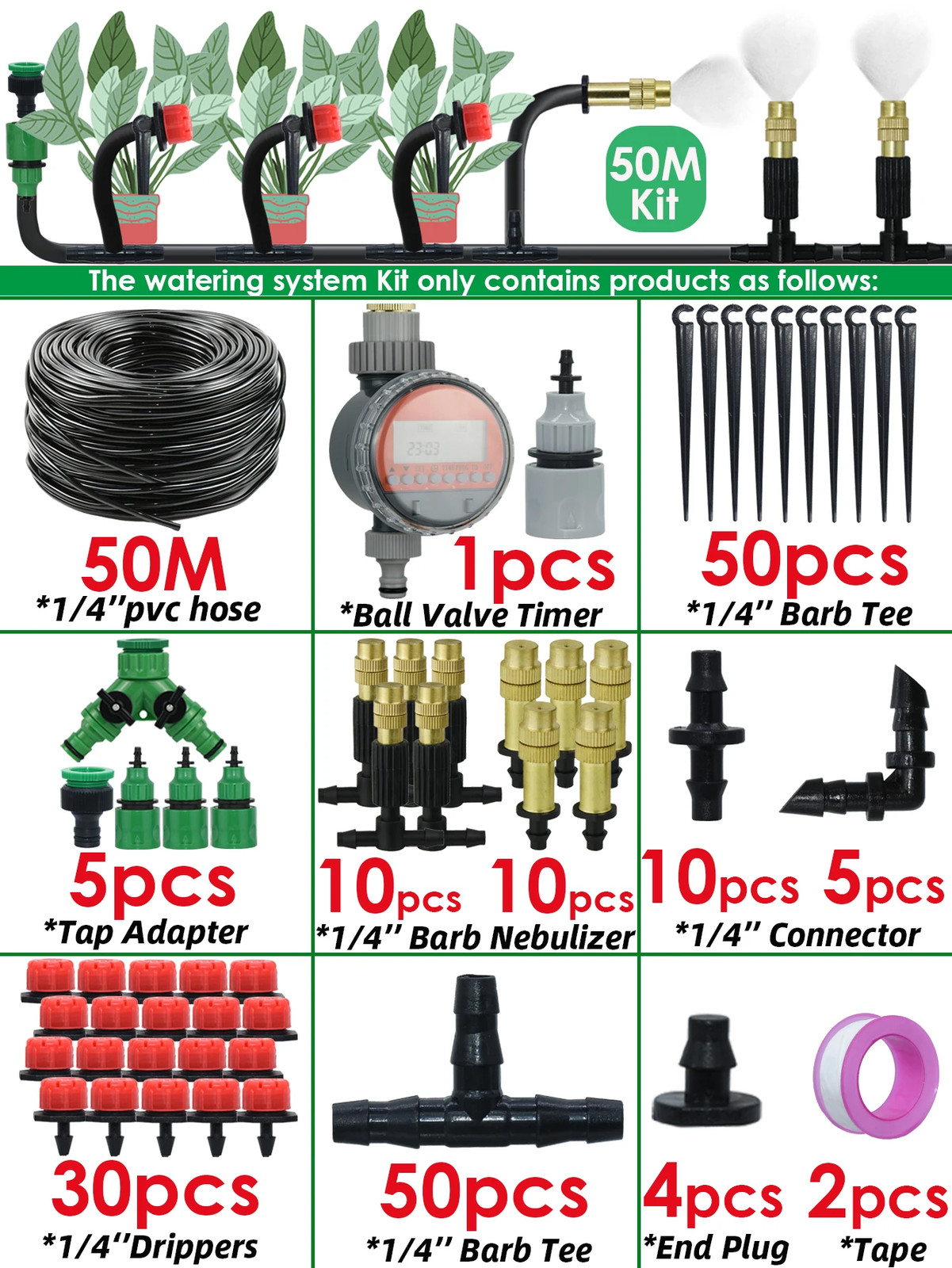
- Wrong fit: battery-only hose timer on a multi-zone underground system — it cannot actuate 24V AC solenoids and will leave zones dry; upgrade to a transformer-based controller.
- Wrong fit: indoor-only controller mounted outdoors without a NEMA 3R-rated enclosure; UV and moisture degrade the board and void the warranty — choose an outdoor-rated model or install in a garage.
Buying tips
- Count zones first: one station per valve; add one spare station for future expansion and reserve a master-valve terminal if a pump or whole-system shutoff is used.
- Match valve solenoids to controller output — standard 24V AC solenoids need a 24V AC transformer rated for total inrush current, typically 0.5-1 A per valve during activation.
- For smart models, confirm 2.4 GHz Wi-Fi (not 5 GHz-only) and local schedule fallback so watering continues if the router or cloud goes down.
- Choose at least 6 stations and a rain-sensor terminal even for small yards; the cost delta over 4-station dial units is small and prevents re-buying when zones are added.
Specs
| Station Count | 4-6 dial / 8-12 smart expandable |
|---|---|
| Output Type | 24V AC transformer vs DC latching |
| Control Tier | Dial fixed schedule vs Wi-Fi smart |
| Enclosure Rating | Indoor-only vs NEMA 3R outdoor |
Related searches
What to check before buying
- Measure the valve box to controller distance and confirm low-voltage cable gauge: 18 AWG supports runs up to about 300 ft for 24V AC solenoids; longer runs need 16 or 14 AWG.
- Verify power: a 120V AC indoor outlet within cord reach for the transformer, or a model with an outdoor-rated transformer and NEMA 3R enclosure for exterior mounting.
- Check valve compatibility: count existing solenoids, note 24V AC vs DC latching, and confirm the controller supports a master valve or pump-start relay if present.
- Confirm required companion parts: rain sensor (wired or wireless), flow meter for smart leak alerts, and Wi-Fi 2.4 GHz coverage at the mounting location.
FAQ
Data sources: eBay / Amazon listings and product attribute feeds. Updated Nov 28, 2026.
Some links on this page are affiliate links. If you buy after clicking one, we may earn a commission at no extra cost to you. This does not change which products appear here or their order. Affiliate disclosure.