
Photos from current listings. Actual item, color, and included accessories may vary.
Irrigation System Buying Guide
An irrigation system is a network of tubing, emitters, timers, and fittings that delivers water directly to plant roots or coverage areas. The core trade-off is between low-cost thin-wall kits that crack under UV and pressure versus durable UV-stabilized polyethylene or vinyl tubing with brass or engineered polymer fittings. Choose a system sized to your zone count and water source pressure; skip kits with unrated tubing or no pressure regulation for anything beyond a single season.
Median $25.34
Key takeaways
- Tubing wall thickness determines lifespan: 0.5–0.7mm thin-wall kinks and UV-degrades in one season, while 1.0–1.5mm UV-stabilized polyethylene withstands years of sun and 30+ PSI.
- Timer type separates convenience tiers: battery/Type-C cordless timers suit vacation watering for pots, while inline AC timers with solenoid valves handle multi-zone garden manifolds.
- Emitter architecture matters: pressure-compensating drippers maintain uniform flow across long runs, whereas non-compensated micro-sprinklers need a pressure regulator below 30 PSI.
At a glance
- Category
- Watering & Irrigation
- Last updated
- Nov 28, 2026
Current offers
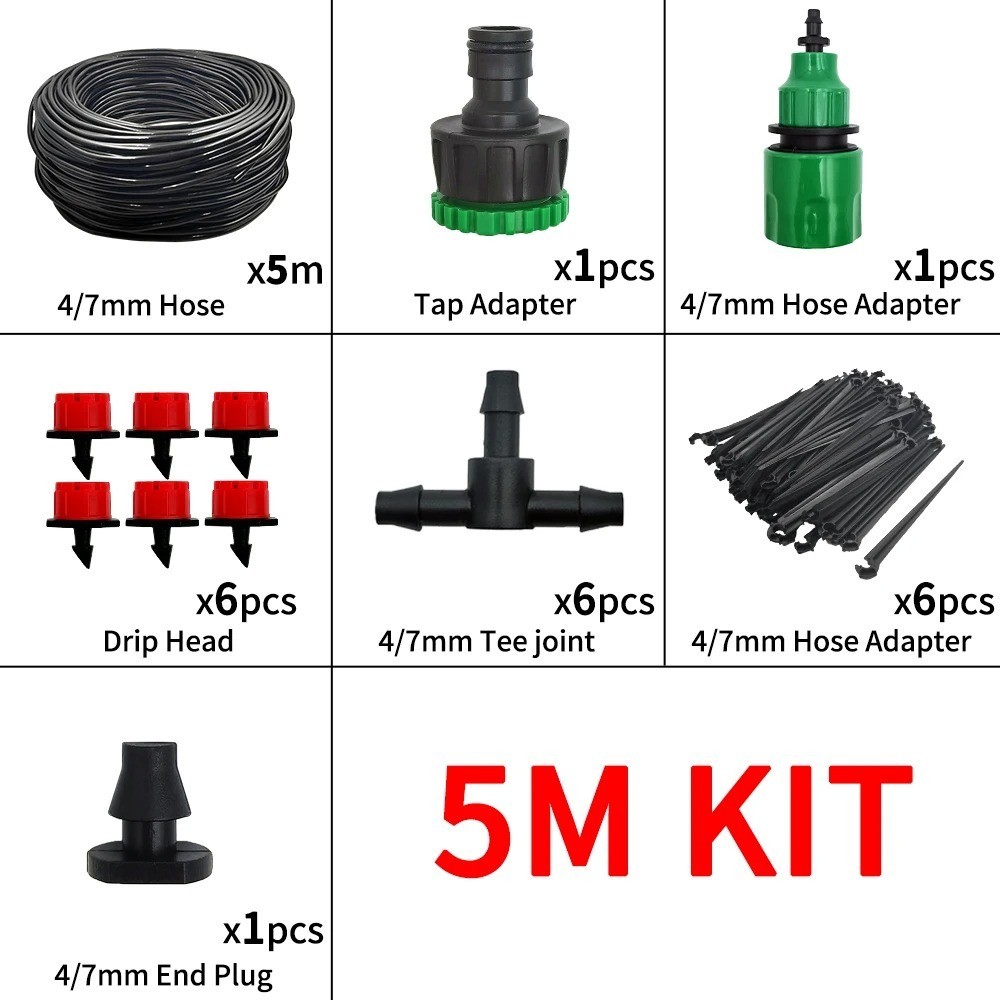 Drip Irrigation System Garden Plant Self Watering Mist Hose Micro Sprinkler Kit$10.70View on eBay
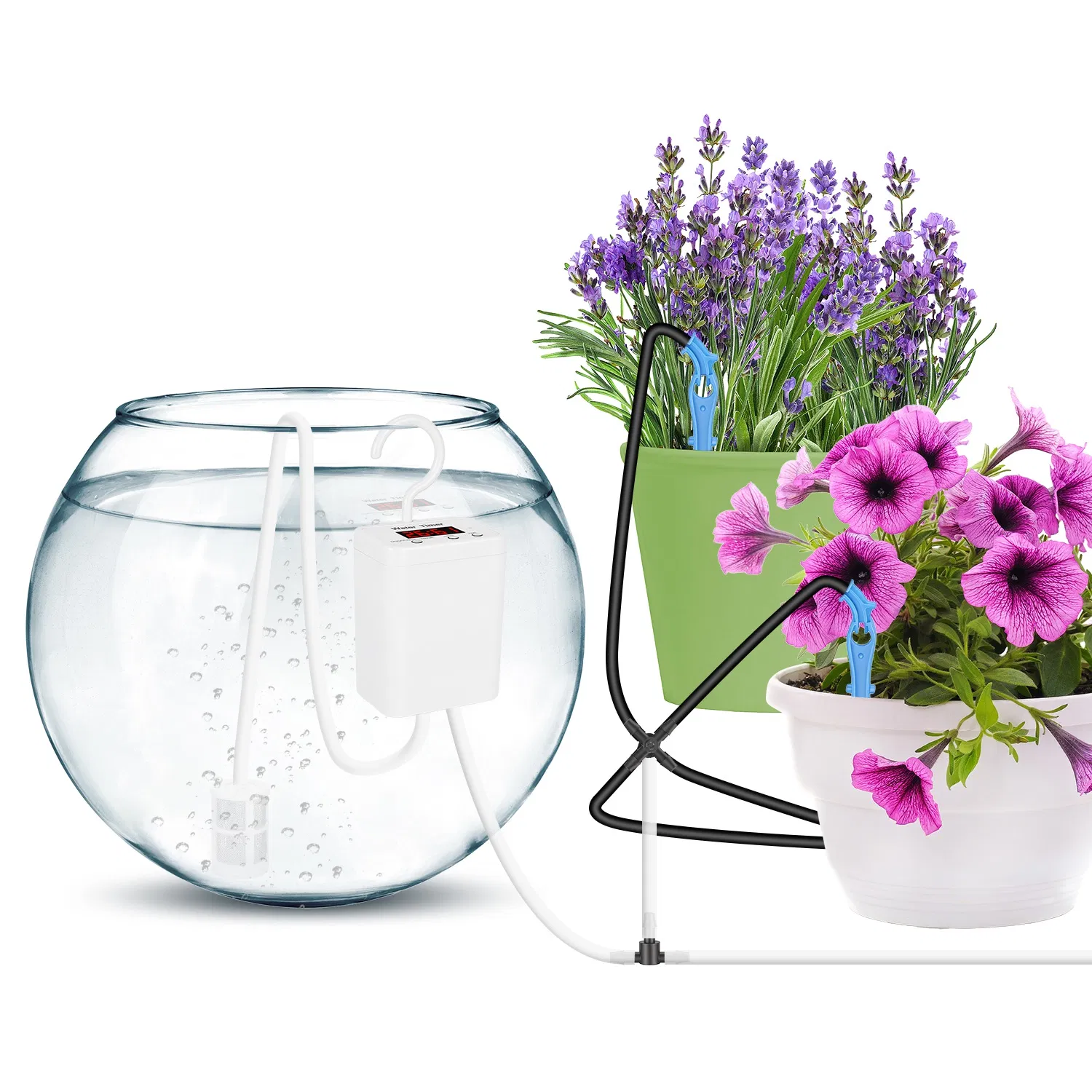 Automatic Plant Watering Device Indoor Drip Irrigation System with LCD Display Rechargeable Adjustable Timer for Up to 16 Arrows Vacation Self for Houseplant$35.99View on Mallflare
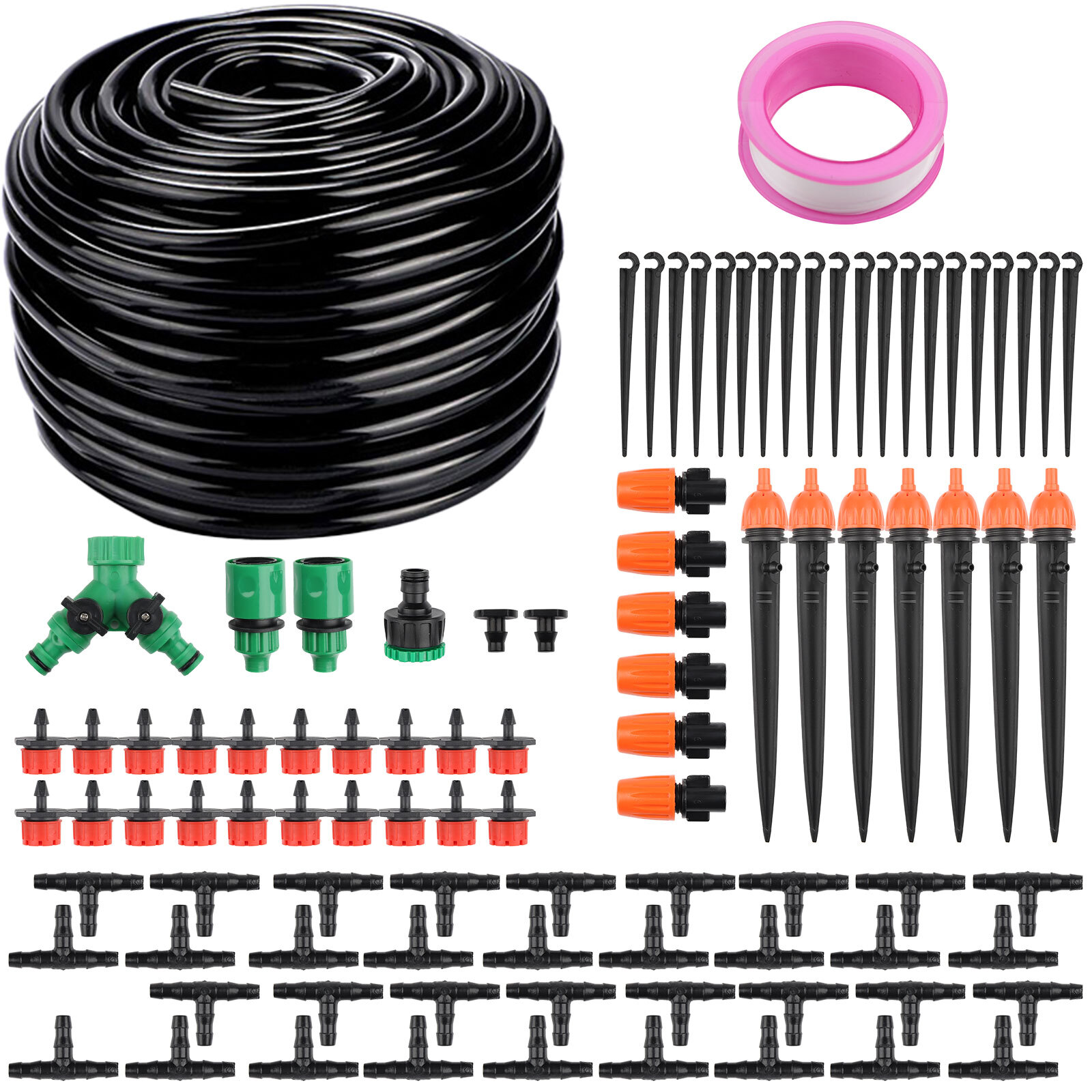 130FT Drip Irrigation System Garden Plant Self Watering Micro Hose Sprinkler Kit$15.99Last checked Nov 18, 2026View on eBay
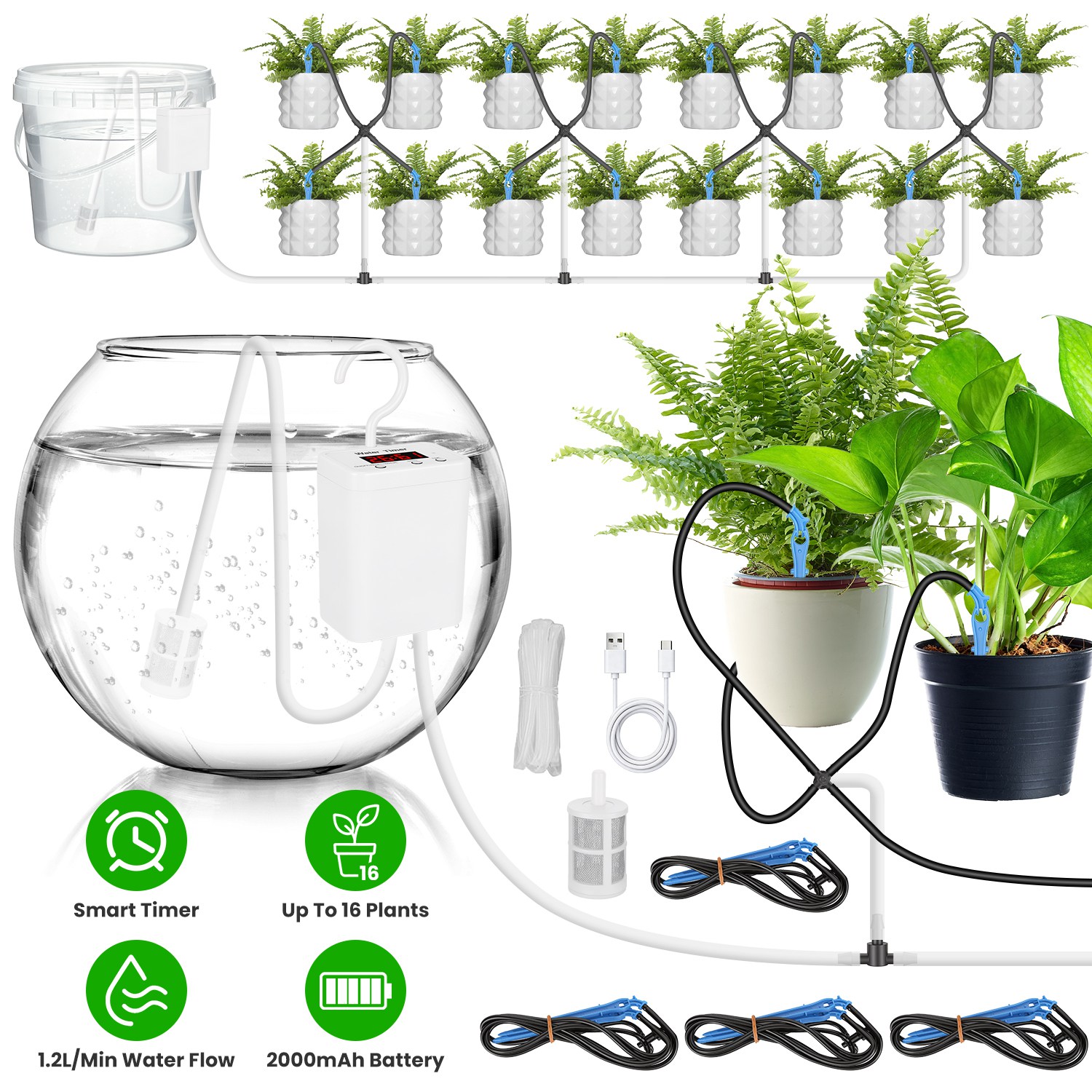 1Pc Automatic Plant Watering Device Indoor Drip Irrigation System With LCD Display Rechargeable Adjustable Timer For Up To 16 Arrows Vacation Self For House$37.99View on Mallflare
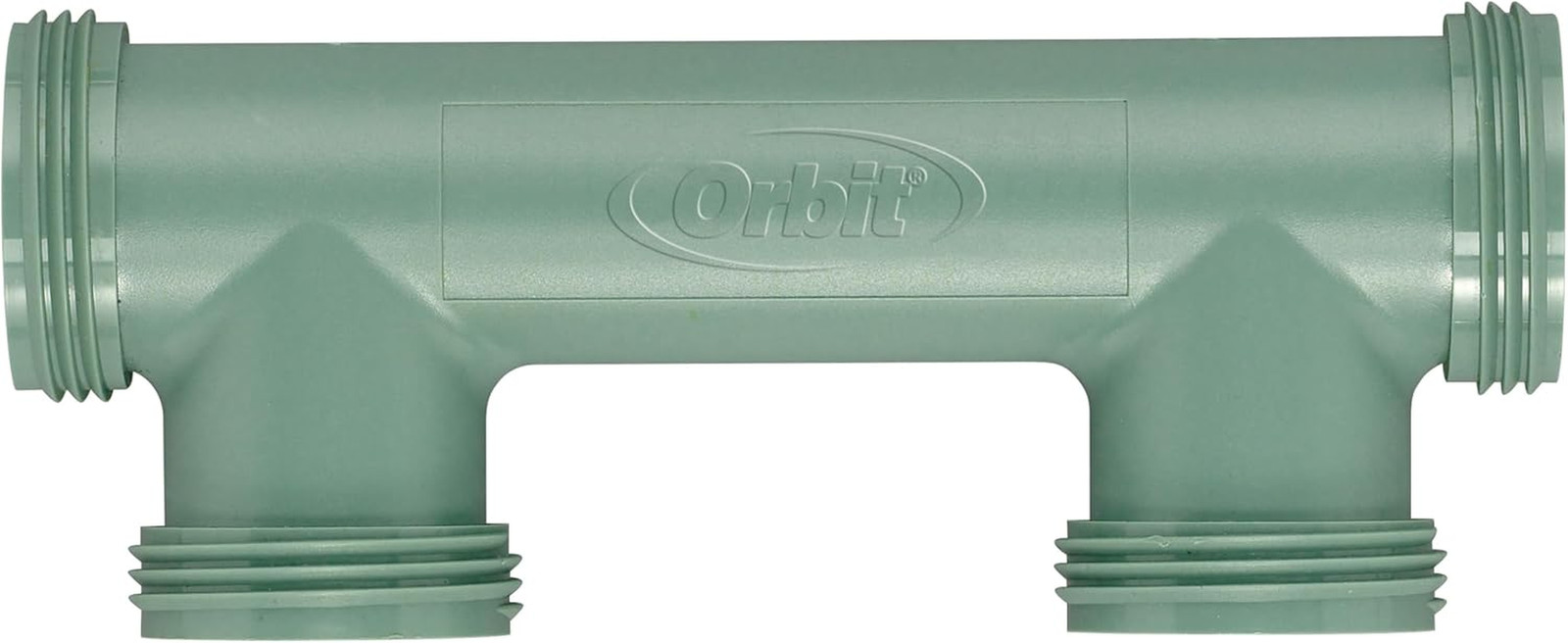 Orbit 57182 Manifold Irrigation System 2-Port$15.99View on eBay
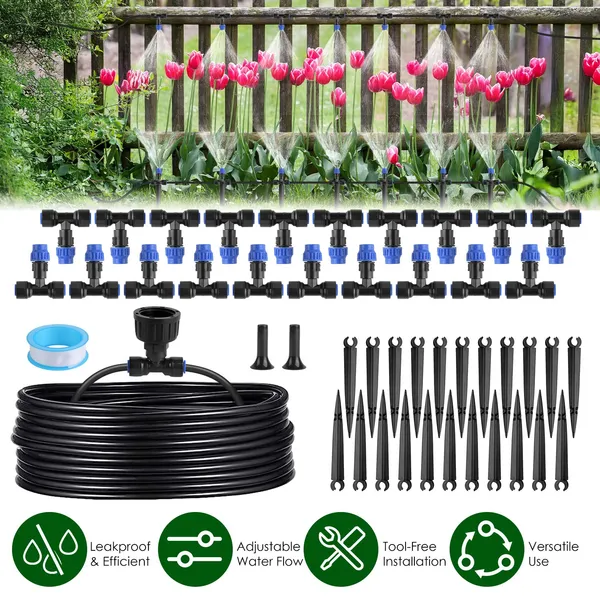 75FT Mist Drip Irrigation System With Adjustable Misting Nozzle Quick Connect Automatic Garden Watering For Lawn Patio Flower Bed$39.99View on Mallflare
- Drip Irrigation System Garden Plant Self Watering Hose Micro Sprinkler Kit$16.10Last checked Nov 19, 2026View on eBay
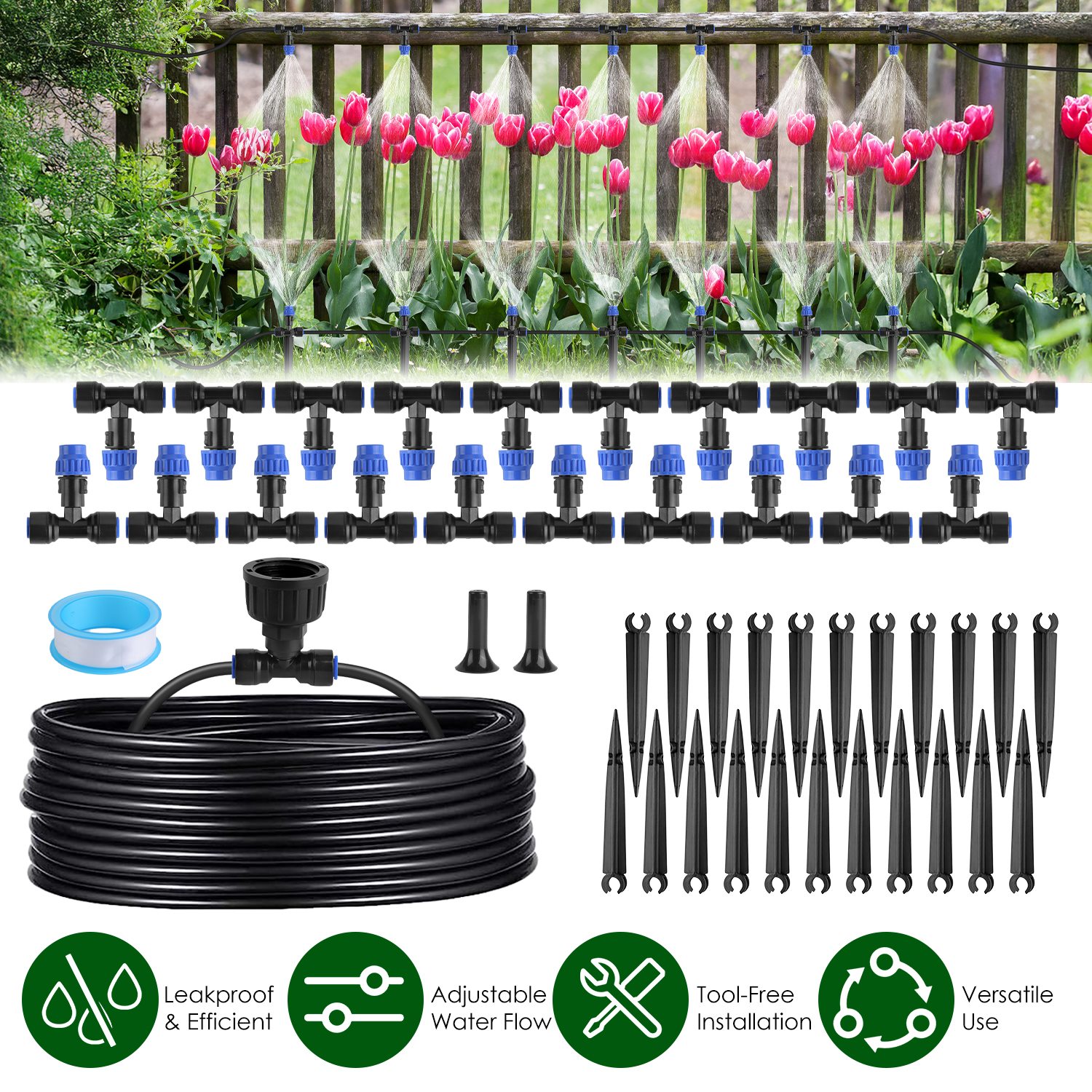 Complete Garden Drip Irrigation System Kit,Drip Kit, 75FT Watering with Adjustable Misting Nozzles for Greenhouse Lawn Patio Flower Bed$56.99View on Mallflare
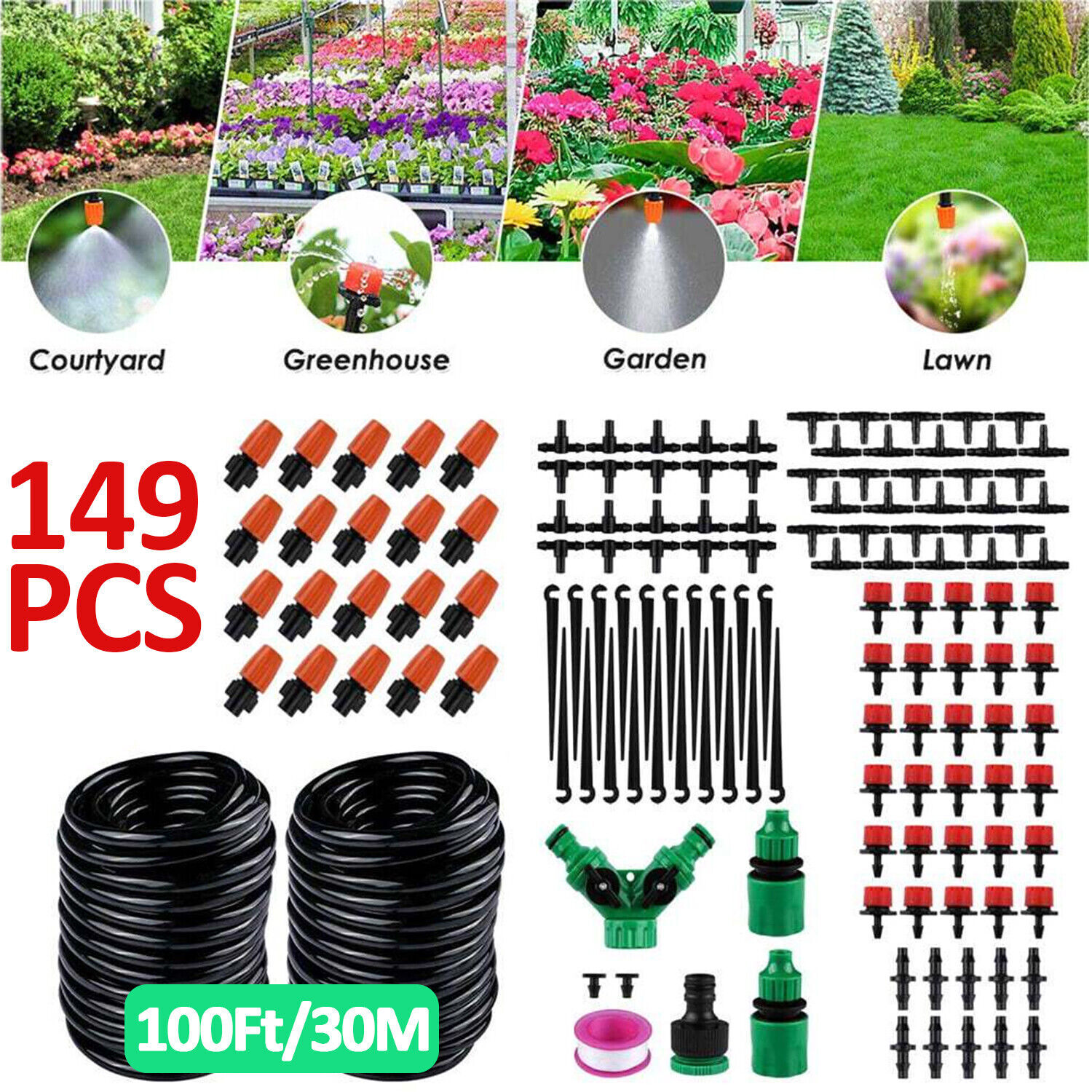 100ft Drip Irrigation System Garden Plant Self Watering Micro Hose Sprinkler Kit$19.94Last checked Nov 18, 2026View on eBay
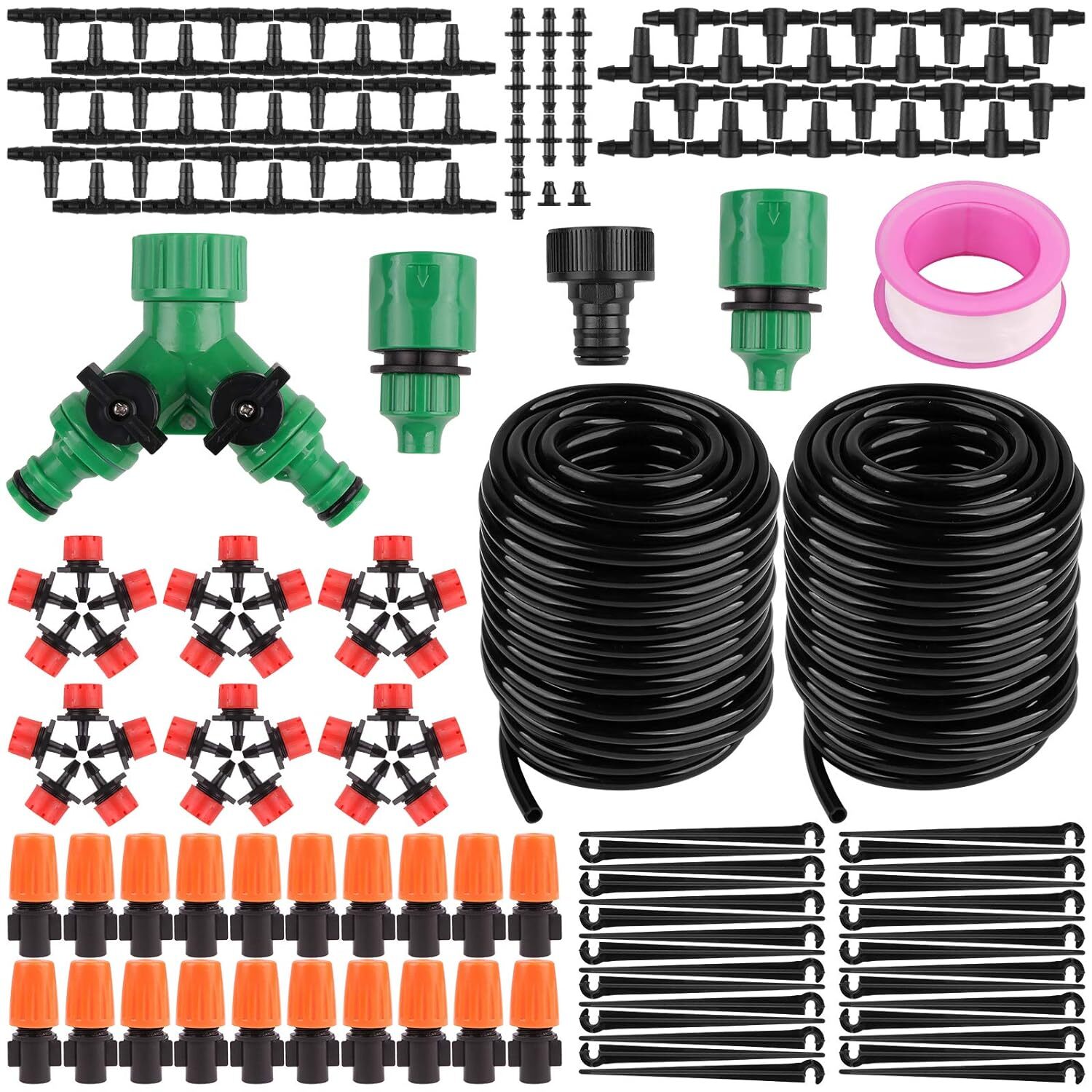 149PC Drip Irrigation System Garden Plant Self Watering Micro Hose Sprinkler Kit$19.98View on eBay
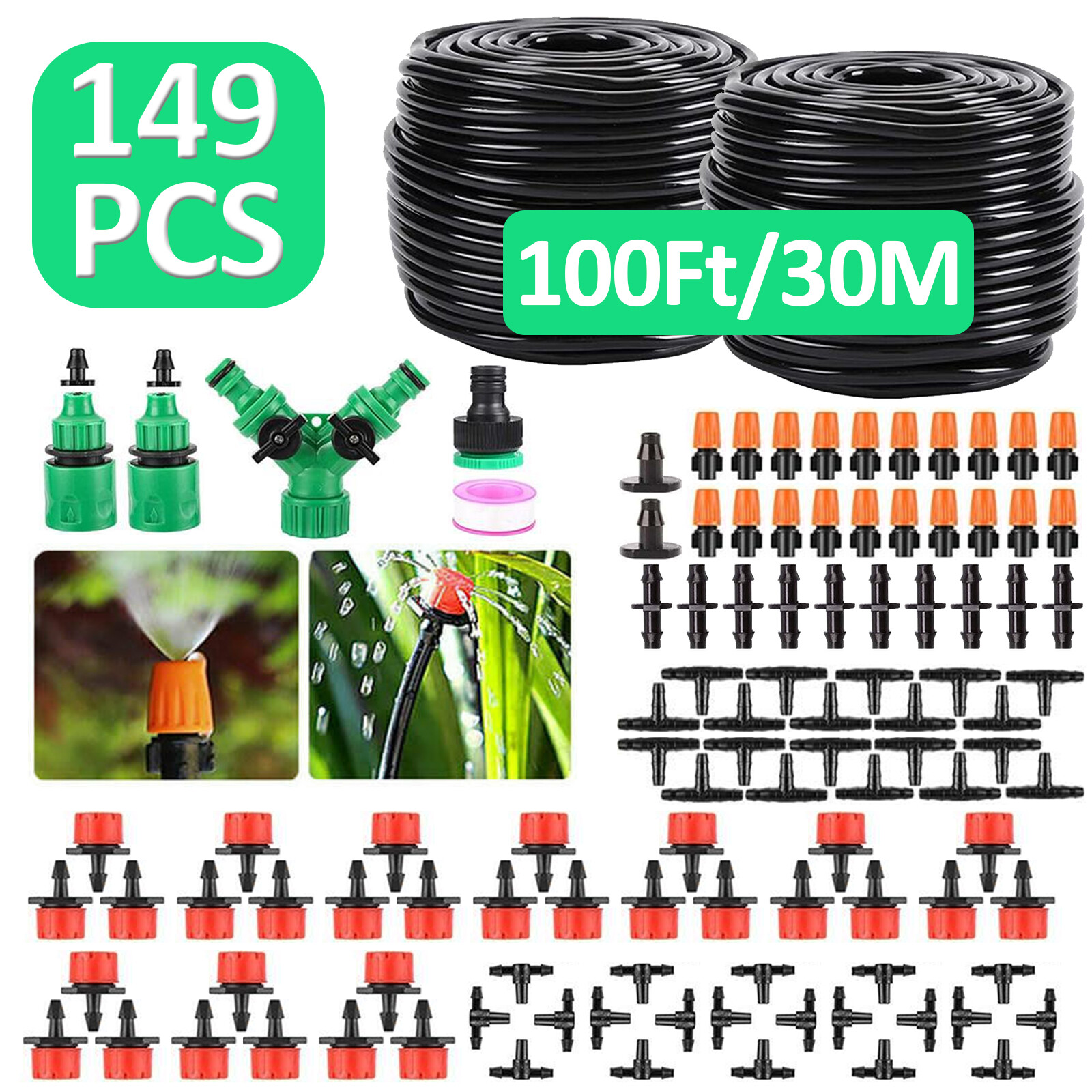 149-298pcs Micro Drip Irrigation System Kit Plant Garden Watering Hose Sprayer$19.99Last checked Nov 18, 2026View on eBay
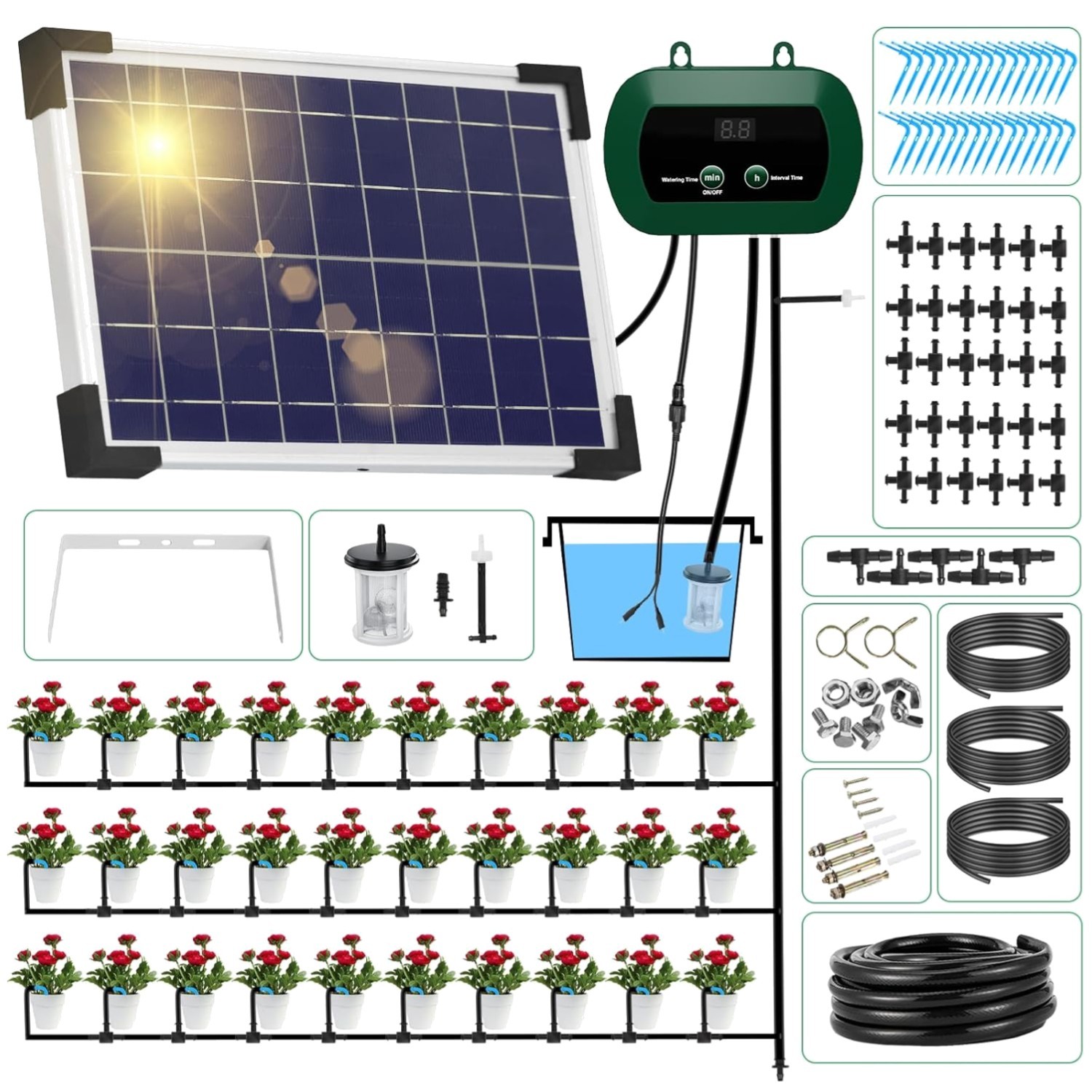 Solar Drip Irrigation System, Automatic Greenhouse Watering Kit With 15M Hose$19.99View on eBay
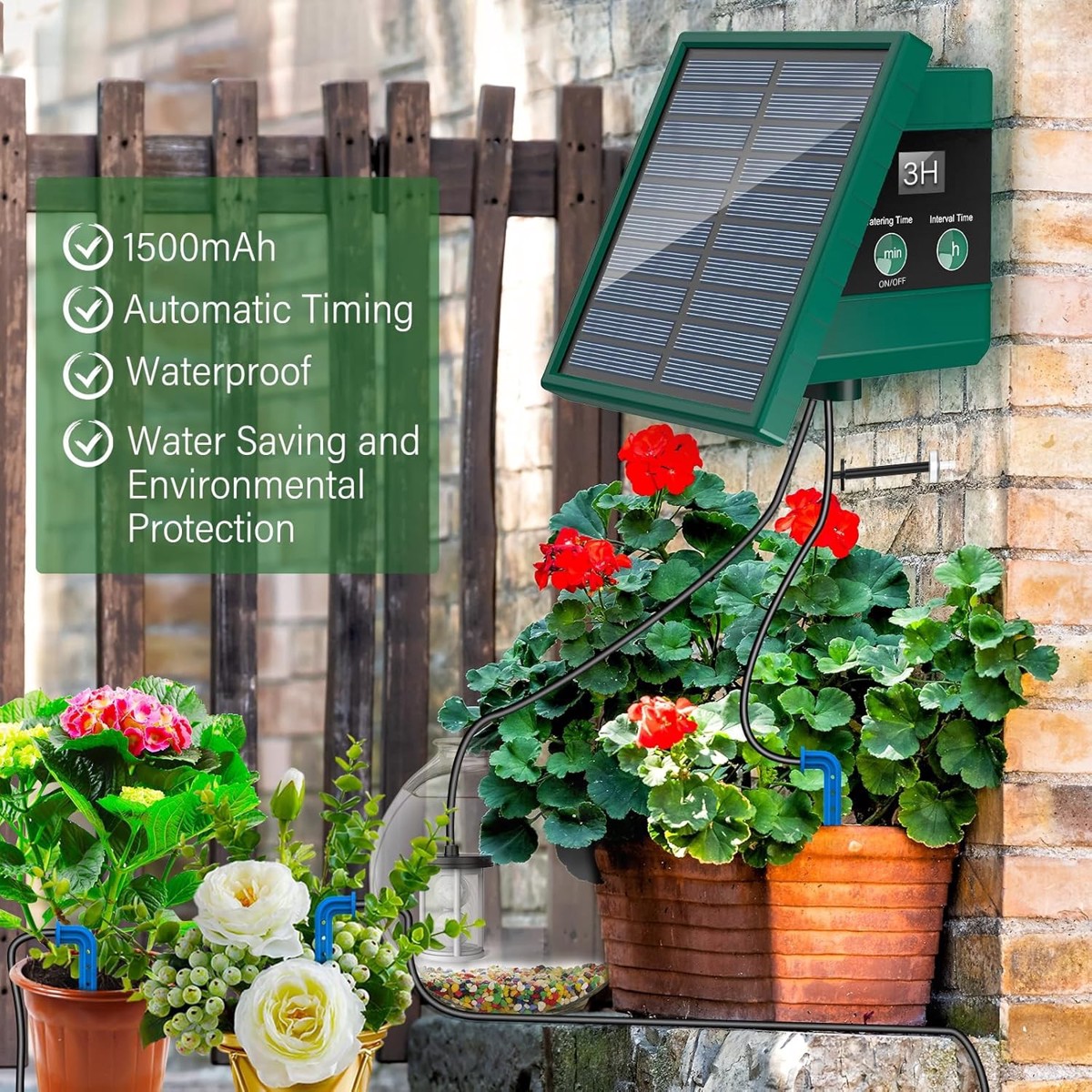 Solar Irrigation System 300 Watering Programmes with 10M Hose and 10 Drip Tips$20.16View on eBay
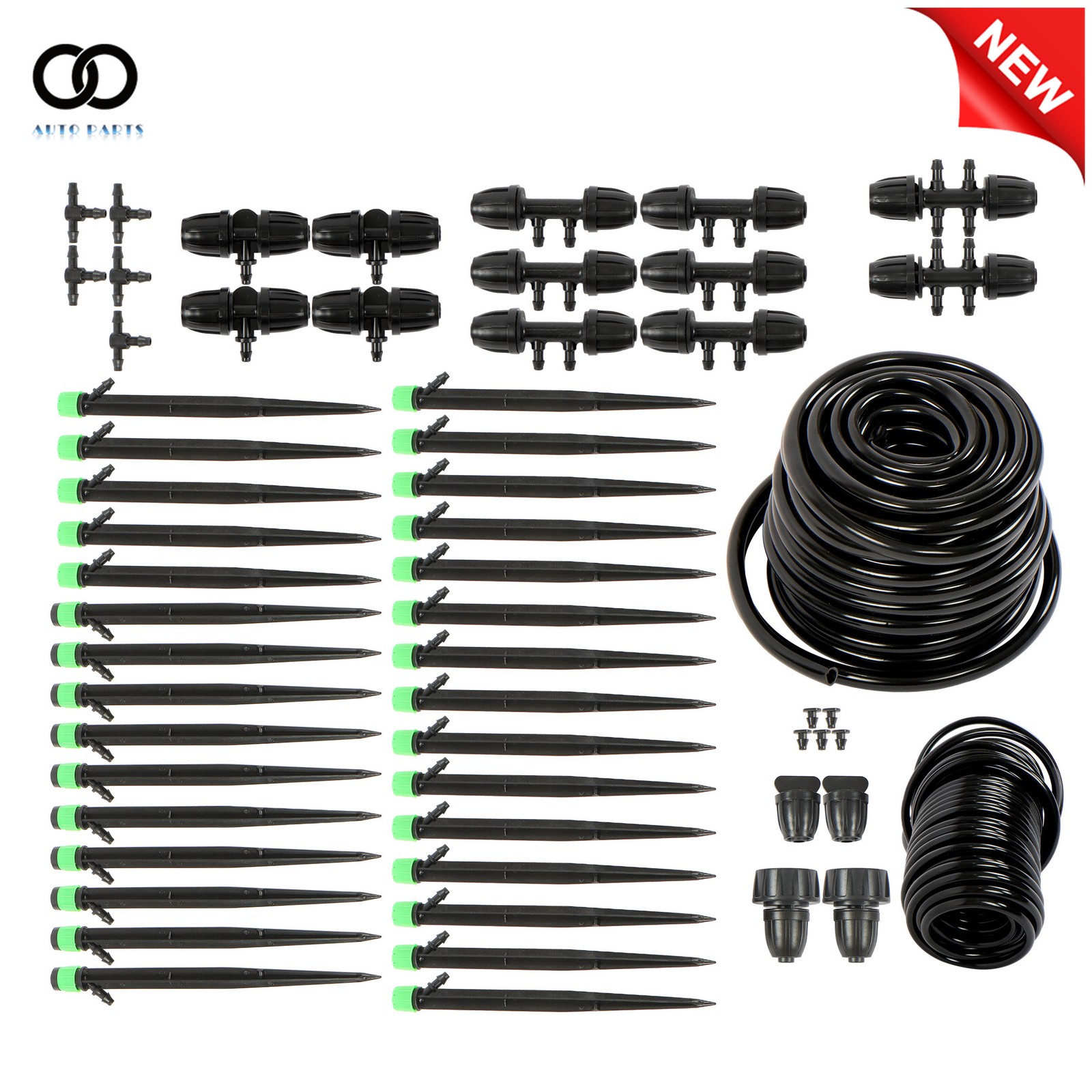 130 Feet Drip Irrigation System Adjustable Kit For Garden W/ Emitters Tubing$20.85View on eBay
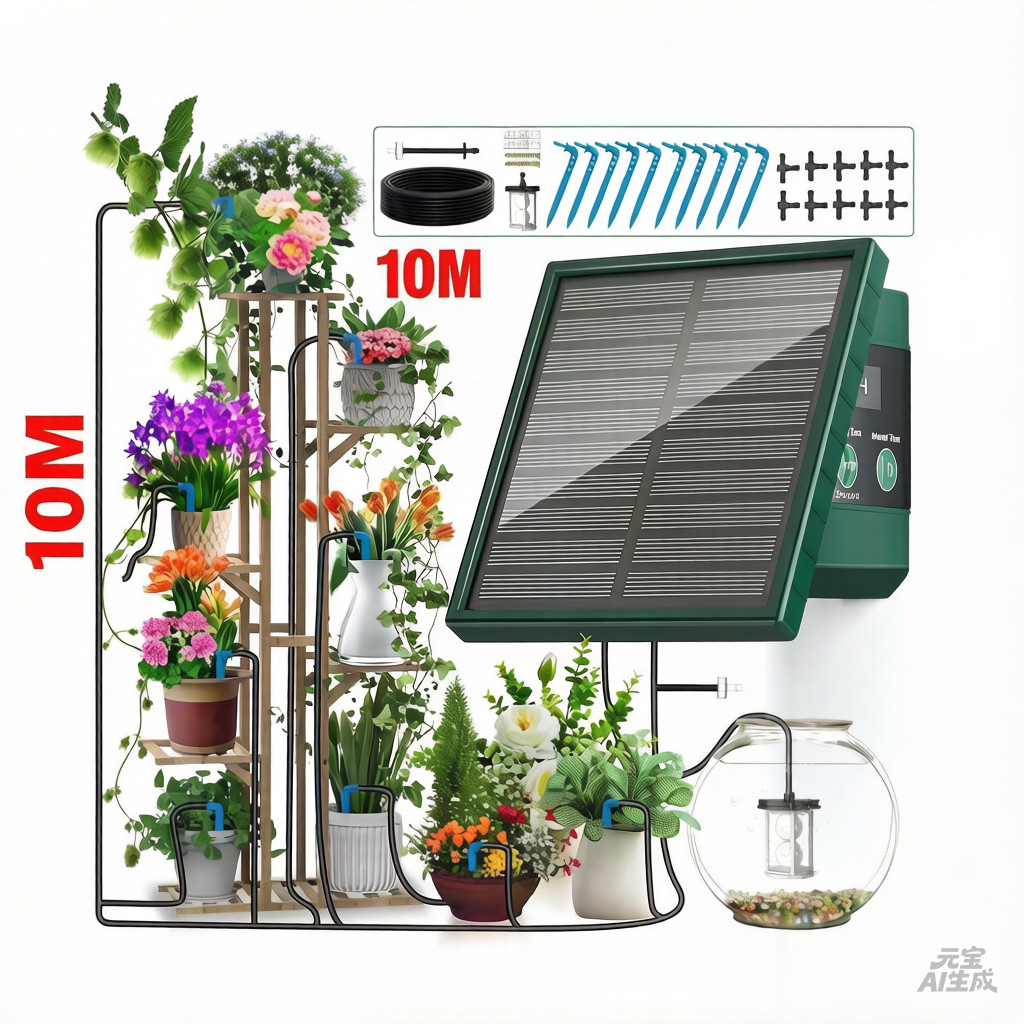 Watering Programmes Solar Irrigation System 300 with 32.8FT Hose and 10 Drip Tip$20.96View on eBay
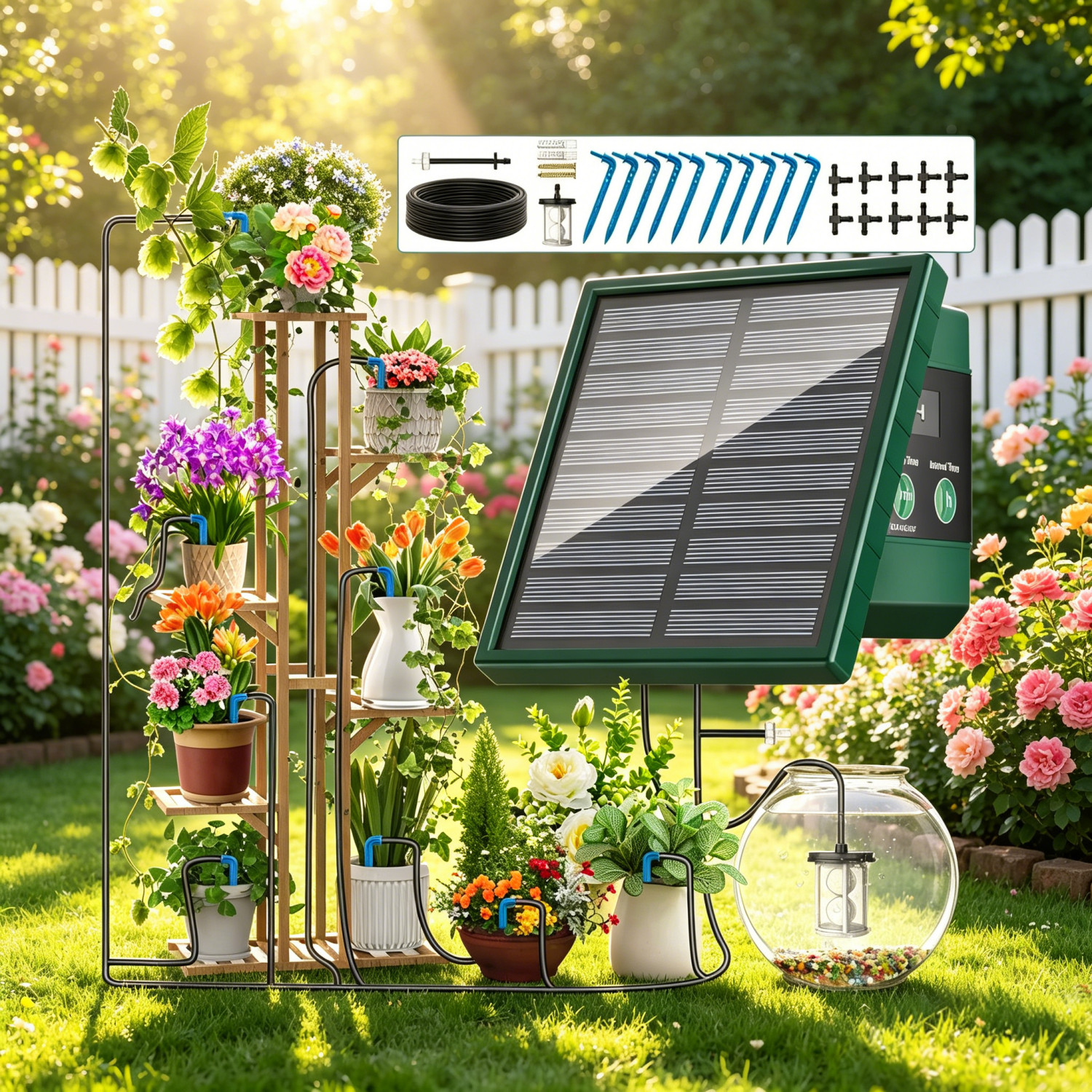 Watering Programmes Solar Irrigation System 300 with 10M Hose and 10 Drip Tips$20.98View on eBay
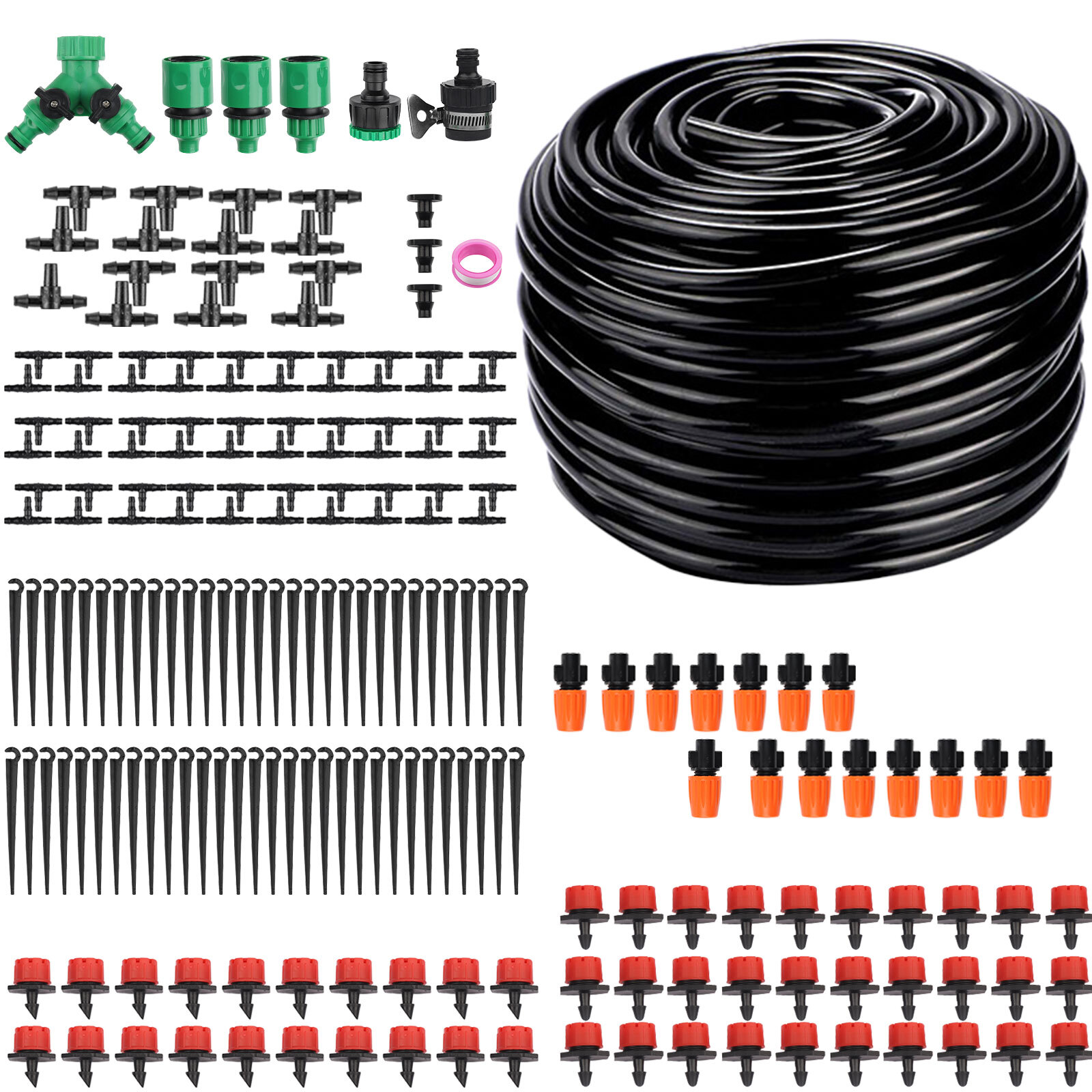 Drip Irrigation System Garden Plant Self Watering Hose Micro Sprinkler Kit$20.99Last checked Nov 19, 2026View on eBay
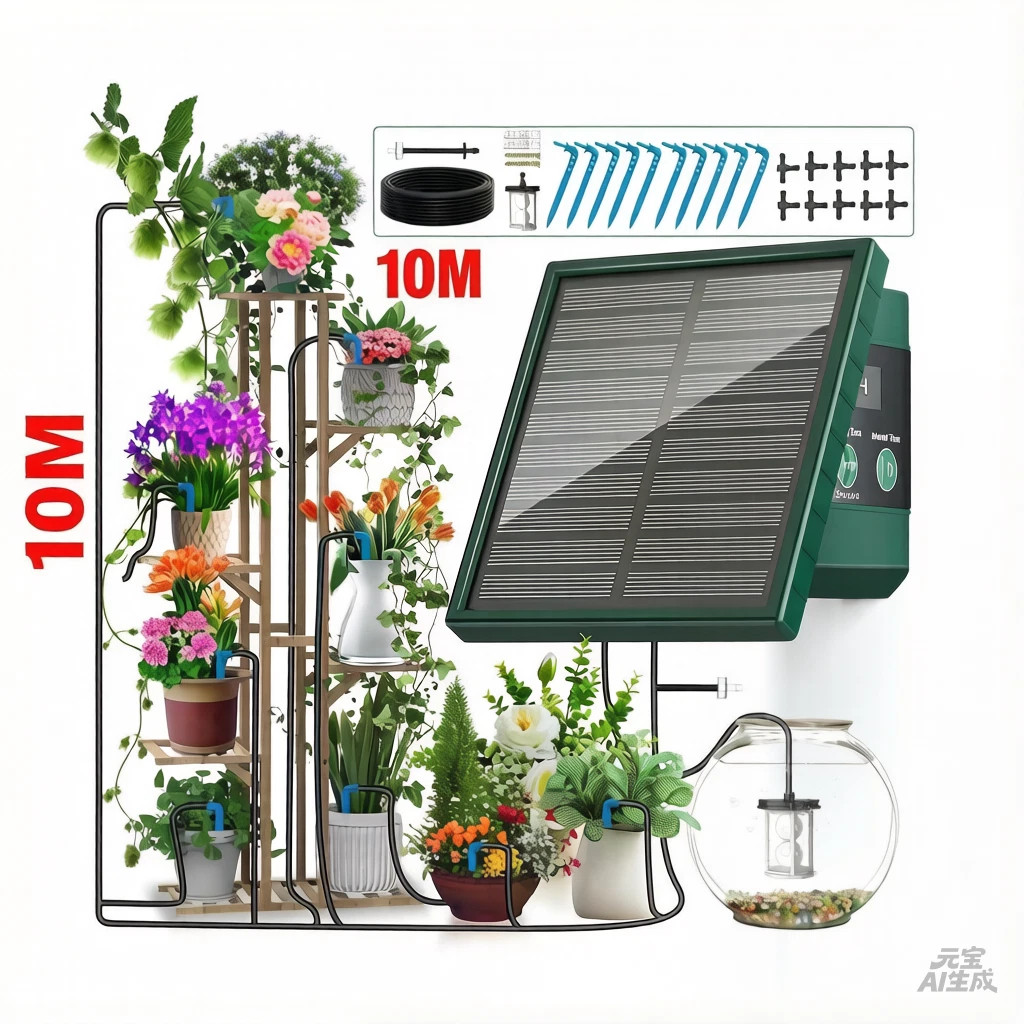 Solar Watering Programmes Irrigation System 300 with 10M Hose and 10 Drip Tips$20.99Last checked Nov 19, 2026View on eBay
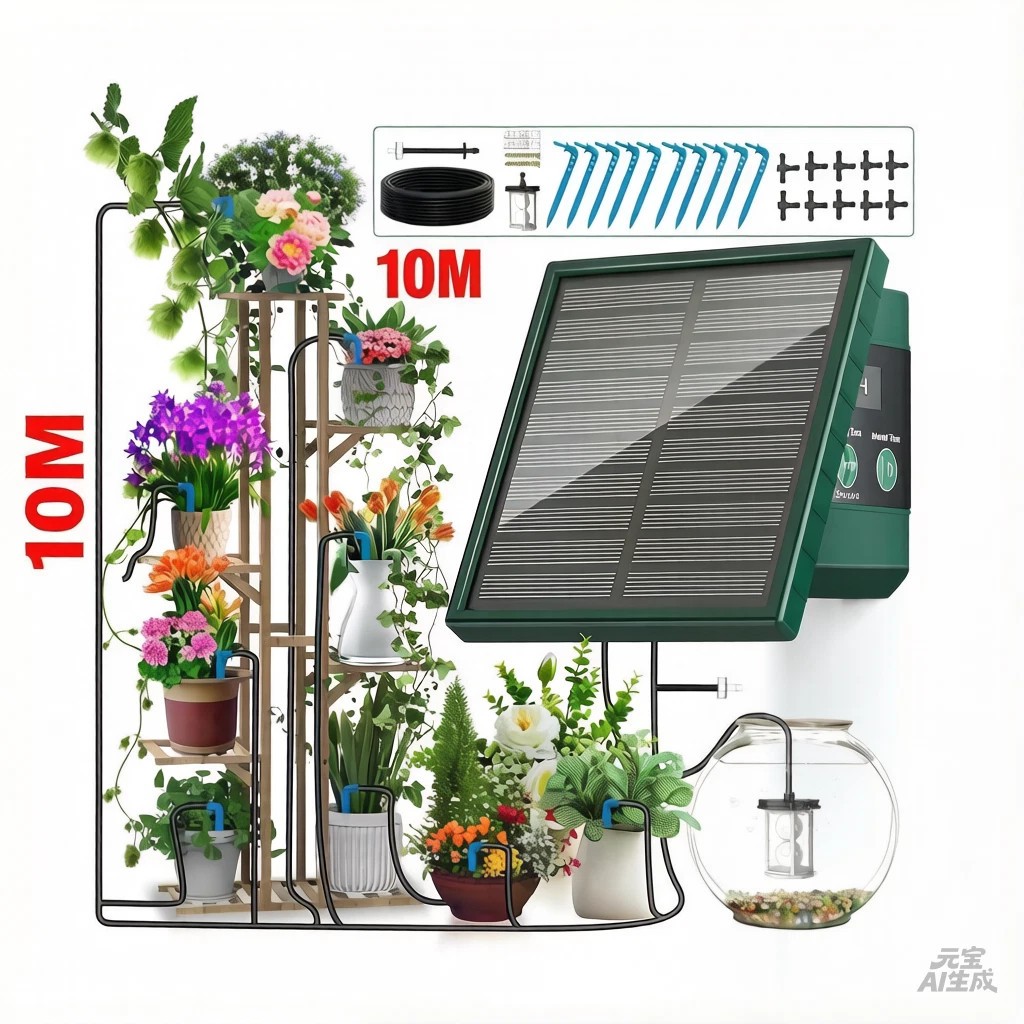 Solar Watering Programmes Irrigation System 300 with 10M Hose and 10 Drip Tips$20.99Last checked Nov 18, 2026View on eBay
- Watering Programmes Solar Irrigation System 300 with 10M Hose and 10 Drip Tips,p$20.99View on eBay
Highlights
- Tubing wall thickness determines lifespan: 0.5–0.7mm thin-wall kinks and UV-degrades in one season, while 1.0–1.5mm UV-stabilized polyethylene withstands years of sun and 30+ PSI.
- Timer type separates convenience tiers: battery/Type-C cordless timers suit vacation watering for pots, while inline AC timers with solenoid valves handle multi-zone garden manifolds.
- Emitter architecture matters: pressure-compensating drippers maintain uniform flow across long runs, whereas non-compensated micro-sprinklers need a pressure regulator below 30 PSI.
- Fitting material grades: brass barbed valves and stainless clamps resist corrosion and repeated disconnect cycles; ABS or POM plastic barbs crack under UV and thermal cycling.
Best use cases
- Raised beds with 10–15 plants: pick a 50–75ft 1/4-inch drip kit with pressure-compensating emitters and a brass manifold; skip thin-wall 0.5mm tubing and non-regulated misting heads.
- Indoor pot collections or vacation watering: choose a rechargeable Type-C timer with 1–16 arrow drippers and LCD scheduling; avoid outdoor AC timers that require a hose spigot.
- Lawn or patio coverage: use a 75ft misting/sprinkler kit with adjustable brass nozzles and quick-connect fittings; skip drip-only kits that cannot broadcast over 10+ feet.
- Multi-zone garden with hose spigot: select a 2-port manifold like the Orbit 57182 with 1/2-inch barbed valves and an inline AC timer; avoid single-outlet battery timers that cannot split zones.
Buying tips
- Size tubing to run length: 1/4-inch tubing supports up to 30ft per branch with 10–15 drippers; 1/2-inch mainline is required for runs over 50ft or more than 20 emitters.
- Match fittings to tubing OD: 1/4-inch barbed fittings fit 0.170–0.250-inch ID tubing; 1/2-inch barbs fit 0.520–0.620-inch ID. Mismatched barbs leak or blow off under pressure.
- Use a pressure regulator when source pressure exceeds 30 PSI; pressure-compensating drippers rated 15–30 PSI deliver uniform flow, while non-compensated emitters vary 2x across the line.
- For outdoor durability, specify UV-stabilized polyethylene or vinyl tubing and brass or POM fittings; ABS plastic barbs and thin-wall hose degrade within one to two seasons.
Specs
| Tubing Wall | 0.5–0.7mm economy vs 1.0–1.5mm UV |
|---|---|
| Emitter Type | Pressure-compensating vs non-compensated |
| Fitting Material | Brass/stainless vs ABS/POM plastic |
| Timer Power | Battery/Type-C vs AC solenoid |
Related searches
What to check before buying
- Measure spigot distance to farthest plant and total run length; confirm kit tubing length exceeds that by 20% for routing and slack.
- Check outdoor spigot thread standard (3/4-inch GHT in North America) and whether the timer connects directly or needs an adapter.
- Verify water pressure with a gauge; if above 30 PSI, include a pressure regulator before any drip emitters or misting nozzles.
- Count plant positions and confirm emitter count in kit meets or exceeds that number; plan for 10–15 drippers per 1/4-inch branch.
FAQ
Data sources: eBay / Amazon listings and product attribute feeds. Updated Nov 28, 2026.
Some links on this page are affiliate links. If you buy after clicking one, we may earn a commission at no extra cost to you. This does not change which products appear here or their order. Affiliate disclosure.