
Photos from current listings. Actual item, color, and included accessories may vary.
Garden Drip Irrigation Buying Guide
Garden drip irrigation is a low-pressure tubing network that delivers water directly to root zones via emitters, misters, or drip stakes, cutting evaporation loss versus sprinklers. The core trade-off is emitter precision and pressure regulation versus kit convenience: cheap barbed fittings and unregulated tap pressure cause blowouts and uneven watering. Choose kits with a pressure regulator, filter, and matched emitters for durability; treat bare tubing-and-barb bundles as consumables.
Median $24.75
Key takeaways
- Pressure regulation at 25-30 PSI is mandatory for drip tubing; unregulated household pressure (50-80 PSI) blows barbed fittings and emitter seals.
- Emitter flow ratings (0.5, 1, 2 GPH) and spacing (6-18 in) determine zone length; 1/2 in mainline supports more emitters than 1/4 in micro-tubing.
- Material grades separate tiers: brass or ABS threaded connectors resist UV and freeze cycling; POM and soft plastic barbs crack within a season or two.
At a glance
- Category
- Watering & Irrigation
- Last updated
- Nov 28, 2026
Current offers
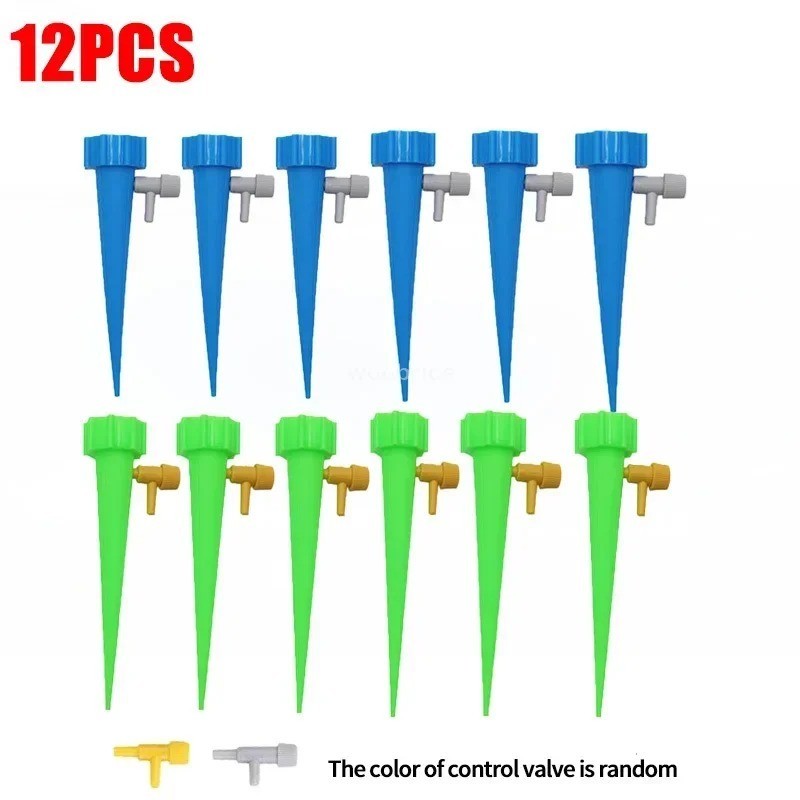 12PCS Mixed Automatic Drip Irrigation Plant Self Watering Kit Garden Device$5.91Last checked Nov 19, 2026View on eBay
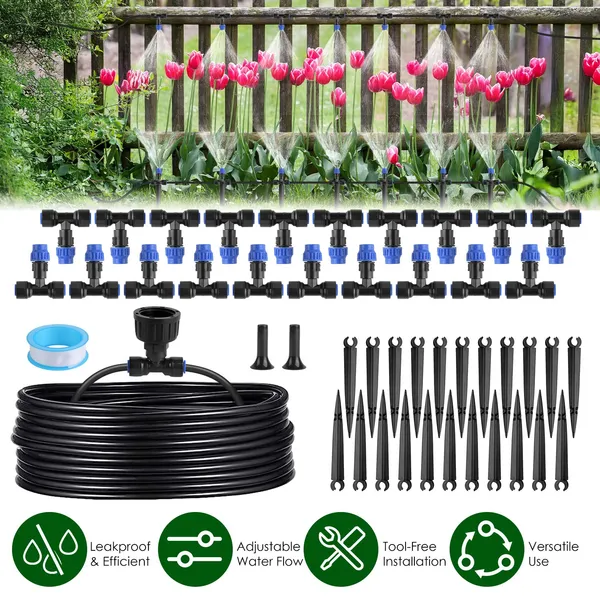 75FT Mist Drip Irrigation System With Adjustable Misting Nozzle Quick Connect Automatic Garden Watering For Lawn Patio Flower Bed$39.99View on Mallflare
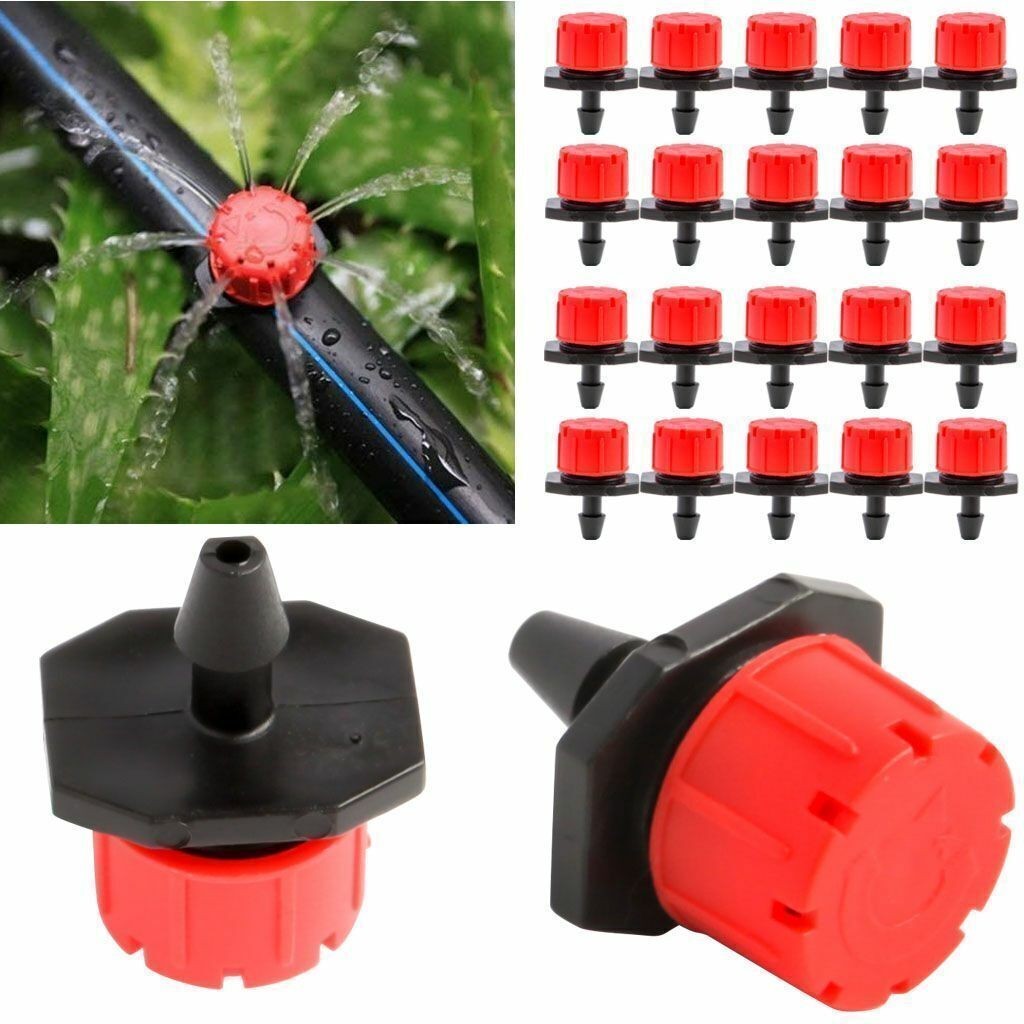 33-100ft Auto Drip Irrigation System Kit Timer Micro Sprinkler Garden Watering$7.99View on eBay
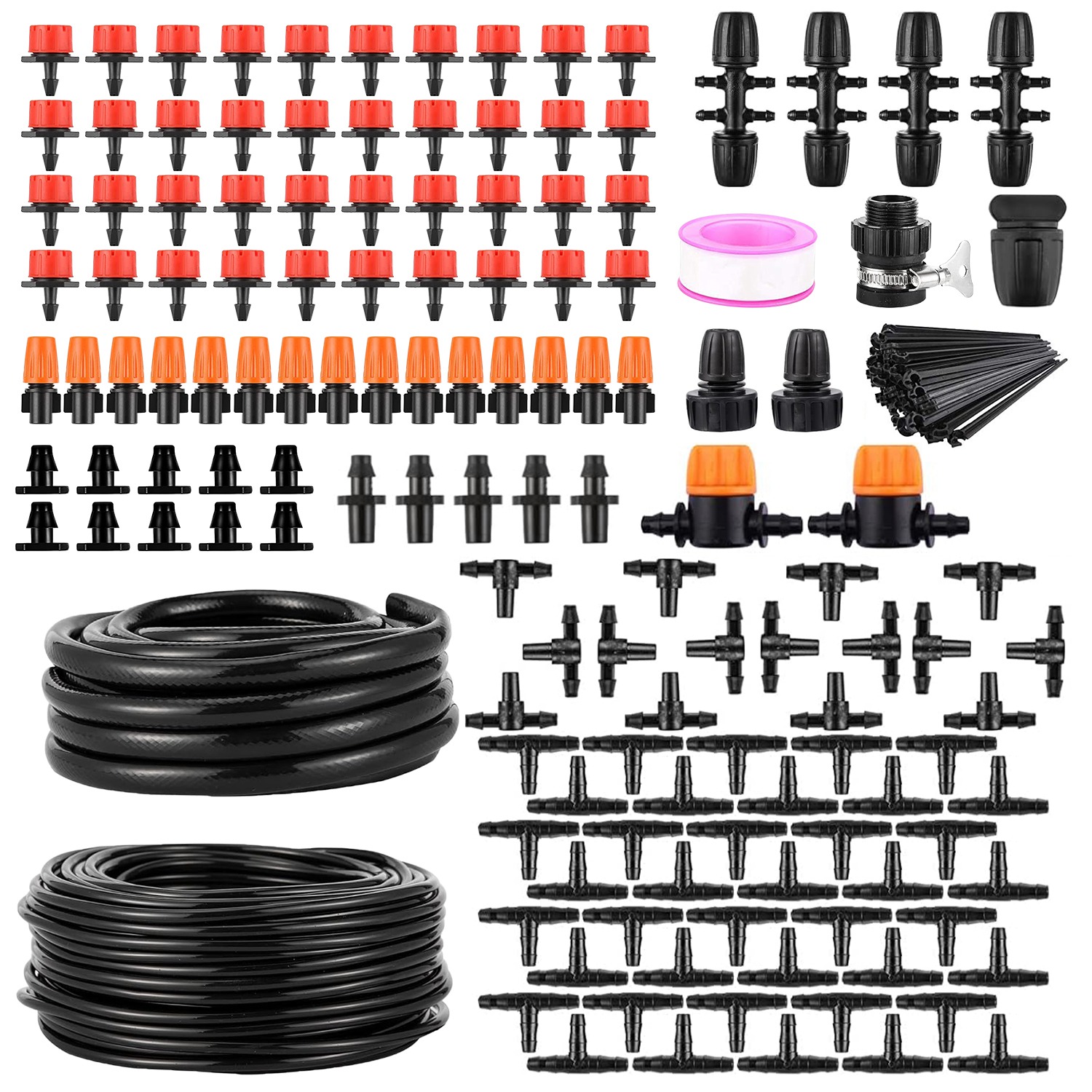 1Set Drip Irrigation Kit Automatic Garden System Misting Plant Watering Kit For Greenhouse Flower Bed Patio Lawn$43.99View on Mallflare
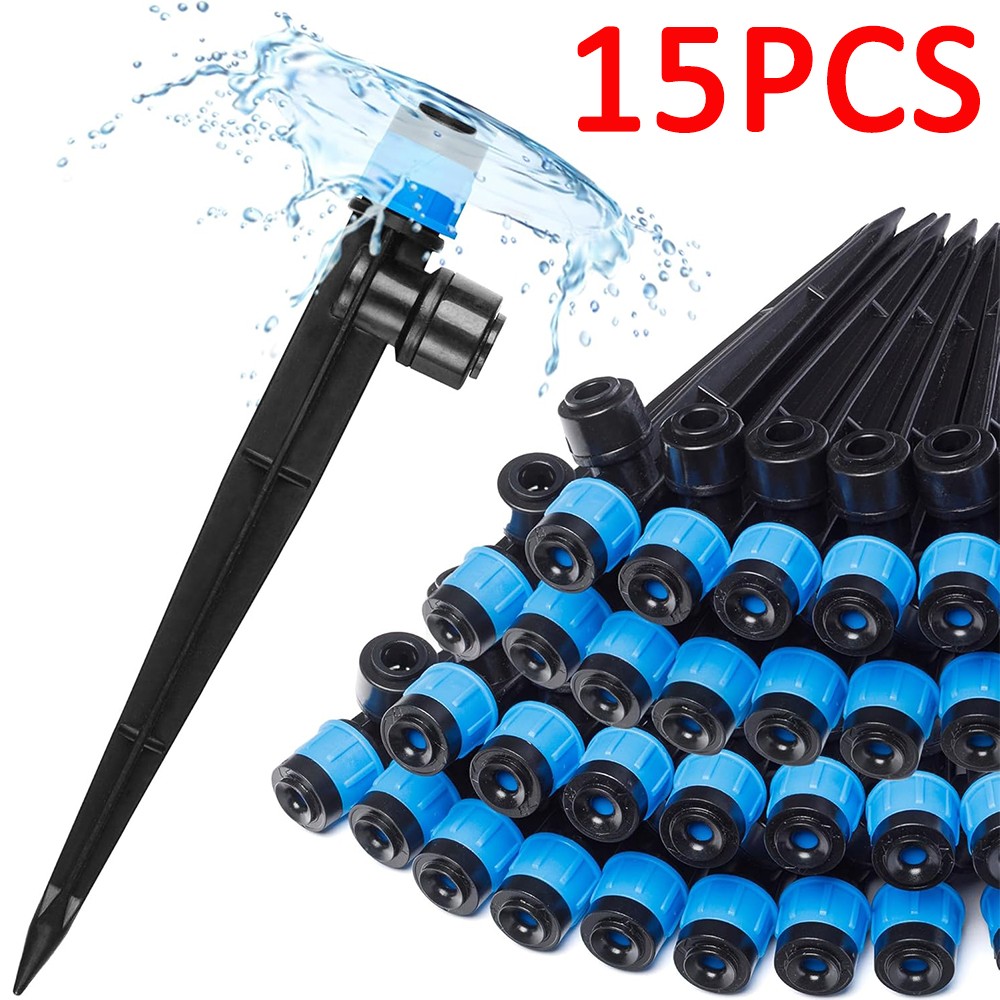 30Pcs Drip Irrigation Emitter 1/4" Garden Drip Watering System 360° Adjustable$9.29Last checked Nov 19, 2026View on eBay
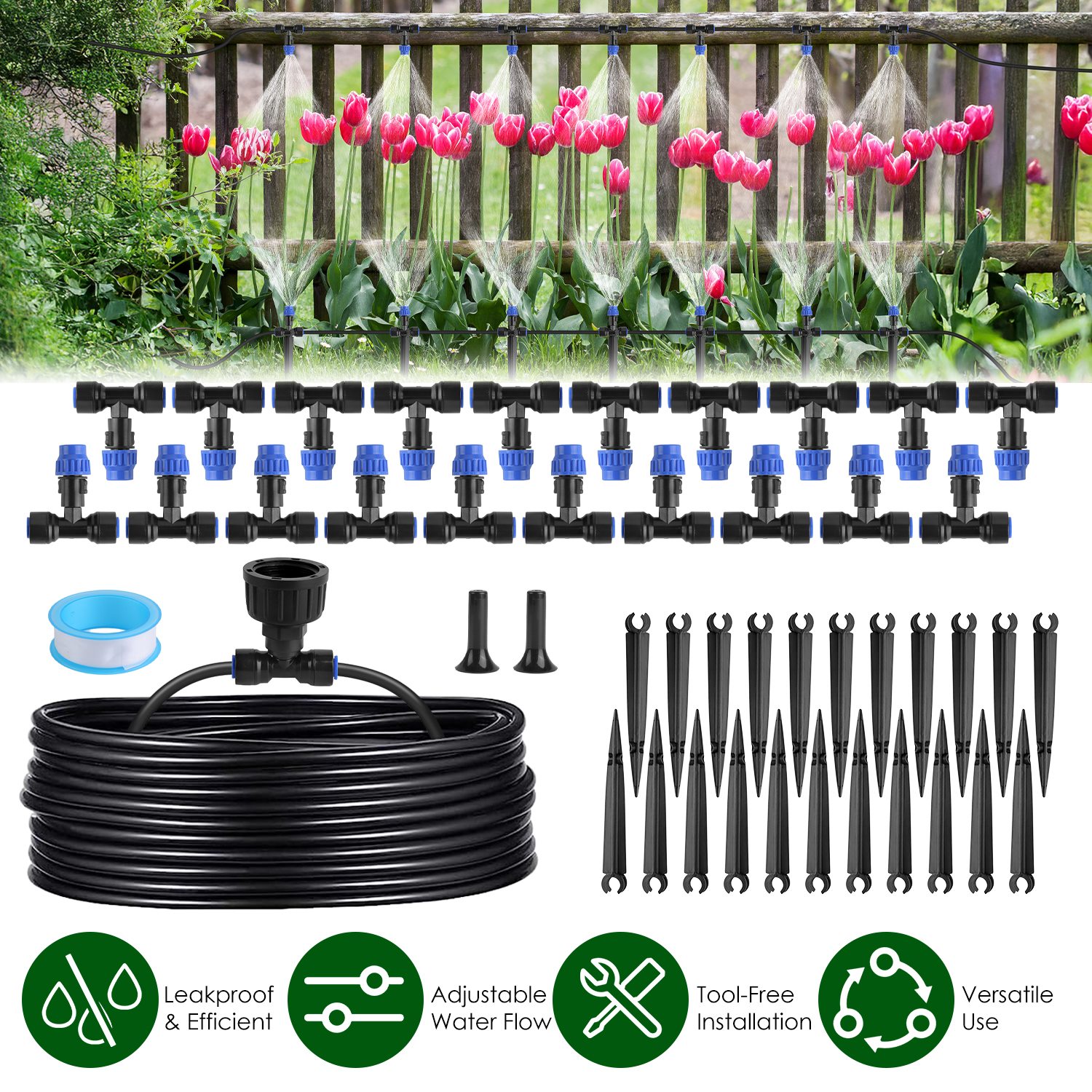 Complete Garden Drip Irrigation System Kit,Drip Kit, 75FT Watering with Adjustable Misting Nozzles for Greenhouse Lawn Patio Flower Bed$56.99View on Mallflare
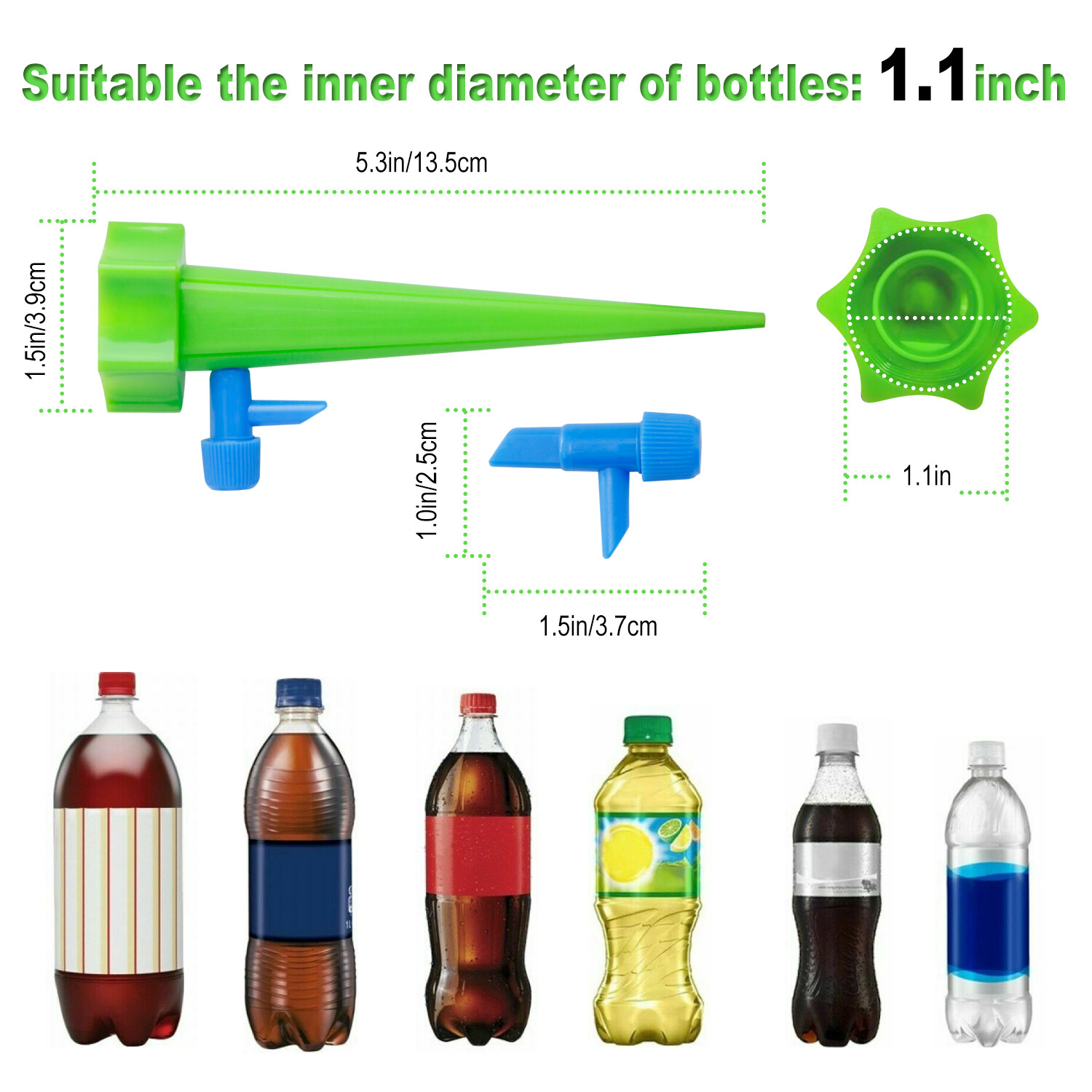 12/24PCS Garden Drip Irrigation Kit -Automatic Self Watering System for Vacation$9.95Last checked Nov 19, 2026View on eBay
- 12/24PCS Garden Drip Irrigation Kit -Automatic Self Watering System for Vacation$10.45View on eBay
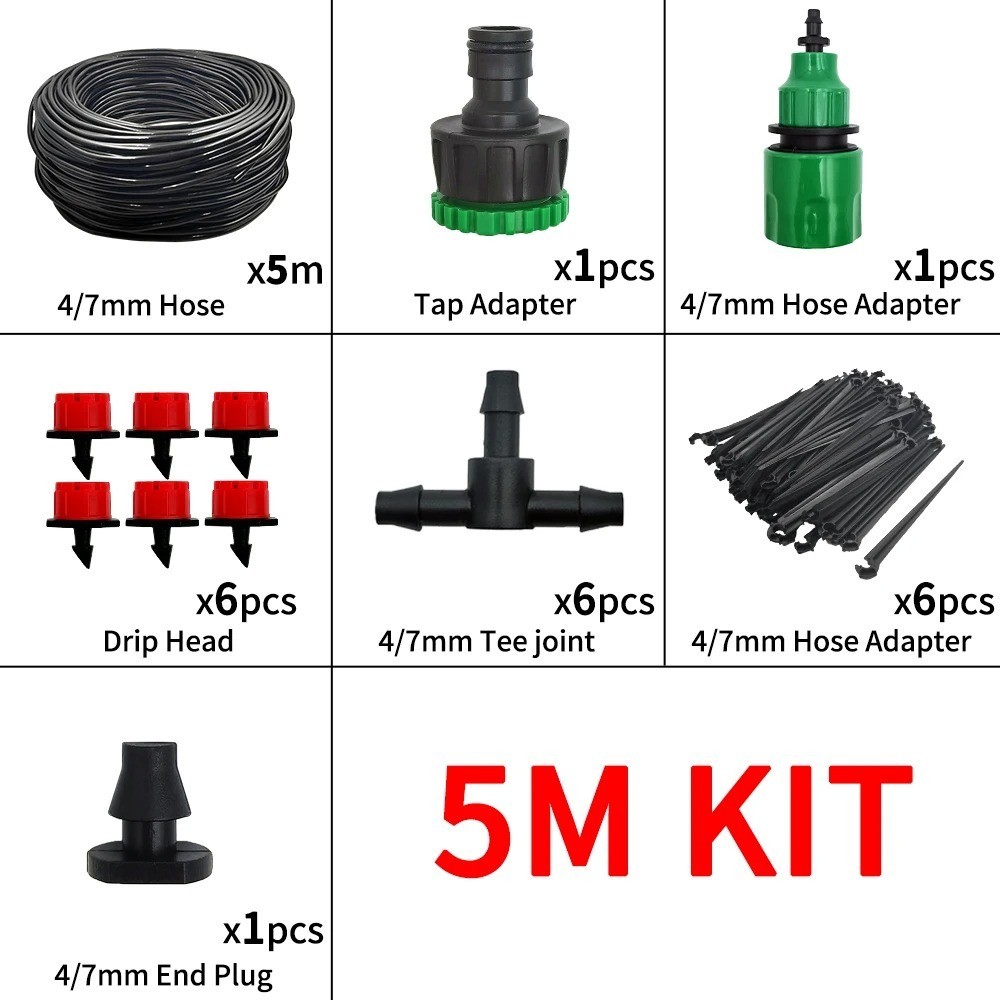 Drip Irrigation System Garden Plant Self Watering Mist Hose Micro Sprinkler Kit$10.70View on eBay
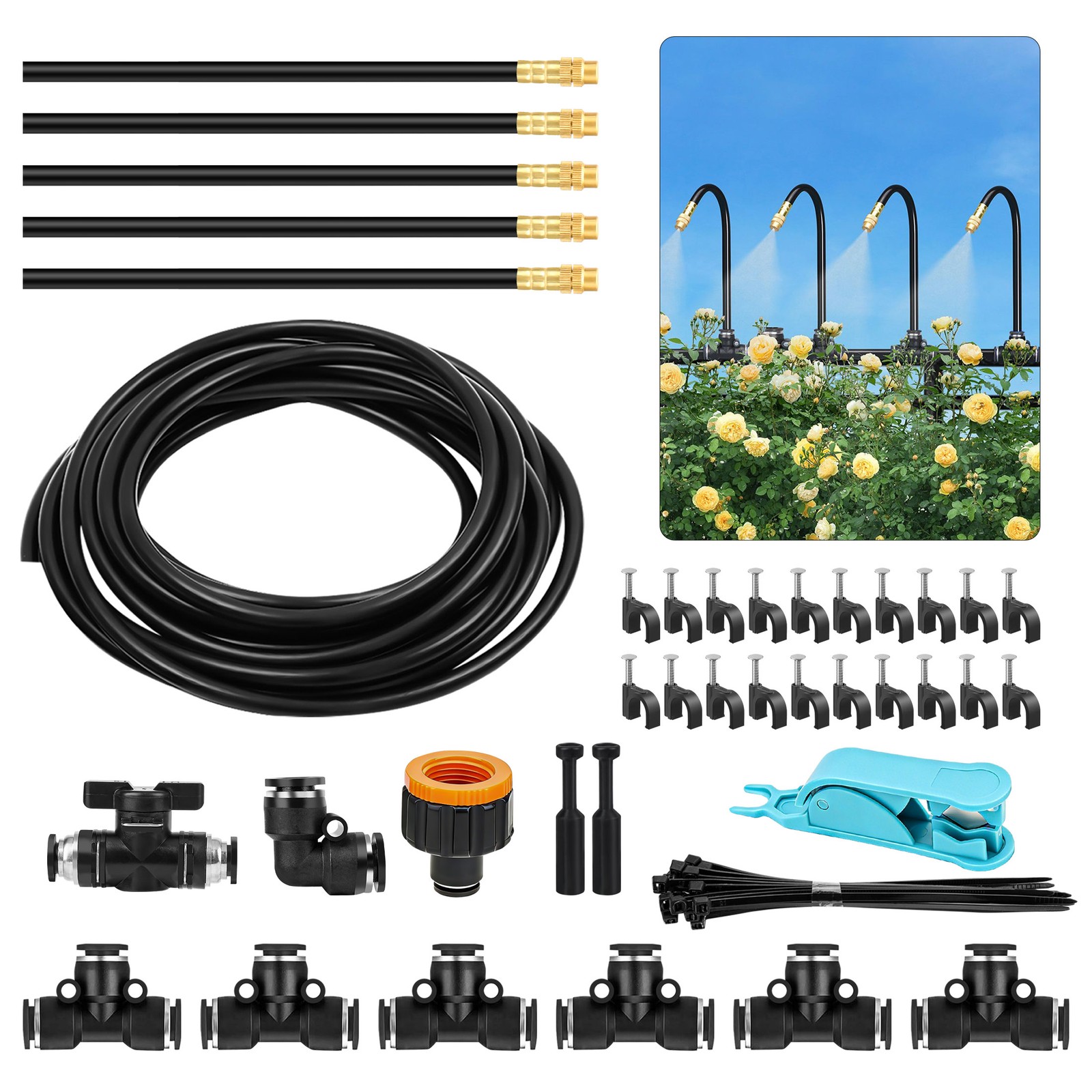 Drip Irrigation Kit DIY Garden Watering System Adjustable Sprayer Plant Lawn 1/4$11.95Last checked Nov 22, 2026View on eBay
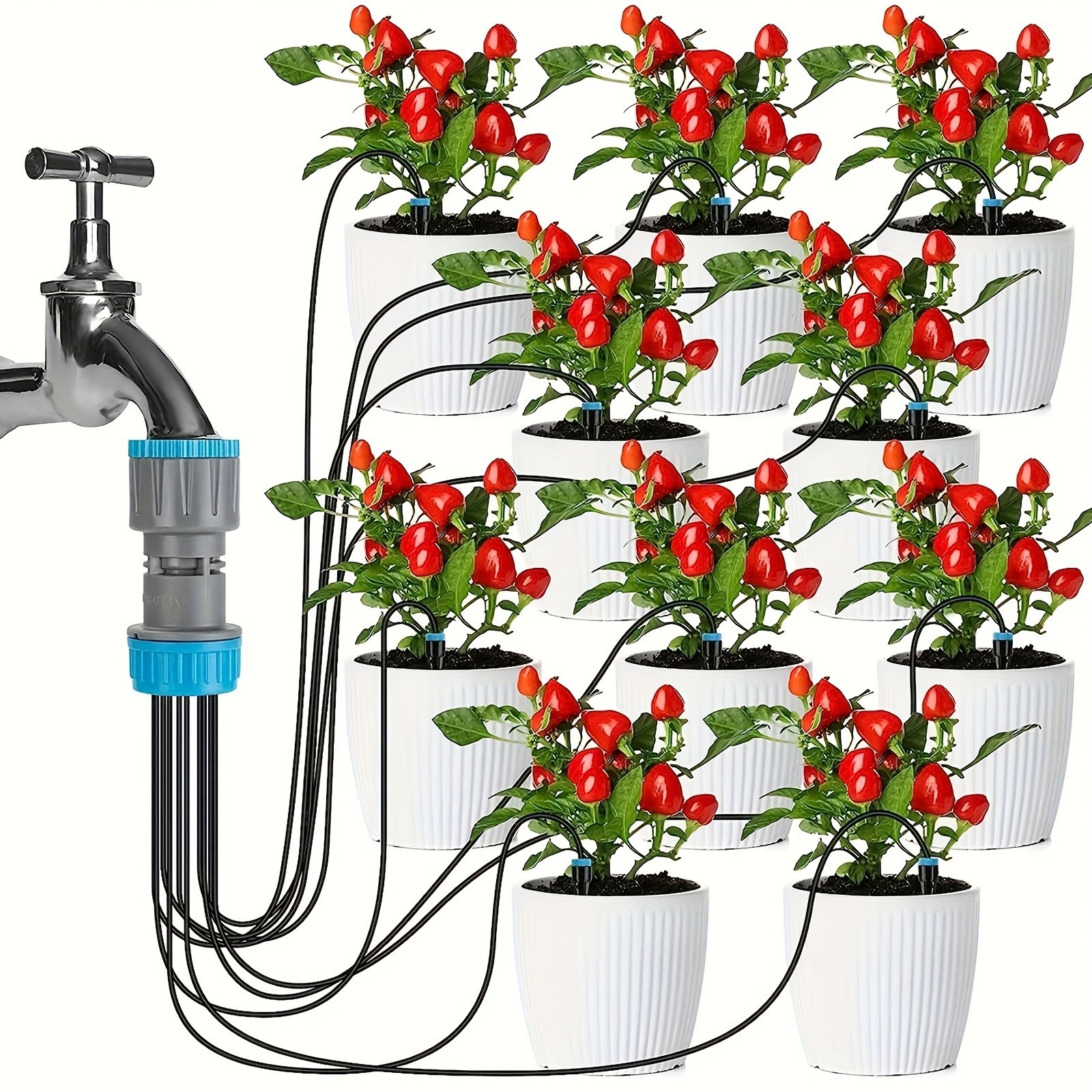 Garden Drip Irrigation Kit - Automatic Watering System for Potted Plants$12.49Last checked Nov 19, 2026View on eBay
- 12/24PCS Automatic Self Watering System Plant Water Drip Irrigation Garden Tools$14.95Last checked Nov 19, 2026View on eBay
- 12/24PCS Plant Drip Irrigation Garden Tools - Automatic Self Watering System$15.59View on eBay
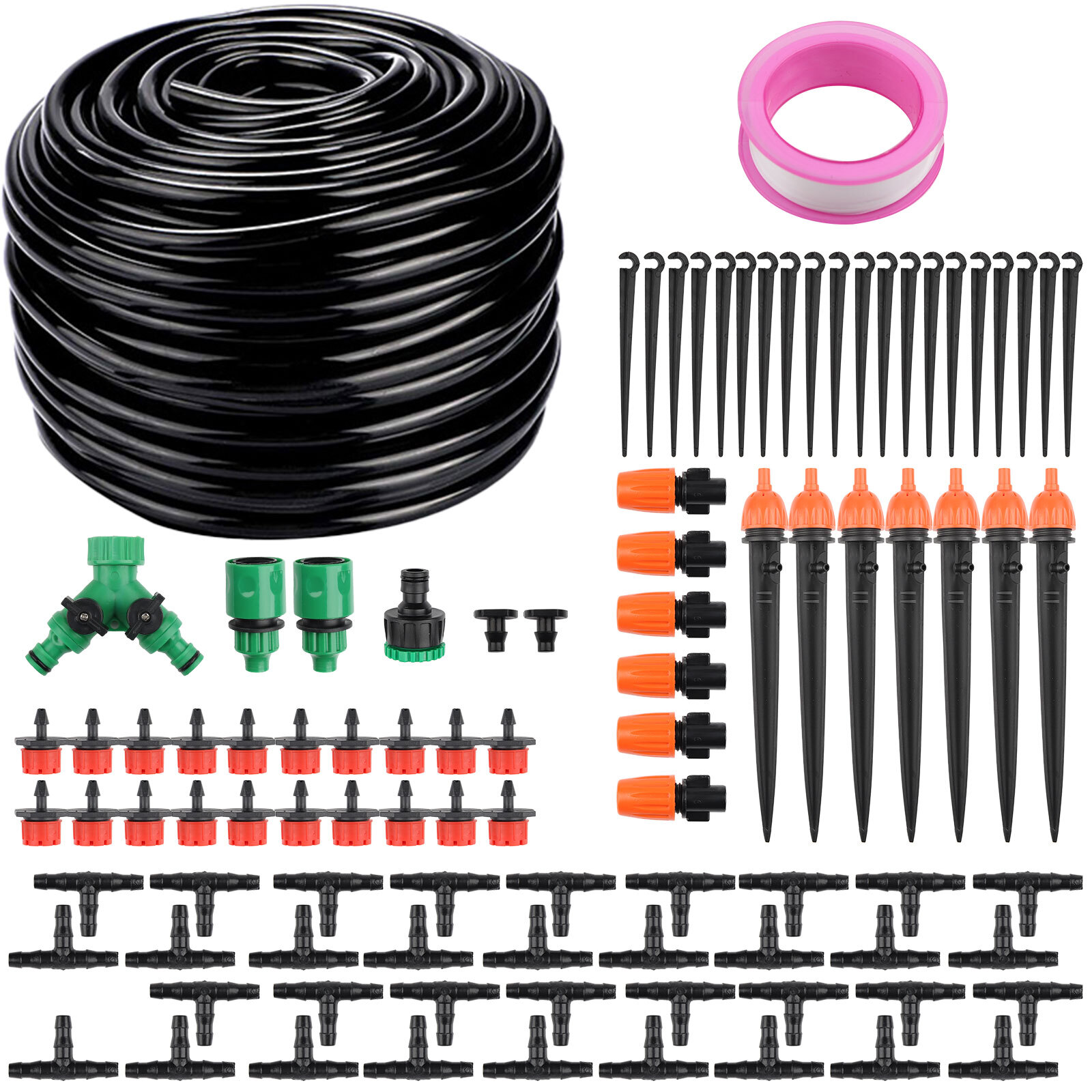 130FT Drip Irrigation System Garden Plant Self Watering Micro Hose Sprinkler Kit$15.99Last checked Nov 18, 2026View on eBay
- Drip Irrigation System Garden Plant Self Watering Hose Micro Sprinkler Kit$16.10Last checked Nov 19, 2026View on eBay
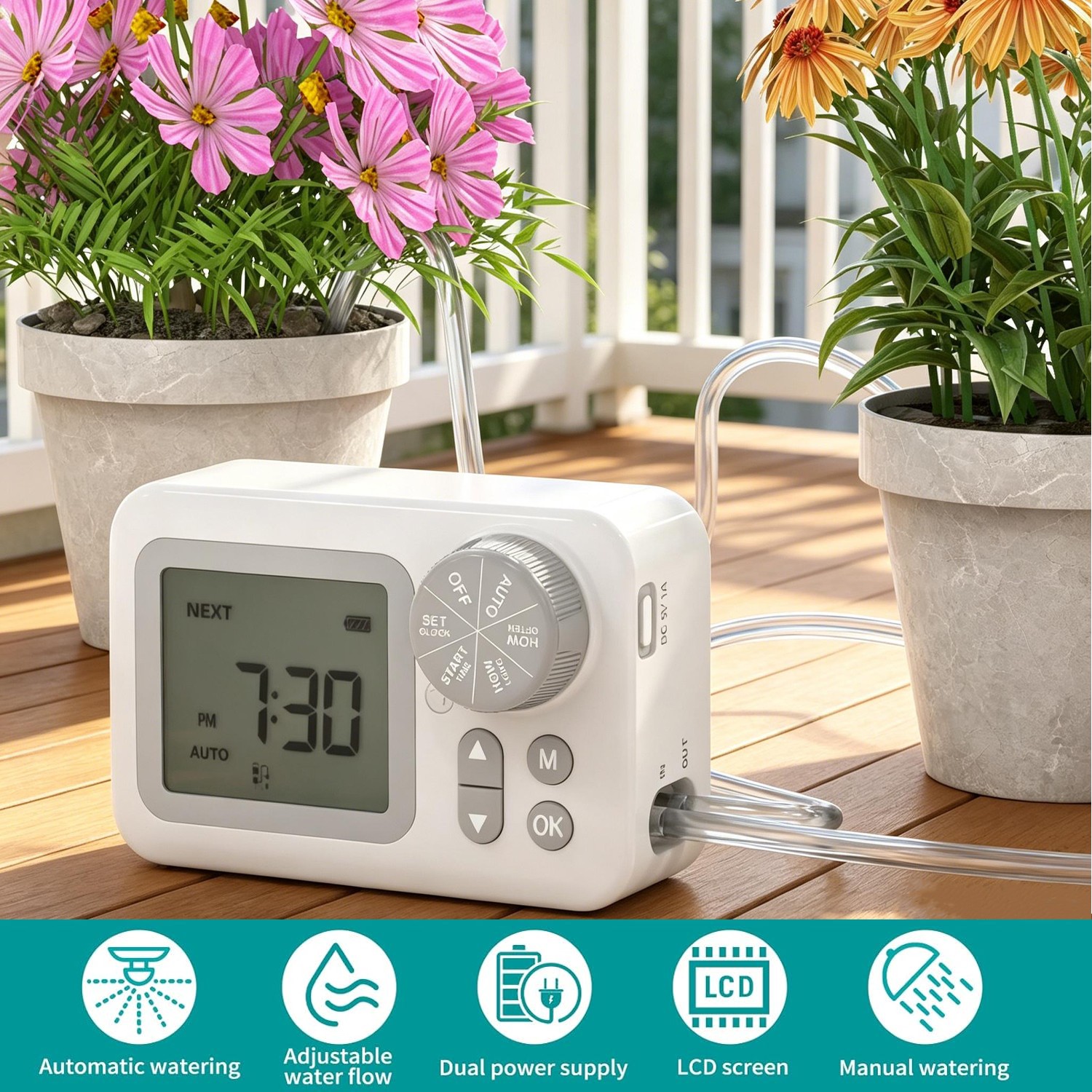 Automatic Garden Drip Irrigation Kit, Indoor Plant Watering System for Plants,h$17.99View on eBay
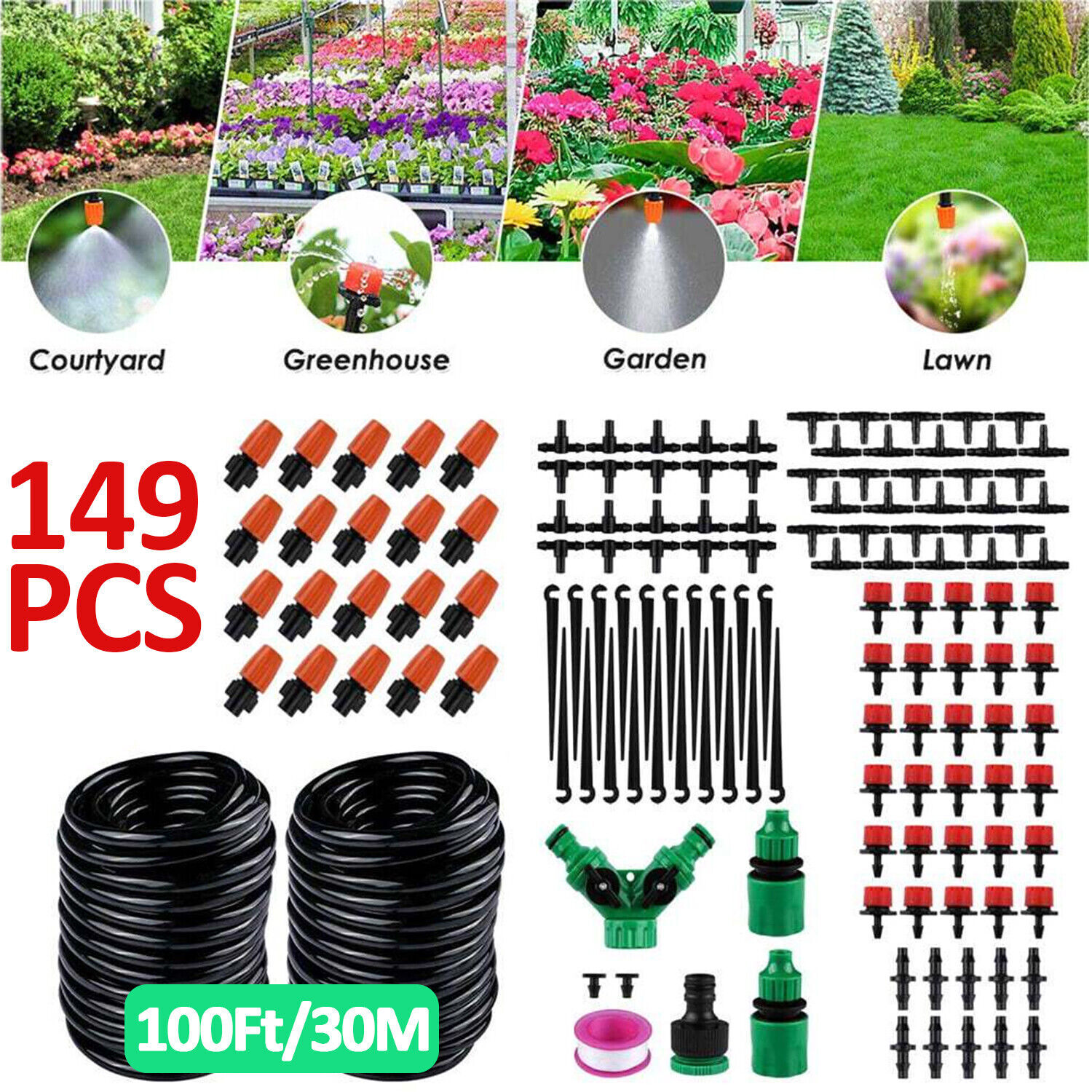 100ft Drip Irrigation System Garden Plant Self Watering Micro Hose Sprinkler Kit$19.94Last checked Nov 18, 2026View on eBay
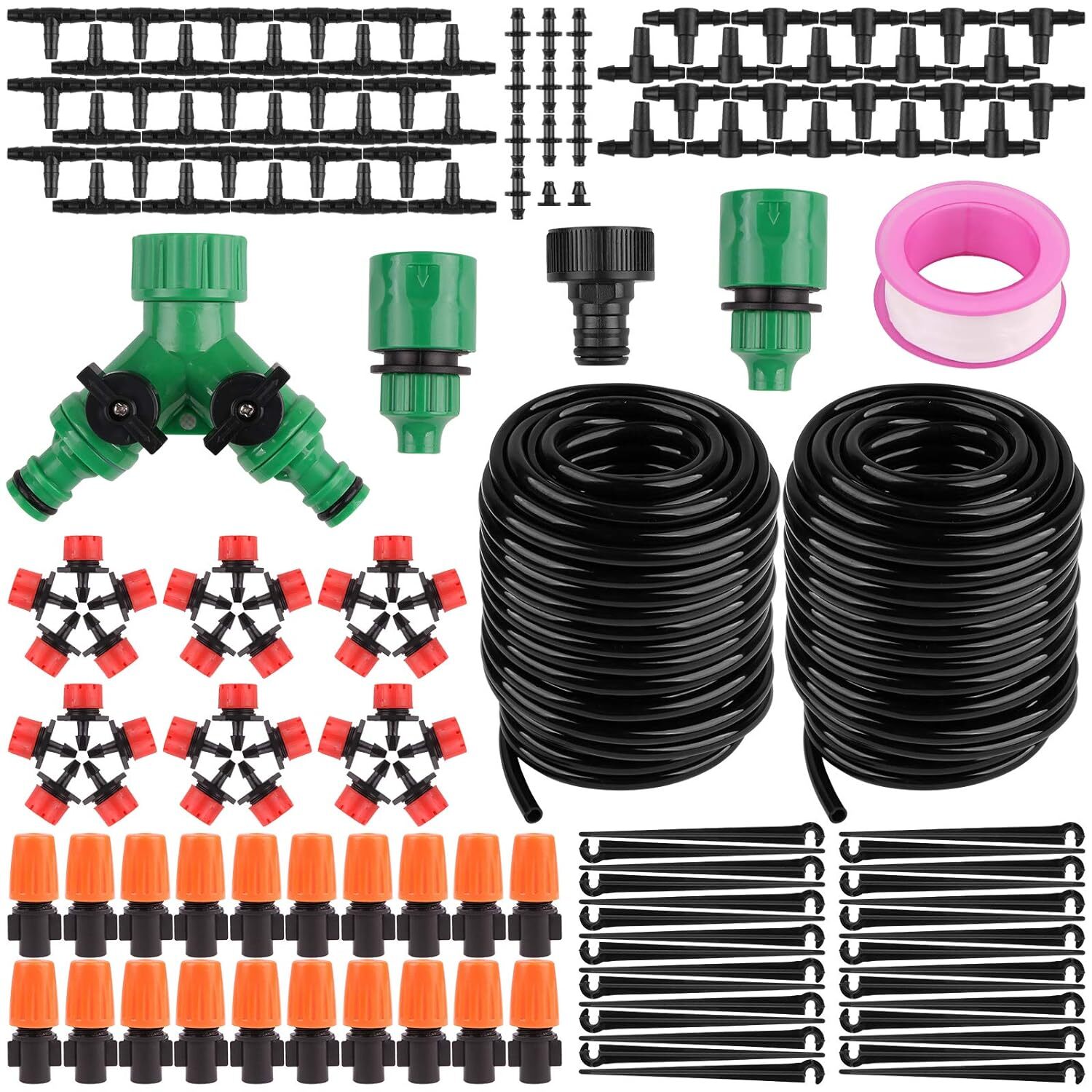 149PC Drip Irrigation System Garden Plant Self Watering Micro Hose Sprinkler Kit$19.98View on eBay
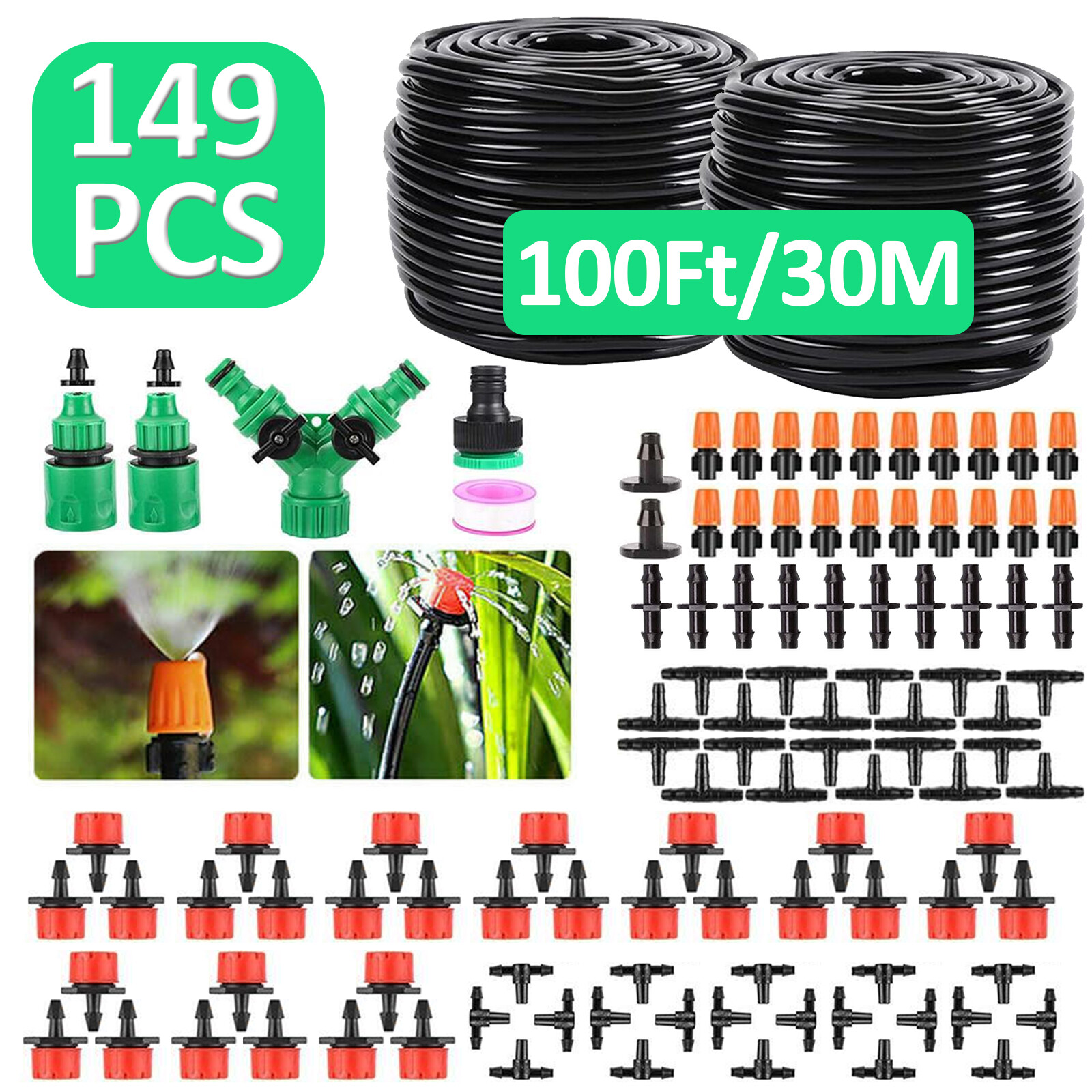 149-298pcs Micro Drip Irrigation System Kit Plant Garden Watering Hose Sprayer$19.99Last checked Nov 18, 2026View on eBay
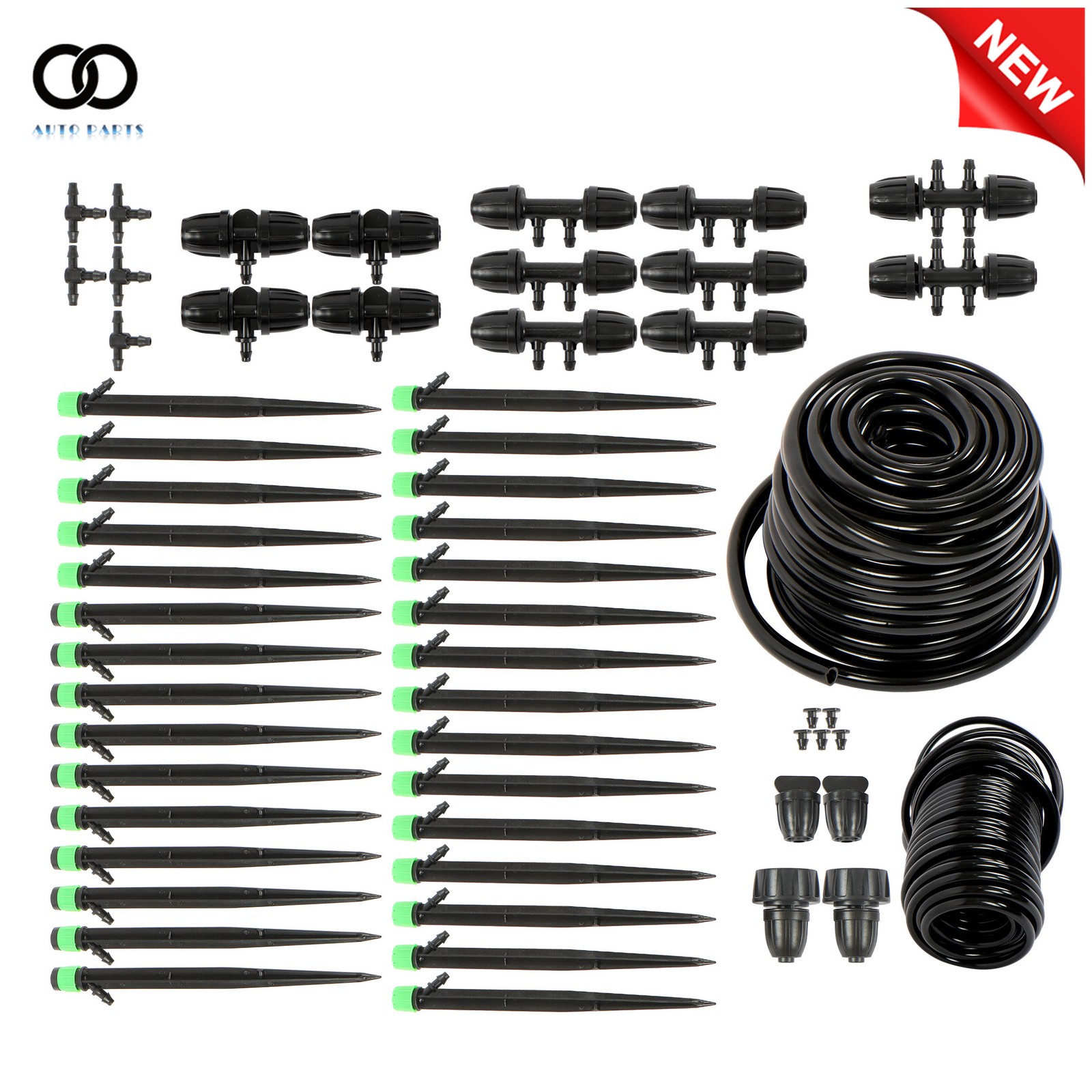 130 Feet Drip Irrigation System Adjustable Kit For Garden W/ Emitters Tubing$20.85View on eBay
Highlights
- Pressure regulation at 25-30 PSI is mandatory for drip tubing; unregulated household pressure (50-80 PSI) blows barbed fittings and emitter seals.
- Emitter flow ratings (0.5, 1, 2 GPH) and spacing (6-18 in) determine zone length; 1/2 in mainline supports more emitters than 1/4 in micro-tubing.
- Material grades separate tiers: brass or ABS threaded connectors resist UV and freeze cycling; POM and soft plastic barbs crack within a season or two.
- Misting nozzles are not drip emitters—they raise humidity and wet foliage, so use them in greenhouses or propagation, not under mulch or on disease-prone plants.
Best use cases
- Best fit: vacation watering for 10-15 potted plants—pick a 50 ft kit with 1/4 in micro-tubing, adjustable drip stakes, and a timer or faucet adapter; skip 164 ft misting kits that flood pots.
- Best fit: raised-bed vegetable rows—use 1/2 in mainline with 1 GPH inline emitters at 12 in spacing and a filter/regulator; skip misting nozzles that wet leaves and invite blight.
- Best fit: greenhouse or patio misting—choose the 75 ft adjustable misting kit with quick-connect; skip it for buried beds where mist evaporates before reaching roots.
- Wrong fit: sloped or long runs over 100 ft on 1/4 in tubing—pressure drops starve end emitters; step up to 1/2 in mainline or split into zones.
Buying tips
- Size the kit by row length, not pot count: 50 ft covers roughly 10-15 pots on 1/4 in tubing, while 164 ft needs 1/2 in mainline and a regulator to hold pressure.
- Match emitter flow to soil: 0.5 GPH for clay and containers, 1 GPH for loam, 2 GPH for sandy beds; spacing should wet 12-18 in root zones without runoff.
- Confirm the kit includes a 25-30 PSI pressure regulator and a 150-200 mesh filter; these two parts prevent the most common clogs and blowouts.
- Choose brass or ABS threaded faucet adapters and compression fittings over push-on barbs; UV-stabilized polyethylene tubing lasts multiple seasons, soft PVC does not.
Specs
| Tubing Size | 1/2 in mainline / 1/4 in micro |
|---|---|
| Pressure Regulation | 25-30 PSI regulator required |
| Emitter Flow | 0.5-2 GPH; 6-18 in spacing |
| Fitting Material | Brass/ABS vs POM/soft plastic |
Related searches
What to check before buying
- Measure faucet-to-bed distance and row length; add 10% slack, and confirm the kit's tubing length exceeds that total before buying.
- Check outdoor faucet thread (3/4 in GHT standard) and whether the kit's adapter matches; indoor kits need a 1/2 in or 3/4 in threaded tap adapter.
- Verify water pressure with a gauge; above 40 PSI requires a regulator, and below 15 PSI needs a pump or gravity-fed emitter design.
- Plan for winter: drain and store tubing indoors if your climate freezes, since trapped water cracks emitters and manifolds.
FAQ
Data sources: eBay / Amazon listings and product attribute feeds. Updated Nov 28, 2026.
Some links on this page are affiliate links. If you buy after clicking one, we may earn a commission at no extra cost to you. This does not change which products appear here or their order. Affiliate disclosure.