
Photos from current listings. Actual item, color, and included accessories may vary.
Drip Irrigation Raised Bed Buying Guide
Raised beds dry out faster than in-ground plots and often sit far from a hose bib, so drip systems must solve both pressure delivery and zone control. The right kit depends on bed length, row count, and whether you need vacation-grade automation or a simple timer-fed line. Most buyer mistakes come from undersizing mainline tubing, mixing emitter types on one circuit, or ignoring the pressure loss from long runs and elevation.
Median $19.96
Key takeaways
- 1/2-inch mainline tubing is the standard backbone for raised beds; 1/4-inch micro tubing feeds individual plants and should not exceed roughly 30 feet per run.
- Pressure-compensating emitters maintain uniform flow across long beds and elevation changes, while non-compensating drippers starve the far end of the line.
- Battery-operated hose-end timers fit standard 3/4-inch GHT spigots and run without wiring; AC timers require an outdoor GFCI outlet near the bed.
At a glance
- Category
- Watering & Irrigation
- Last updated
- Nov 28, 2026
Current offers
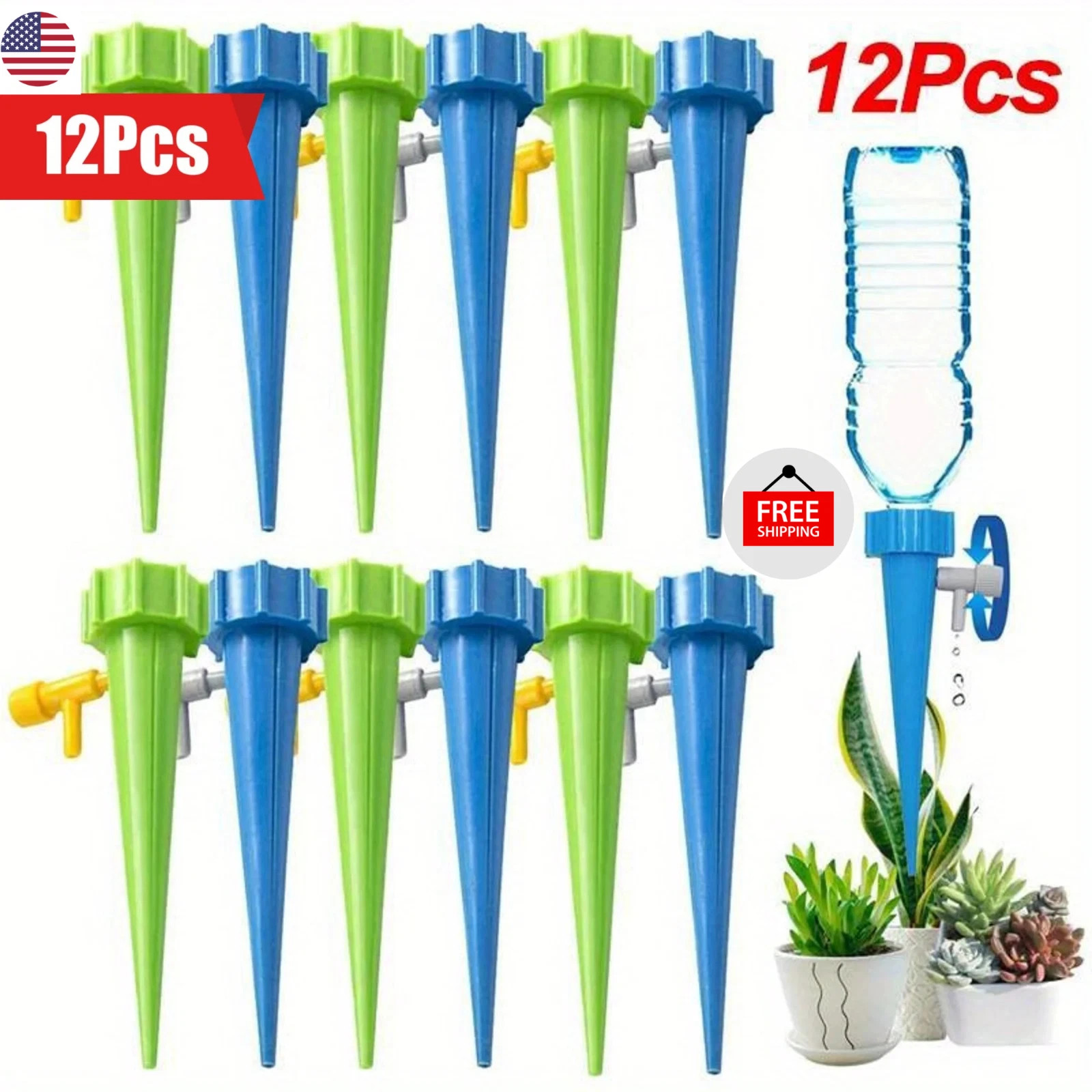 12Pcs Self Watering Spikes Automatic Irrigation Watering Drip System for Plants$5.45View on eBay
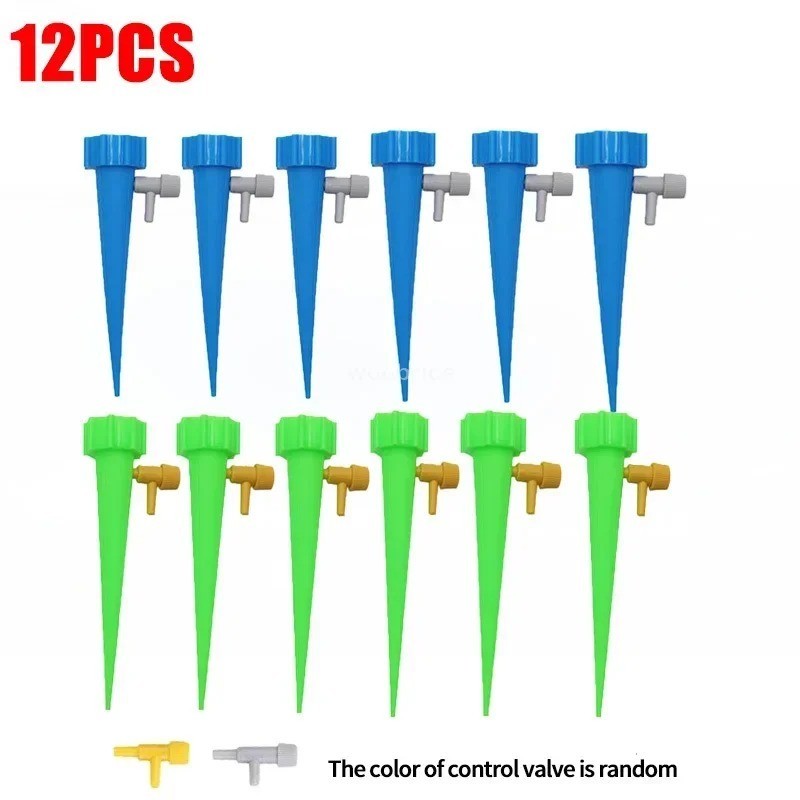 12PCS Mixed Automatic Drip Irrigation Plant Self Watering Kit Garden Device$5.91Last checked Nov 19, 2026View on eBay
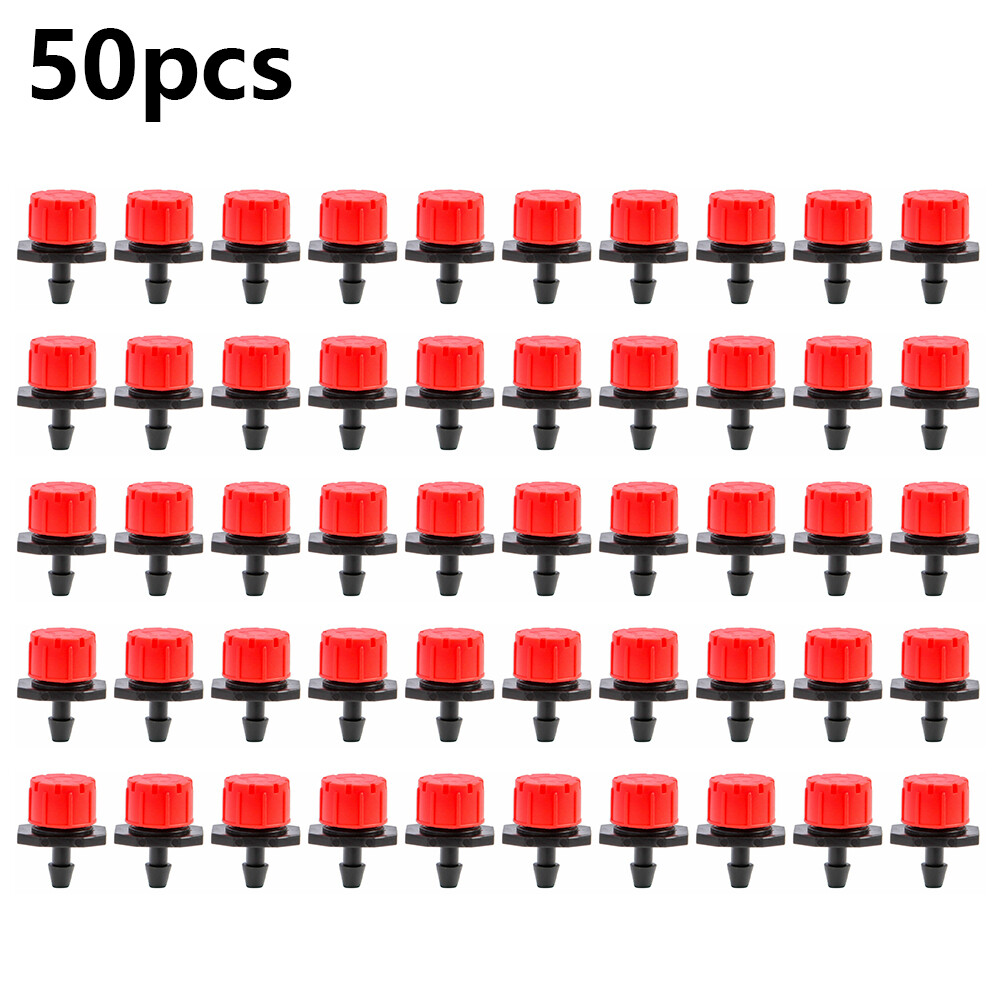 Adjustable Emitter Dripper Micro Drip Irrigation Sprinkler Watering System Lots$7.51View on eBay
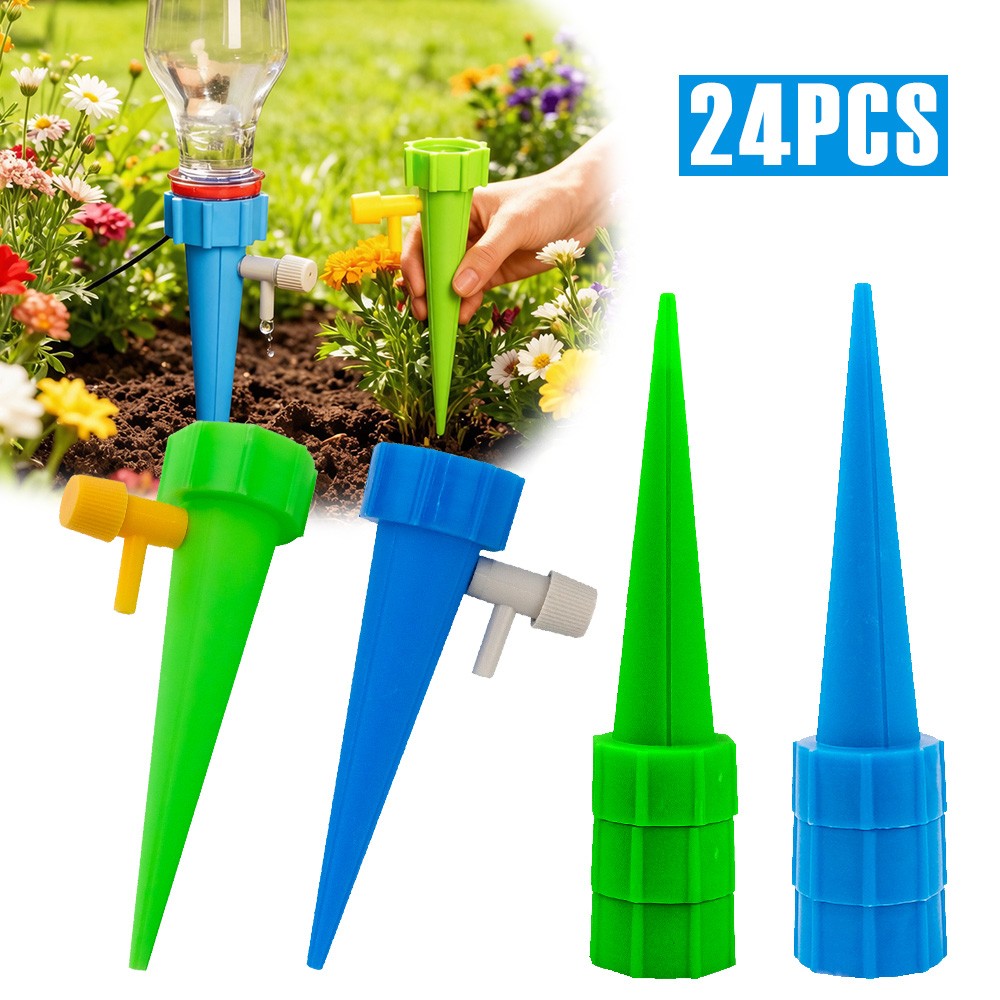 24PCS Self Watering Spikes Automatic Irrigation Watering Drip System for Plants$7.88View on eBay
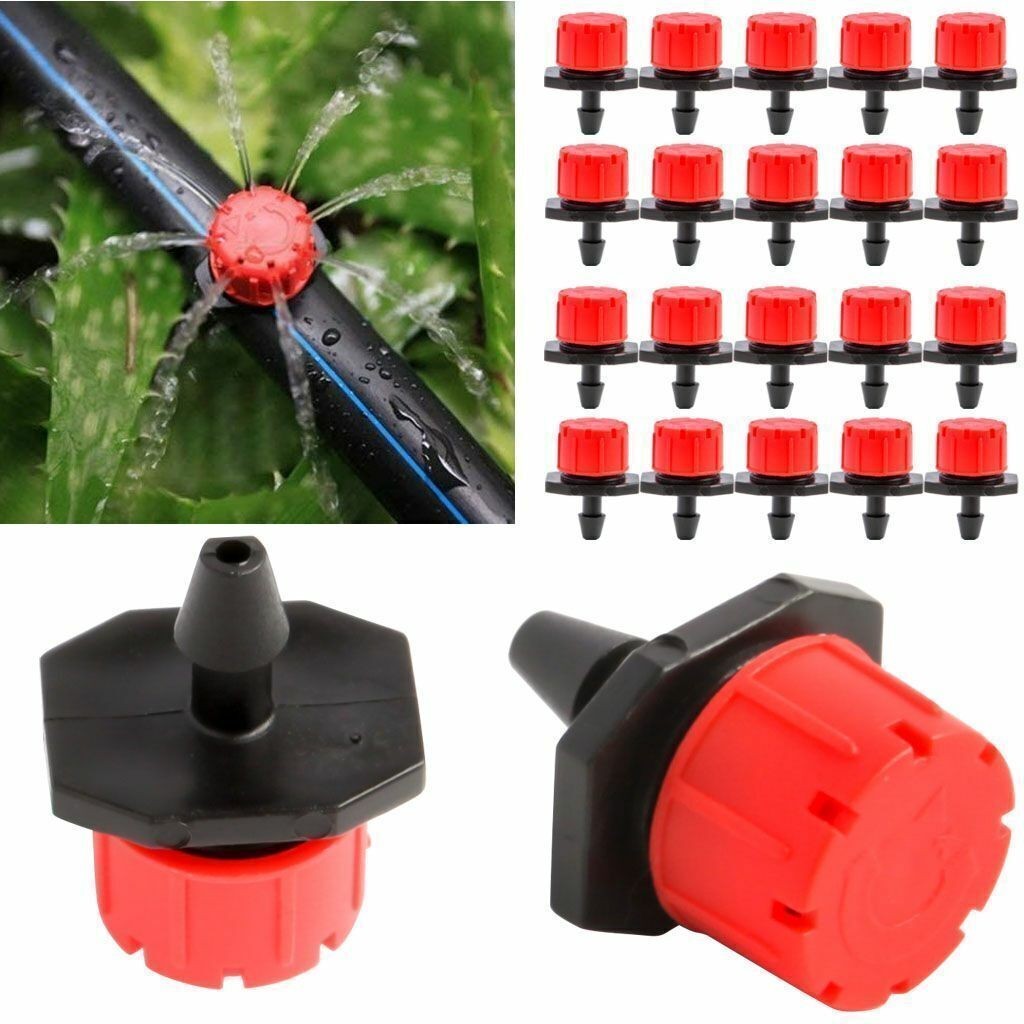 33-100ft Auto Drip Irrigation System Kit Timer Micro Sprinkler Garden Watering$7.99View on eBay
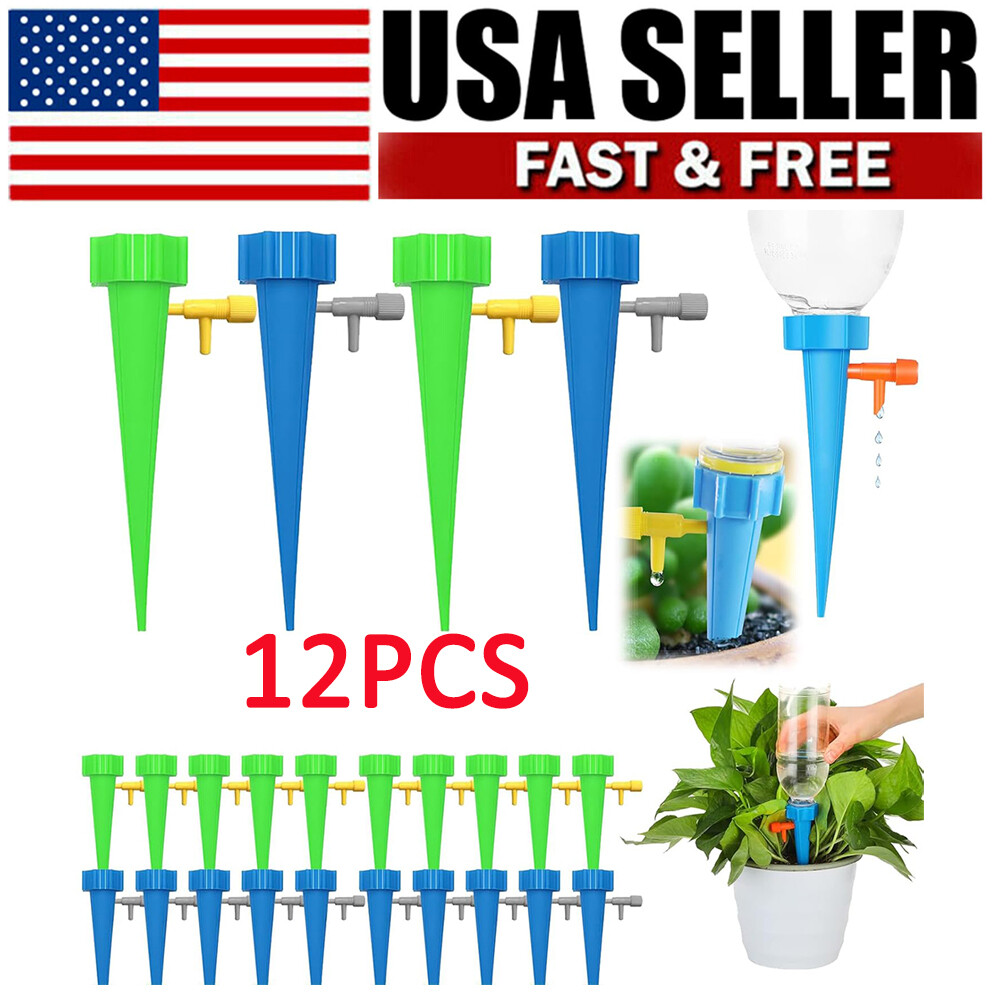 12Pcs Self Watering Spikes Automatic Irrigation Watering Drip System for Plants$8.79View on eBay
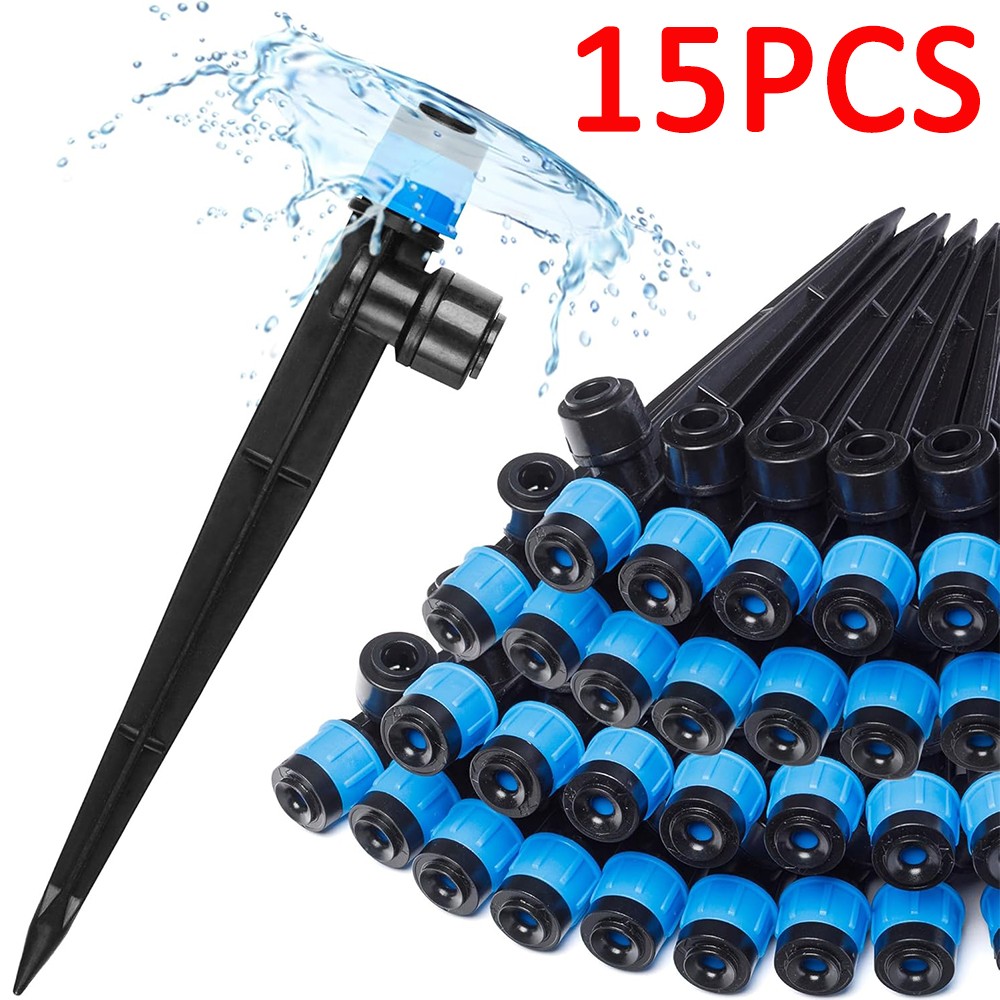 30Pcs Drip Irrigation Emitter 1/4" Garden Drip Watering System 360° Adjustable$9.29Last checked Nov 19, 2026View on eBay
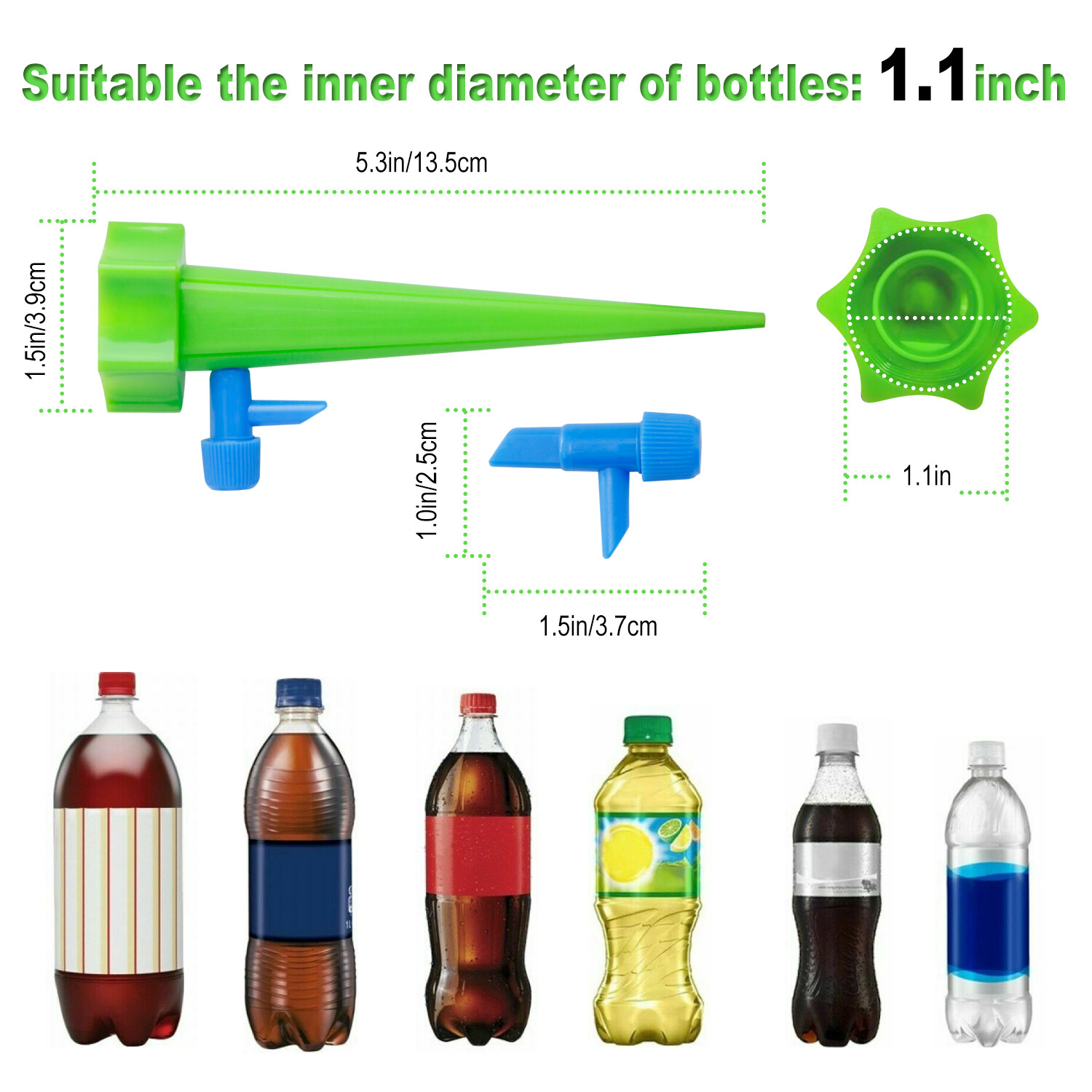 12/24PCS Garden Drip Irrigation Kit -Automatic Self Watering System for Vacation$9.95Last checked Nov 19, 2026View on eBay
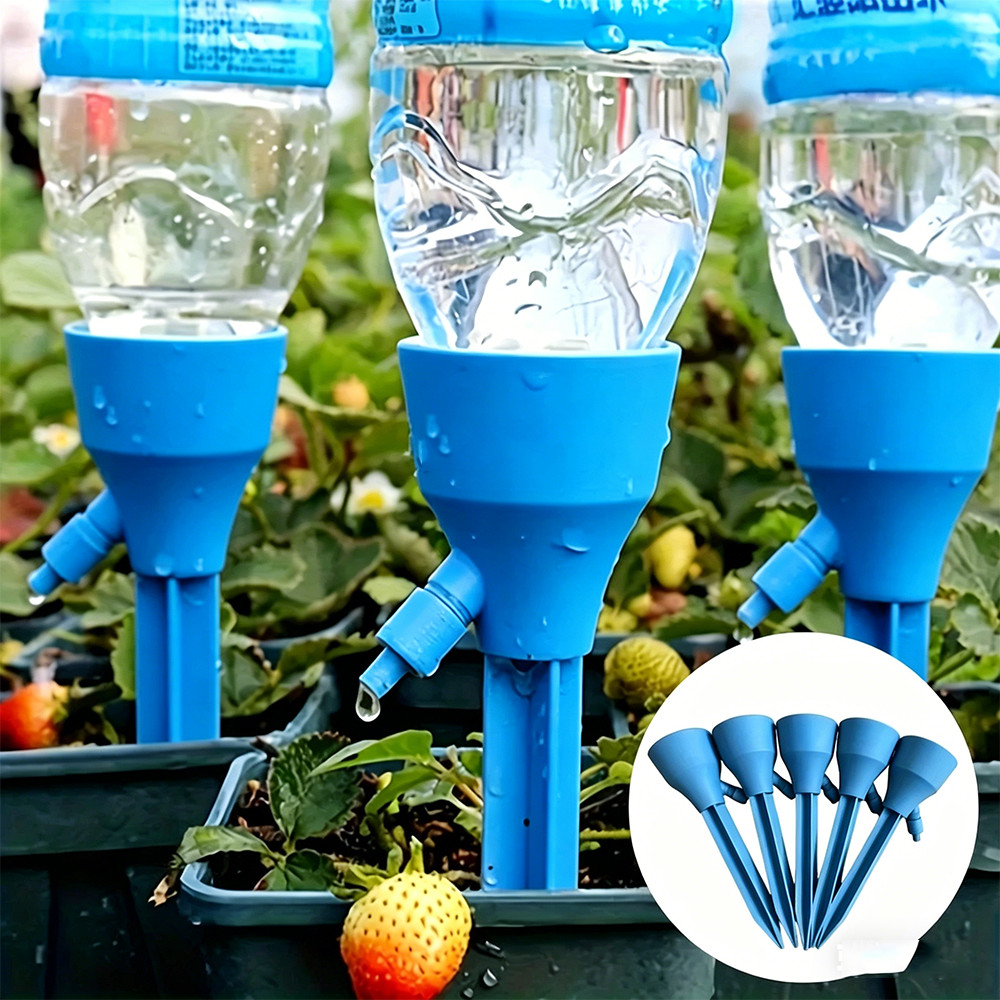 5 pcs Automatic Plant Watering Spikes Self Drip Irrigation for Potted Plants$9.99Last checked Nov 18, 2026View on eBay
- 12/24PCS Garden Drip Irrigation Kit -Automatic Self Watering System for Vacation$10.45View on eBay
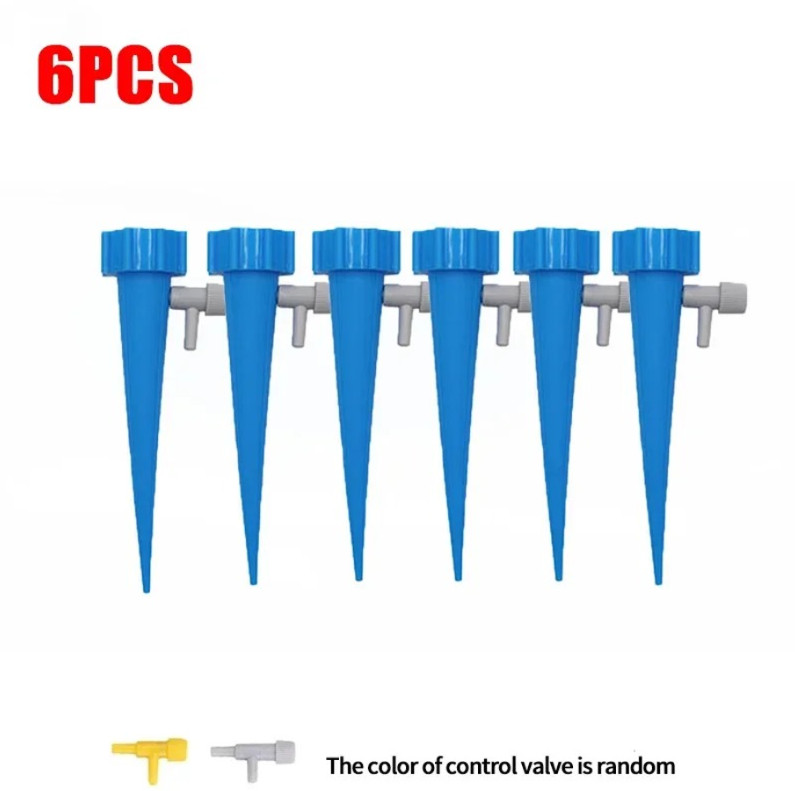 6pcs Automatic Drip Irrigation Self Watering Adjustable Plant Drippers Set - NEW$10.68View on eBay
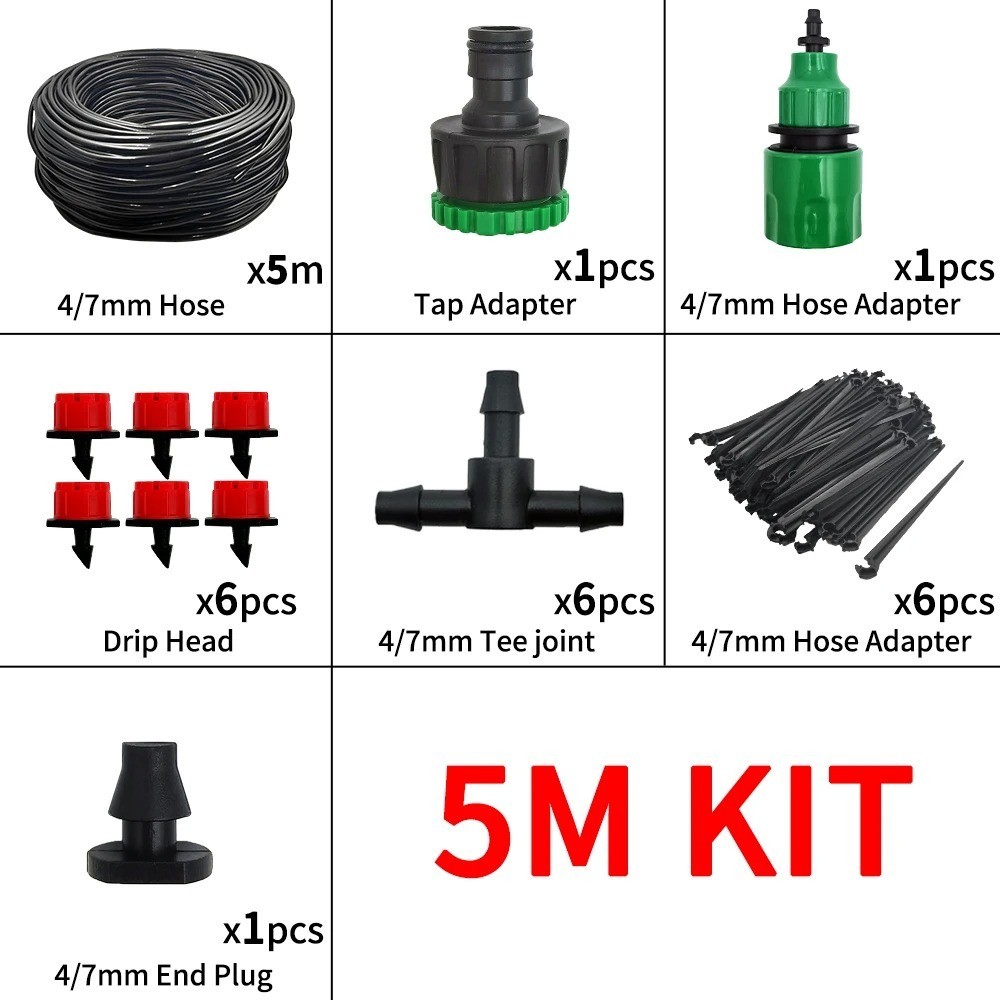 Drip Irrigation System Garden Plant Self Watering Mist Hose Micro Sprinkler Kit$10.70View on eBay
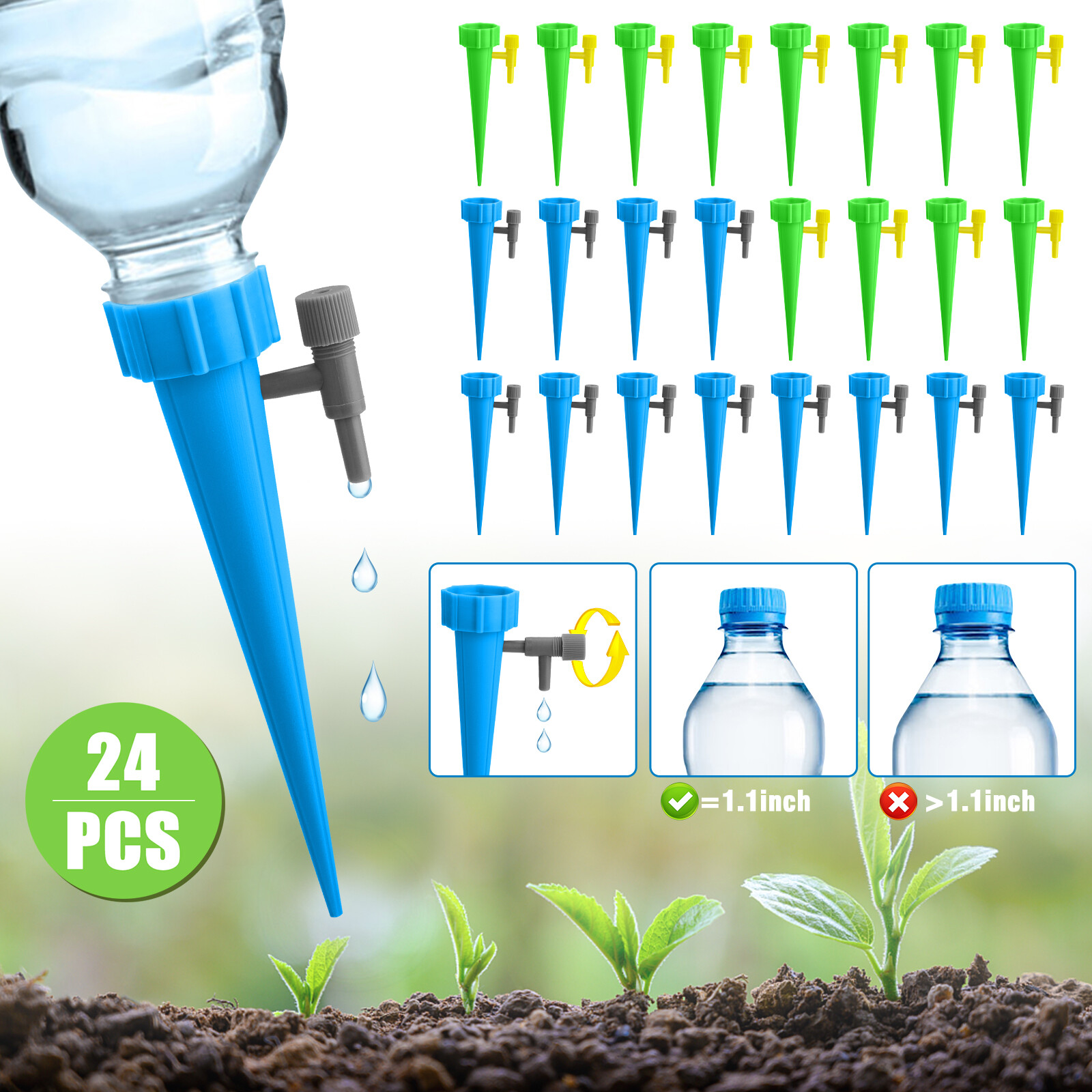 24x Plant Self Watering Insert Spike Auto Irrigation Adjustable Valve 0-60s/Drip$11.49Last checked Nov 18, 2026View on eBay
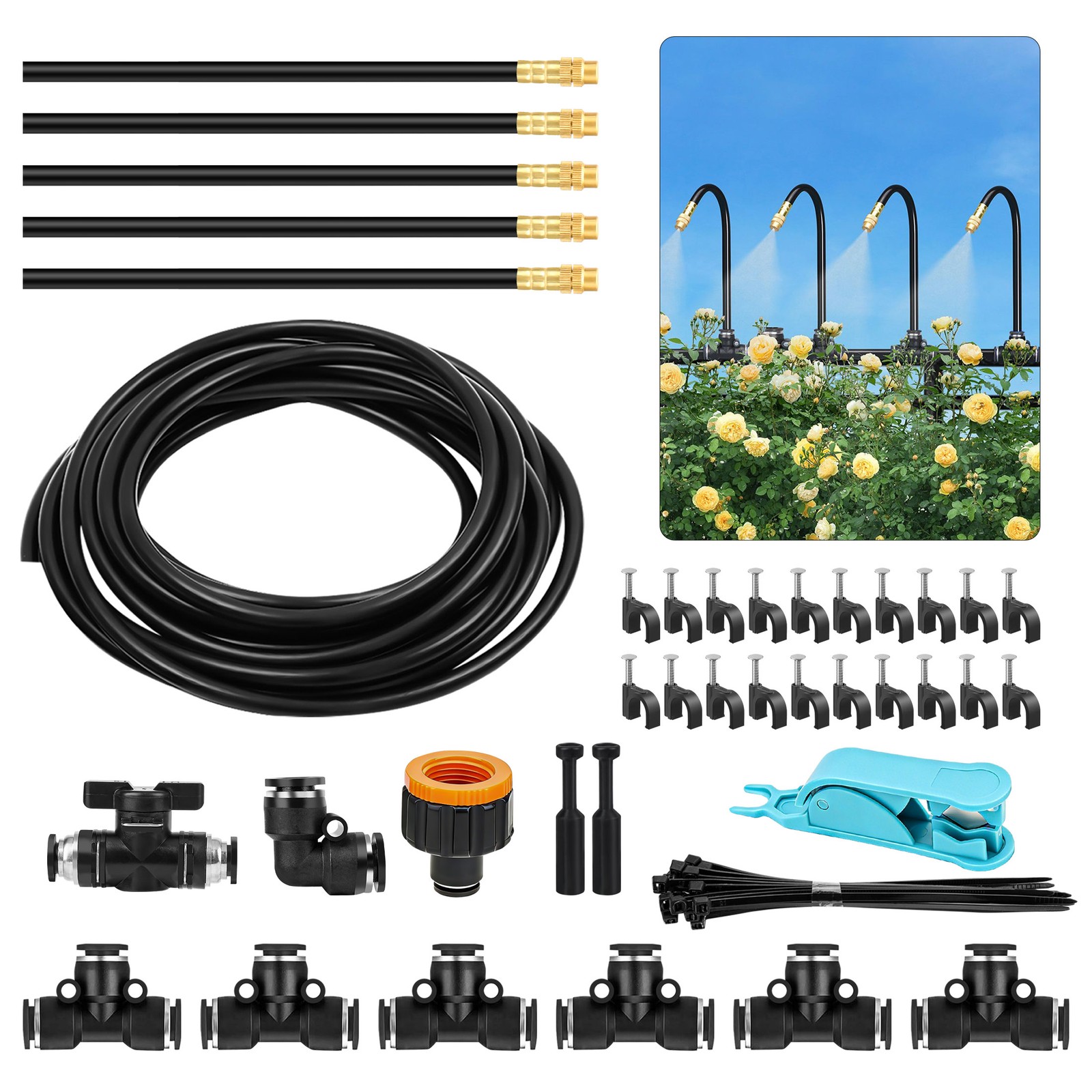 Drip Irrigation Kit DIY Garden Watering System Adjustable Sprayer Plant Lawn 1/4$11.95Last checked Nov 22, 2026View on eBay
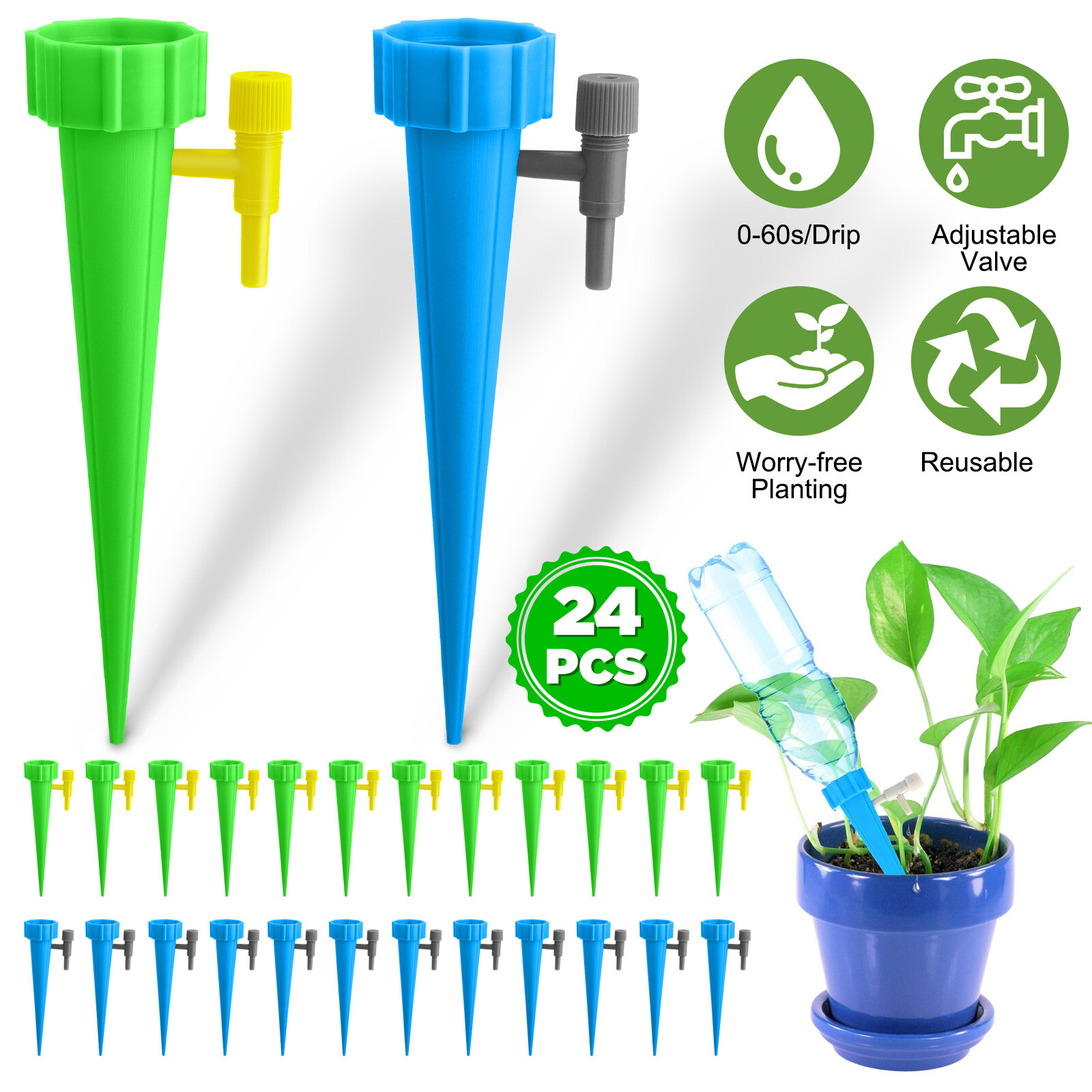 24PCS Self Watering Spikes Automatic Irrigation Watering Drip System for Plants$12.48Last checked Nov 19, 2026View on eBay
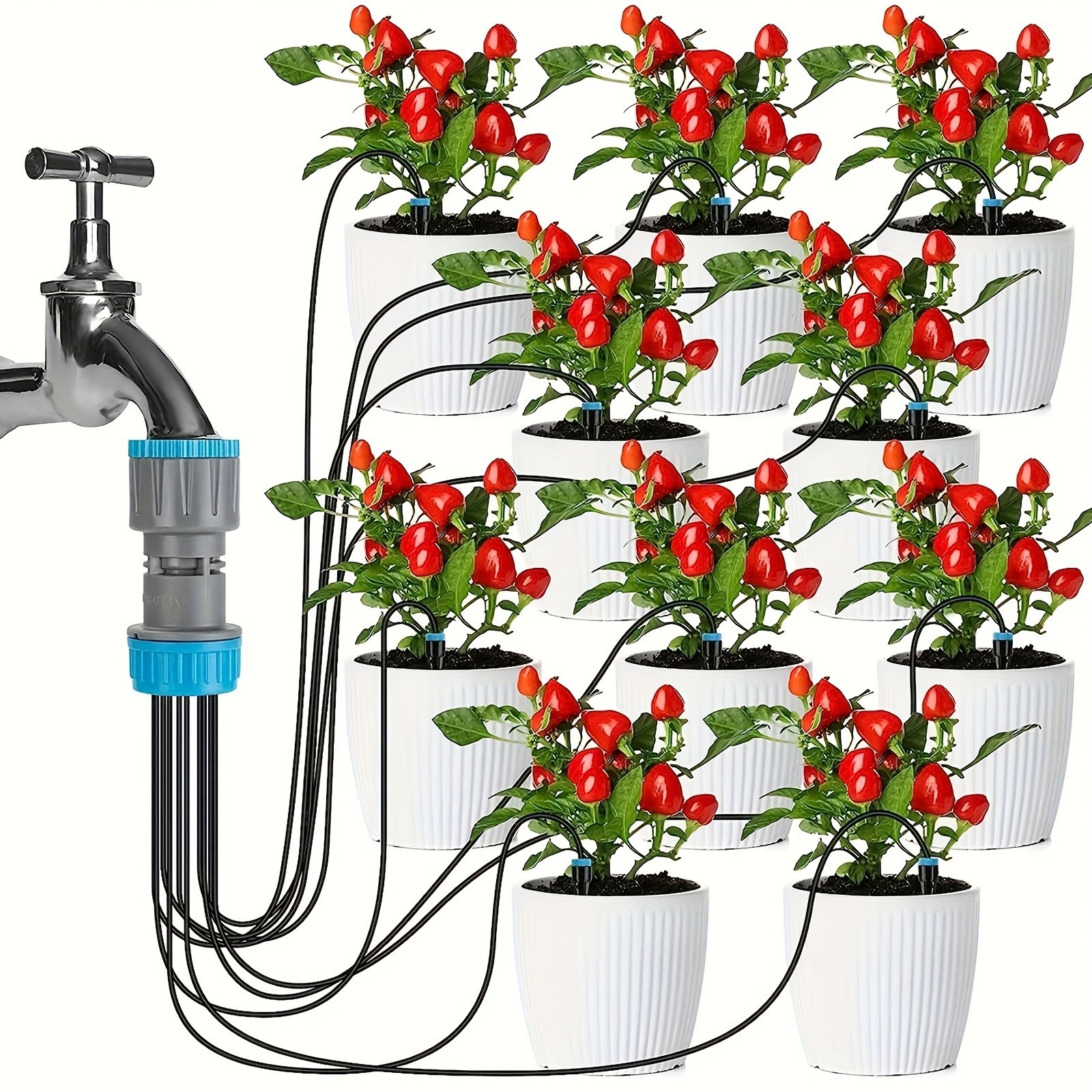 Garden Drip Irrigation Kit - Automatic Watering System for Potted Plants$12.49Last checked Nov 19, 2026View on eBay
- 12/24PCS Automatic Self Watering System Plant Water Drip Irrigation Garden Tools$14.95Last checked Nov 19, 2026View on eBay
- 12/24PCS Plant Drip Irrigation Garden Tools - Automatic Self Watering System$15.59View on eBay
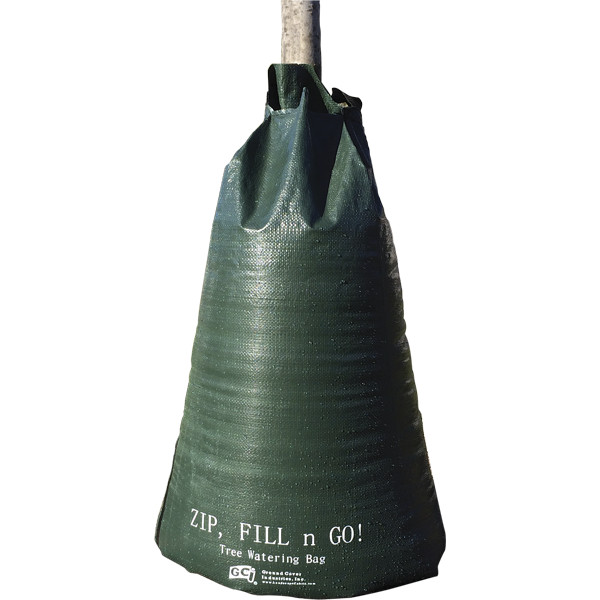 20 Gallon Tree Watering Bag Slow Release Drip Irrigation$15.95Last checked Nov 18, 2026View on eBay
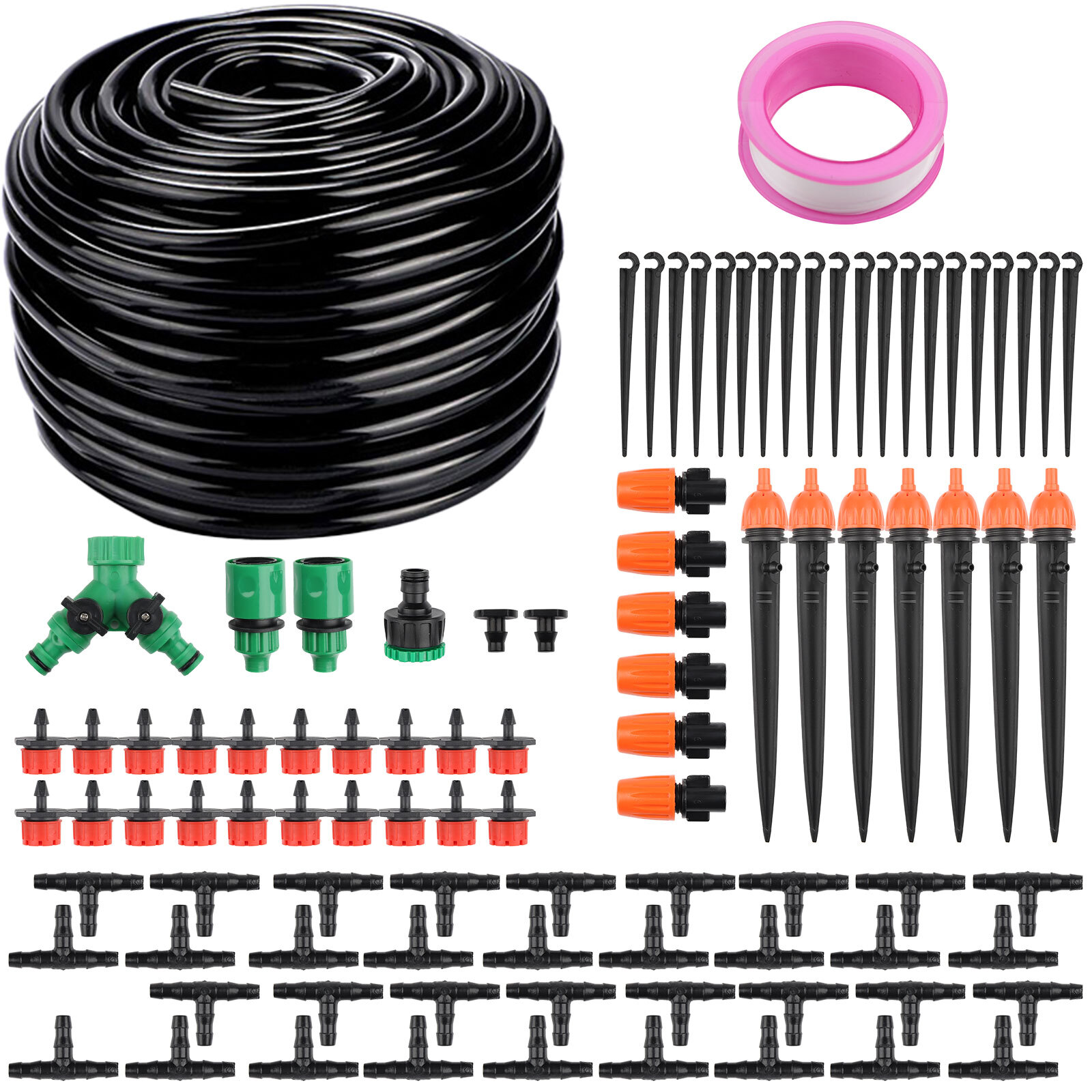 130FT Drip Irrigation System Garden Plant Self Watering Micro Hose Sprinkler Kit$15.99Last checked Nov 18, 2026View on eBay
Highlights
- 1/2-inch mainline tubing is the standard backbone for raised beds; 1/4-inch micro tubing feeds individual plants and should not exceed roughly 30 feet per run.
- Pressure-compensating emitters maintain uniform flow across long beds and elevation changes, while non-compensating drippers starve the far end of the line.
- Battery-operated hose-end timers fit standard 3/4-inch GHT spigots and run without wiring; AC timers require an outdoor GFCI outlet near the bed.
- Inline drip tubing with pre-spaced emitters (typically 6, 9, or 12 inches) suits dense row crops, while individual micro-emitters suit widely spaced tomatoes and peppers.
Best use cases
- Choose a pressure-compensating 1/2-inch mainline kit with a battery hose timer for a 4x8-foot bed 30+ feet from the spigot; skip cheap non-compensating dripper kits that leave the far end dry.
- Pick inline drip tubing at 12-inch emitter spacing for dense lettuce and herb beds; use adjustable micro-emitters on 1/4-inch spaghetti tubing for sparse tomato cages.
- For vacation watering of indoor pots, a self-watering spike set or a small pump-driven kit with a reservoir works; do not expect a hose-fed drip system to run indoors without a pump and basin.
- Avoid misting and micro-sprinkler heads for raised-bed vegetables; they wet foliage, encourage fungal disease, and waste water compared with root-zone drip emitters.
Buying tips
- Size the mainline to bed length: 1/2-inch tubing handles roughly 50 feet of run with 15-20 emitters; split longer beds into two zones rather than extending one line.
- Prioritize pressure-compensating emitters rated for 10-15 PSI minimum; they deliver even flow whether the bed is first or last on the circuit.
- Check the timer connection standard: hose-end timers use 3/4-inch GHT threads, while inline valves need 1/2-inch NPT fittings and adapters.
- Inspect emitter flow ratings in gallons per hour (GPH); 0.5-1 GPH suits vegetables and flowers, while 2 GPH is for sandy soil or large shrubs.
Specs
| Mainline Size | 1/2 in standard; 3/4 in for long runs |
|---|---|
| Emitter Type | Pressure-compensating vs non-compensating |
| Timer Connection | 3/4 in GHT hose-end or 1/2 in NPT inline |
| Emitter Spacing | 6-9 in dense rows; 12-18 in wide plants |
Related searches
What to check before buying
- Measure bed length and distance to the nearest spigot; add 10% tubing for curves and fittings before choosing a kit length.
- Confirm outdoor water pressure with a cheap gauge; below 20 PSI requires a pressure-compensating setup or a booster pump.
- Verify the timer fits your spigot thread (standard 3/4-inch GHT) and that any AC adapter reaches a GFCI outlet.
- Count plant rows and spacing to pick emitter spacing: 6-9 inches for dense greens, 12-18 inches for tomatoes and peppers.
FAQ
Data sources: eBay / Amazon listings and product attribute feeds. Updated Nov 28, 2026.
Some links on this page are affiliate links. If you buy after clicking one, we may earn a commission at no extra cost to you. This does not change which products appear here or their order. Affiliate disclosure.