
Photos from current listings. Actual item, color, and included accessories may vary.
Drip Irrigation Planter Buying Guide
Drip irrigation for planters fails most often because buyers choose a kit based on hose length rather than matching emitter flow rate, pressure regulation, and pot count to their actual layout. Whether you are watering a dozen patio pots or a raised-bed array, the right setup starts with a pressure-compensating design sized to your water source and container spacing. Most off-the-shelf kits skimp on the pressure regulator or emitter uniformity, so knowing the few specs that matter prevents both dry corners and flooded roots.
Median $19.96
Key takeaways
- Pressure-compensating (PC) emitters deliver a consistent flow rate across the line even when pots sit at different elevations or distances from the tap; non-PC drippers vary widely with pressure changes.
- A 25-psi pressure regulator is standard for converting household tap pressure to drip-safe levels; without one, emitters can pop off or deliver uneven flow.
- Drip line emitter spacing options (6, 9, or 12 inches) determine whether one line can serve a dense planter row or must be looped through individual pots.
At a glance
- Category
- Watering & Irrigation
- Last updated
- Nov 28, 2026
Current offers
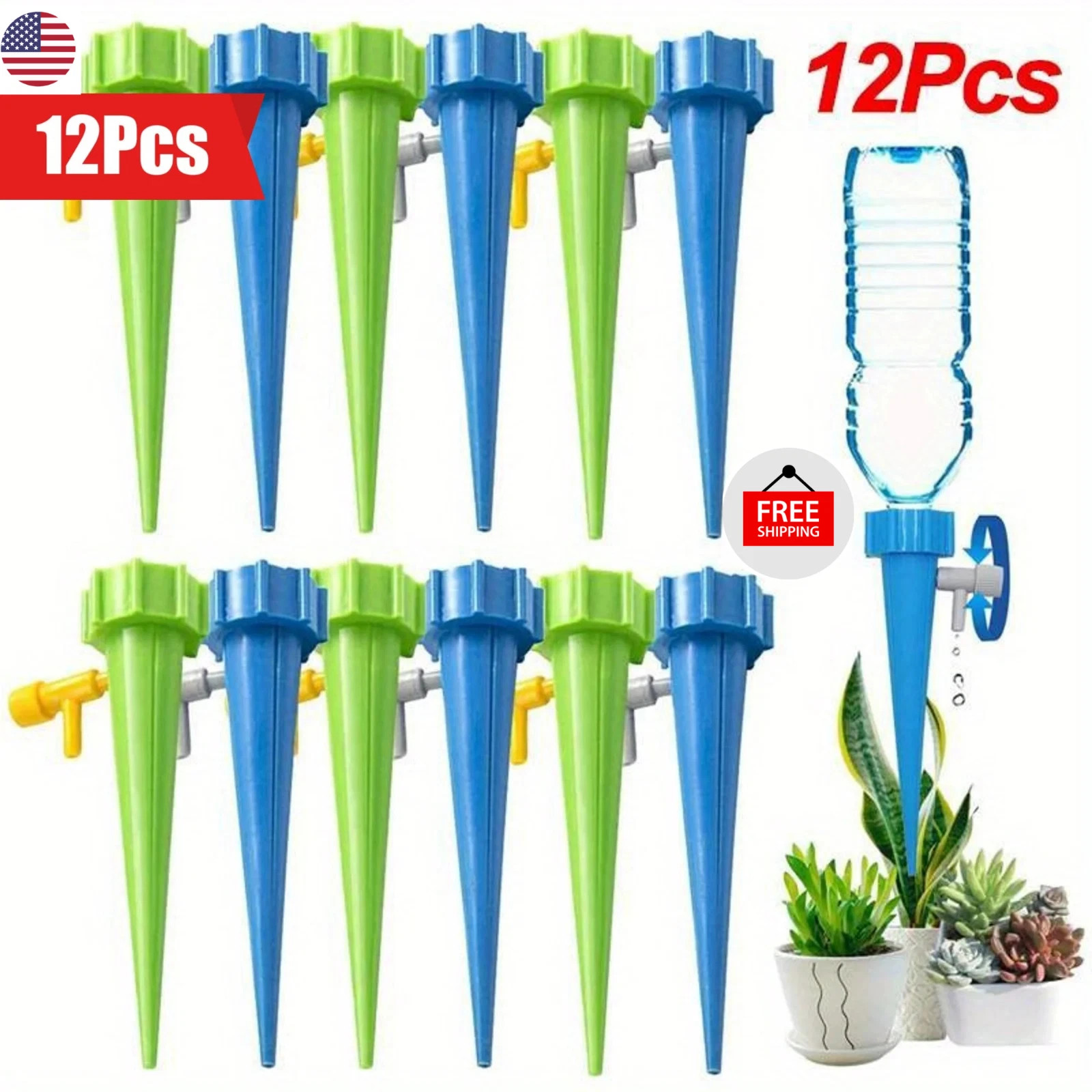 12Pcs Self Watering Spikes Automatic Irrigation Watering Drip System for Plants$5.45View on eBay
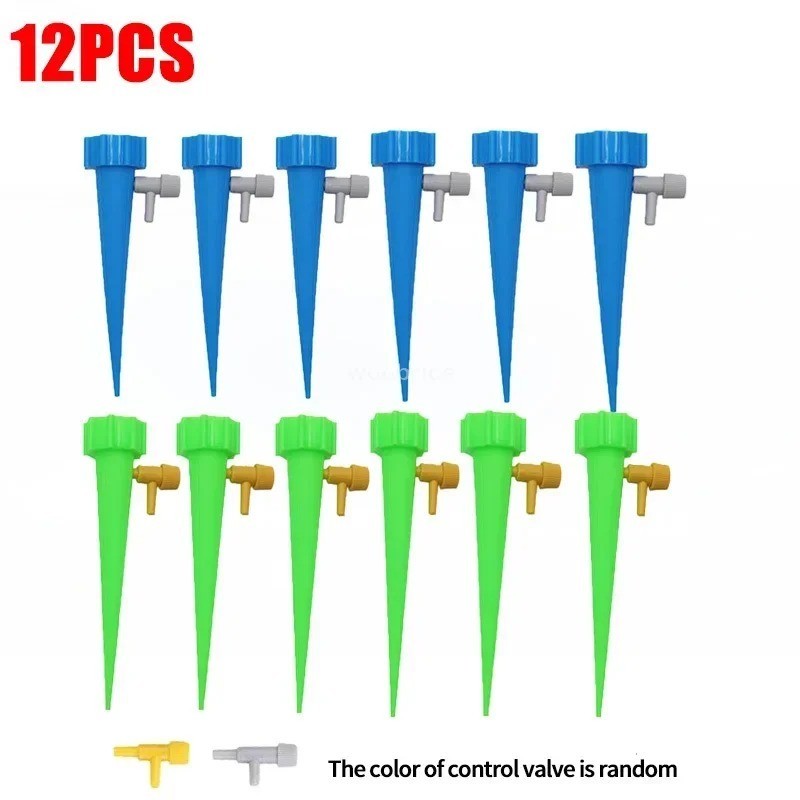 12PCS Mixed Automatic Drip Irrigation Plant Self Watering Kit Garden Device$5.91Last checked Nov 19, 2026View on eBay
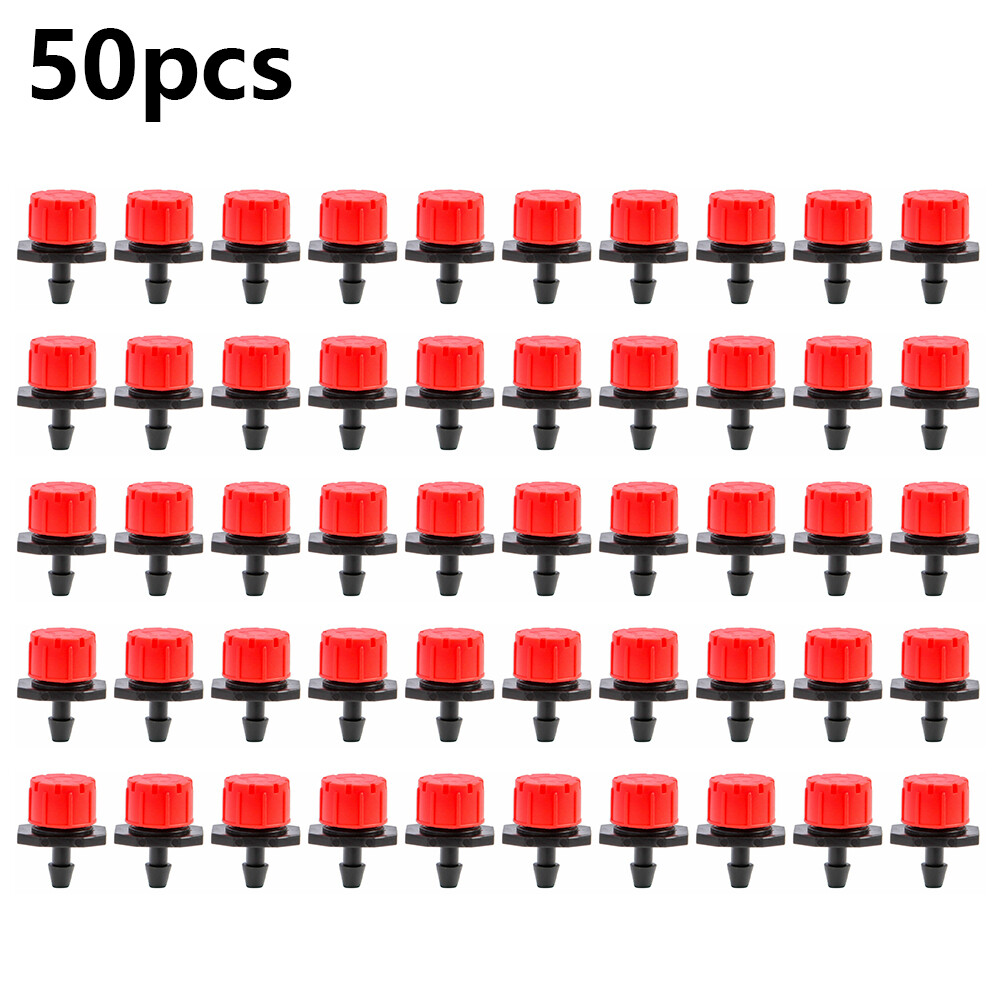 Adjustable Emitter Dripper Micro Drip Irrigation Sprinkler Watering System Lots$7.51View on eBay
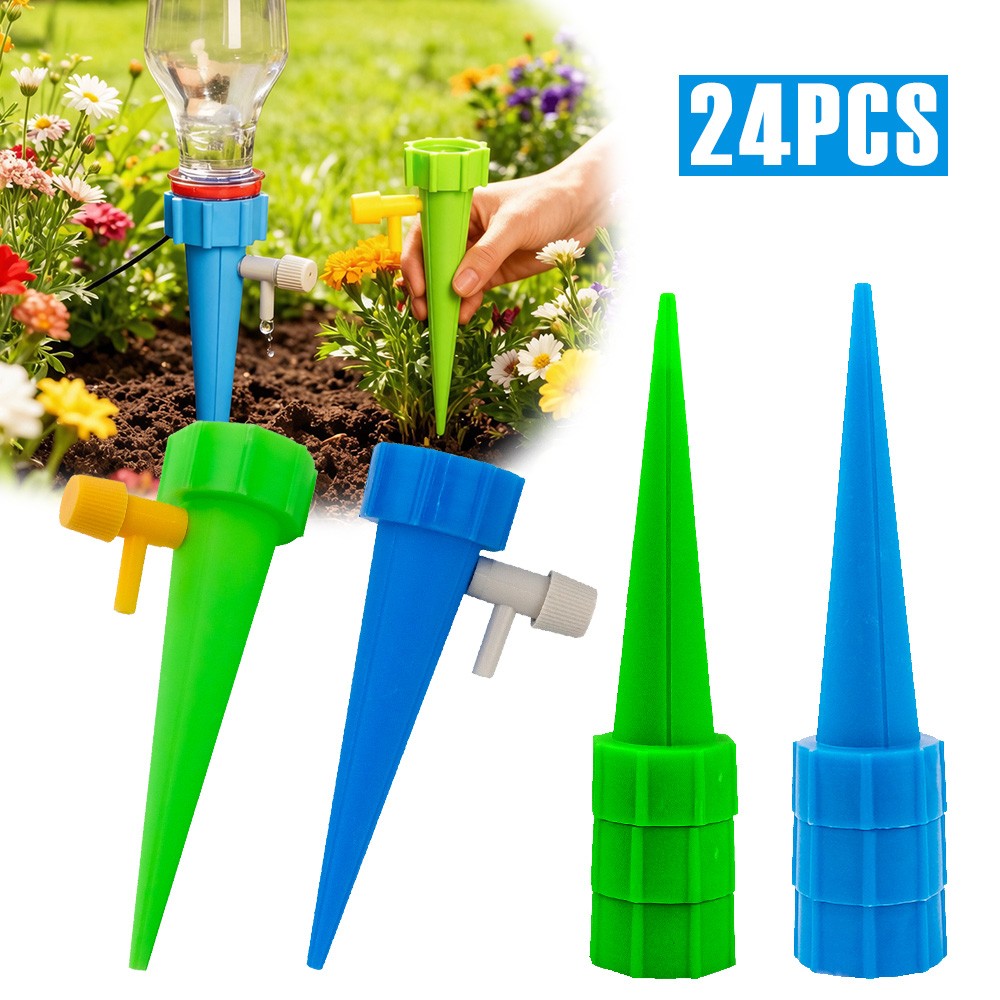 24PCS Self Watering Spikes Automatic Irrigation Watering Drip System for Plants$7.88View on eBay
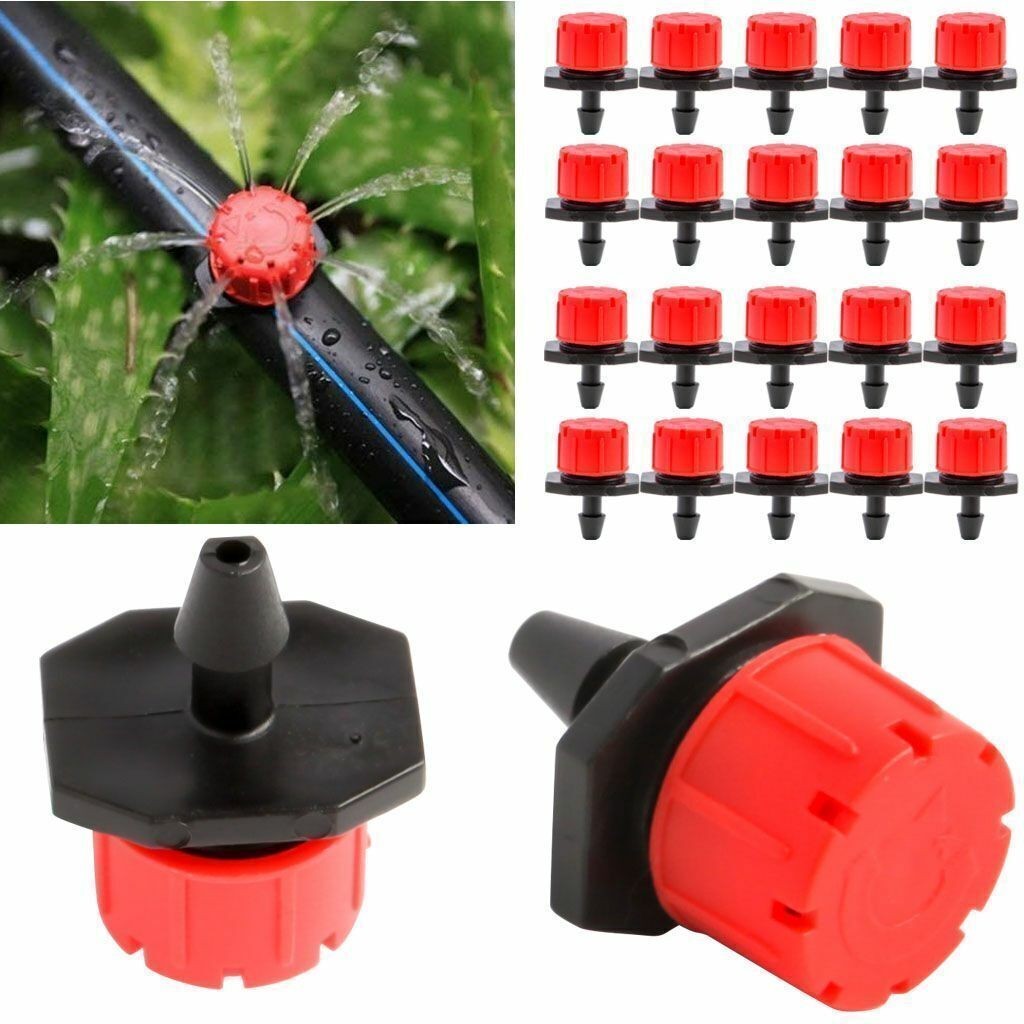 33-100ft Auto Drip Irrigation System Kit Timer Micro Sprinkler Garden Watering$7.99View on eBay
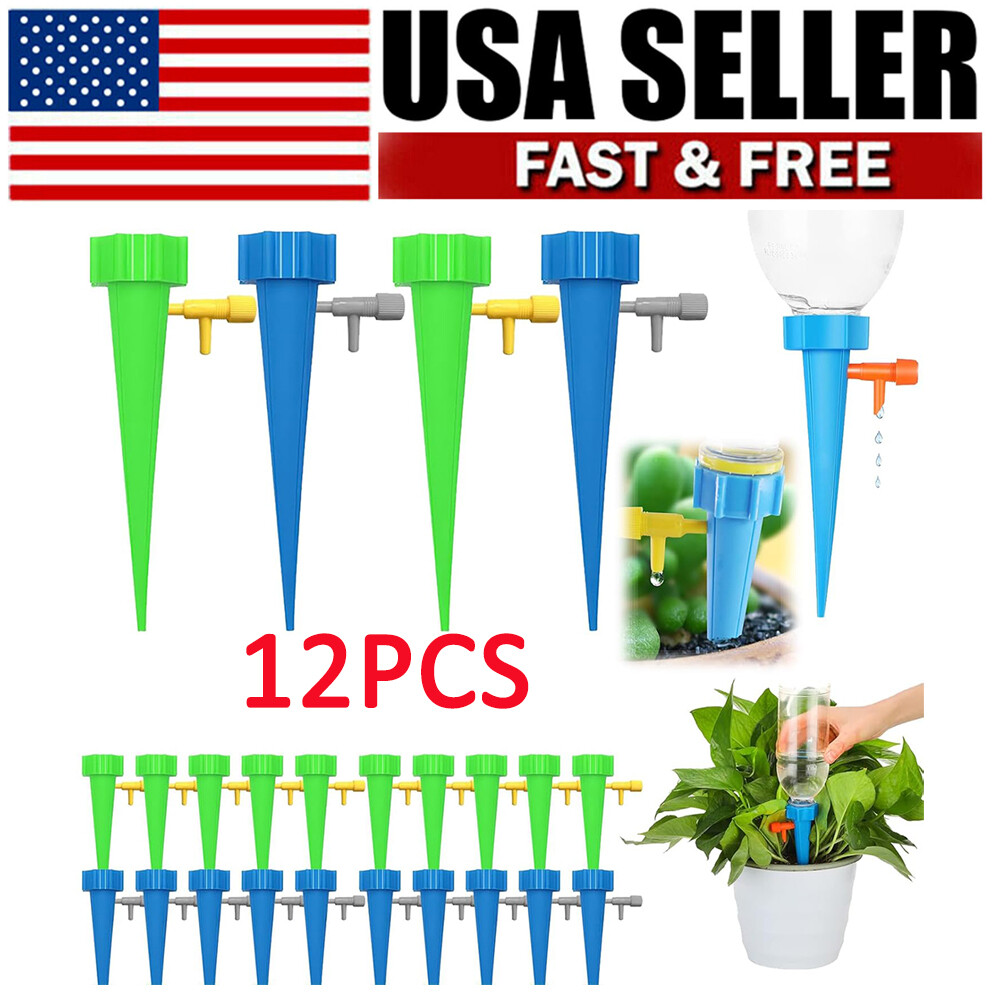 12Pcs Self Watering Spikes Automatic Irrigation Watering Drip System for Plants$8.79View on eBay
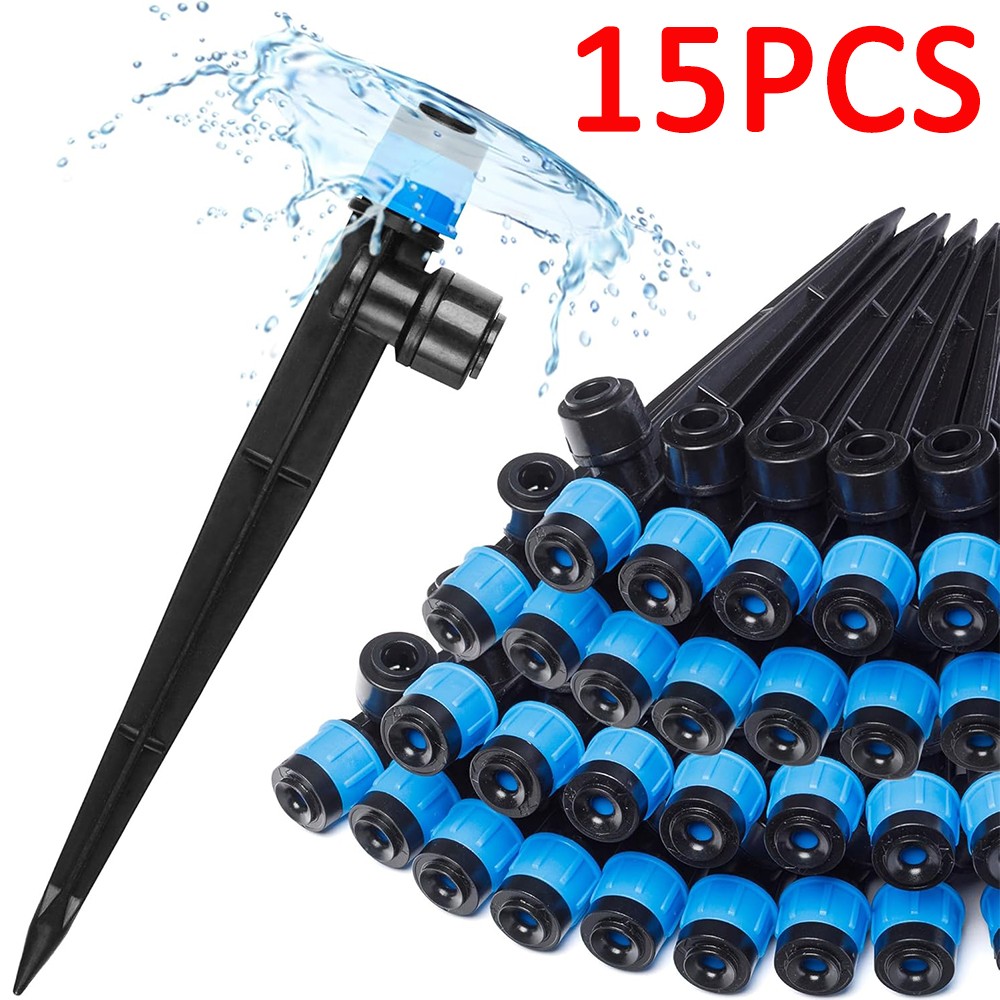 30Pcs Drip Irrigation Emitter 1/4" Garden Drip Watering System 360° Adjustable$9.29Last checked Nov 19, 2026View on eBay
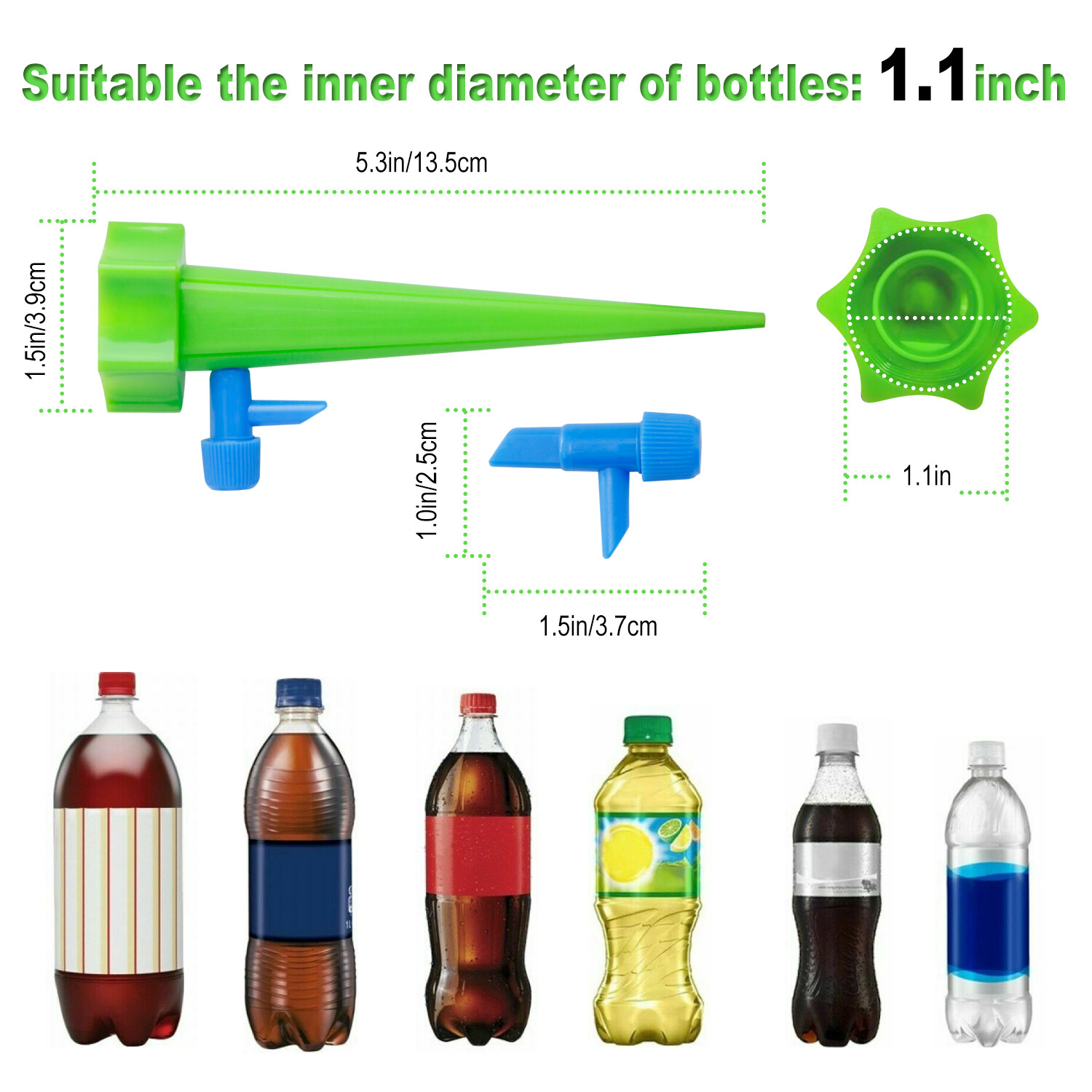 12/24PCS Garden Drip Irrigation Kit -Automatic Self Watering System for Vacation$9.95Last checked Nov 19, 2026View on eBay
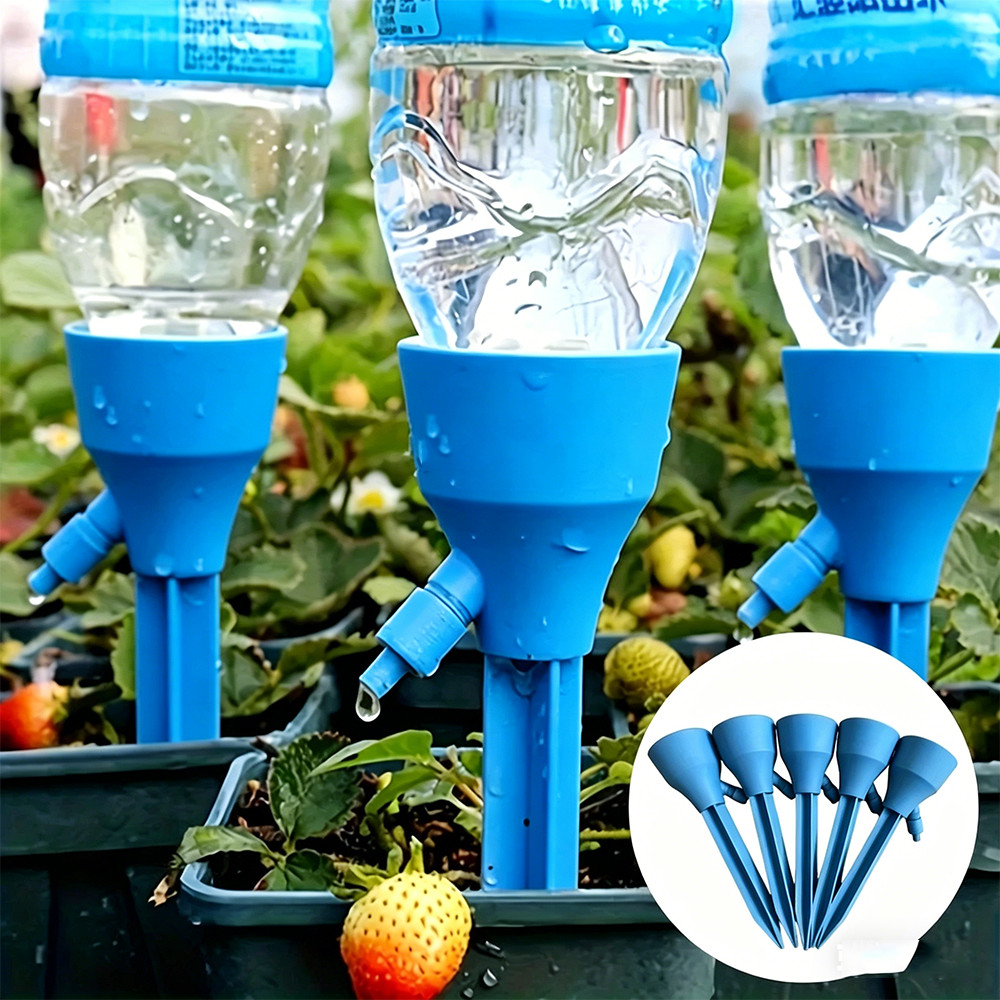 5 pcs Automatic Plant Watering Spikes Self Drip Irrigation for Potted Plants$9.99Last checked Nov 18, 2026View on eBay
- 12/24PCS Garden Drip Irrigation Kit -Automatic Self Watering System for Vacation$10.45View on eBay
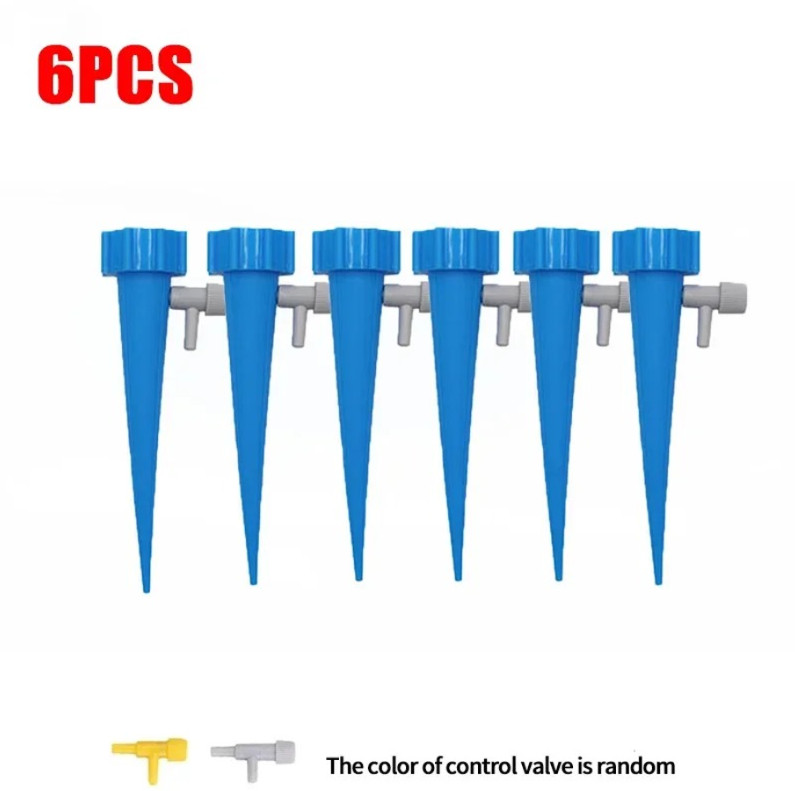 6pcs Automatic Drip Irrigation Self Watering Adjustable Plant Drippers Set - NEW$10.68View on eBay
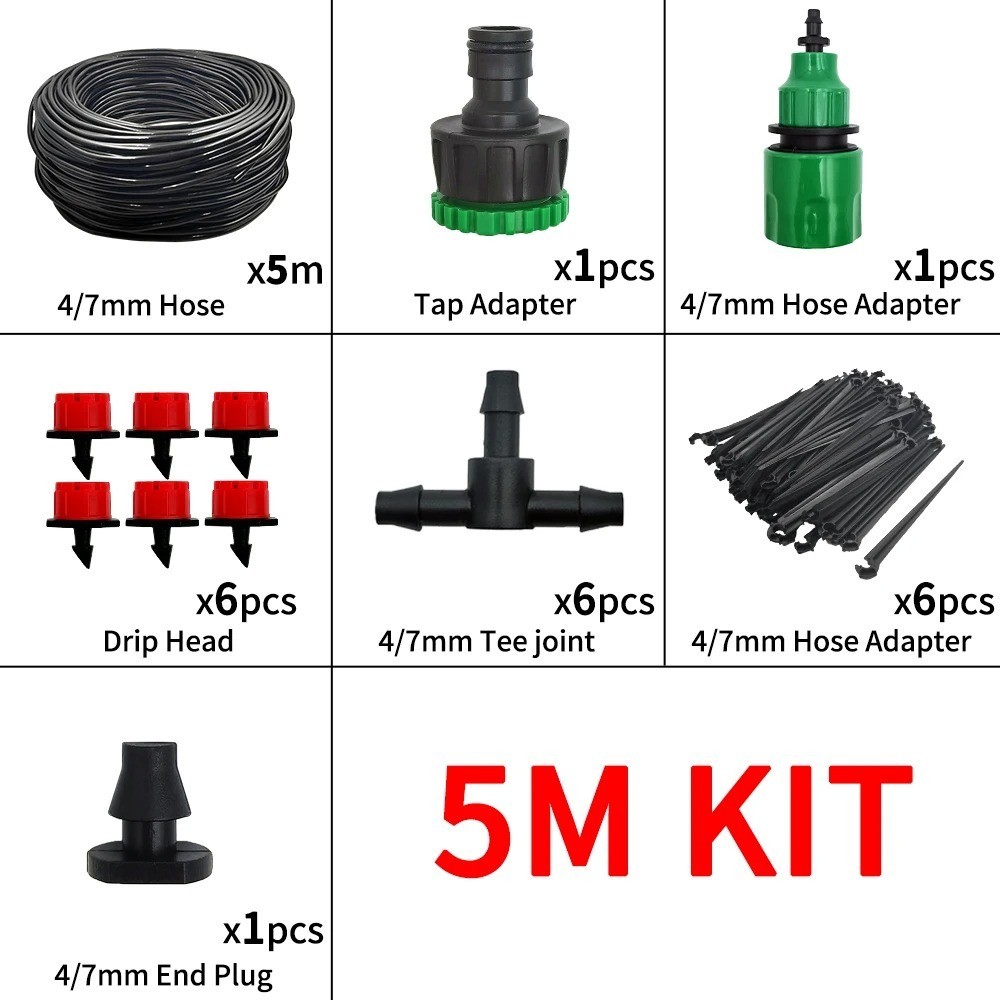 Drip Irrigation System Garden Plant Self Watering Mist Hose Micro Sprinkler Kit$10.70View on eBay
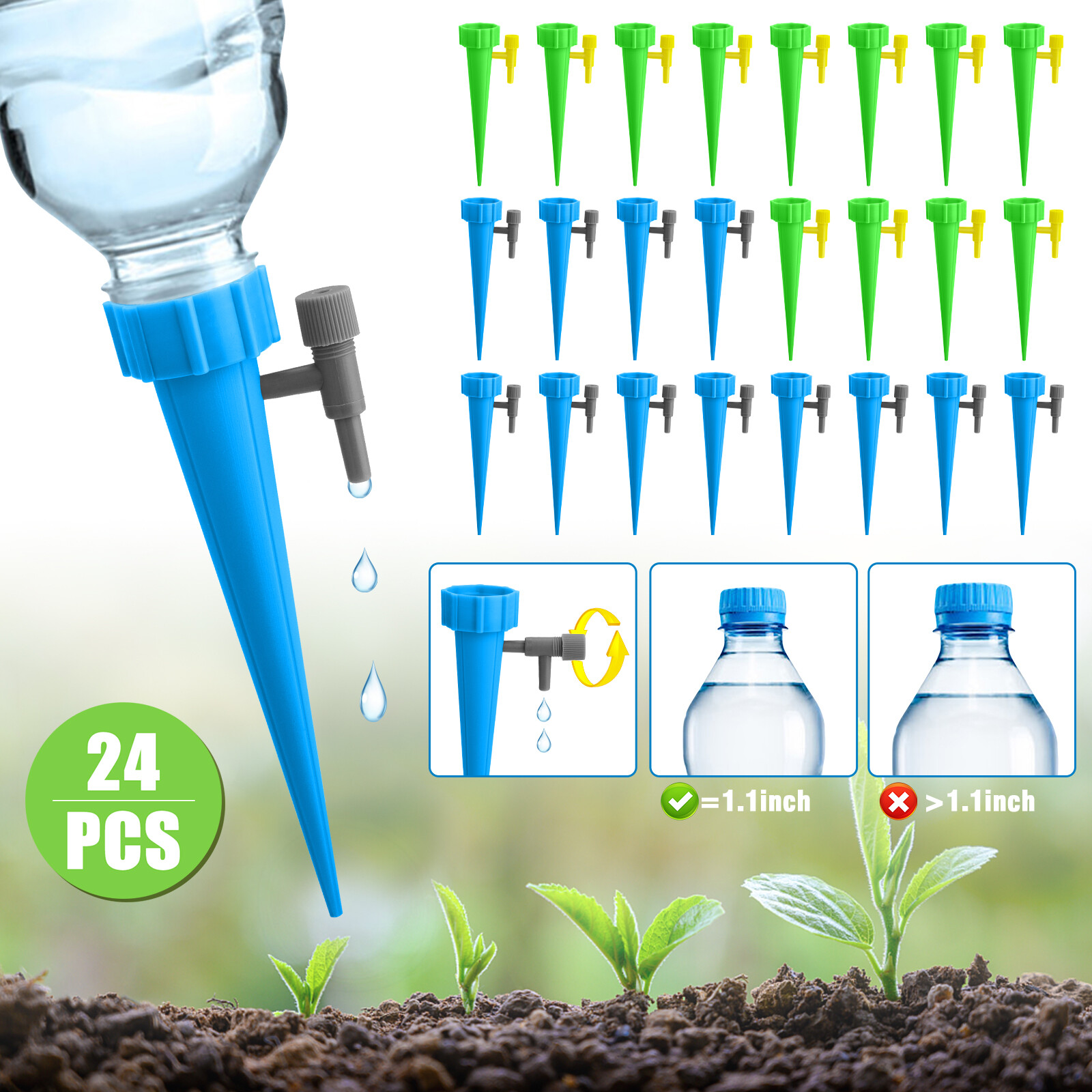 24x Plant Self Watering Insert Spike Auto Irrigation Adjustable Valve 0-60s/Drip$11.49Last checked Nov 18, 2026View on eBay
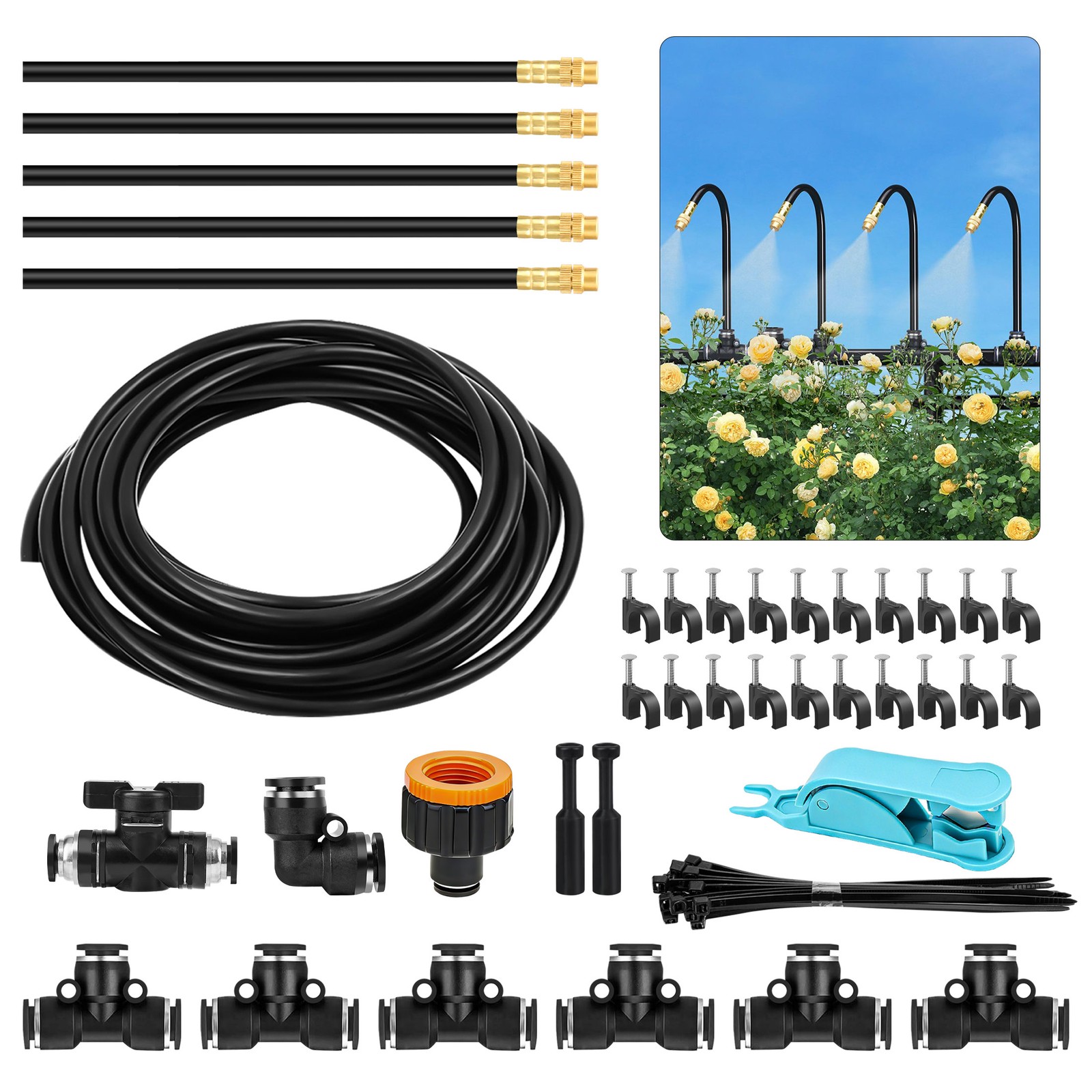 Drip Irrigation Kit DIY Garden Watering System Adjustable Sprayer Plant Lawn 1/4$11.95Last checked Nov 22, 2026View on eBay
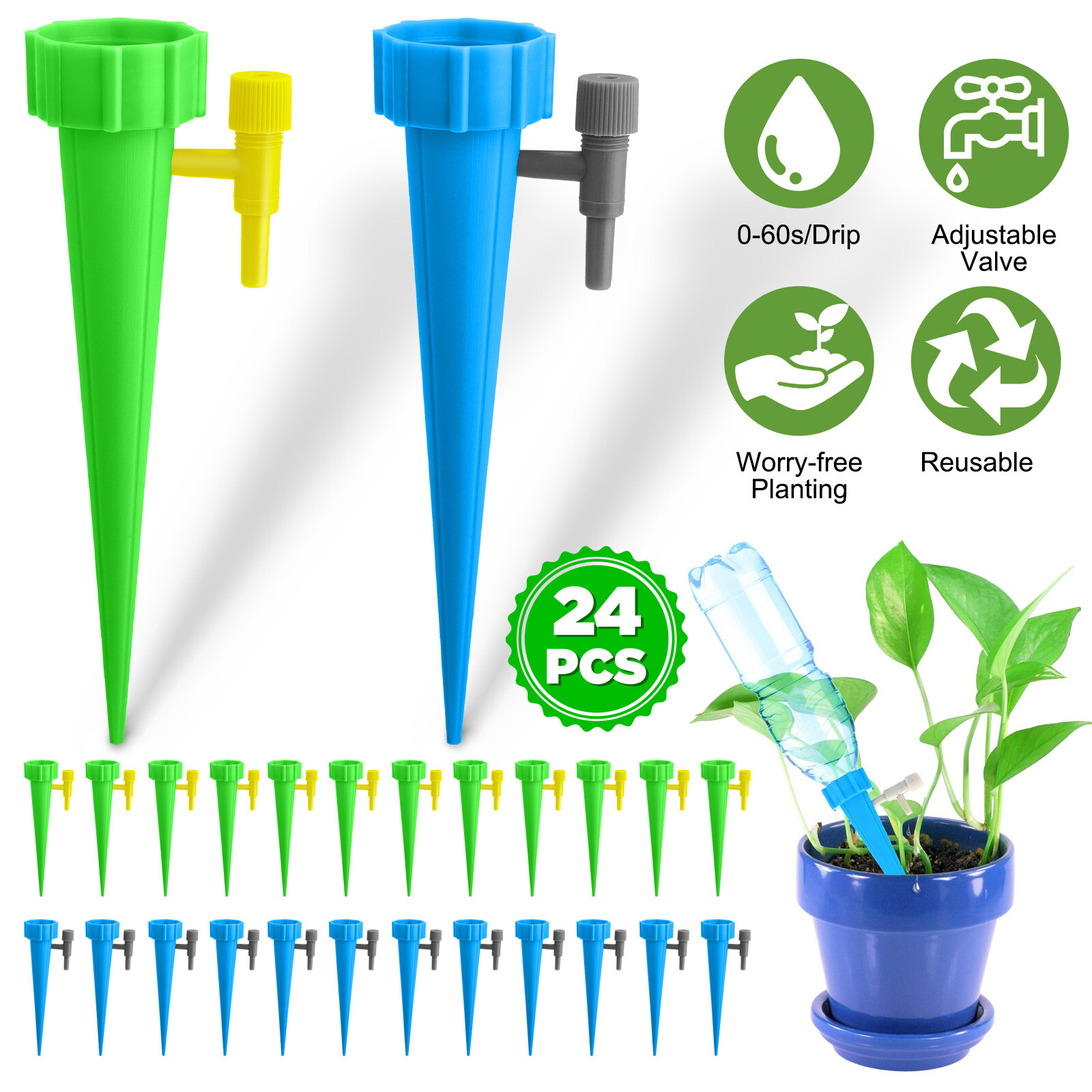 24PCS Self Watering Spikes Automatic Irrigation Watering Drip System for Plants$12.48Last checked Nov 19, 2026View on eBay
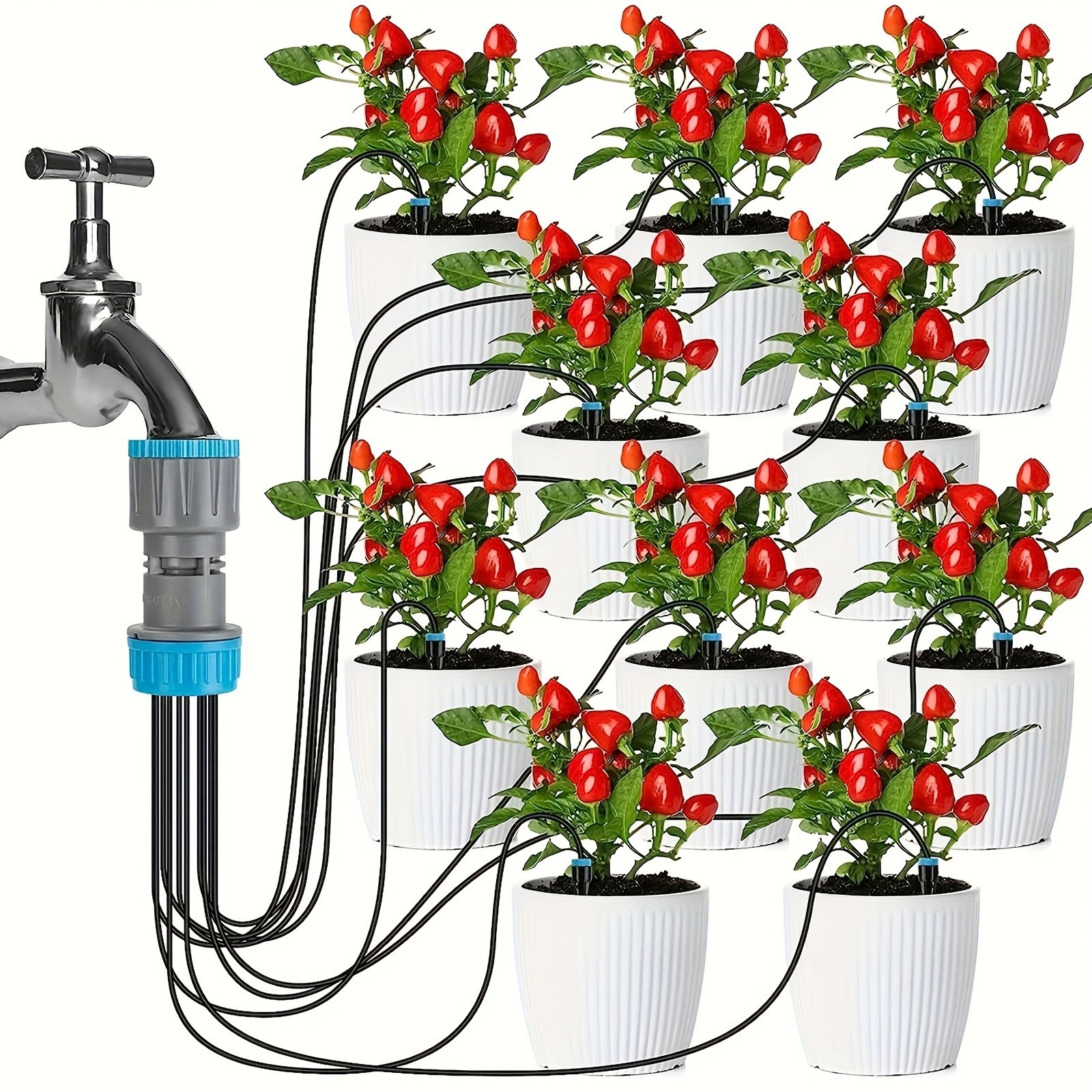 Garden Drip Irrigation Kit - Automatic Watering System for Potted Plants$12.49Last checked Nov 19, 2026View on eBay
- 12/24PCS Automatic Self Watering System Plant Water Drip Irrigation Garden Tools$14.95Last checked Nov 19, 2026View on eBay
- 12/24PCS Plant Drip Irrigation Garden Tools - Automatic Self Watering System$15.59View on eBay
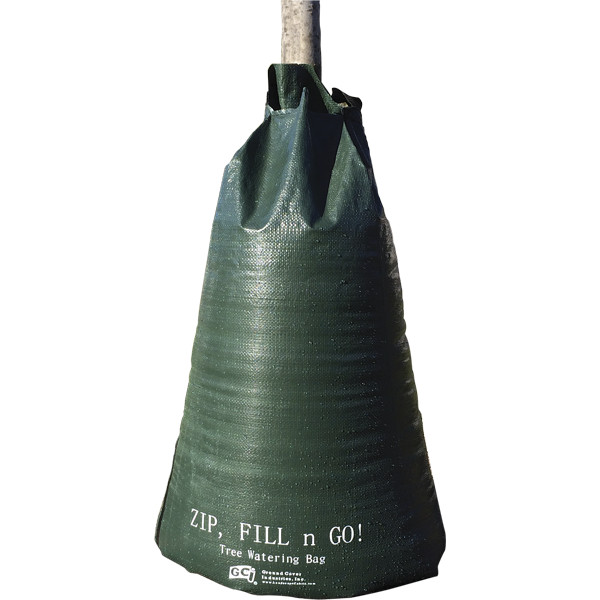 20 Gallon Tree Watering Bag Slow Release Drip Irrigation$15.95Last checked Nov 18, 2026View on eBay
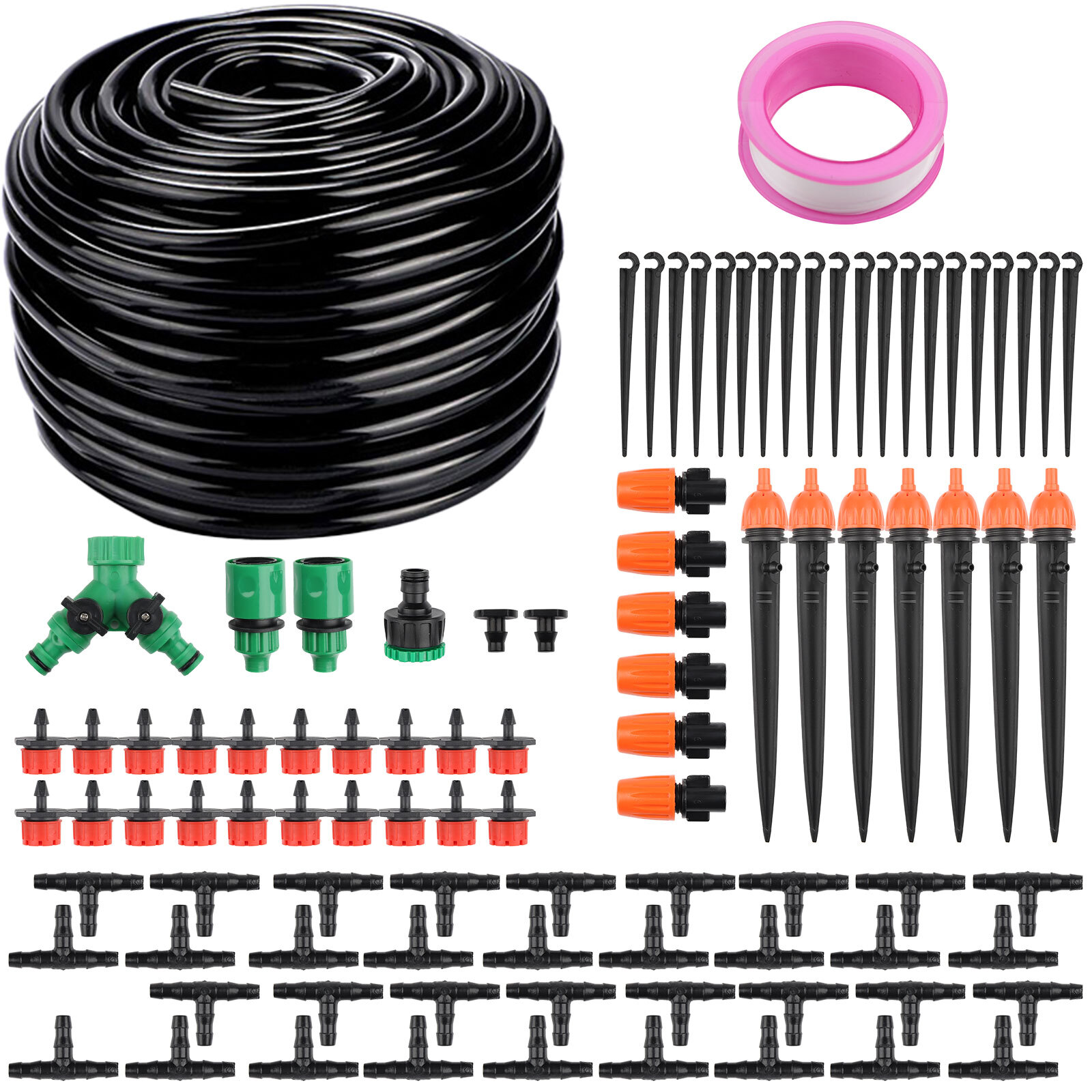 130FT Drip Irrigation System Garden Plant Self Watering Micro Hose Sprinkler Kit$15.99Last checked Nov 18, 2026View on eBay
Highlights
- Pressure-compensating (PC) emitters deliver a consistent flow rate across the line even when pots sit at different elevations or distances from the tap; non-PC drippers vary widely with pressure changes.
- A 25-psi pressure regulator is standard for converting household tap pressure to drip-safe levels; without one, emitters can pop off or deliver uneven flow.
- Drip line emitter spacing options (6, 9, or 12 inches) determine whether one line can serve a dense planter row or must be looped through individual pots.
- Barbed connectors, tees, and end caps sized to the tubing outer diameter (typically 1/4-inch or 1/2-inch) are the compatibility standard; mismatched barb sizes cause leaks and joint failures.
Best use cases
- Best fit: a dozen or more containers on a patio or deck — choose a 1/4-inch micro-tubing kit with individual PC drippers per pot and a 25-psi regulator at the spigot.
- Best fit: long rectangular planter boxes or raised beds in a single row — use 1/2-inch drip line with inline emitters at 9- or 12-inch spacing to cover the root zone evenly.
- Wrong fit to skip: a single large planter or two — a full multi-zone kit with 50 feet of tubing and twenty emitters is overkill; a simple watering can or one adjustable dripper on a short lead is more practical.
- Wrong fit to skip: gravity-fed rain barrel or low-pressure source without a pump — standard PC emitters require a minimum operating pressure (often 10–15 psi) that gravity alone may not achieve; choose a low-pressure drip system or micro-spray designed for gravity feed.
Buying tips
- Prioritize pressure-compensating emitters over non-compensated ones for any layout where pots sit at varying heights or line lengths exceed 15 feet.
- Size the kit by counting individual plants or containers, not by total hose length; each emitter serves one plant, and you need one emitter per pot plus spare fittings.
- Check the tubing diameter compatibility: 1/4-inch micro-tubing for individual pot leads and 1/2-inch mainline for longer runs; adapters exist but add leak points.
- Avoid kits that omit a pressure regulator or filter; debris and high pressure are the two most common causes of drip system failure in planters.
Specs
| Emitter Type | Pressure-compensating vs non-PC |
|---|---|
| Pressure Regulator | 25 psi standard / inline filter |
| Tubing Sizes | 1/4-in micro + 1/2-in mainline |
| Emitter Spacing | 6 / 9 / 12 in inline options |
Related searches
What to check before buying
- Measure the distance from your outdoor spigot to the farthest planter and confirm the kit includes enough 1/2-inch mainline plus 1/4-inch distribution tubing to reach every pot.
- Verify your water source pressure with a simple inline gauge; if it exceeds 30 psi, a 25-psi regulator is mandatory to protect emitters and fittings.
- Count the number of individual containers and note their spacing; confirm the kit includes at least one emitter per pot plus a few spare barbed tees and end caps.
- Check that the kit's barbed connectors match your tubing size (1/4-inch and 1/2-inch are standard) and that a hole punch is included for inserting emitters into mainline.
FAQ
Data sources: eBay / Amazon listings and product attribute feeds. Updated Nov 28, 2026.
Some links on this page are affiliate links. If you buy after clicking one, we may earn a commission at no extra cost to you. This does not change which products appear here or their order. Affiliate disclosure.