
Photos from current listings. Actual item, color, and included accessories may vary.
Drip Irrigation Indoor Plant Buying Guide
Indoor drip watering systems split into two real architectures: battery-powered pump timers feeding 1/4-inch tubing and drip stakes, and passive ceramic or plastic self-watering spikes that wick moisture without electricity. Pick by vacation length and pot count, not by listing photos—a 16-stake pump kit and a six-globe ceramic set solve entirely different problems. The most common mistake is buying a passive spike set for a two-week trip or a pump kit for two small pots, then fighting calibration and mold.
Median $19.96
Key takeaways
- Pump-timer kits run on rechargeable lithium cells or AA batteries, drive 1/4-inch OD tubing, and support roughly 8-16 drip stakes or arrows per manifold.
- LCD timer models program minutes-per-day or days-between cycles; without a check-valve or anti-siphon, elevated reservoirs can back-siphon when the pump stops.
- Passive ceramic globes and spikes release water through porous clay or capillary wicks, typically lasting 3-14 days depending on pot size and soil type.
At a glance
- Category
- Watering & Irrigation
- Last updated
- Nov 28, 2026
Current offers
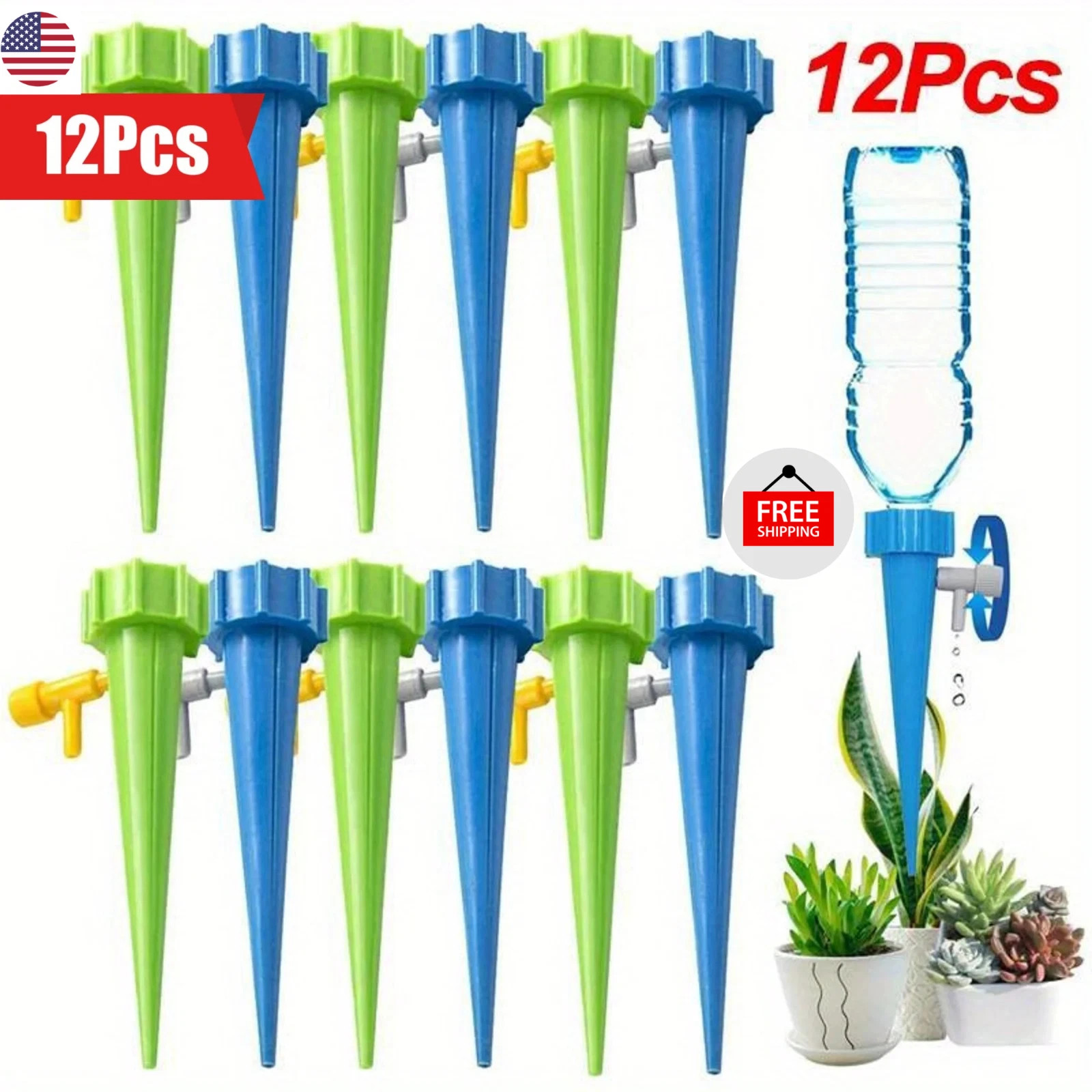 12Pcs Self Watering Spikes Automatic Irrigation Watering Drip System for Plants$5.45View on eBay
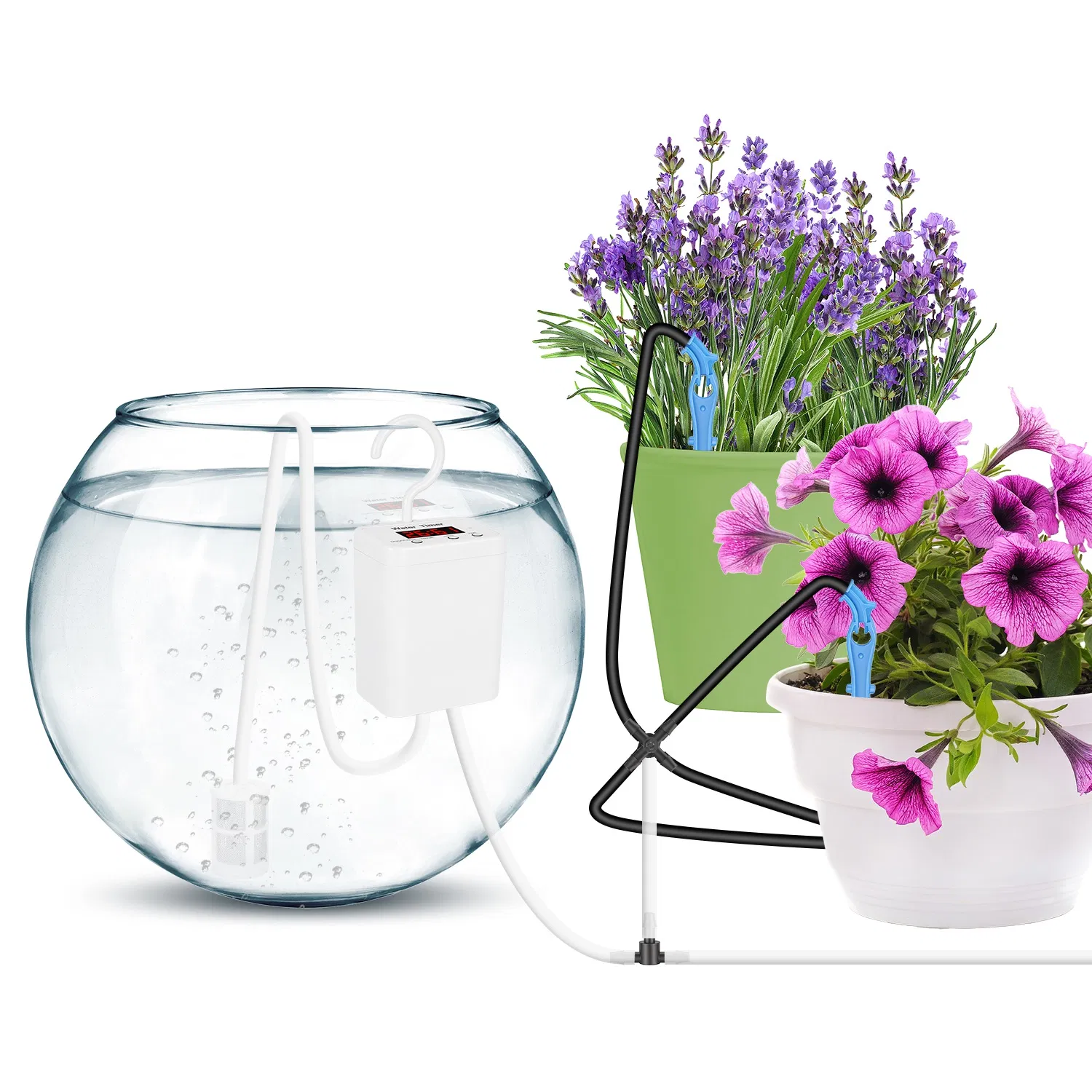 Automatic Plant Watering Device Indoor Drip Irrigation System with LCD Display Rechargeable Adjustable Timer for Up to 16 Arrows Vacation Self for Houseplant$35.99View on Mallflare
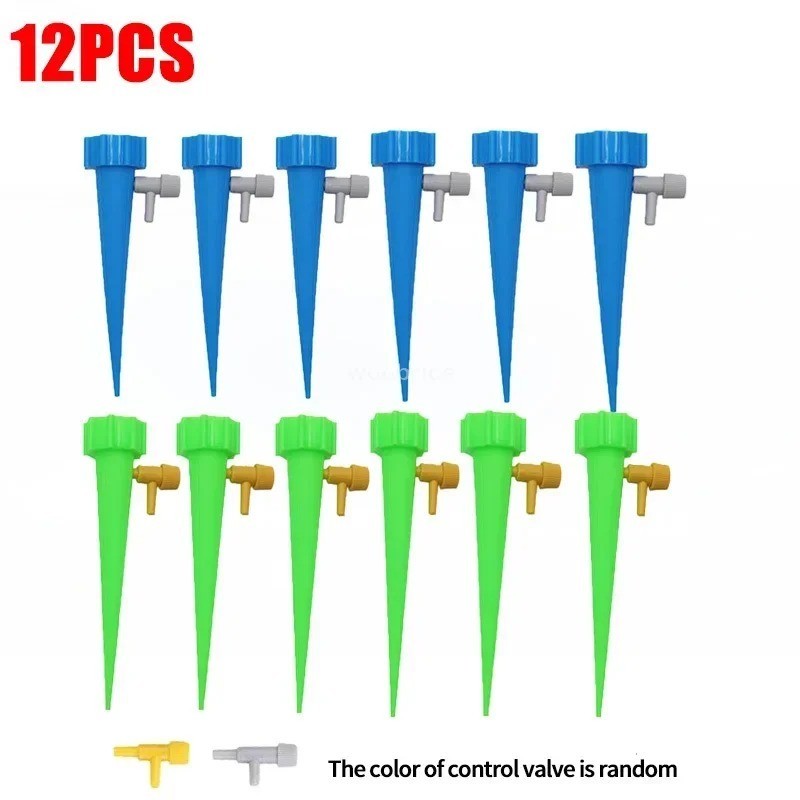 12PCS Mixed Automatic Drip Irrigation Plant Self Watering Kit Garden Device$5.91Last checked Nov 19, 2026View on eBay
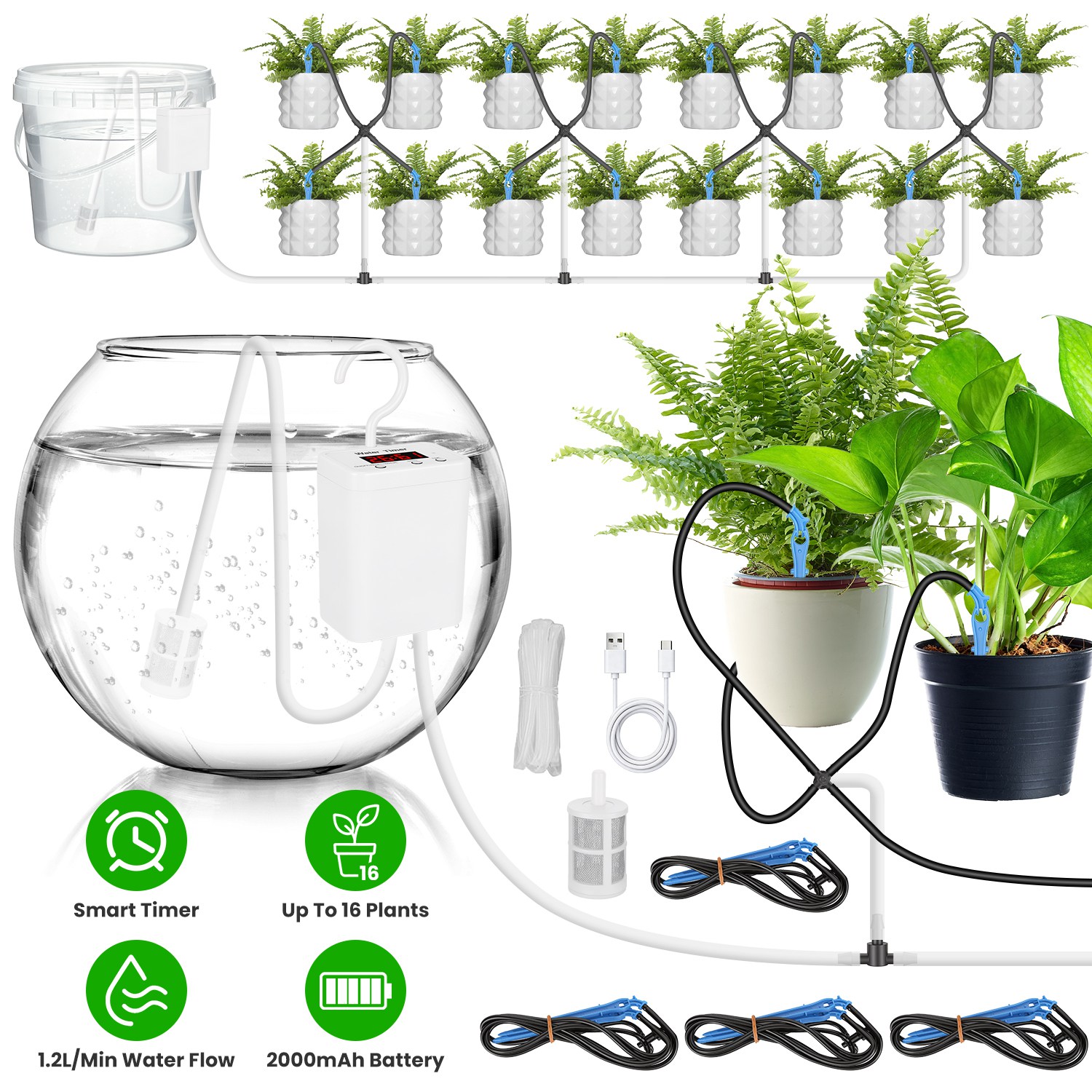 1Pc Automatic Plant Watering Device Indoor Drip Irrigation System With LCD Display Rechargeable Adjustable Timer For Up To 16 Arrows Vacation Self For House$37.99View on Mallflare
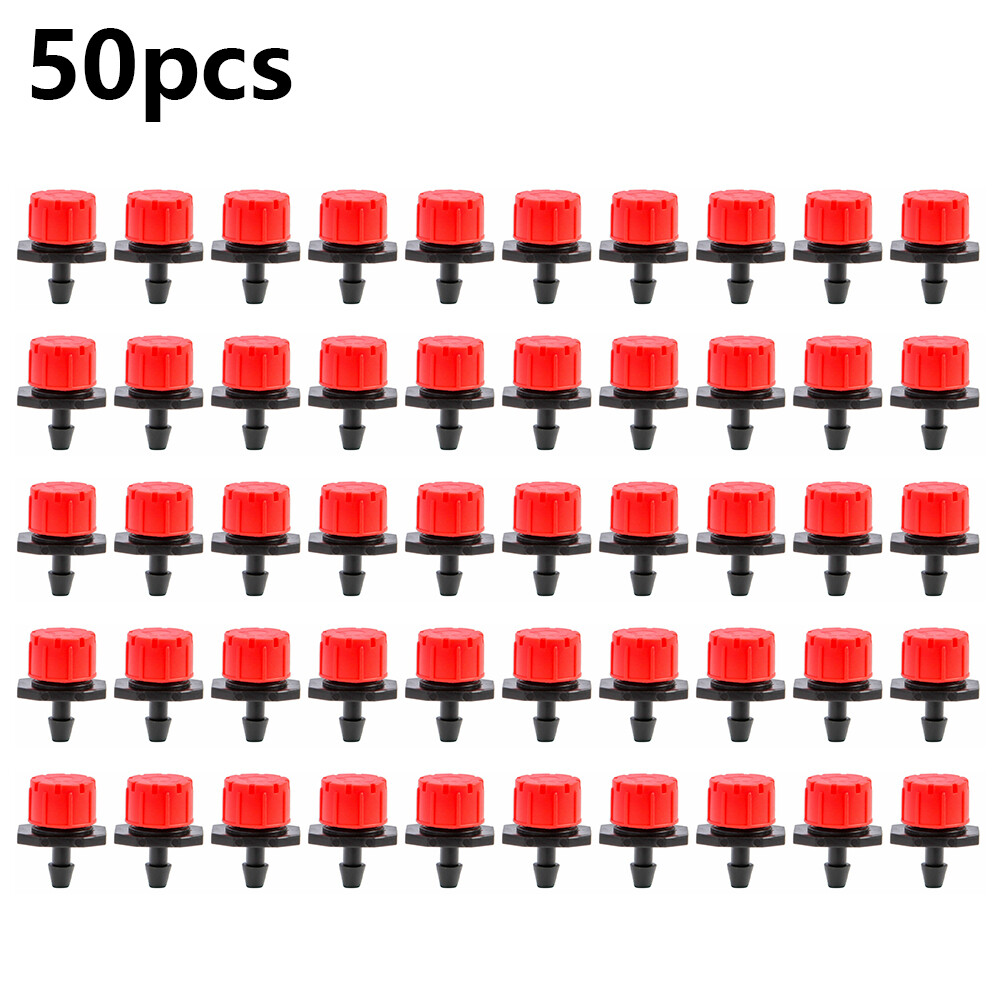 Adjustable Emitter Dripper Micro Drip Irrigation Sprinkler Watering System Lots$7.51View on eBay
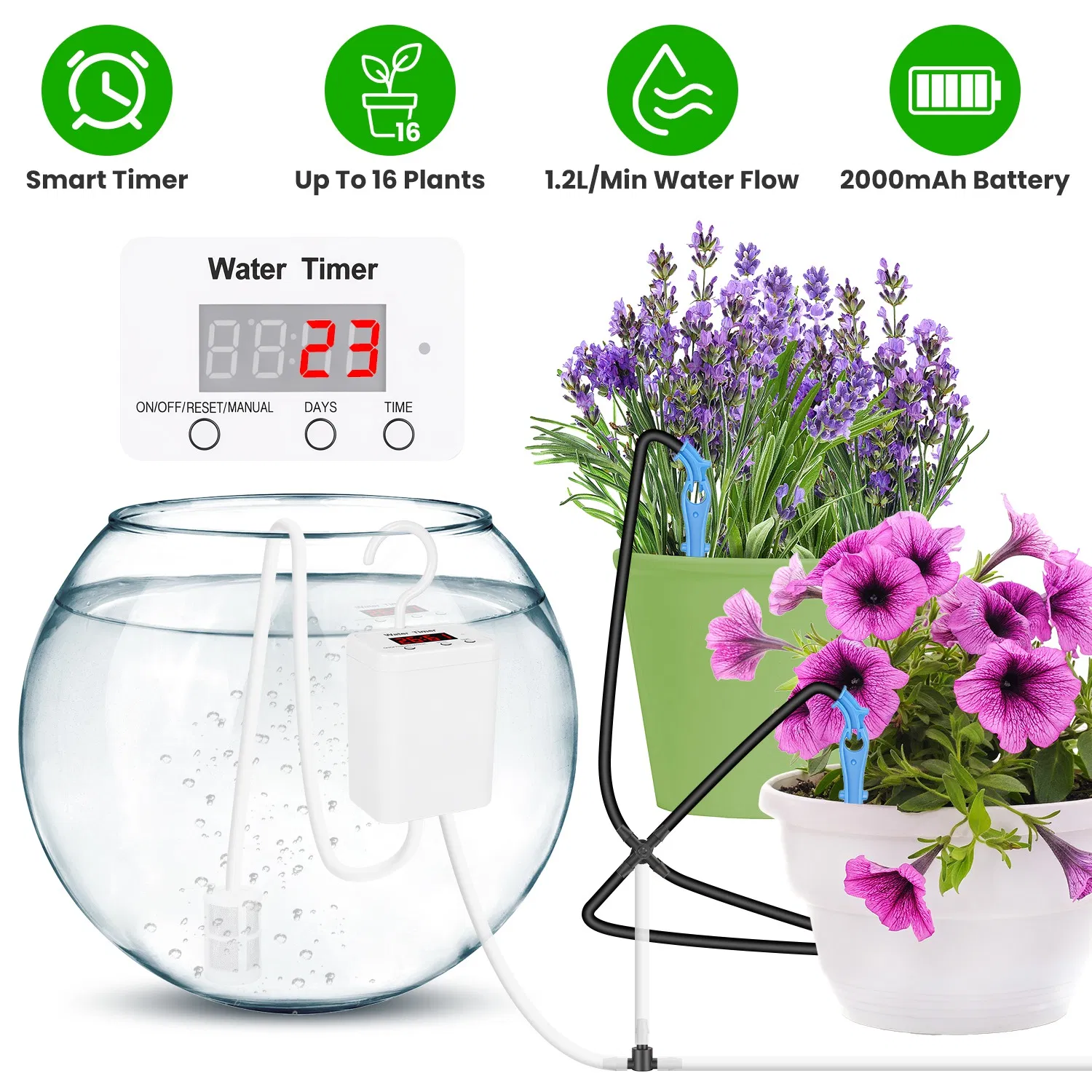 Smart Auto Plant Watering Device Low Noise 4W Efficient Drip Irrigation Kit with Low Water & Low Battery Alarm, 16 Arrows for Indoor Balcony Greenhouse$46.99View on Mallflare
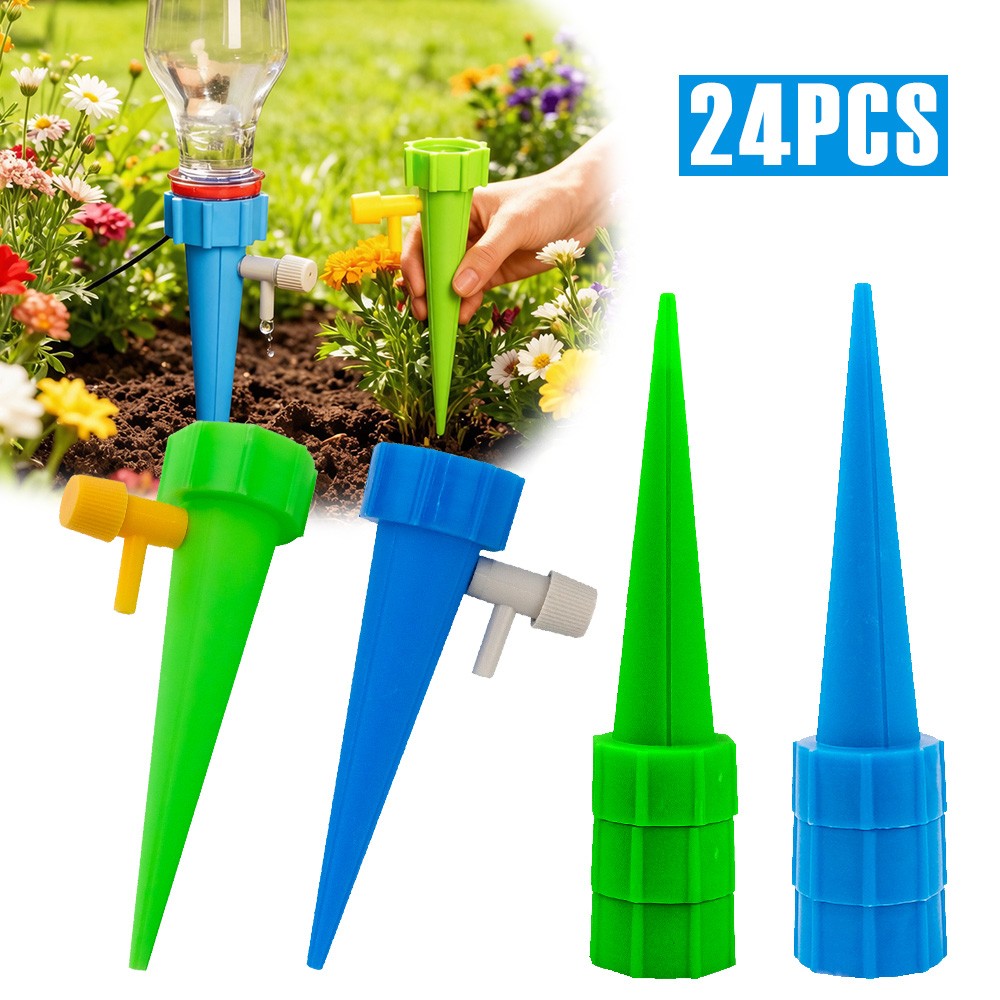 24PCS Self Watering Spikes Automatic Irrigation Watering Drip System for Plants$7.88View on eBay
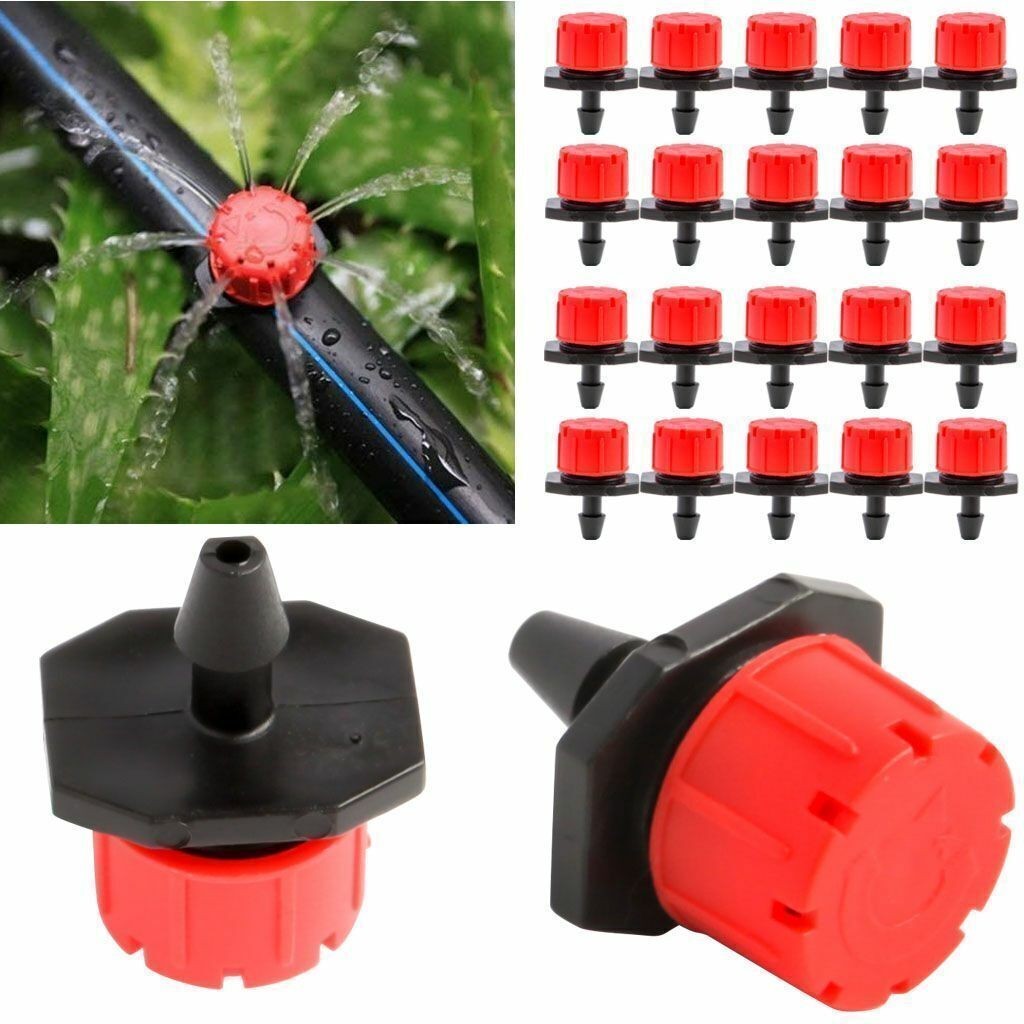 33-100ft Auto Drip Irrigation System Kit Timer Micro Sprinkler Garden Watering$7.99View on eBay
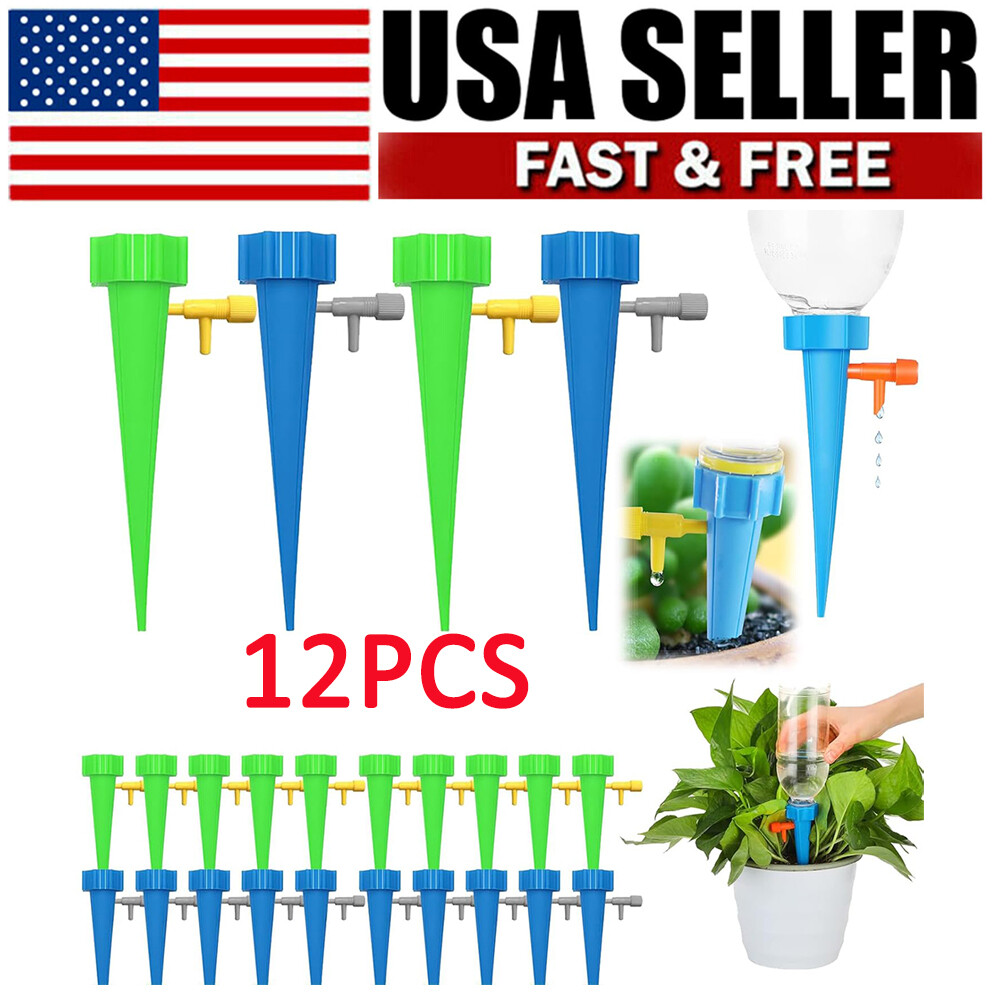 12Pcs Self Watering Spikes Automatic Irrigation Watering Drip System for Plants$8.79View on eBay
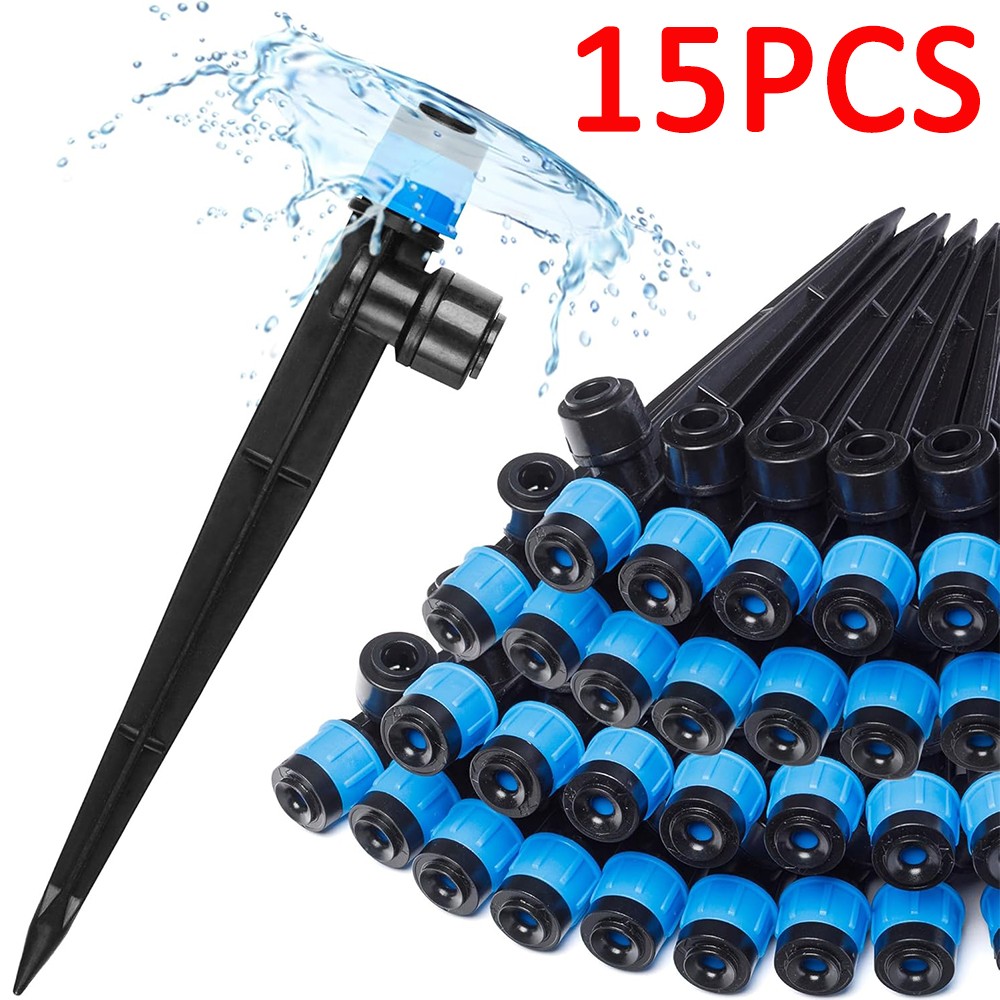 30Pcs Drip Irrigation Emitter 1/4" Garden Drip Watering System 360° Adjustable$9.29Last checked Nov 19, 2026View on eBay
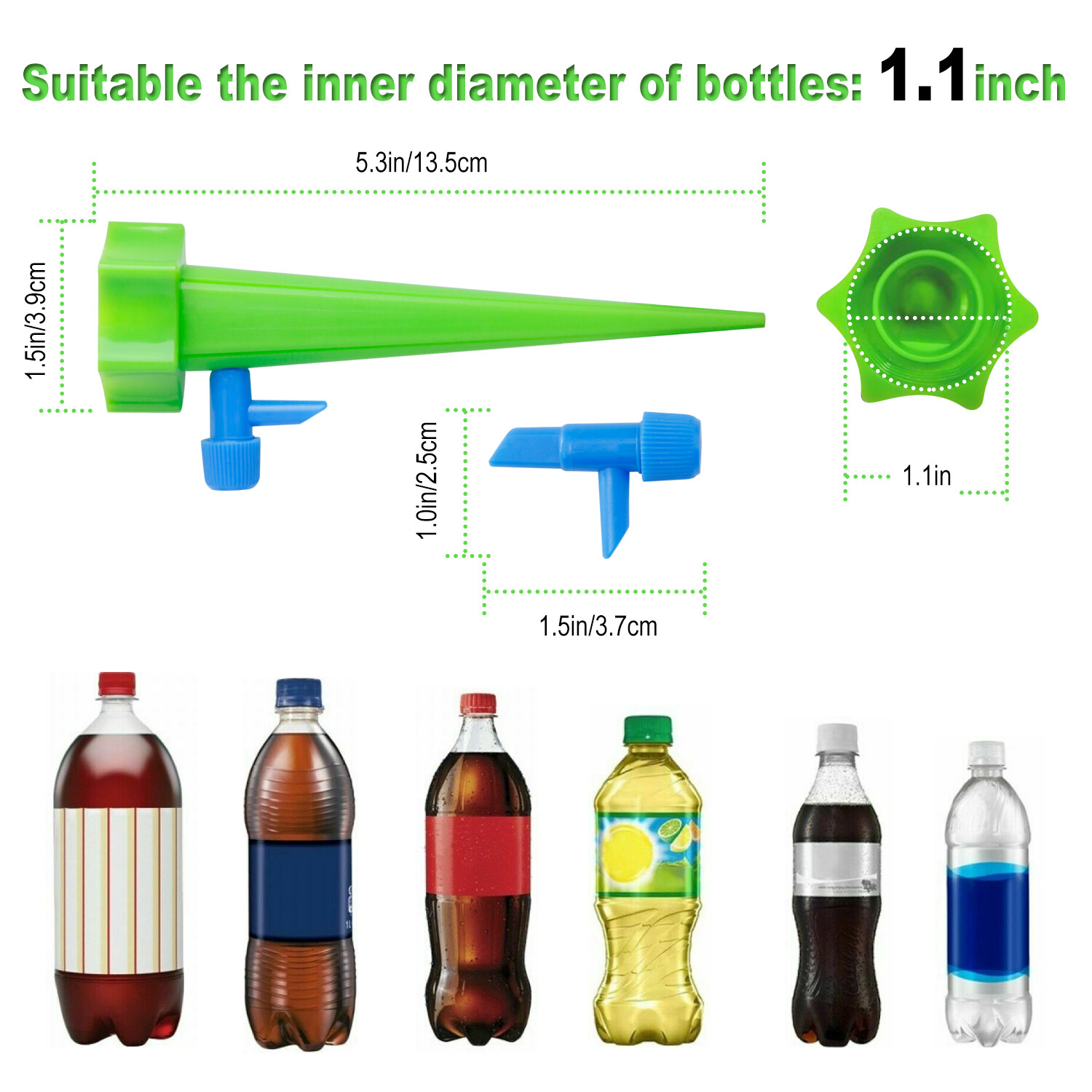 12/24PCS Garden Drip Irrigation Kit -Automatic Self Watering System for Vacation$9.95Last checked Nov 19, 2026View on eBay
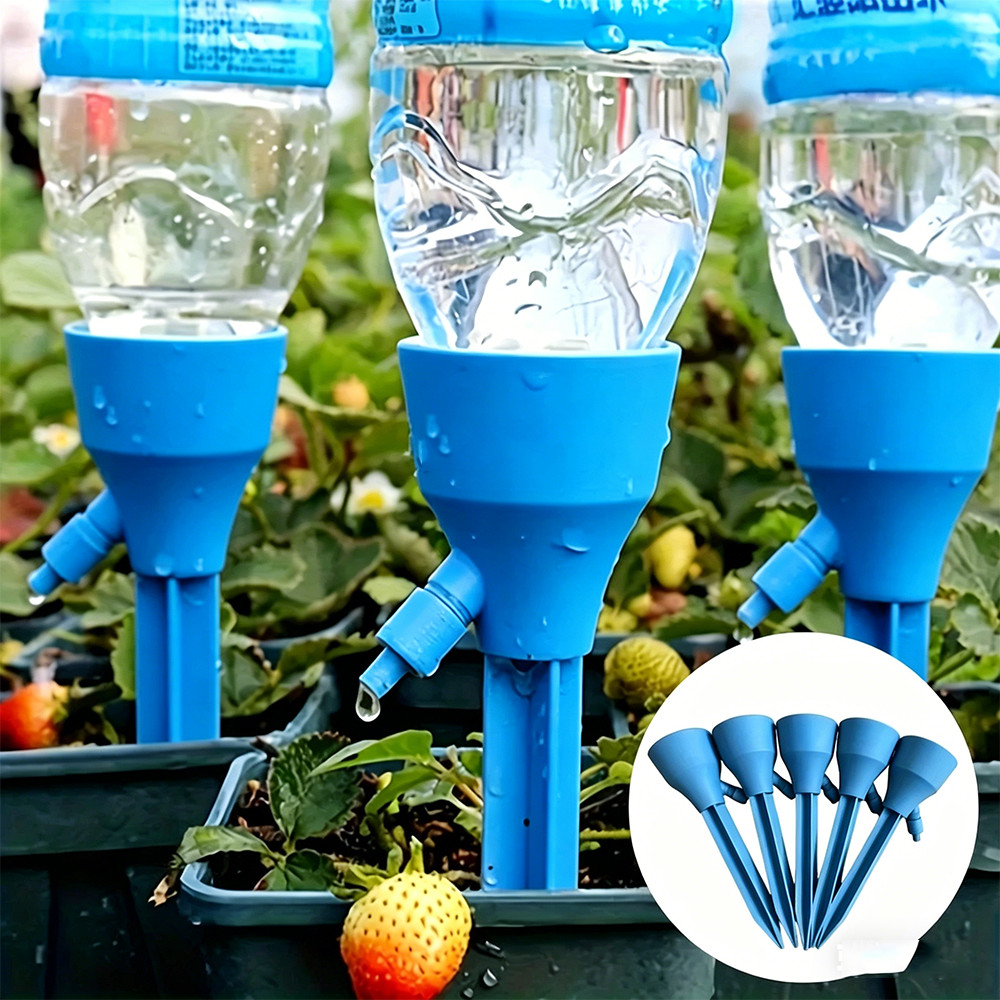 5 pcs Automatic Plant Watering Spikes Self Drip Irrigation for Potted Plants$9.99Last checked Nov 18, 2026View on eBay
- 12/24PCS Garden Drip Irrigation Kit -Automatic Self Watering System for Vacation$10.45View on eBay
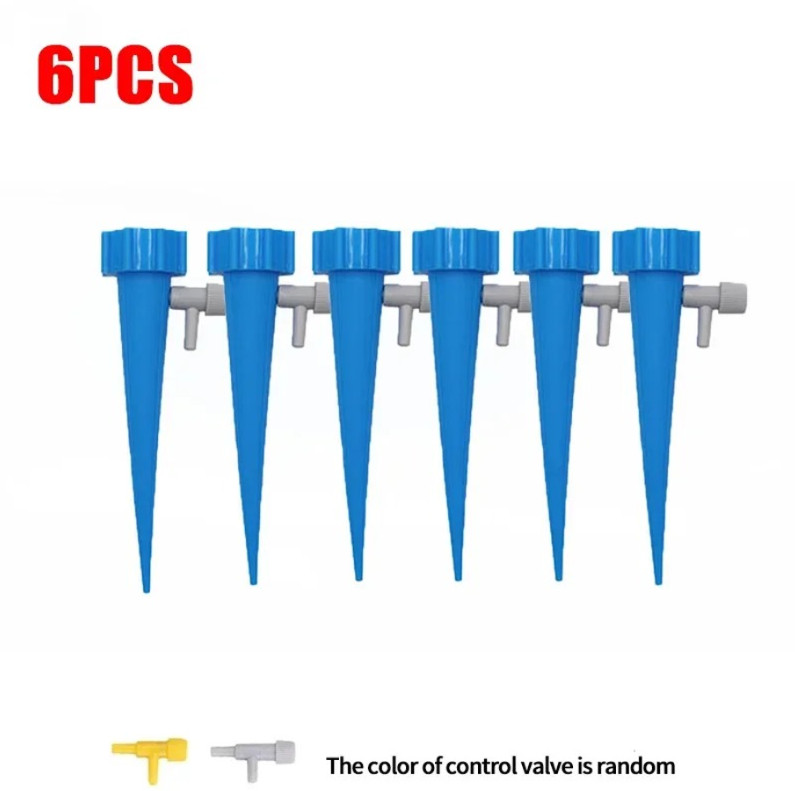 6pcs Automatic Drip Irrigation Self Watering Adjustable Plant Drippers Set - NEW$10.68View on eBay
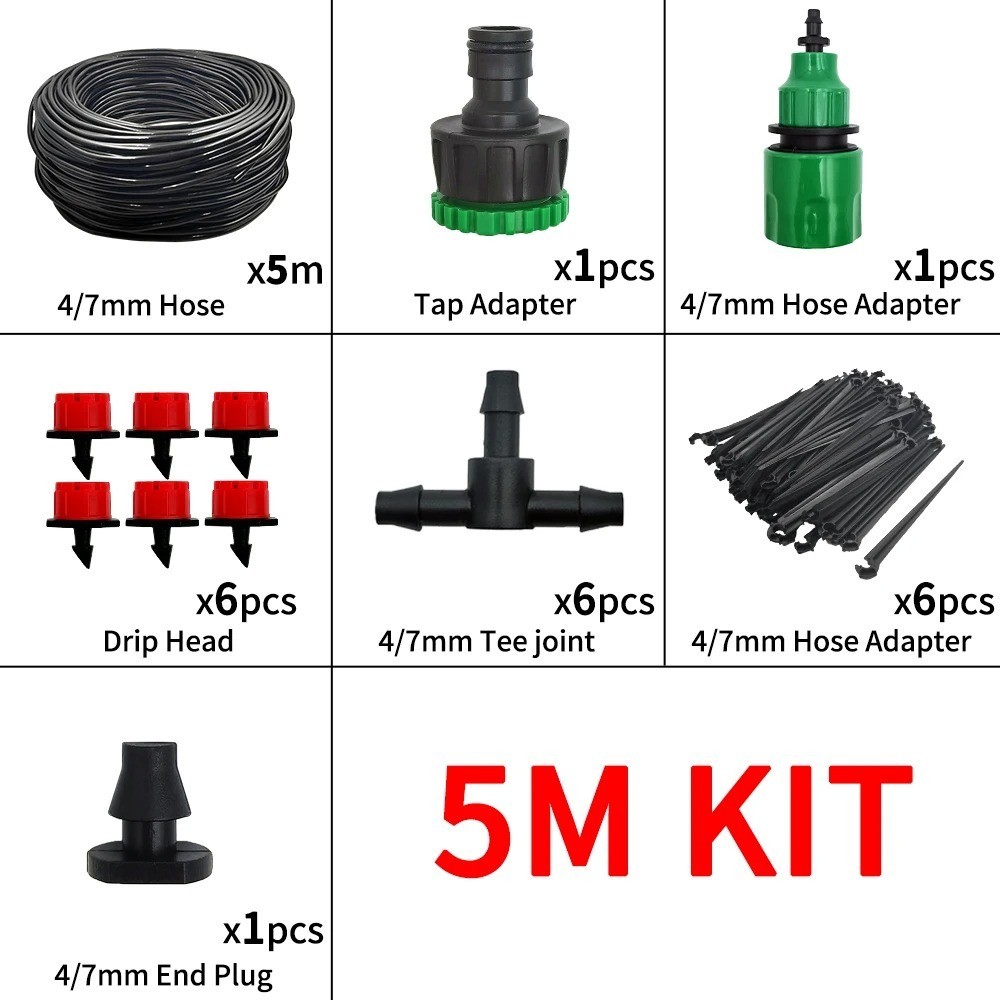 Drip Irrigation System Garden Plant Self Watering Mist Hose Micro Sprinkler Kit$10.70View on eBay
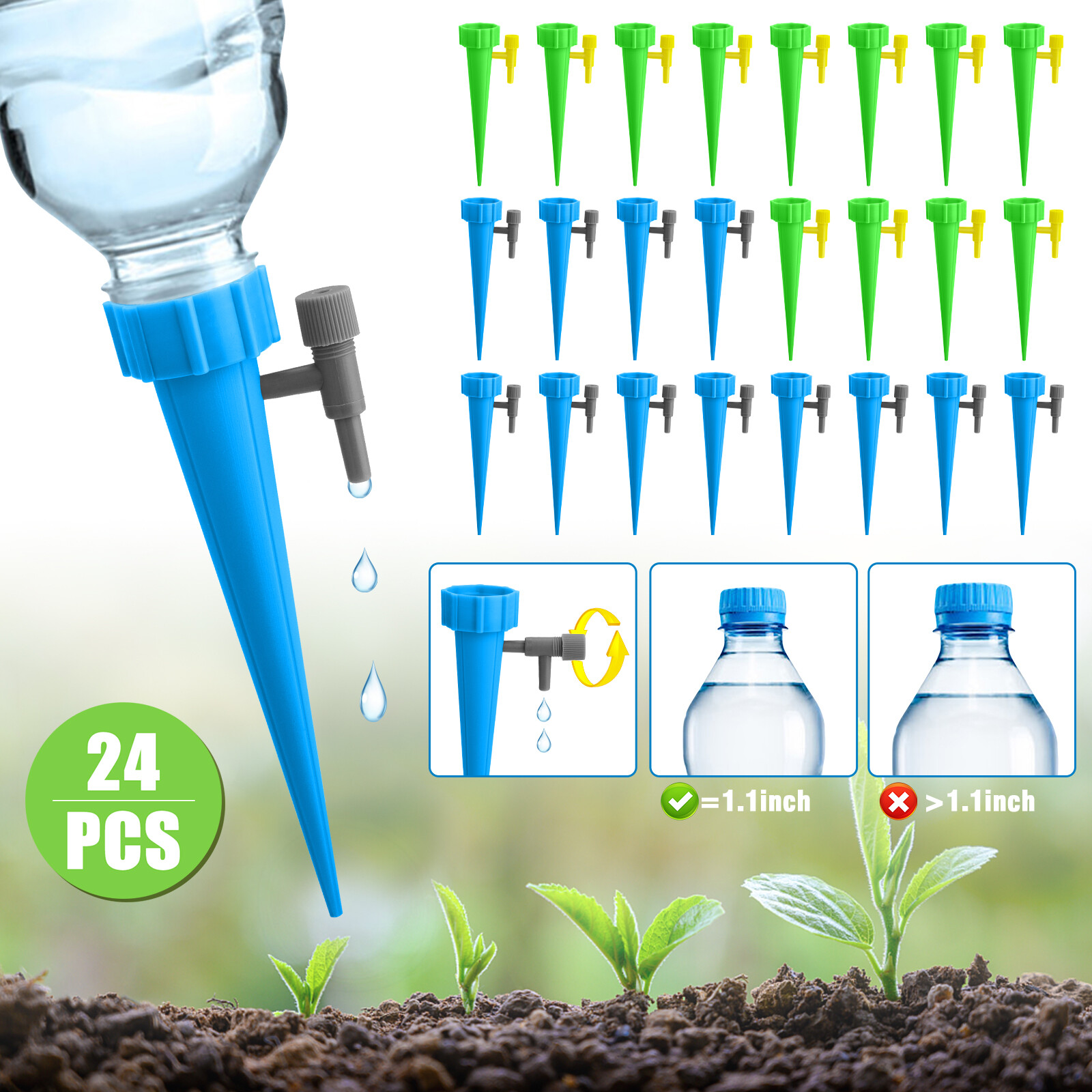 24x Plant Self Watering Insert Spike Auto Irrigation Adjustable Valve 0-60s/Drip$11.49Last checked Nov 18, 2026View on eBay
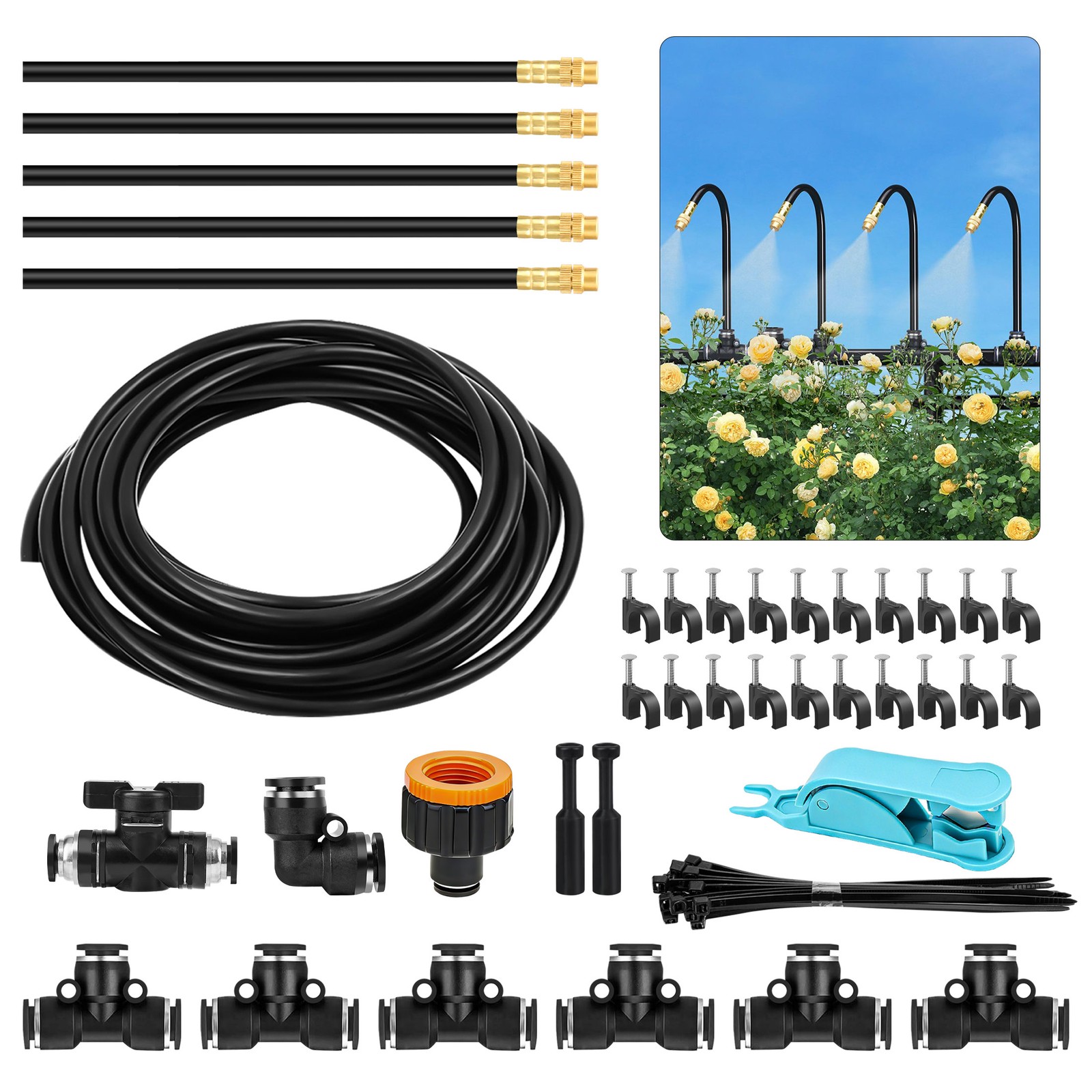 Drip Irrigation Kit DIY Garden Watering System Adjustable Sprayer Plant Lawn 1/4$11.95Last checked Nov 22, 2026View on eBay
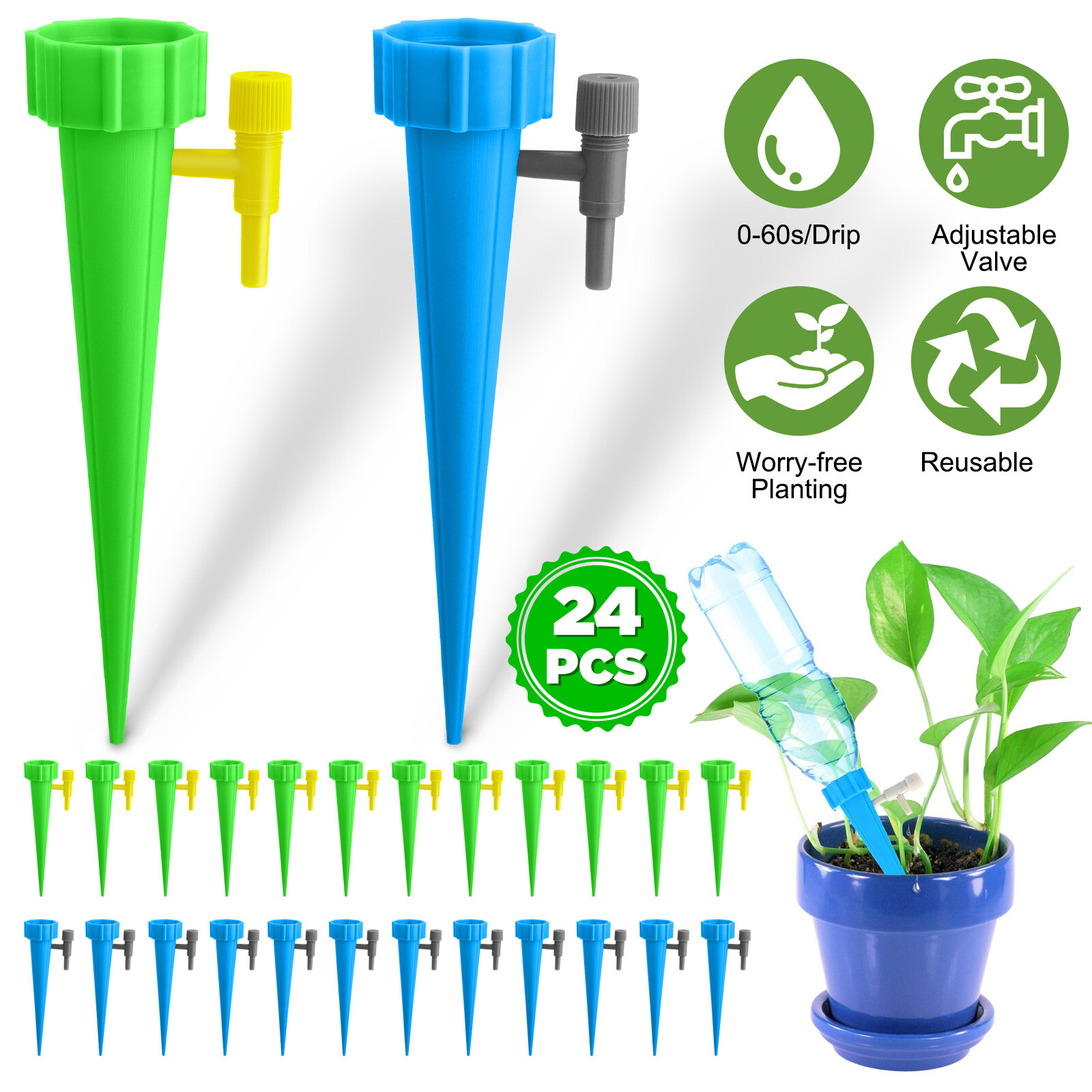 24PCS Self Watering Spikes Automatic Irrigation Watering Drip System for Plants$12.48Last checked Nov 19, 2026View on eBay
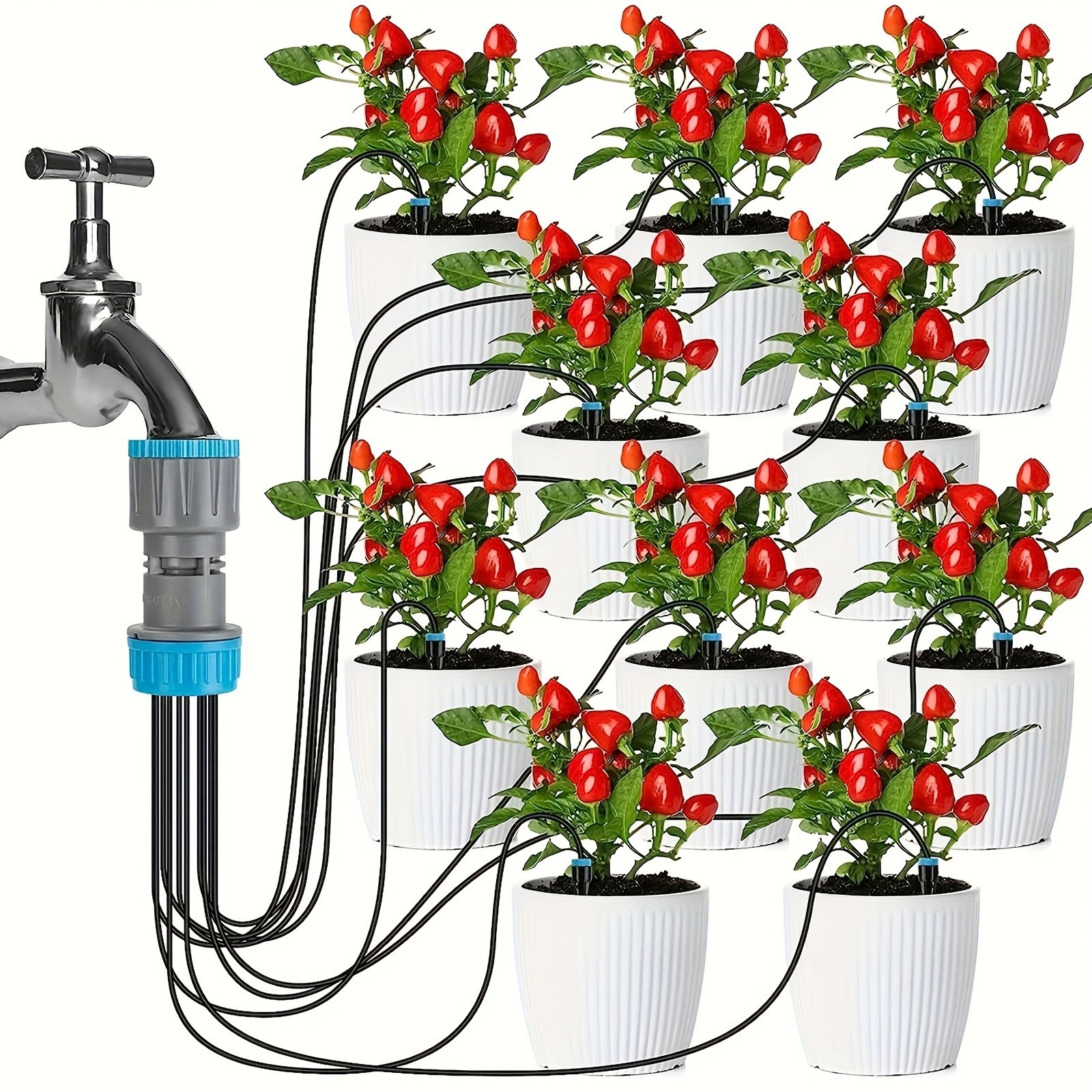 Garden Drip Irrigation Kit - Automatic Watering System for Potted Plants$12.49Last checked Nov 19, 2026View on eBay
- 12/24PCS Automatic Self Watering System Plant Water Drip Irrigation Garden Tools$14.95Last checked Nov 19, 2026View on eBay
Highlights
- Pump-timer kits run on rechargeable lithium cells or AA batteries, drive 1/4-inch OD tubing, and support roughly 8-16 drip stakes or arrows per manifold.
- LCD timer models program minutes-per-day or days-between cycles; without a check-valve or anti-siphon, elevated reservoirs can back-siphon when the pump stops.
- Passive ceramic globes and spikes release water through porous clay or capillary wicks, typically lasting 3-14 days depending on pot size and soil type.
- Drip stakes deliver 0.5-2 GPH per emitter at low pressure; mismatched emitters on one line starve the farthest stakes on long runs.
Best use cases
- Choose a rechargeable pump kit with 8-16 adjustable drip arrows for 5+ pots or a 7-21 day vacation—set daily runtime, then verify each stake drips before leaving.
- Choose ceramic self-watering globes for 1-3 houseplants over a long weekend; they need no power and no tubing, but refill every few days in fast-draining soil.
- Skip pump kits for a single orchid or succulent—capillary wicks and terracotta spikes suit low-water plants better than programmable flood cycles.
- Skip passive spikes for a 30-day trip with thirsty tropicals; only a timed pump system with a reservoir large enough for the full interval avoids dry pots.
Buying tips
- Count pots first: 1-4 plants favors passive ceramic globes or spikes; 5-16 plants justifies a pump timer with a multi-outlet manifold.
- Prioritize rechargeable USB-C pump units with an LCD and per-day runtime programming over fixed-interval battery timers for predictable vacation coverage.
- Inspect tubing and emitters: 1/4-inch OD line with barbed tees and adjustable stakes resists clogging and lets you equalize flow across pots.
- Avoid open-top reservoirs without a lid or check valve; standing water breeds algae and mosquitoes, and back-siphon can drain the tank into pots.
Specs
| System Type | Pump timer kit vs passive spike/globe |
|---|---|
| Power Source | Rechargeable USB vs none (passive) |
| Stake/Outlet Count | 1-4 passive / 8-16 pump arrows |
| Reservoir & Runtime | 1-5 L tank / 1-3 weeks max |
Related searches
What to check before buying
- Measure pot rims and spacing—1/4-inch tubing bends around a 6-12 inch radius, and each stake needs a clear insertion point away from the root crown.
- Confirm outlet and power: USB-C or micro-USB charging for pump timers; no outlet needed for ceramic globes, which suits shelves and windowsills.
- Check reservoir capacity against trip length—small 1-2 L tanks run dry in under a week on multi-stake settings.
- Verify soil drainage: water-retaining mixes plus drip stakes can waterlog roots; use free-draining mix and short daily runtimes.
FAQ
Data sources: eBay / Amazon listings and product attribute feeds. Updated Nov 28, 2026.
Some links on this page are affiliate links. If you buy after clicking one, we may earn a commission at no extra cost to you. This does not change which products appear here or their order. Affiliate disclosure.