
Photos from current listings. Actual item, color, and included accessories may vary.
Drip Irrigation Grass Buying Guide
Lawn irrigation is unforgiving of misapplied drip hardware: grass needs broad, uniform coverage that point-source emitters rarely deliver, while subsurface lines demand pressure compensation and root-intrusion defense. Most buyers fail by pairing a 1–2 GPH shrub emitter with turf, creating wet crowns and dry mid-blade zones. Choose line type and emitter spacing around your grass species, bed geometry, and water pressure before adding timers or filters.
Median $19.96
Key takeaways
- Drip tubing is specified by flow at a reference pressure: 0.5 GPH (½ GPH) and 1 GPH emitters are garden/shrub grades, while 2 GPH and multi-outlet heads suit higher-demand plantings.
- Pressure-compensating (PC) emitters hold rated flow across roughly 10–50 PSI; non-compensated lines vary flow with pressure and run unevenly on long or sloped runs.
- Inline drip tubing (drip line) with factory-spaced emitters at 12–18 inches is the standard for turf; individual punch-in emitters are for shrubs, pots, and trees.
At a glance
- Category
- Watering & Irrigation
- Last updated
- Nov 28, 2026
Current offers
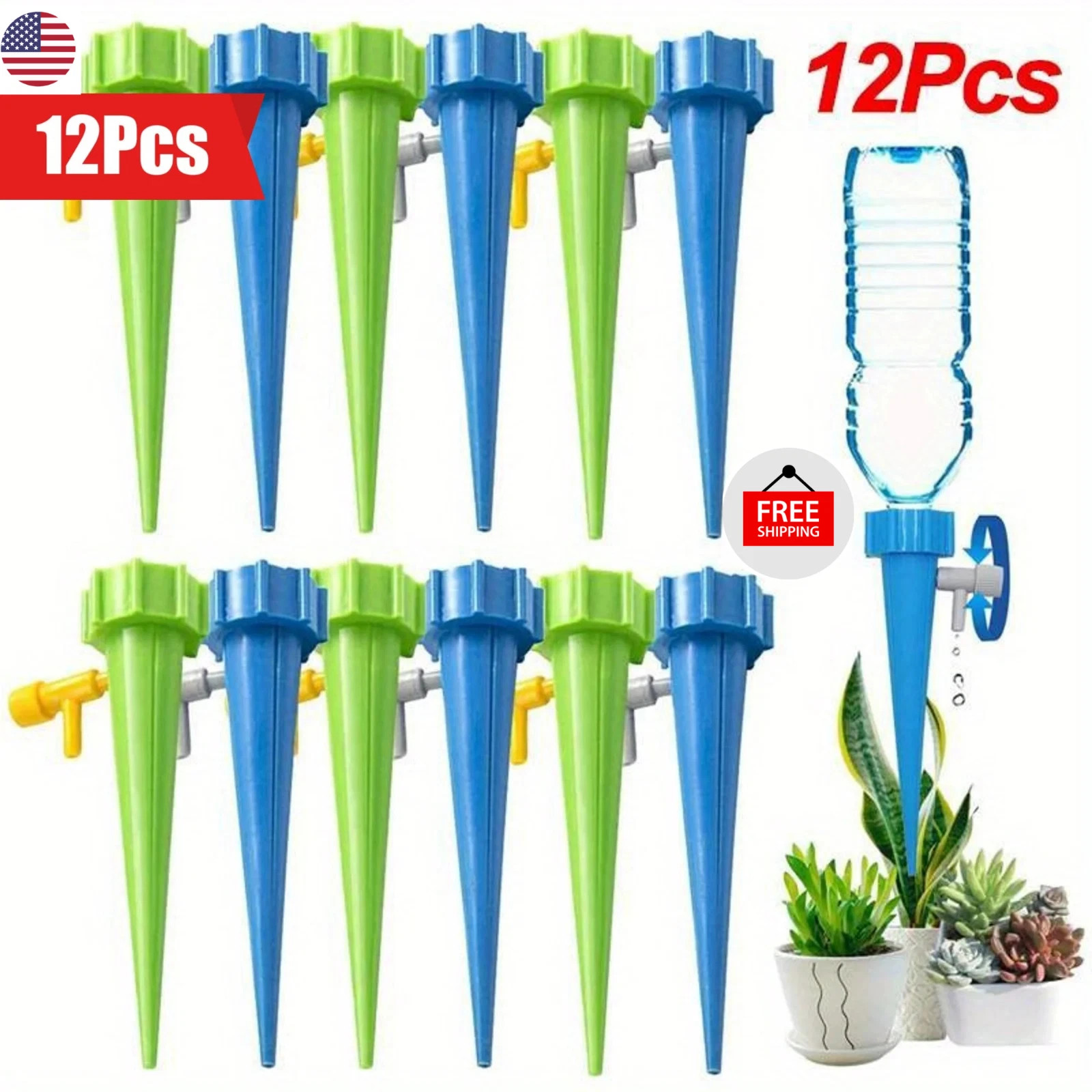 12Pcs Self Watering Spikes Automatic Irrigation Watering Drip System for Plants$5.45View on eBay
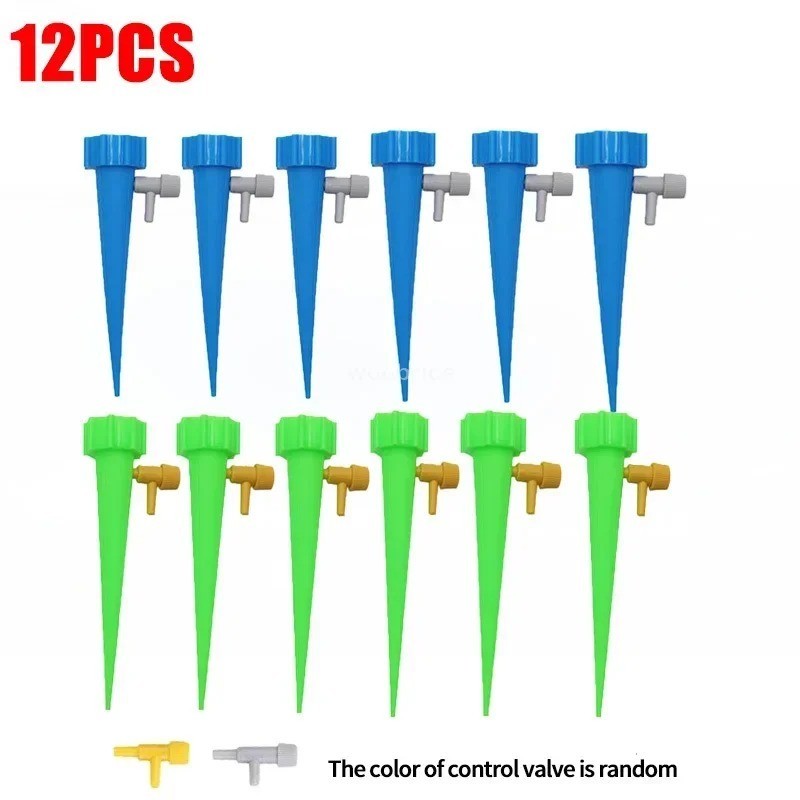 12PCS Mixed Automatic Drip Irrigation Plant Self Watering Kit Garden Device$5.91Last checked Nov 19, 2026View on eBay
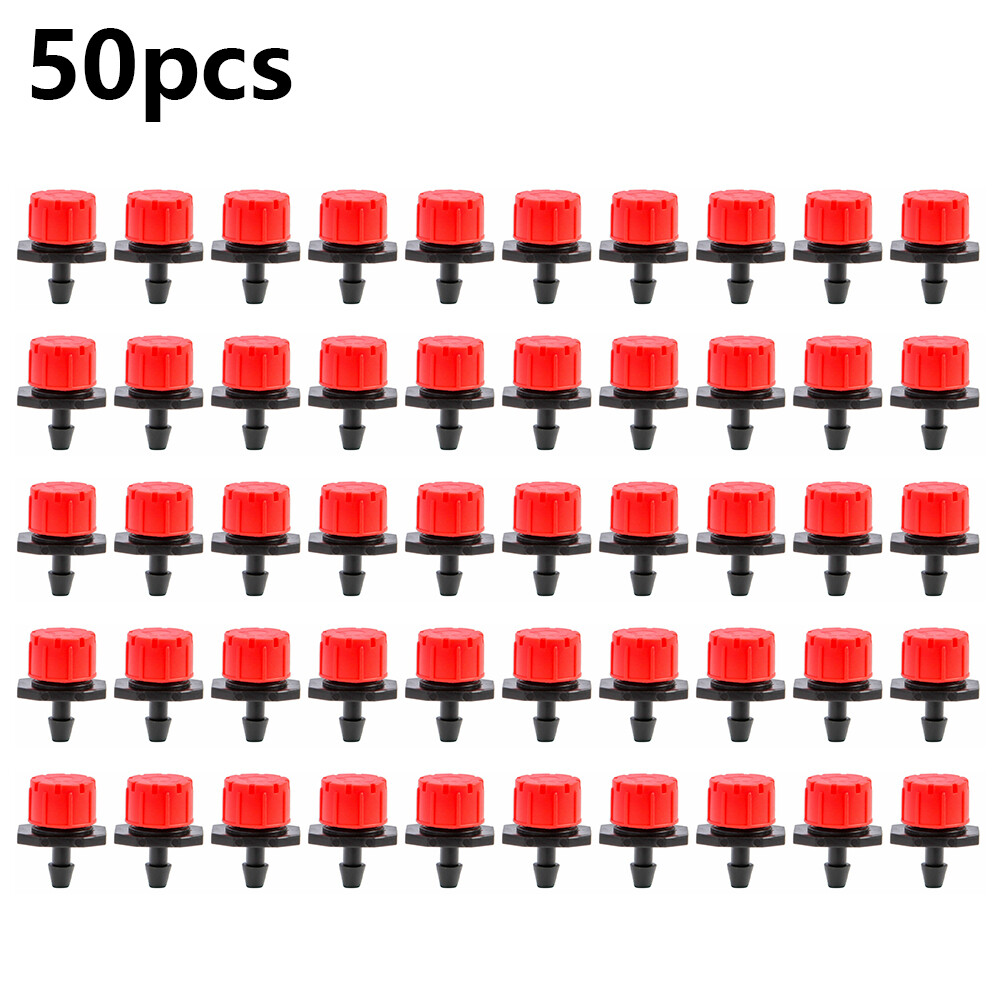 Adjustable Emitter Dripper Micro Drip Irrigation Sprinkler Watering System Lots$7.51View on eBay
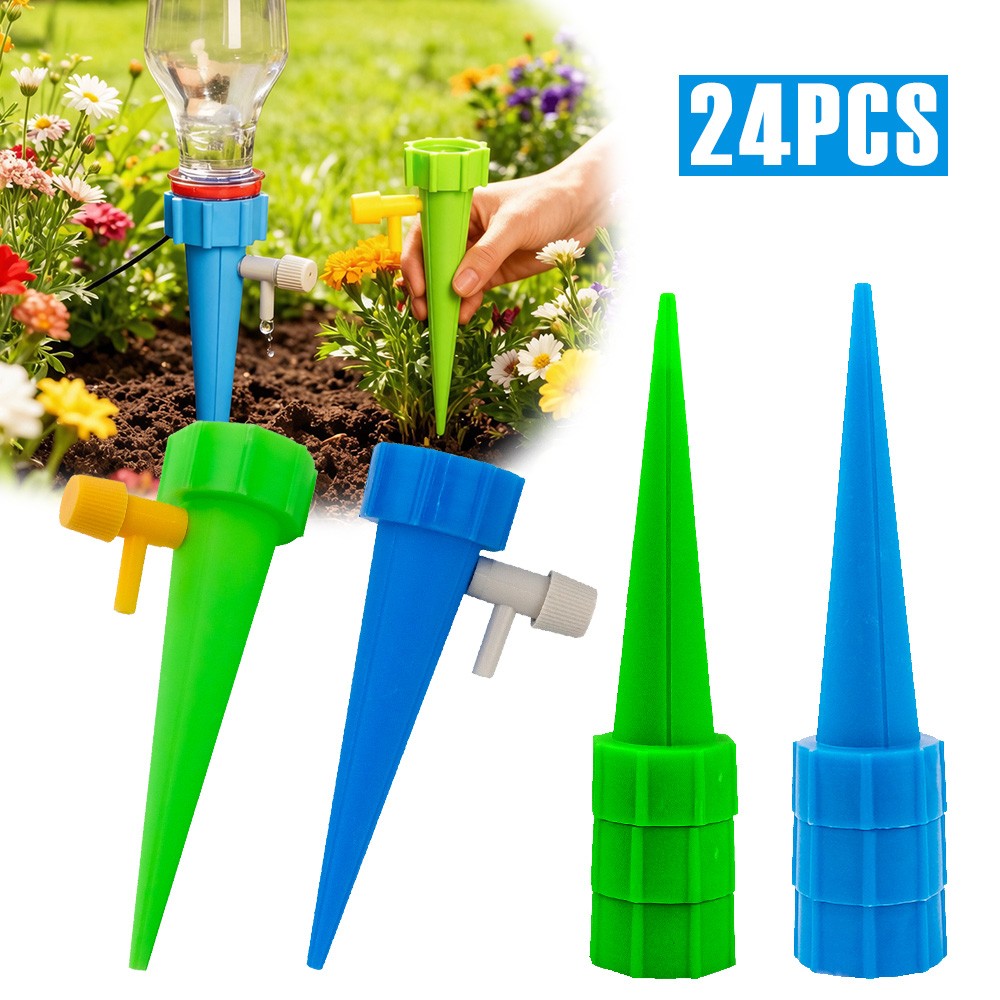 24PCS Self Watering Spikes Automatic Irrigation Watering Drip System for Plants$7.88View on eBay
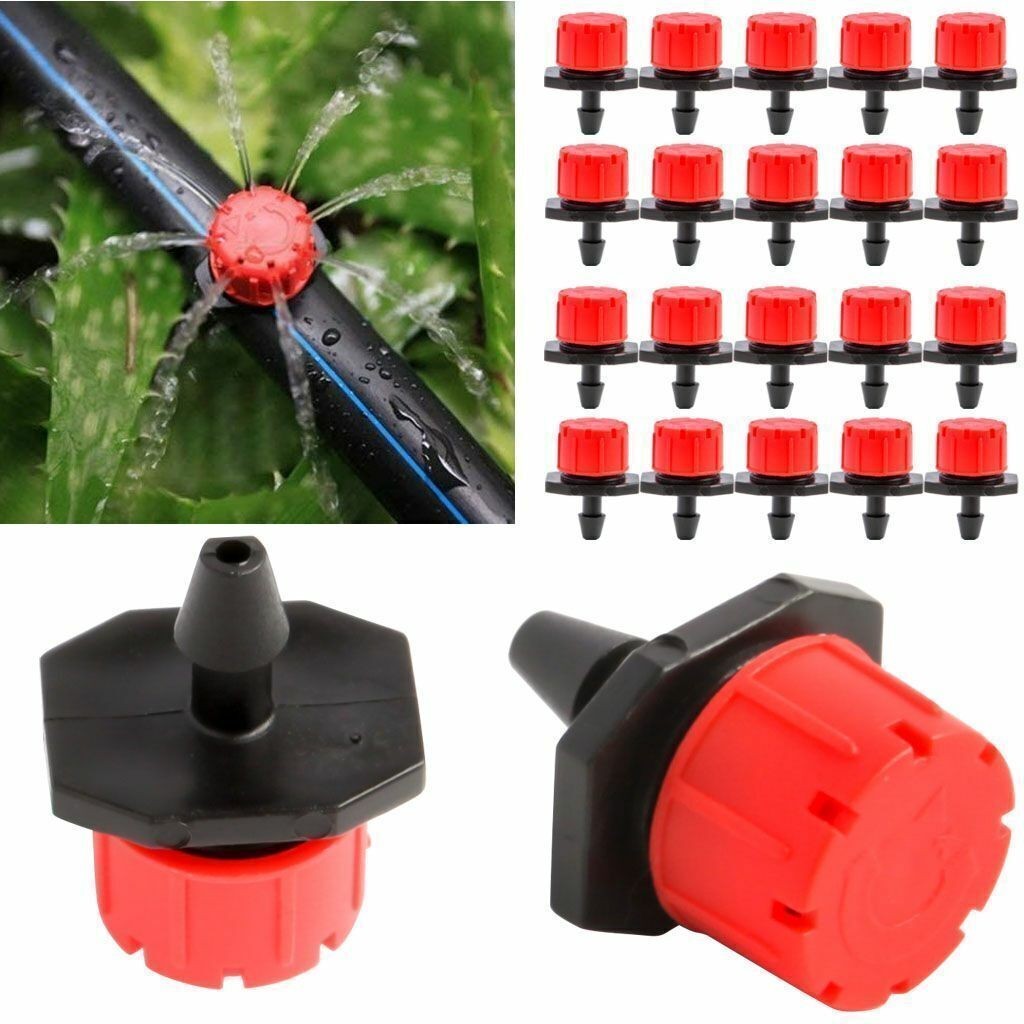 33-100ft Auto Drip Irrigation System Kit Timer Micro Sprinkler Garden Watering$7.99View on eBay
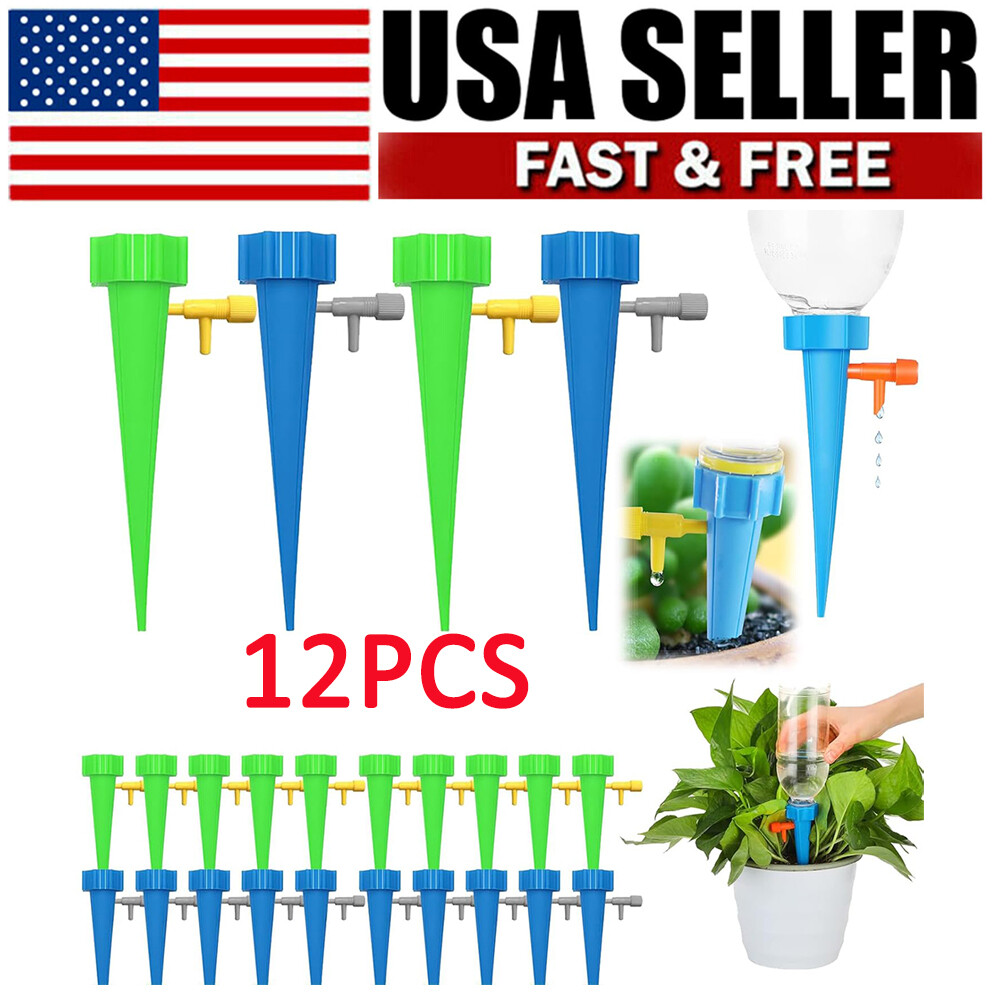 12Pcs Self Watering Spikes Automatic Irrigation Watering Drip System for Plants$8.79View on eBay
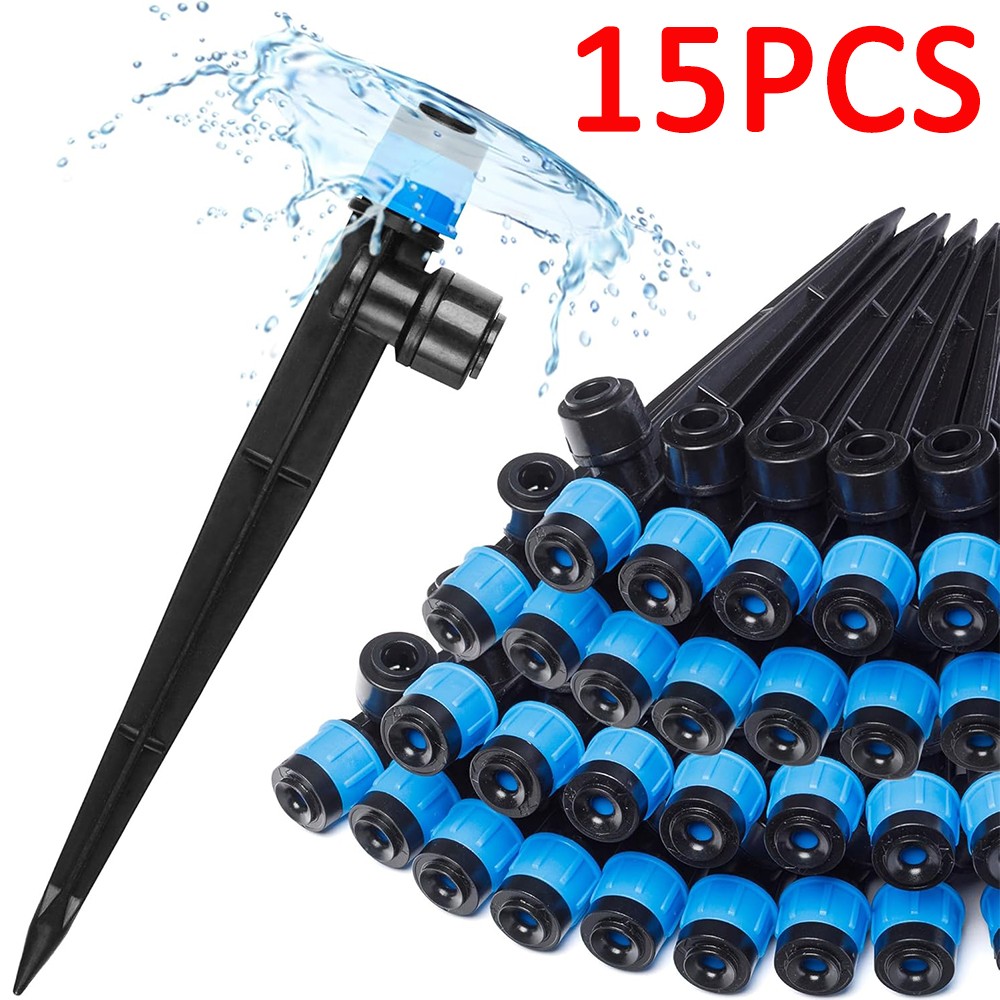 30Pcs Drip Irrigation Emitter 1/4" Garden Drip Watering System 360° Adjustable$9.29Last checked Nov 19, 2026View on eBay
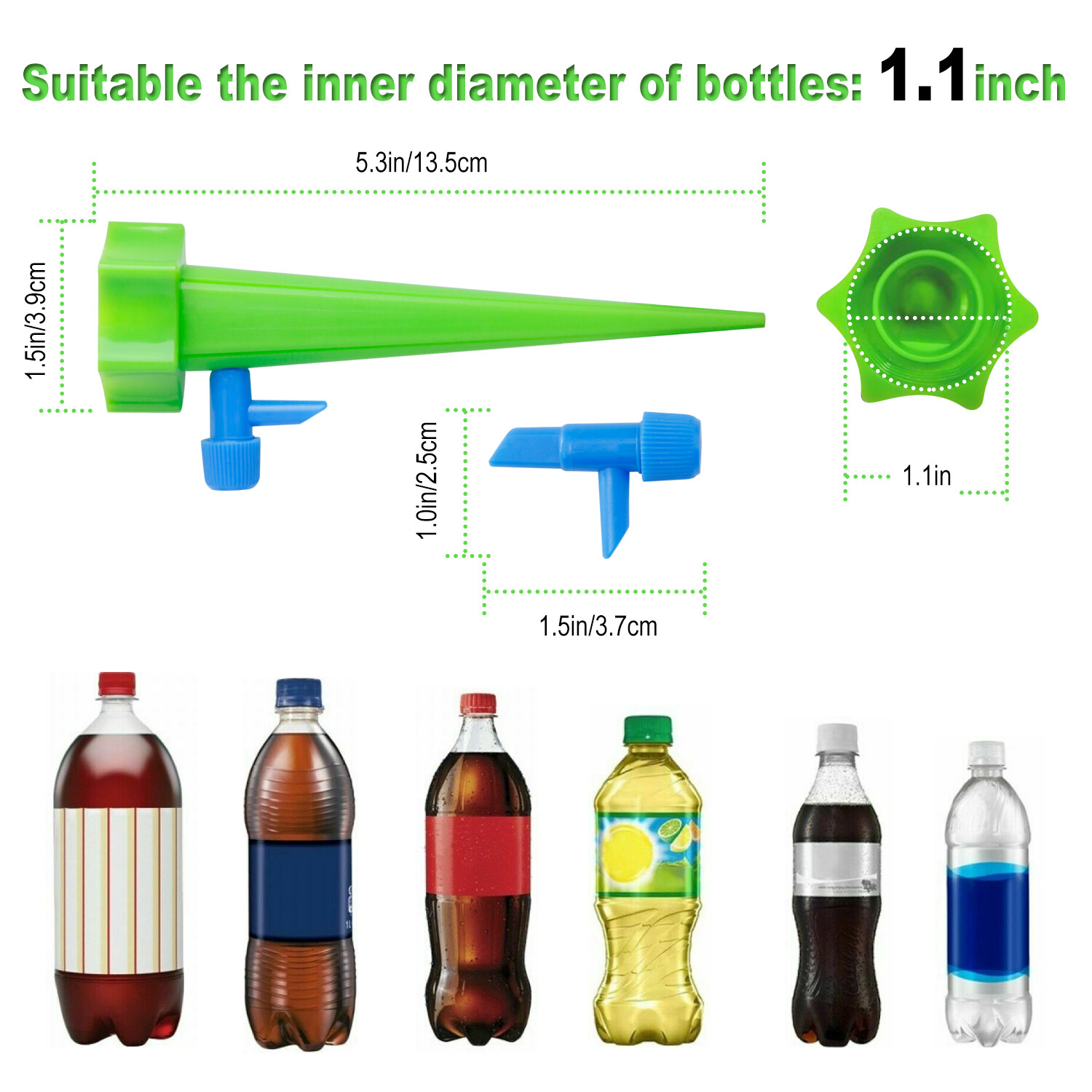 12/24PCS Garden Drip Irrigation Kit -Automatic Self Watering System for Vacation$9.95Last checked Nov 19, 2026View on eBay
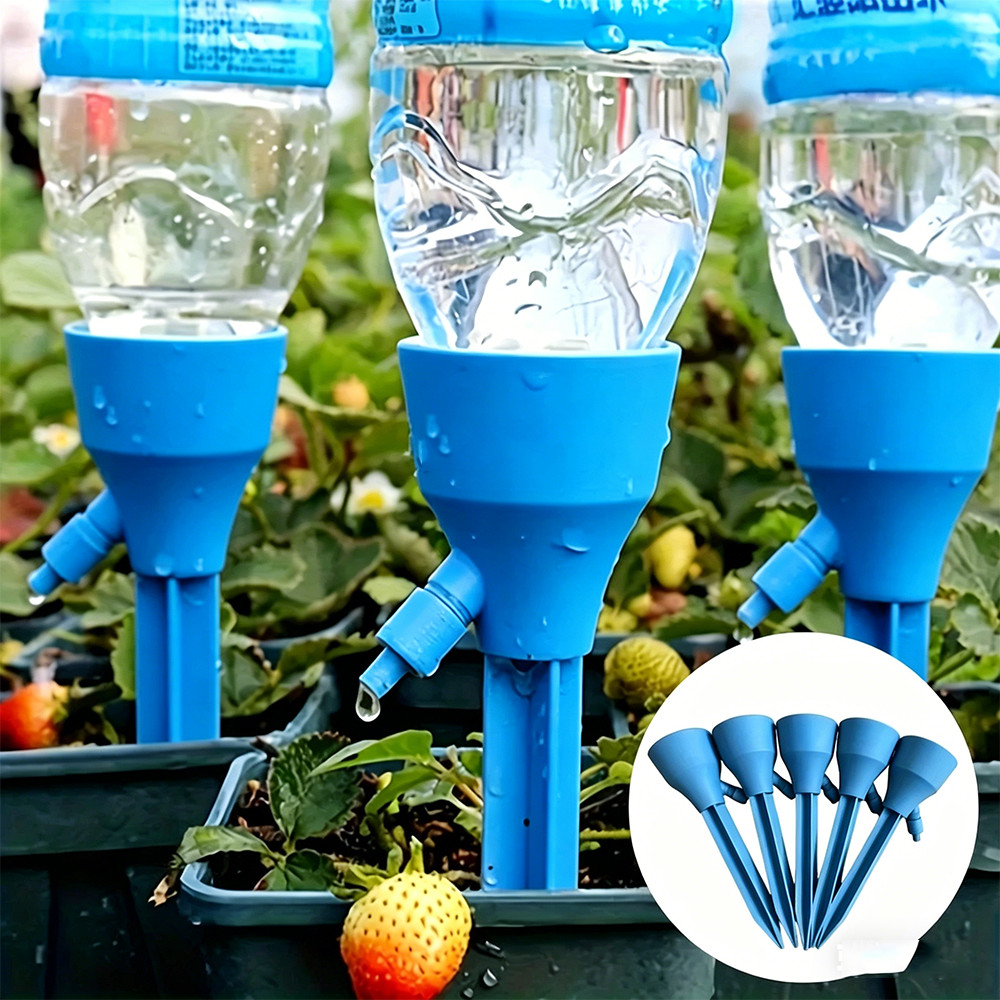 5 pcs Automatic Plant Watering Spikes Self Drip Irrigation for Potted Plants$9.99Last checked Nov 18, 2026View on eBay
- 12/24PCS Garden Drip Irrigation Kit -Automatic Self Watering System for Vacation$10.45View on eBay
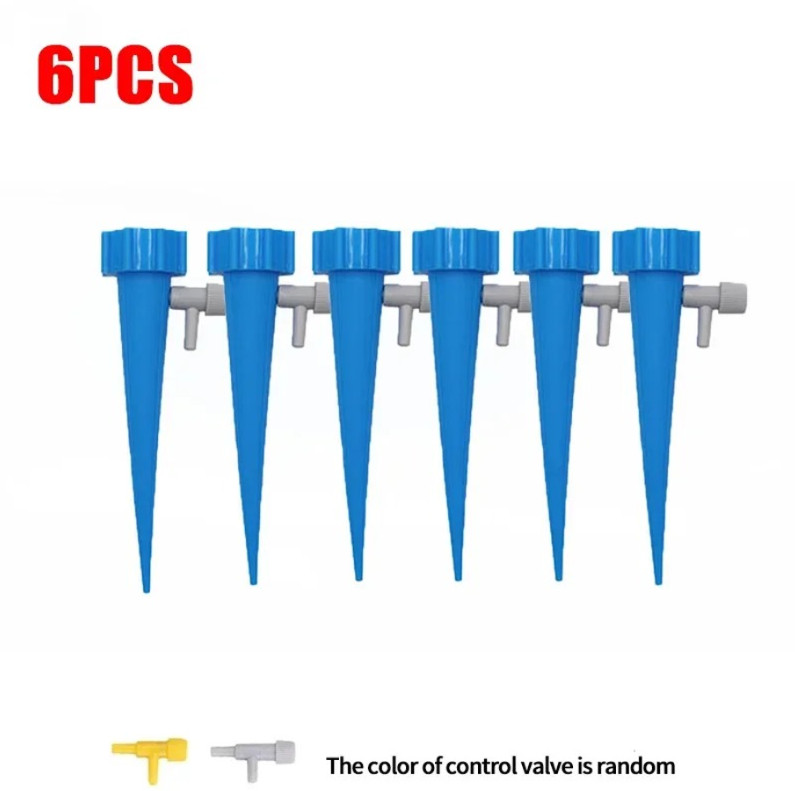 6pcs Automatic Drip Irrigation Self Watering Adjustable Plant Drippers Set - NEW$10.68View on eBay
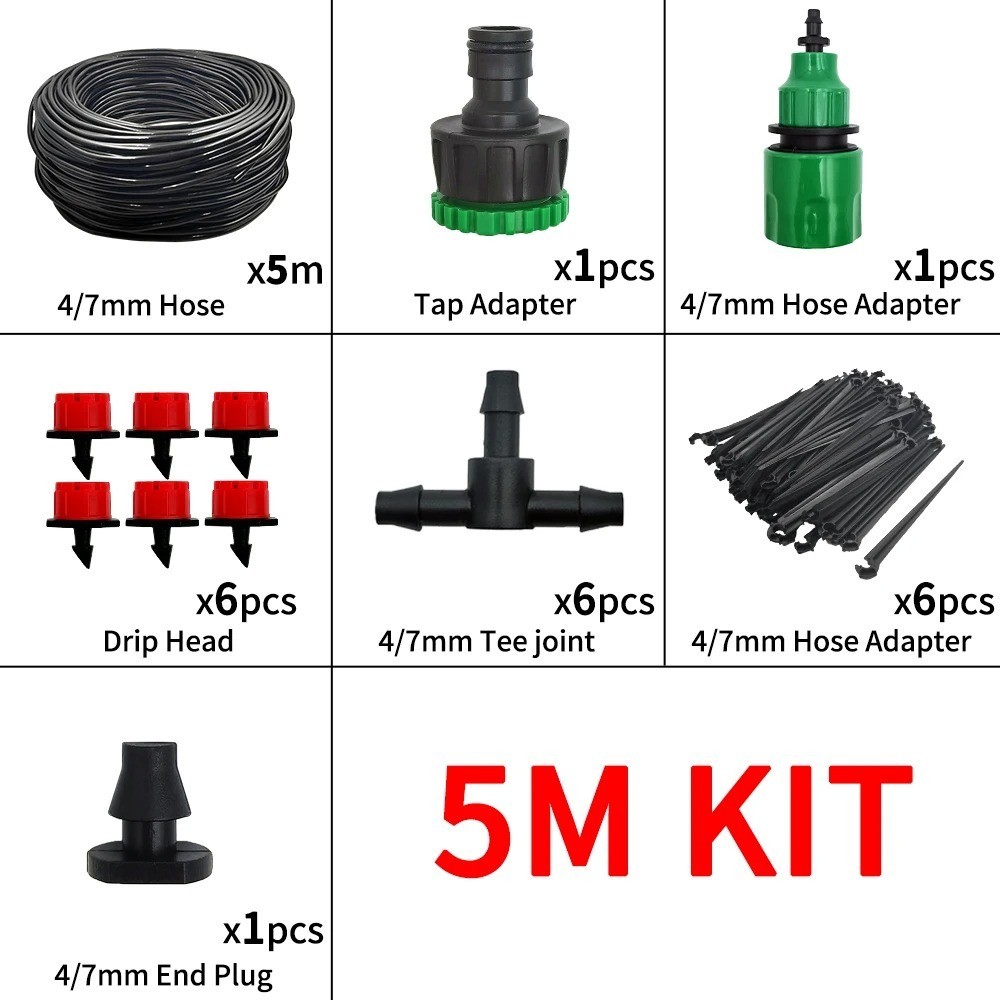 Drip Irrigation System Garden Plant Self Watering Mist Hose Micro Sprinkler Kit$10.70View on eBay
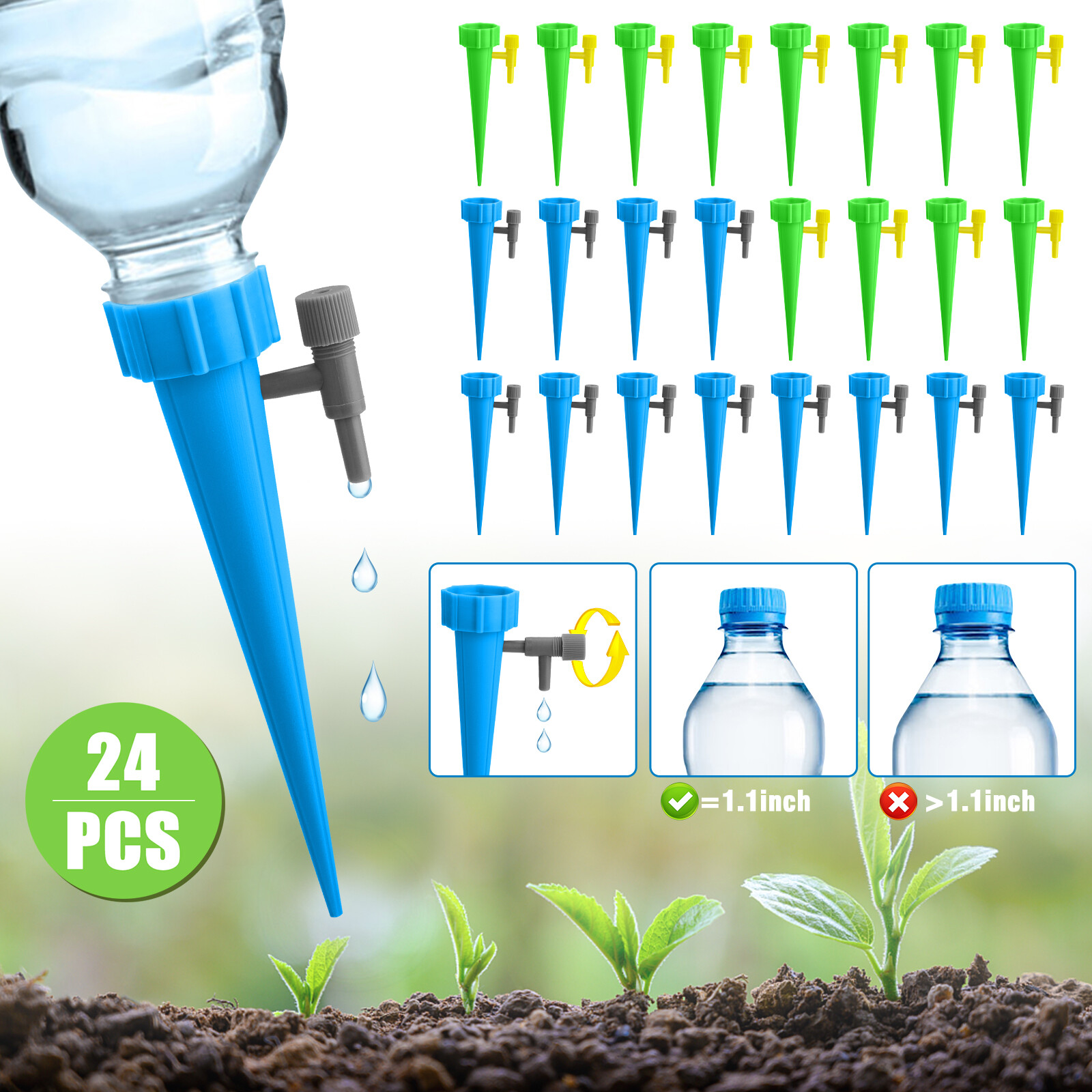 24x Plant Self Watering Insert Spike Auto Irrigation Adjustable Valve 0-60s/Drip$11.49Last checked Nov 18, 2026View on eBay
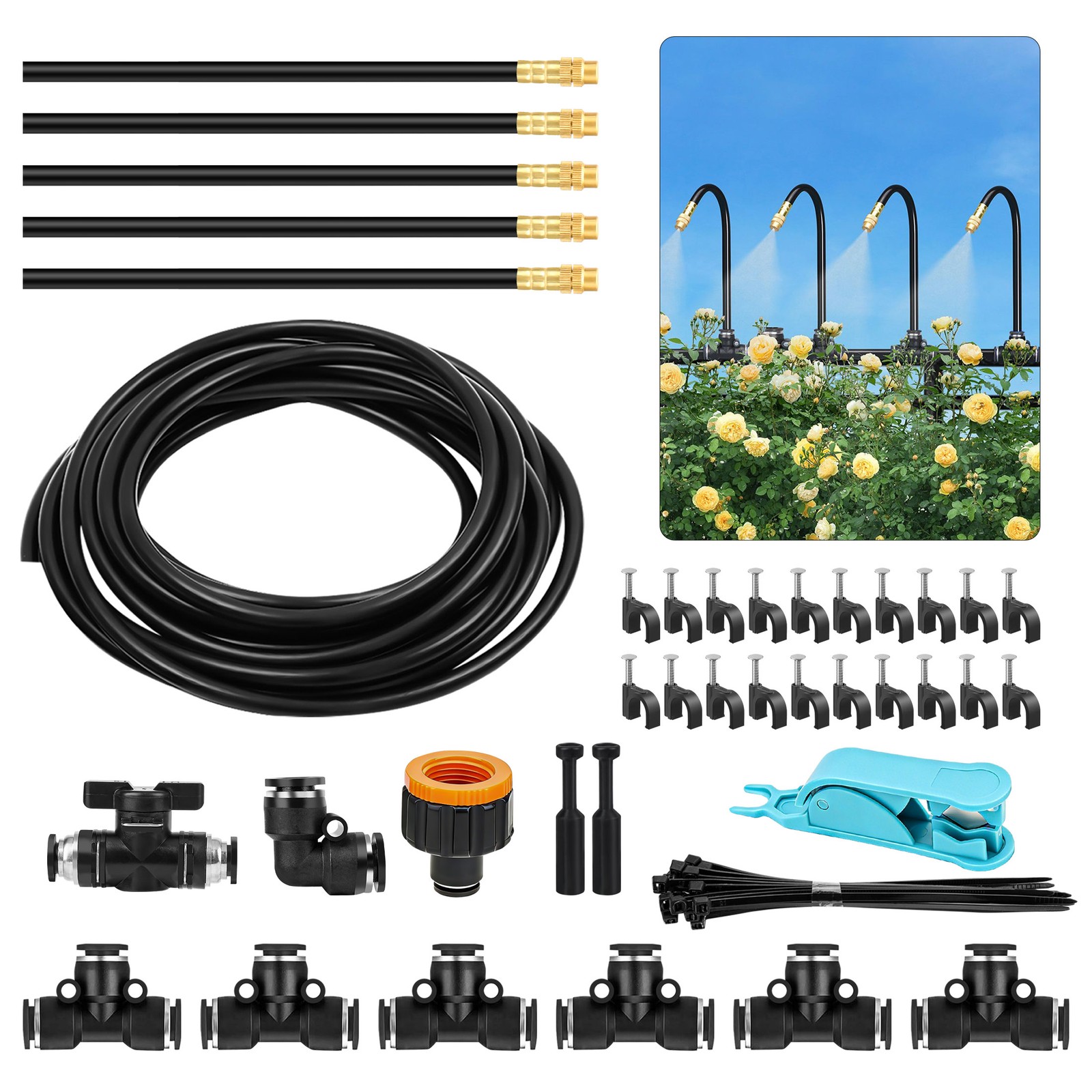 Drip Irrigation Kit DIY Garden Watering System Adjustable Sprayer Plant Lawn 1/4$11.95Last checked Nov 22, 2026View on eBay
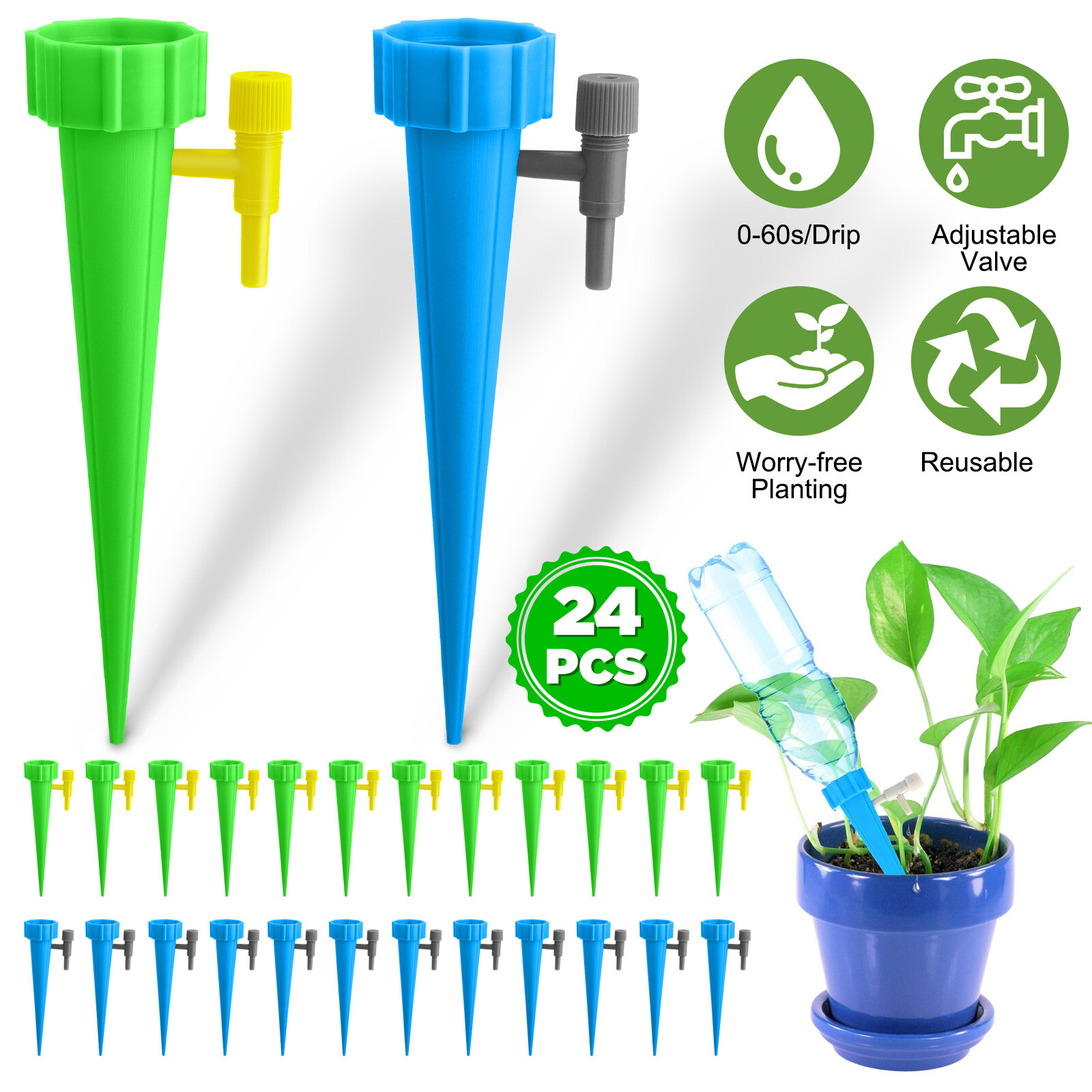 24PCS Self Watering Spikes Automatic Irrigation Watering Drip System for Plants$12.48Last checked Nov 19, 2026View on eBay
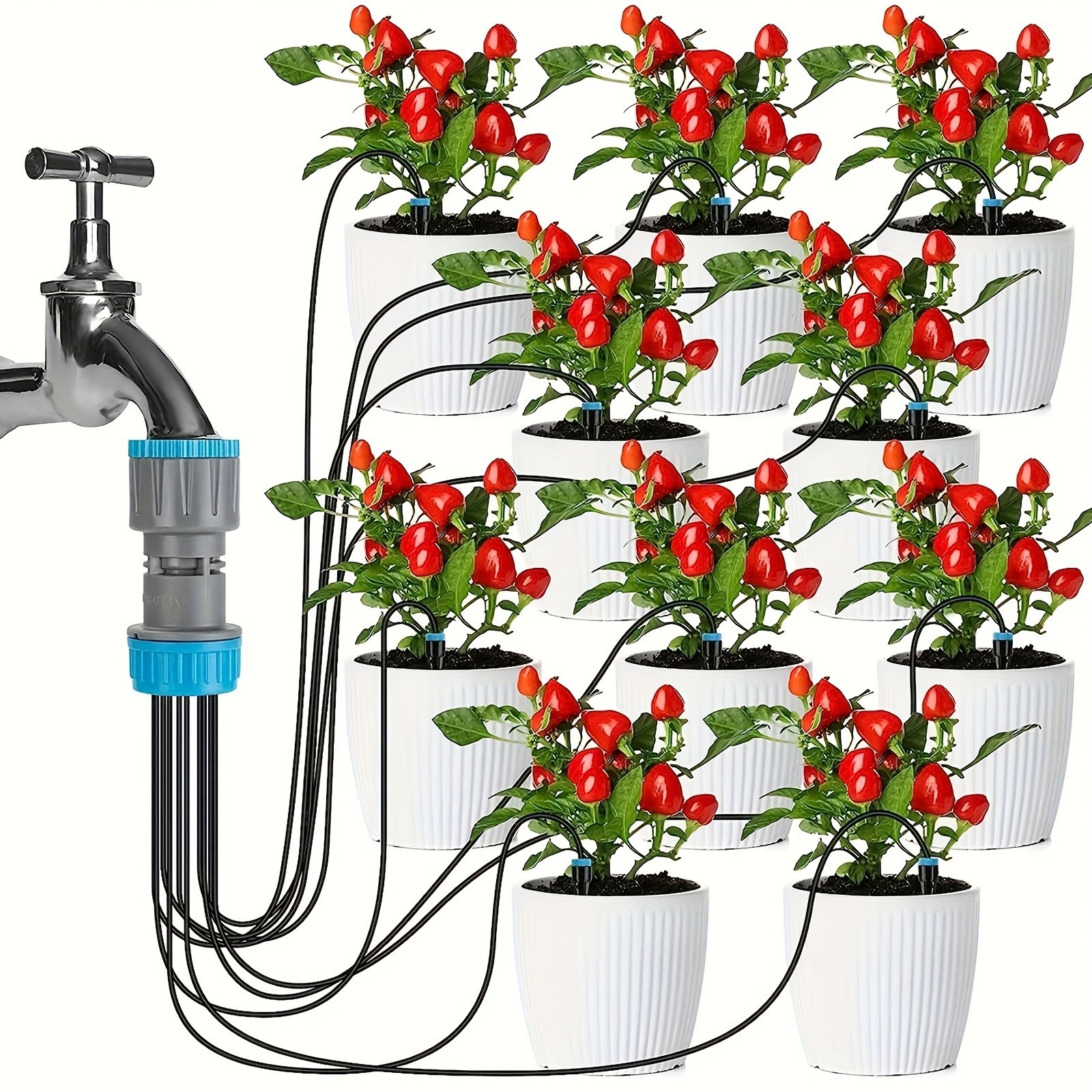 Garden Drip Irrigation Kit - Automatic Watering System for Potted Plants$12.49Last checked Nov 19, 2026View on eBay
- 12/24PCS Automatic Self Watering System Plant Water Drip Irrigation Garden Tools$14.95Last checked Nov 19, 2026View on eBay
- 12/24PCS Plant Drip Irrigation Garden Tools - Automatic Self Watering System$15.59View on eBay
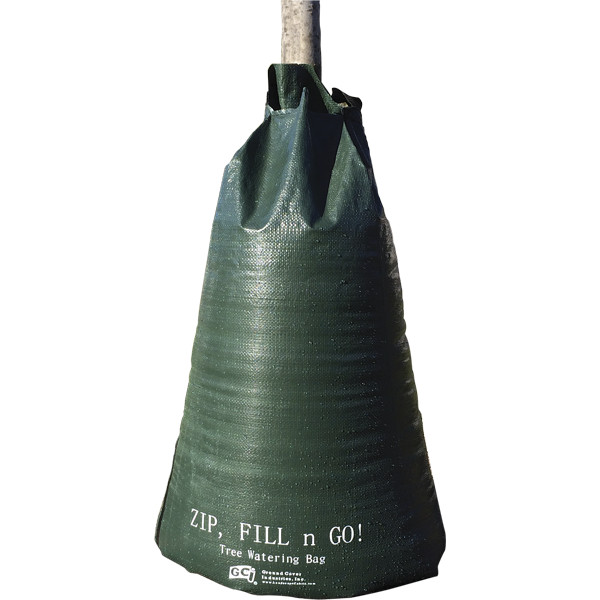 20 Gallon Tree Watering Bag Slow Release Drip Irrigation$15.95Last checked Nov 18, 2026View on eBay
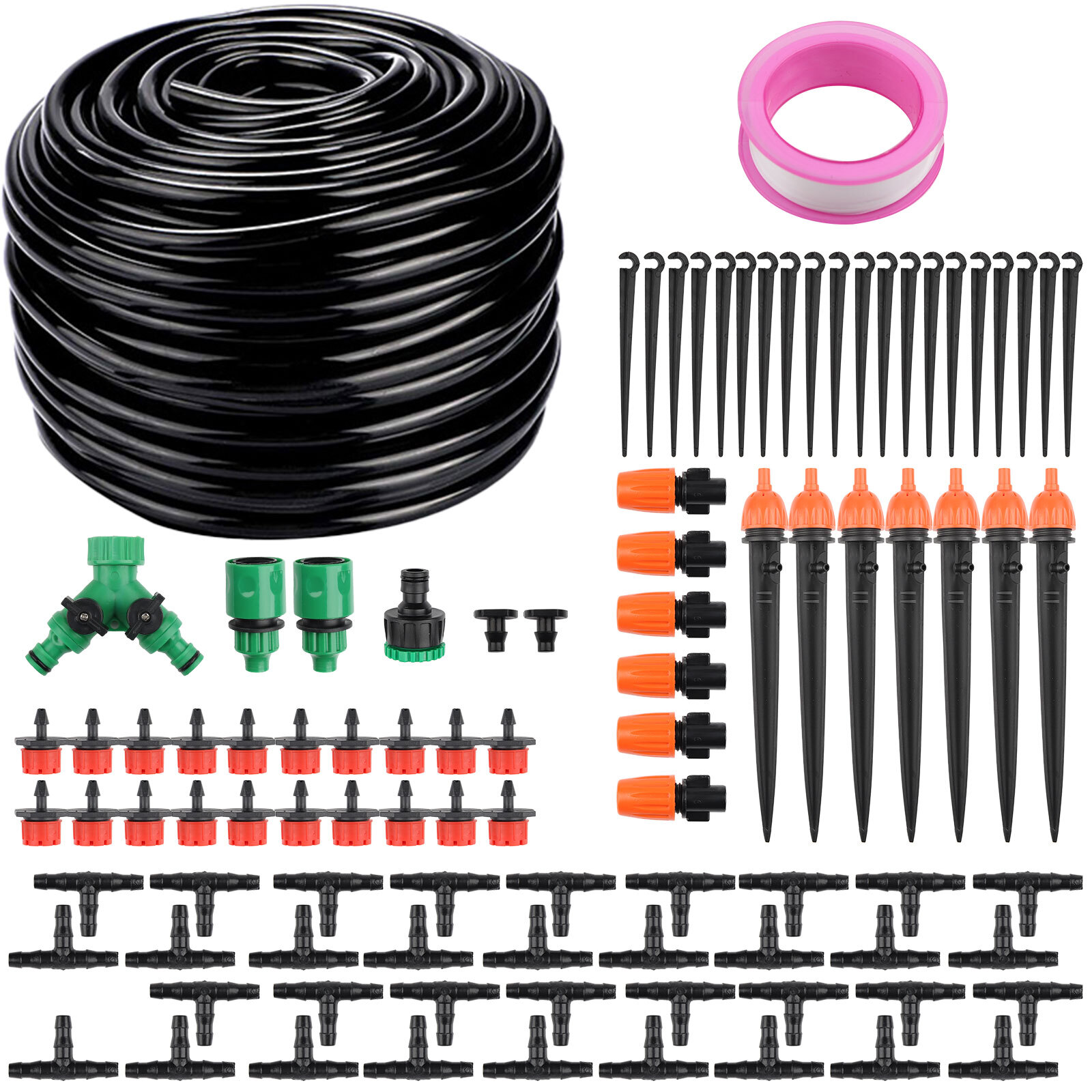 130FT Drip Irrigation System Garden Plant Self Watering Micro Hose Sprinkler Kit$15.99Last checked Nov 18, 2026View on eBay
Highlights
- Drip tubing is specified by flow at a reference pressure: 0.5 GPH (½ GPH) and 1 GPH emitters are garden/shrub grades, while 2 GPH and multi-outlet heads suit higher-demand plantings.
- Pressure-compensating (PC) emitters hold rated flow across roughly 10–50 PSI; non-compensated lines vary flow with pressure and run unevenly on long or sloped runs.
- Inline drip tubing (drip line) with factory-spaced emitters at 12–18 inches is the standard for turf; individual punch-in emitters are for shrubs, pots, and trees.
- Subsurface drip for lawns requires root-intrusion protection: either herbicide-impregnated tubing (e.g., copper-based root barrier) or periodic flushing and chlorination; surface drip is laid under mulch or soil.
Best use cases
- Best for narrow turf strips and parkway grass: ¼-inch or ½-inch inline drip at 12-inch emitter spacing with 0.5–0.9 GPH emitters, pressure-regulated at 25–30 PSI.
- Best for full lawns with irregular shape: zone-based inline drip grid or subsurface drip with PC emitters at 18-inch spacing, paired with a filter and pressure regulator.
- Wrong for established tall fescue or bluegrass in full sun: point-source drip emitters (1–2 GPH at wide spacing) leave dry patches; use pop-up spray or rotor heads instead.
- Skip inline drip on steep slopes above 10% grade unless the tubing is PC-rated and staked; gravity-fed non-PC lines will pool at the low end.
Buying tips
- Specify emitter flow in GPH and spacing in inches: turf wants 0.5–0.9 GPH at 12–18 inch spacing, not 2 GPH shrub emitters spaced 3 feet apart.
- Demand pressure-compensating emitters when run length exceeds 100 feet or elevation changes more than 5 feet; non-PC drip lines lose uniformity fast.
- Install a 120–200 mesh filter and a 25–30 PSI pressure regulator upstream of any drip zone; unfiltered municipal water clogs 0.5 GPH emitters within a season.
- Choose ½-inch (16 mm) or ¼-inch (4–6 mm) tubing by zone flow: ½-inch carries more GPH per run; ¼-inch is for short lateral spurs off a ½-inch main.
Specs
| Emitter Type | Pressure-compensating vs non-PC |
|---|---|
| Turf Emitter Spacing | 12–18 in (30–45 cm) |
| Emitter Flow (Turf) | 0.5–0.9 GPH (2–3.4 L/h) |
| Tubing Size | ½ in (16 mm) main / ¼ in (4–6 mm) spur |
Related searches
What to check before buying
- Measure the grass area length and width, then calculate emitter count at target spacing (12–18 inches for turf) before ordering tubing length.
- Confirm outdoor water pressure at the hose bibb with a gauge; drip zones need 25–30 PSI after the regulator, and low-pressure gravity systems need PC emitters rated down to 10 PSI.
- Verify the timer or valve supports the zone's total flow in GPH and that the backflow preventer is installed per local code.
- Check soil type and root depth: sandy soil needs closer emitter spacing; clay holds water longer, so shorter run times with cycle-and-soak scheduling work better.
FAQ
Data sources: eBay / Amazon listings and product attribute feeds. Updated Nov 28, 2026.
Some links on this page are affiliate links. If you buy after clicking one, we may earn a commission at no extra cost to you. This does not change which products appear here or their order. Affiliate disclosure.