
Photos from current listings. Actual item, color, and included accessories may vary.
Drip Irrigation Container Buying Guide
Container gardening lives or dies on consistent moisture, and drip systems designed for raised beds or rows often flood small pots or leave dry pockets. The right kit matches emitter flow, line pressure, and timer programming to pot size and plant count, while cheap barbed fittings and undersized tubing cause leaks and clogging. Pick a system built for container-scale flow rates and you'll spend minutes on setup instead of daily watering.
Median $19.96
Key takeaways
- Pressure-compensating emitters deliver uniform flow across 10–20 containers on a single line, while non-compensated drippers starve the last pots on long runs.
- 1/4-inch micro tubing feeds individual pots from a 1/2-inch mainline; barbed tees and elbows rated for 30+ PSI prevent blowouts at connections.
- Battery-powered hose timers with 1–2 GPM flow handle 10–20 containers; AC timers suit larger manifold setups with 3+ zones.
At a glance
- Category
- Watering & Irrigation
- Last updated
- Nov 28, 2026
Current offers
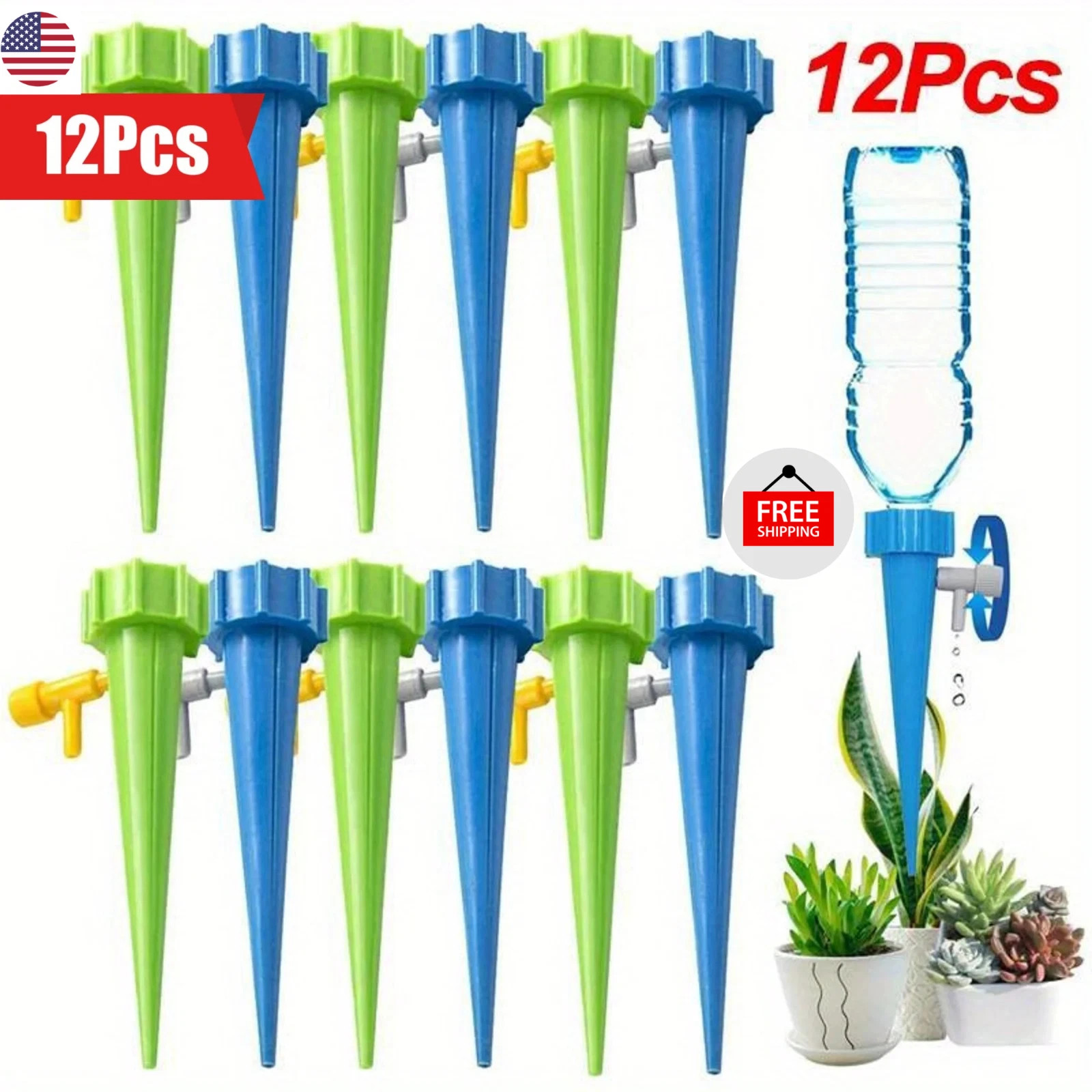 12Pcs Self Watering Spikes Automatic Irrigation Watering Drip System for Plants$5.45View on eBay
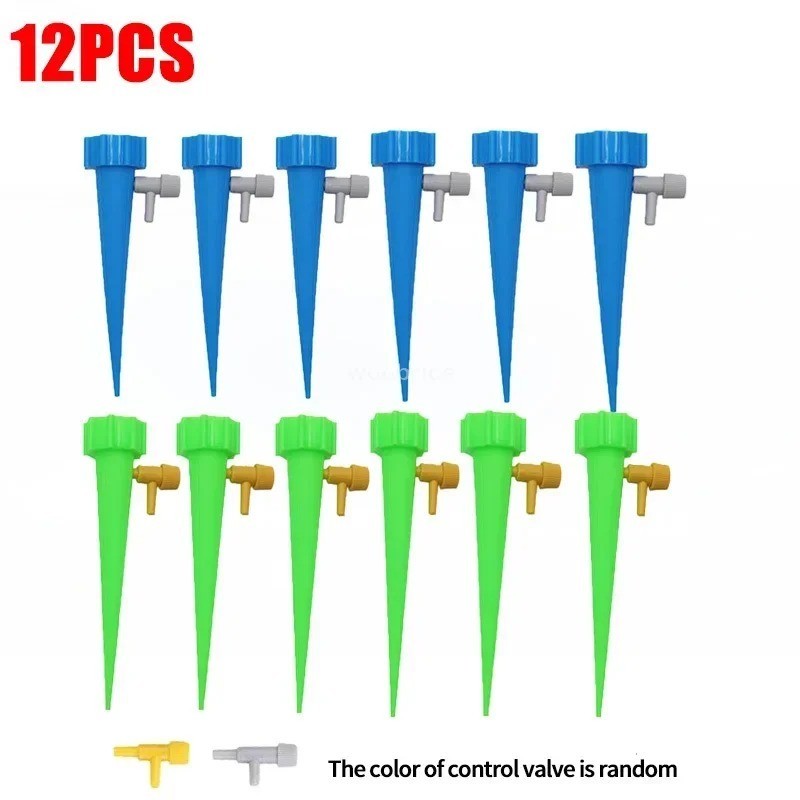 12PCS Mixed Automatic Drip Irrigation Plant Self Watering Kit Garden Device$5.91Last checked Nov 19, 2026View on eBay
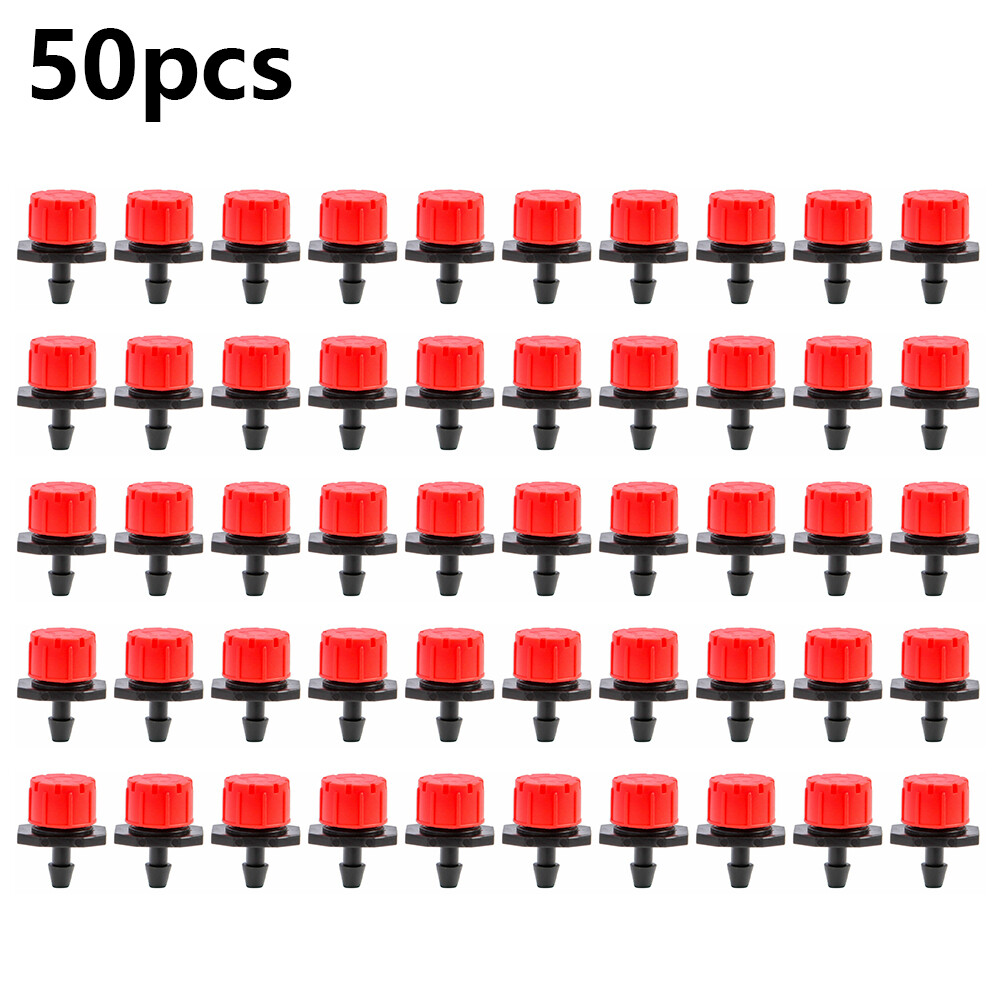 Adjustable Emitter Dripper Micro Drip Irrigation Sprinkler Watering System Lots$7.51View on eBay
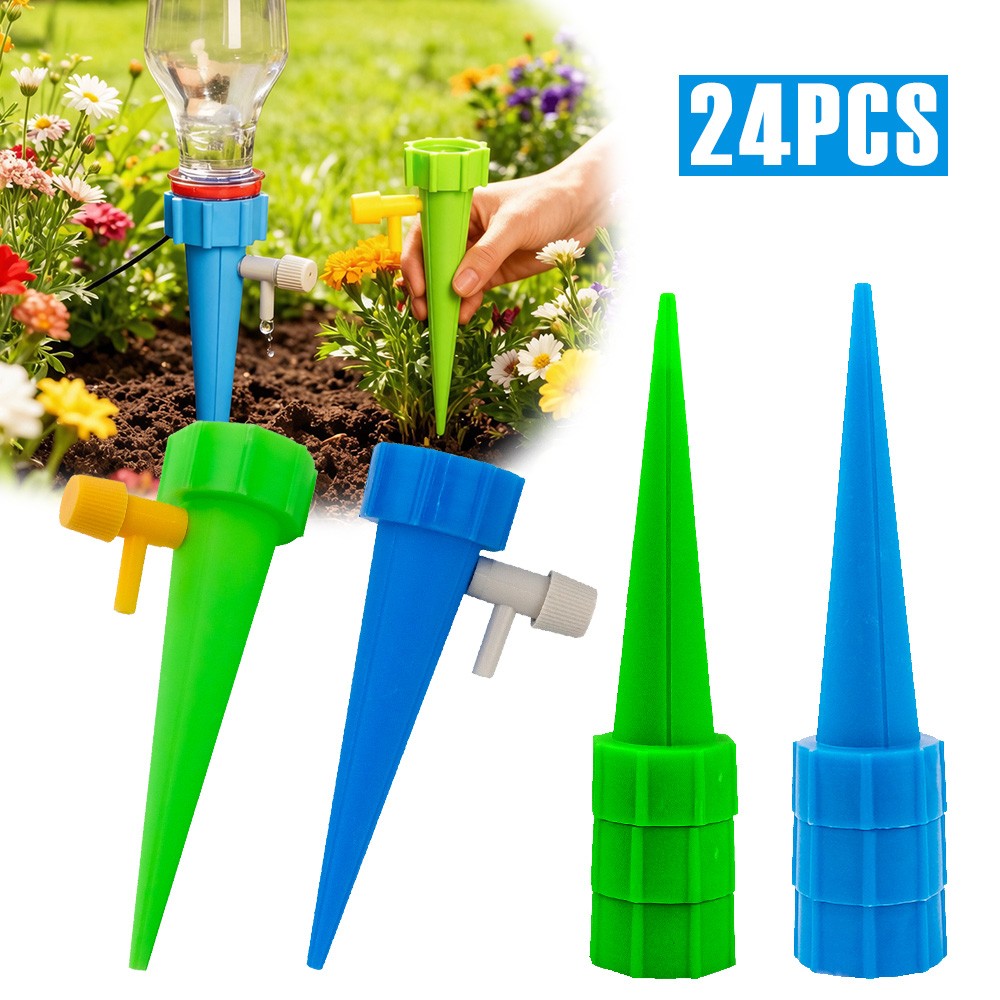 24PCS Self Watering Spikes Automatic Irrigation Watering Drip System for Plants$7.88View on eBay
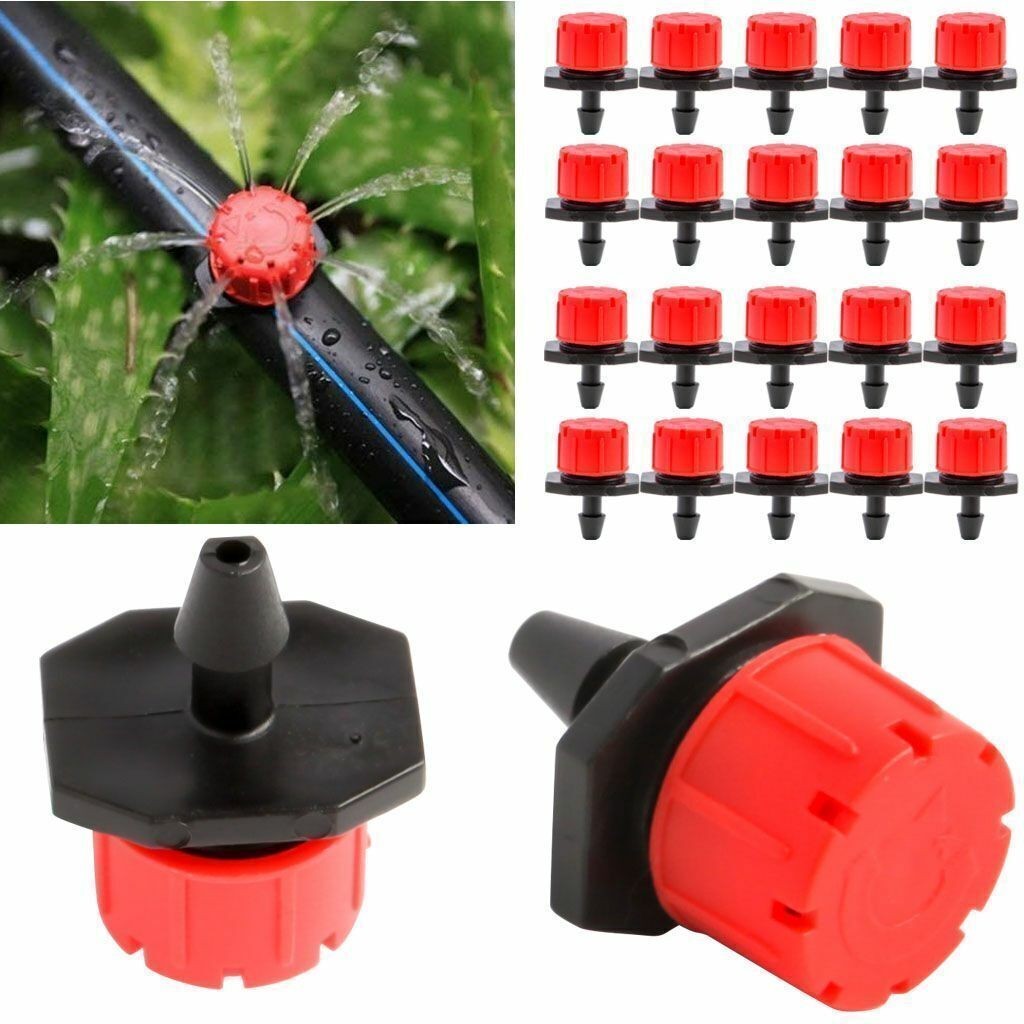 33-100ft Auto Drip Irrigation System Kit Timer Micro Sprinkler Garden Watering$7.99View on eBay
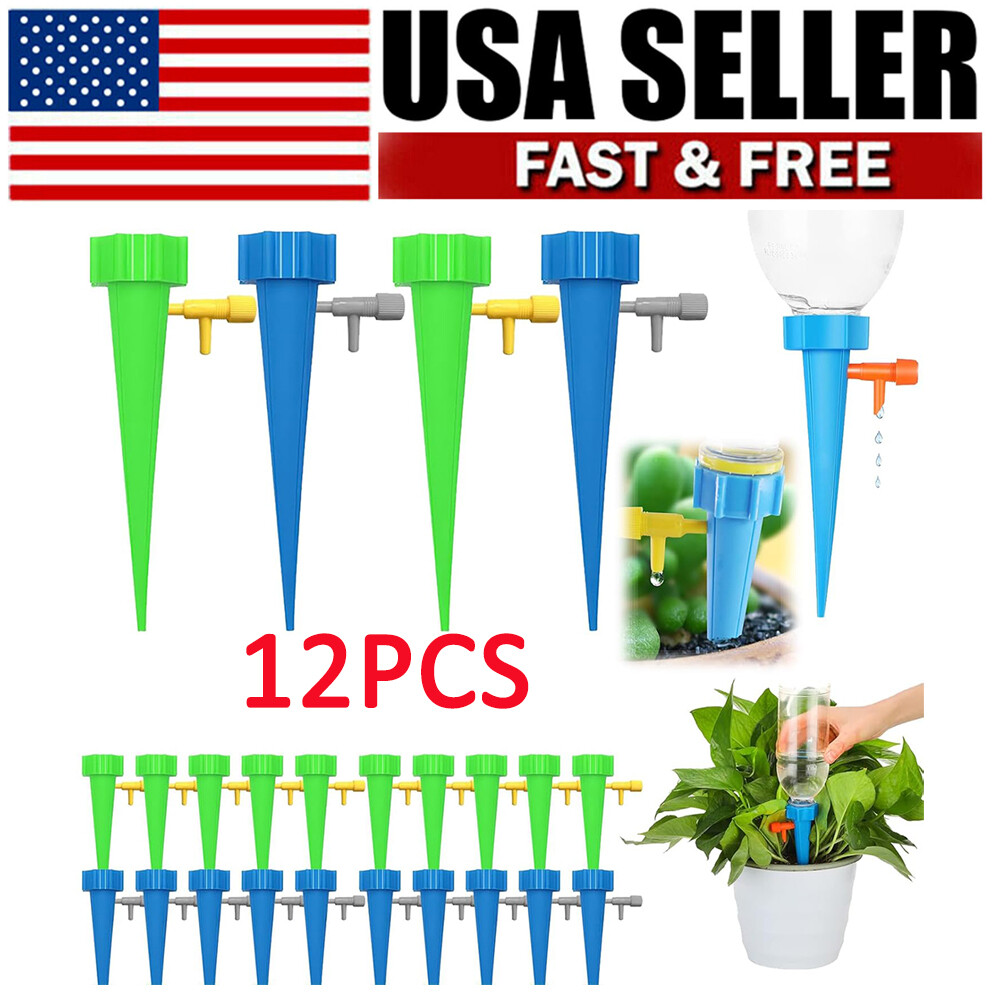 12Pcs Self Watering Spikes Automatic Irrigation Watering Drip System for Plants$8.79View on eBay
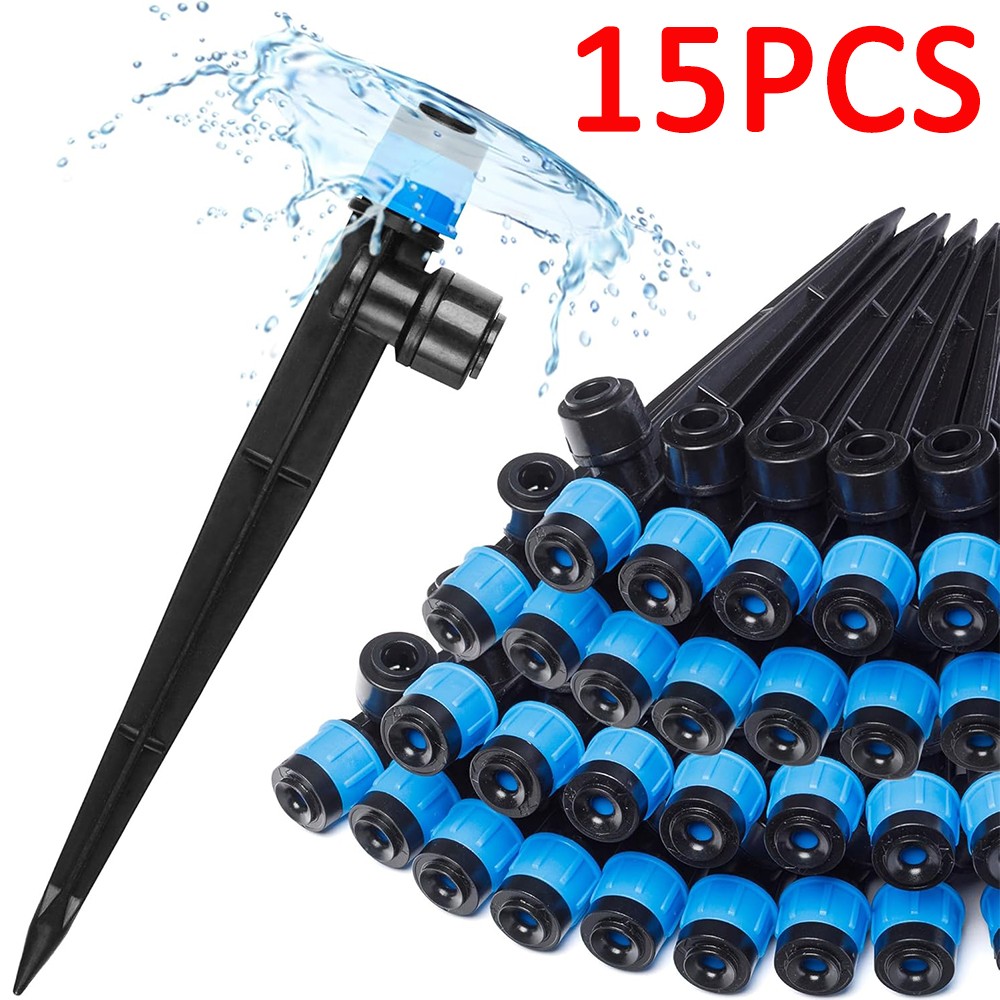 30Pcs Drip Irrigation Emitter 1/4" Garden Drip Watering System 360° Adjustable$9.29Last checked Nov 19, 2026View on eBay
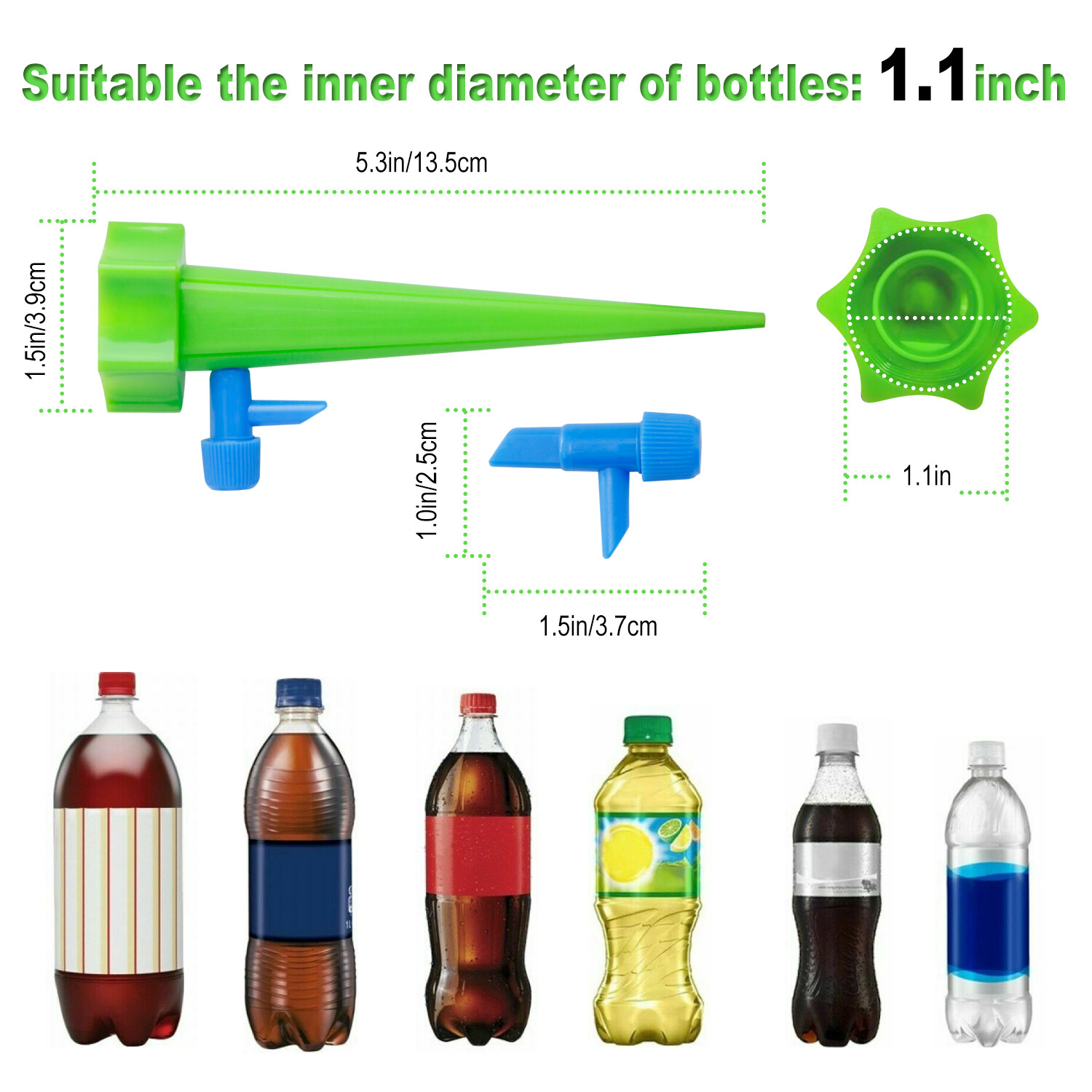 12/24PCS Garden Drip Irrigation Kit -Automatic Self Watering System for Vacation$9.95Last checked Nov 19, 2026View on eBay
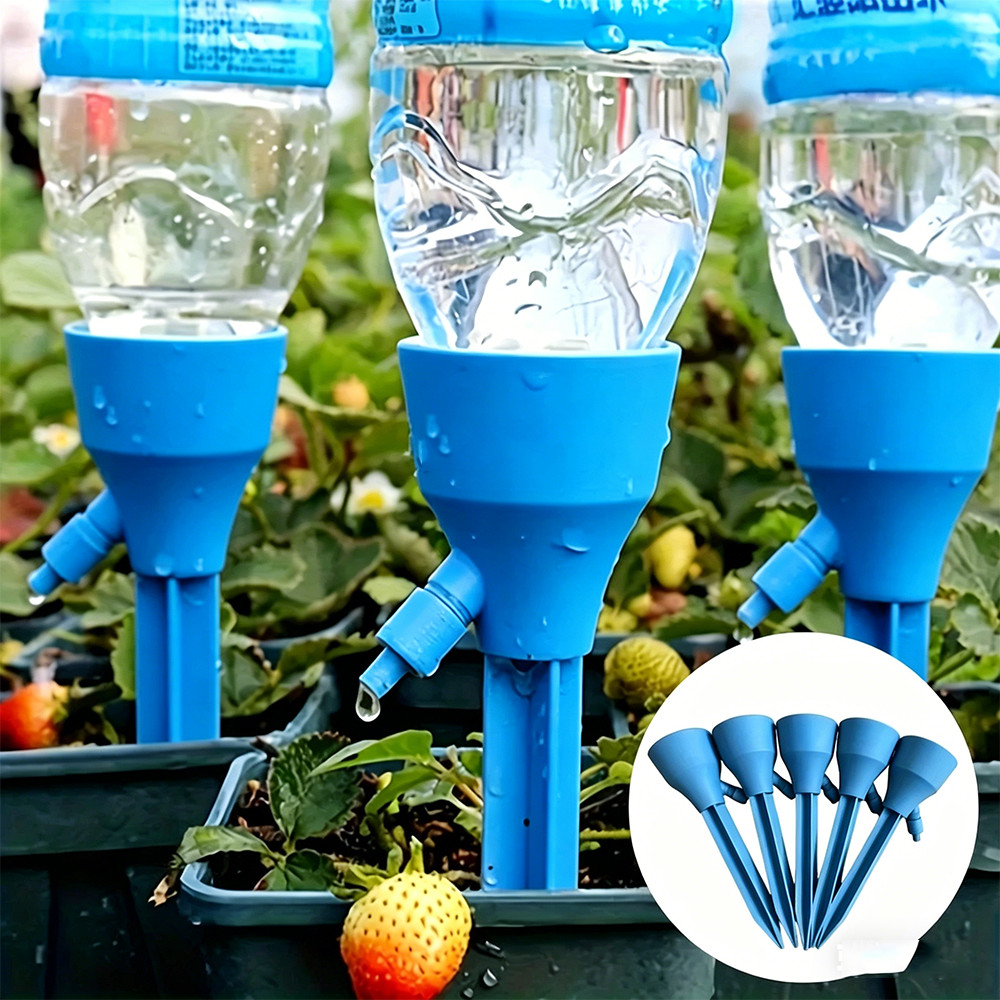 5 pcs Automatic Plant Watering Spikes Self Drip Irrigation for Potted Plants$9.99Last checked Nov 18, 2026View on eBay
- 12/24PCS Garden Drip Irrigation Kit -Automatic Self Watering System for Vacation$10.45View on eBay
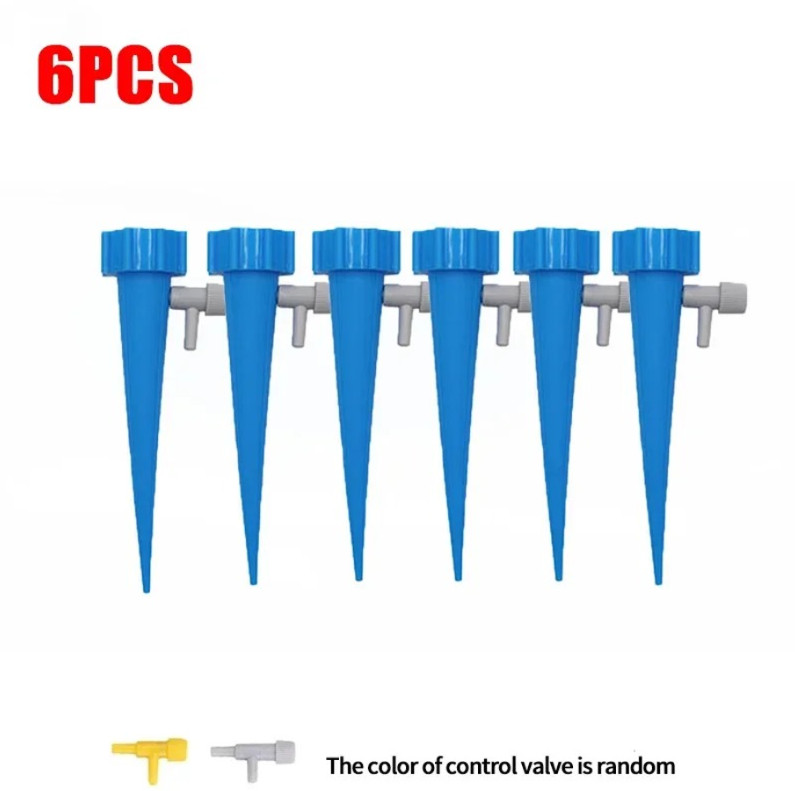 6pcs Automatic Drip Irrigation Self Watering Adjustable Plant Drippers Set - NEW$10.68View on eBay
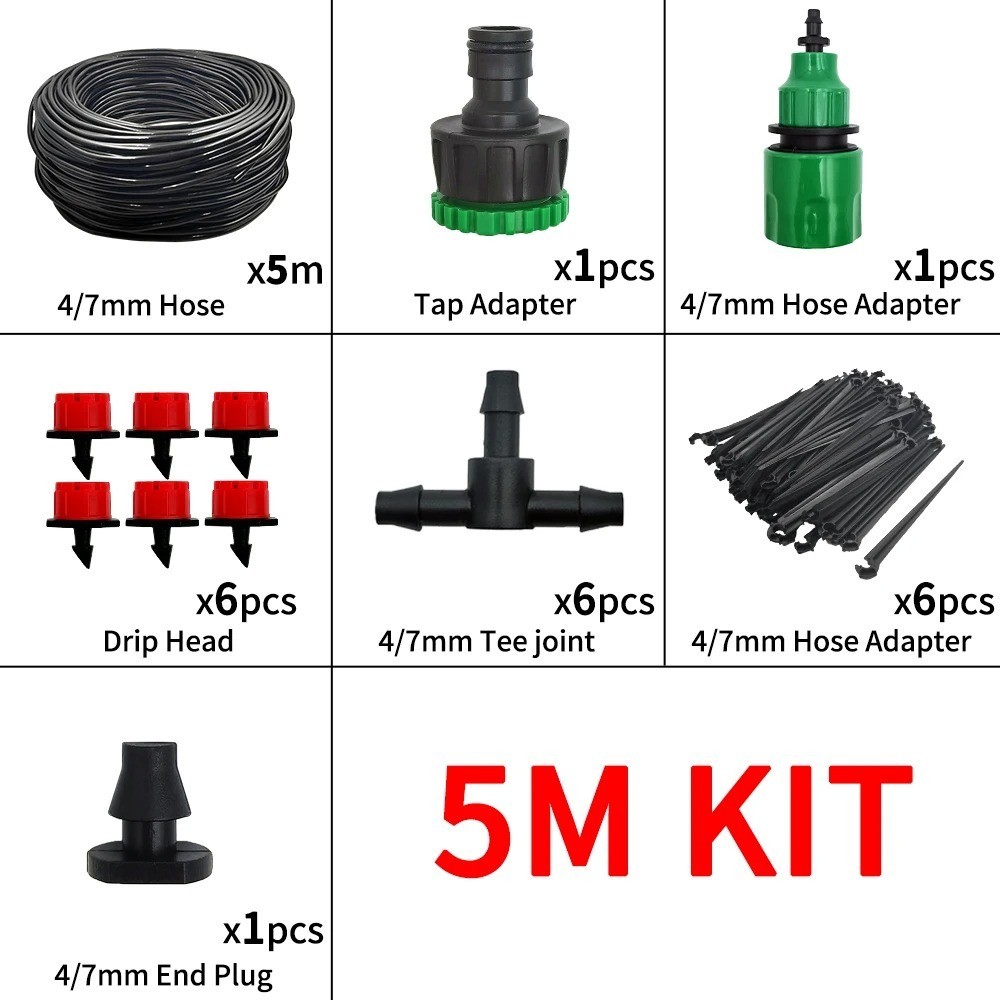 Drip Irrigation System Garden Plant Self Watering Mist Hose Micro Sprinkler Kit$10.70View on eBay
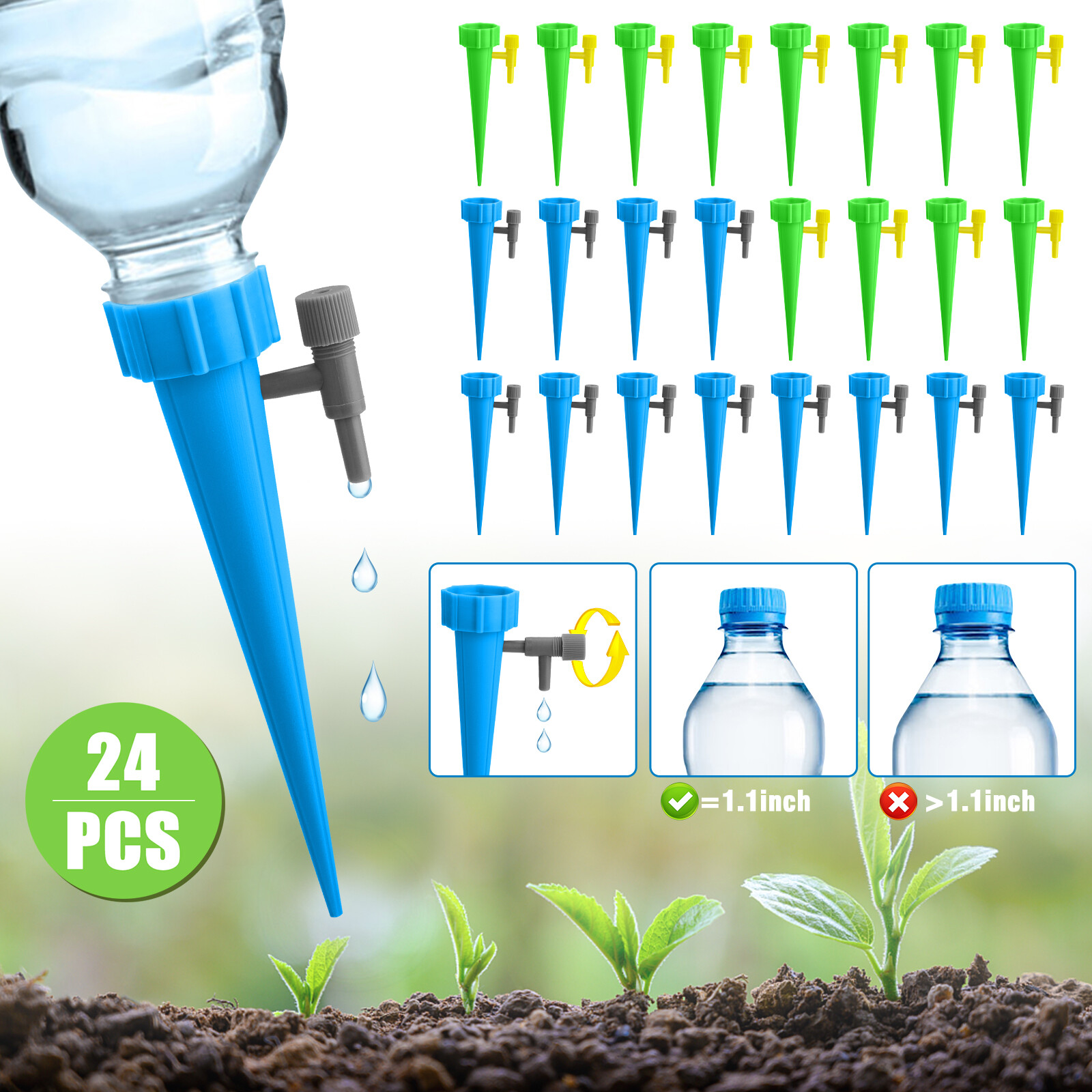 24x Plant Self Watering Insert Spike Auto Irrigation Adjustable Valve 0-60s/Drip$11.49Last checked Nov 18, 2026View on eBay
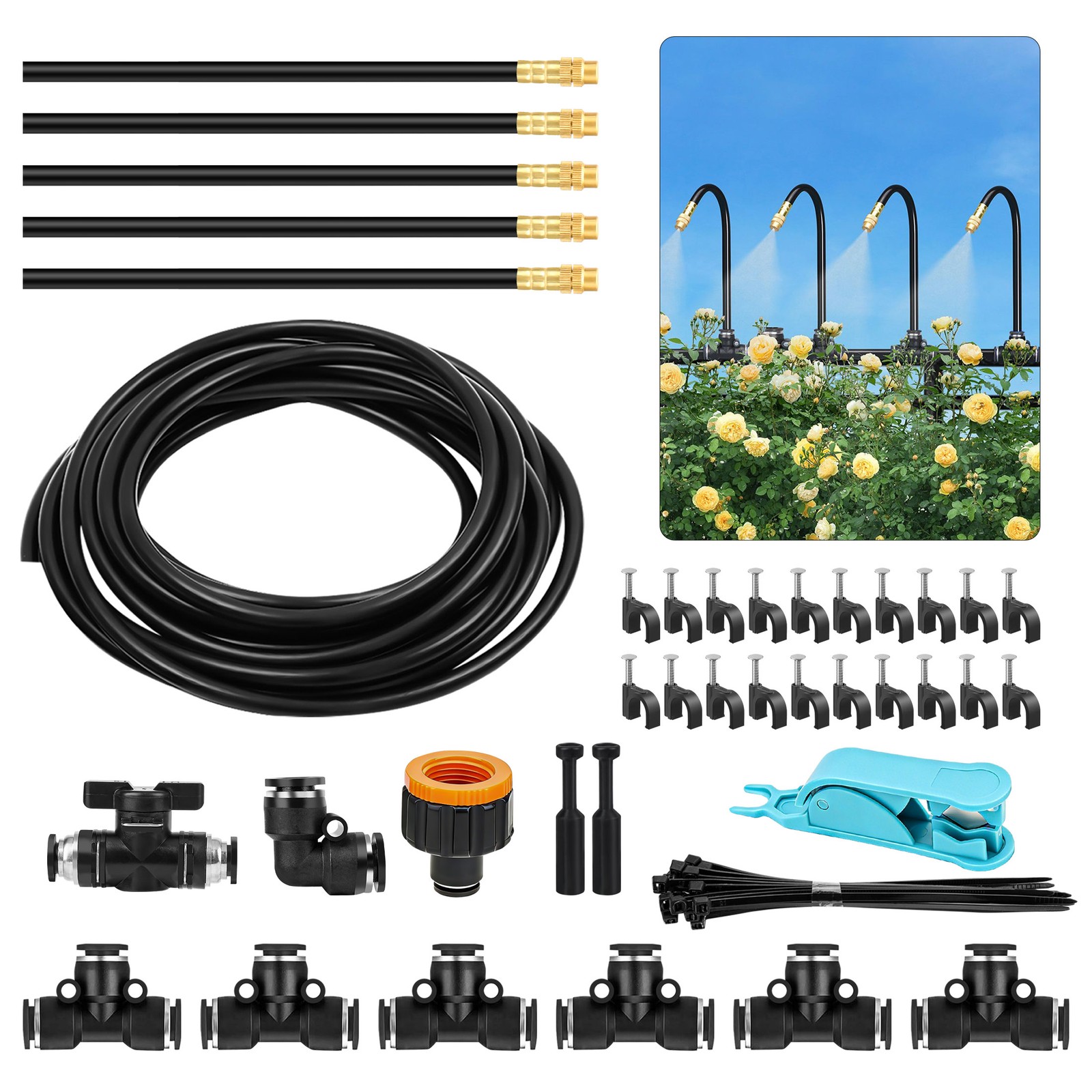 Drip Irrigation Kit DIY Garden Watering System Adjustable Sprayer Plant Lawn 1/4$11.95Last checked Nov 22, 2026View on eBay
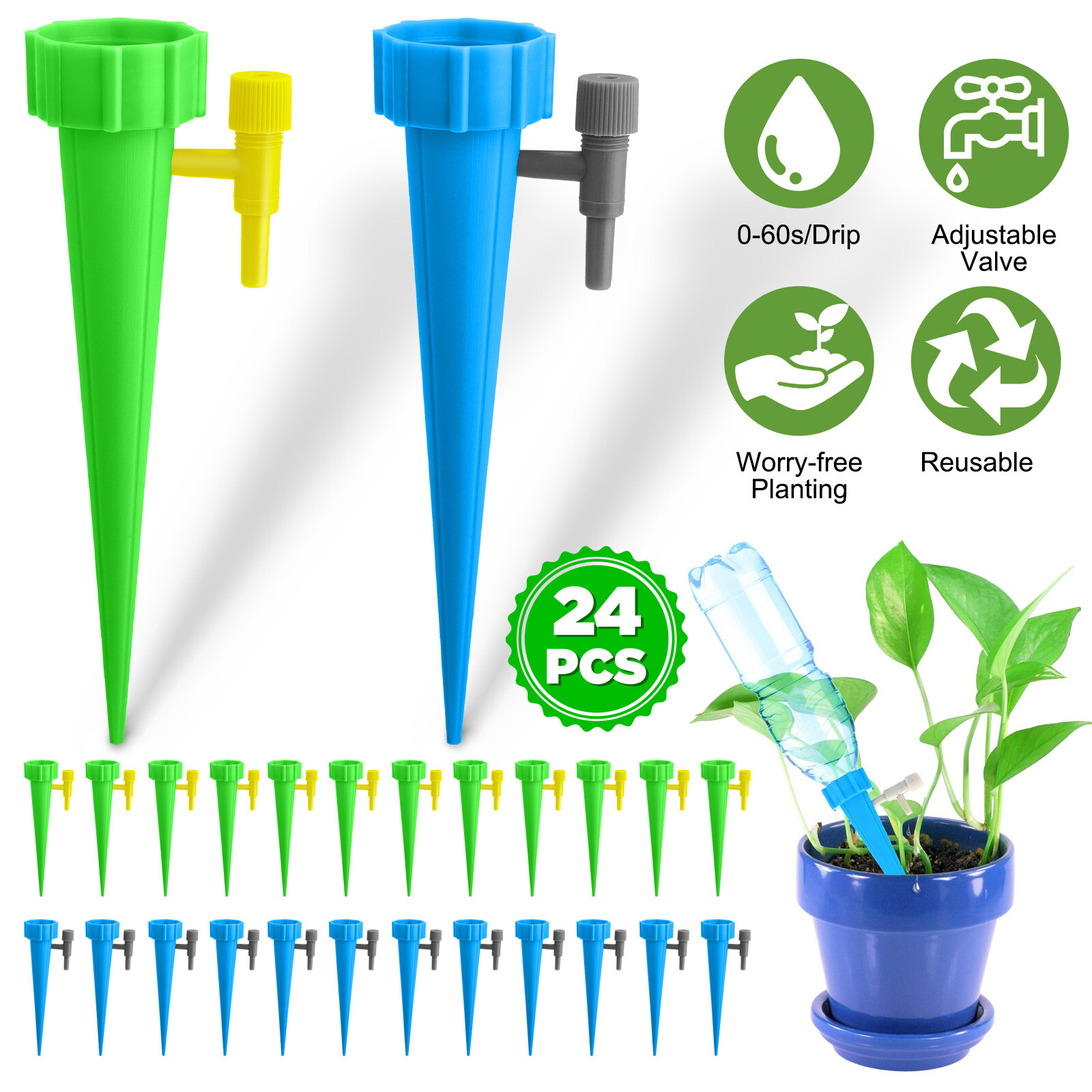 24PCS Self Watering Spikes Automatic Irrigation Watering Drip System for Plants$12.48Last checked Nov 19, 2026View on eBay
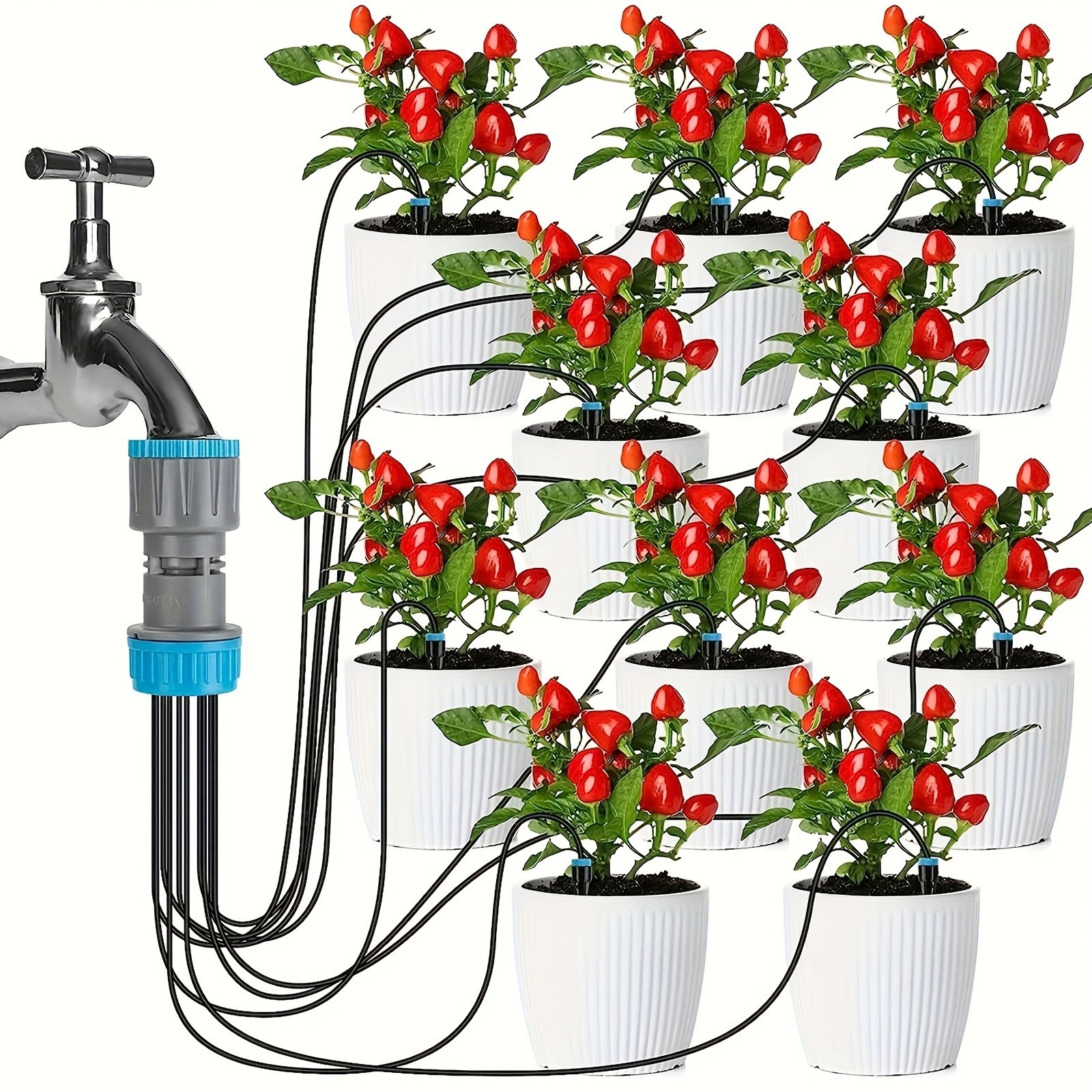 Garden Drip Irrigation Kit - Automatic Watering System for Potted Plants$12.49Last checked Nov 19, 2026View on eBay
- 12/24PCS Automatic Self Watering System Plant Water Drip Irrigation Garden Tools$14.95Last checked Nov 19, 2026View on eBay
- 12/24PCS Plant Drip Irrigation Garden Tools - Automatic Self Watering System$15.59View on eBay
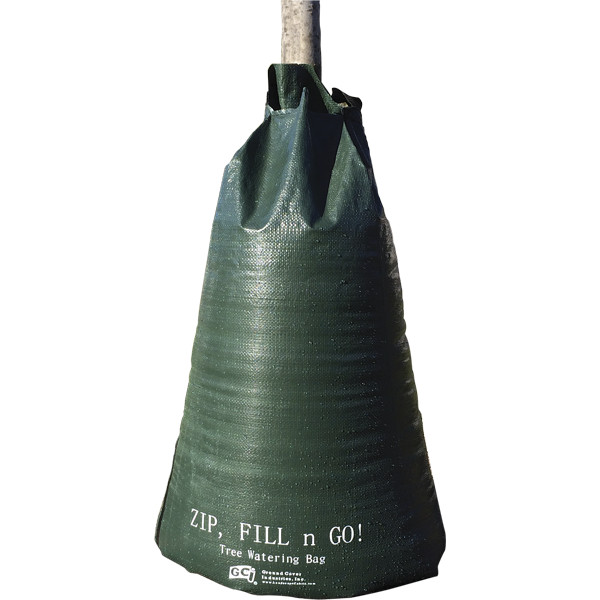 20 Gallon Tree Watering Bag Slow Release Drip Irrigation$15.95Last checked Nov 18, 2026View on eBay
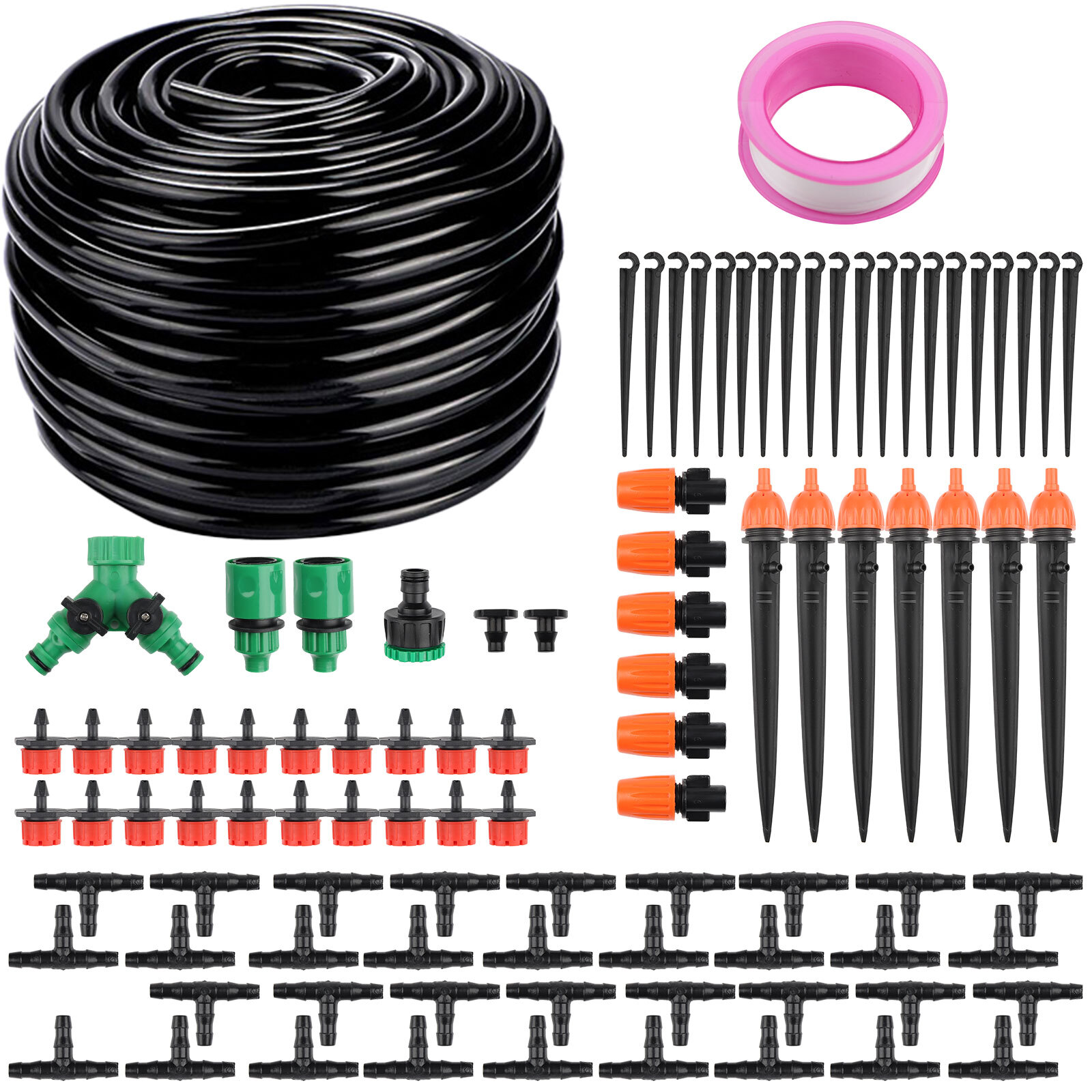 130FT Drip Irrigation System Garden Plant Self Watering Micro Hose Sprinkler Kit$15.99Last checked Nov 18, 2026View on eBay
Highlights
- Pressure-compensating emitters deliver uniform flow across 10–20 containers on a single line, while non-compensated drippers starve the last pots on long runs.
- 1/4-inch micro tubing feeds individual pots from a 1/2-inch mainline; barbed tees and elbows rated for 30+ PSI prevent blowouts at connections.
- Battery-powered hose timers with 1–2 GPM flow handle 10–20 containers; AC timers suit larger manifold setups with 3+ zones.
- Drip kits for containers use 0.5–2 GPH emitters per pot; higher-flow 4–10 GPH emitters are for landscapes, not 6–12 inch containers.
Best use cases
- Best fit: 8–20 patio pots and hanging baskets on a balcony or deck — choose a kit with 1/4-inch micro tubing, pressure-compensating 0.5–1 GPH emitters, and a battery hose timer.
- Best fit: a single raised bed with 4–6 large containers — a 1/2-inch mainline with adjustable drippers lets you tune flow per plant without overwatering.
- Wrong fit: in-ground vegetable rows or lawn zones — container kits lack the run length and emitter count; use a landscape drip zone with 1/2-inch poly and 2 GPH emitters instead.
- Wrong fit: gravity-fed rain barrel setups without a pump — most container drip kits need 15–30 PSI; choose a gravity-specific kit with low-pressure emitters or add a small pump.
Buying tips
- Count containers and plant size first: a 10–12 inch pot needs one 1 GPH emitter; 14–20 inch pots need two, so size the kit's emitter count to your pot count plus 20% spare.
- Prioritize pressure-compensating emitters if your run exceeds 15 feet or serves more than 8 pots — they keep flow even and prevent the last container from drying out.
- Inspect tubing and fitting specs: 1/4-inch distribution tubing with UV-stabilized polyethylene and barbed fittings rated at 30 PSI or higher lasts multiple seasons outdoors.
- Choose a timer with daily or every-other-day scheduling and a rain-delay or manual-run button; battery timers with 1–2 GPM flow suit most container counts, while AC timers fit permanent multi-zone setups.
Specs
| Emitter Type | Pressure-compensating vs non-compensated |
|---|---|
| Tubing Size | 1/4-in micro / 1/2-in mainline |
| Timer Power | Battery hose timer vs AC controller |
| Flow Rate | 0.5–1 GPH (containers) / 2+ GPH (landscape) |
Related searches
What to check before buying
- Measure the distance from your faucet to the farthest container and confirm the kit's mainline plus micro tubing reach it without stretching.
- Check your outdoor faucet type (standard 3/4-inch hose thread) and whether the timer or kit includes the correct adapter.
- Confirm pot drainage: drip systems need containers with drainage holes; sealed pots will waterlog regardless of emitter flow.
- Verify your water pressure at the tap (most kits need 15–30 PSI); if you use a rain barrel or gravity feed, choose a low-pressure kit or add a pump.
FAQ
Data sources: eBay / Amazon listings and product attribute feeds. Updated Nov 28, 2026.
Some links on this page are affiliate links. If you buy after clicking one, we may earn a commission at no extra cost to you. This does not change which products appear here or their order. Affiliate disclosure.