
Photos from current listings. Actual item, color, and included accessories may vary.
Drip Irrigation Citrus Tree Buying Guide
Citrus trees demand steady moisture but punish both drought stress and soggy roots, so drip systems need the right emitter flow and run schedule for your climate and soil. The biggest mistakes are sizing emitters by tree age instead of canopy spread and skipping a filter that clogs micro-tubing. Pick a pressure-compensating kit with a filter and a timer rated for your water source before anything else.
Median $19.99
Key takeaways
- Pressure-compensating emitters hold rated flow across long runs and elevation changes; non-compensating drip lines starve the farthest trees on slopes or long laterals.
- A 200-mesh filter is the minimum for drip; finer 150-mesh strainers suit dirty well water, and skipping filtration is the top cause of clogged micro-tubing.
- Emitter flow for citrus typically lands at 0.5–2.0 GPH per tree depending on canopy size and soil type, with 2–4 emitters per mature tree spaced around the drip line.
At a glance
- Category
- Watering & Irrigation
- Last updated
- Nov 28, 2026
Current offers
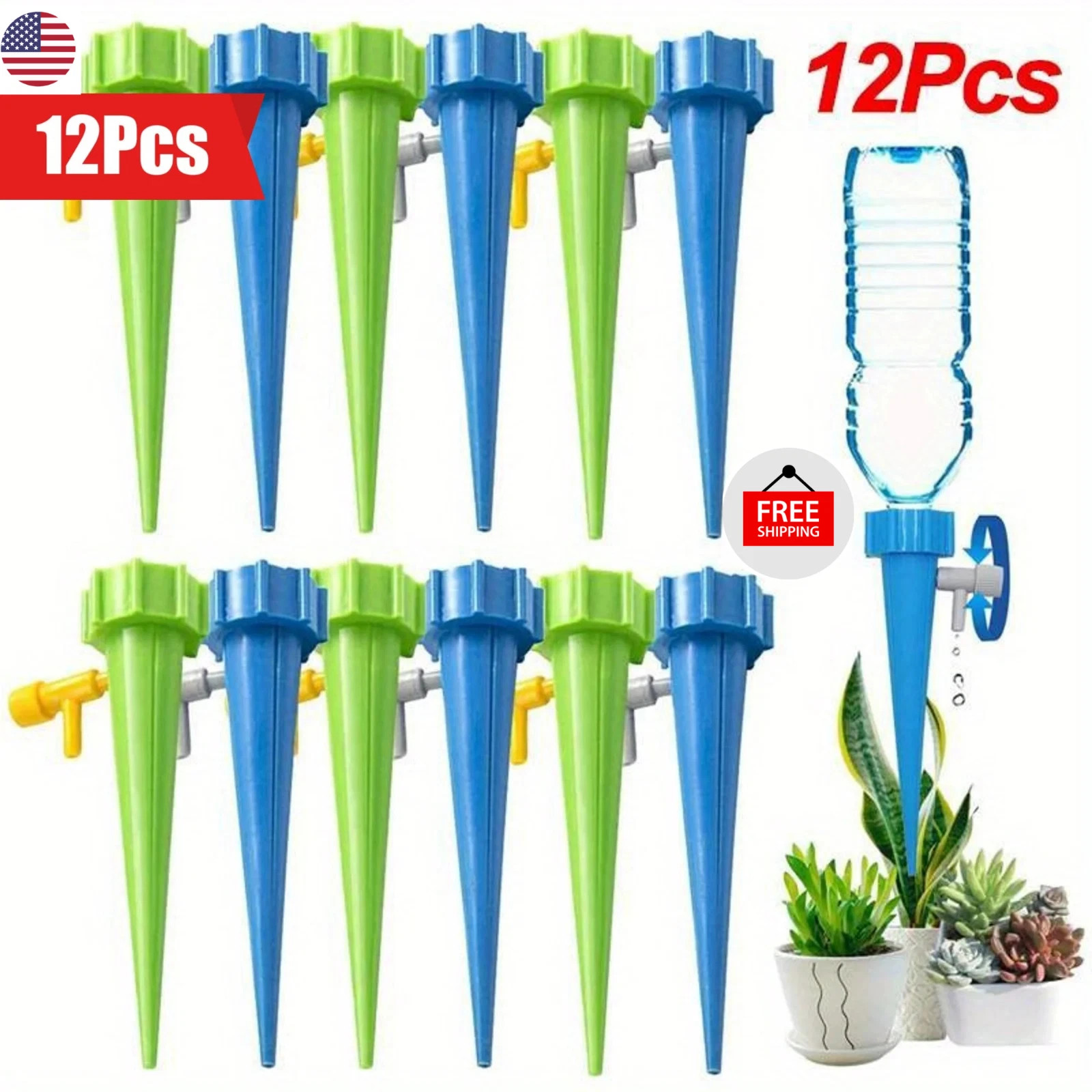 12Pcs Self Watering Spikes Automatic Irrigation Watering Drip System for Plants$5.45View on eBay
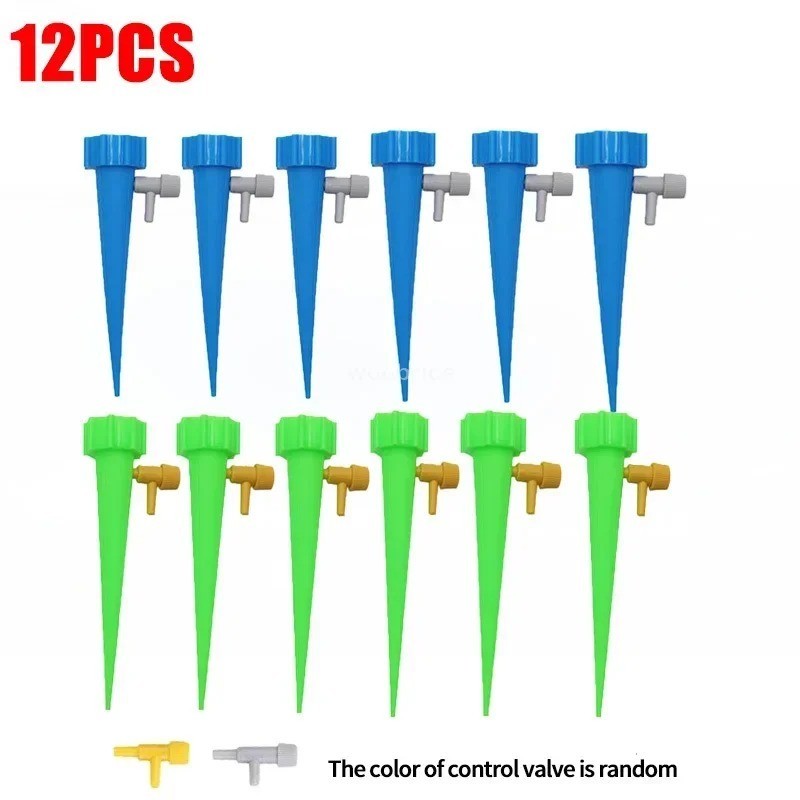 12PCS Mixed Automatic Drip Irrigation Plant Self Watering Kit Garden Device$5.91Last checked Nov 19, 2026View on eBay
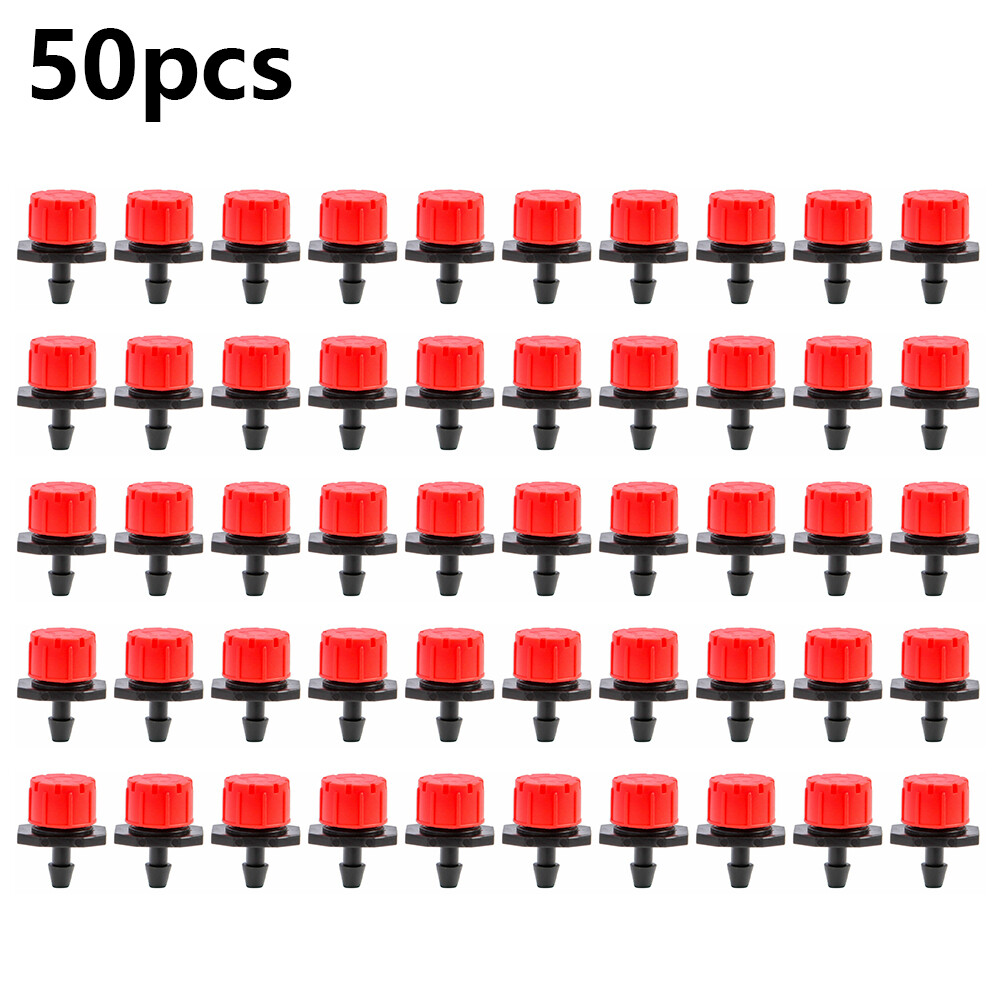 Adjustable Emitter Dripper Micro Drip Irrigation Sprinkler Watering System Lots$7.51View on eBay
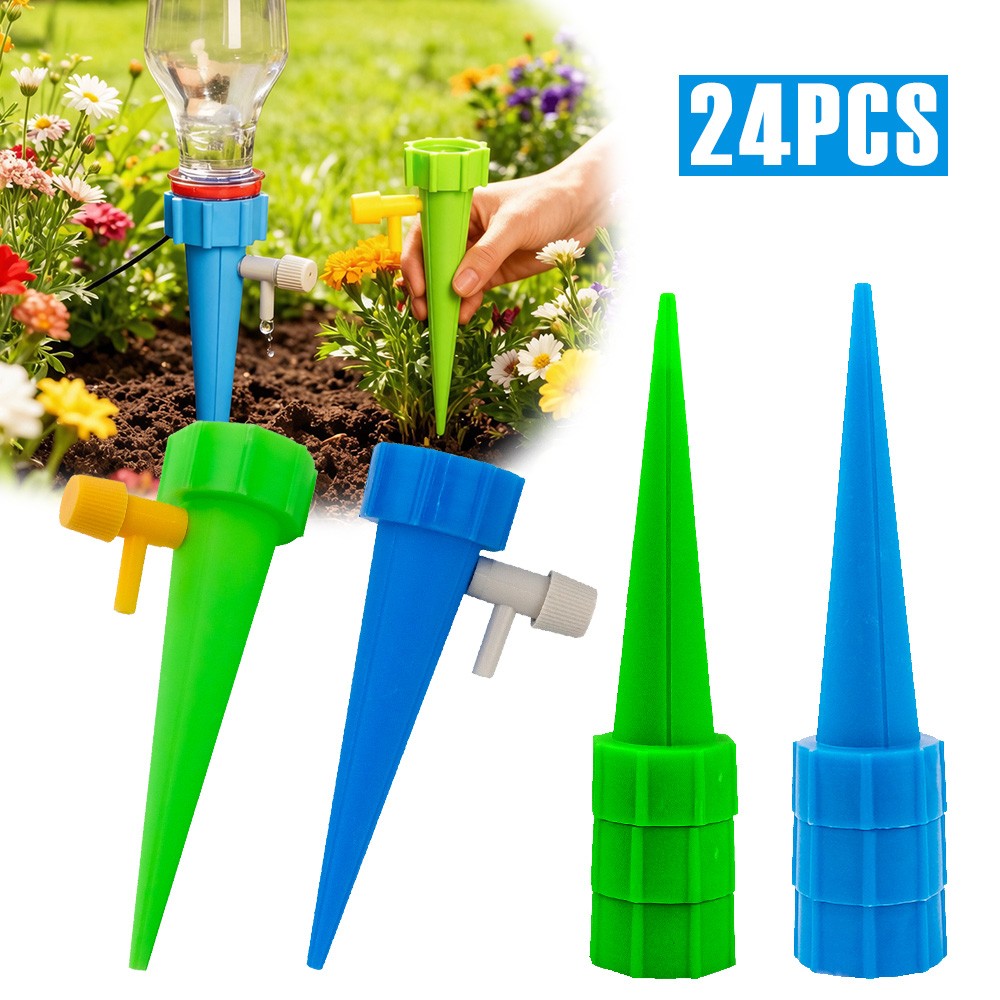 24PCS Self Watering Spikes Automatic Irrigation Watering Drip System for Plants$7.88View on eBay
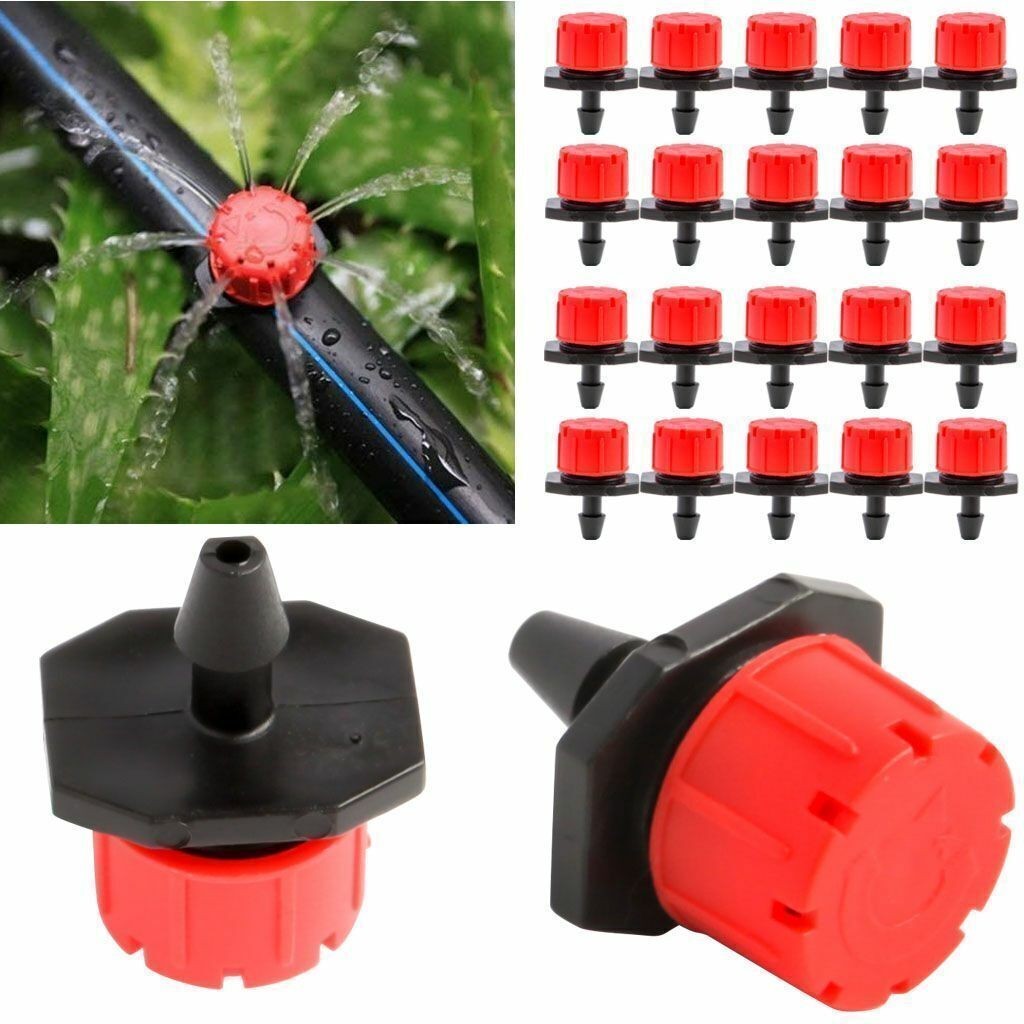 33-100ft Auto Drip Irrigation System Kit Timer Micro Sprinkler Garden Watering$7.99View on eBay
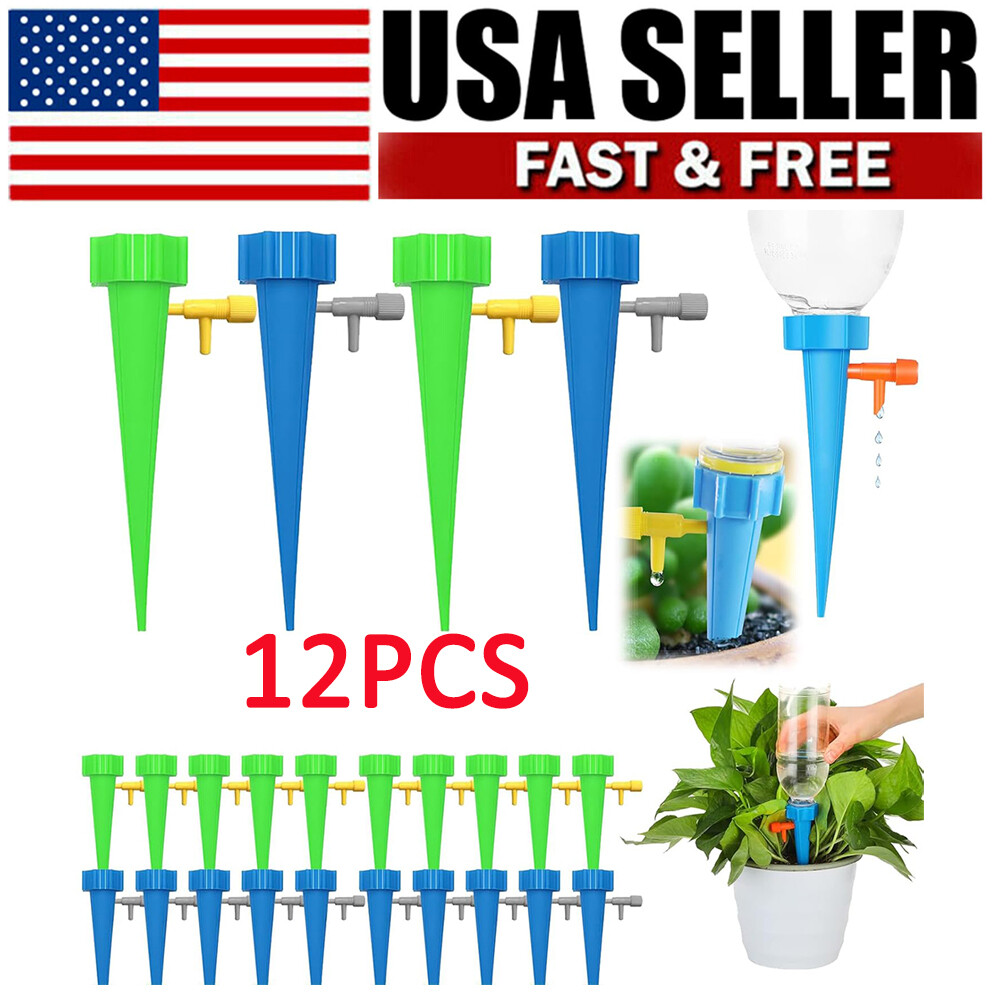 12Pcs Self Watering Spikes Automatic Irrigation Watering Drip System for Plants$8.79View on eBay
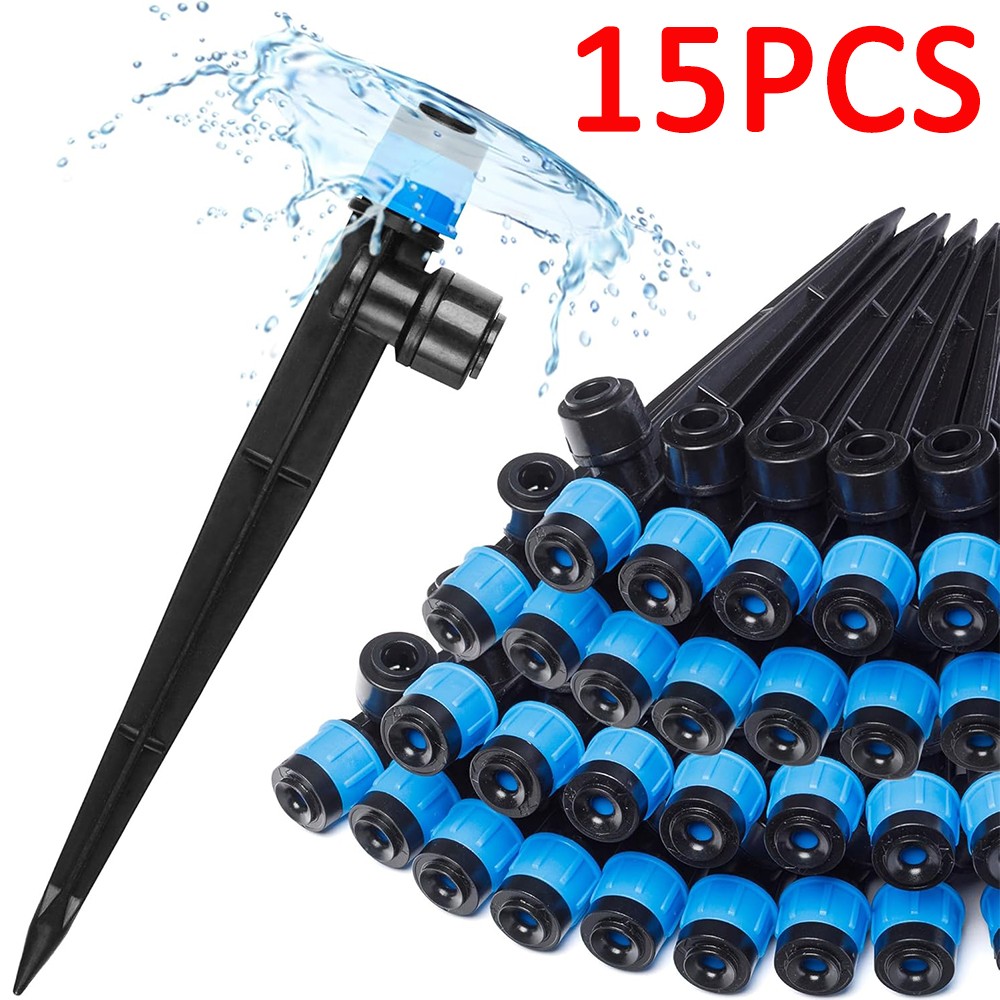 30Pcs Drip Irrigation Emitter 1/4" Garden Drip Watering System 360° Adjustable$9.29Last checked Nov 19, 2026View on eBay
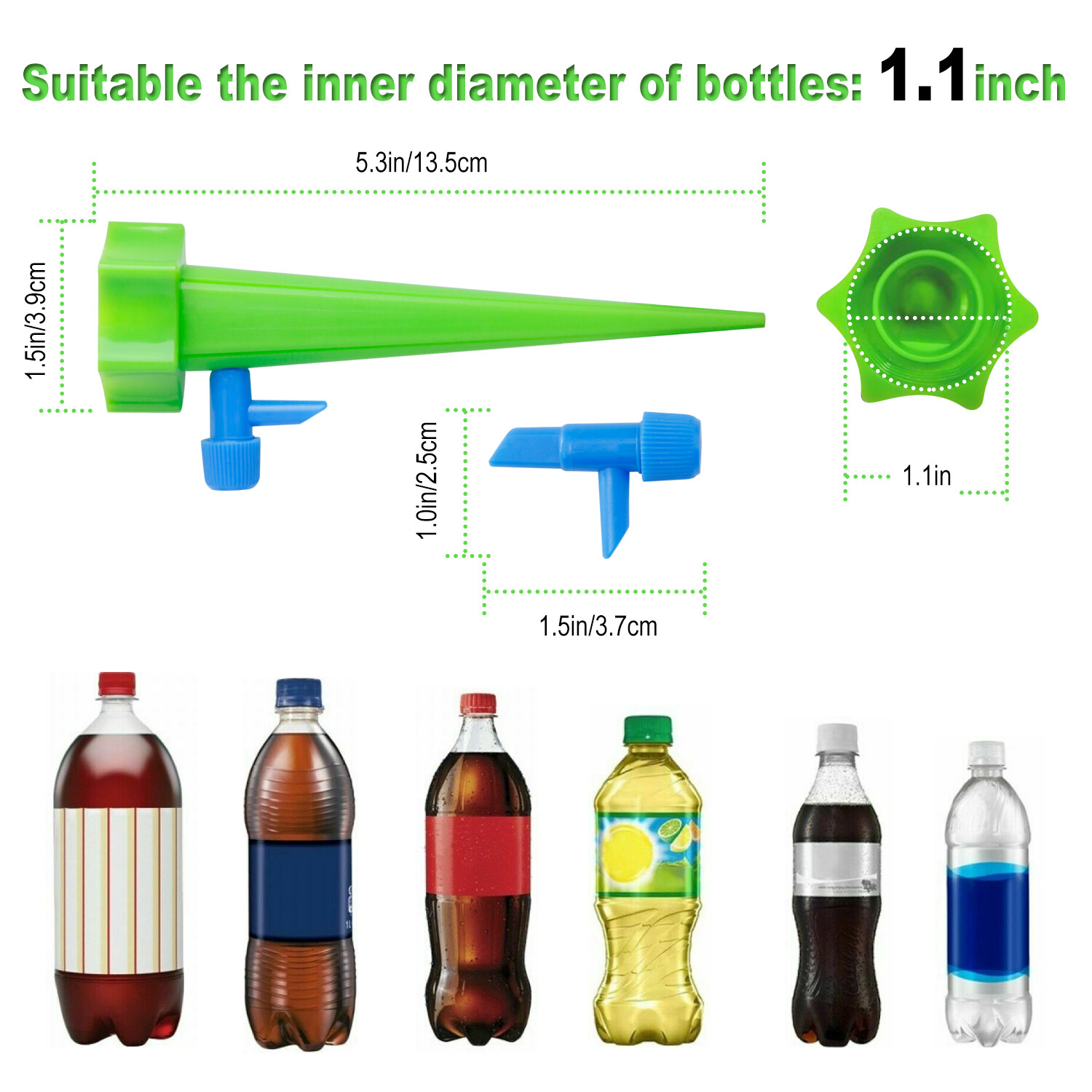 12/24PCS Garden Drip Irrigation Kit -Automatic Self Watering System for Vacation$9.95Last checked Nov 19, 2026View on eBay
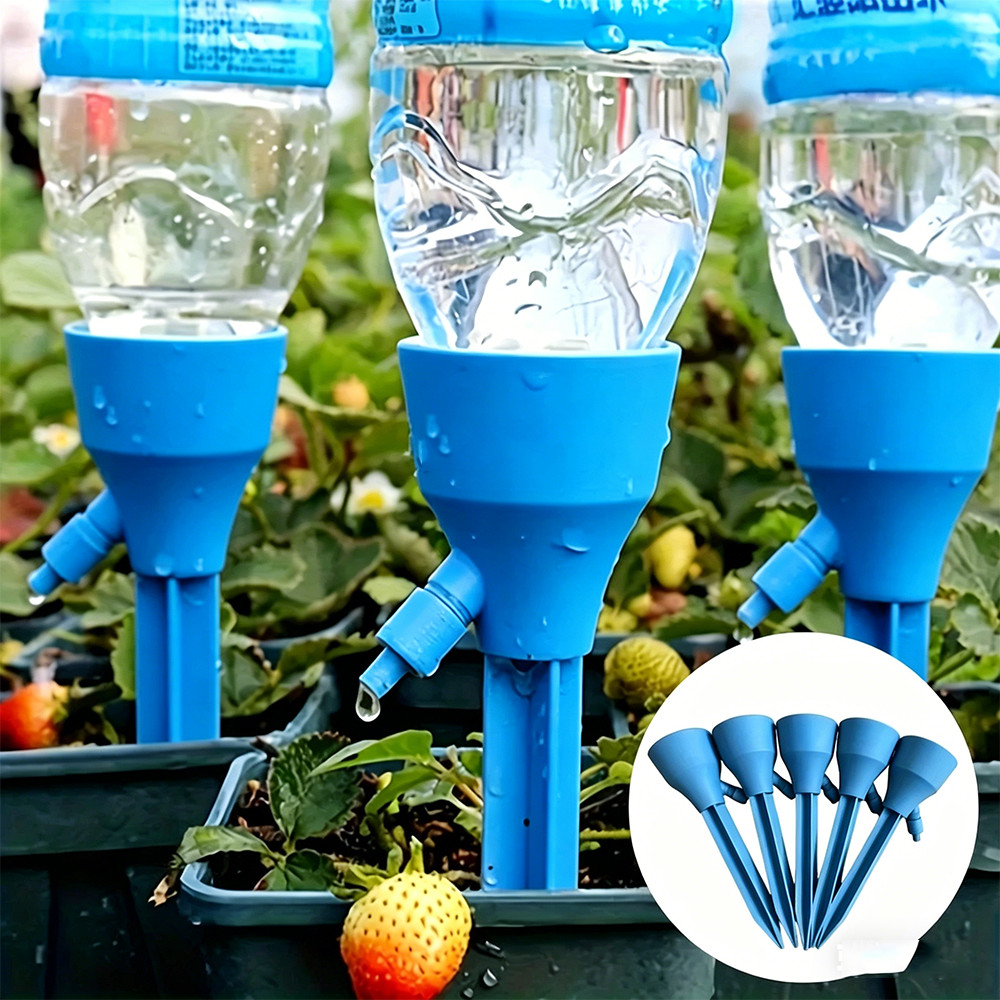 5 pcs Automatic Plant Watering Spikes Self Drip Irrigation for Potted Plants$9.99Last checked Nov 18, 2026View on eBay
- 12/24PCS Garden Drip Irrigation Kit -Automatic Self Watering System for Vacation$10.45View on eBay
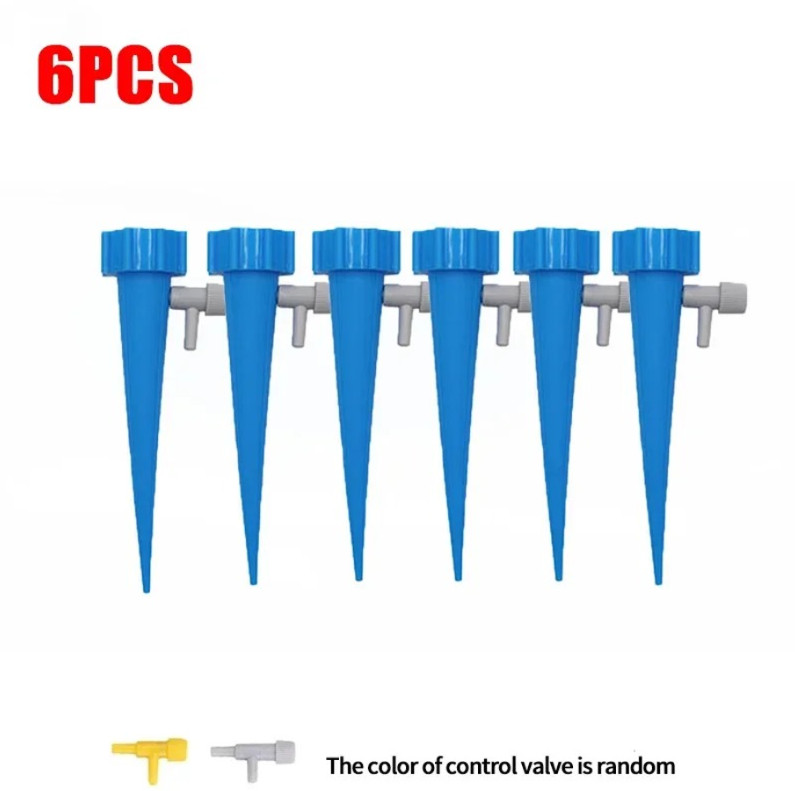 6pcs Automatic Drip Irrigation Self Watering Adjustable Plant Drippers Set - NEW$10.68View on eBay
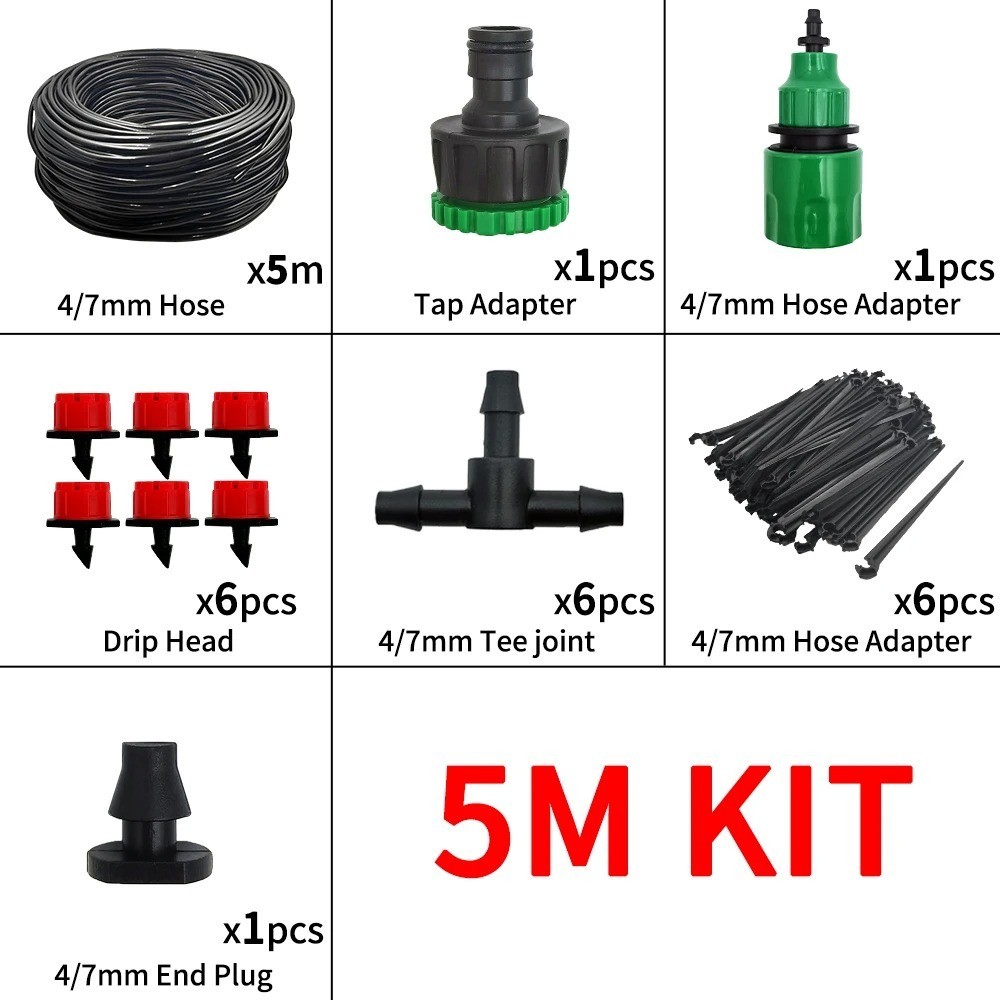 Drip Irrigation System Garden Plant Self Watering Mist Hose Micro Sprinkler Kit$10.70View on eBay
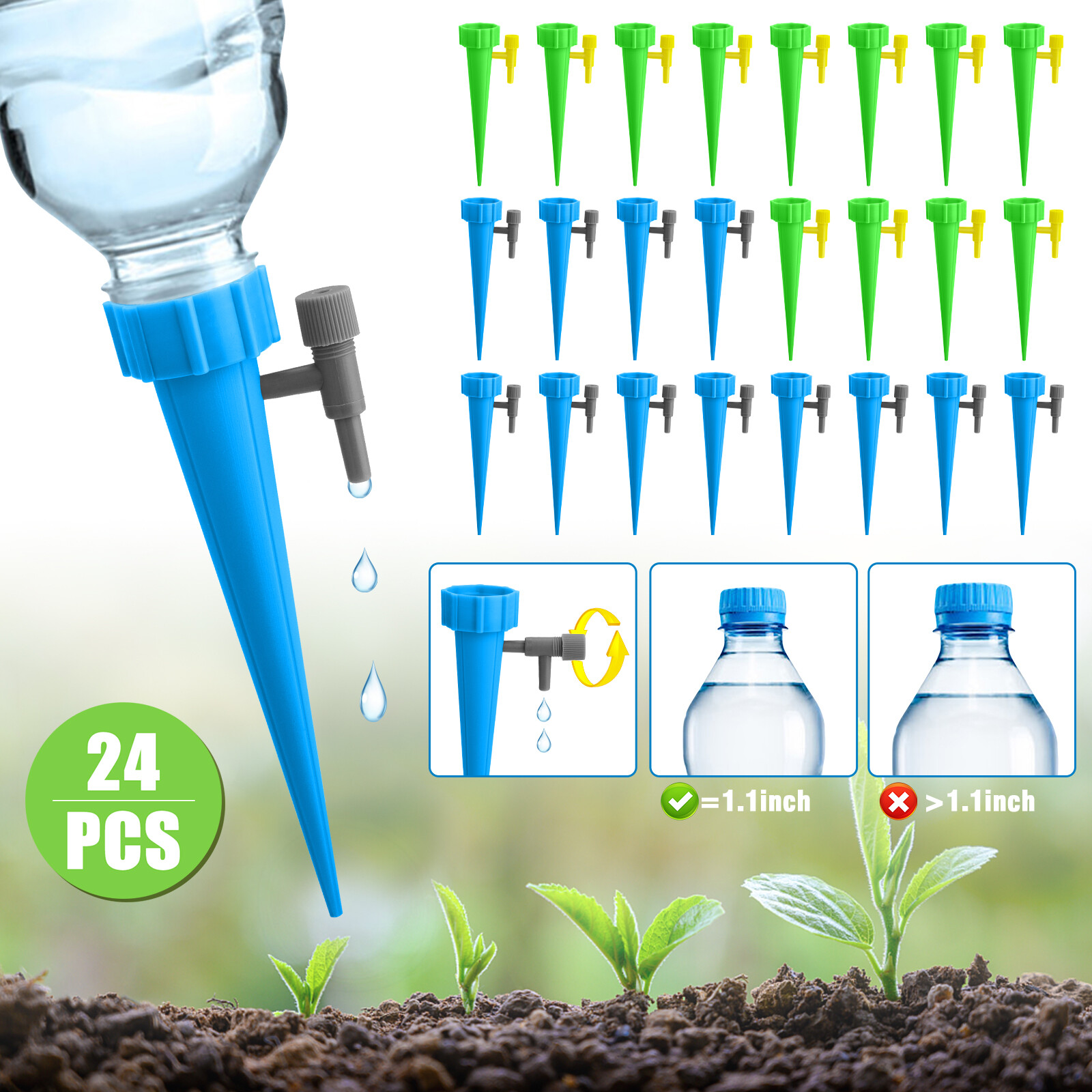 24x Plant Self Watering Insert Spike Auto Irrigation Adjustable Valve 0-60s/Drip$11.49Last checked Nov 18, 2026View on eBay
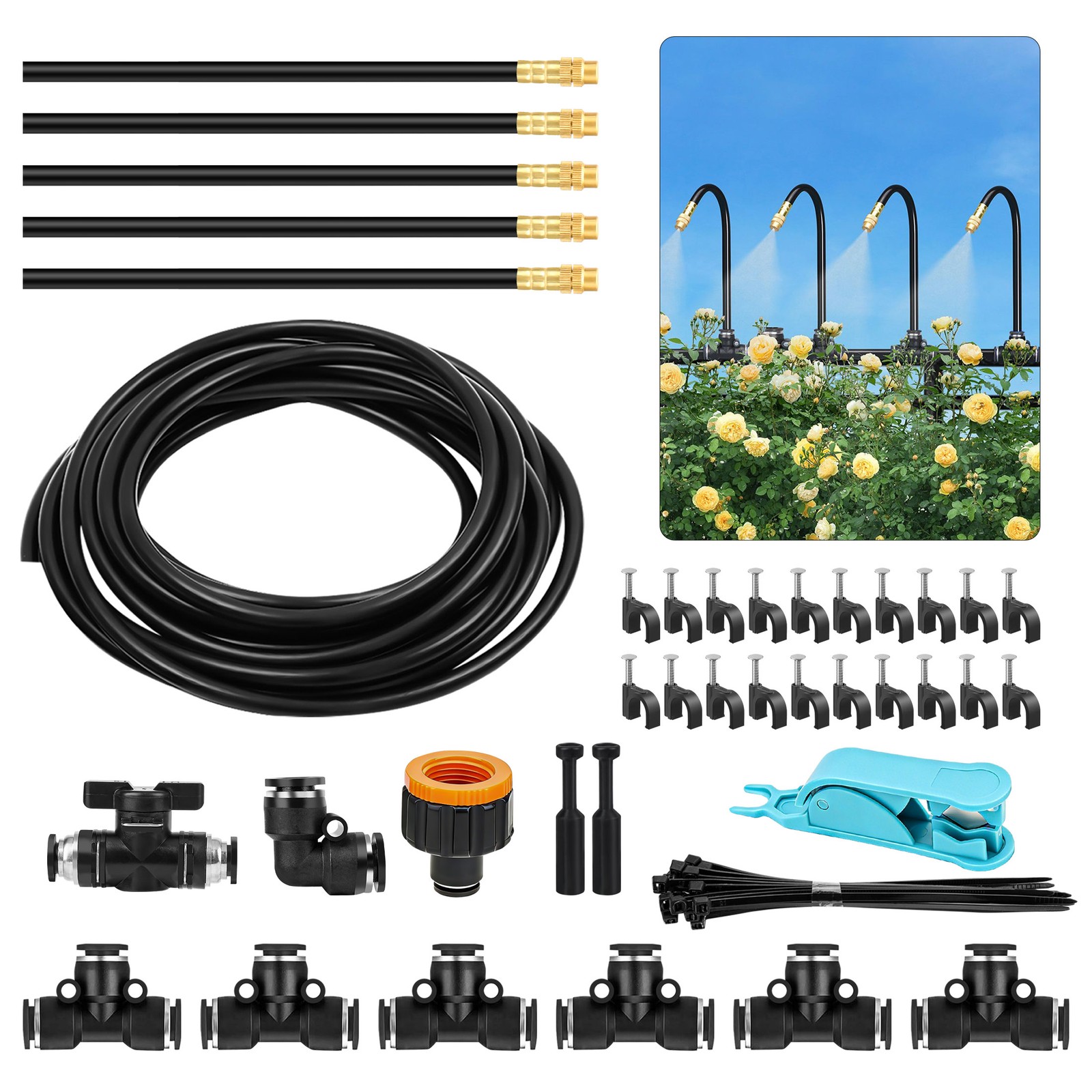 Drip Irrigation Kit DIY Garden Watering System Adjustable Sprayer Plant Lawn 1/4$11.95Last checked Nov 22, 2026View on eBay
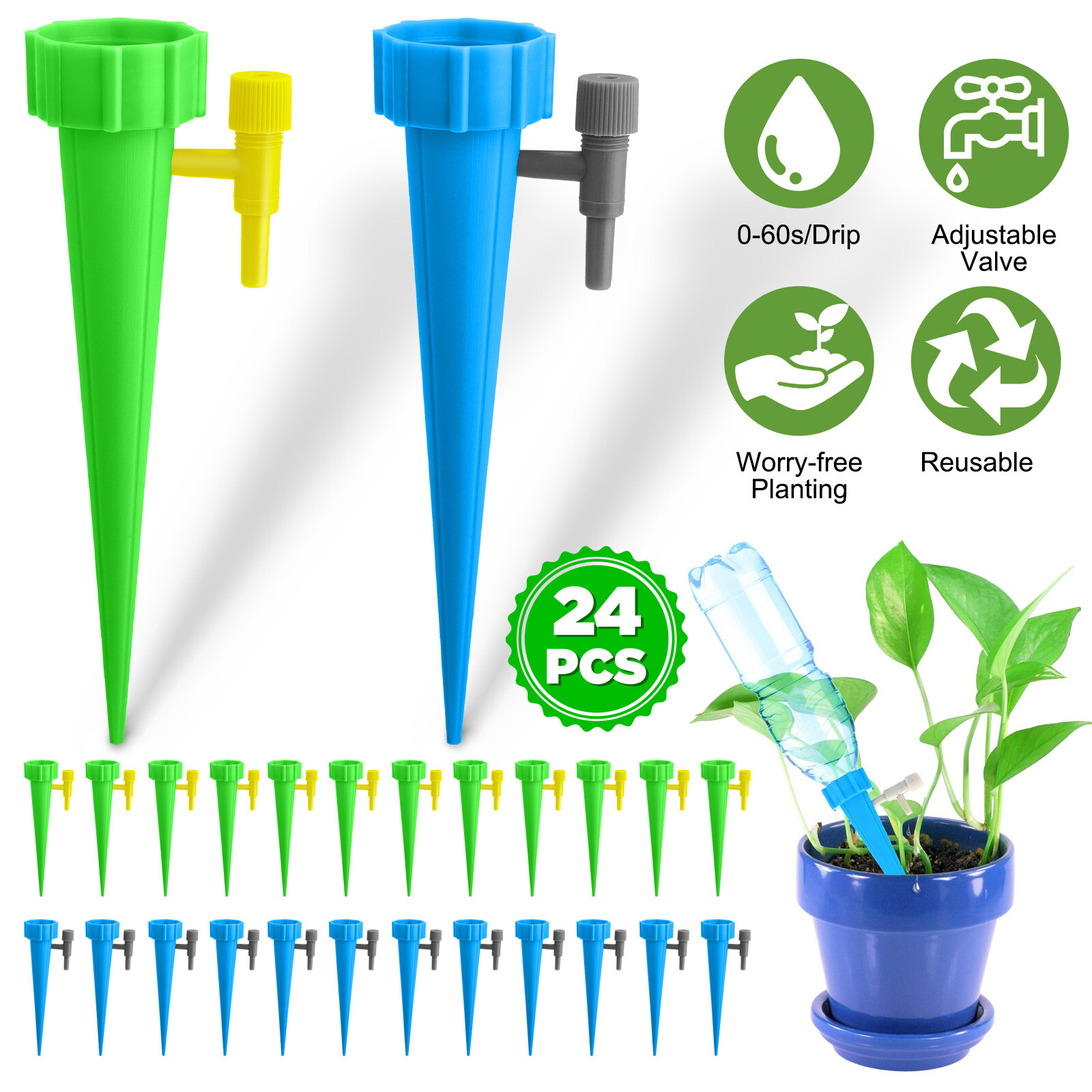 24PCS Self Watering Spikes Automatic Irrigation Watering Drip System for Plants$12.48Last checked Nov 19, 2026View on eBay
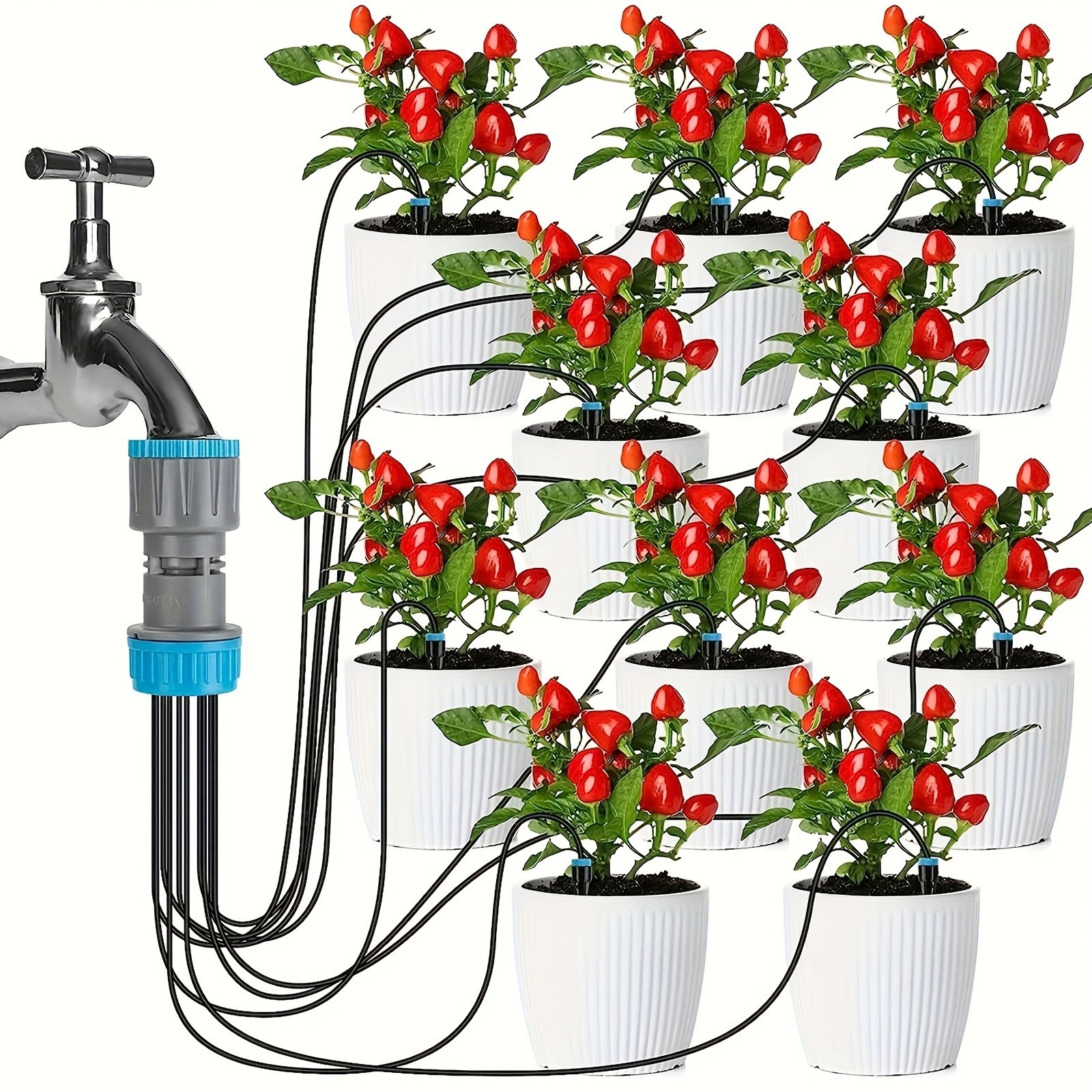 Garden Drip Irrigation Kit - Automatic Watering System for Potted Plants$12.49Last checked Nov 19, 2026View on eBay
- 12/24PCS Automatic Self Watering System Plant Water Drip Irrigation Garden Tools$14.95Last checked Nov 19, 2026View on eBay
- 12/24PCS Plant Drip Irrigation Garden Tools - Automatic Self Watering System$15.59View on eBay
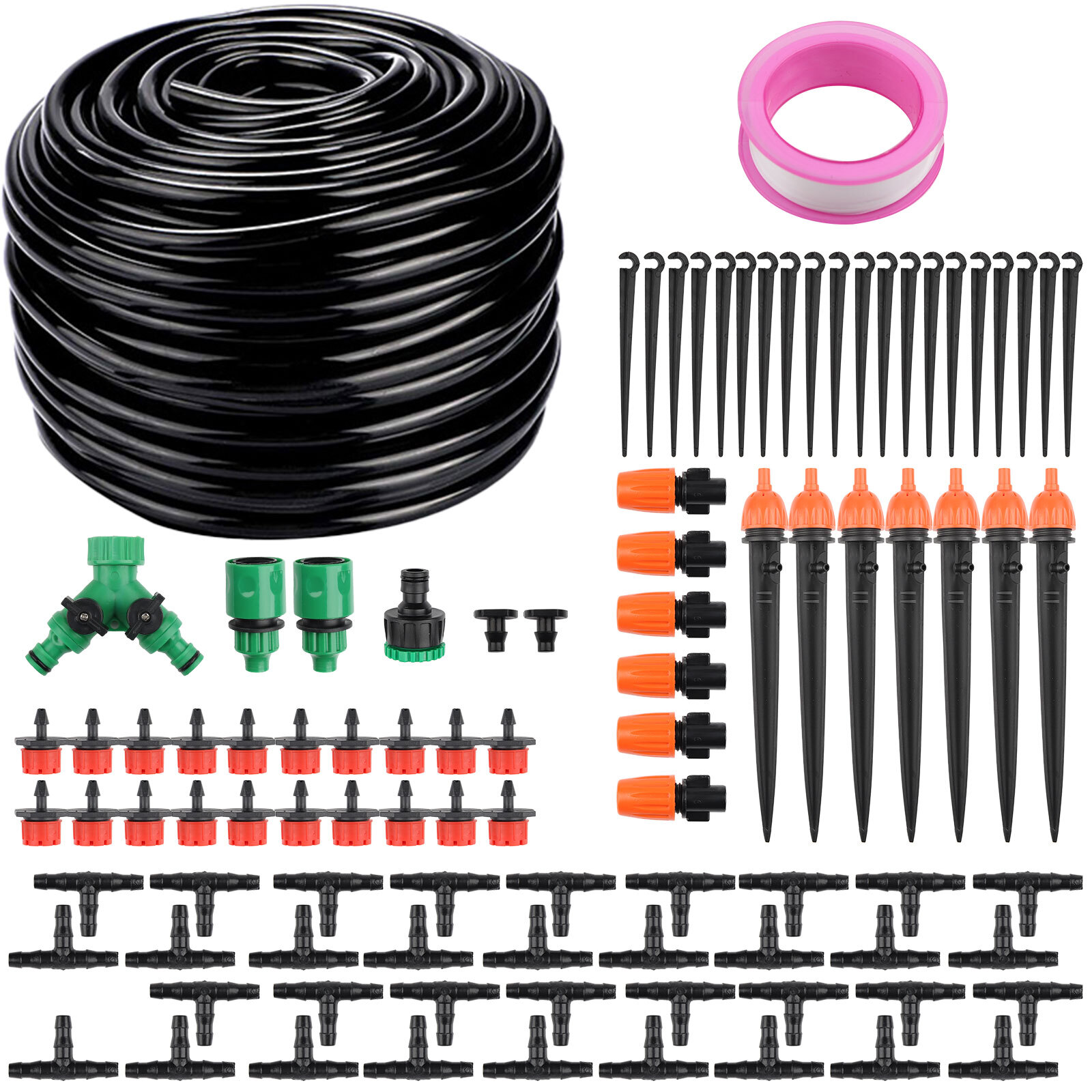 130FT Drip Irrigation System Garden Plant Self Watering Micro Hose Sprinkler Kit$15.99Last checked Nov 18, 2026View on eBay
- Drip Irrigation System Garden Plant Self Watering Hose Micro Sprinkler Kit$16.10Last checked Nov 19, 2026View on eBay
Highlights
- Pressure-compensating emitters hold rated flow across long runs and elevation changes; non-compensating drip lines starve the farthest trees on slopes or long laterals.
- A 200-mesh filter is the minimum for drip; finer 150-mesh strainers suit dirty well water, and skipping filtration is the top cause of clogged micro-tubing.
- Emitter flow for citrus typically lands at 0.5–2.0 GPH per tree depending on canopy size and soil type, with 2–4 emitters per mature tree spaced around the drip line.
- Micro-tubing and drip line are commonly 1/4-inch and 1/2-inch; 1/2-inch mainline feeds laterals and 1/4-inch distribution tubing delivers water to individual trees.
Best use cases
- Best fit: a home orchard with 3–20 citrus trees on a single hose bib — choose a 1/2-inch mainline kit with pressure-compensating 1–2 GPH emitters, a 200-mesh filter, and a battery or AC timer.
- Best fit: container citrus on a patio or balcony — pick a 1/4-inch micro-tubing kit with adjustable or 0.5 GPH emitters and a small timer, since short runs don't need pressure compensation.
- Wrong fit: a single newly planted tree in a large landscape — skip a full multi-zone kit and use one 1/2-inch drip line loop or a single adjustable emitter with a hose timer to avoid overwatering the small root ball.
Buying tips
- Size emitter count to canopy spread, not trunk diameter: a 3-foot canopy needs 2 emitters at 0.5–1 GPH, while a 6-foot canopy needs 3–4 emitters at 1–2 GPH each.
- Prioritize pressure-compensating emitters when laterals exceed 30 feet or the yard slopes, because non-compensating drippers vary flow with pressure and leave far trees dry.
- Inspect filter mesh rating before buying: 200-mesh suits municipal water, but well or pond water needs 150-mesh or a disc filter to stop silt from plugging emitters.
- Choose a timer with a rain sensor or manual skip and at least two start times per day for sandy soil, which drains fast and needs shorter, more frequent cycles.
Specs
| Emitter Type | Pressure-compensating vs non-compensating |
|---|---|
| Emitter Flow | 0.5–2.0 GPH per emitter |
| Filtration | 200-mesh (150-mesh for dirty water) |
| Tubing Sizes | 1/2-in mainline / 1/4-in lateral |
Related searches
What to check before buying
- Measure from the hose bib to the farthest tree and note elevation change; runs over 50 feet or slopes over 3 feet call for pressure-compensating emitters and a pressure regulator.
- Confirm your outdoor faucet thread (3/4-inch GHT is standard in the US) and whether the kit includes a backflow preventer and vacuum breaker required by local code.
- Check soil type: sandy soil drains quickly and favors 0.5–1 GPH emitters run longer, while clay holds water and needs 1–2 GPH emitters on shorter cycles to avoid root rot.
- Verify the kit includes a filter, pressure regulator, and enough 1/2-inch mainline plus 1/4-inch tubing to reach every tree with slack for canopy growth.
FAQ
Data sources: eBay / Amazon listings and product attribute feeds. Updated Nov 28, 2026.
Some links on this page are affiliate links. If you buy after clicking one, we may earn a commission at no extra cost to you. This does not change which products appear here or their order. Affiliate disclosure.