
Photos from current listings. Actual item, color, and included accessories may vary.
DIY Watering System Buying Guide
DIY watering systems succeed or fail on three specs: tubing diameter, emitter type, and whether the kit includes a pressure regulator and timer. Most potted-plant buyers underestimate how much 1/4-inch micro-tubing restricts flow over long runs, while garden buyers overlook that gravity-fed barrels need a different emitter style than hose-fed systems. Pick the architecture first — gravity drip, pressure-compensating drip, or capillary wick — then size tubing and emitter count to your actual plant count.
Median $76.95
Key takeaways
- 1/4-inch micro-tubing is the universal DIY standard; 1/2-inch mainline is needed for runs over roughly 30 feet or more than 15 emitters to maintain even pressure.
- Pressure-compensating (PC) emitters deliver uniform flow across long runs and elevation changes; non-PC drip emitters vary 2-3x in output between the first and last plant.
- A 25-30 PSI pressure regulator is mandatory on hose-fed kits — household hose pressure of 50-80 PSI blows fittings and causes emitter pop-off.
At a glance
- Category
- Watering & Irrigation
- Last updated
- Nov 28, 2026
Current offers
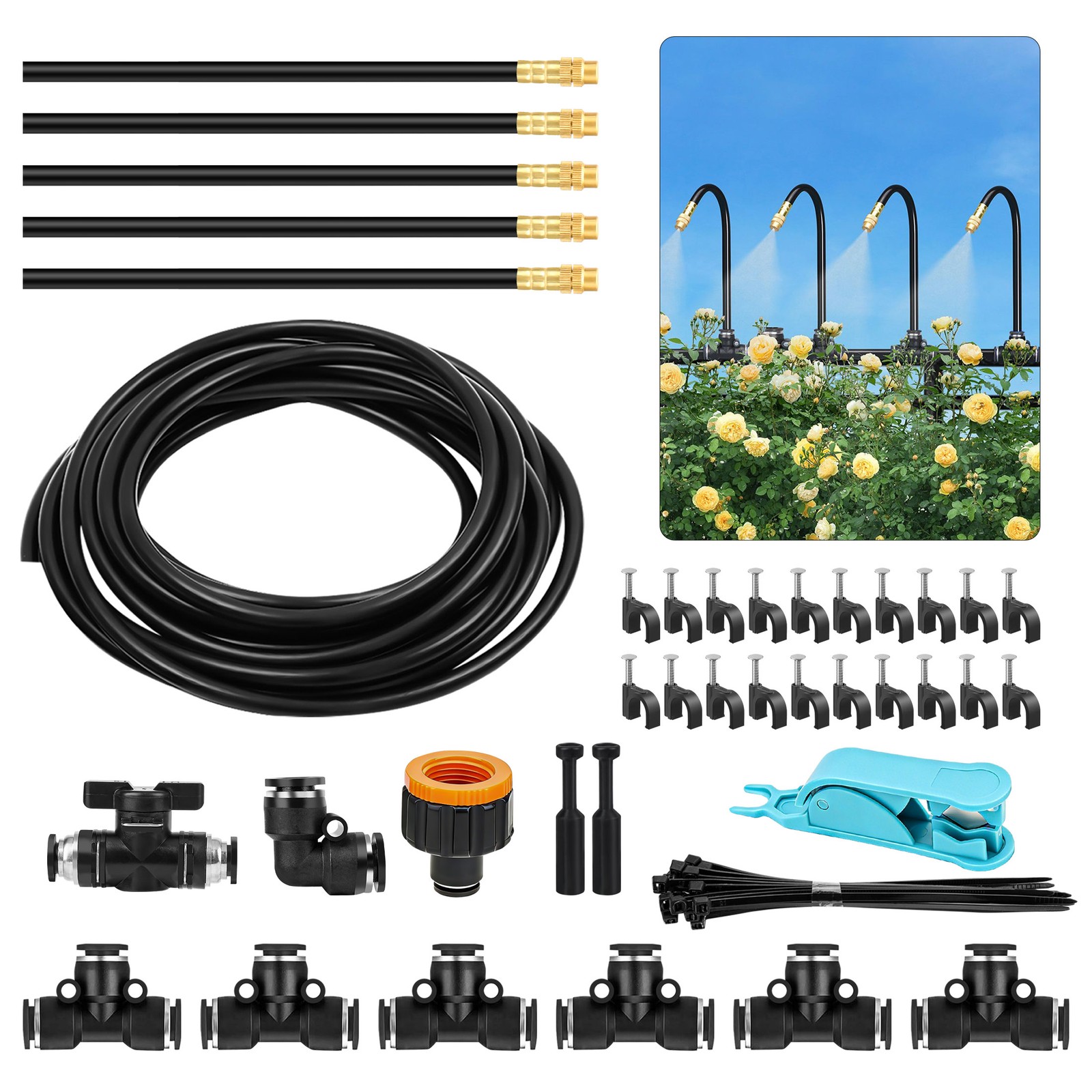 Drip Irrigation Kit DIY Garden Watering System Adjustable Sprayer Plant Lawn 1/4$11.95Last checked Nov 22, 2026View on eBay
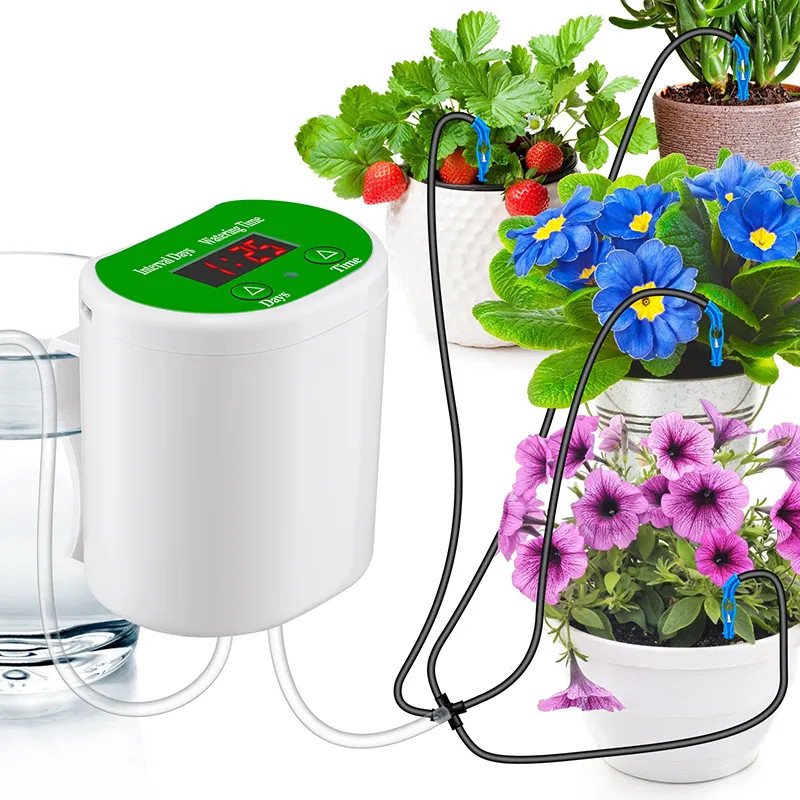 Automatic Drip Irrigation Kit, Houseplants DIY Micro Self Watering System 60 day$26.51Last checked Nov 28, 2026View on eBay
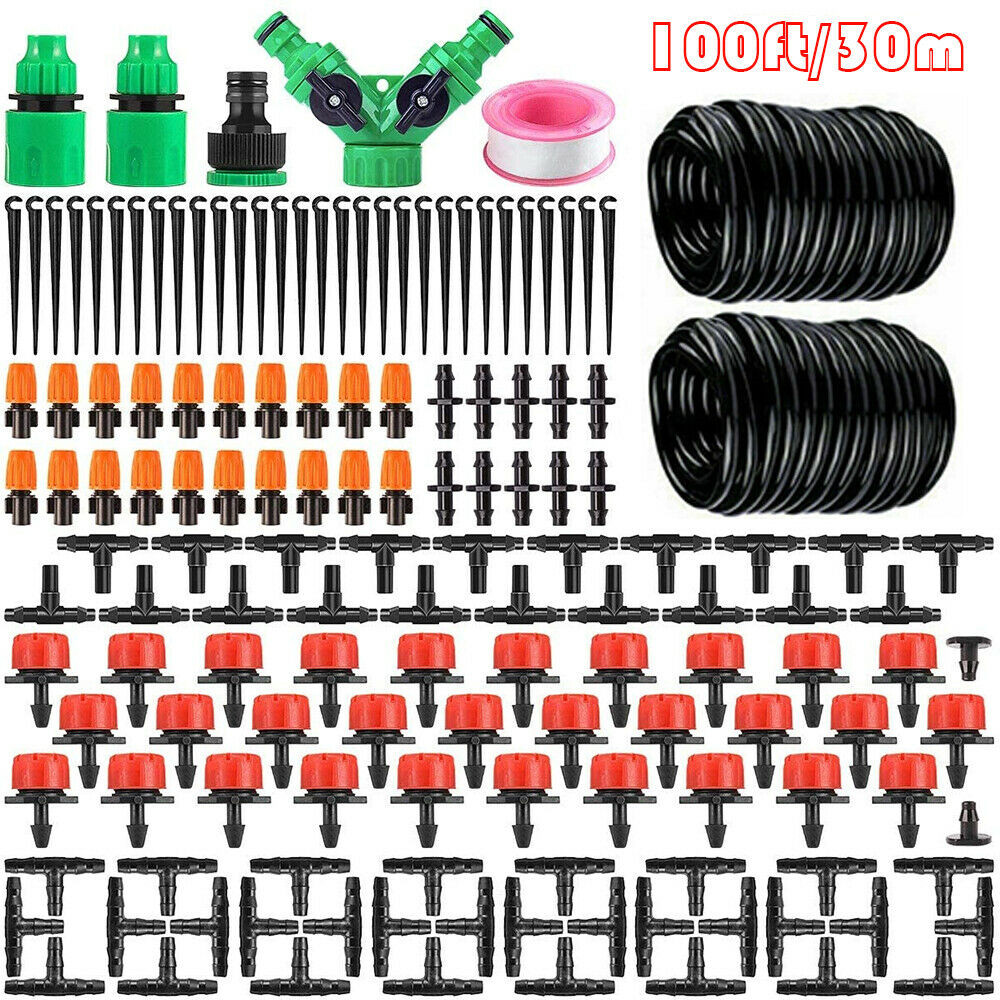 100FT Drip Irrigation System Plant Self Garden Watering Hose Spray Kit DIY USA$30.90Last checked Nov 18, 2026View on eBay
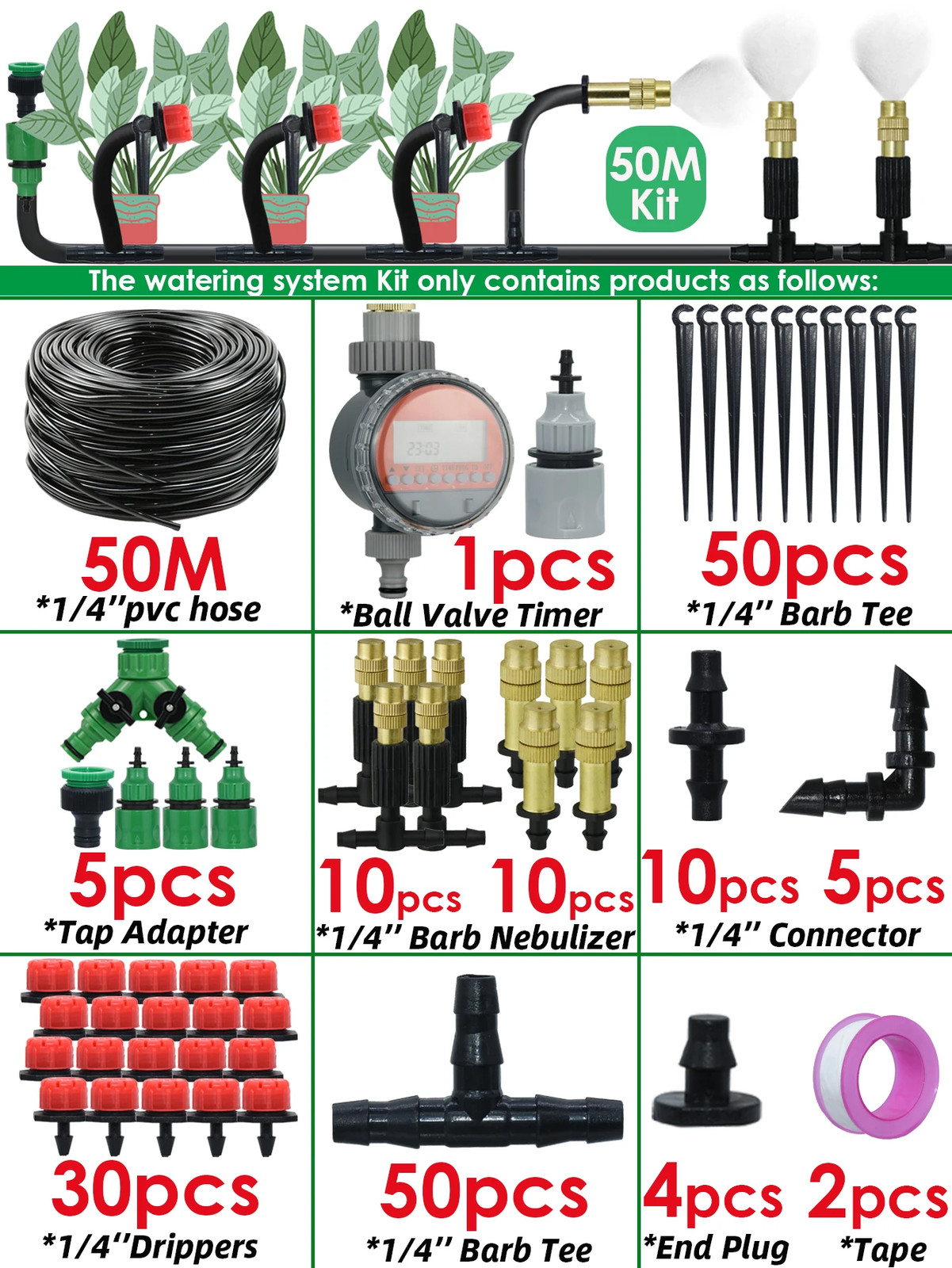 5M-50M Automatic Watering System Kit Garden Micro Drip Irrigation Controller DIY$122.99View on eBay
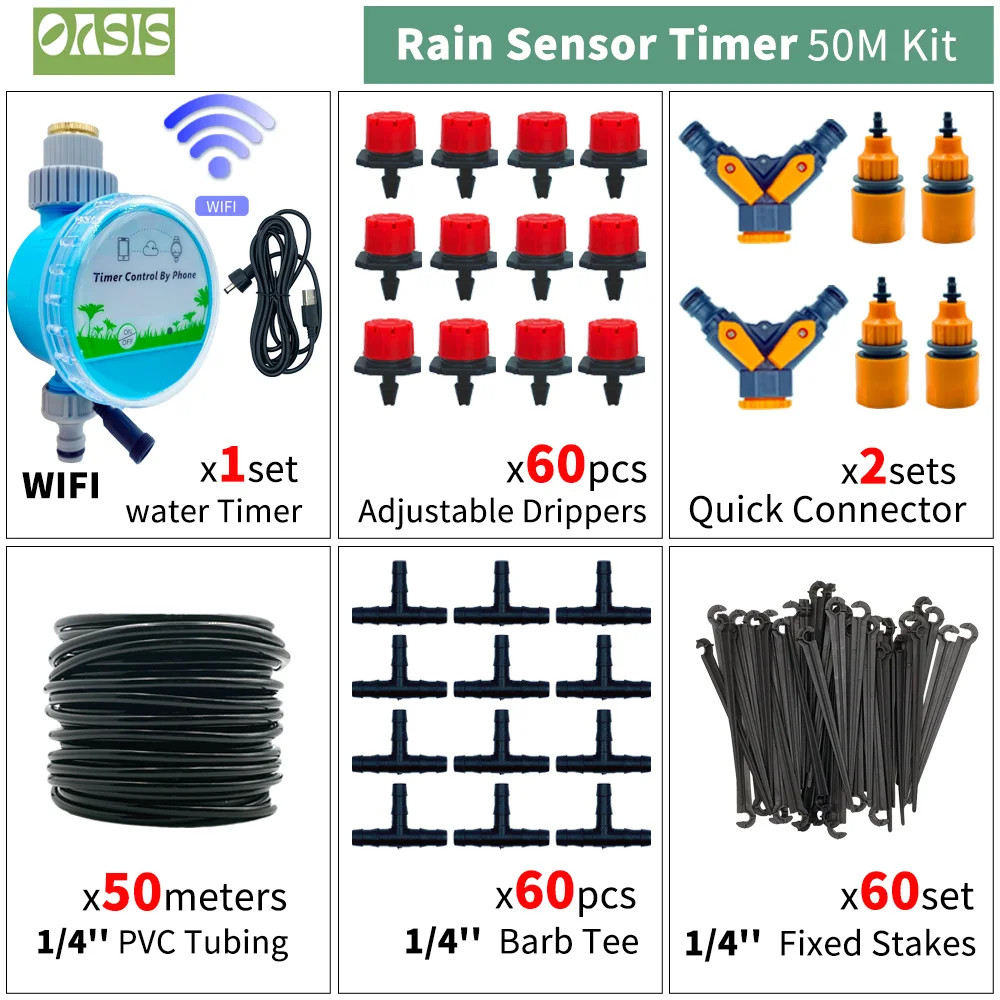 OASIS 50M-5M DIY Drip Irrigation System Automatic Watering Garden Hose Micro Dri$172.99View on eBay
- OASIS 50M-5M DIY Drip Irrigation System Automatic Watering Garden Hose Micro Dri$180.99View on eBay
Highlights
- 1/4-inch micro-tubing is the universal DIY standard; 1/2-inch mainline is needed for runs over roughly 30 feet or more than 15 emitters to maintain even pressure.
- Pressure-compensating (PC) emitters deliver uniform flow across long runs and elevation changes; non-PC drip emitters vary 2-3x in output between the first and last plant.
- A 25-30 PSI pressure regulator is mandatory on hose-fed kits — household hose pressure of 50-80 PSI blows fittings and causes emitter pop-off.
- Battery-operated hose timers (2x AA or 9V) handle most DIY kits; solar or USB-rechargeable timers suit remote gardens without nearby outlets.
Best use cases
- Best fit: 5-20 potted houseplants indoors — choose a 1/4-inch micro-tubing kit with a small submersible pump or gravity reservoir and adjustable drippers; skip hose-fed systems since indoor taps rarely accept garden-hose threads.
- Best fit: raised beds and outdoor garden rows — pick a 1/2-inch mainline kit with 1/4-inch laterals, PC emitters, and a hose timer; avoid 100% 1/4-inch kits that starve the far end of a 50-foot run.
- Best fit: vacation watering for 1-2 weeks — a capillary wick or low-flow drip with a reservoir works; wrong fit: high-flow spray kits that empty a 5-gallon reservoir in hours.
- Best fit: balcony or patio containers — a 5M-15M micro-drip kit with adjustable sprayers and a tap timer; skip 50M coiled kits, which are sized for full garden plots and waste tubing.
Buying tips
- Confirm tubing diameter before ordering: 1/4-inch OD for micro runs and potted plants, 1/2-inch mainline for garden rows; mismatched fittings are the top cause of leaks.
- Prioritize kits that bundle a pressure regulator, filter screen, and timer — buying these separately adds cost and often results in incompatible thread sizes.
- Count emitters against your plant count: most kits list emitter quantity, and you want 10-20% spares since drippers clog and break.
- Choose battery timers with manual override and rain-delay; solar timers save battery swaps but need direct sun on the panel.
Specs
| Tubing Standard | 1/4 in micro / 1/2 in mainline |
|---|---|
| Emitter Type | PC drip / adjustable / spray |
| Pressure Regulator | 25-30 PSI (hose-fed kits) |
| Timer Power | 2x AA / 9V / solar rechargeable |
Related searches
What to check before buying
- Measure your longest tubing run and plant count — beyond ~30 feet or 15 emitters, upgrade from 1/4-inch-only to a 1/2-inch mainline kit.
- Check your outdoor tap thread: most garden taps are 3/4-inch GHT, while indoor taps need an adapter or a reservoir-pump system.
- Confirm water source height for gravity systems: reservoir must sit at least 12-18 inches above emitters for passive drip to work.
- Verify the kit includes a pressure regulator (hose-fed) or check valve (pump-fed) to prevent backflow and fitting blowouts.
FAQ
Data sources: eBay / Amazon listings and product attribute feeds. Updated Nov 28, 2026.
Some links on this page are affiliate links. If you buy after clicking one, we may earn a commission at no extra cost to you. This does not change which products appear here or their order. Affiliate disclosure.