
Photos from current listings. Actual item, color, and included accessories may vary.
Automatic Plant Watering System Buying Guide
Automatic plant watering systems range from passive ceramic spikes to pump-driven drip timers, so the right pick depends on how long you're away, how many pots you have, and whether you need precise scheduling. Most buyers either oversize a system for a few houseplants or underestimate flow rate and end up with dry pots. Focus on reservoir capacity, timer granularity, and emitter count before choosing a tier.
Median $26.99
Key takeaways
- Passive self-watering spikes rely on capillary action and soil moisture tension, delivering uneven flow and lasting only days per fill—no electricity needed.
- Battery or USB-rechargeable pump timers with LCD screens support 10–16 drip emitters and programmable cycles (e.g., every 6/12/24 hours), suitable for 1–3 weeks of vacation.
- Faucet-mounted hose timers with 3 watering programs and manual override handle garden beds and lawns at line pressure, requiring a standard 3/4-inch GHT connection.
At a glance
- Category
- Watering & Irrigation
- Last updated
- Nov 28, 2026
Current offers
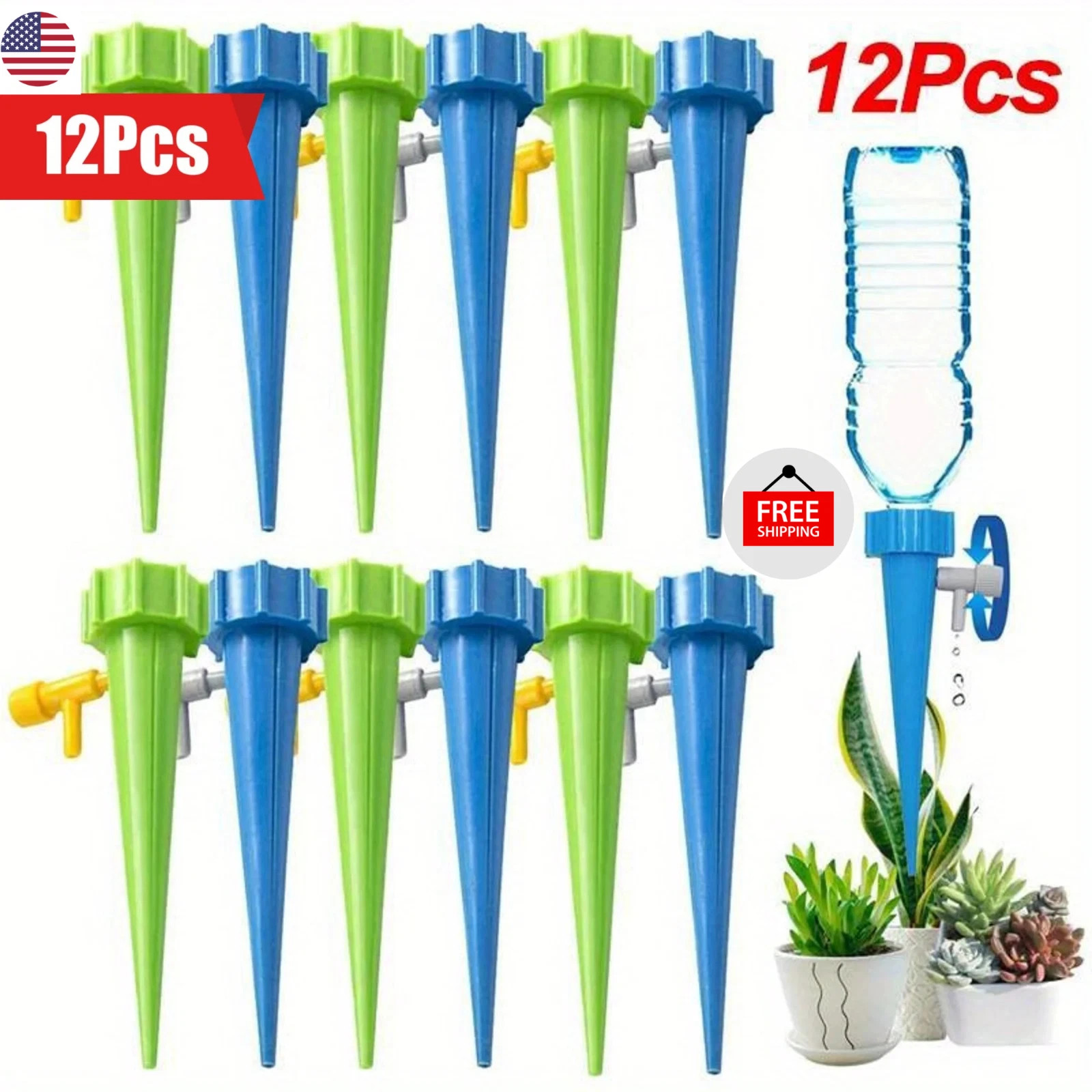 12Pcs Self Watering Spikes Automatic Irrigation Watering Drip System for Plants$5.45View on eBay
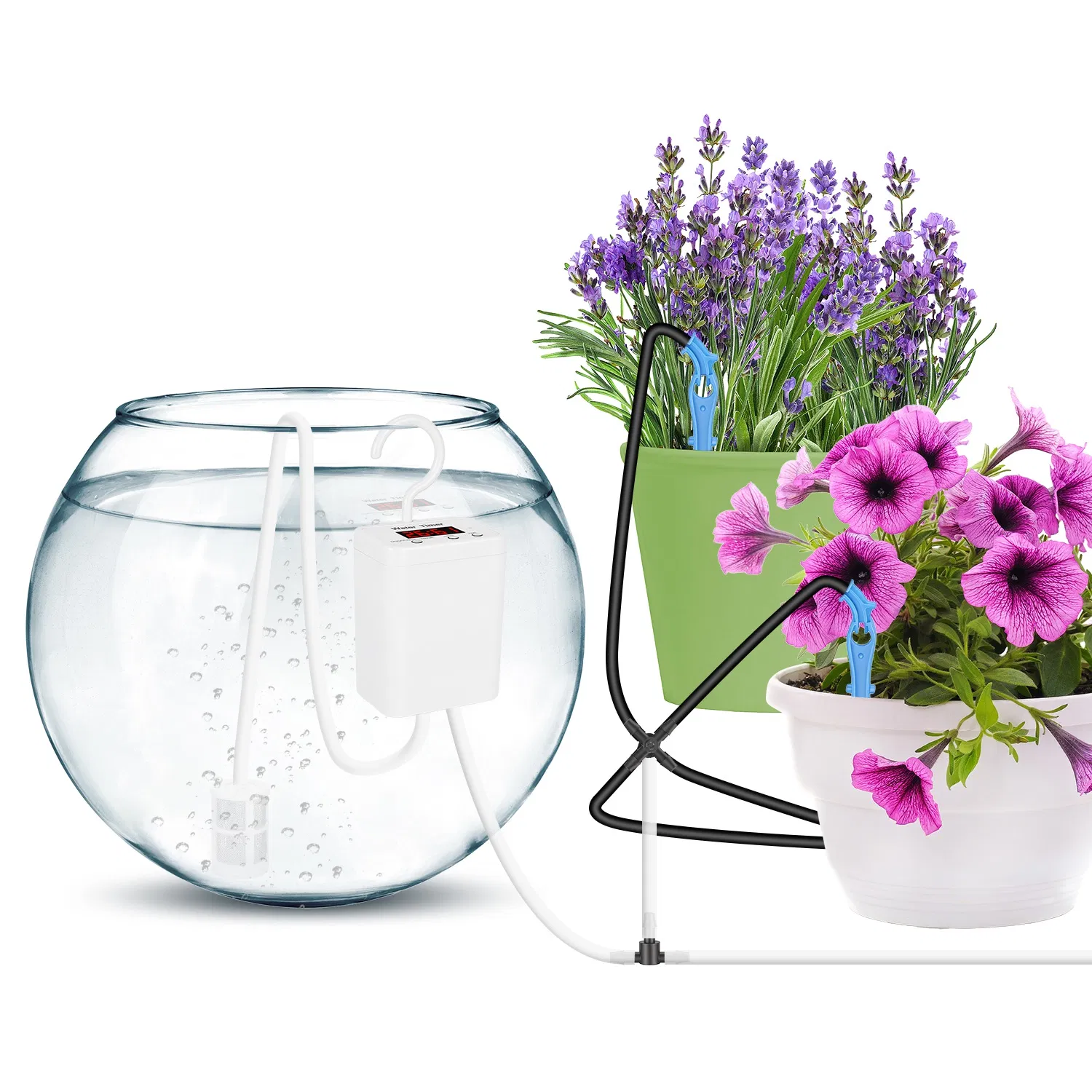 Automatic Plant Watering Device Indoor Drip Irrigation System with LCD Display Rechargeable Adjustable Timer for Up to 16 Arrows Vacation Self for Houseplant$35.99View on Mallflare
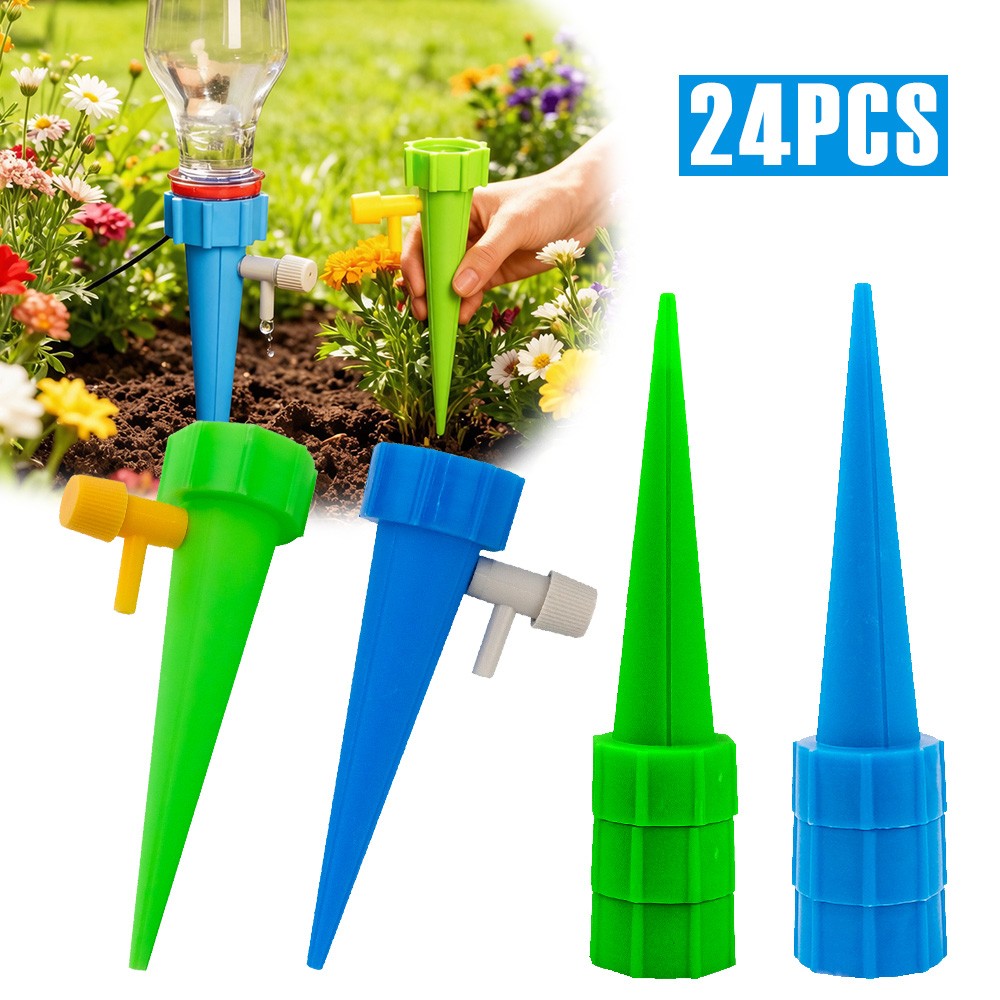 24PCS Self Watering Spikes Automatic Irrigation Watering Drip System for Plants$7.88View on eBay
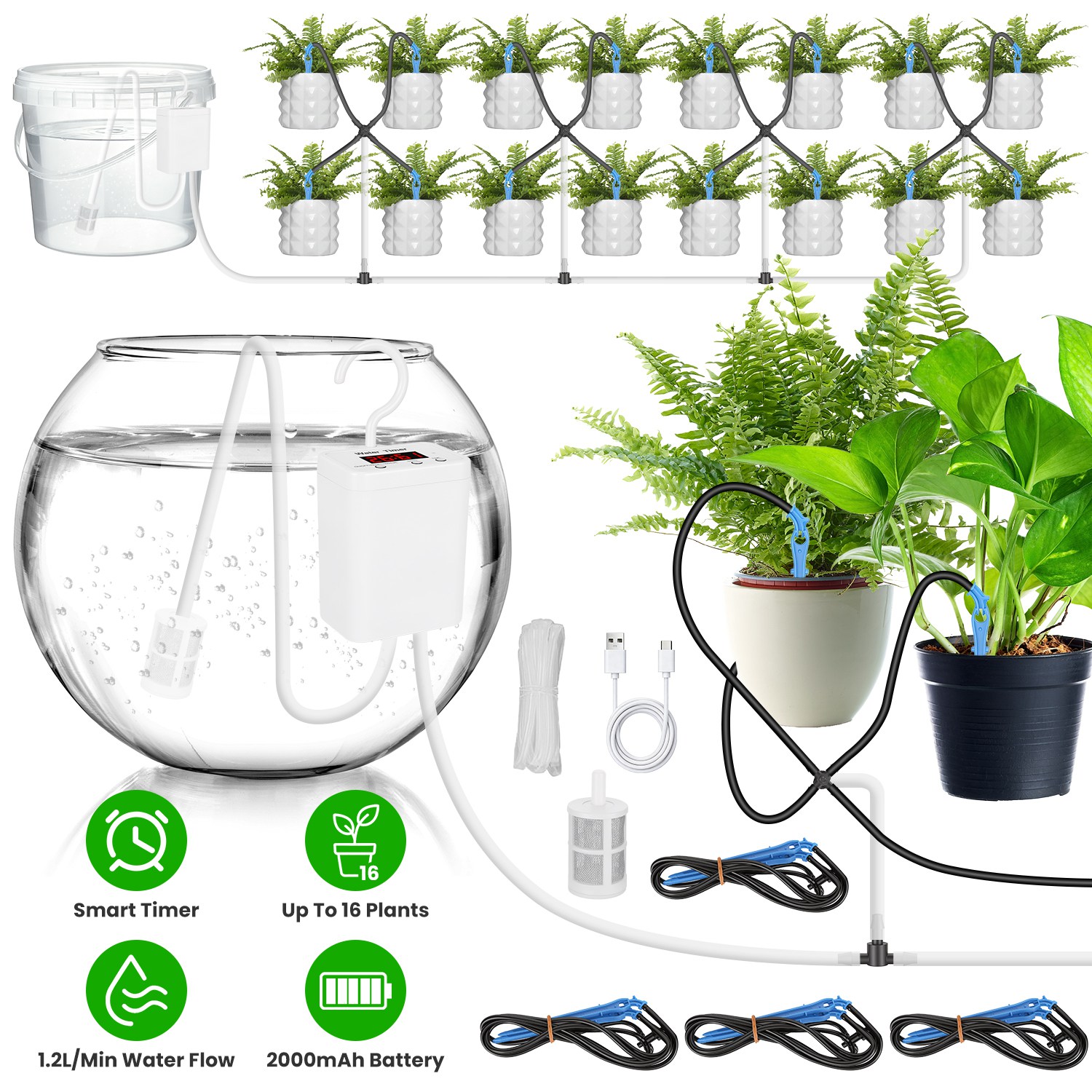 1Pc Automatic Plant Watering Device Indoor Drip Irrigation System With LCD Display Rechargeable Adjustable Timer For Up To 16 Arrows Vacation Self For House$37.99View on Mallflare
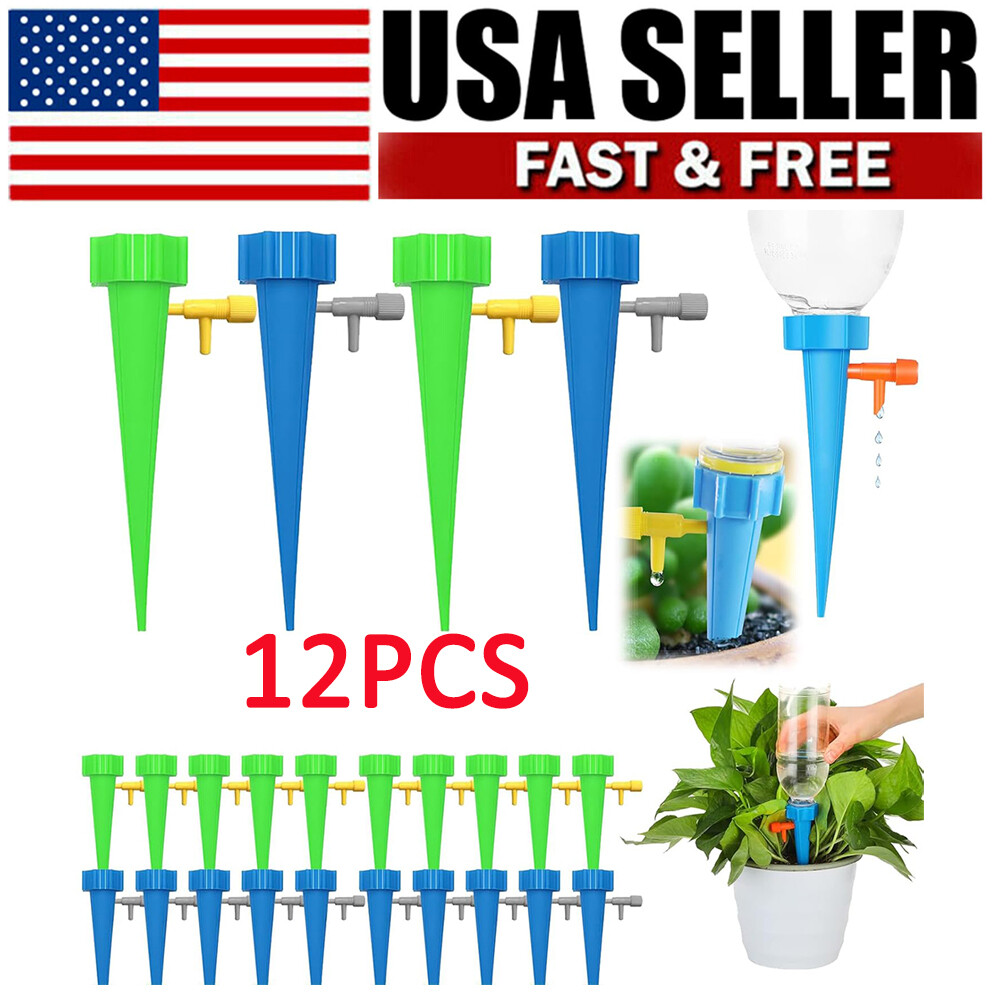 12Pcs Self Watering Spikes Automatic Irrigation Watering Drip System for Plants$8.79View on eBay
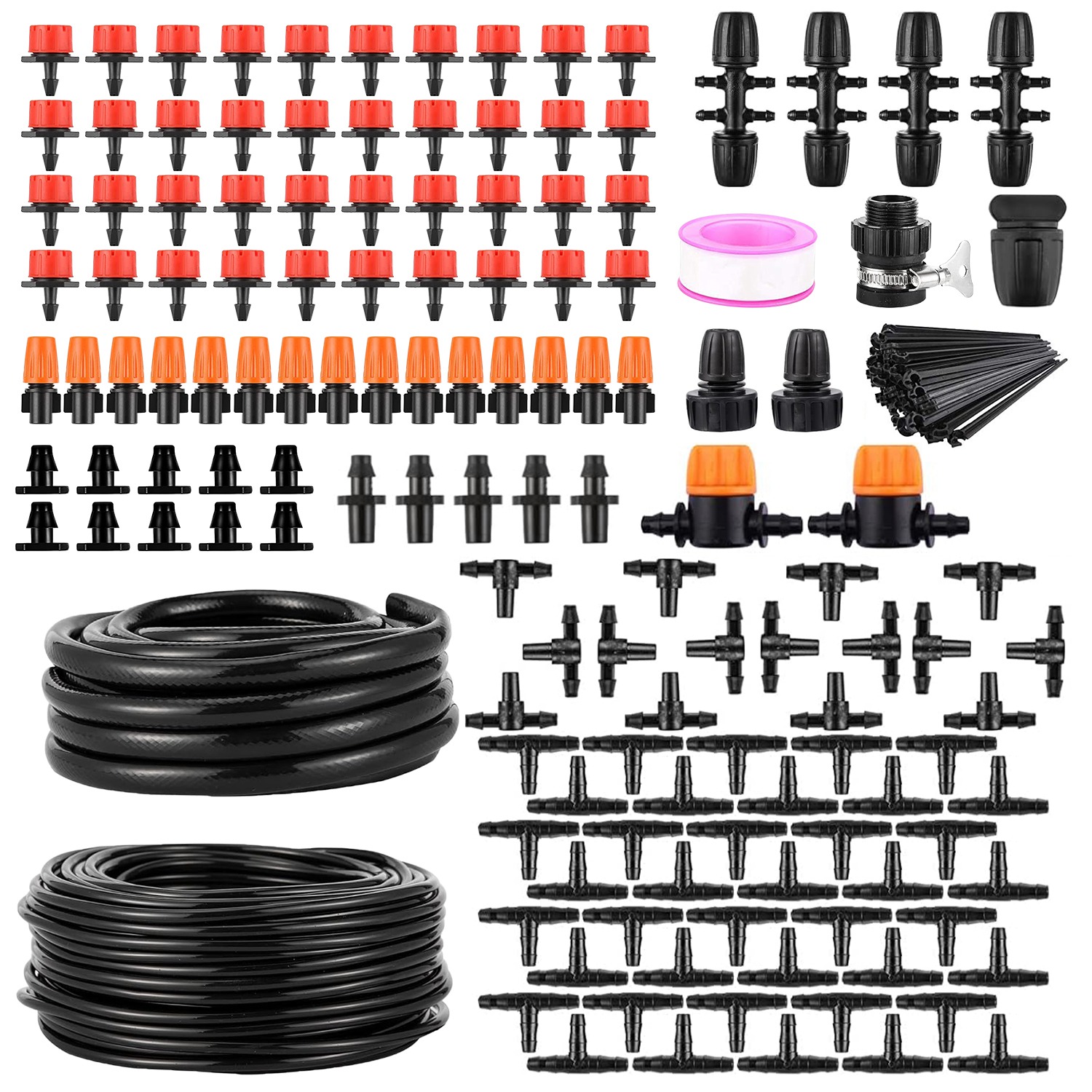 1Set Drip Irrigation Kit Automatic Garden System Misting Plant Watering Kit For Greenhouse Flower Bed Patio Lawn$43.99View on Mallflare
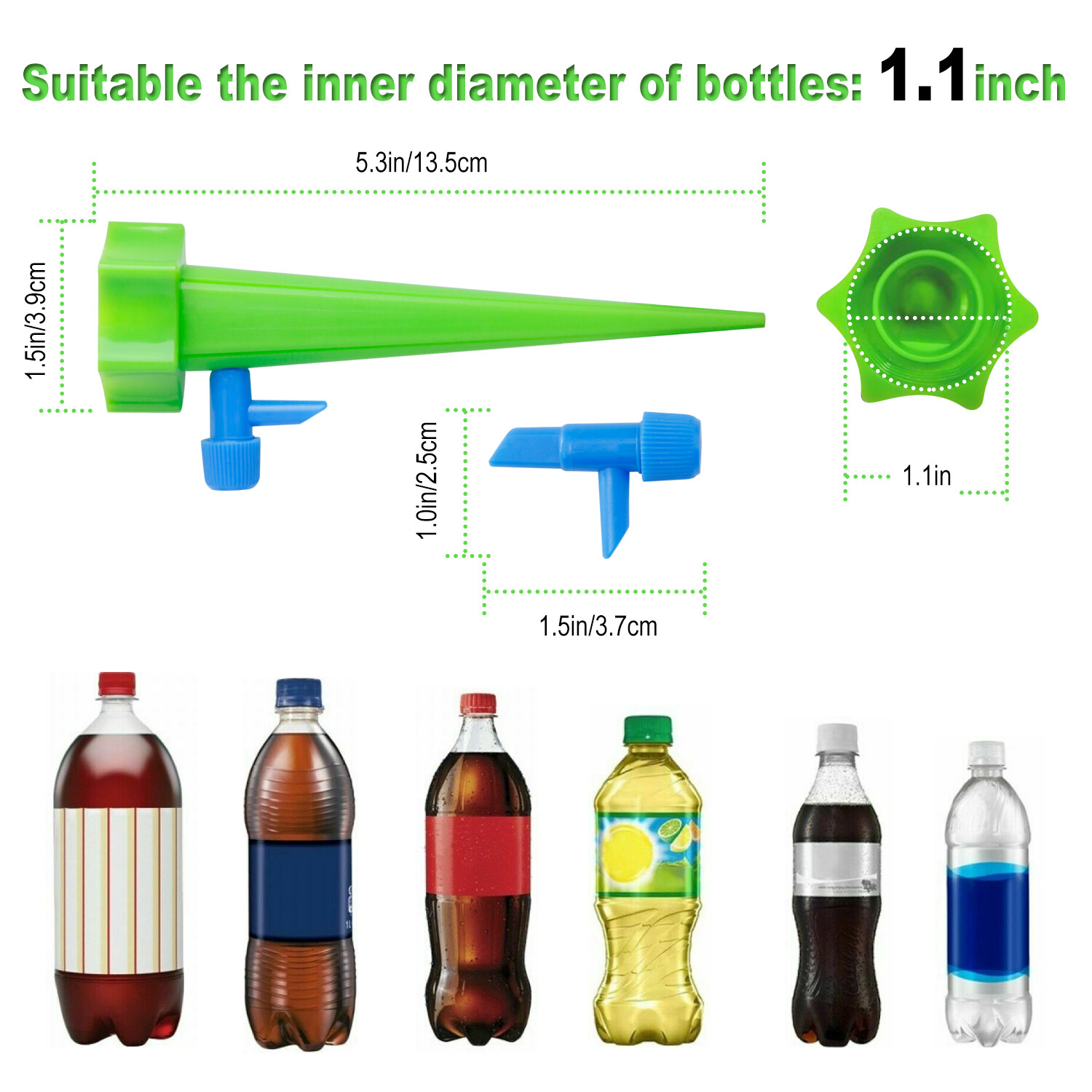 12/24PCS Garden Drip Irrigation Kit -Automatic Self Watering System for Vacation$9.95Last checked Nov 19, 2026View on eBay
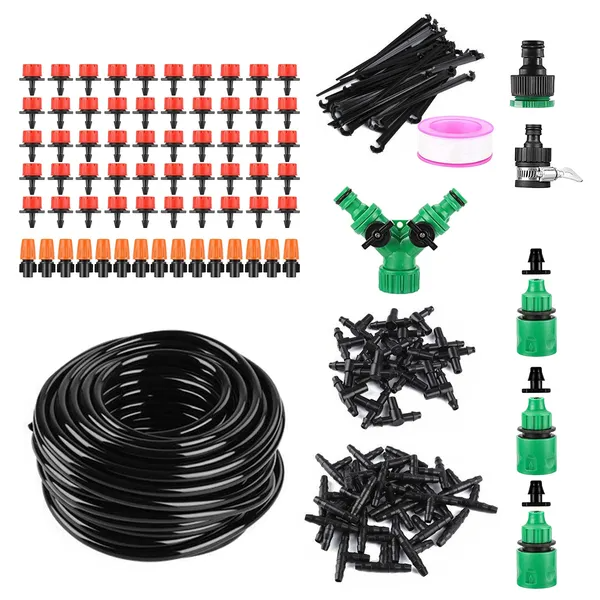 164FT Drip Irrigation Kit Automatic Garden System Misting Plant Watering Kit For Greenhouse Flower Bed Patio Lawn$44.99View on Mallflare
- 12/24PCS Garden Drip Irrigation Kit -Automatic Self Watering System for Vacation$10.45View on eBay
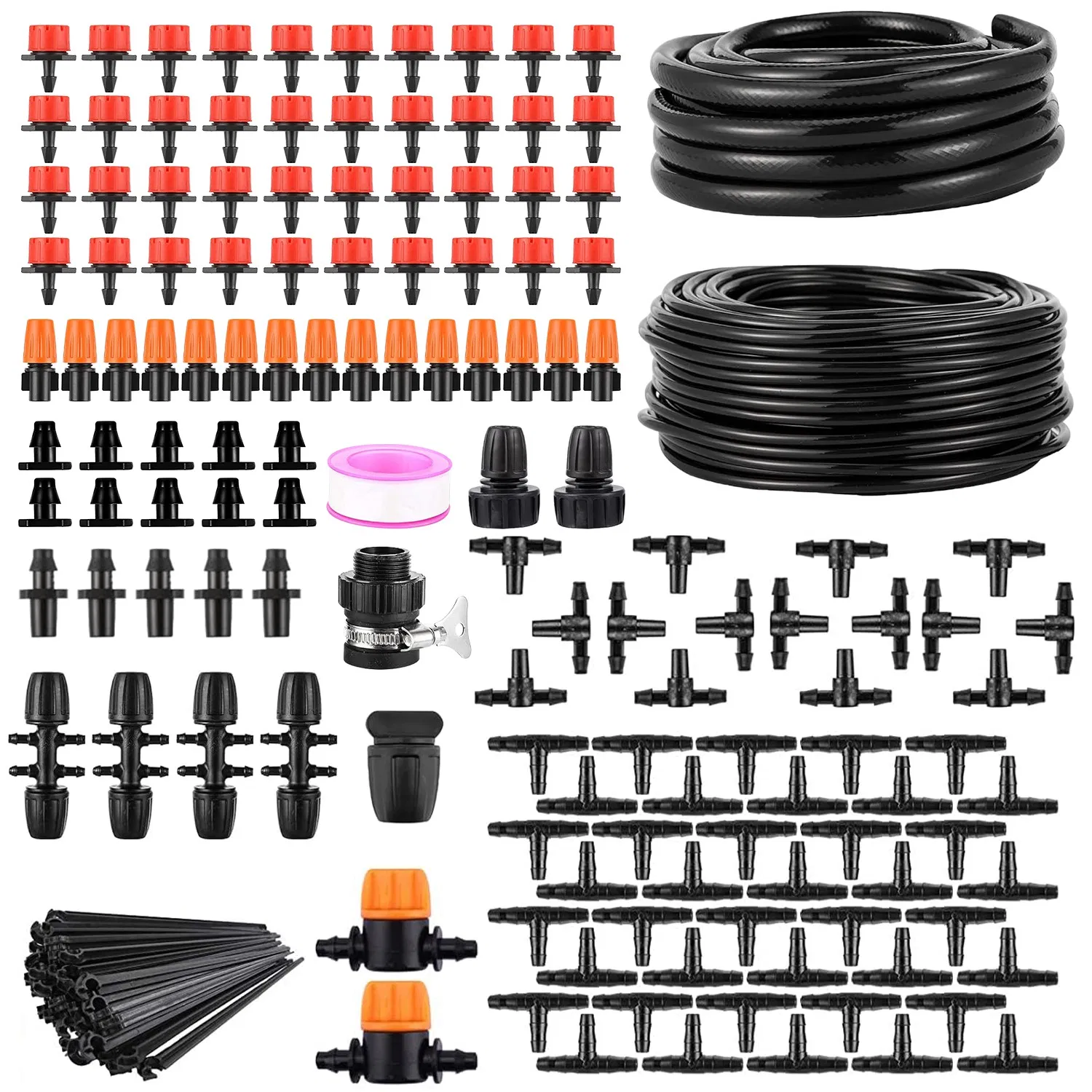 Drip Irrigation Kit Automatic Garden System Misting Plant Watering Kit for Greenhouse Flower Bed Patio Lawn$47.99View on Mallflare
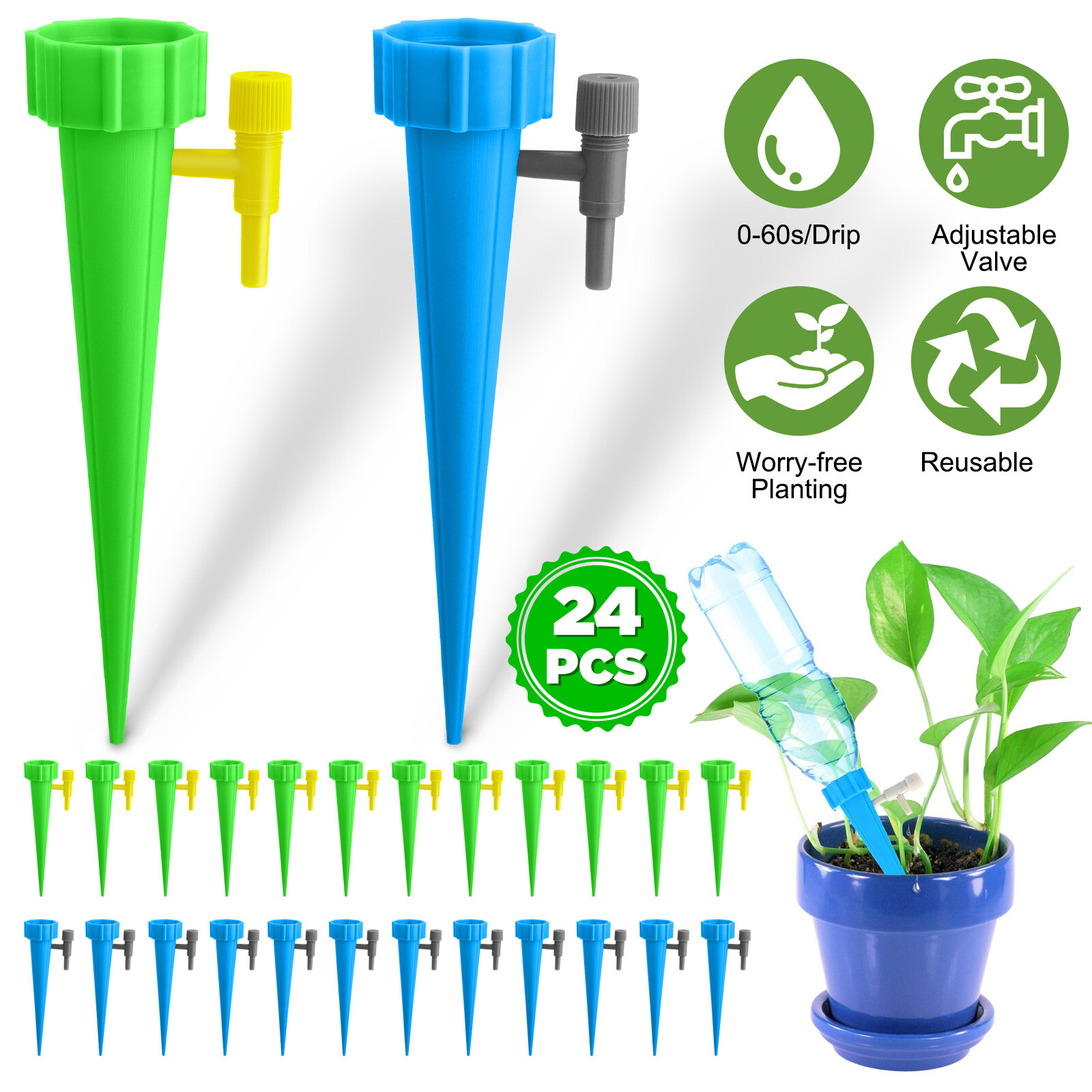 24PCS Self Watering Spikes Automatic Irrigation Watering Drip System for Plants$12.48Last checked Nov 19, 2026View on eBay
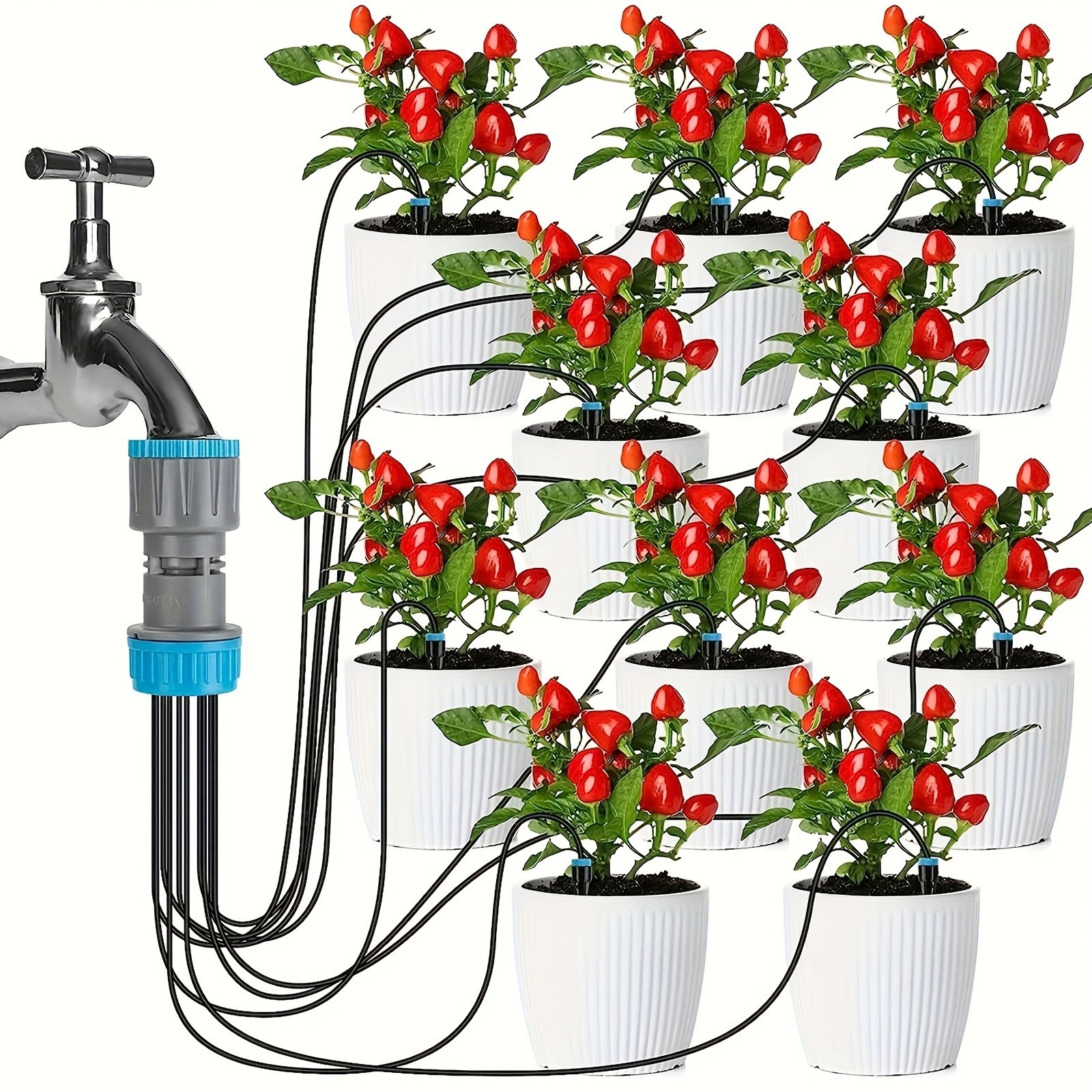 Garden Drip Irrigation Kit - Automatic Watering System for Potted Plants$12.49Last checked Nov 19, 2026View on eBay
- 12/24PCS Automatic Self Watering System Plant Water Drip Irrigation Garden Tools$14.95Last checked Nov 19, 2026View on eBay
- 12/24PCS Plant Drip Irrigation Garden Tools - Automatic Self Watering System$15.59View on eBay
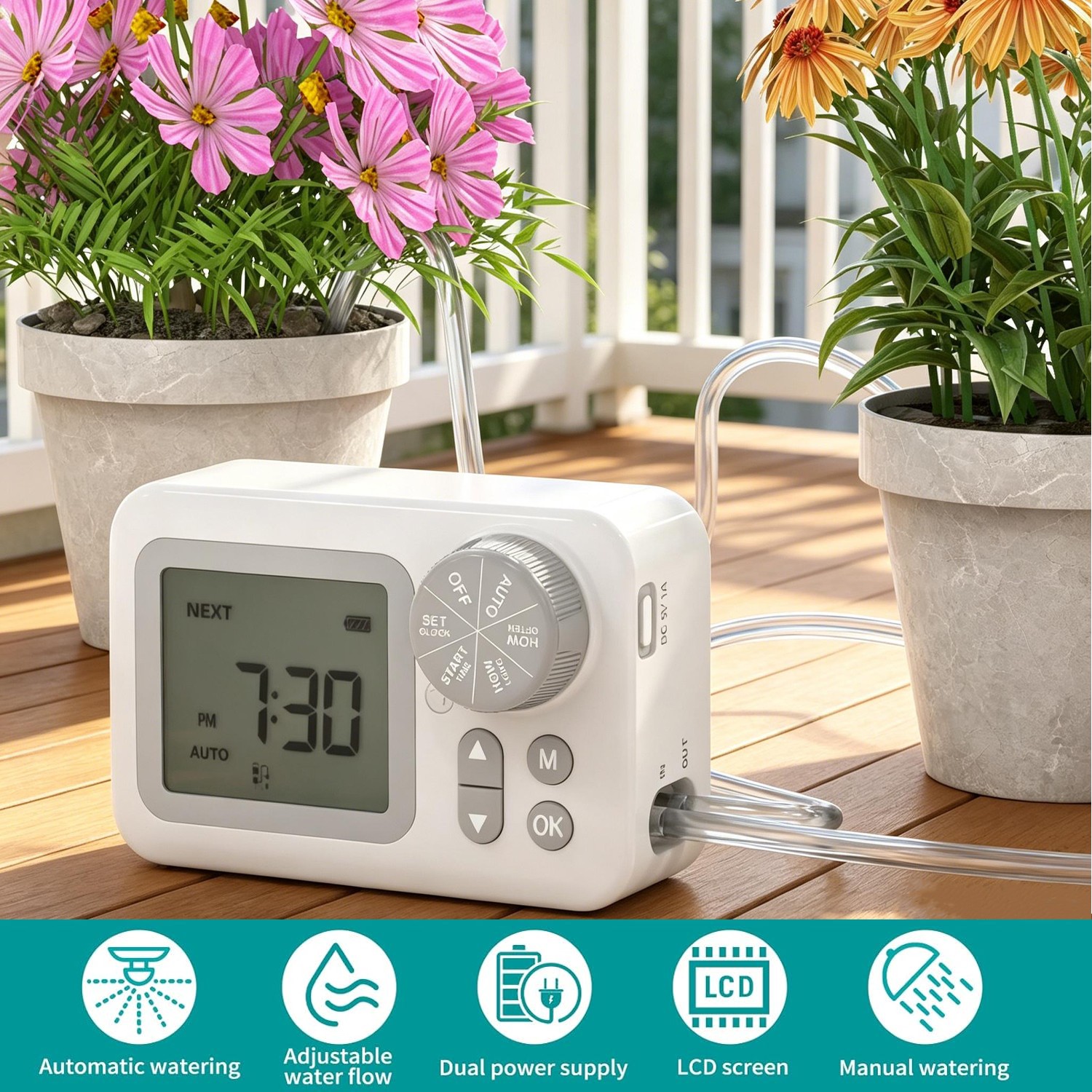 Automatic Garden Drip Irrigation Kit, Indoor Plant Watering System for Plants,h$17.99View on eBay
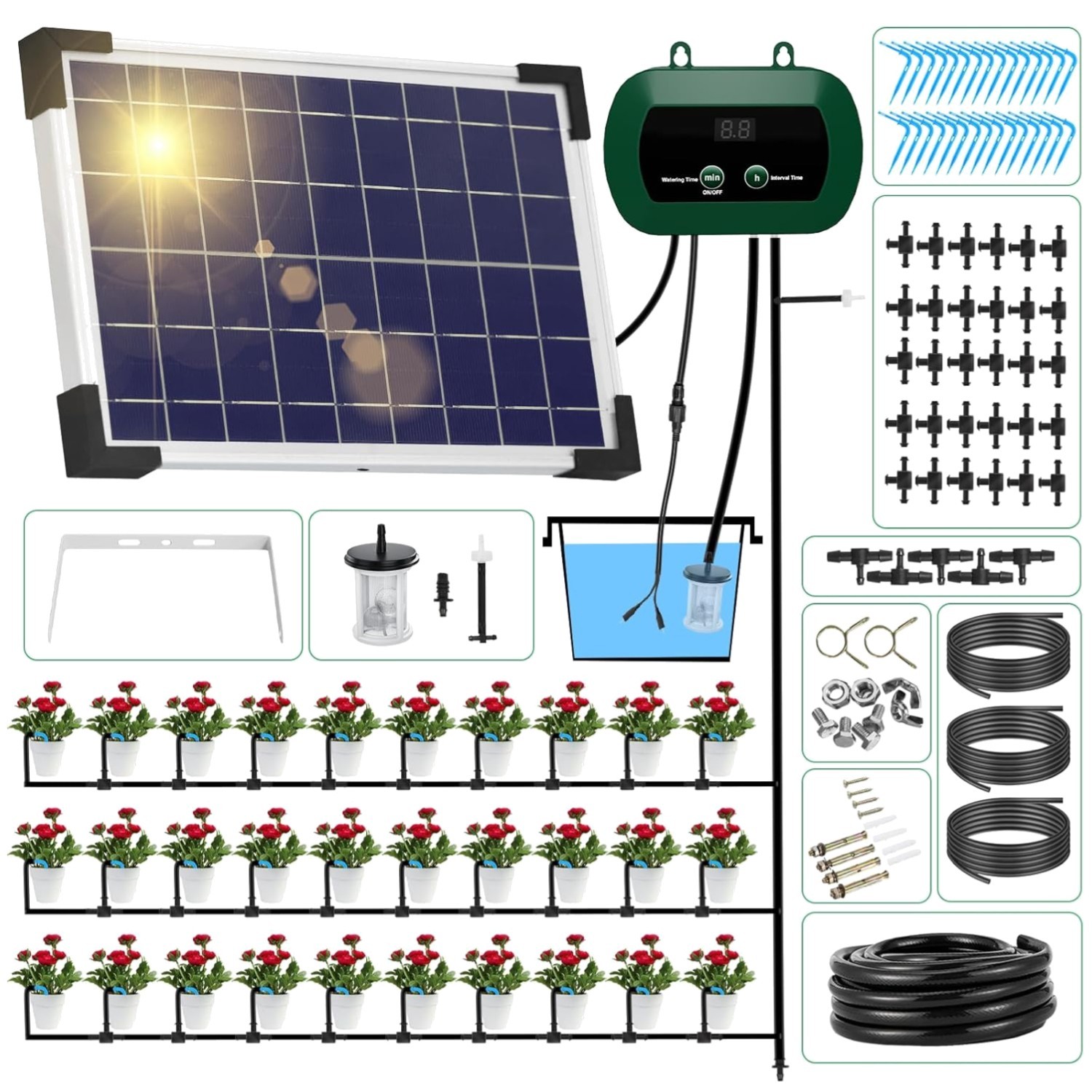 Solar Drip Irrigation System, Automatic Greenhouse Watering Kit With 15M Hose$19.99View on eBay
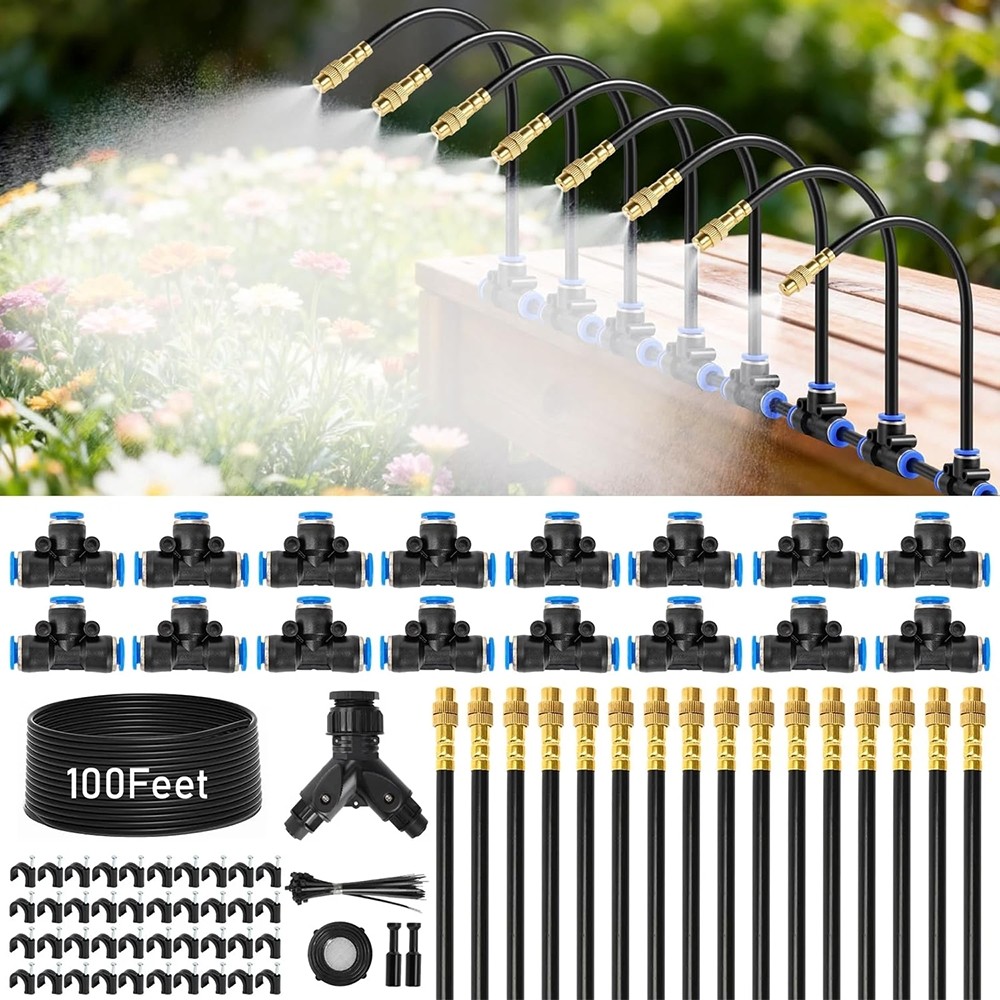 100ft Adjustable Drip Irrigation Kit Automatic Garden Watering System 360° Drip$20.99Last checked Nov 18, 2026View on eBay
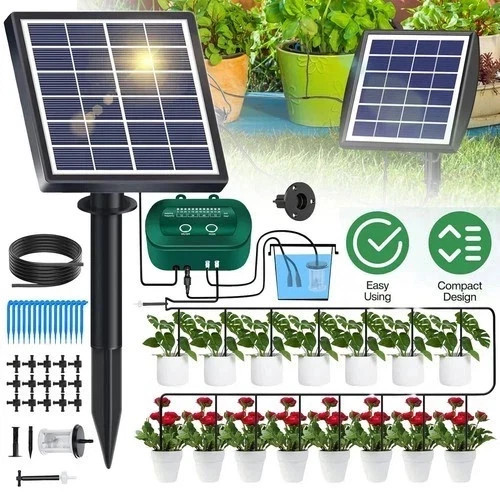 🌈50FT Solar Automatic Drip Irrigation System Kit Plant Watering Timer Garden$23.99Last checked Nov 19, 2026View on eBay
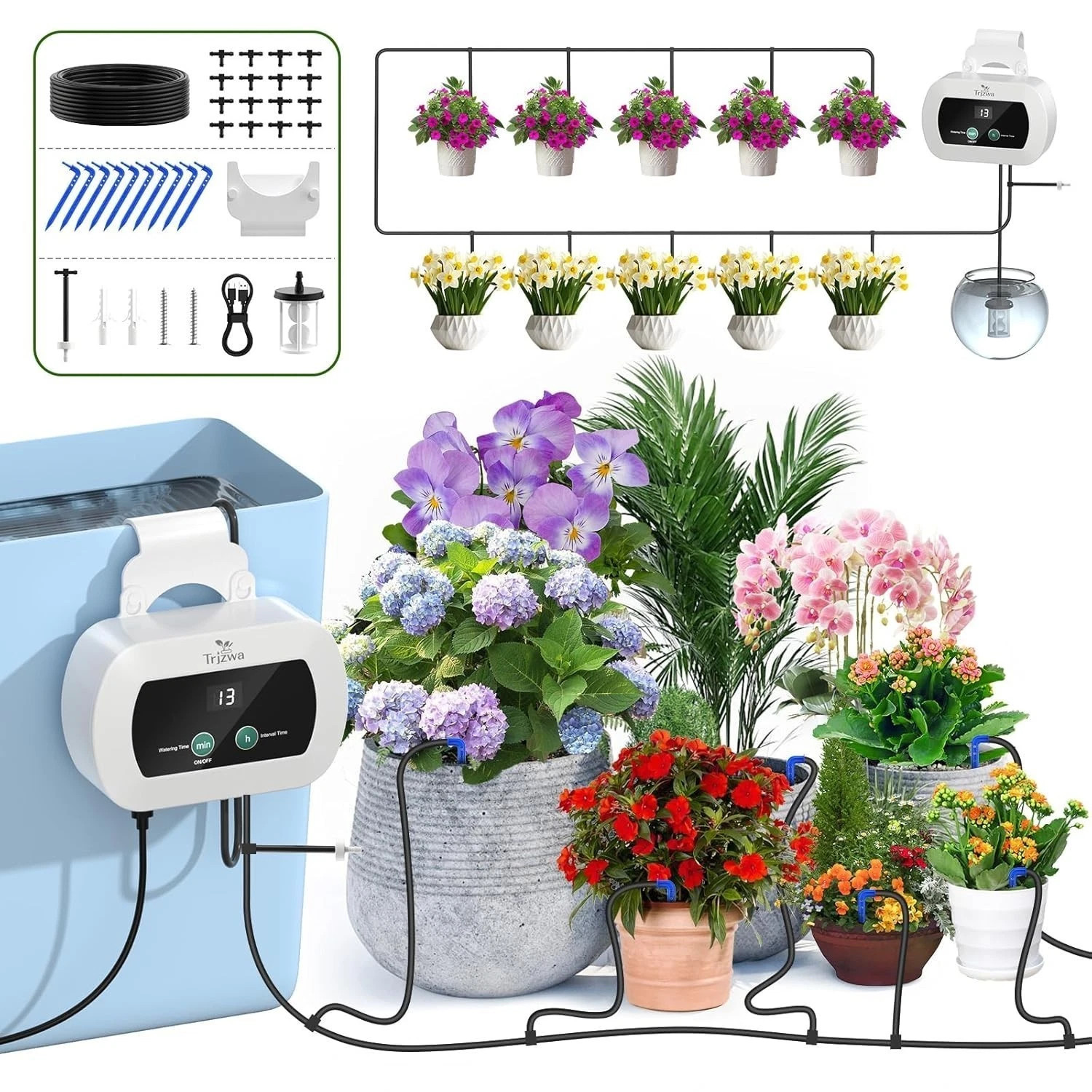 Watering System Automatic with Self Plant Watering Devices,Indoor Watering Set$23.99Last checked Nov 19, 2026View on eBay
- Automatic 50FT Solar Drip Irrigation System Kit Plant Watering Timer Set Garden$23.99View on eBay
Highlights
- Passive self-watering spikes rely on capillary action and soil moisture tension, delivering uneven flow and lasting only days per fill—no electricity needed.
- Battery or USB-rechargeable pump timers with LCD screens support 10–16 drip emitters and programmable cycles (e.g., every 6/12/24 hours), suitable for 1–3 weeks of vacation.
- Faucet-mounted hose timers with 3 watering programs and manual override handle garden beds and lawns at line pressure, requiring a standard 3/4-inch GHT connection.
- Drip kits use 1/4-inch tubing and adjustable misting or drip nozzles; pressure-compensating emitters keep flow uniform across runs up to 75 ft.
Best use cases
- For 5–15 indoor houseplants during a 1–2 week trip, choose a rechargeable pump system with 10–16 arrow emitters and LCD scheduling—skip passive spikes, which dry out unevenly.
- For raised garden beds or a lawn while away, pick a faucet timer with 3 programs and a 75 ft drip/mist kit—avoid indoor pump units, which lack pressure for outdoor lines.
- For a single fern or a few pots on a short weekend, passive ceramic spikes are sufficient and need no power—do not buy a multi-emitter pump kit for under 5 plants.
Buying tips
- Size the emitter count to your pot count: a 10–16 arrow kit covers a shelf of houseplants, while 12–24 spike sets suit dense clusters but deliver less consistent moisture.
- Prioritize timer granularity—6 or more modes (e.g., 6/12/24/48/72 hours) let you match watering frequency to season and plant type instead of a fixed daily drip.
- Check power: USB-rechargeable pumps need a nearby outlet for charging, while battery timers run on AA/AAA cells; hose timers require a threaded outdoor faucet.
- Inspect tubing and emitter compatibility: 1/4-inch barbed fittings are standard, and pressure-compensating emitters maintain even flow on longer runs up to 75 ft.
Specs
| System Type | Passive spike / pump drip / faucet timer |
|---|---|
| Emitter Count | 6–24 drippers or spikes |
| Timer Modes | 3–6+ programmable cycles |
| Power Source | USB rechargeable / battery / none |
Related searches
What to check before buying
- Measure pot count and spacing to confirm the kit's emitter count and tubing length reach every plant without stretching.
- Verify your faucet is a standard 3/4-inch GHT threaded spigot if choosing a hose timer; indoor pumps need a stable shelf and nearby USB or battery power.
- Check reservoir or container volume: a 2–5 gallon reservoir typically supports 10–15 small pots for 1–2 weeks; larger containers extend time between refills.
- Confirm plant water needs—succulents need infrequent cycles, while ferns prefer consistent moisture; match timer modes and emitter drip rates accordingly.
FAQ
Data sources: eBay / Amazon listings and product attribute feeds. Updated Nov 28, 2026.
Some links on this page are affiliate links. If you buy after clicking one, we may earn a commission at no extra cost to you. This does not change which products appear here or their order. Affiliate disclosure.