
Photos from current listings. Actual item, color, and included accessories may vary.
Chick Brooder Buying Guide
A chick brooder is a controlled micro-environment that provides 95°F floor heat for hatchlings and reduces by 5°F weekly until feathering, and the core trade-off is radiant plate heat that mimics a hen versus ceramic or bulb heat that dries the air and creates fire risk. The clear decision rule is simple: any brooder without an adjustable thermostat, a 2:1 heat-to-chick surface area allowance, and a wire-lid escape lock is a short-lived compromise, not a durable system.
Median $48.35
Key takeaways
- Radiant heating plates (80W-200W) hold 90-100°F surface and are safer and cheaper to run than 250W heat lamps, which shatter and ignite bedding.
- Brooder floor area should start at 0.5 sq ft per chick for weeks 1-2 and double to 1 sq ft by week 4; a 23.6 x 16.5 in box is 2.7 sq ft and fits roughly 5 chicks, not 15.
- ABS plastic box walls resist moisture and droppings far better than corrugated cardboard, but need a removable wire lid or 12-18 in solid sides to stop chicks from flying out.
At a glance
- Category
- Chicken Brooders & Heat
- Last updated
- Nov 24, 2026
Current offers
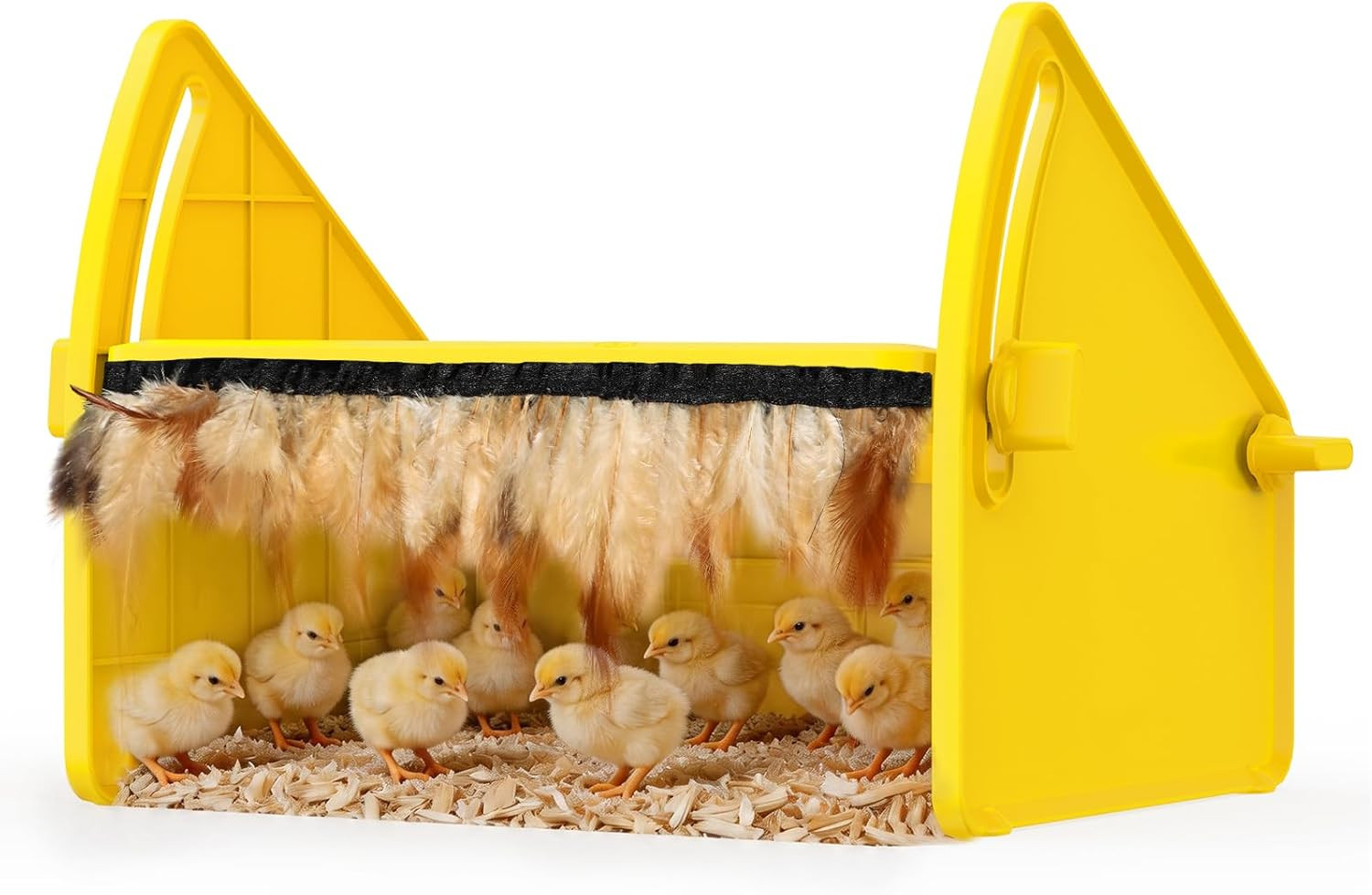 Heating Brooder Plate for Chicks Ducklings, Adjustable 3 Levels Temperature Broo$38.83View on eBay
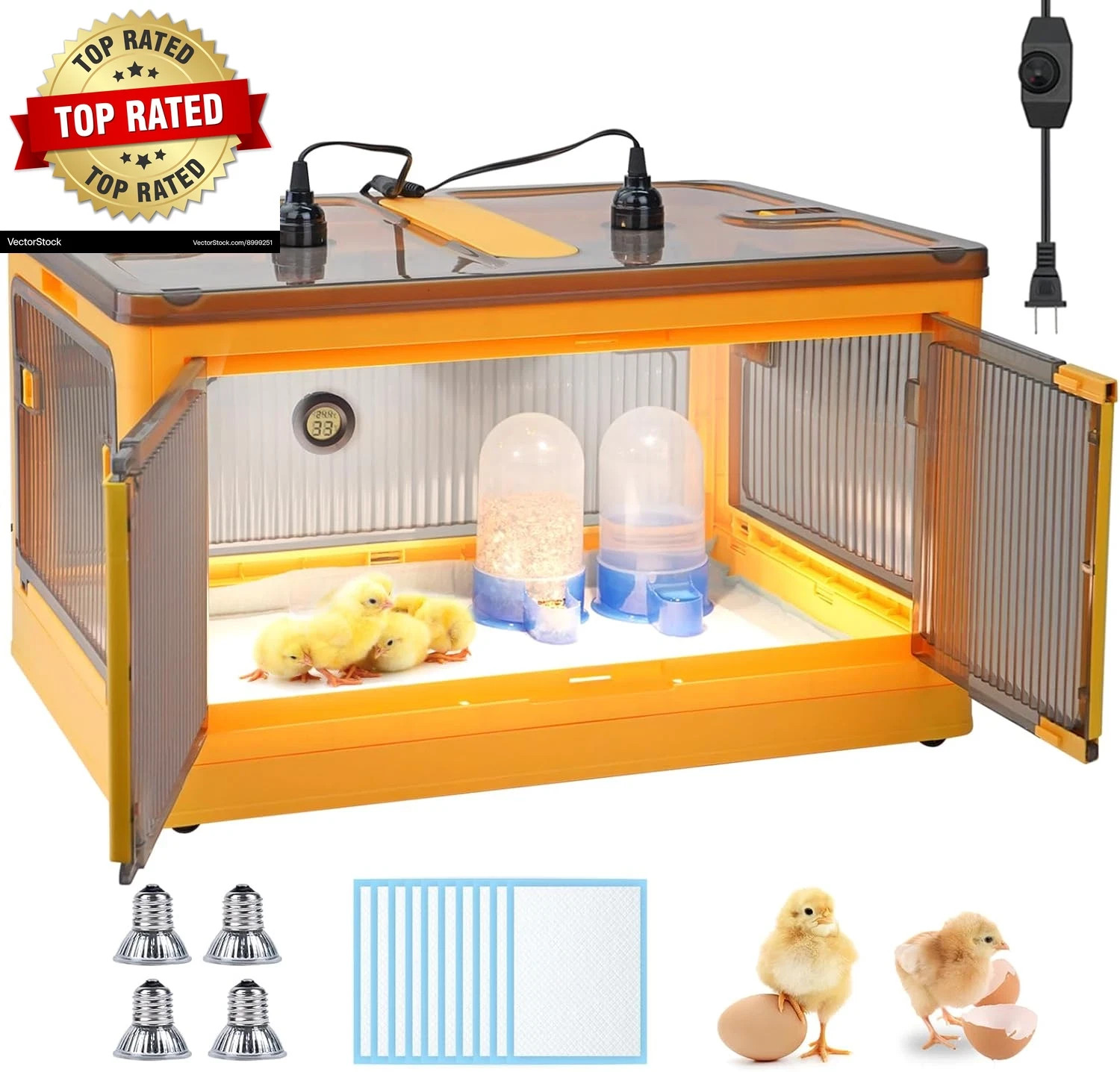 Chick Brooder Box for Chicks, Quail Brooder Box Kit with Heater Feeder$39.69View on eBay
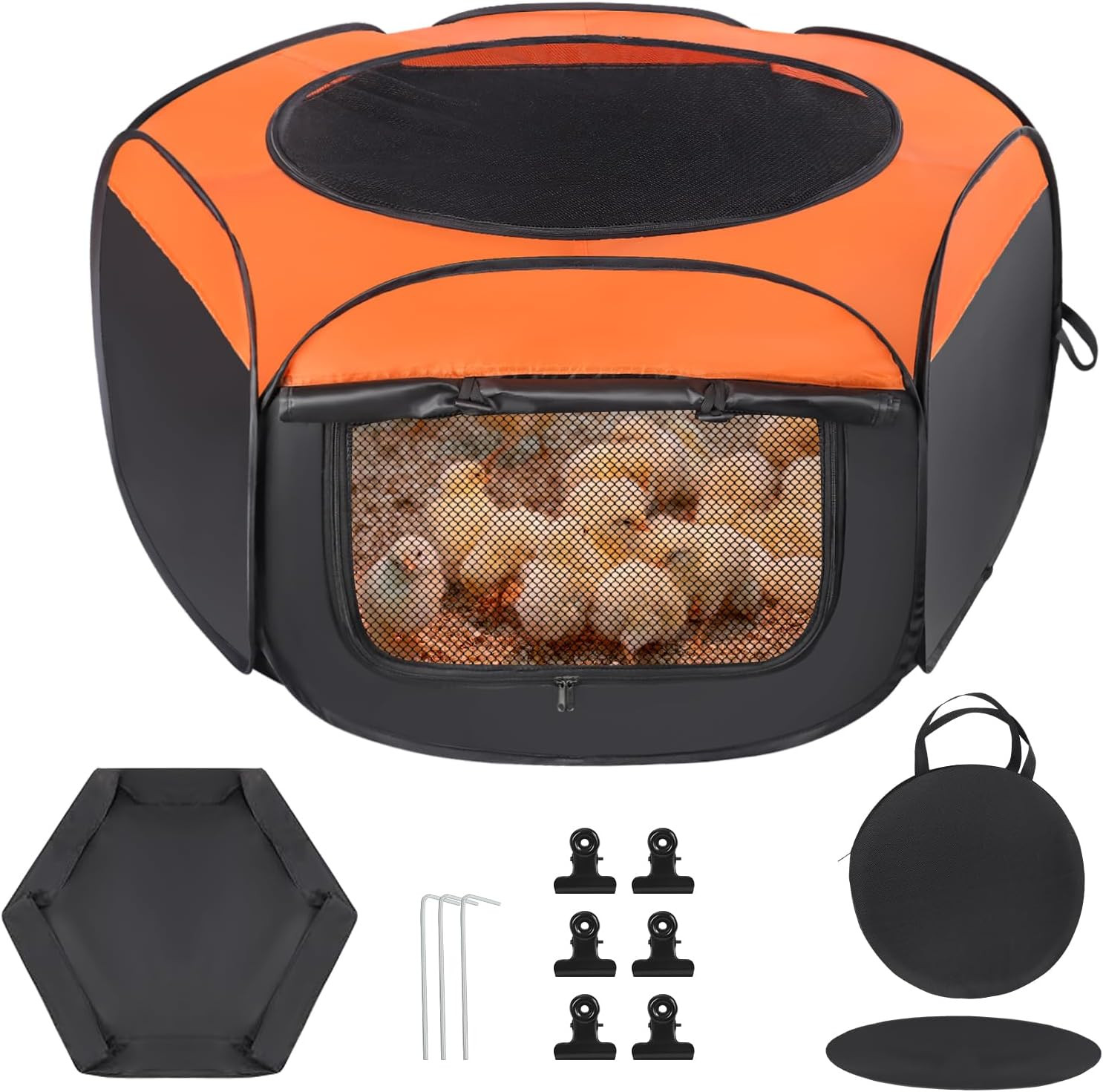 Brooder Box for Chick, Chick Starter Kit Brooder up to 15 Chicks$40.99View on eBay
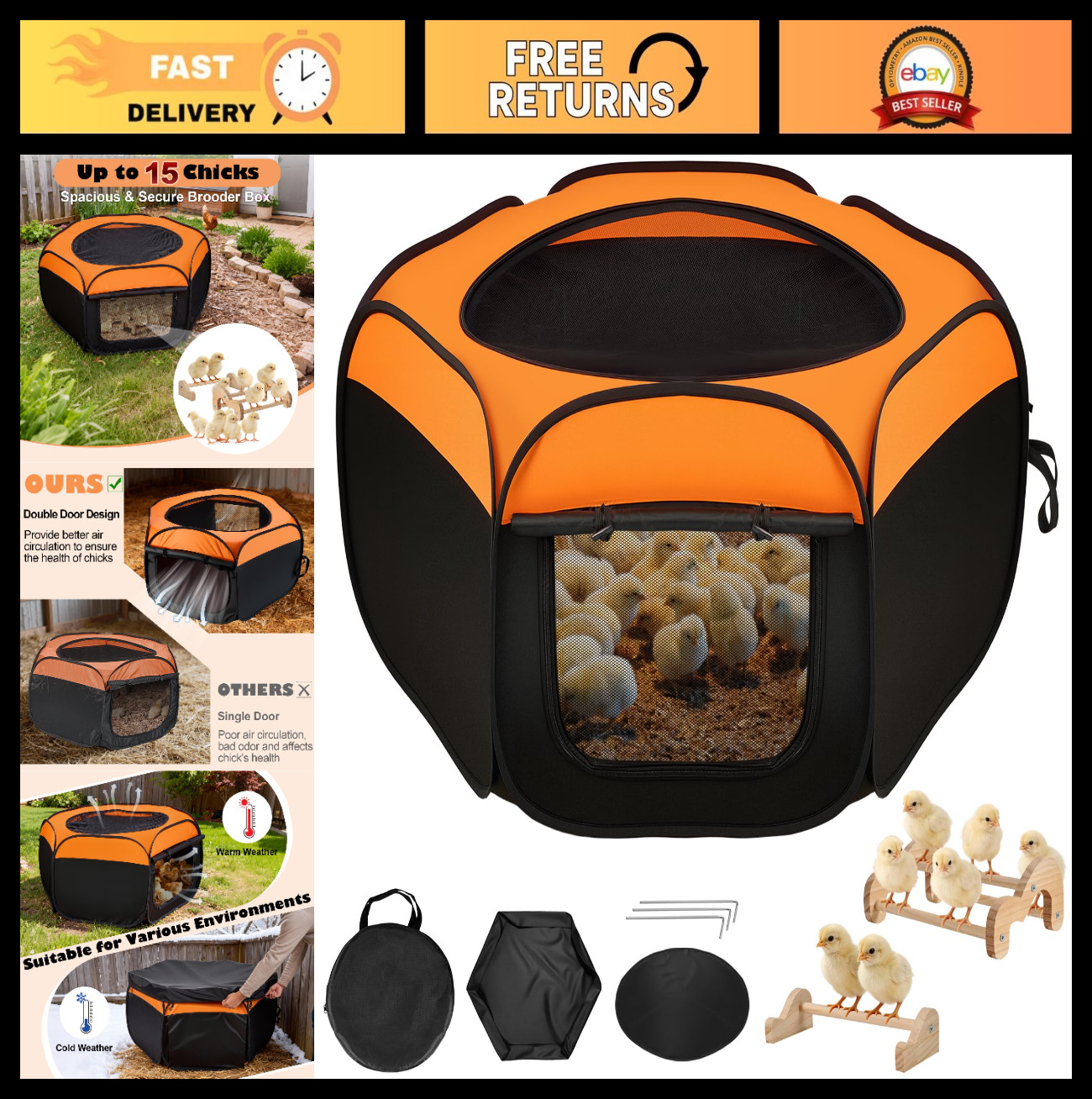 Chick Brooder Box, Pop-Up Chicken Playpen with Dual Doors for Easy Access$44.99View on eBay
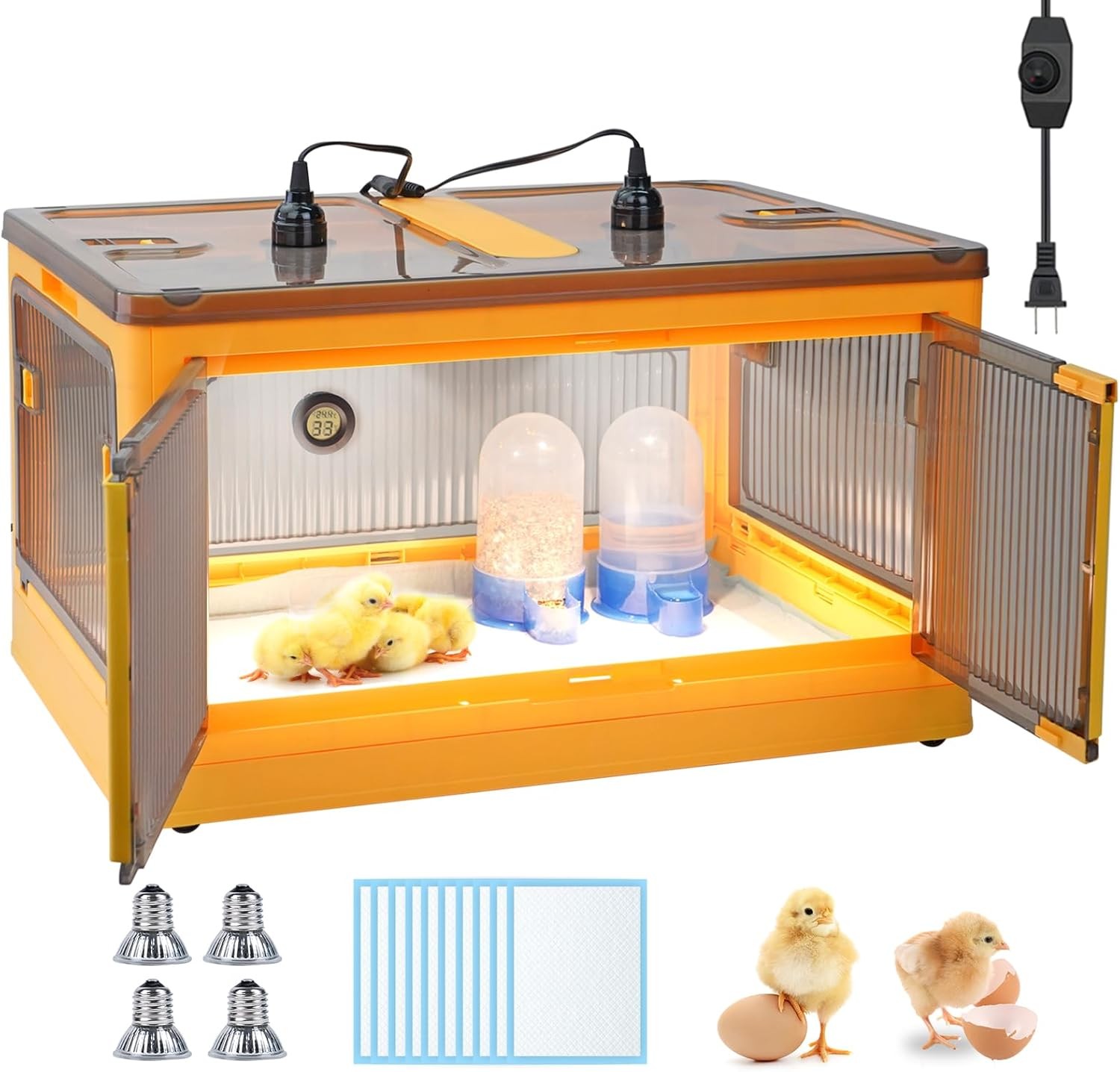 Chick Brooder Box for Chicks, Quail Brooder Box Kit with Heater Feeder and Wa...$46.70View on eBay
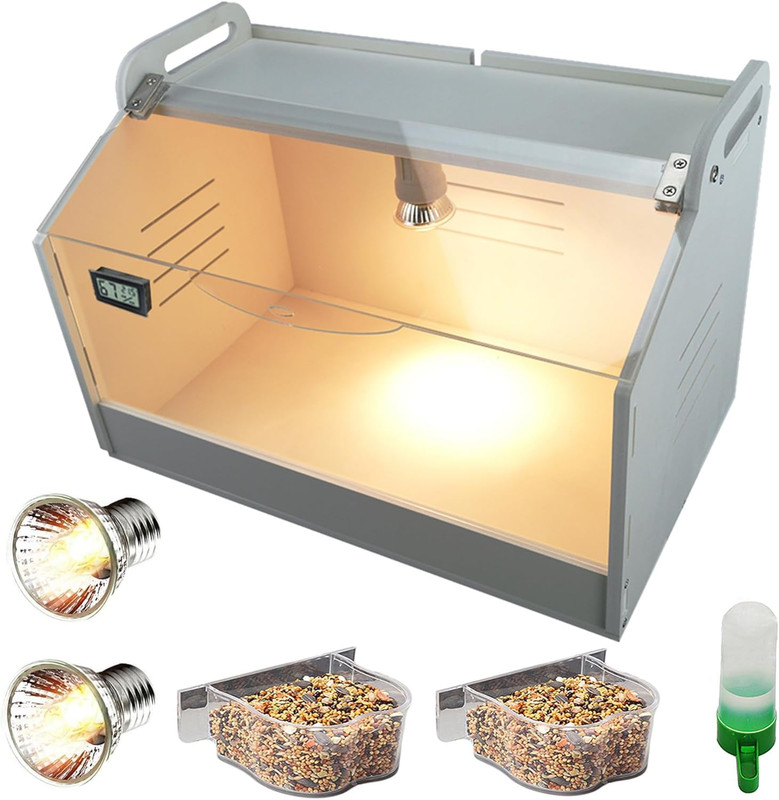 Intelligent Brooder Box 10-15 Newborns Chicks Quail Birds Small Animals Manual I$49.99View on eBay
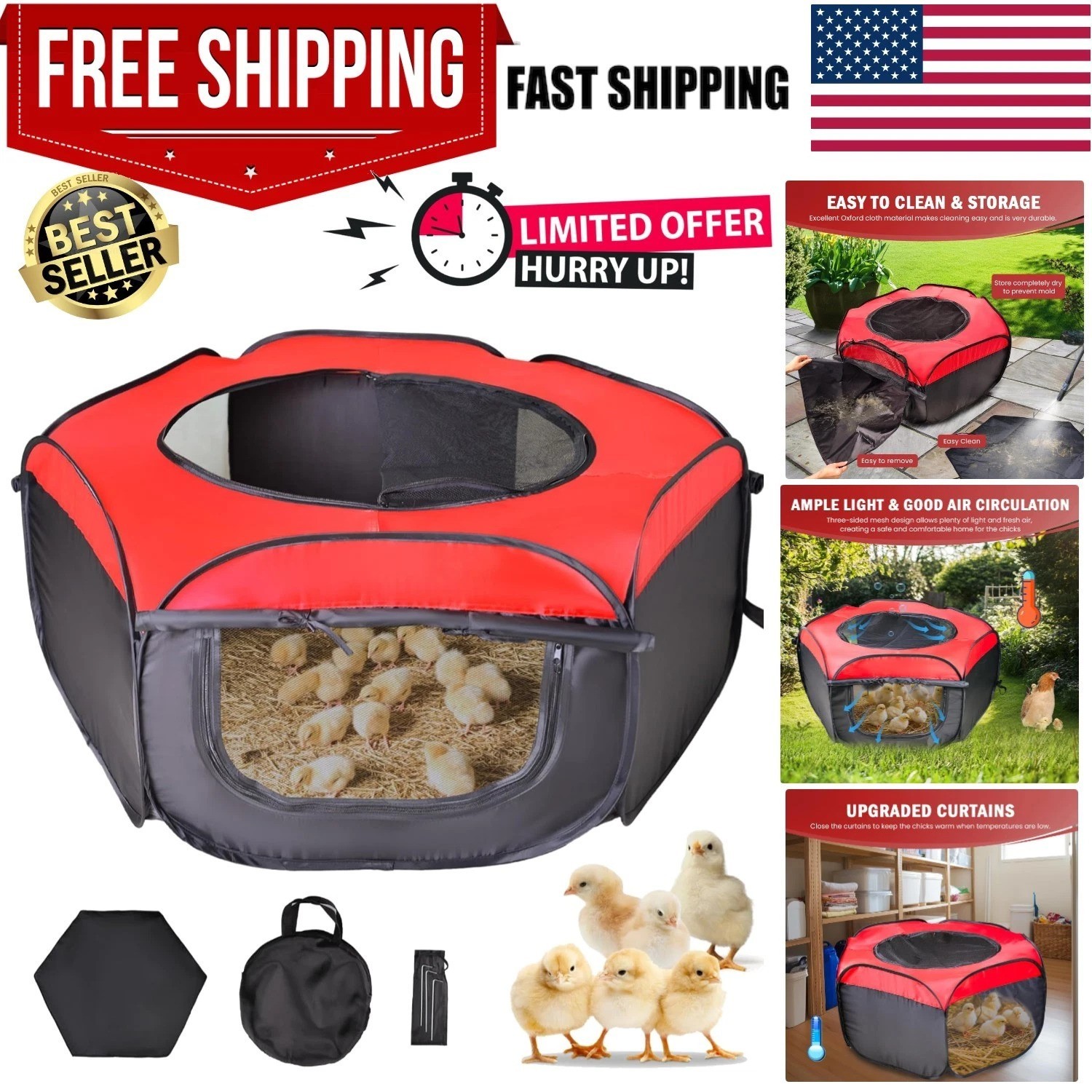 Versatile Chick Brooder Kit - Indoor/Outdoor Comfort for 15 Chicks, Ducks, Quail$55.31View on eBay
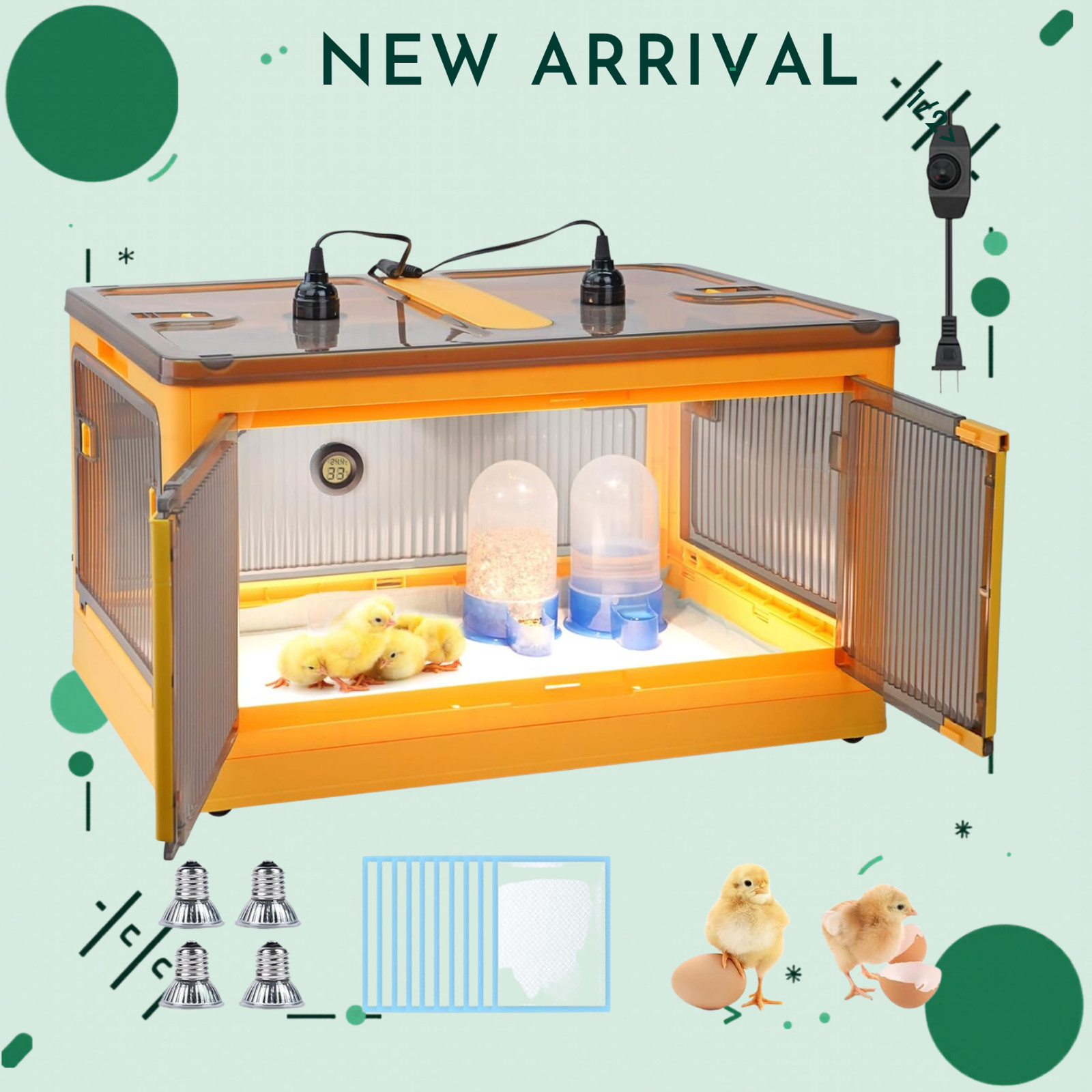 NEW Chick Brooder Box Kit with Heater Feeder Waterer 23.6x16.5 Yellow$60.00View on eBay
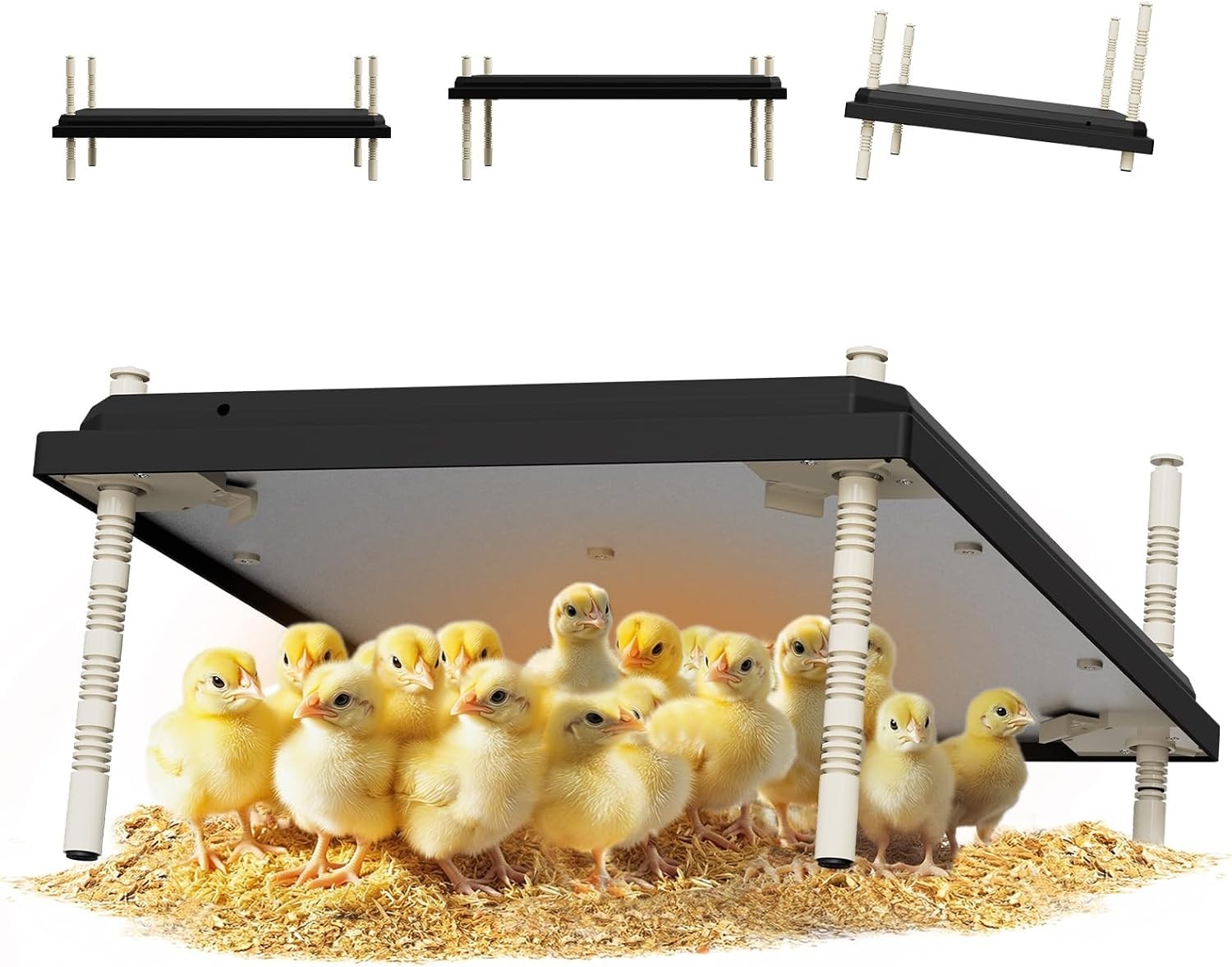 Adjustable Chick Brooder Heating Plate - 80W, Heats 50 Chicks, Energy Efficient$81.00View on eBay
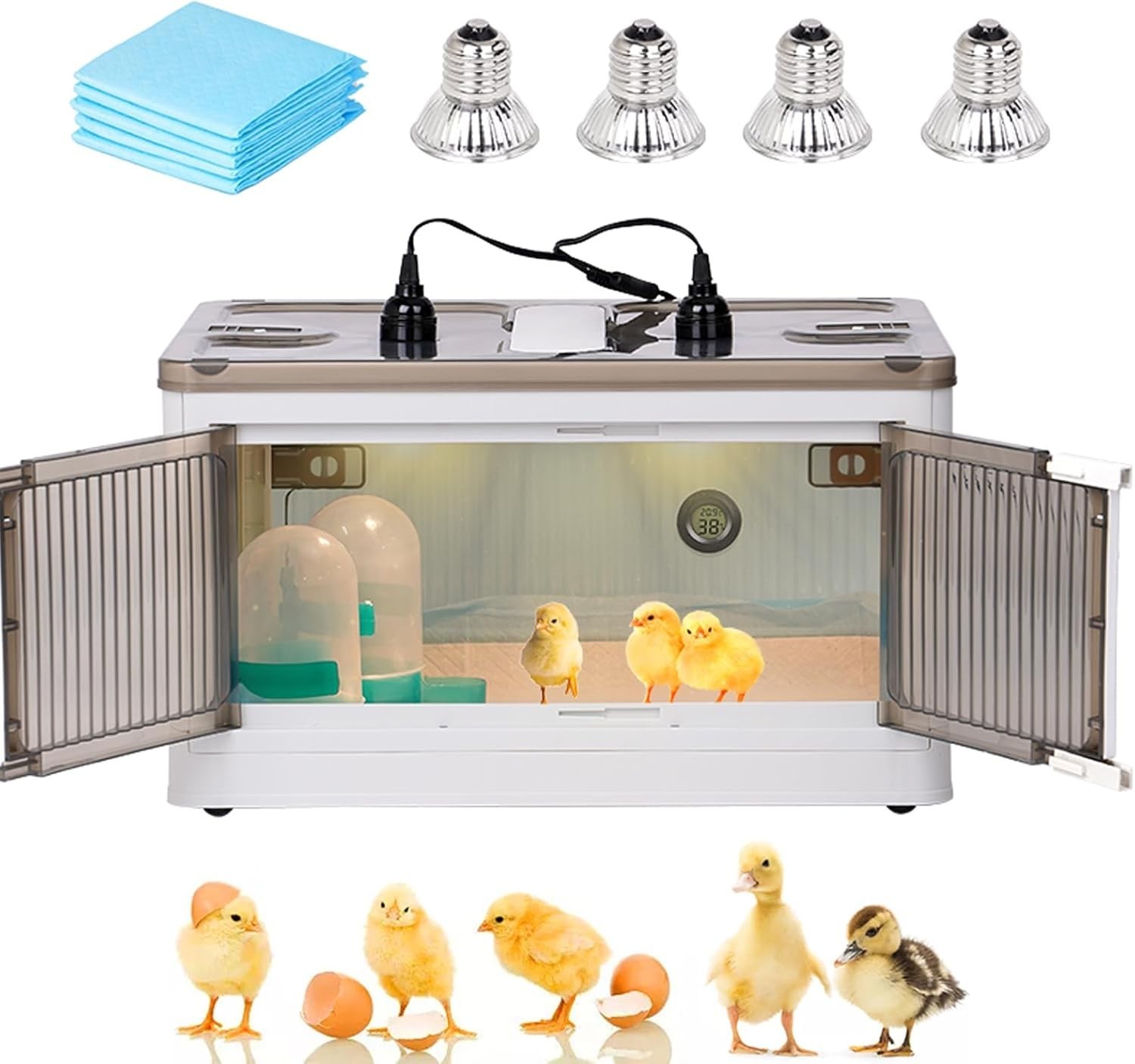 Brooder Box for Chicks Quail Brooder Box with Thermostat Poultry Heater$88.81View on eBay
Highlights
- Radiant heating plates (80W-200W) hold 90-100°F surface and are safer and cheaper to run than 250W heat lamps, which shatter and ignite bedding.
- Brooder floor area should start at 0.5 sq ft per chick for weeks 1-2 and double to 1 sq ft by week 4; a 23.6 x 16.5 in box is 2.7 sq ft and fits roughly 5 chicks, not 15.
- ABS plastic box walls resist moisture and droppings far better than corrugated cardboard, but need a removable wire lid or 12-18 in solid sides to stop chicks from flying out.
- Adjustable legs or a 3-level temperature dial on the heat plate let you drop height as chicks grow, maintaining 95°F week one down to 70°F by week six without buying new equipment.
Best use cases
- Best fit: a 2.7 sq ft ABS pop-up brooder with an 80W adjustable plate for 5-8 chicks in a garage or utility room; skip the 200W constant-radiant heater for that count—it overheats small boxes.
- Best fit: a wooden floor-mount brooder kit with full accessories for 15-25 chicks in a barn or shed, because wood insulates better and the larger footprint prevents piling; skip pop-up fabric pens outdoors, as rain and wind defeat the open mesh.
- Wrong fit: using a heat lamp on a dimmer in a cardboard box for quail or ducklings—both need a plate or radiant heat at 95°F week one, and ducks splash water that destroys cardboard within days; buy an ABS or wooden box with a waterer tray instead.
Buying tips
- Size the box by floor area, not chick count labels: 0.5 sq ft per chick at week one rising to 1 sq ft by week four, so a 2.7 sq ft box handles 5 chicks to week two or 3 to week four.
- Match wattage to box volume: 80W plates suit up to 15 chicks in a draft-free 3 sq ft box, while 200W constant heaters are for 25+ chicks in a 6+ sq ft coop or unheated garage.
- Choose ABS or sealed-plywood walls over fabric or cardboard, and require a wire lid or 12 in walls; chicks fly at 3 weeks and drowning in open waterers is the top kit failure.
- Buy a kit only if it includes a screw-on or nipple waterer and a feeder with a lip; loose trays spill, and wet bedding at 95°F grows coccidiosis fast.
Specs
| Heat Type | Radiant plate 80W vs ceramic/bulb 200-250W |
|---|---|
| Temperature Control | Adjustable 3-level dial vs constant |
| Floor Area per Chick | 0.5 sq ft wk1-2; 1 sq ft wk4+ |
| Wall Material | ABS plastic / sealed plywood vs fabric |
Related searches
What to check before buying
- Measure your floor space and confirm you can give 0.5 sq ft per chick at week one and 1 sq ft by week four—buy the box for week four, not day one.
- Check your room: brooder needs 70-75°F ambient with no direct drafts; a 200W heater in a 60°F garage forces the plate to run nonstop and cooks chicks.
- Confirm your power: 80W-200W plates run on standard 120V US outlets; verify the plug type and that the cord reaches an outlet without an extension cord across wet bedding.
- Verify the kit includes a wire lid or 12-18 in solid sides, a screw-on or nipple waterer, and a feeder—open pans and fabric tops are the two failure points.
FAQ
Data sources: eBay / Amazon listings and product attribute feeds. Updated Nov 24, 2026.
Some links on this page are affiliate links. If you buy after clicking one, we may earn a commission at no extra cost to you. This does not change which products appear here or their order. Affiliate disclosure.