GardenPulse Guide

GardenPulse Guide

Garden, Yard & Outdoor Living Reviews & Buying Guides

Compare garden, yard & outdoor living by use case, features, trade-offs, price, returns, and seller terms before you buy.

Buying guides

Buying guide image
Chicken Coops & Runs

Wooden Chicken Coop

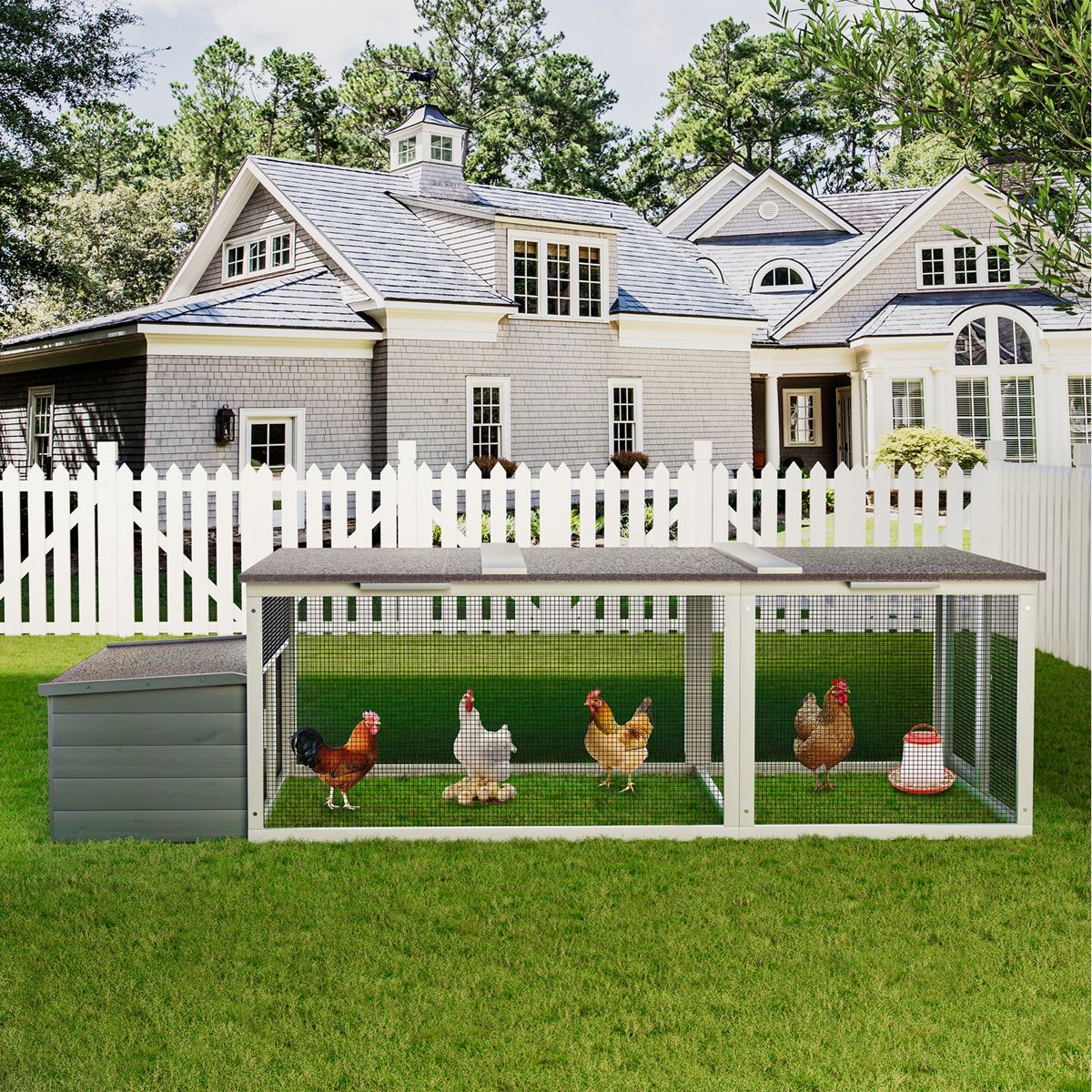
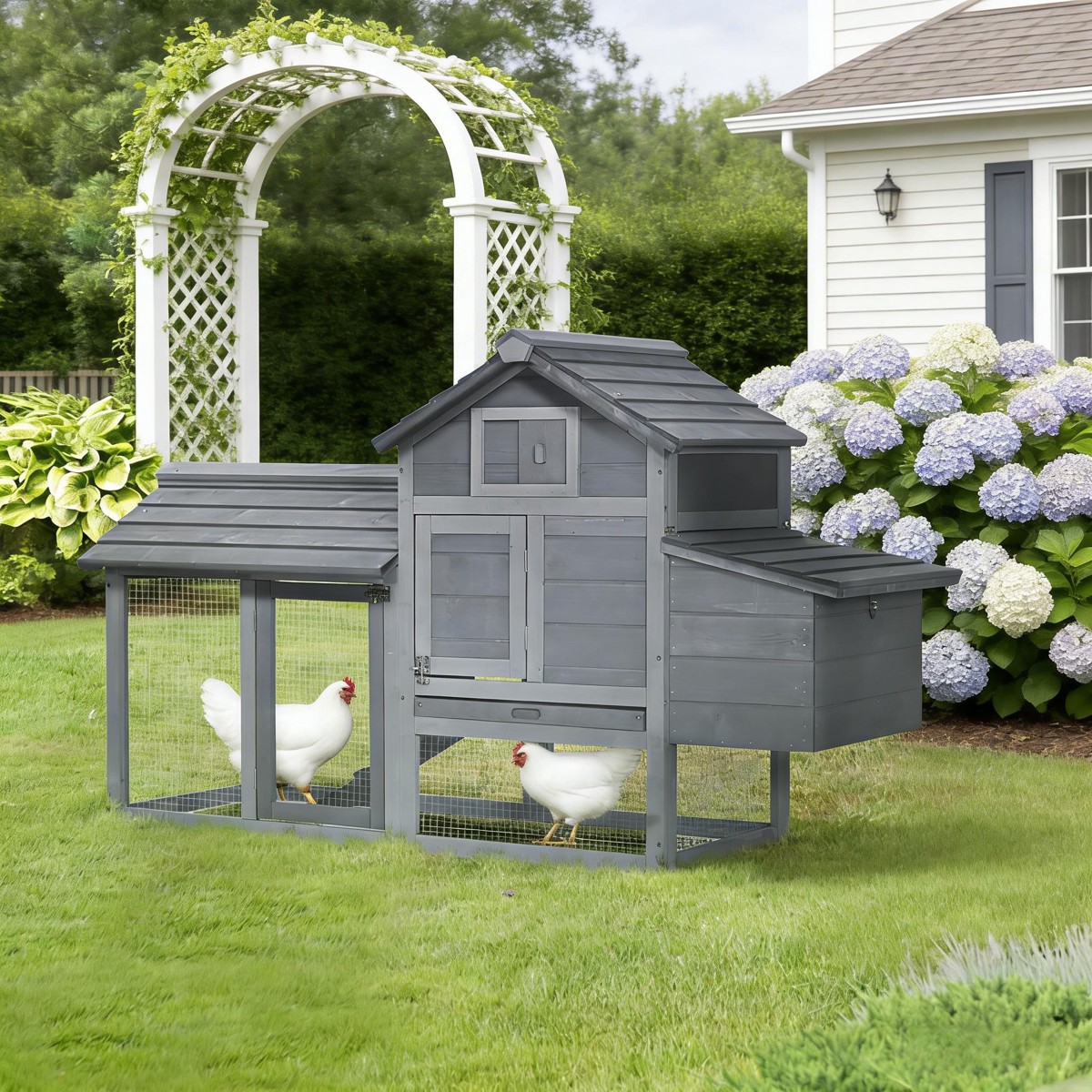
Wooden chicken coops are backyard poultry housing built from timber frames and cladding, ranging from small single-deck hutches to two-tier structures with integrated runs. The core trade-off is weather-resistant construction and ventilation versus thin, untreated softwood that warps and rots within a few seasons. The decision rule: choose a coop with a fir or cedar frame, a raised floor, a waterproof asphalt or metal roof, and a pull-out tray—skip any unit using stapled, unbraced 3–5 mm plywood and no raised floor.
Buying guide image
Outdoor Lighting & Decor

LED Outdoor Light

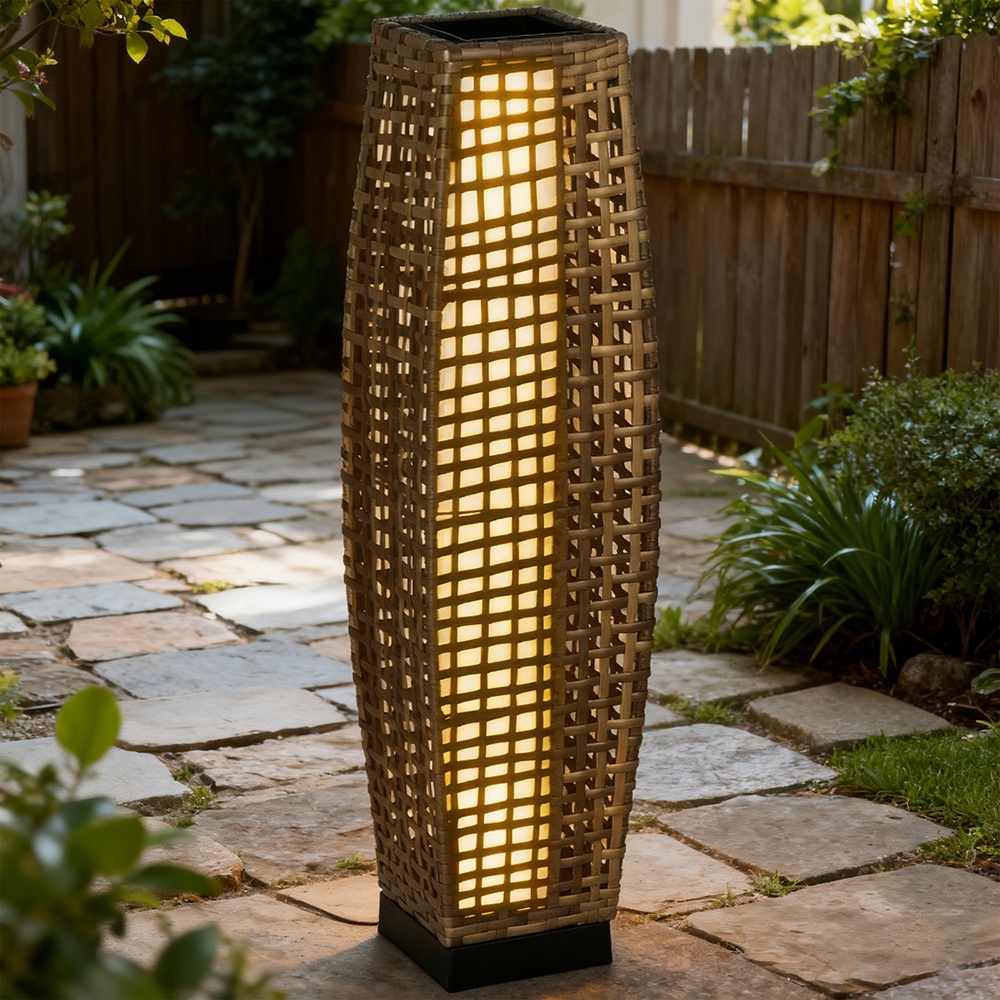
LED outdoor lights span floodlights, path/stake lights, wall sconces, string/fairy lights, and decorative statues, all sharing the same core trade-off: integrated solar/battery vs. hardwired mains power. Solar units deliver zero-run-cost dusk-to-dawn operation but depend on panel placement and battery capacity; mains-powered units deliver unlimited runtime and higher lumen output but require an outdoor-rated circuit. The clear rule: match the power architecture to the installation site and required runtime, then demand at least IP65 for exposed fixtures and IP44 minimum for covered porches.

Buying guide image
Patio Furniture

Rattan Patio Set

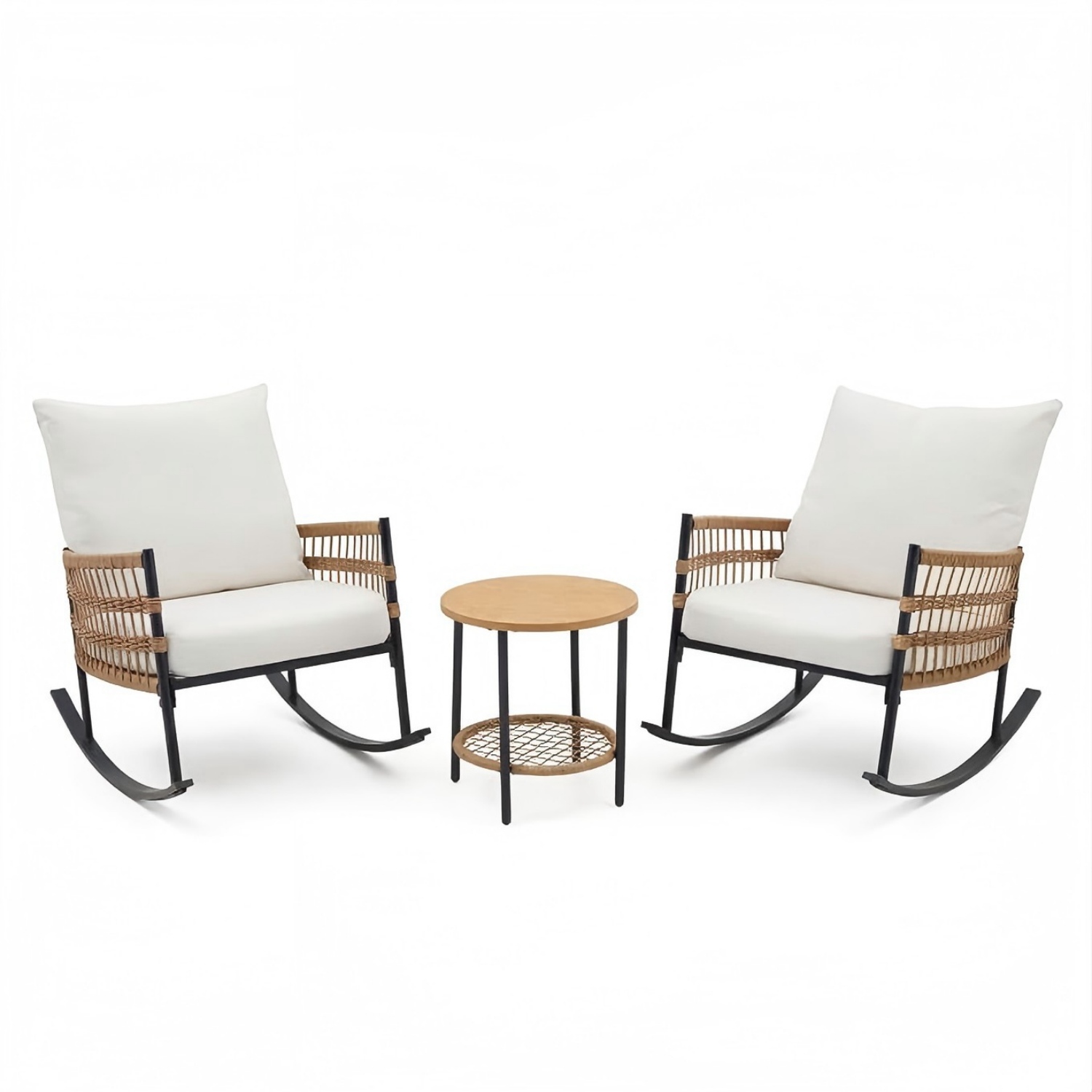
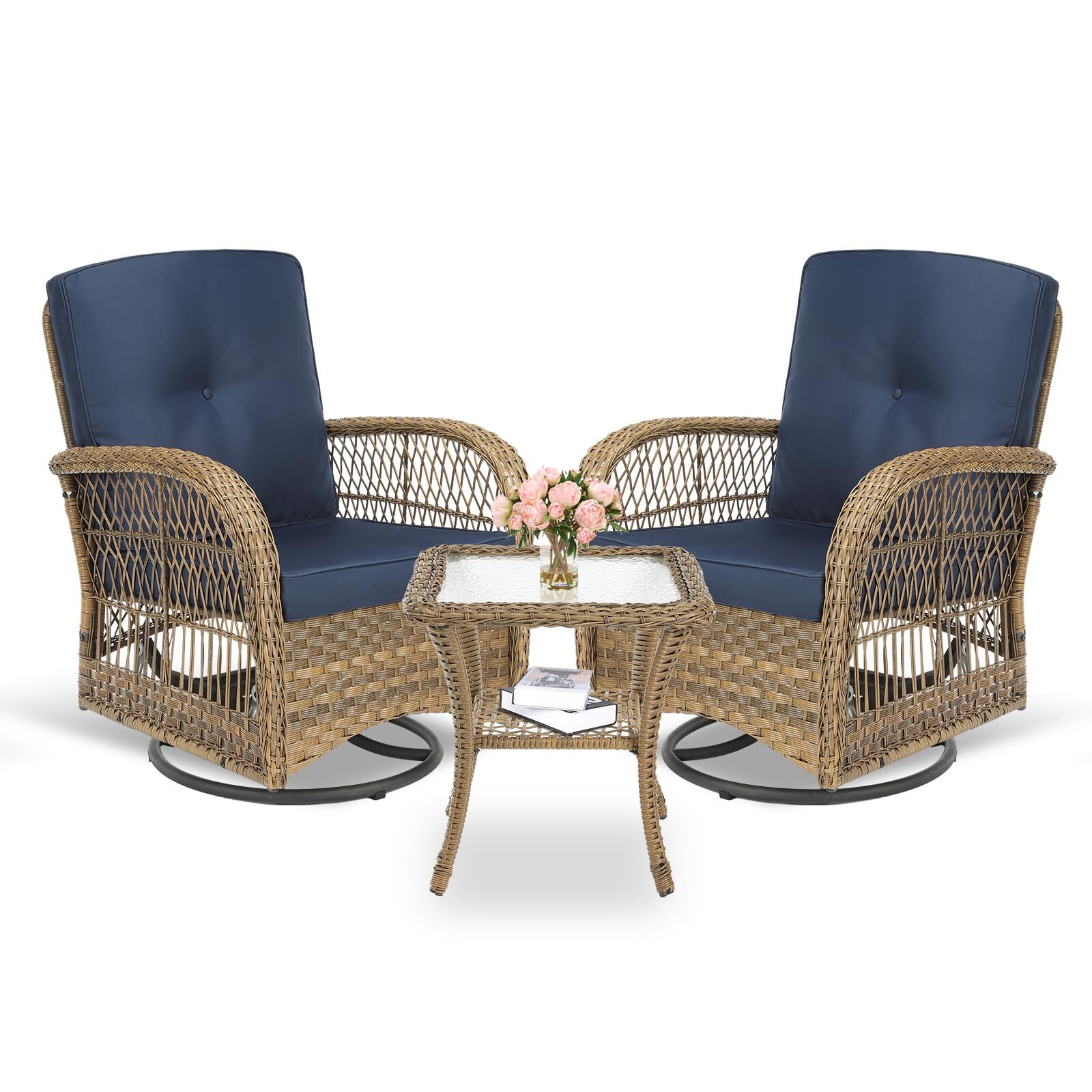
Rattan patio sets are outdoor seating and dining groups built on a metal frame wrapped in woven resin (PE) or natural rattan, with cushions and often a tempered-glass or slat tabletop. The core trade-off is frame construction and weave density versus cosmetic styling: powder-coated steel or aluminum frames with high-density PE wicker survive weather and UV, while lightweight tube frames and loose weaves fail within a season or two. The decision rule is simple: buy sets that specify frame gauge and PE resin composition, and walk away from listings that describe only color and piece count.

Buying guide image
Watering & Irrigation

Drip Irrigation System With Timer

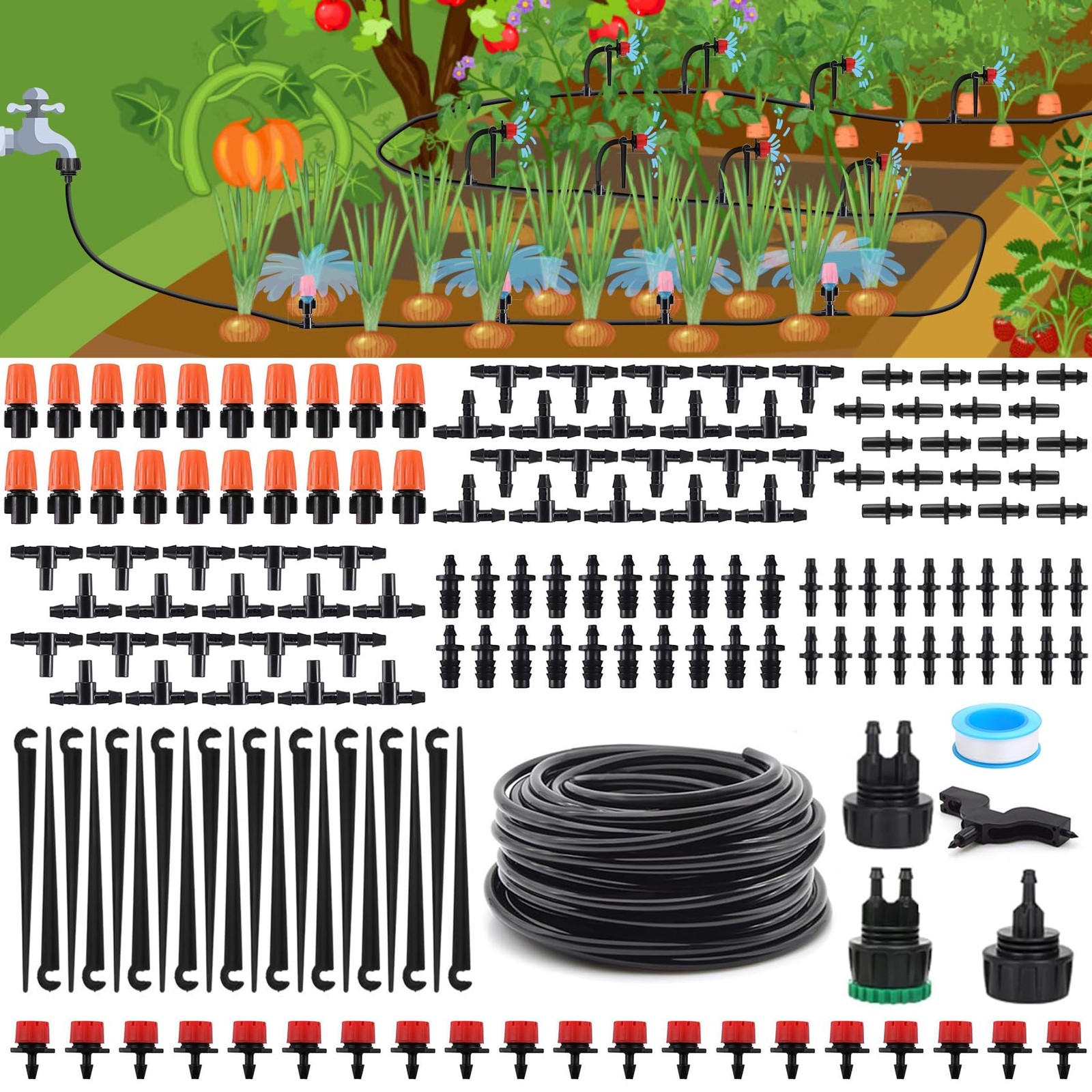
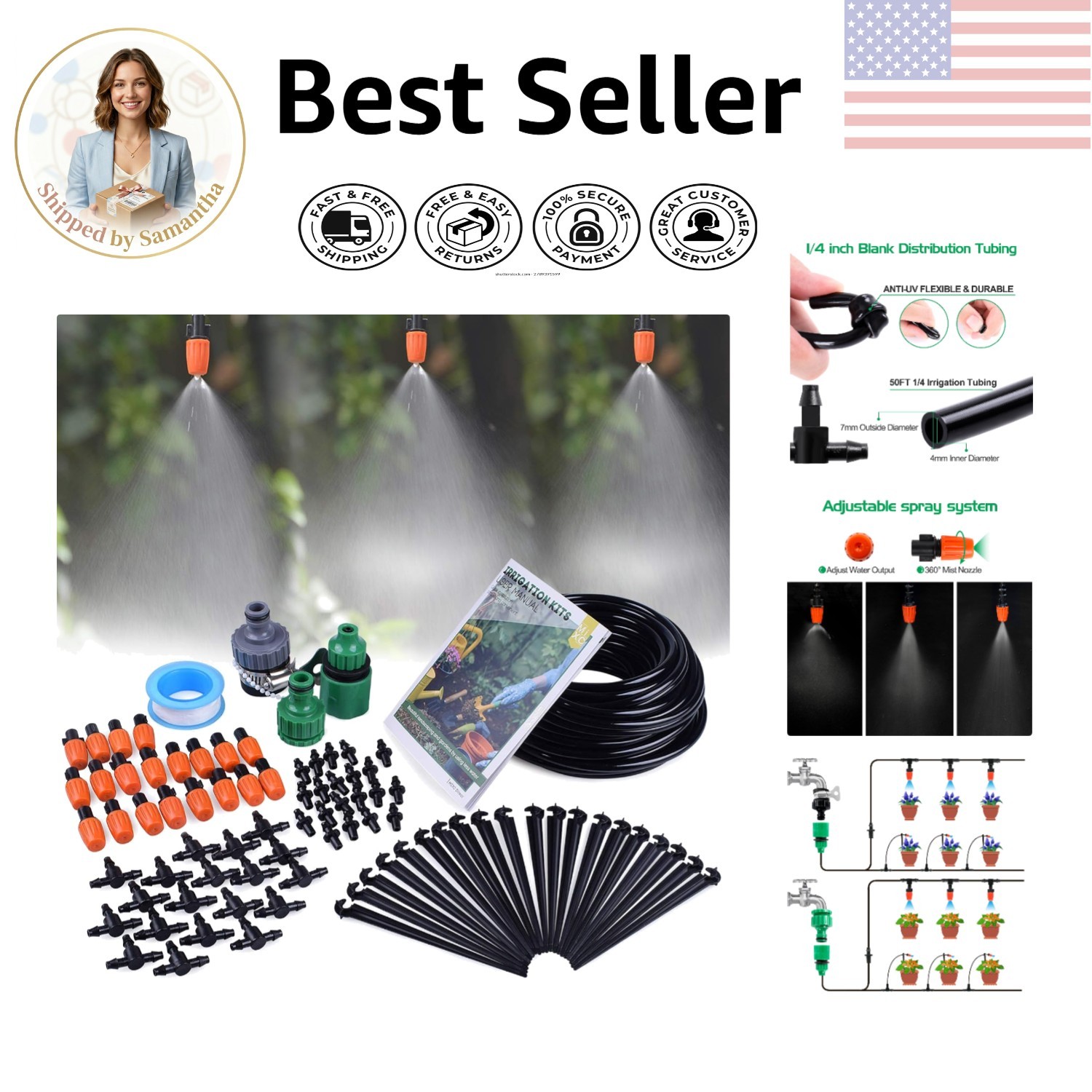
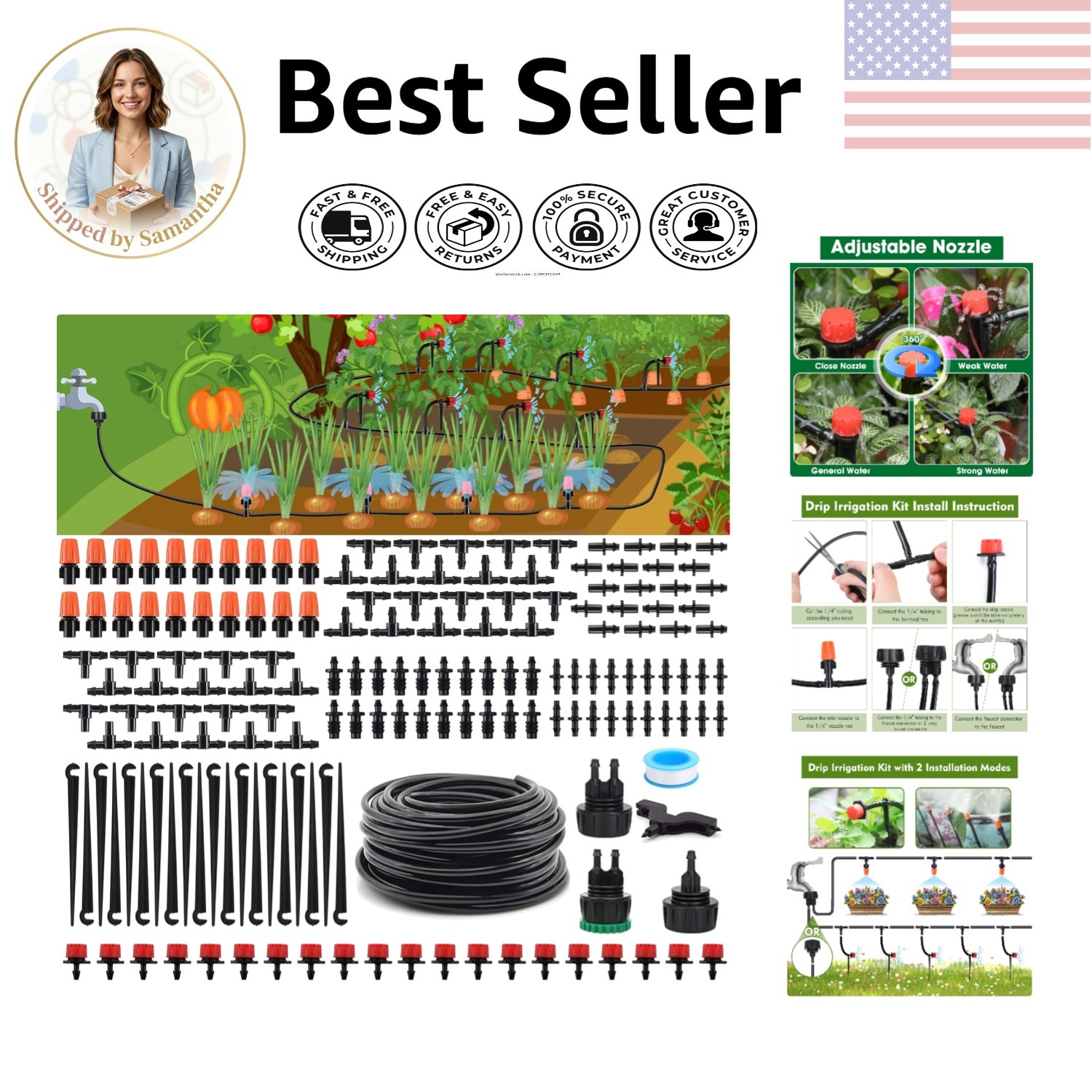
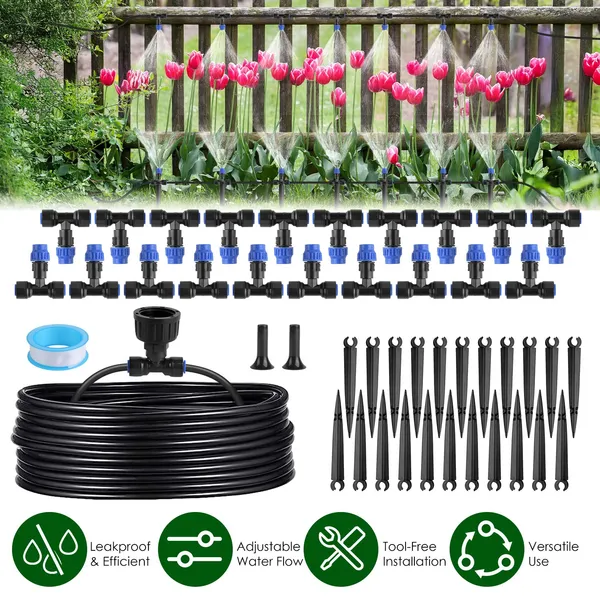
Drip irrigation with a timer solves the two biggest watering failures: inconsistent coverage and forgotten schedules. Most buyer frustration comes from mismatched kit length, weak solar pumps for raised beds, and timer valves that cannot handle outdoor hose pressure. Select the power source, run length, and emitter type around your actual bed layout before comparing automation features.

Buying guide image
Outdoor Lighting & Decor

LED Light Outdoor

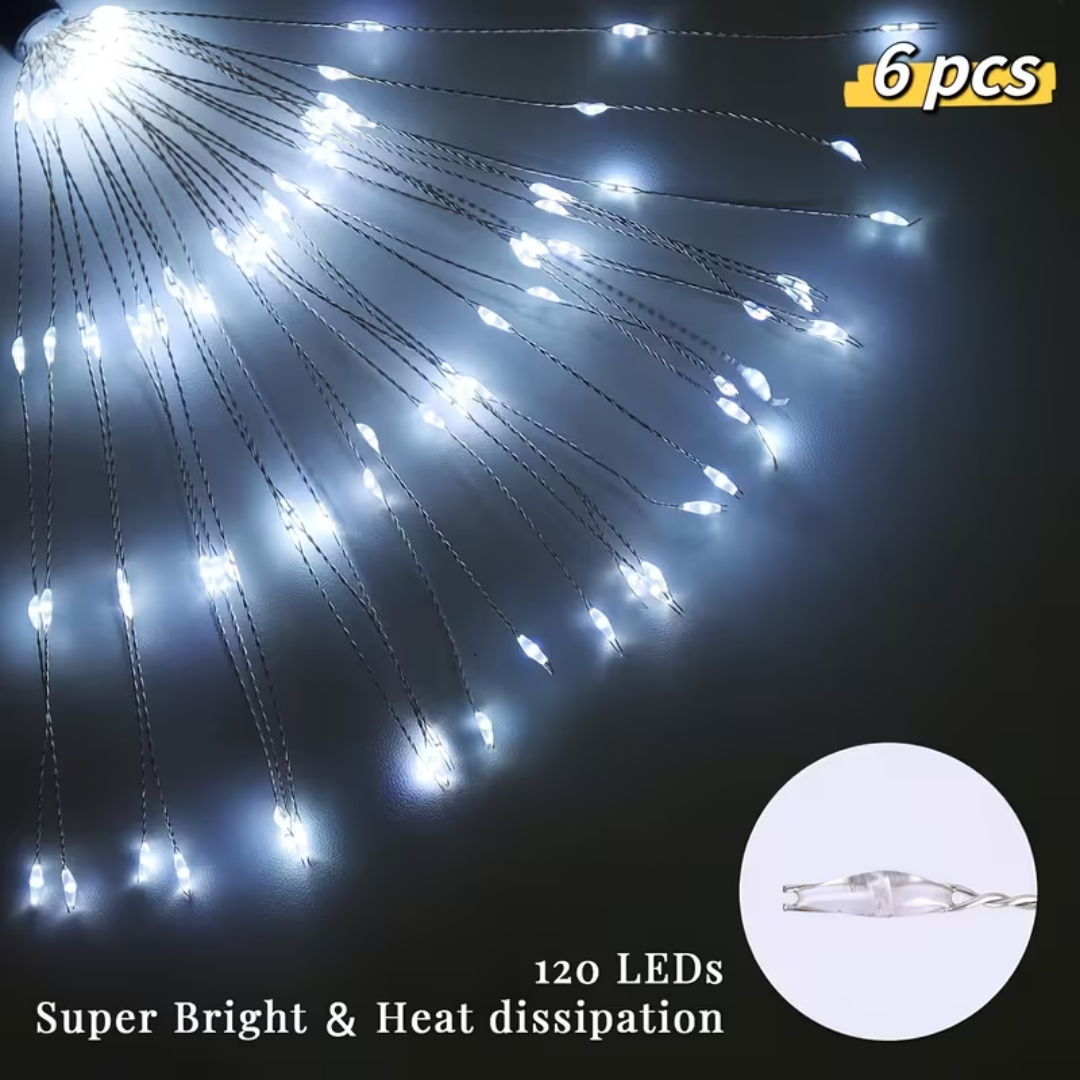
LED outdoor lighting spans decorative (string lights, garlands, stakes) and functional (floods, wall/path lights) tiers. The core trade-off is sealed IP-rated housing, LED bin quality, and driver/power architecture versus flimsy seasonal plastic. Buy IP65+ with replaceable drivers and copper wiring for year-round; accept IP44 plastic only for temporary holiday decor.

Buying guide image
Patio Furniture

Wicker Patio Set

Wicker patio sets use synthetic PE or HDPE resin over a steel or aluminum frame, trading weather durability for lower cost than solid teak or aluminum. The key decision is frame material and weave density: powder-coated aluminum resists rust for years, while steel rusts once the coating chips. Buy aluminum or thick PE weave for longevity; skip thin steel frames and low-GSM cushions if the set stays outdoors year-round.

Buying guide image
Watering & Irrigation

Watering System

Watering systems range from passive gravity drip kits to timer-pumped automatic lines, and the core trade-off is water pressure versus control precision: gravity drip is silent and cordless but flow-variable by height, while battery/AC pumps give programmable schedules and even output across 10-20 pots. Choose a timed pump system for vacations and multi-zone pots; choose gravity or emitter-based drip for low-cost, hose-fed garden beds where pressure is stable.

Buying guide image
Outdoor Lighting & Decor

Outdoor LED Light

Outdoor LED lights span solar and wired decorative and security fixtures; the key trade-off is upfront build (IP-rated housings, battery chemistry, LED quality) vs. replacement cost. Choose IP65 or higher with mono/poly solar panels and LiFePO4 or tempered glass for durability; skip unrated plastic and NiMH batteries.

Buying guide image
Watering & Irrigation

Drip Irrigation System Potted Plant

A drip system for potted plants lives or dies by pressure compensation and emitter uniformity, not by the number of stakes in the box. Because pots drain freely and small reservoirs run dry fast, buyers should focus on a pressure-compensating emitter design, a timer with daily scheduling, and tubing sized for short runs. The most common mistake is buying a gravity-fed kit for a large collection without checking whether its low head pressure can push water evenly to the last pot.

Buying guide image
Chicken Coops & Runs

Metal Chicken Coop

Metal chicken coops are modular, galvanized-steel tube-and-mesh enclosures that trade the thermal mass of wood for predator resistance, portability, and low maintenance. The core trade-off is tube wall thickness and mesh gauge versus price: thin-wall (≤0.6 mm) tubing and light wire flex and corrode, while 0.8–1.0 mm galvanized tube with 1×2-inch 16-gauge welded mesh stays rigid for years. Buy walk-in height and a full roof cover if you keep birds year-round; buy a low foldable pen only for daytime tractoring.

Buying guide image
Chicken Coops & Runs

Metal Chicken Coop Run

A metal chicken coop run is a frame-and-mesh enclosure—typically galvanized or powder-coated steel tube with hexagonal wire or hardware cloth—used to give poultry outdoor space while keeping predators out. The core trade-off is mesh gauge and frame anchoring versus covered area: thin 20-23 ga hexagonal wire and unanchored tube frames fail against digging and climbing predators, while welded 14-16 ga hardware cloth on guyed or ground-staked frames lasts. The decision rule: buy a run whose mesh is hardware cloth (not chicken wire) and whose frame is staked or footed; skip any run sold on mesh alone without a predator apron or ground anchors.

Buying guide image
Patio Furniture

Outdoor Patio Table

An outdoor patio table is the functional anchor of any deck, balcony, or yard, and its longevity hinges on frame material and top construction—not decorative styling. The decisive split is between powder-coated aluminum or steel with tempered glass or solid slats (durable, weather-stable) versus thin tubular metal, untreated wood, or low-grade resin wicker (prone to rust, warping, or UV fade). Choose a table whose frame gauge, coating, and top material match your climate exposure and seating plan; skip any table whose load path relies on spot-welded tube joints or unsealed particle board.

Buying guide image
Watering & Irrigation

Watering And Irrigation

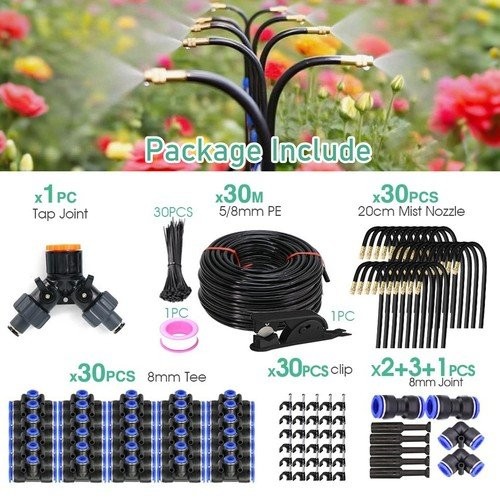
Watering and irrigation covers everything from handheld hoses and sprinklers to timed drip systems, soaker hoses, and hose-end fittings. The core trade-off is water delivery control versus durability: cheap plastic timers and thin vinyl hoses fail at freeze/thaw and UV exposure, while brass fittings, pressure-compensating drip emitters, and battery-operated solenoid timers deliver years of service. Buy durable brass or UV-stabilized polyethylene for permanent runs; choose plastic quick-connects and misting kits only for seasonal, low-pressure use.

Buying guide image
Watering & Irrigation

Drip System Raised Bed

Raised beds dry out faster than in-ground soil and need even, low-pressure watering to avoid dry pockets and root disease. The right drip kit depends on bed length, water pressure, and whether you want a timer-driven vacation system or a simple emitter network off a hose bib. Most buyer mistakes come from undersized tubing runs, missing pressure regulation, and emitter counts that exceed what a single zone can push.

Buying guide image
Outdoor Structures, Shade & Awnings

Metal Shed

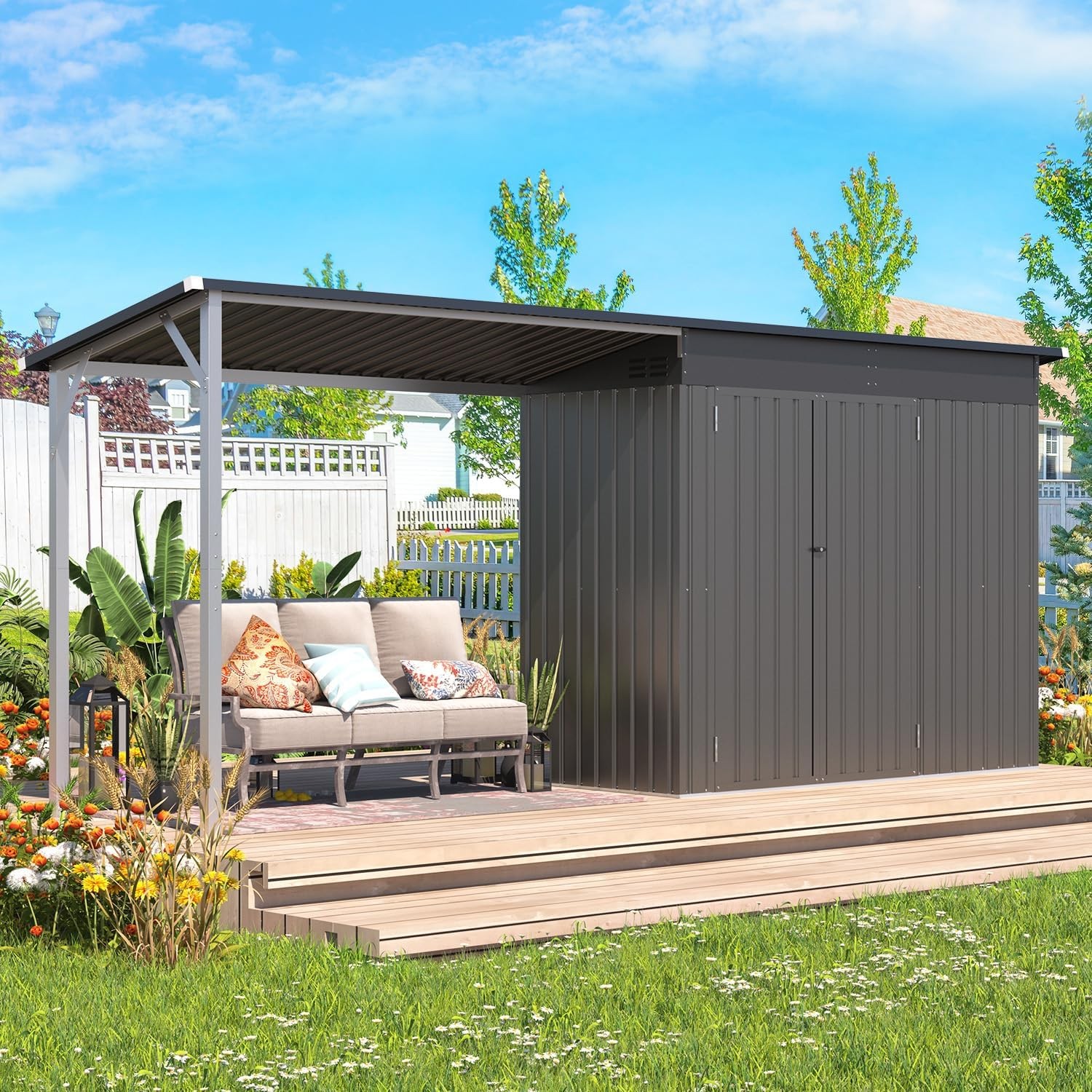
Metal sheds are rigid outdoor storage structures built from galvanized or painted steel panels over a frame, ranging from small lockable tool cabinets to large garden buildings. The core trade-off is steel gauge and coating quality versus panel thickness and frame bracing: thinner 0.25-0.30 mm panels with minimal bracing dent and rust at cut edges, while 0.30-0.40 mm hot-dip galvanized panels with overlapping screw seams and base rails last for years. The decision rule: buy a shed whose panel gauge, galvanization spec, and anchor kit are stated explicitly; walk away from listings that quote only footprint and color.

Buying guide image
Outdoor Structures, Shade & Awnings

Metal Shed And Garage

Shoppers hunting for a metal shed or garage are usually trying to solve one of two problems: getting lawn and garden equipment out of the weather, or adding lockable, fire-resistant storage where a wooden structure would rot or burn. The biggest selection mistakes are buying a thin-gauge panel that dents in hail, ignoring the base/anchor requirement on a 9x4 footprint, and assuming a narrow gable shed can store a riding mower. Focus on panel gauge, door clearance, and foundation compatibility before comparing style.

Buying guide image
Outdoor Structures, Shade & Awnings

Metal Shed Building

A metal shed building is only as good as its panel gauge, frame bracing, and base anchoring—three specs that decide whether it survives wind, snow, and rust. Shoppers often buy by footprint alone and then discover the door clearance is too small for a mower or the roof pitch sheds water poorly. Size the slab and door opening first, then pick the steel grade and wind rating that match your local exposure.

Buying guide image
Outdoor Structures, Shade & Awnings

Heavy Duty Metal Shed

Heavy-duty metal sheds are bought for one reason: to keep gear dry and secure through seasons of weather without the rot, insects, or repainting that wood demands. The real decision is panel gauge and coating versus frame bracing versus foundation, because a thin galvanized shell on a weak base will dent and leak long before the steel fails. Size the footprint to your largest stored item plus clearance, not to the nominal label.

Buying guide image
Outdoor Structures, Shade & Awnings

Metal Shed With Windows

A metal shed with windows solves the dark, damp-box problem that plagues windowless steel storage, but the window type and panel gauge decide whether it stays bright and dry for a decade or fogs, leaks, and dents. Buyers most often mis-size the footprint against local permit limits and miss that lean-to and gable models need different anchoring and door-swing clearances. Pick by roof geometry, glazing material, and foundation method rather than by color or nominal square footage.

Buying guide image
Outdoor Structures, Shade & Awnings

Portable Metal Shed

Portable metal sheds solve overflow storage for bikes, tools, and garden gear without a permanent foundation—but most buyer frustration comes from picking a light-duty galvanized panel for a high-wind site or expecting a fabric-and-frame tent to behave like a bolted steel building. Anchor your choice to the actual load (snow, wind, rust exposure) and the base you can legally build on, because anchoring method and panel gauge decide whether the unit survives its third winter.

You may also like

Finding more guides for you…