
Photos from current listings. Actual item, color, and included accessories may vary.
Wooden Chicken Coop Buying Guide
Wooden chicken coops are backyard poultry housing built from timber frames and cladding, ranging from small single-deck hutches to two-tier structures with integrated runs. The core trade-off is weather-resistant construction and ventilation versus thin, untreated softwood that warps and rots within a few seasons. The decision rule: choose a coop with a fir or cedar frame, a raised floor, a waterproof asphalt or metal roof, and a pull-out tray—skip any unit using stapled, unbraced 3–5 mm plywood and no raised floor.
Median $219.49 · New listings
Key takeaways
- Frame and cladding grade determine lifespan: fir or cedar with 10–12 mm tongue-and-groove boards outlast 3–5 mm stapled plywood by several seasons outdoors.
- Roof type is the primary leak point: an asphalt-shingle or sloped metal roof with overhang sheds rain; a flat untreated plywood top pools water and rots at the seams.
- Nesting box count sets practical flock size: one 30 x 30 cm nesting box per 3–4 hens, so a 4-box coop comfortably houses 6–8 hens, not the 12–15 often claimed.
At a glance
- Category
- Chicken Coops & Runs
- Last updated
- Nov 28, 2026
Current offers
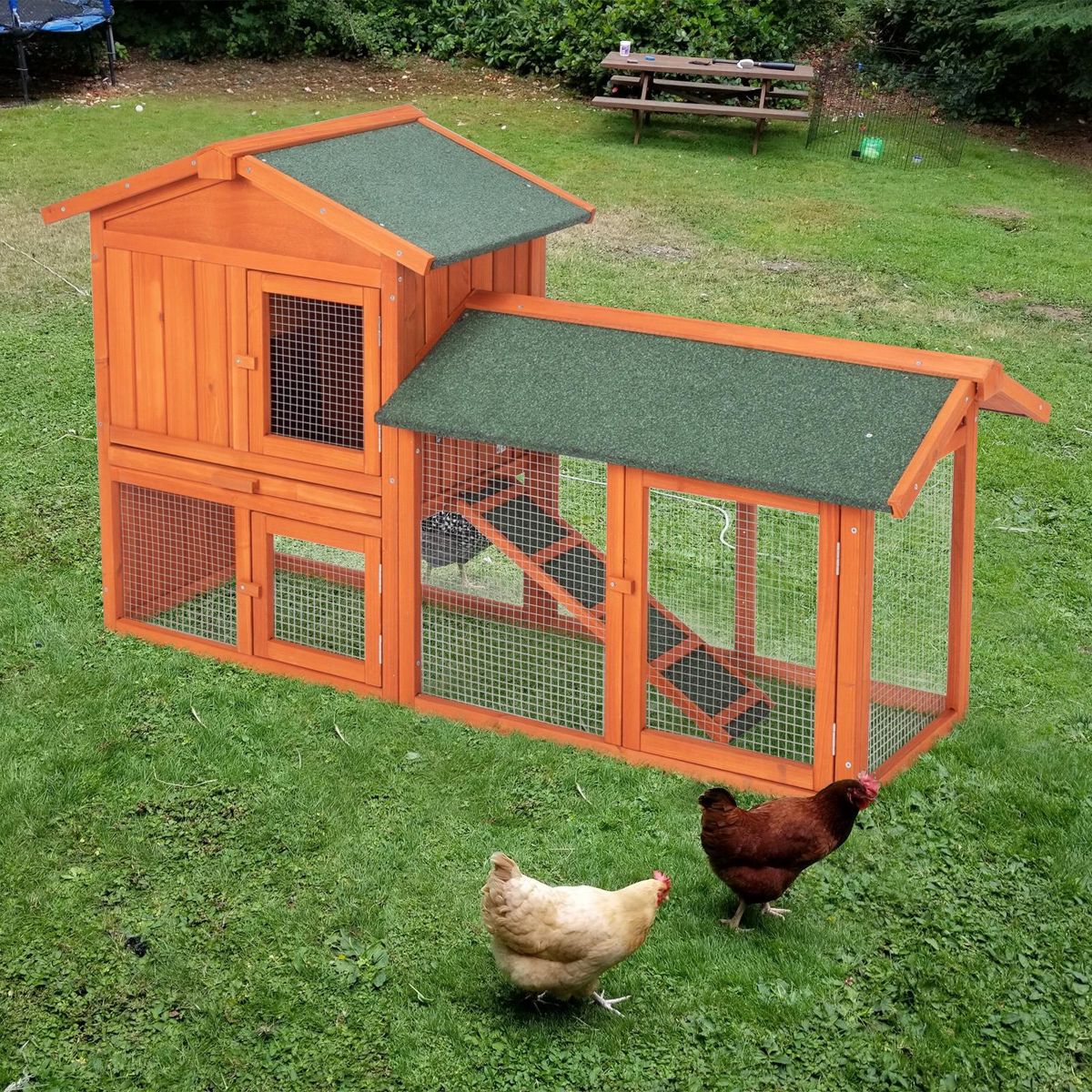 Wooden Chicken Coop Hen House Poultry Hutch Pet Cage with Nesting Box, Backyard$102.99View on eBay
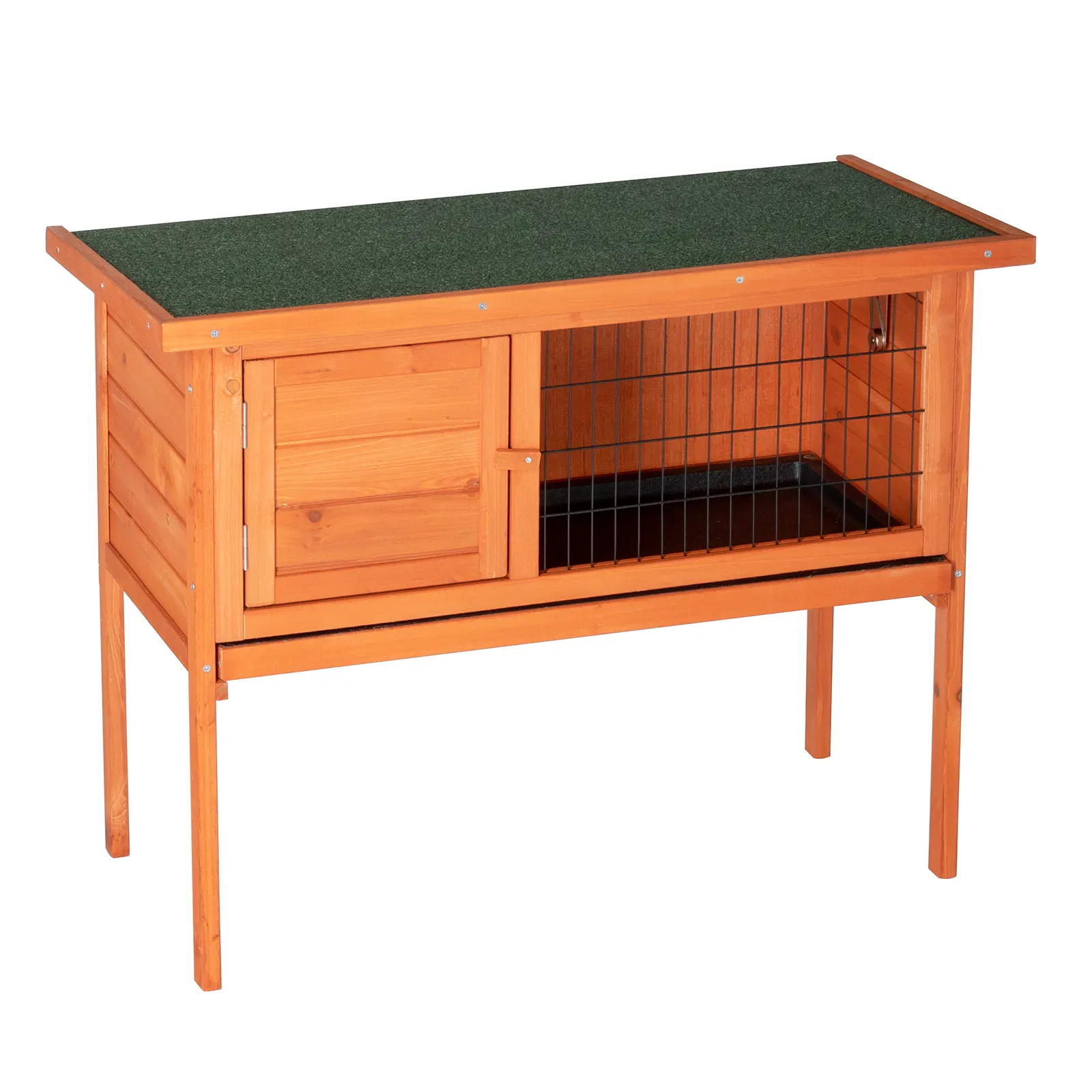 Replace 2225192136" Single Deck Waterproof Wooden Chicken Coop Hen House Pet Animal Poultry Cage Rabbit Hutch Nature$85.99View on Mallflare
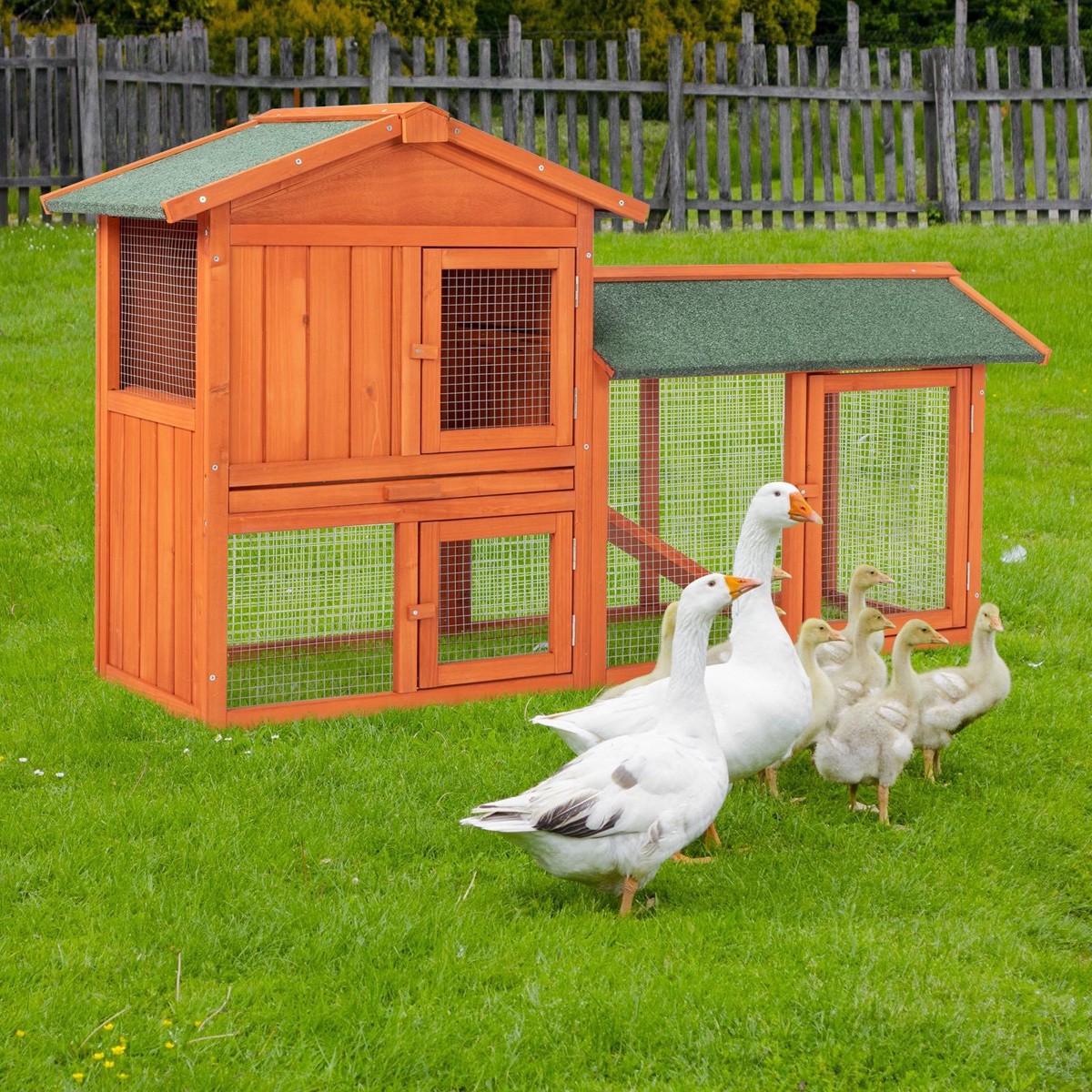 Wooden Chicken Coop Hen House Poultry Hutch Pet Cage w/ Nesting Box Backyard$106.79View on eBay
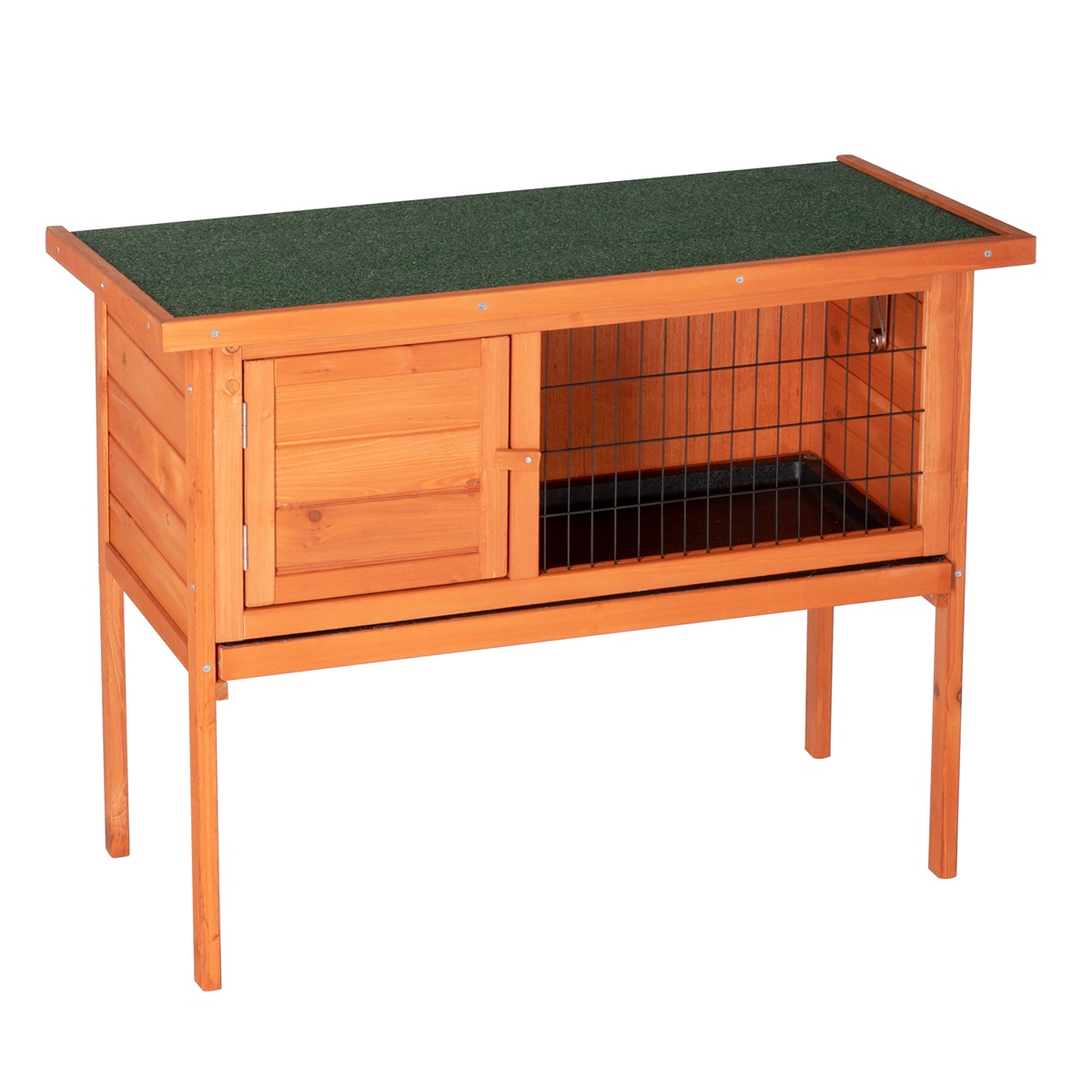 【Replace 22251921】36" Single Deck Waterproof Wooden Chicken Coop Hen House Pet Animal Poultry Cage Rabbit Hutch Nature$107.99View on Mallflare
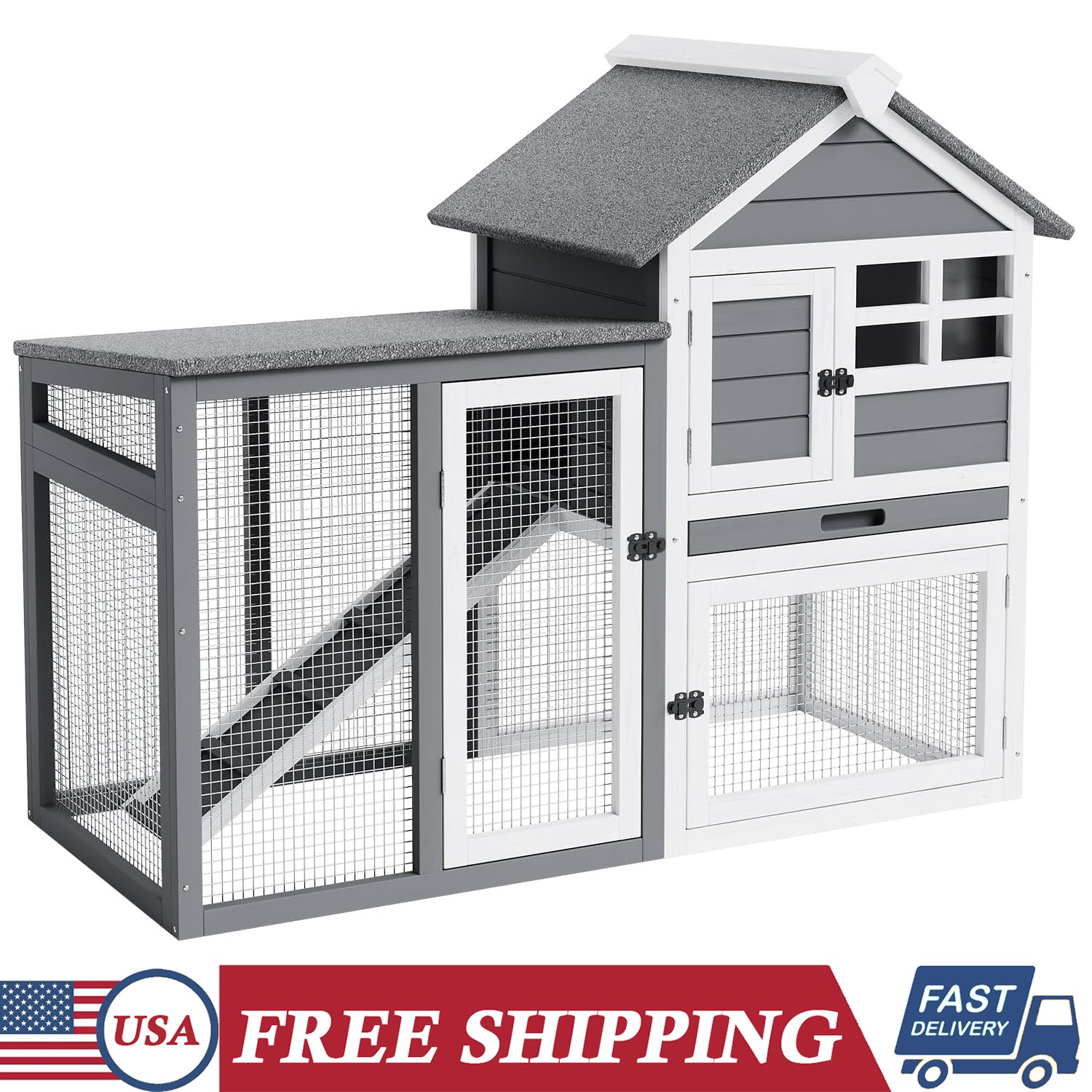 Large Chicken Coop Outdoor Wooden Backyard 2-Story Hen Rabbit House Chicken Run$109.98View on eBay
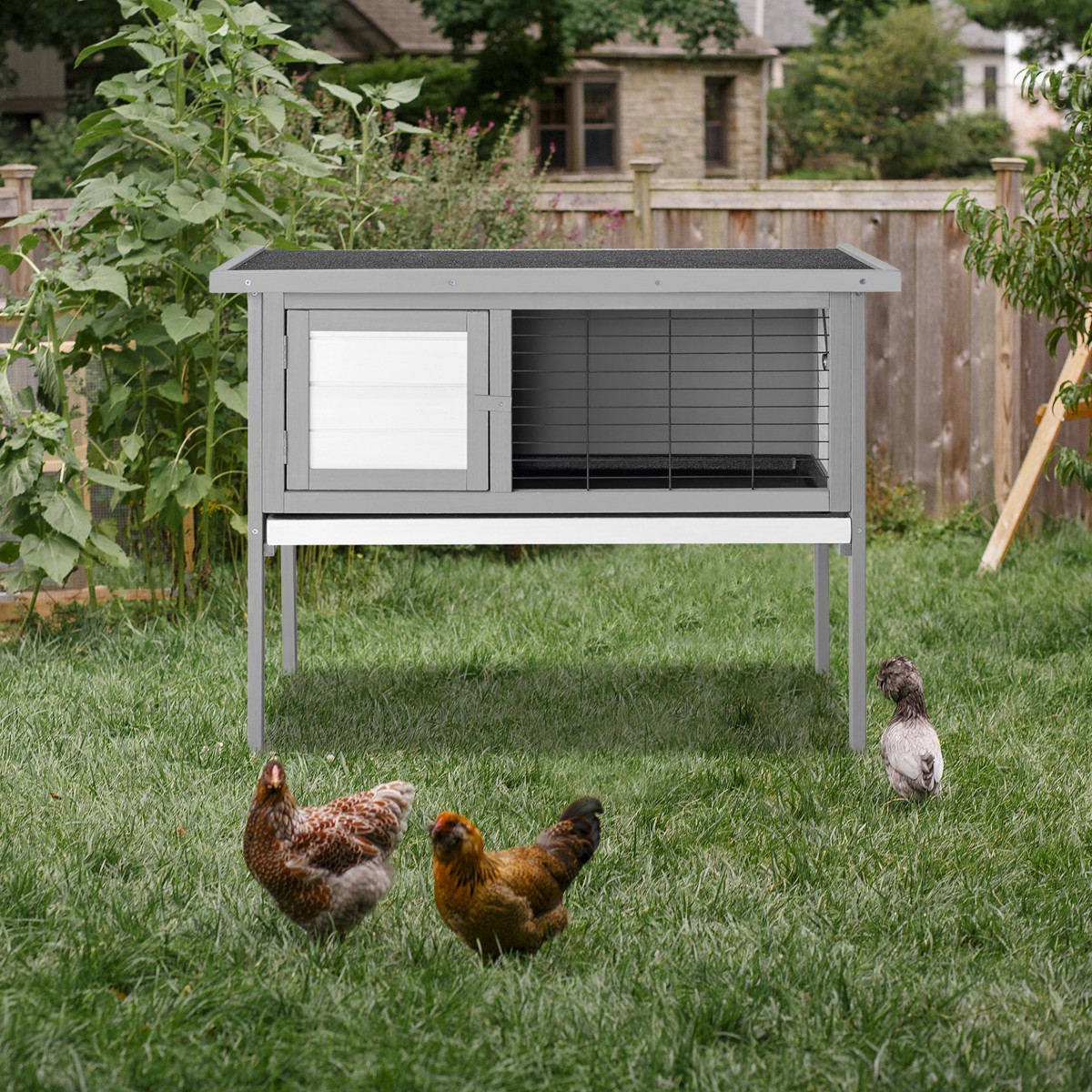 36" Single Deck Waterproof Wooden Chicken Coop Hen House Pet Animal Poultry Cage Rabbit Hutch Gray$109.99View on Mallflare
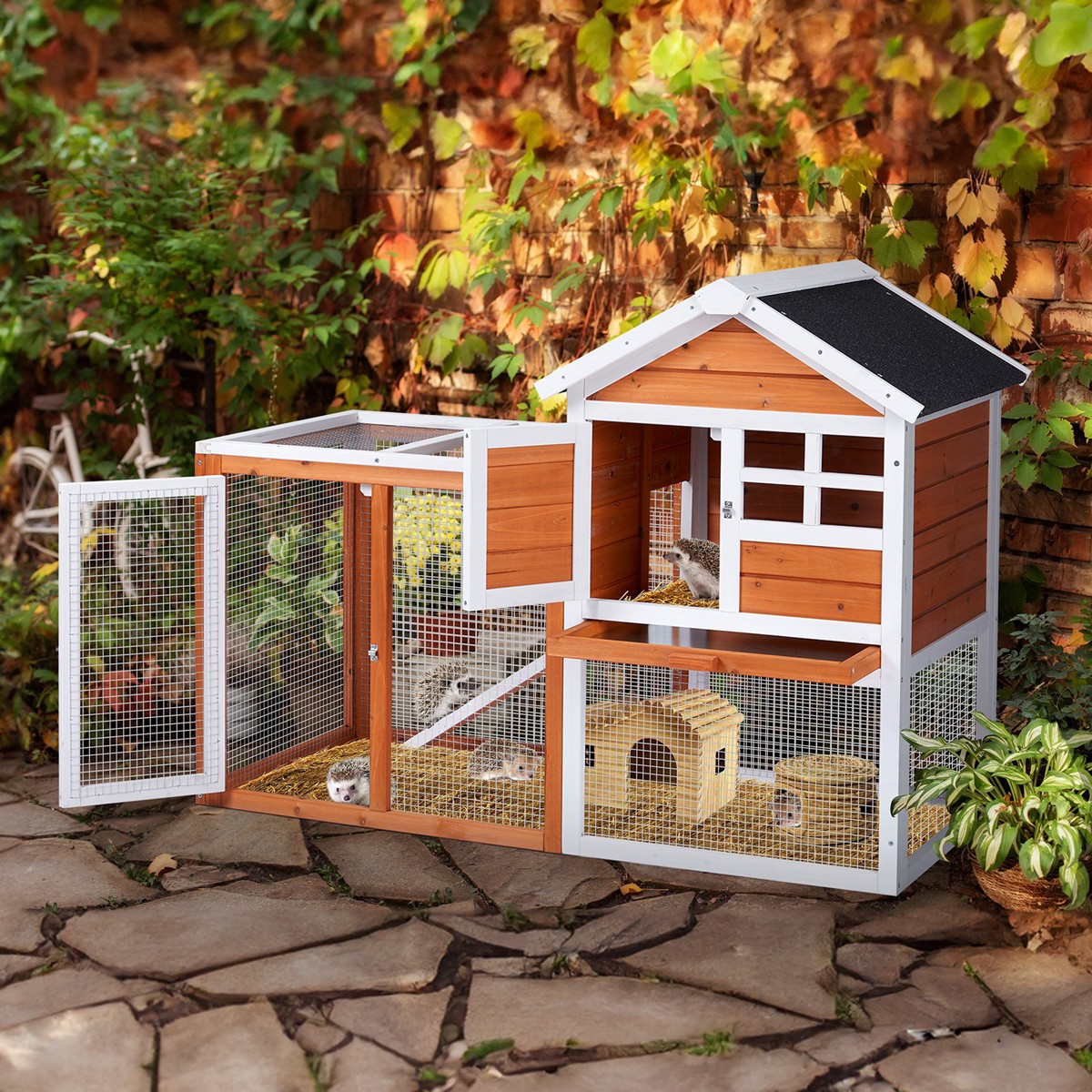 Wooden Chicken Coop Hen House Poultry Hutch Pet Cage with Nesting Box Backyard$111.99View on eBay
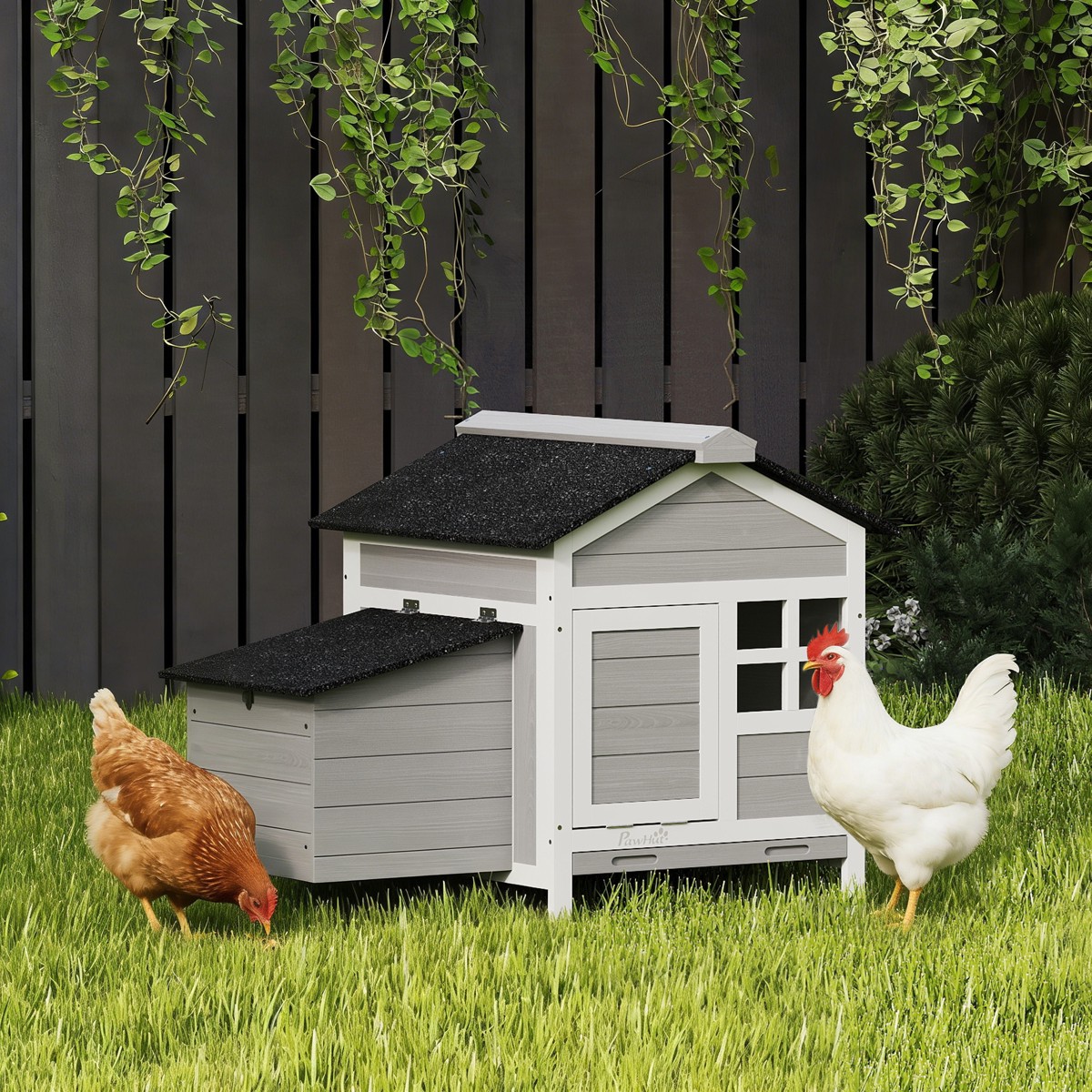 Wooden Chicken Coop Outdoor with Nesting Box, Pull-Out Metal Tray, for 1-2 Chickens, Rabbits, Ducks, 36" x 25" x 27"$115.99View on Mallflare
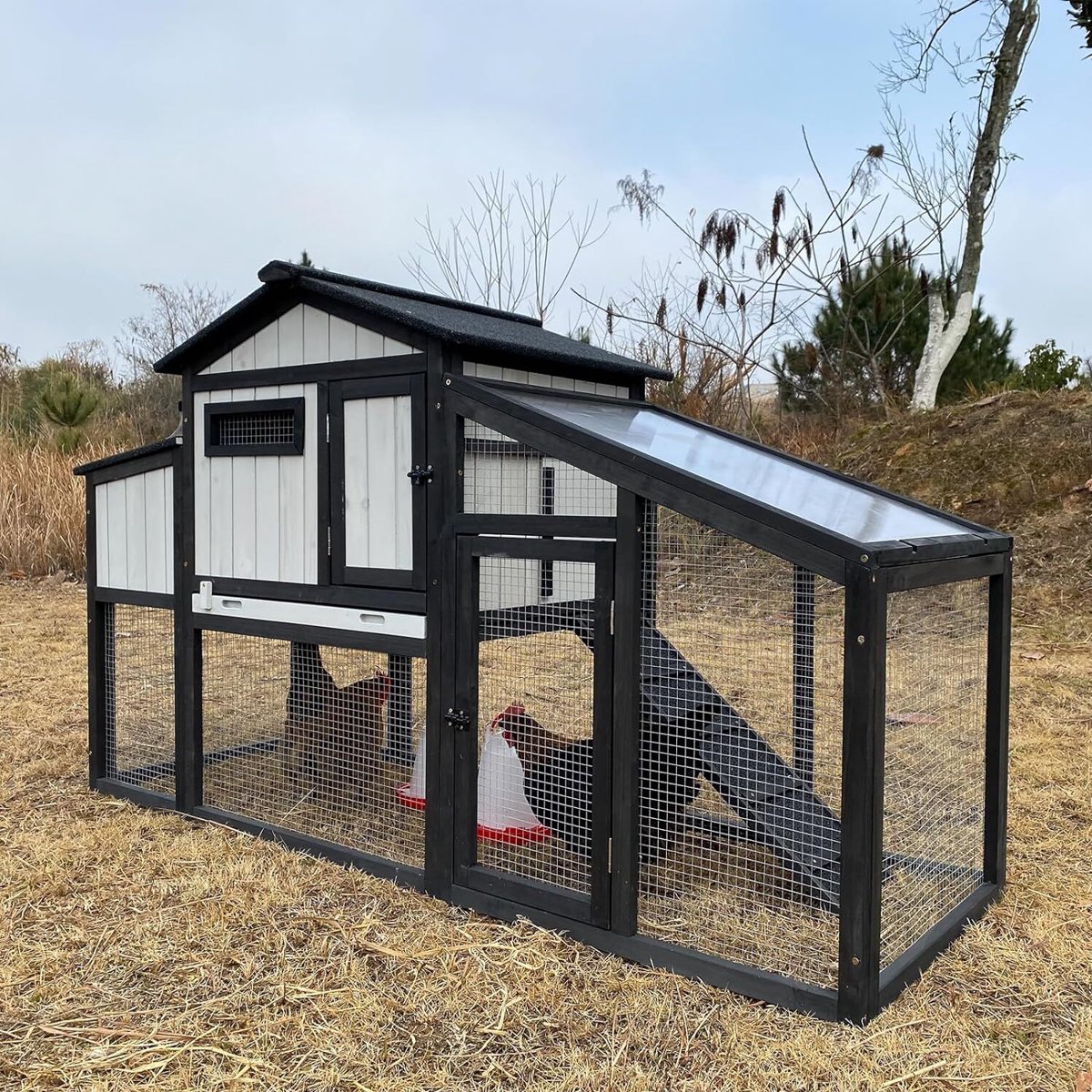 PetsCosset Chicken Coop Outdoor Wooden Backyard 2-Story Hen House Chicken Run$139.99View on eBay
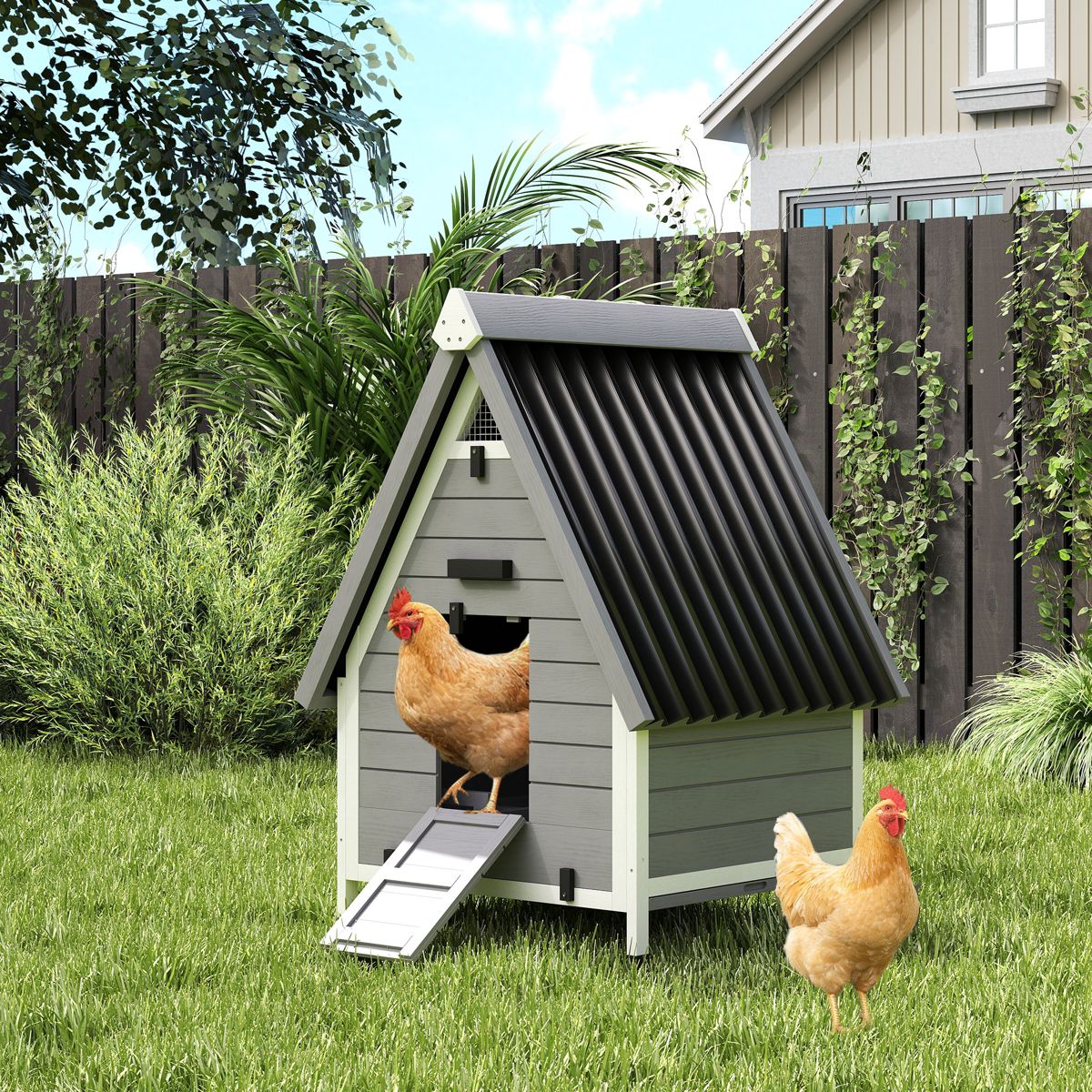 Chicken Coop for 2 Chickens, Outdoor Wooden House with Removable Nesting Box & Roosting Bar, Tray, Ramp$147.99View on Mallflare
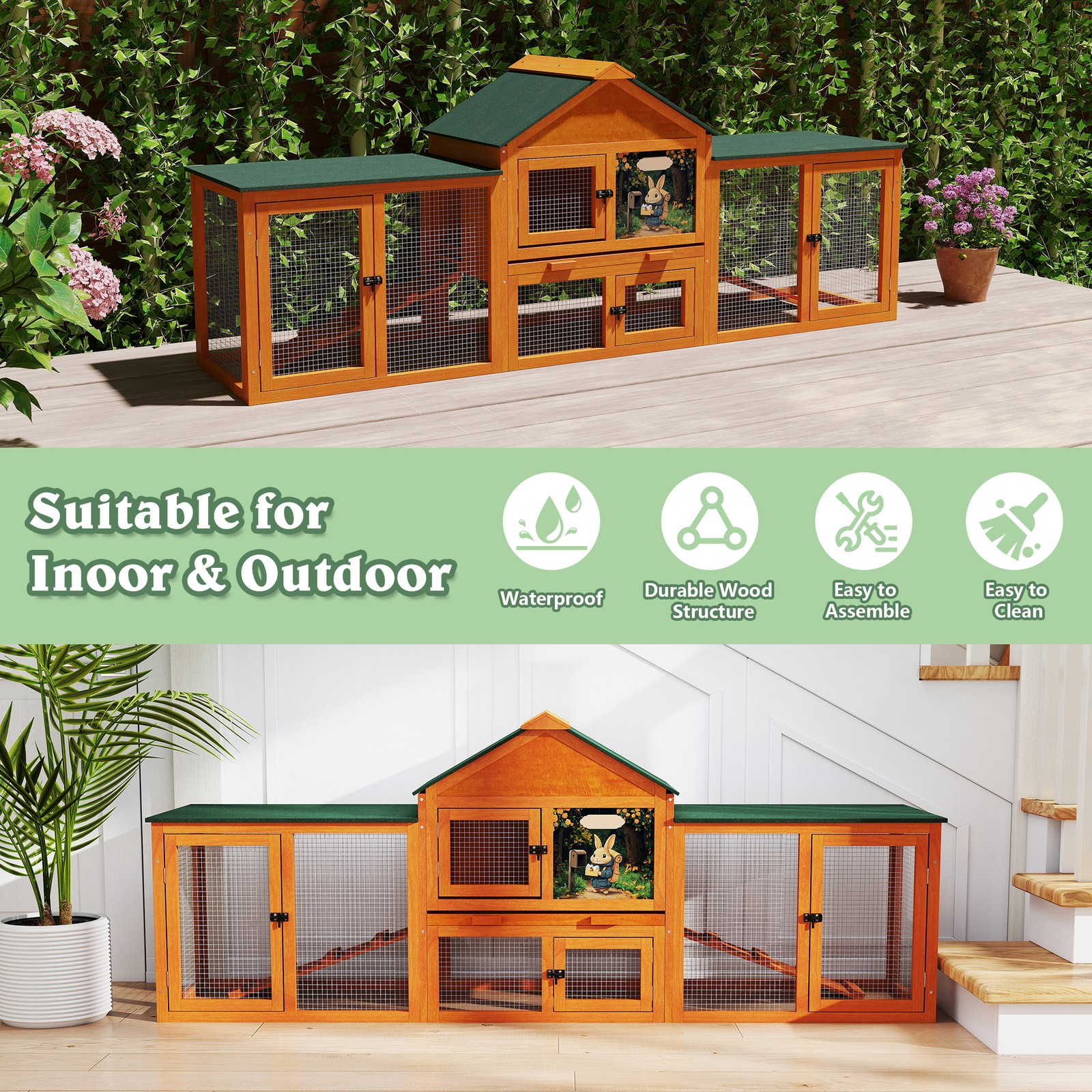 COZIWOW 84" Rabbit Hutch Chicken Coop Wooden Small Animal House Backyard Outdoor$149.99View on eBay
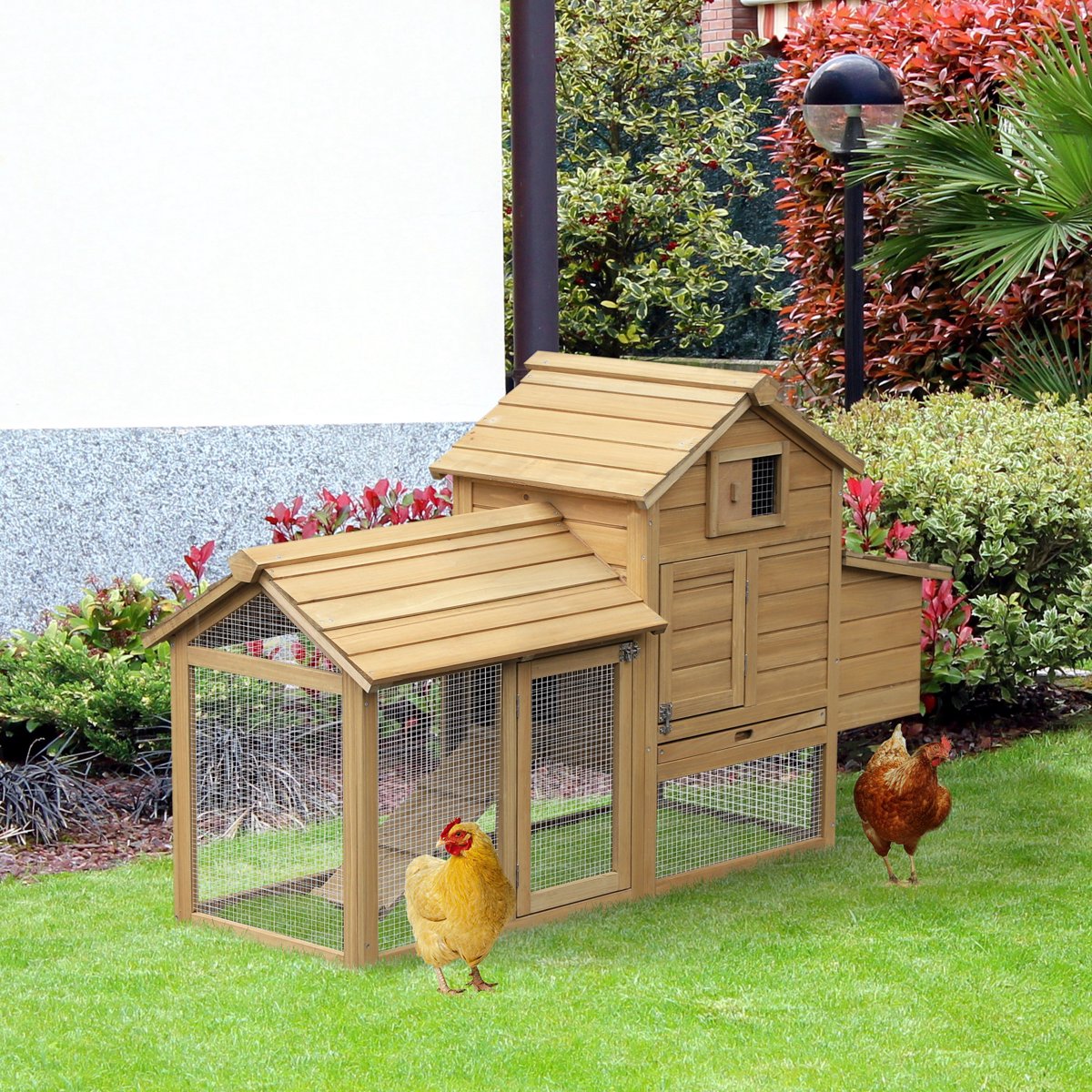 59" Small Wooden Chicken coop Hen House Poultry Cage for Outdoor Backyard with 2 Doors, Nesting Box and Removable Tray, Natural Wood$151.99View on Mallflare
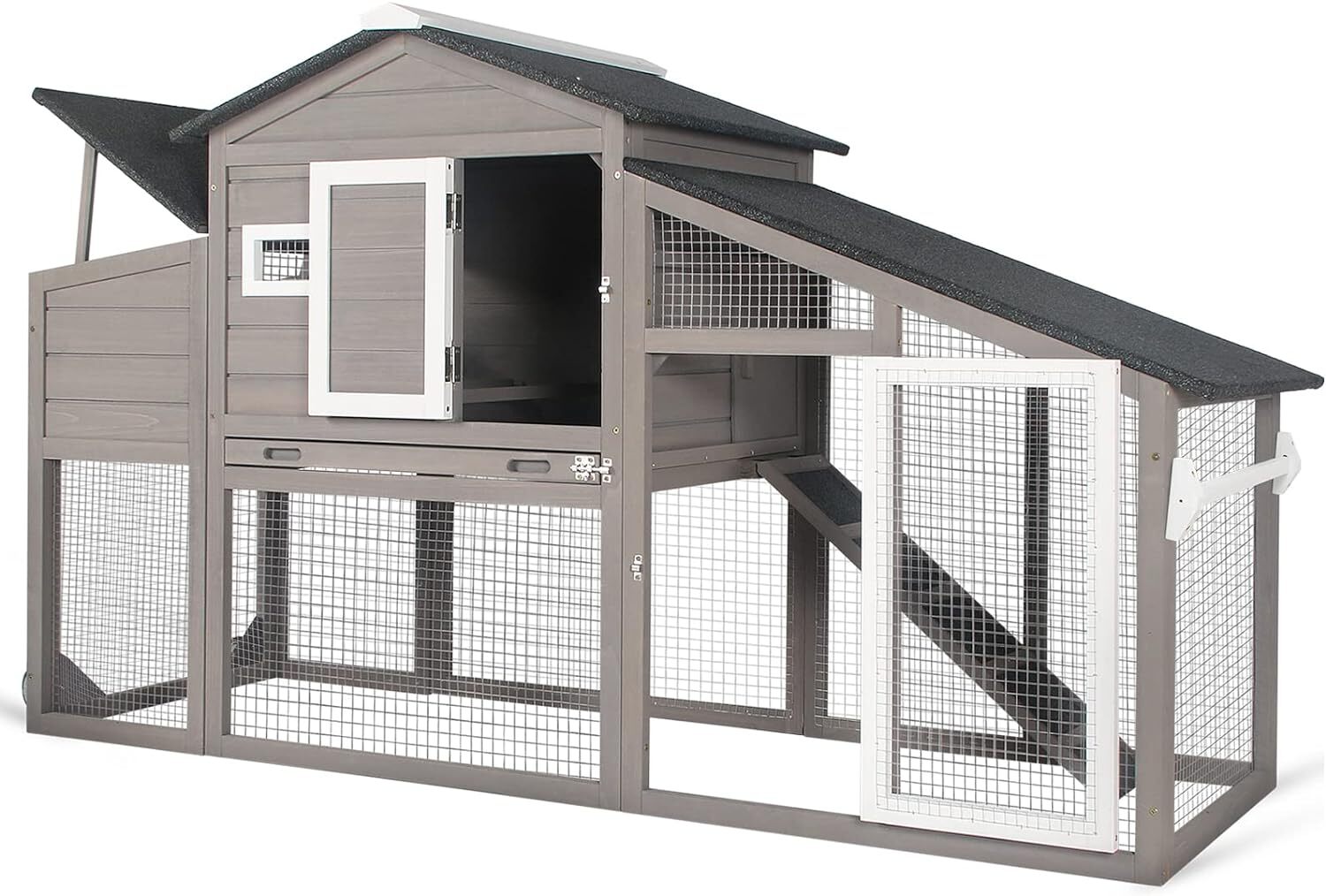 PetsCosset Chicken Coop Wooden Backyard Hen House with Run Nesting Box & Trays$169.99View on eBay
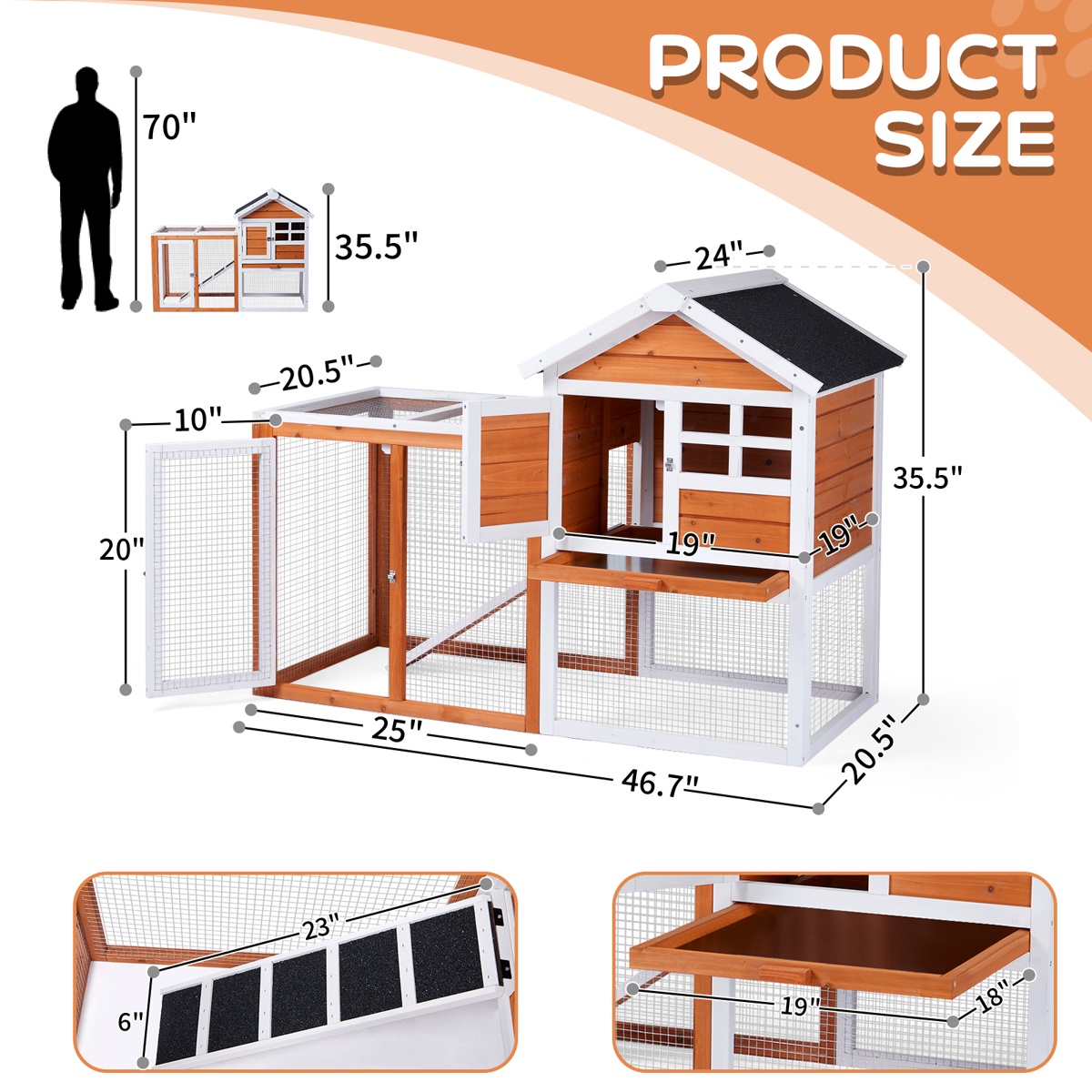 Wooden Rabbit Hutch Outdoor Chicken Coop Indoor Bunny Cage with Run, Guinea Pig House Pet Pull Out Upper Tray, Orange$172.99View on Mallflare
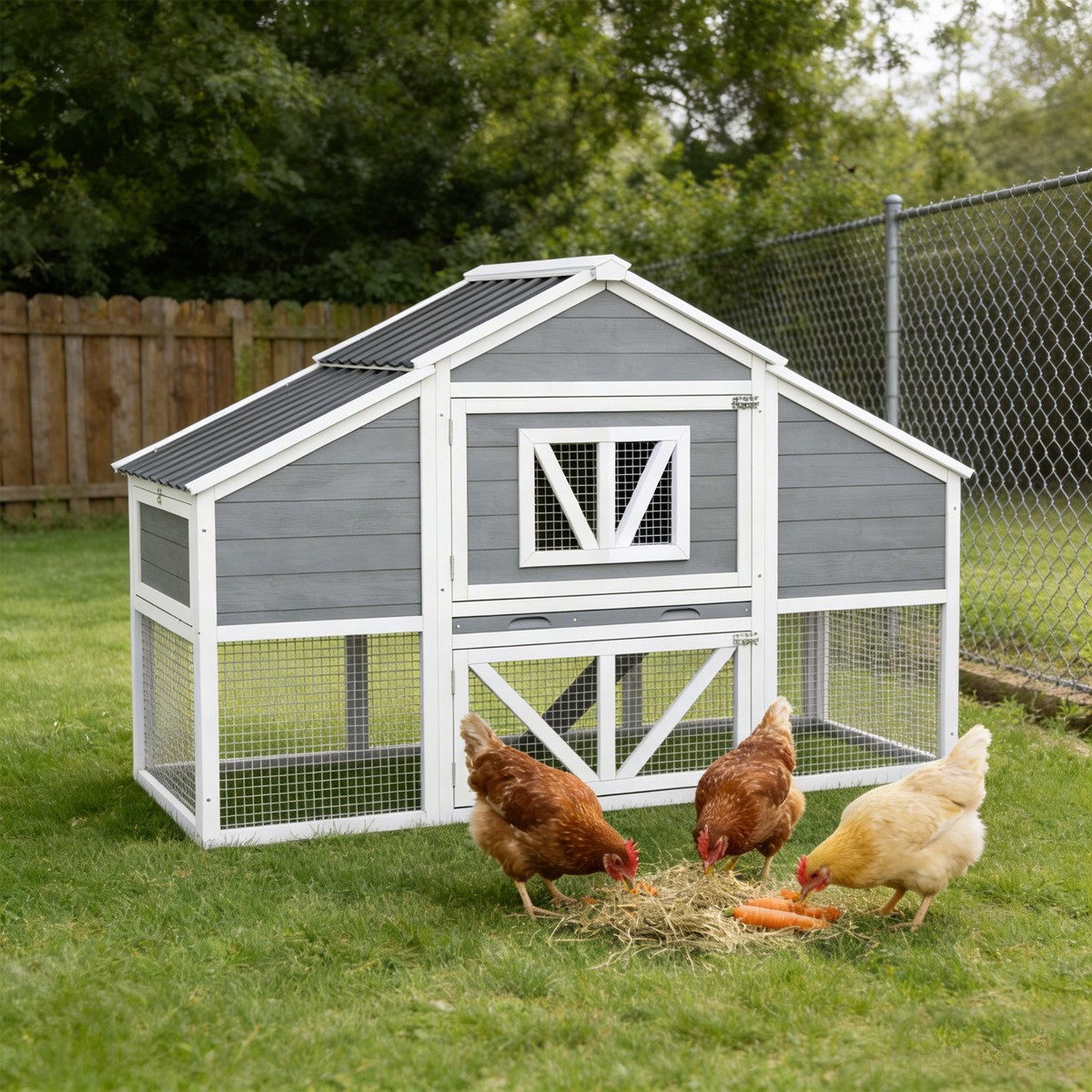 Backyard 2-Tier Wooden Chicken Coop with 4 Nesting Boxes for 6 Hens, Gray$198.00View on eBay
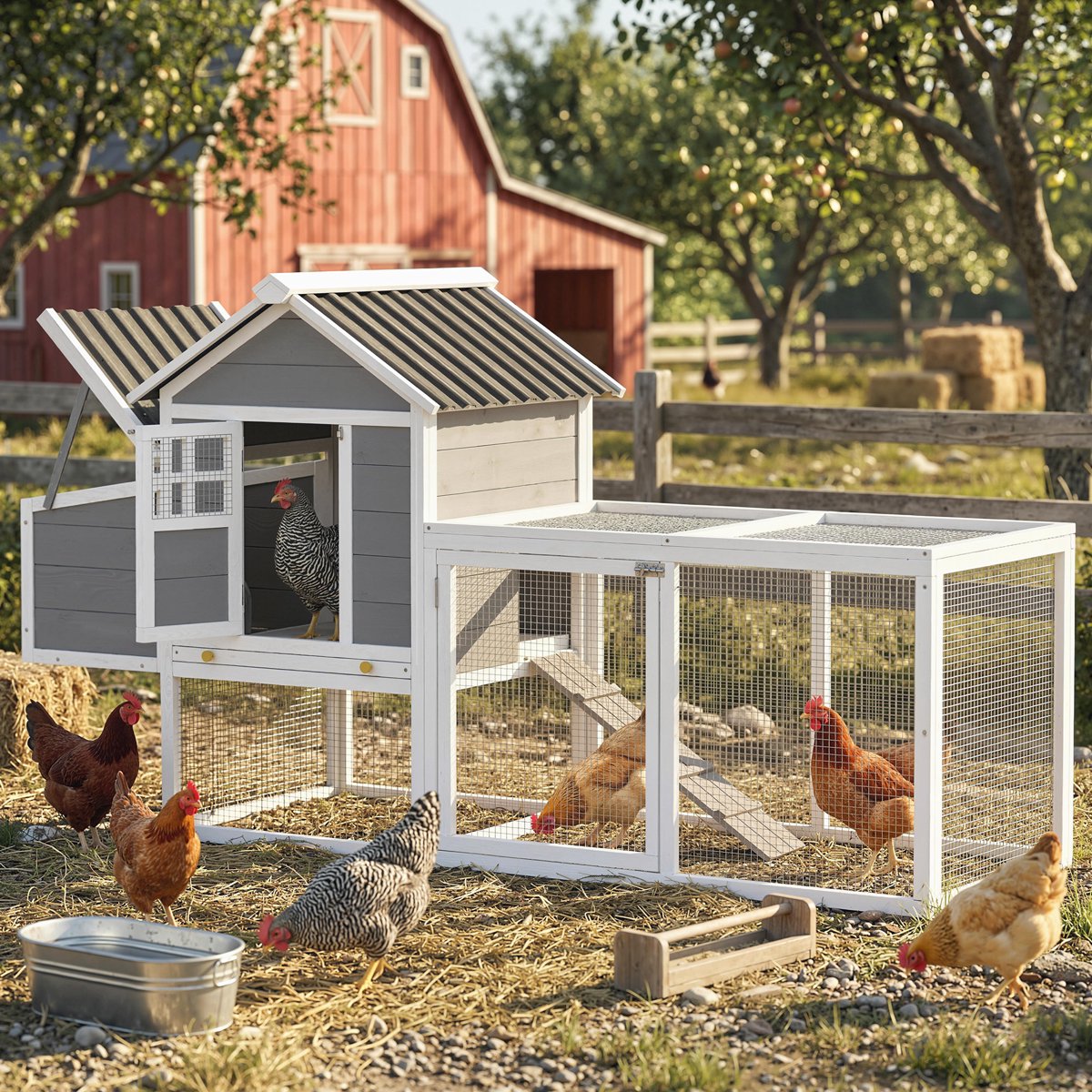 Chicken Coop, 82.3" Wooden Outdoor Hen House with Nesting Box and Pull-Out Cleaning Tray, Gray$174.99View on Mallflare
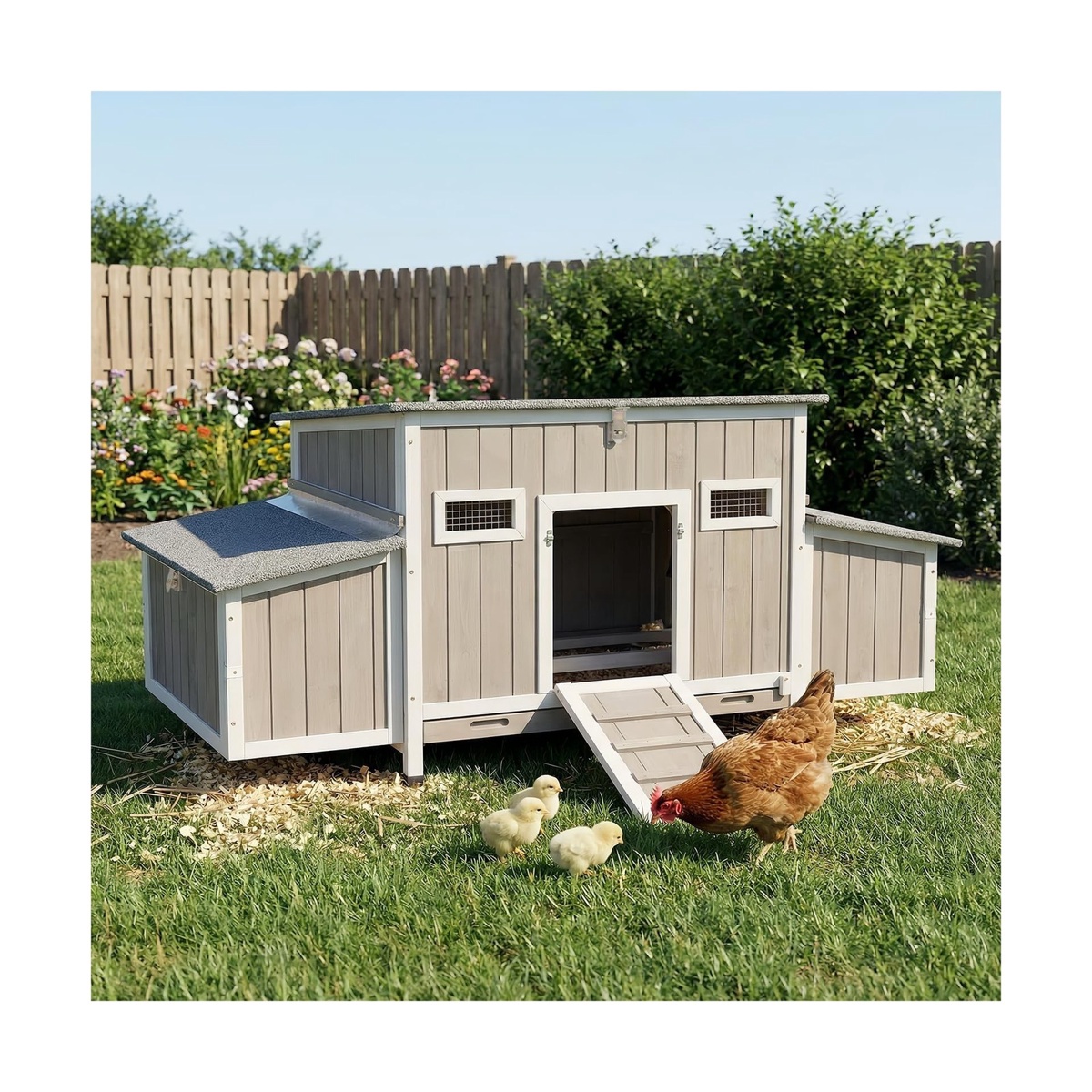 Chicken Coop Waterproof Asphalt Roof Predator-Proof Wooden Hen House for 2–$205.19Last checked Nov 18, 2026View on eBay
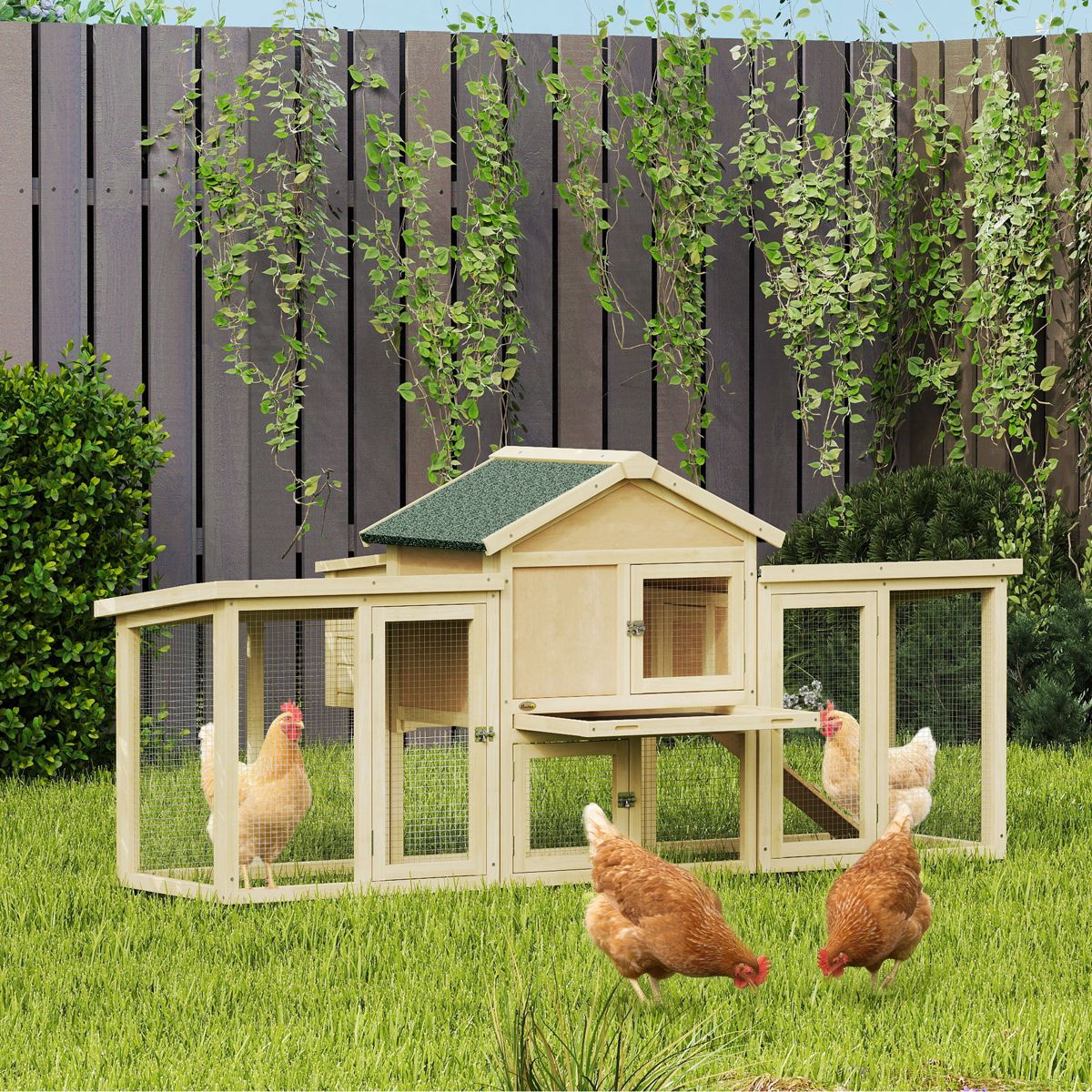 Wooden Chicken Coop ith Nesting Box, Double Runs, Removable Tray, Ramp, for Garden Backyard$178.99View on Mallflare
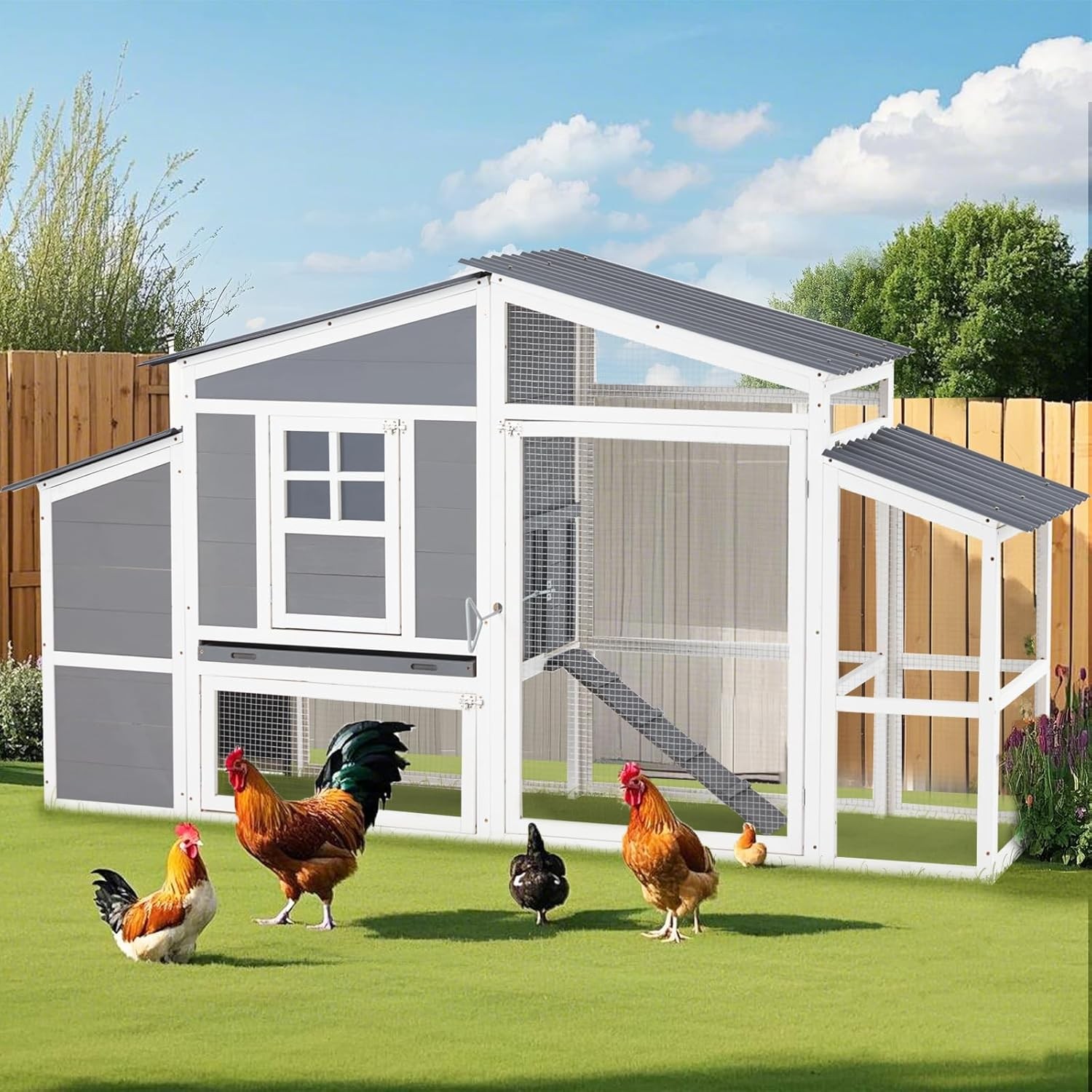 81” Large Chicken Coop Outdoor Wooden Hen House Poultry Cage w/ Nesting Boxes$209.99New · Last checked Nov 22, 2026View on eBay
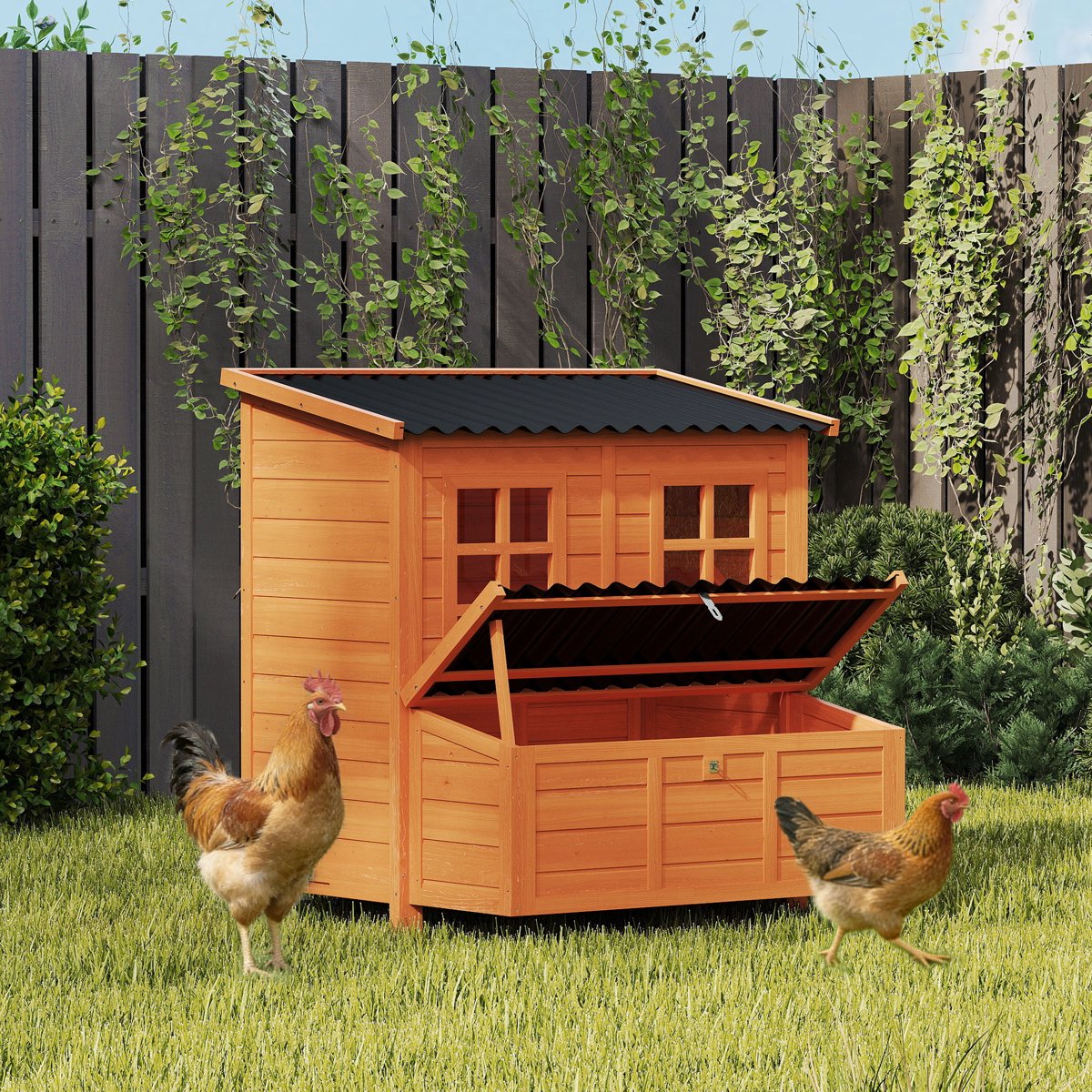 Wooden Chicken Coop with Nesting Box, Pull-Out Tray, Waterproof Roof, 39" House for 2-4 Chickens, Rabbits$197.99View on Mallflare
Highlights
- Frame and cladding grade determine lifespan: fir or cedar with 10–12 mm tongue-and-groove boards outlast 3–5 mm stapled plywood by several seasons outdoors.
- Roof type is the primary leak point: an asphalt-shingle or sloped metal roof with overhang sheds rain; a flat untreated plywood top pools water and rots at the seams.
- Nesting box count sets practical flock size: one 30 x 30 cm nesting box per 3–4 hens, so a 4-box coop comfortably houses 6–8 hens, not the 12–15 often claimed.
- Ventilation must be high and shielded: ridge vents or eaves gaps above head height move ammonia and moisture without drafting hens, while solid walls with no vent cause respiratory problems.
Best use cases
- Best fit: a 2–4 hen backyard flock in a mild climate—pick a single-deck 36–48 inch coop with a raised floor, one nesting box, and a pull-out tray for weekly cleaning.
- Choose a two-tier or hutch-with-run model for 5–8 hens where predators are a concern: the enclosed upper deck plus a wire run keeps birds safe at night and shaded by day.
- Skip small 36-inch hutches for anything beyond 3 hens—they lack floor area for roosting bars and the nesting box becomes a soiled sleeping spot; step up to a 60-inch or 2-tier unit instead.
Buying tips
- Size by floor area, not marketing labels: allow 0.3–0.4 m² (3–4 sq ft) of coop floor per hen plus 1 m² of run, so a 1 m² coop suits 2–3 hens maximum.
- Check wood species and thickness: fir or cedar at 10 mm+ resists rot; pine or particleboard under 8 mm needs annual sealing and still fails in wet climates.
- Require a raised floor 15–20 cm off the ground—ground-contact floors wick moisture and harbor mites; a metal or plastic pull-out tray makes dropping removal tool-free.
- Confirm roof and hardware: asphalt shingles or a sloped metal panel with 5 cm overhang, plus galvanized hinges and a predator latch—not hook-and-eye closures that raccoons open.
Specs
| Frame Material | Fir / cedar vs pine / particleboard |
|---|---|
| Cladding Thickness | 10–12 mm T&G vs 3–5 mm plywood |
| Roof Type | Asphalt shingle / metal vs flat plywood |
| Flock Capacity | 0.3–0.4 m² floor per hen; 1 box per 3–4 |
Related searches
What to check before buying
- Measure your run or lawn footprint: a 60-inch coop needs roughly 1.5 x 0.8 m of level ground, and two-tier models need clearance for the upper hatch to swing open.
- Match climate: in rainy or snowy regions choose a fully shingled roof and sealed joints; in hot climates prioritize shaded ventilation over solid walls.
- Plan the base: set the coop on pavers or a gravel pad and bury run skirting 30 cm deep to stop digging predators—coops without a floor must sit on a hard, dry surface.
- Verify companion parts: a separate run or fencing for daytime, a lockable feed bin, and a roosting bar at 20–25 cm height per bird are not included with most hutches.
FAQ
Data sources: eBay / Amazon listings and product attribute feeds. Updated Nov 28, 2026.
Some links on this page are affiliate links. If you buy after clicking one, we may earn a commission at no extra cost to you. This does not change which products appear here or their order. Affiliate disclosure.