
Photos from current listings. Actual item, color, and included accessories may vary.
LED Outdoor Light Buying Guide
LED outdoor lights span floodlights, path/stake lights, wall sconces, string/fairy lights, and decorative statues, all sharing the same core trade-off: integrated solar/battery vs. hardwired mains power. Solar units deliver zero-run-cost dusk-to-dawn operation but depend on panel placement and battery capacity; mains-powered units deliver unlimited runtime and higher lumen output but require an outdoor-rated circuit. The clear rule: match the power architecture to the installation site and required runtime, then demand at least IP65 for exposed fixtures and IP44 minimum for covered porches.
Median $32.49
Key takeaways
- Solar fixtures with integrated monocrystalline panels and 1200-2000 mAh Li-ion cells typically deliver 6-10 hours of dusk-to-dawn runtime; undersized 600 mAh cells drop to 3-4 hours in winter.
- IP65 seals against dust and low-pressure water jets and is the minimum for exposed floodlights, path stakes, and wall sconces; IP44 is acceptable only under a porch roof or eave.
- Motion-sensor models use passive infrared (PIR) with 120-degree detection cones and 3-8 m range; dual-mode versions switch from dim standby to full brightness on trigger to extend battery life.
At a glance
- Category
- Outdoor Lighting & Decor
- Last updated
- Nov 29, 2026
Current offers
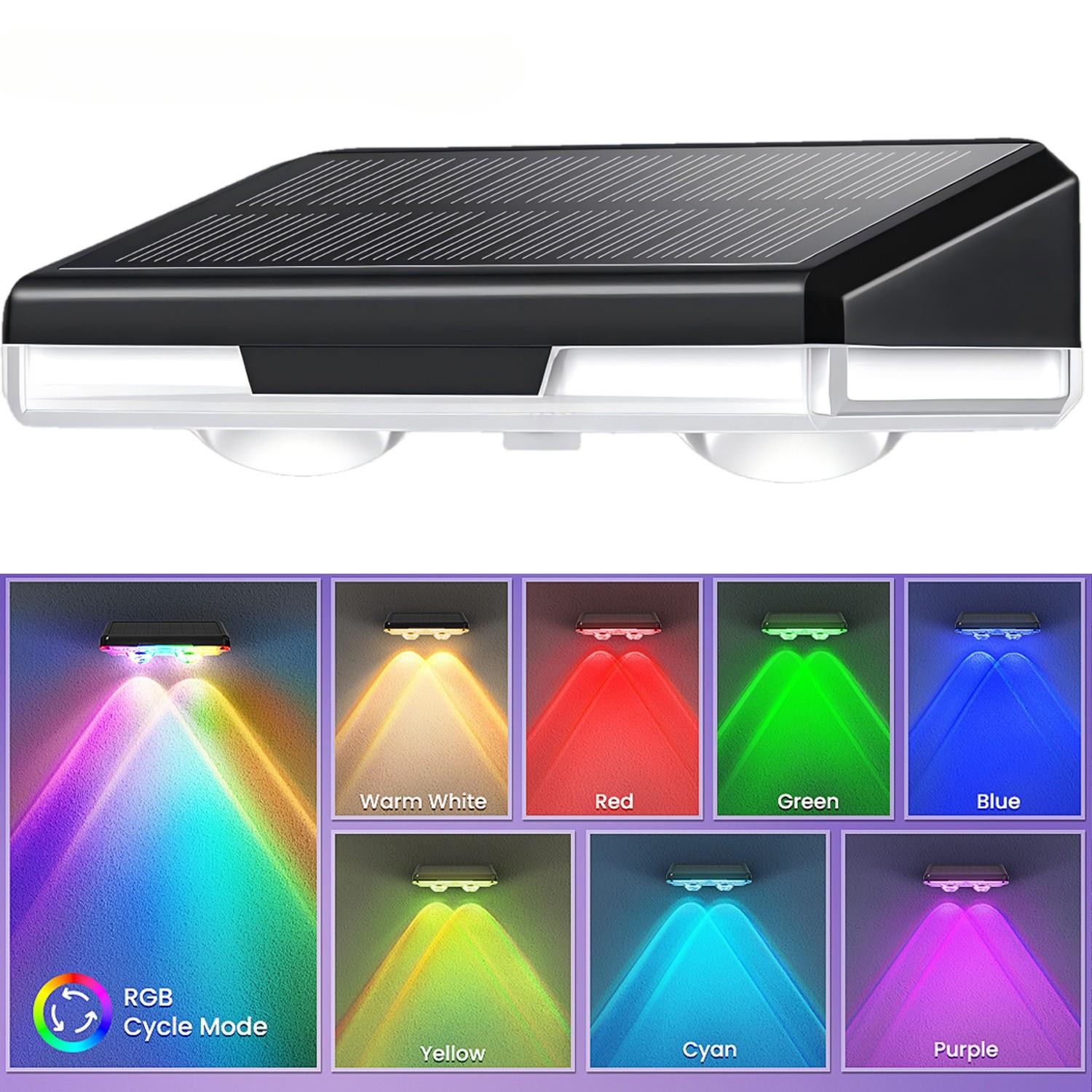 LED Solar Power Fence Lights Deck Door Wall Stair Step Outdoor Garden Decor Lamp$4.99Last checked Nov 28, 2026View on eBay
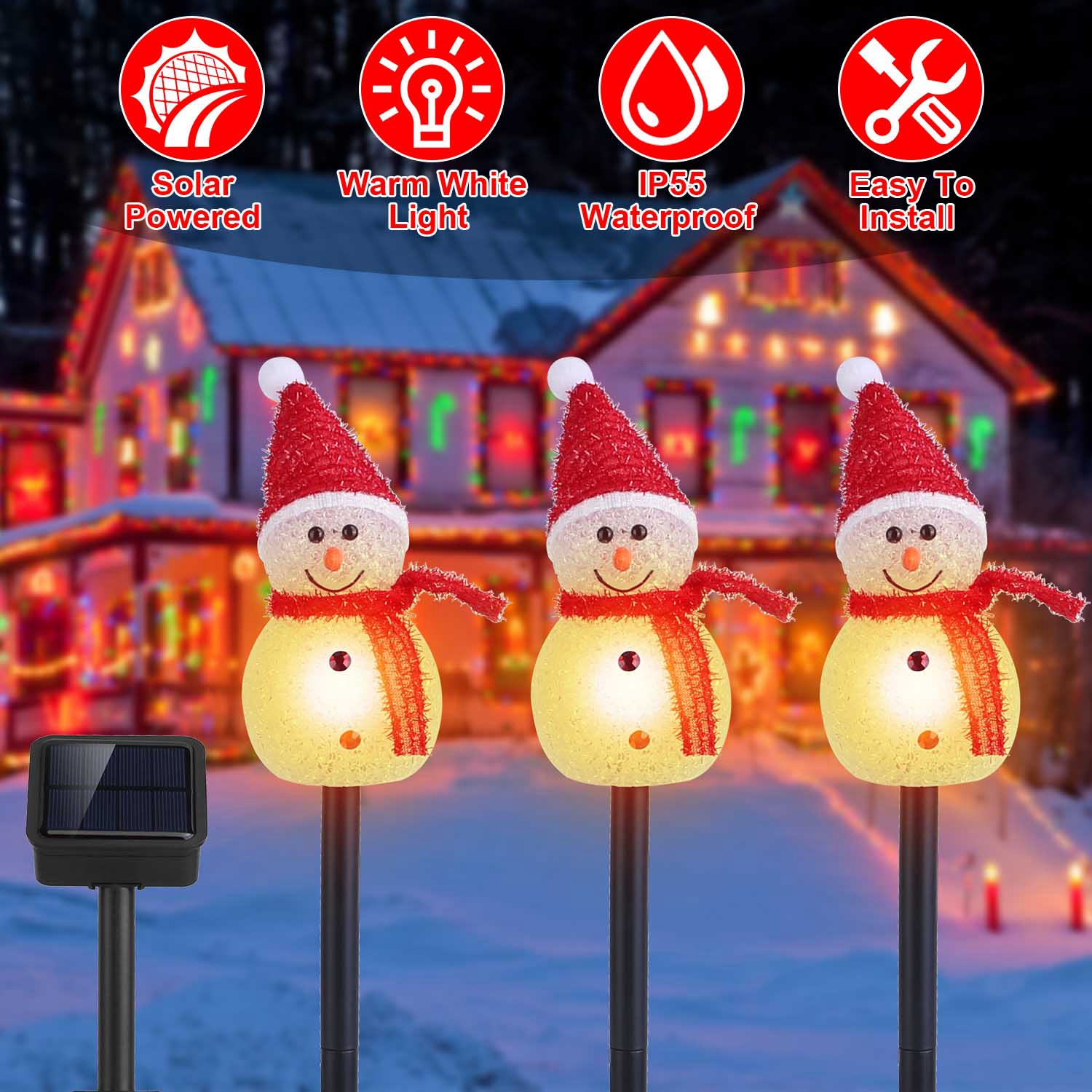 1Pc Solar Powered Lamp 3 Snowmen Outdoor Decorative Christmas Garden Stake Light IP55 Waterproof Santa Landscape Warm White LED Lighting Pathway Yard Patio$21.99View on Mallflare
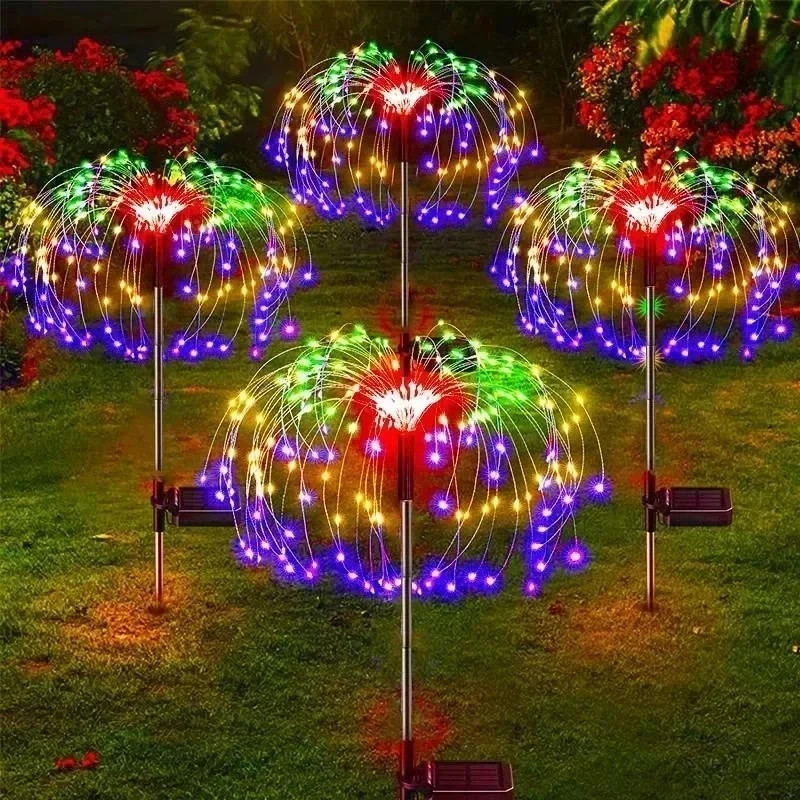 Outdoor LED Solar Firework Lights Garden Decoration Fairy Lights Waterproof Dand$5.45View on eBay
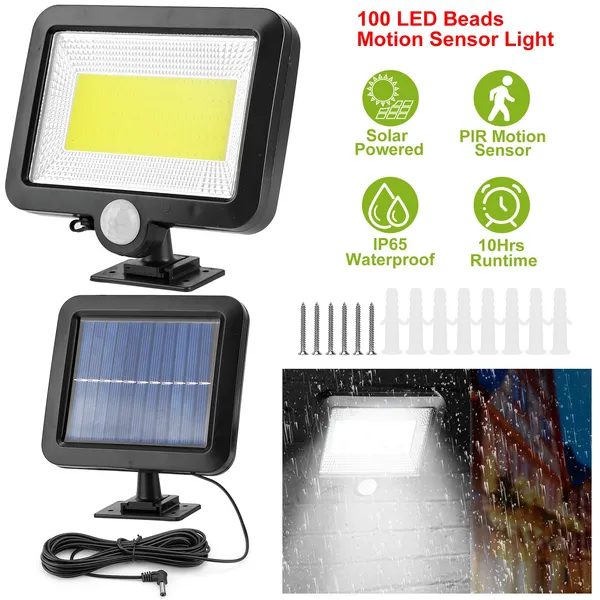 Solar Powered Wall Lights Outdoor 100 LED Beads Motion Sensor Lamp IP65 Waterproof Dusk To Dawn Light$27.99View on Mallflare
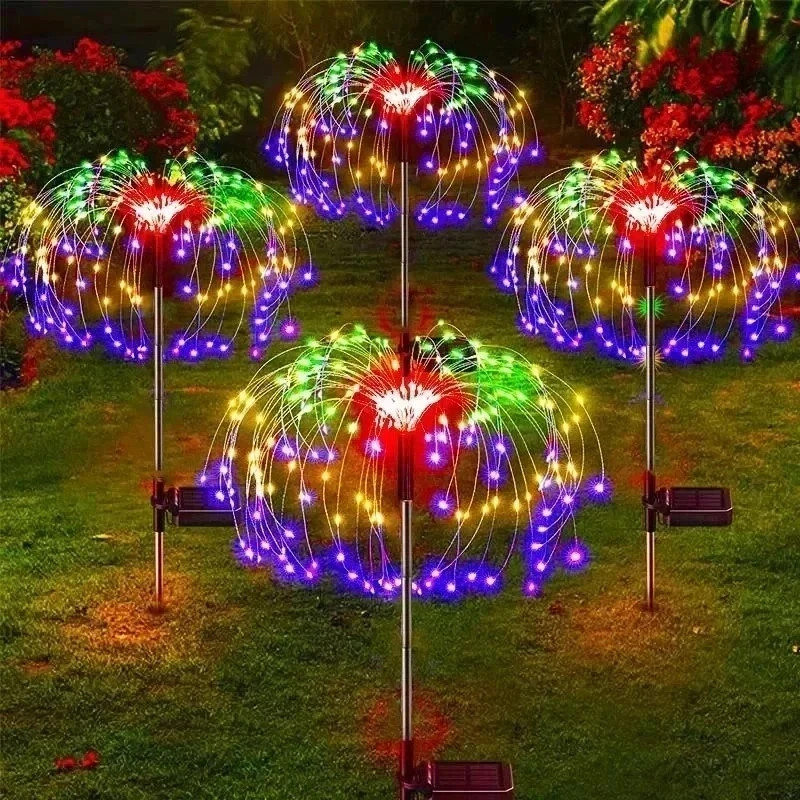 Outdoor LED Solar Firework Lights Garden Decoration Fairy Lights Waterproof Dand$5.99View on eBay
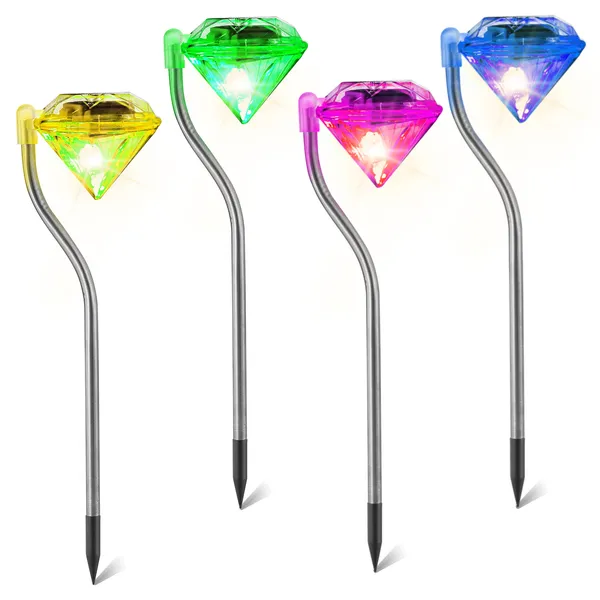 4Pcs Solar Garden Light Outdoor Diamond LED IP65 Waterproof Stake Decorative Lamp$31.99View on Mallflare
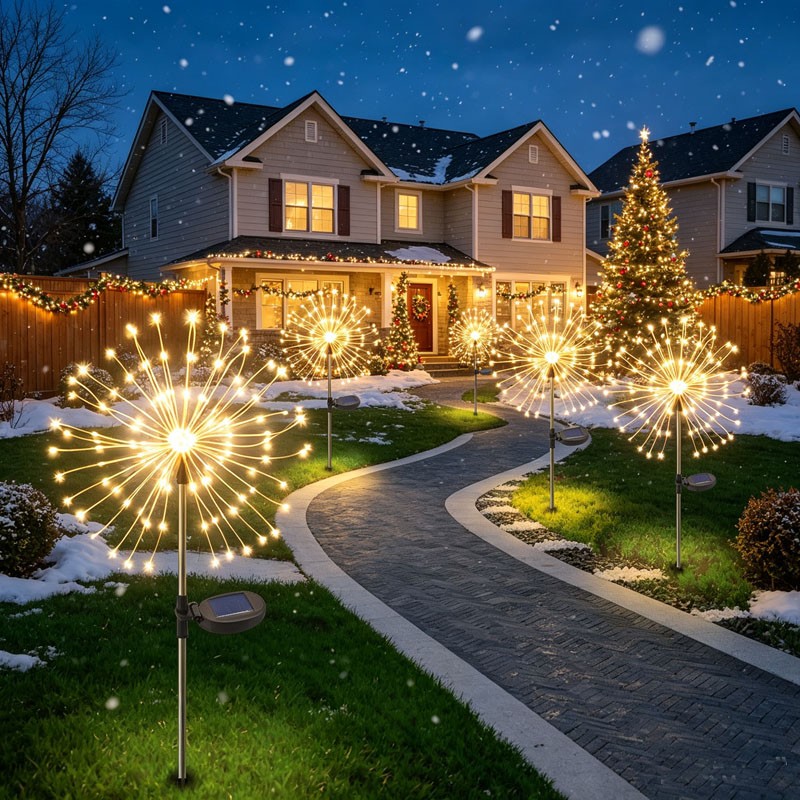 1PC 150 LED Solar Firework Lights Outdoor Garden Decor Waterproof Path Lawn Lamp$10.69View on eBay
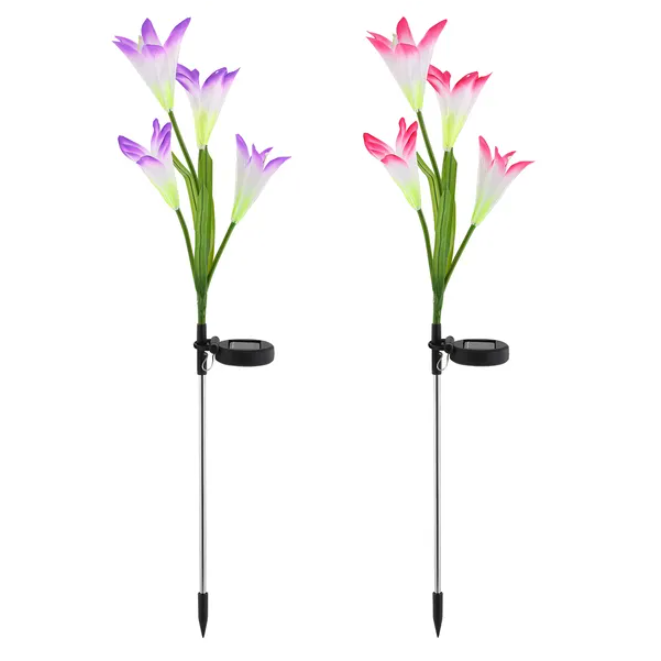 2Pcs Solar Garden Lights Outdoor Lily Flower LED Light$35.99View on Mallflare
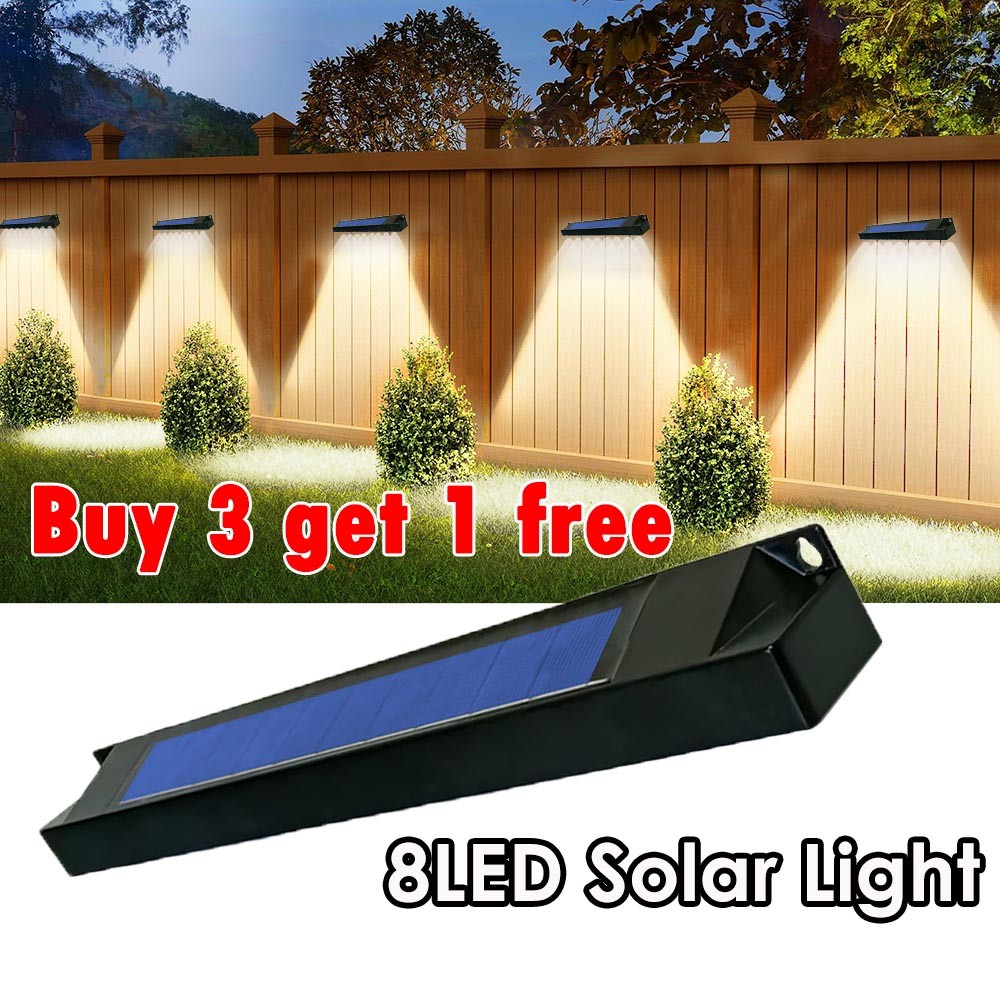 Solar Power Fence Lights 8 LED Deck Door Wall Step Outdoor Garden Decor Lamp$10.99View on eBay
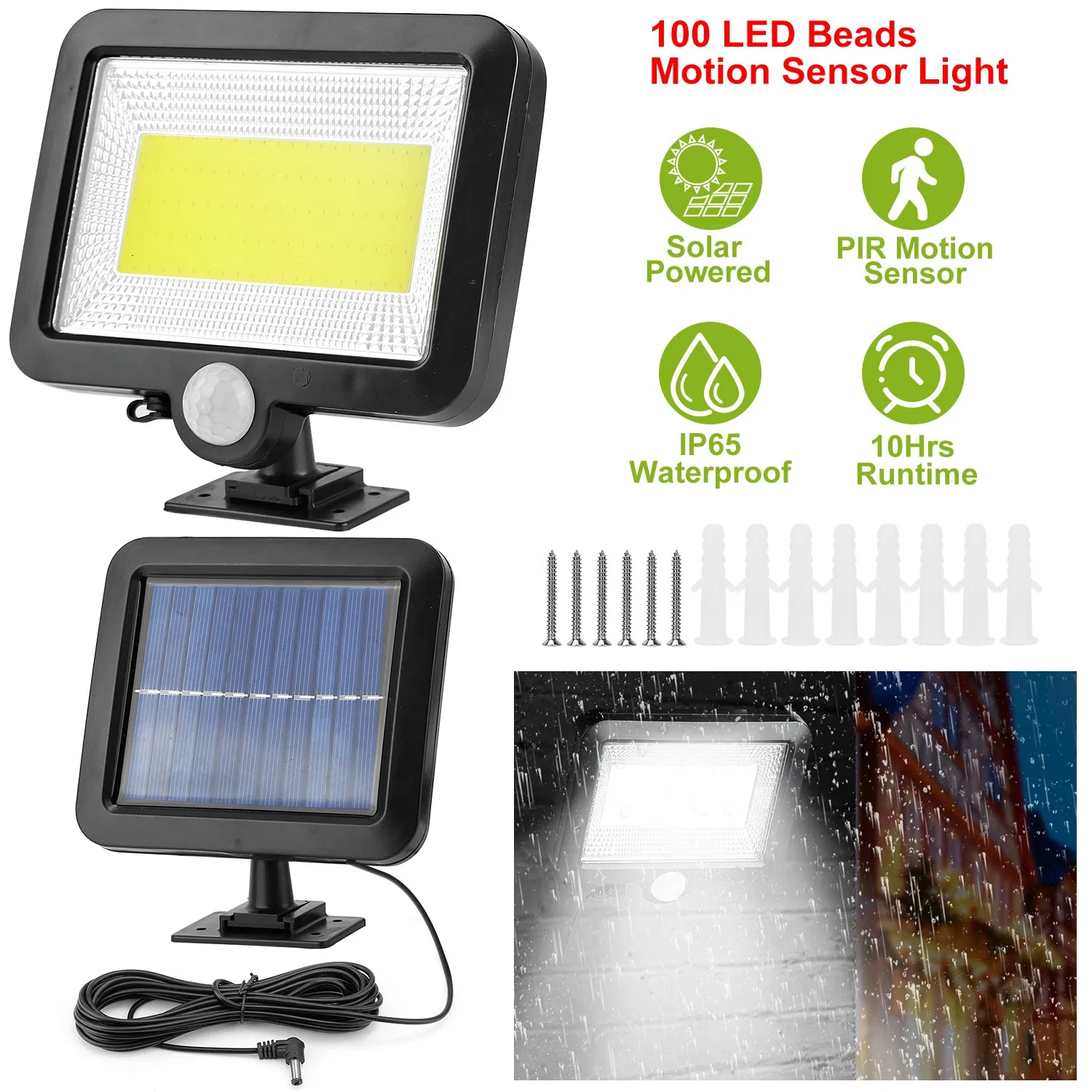 Outdoor Solar Wall Light,Motion & Light Sensor Activated,100 LED Beads,IP65 Waterproof,Rotatable Panel with 16.4ft Cable for Patio Garage Doorway$35.99View on Mallflare
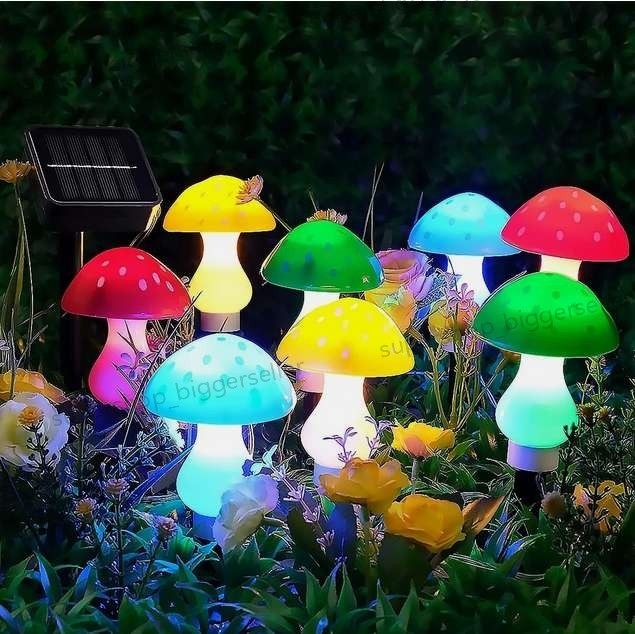 8Pcs LED Solar Mushroom Lights Outdoor Garden Decor Waterproof Fairy Light Lamp$11.99View on eBay
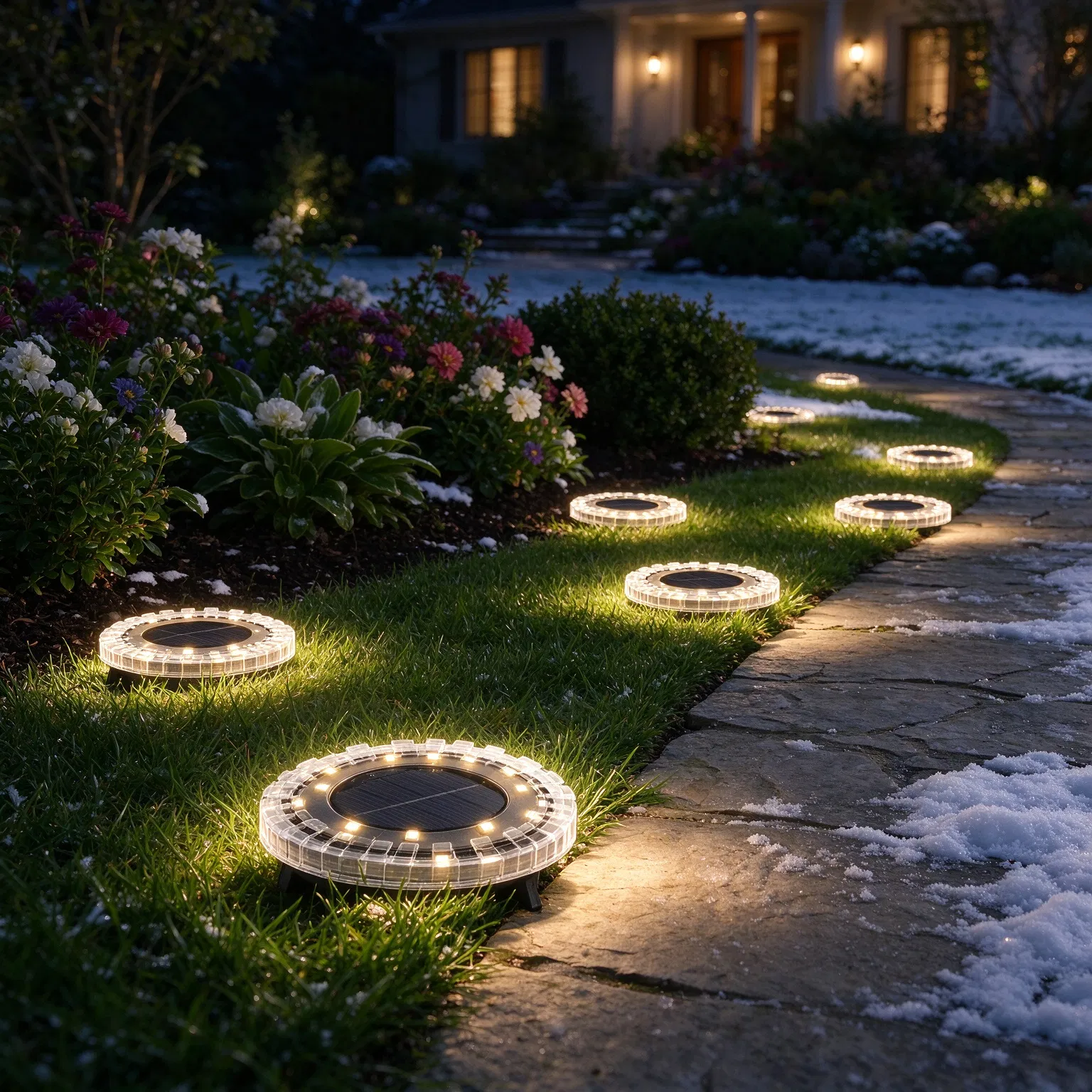 6 Packs Solar Ground Lights Outdoor, 8 LED Beads per Light, 2V Panel and 300mAh Battery, Auto On Off, IP44 Water-Resistant, 2.76in Stake for Pathway Lawn Garden--Warm$43.99View on Mallflare
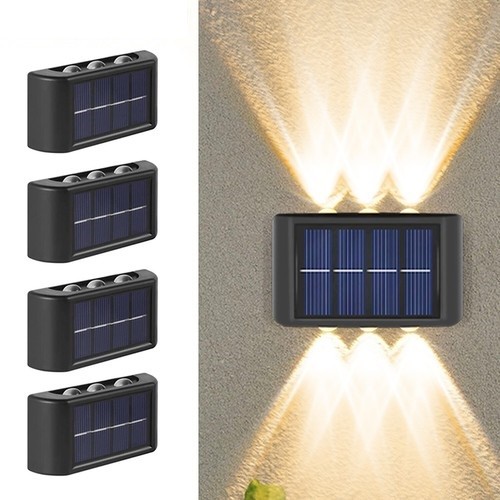 4X Solar Fence Lights Outdoor Dusk to Down LED Garden Yard Patio Wall Decor Lamp$12.59Last checked Nov 28, 2026View on eBay
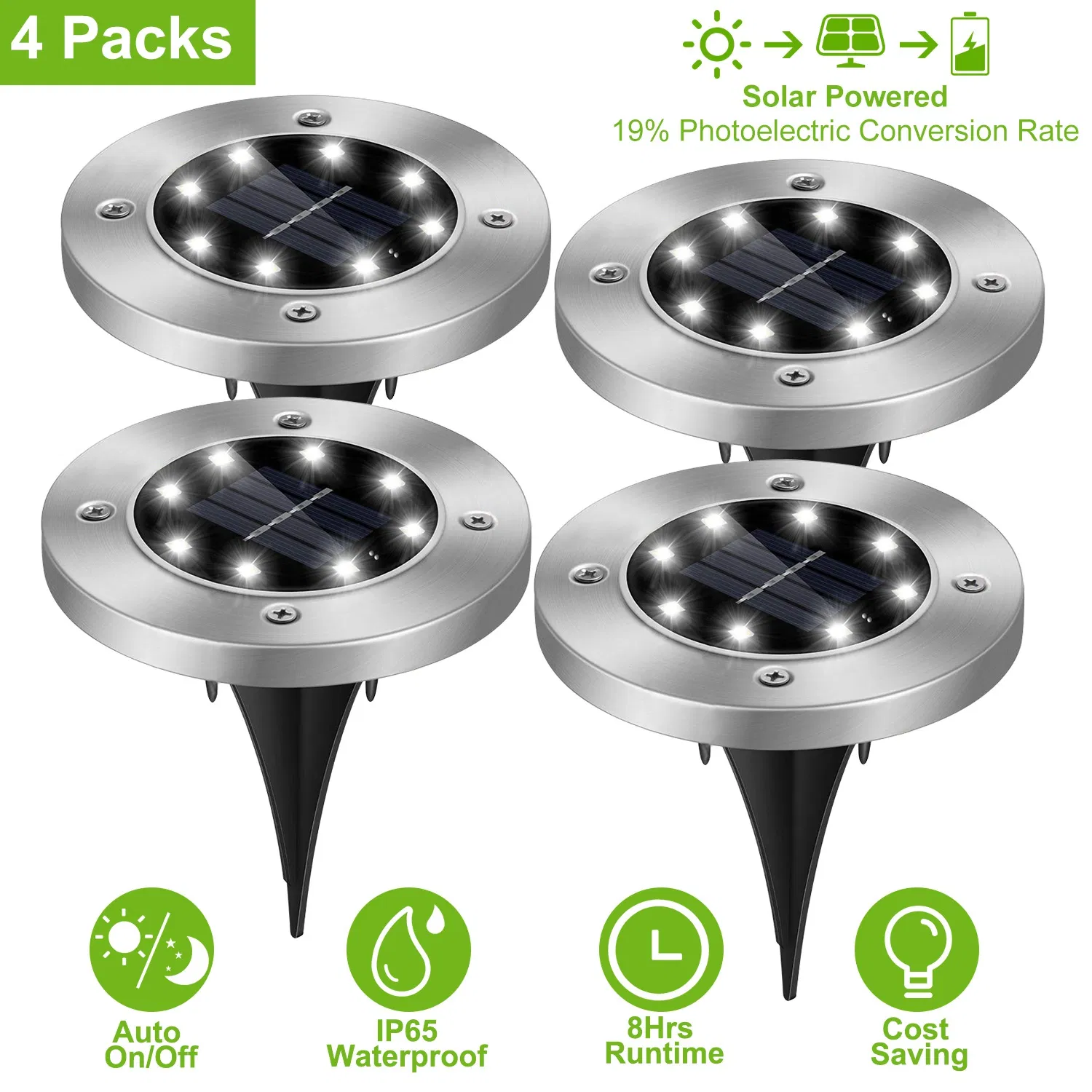 Solar Ground Lights, IP65 Waterproof Outdoor In-Ground Lamp with 8 LED Beads, 600mAh Battery, Light-Sensor Activated for Yard, Pathway, Lawn and Driveway$45.99View on Mallflare
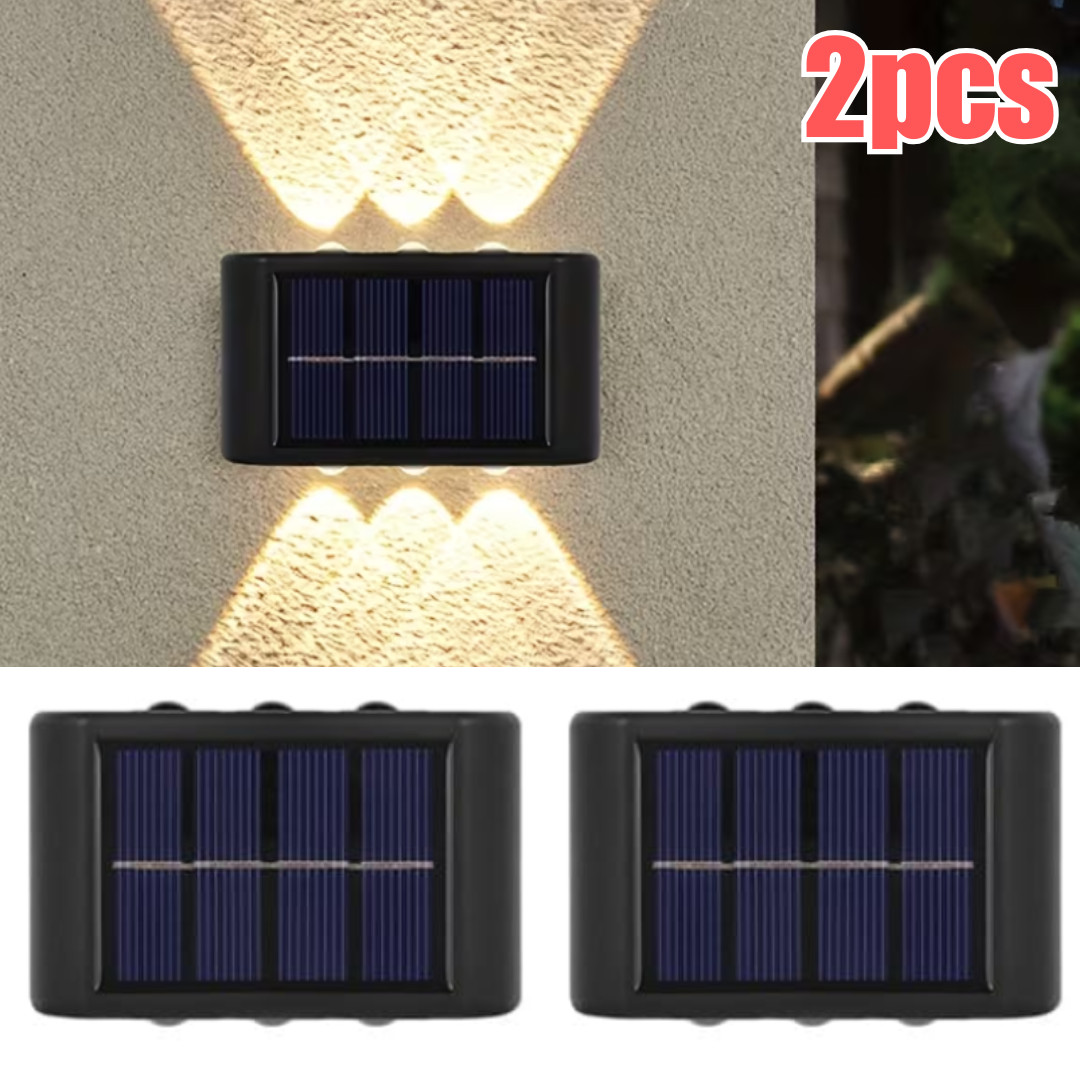 4× Solar Fence Lights Outdoor Dusk to Down LED Garden Yard Patio Wall Decor Lamp$12.59View on eBay
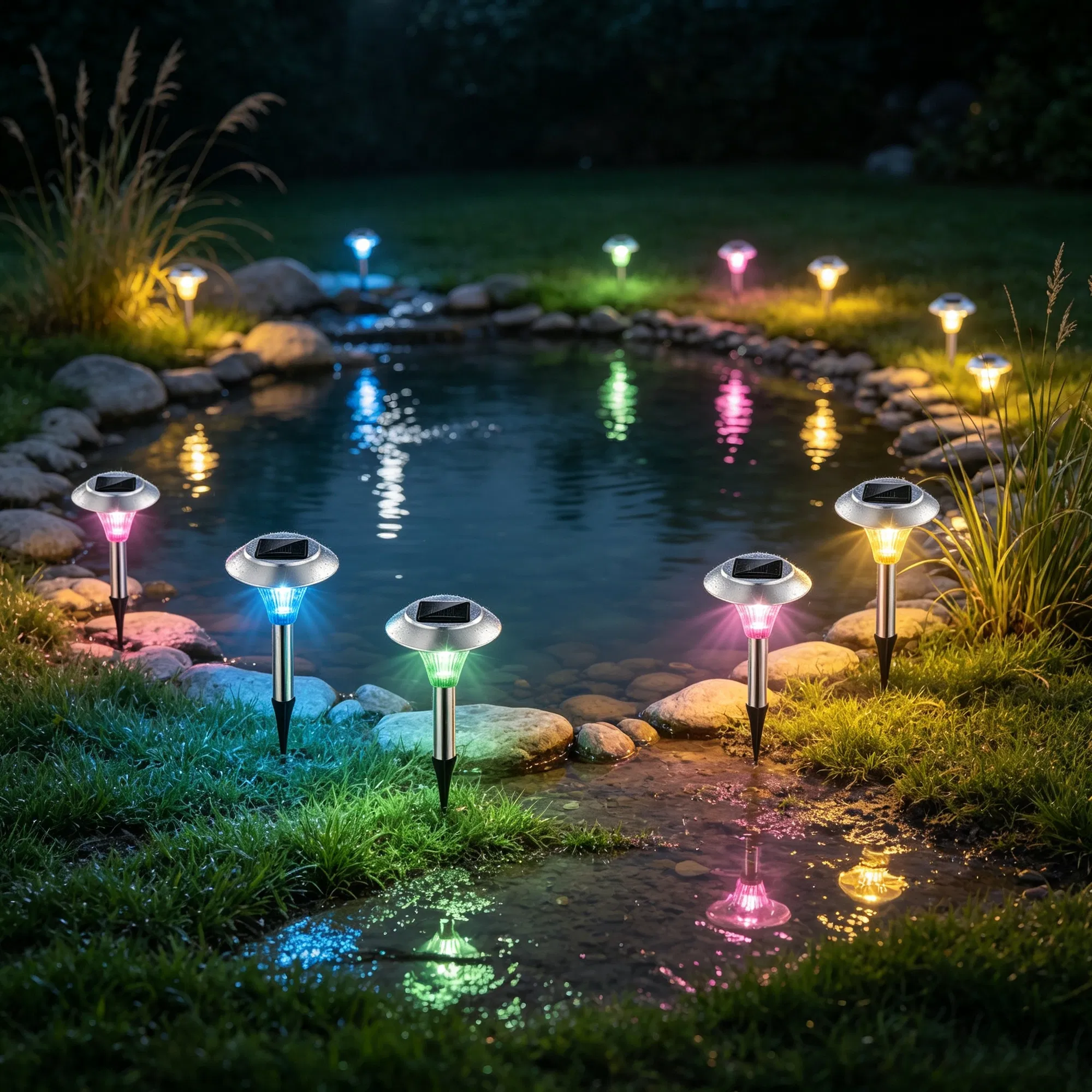 4 Packs Outdoor Solar Garden Pathway Lights, Color Changing LED Landscape Lighting, IP44 Weather-Resistant Stainless-Steel , PC for Backyard Walkway$47.99View on Mallflare
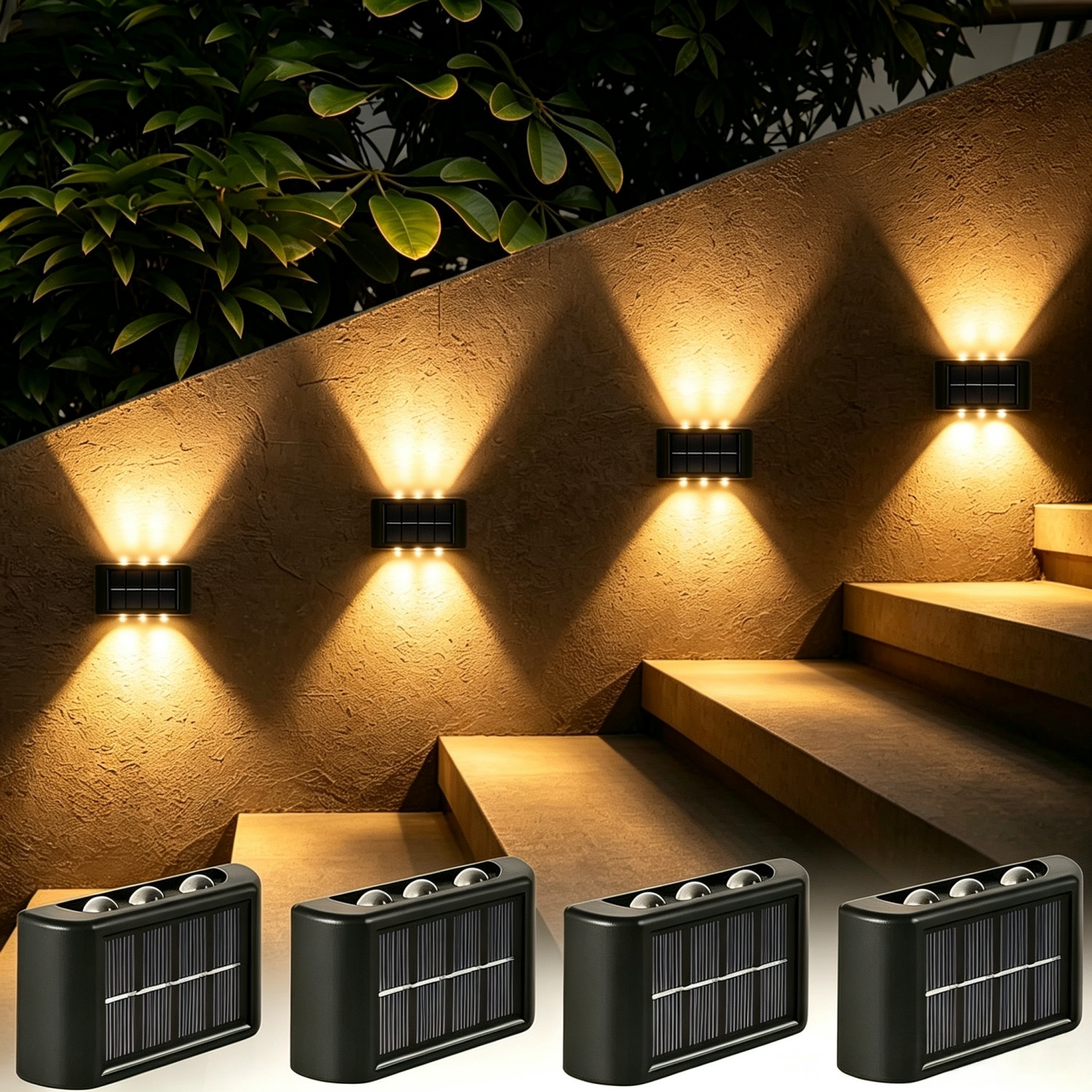 4Pack Solar Wall Lights Outdoor Garden Yard Fence Deck Front Door LED Decor Lamp$12.99Last checked Nov 28, 2026View on eBay
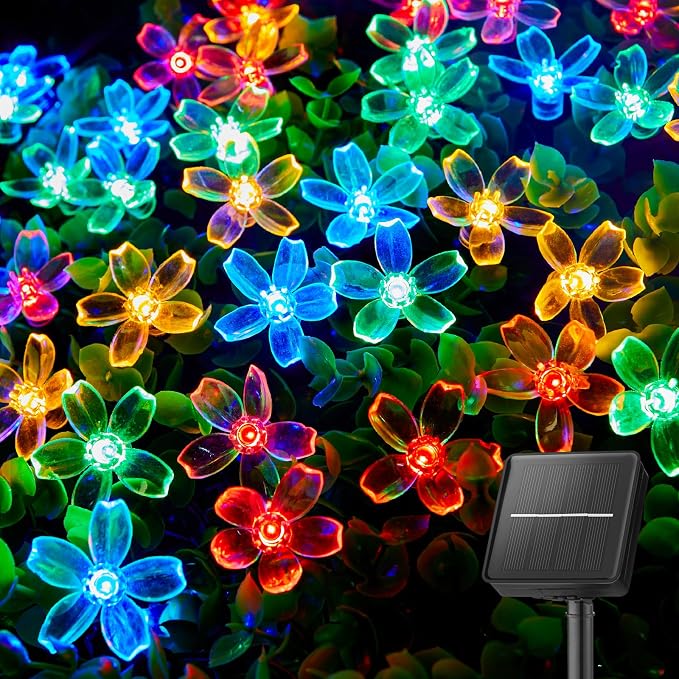 60 LED Flower Solar String Lights, Waterproof Outdoor Fairy With Power For Garden, Patio, Yard And Christmas Decor$50.99View on Mallflare
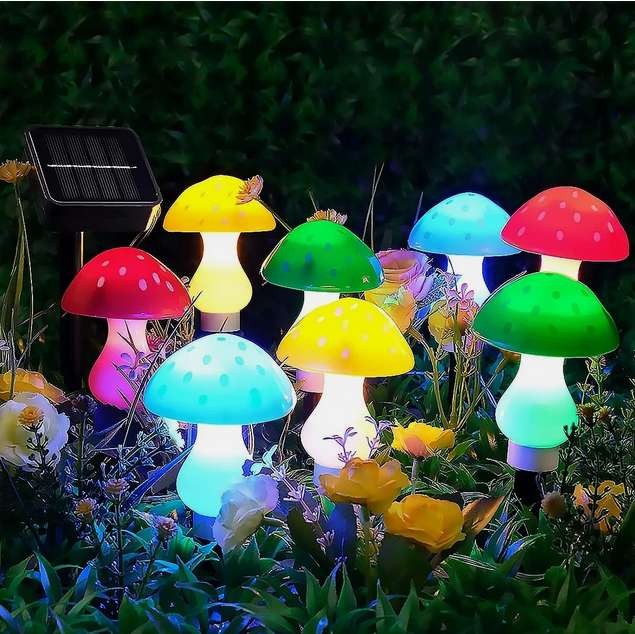 8Pcs LED Solar Mushroom Lights Outdoor Garden Decor Waterproof Fairy Light Lamp$13.79View on eBay
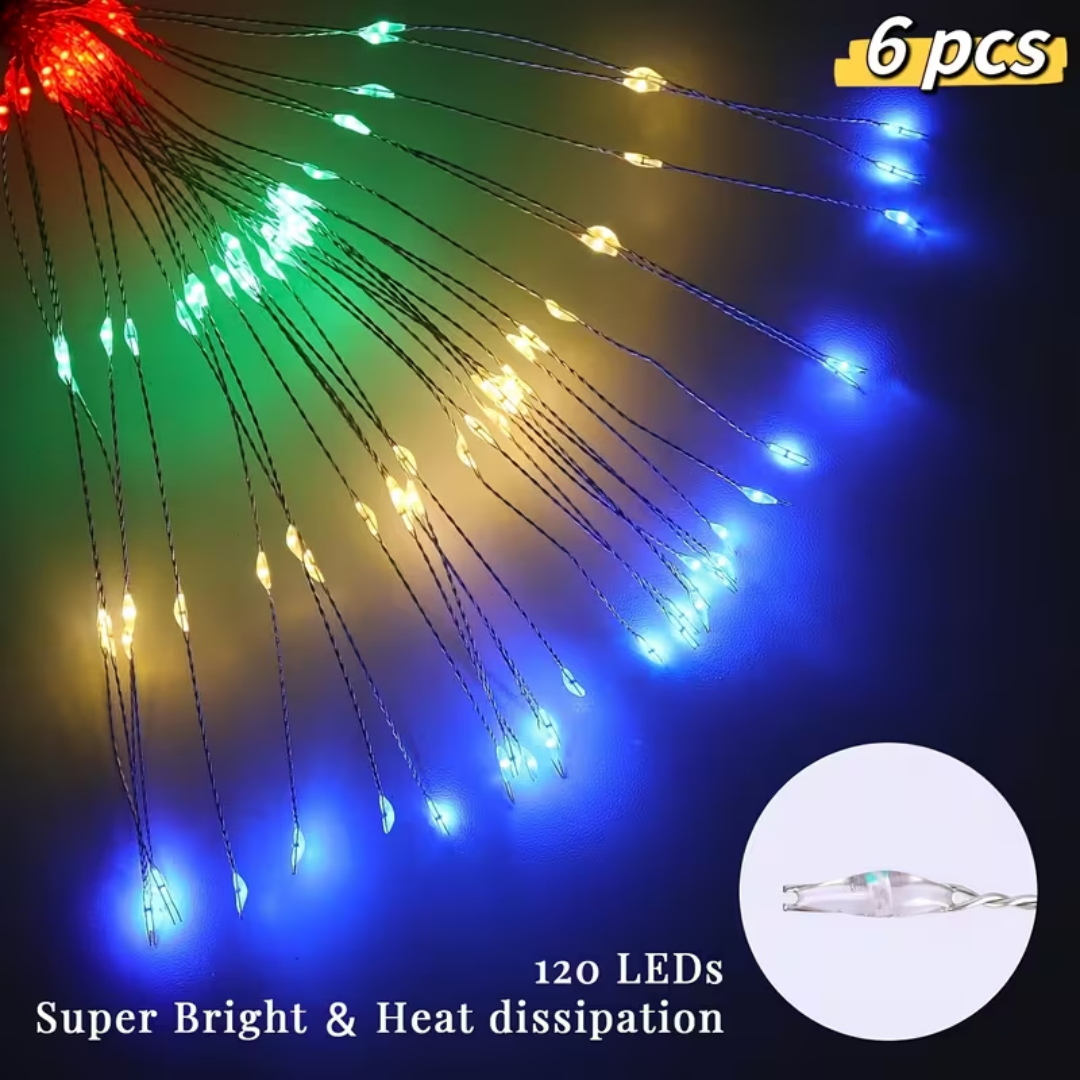 Multi colored 6-pack 120 LED 8-mode solar powered fireworks light, outdoor garden waterproof used for pedestrian walkways, backyard lawn landscapes, and vibrant tree decorations with$51.99View on Mallflare
Highlights
- Solar fixtures with integrated monocrystalline panels and 1200-2000 mAh Li-ion cells typically deliver 6-10 hours of dusk-to-dawn runtime; undersized 600 mAh cells drop to 3-4 hours in winter.
- IP65 seals against dust and low-pressure water jets and is the minimum for exposed floodlights, path stakes, and wall sconces; IP44 is acceptable only under a porch roof or eave.
- Motion-sensor models use passive infrared (PIR) with 120-degree detection cones and 3-8 m range; dual-mode versions switch from dim standby to full brightness on trigger to extend battery life.
- Hardwired floodlights rated 150W-18000 lm equivalent draw roughly 15-30W actual LED power and require a photocell or timer for dusk-to-dawn; solar equivalents max out near 1000-1500 lm per fixture.
Best use cases
- Choose solar stake and path lights for open lawns, garden beds, and driveways with 6+ hours of direct sun — skip them for shaded north-facing yards where panels cannot recharge.
- Choose hardwired or low-voltage mains floodlights for security lighting at gates, garages, and building perimeters where consistent high lumens and motion triggering are required — solar floods dim after cloudy stretches.
- Choose solar string/fairy and firework lights for patios, fences, and holiday decor where ambient warm-white or multicolor accents matter more than task lighting — skip them for any area needing code-compliant egress illumination.
Buying tips
- Calculate solar runtime: panel wattage × 4 peak-sun hours ÷ LED wattage gives hours of light; a 2W panel with a 1W LED yields roughly 8 hours, but a 1W panel yields only 4.
- Match battery chemistry: Li-ion (1200-2000 mAh) handles winter cold better than NiMH (600-800 mAh) and holds charge 2-3x longer in sub-5°C conditions.
- For wall sconces, measure mounting height and spacing: place fixtures 5.5-6 ft above grade and 8-10 ft apart to avoid hot spots and glare on walkways.
- Pick warm white (2700-3000K) for decorative and path lighting and cool white (5000-6500K) for security floods; multicolor RGB versions add remote/app control but draw more standby power.
Specs
| Power Source | Solar vs hardwired vs low-voltage |
|---|---|
| Weather Rating | IP44 covered / IP65 exposed |
| Light Output | 50-200 lm path / 1000+ lm flood |
| Battery Capacity | Li-ion 1200-2000 mAh vs NiMH 600-800 mAh |
Related searches
What to check before buying
- Confirm the mounting surface and hardware: stake lights need soft soil or a stake adapter, wall lights need a junction box or screw-anchor kit, and string lights need hooks or guide wire.
- Verify the solar panel location receives at least 6 hours of direct sun daily and is angled 30-45 degrees toward the equator; shaded panels will not recharge even a large battery.
- For hardwired fixtures, confirm an outdoor GFCI-protected circuit or low-voltage transformer is within cable reach and that the fixture is rated for the local voltage (120V North America, 230V EU).
- Check the fixture's operating temperature range: Li-ion solar units typically charge from 0-45°C and should not be installed where summer surface temperatures exceed 60°C.
FAQ
Data sources: eBay / Amazon listings and product attribute feeds. Updated Nov 29, 2026.
Some links on this page are affiliate links. If you buy after clicking one, we may earn a commission at no extra cost to you. This does not change which products appear here or their order. Affiliate disclosure.