
Photos from current listings. Actual item, color, and included accessories may vary.
Outdoor Patio Table Buying Guide
An outdoor patio table is the functional anchor of any deck, balcony, or yard, and its longevity hinges on frame material and top construction—not decorative styling. The decisive split is between powder-coated aluminum or steel with tempered glass or solid slats (durable, weather-stable) versus thin tubular metal, untreated wood, or low-grade resin wicker (prone to rust, warping, or UV fade). Choose a table whose frame gauge, coating, and top material match your climate exposure and seating plan; skip any table whose load path relies on spot-welded tube joints or unsealed particle board.
Median $102.49 · New listings
Key takeaways
- Powder-coated aluminum frames resist rust in coastal and humid climates, while painted steel needs intact coating or it will corrode at weld points and scratch sites.
- Tempered glass tops (typically 5–6 mm) handle heat and rain but are heavy and can shatter at edges; slatted aluminum or solid acacia tops are lighter and easier to maintain.
- Rattan-look patio tables use either HDPE all-weather wicker (UV-stable, 3–5 year fade resistance) or cheaper PVC schemes that brittle and crack within two seasons of direct sun.
At a glance
- Category
- Patio Furniture
- Last updated
- Nov 28, 2026
Current offers
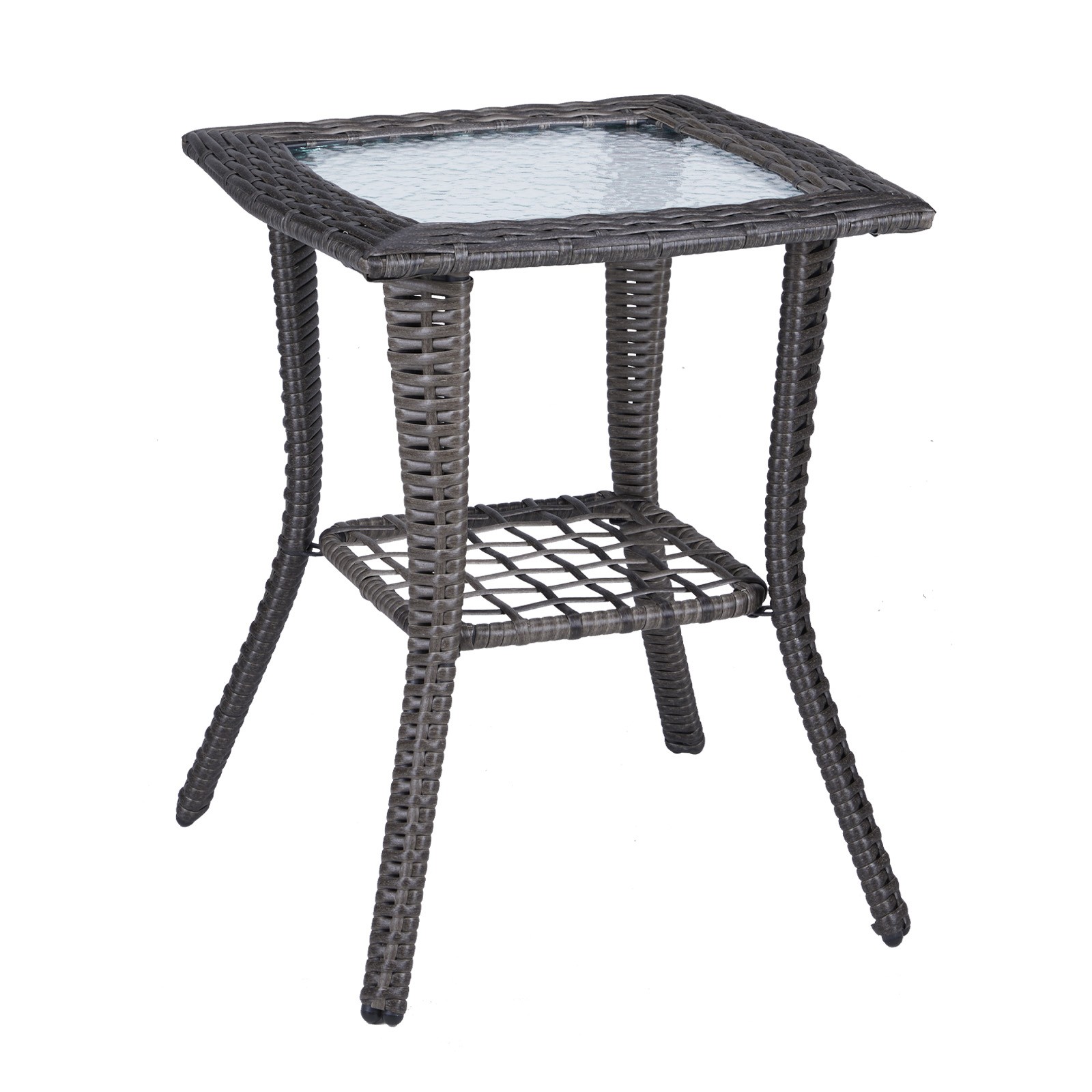 Indoor Outdoor Side Table Garden Patio End Table Weather Resistant for Lawn Yard$40.95Last checked Nov 24, 2026View on eBay
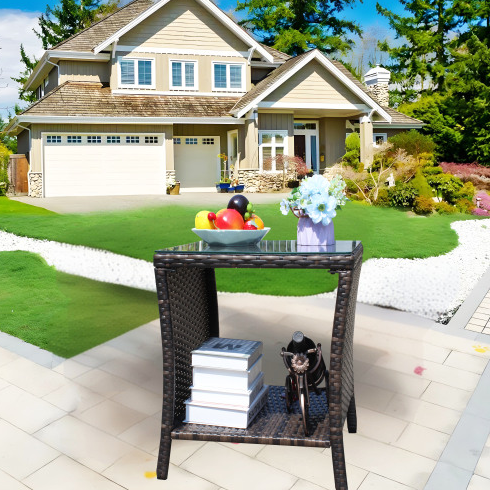 Outdoor Patio Furniture 1 Coffee Table With Clear Tempered Glass$58.99View on Mallflare
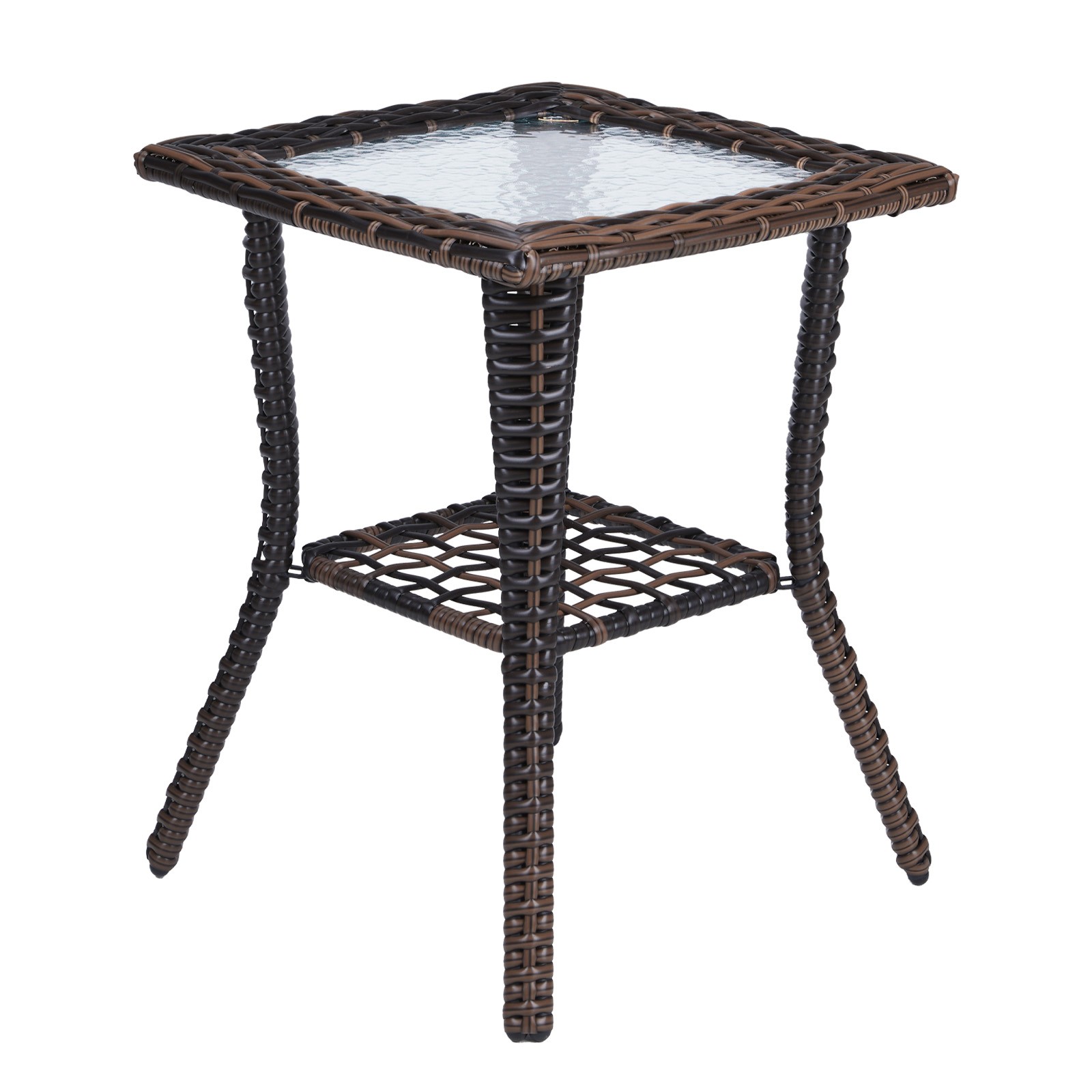 Indoor Outdoor Side Table Garden Patio End Table Weather Resistant for Lawn Yard$43.90Last checked Nov 20, 2026View on eBay
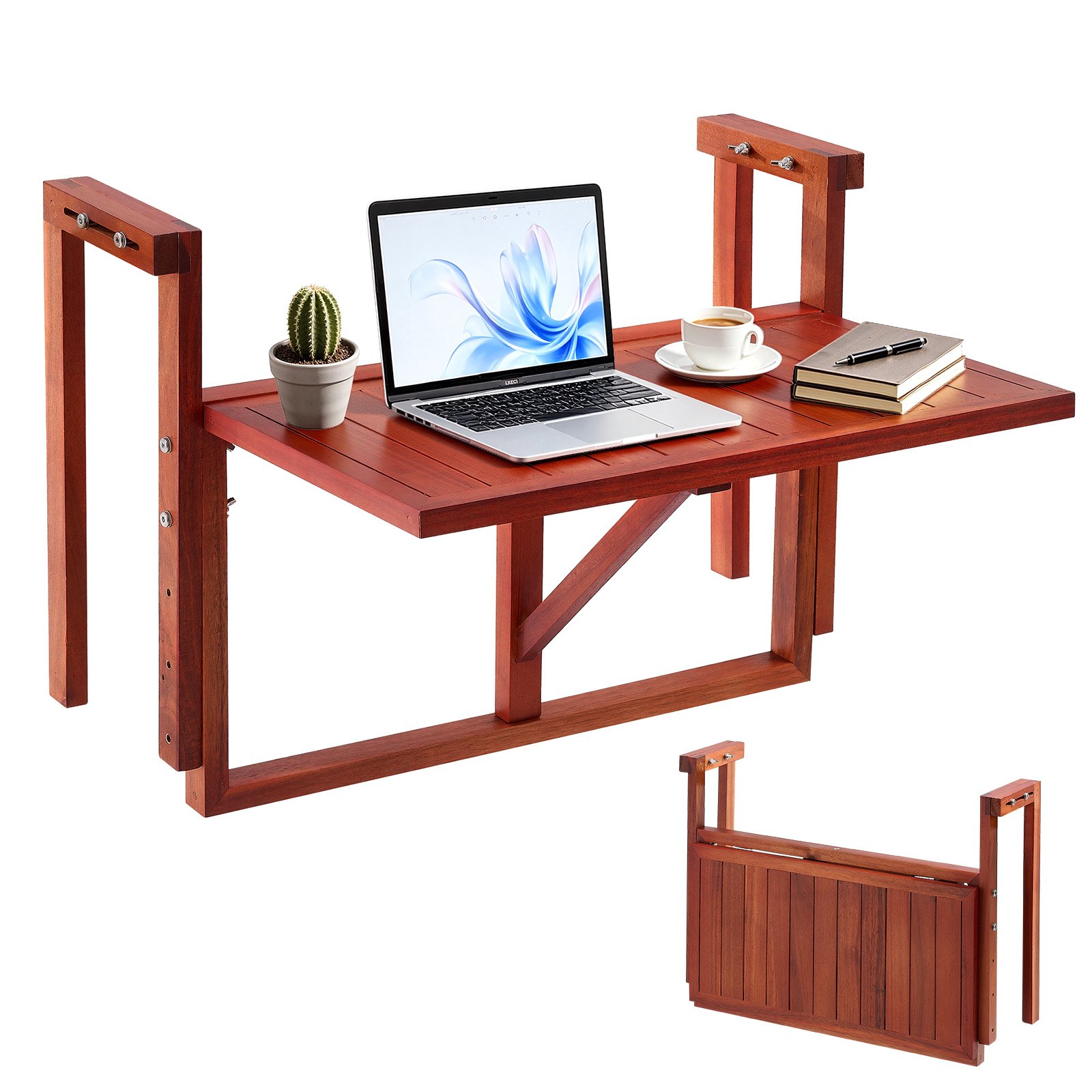 Balcony Hanging Table 22" x 11" 60 lbs Folding Railing Bar for Outdoor Patio Garden Deck, Fits 3.1"-5.3" Rails, 4-Level Adjustable Height, Durable Acacia Wood Material, Space-Saving$59.99View on Mallflare
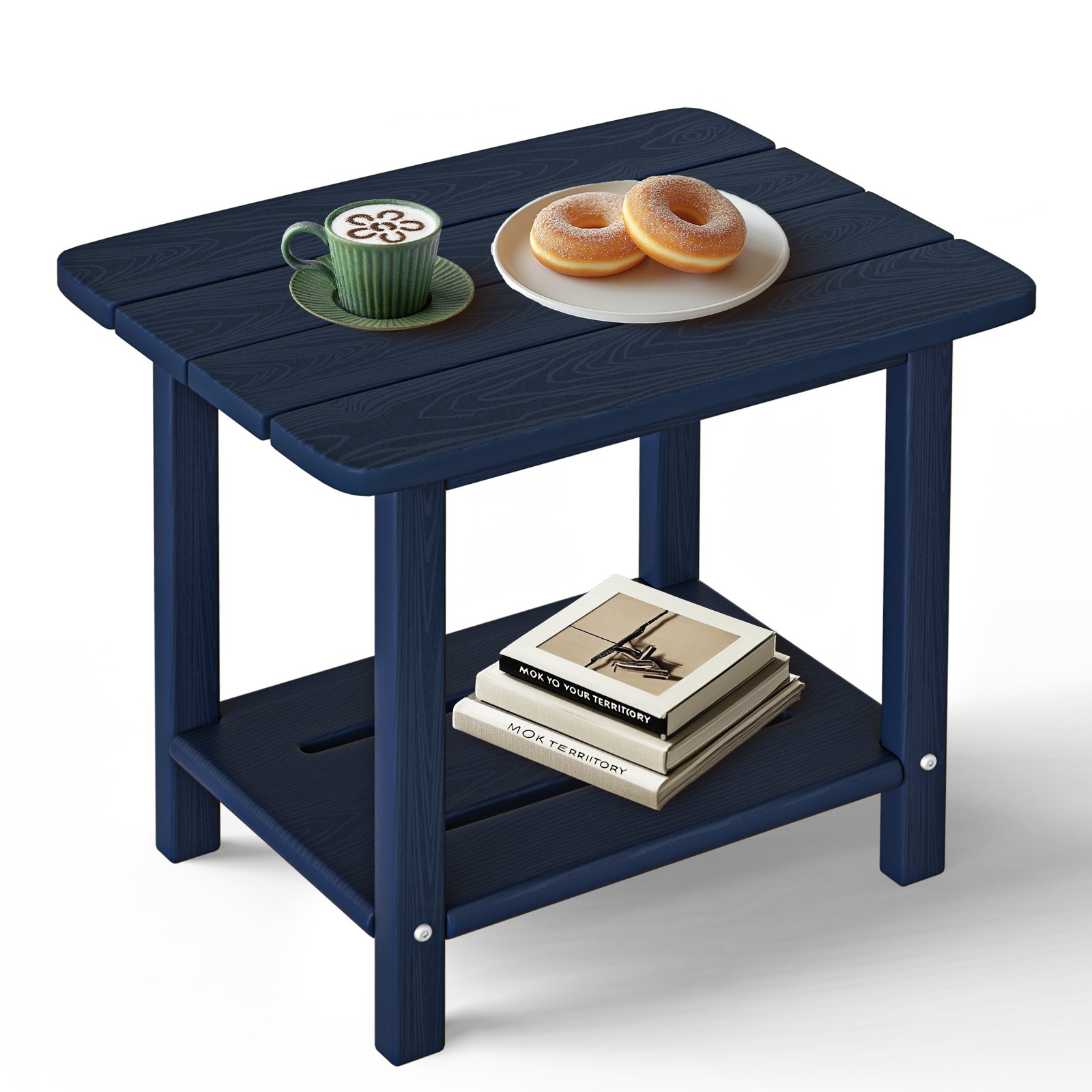 HDPE 2-Tier Outdoor Side Table Patio End Table Weather Resistant$49.99Last checked Nov 28, 2026View on eBay
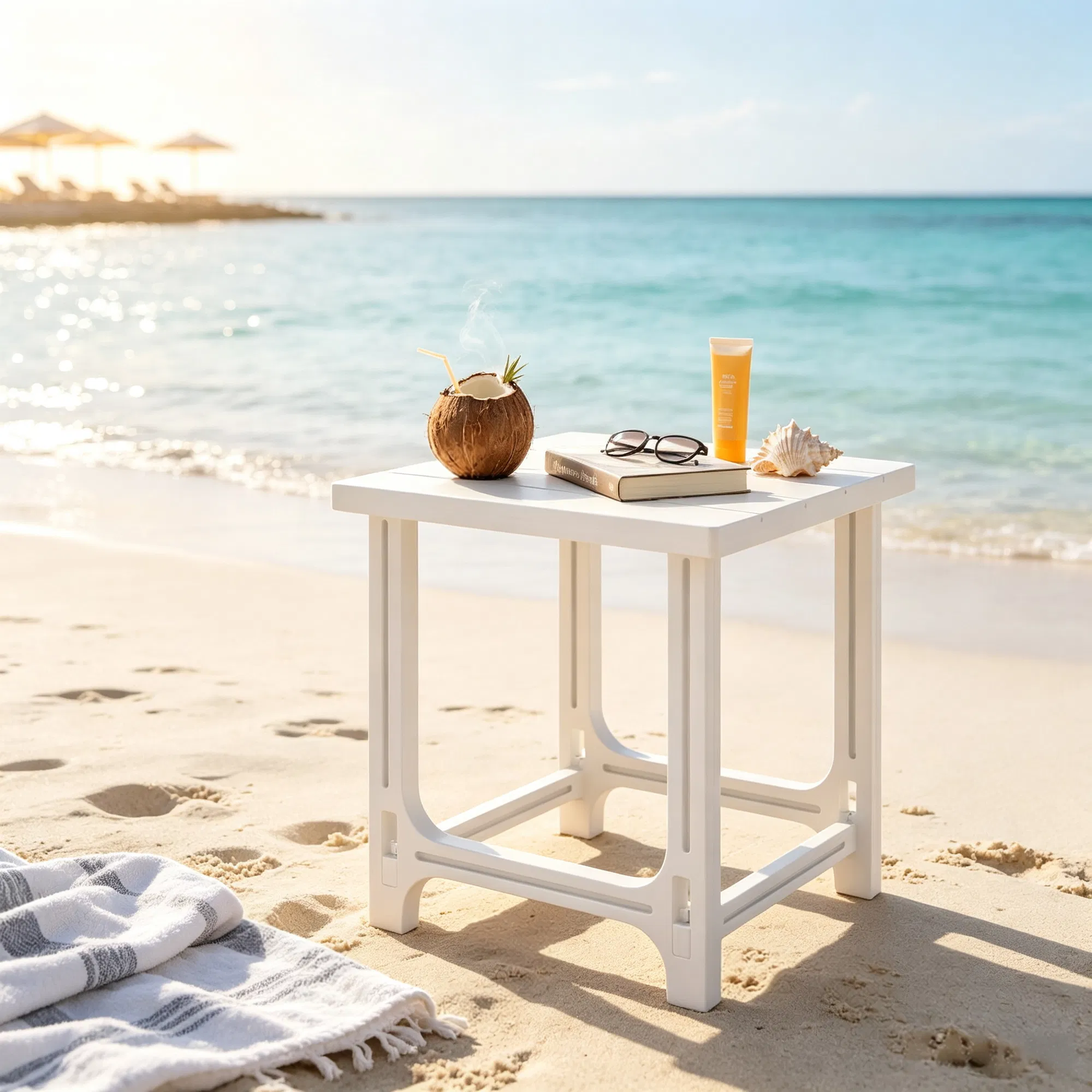 Outdoor Adirondack Side Table 18 Inch Slatted Surface for Garden Patio Furniture$66.99View on Mallflare
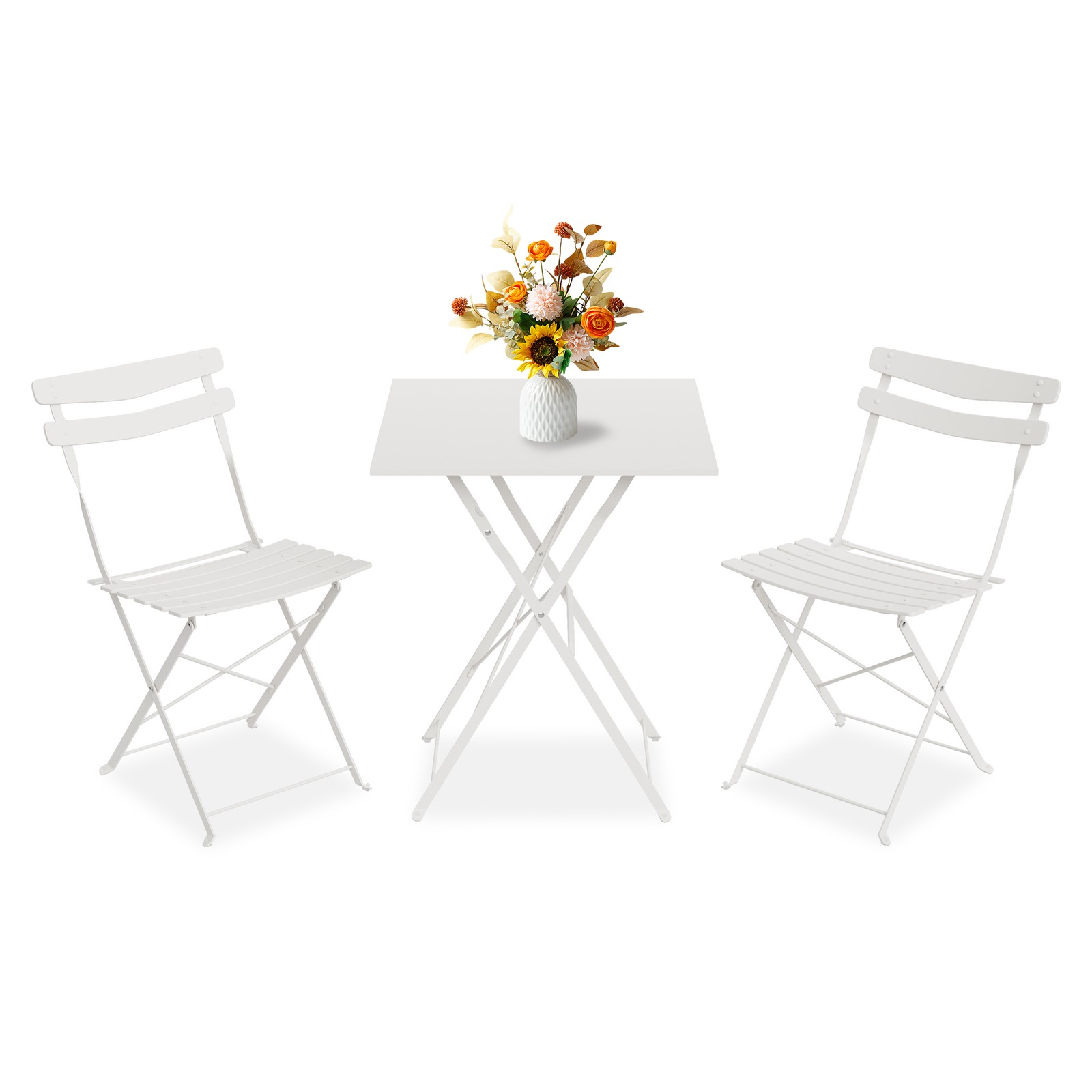 3-Piece Metal Patio Bistro Set Folding Table & 2 Chairs Outdoor/Indoor Furniture$72.19Last checked Nov 24, 2026View on eBay
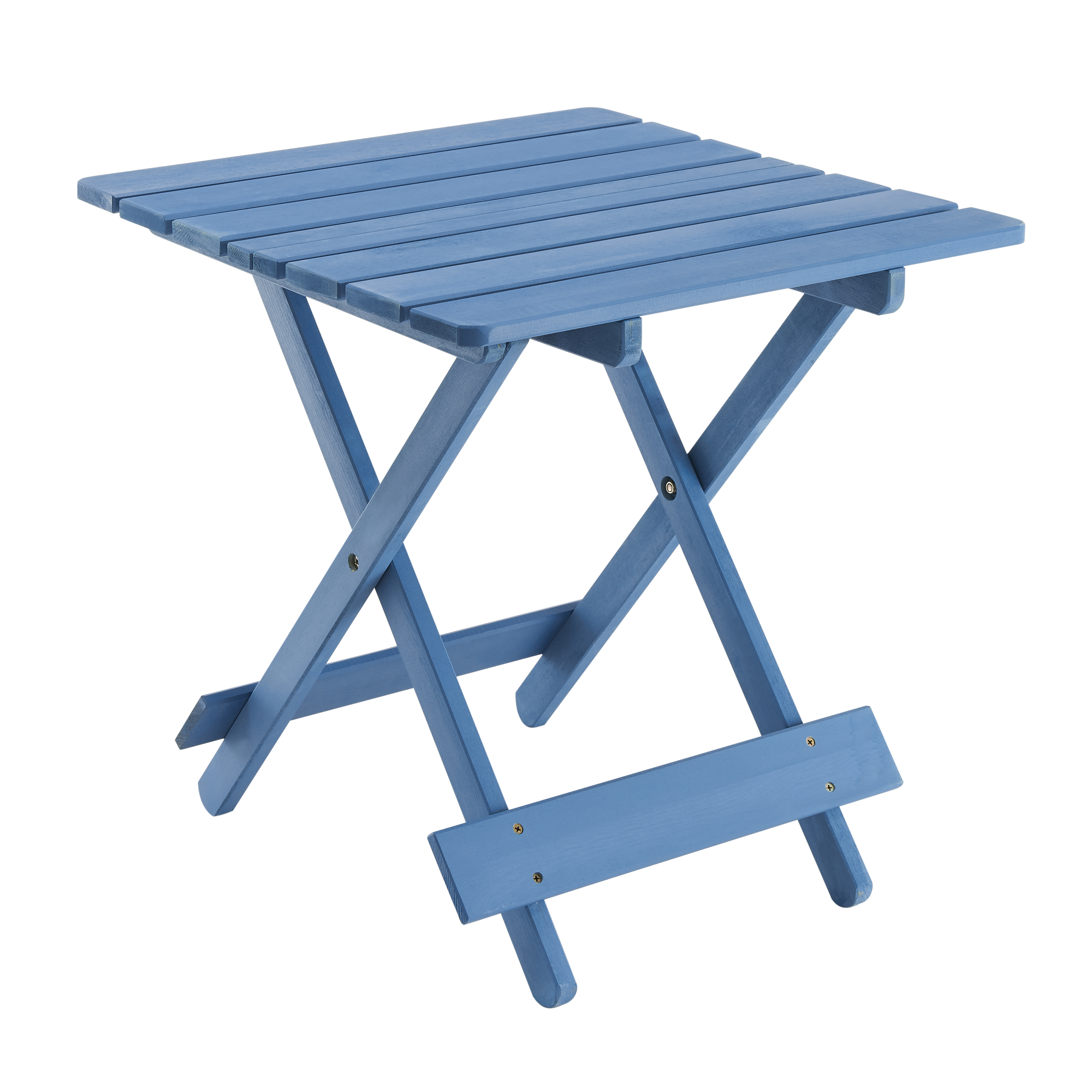 Folding Square Table Patio Outdoor solid wood for Backyard, Balcony, Portable Design Space-Saving Blue Color$67.99View on Mallflare
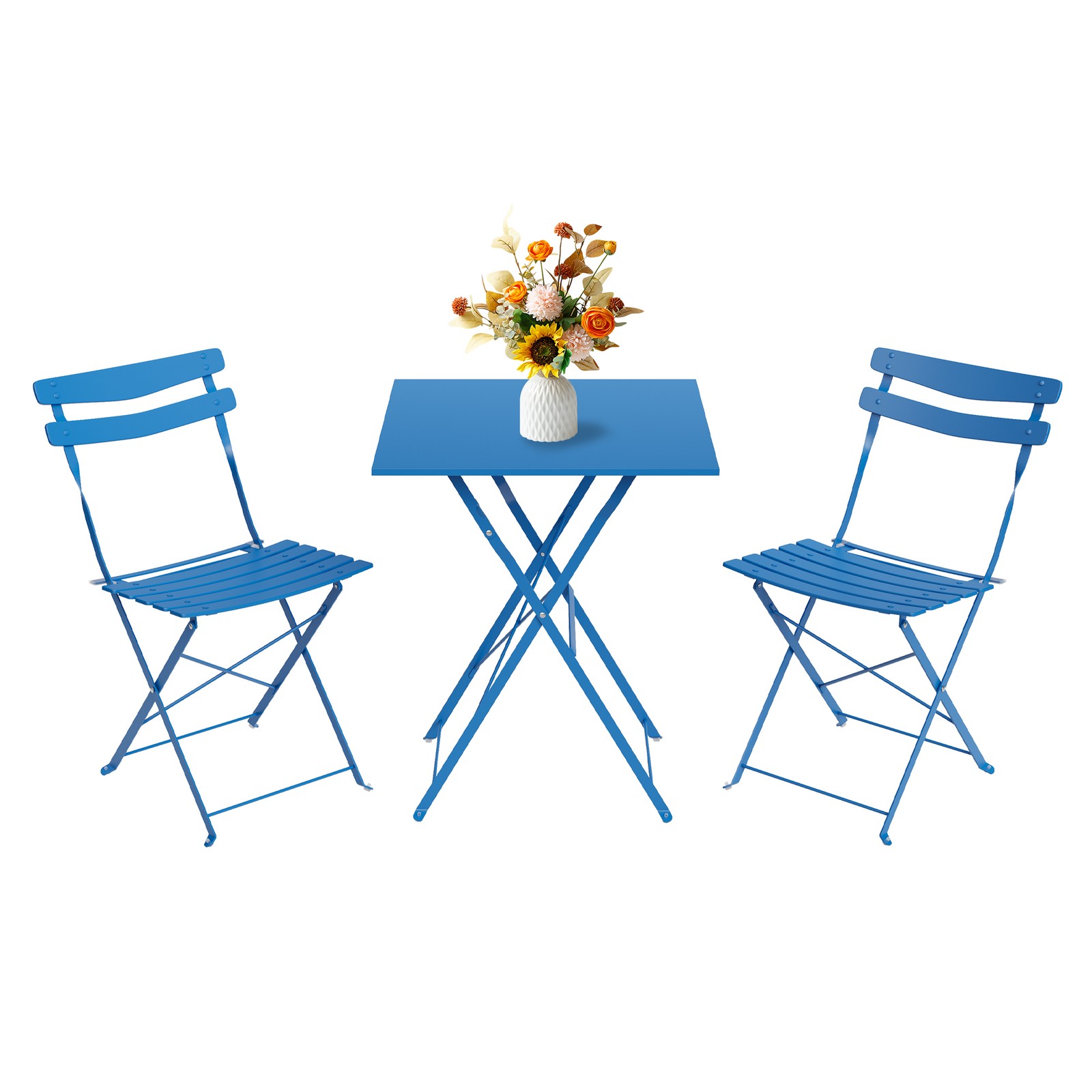 Folding 3-Piece Metal Bistro Set Compact Outdoor Patio Table and 2 Chairs$72.19Last checked Nov 24, 2026View on eBay
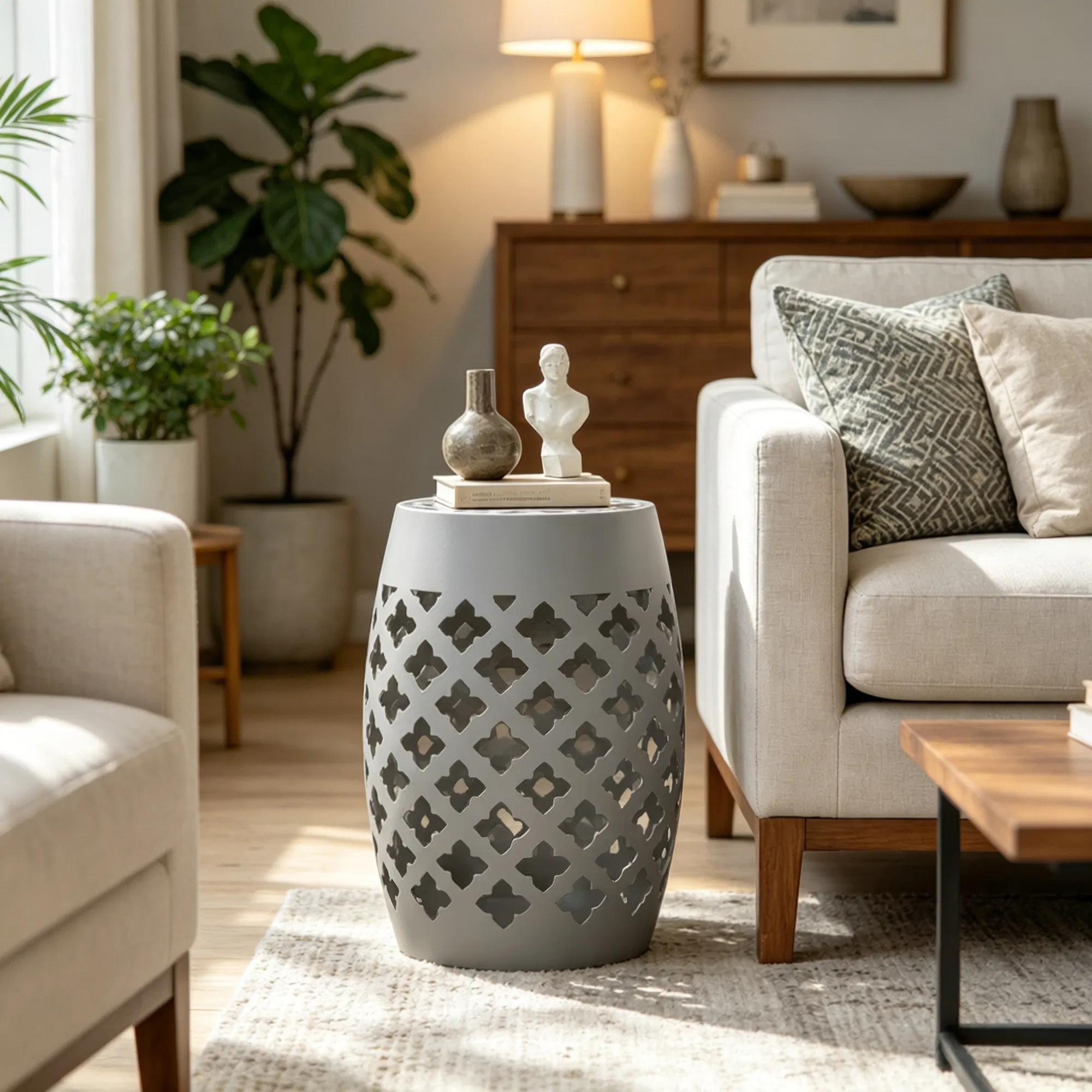 12" round Gray Outdoor Stool Decorative Mosaic Accent Plant Stand Patio Side Table for Garden Balcony$73.99View on Mallflare
- Space-Saving 3-Piece Patio Bistro Set Outdoor Collapsible Metal Table & 2 Chairs$72.19Last checked Nov 19, 2026View on eBay
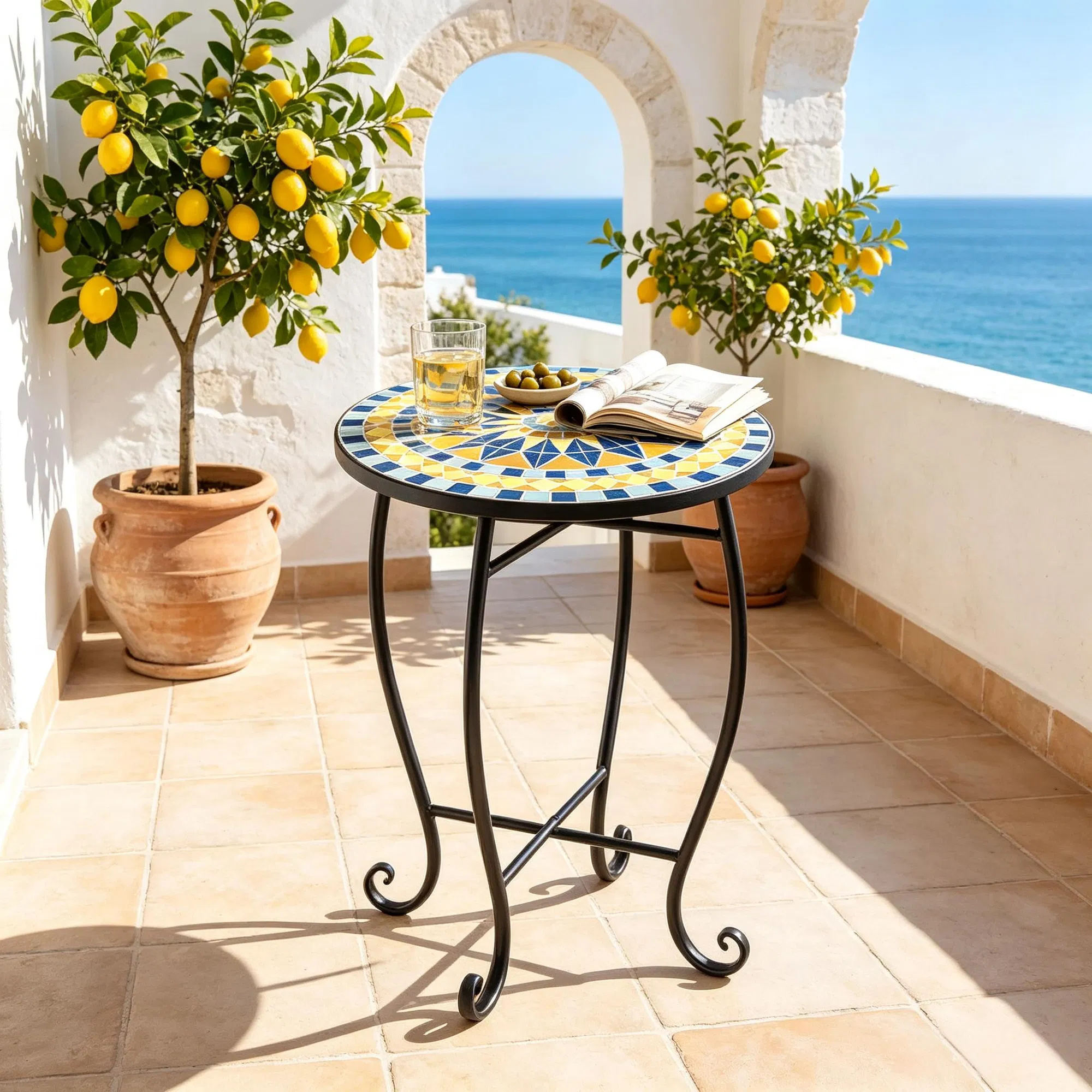 Floral Clover Blooming Lotus Bright Sunflower Mosaic 14" Patio Accent Coffee End Table - Outdoor Decorative Side$75.99View on Mallflare
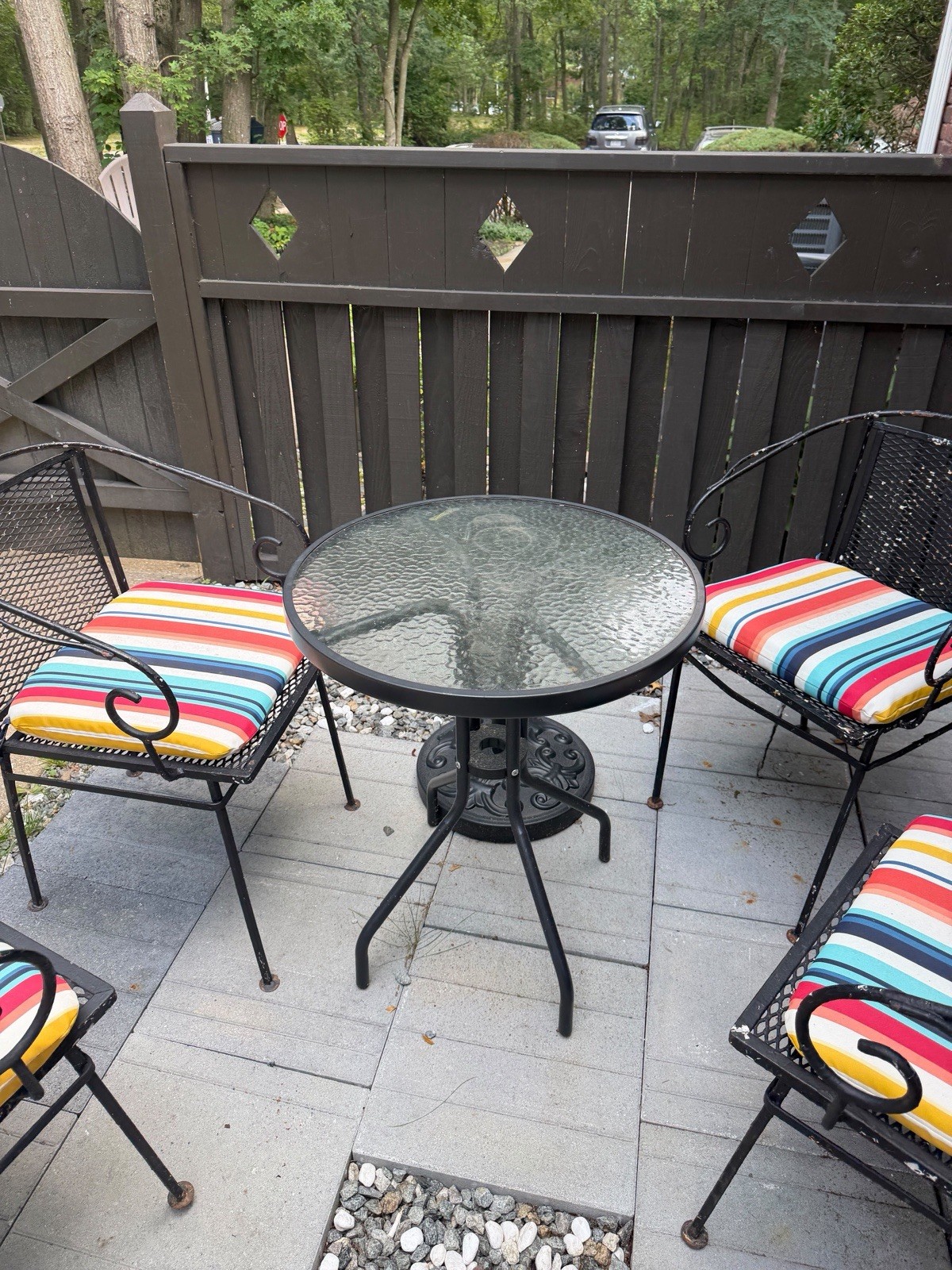 Outdoor Dining Set 5-Piece Patio Round Table Chairs, Garden Furniture$80.00View on eBay
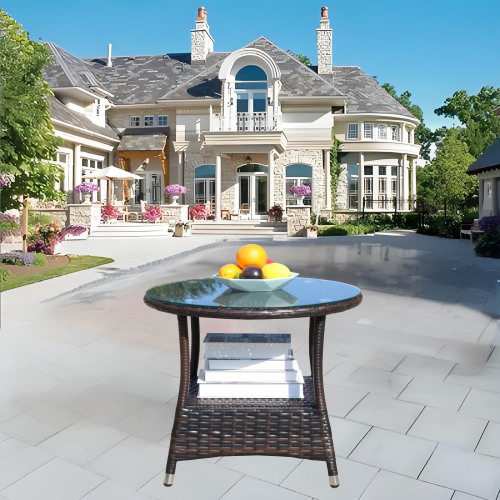 Outdoor Patio Furniture 1 Round Coffee Table With Clear Tempered Glass$78.99View on Mallflare
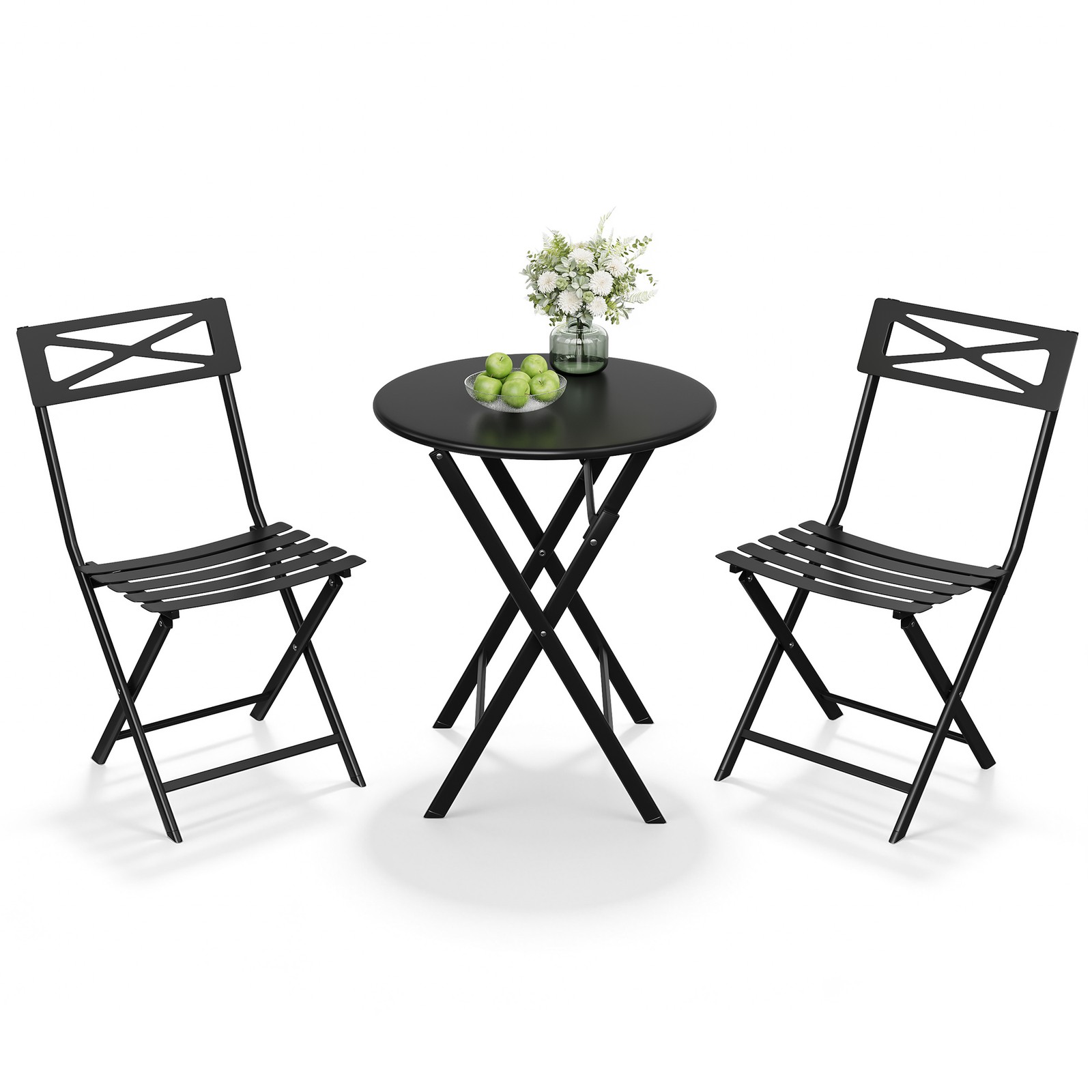 3 Piece Bistro Set Folding Patio Furniture Set Outdoor Table 2 Chairs for Patio$89.29Last checked Nov 20, 2026View on eBay
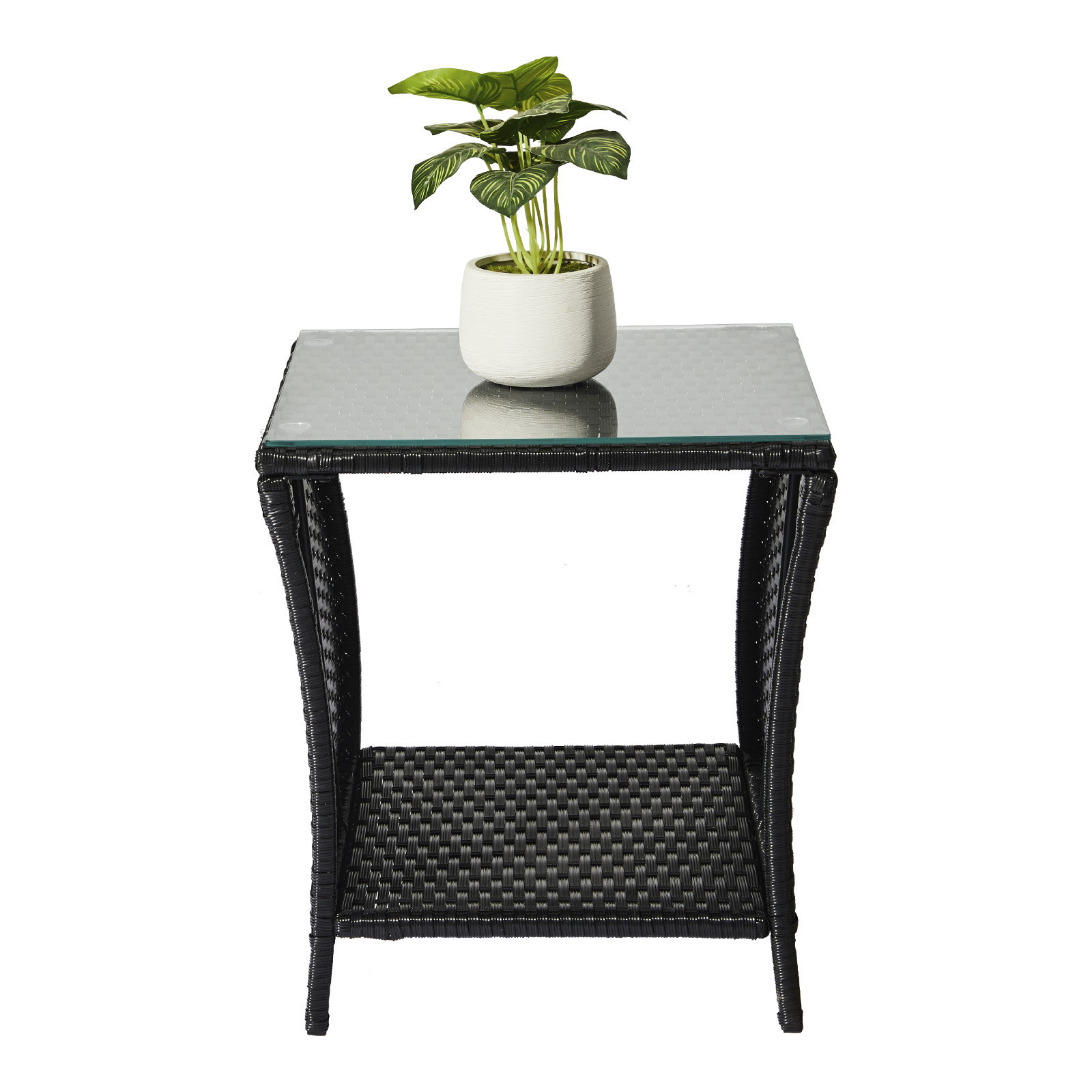 Outdoor Patio Wicker Side Table, Square End Bistro Coffee with Glass Top Storage Shelf for Porch Garden Backyard Black(SAME AS 70525212 )$78.99View on Mallflare
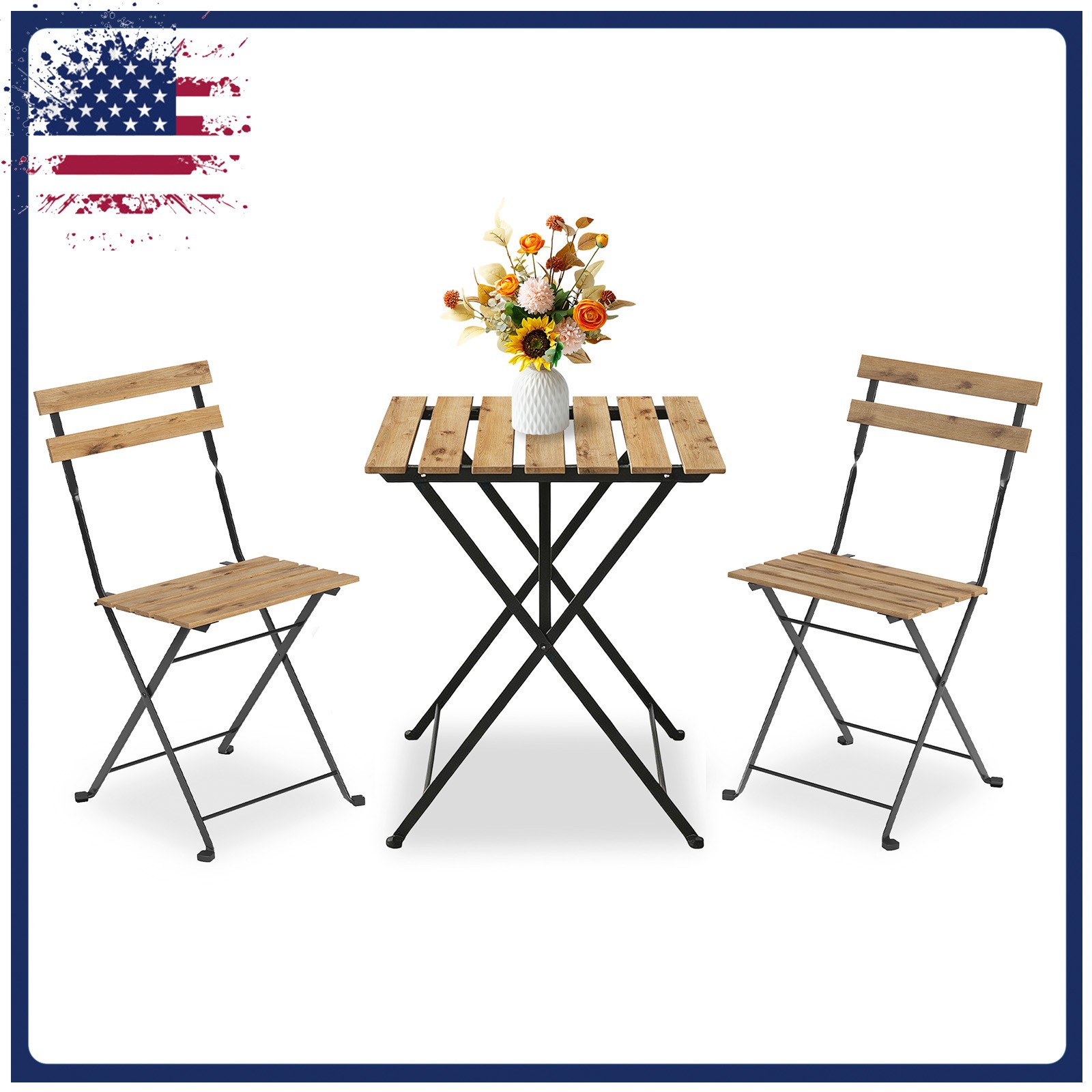 3-Piece Wood Patio Bistro Set Outdoor Furniture Set Bistro Table & 2 Chairs Set$94.99Last checked Nov 20, 2026View on eBay
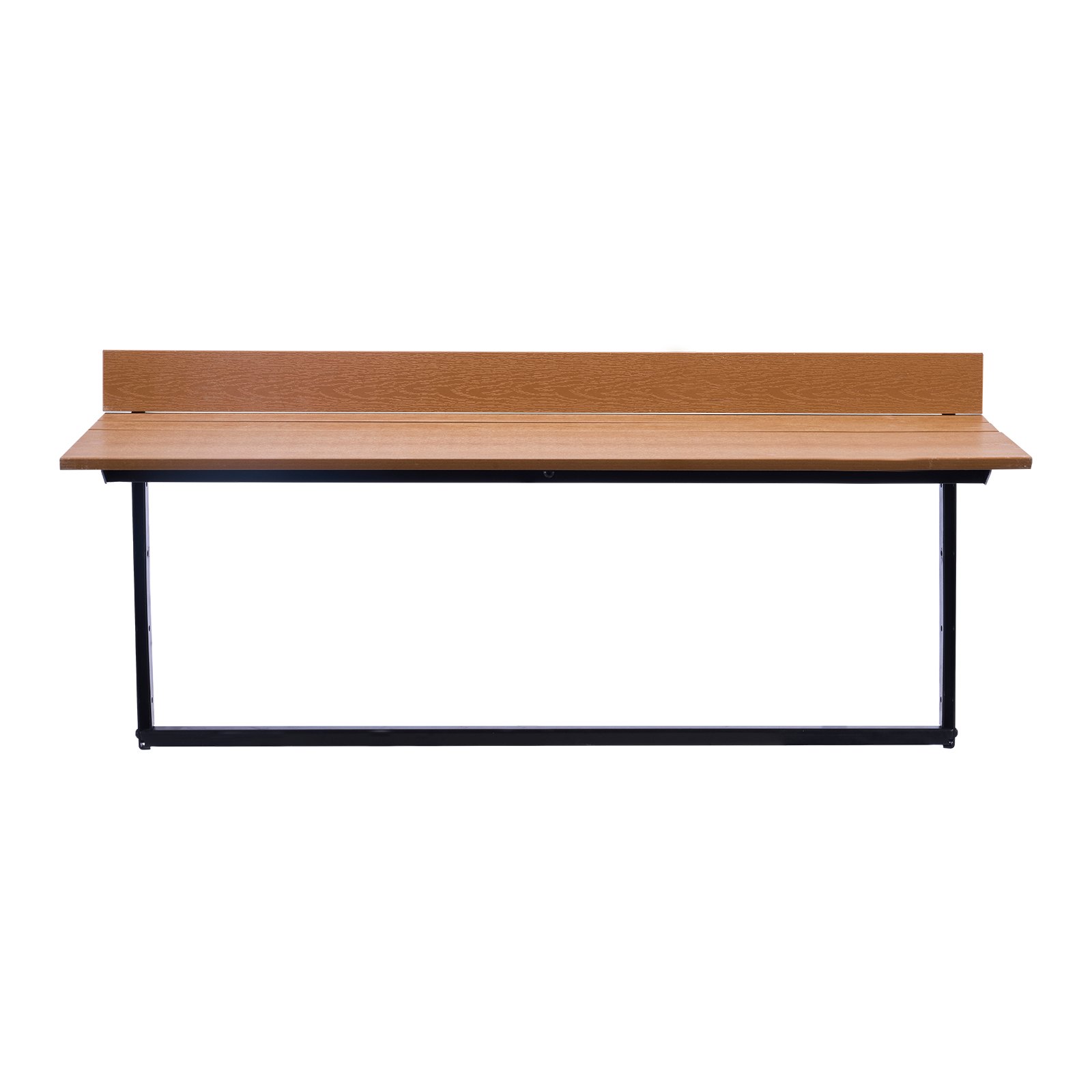 Balcony Hanging Table 15 X 39 In Outdoor Patio Railing Bar Adjusable$81.99View on Mallflare
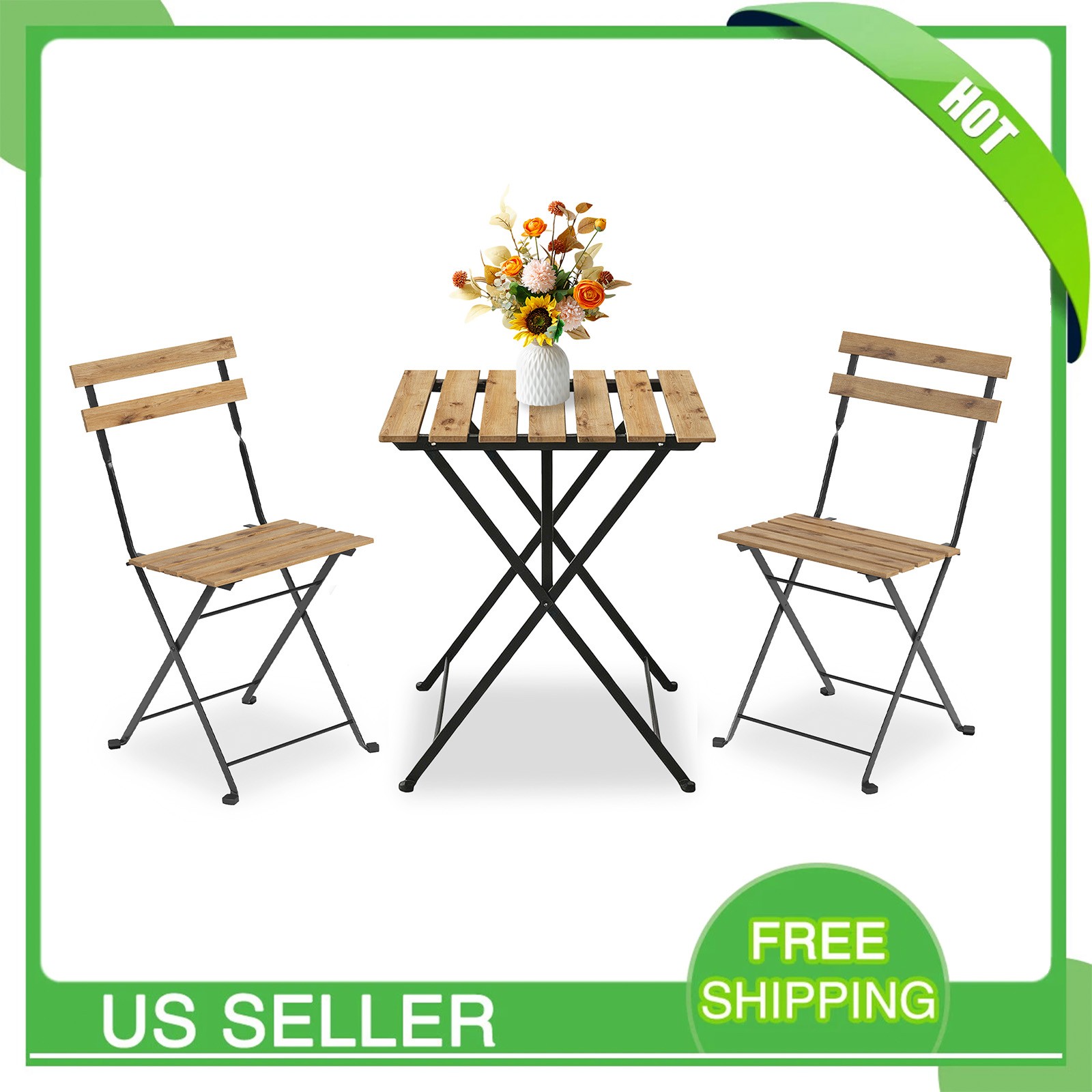 Indoor/Outdoor 3-Piece Bistro Set Folding Table and 2 Chairs Patio Seating$94.99Last checked Nov 20, 2026View on eBay
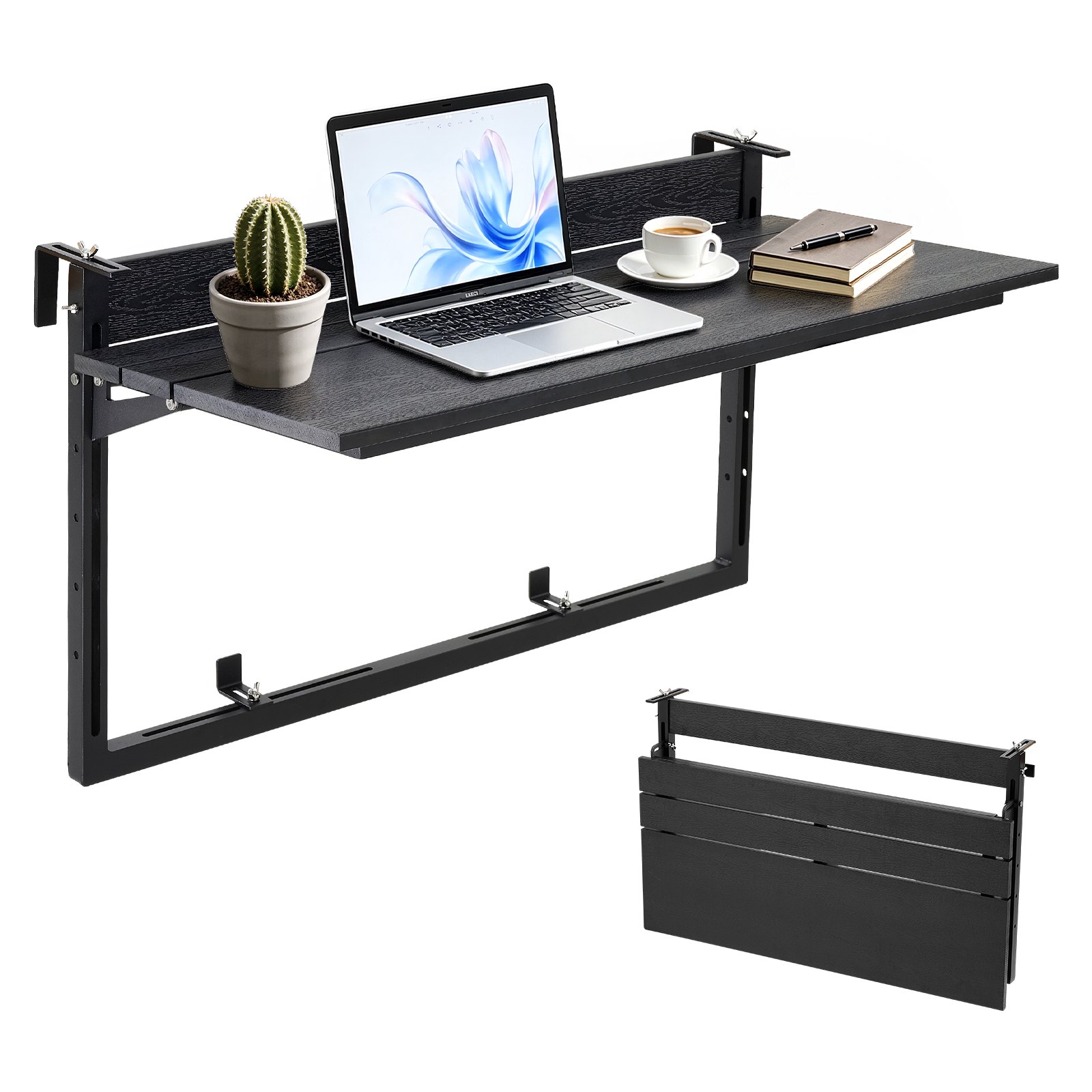 Balcony Hanging Table 31.3" x 15" 60 lbs Folding Railing Bar for Outdoor Patio Garden Deck Use, Fits 0-3.5" Rails, 5-Level Adjustable Height, Durable Wood-Plastic Composite Material$95.99View on Mallflare
Highlights
- Powder-coated aluminum frames resist rust in coastal and humid climates, while painted steel needs intact coating or it will corrode at weld points and scratch sites.
- Tempered glass tops (typically 5–6 mm) handle heat and rain but are heavy and can shatter at edges; slatted aluminum or solid acacia tops are lighter and easier to maintain.
- Rattan-look patio tables use either HDPE all-weather wicker (UV-stable, 3–5 year fade resistance) or cheaper PVC schemes that brittle and crack within two seasons of direct sun.
- Load capacity scales with frame design: bistro tables (24–30 in) suit two diners, while 36–48 in round or 60-in rectangular dining tables need cross-bracing or a center pedestal to prevent wobble.
Best use cases
- Best fit: a 24–30 in round bistro table in powder-coated aluminum for a balcony or small patio—pairs with two folding chairs and stores easily; skip oversized dining tables that block walkways.
- Best fit: a 36–48 in round or 60-in rectangular dining table with tempered glass or slat top and cross-braced legs for a family deck seating four to six; skip pedestal-only bases on uneven pavers.
- Best fit: a small metal or HDPE side/end table (16–20 in) for drinks beside lounge seating; skip glass-topped side tables in windy or kid-heavy yards.
- Wrong fit: untreated acacia or fir tables left fully exposed year-round without oiling will gray, crack, and warp; choose sealed hardwood or aluminum if you won't cover or maintain it.
Buying tips
- Measure your seating footprint first: allow 24 in of table edge per diner and 30–36 in clearance from table edge to wall or railing for chair pull-out.
- For four diners, a 42–48 in round or 60×32 in rectangular table works; for six, step to 60–72 in rectangular or 54–60 in round.
- Match top to climate: tempered glass and aluminum slats shed rain and resist UV; solid wood needs annual sealing; HDPE wicker is the best low-maintenance resin option.
- Check frame joints—welded and bolted aluminum or steel outperforms spot-welded thin tube; confirm leg levelers for uneven stone or deck boards.
Specs
| Frame Material | Powder-coated aluminum / steel / HDPE |
|---|---|
| Tabletop Type | Tempered glass / slat / solid wood |
| Seating Capacity | 2 (bistro) to 6+ (dining) |
| Umbrella Hole | 1.5–2 in through-table (optional) |
Related searches
What to check before buying
- Measure patio or deck depth and width, then subtract 36 in on all usable sides to confirm the largest table that still allows chair movement.
- Confirm surface: pavers, composite deck, or concrete—use rubber-footed or leveler-equipped legs to avoid scratching and wobble.
- Check wind and sun exposure; glass tops and lightweight folding tables need tie-downs or heavier bases in gusty, unsheltered areas.
- Verify assembly and companion parts: chair seat height should sit 10–12 in below table apron; confirm umbrella hole diameter (typically 1.5–2 in) if adding shade.
FAQ
Data sources: eBay / Amazon listings and product attribute feeds. Updated Nov 28, 2026.
Some links on this page are affiliate links. If you buy after clicking one, we may earn a commission at no extra cost to you. This does not change which products appear here or their order. Affiliate disclosure.