
Photos from current listings. Actual item, color, and included accessories may vary.
Portable Privacy Screen Buying Guide
Portable privacy screens are freestanding or folding partitions that create temporary visual barriers indoors or outdoors without permanent installation. The key trade-off is between lightweight portability (thin panels, plastic hinges) and wind/durability stability (solid wood, metal frames, weighted bases). Buy a folding wood or composite panel for indoor room division and a weighted, weather-resistant outdoor panel for patio or deck use—skip bare lightweight fabric screens for windy exposures.
Median $132.99
Key takeaways
- Folding wood panels typically use 3–6 hinged leaves; 6-panel units span roughly 90–120 inches when fully opened and fold to about 20–24 inches for storage.
- Louvered slat construction allows airflow and partial visibility while solid-panel designs block sightlines completely; slat spacing of 0.5–1 inch balances privacy and ventilation.
- Outdoor-rated screens need UV-stable finishes, rust-proof stainless or aluminum hinges, and weighted feet or stakes; untreated wood and plastic hinges degrade within one to two seasons.
At a glance
- Category
- Garden Fencing & Privacy Screens
- Last updated
- Nov 29, 2026
Current offers
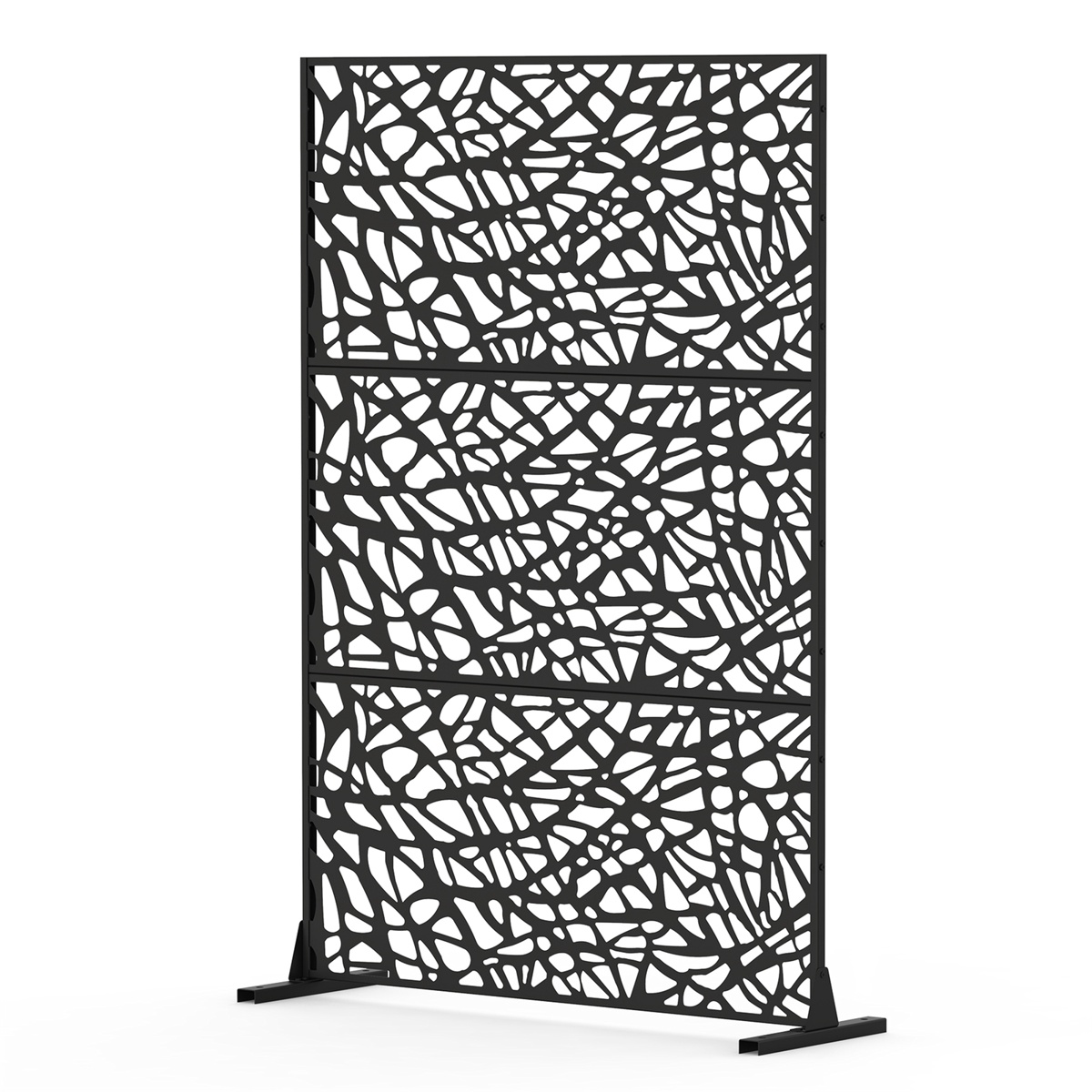 4'x6' Decorative Fence, Indoor &Outdoor Freestanding Metal Privacy Screen Panels$164.86Last checked Nov 24, 2026View on eBay
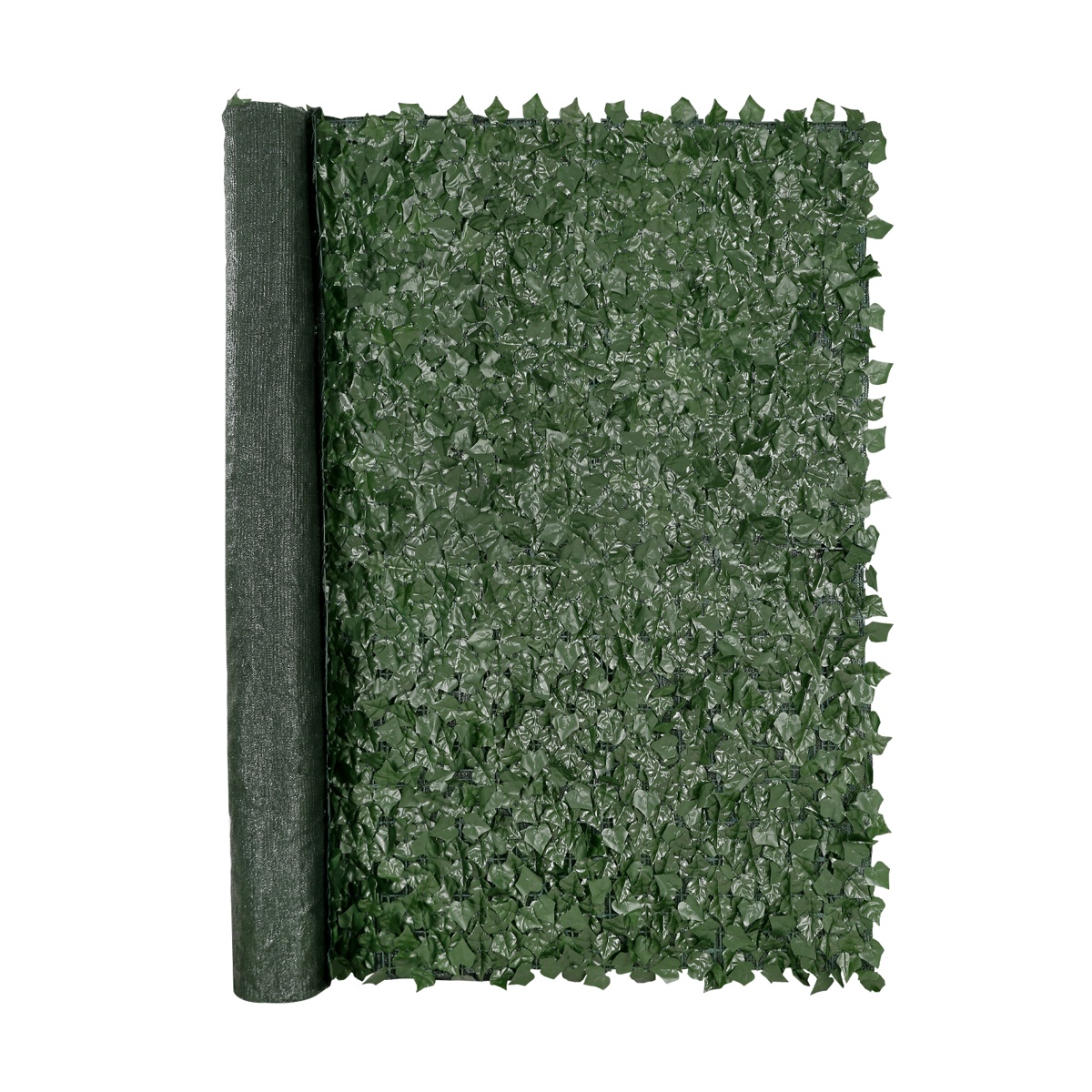 VEVOR Ivy Privacy Fence, 96 X 72 In Artificial Green Wall Screen, Greenery Ivy With Mesh Cloth Backing And Strengthened Joint, Faux Hedges Vine Leaf Decoration For Outdoor Garden, Yard, Balcony$39.99View on Mallflare
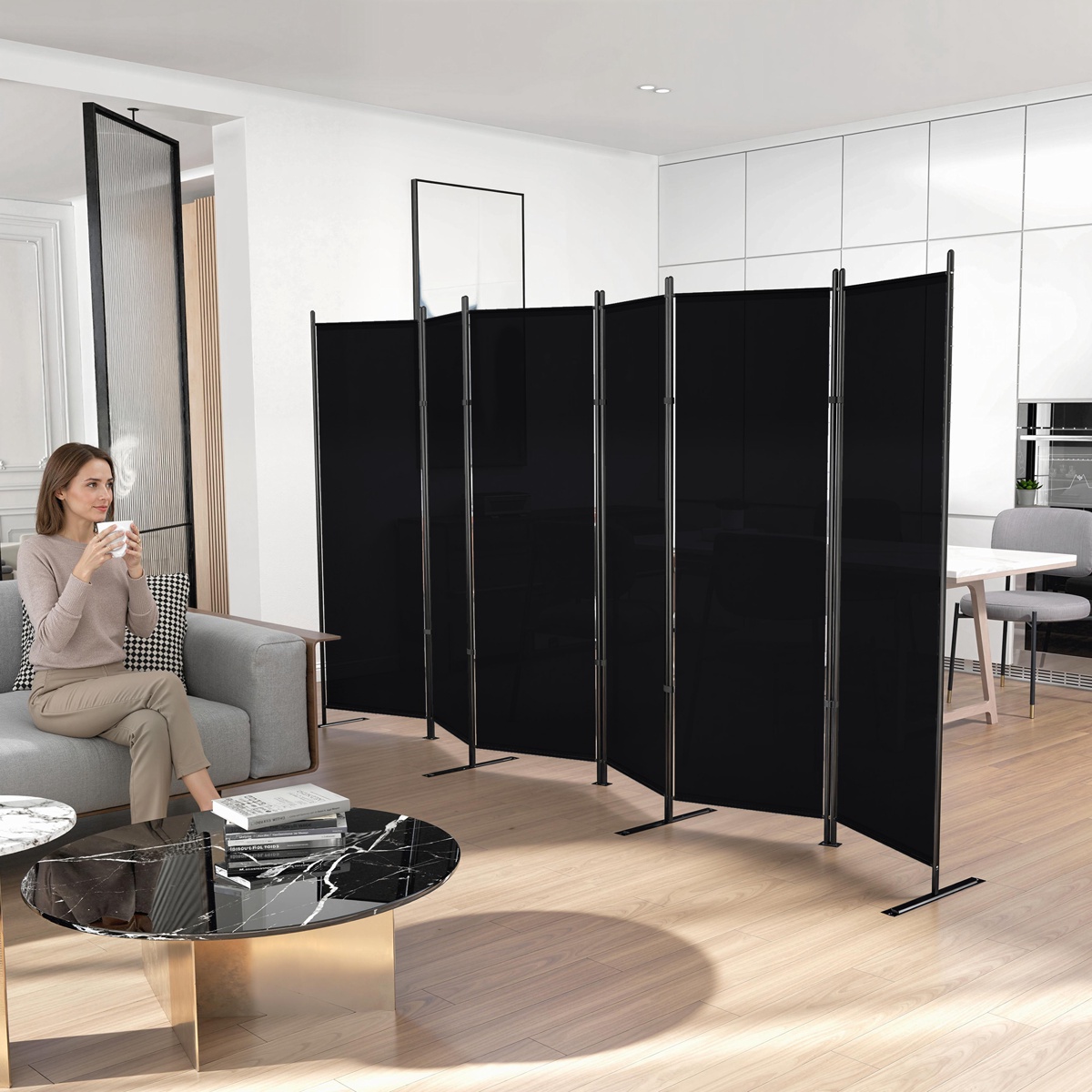 6-Panel Privacy Screen Folding Room Divider for Indoor Bedroom Office, Black$82.99View on Mallflare
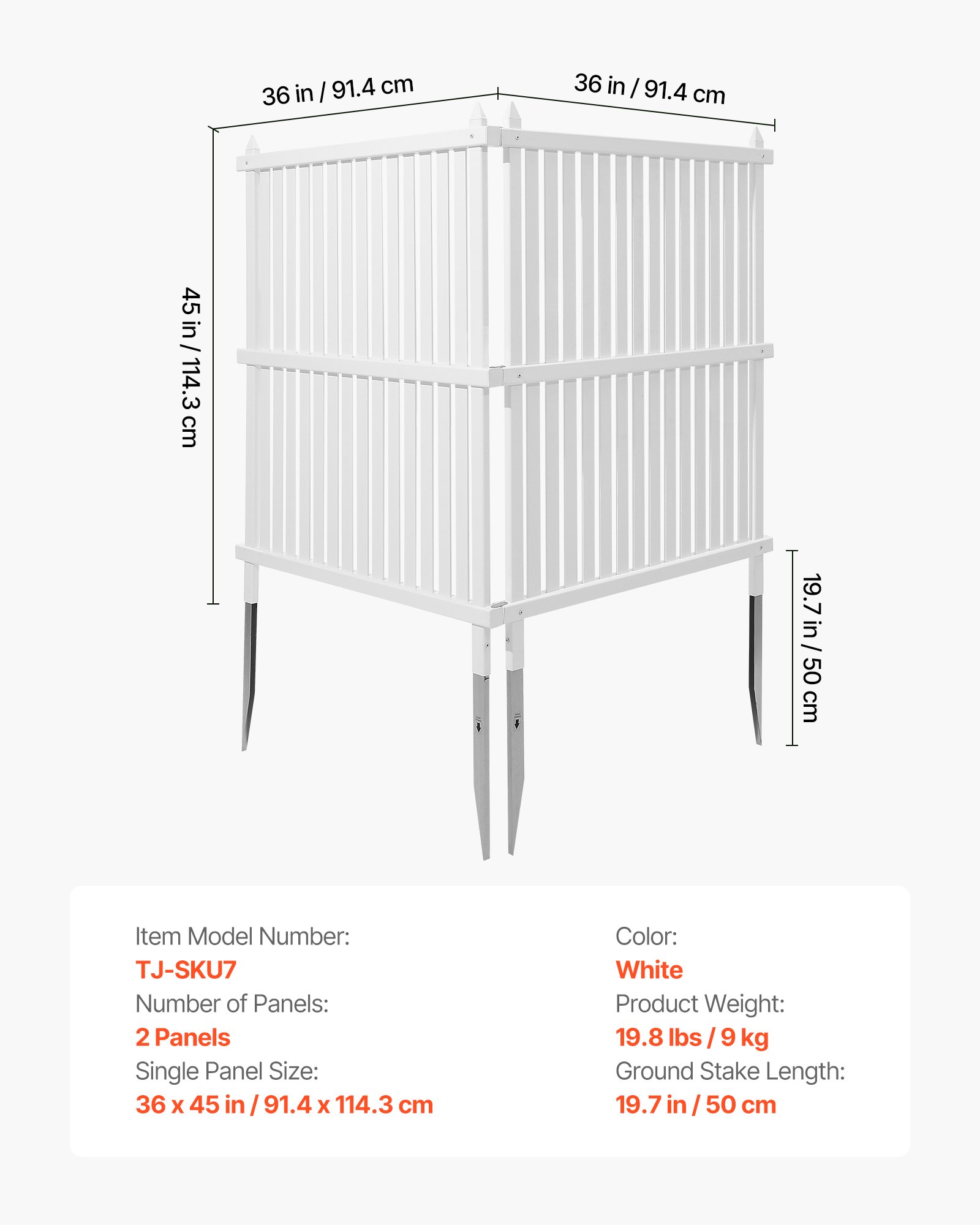 2 Panels Outdoor Privacy Screen, 36 X 45 In Air Conditioner Fence With 19.7 In Ground Stakes, Pool Equipment Enclosure, Strip Vinyl Ideal For Trash Can And A/C Units, White$82.99View on Mallflare
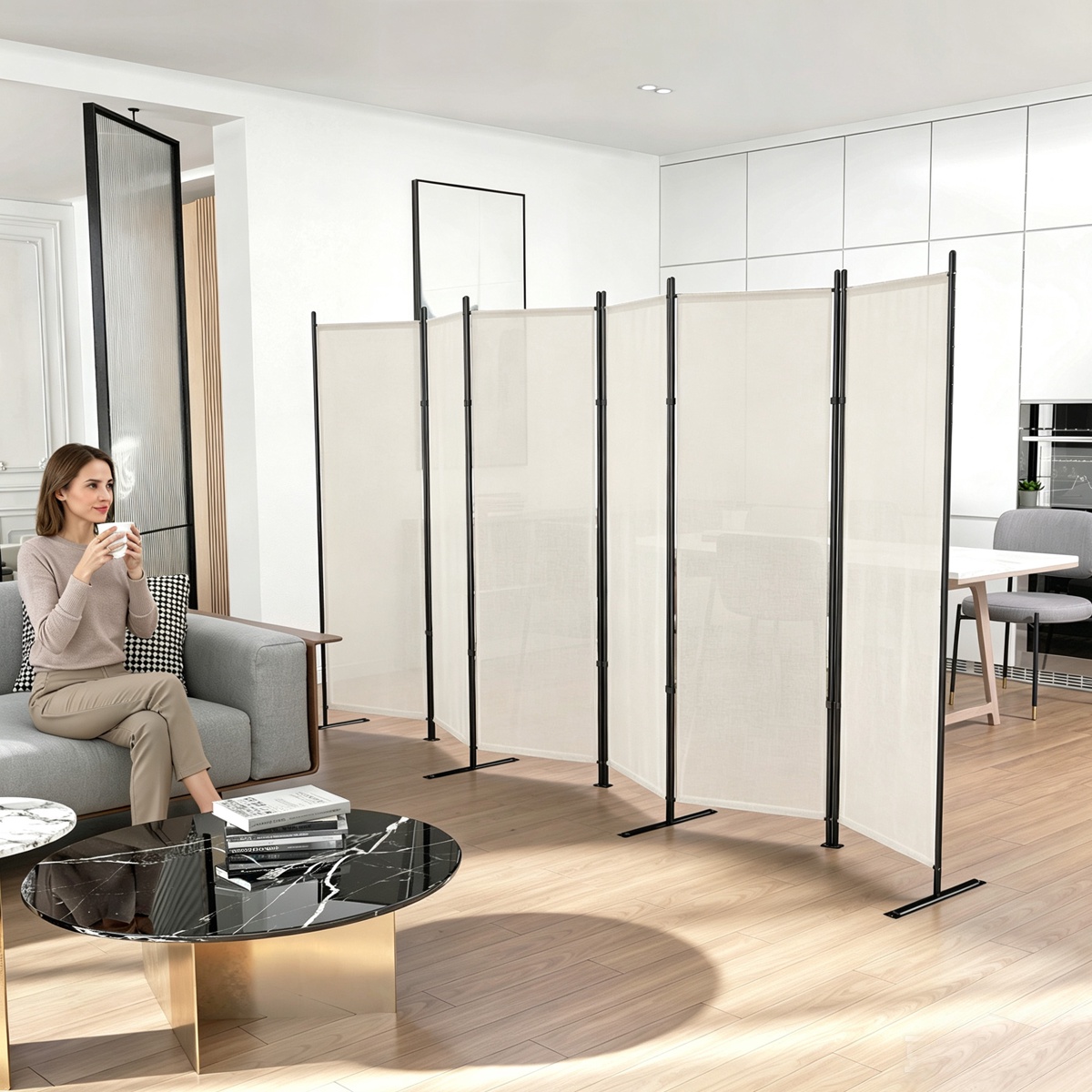 6-Panel Privacy Screen Folding Room Divider for Indoor Bedroom Office, Beige$82.99View on Mallflare
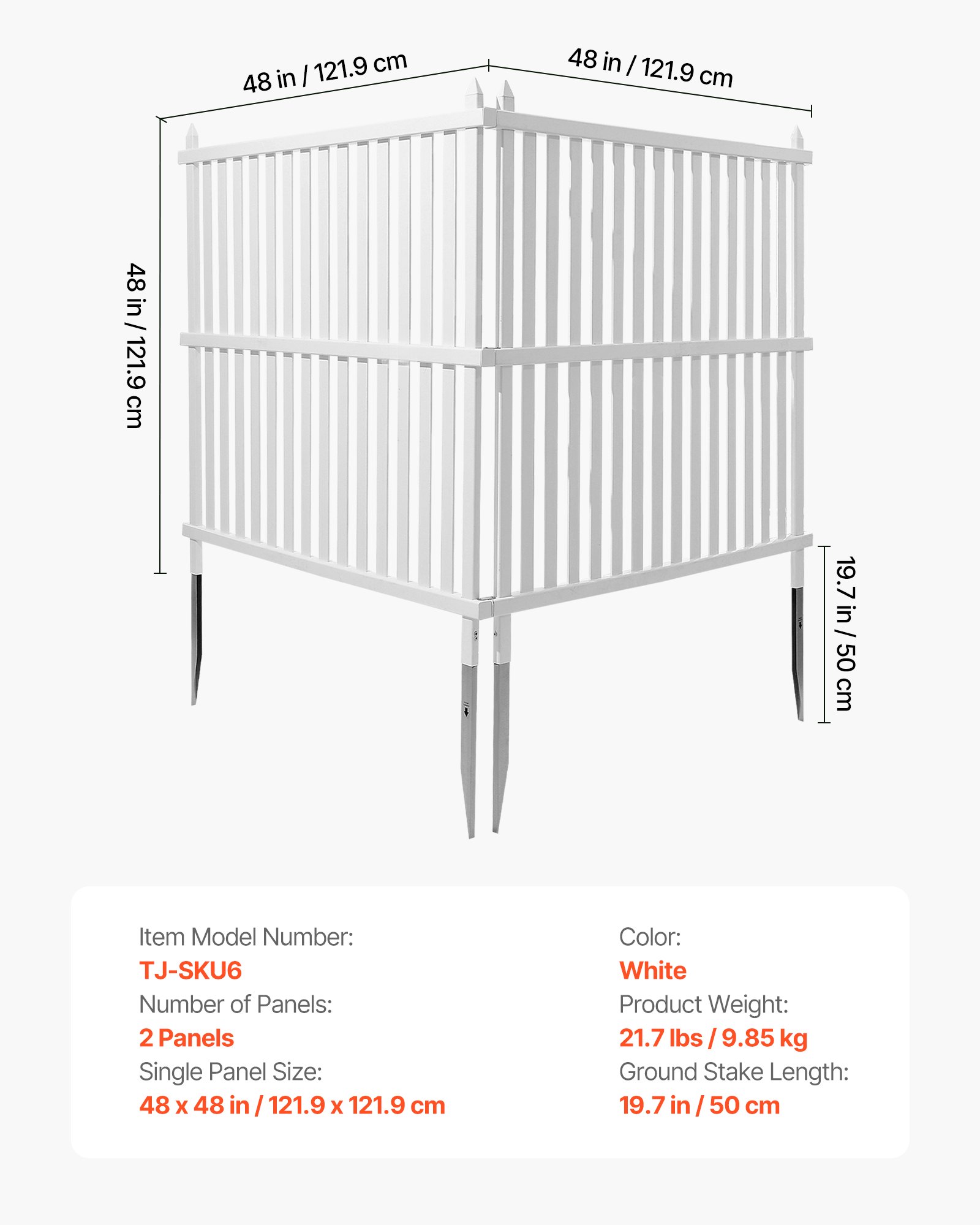 2 Panels Outdoor Privacy Screen, 48 X 48 In Air Conditioner Fence With 19.7 In Ground Stakes, Pool Equipment Enclosure, Strip Vinyl Ideal For Trash Can And A/C Units, White$88.99View on Mallflare
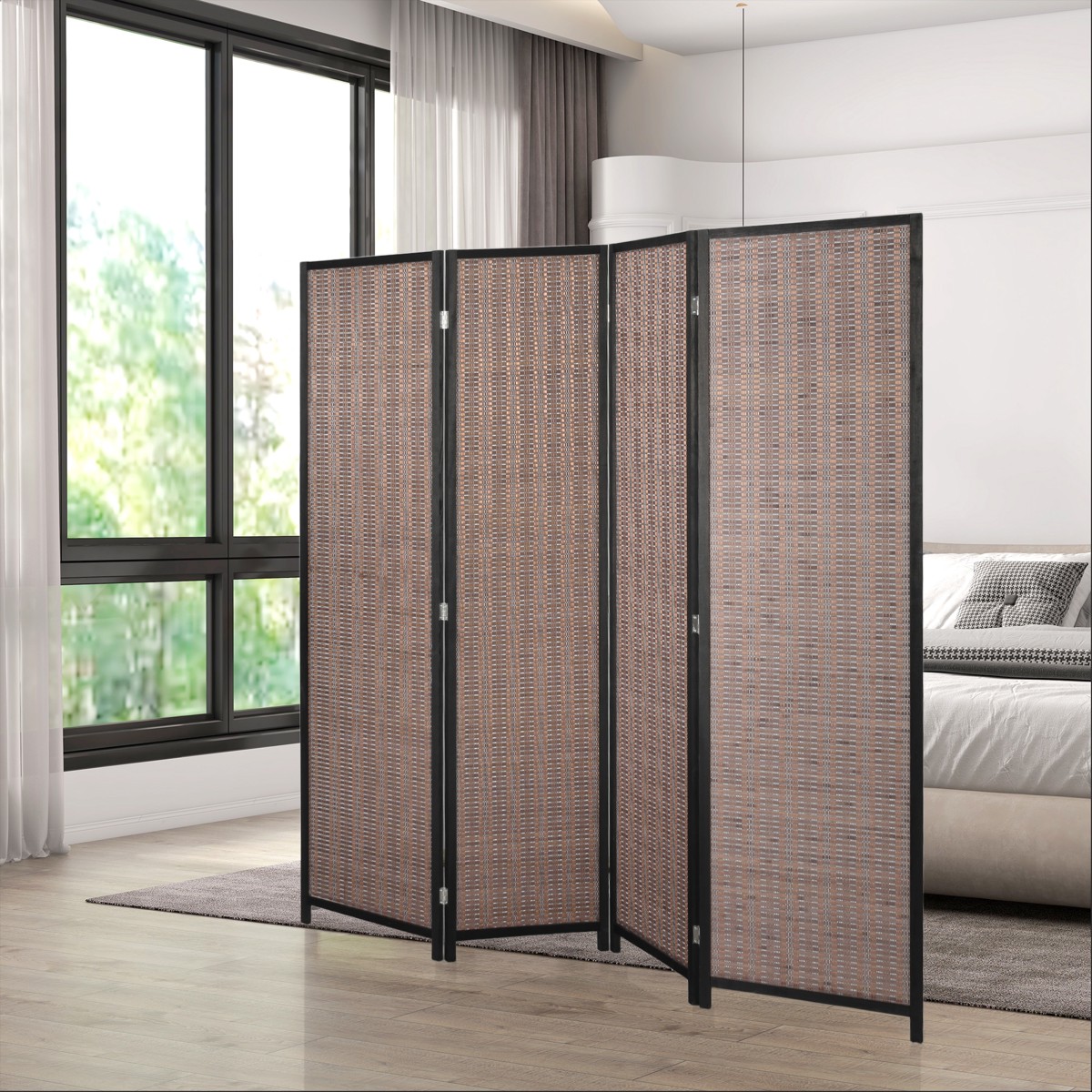 Room Divider Folding Privacy Screen Freestanding 4 Panel Pine Wood for Bedroom Home Office 6 Ft Tall Black Brown$94.99View on Mallflare
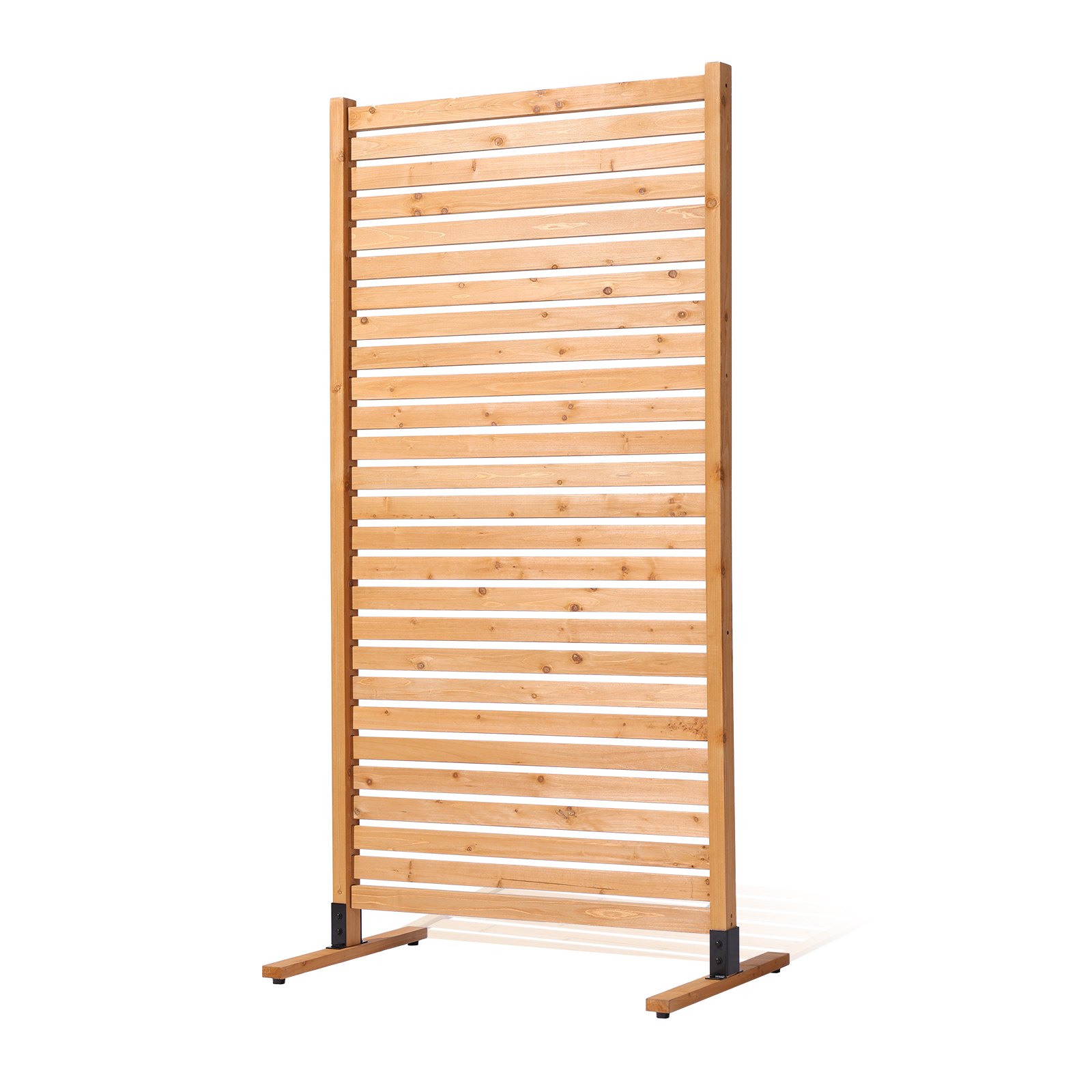 Wooden Privacy Screen 36' X 76' Freestanding Outdoor For Patio$100.99View on Mallflare
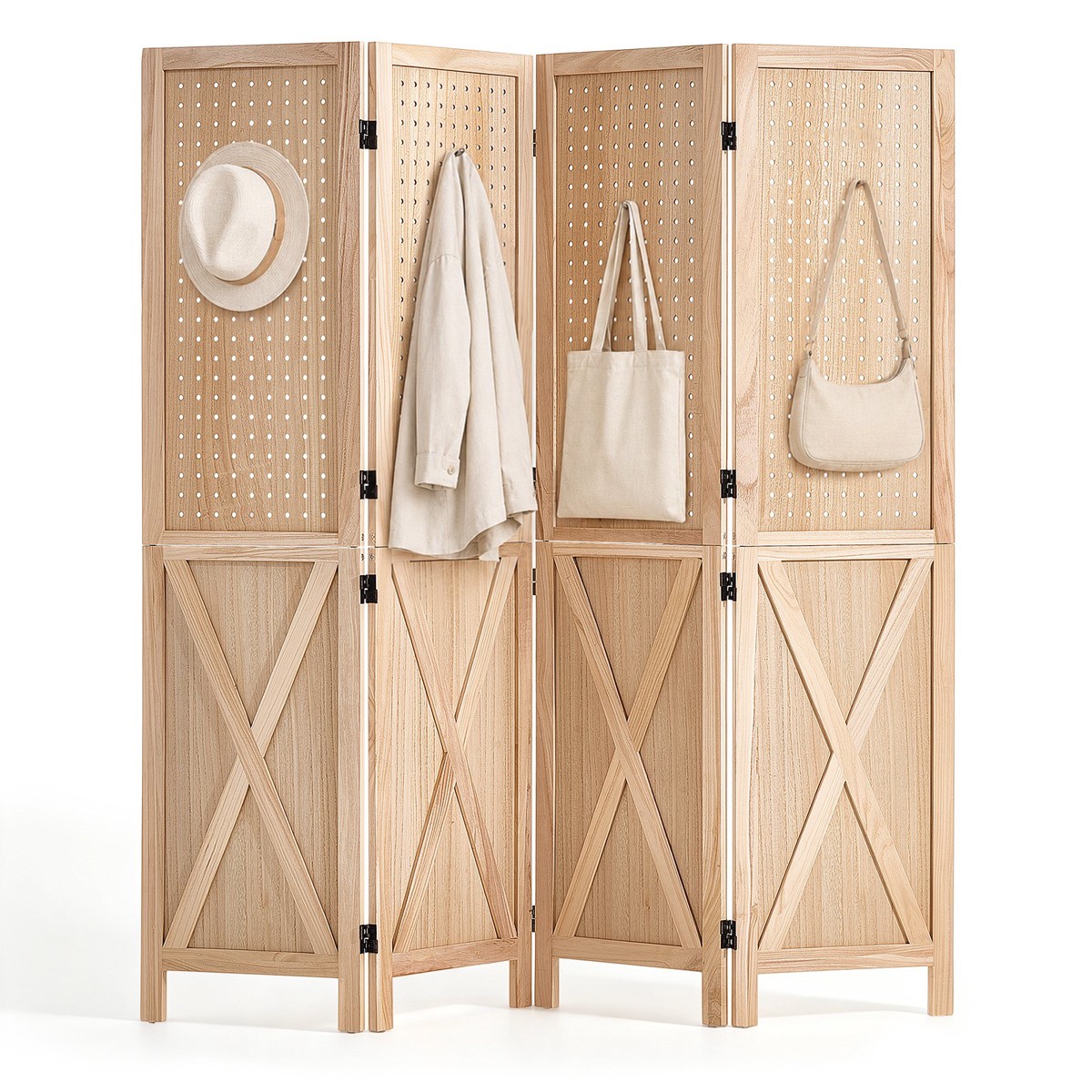 Wood Room Divider 4 Panels 59.8" Pegboard Folding Privacy Screen, For Separation & Home Decor, Solid Frame with X Pattern, 360° Two-Way Hinges, Rustic Wooden Partition Hardware$103.99View on Mallflare
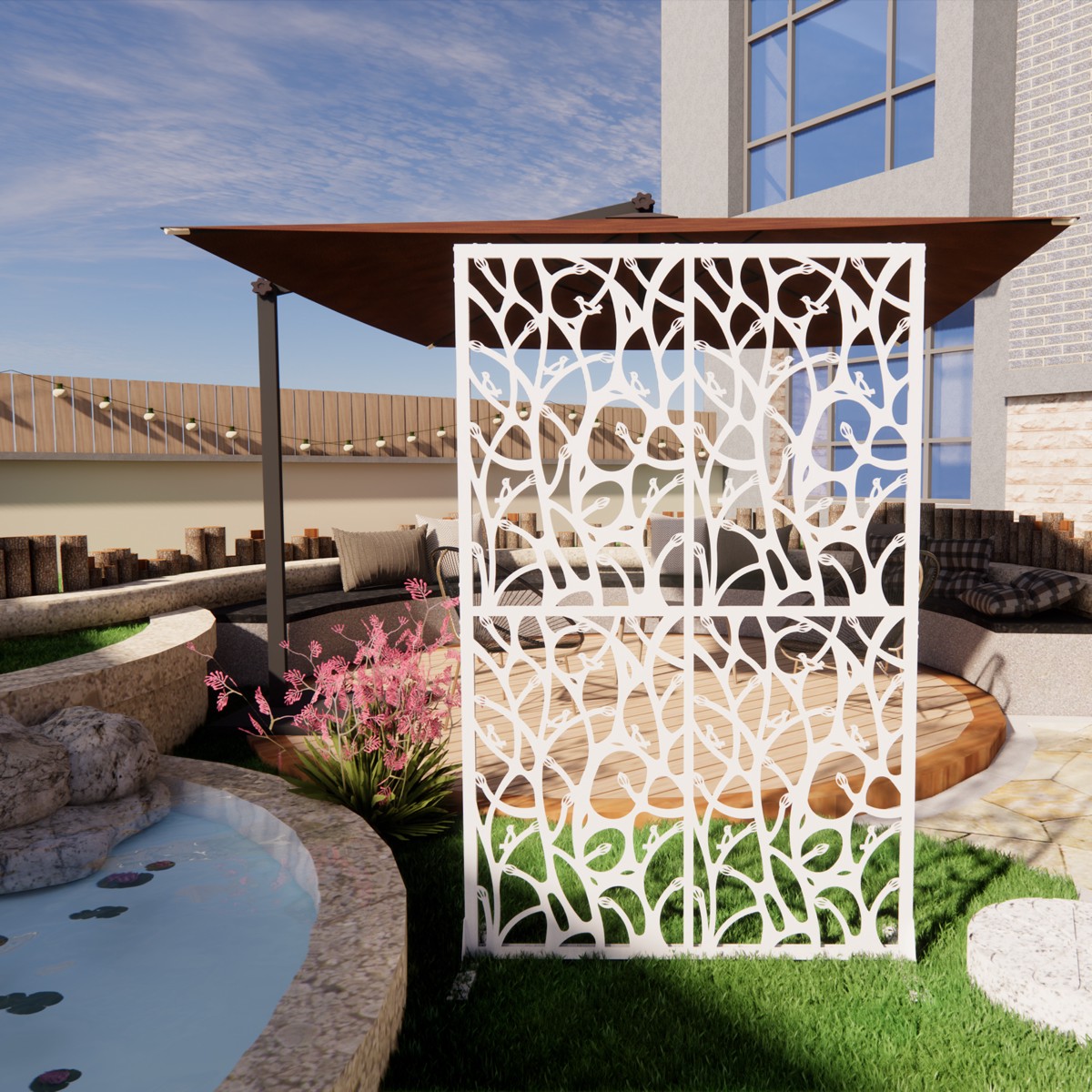 Metal Privacy Screens W3.8Ft X H6Ft Outdoor And Indoor Divider With Free Standing Decorative Screen For Balcony Patio Garden Room White Bird Shape$105.99View on Mallflare
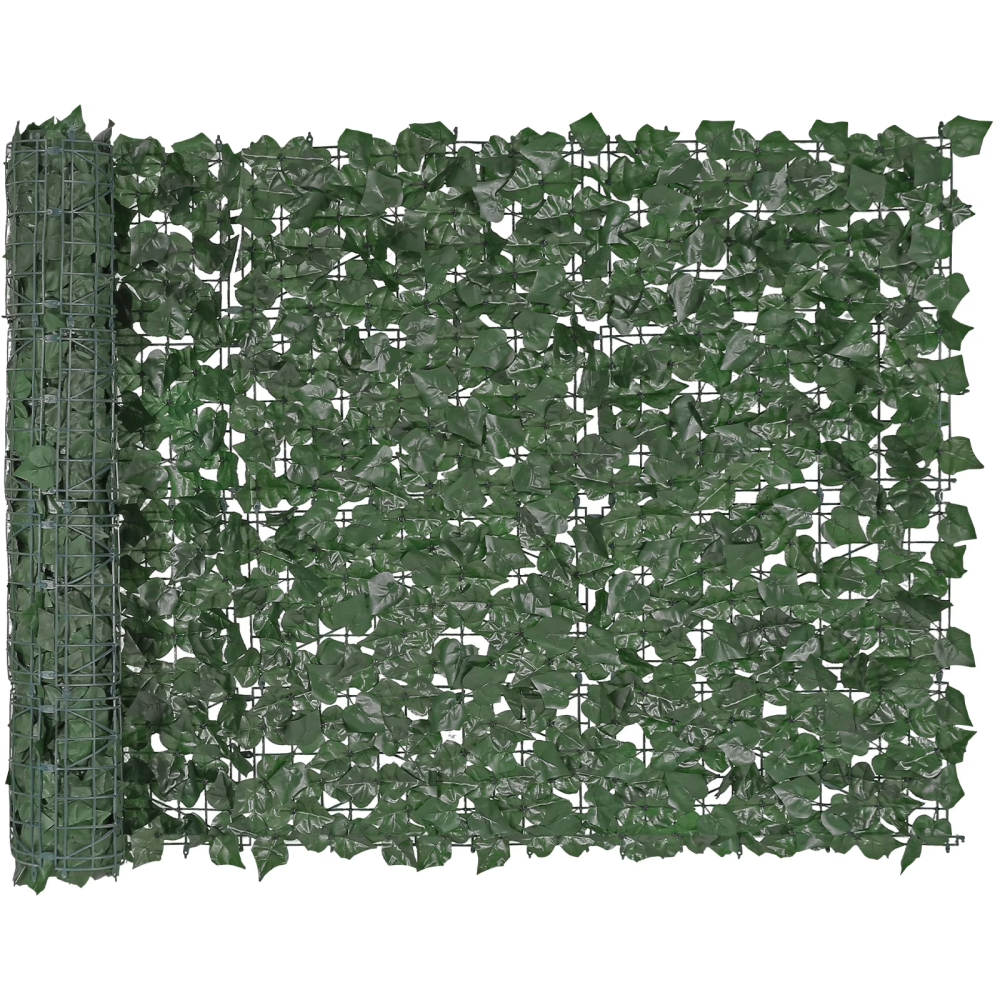 39"x98" Artificial Faux Ivy Leaf Privacy Fence Screen Decor Panel Hedge$105.99View on Mallflare
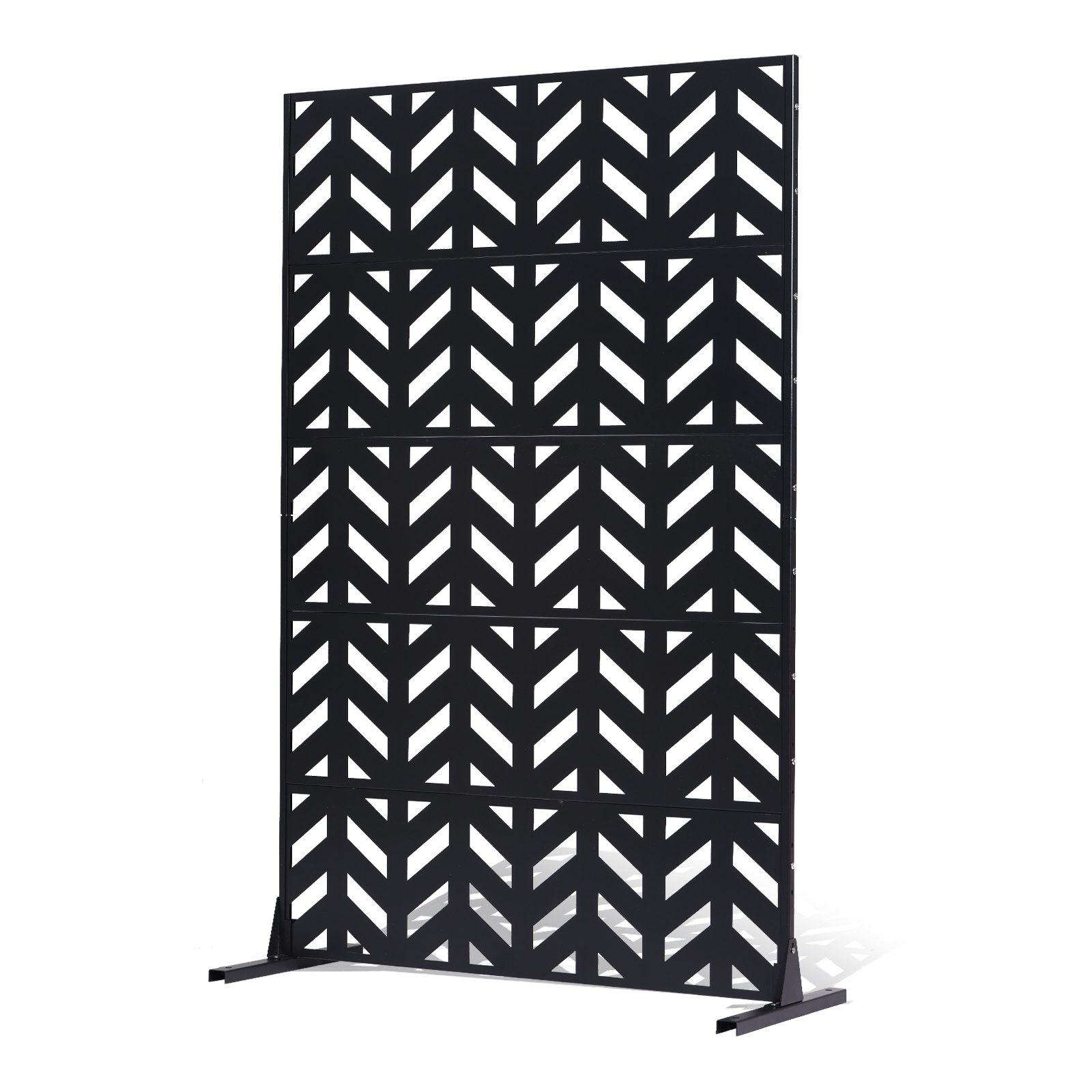 Metal Privacy Screen 47' X 72' Freestanding Outdoor Screens For Patio$107.99View on Mallflare
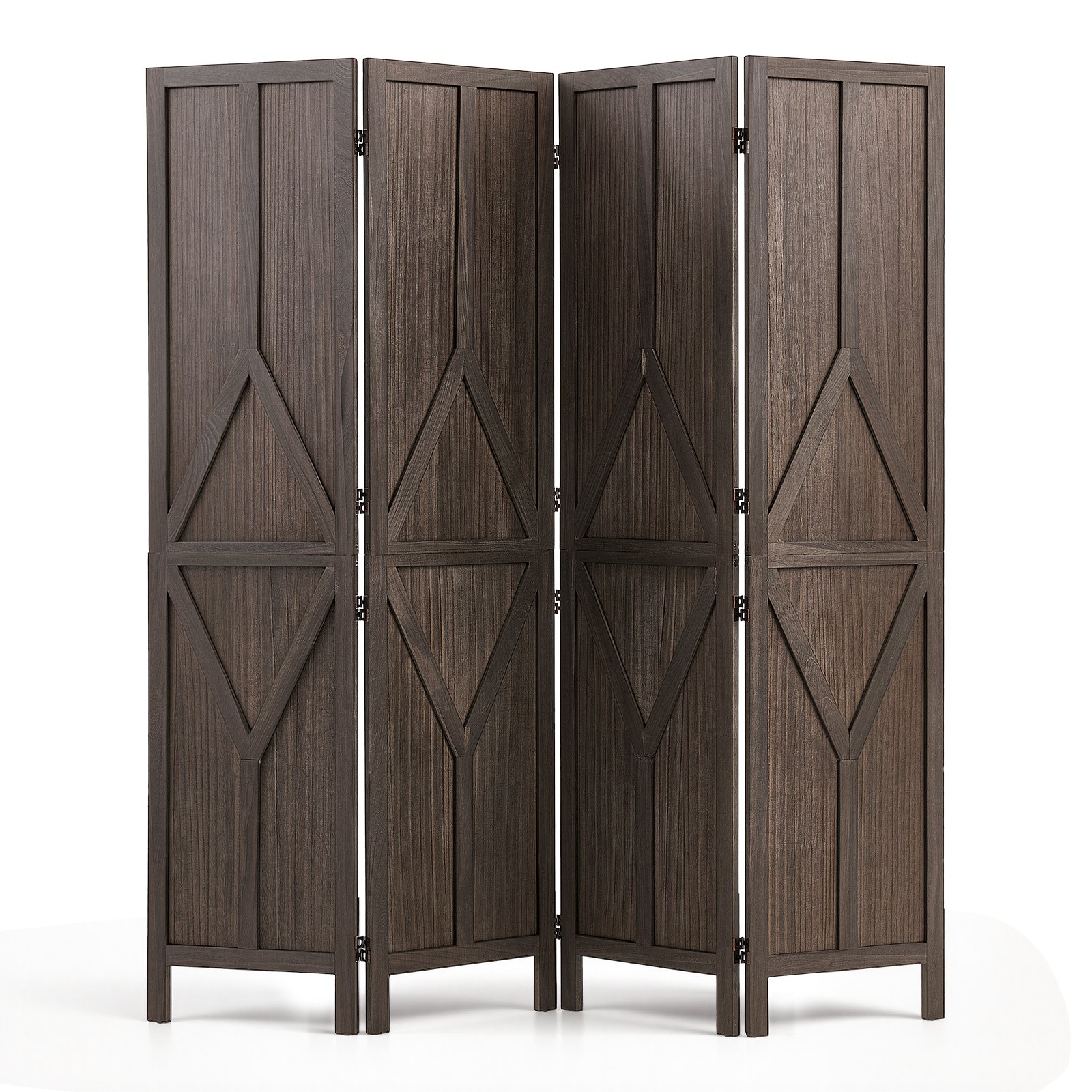 Wood Room Divider 4 Panels Folding Privacy Screen Y Pattern, For Separation & Home Decor, 67 inches Tall, Solid Frame, 360° Two-Way Hinges, Rustic Wooden Partition with Hardware$110.99View on Mallflare
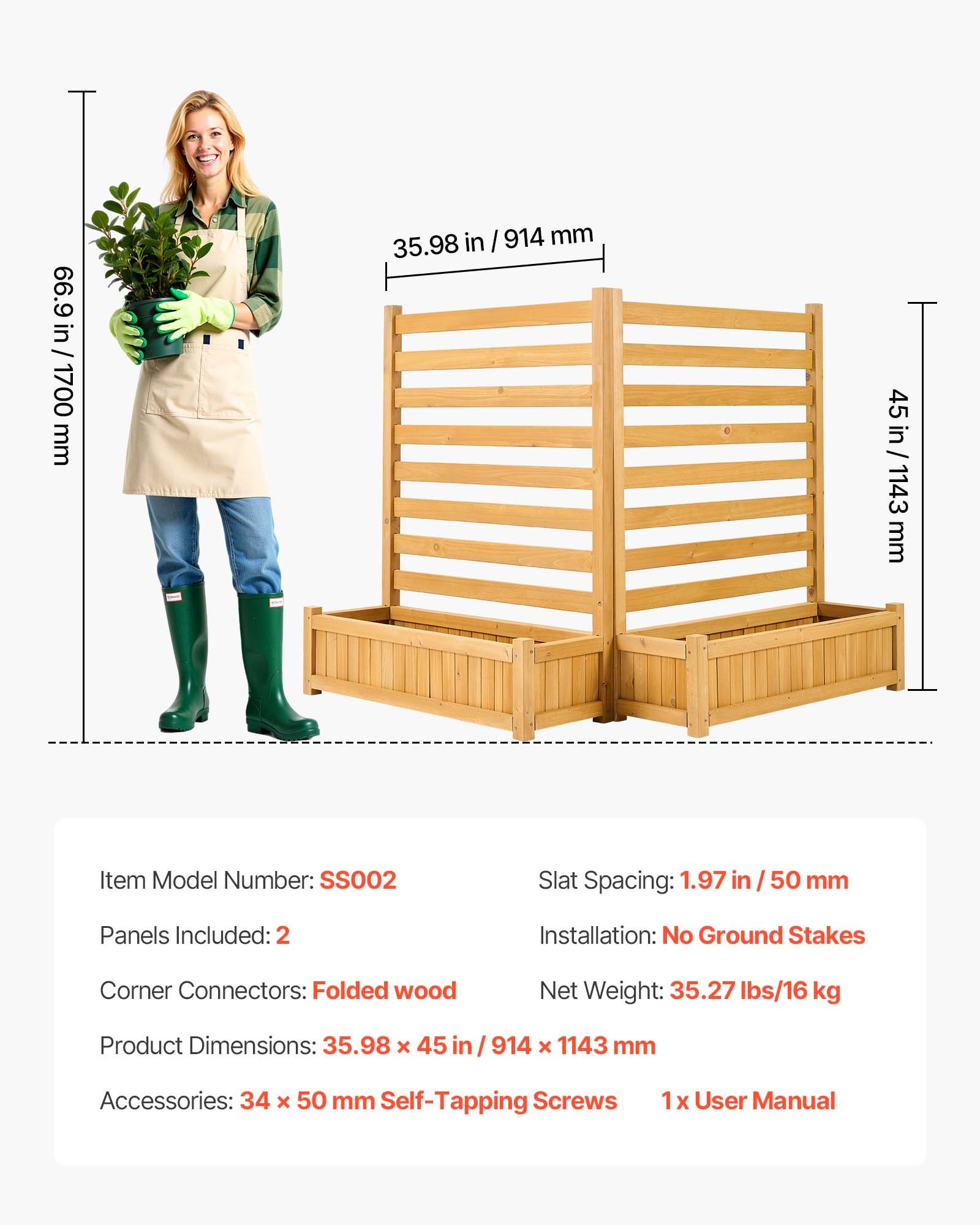 Wooden Privacy Fence, 36 X 45 Inch Air Conditioner 2 Slatted Panel Solid Outdoor Wood Screen With 2 Planters, Metal Stakes, Trash Can Hider Fences Suitable For Garden, Pool$113.99View on Mallflare
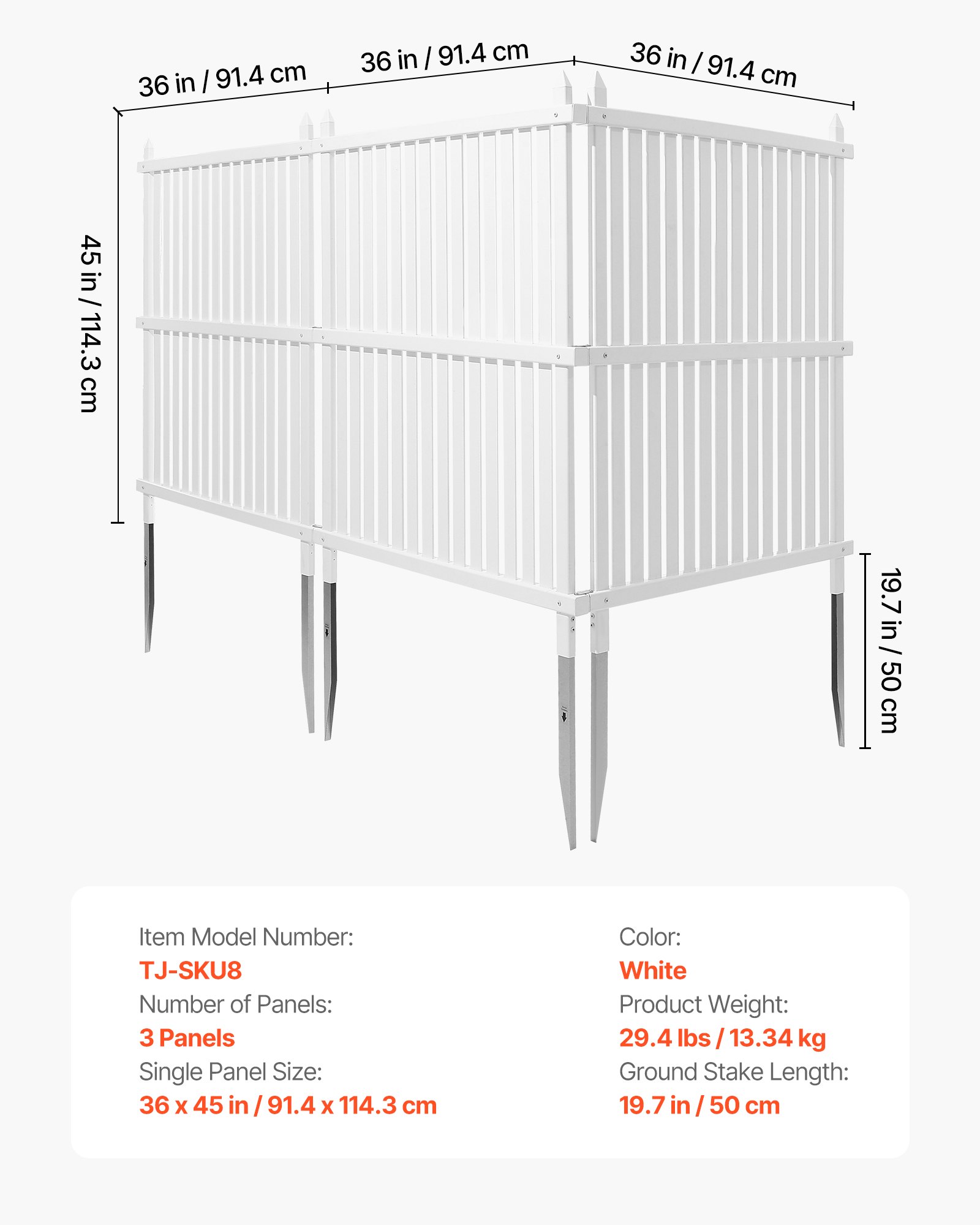 3 Panels Outdoor Privacy Screen, 36 X 45 In Air Conditioner Fence With 19.7 In Ground Stakes, Pool Equipment Enclosure, Strip Vinyl Ideal For Trash Can And A/C Units, White$114.99View on Mallflare
 Decorative Outdoor Privacy Screen, See-Through Divider/Separator with Twisted Branch Motif for Fun Shadows or Climbing Plant Trellis, Fence Panel for Garden Walkway, Backyard, 6.5FT$115.99View on Mallflare
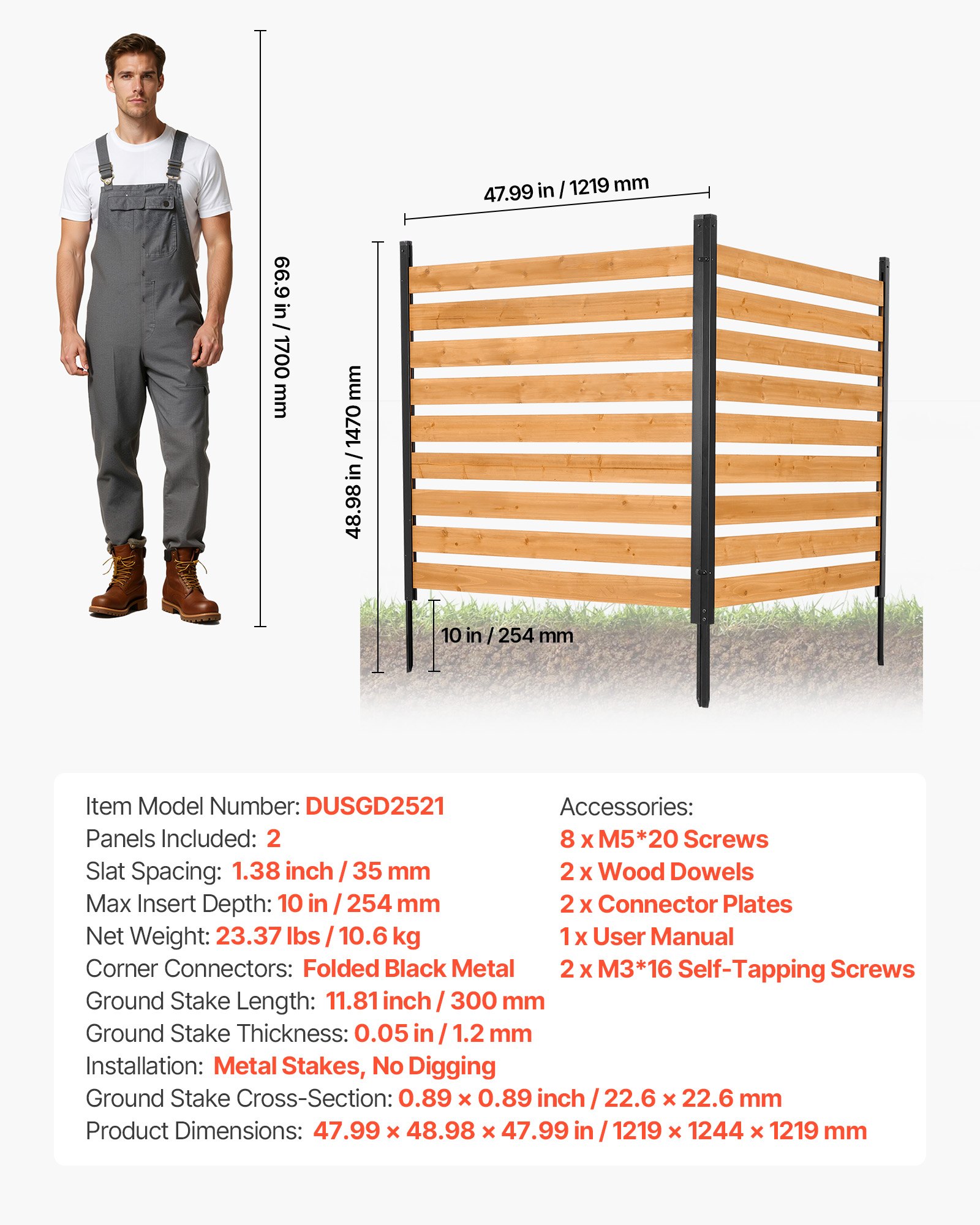 Wooden Privacy Fence, 48 X 49 X 28 Inch Air Conditioner 2 Panel Solid Outdoor Wood Screen With Metal Stakes, Steel Frame, Trash Can Hider Fences Suitable For Garden, Pool$117.99View on Mallflare
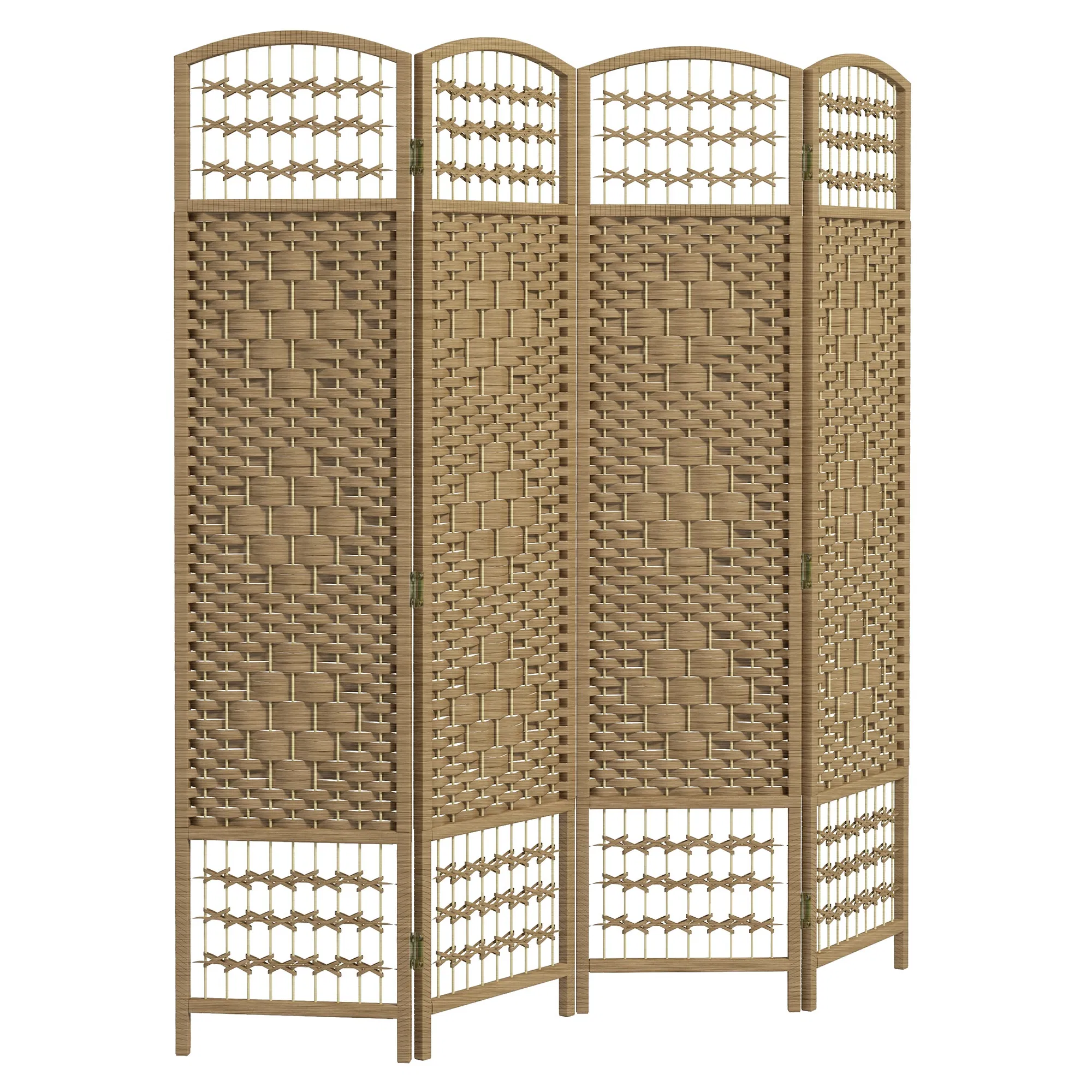 4 Panel Folding Room Divider, Portable Privacy Screen, Wave Fiber Partition for Home Office, Natural$119.99View on Mallflare
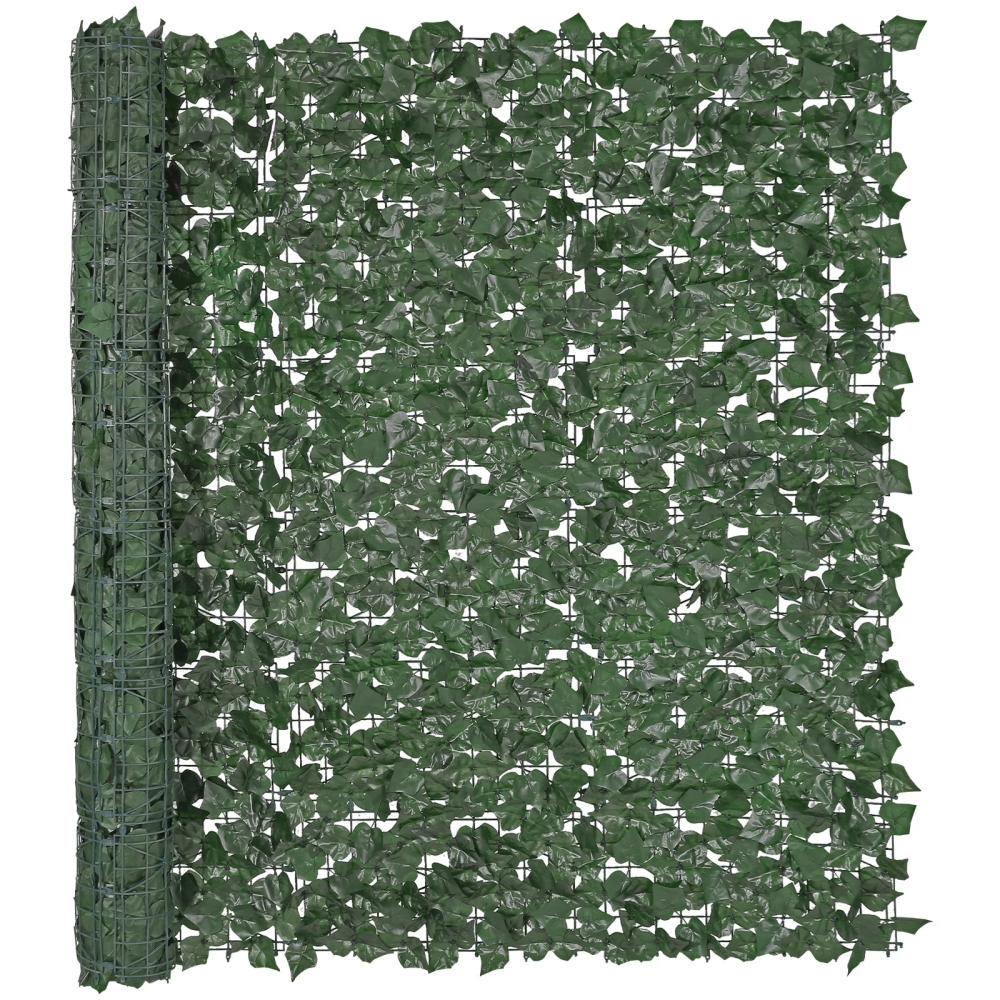 59"x98" Artificial Faux Ivy Leaf Privacy Fence Screen Decor Panel Hedge$122.99View on Mallflare
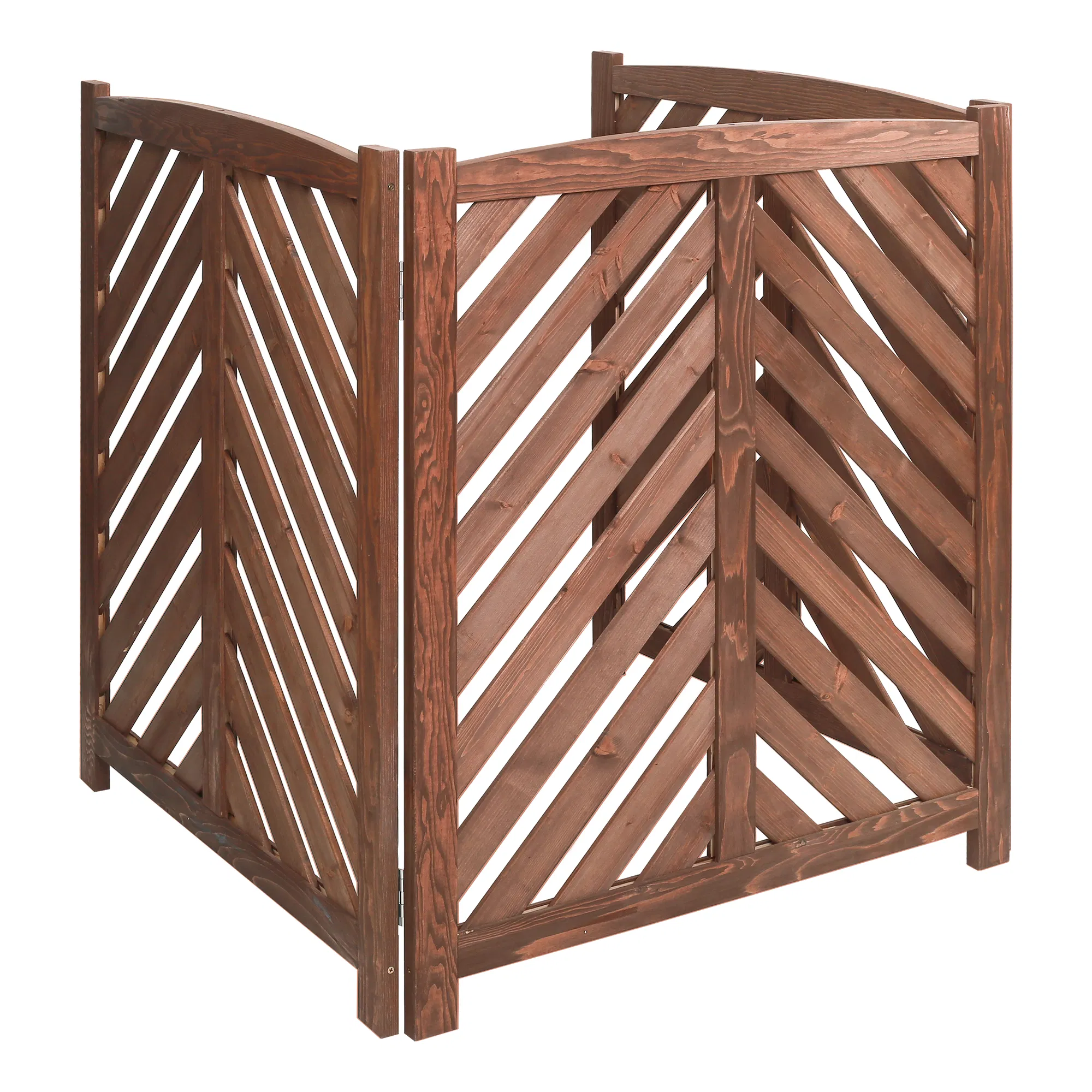 Air Conditioner Fence Screen Outside, Cedar Privacy 3 Panels to Hide AC & Trash Enclosure, 33"W x 38"H$126.99View on Mallflare
Highlights
- Folding wood panels typically use 3–6 hinged leaves; 6-panel units span roughly 90–120 inches when fully opened and fold to about 20–24 inches for storage.
- Louvered slat construction allows airflow and partial visibility while solid-panel designs block sightlines completely; slat spacing of 0.5–1 inch balances privacy and ventilation.
- Outdoor-rated screens need UV-stable finishes, rust-proof stainless or aluminum hinges, and weighted feet or stakes; untreated wood and plastic hinges degrade within one to two seasons.
- Panel height determines privacy: 66–72 inch panels block standing sightlines for most adults, while 48-inch panels only provide seated or partial privacy.
Best use cases
- Best fit: indoor bedroom or office division—choose a 6-panel louvered wood screen (66–72 inches tall) with double-hinged leaves so it stands freestanding and folds flat for storage.
- Best fit: patio or deck privacy—pick a weather-treated wood or composite screen with weighted base feet or ground stakes; skip untreated pine and standard plastic hinges.
- Wrong fit: small apartments needing a room divider shorter than 60 inches—a 48-inch panel leaves standing sightlines exposed; choose a 66-inch or taller model instead.
- Wrong fit: windy rooftop or open-yard use—lightweight folding wood panels tip over above roughly 15 mph gusts; use a weighted-base outdoor partition or fixed fencing instead.
Buying tips
- Measure the opening you need to screen: a 6-panel screen at 18–20 inches per panel covers about 108–120 inches fully extended; order panel count from that total span, not from folded width.
- For indoor use, solid wood or MDF panels with piano-style continuous hinges resist sagging better than small butt hinges; check hinge count per joint (two or more per leaf).
- Outdoor screens should specify kiln-dried or pressure-treated wood (or HDPE composite) and stainless-steel hardware; untreated wood warps and plastic hinges crack after freeze-thaw cycles.
- Match panel height to the sightline you need to block: 66–72 inches for standing adult privacy, 48–60 inches for seated privacy or low barriers.
Specs
| Panel Count | 3 / 4 / 6 hinged leaves |
|---|---|
| Panel Height | 48–72 in (66–72 blocks standing view) |
| Material Grade | Solid wood / MDF / HDPE composite |
| Outdoor Rating | Treated wood + stainless hardware |
Related searches
What to check before buying
- Measure floor-to-ceiling height and the full width you need to cover; confirm the screen's extended width exceeds that span by at least 6 inches for overlap and stability.
- Check floor type and trim: folding screens need flat, level flooring and 2–4 inches of clearance from baseboards or door casings to fold and reposition.
- For outdoor placement, confirm the screen is rated for exterior use and that wind exposure at the site stays below the manufacturer's stability limit or that ground stakes are included.
- Verify hinge and hardware material (stainless steel or aluminum for damp climates) and whether the screen ships fully assembled or requires hinge installation.
FAQ
Data sources: eBay / Amazon listings and product attribute feeds. Updated Nov 29, 2026.
Some links on this page are affiliate links. If you buy after clicking one, we may earn a commission at no extra cost to you. This does not change which products appear here or their order. Affiliate disclosure.