
Photos from current listings. Actual item, color, and included accessories may vary.
Honey Separator Buying Guide
A honey separator is the centrifuge that spins uncapped comb so honey leaves the cells without crushing the wax. Buyers get burned by three things: buying a drum too small for their frame count, choosing a manual crank when they actually run more than a few hives, and ignoring frame-size compatibility (Langstroth deep vs medium). Decide your frame count, drive type, and frame standard first, then pick the drum gauge and stand.
Median $99.57 · New listings
Key takeaways
- Drum material matters: 201/304 stainless steel resists honey acid and cleans easily; painted or galvanized metal pits and contaminates flavor over seasons.
- Frame capacity is per cycle, not total harvest: 2-frame units suit 1–2 hives, 4-frame suits 3–5, 8-frame and larger suit sideliners running many hives.
- Manual crank units use a gearbox and basket; electric models add a motor (often 120V) and spin faster with less labor but cost more and need power at the extractor site.
At a glance
- Category
- Honey Extraction & Packaging
- Last updated
- Nov 27, 2026
Current offers
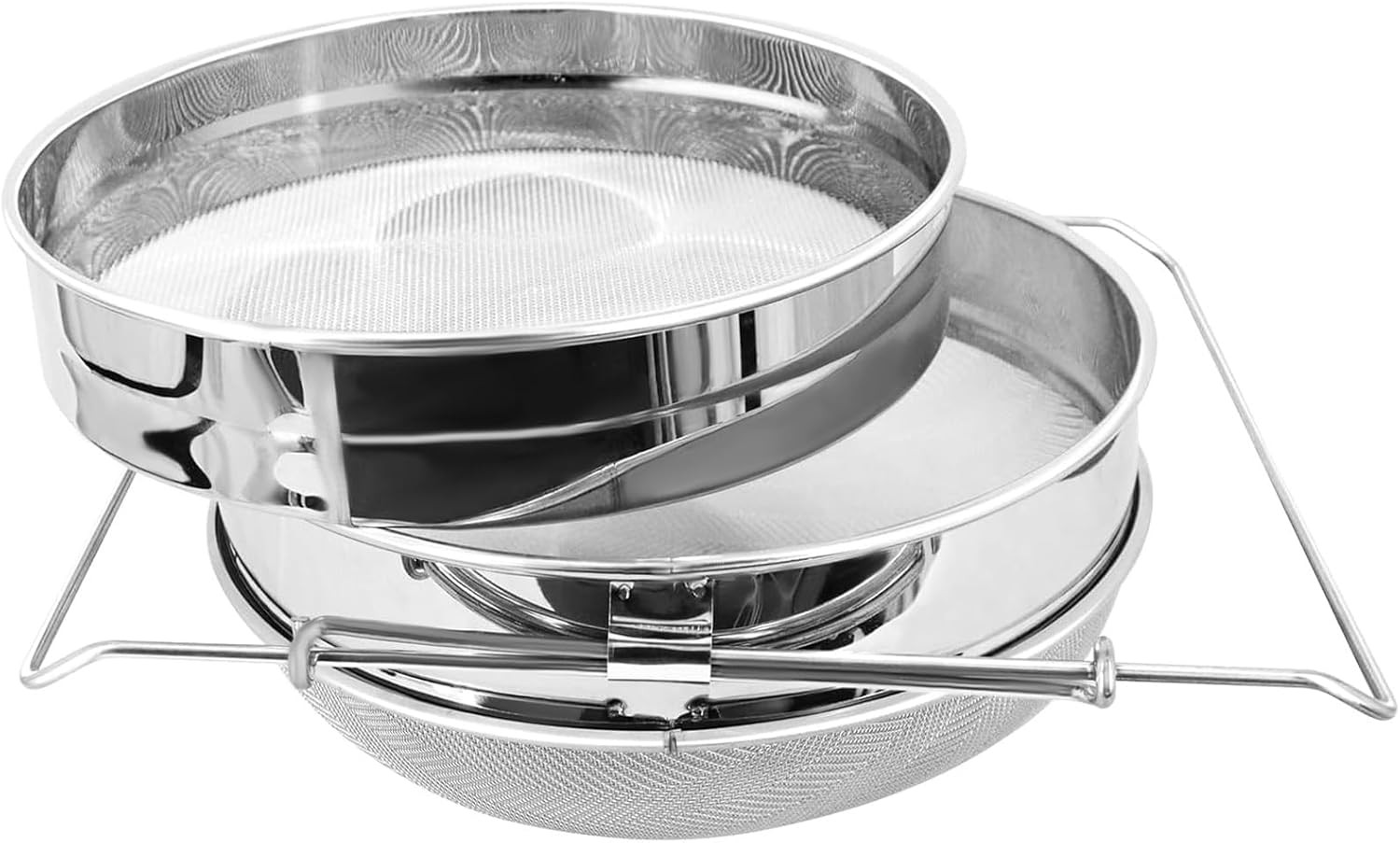 Stainless Steel Honey Strainer Double Sieve Filter Extractor Beekeeping Tool$33.49View on eBay
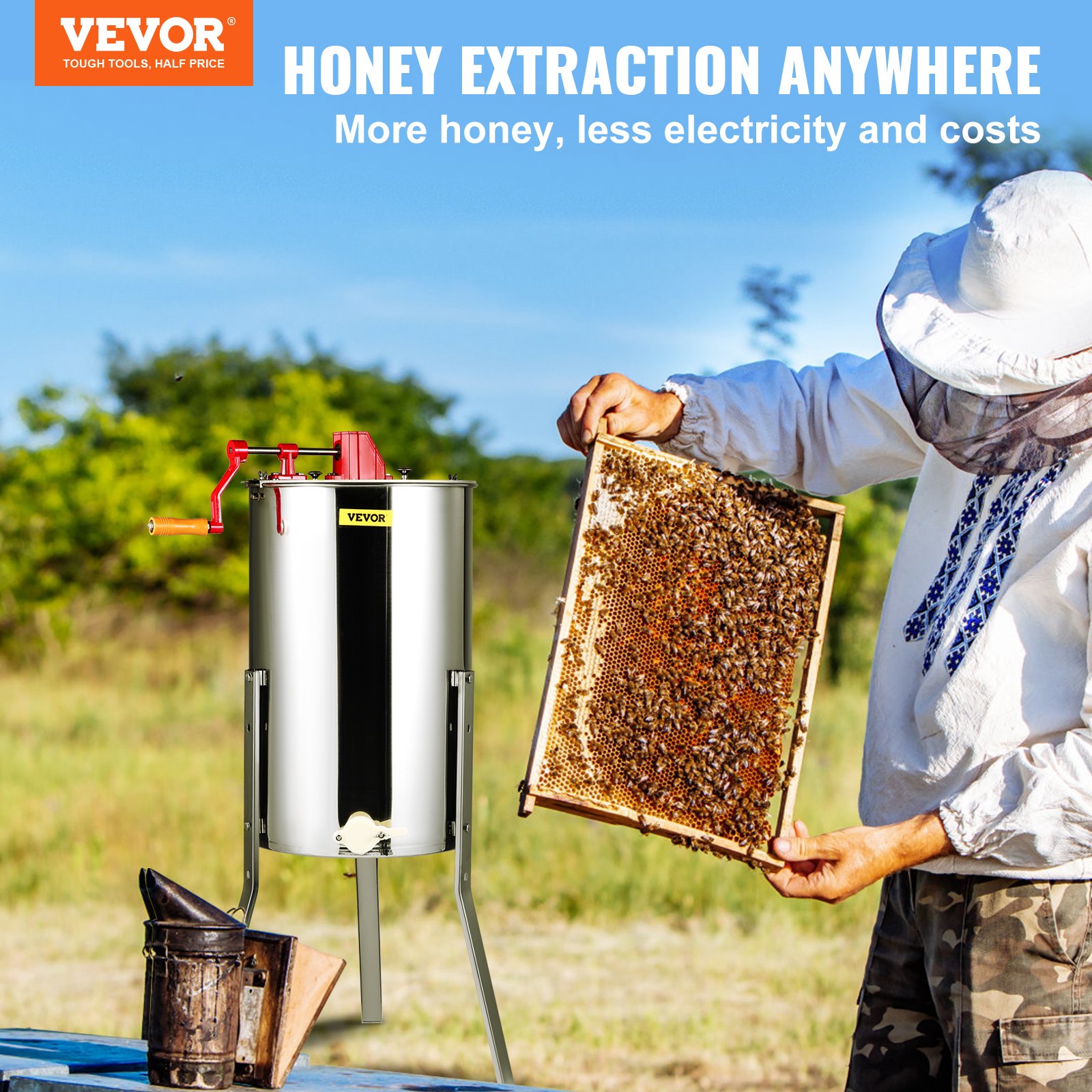 VEVOR Manual Honey Extractor, 3 Frames Spinner Stainless Steel Beekeeping Extraction, Honeycomb Drum With Lid, Apiary Centrifuge Equipment Height Adjustable Stand$123.99View on Mallflare
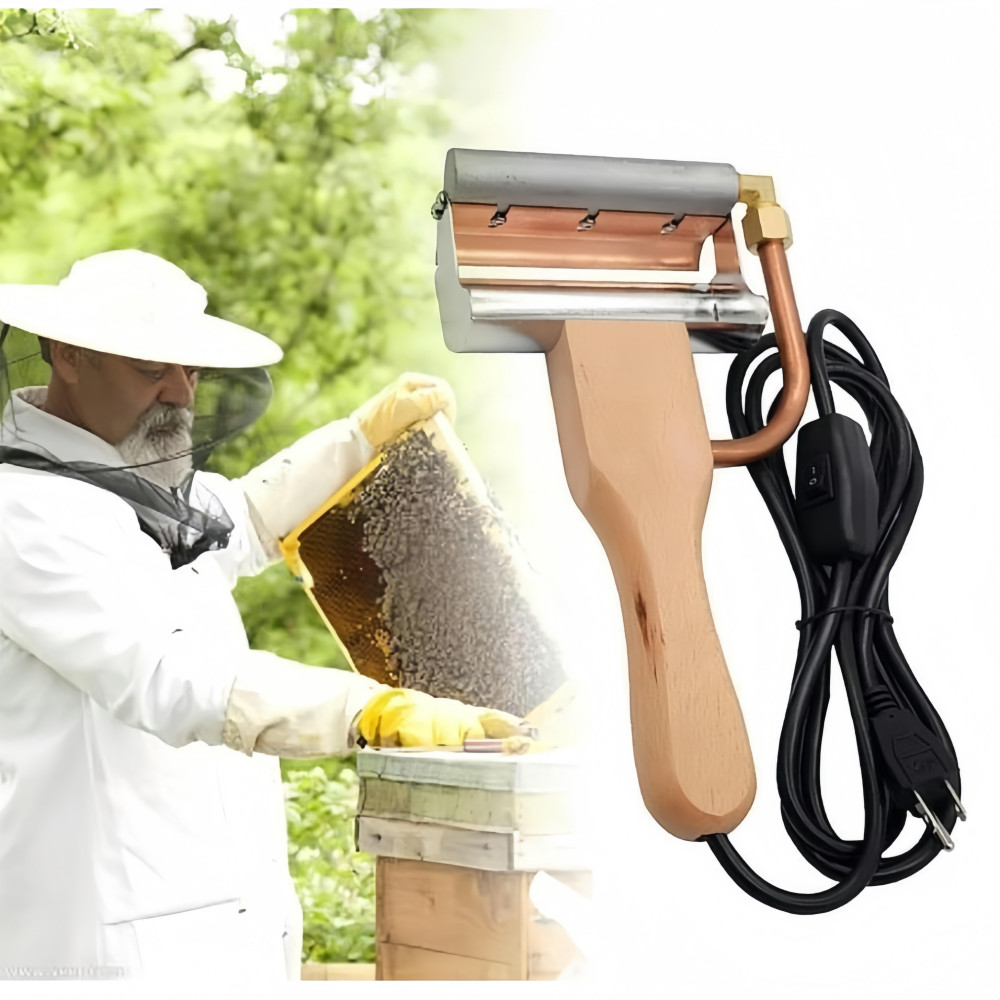 Electric Honey Cutter Uncapping Plane Hot Knife Honey Bee Scraping Extractor$57.00View on eBay
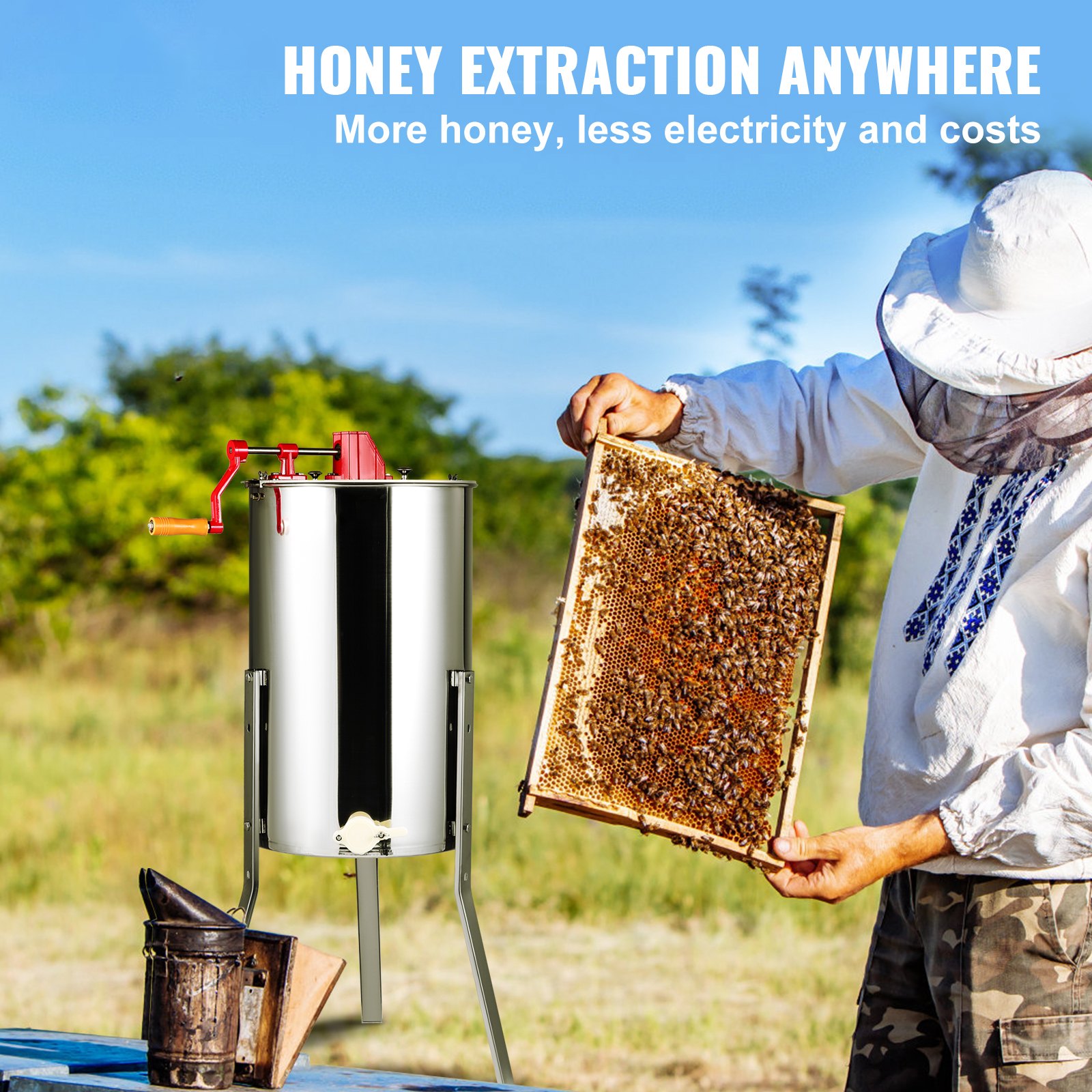 Manual Honey Extractor, Frames Spinner Stainless Steel Beekeeping Extraction, Honeycomb Drum With Lid, Apiary Centrifuge Equipment Height Adjustable Stand$133.99View on Mallflare
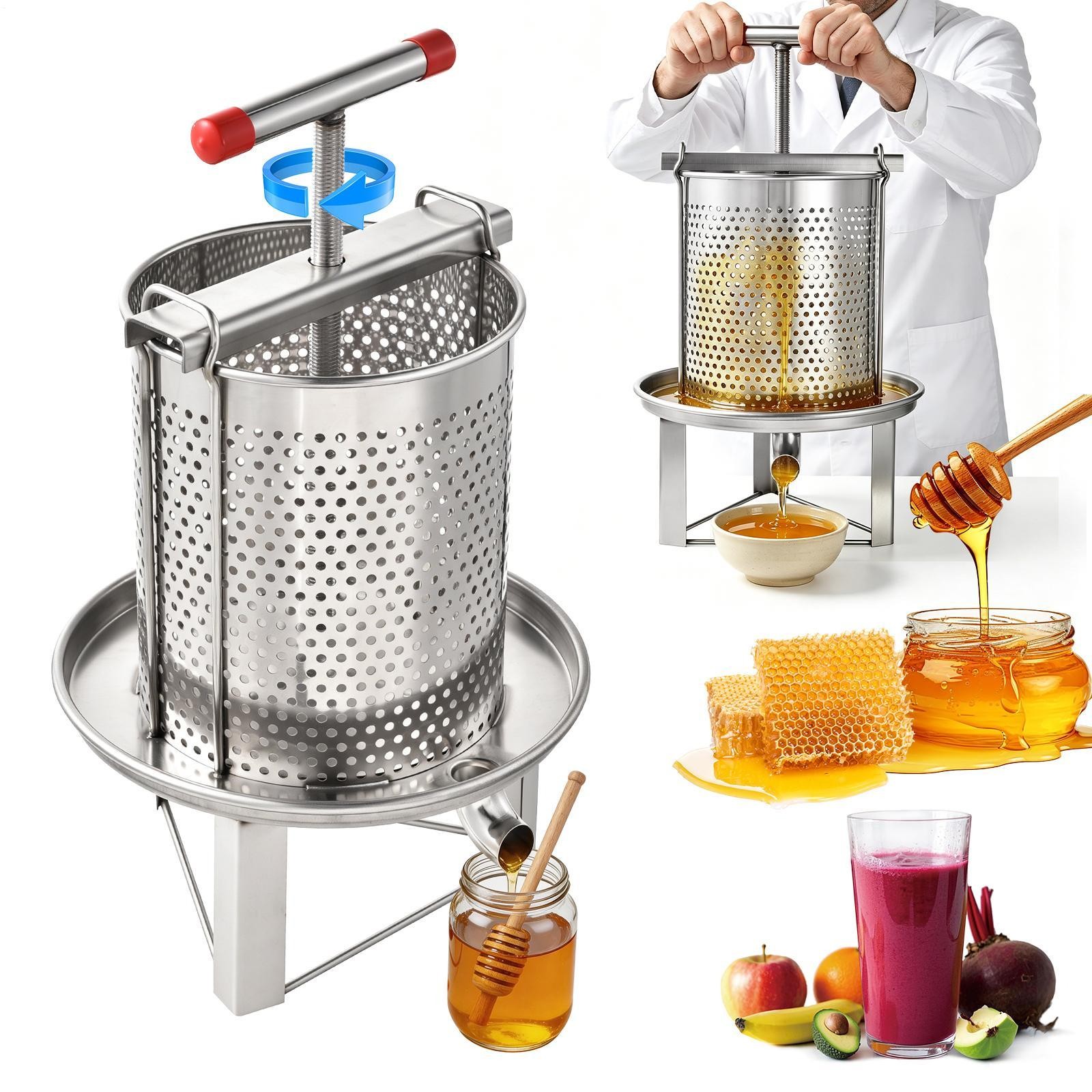 Manual Honey Extractor Beekeeping Equipment Stainless Steel$71.39View on eBay
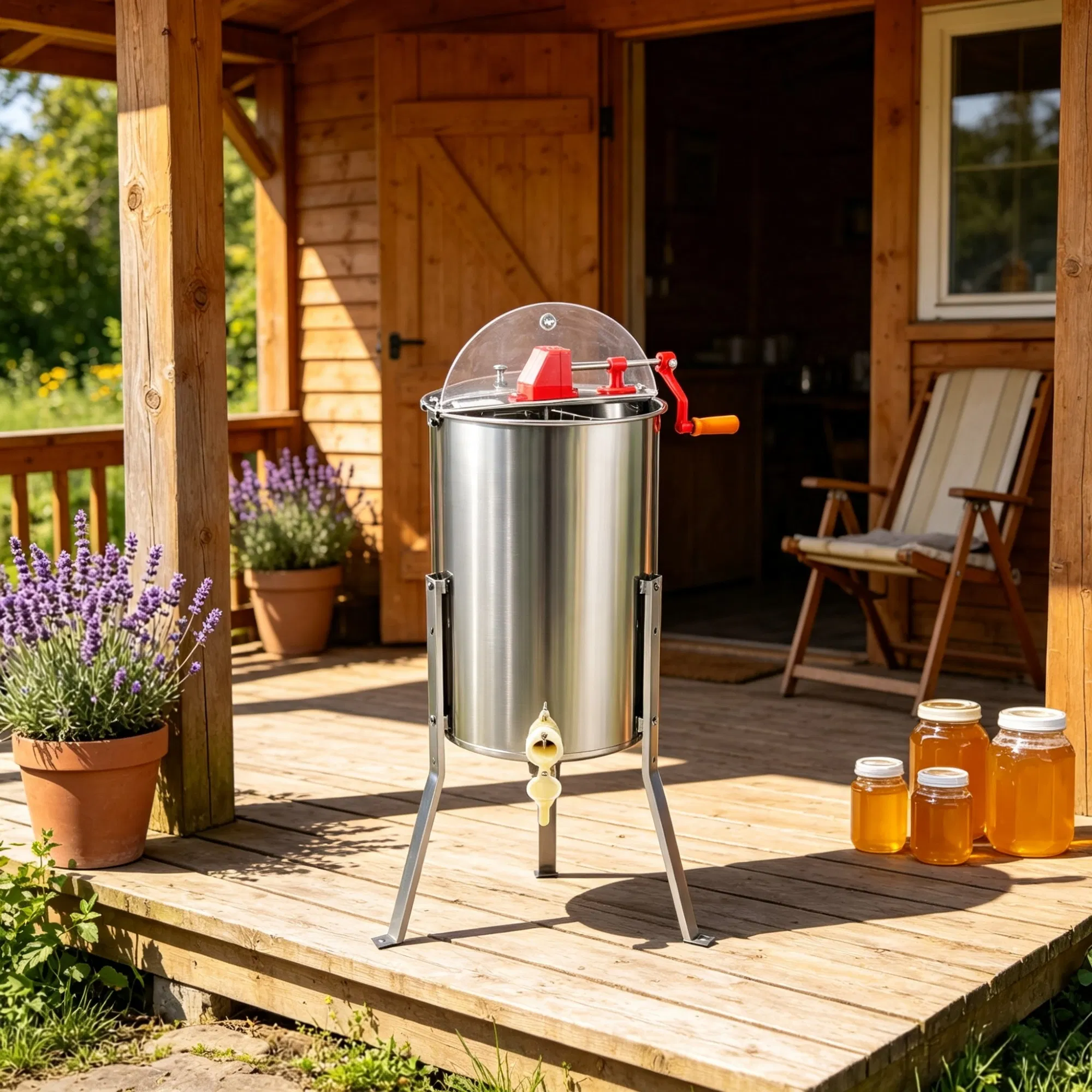 3-Frame Manual Honey Extractor, Stainless Steel Beekeeping Spinner with Adjustable Stand & Lid$257.99View on Mallflare
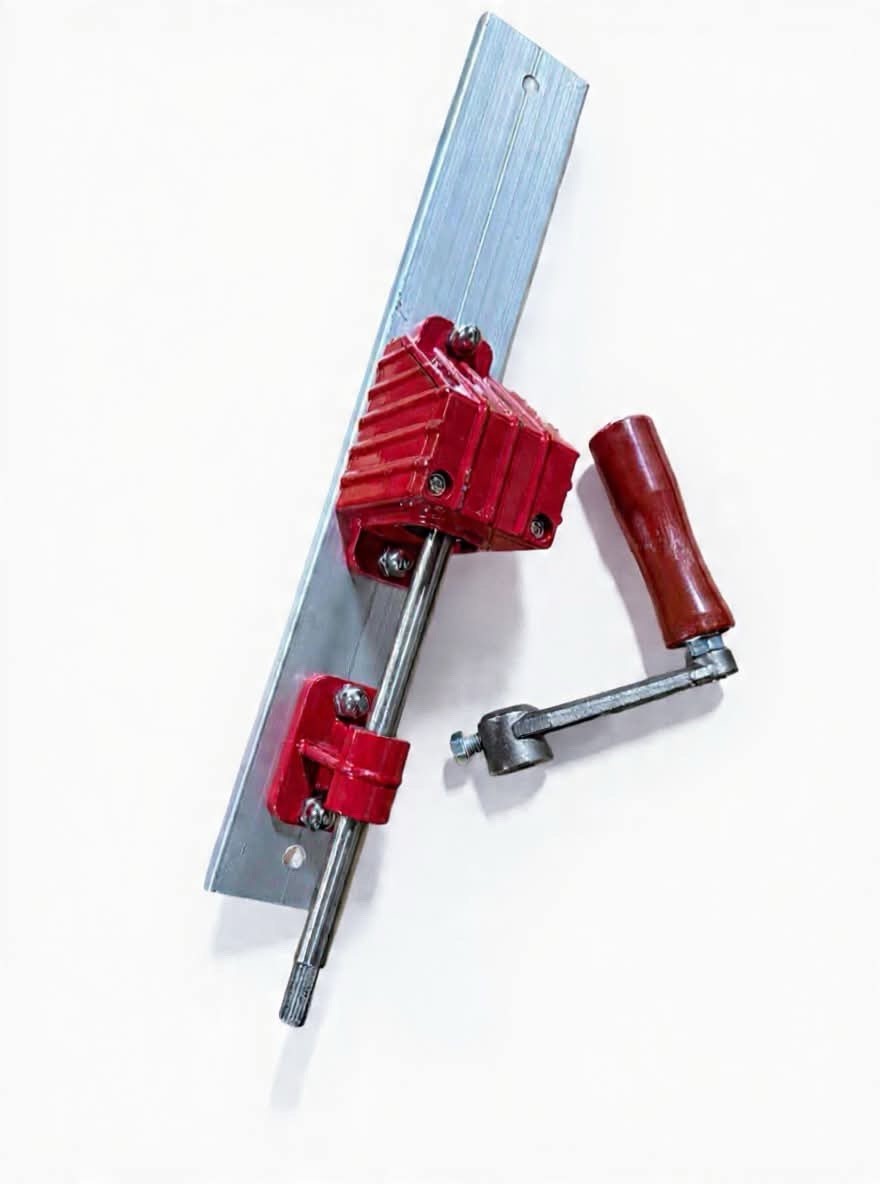 Honey Extractor Manual Drive Gear Assemby$71.99View on eBay
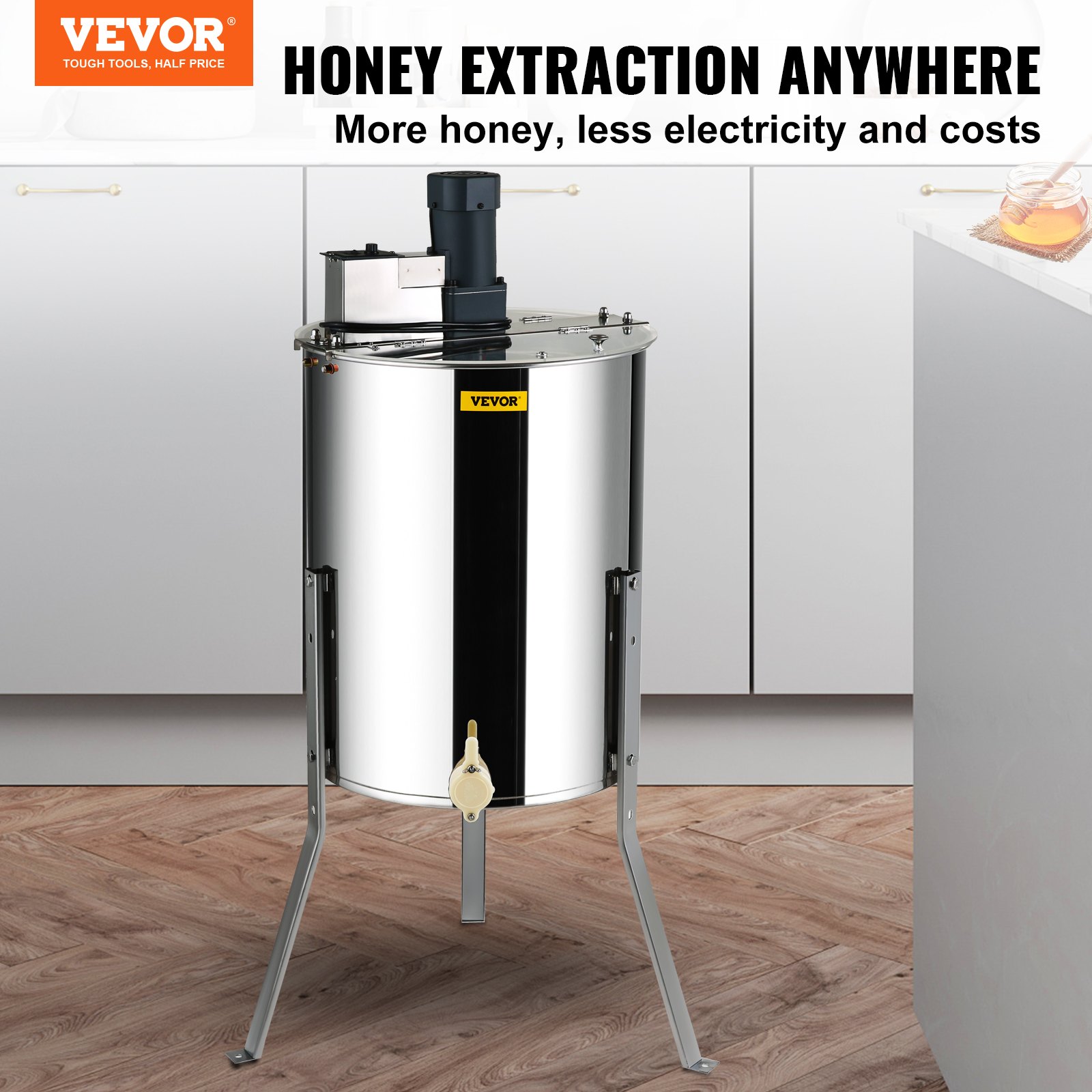 VEVOR Electric Honey Extractor, Frames Spinner Stainless Steel Beekeeping Extraction, Apiary Centrifuge Equipment With Height Adjustable Stand, Honeycomb Drum Lid$307.99View on Mallflare
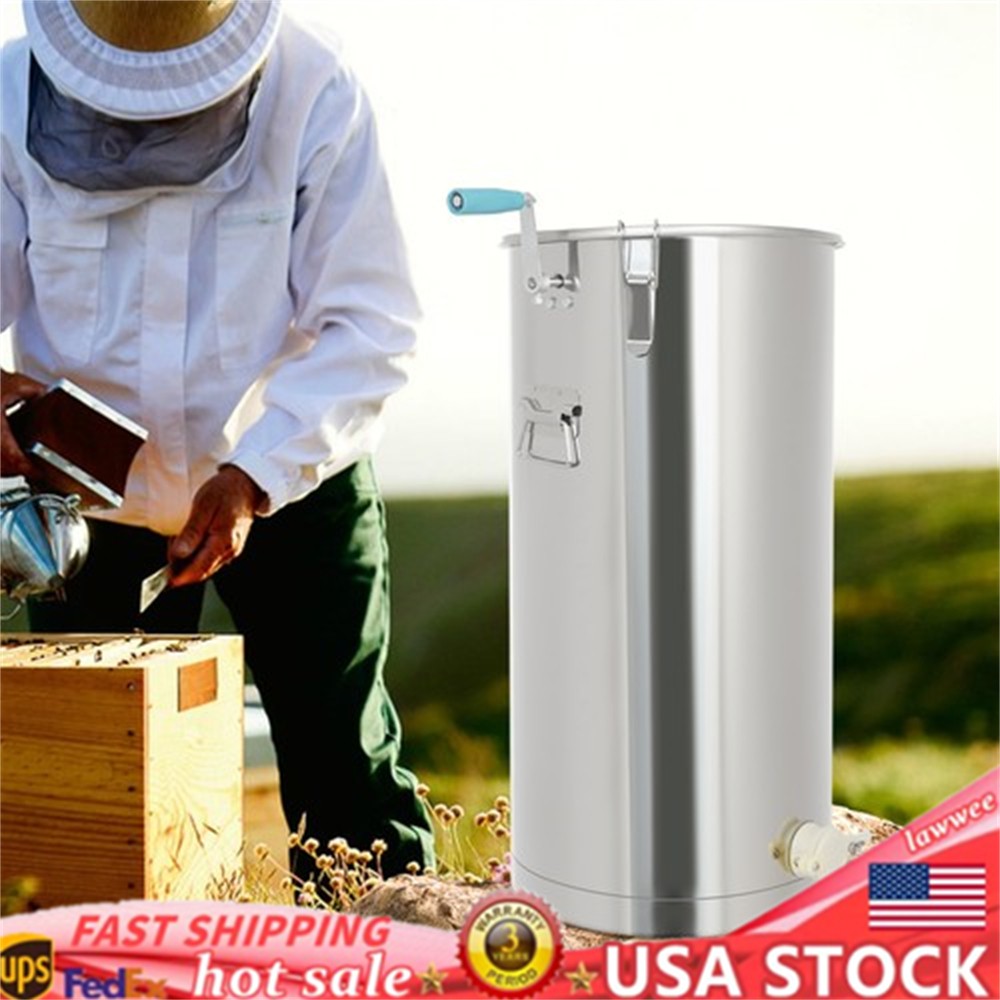 Honey Extractor Spinner Centrifuge Equipment 2 Frame Beekeeping Equipment Drum$78.81View on eBay
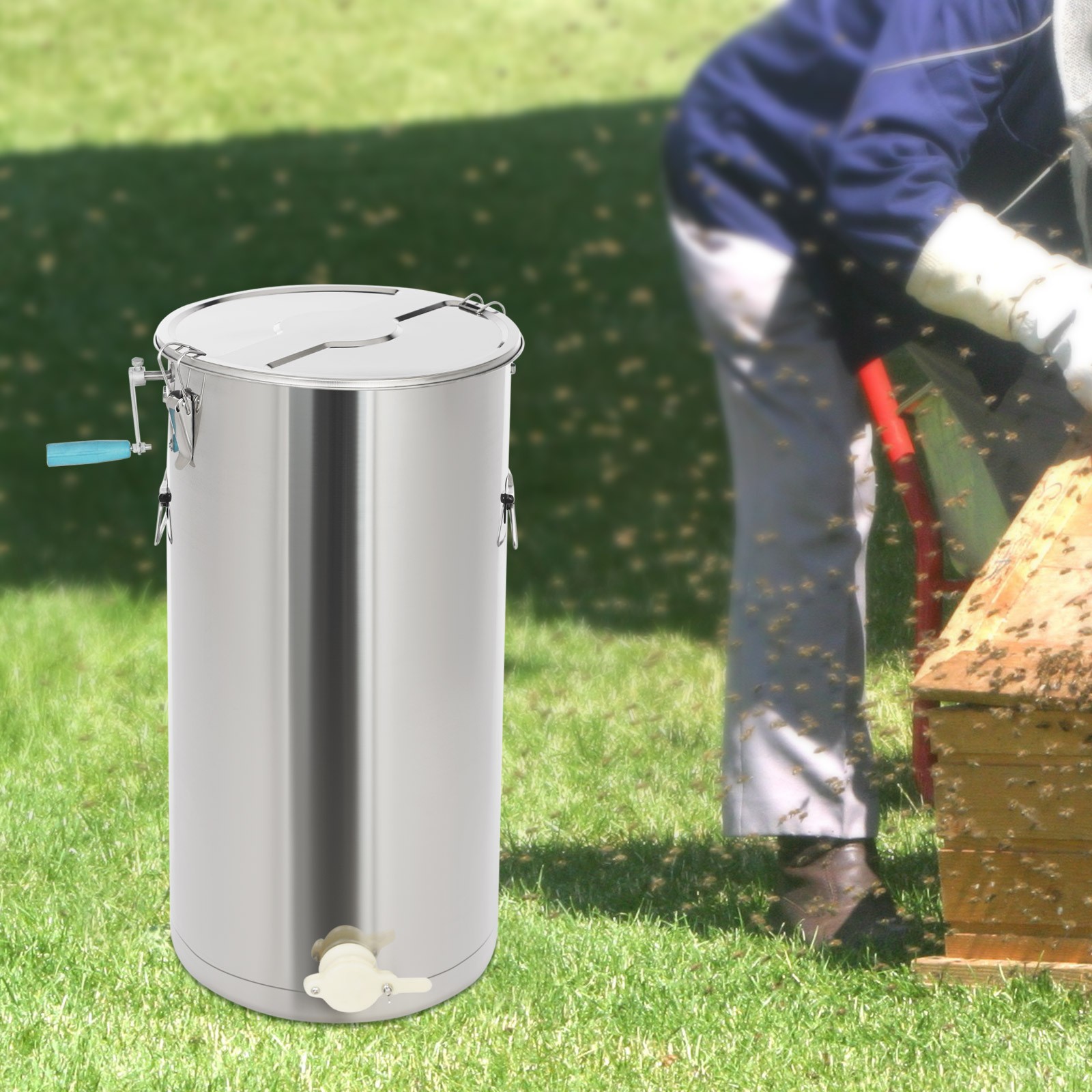 Honey Extractor Spinner Centrifuge Equipment 2 Frame Beekeeping Equipment Drum$79.84View on eBay
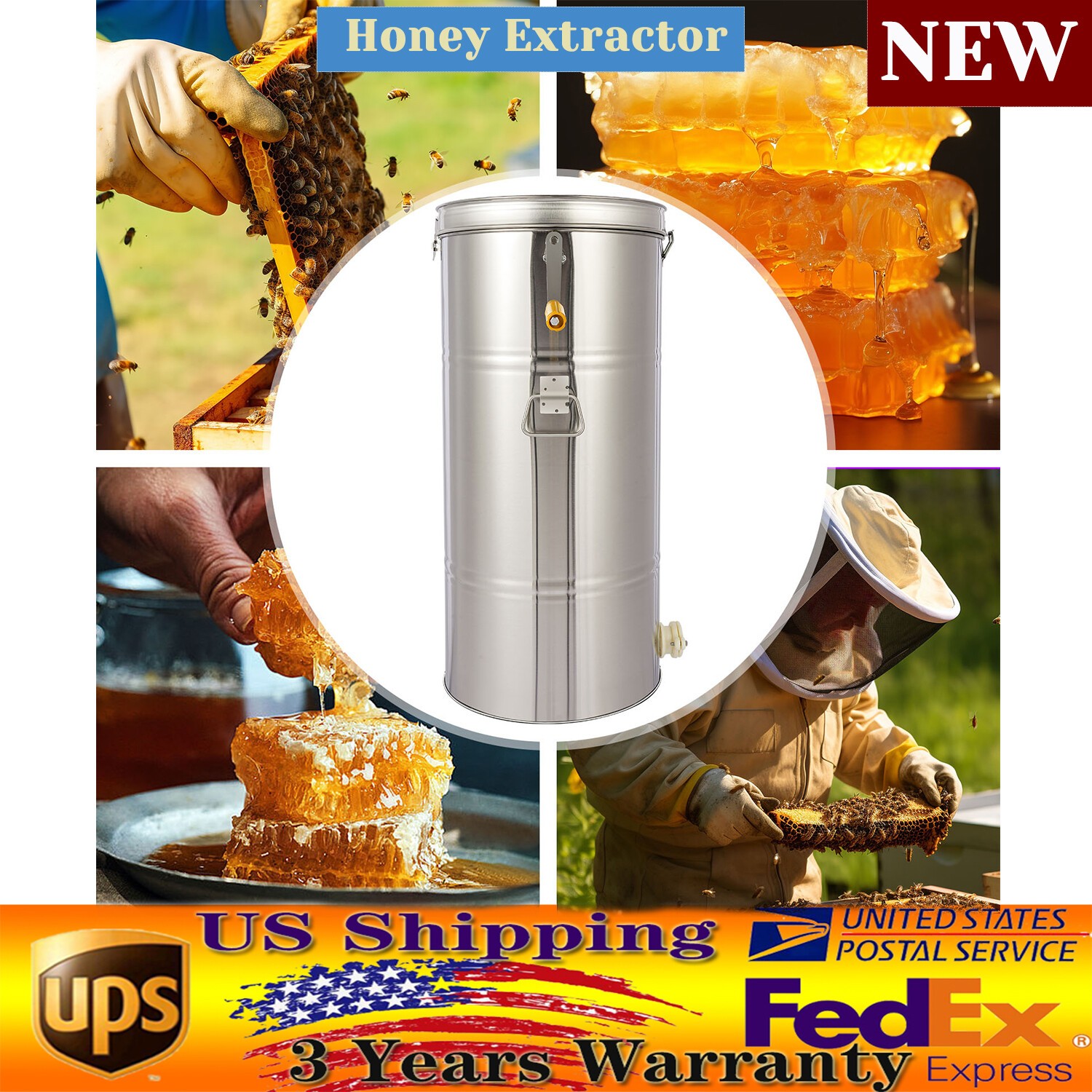 Stainless Steel 2 Frame Honey Extractor Manual Spinner Beekeeping Equipment New$86.17View on eBay
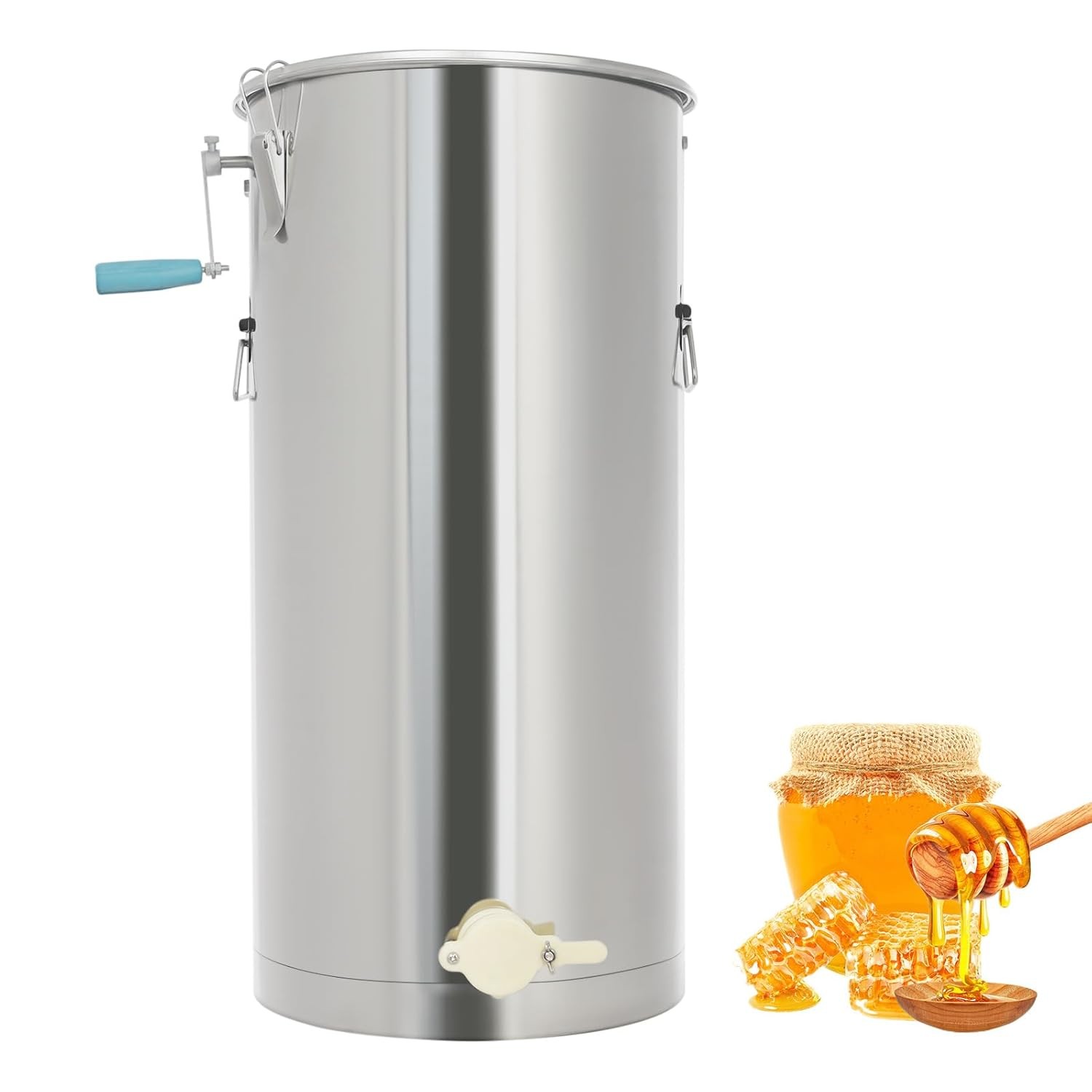 2 Frame Honey Extractor Stainless Steel Manual Honey Press Extractor with Bucket$86.18View on eBay
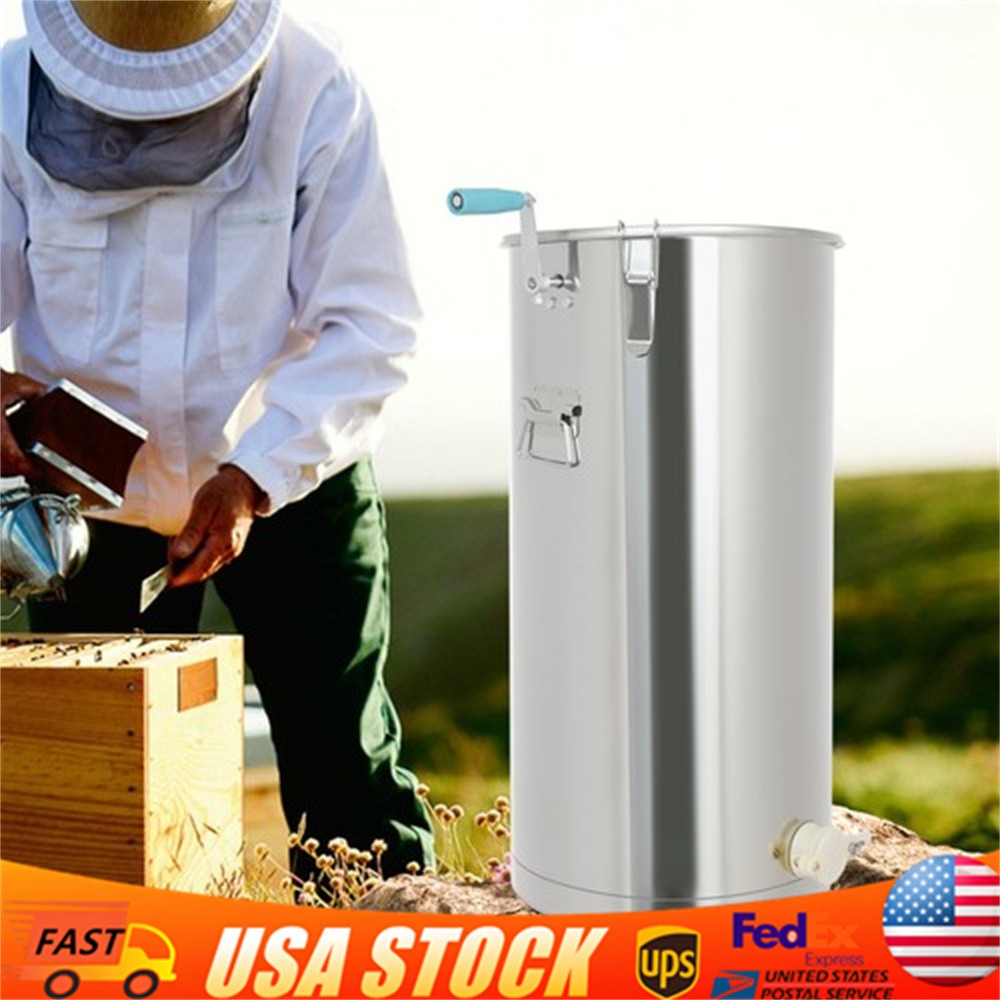 2 Frame Honey Extractor Manual Use Beekeeping Bee Hive Equipment Stainless Steel$86.18View on eBay
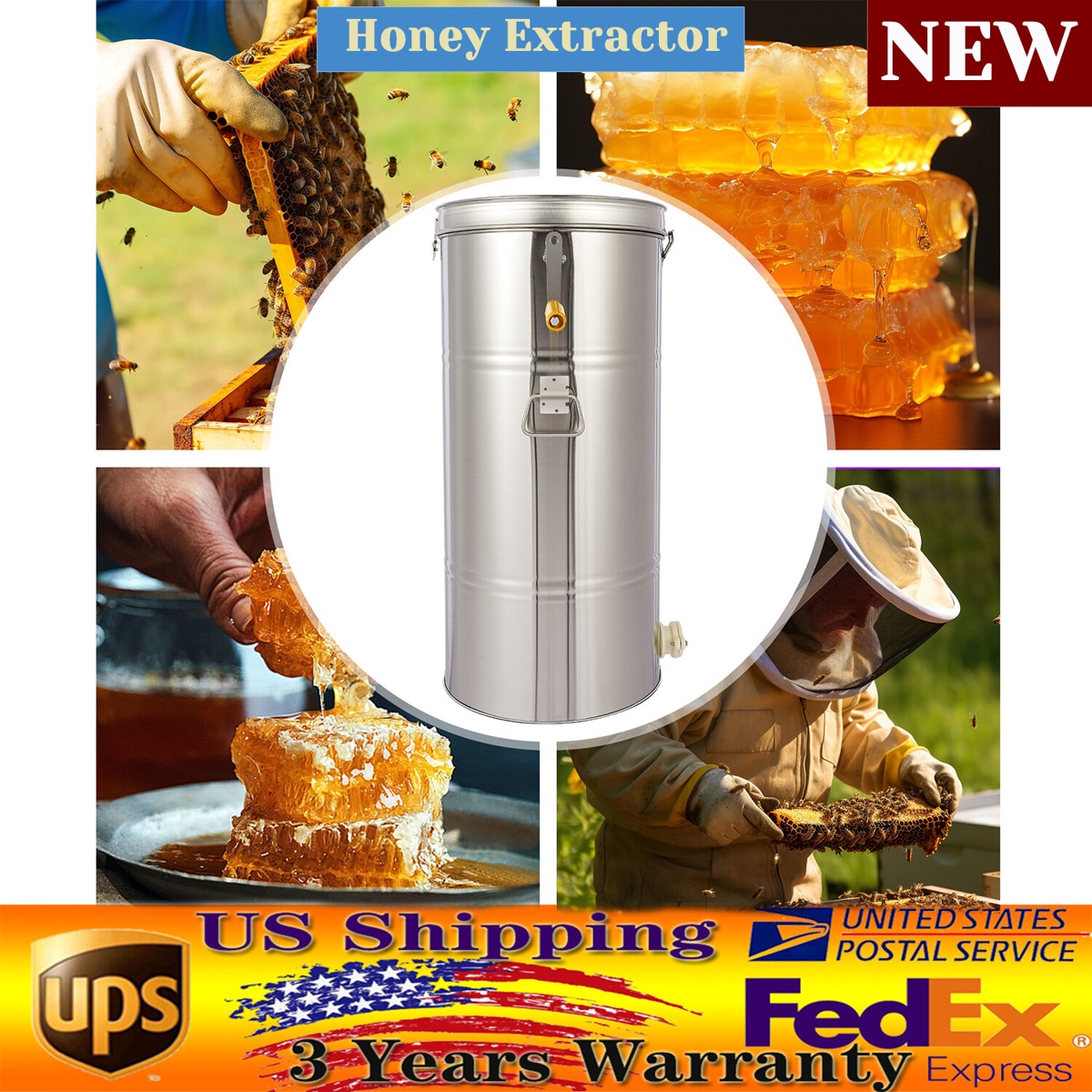 Stainless Steel 2 Frame Manual Honey Extractor for Beekeeping$86.20View on eBay
- 2 Frame Honey Extractor Stainless Steel Manual Honey Press Extractor with Bucket$86.27View on eBay
- Stainless Steel 2 Frame Honey Extractor Manual Spinner Beekeeping Equipment New$87.05View on eBay
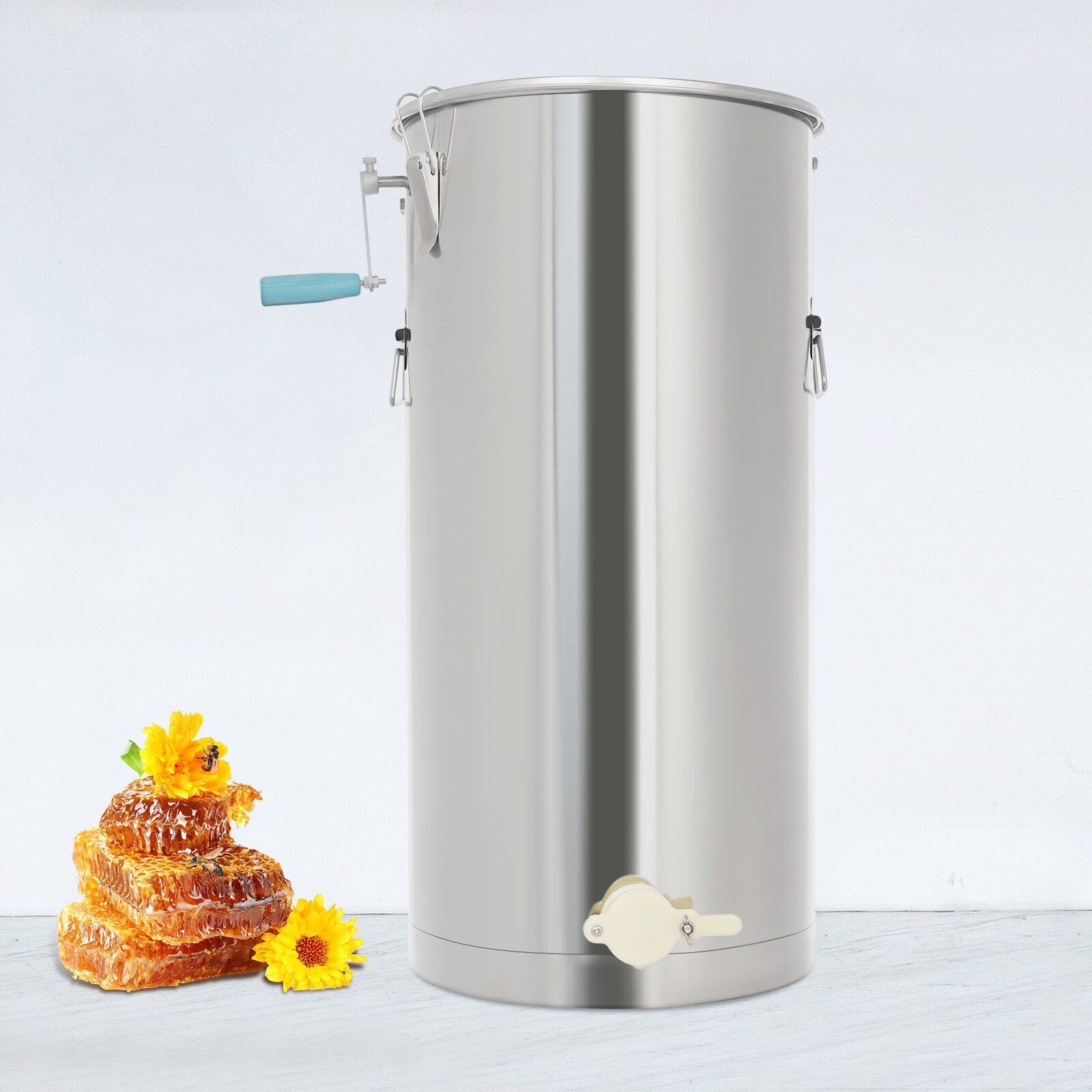 2-Frame Manual Stainless Steel Honey Extractor, Seamless Welded Drum$87.05View on eBay
- Stainless Steel 2 Frame Honey Extractor Manual Spinner Beekeeping Equipment New$87.05View on eBay
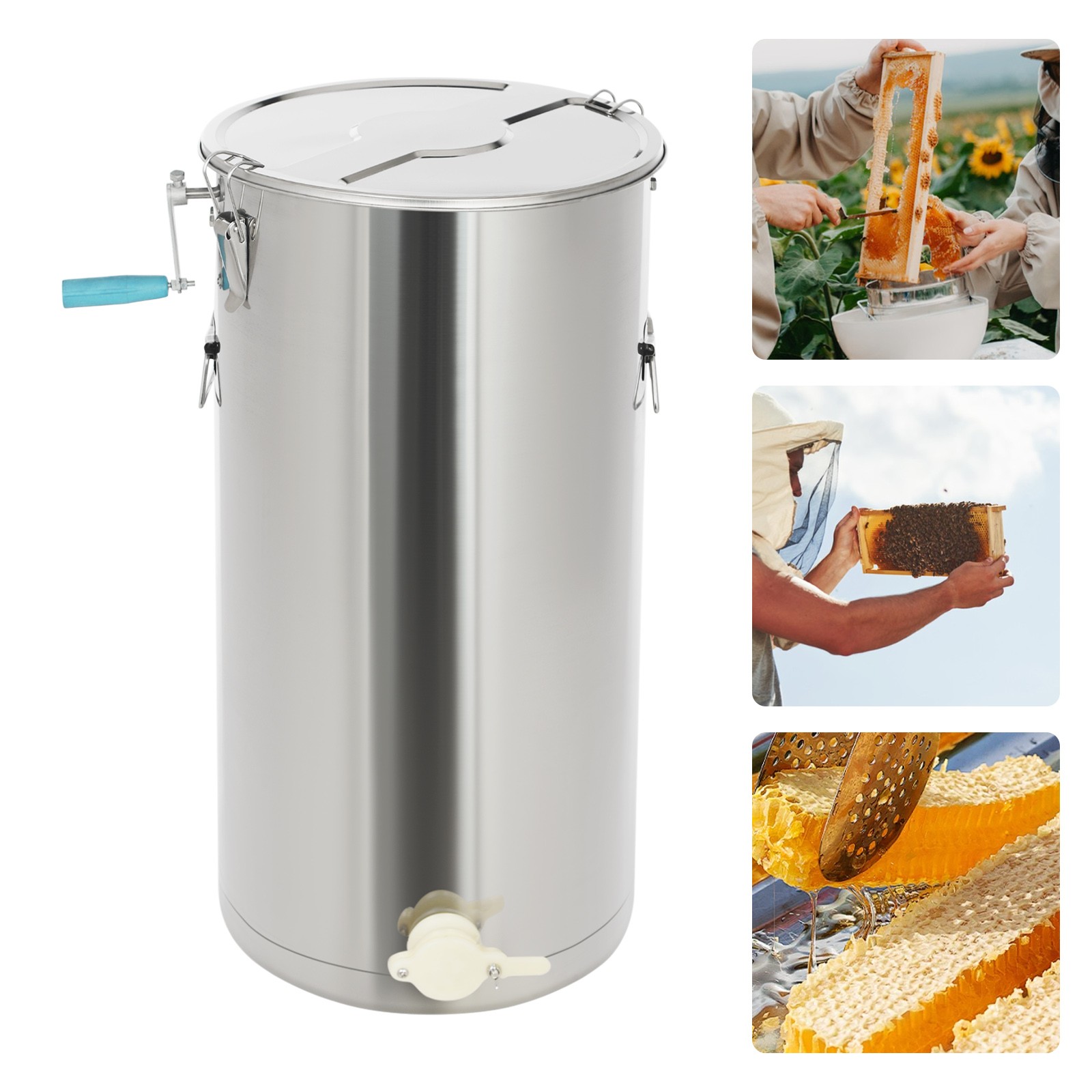 2 Frame Honey Extractor Manual Use Beekeeping Bee Hive Equipment Stainless Steel$87.05View on eBay
- Stainless Steel 2 Frame Honey Extractor Manual Spinner Beekeeping Equipment New$87.05View on eBay
Highlights
- Drum material matters: 201/304 stainless steel resists honey acid and cleans easily; painted or galvanized metal pits and contaminates flavor over seasons.
- Frame capacity is per cycle, not total harvest: 2-frame units suit 1–2 hives, 4-frame suits 3–5, 8-frame and larger suit sideliners running many hives.
- Manual crank units use a gearbox and basket; electric models add a motor (often 120V) and spin faster with less labor but cost more and need power at the extractor site.
- Tangential baskets hold frames flat against the drum wall; radial baskets hold frames on spokes so both sides drain without flipping, but radial needs higher spin speeds and a bigger drum.
Best use cases
- Backyard beekeeper with 1–2 hives and 8–10 frame Langstroth deeps: pick a 2- or 3-frame manual stainless tangential extractor with a height-adjustable stand; skip 8-frame drums that cost more and take up garage space.
- Hobbyist with 3–5 hives harvesting twice a year: choose a 4-frame manual or entry electric unit with a welded drum and bottom gate; a 2-frame forces too many spin cycles and cold honey slows draining.
- Sideliner or small apiary with 10+ hives: go 8-frame or larger electric radial extractor with a stand and lid; a manual 4-frame becomes a bottleneck and hand-cranking 20+ frames per session is punishing.
- Buying for medium frames only (6¼ in): confirm the basket accepts medium frame heights, because deep-frame baskets let medium frames rattle and spin unevenly.
Buying tips
- Size the drum to your hive count first: 2-frame for 1–2 hives, 4-frame for 3–5, 8-frame for 6+ hives or sideliner volume.
- Prioritize 304 stainless steel drum and basket over painted or galvanized metal; honey is acidic and will attack inferior coatings.
- Choose manual for under ~5 hives and electric for repeat large harvests; electric models typically run on standard 120V household current.
- Inspect the honey gate and seam construction: welded seams and a 1.5–2 in gate drain faster and leak less than riveted bodies with small spigots.
Specs
| Drive Type | Manual crank vs electric motor |
|---|---|
| Frame Capacity | 2 / 3 / 4 / 8 frame drums |
| Drum Material | 201/304 stainless vs painted metal |
| Basket Style | Tangential vs radial |
Related searches
What to check before buying
- Measure your frames and confirm the basket holds your frame height and width before ordering.
- Check ceiling or storage height with the stand raised; most units need clearance above the drum to load frames.
- Verify a level, stable floor spot near power if choosing electric, and a bucket or bottling tank that fits under the honey gate.
- Plan for an uncapping knife or plane, a strainer, and a food-grade bucket; the extractor alone does not complete the harvest.
FAQ
Data sources: eBay / Amazon listings and product attribute feeds. Updated Nov 27, 2026.
Some links on this page are affiliate links. If you buy after clicking one, we may earn a commission at no extra cost to you. This does not change which products appear here or their order. Affiliate disclosure.