
Photos from current listings. Actual item, color, and included accessories may vary.
Portable Chicken Run Buying Guide
A portable chicken run is a movable, predator-resistant enclosure that lets a small flock rotate onto fresh grass without permanent fencing. The core trade-off is wire gauge and frame rigidity versus weight and tool-free assembly — thin 1-inch mesh and snap-together tubing fold fast but fail against digging predators and heavy breeds, while welded 12.5-gauge wire on rigid frames lasts years but moves in panels, not a backpack. The decision rule: buy for the predator load and bird weight you actually have, and treat tunnel-style and walk-in panel runs as different products, not trim levels.
Median $228.80 · New listings
Key takeaways
- Wire gauge and aperture decide predator resistance: 12.5-14 gauge welded wire with 1/2-inch mesh stops raccoons and weasels; thin 1-inch hex mesh only excludes hawks and dogs.
- Frame construction splits into snap-together steel tubing (light, tool-free, flexes) and welded or bolted angle-iron panels (rigid, wind-stable, heavier per section).
- Skirt or floor-grid design is the anti-dig feature — a 12-18 inch wire apron buried or pegged flat defeats foxes and coyotes far better than any mesh-on-walls upgrade.
At a glance
- Category
- Chicken Coops & Runs
- Last updated
- Nov 28, 2026
Current offers
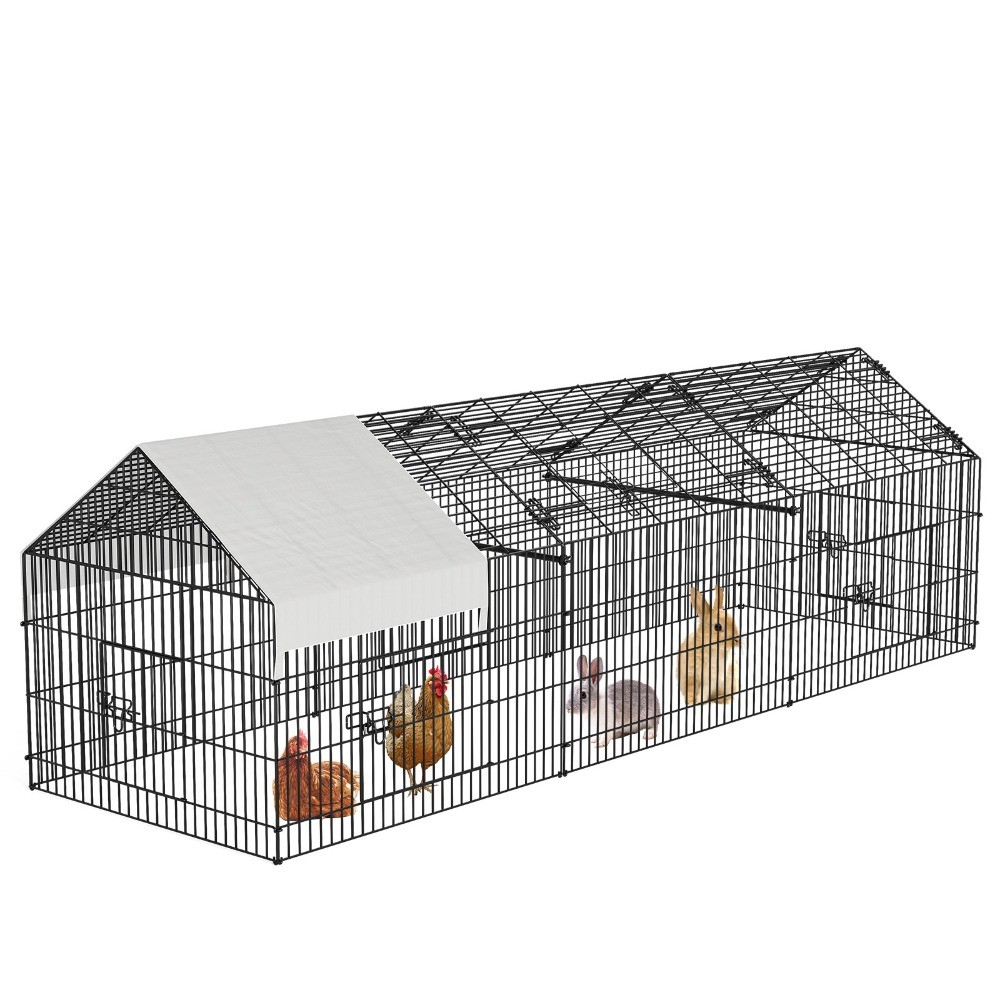 130"*40"Metal Chicken Coop Chicken Run Backyard Hen House Poultry Habitat Cage$105.99View on eBay
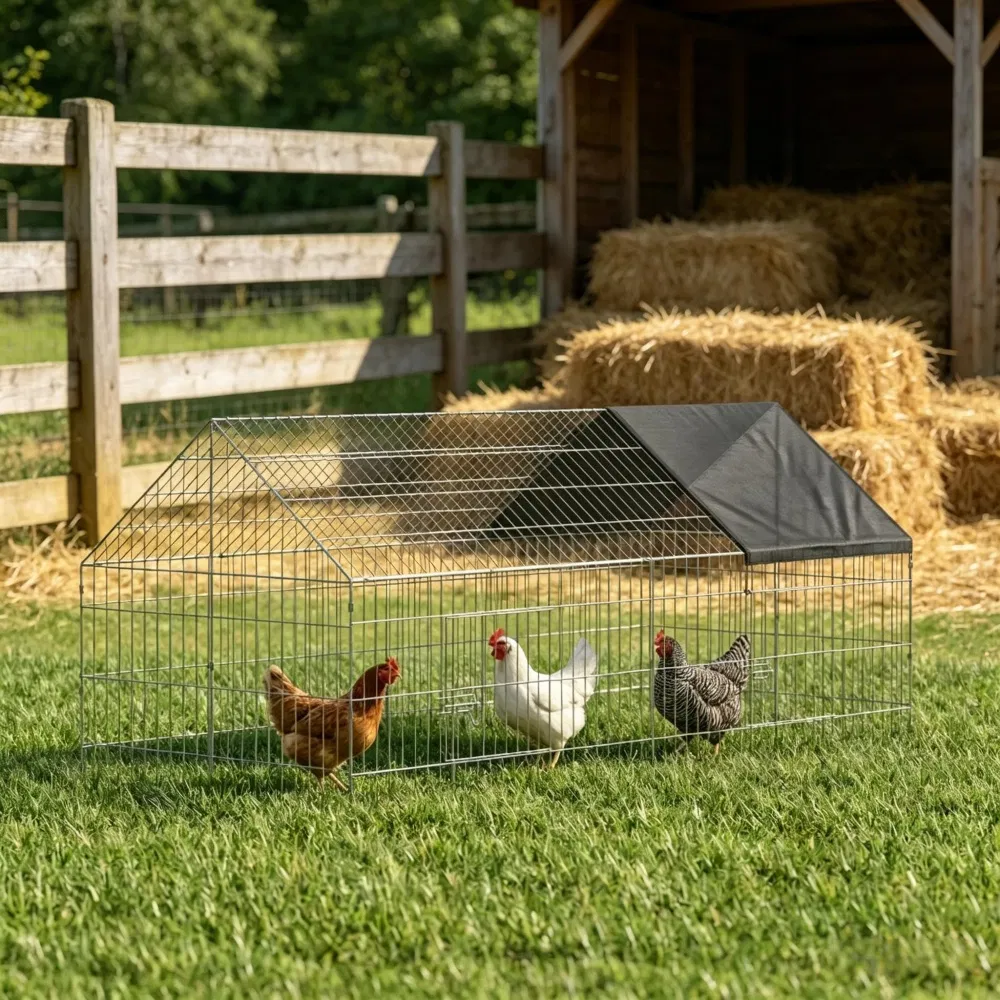 Chicken Coop, Steel Run with 90D Oxford Canopy and Two Latched Doors, 70.9 x 29.5 x in, for Chickens, Ducks and Rabbits, Black and Silver$76.99View on Mallflare
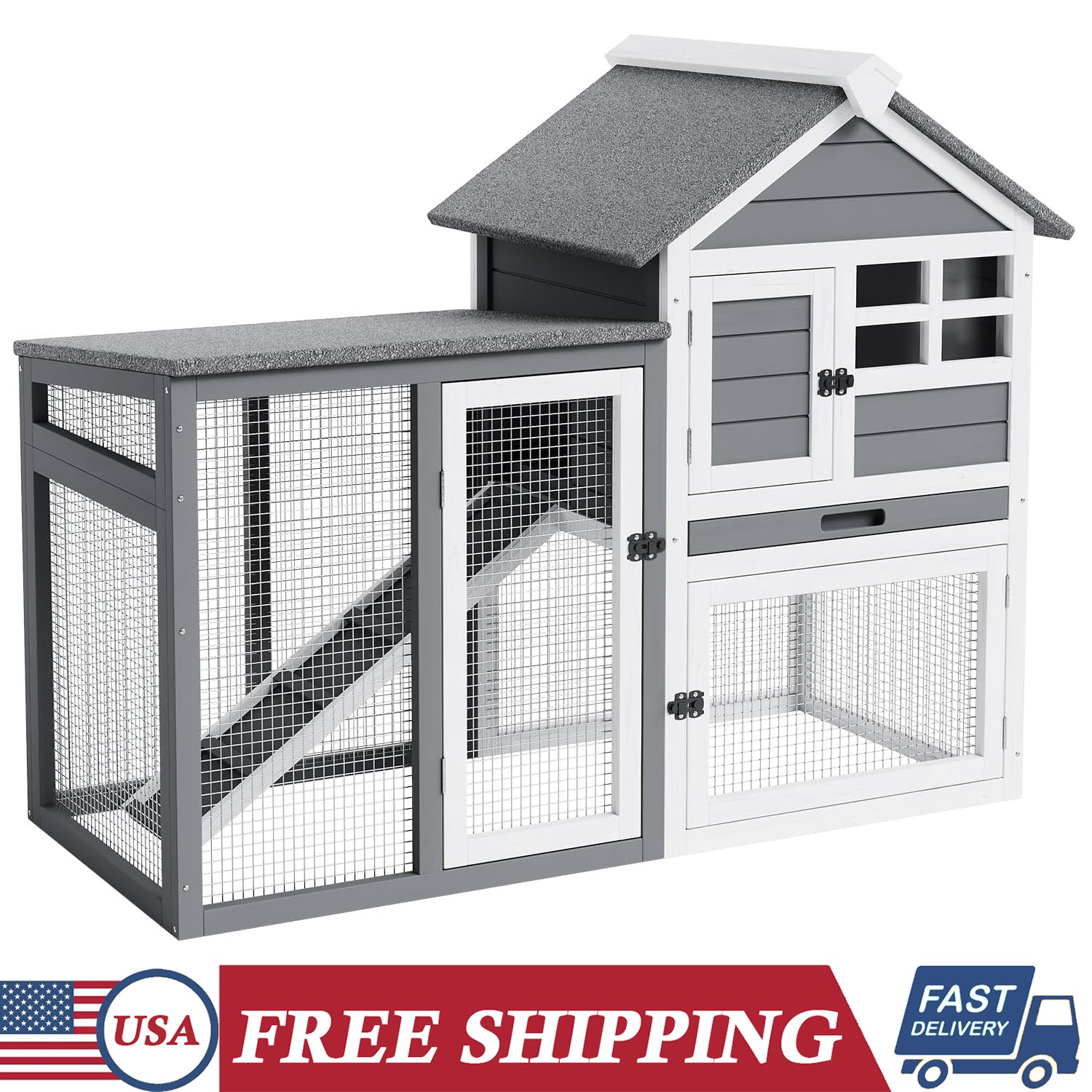 Large Chicken Coop Outdoor Wooden Backyard 2-Story Hen Rabbit House Chicken Run$109.98View on eBay
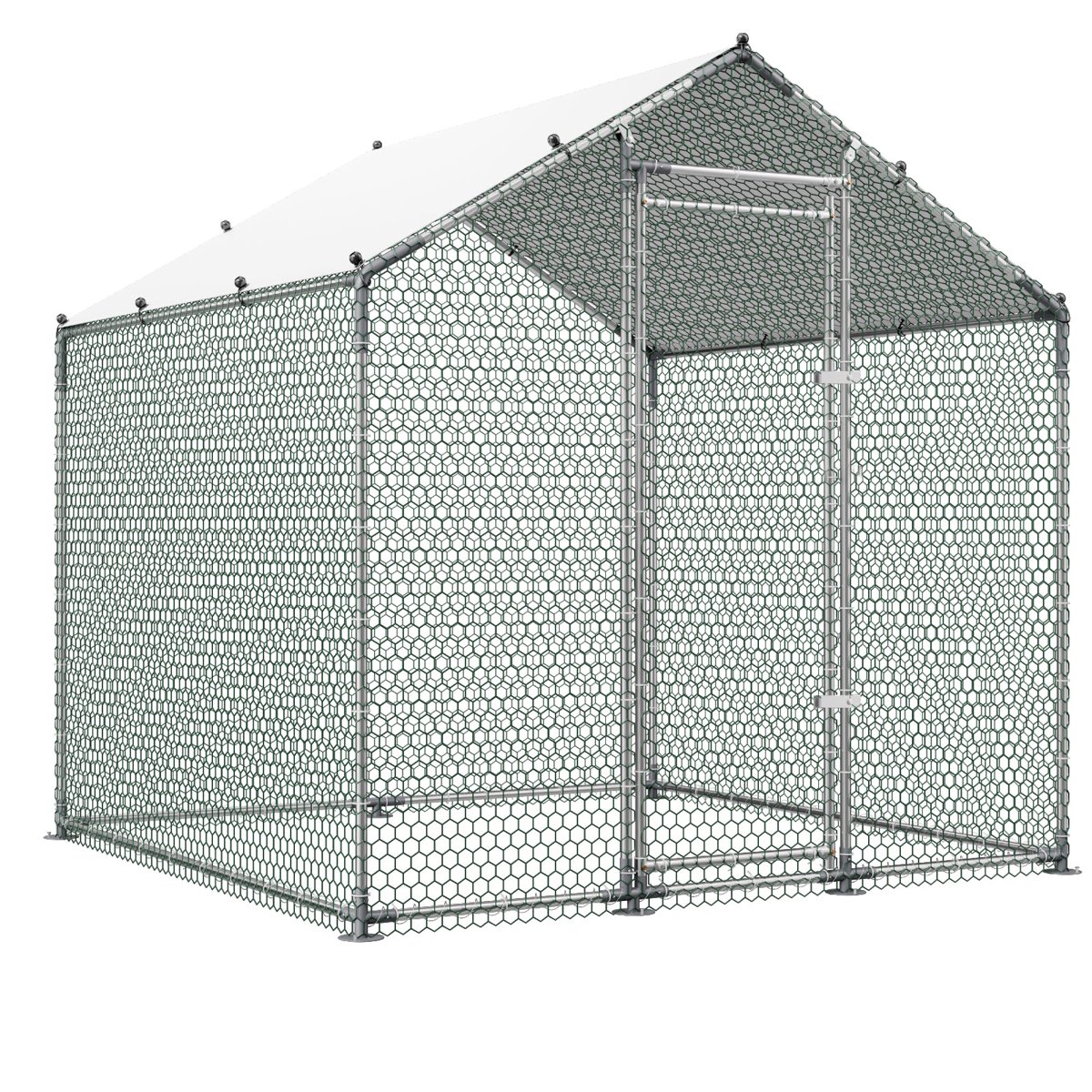 Large Metal Chicken Coop 6.6x6.6x6.6 Ft Walk-in Run House, Spire Roof Hen Enclosure With Cover And Security Lock, Outdoor Duck Rabbit Cage Poultry Pen For Backyard, Farm, Yard$115.99View on Mallflare
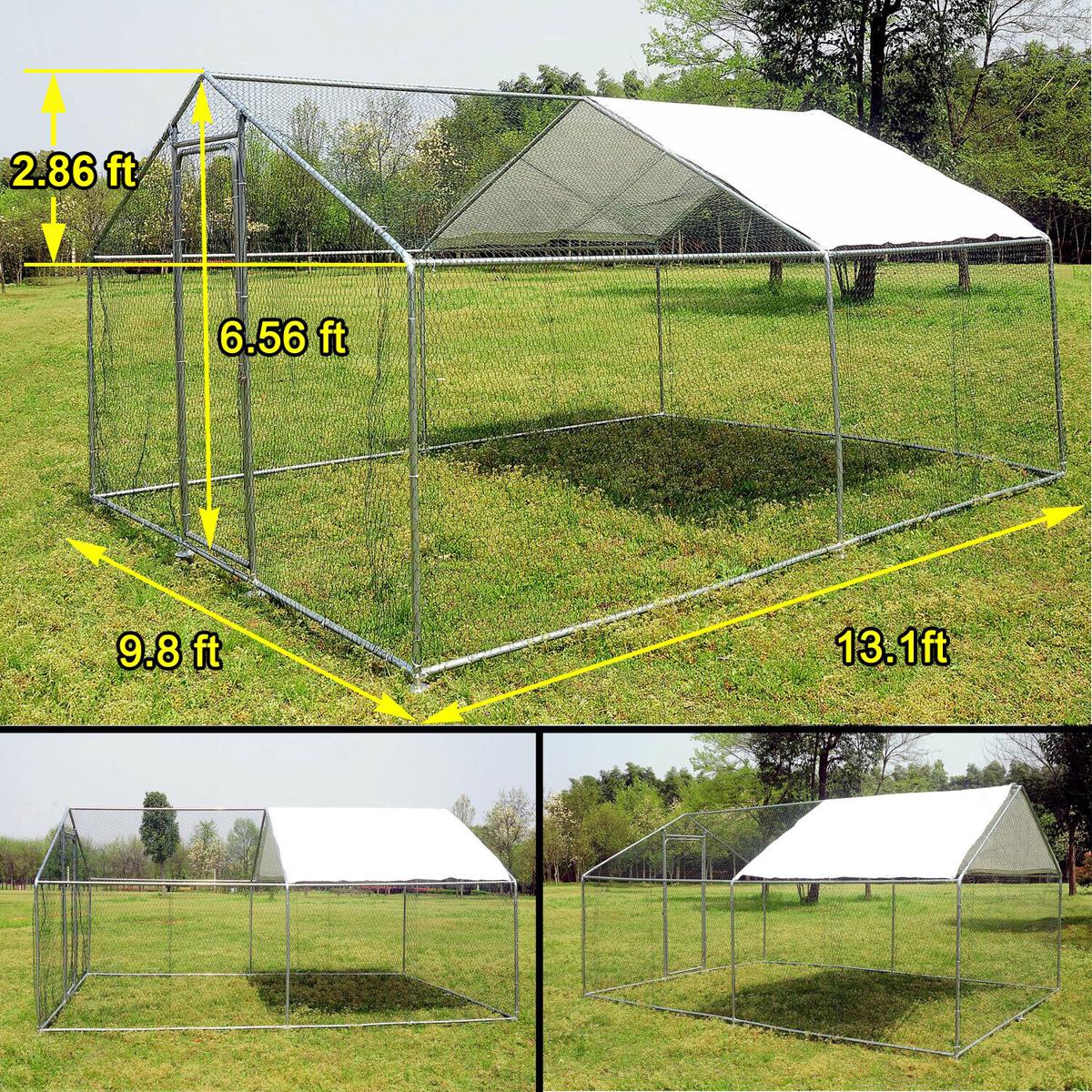 10x10'/ 13x10'/ 20x10' Chicken Coop Run Hen House Enclosed Backyard Poultry Cage$124.99View on eBay
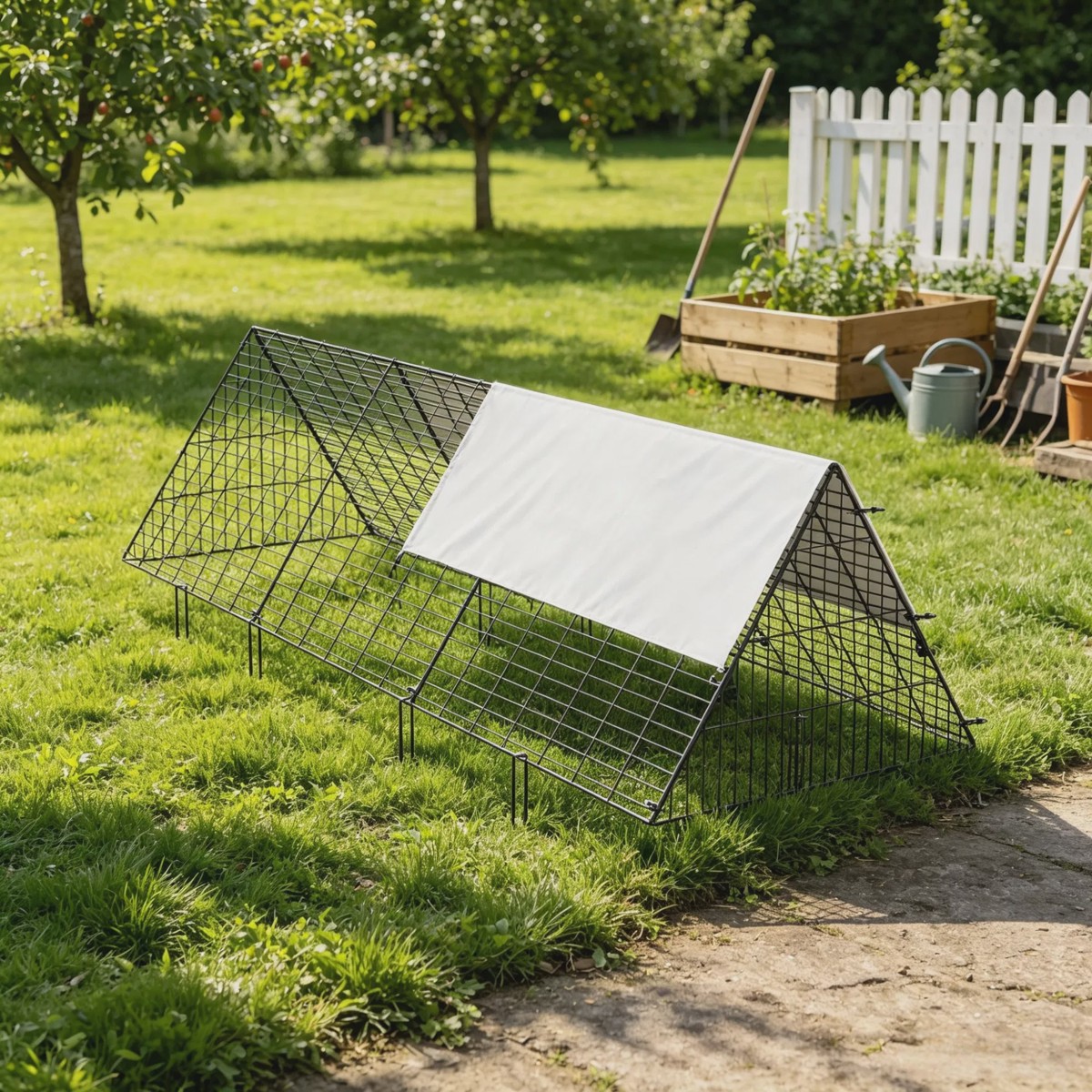 118.1 x 28 x 24.2 Inch Chicken Tunnels, Portable Coop Run for Yard, Easy Installation Outdoor Tunnel for Chickens, Ducks & Rabbits$146.99View on Mallflare
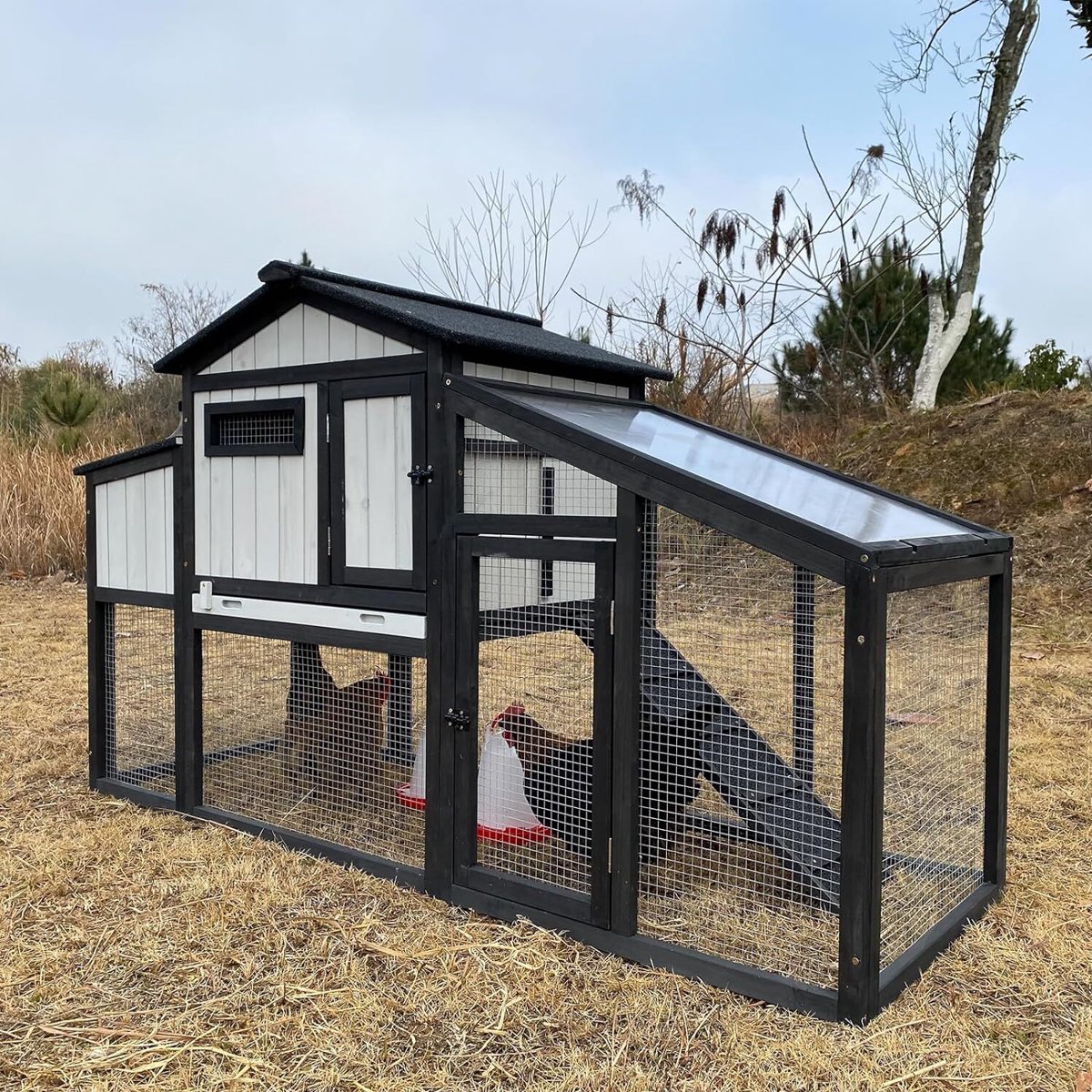 PetsCosset Chicken Coop Outdoor Wooden Backyard 2-Story Hen House Chicken Run$139.99View on eBay
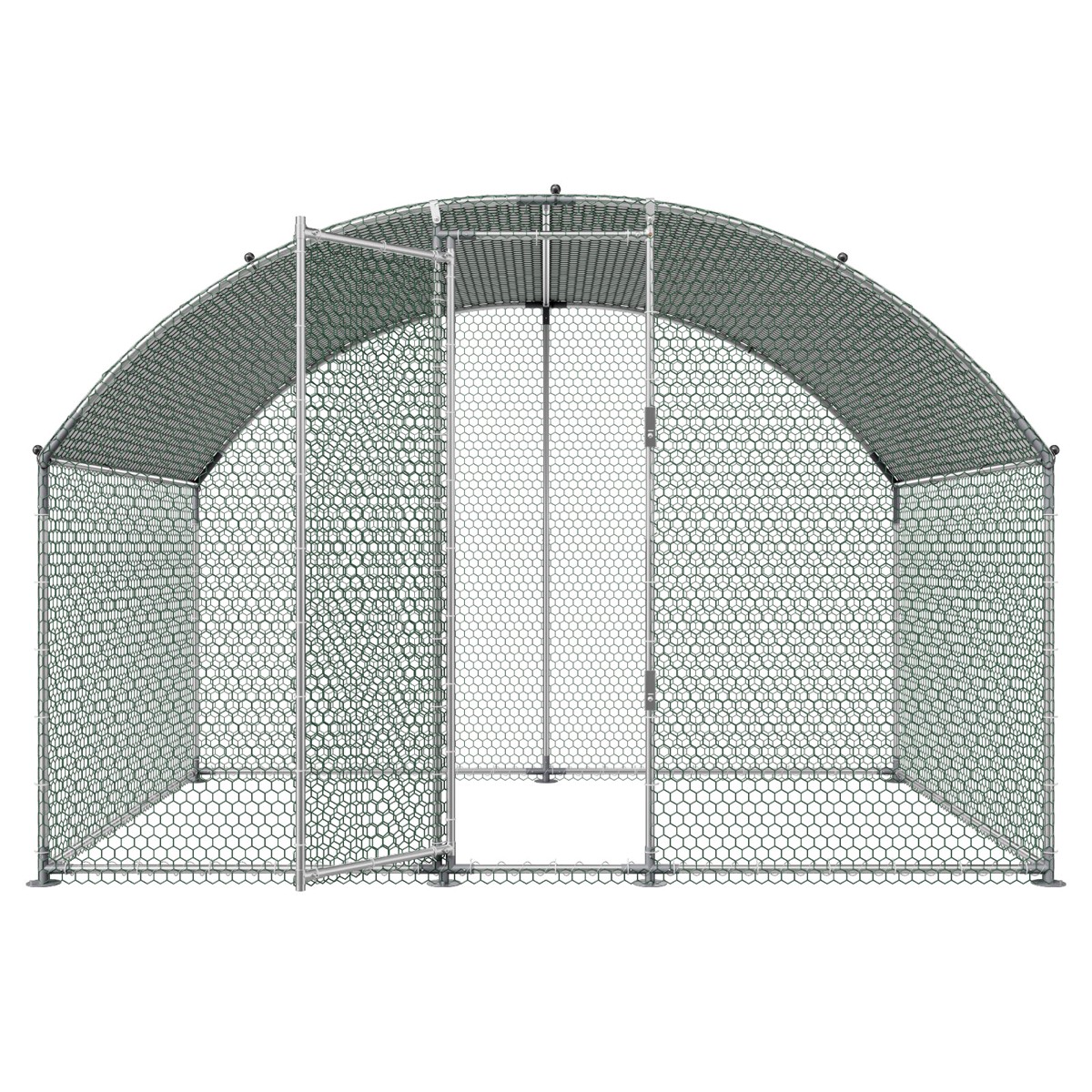 Large Metal Chicken Coop 9.8x6.6x6.6 Ft Walk-in Run House, Doom Roof Hen Enclosure With Cover And Security Lock, Outdoor Duck Rabbit Cage Poultry Pen For Backyard, Farm, Yard Use$156.99View on Mallflare
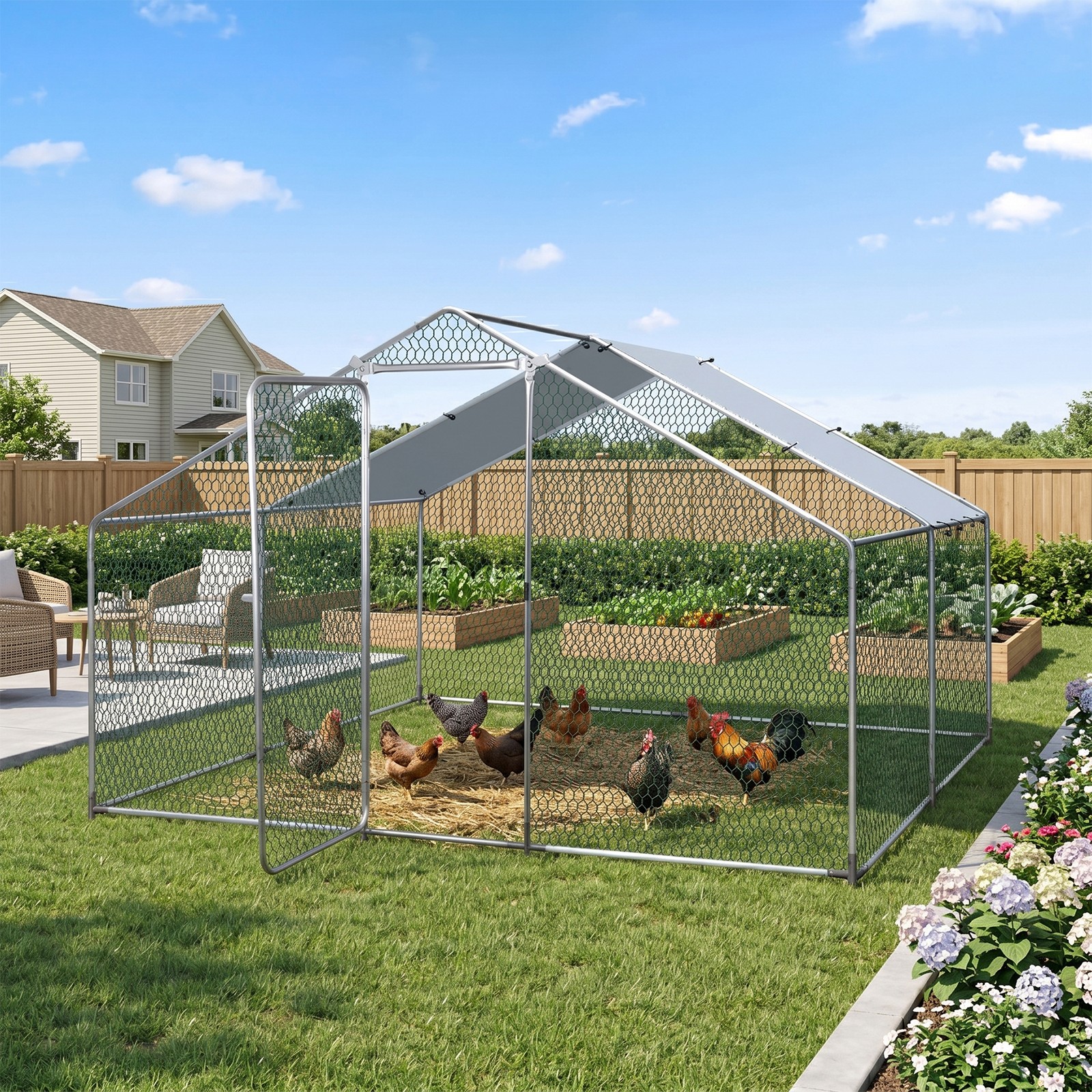 10 x 10FT Predator Proof Chicken Run 10'x13' Outdoor Galvanized Cage w/ Stakes$147.19View on eBay
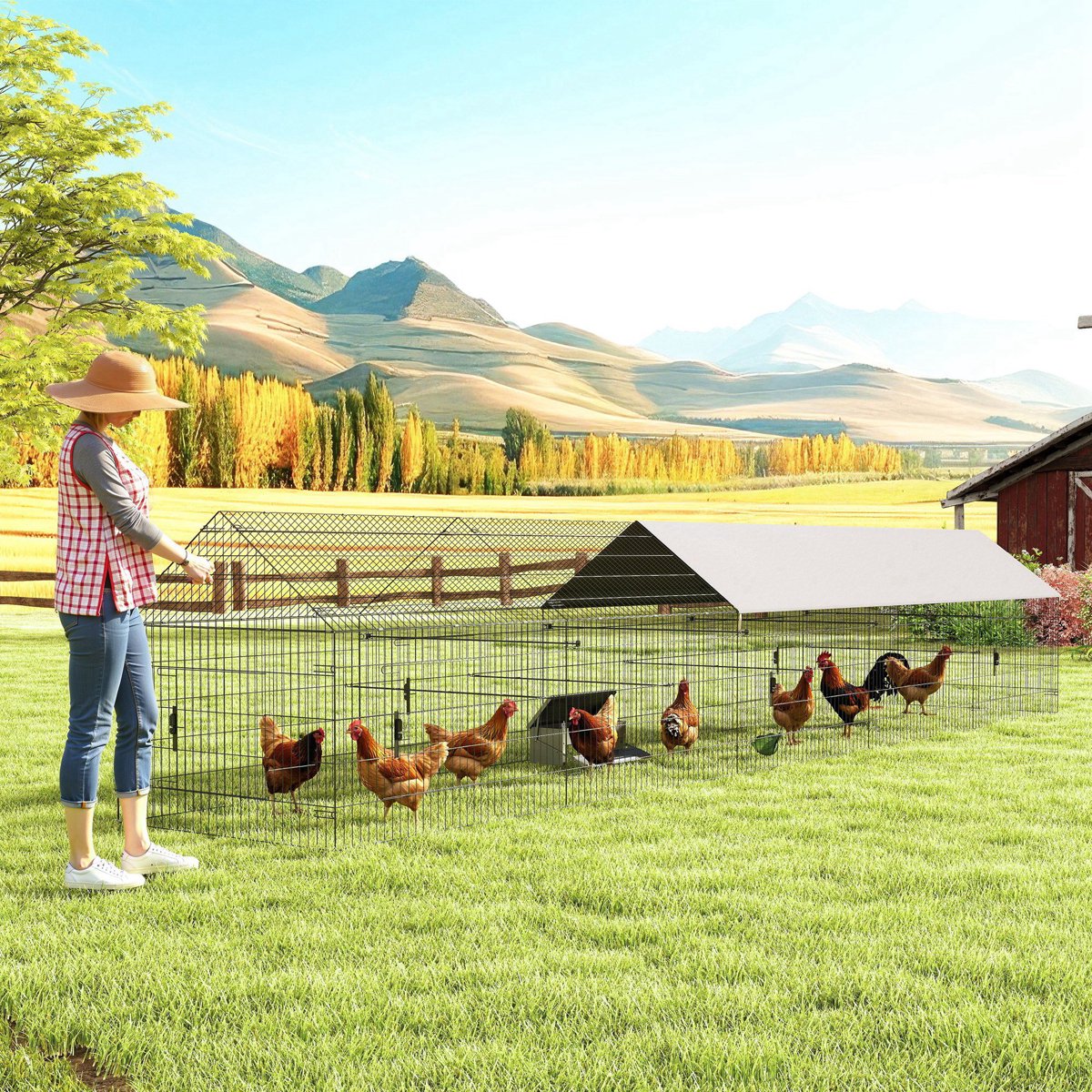 Metal Chicken Coop, Large Run with Water-Resistant & Anti-UV Cover for 7-9 Hens, Outdoor Hen House 10 Doors$170.99View on Mallflare
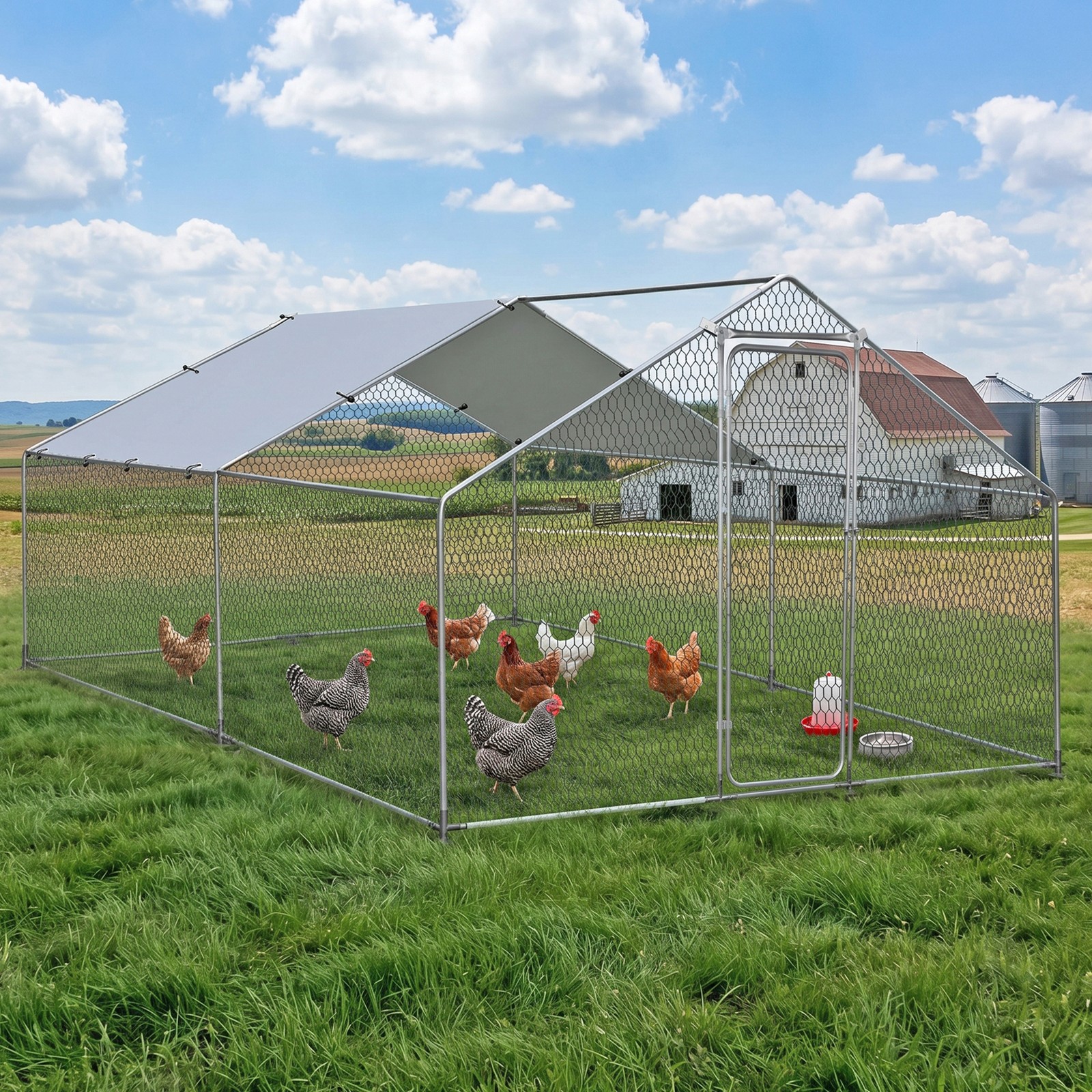 Large Predator Proof Chicken Run 10'x13' Outdoor Galvanized Cage w/ Stakes$157.19View on eBay
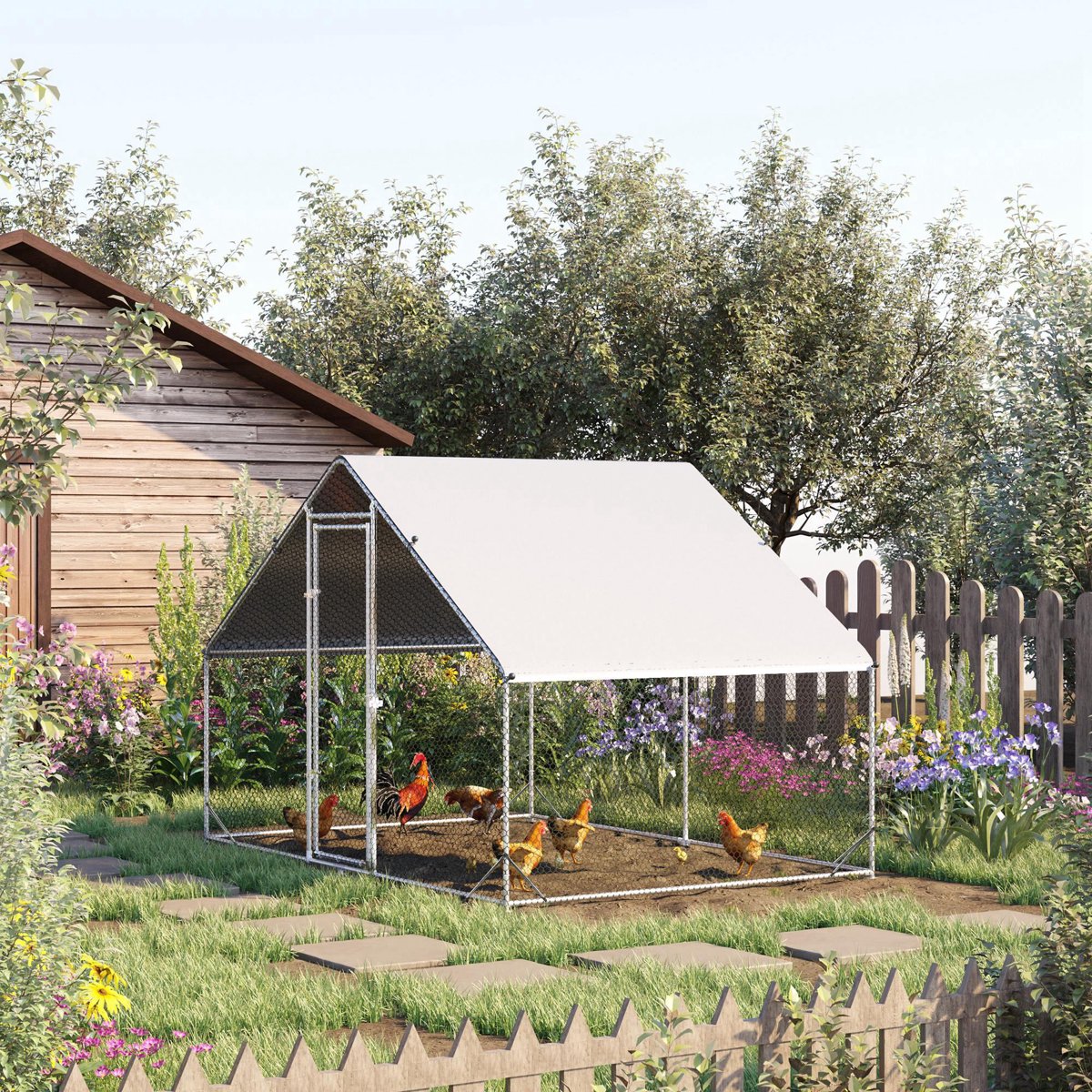 Large Chicken Coop Metal Run with Waterproof and Anti-UV Cover, Spire Shaped Walk in Fence Cage Hen House for Outdoor and Yard Farm Use, 1" Tube Diameter, 9.8 x 6.6 x 6.6$171.99View on Mallflare
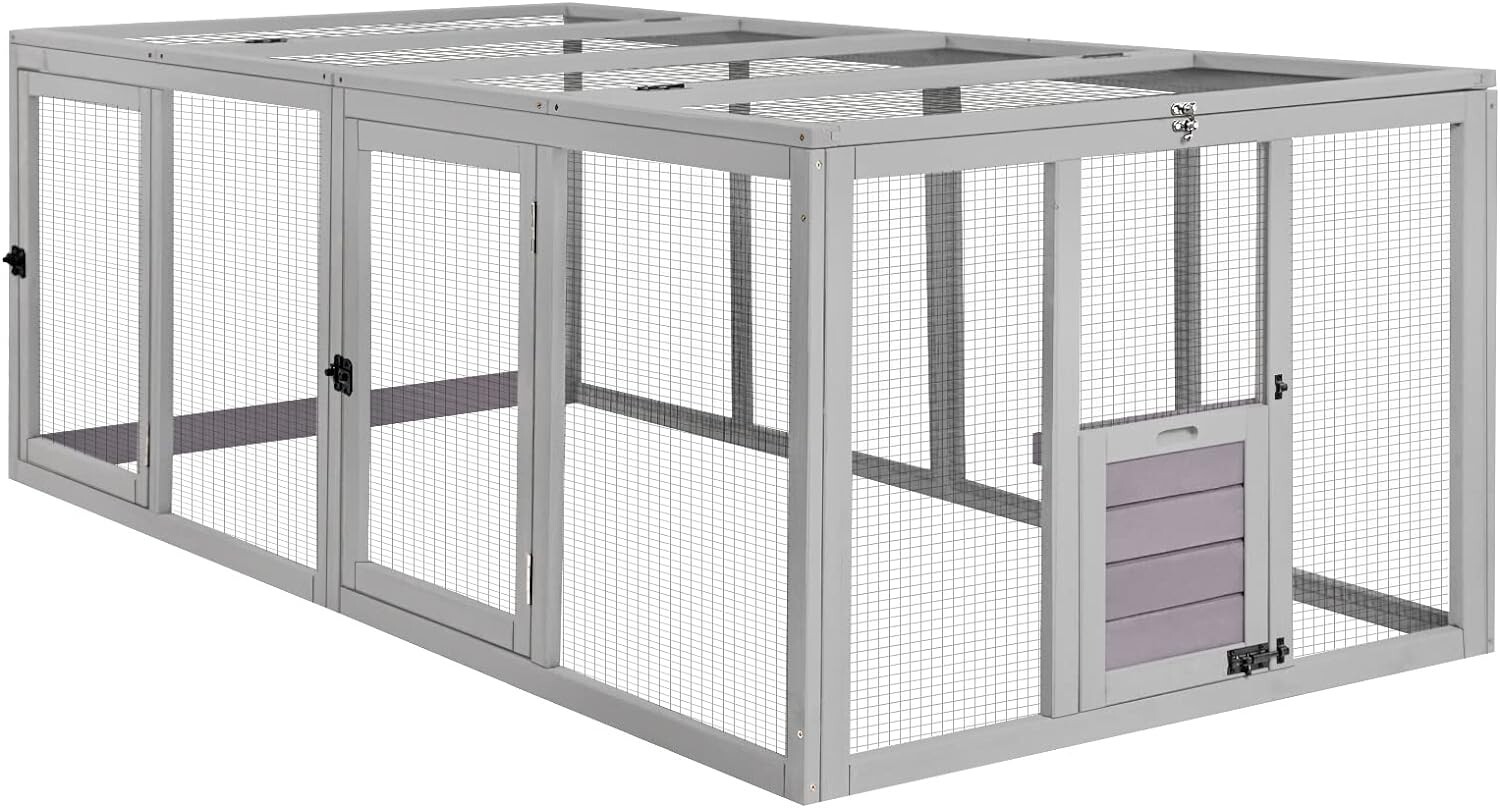 Aivituvin Chicken Coop Run Extension Rabbit Enclosure Outdoor Duck Playpen$159.99View on eBay
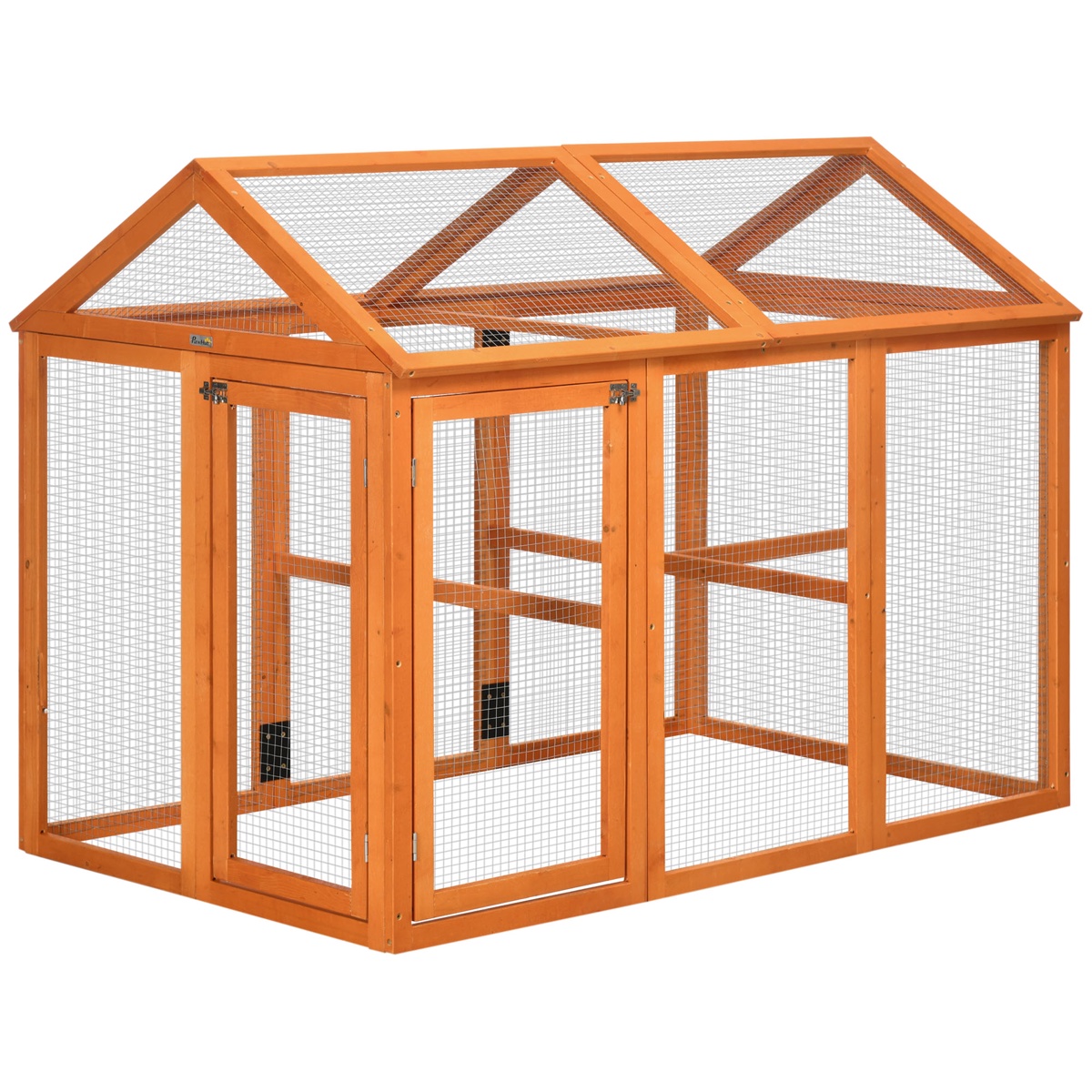 PawHut Chicken Run, Wooden Large Coop, Combinable Design With Perches & Doors For Outdoor, Backyard, Farm, 4.6' X 2.8', Orange$192.99View on Mallflare
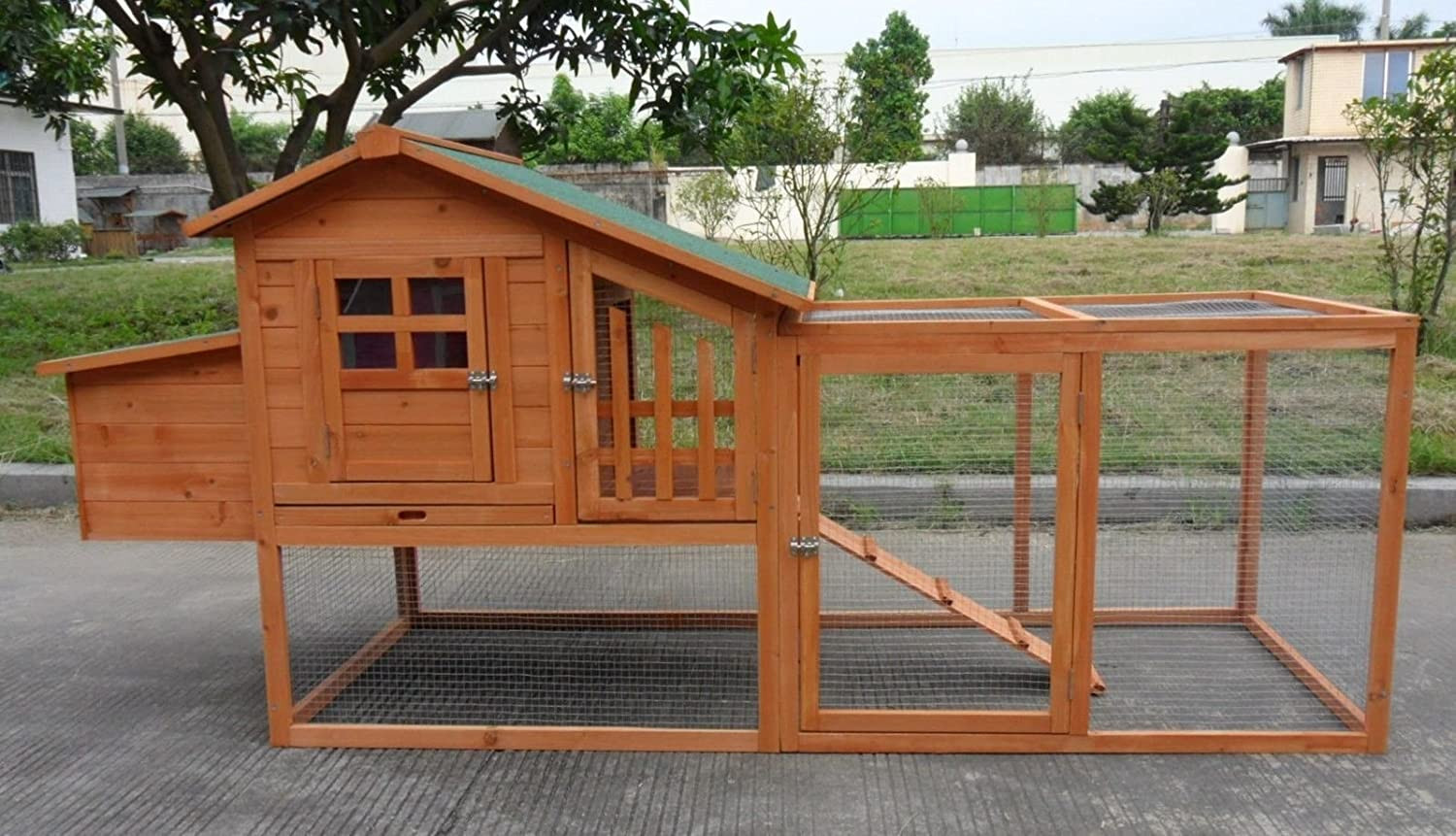 Deluxe Large Wood Chicken Coop Backyard Hen House 3-5 Chickens w Nesting Box Run$169.98View on eBay
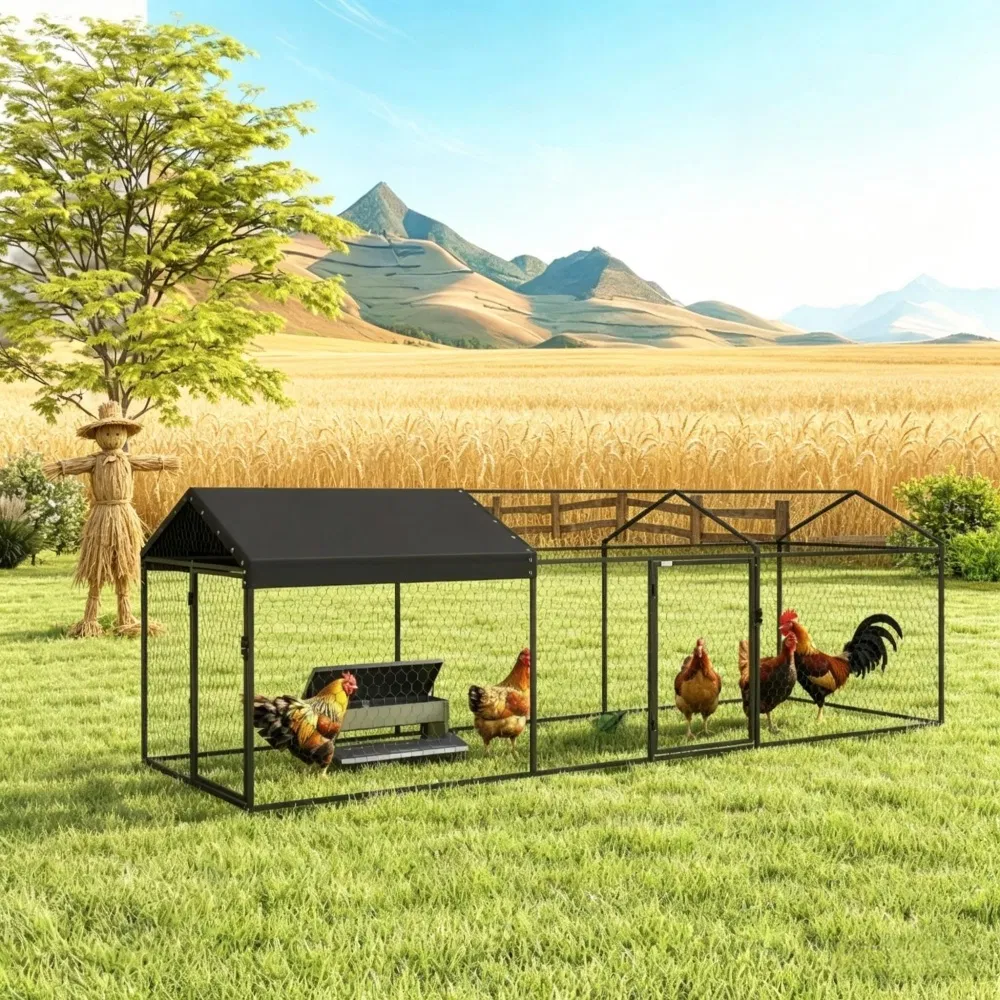 Chicken Coop, Steel Frame Run with Waterproof UV-Resistant Cover and Lockable Doors, 32.3 Sq.ft, 9.8 x 3.3 x 3.3 ft$192.99View on Mallflare
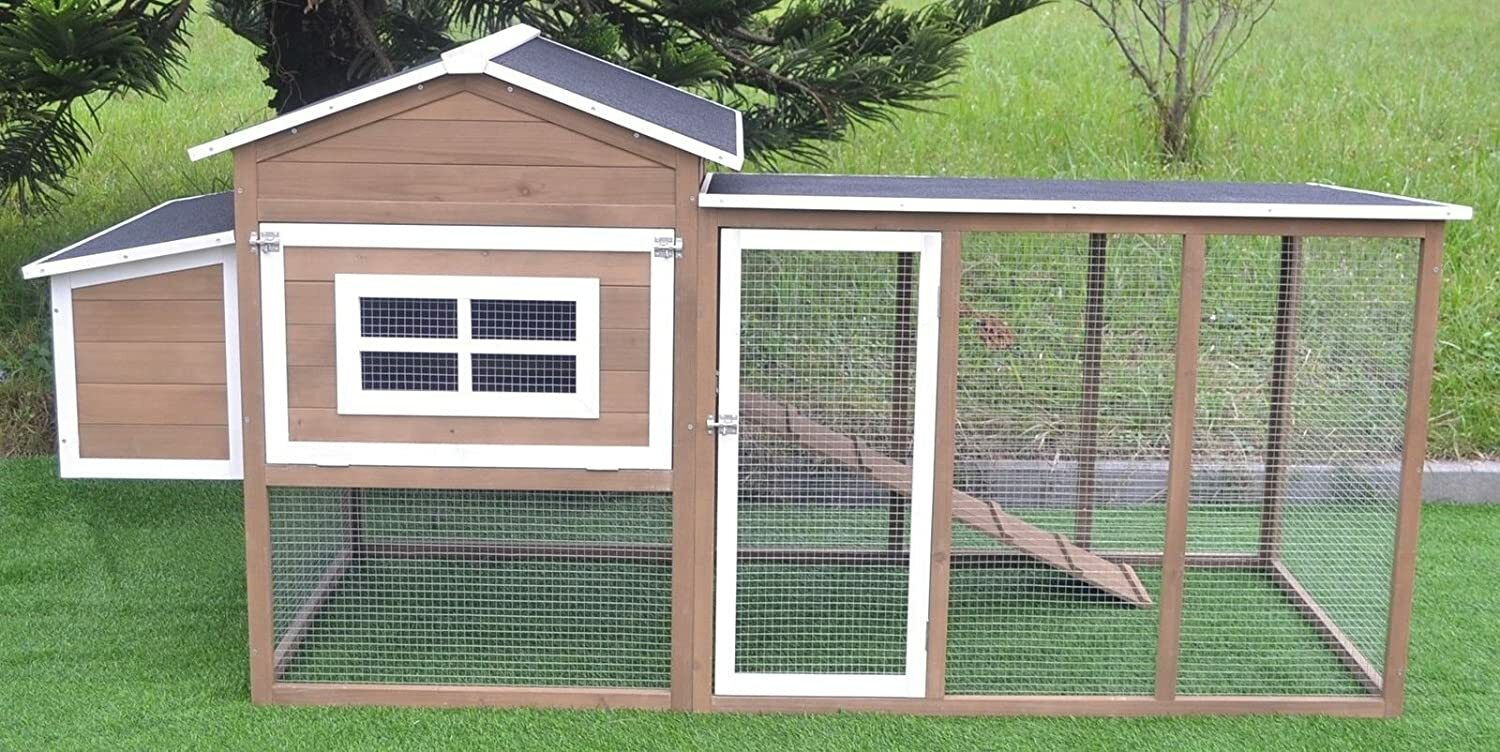 Large 87" Wood Chicken Coop Backyard Hen House 4-6 Chickens Nesting Box & Run$187.98View on eBay
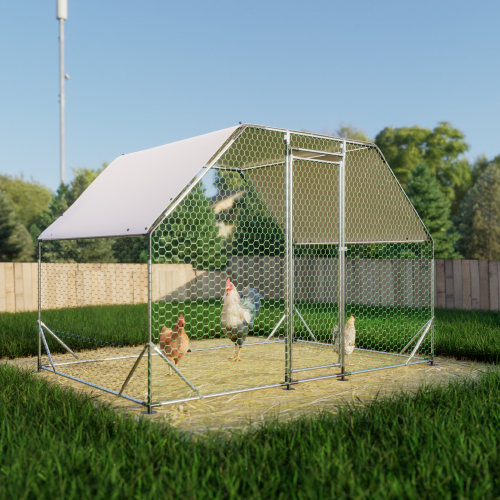 9.94 Ft. X 6.46 Ft. X 6.36 Ft. Metal Large Chicken Coop Walk-in Poultry Cage Run Flat Shaped With Waterproof Cover$194.99View on Mallflare
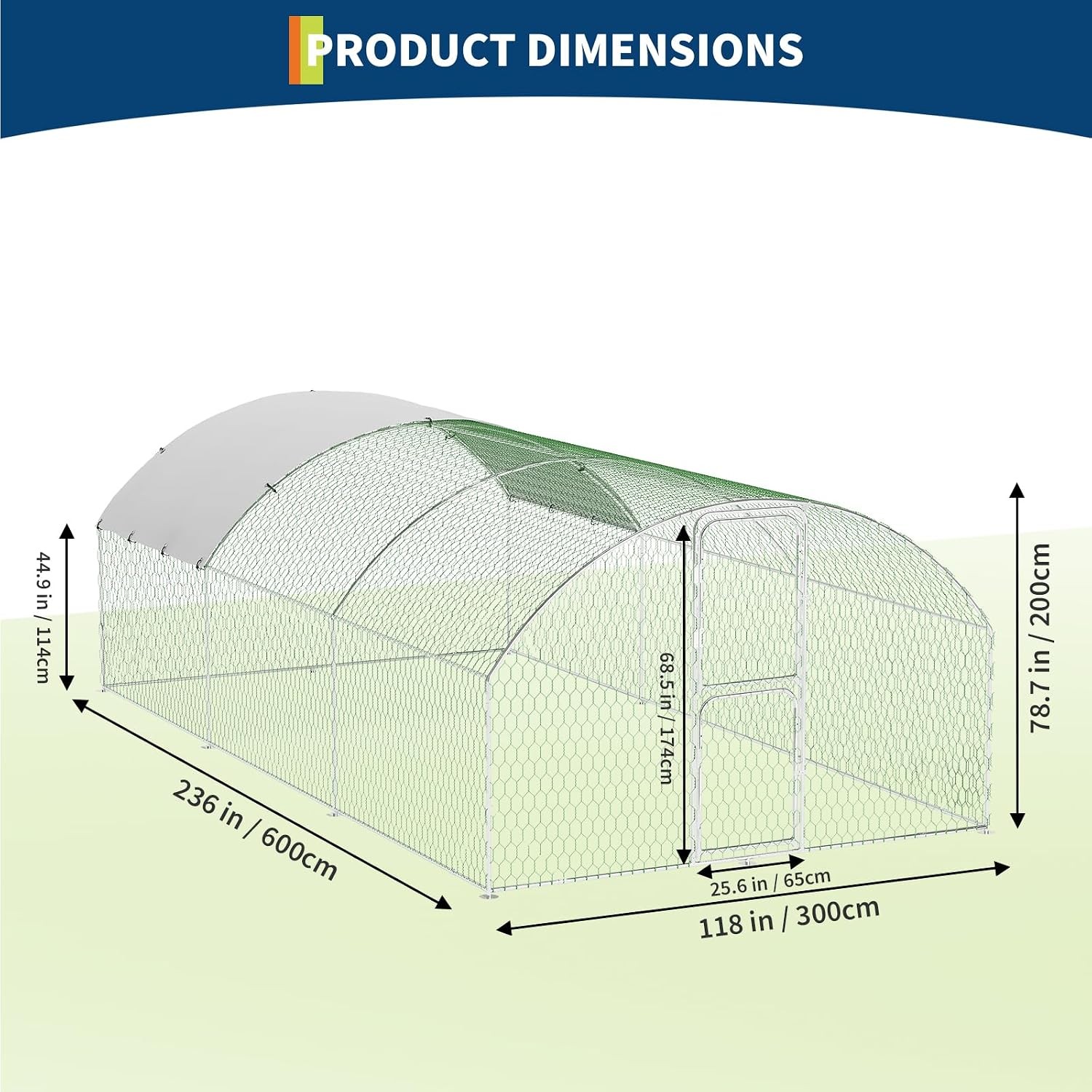 6.5/13/20 FT Metal Chicken Coop Poultry Cage Walk-in Chicken Run with Cover Roof$219.82New · Last checked Nov 22, 2026View on eBay
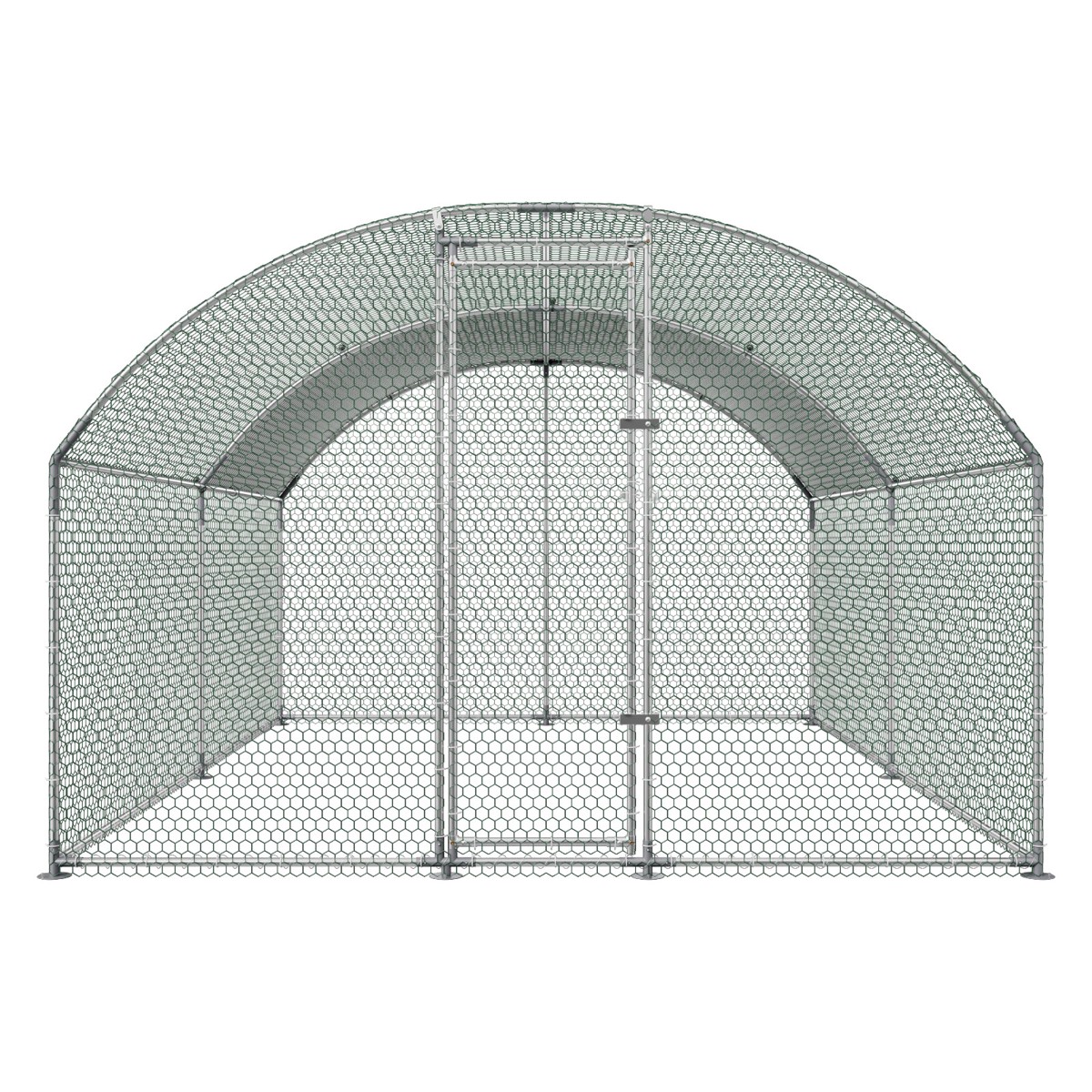 Large Metal Chicken Coop 9.8x13x6.6 Ft Walk-in Run House, Doom Roof Hen Enclosure With Cover And Security Lock, Outdoor Duck Rabbit Cage Poultry Pen For Backyard, Farm, Yard Use$207.99View on Mallflare
Highlights
- Wire gauge and aperture decide predator resistance: 12.5-14 gauge welded wire with 1/2-inch mesh stops raccoons and weasels; thin 1-inch hex mesh only excludes hawks and dogs.
- Frame construction splits into snap-together steel tubing (light, tool-free, flexes) and welded or bolted angle-iron panels (rigid, wind-stable, heavier per section).
- Skirt or floor-grid design is the anti-dig feature — a 12-18 inch wire apron buried or pegged flat defeats foxes and coyotes far better than any mesh-on-walls upgrade.
- Tunnel-style runs trade height for length: 24-inch height suits bantams and rabbits, but standard hens need 36 inches minimum and heavy breeds need 48 inches to avoid feather and foot damage.
Best use cases
- Best fit: 2-4 standard hens on lawn rotation — pick a tunnel or low panel run with a predator skirt and carry handles, moving it every 1-2 days.
- Best fit: backyard flock with night predation risk — choose a walk-in panel run with 1/2-inch 14-gauge mesh you can roof with netting, and lock birds in a separate coop at dusk.
- Wrong fit: heavy or large-fowl breeds (Orpingtons, Brahmas) in 24-inch tunnels — insufficient height and light tubing bends; step up to 48-inch rigid panels.
- Wrong fit: permanent or uncovered winter use — portable runs are not snow-load or wind-rated shelters; they need a solid coop and windbreak for cold seasons.
Buying tips
- Size by floor area: allow 8-10 sq ft per standard hen in a run, so a 4-bird flock needs roughly 32-40 sq ft — a 118 x 28 inch tunnel gives about 23 sq ft, enough for 2-3 hens.
- Match mesh to predators: 1/2-inch aperture blocks weasels and keeps chicks in; 1-inch mesh admits small predators and lets chicks slip through.
- Check tube diameter and wall thickness over marketing weight: 0.8-1.0 mm wall steel tubing holds shape; thinner tubes kink at joints after a few moves.
- Confirm panel or tunnel section widths fit your gates and paths before ordering — a 6-foot panel will not pass a 3-foot garden gate, forcing disassembly every move.
Specs
| Wire Mesh | 1/2 in welded (12.5-14 ga) vs 1 in hex |
|---|---|
| Run Height | 24 in tunnel / 36-48 in walk-in |
| Frame Type | Snap-tube vs bolted steel panel |
| Floor Area Rule | 8-10 sq ft per standard hen |
Related searches
What to check before buying
- Measure the coop door and garden gate width — run sections and panels must pass through them to reposition without dismantling.
- Walk the lawn for slope and obstacles: portable runs need flat, mown ground; uneven terrain lifts edges and opens dig gaps.
- Confirm local predator species (fox, coyote, raccoon, hawk) and add a skirt, roof netting, or ground pegs accordingly.
- Check your climate and wind exposure: open-mesh tunnels need a windbreak and cannot carry snow load, so plan a fixed coop for winter housing.
FAQ
Data sources: eBay / Amazon listings and product attribute feeds. Updated Nov 28, 2026.
Some links on this page are affiliate links. If you buy after clicking one, we may earn a commission at no extra cost to you. This does not change which products appear here or their order. Affiliate disclosure.