
Photos from current listings. Actual item, color, and included accessories may vary.
Wooden Planter Buying Guide
Wooden planters are outdoor growing containers built from solid or composite lumber, and the core trade-off is rot resistance and structural thickness versus cost and weight. Solid softwoods like fir and pine are affordable but degrade in 3-5 years unless lined, while cedar, larch, and thermally treated ash deliver 10-15 years of ground contact. The decision rule: buy wood grade and wall thickness first, then size, then drainage hardware.
Median $118.99
Key takeaways
- Rot resistance tiers: cedar/larch/thermowood rated 10-15 yr; fir/pine 3-5 yr unless a liner isolates soil from wood.
- Planter wall thickness of 0.6-1.0 in (15-25 mm) resists soil bowing; panels under 0.4 in need cross-bracing or metal corners.
- Elevated leg planters carry 150-250 lb of wet soil, so legs need 2x2 in minimum timber and diagonal or apron bracing.
At a glance
- Category
- Raised Garden Beds & Planters
- Last updated
- Nov 27, 2026
Current offers
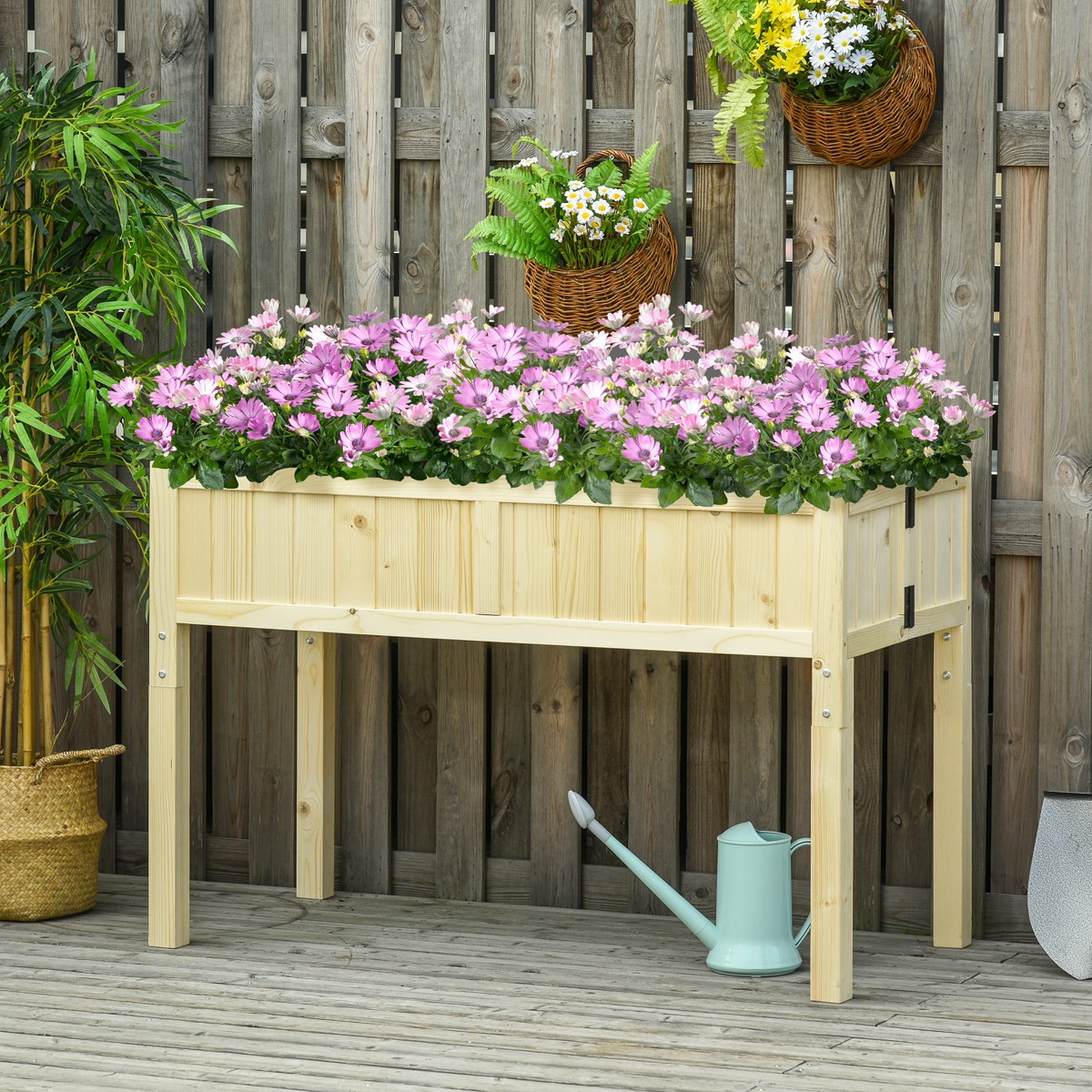 Raised Garden Bed Elevated Wooden Planter Box with Space-Saving Folding Design, Drainage Holes, & Inner Liner for Vegetable Fruit Herb Grow$58.99View on Mallflare
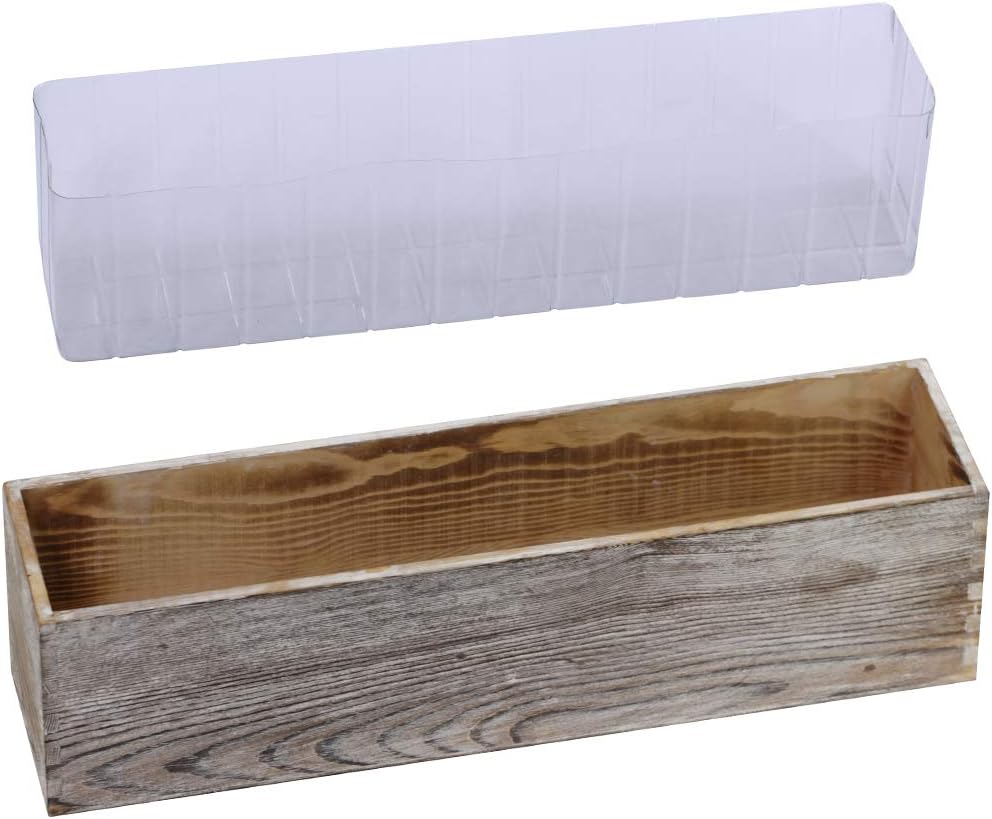 Wood Planter Box 1 PCS, 17.3x3.9x3.9 Inch Whitewashed Rectangular Wooden Box With Inner Plastic Liner For Floral Decor$68.99View on Mallflare
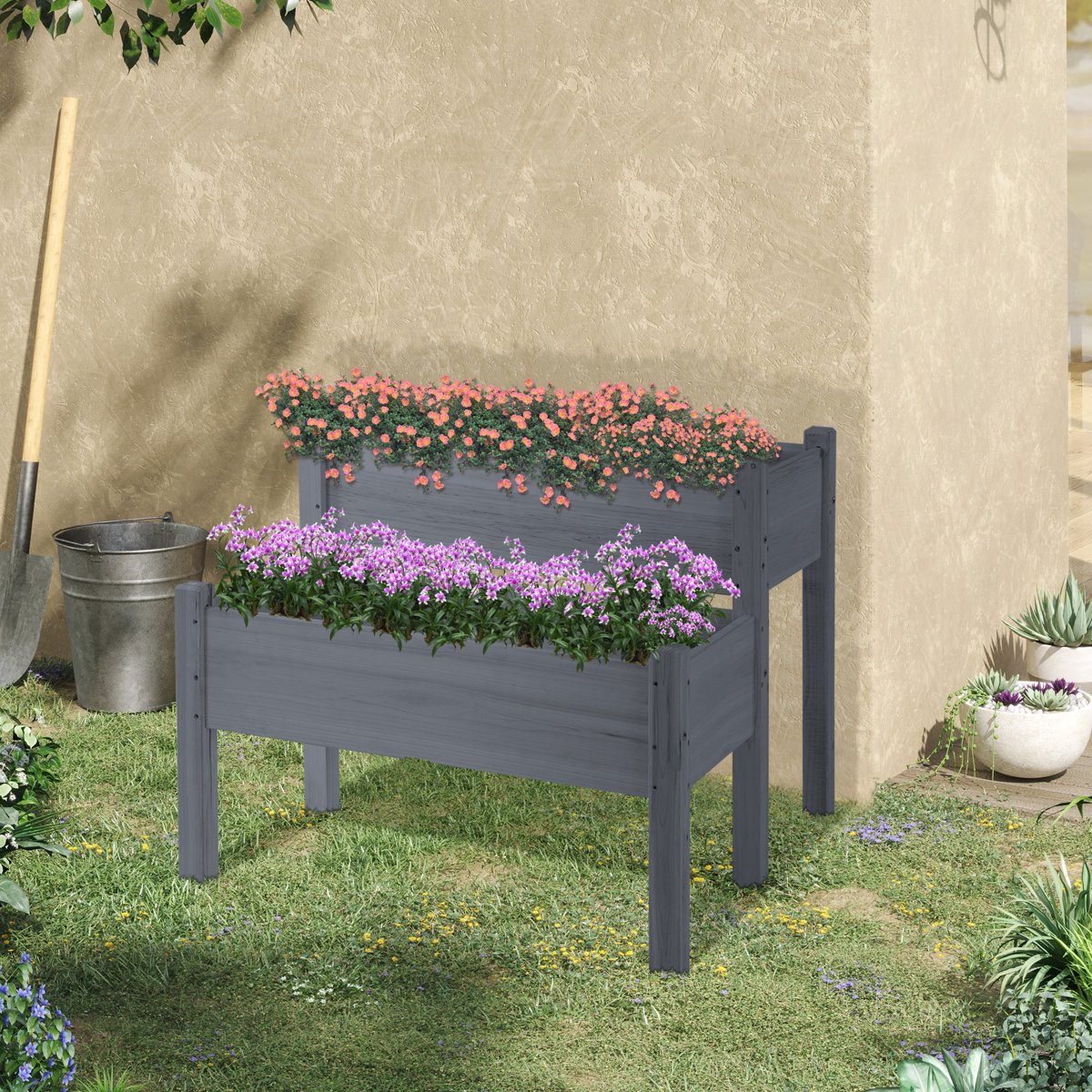 34"x34"x28" Raised Garden Bed 2-Tier Wooden Planter Box for Backyard, Patio to Grow Vegetables, Herbs and Flowers, Gray$69.99View on Mallflare
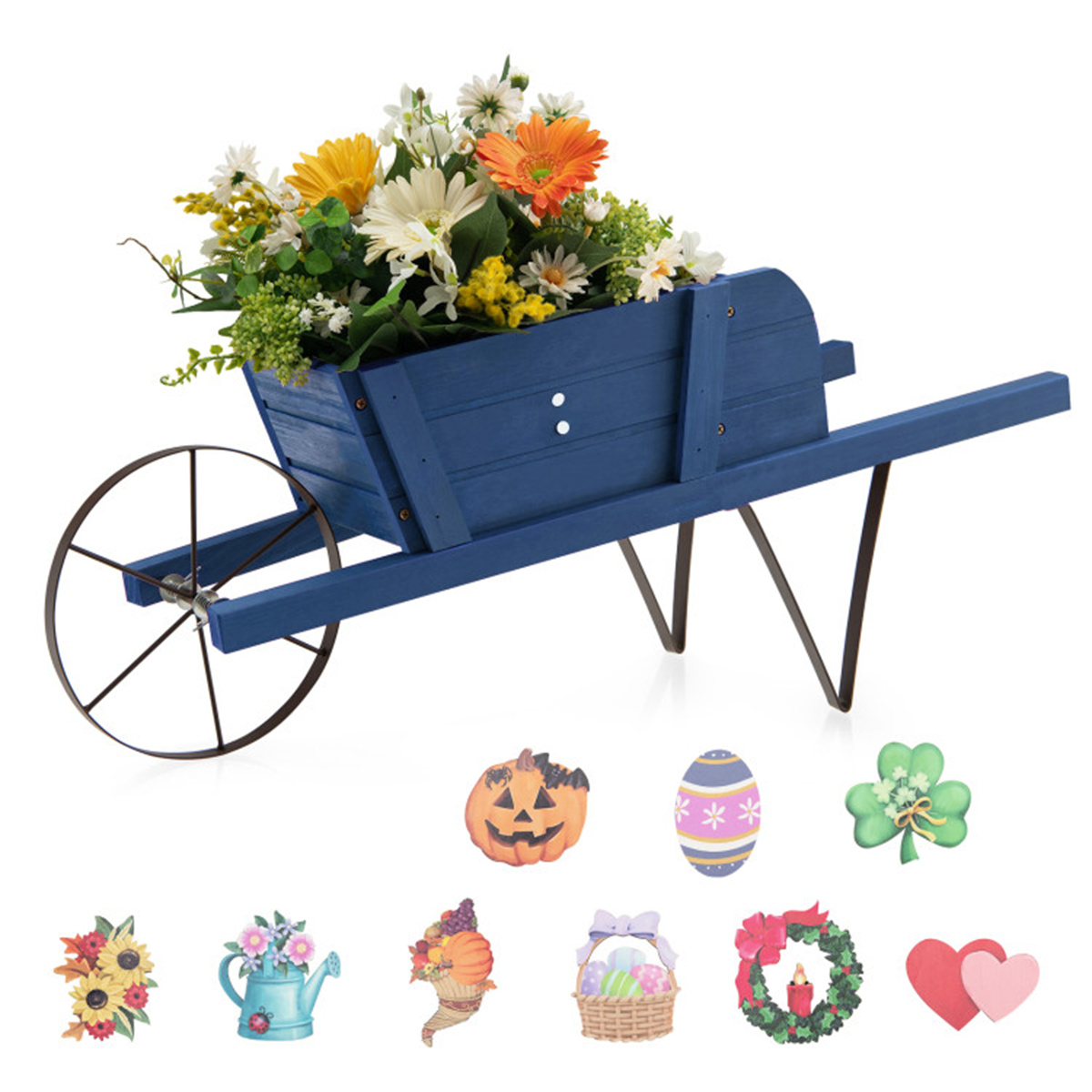 2 In 1 Wheelbarrow Planter,Wooden Wagon Planter with 9 Magnetic Accessories for Garden Yard$84.99View on Mallflare
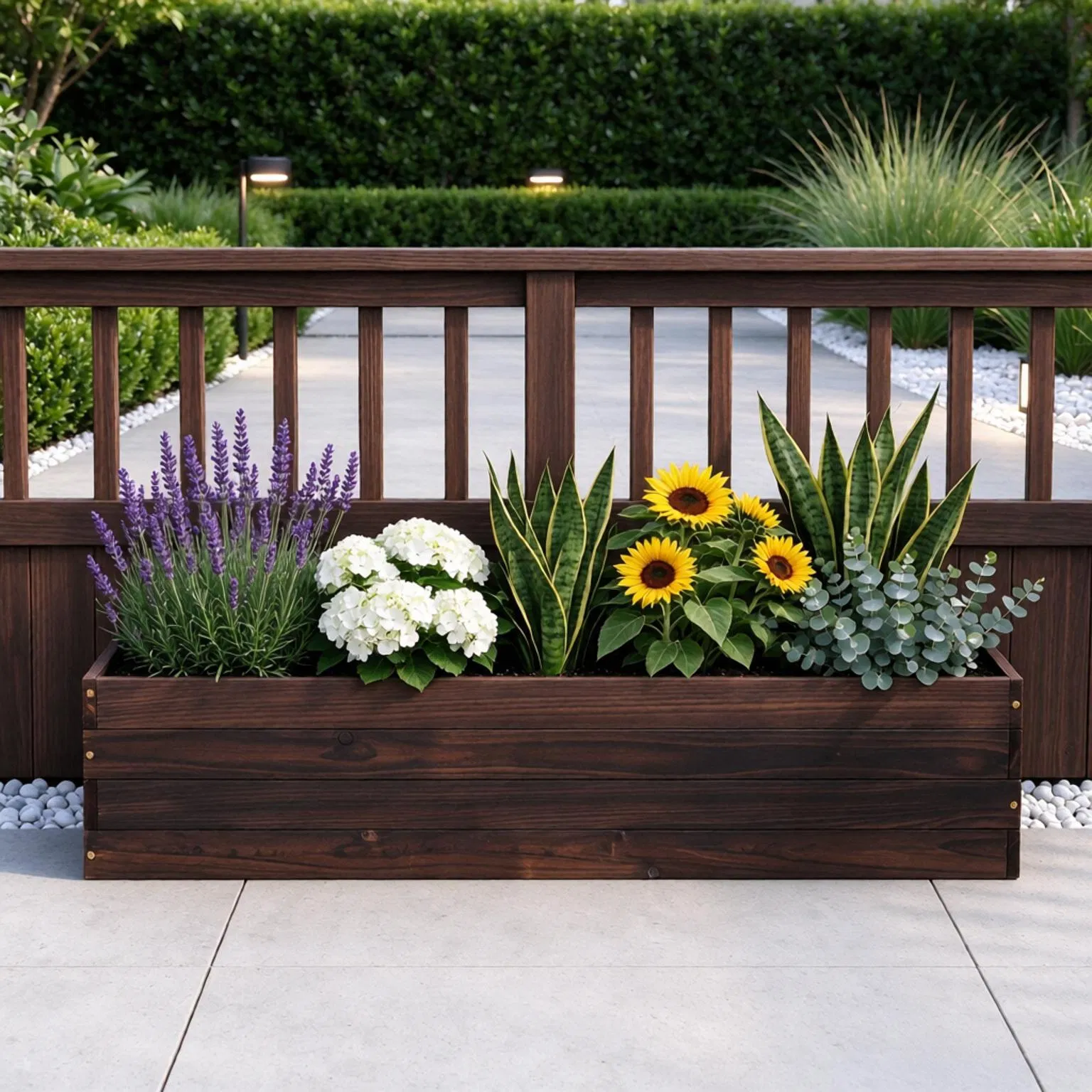 Elevated Wooden Garden Planter Box Bed Kit for Easy Gardening And Plant Growing$85.99View on Mallflare
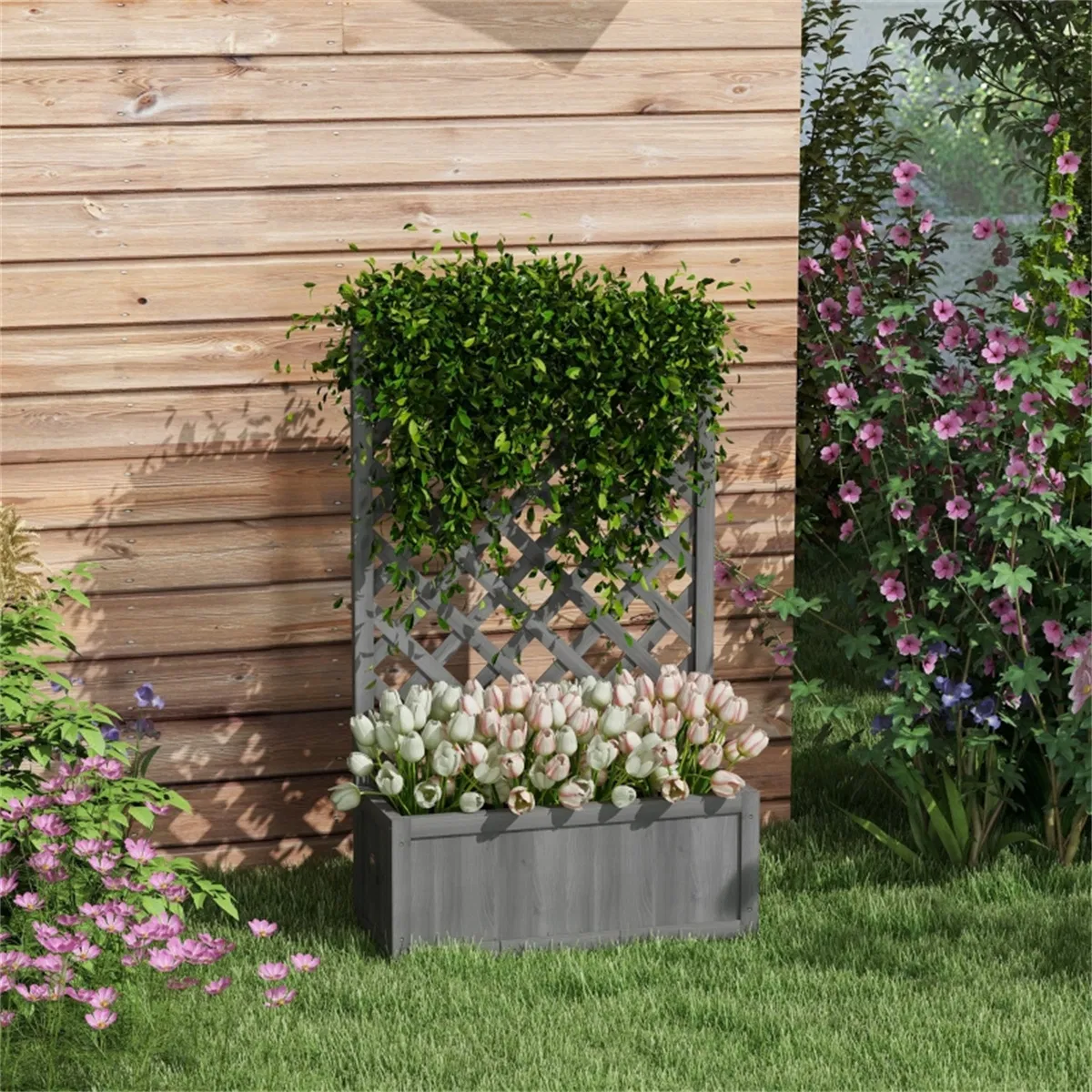 Wooden Planter, Flower shelf,Wood Box$89.99View on Mallflare
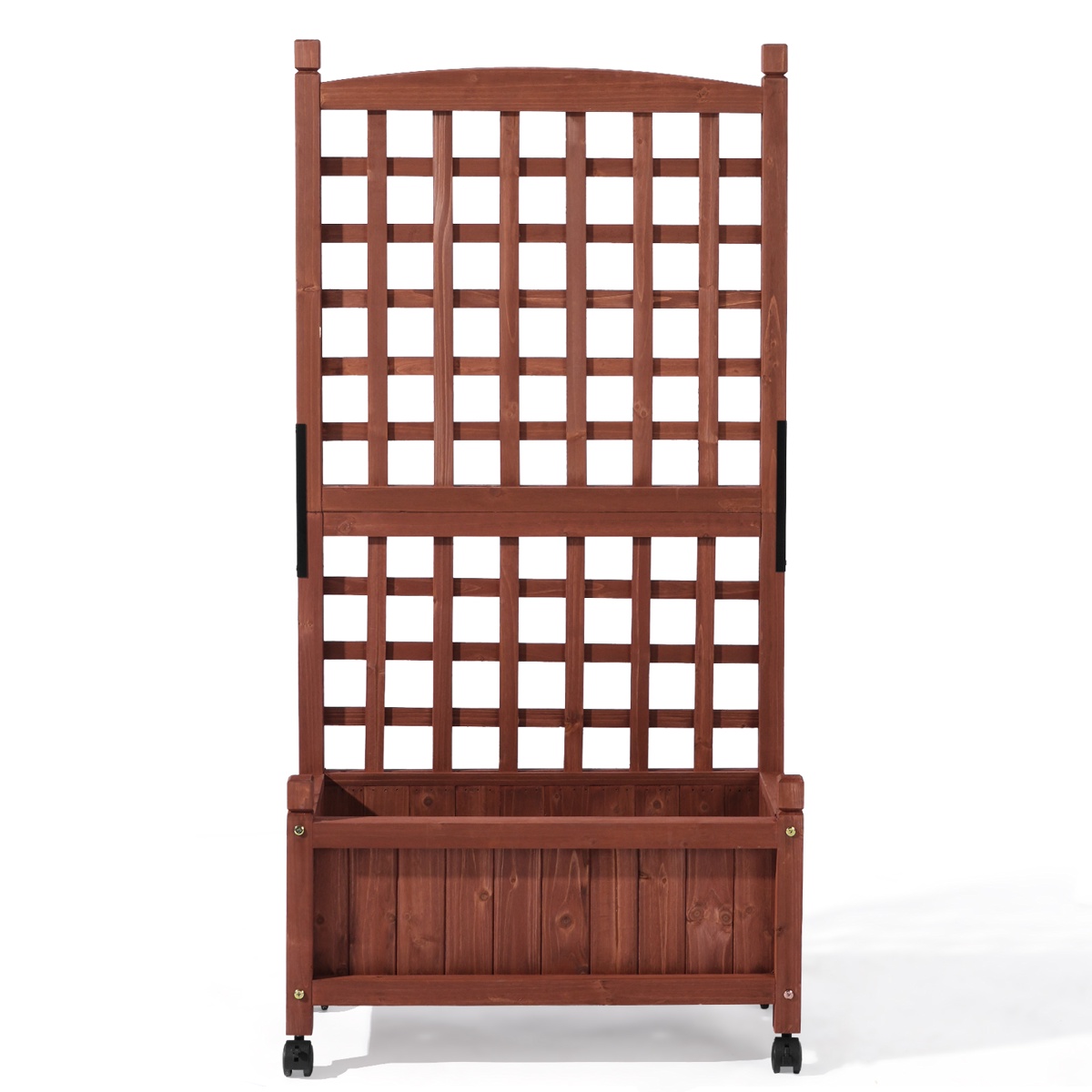 Wooden Planter with Trellis, 50" Tall Elevated Garden Bed Outdoor Wheels, Freestanding Box Drainage Holes for Flower, Vegetable, Fruit, Herb in Patio, Balcony$89.99View on Mallflare
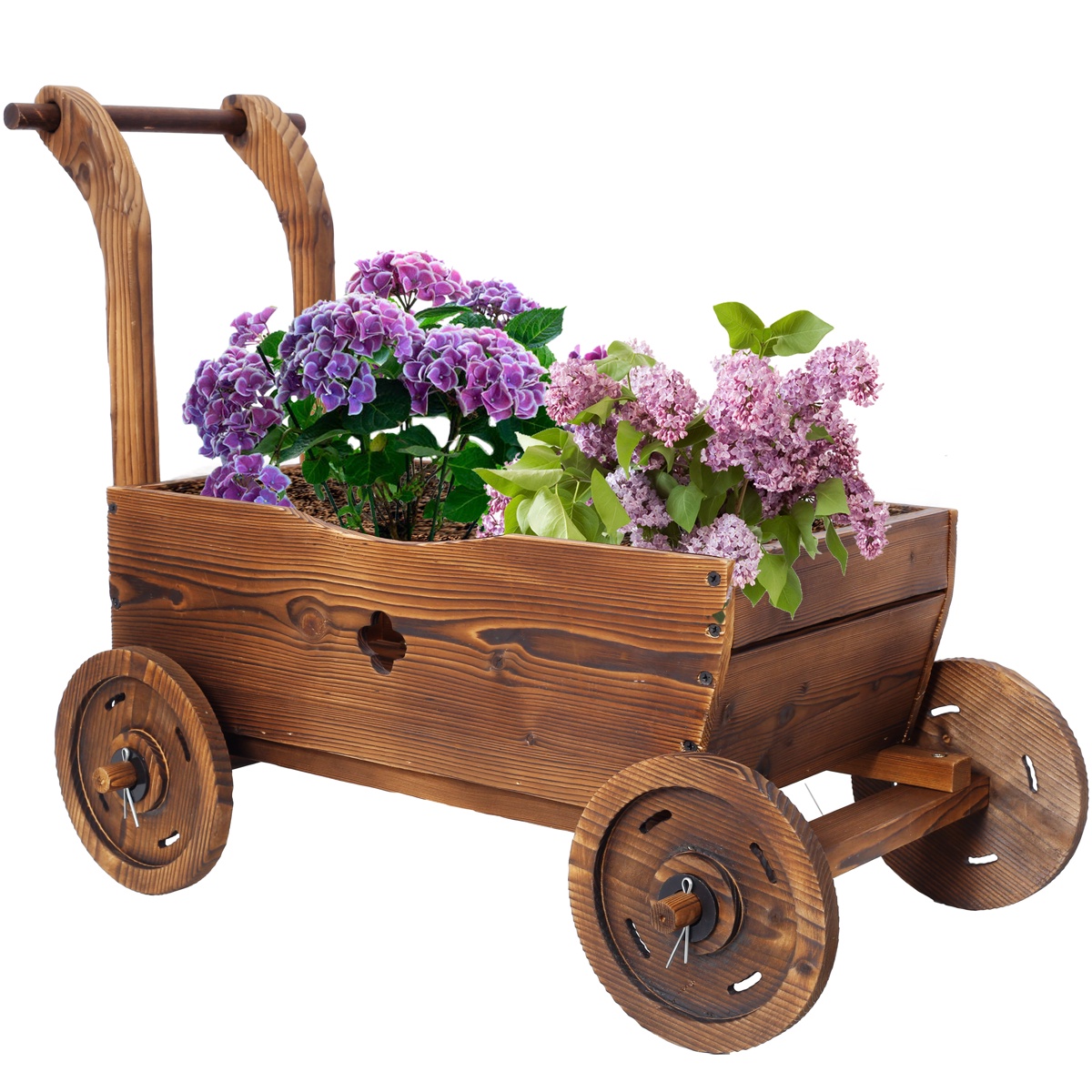 Wooden Wagon Planter Box, Mobile Garden with 4 Wheels, Handle, Drain Hole, Decorative Flower for Indoor & Outdoor Decor, Cart for Patio, Balcony, Brown$100.99View on Mallflare
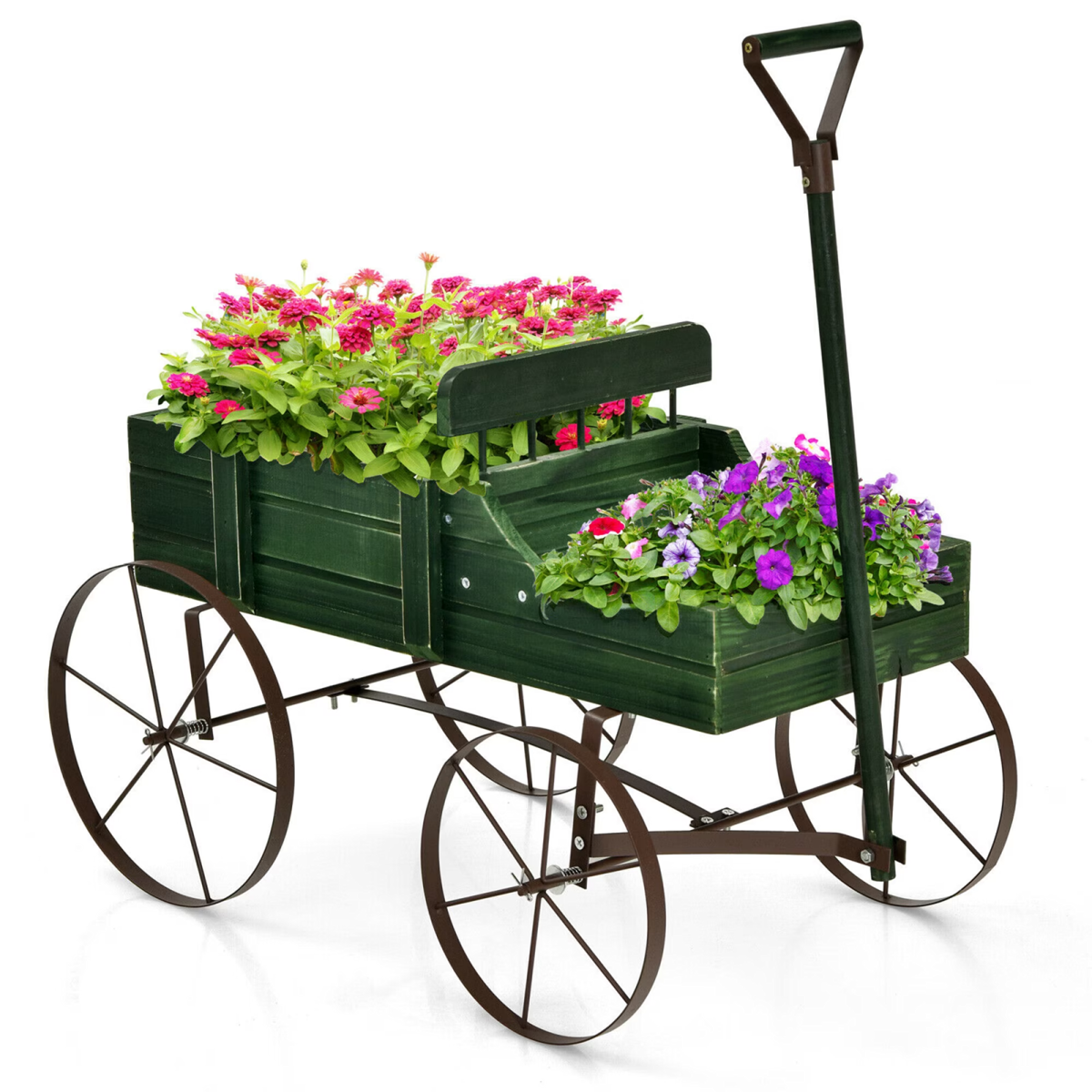 Garden Plant Planter Wooden Wagon W/ Wheel Yard Green$103.99View on Mallflare
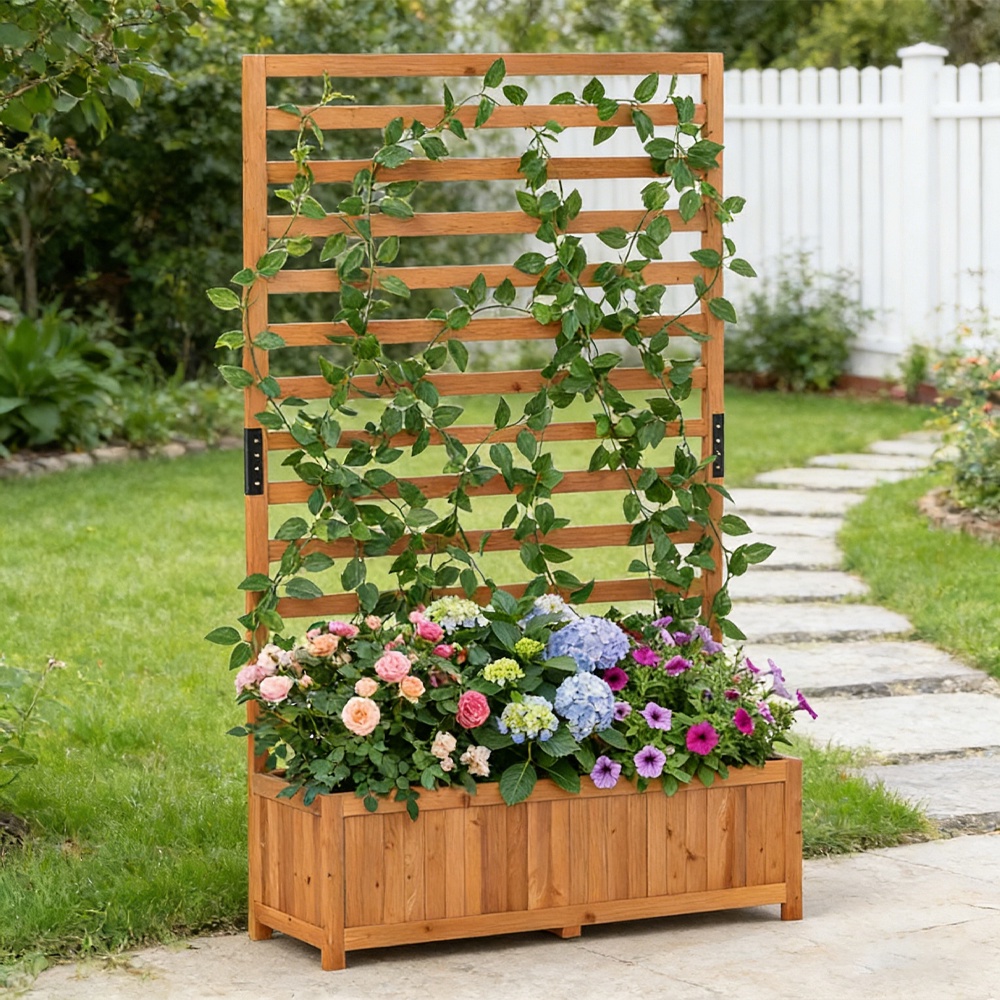 Wooden Raised Garden Bed 59 Inch Tall Elevated Planter Box With Vertical Trellis For Cultivating Vegetables, Flowers, Herbs, Etc$104.99View on Mallflare
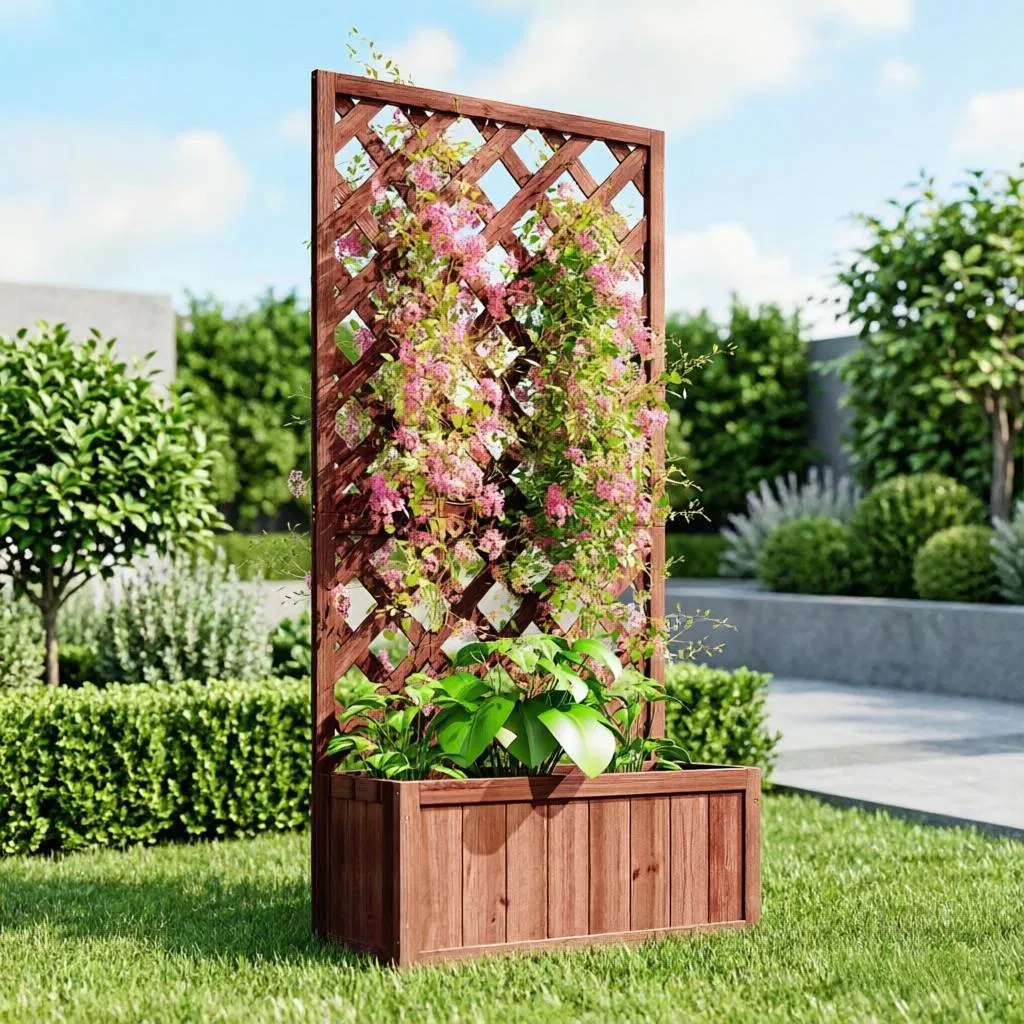 Orange Wooden Raised Garden Bed Planter Box with Trellis for Climbing Plants And Flowers$107.99View on Mallflare
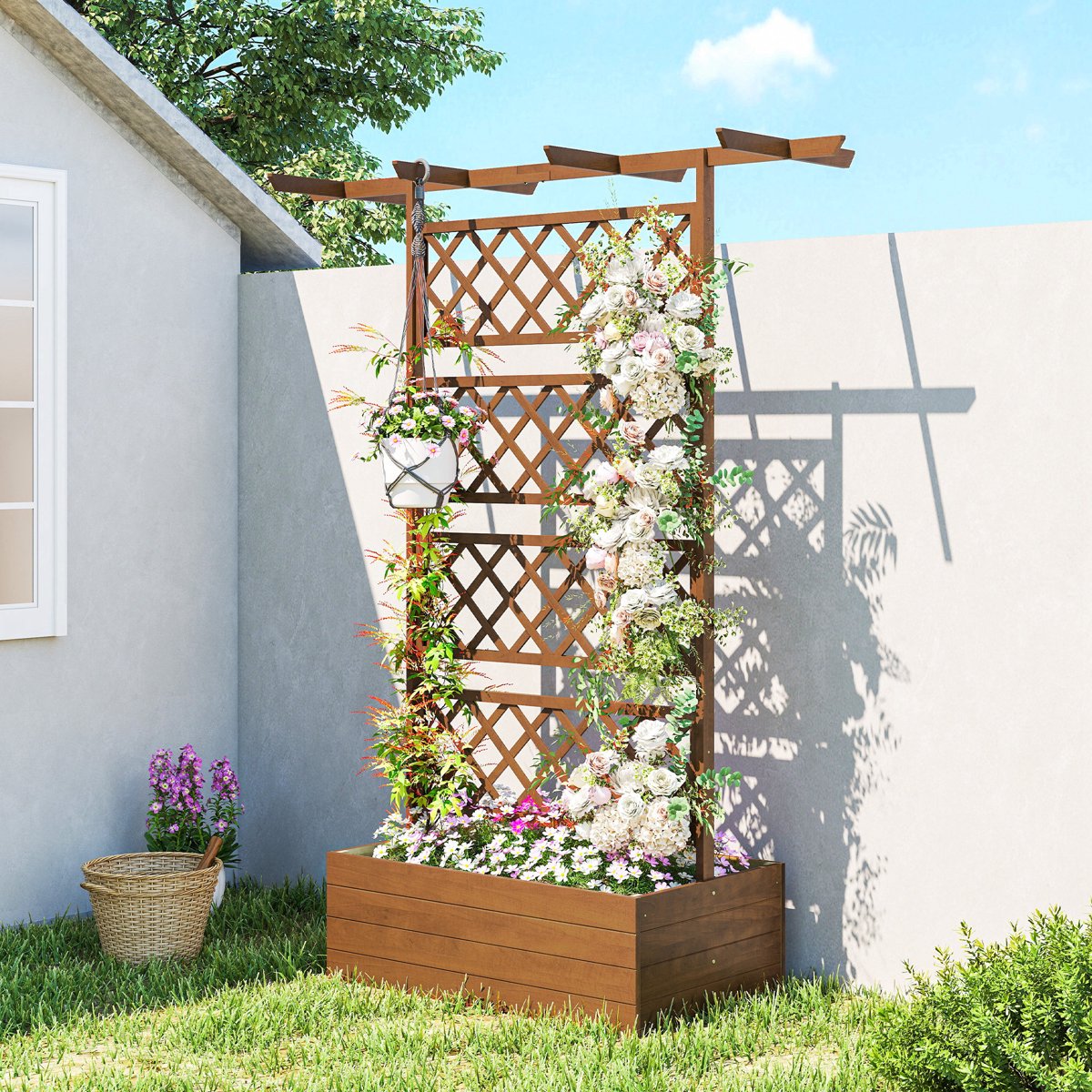 Wooden Trellis Planter Box, Raised Garden Bed to Grow Vegetables, Herbs and Flowers$109.99View on Mallflare
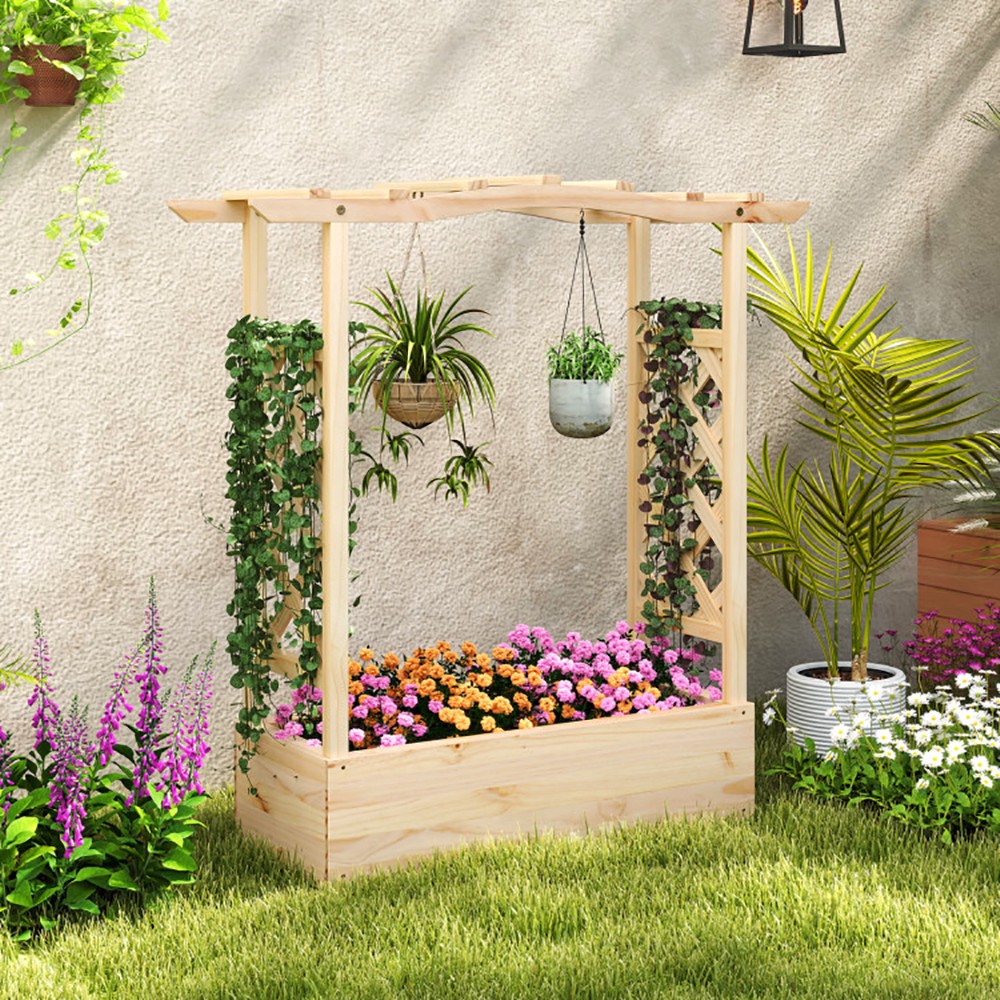 Wooden Raised Garden Bed Planter Box With Trellis And Hanging Roof$127.99View on Mallflare
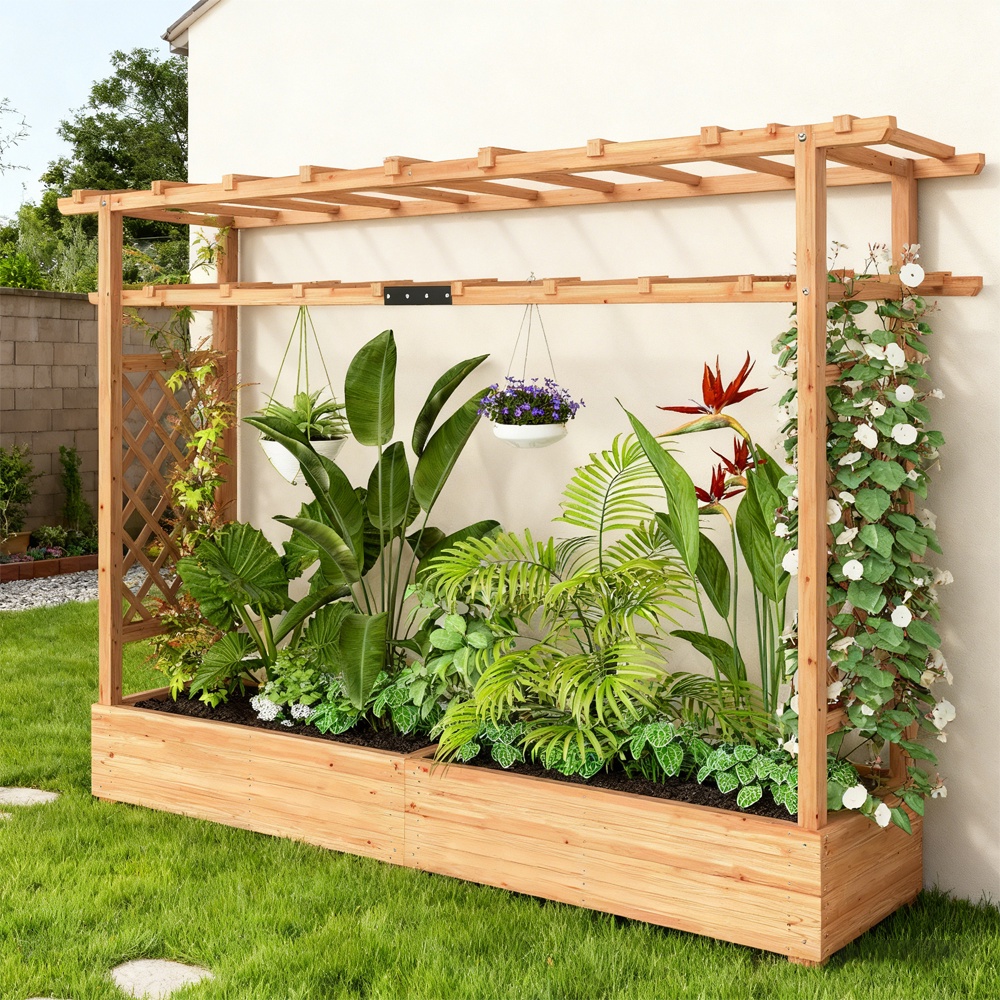 Wooden Planter Box With Trellis, Hanging Roof And Drainage Holes For Climbing Plants, Vegetables, Herbs And Flowers$147.99View on Mallflare
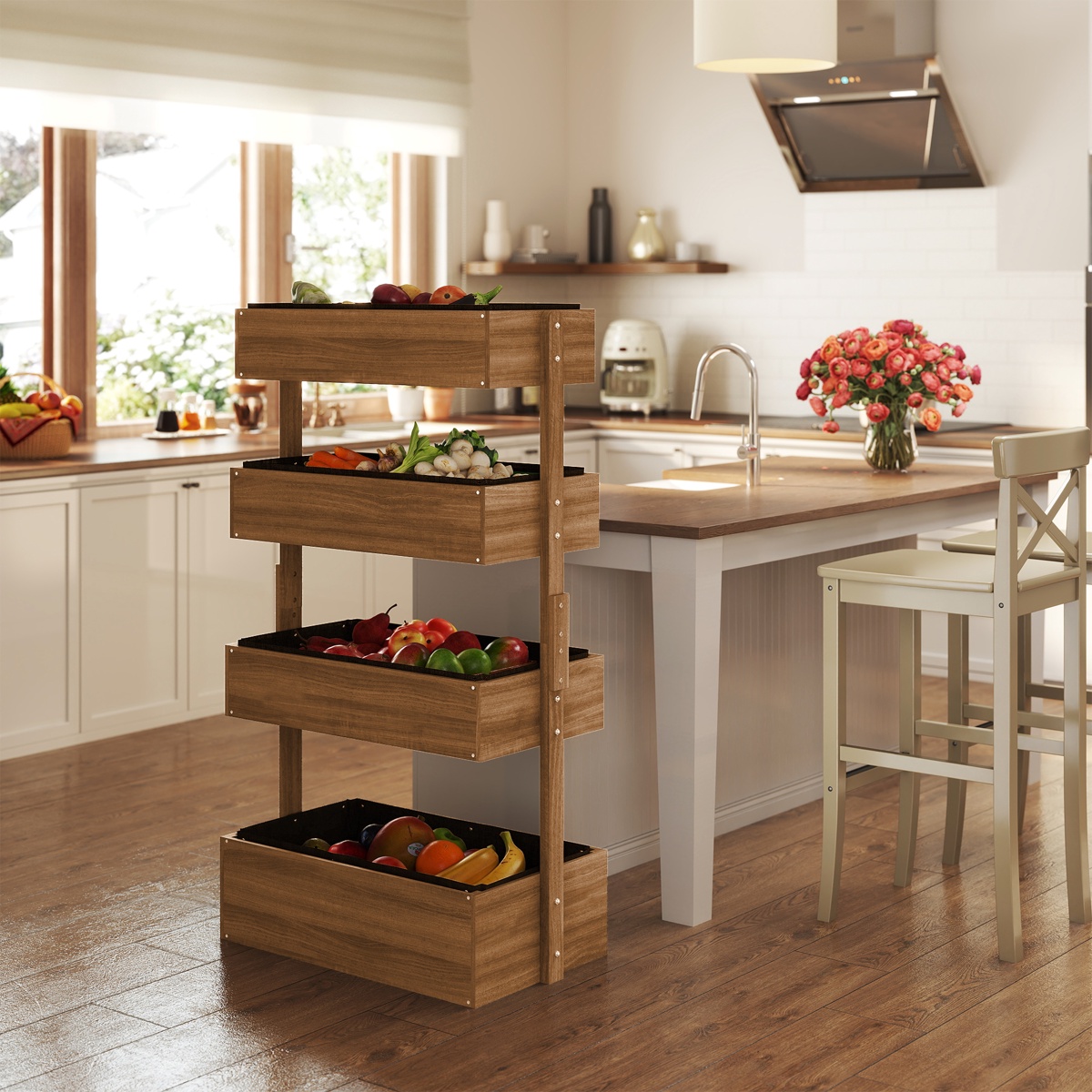 4 Tier Raised Garden Bed, Wooden Planter Box, Self-Draining With Bed Liner For Indoor Outdoor Flowers$157.99View on Mallflare
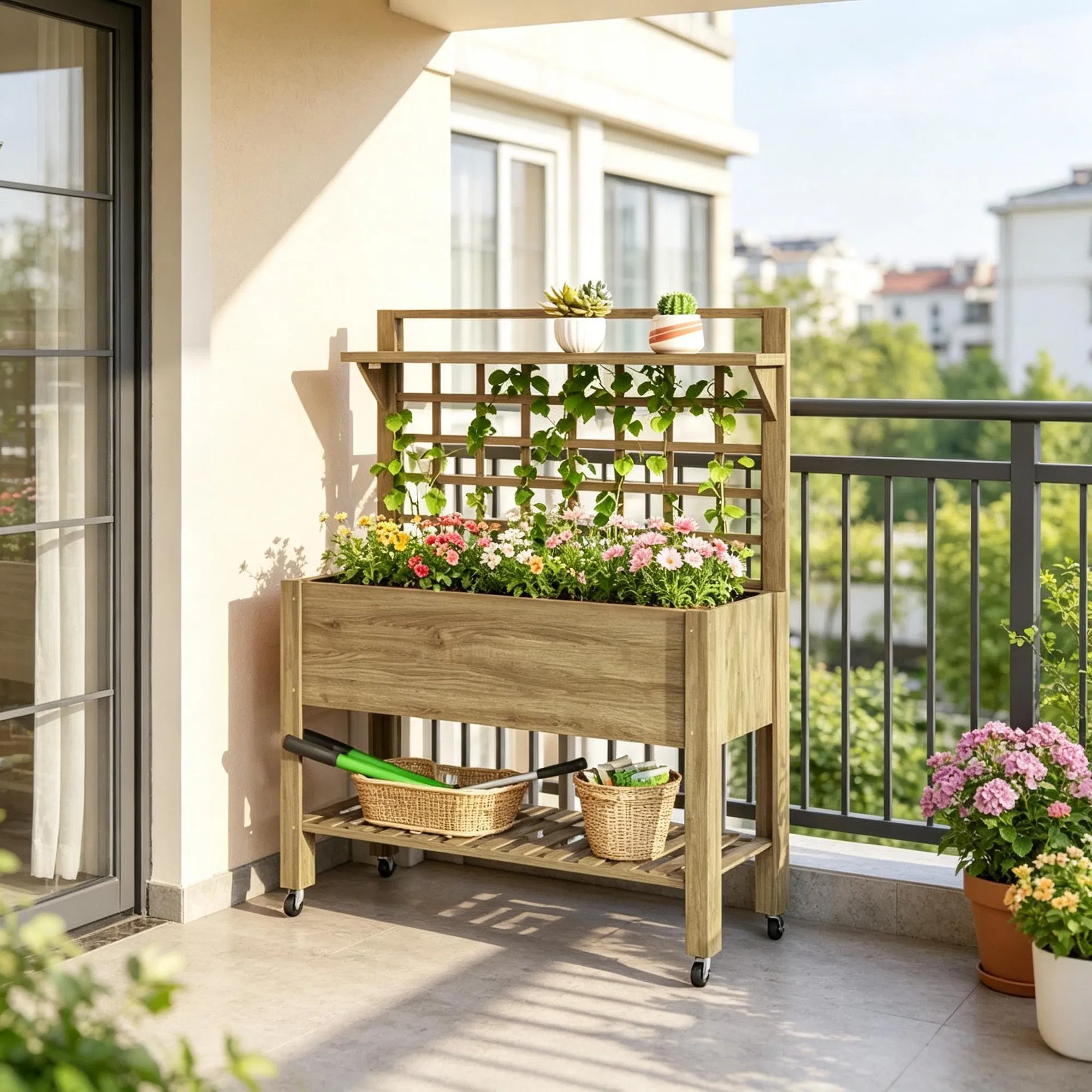 41 Inch Dark Brown Raised Garden Bed Mobile Elevated Wooden Planter Box with Wheels Trellis And Storage Shelf for Outdoor Gardening$166.99View on Mallflare
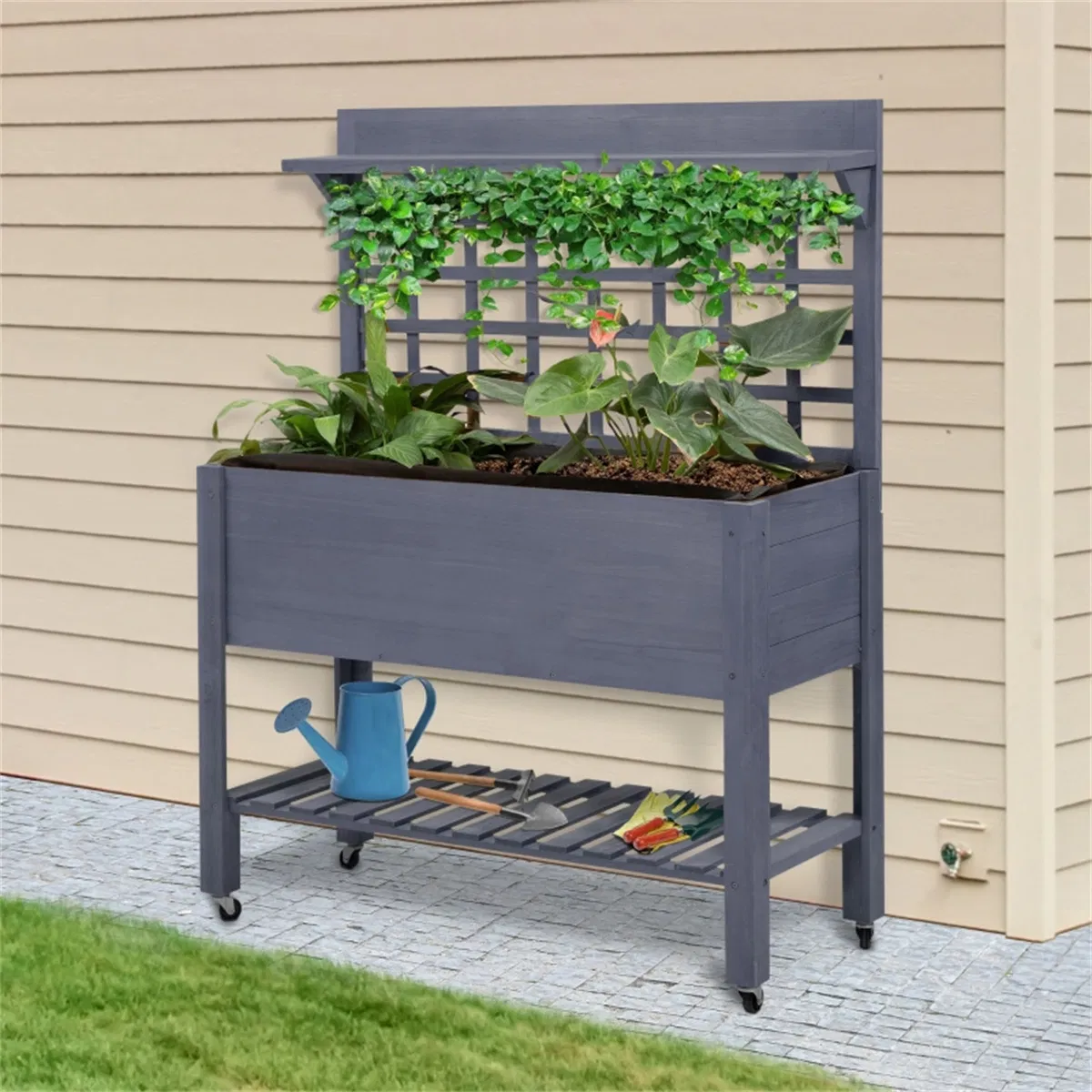 Wooden Planter, Flower shelf,Wood Box,Wooden Garden Box$190.99View on Mallflare
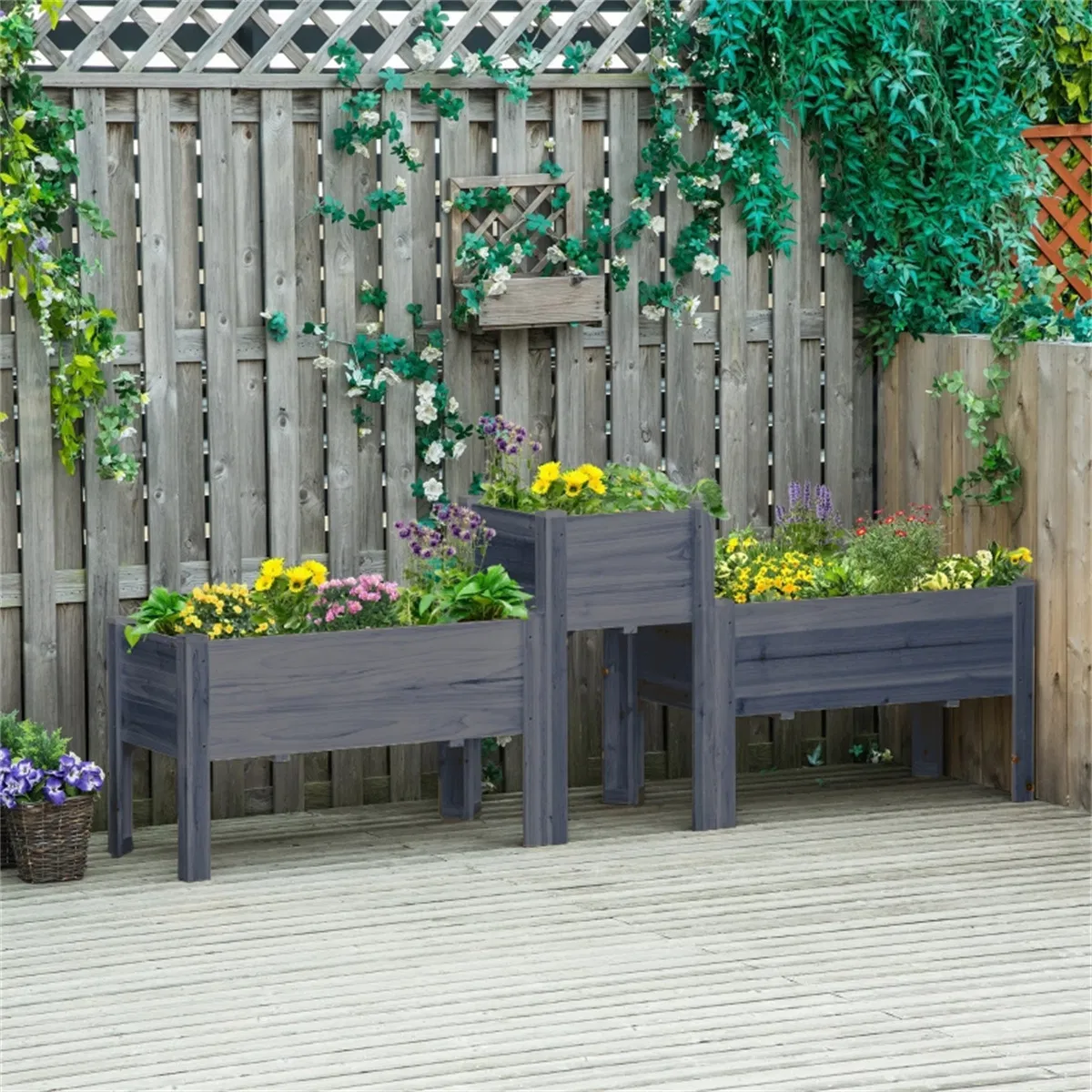 Wooden Planter, Flower shelf,Wood Box-Gray$223.99View on Mallflare
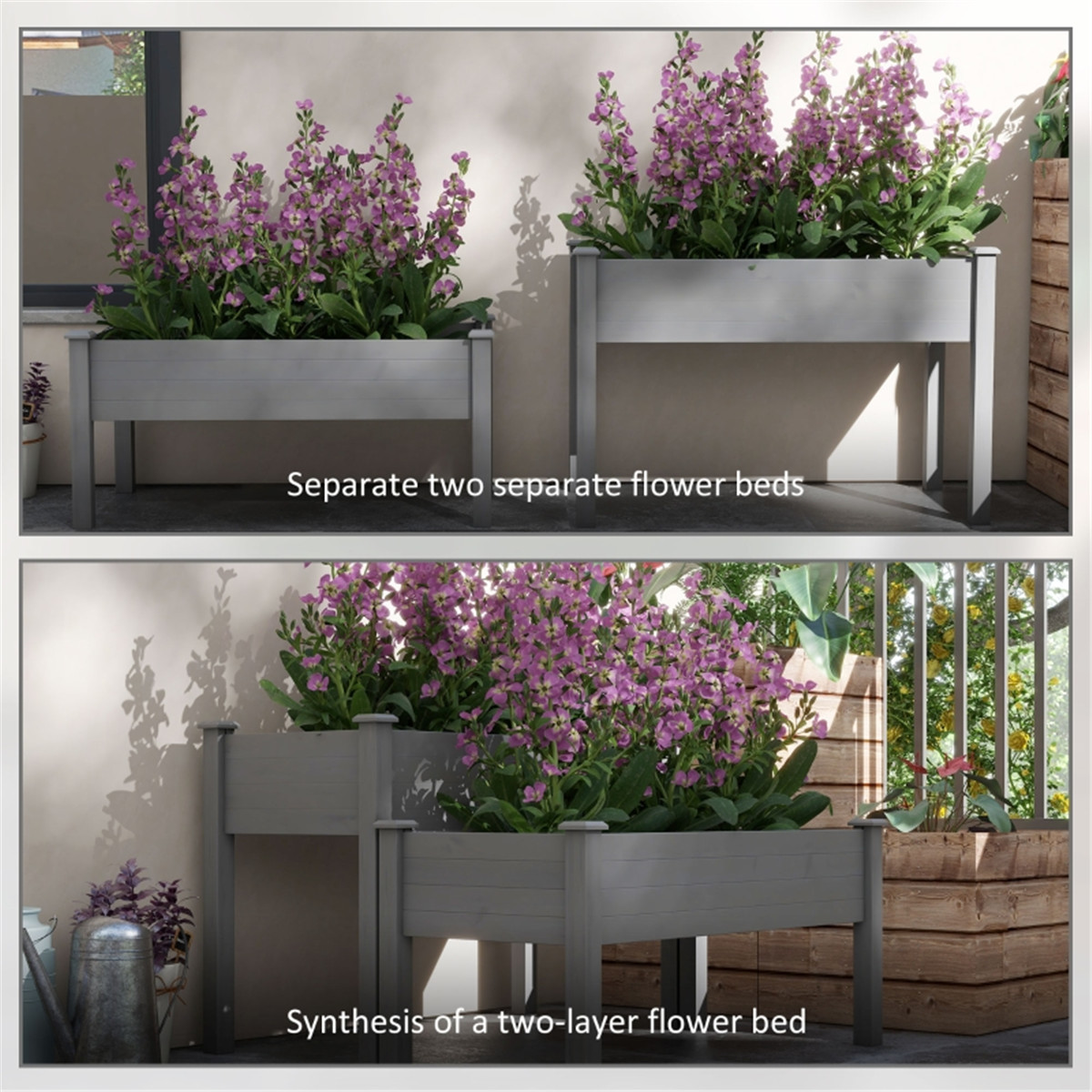 Gray 2-Tier Elevated Wooden Planter Box – Raised Garden Bed with Legs for Outdoor Plants$225.99View on Mallflare
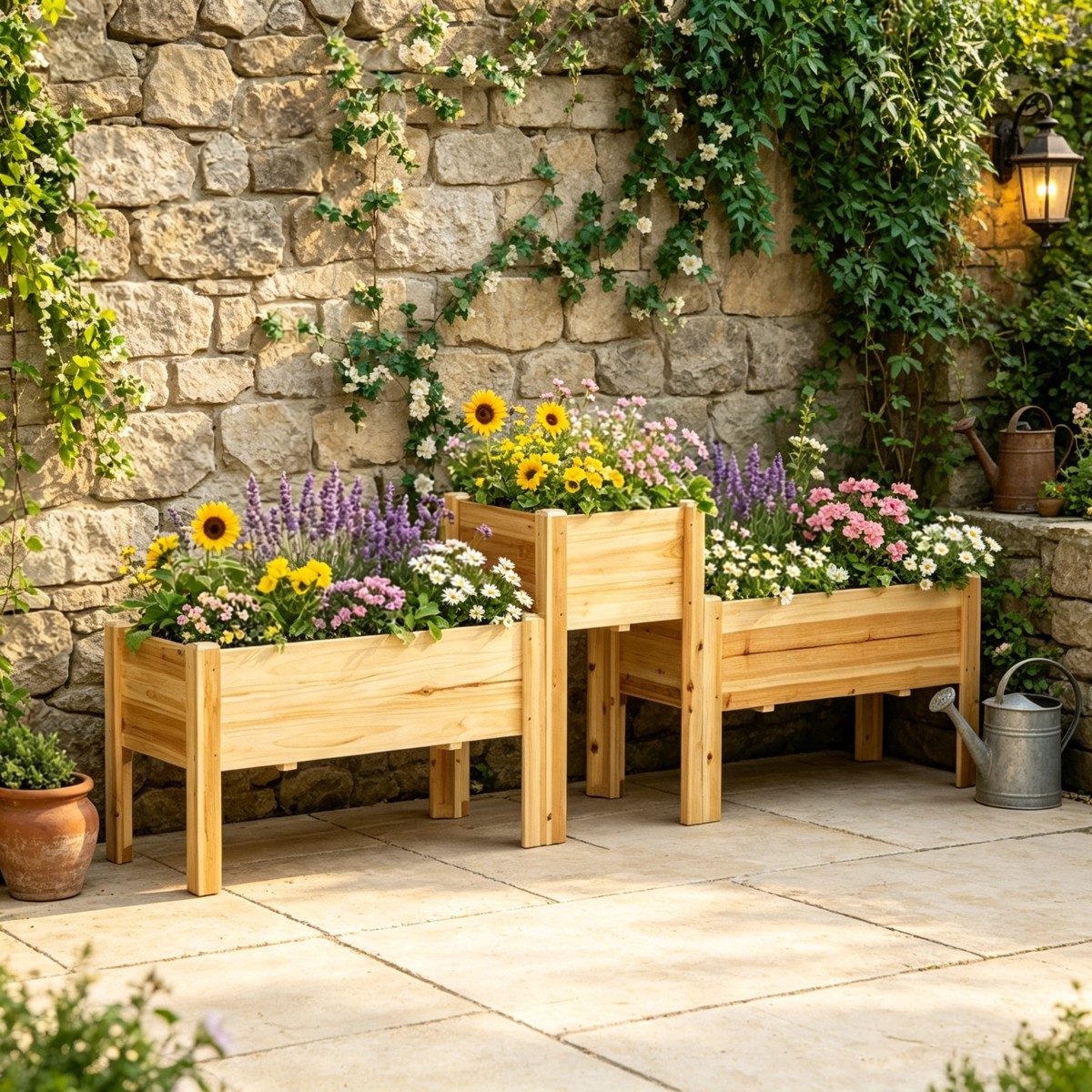 Set of 3 Natural Wooden Elevated Planter Boxes with Legs & Liner for Vegetables, Herbs & Flowers$271.99View on Mallflare
Highlights
- Rot resistance tiers: cedar/larch/thermowood rated 10-15 yr; fir/pine 3-5 yr unless a liner isolates soil from wood.
- Planter wall thickness of 0.6-1.0 in (15-25 mm) resists soil bowing; panels under 0.4 in need cross-bracing or metal corners.
- Elevated leg planters carry 150-250 lb of wet soil, so legs need 2x2 in minimum timber and diagonal or apron bracing.
- Drainage: drilled base holes plus a 1-2 in gravel/air gap layer prevent waterlogging; sealed bases without drainage rot from standing water.
Best use cases
- Best fit: ground-level cedar or larch planter 24-36 in wide for patio vegetables and herbs — deep enough for tomato and pepper roots.
- Best fit: elevated planter with legs 28-32 in tall for balconies and back-pain-free tending; pick lockable casters if repositioning is needed.
- Right fit: large 40-48 in planter for patio trees and shrubs — confirm 20+ in soil depth and a drainage saucer before choosing.
- Wrong fit: untreated pine or thin decorative boxes for year-round outdoor food growing in wet climates; rot arrives within a few seasons.
Buying tips
- Size by root depth: 10-12 in soil for lettuce/herbs, 16-20 in for tomatoes and peppers, 24-30 in for patio trees and shrubs.
- Choose cedar, larch, or thermally modified wood for ground contact; if using pine or fir, line the interior with food-safe waterproof membrane and drill drainage.
- For elevated planters, check leg timber at 2x2 in or thicker with apron bracing; 150-250 lb of wet soil is a real load.
- Match footprint to space: allow 18-24 in walkway clearance around a 48x24 in planter; 34x34 in two-tier units suit corners and small patios.
Specs
| Wood Grade | Cedar/Larch vs Pine/Fir |
|---|---|
| Wall Thickness | 0.6-1.0 in (15-25 mm) |
| Soil Depth | 10-12 in herbs / 16-20 in veg |
| Drainage | Base holes + gravel layer |
Related searches
What to check before buying
- Measure the patio or balcony footprint plus walkway clearance before choosing 31, 34, 47, or 48 in wide models.
- Confirm soil volume: 48x24x30 in planter holds roughly 15-18 cu ft of mix — budget bags accordingly.
- Check drainage path: base holes plus a saucer or gravel layer; avoid sealed bases on wood decks without a tray.
- For elevated units, verify caster type (lockable vs fixed) and leg bracing for 150-250 lb wet-soil loads.
FAQ
Data sources: eBay / Amazon listings and product attribute feeds. Updated Nov 27, 2026.
Some links on this page are affiliate links. If you buy after clicking one, we may earn a commission at no extra cost to you. This does not change which products appear here or their order. Affiliate disclosure.