
Photos from current listings. Actual item, color, and included accessories may vary.
Indoor Plant Pot Buying Guide
Indoor plant pots are decorative containers engineered to hold soil, manage drainage, and support root health in low-light, climate-controlled interiors. The decisive trade-off is drainage and airflow versus water containment: sealed decorative pots force root rot unless paired with a nursery pot and saucer, while self-watering reservoirs buffer moisture but demand a wicking medium. Buy drainage-first for arid rooms and forgetful waterers, self-watering for consistent-moisture tropicals, and avoid fully sealed pots for anything but plastic nursery liners.
Median $183.99
Key takeaways
- Drainage architecture: true drainage holes with a removable saucer prevent salt buildup and waterlogging; hole-free decorative pots trap a perched water table and suffocate roots.
- Self-watering reservoirs use a wick or capillary mat plus an overflow level indicator; they suit moisture-loving ferns and peace lilies but rot succulents and cacti.
- Material grade drives longevity: glazed ceramic and powder-coated steel resist UV and moisture; thin polypropylene and unlined fabric fade or degrade within two to three indoor seasons.
At a glance
- Category
- Raised Garden Beds & Planters
- Last updated
- Nov 28, 2026
Current offers
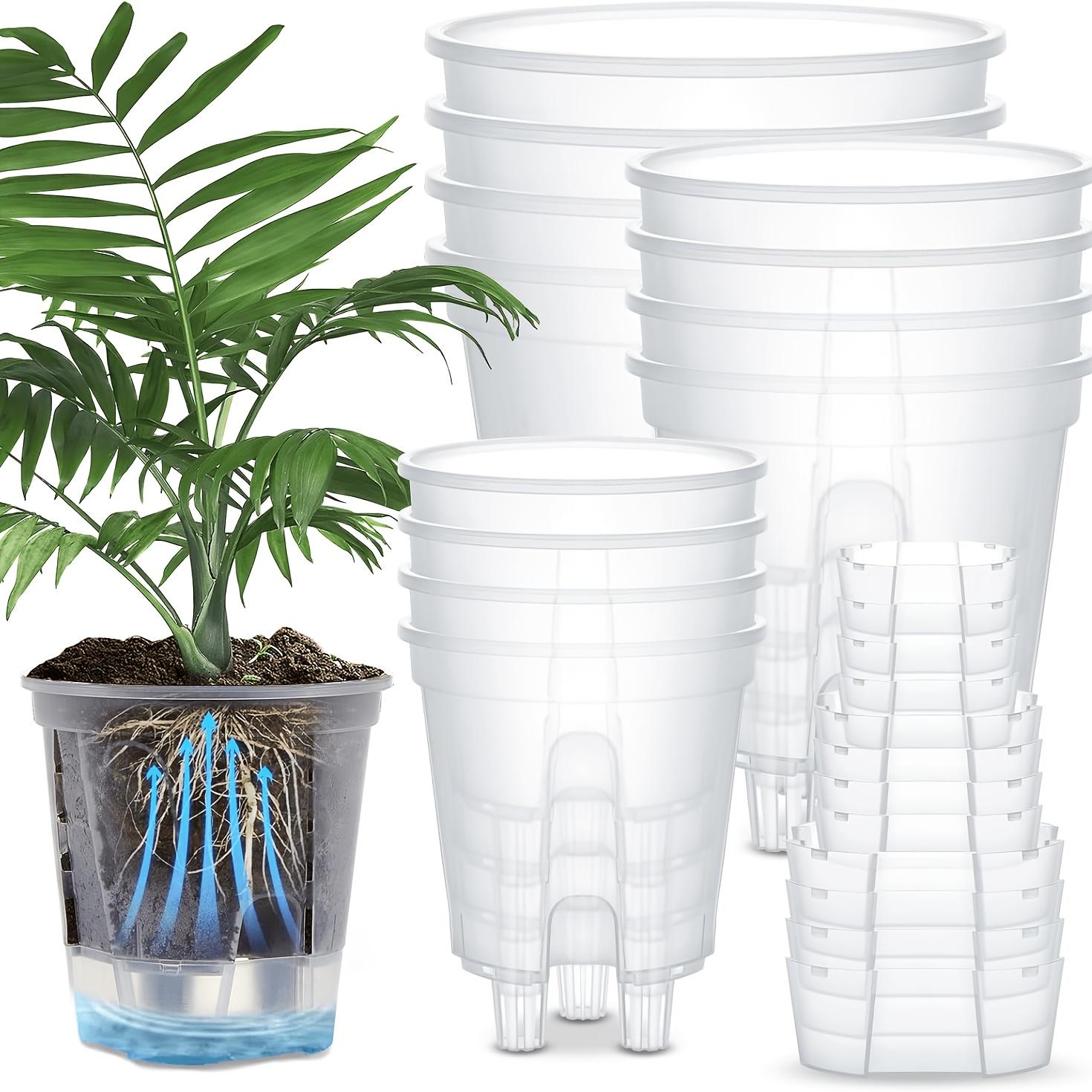 12 Pack Clear Self Watering Plant Pots, Transparent Root Viewing Planters With Water Storage Reservoir, Indoor Plastic Nursery For Orchid, Succulent$37.99View on Mallflare
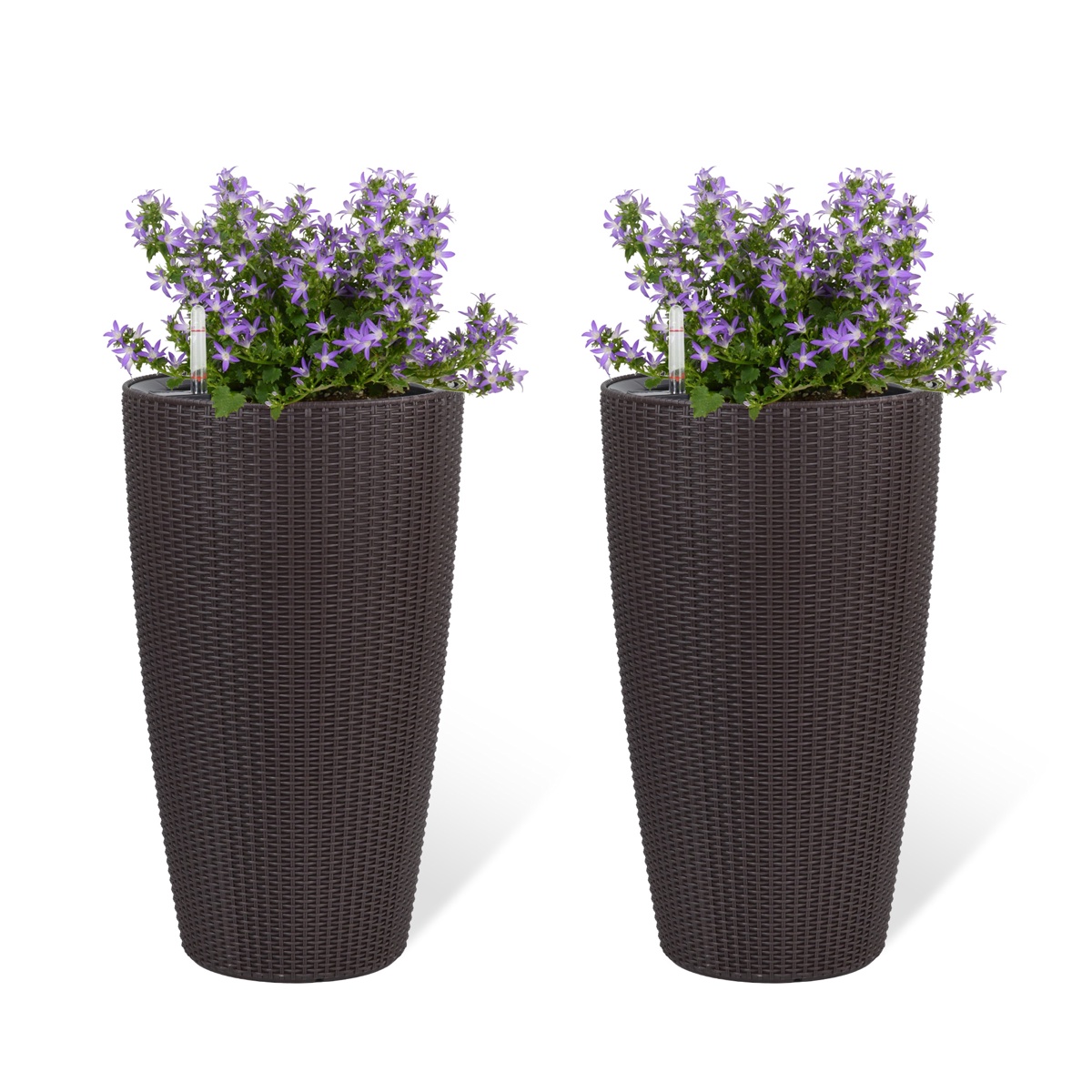 Set Of 2 Faux Rattan Tall Planters Outdoor Indoor Large With Water Level Monitor Inner Bucket, Automatic Watering, Flower Plant Pots For Garden, Patio, Porch, Brown, 22 Inch$112.99View on Mallflare
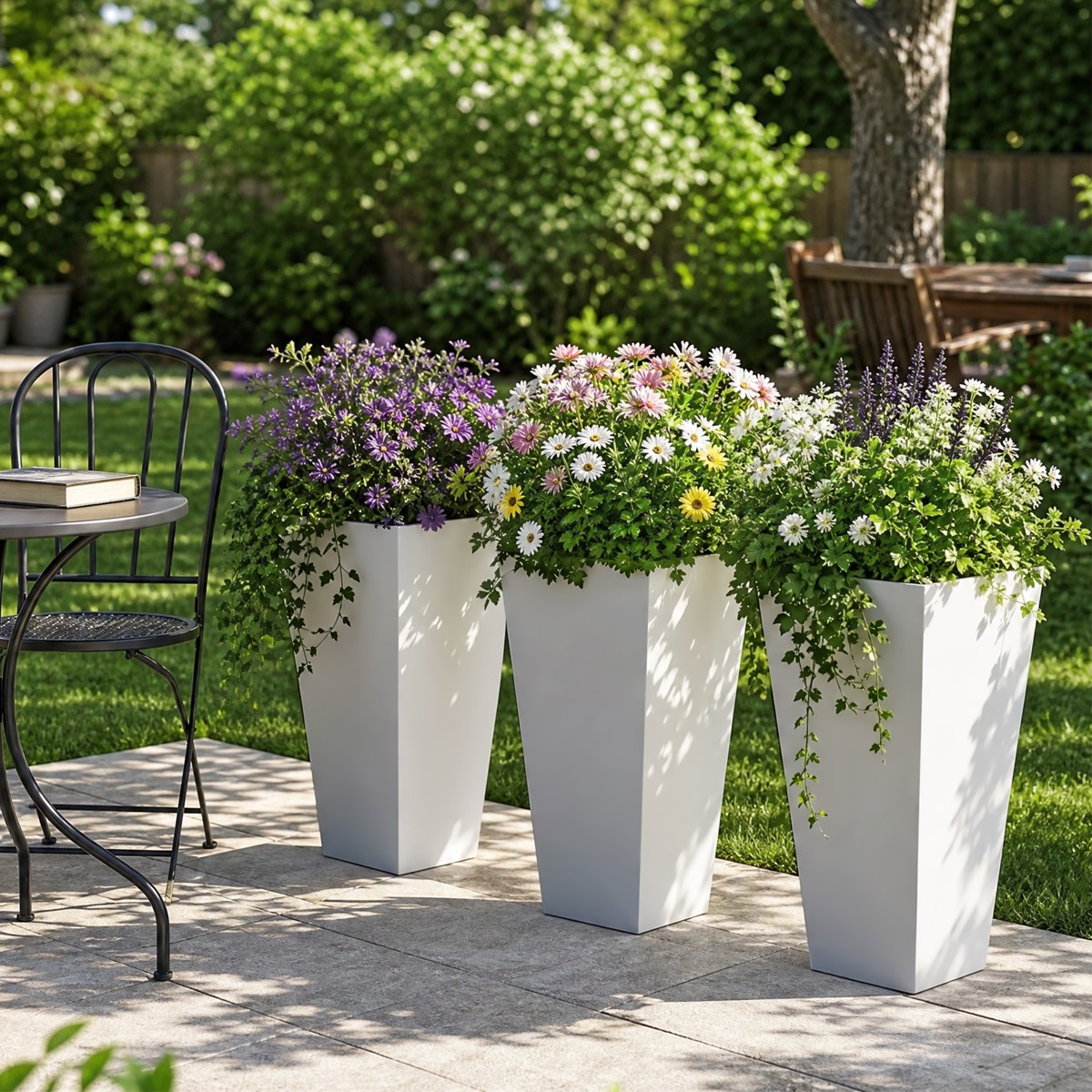 Tall Planters for Outdoor Plants Set of 3, 28 In Taper with Drainage Holes, Indoor Large Plant Pots, White$122.99View on Mallflare
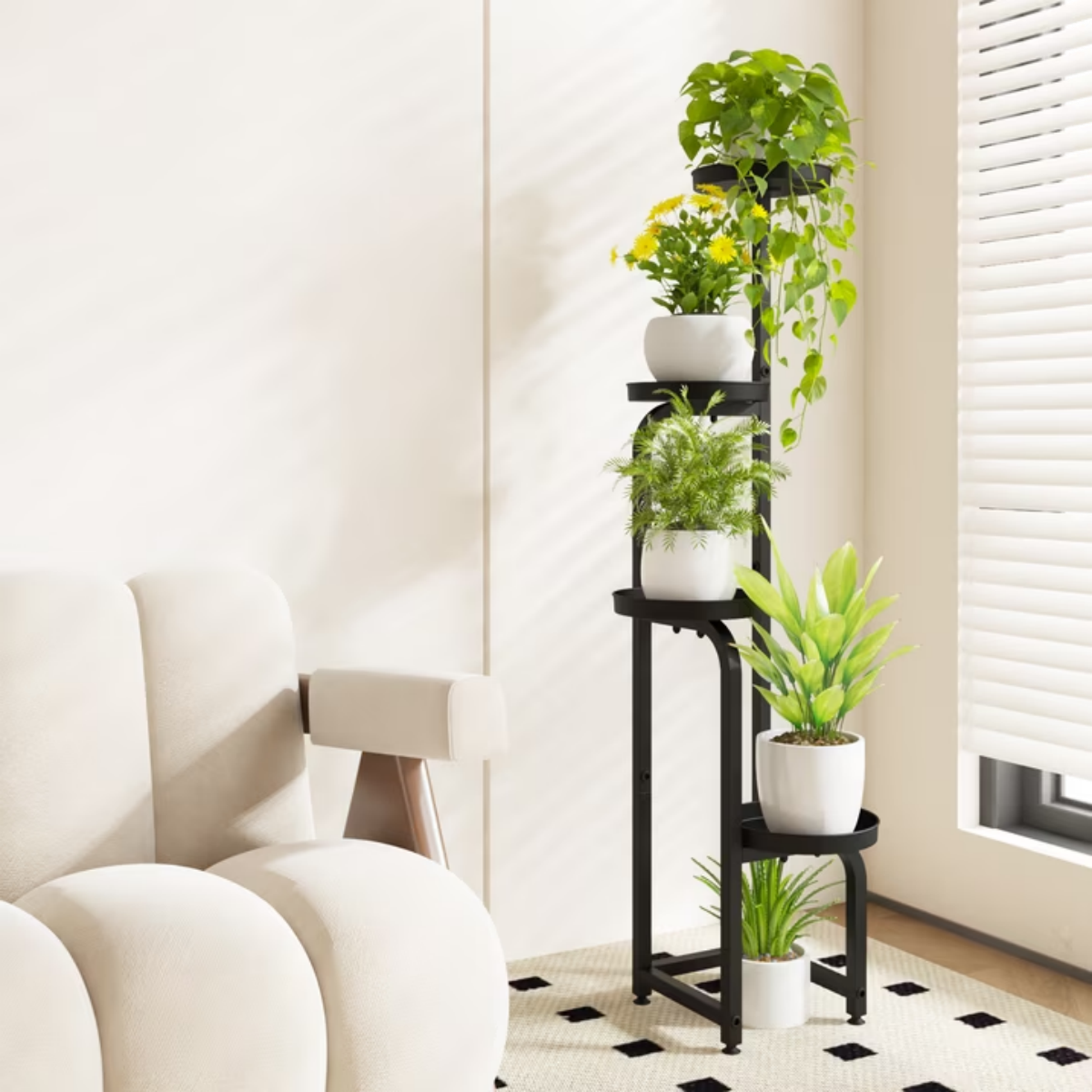 Tall Plant Stand Indoor Outdoor, Corner Metal Flower Pot Stands for Multiple Plants, 4 Tier Heavy Duty Shelf for Patio Garden Balcony Living Room Bedroom$122.99View on Mallflare
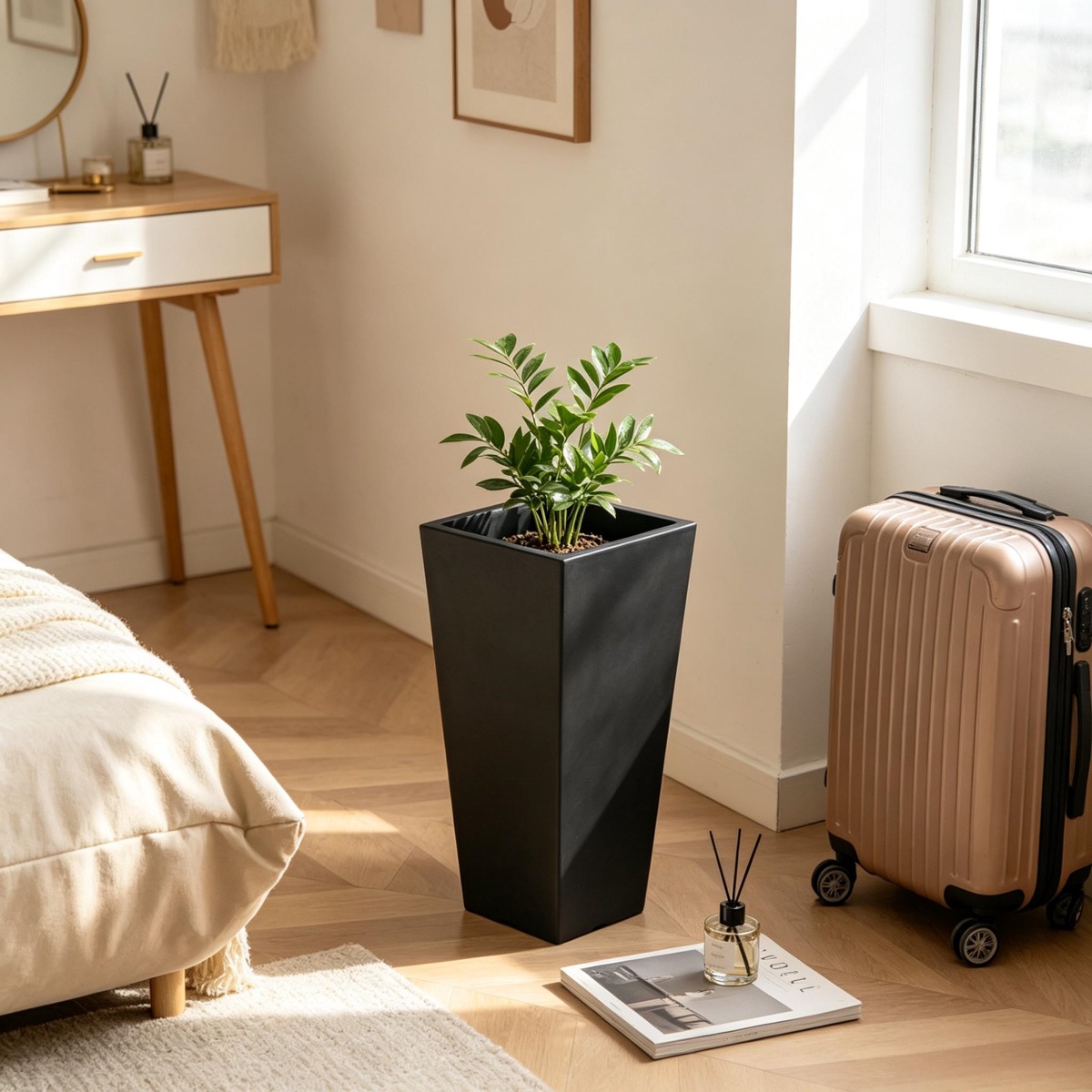 2-Pack 22" Tall Tapered Square Planters, Black Modern Plant Pots with Built-in Drainage, for Outdoor & Indoor Plants, Trees & Flowers$159.99View on Mallflare
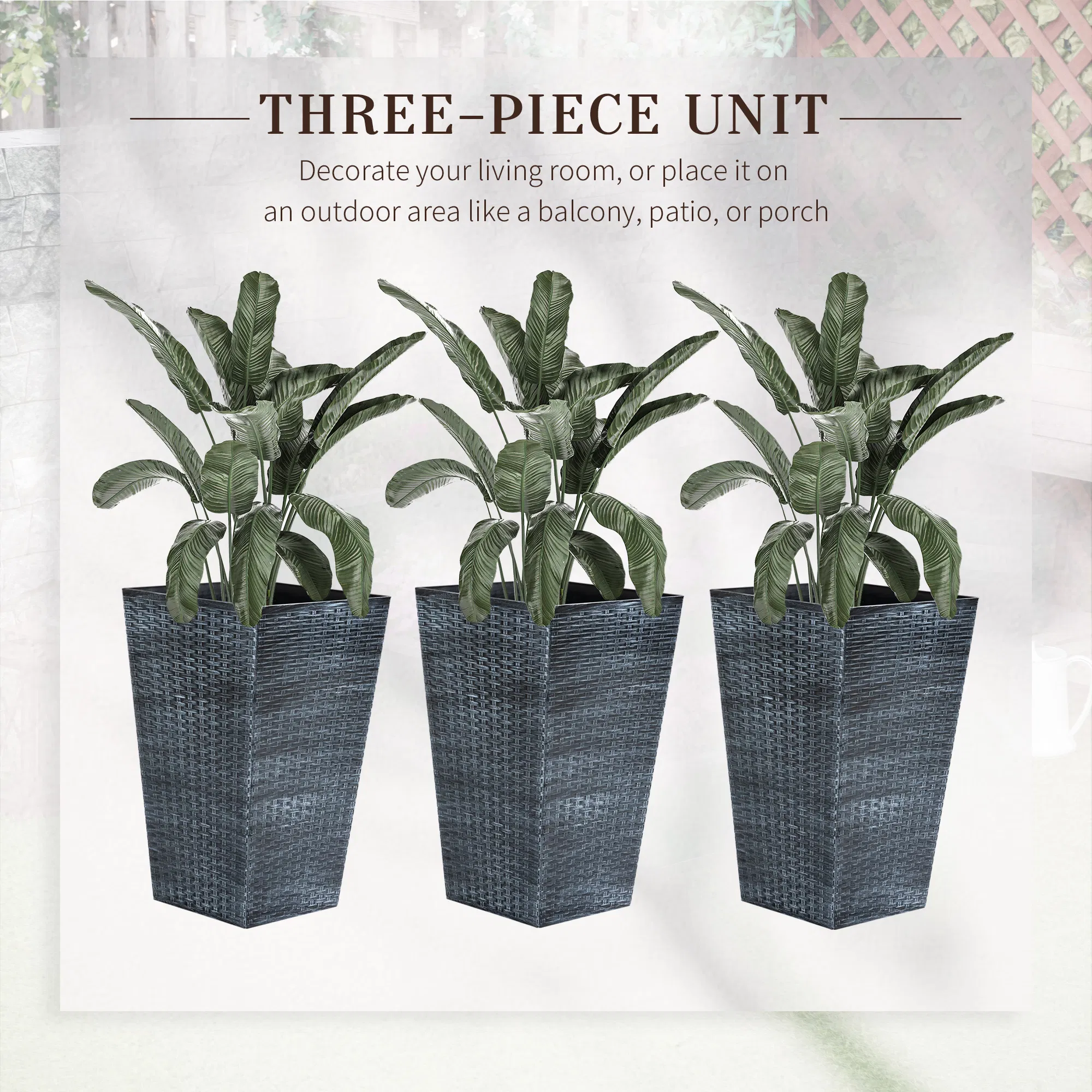 Set of 3 Tall Planters with Drainage Hole, 24" Outdoor Flower Plant Pots, Indoor for Porch, Front Door, Entryway, Patio and Deck, Gray$176.99View on Mallflare
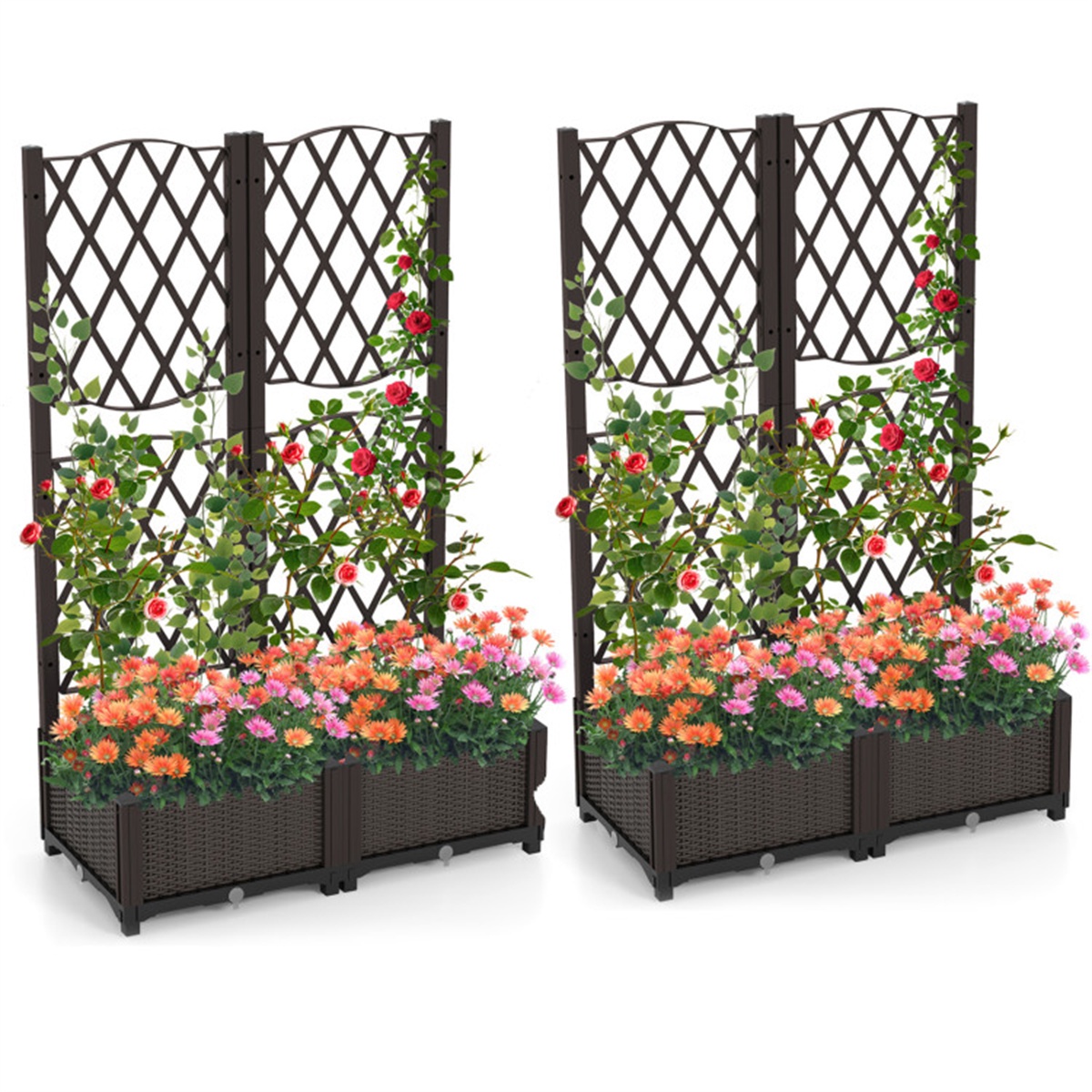 Set of 2 Rustic Style Trellis Planter, Raised Garden Bed Indoor Outdoor Planting Box for Vegetables Flowers$190.99View on Mallflare
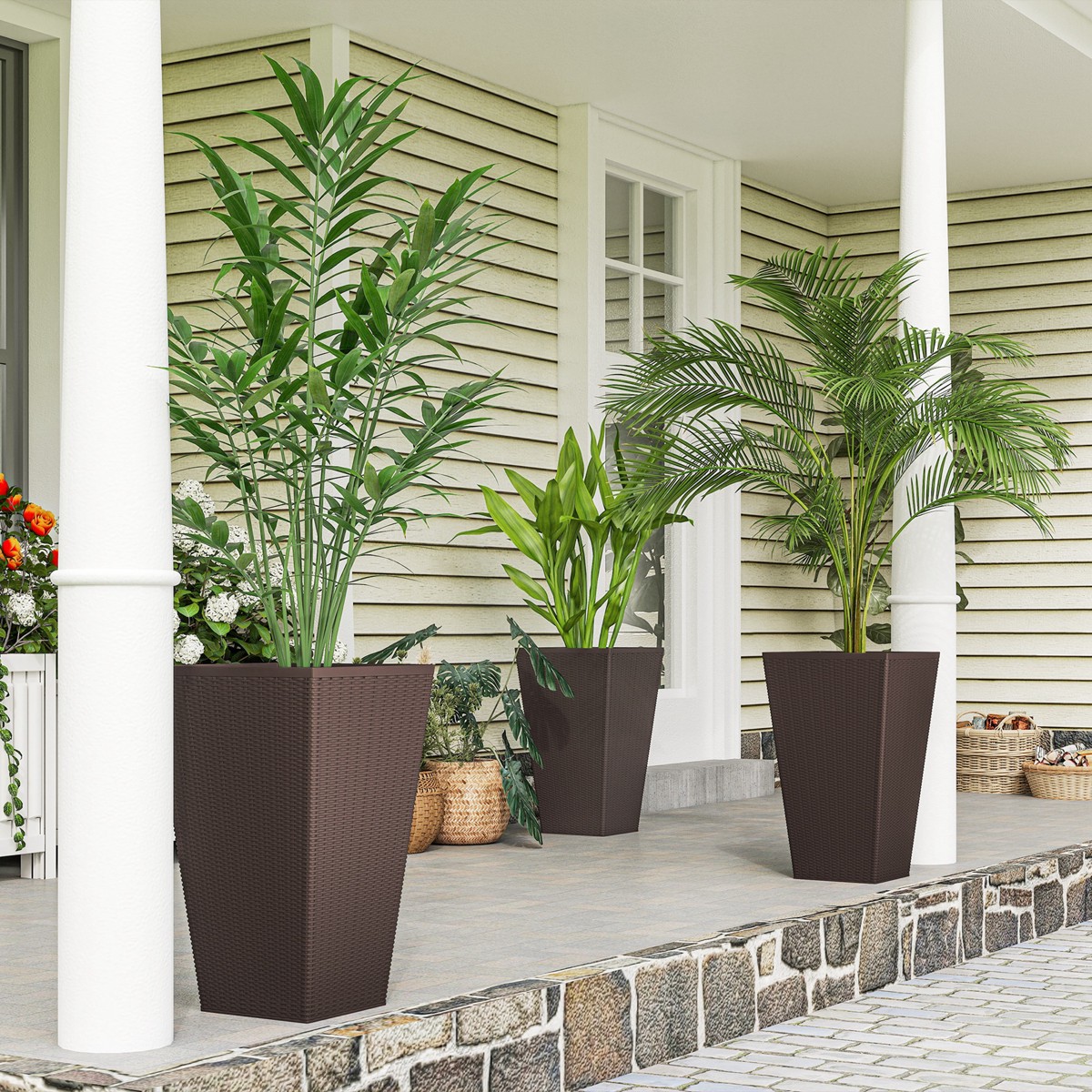 Set of 3 Tall Planters with Drainage Hole, 24" Outdoor Flower Plant Pots, Indoor for Porch, Front Door, Entryway, Patio and Deck, Brown$198.99View on Mallflare
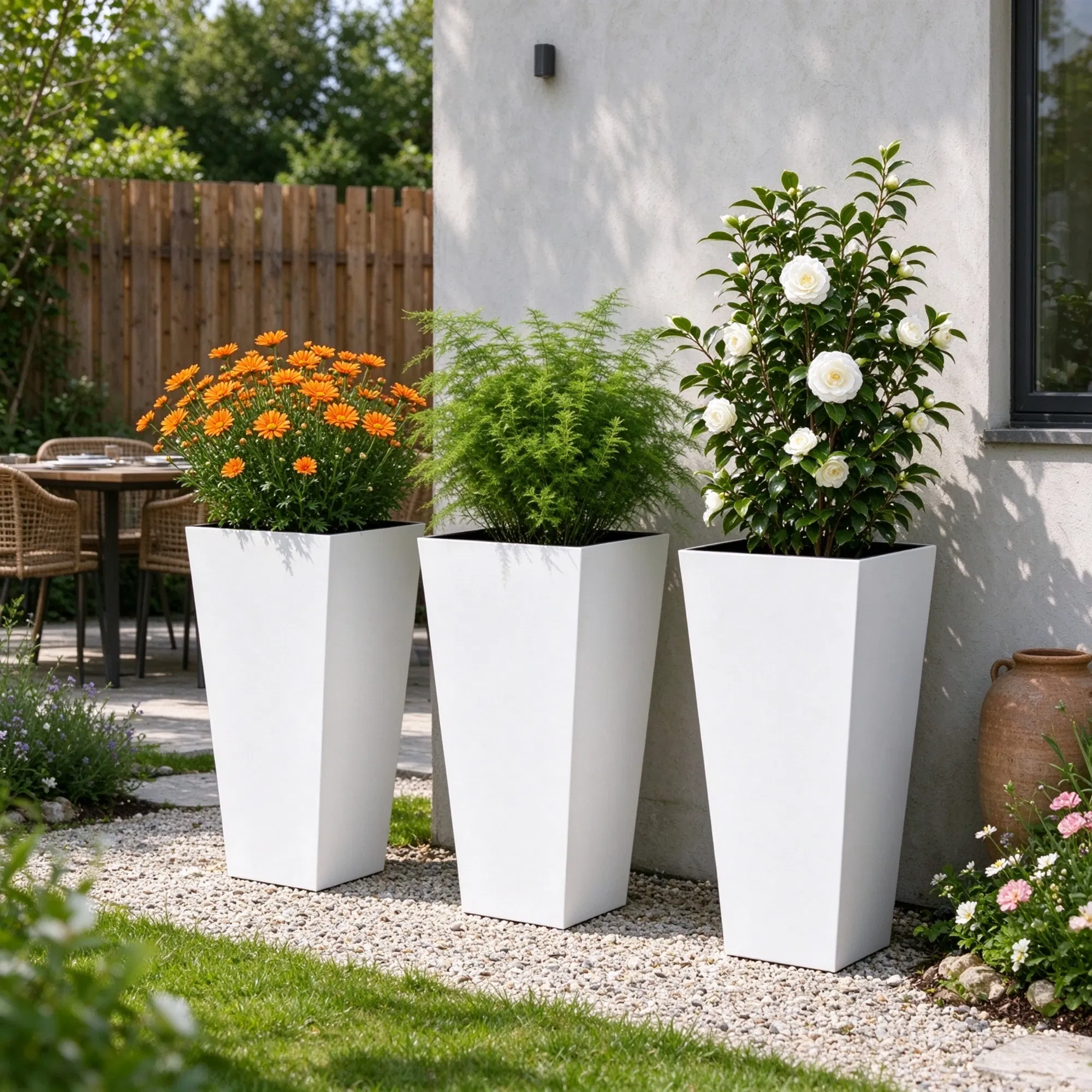 White Tall Planters for Outdoor Plants, Set of 3, 28 Inch Taper with Drainage Holes, Large Indoor Plant Pots$203.99View on Mallflare
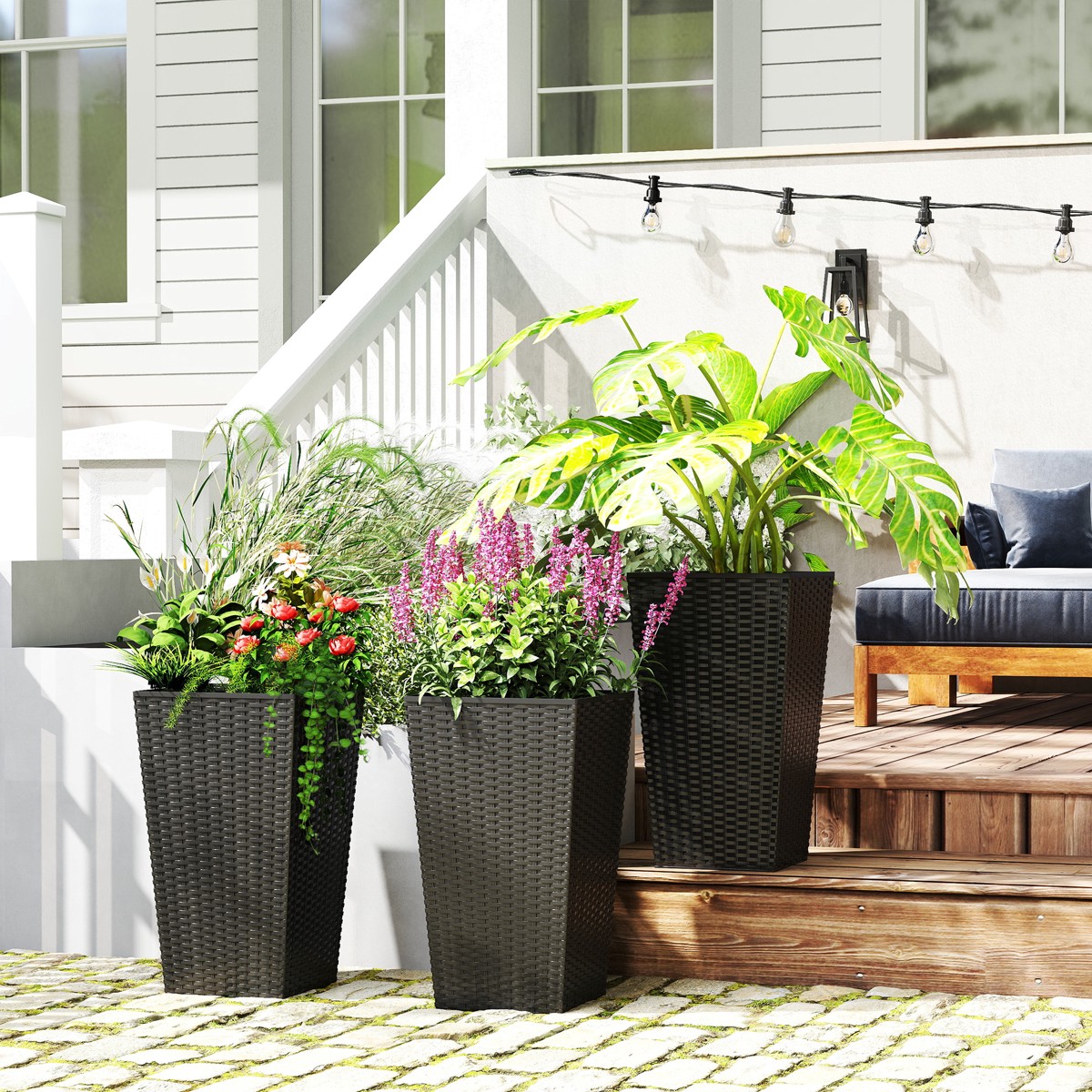 Tall Planters for Outdoor Plants Set of 3, 24 In Taper with Drainage Holes, Rattan Decor Plant Pots for Indoor Front Porch Patio Backyard, Black$225.99View on Mallflare
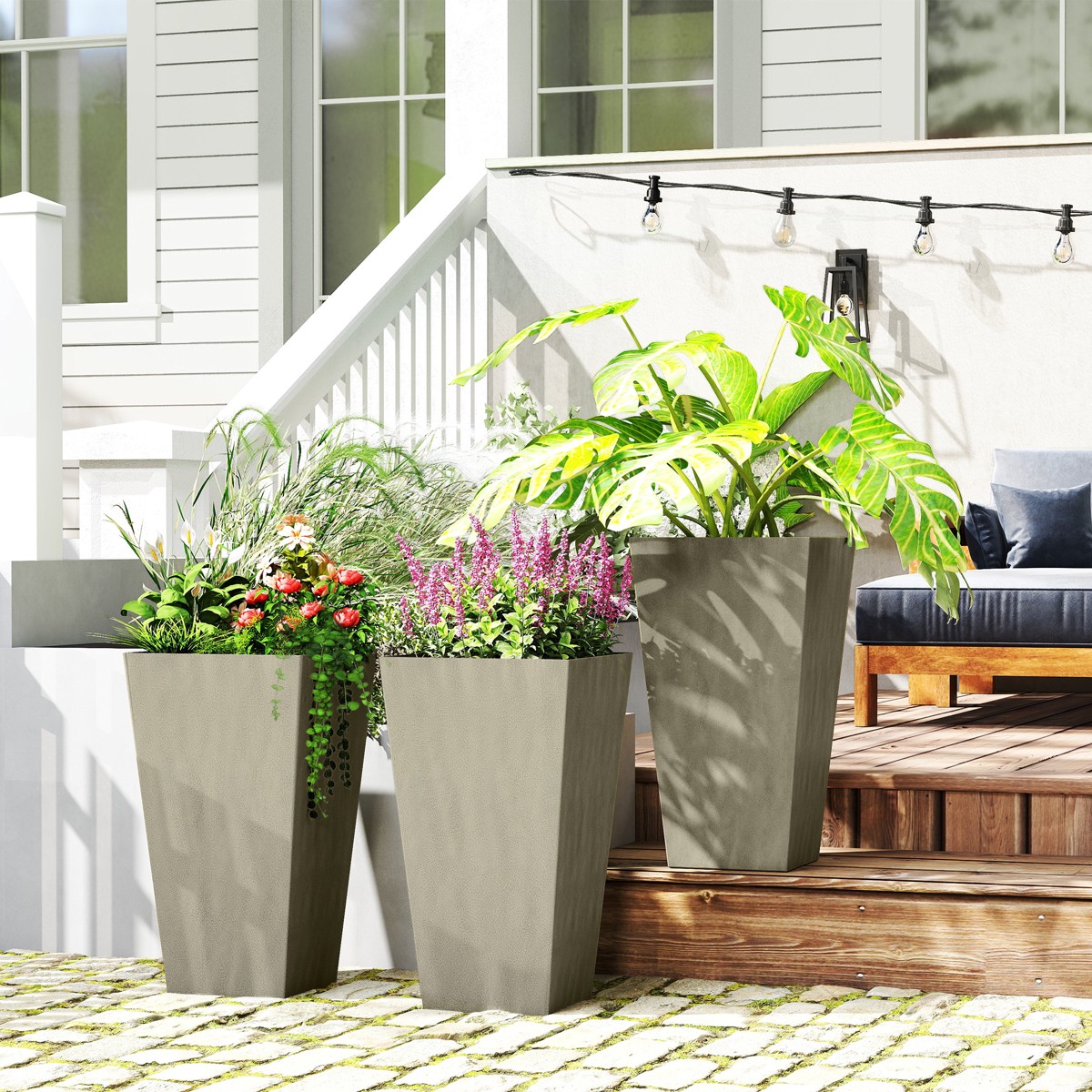 Tall Planters for Outdoor Plants Set of 3, 28 In Taper with Drainage Holes, Indoor Grande Plant Pots, Front Porch Decor, Grey$229.99View on Mallflare
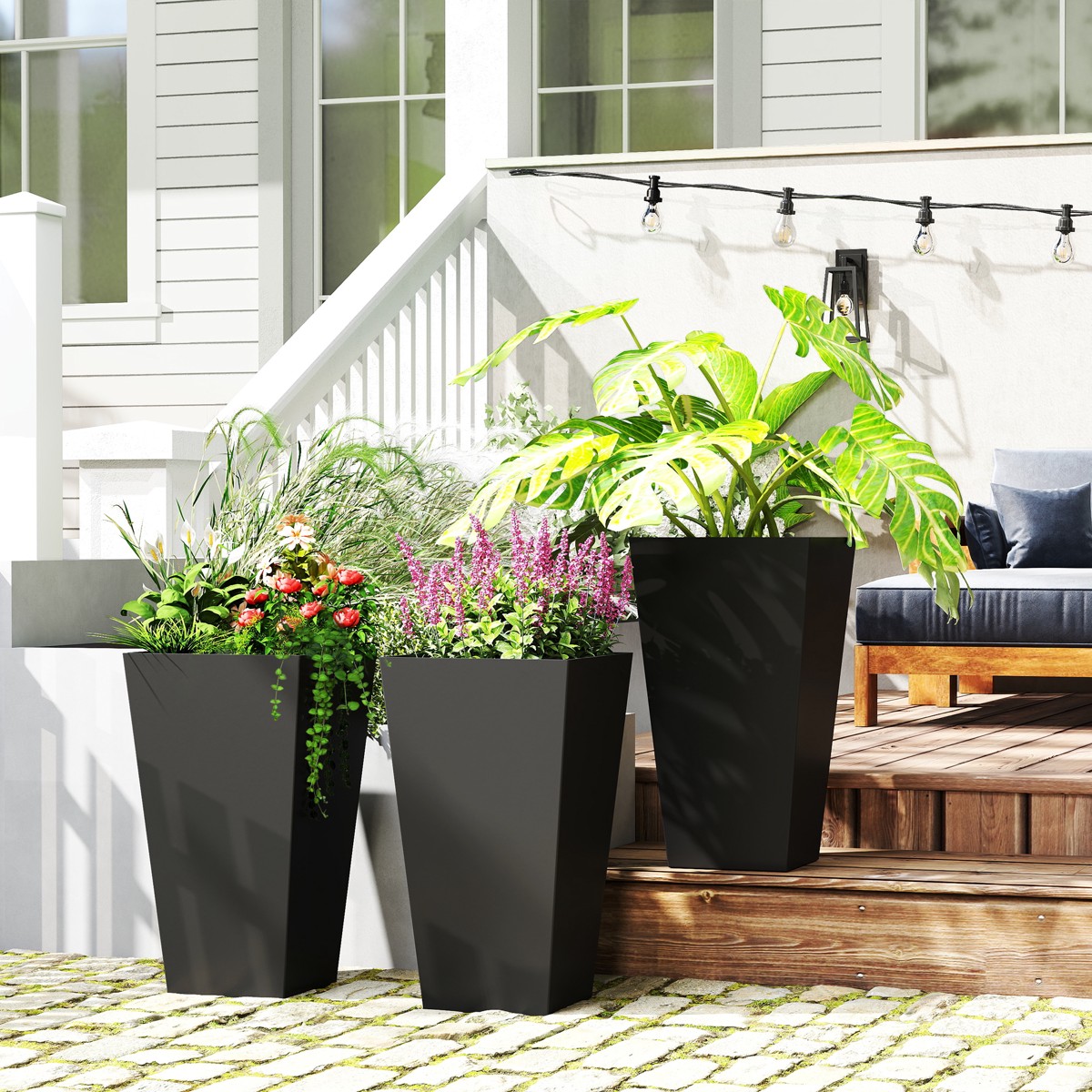 Tall Planters for Outdoor Plants Set of 3, 28 In Taper with Drainage Holes, Indoor Grande Plant Pots, Front Porch Decor, Black$295.99View on Mallflare
Highlights
- Drainage architecture: true drainage holes with a removable saucer prevent salt buildup and waterlogging; hole-free decorative pots trap a perched water table and suffocate roots.
- Self-watering reservoirs use a wick or capillary mat plus an overflow level indicator; they suit moisture-loving ferns and peace lilies but rot succulents and cacti.
- Material grade drives longevity: glazed ceramic and powder-coated steel resist UV and moisture; thin polypropylene and unlined fabric fade or degrade within two to three indoor seasons.
- Volume scales with root mass: pots under 6 inches suit 2-4 inch nursery starts, 8-10 inch pots suit established ficus and monstera, and 14-18 inch floor pots suit palms and trees.
Best use cases
- Best fit: 10-12 inch glazed ceramic or powder-coated metal pot with drainage holes and saucer for a bright-window monstera or fiddle-leaf fig; skip sealed hole-free ceramic, which holds a sour root zone.
- Best fit: self-watering 10-14 inch reservoir pot with level indicator for ferns, peace lilies, and pothos in low-humidity apartments; skip it for succulents, cacti, and snake plants that need full dry-down.
- Best fit: fabric or slotted plastic grow pot inside a decorative cachepot for high-humidity bathrooms and plant-shower routines; skip unlined fabric on wood floors without a waterproof tray.
- Wrong fit: tall 20-inch-plus urn planters for small tabletop plants, which leave excess wet soil below the root ball; downsize to a 6-8 inch pot matched to the root mass.
Buying tips
- Match pot diameter to root ball, not plant height: choose a pot 1-2 inches wider than the root mass; jumping to a pot 4 inches wider retains excess moisture and stalls growth.
- Confirm drainage before buying: demand at least three 0.5-inch holes or one 1-inch center hole plus a saucer; hole-free pots require a nested plastic nursery pot as a liner.
- Specify food-safe, UV-stable materials for long-term indoor use: glazed ceramic, powder-coated steel, and thick HDPE resist fading; thin PVC and untreated terracotta wick moisture and stain surfaces.
- For self-watering, check reservoir capacity and indicator type: 0.3-0.7 gallon reservoirs last one to two weeks for 8-10 inch pots; float indicators read more reliably than clear side windows.
Specs
| Drainage | Holes + saucer vs sealed cachepot |
|---|---|
| Watering | Manual vs self-watering reservoir |
| Material | Glazed ceramic, metal, plastic, fabric |
| Pot Diameter | 4-18 in; match root ball +1-2 in |
Related searches
What to check before buying
- Measure the intended footprint and weight limit: a 14-inch ceramic pot with soil weighs 25-40 lb; verify shelf, sill, or floor capacity and use a felt pad or caster dolly.
- Check saucer clearance and overflow: a 12-inch pot needs a saucer 1-2 inches wider, and self-watering units need a flat, level surface for the reservoir to seal.
- Match light and climate to material: direct-sun windows fade thin plastic and dry unsealed wood; high-humidity bathrooms accelerate rust on uncoated metal and mold on fabric.
- Verify plug and voltage only for powered self-watering or grow-light combo pots; standard wicking reservoirs are passive and need no power.
FAQ
Data sources: eBay / Amazon listings and product attribute feeds. Updated Nov 28, 2026.
Some links on this page are affiliate links. If you buy after clicking one, we may earn a commission at no extra cost to you. This does not change which products appear here or their order. Affiliate disclosure.