
Photos from current listings. Actual item, color, and included accessories may vary.
Self Watering Pot Indoor Plant Buying Guide
Self-watering pots use a wick or capillary mat to pull moisture from a reservoir into the soil, letting indoor plants drink for 1–3 weeks between refills. The trade-off is reservoir volume versus root-zone aeration: sealed plastic wicks can waterlog oxygen-loving roots, while fabric or slotted designs dry faster. Buy a pot whose reservoir matches your plant's thirst and whose overflow can be drained.
Median $53.99
Key takeaways
- Reservoir capacity tiers: 0.3–0.5 qt for 4–6 in nursery pots, 1–2 qt for 8–10 in houseplants, 3–5 qt for floor planters.
- Wick-based plastic pots suit moisture-loving plants; fabric FlexFeed pots air-prune roots and dry faster, better for herbs and succulents.
- Clear/transparent bodies allow root and water-level viewing but degrade under UV and grow algae unless the reservoir is opaque or shielded.
At a glance
- Category
- Raised Garden Beds & Planters
- Last updated
- Nov 27, 2026
Current offers
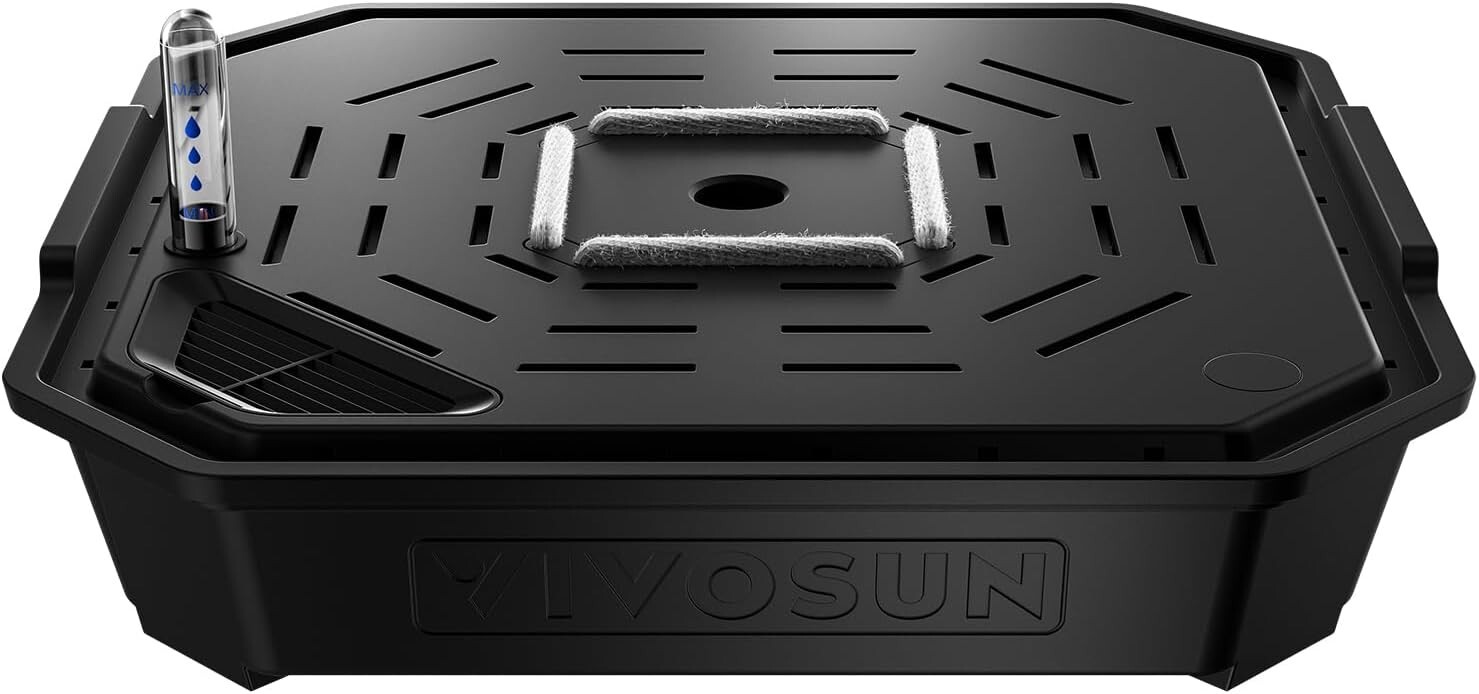 VIVOSUN 4-Pack FlexFeed Self-Watering Irrigation Pot, Auto-Irrigation Fabric Pot$53.99Last checked Nov 18, 2026View on eBay
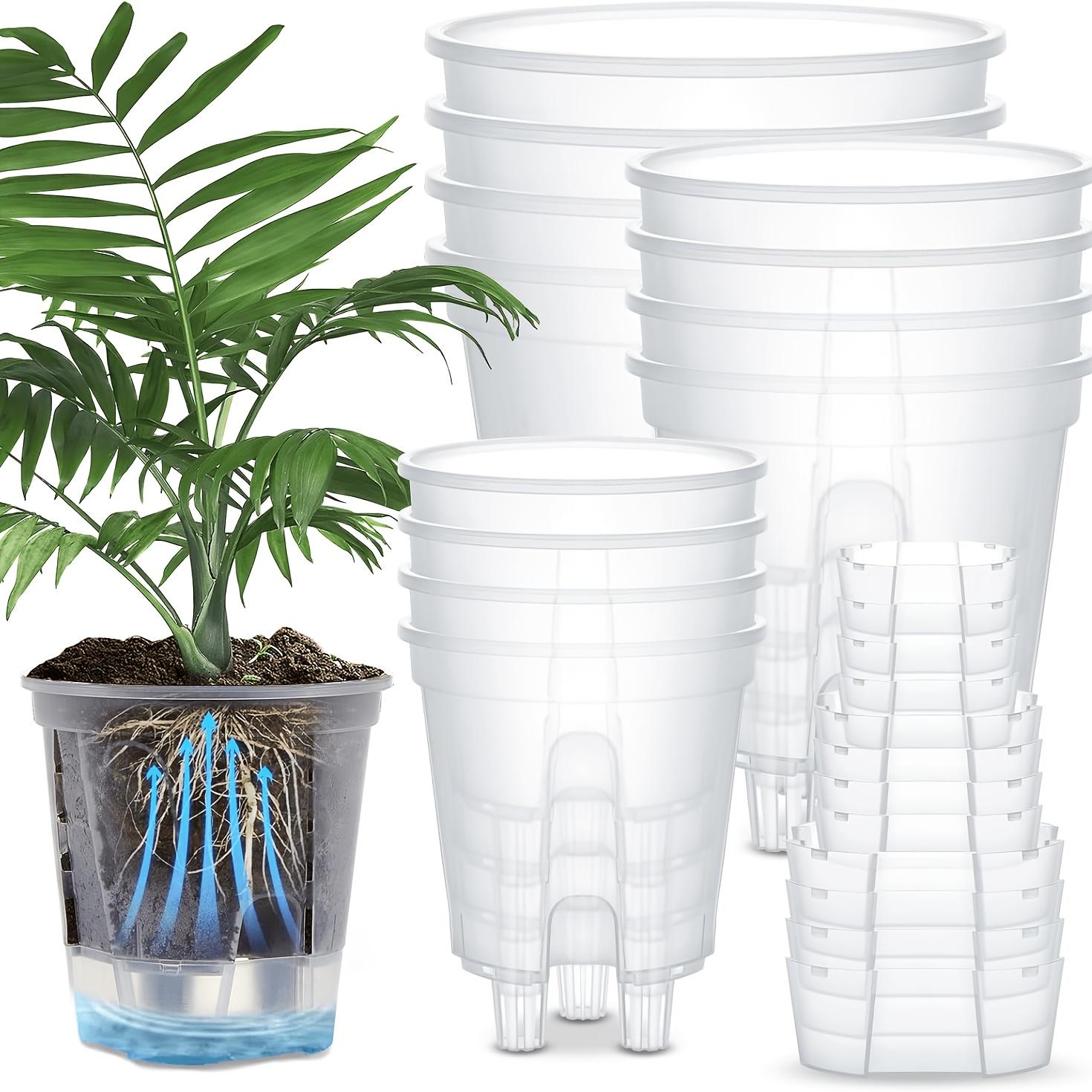 12 Pack Clear Self Watering Plant Pots, Transparent Root Viewing Planters With Water Storage Reservoir, Indoor Plastic Nursery For Orchid, Succulent$37.99View on Mallflare
- VIVOSUN 4-Pack FlexFeed Self-Watering Irrigation Pot, Auto-Irrigation Fabric Pot$53.99Last checked Nov 18, 2026View on eBay
 22.5 Inch Tall Square Planter Set of 2 Self-Watering Flower Pots with Removable Inner Bucket for Home Garden Decoration$160.99View on Mallflare
Highlights
- Reservoir capacity tiers: 0.3–0.5 qt for 4–6 in nursery pots, 1–2 qt for 8–10 in houseplants, 3–5 qt for floor planters.
- Wick-based plastic pots suit moisture-loving plants; fabric FlexFeed pots air-prune roots and dry faster, better for herbs and succulents.
- Clear/transparent bodies allow root and water-level viewing but degrade under UV and grow algae unless the reservoir is opaque or shielded.
- Removable inner buckets enable top-watering, root pruning, and easy repotting without disassembling the reservoir.
Best use cases
- Best fit: clear 12-pack nursery pots for orchids, succulents, and propagation—small reservoirs, root viewing, and cheap replacement when algae appears.
- Best fit: fabric auto-irrigation pots for herbs, tomatoes, and peppers on a sunny sill—air-pruned roots and faster dry-down prevent rot.
- Best fit: tall square planter sets with removable inner buckets for ficus, monstera, and floor palms—large reservoir and top-water access for big root balls.
- Wrong fit: skip clear plastic reservoirs for high-light south windows and moisture-sensitive cacti; choose opaque ceramic or fabric instead.
Buying tips
- Match reservoir volume to pot diameter: roughly 1 qt per 4 in of pot width for thirsty plants, half that for succulents and cacti.
- Choose opaque or shielded reservoirs for any window with 6+ hours direct sun; clear plastic grows algae and cracks under UV within a season.
- For fabric auto-irrigation pots, confirm the wick or capillary mat reaches the bottom of the reservoir and the pot sits above the water line.
- For removable-inner-bucket planters, measure the inner bucket depth against your root ball—roots need 1–2 in of fresh soil below the crown.
Specs
| Reservoir Size | 0.3–5 qt by pot diameter |
|---|---|
| Body Material | Plastic, fabric, ceramic |
| Watering Method | Wick, capillary mat, fabric |
| Drain / Overflow | Plug or overflow hole |
Related searches
What to check before buying
- Measure your pot's outer diameter and height; self-watering inserts must sit flush and leave the crown above the rim.
- Check your sill or floor for weight: a 10 in pot with wet soil and a 2 qt reservoir weighs roughly 12–15 lb.
- Confirm the reservoir has a drain plug or overflow hole; without one, rain or overfill drowns roots.
- For fabric pots, verify a saucer or tray is included or sized to catch overflow and protect wood floors.
FAQ
Data sources: eBay / Amazon listings and product attribute feeds. Updated Nov 27, 2026.
Some links on this page are affiliate links. If you buy after clicking one, we may earn a commission at no extra cost to you. This does not change which products appear here or their order. Affiliate disclosure.