
Photos from current listings. Actual item, color, and included accessories may vary.
Self Watering Planter Buying Guide
Self-watering planters combine a water reservoir with a wicking system to deliver consistent moisture without daily watering, and the primary trade-off is reservoir-to-soil wick efficiency versus container material durability. Choose a planter with a removable or bottom-fill reservoir and capillary wick matched to your plant's root depth; skip decorative pots that seal the reservoir and rely on overflow holes alone.
Median $63.99
Key takeaways
- Sub-irrigation reservoirs use fabric wicks or perlite columns to draw water upward by capillary action; reservoir depth under 2 inches dries out in under 3 days in warm weather.
- Fabric grow pots with auto-irrigation trays (e.g., VIVOSUN FlexFeed) air-prune roots and drain excess, while rigid plastic reservoir inserts suit orchids and succulents that reject standing moisture.
- Powder-coated steel and HDPE plastic resist UV degradation for 5+ seasons outdoors; untreated pine and thin PVC warped or cracked within 2 seasons in full sun.
At a glance
- Category
- Raised Garden Beds & Planters
- Last updated
- Nov 27, 2026
Current offers
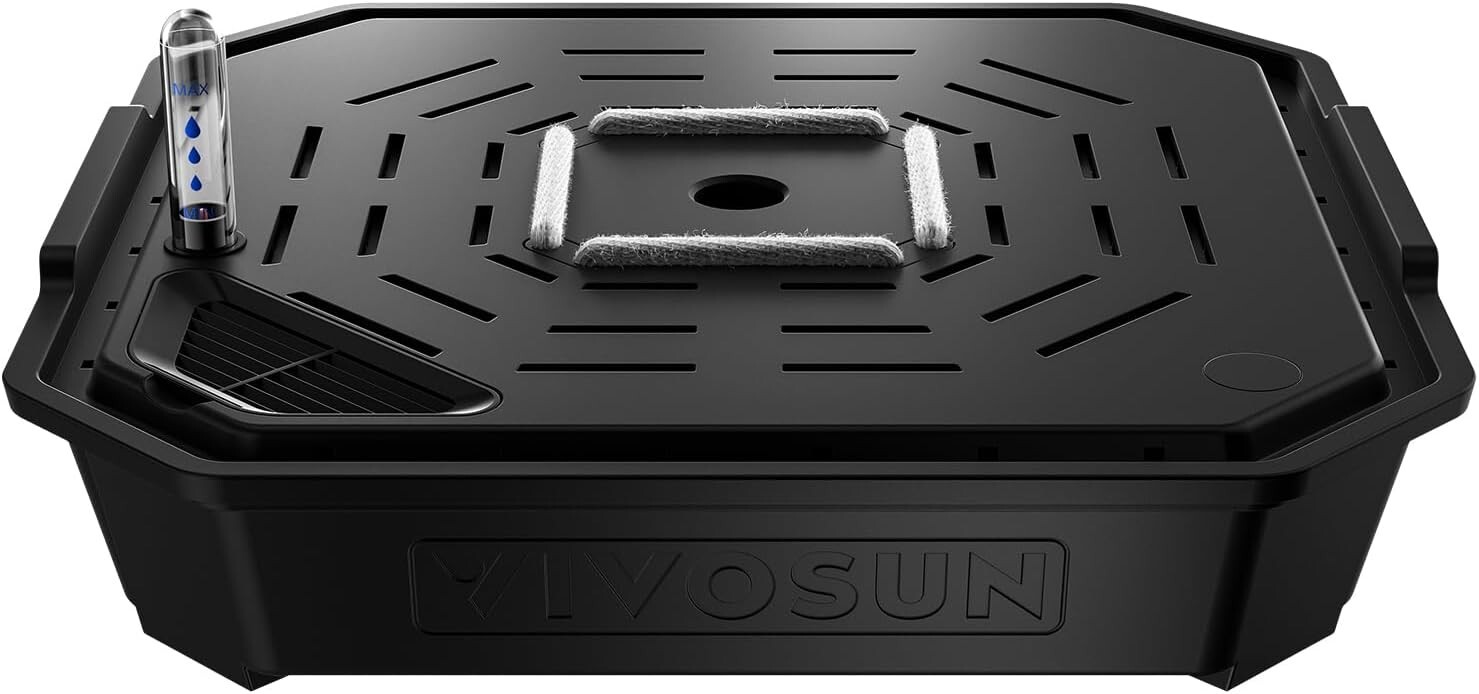 VIVOSUN 4-Pack FlexFeed Self-Watering Irrigation Pot, Auto-Irrigation Fabric Pot$53.99Last checked Nov 18, 2026View on eBay
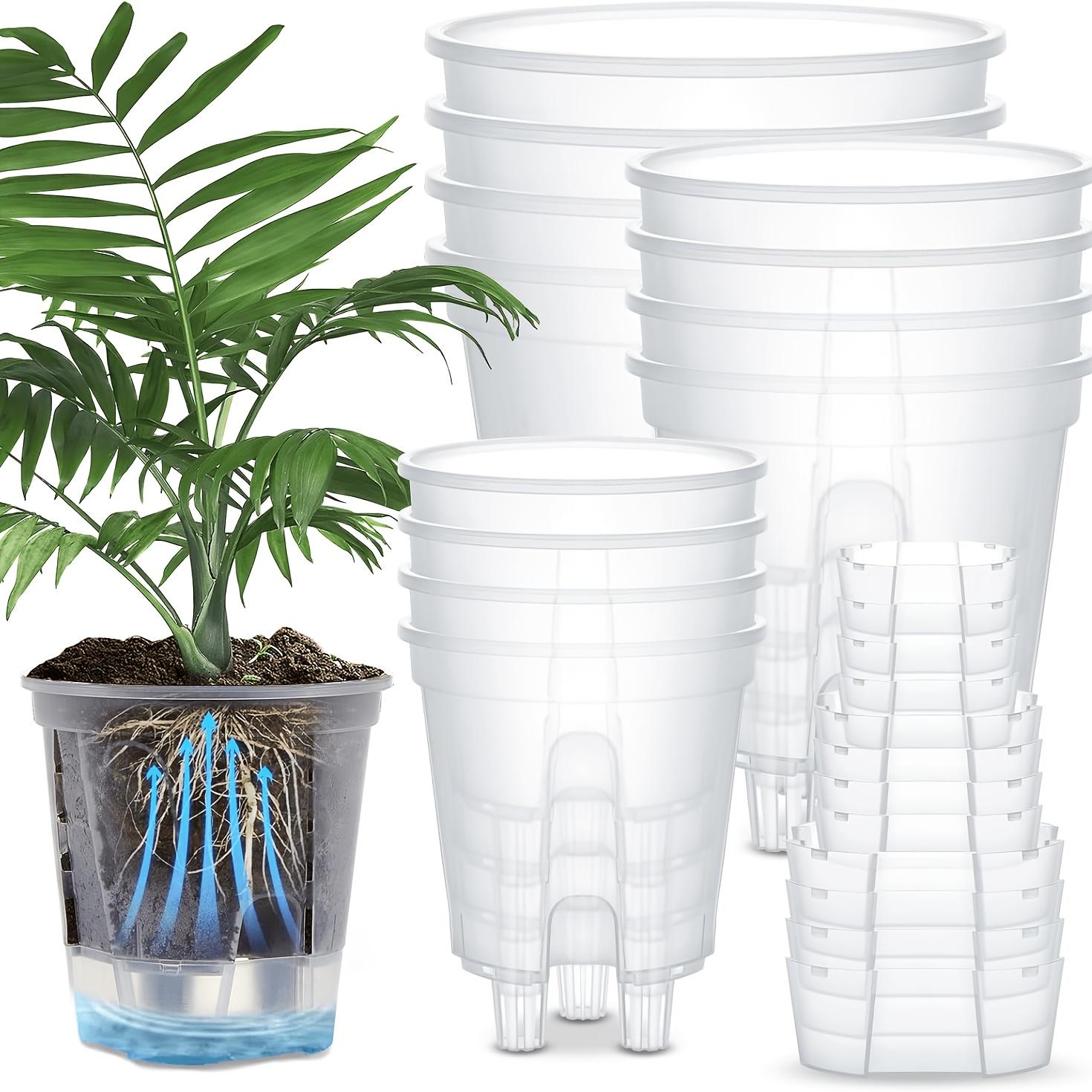 12 Pack Clear Self Watering Plant Pots, Transparent Root Viewing Planters With Water Storage Reservoir, Indoor Plastic Nursery For Orchid, Succulent$37.99View on Mallflare
- VIVOSUN 4-Pack FlexFeed Self-Watering Irrigation Pot, Auto-Irrigation Fabric Pot$53.99Last checked Nov 18, 2026View on eBay
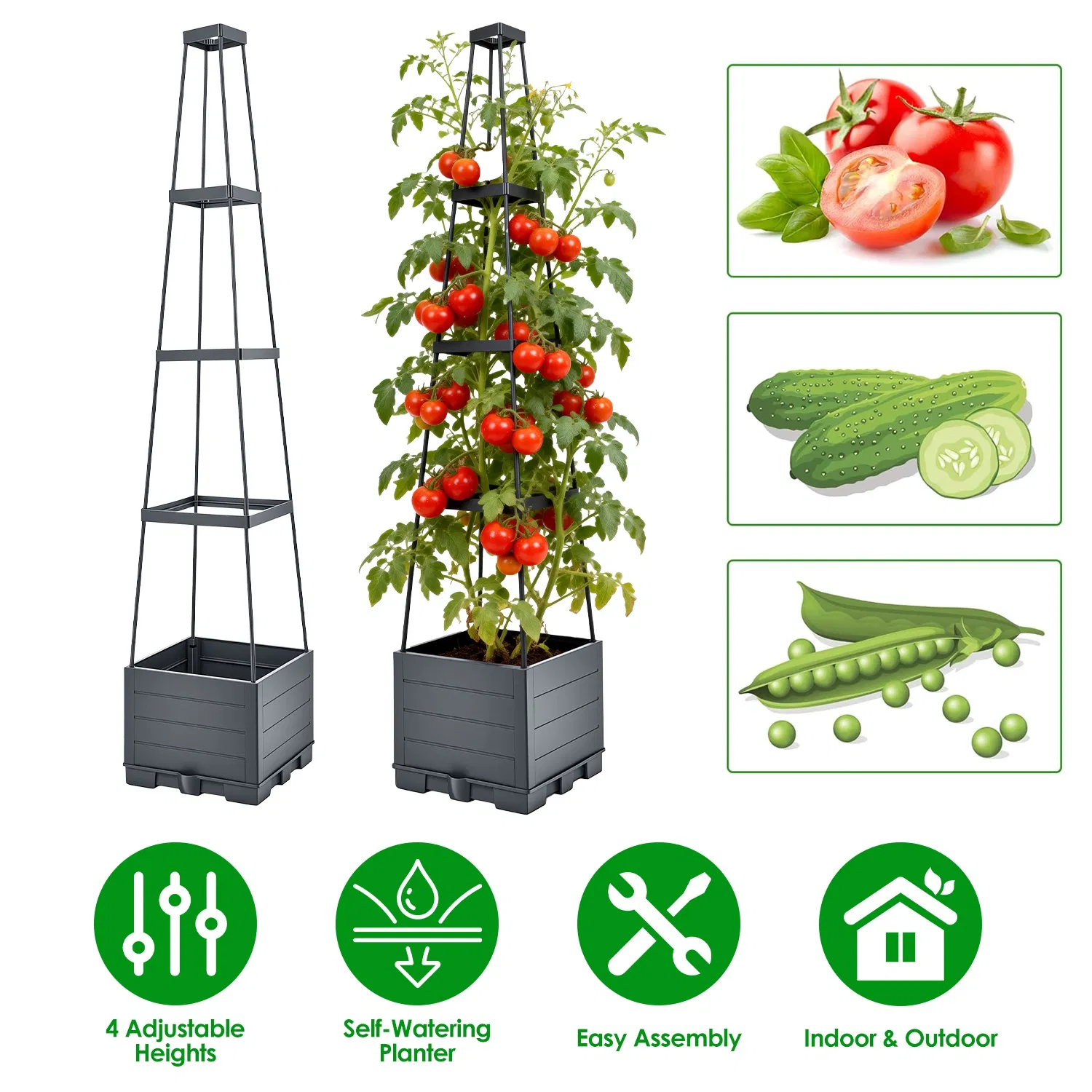 4-Size Height Adjustable Trellis Planter with 2L Self-Watering Tank, Heavy Duty PP Climbing Vegetable Growing Box Bonus 10 Clips & 65FT Plant Ties$61.99View on Mallflare
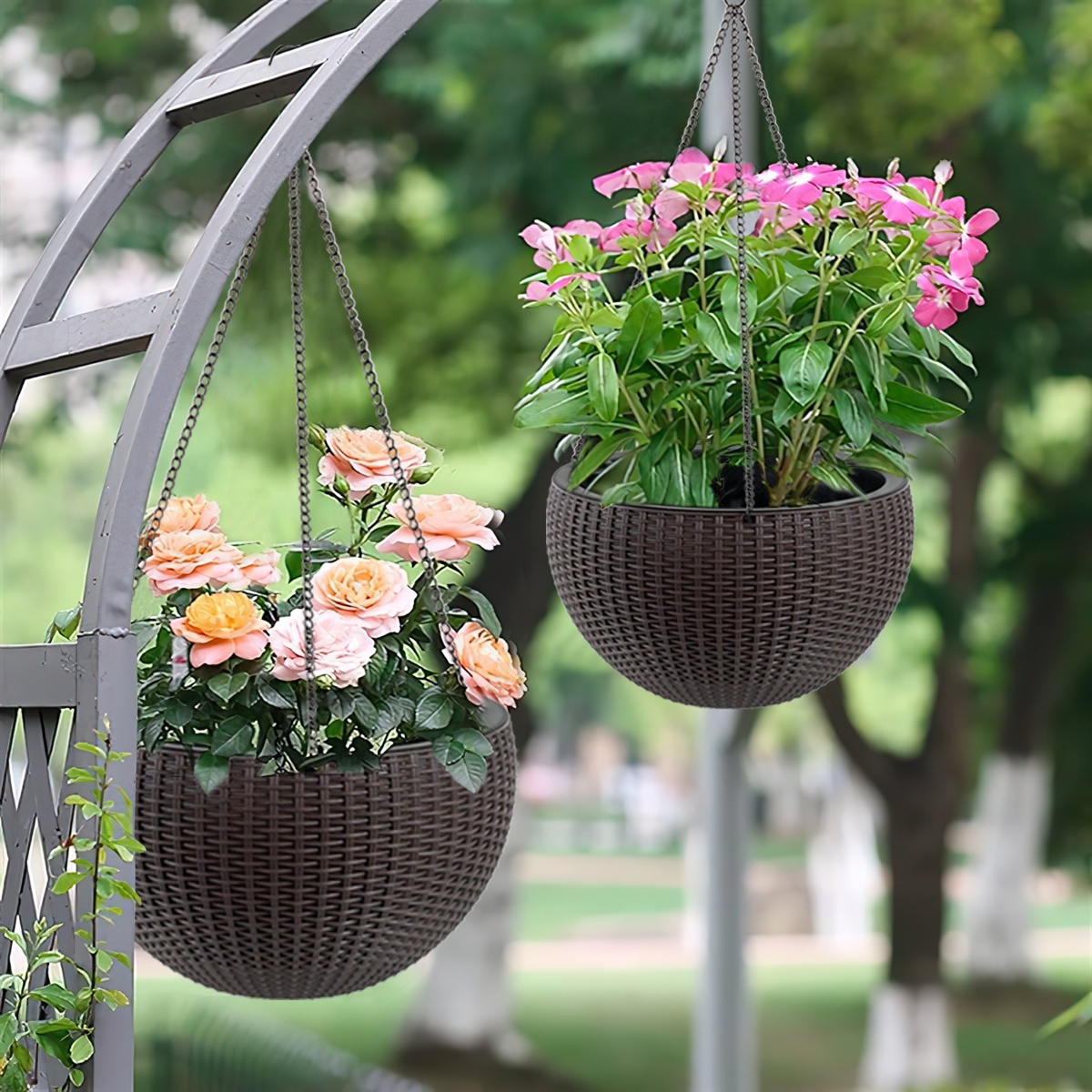 13.4 Inch Self-Watering Hanging Rattan-Inspired Planter Large Capacity, Root-Rot Resistant Water Storage With Level Indicator, Dual-Use For Indoor & Balcony Decoration Pack Of 2, Brown$63.99View on Mallflare
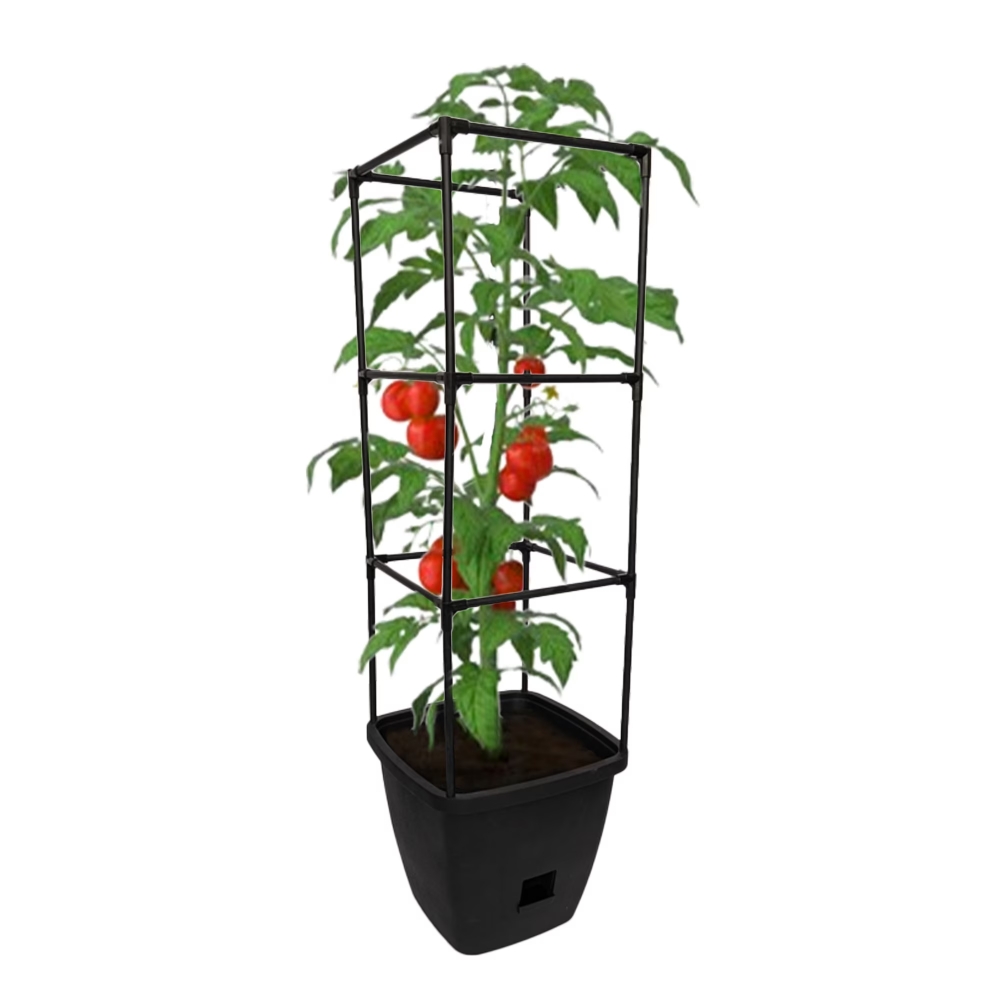 Harvest Bloom Garden Planter with Self-Watering System and Adjustable Trellis for Your Outdoor Balcony, Patio, or Backyard$75.99View on Mallflare
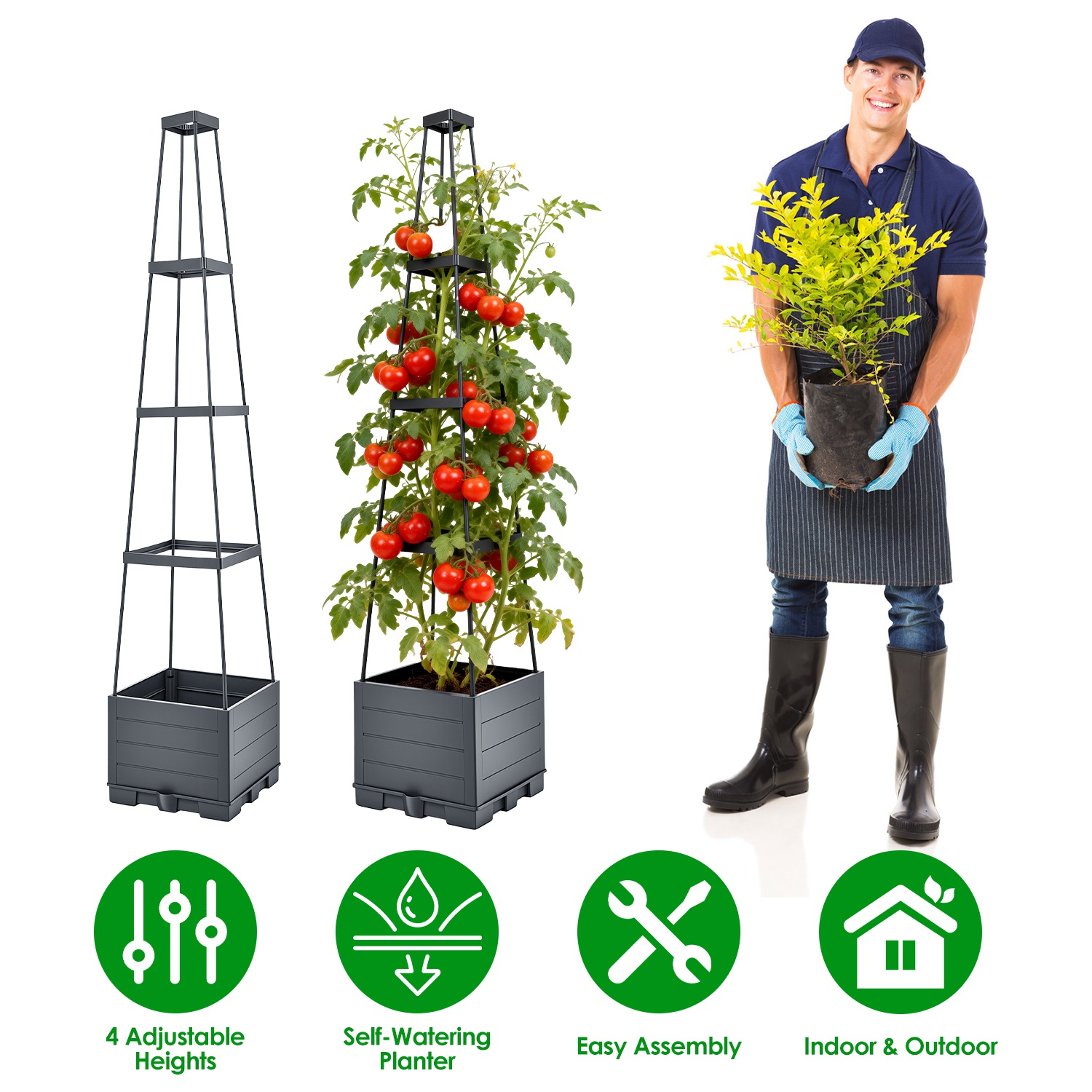 4 Adjustable Height Self-Watering Raised Planter Box with Trellis, Built-in 2L Water Reservoir PP Climbing Plant Container Clips & Garden Ties for Tomato Cucumber Vine$77.99View on Mallflare
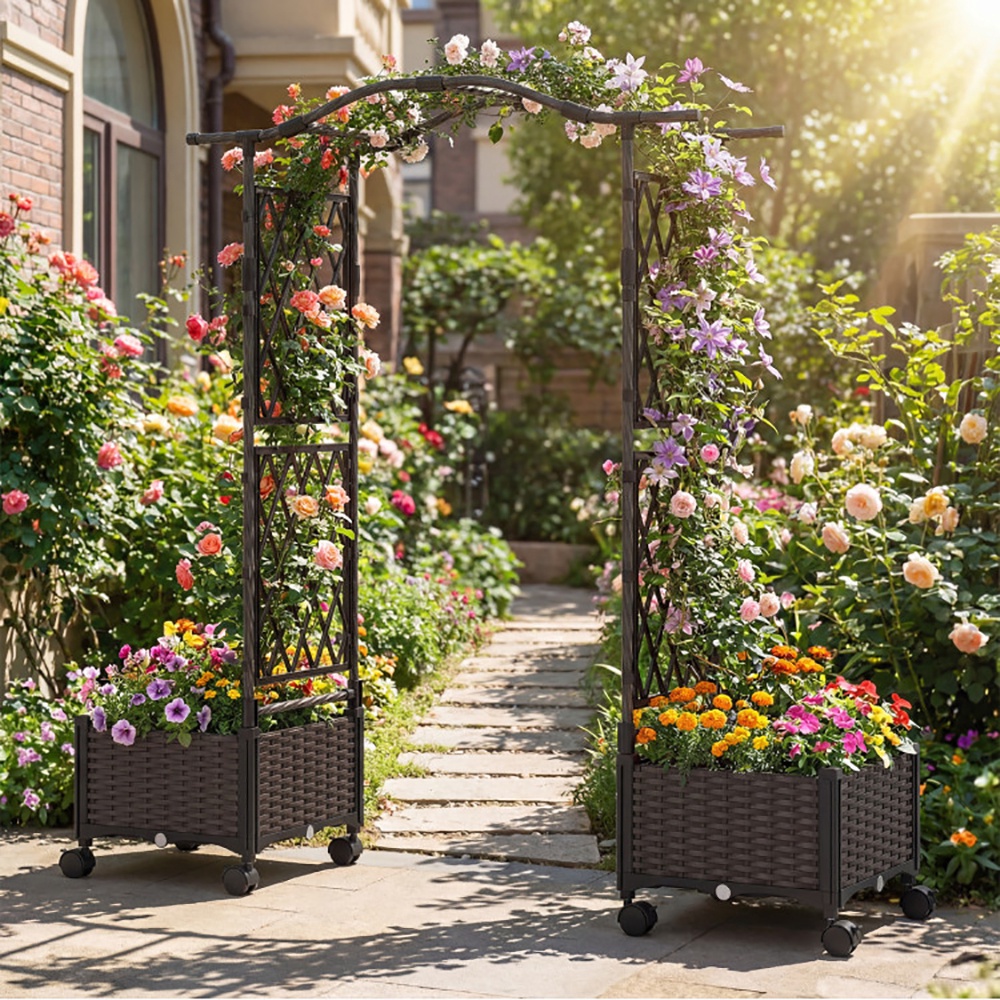 5 FT Self-Watering Planter Boxes With Lattice Trellis And Roof For Outdoor Application, Such As Balcony, Deck, Patio, And Garden$96.99View on Mallflare
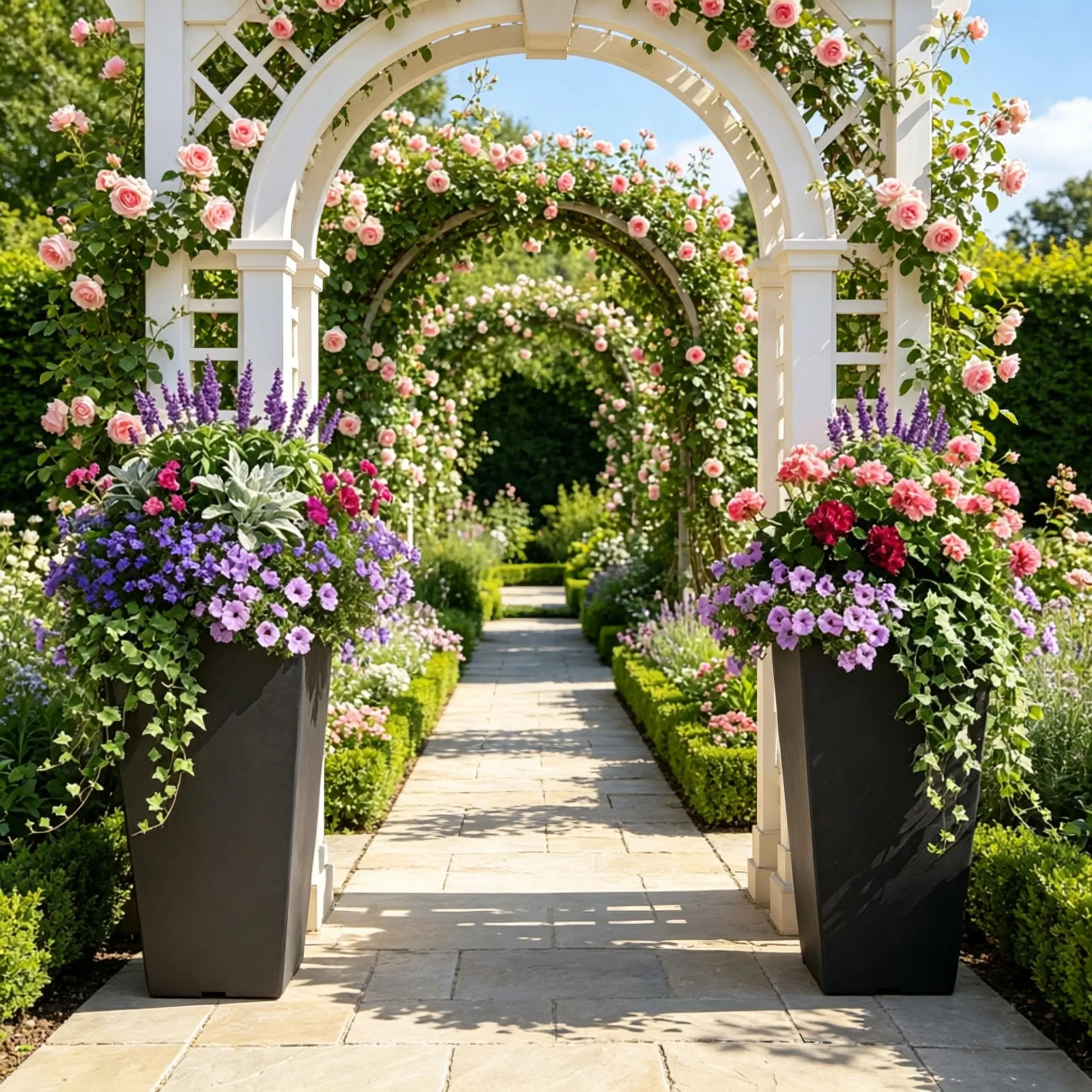 22.5 Inch Tall Square Planter Set of 2 Self-Watering Flower Pots with Removable Inner Bucket for Home Garden Decoration$160.99View on Mallflare
Highlights
- Sub-irrigation reservoirs use fabric wicks or perlite columns to draw water upward by capillary action; reservoir depth under 2 inches dries out in under 3 days in warm weather.
- Fabric grow pots with auto-irrigation trays (e.g., VIVOSUN FlexFeed) air-prune roots and drain excess, while rigid plastic reservoir inserts suit orchids and succulents that reject standing moisture.
- Powder-coated steel and HDPE plastic resist UV degradation for 5+ seasons outdoors; untreated pine and thin PVC warped or cracked within 2 seasons in full sun.
- Elevated leg-mounted beds with self-watering bases keep soil above ground contact, improving drainage and reducing soil-borne disease versus ground-contact raised beds.
Best use cases
- Balcony or patio herb and vegetable growing: pick a leg-mounted raised bed with a 2–3 inch reservoir and overflow drain port; skip ground-contact wooden beds that rot and lack wicking.
- Indoor orchids and succulents: use clear self-watering pots with a visible reservoir and slotted inner basket so roots never sit in water; skip opaque ceramic pots with sealed reservoirs.
- Large-volume outdoor flowering displays on decks: choose a trellis-backed planter with lockable casters and a fill tube reaching the reservoir bottom; skip models under 5-gallon soil capacity for mature shrubs.
Buying tips
- Match reservoir capacity to container soil volume: a 1:4 reservoir-to-soil ratio sustains most vegetables for 7–10 days; ratios below 1:6 require refilling every 2–3 days.
- For outdoor use, confirm the planter has both a bottom fill port and an overflow hole; sealed reservoirs without overflow cause root rot after heavy rain.
- Choose UV-stabilized HDPE or powder-coated galvanized steel for 5+ years of full-sun exposure; untreated wood and thin PVC degrade within two seasons.
- For fabric auto-irrigation pots, select a tray with a float valve or wicking mat; fabric pots without a reservoir dry out in 1–2 days in summer heat.
Specs
| Reservoir Type | Wicking tray / Bottom-fill / Float valve |
|---|---|
| Material Grade | UV-HDPE / Powder-coated steel / Cedar |
| Soil Capacity | 5–20 gal per planting pocket |
| Drainage | Overflow port + water-level indicator |
Related searches
What to check before buying
- Measure your balcony or deck footprint and rail height: leg-mounted beds need 5–6 ft clearance for trellis models and a level surface for casters.
- Check your climate's frost dates and sun exposure: full-sun decks require UV-stabilized plastic or metal; shaded patios tolerate wood but need drainage holes.
- Confirm the reservoir fill method (top tube vs. bottom plug) fits your watering routine and that the planter ships with a wick or water-level indicator.
- Verify soil capacity in gallons or cubic feet against your crop: herbs need 5–10 gallons, tomatoes and peppers need 15–20 gallons per plant.
FAQ
Data sources: eBay / Amazon listings and product attribute feeds. Updated Nov 27, 2026.
Some links on this page are affiliate links. If you buy after clicking one, we may earn a commission at no extra cost to you. This does not change which products appear here or their order. Affiliate disclosure.