
Photos from current listings. Actual item, color, and included accessories may vary.
Planter Buying Guide
Planters range from indoor decorative pots to heavy-duty outdoor tree containers, with the primary trade-off being material durability versus weight and cost. The decision rule: match material to UV and frost exposure—galvanized metal or thick rot-resistant wood for outdoor, glazed ceramic or UV-stabilized plastic for indoor—and always size the pot 2-3 inches larger than the root ball.
Median $85.49
Key takeaways
- Fabric grow bags (non-woven or PE) air-prune roots and dry faster than plastic, but degrade from UV within 2-3 seasons unless rated UV-stabilized.
- Galvanized steel planters resist rust for 10+ years; powder-coated finishes add color but chip and corrode if scratched to bare metal.
- Glazed ceramic and terracotta are porous (terracotta) or sealed (glazed); unsealed clay wicks moisture and cracks in freeze-thaw cycles.
At a glance
- Category
- Raised Garden Beds & Planters
- Last updated
- Nov 28, 2026
Current offers
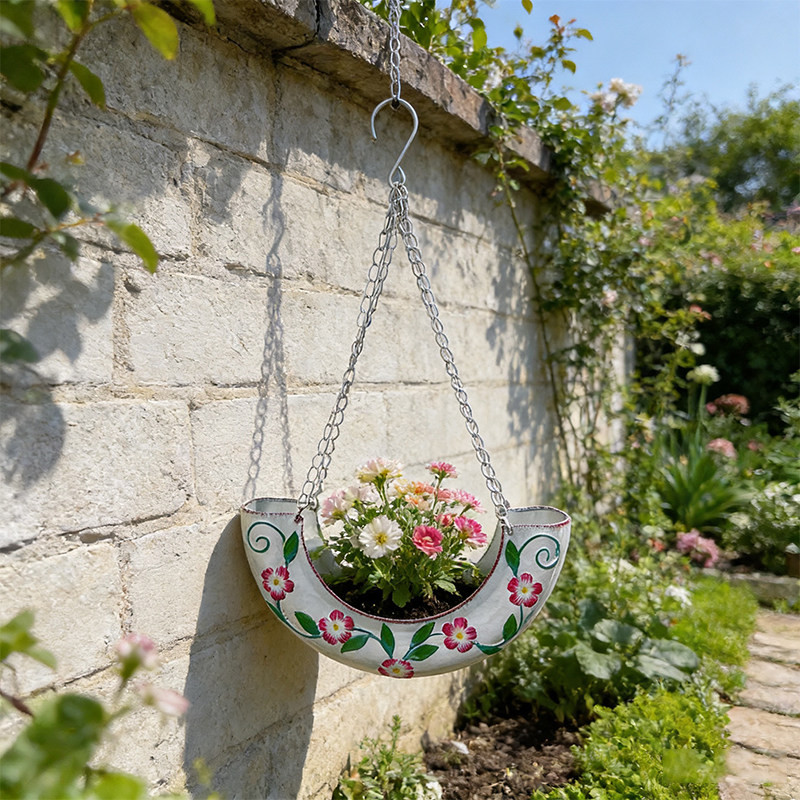 Hanging Metal Planter, Crescent Moon Shape Flower Pot,Hand-Painted Floral Design$59.99Last checked Nov 20, 2026View on eBay
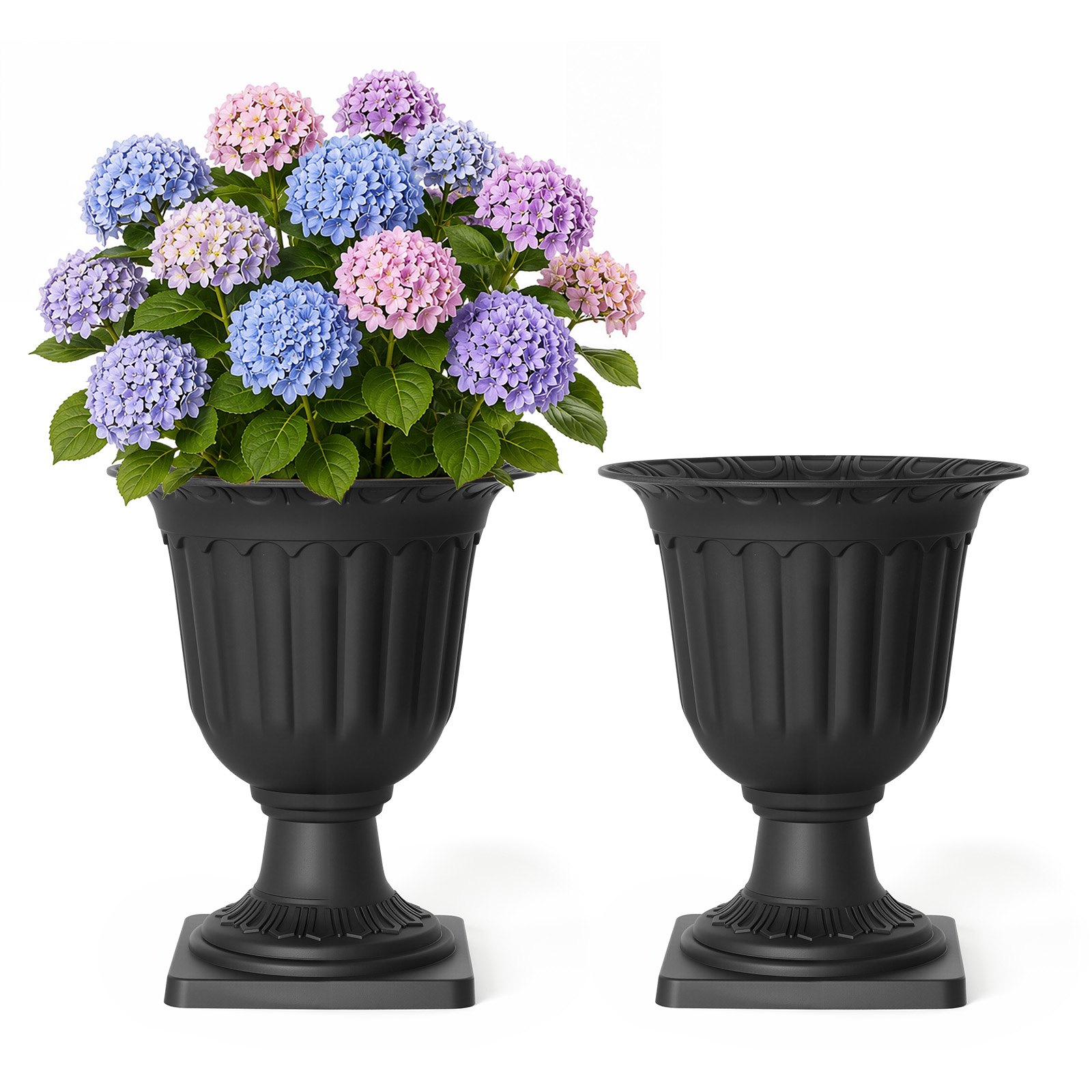 Plastic Urn Planters 15.75"x18.9" 2 PCS Black Classic Urn Flower Pot, for Wedding, Party, Event, Home, Stage, Garden, Balcony, and Patio Decoration, Front Porch Indoor & Outdoor Vase$46.99View on Mallflare
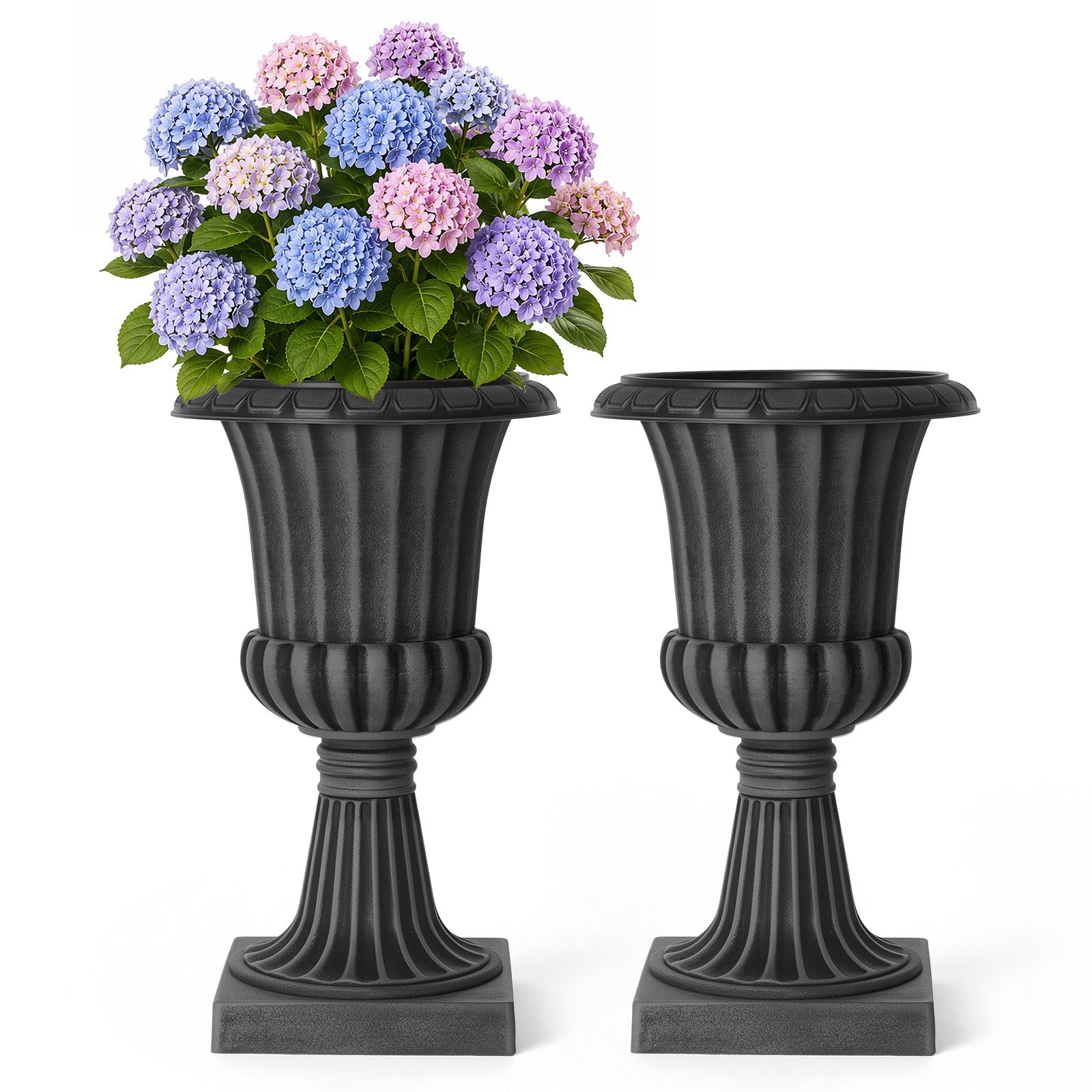 Plastic Urn Planters 13.78"x22.83" 2 PCS Gray Classic Urn Flower Pot, for Wedding, Party, Event, Home, Stage, Garden, Balcony, and Patio Decoration, Front Porch Indoor & Outdoor Vase$51.99View on Mallflare
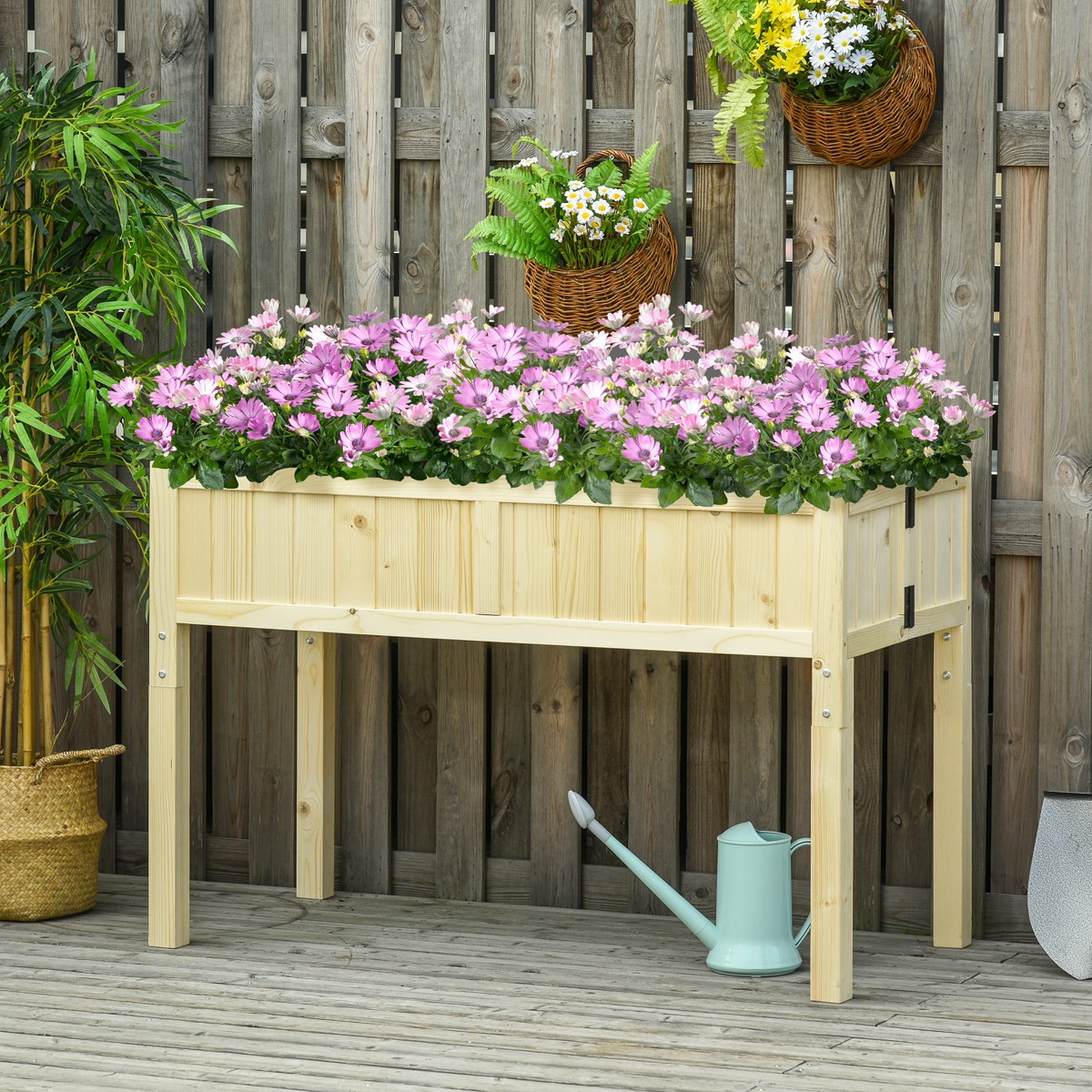 Raised Garden Bed Elevated Wooden Planter Box with Space-Saving Folding Design, Drainage Holes, & Inner Liner for Vegetable Fruit Herb Grow$58.99View on Mallflare
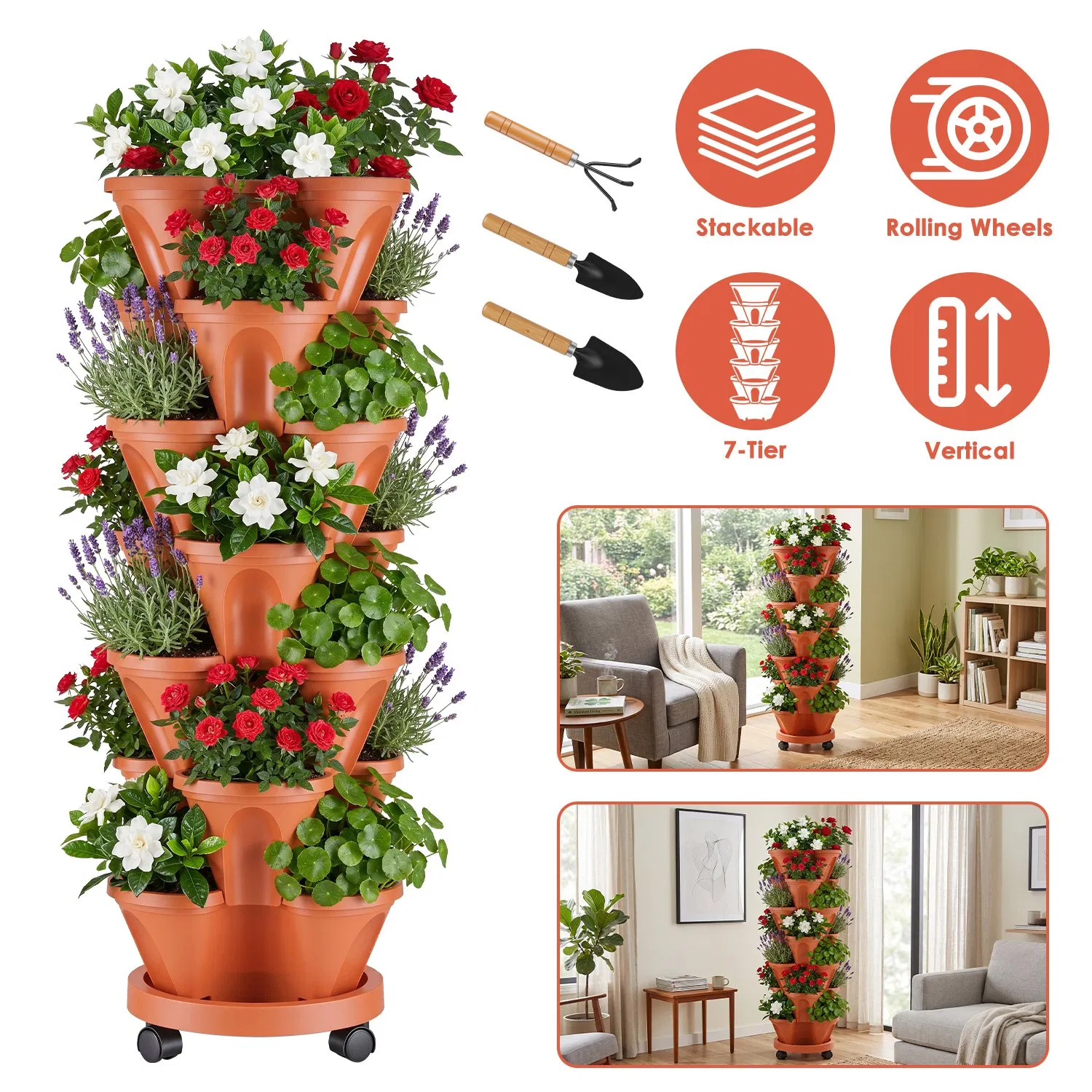 7 Tier Stackable Vertical Planter with Wheels Strawberry Tower Space Saving Garden Drainage System Rolling Herb Flower Vegetable Growing Pots Gardening Tools$59.99View on Mallflare
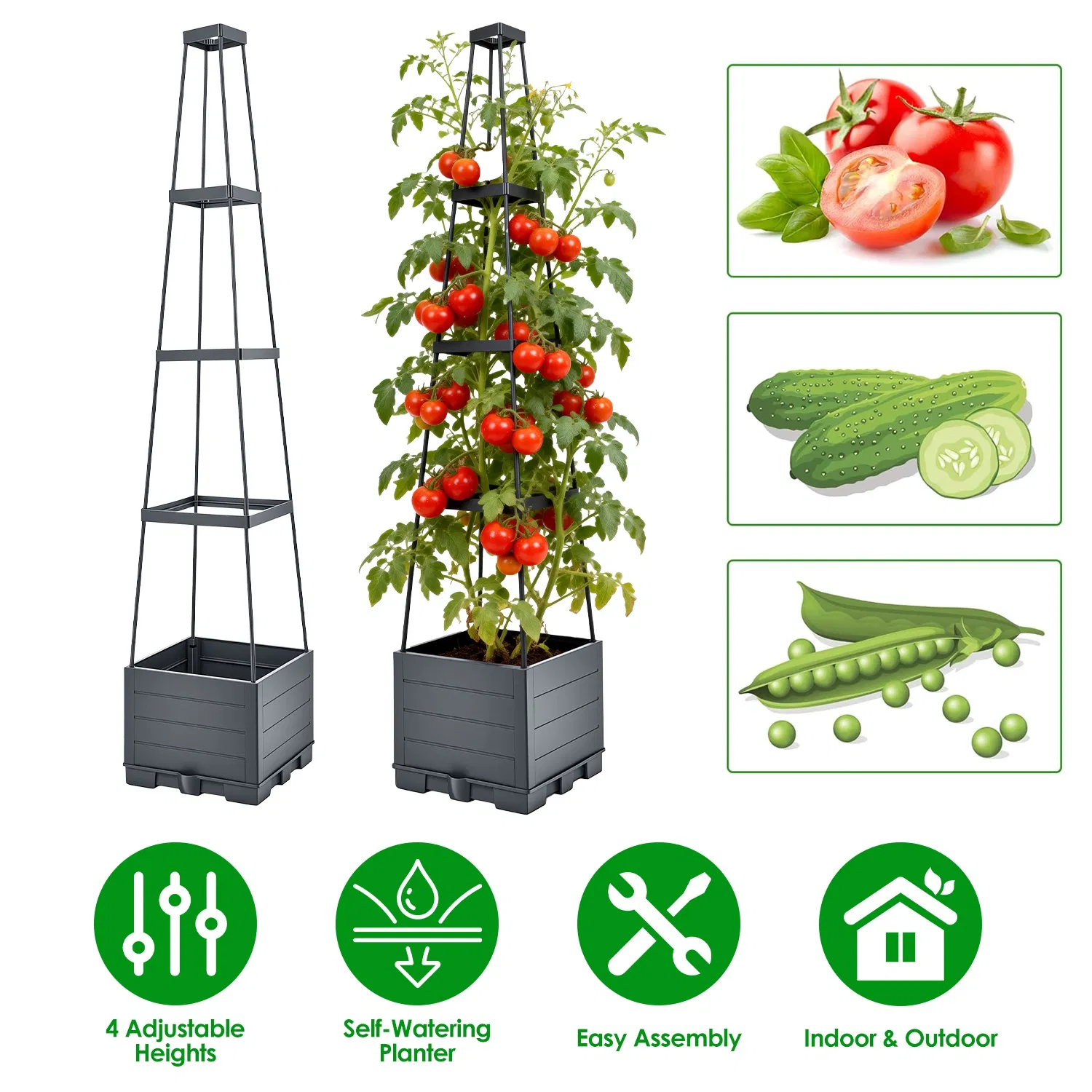 4-Size Height Adjustable Trellis Planter with 2L Self-Watering Tank, Heavy Duty PP Climbing Vegetable Growing Box Bonus 10 Clips & 65FT Plant Ties$61.99View on Mallflare
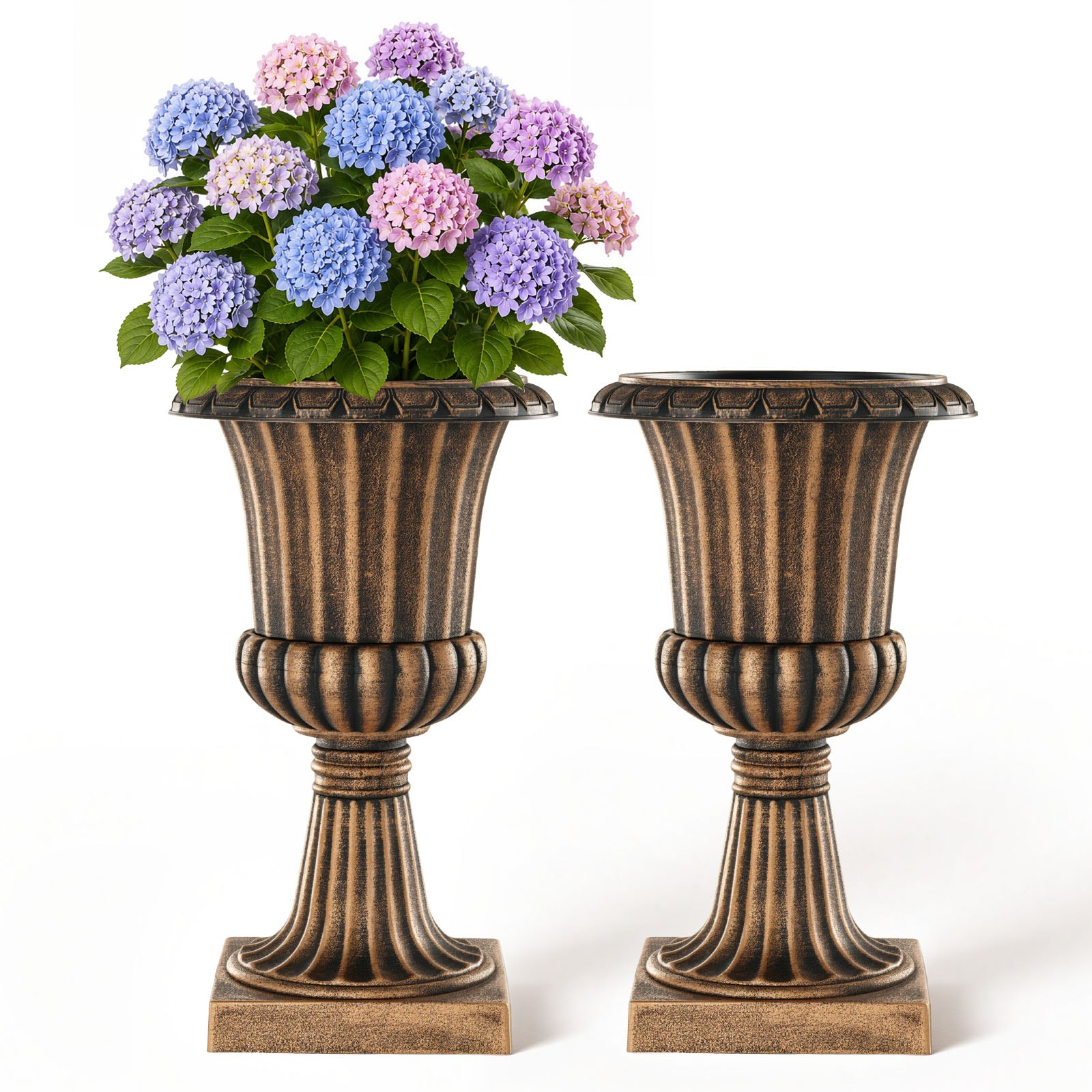 Plastic Urn Planters 13.78"x22.83" 2 PCS Brass Classic Urn Flower Pot, for Wedding, Party, Event, Home, Stage, Garden, Balcony, and Patio Decoration, Front Porch Indoor & Outdoor Vase$61.99View on Mallflare
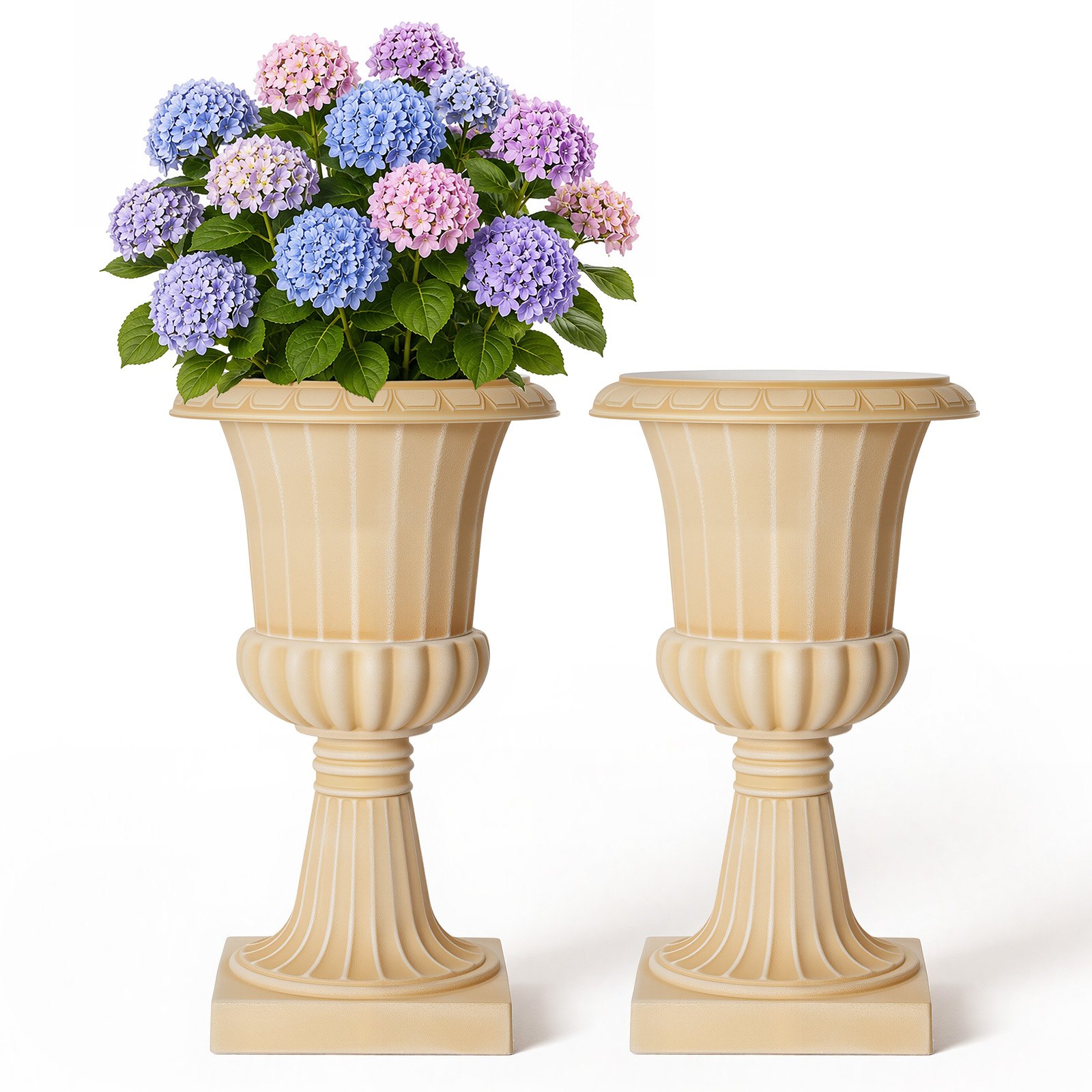 Plastic Urn Planters 13.78"x22.83" 2 PCS Beige Classic Urn Flower Pot, for Wedding, Party, Event, Home, Stage, Garden, Balcony, and Patio Decoration, Front Porch Indoor & Outdoor Vase$62.99View on Mallflare
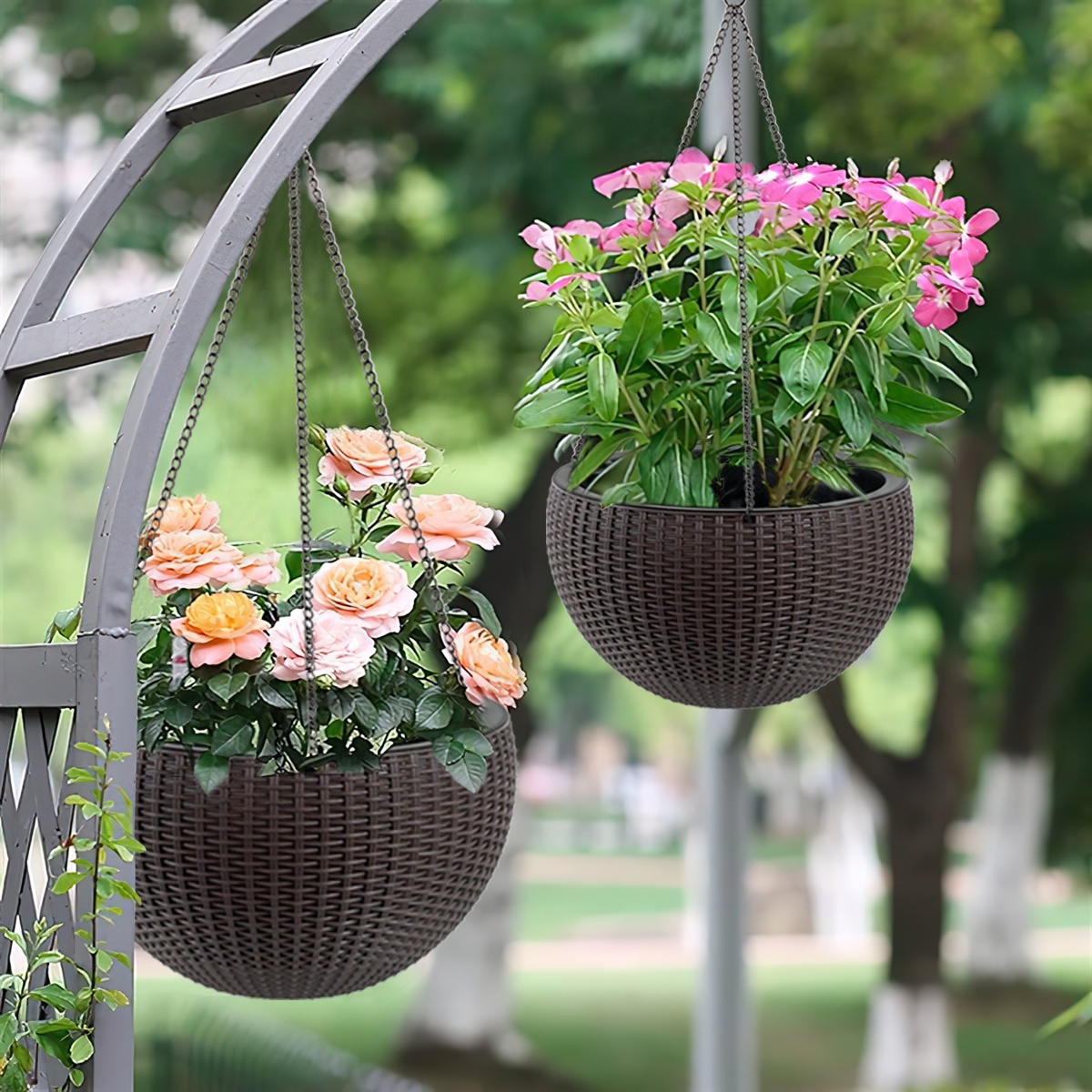 13.4 Inch Self-Watering Hanging Rattan-Inspired Planter Large Capacity, Root-Rot Resistant Water Storage With Level Indicator, Dual-Use For Indoor & Balcony Decoration Pack Of 2, Brown$63.99View on Mallflare
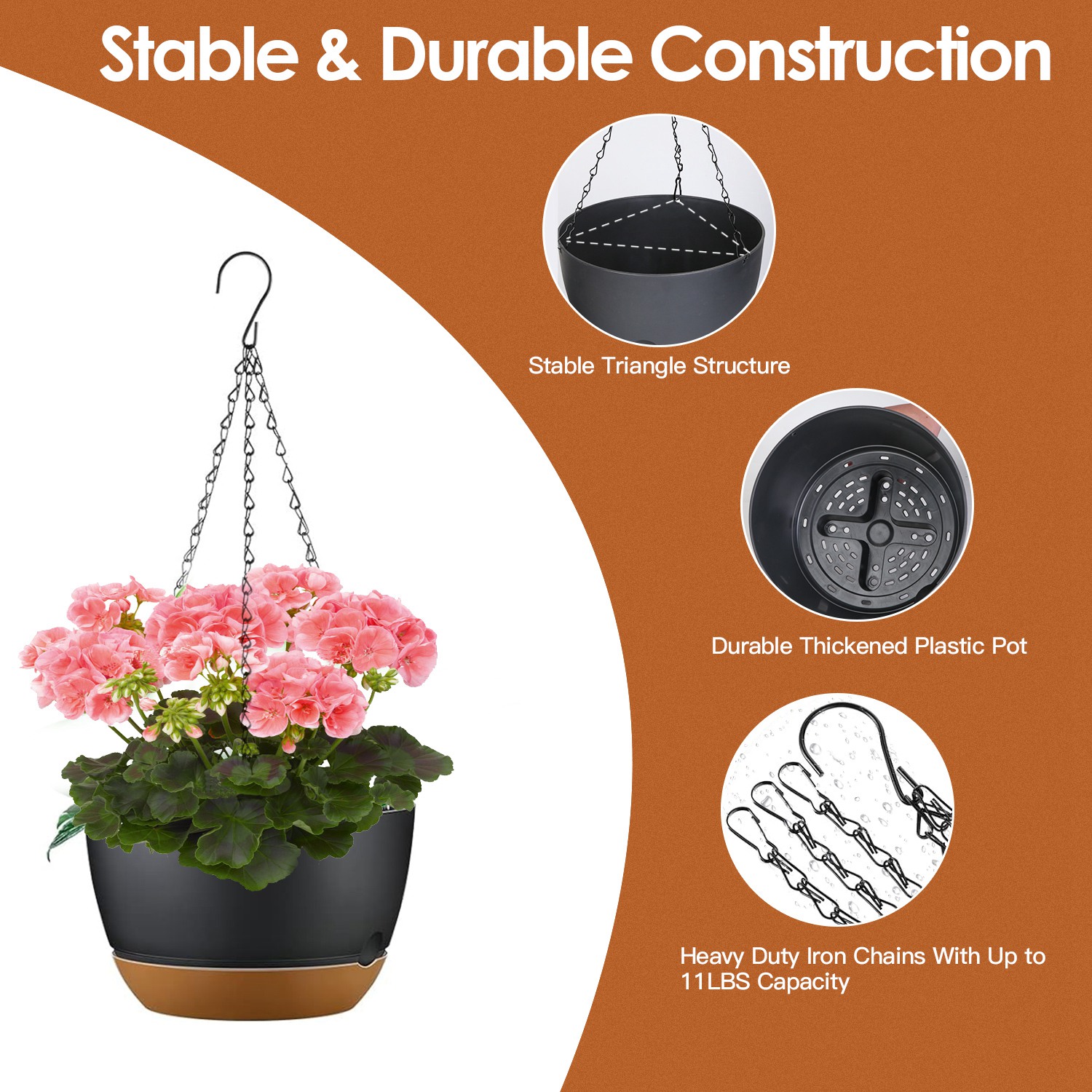 4 Pcs Minimalist Style Hanging Planters with 9.64-inch Diameter, Drainage Holes, and Removable Self-Watering Tray, Suitable for Medium-Sized Plants and Flowers(No shipments on weekends)$66.99View on Mallflare
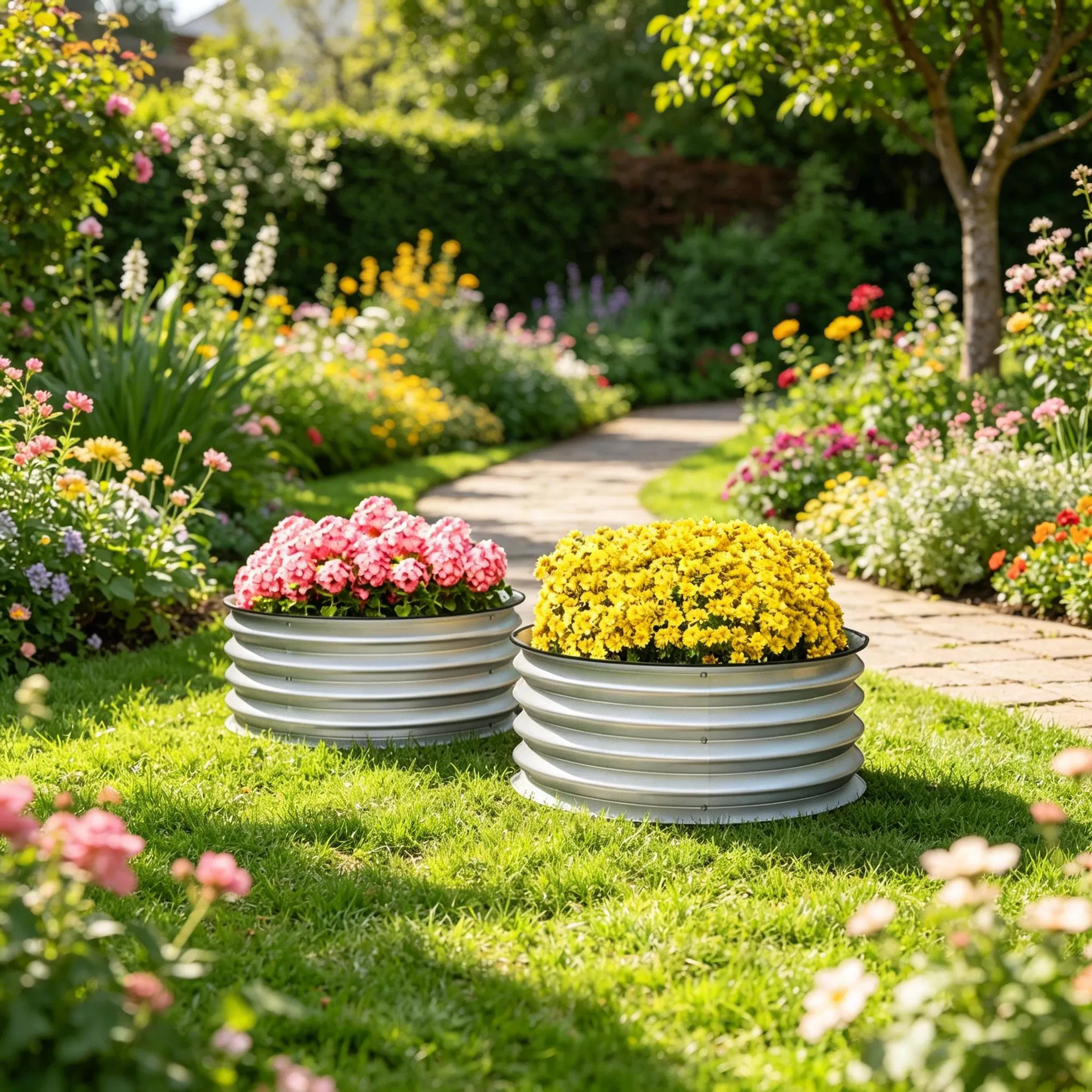 2 Pack Silver Metal Raised Garden Bed Planter Box 2x2x1 Easy to Assemble Stock Tank with Safety Edging for Gardening$66.99View on Mallflare
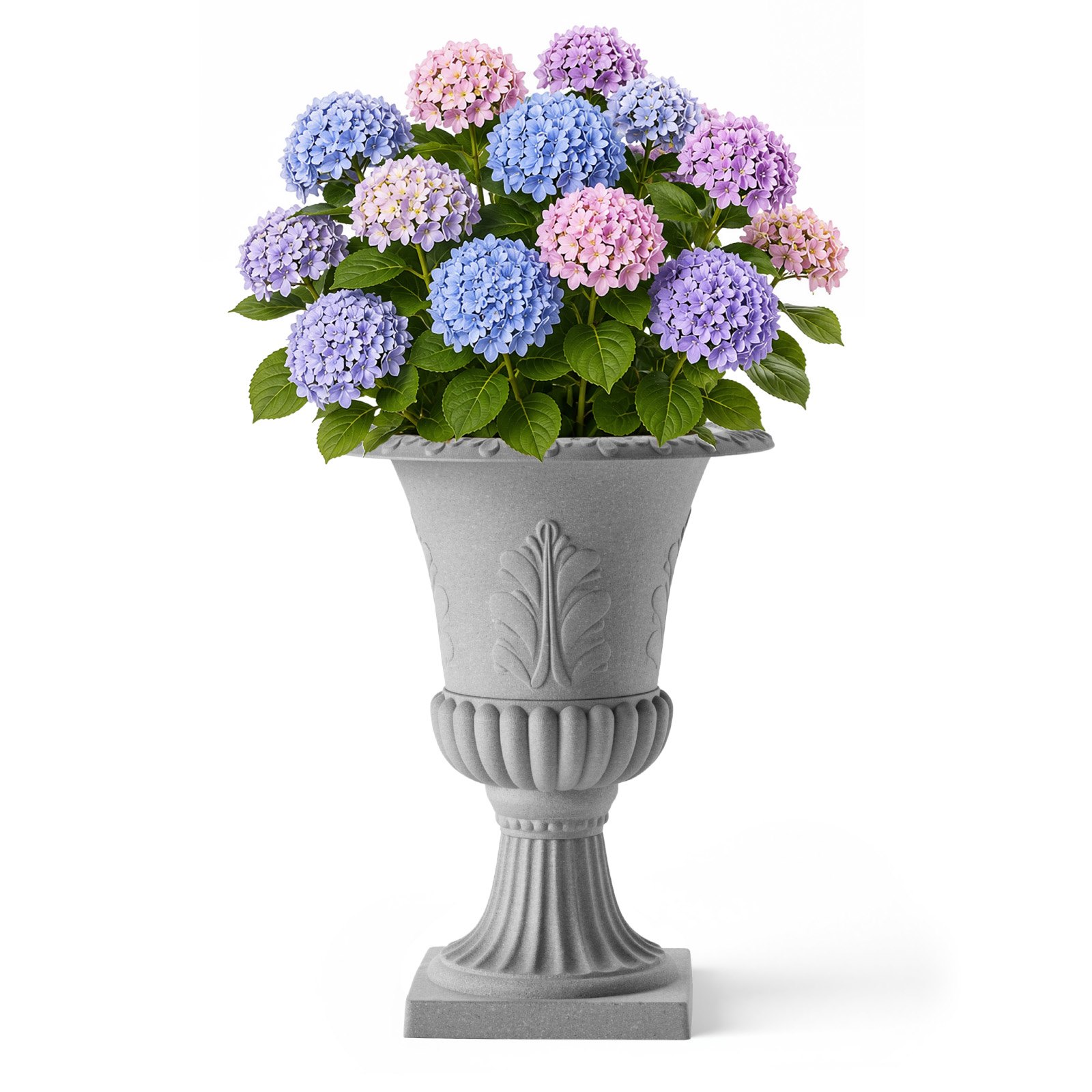 Plastic Urn Planter 15.75"x21.26" 1 Pack Gray Classic Urn Flower Pot, for Wedding, Party, Event, Home, Stage, Garden, Balcony, and Patio Decoration, Front Porch Indoor & Outdoor Vase$67.99View on Mallflare
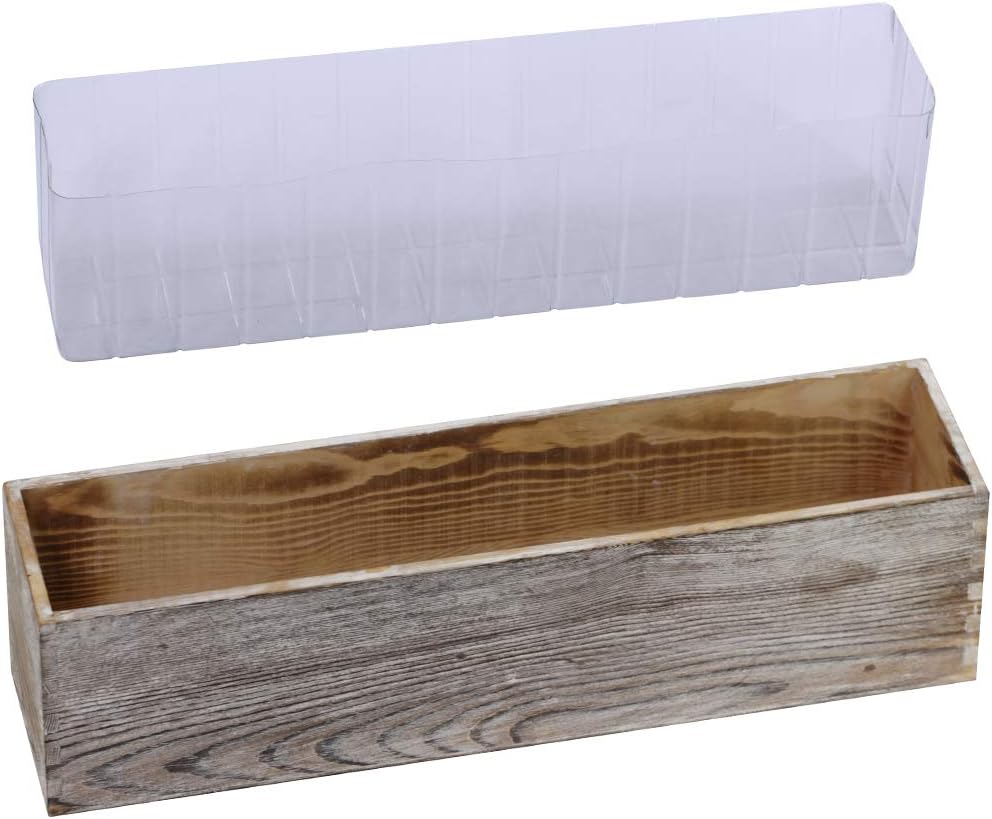 Wood Planter Box 1 PCS, 17.3x3.9x3.9 Inch Whitewashed Rectangular Wooden Box With Inner Plastic Liner For Floral Decor$68.99View on Mallflare
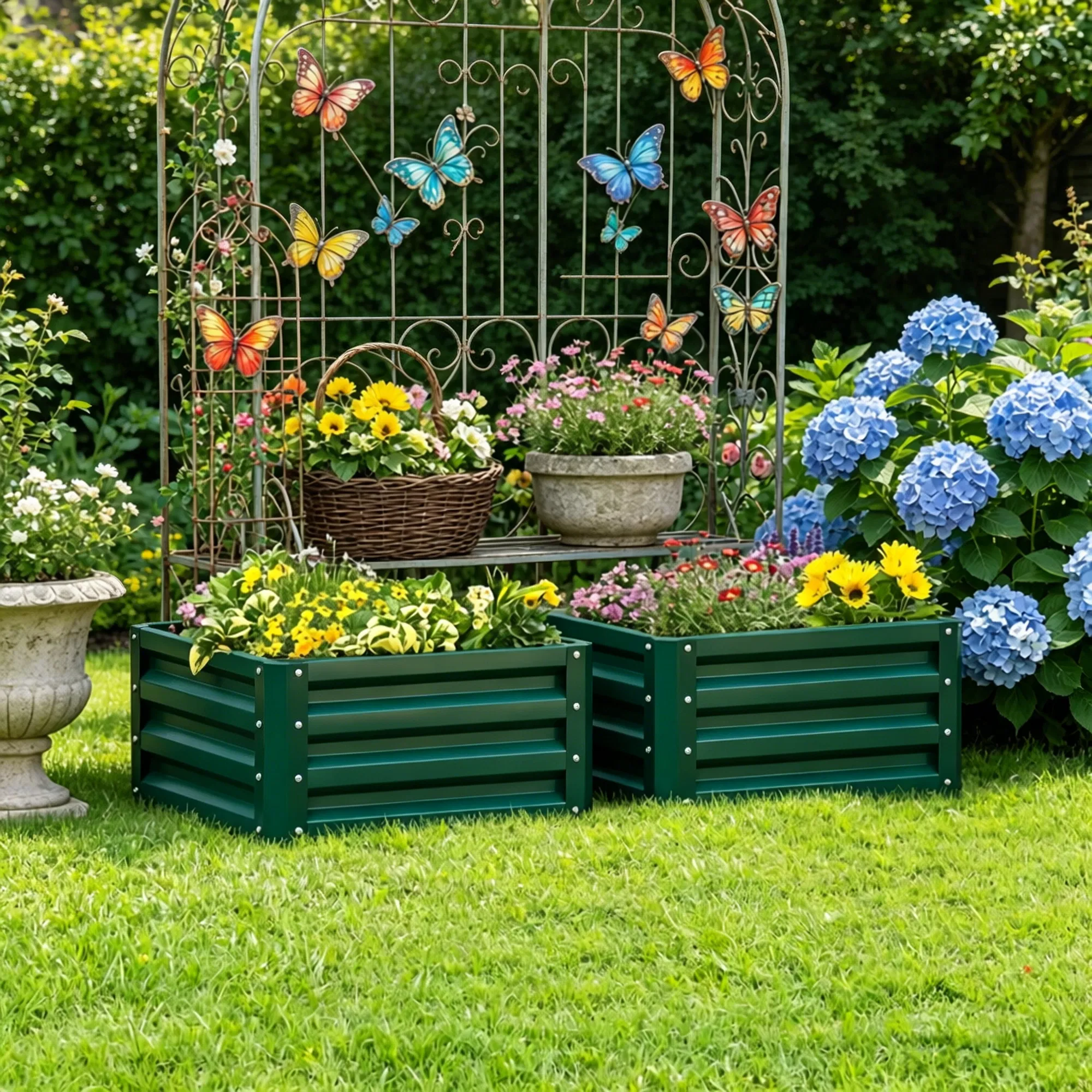 2-Pack Galvanized Steel Raised Garden Bed Rust-Resistant Metal Planter Box with Open Bottom for Easy Vegetable & Flower Growing$68.99View on Mallflare
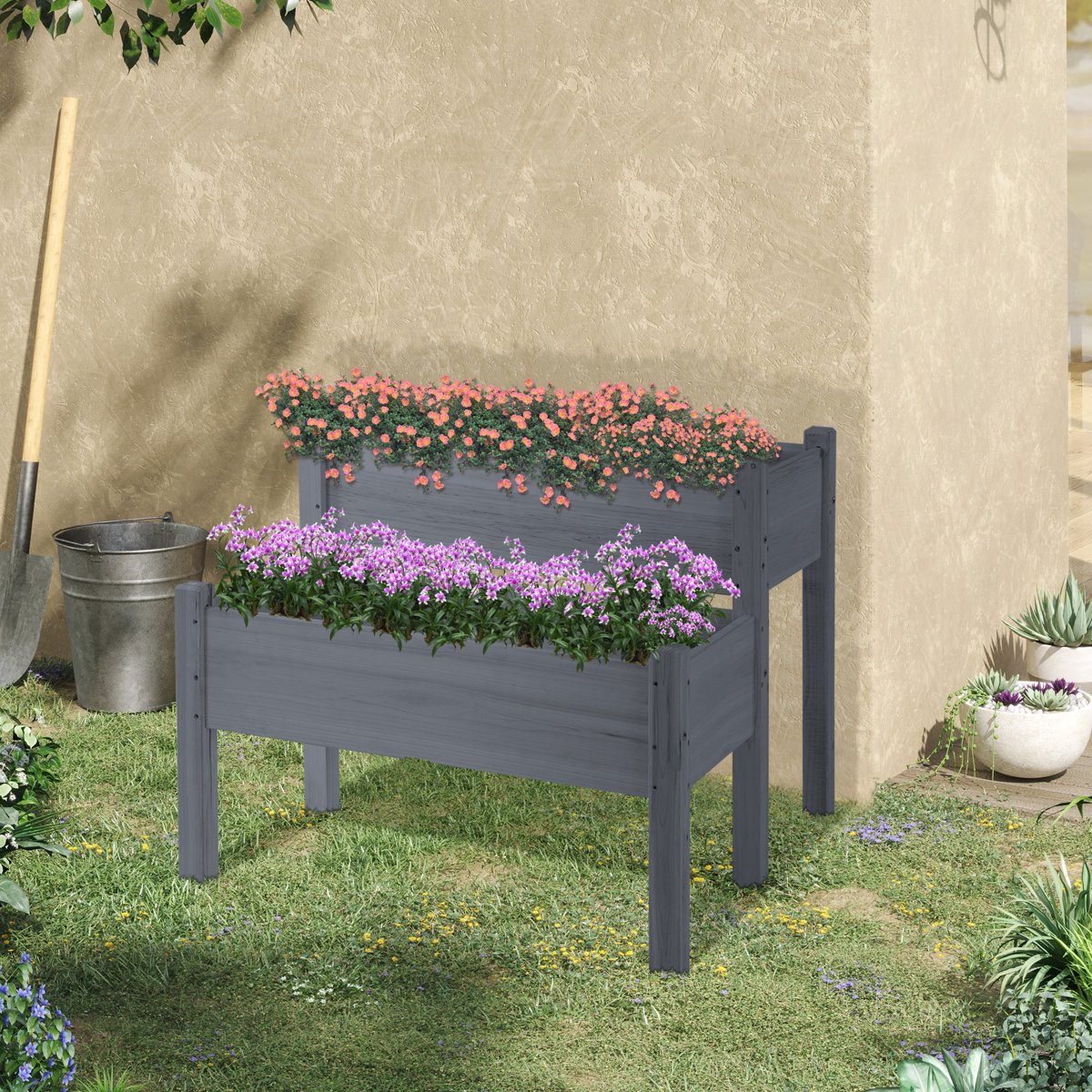 34"x34"x28" Raised Garden Bed 2-Tier Wooden Planter Box for Backyard, Patio to Grow Vegetables, Herbs and Flowers, Gray$69.99View on Mallflare
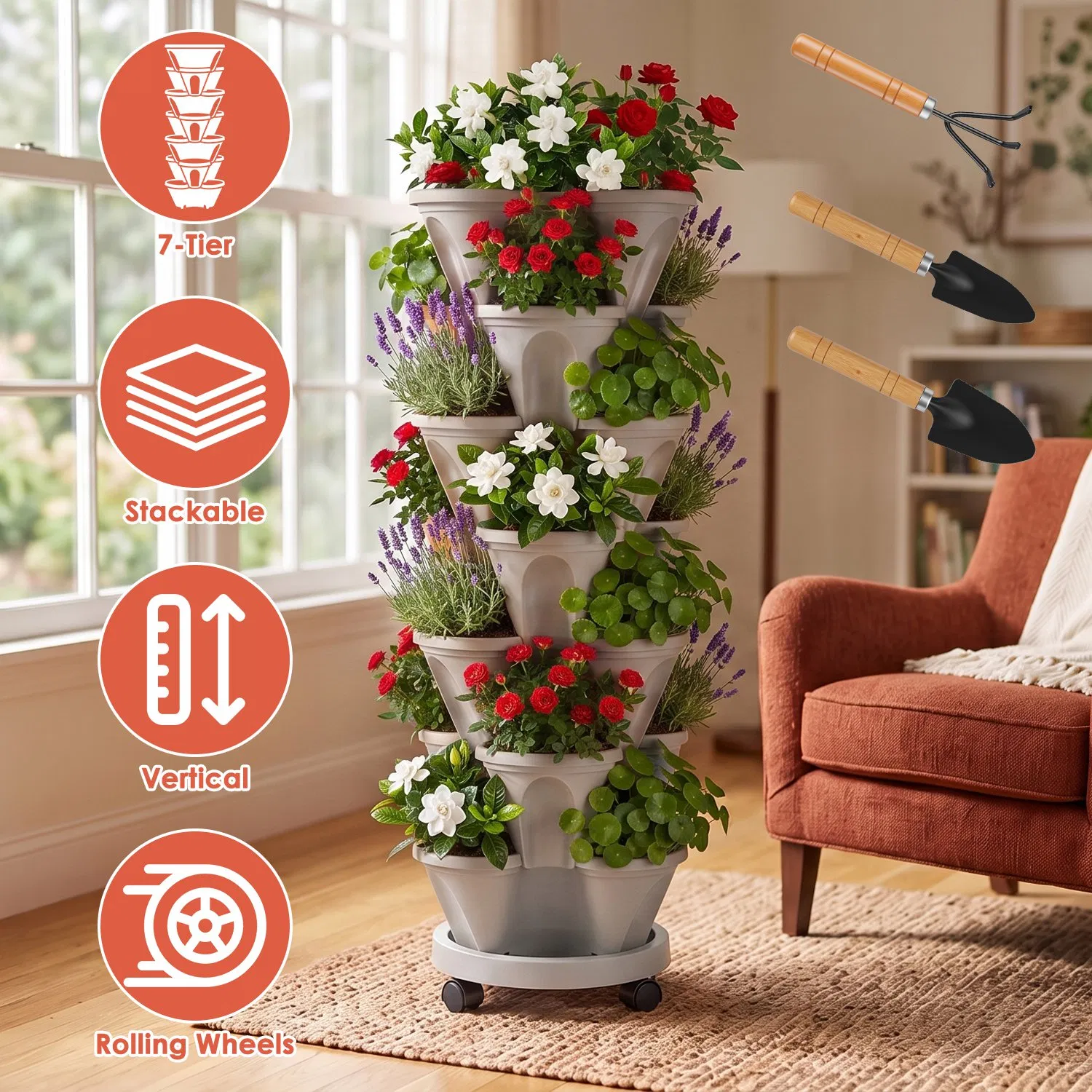 7-Tier Vertical Stackable Planter Tower with Casters, Space-Saving Stack-Up Garden Pots Complete Tool Kit for Balcony, Deck, Indoor & Outdoor Gardening$73.99View on Mallflare
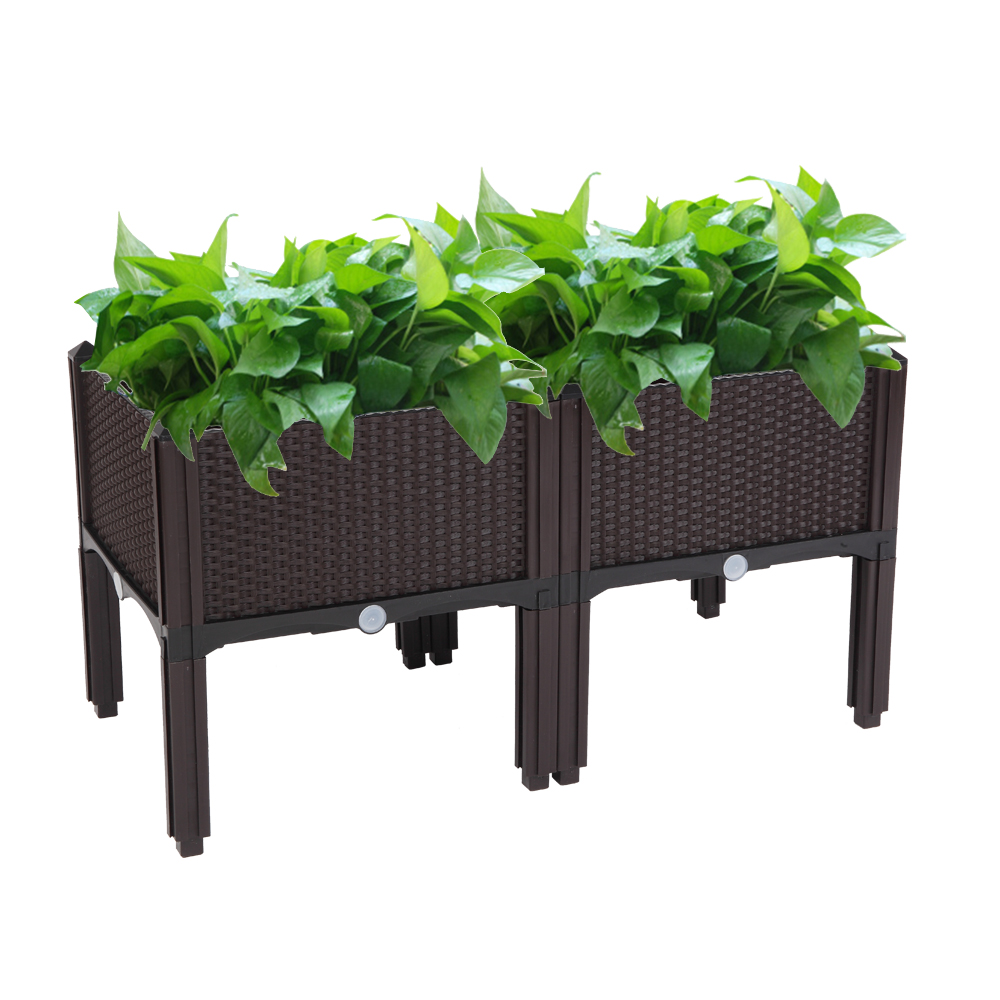 2PCS Brown Free Splicing Injection Molded Planter Box$73.99View on Mallflare
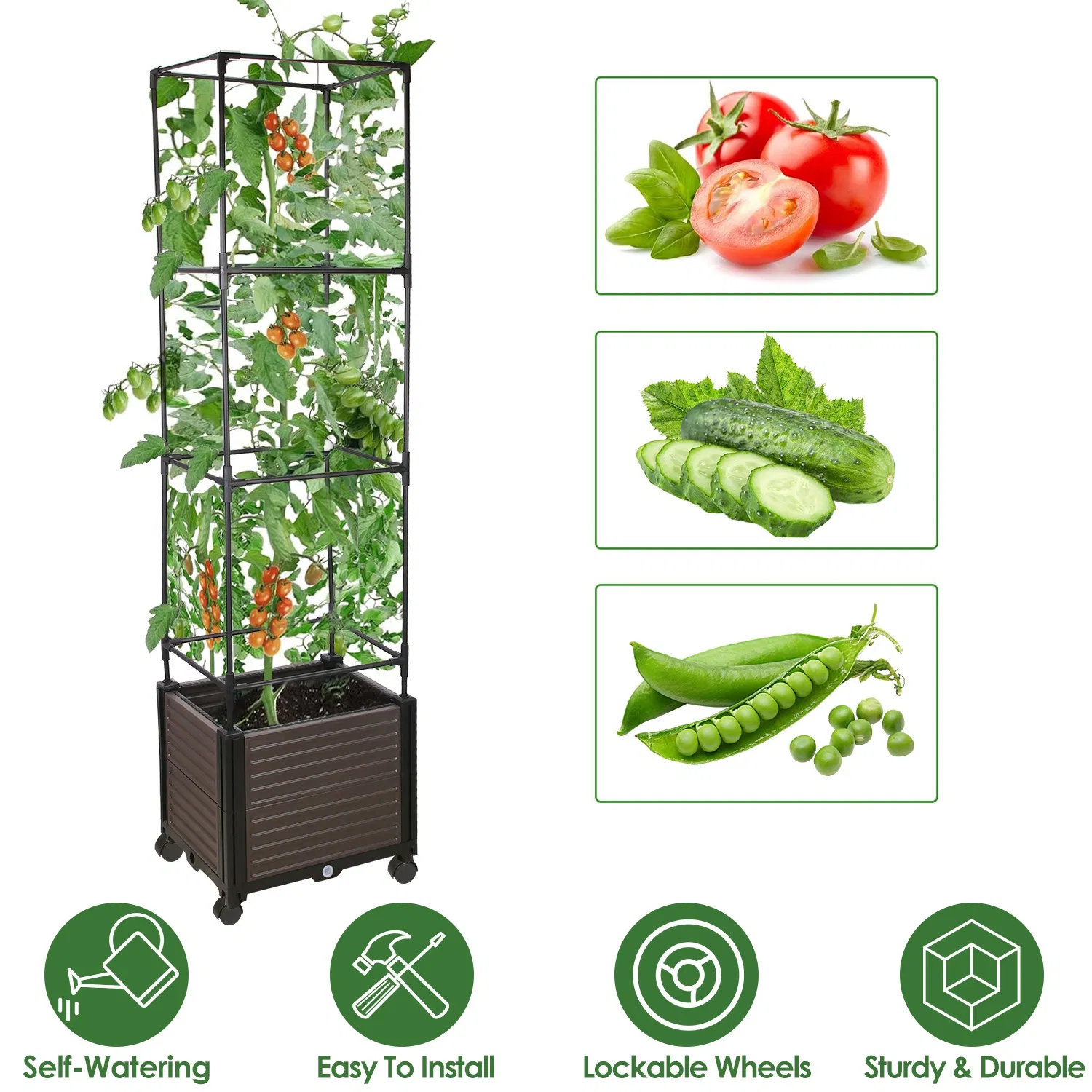 Expandable Rustproof Raised Garden Bed Planter - 62.99in Tall with Trellis, Automatic Water Drainage, 4 Lockable Wheels, Easy Assembly (No Screws), Perfect for Vines/Climbing Plants$73.99View on Mallflare
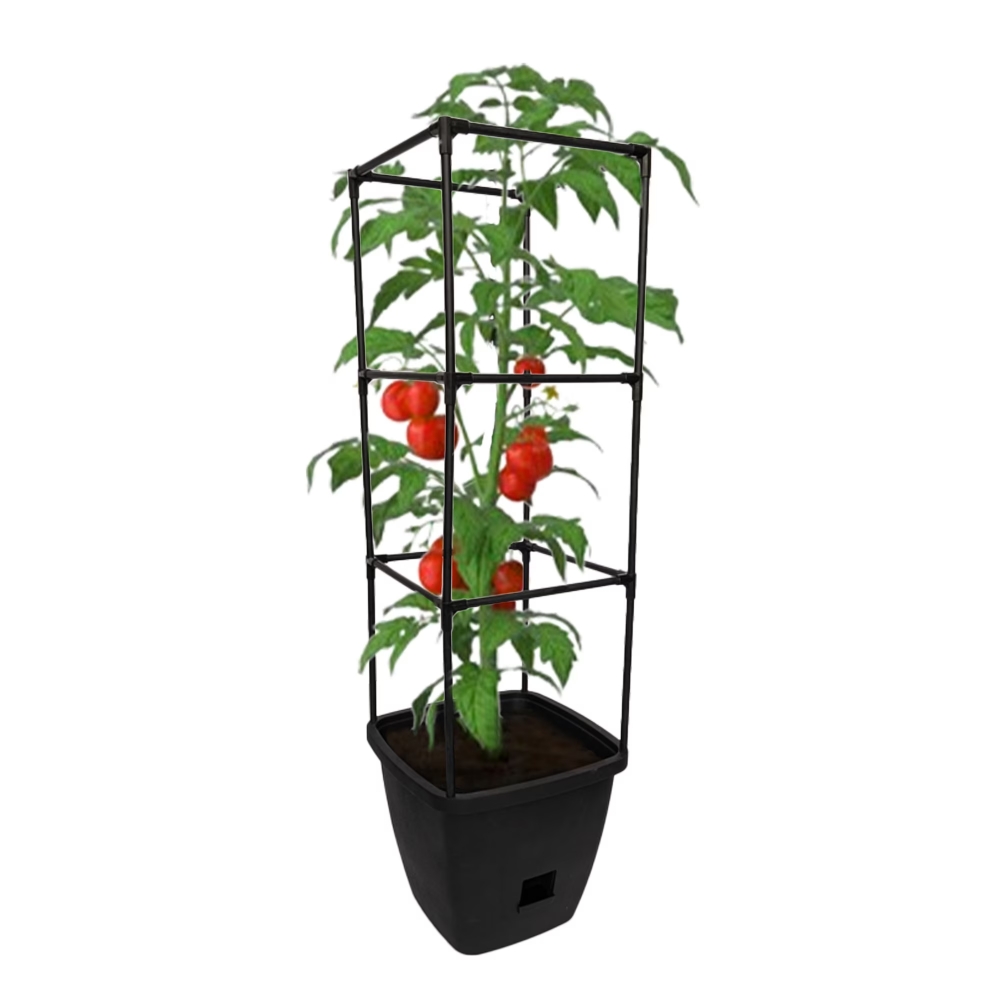 Harvest Bloom Garden Planter with Self-Watering System and Adjustable Trellis for Your Outdoor Balcony, Patio, or Backyard$75.99View on Mallflare
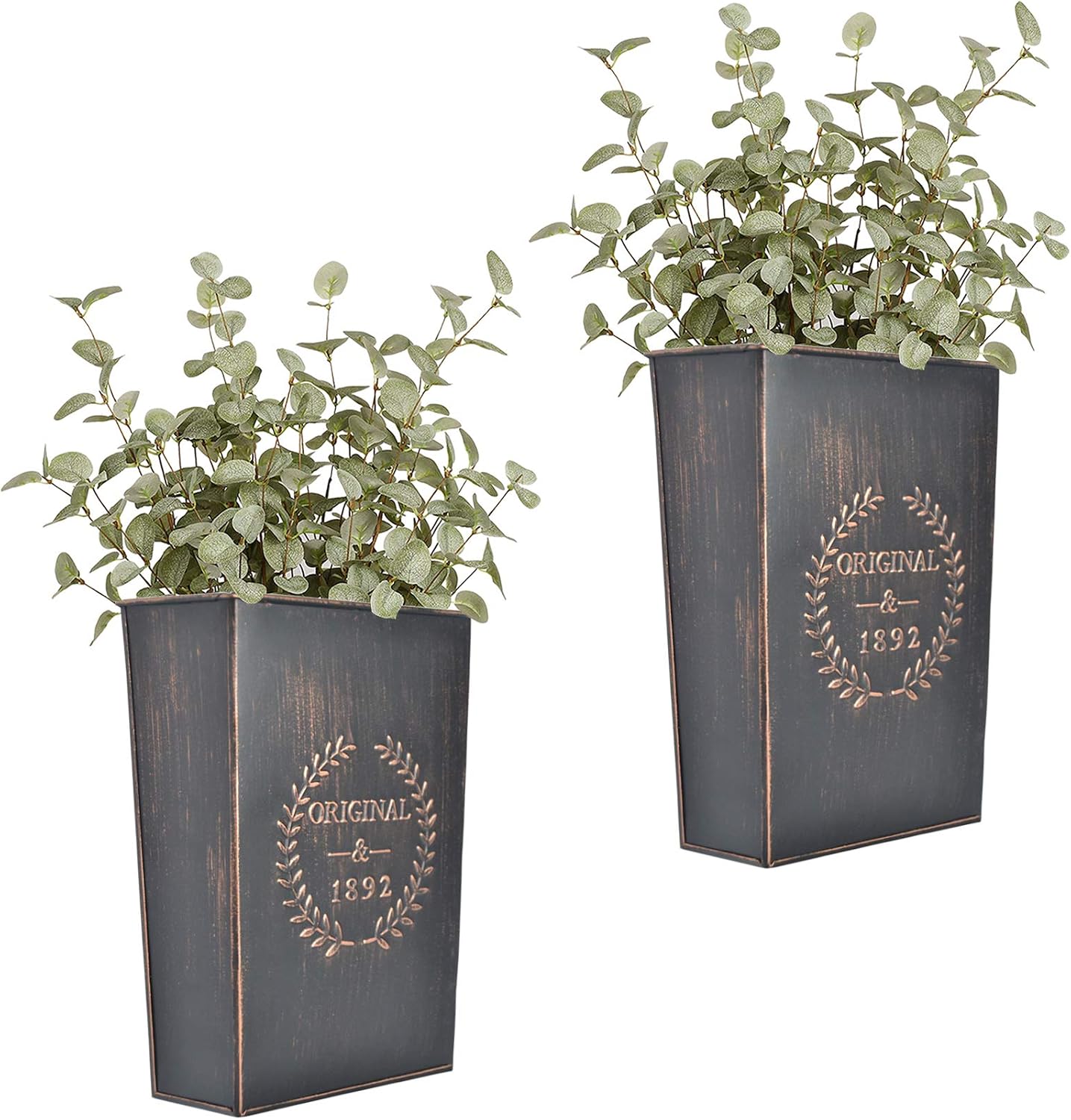 Rustic Metal Wall Planters 2 Pack, Farmhouse Hanging Vases For Plants, Flowers And Indoor Or Outdoor Home Decor$75.99View on Mallflare
Highlights
- Fabric grow bags (non-woven or PE) air-prune roots and dry faster than plastic, but degrade from UV within 2-3 seasons unless rated UV-stabilized.
- Galvanized steel planters resist rust for 10+ years; powder-coated finishes add color but chip and corrode if scratched to bare metal.
- Glazed ceramic and terracotta are porous (terracotta) or sealed (glazed); unsealed clay wicks moisture and cracks in freeze-thaw cycles.
- Self-watering planters use a reservoir and wicking column; capacity typically 0.5-2 gallons, refill intervals 1-2 weeks depending on plant size and climate.
Best use cases
- Indoor houseplants: choose glazed ceramic or UV-stabilized plastic with drainage holes and a saucer; skip unsealed terracotta if you tend to overwater.
- Large trees and shrubs outdoors: pick 24-inch+ galvanized metal or thick cedar with 1-inch drainage holes and a raised base; avoid thin plastic that buckles under root pressure.
- Vegetable and herb growing: use 5-10 gallon fabric grow bags or self-watering raised beds for breathability and moisture control; skip decorative ceramic without drainage.
Buying tips
- Size the planter 2-3 inches wider than the root ball; for trees, add 4-6 inches to accommodate 2-3 years of growth before repotting.
- For outdoor use, select UV-stabilized plastic (HDPE), galvanized steel, or rot-resistant wood (cedar, cypress, teak); avoid untreated pine and thin metal.
- Check drainage: containers need at least one 1/2-inch hole per 12 inches of diameter; self-watering pots need an overflow hole.
- Match pot volume to plant type: herbs 1-2 gallons, tomatoes 5-10 gallons, small trees 15-25 gallons, large trees 30+ gallons.
Specs
| Material | Metal, wood, fabric, plastic, ceramic |
|---|---|
| Drainage | Holes required; self-watering optional |
| UV Resistance | UV-stabilized for outdoor use |
| Volume Range | 1-30+ gallons by plant type |
Related searches
What to check before buying
- Measure the available space and the root ball diameter; the pot's top diameter should exceed the root ball by 2-3 inches.
- Confirm the pot has drainage holes or a self-watering reservoir with overflow; indoor pots need a saucer.
- For outdoor placement, verify frost resistance: ceramic must be labeled frost-proof; metal should be galvanized or powder-coated.
- Check weight capacity of balconies or shelves; a 20-gallon pot with soil weighs over 150 lbs.
FAQ
Data sources: eBay / Amazon listings and product attribute feeds. Updated Nov 28, 2026.
Some links on this page are affiliate links. If you buy after clicking one, we may earn a commission at no extra cost to you. This does not change which products appear here or their order. Affiliate disclosure.