
Photos from current listings. Actual item, color, and included accessories may vary.
Raised Bed Board Buying Guide
Raised bed boards are the structural wall panels—typically wood, composite, or metal—that contain the soil and define a bed's depth, lifespan, and safety. The central trade-off is rot resistance versus cost and weight: untreated softwood boards last a few seasons, while heat-treated hardwood, metal, and composite boards resist moisture for a decade or more at higher cost. Buy pressure-treated or naturally rot-resistant boards rated for ground contact if you want a durable bed; skip untreated pine only for short-term or decorative use.
Median $99.99
Key takeaways
- Wood board thickness drives structural integrity: nominal 2x lumber (38 mm actual) resists bowing under soil load far better than 1x (19 mm) boards.
- Pressure-treated lumber is rated by retention and use category—look for 'ground contact' or UC4A/UC4B ratings; above-ground-only boards degrade faster in soil.
- Naturally rot-resistant species differ sharply: black locust and cedar last decades, while untreated pine or fir typically fails within 3–5 seasons.
At a glance
- Category
- Raised Garden Beds & Planters
- Last updated
- Nov 27, 2026
Current offers
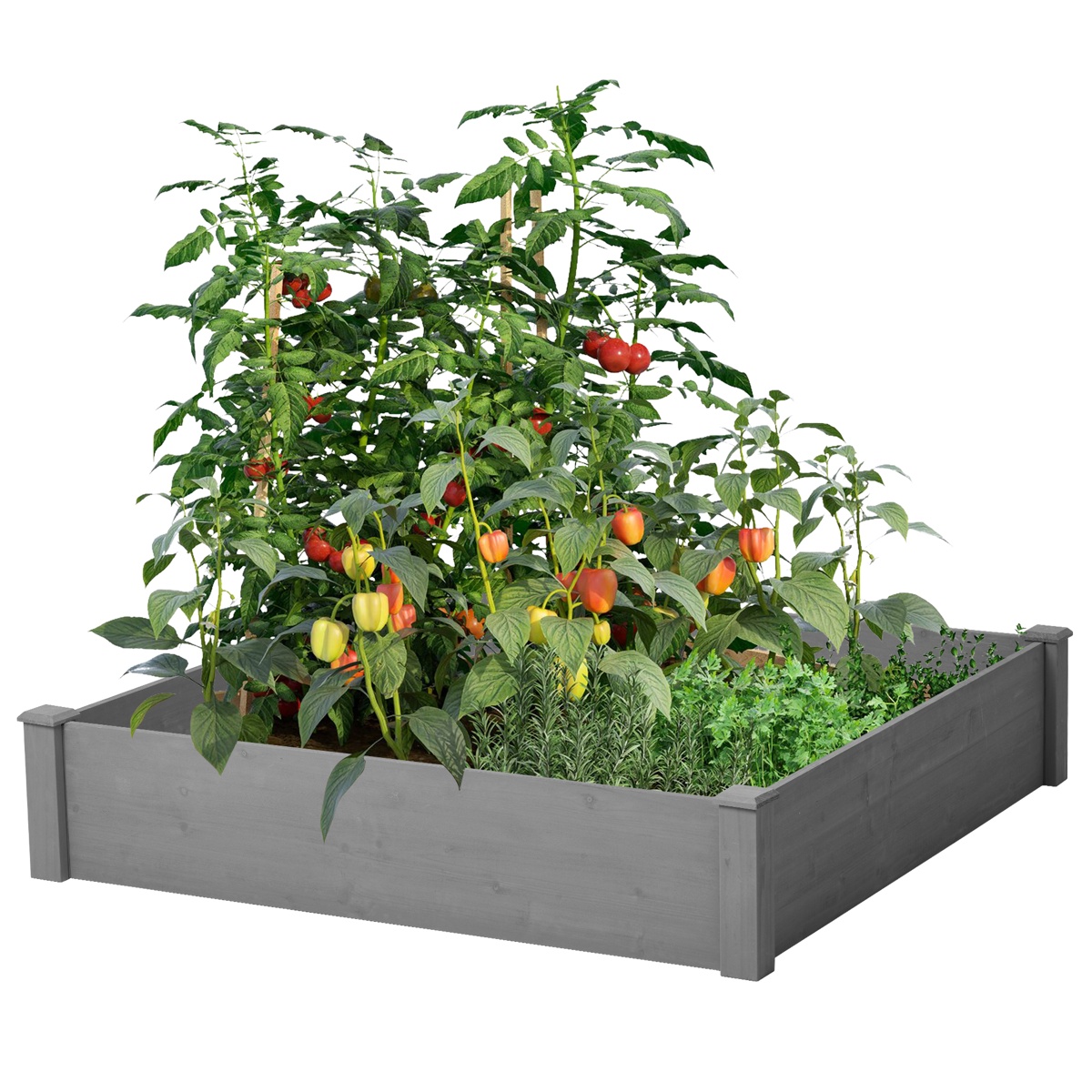 Raised Garden Bed 48x48x10'', Outdoor Wood Planter Box Over Floor, Tool-Free Assembly$75.99View on Mallflare
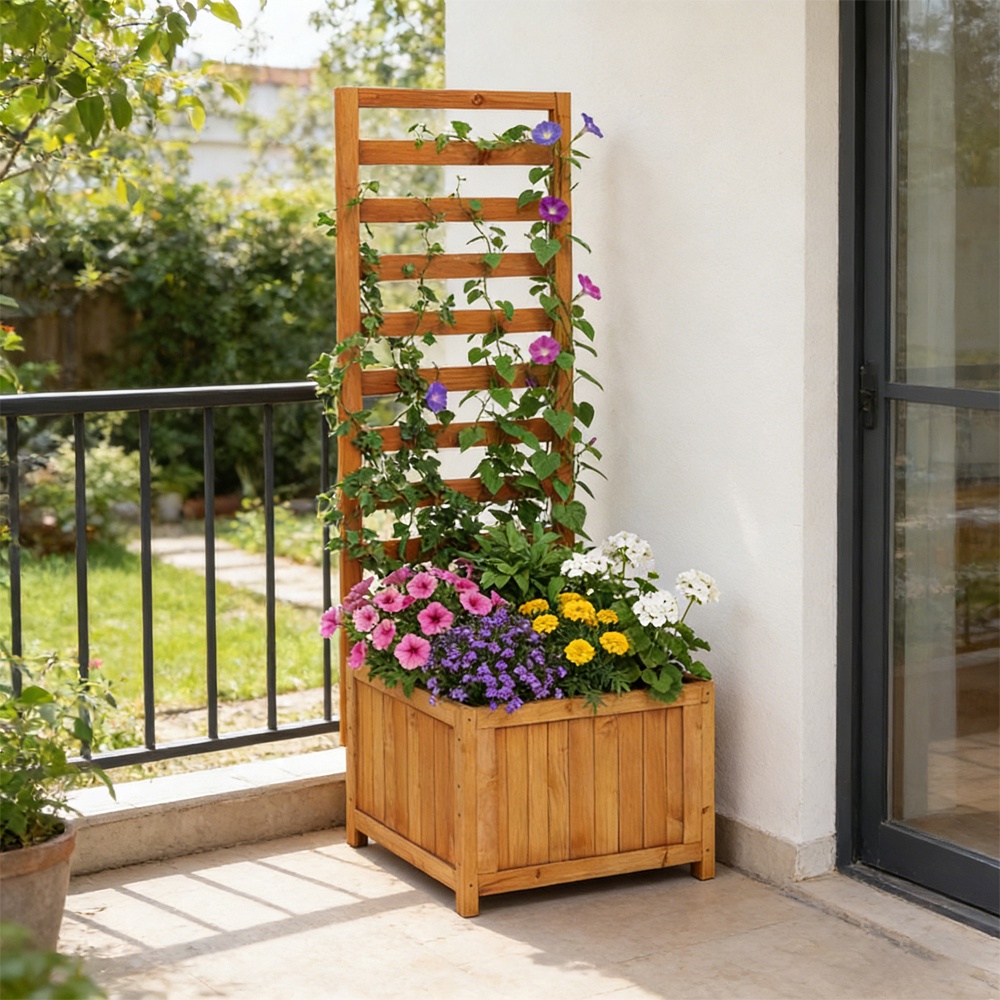 48 Inch Wood Raised Garden Bed With Trellis Drainage Holes Fir For Indoor And Outdoor Settings, Such As Porch, Patio Or Balcony$80.99View on Mallflare
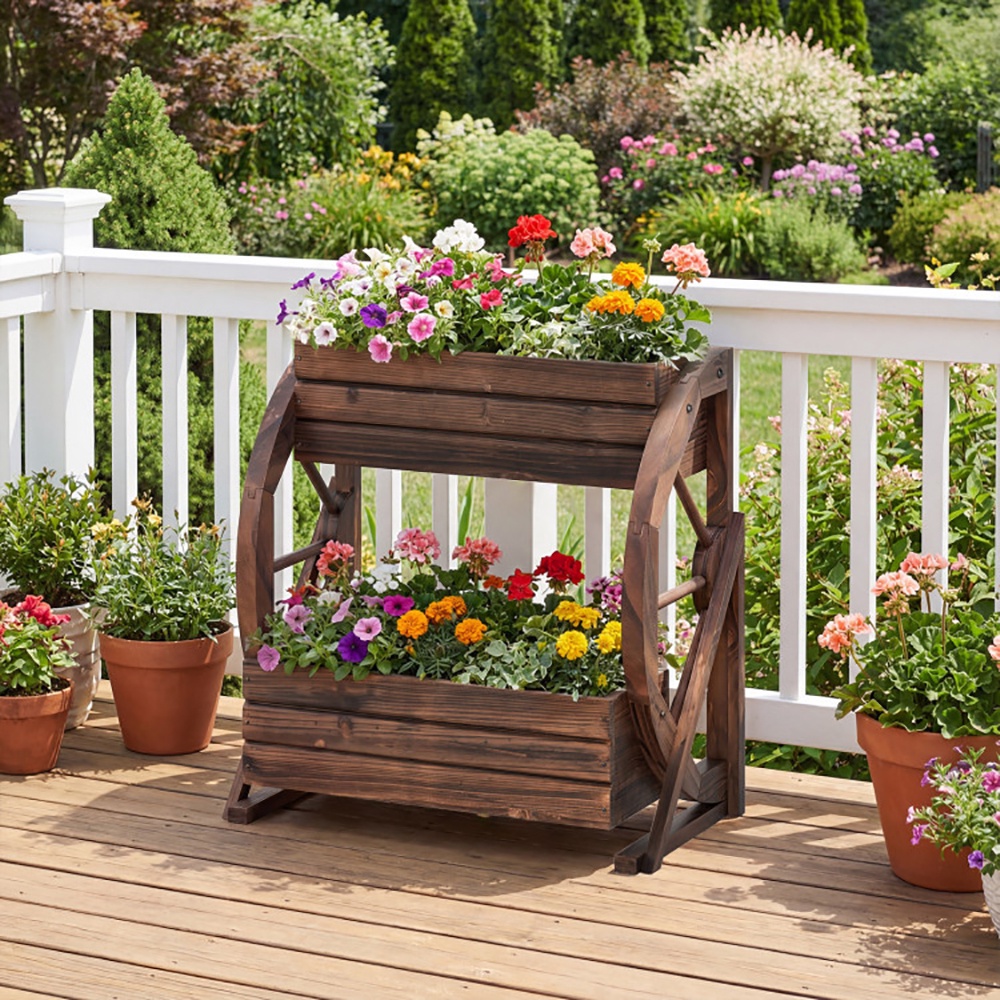 2-tier Raised Garden Bed Rustic Wood Wagon Planter With Drainage Holes And Semi-wheels For Growing Flowers Or Displaying Potted$83.99View on Mallflare
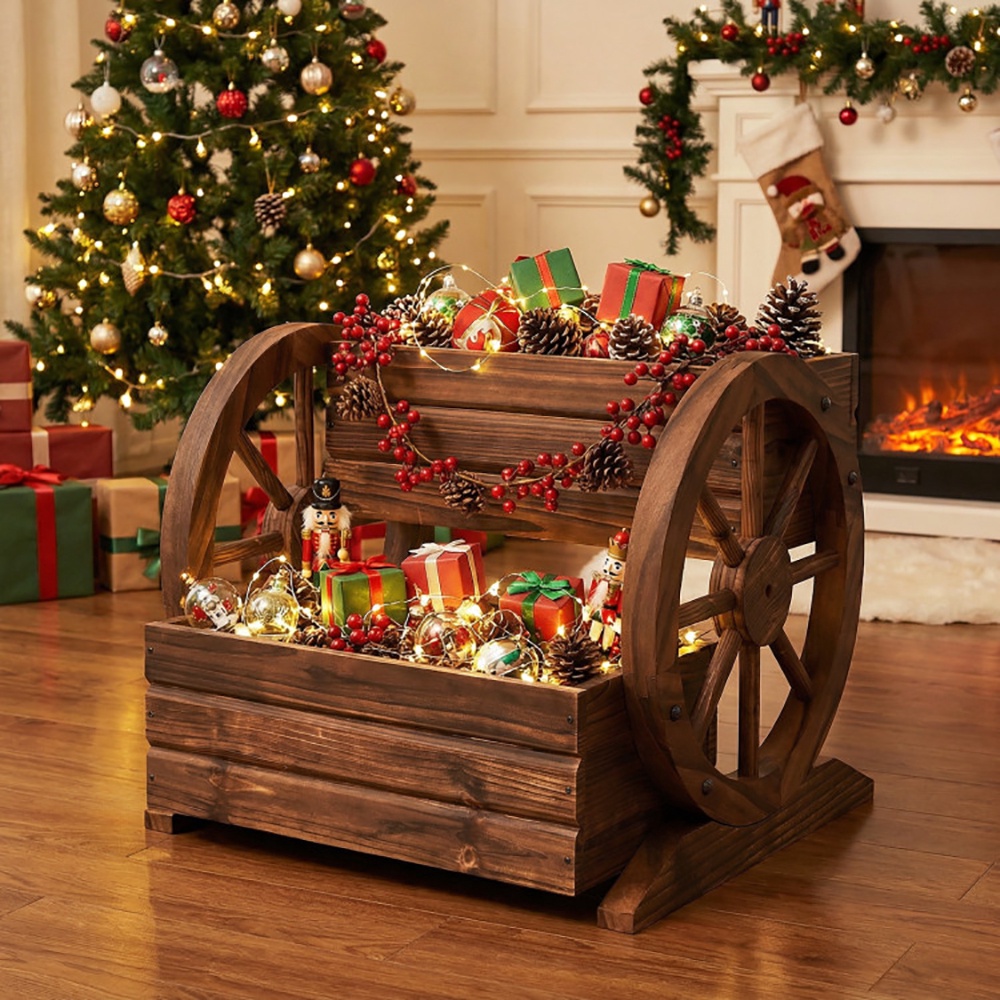 2-Tier Raised Garden Bed Rustic Wood Wagon Shape With Drainage Holes And Wheels For Growing Flowers Or Displaying Potted Plants$88.99View on Mallflare
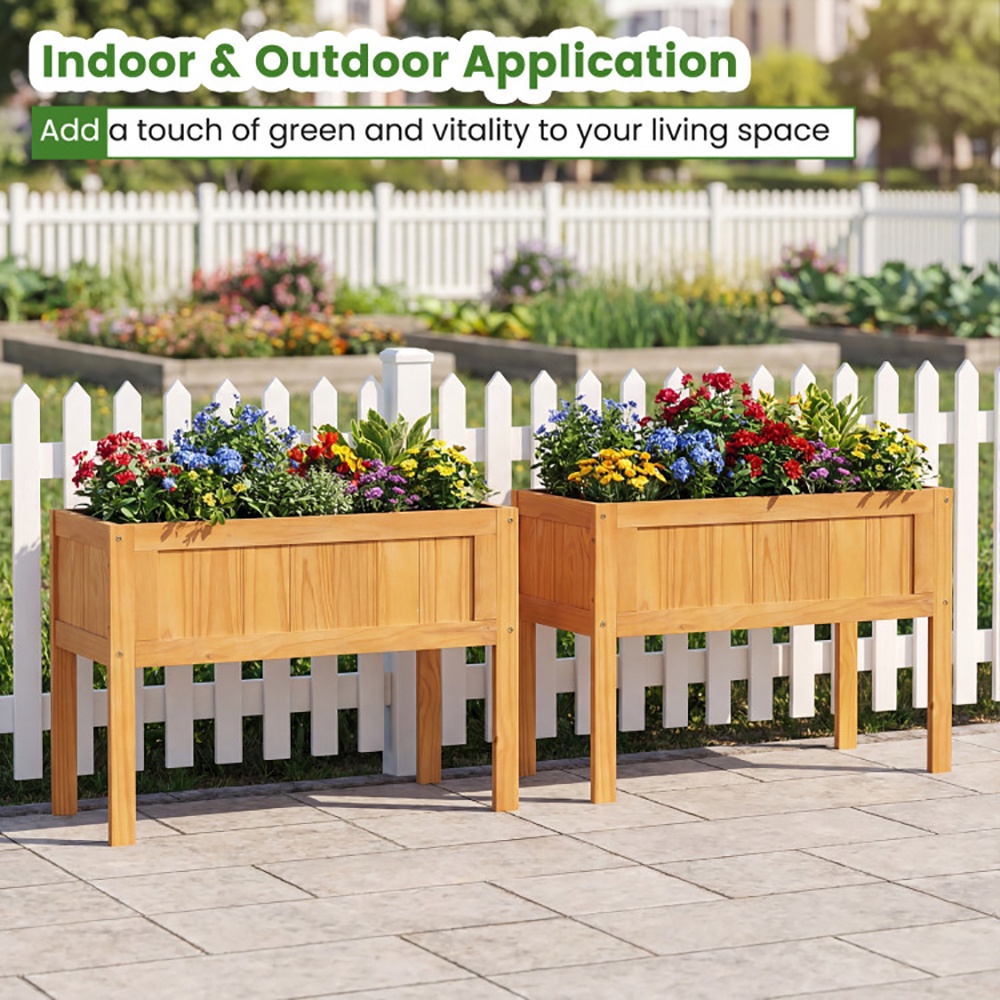 Wood Raised Garden Bed Elevated Planter Box With Bed Liner And Drainage Holes For Vegetables Flowers Herbs For Backyard, Balcony Or Patio$99.99View on Mallflare
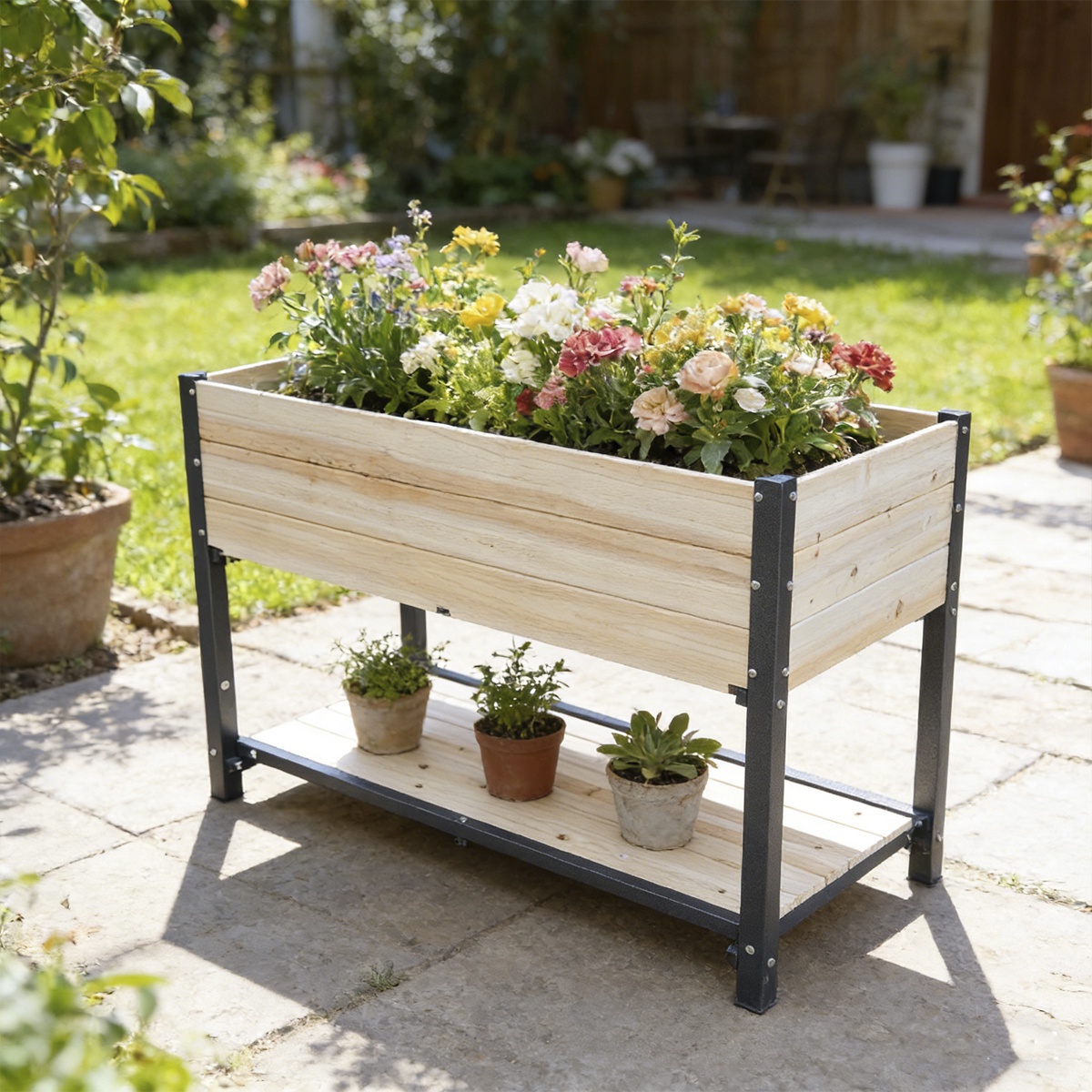 New Style Solid Wood & Iron Frame Raised Garden Bed - Reversible & Replaceable Panels, No Paint Formaldehyde, DIY Planter Box For Vegetables, Fruits, Flowers$121.99View on Mallflare
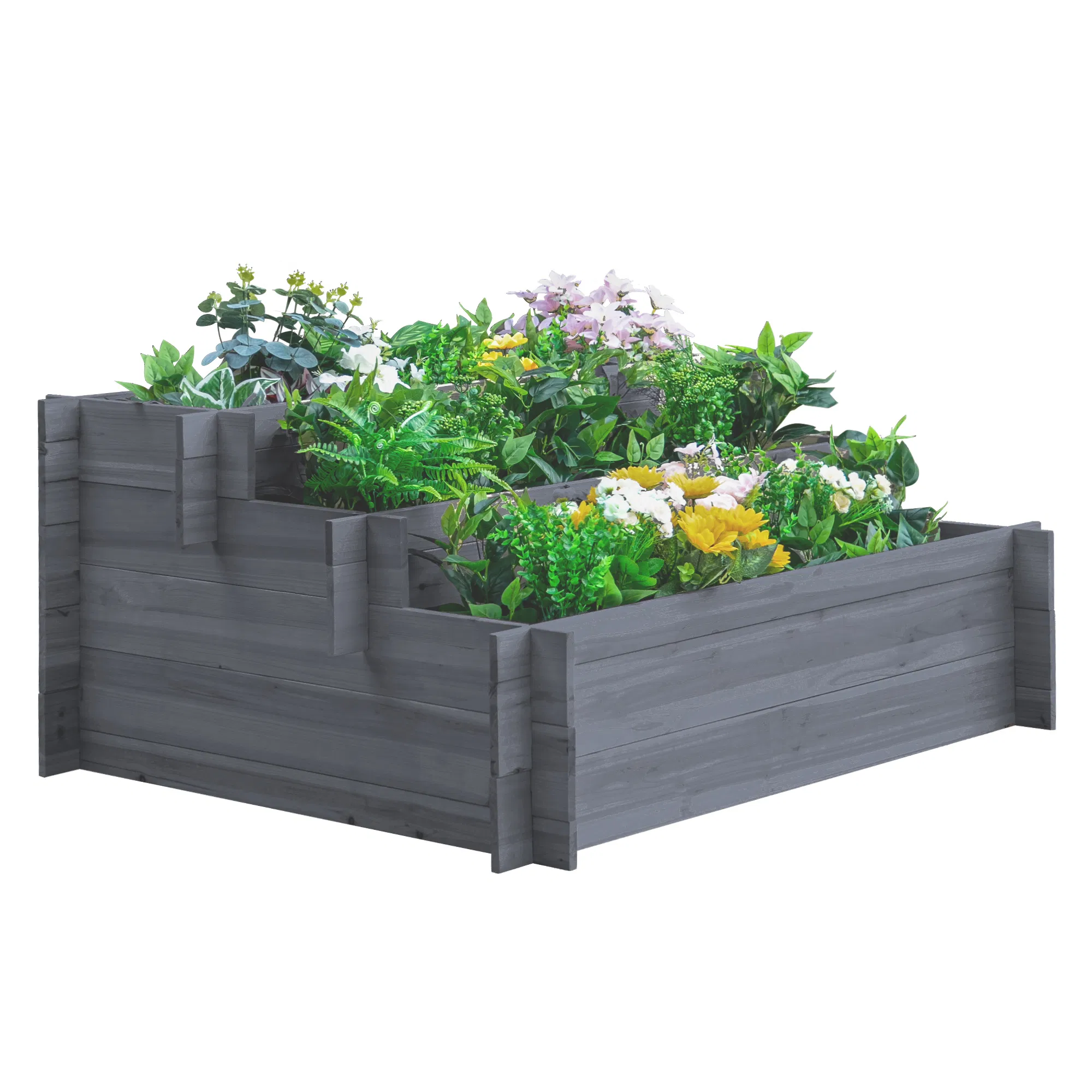 3-Tier Wood Raised Garden Bed, Elevated Planting Box, Outdoor Vegetable Flower Container, Herb Indoor Kit, Gray$135.99View on Mallflare
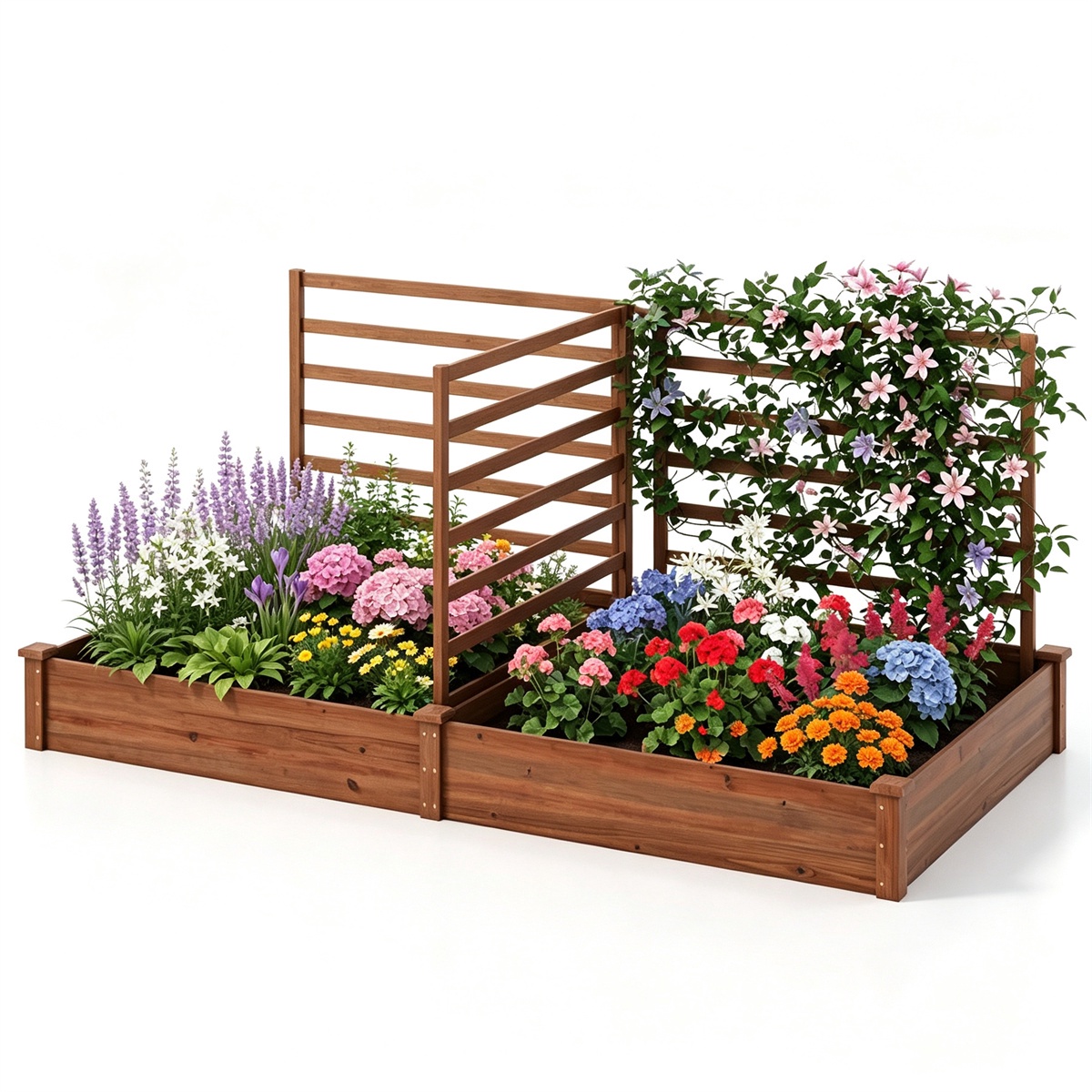 Brown Fir Wood Raised Garden Bed with 3 Climbing Trellises, 2 Large Open-Base Planting Boxes Modular Planter Box, DIY Paintable Elevated Bed for Patio Backyard Vegetable Flower Growing$187.99View on Mallflare
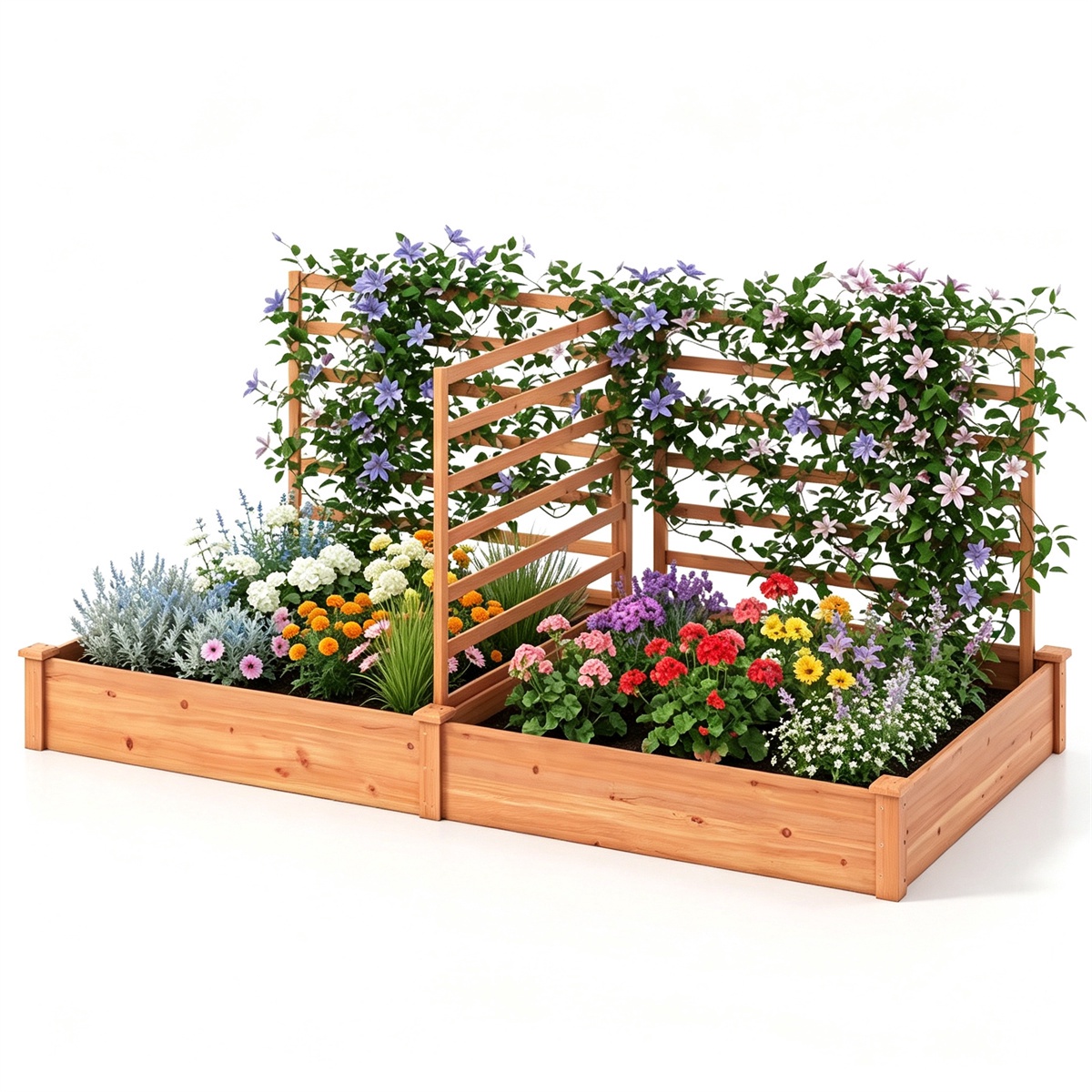 Oak Fir Wood Raised Garden Bed with 3 Climbing Trellises, 2 Large Open-Base Planting Boxes Modular Planter Box, DIY Paintable Elevated Bed for Patio Backyard Vegetable Flower Growing$187.99View on Mallflare
Highlights
- Wood board thickness drives structural integrity: nominal 2x lumber (38 mm actual) resists bowing under soil load far better than 1x (19 mm) boards.
- Pressure-treated lumber is rated by retention and use category—look for 'ground contact' or UC4A/UC4B ratings; above-ground-only boards degrade faster in soil.
- Naturally rot-resistant species differ sharply: black locust and cedar last decades, while untreated pine or fir typically fails within 3–5 seasons.
- Composite and metal boards eliminate rot but require frame support; steel panels resist soil pressure only when reinforced with corner posts or internal bracing.
Best use cases
- Best fit for a long-life vegetable bed: 2x8 or 2x10 ground-contact rated boards or 1-inch thick composite panels; skip 1x6 untreated pine unless you plan to replace in 3 years.
- Best fit for a shallow herb or flower bed on a patio: 1x6 cedar or 6-inch composite boards; skip thick 2x10 treated lumber which is overkill and heavy for small containers.
- Best fit for a tall 17-inch ergonomic bed: stack two 2x8 boards with corner brackets or use interlocking modular panels; skip single thin boards which bow under that soil volume.
- Wrong fit for any bed: reusing painted or stained scrap wood of unknown origin; skip it because lead and chemical leaching risk outweighs savings.
Buying tips
- Match board depth to root zone: 6–8 inches for lettuce and herbs, 10–12 inches for tomatoes and carrots, 15–17 inches for ergonomic no-bend beds.
- For wood, choose 2x nominal thickness (actual 1.5 inch) over 1x (actual 0.75 inch) whenever bed height exceeds 8 inches to prevent bowing.
- Select pressure-treated boards labeled ground-contact (UC4A) rather than above-ground (UC3B); the higher retention resists soil moisture and fungal decay.
- For composite or metal, verify panel thickness of at least 0.5 inch (composite) or 0.8 mm (steel) and confirm the kit includes corner posts or bracing.
Specs
| Material Type | Wood / Composite / Metal |
|---|---|
| Nominal Thickness | 1x (0.75 in) vs 2x (1.5 in) |
| Rot Rating | Ground-contact (UC4A) vs above-ground |
| Board Height | 6–17 in (root depth dependent) |
Related searches
What to check before buying
- Measure the bed's intended length and width; boards are commonly sold in 4 ft, 6 ft, and 8 ft lengths—plan cuts and corner overlap before buying.
- Confirm soil volume: a 4x8 ft bed at 10 inches deep needs roughly 1 cubic yard of soil; board height directly determines fill cost and weight.
- Check the board's ground-contact rating and material safety for edibles; avoid unknown reclaimed or painted wood near vegetables.
- Verify hardware compatibility: treated lumber requires galvanized or stainless fasteners, and metal panels need the manufacturer's corner brackets or rails.
FAQ
Data sources: eBay / Amazon listings and product attribute feeds. Updated Nov 27, 2026.
Some links on this page are affiliate links. If you buy after clicking one, we may earn a commission at no extra cost to you. This does not change which products appear here or their order. Affiliate disclosure.