
Photos from current listings. Actual item, color, and included accessories may vary.
Pot With Drainage Hole Buying Guide
A pot with a drainage hole is any container engineered to evacuate excess water from the root zone, and the core trade-off is drainage efficacy versus water retention and container durability. The decisive rule: choose pots with true open holes (not molded dimples), a saucer or self-watering reservoir if indoors, and UV-stabilized or thick-walled material for outdoor exposure.
Median $133.99
Key takeaways
- Drainage hole diameter and count matter more than total area: one 1/2-inch hole per 2 gallons of soil volume is the minimum for container plants.
- Fabric pots drain and aerate through the entire wall, eliminating perched water tables but requiring more frequent watering and a tray or saucer indoors.
- Glazed ceramic and plastic pots rely on bottom holes plus a drainage layer of coarse material; unglazed terracotta wicks moisture through the wall and dries faster.
At a glance
- Category
- Raised Garden Beds & Planters
- Last updated
- Nov 28, 2026
Current offers
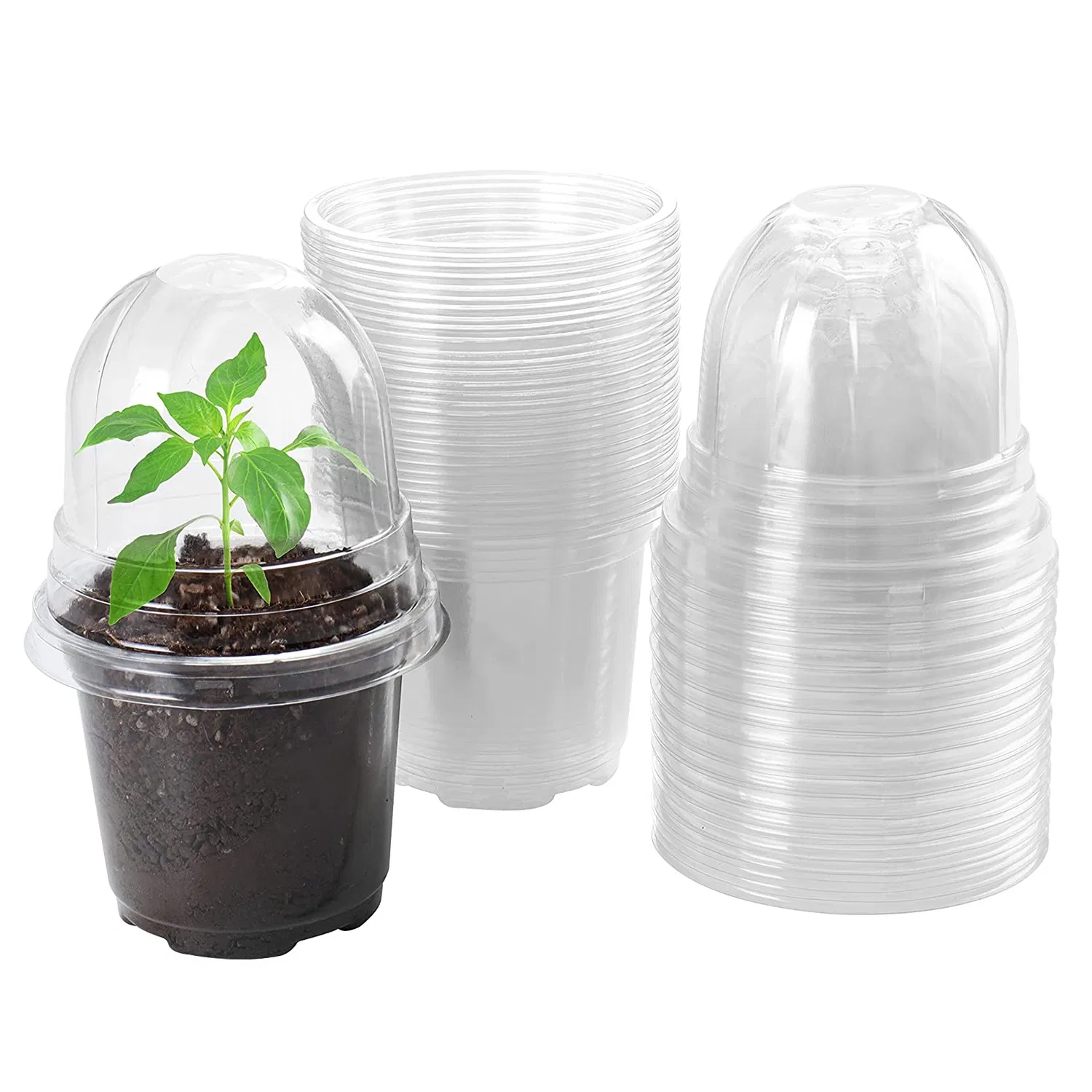 30Pcs Plant Nursery Pots PET Flower Seed Starting Container with Dome Drainage Holes$30.99View on Mallflare
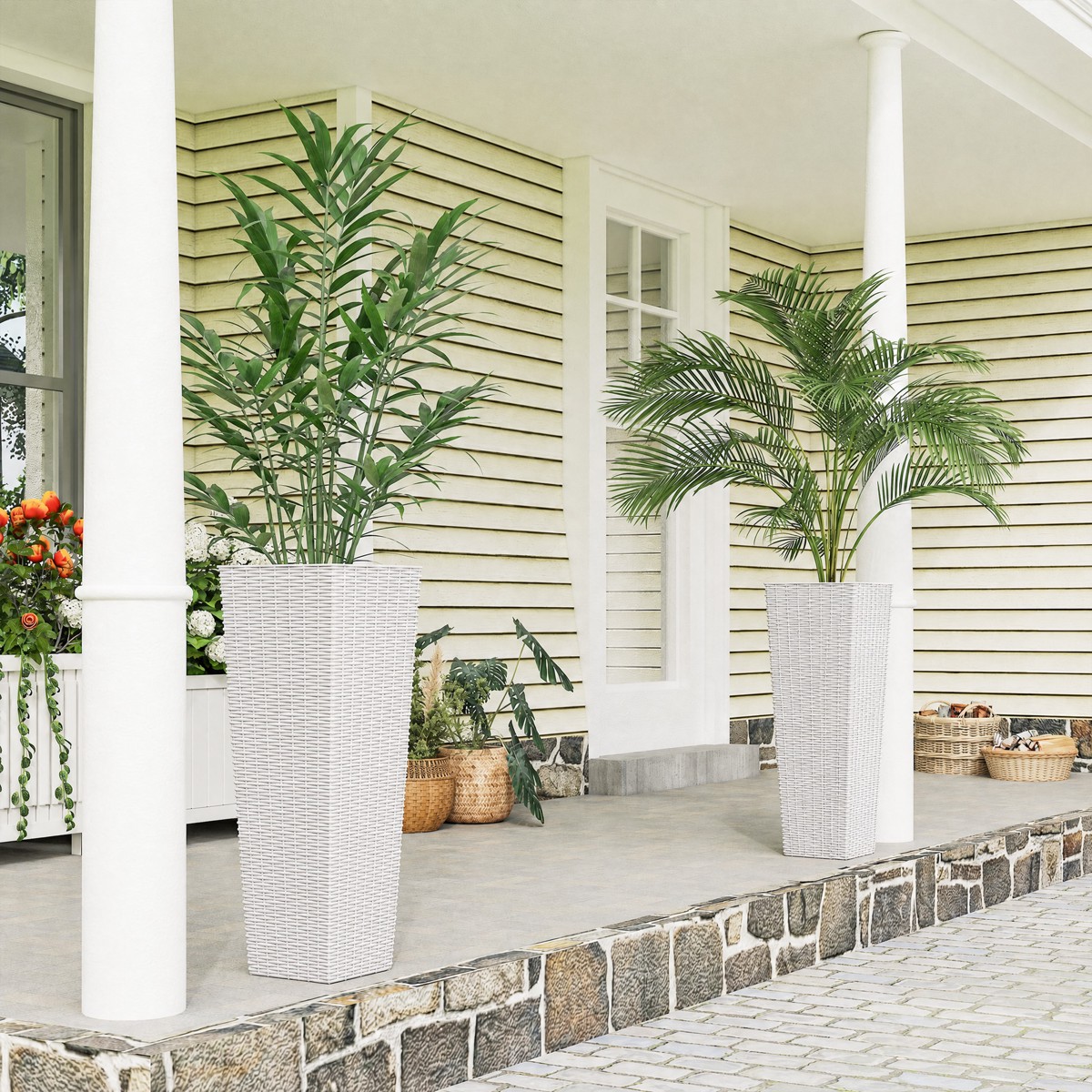 32 Inch Tall Planters for Outdoor Plants, Set of 2 Plastic Flower Pots with Drainage Holes, White$86.99View on Mallflare
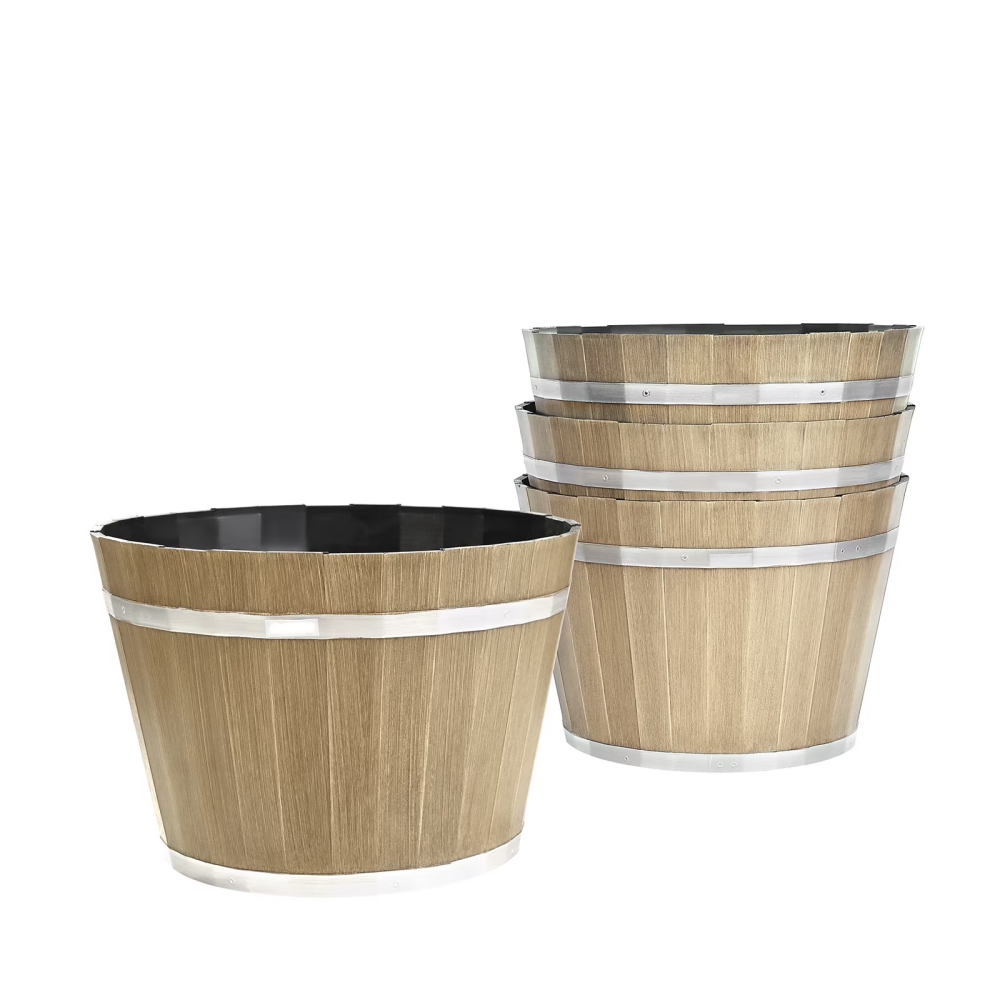 Set of 4 Large 11.81-inch Whiskey Barrel-Style Planters with Drainage Holes, Durable Plastic Flower Pots for Indoor and Outdoor Use, Rustic Brown Design for Gardens, Homes, and Plants$110.99View on Mallflare
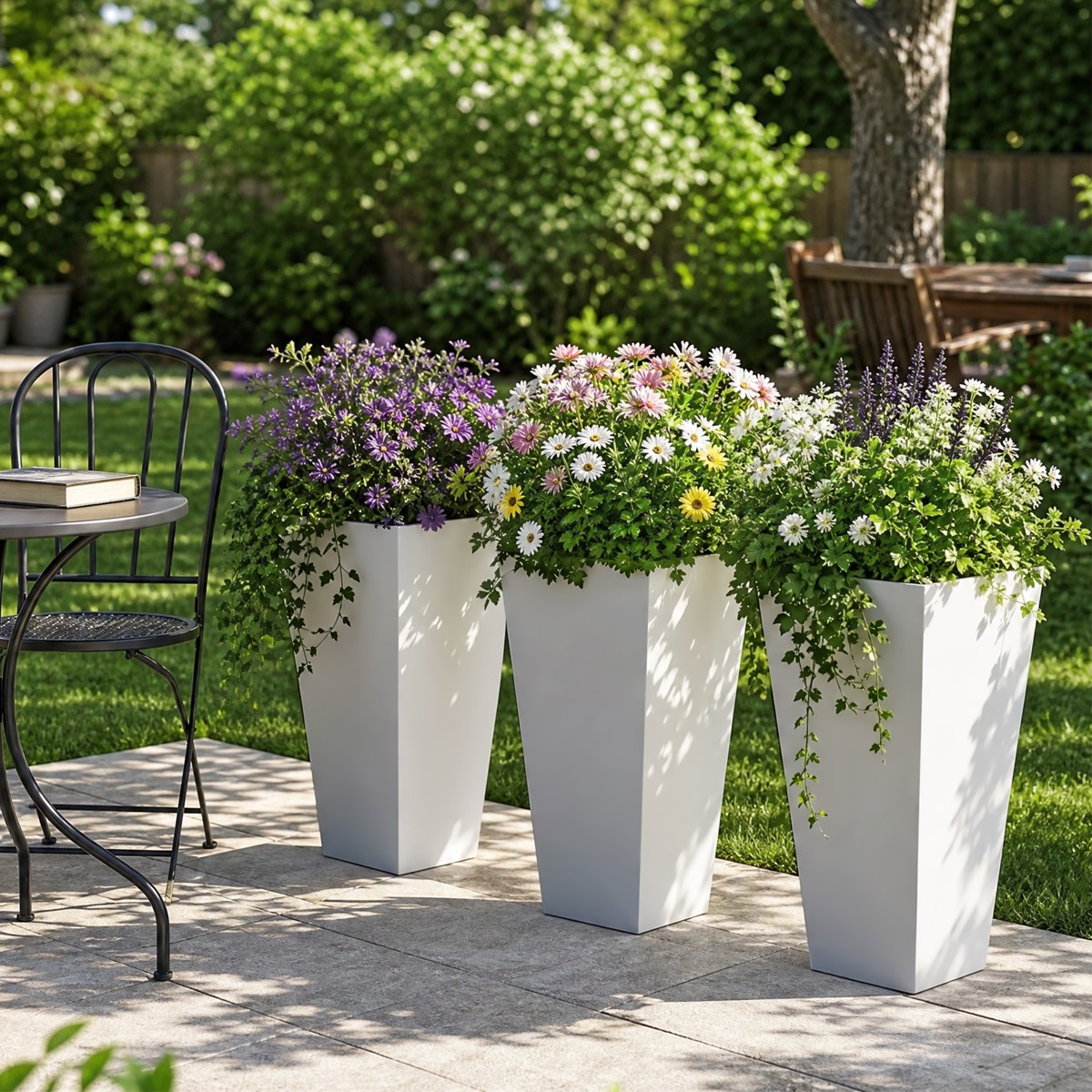 Tall Planters for Outdoor Plants Set of 3, 28 In Taper with Drainage Holes, Indoor Large Plant Pots, White$122.99View on Mallflare
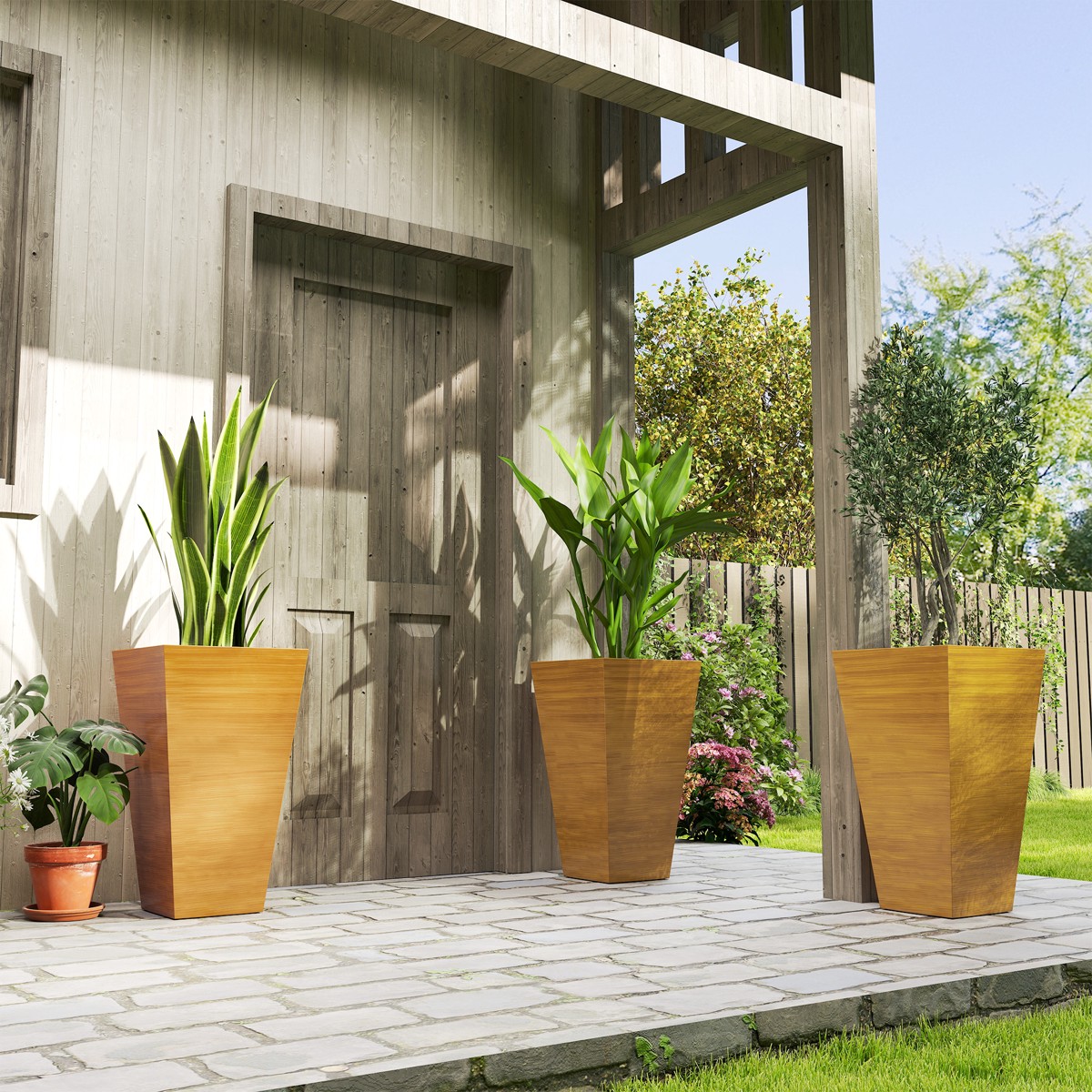 Set of 3 Tall Planters, 28" Outdoor Planter w/ Drainage Holes, Faux Wood Plastic Flower Pots, Light Brown$122.99View on Mallflare
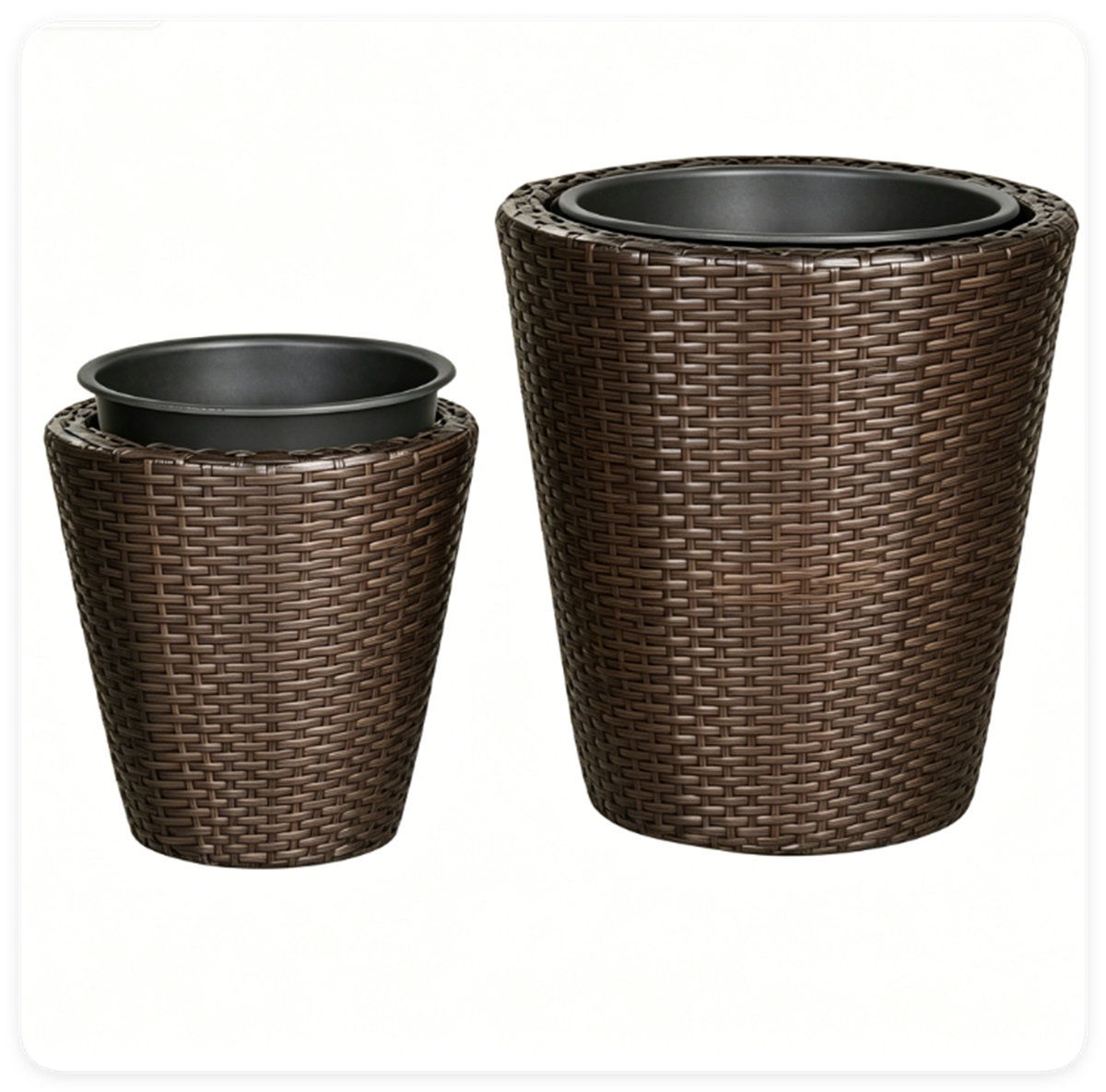 2-Piece PP Rattan Planter Set, 15” & 12” Tapered Square Flower Pots with Built-in Inner & Drainage Holes for Indoor Outdoor Patio Garden$133.99View on Mallflare
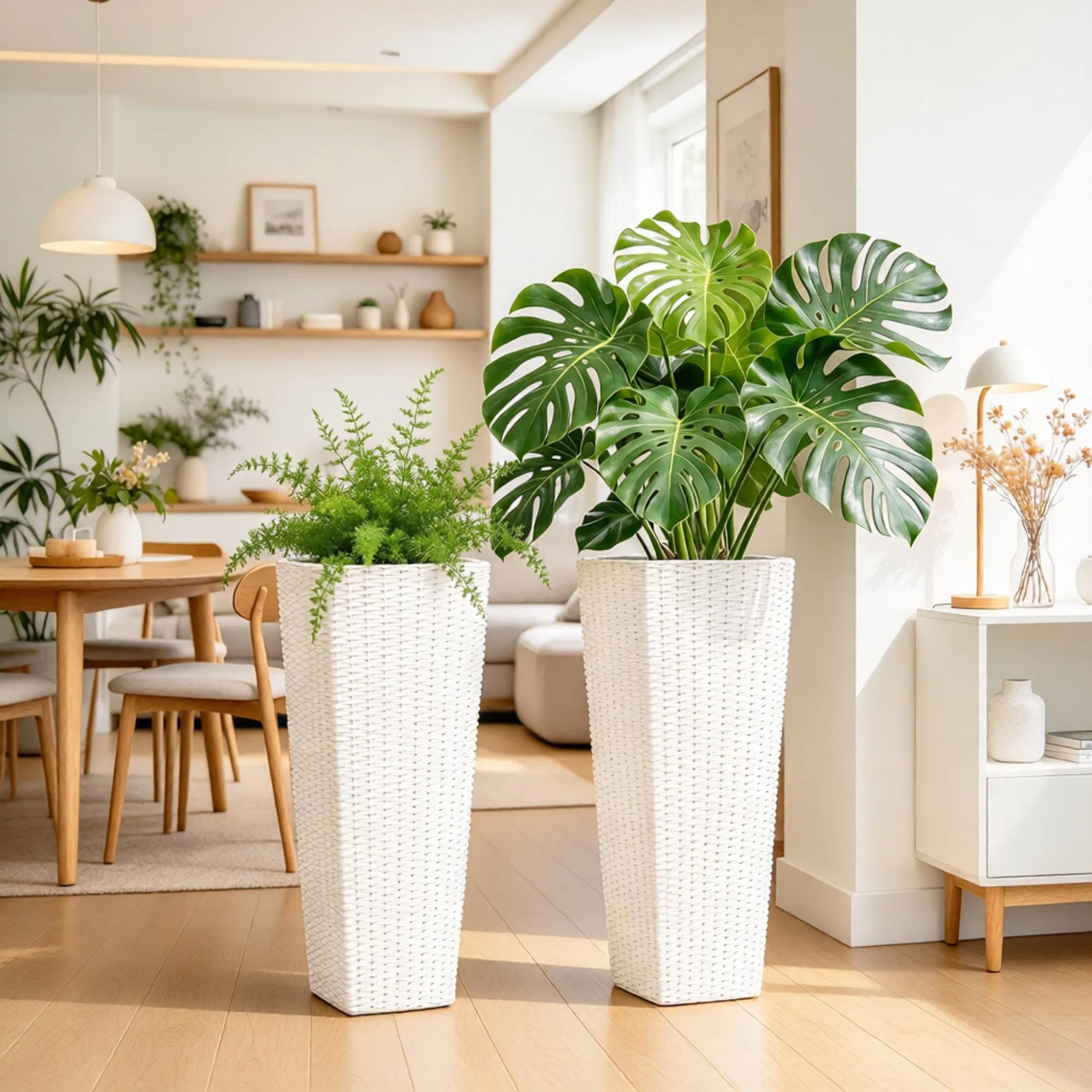 Set of 2 Tall Planters 32 Inch, Plastic Flower Pots for Outdoor Plants with Drainage Holes, White$144.99View on Mallflare
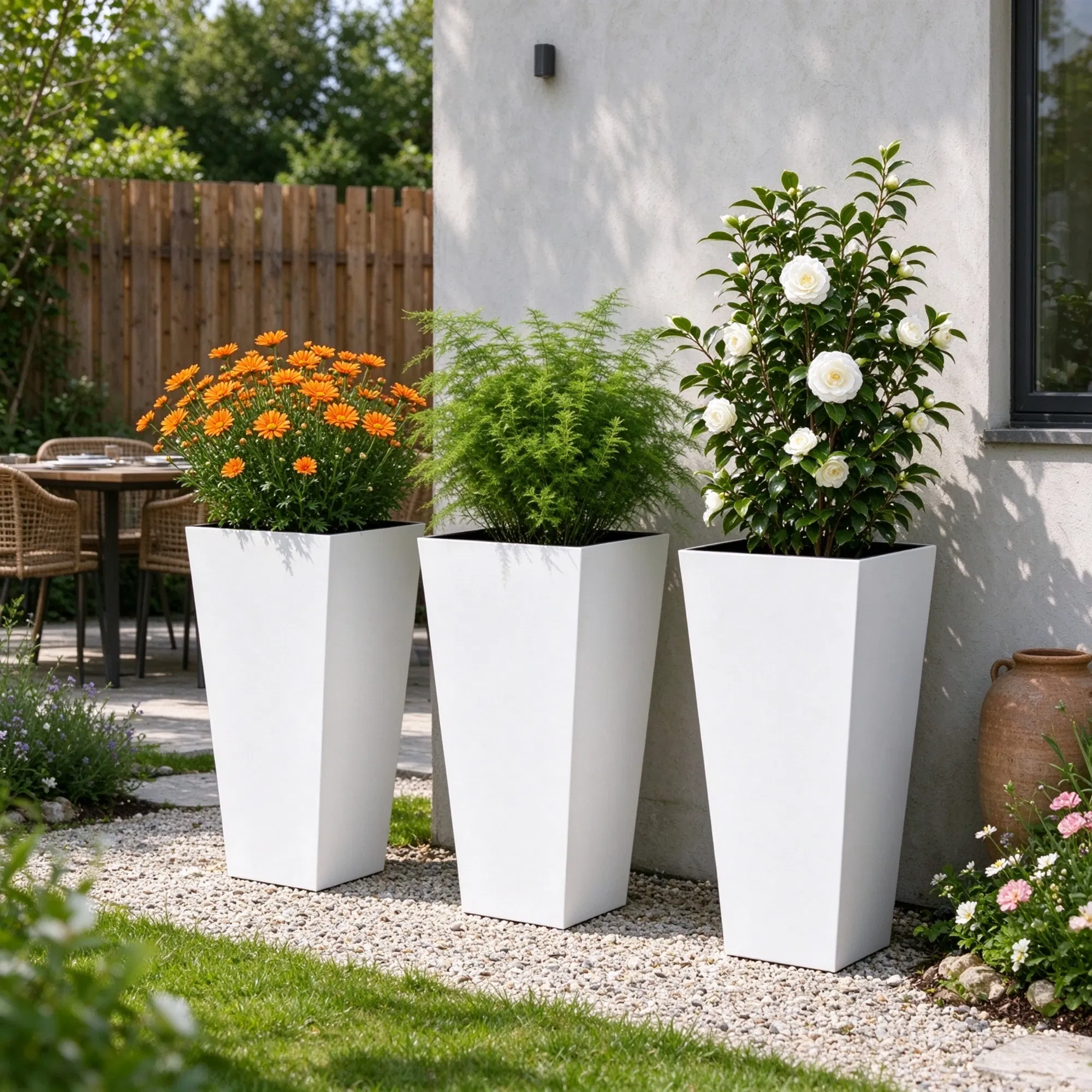 White Tall Planters for Outdoor Plants, Set of 3, 28 Inch Taper with Drainage Holes, Large Indoor Plant Pots$203.99View on Mallflare
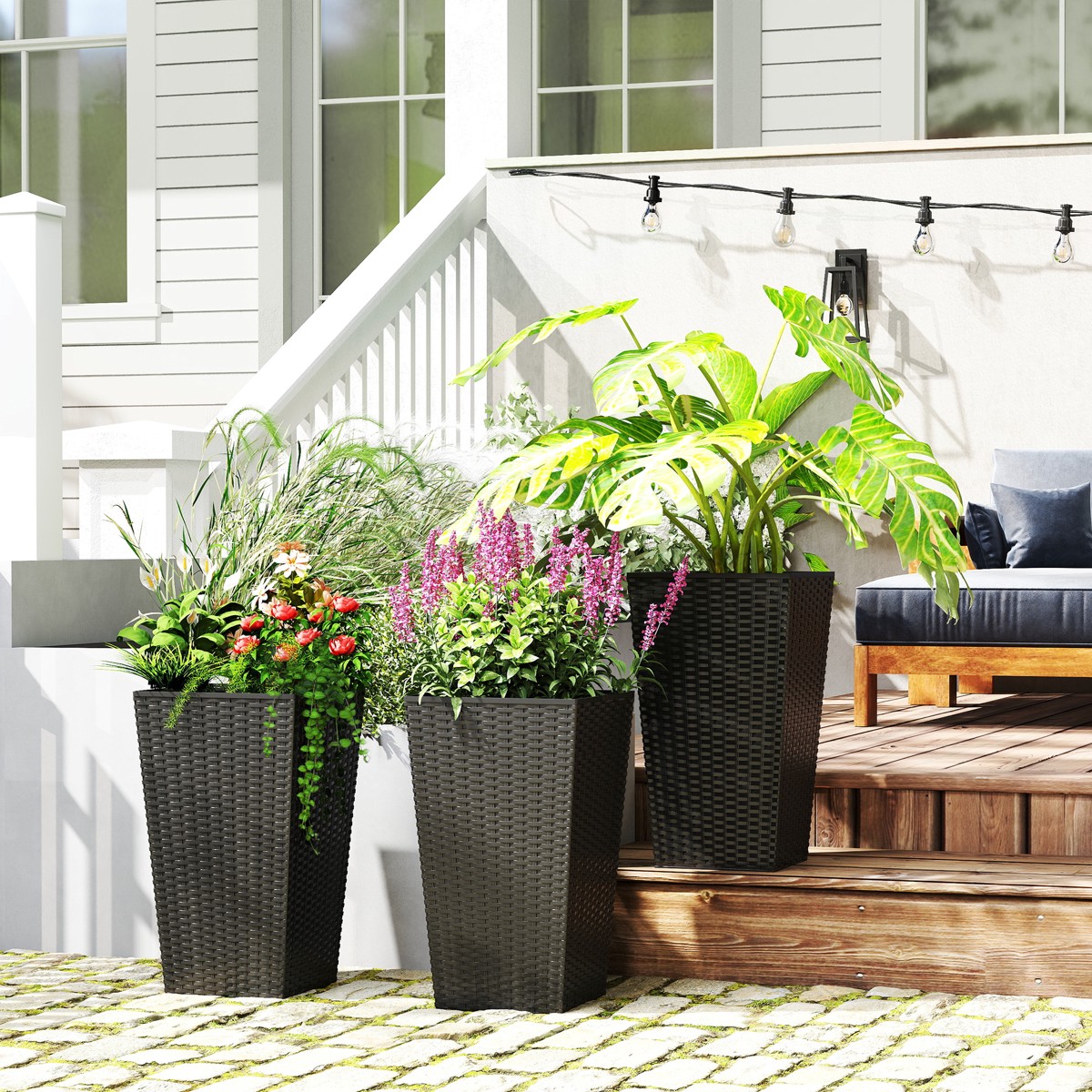 Tall Planters for Outdoor Plants Set of 3, 24 In Taper with Drainage Holes, Rattan Decor Plant Pots for Indoor Front Porch Patio Backyard, Black$225.99View on Mallflare
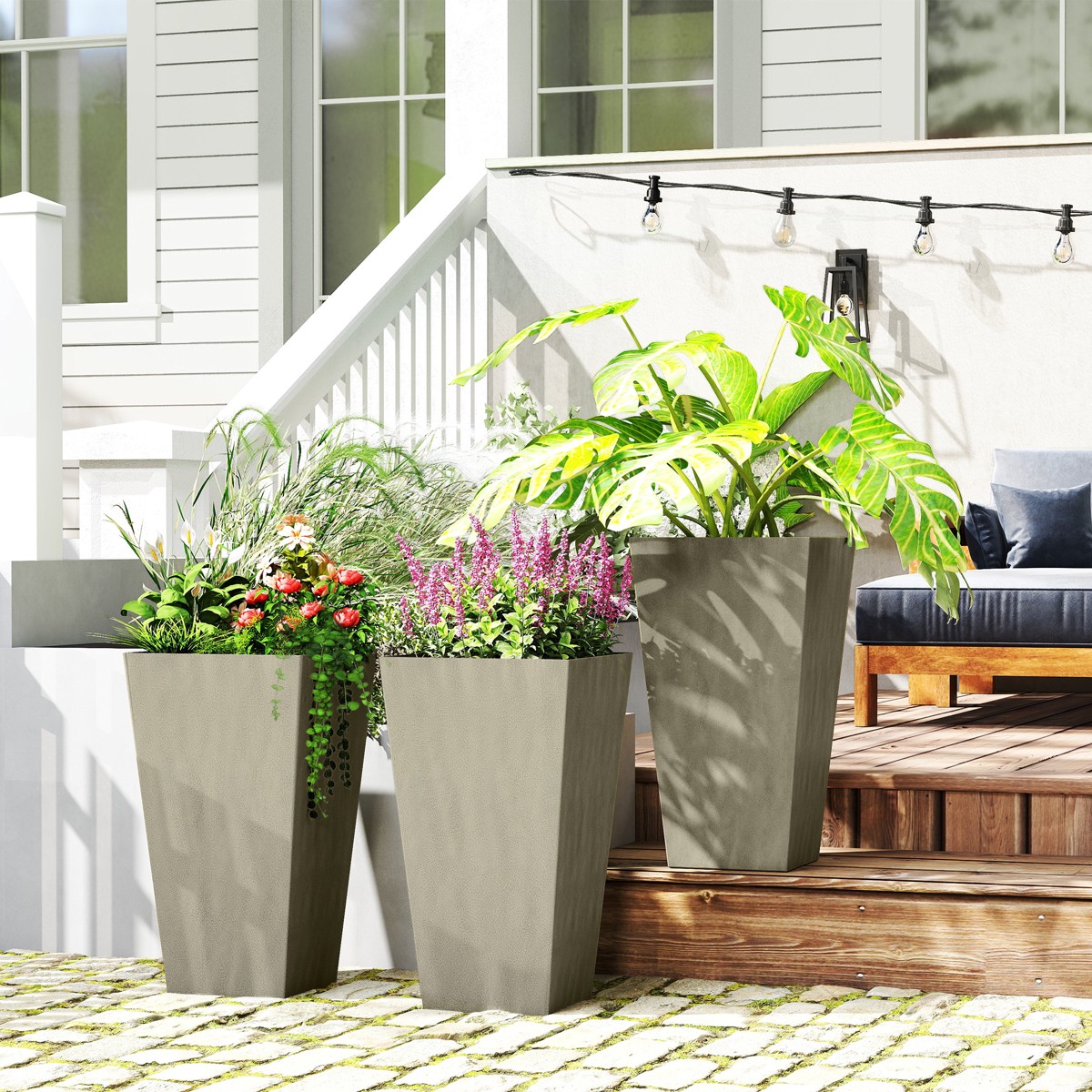 Tall Planters for Outdoor Plants Set of 3, 28 In Taper with Drainage Holes, Indoor Grande Plant Pots, Front Porch Decor, Grey$229.99View on Mallflare
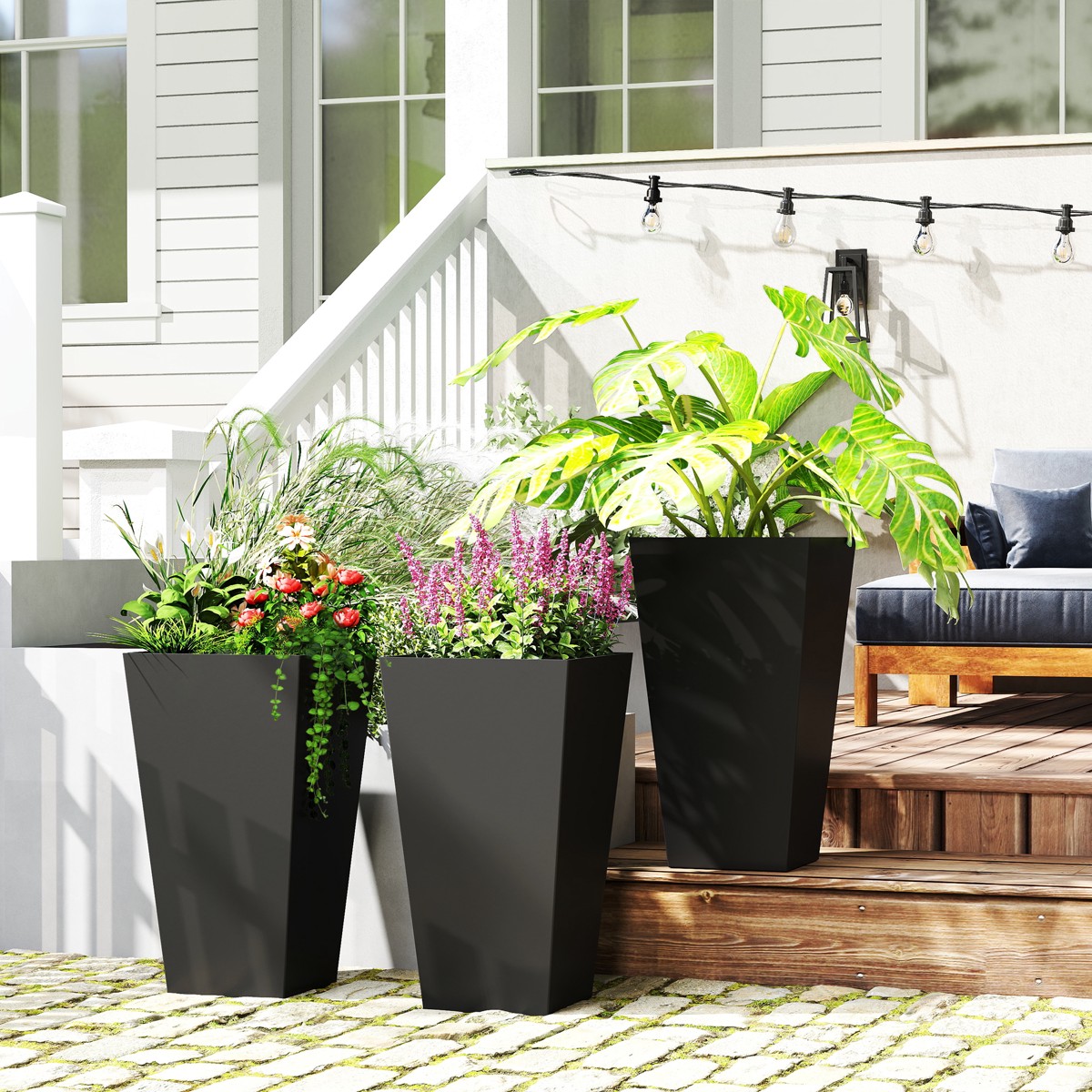 Tall Planters for Outdoor Plants Set of 3, 28 In Taper with Drainage Holes, Indoor Grande Plant Pots, Front Porch Decor, Black$295.99View on Mallflare
Highlights
- Drainage hole diameter and count matter more than total area: one 1/2-inch hole per 2 gallons of soil volume is the minimum for container plants.
- Fabric pots drain and aerate through the entire wall, eliminating perched water tables but requiring more frequent watering and a tray or saucer indoors.
- Glazed ceramic and plastic pots rely on bottom holes plus a drainage layer of coarse material; unglazed terracotta wicks moisture through the wall and dries faster.
- Tall tapered planters (24-32 inch) need a riser or false bottom because a single bottom hole can be blocked by the weight of saturated soil.
Best use cases
- Best fit indoor houseplants: pick a glazed or plastic pot with a removable saucer and a centered 1/2-inch hole; skip fabric pots unless you use a waterproof liner.
- Best fit outdoor porch or patio: select UV-stabilized plastic or frost-resistant ceramic with at least one 3/4-inch hole; skip thin-walled terracotta in freeze-thaw climates.
- Best fit seed starting and nursery: use PET or PP trays and pots with dome drainage holes in multi-cell formats; skip decorative pots that lack true drainage openings.
- Best fit large floor plants: choose tall planters with a false bottom or elevator kit and a side drainage hole; skip sealed decorative cachepots used as primary containers.
Buying tips
- Match pot volume to root ball: 1 gallon of soil per 6 inches of pot diameter is the baseline; a 24-inch tall planter needs roughly 10-15 gallons of media and a 1-inch drainage hole.
- For outdoor use, demand UV-stabilized polypropylene or polyethylene; unmarked plastic and thin ceramic craze and crack after one winter.
- Check saucer depth: indoors, a saucer must hold at least 10% of the pot's water volume, or use a self-watering insert with an overflow hole.
- Tapered tall planters tip in wind; pick a base width at least 60% of the top diameter and add a weighted false bottom for 28-inch and taller models.
Specs
| Drainage Type | Bottom holes / fabric wall / side ports |
|---|---|
| Hole Size Minimum | 1/2 in (small) / 3/4 in (large) |
| Material Grade | UV-stabilized PP / glazed ceramic / fabric |
| Indoor Companion | Saucer or self-watering insert required |
Related searches
What to check before buying
- Measure the plant's root ball and current pot: choose a new pot 2-4 inches wider in diameter, not taller than the root ball depth by more than 2 inches.
- Confirm the pot's drainage hole is open and at least 1/2 inch for pots under 14 inches, 3/4 inch for larger pots, and not covered by a glued saucer.
- For outdoor placement, verify material is UV-stabilized and frost-resistant if your climate drops below freezing; plastic pots need drainage holes elevated above the ground.
- Indoors, pair every drainage hole with a saucer or liner, and place a tray or waterproof mat under fabric pots to protect floors.
FAQ
Data sources: eBay / Amazon listings and product attribute feeds. Updated Nov 28, 2026.
Some links on this page are affiliate links. If you buy after clicking one, we may earn a commission at no extra cost to you. This does not change which products appear here or their order. Affiliate disclosure.