
Photos from current listings. Actual item, color, and included accessories may vary.
Outdoor Plant Pot Buying Guide
Outdoor plant pots span four material families—plastic, metal, wood, and fabric—each trading weather durability against weight, drainage control, and root/soil temperature management. The decisive split is simple: rotational-molded HDPE or thick galvanized steel lasts a decade outdoors, while thin injection-molded plastic, untreated wood, and bare fabric degrade in one to three seasons. Buy for the pot's structural wall and drainage path, not its decorative finish.
Median $131.99
Key takeaways
- Rotational-molded HDPE (thick, UV-stabilized) resists fading and cracking for 10+ years; thin injection-molded pots embrittle and shatter after 1-2 winters.
- Galvanized steel planters need 0.8-1.2 mm wall thickness and zinc coating; uncoated or powder-coated-only metal rusts at welds and drainage holes within a season.
- Fabric grow bags (non-woven PE or felt, 300-400 GSM) air-prune roots and drain fast but dry out in hours and degrade from UV within 2-3 seasons unless UV-treated.
At a glance
- Category
- Raised Garden Beds & Planters
- Last updated
- Nov 28, 2026
Current offers
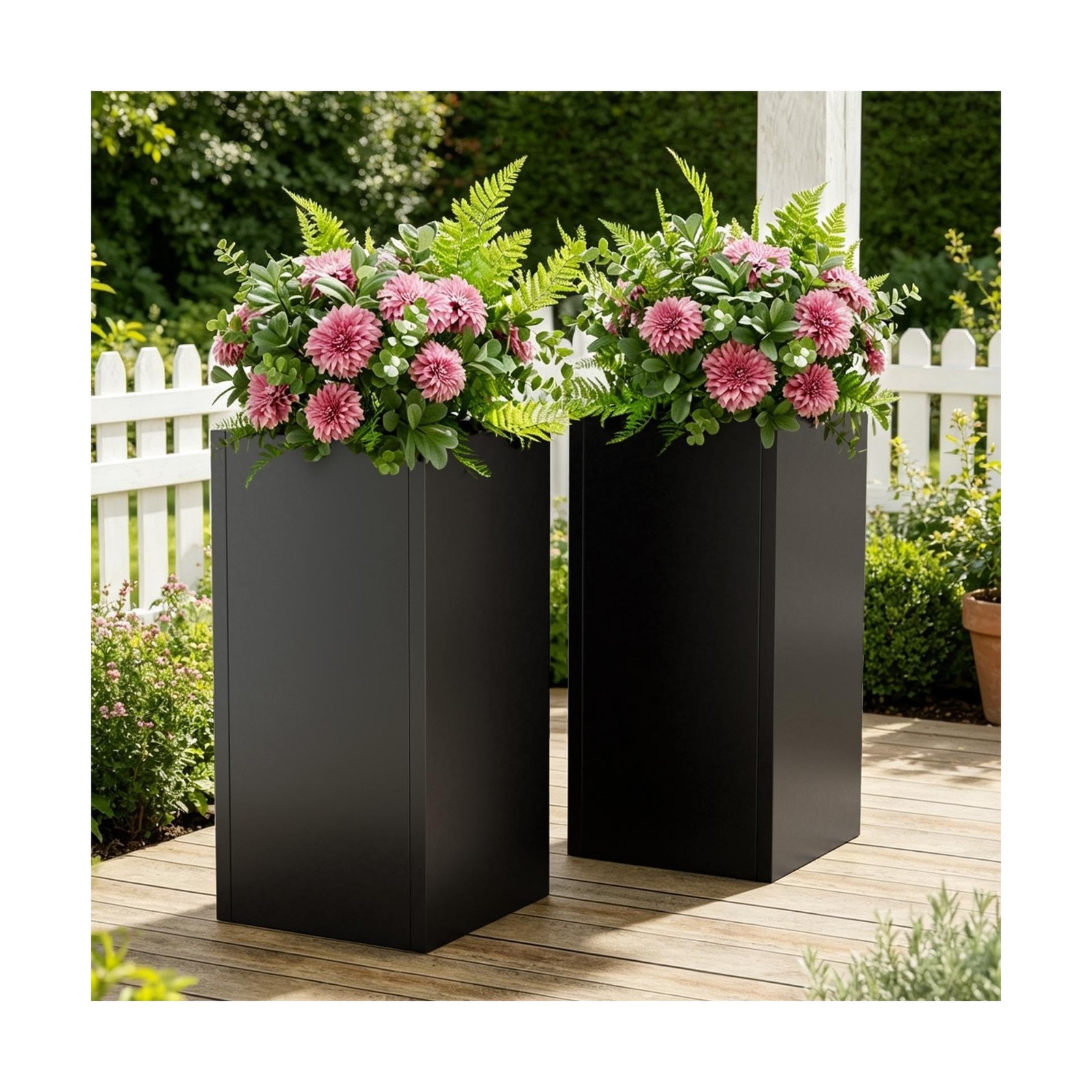 24" Metal Tall Planters Box for Outdoor Plants - Square Black 2Pack | Galvani...$139.25View on eBay
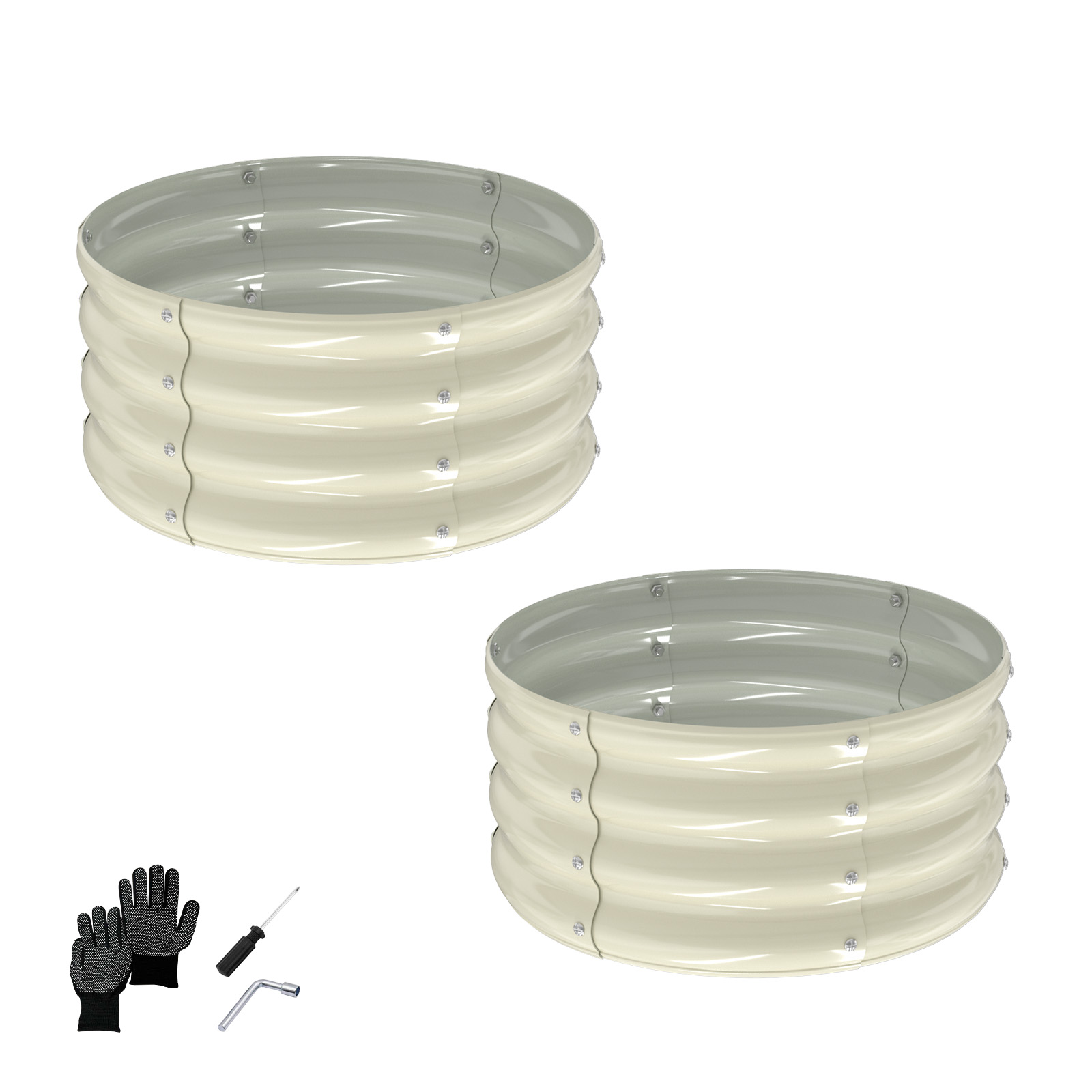 2 Pcs 2×2×1ft Raised Garden Bed, Round Galvanized Outdoor Planter Box, Metal Bed for Planting Vegetables Fruits Flowers, White$41.99View on Mallflare
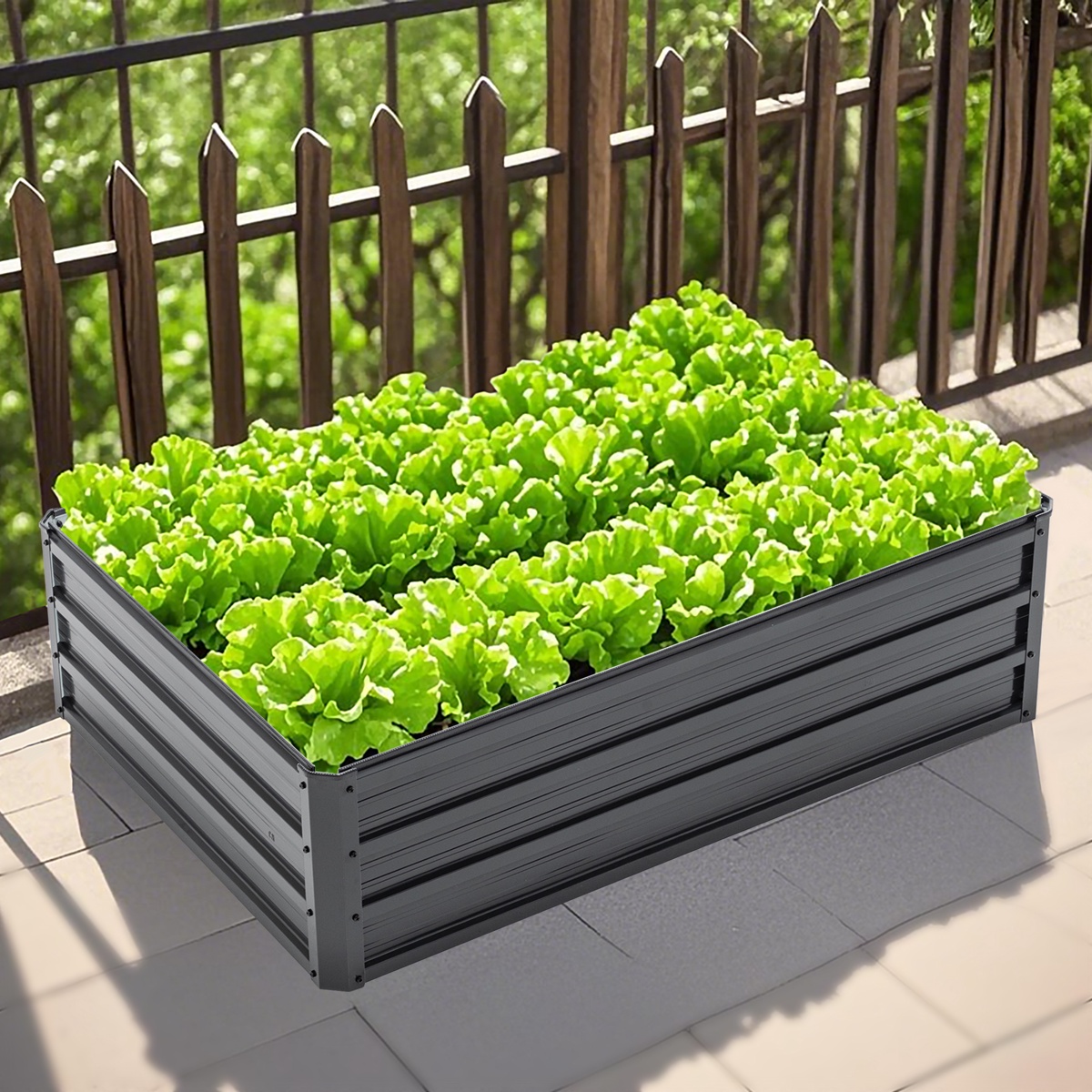 4x3x1ft Metal Raised Garden Bed,Deep Root Outdoor Galvanized Planter Box,Patio Kit Planting Beds for Vegetables Flowers Herb,Black$55.99View on Mallflare
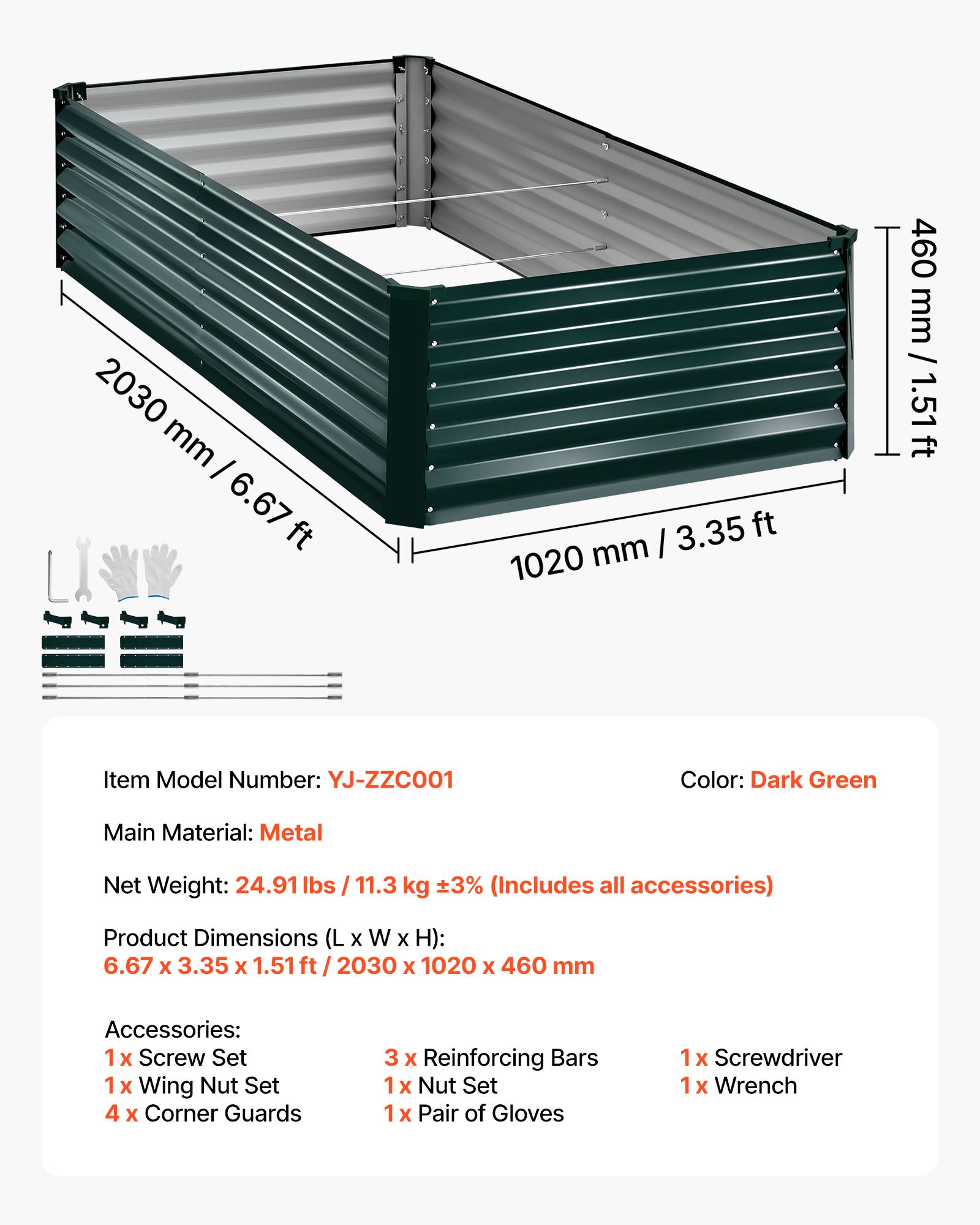 Galvanized Raised Garden Bed, 6.67 X 3.35 X 1.51 Ft, Rectangular Metal Planter Box Kit Outdoor, Rustproof Elevated Planting Box With Gloves, Alu-Zinc, For Growing Flowers Vegetables, Dark Green$72.99View on Mallflare
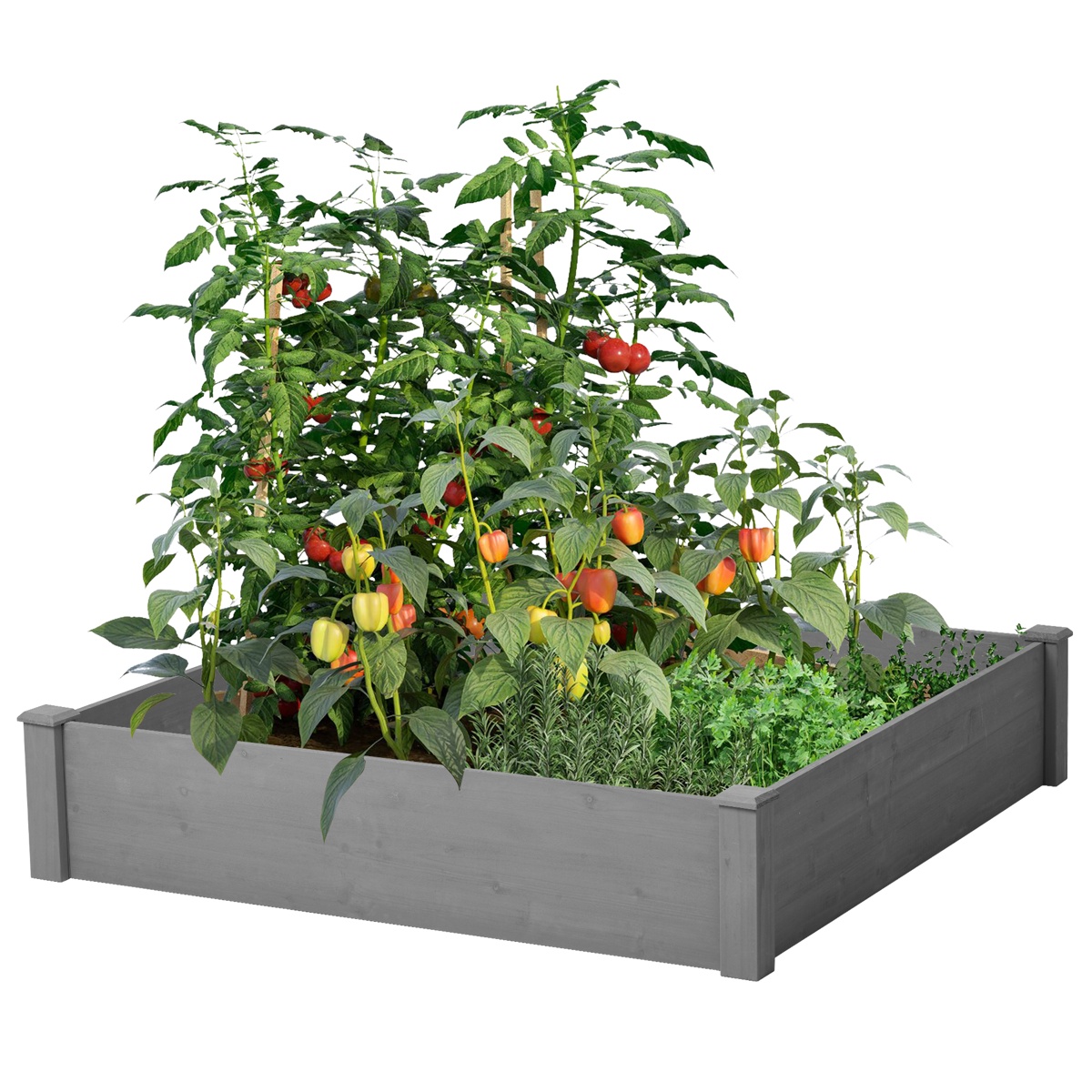 Raised Garden Bed 48x48x10'', Outdoor Wood Planter Box Over Floor, Tool-Free Assembly$75.99View on Mallflare
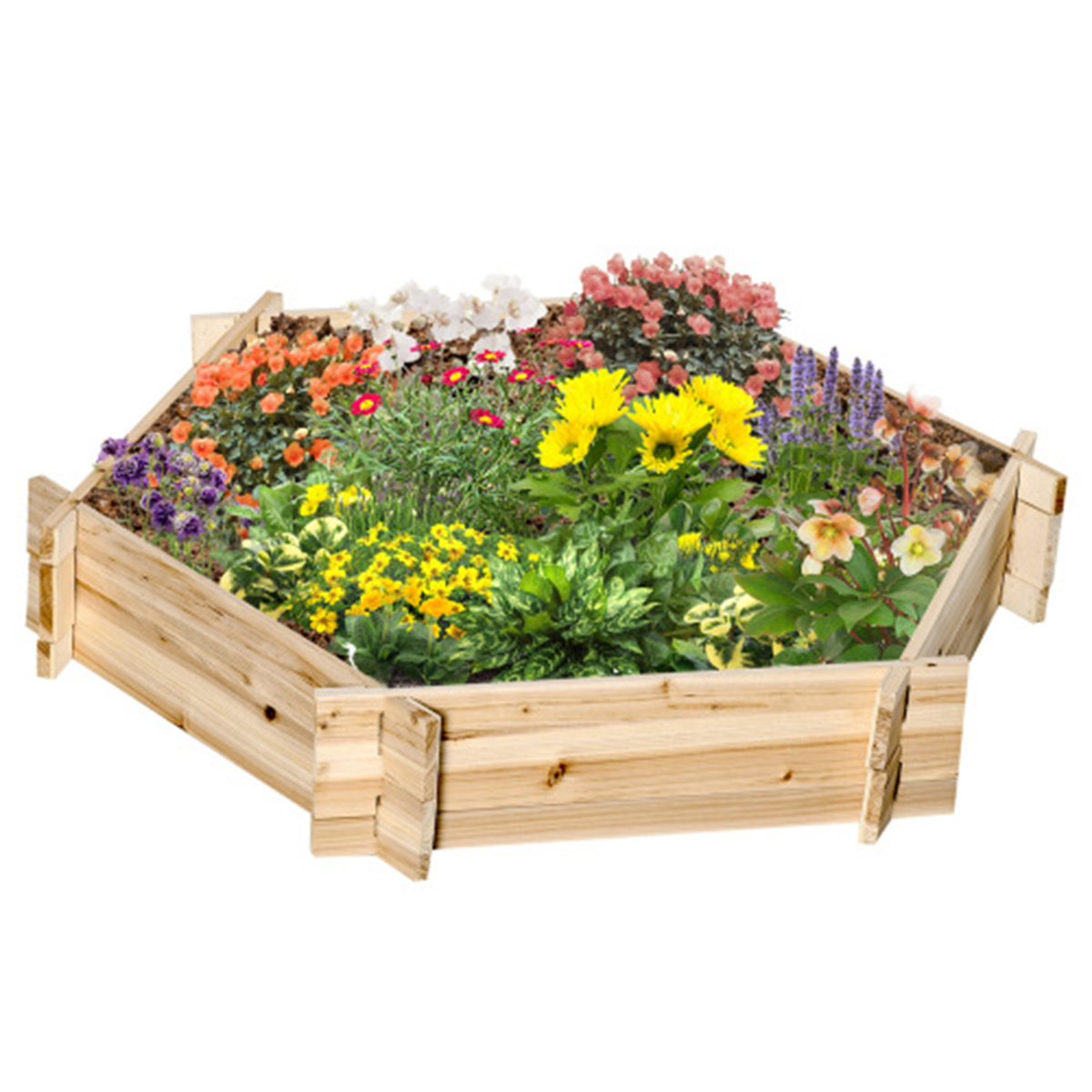 39" x 36" Screwless Hexagon Raised Garden Bed – DIY Herb Planter Box for Outdoor Gardening$82.99View on Mallflare
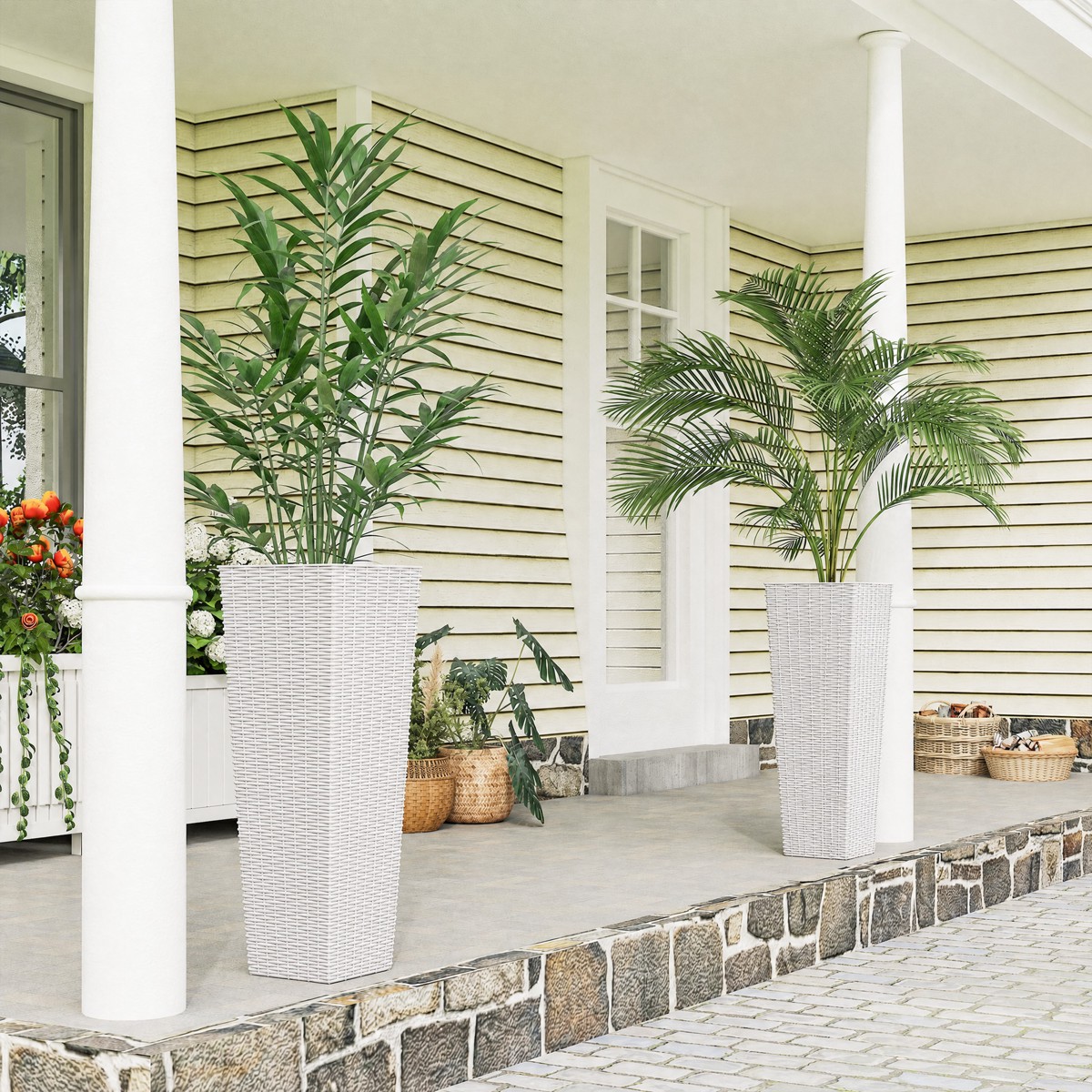 32 Inch Tall Planters for Outdoor Plants, Set of 2 Plastic Flower Pots with Drainage Holes, White$86.99View on Mallflare
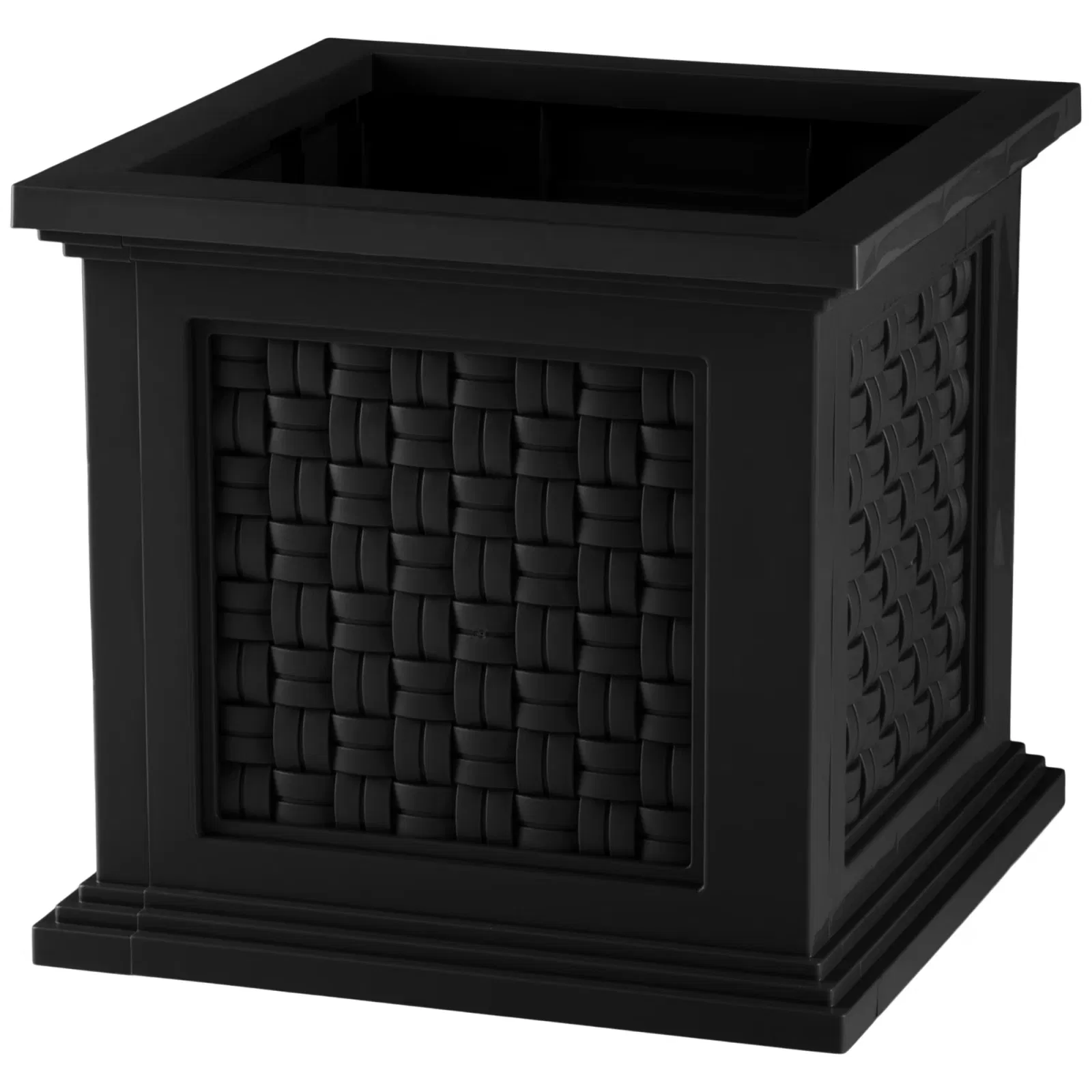 Outdoor Rattan Style Planter Box - 14.65-Inch Plant Pot, Black$87.99View on Mallflare
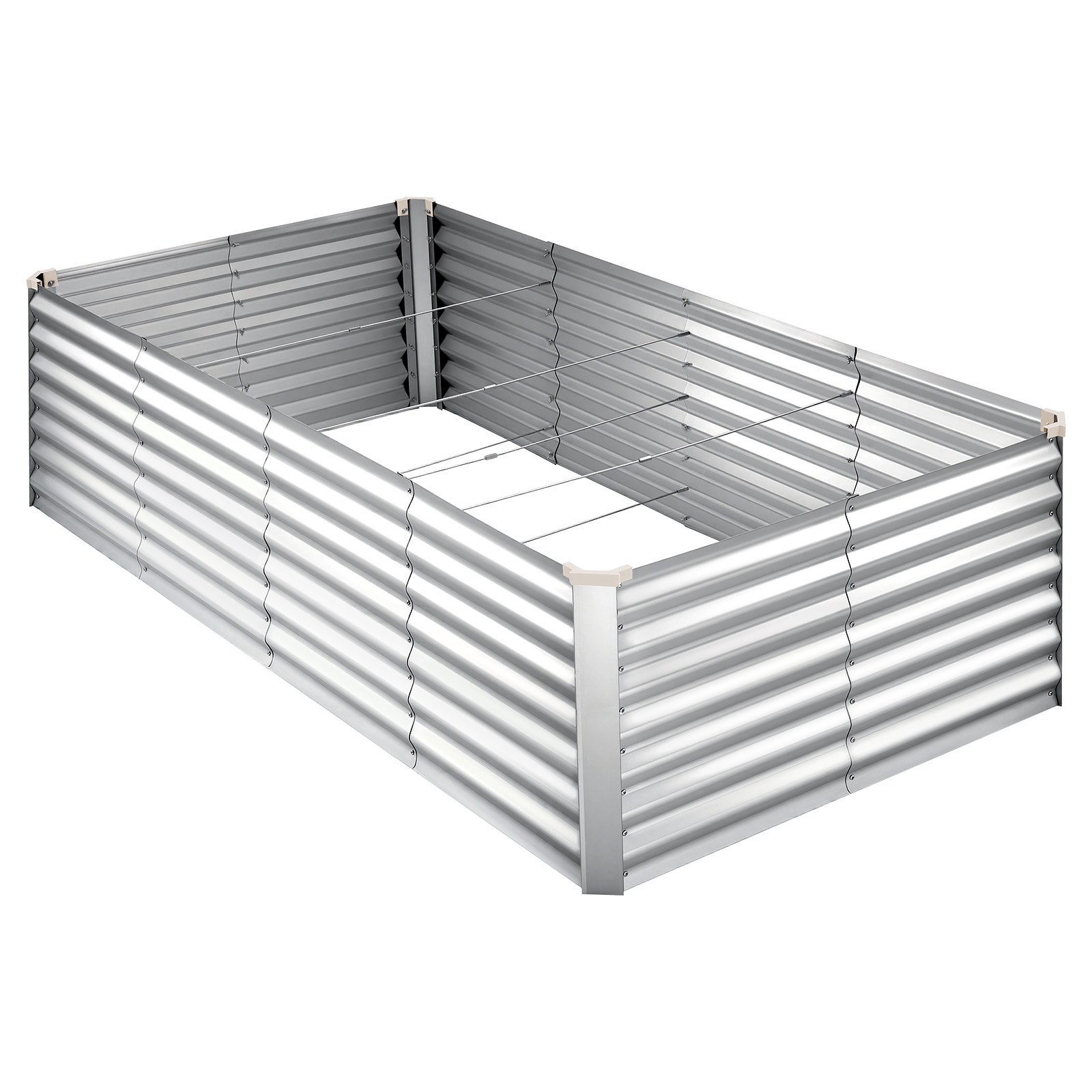 Galvanized Raised Garden Bed, 8 X 4 X 2 Ft, Rectangular Metal Planter Box Kit Outdoor, Bottomless Elevated Planting Box With Gloves, Rustproof Alu-Zinc, For Growing Flowers Vegetables, Silver$95.99View on Mallflare
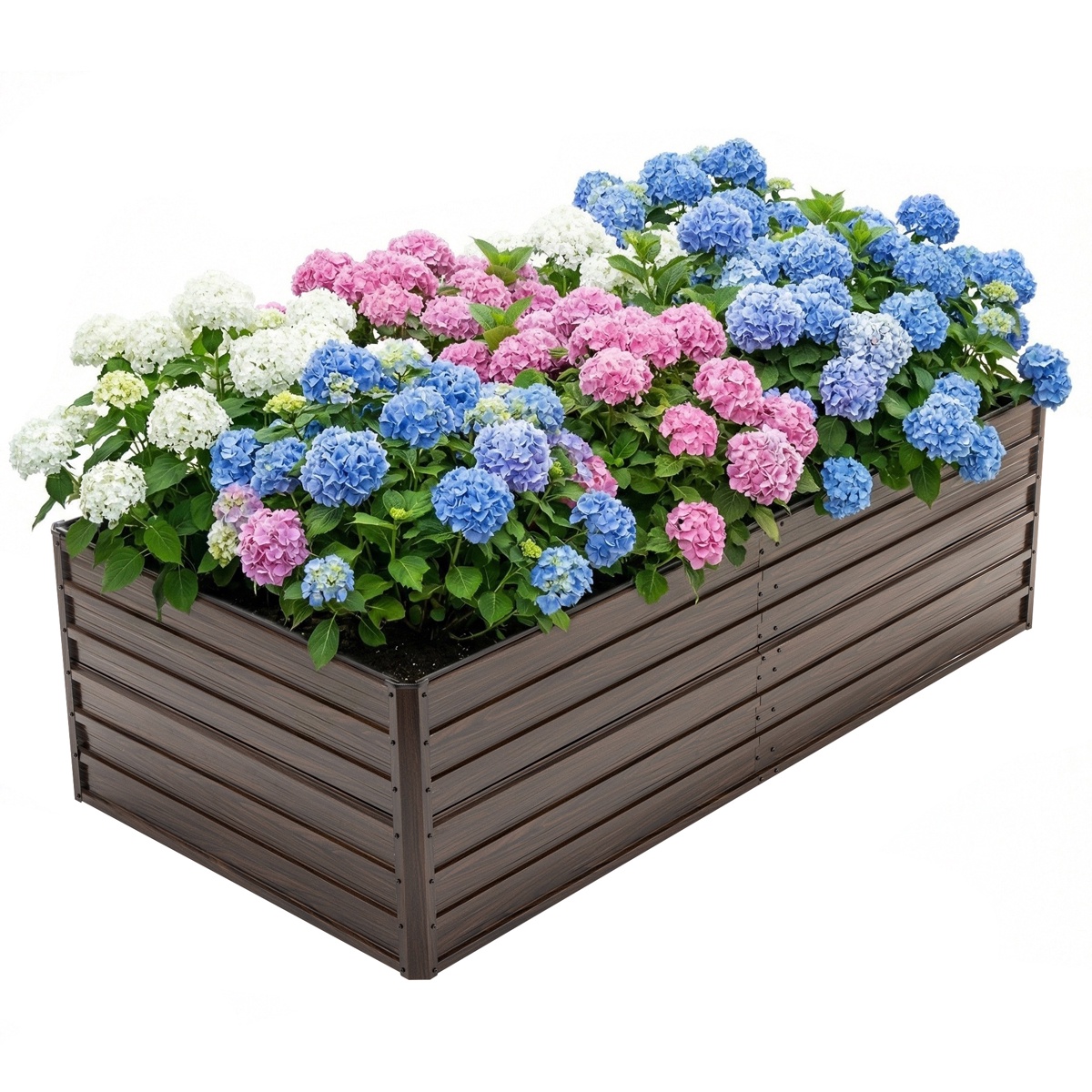 Woodgrain Aesthetic & Metal Strength: 8x4x2FT Galvanized Raised Garden Bed Kit - Large Outdoor Planter Box for Veggies, Fruits, Herbs$97.99View on Mallflare
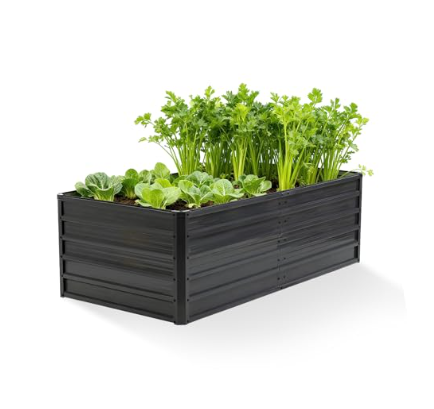 Metal Raised Garden Bed, 6x3x2ft Outdoor Planter Box, Beds For Planting Plants Vegetables, Flowers$98.99View on Mallflare
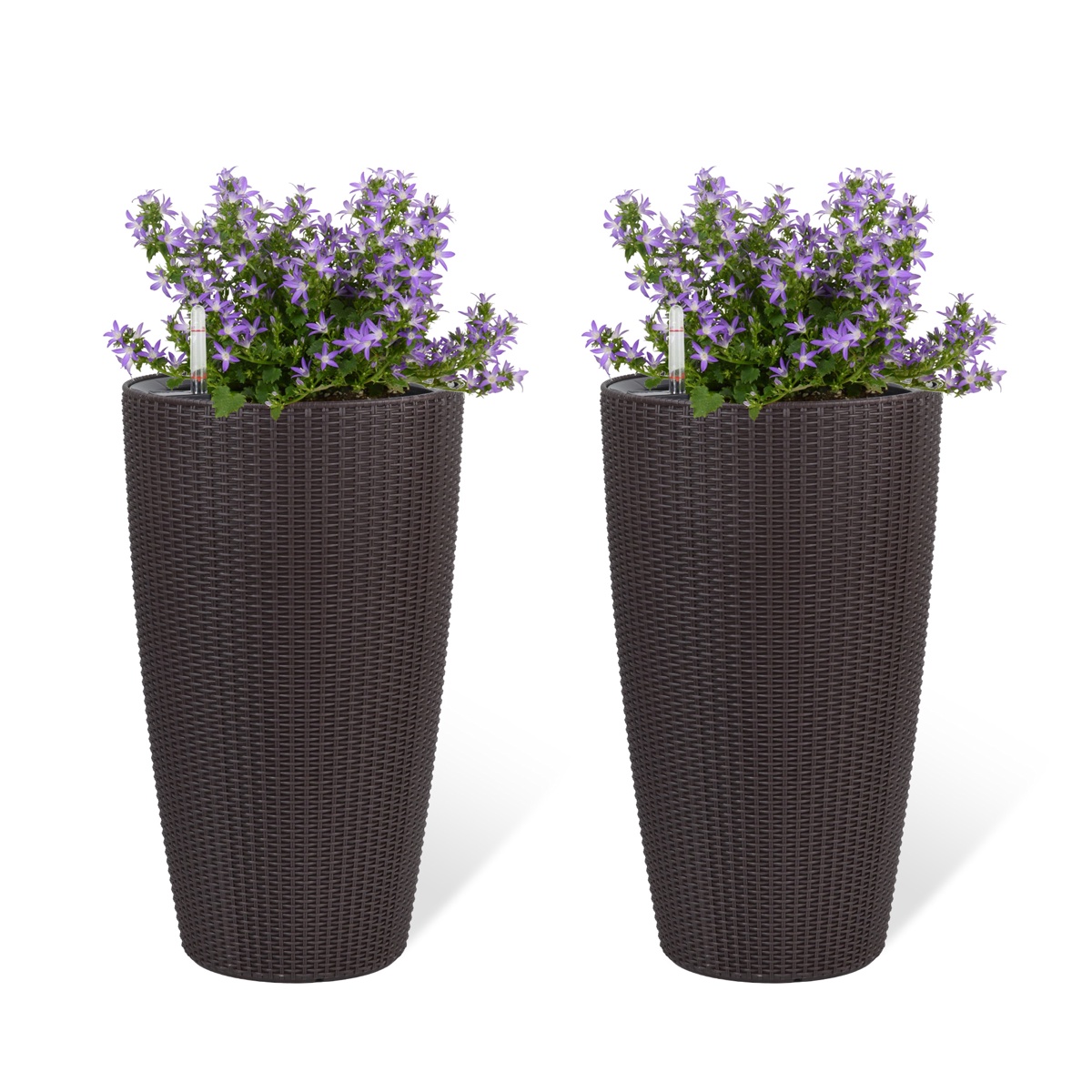 Set Of 2 Faux Rattan Tall Planters Outdoor Indoor Large With Water Level Monitor Inner Bucket, Automatic Watering, Flower Plant Pots For Garden, Patio, Porch, Brown, 22 Inch$112.99View on Mallflare
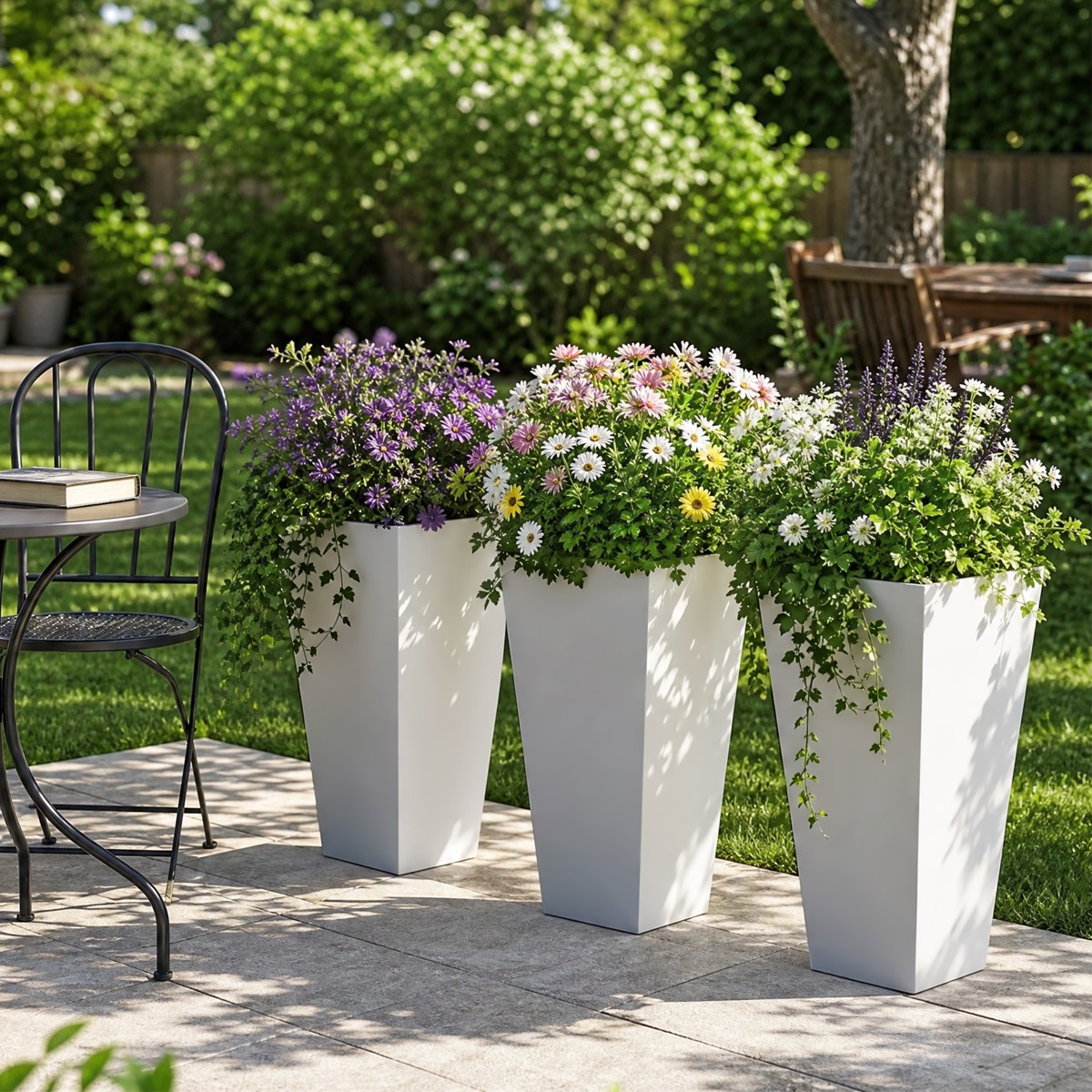 Tall Planters for Outdoor Plants Set of 3, 28 In Taper with Drainage Holes, Indoor Large Plant Pots, White$122.99View on Mallflare
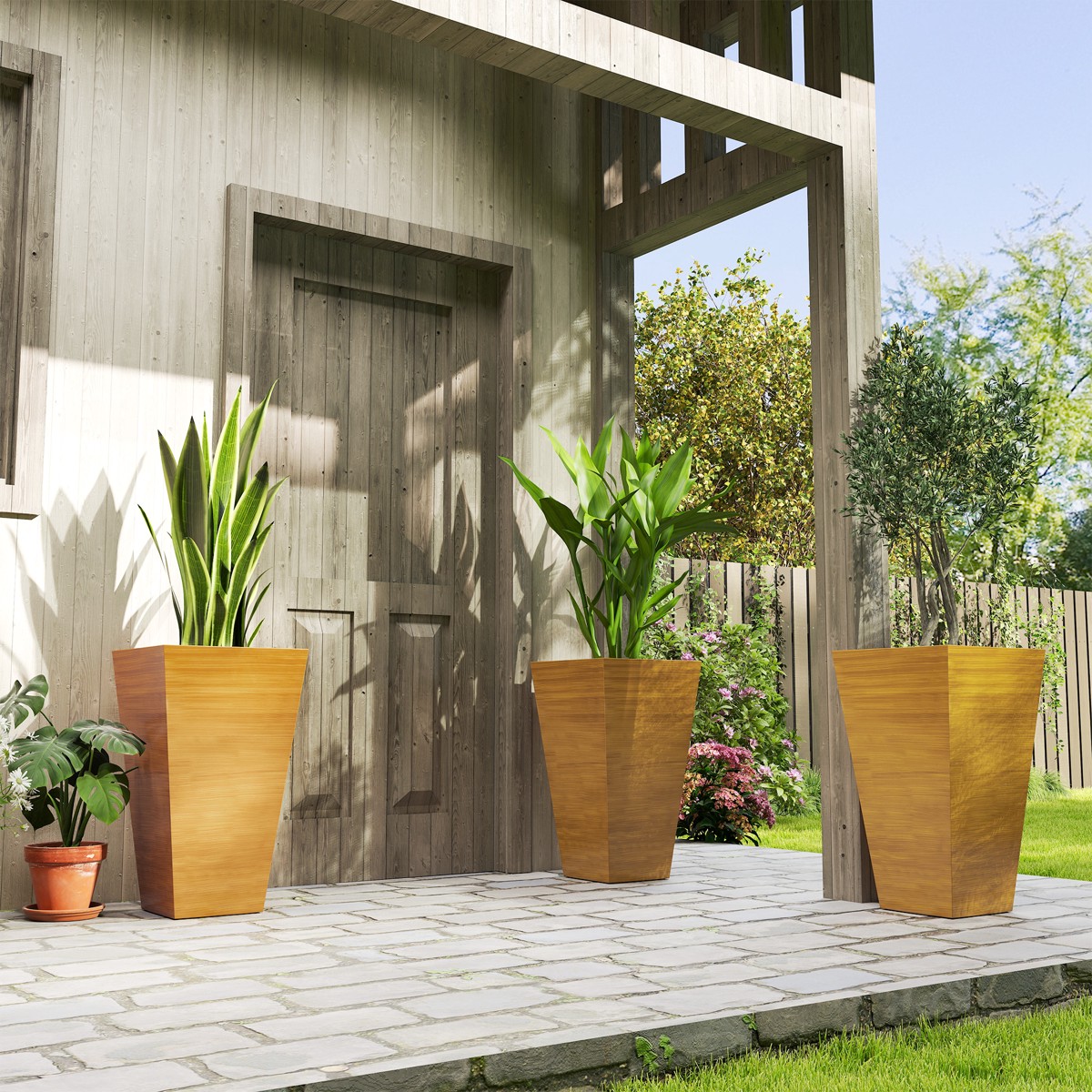 Set of 3 Tall Planters, 28" Outdoor Planter w/ Drainage Holes, Faux Wood Plastic Flower Pots, Light Brown$122.99View on Mallflare
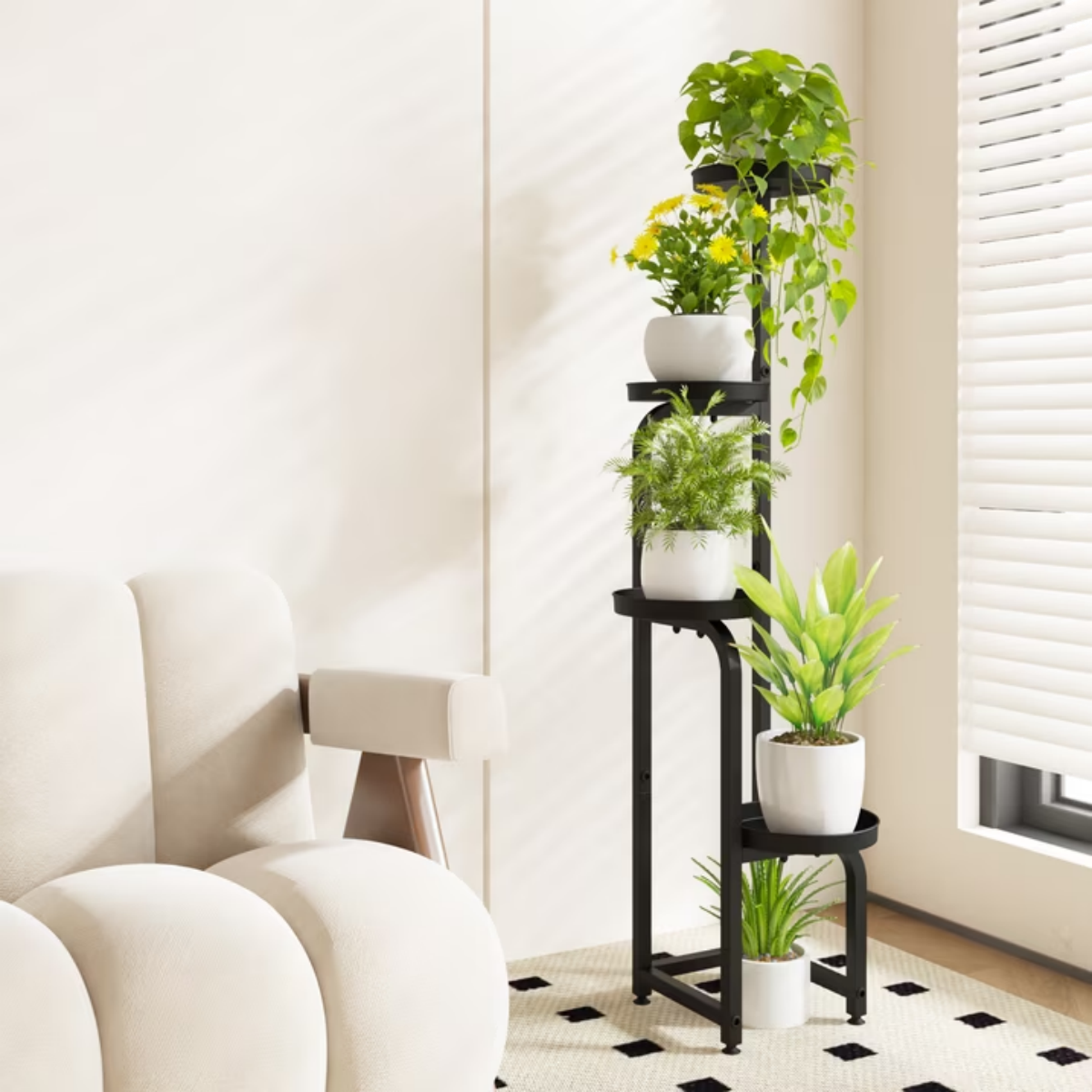 Tall Plant Stand Indoor Outdoor, Corner Metal Flower Pot Stands for Multiple Plants, 4 Tier Heavy Duty Shelf for Patio Garden Balcony Living Room Bedroom$122.99View on Mallflare
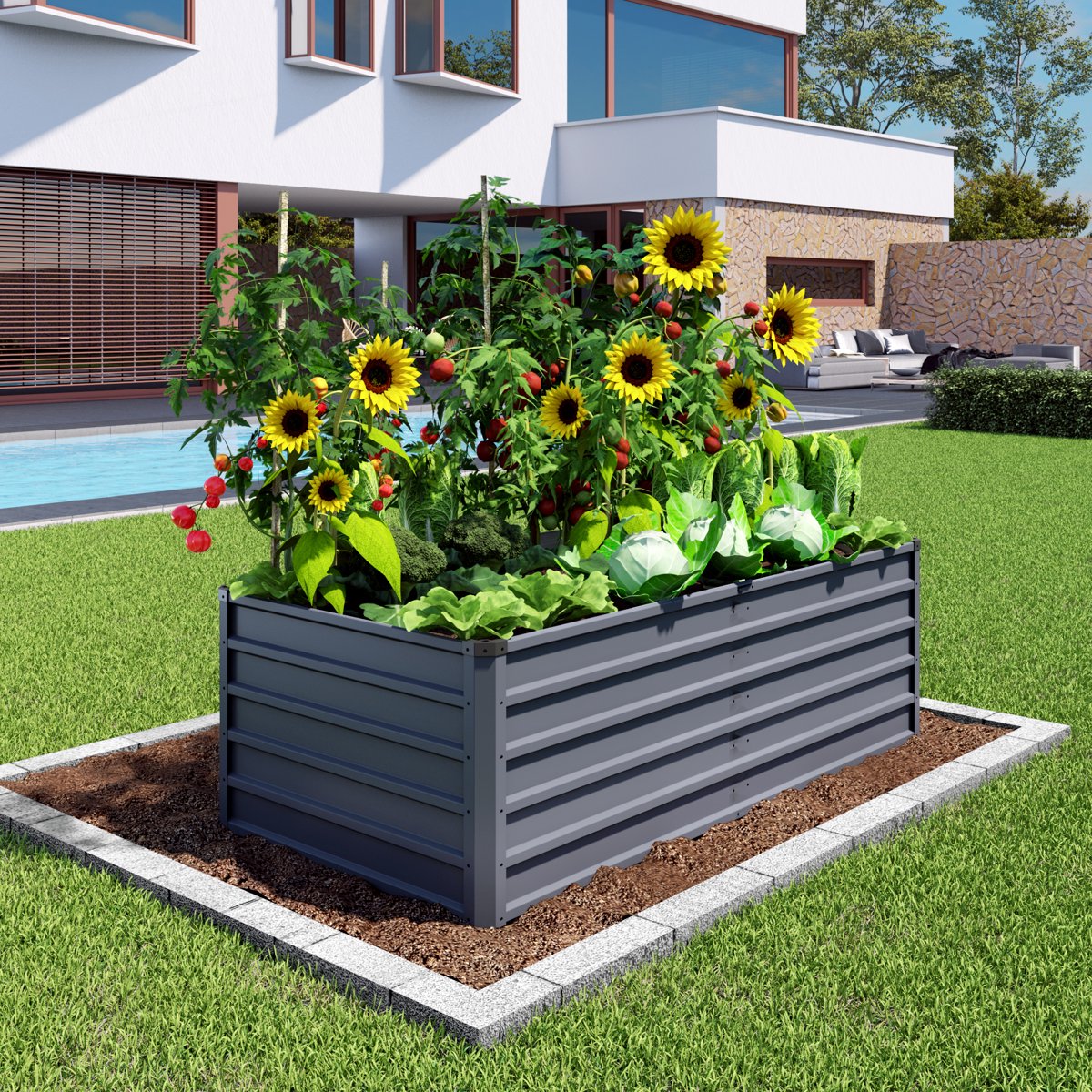 6x3x2ft 2pcs Large Raised Garden Bed Kit, Grey Rectangular Galvanized Metal Outdoor Bed, Planter Boxes Beds For Growing Plants, Vegetables And Flowers.$126.99View on Mallflare
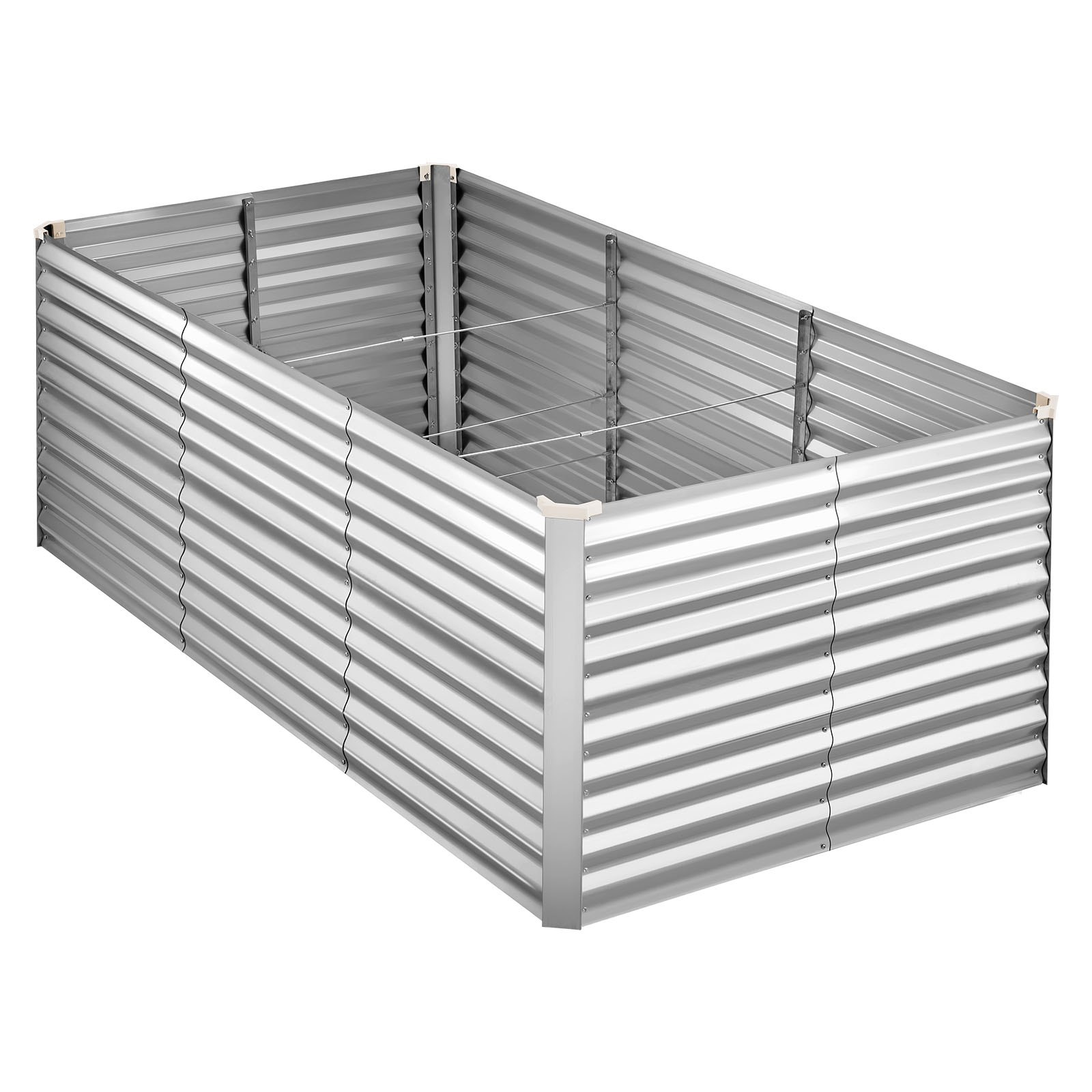 Galvanized Raised Garden Bed, 8 X 4 X 3 Ft, Rectangular Metal Planter Box Kit Outdoor, Bottomless Elevated Planting Box With Gloves, Rustproof Alu-Zinc, For Growing Flowers Vegetables, Silver$128.99View on Mallflare
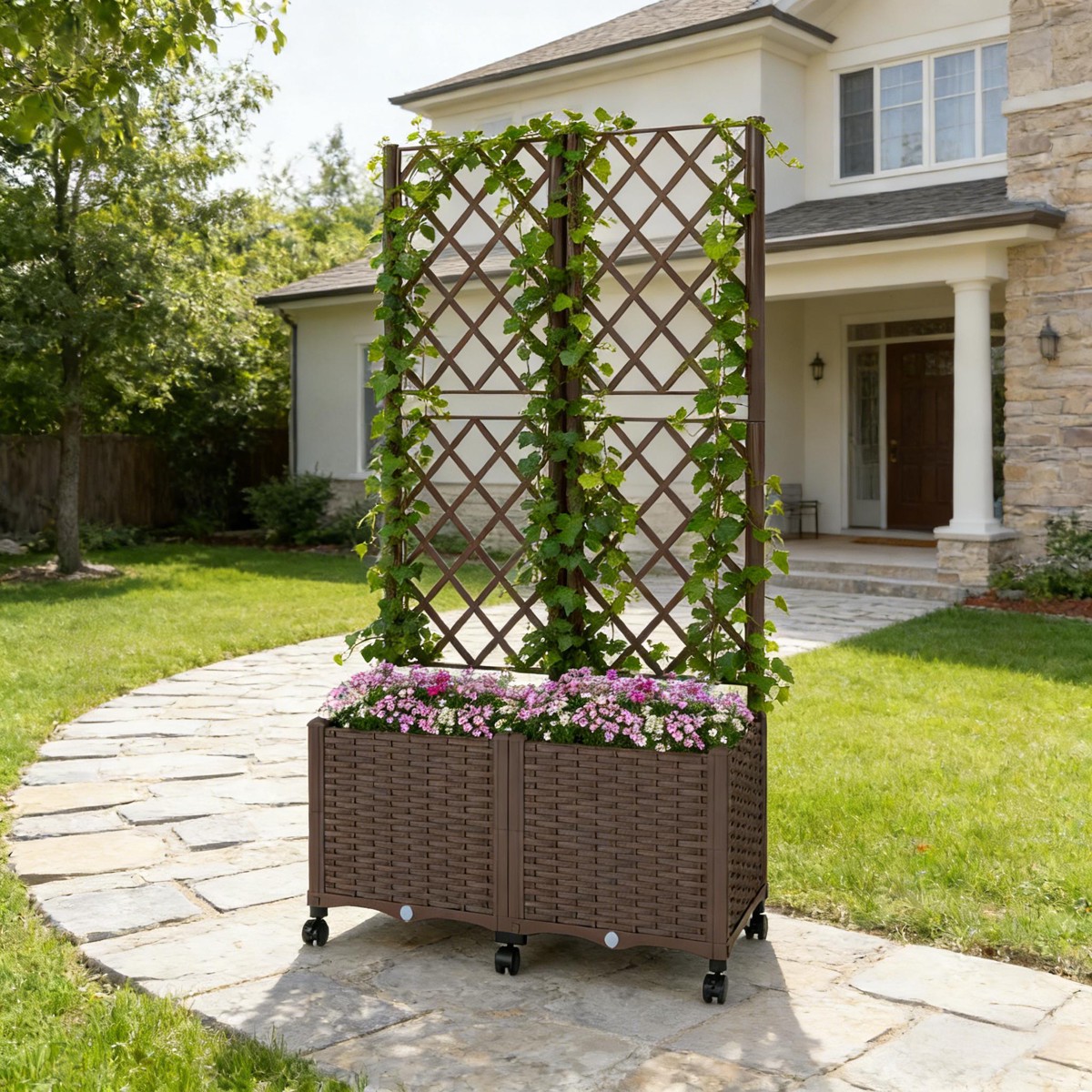 Outdoor Stylish Planter Box,Mobile Raised Garden Bed$134.99View on Mallflare
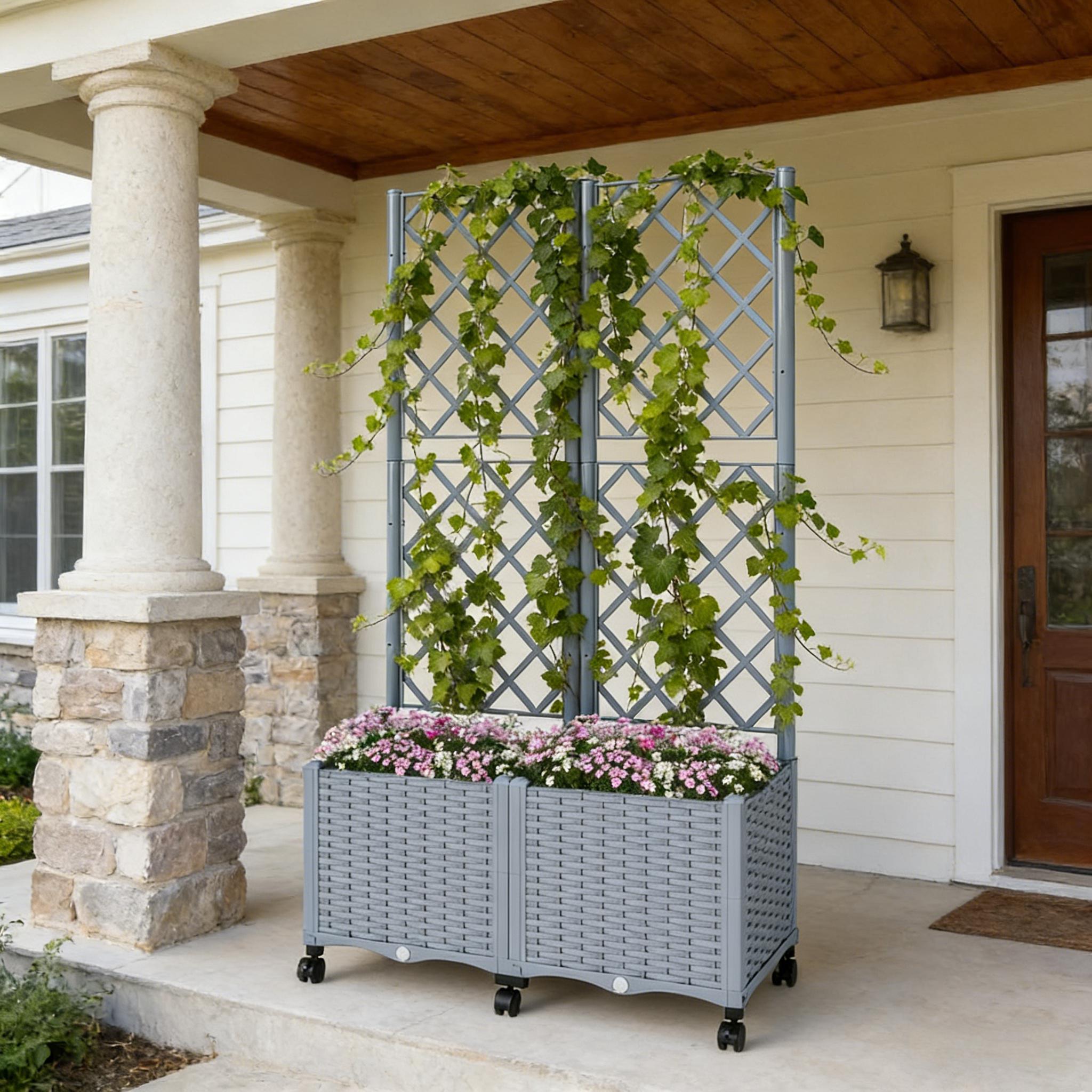 Mobile Raised Garden Bed,Outdoor Stylish Planter Box$134.99View on Mallflare
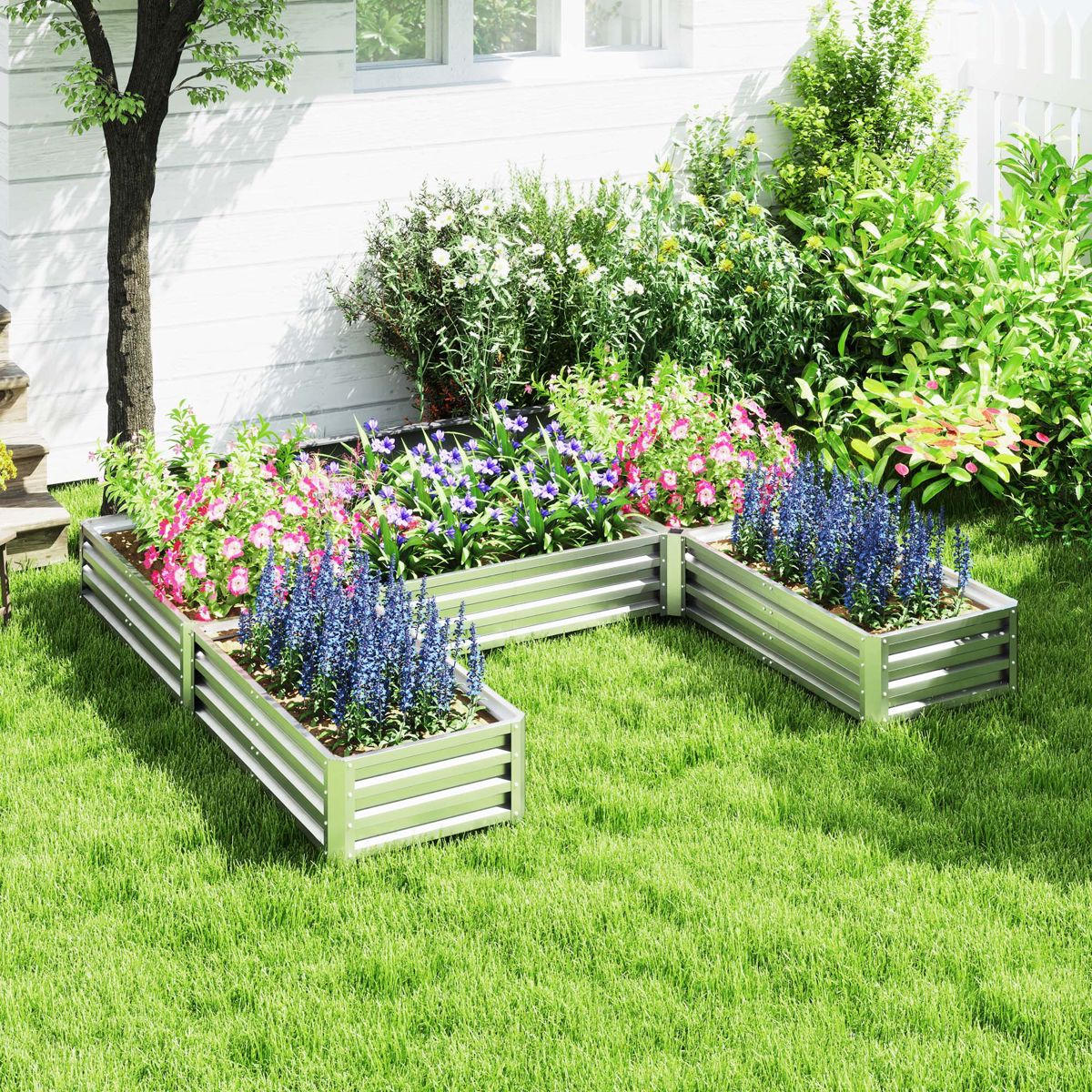 Steel Raised Garden Bed, Set of 5 Large Box Planters for Outdoor Plants Vegetables Flowers Herbs, 8x8x1ft, Silver$139.99View on Mallflare
Highlights
- Rotational-molded HDPE (thick, UV-stabilized) resists fading and cracking for 10+ years; thin injection-molded pots embrittle and shatter after 1-2 winters.
- Galvanized steel planters need 0.8-1.2 mm wall thickness and zinc coating; uncoated or powder-coated-only metal rusts at welds and drainage holes within a season.
- Fabric grow bags (non-woven PE or felt, 300-400 GSM) air-prune roots and drain fast but dry out in hours and degrade from UV within 2-3 seasons unless UV-treated.
- Drainage is non-negotiable: pots need 3-5 drainage holes minimum or a self-watering reservoir; sealed decorative pots require a nested nursery pot with a saucer.
Best use cases
- Best fit: a sunny, exposed patio or front entry needs rotational-molded HDPE or thick galvanized steel pots with pre-drilled drainage and a UV-stable finish; skip thin injection-molded urns and untreated wood.
- Best fit: vegetables, potatoes, and herbs on a balcony need 10-20 gallon fabric grow bags or self-watering elevated planter boxes for root aeration and moisture control; skip decorative ceramic urns with a single small hole.
- Best fit: a covered porch or indoor-outdoor transition zone can use wood or powder-coated metal for a designer look; skip bare galvanized metal indoors where condensation stains floors.
- Wrong fit: windy rooftops or coastal salt-spray sites should skip tall lightweight plastic urns; choose weighted square steel or concrete-composite pots with a wide base.
Buying tips
- Match pot volume to plant: 5-7 gallons for peppers and herbs, 10-15 gallons for tomatoes and potatoes, 20+ gallons for small shrubs; a 12-inch-diameter pot holds roughly 3-5 gallons.
- Check wall thickness explicitly: HDPE pots should feel rigid and 3-5 mm thick; galvanized steel 0.8 mm minimum; wooden planters 3/4-inch or thicker rot-resistant cedar or pressure-treated pine.
- Select drainage type: drill-your-own holes for metal and wood, pre-molded holes with saucer for plastic, or a self-watering reservoir with overflow for elevated beds and patio boxes.
- Prefer UV-stabilized plastic or powder-coated metal in full sun; black and dark colors absorb heat and can cook roots in summer—choose lighter colors or double-wall insulated pots.
Specs
| Material Family | HDPE / Galvanized Steel / Wood / Fabric |
|---|---|
| Wall Thickness | HDPE 3-5 mm / Steel 0.8-1.2 mm |
| Drainage Type | Pre-drilled holes / Self-watering reservoir |
| Volume Range | 3-5 gal herbs / 10-20 gal vegetables |
Related searches
What to check before buying
- Measure the footprint and weight limit: a filled 15-gallon pot weighs 120-180 lb—confirm balcony, deck, or porch load capacity and pot base width for wind stability.
- Confirm drainage path: pot needs holes plus a saucer or risers so excess water exits and air reaches the root zone; avoid pots that sit flush on concrete.
- Check climate exposure: full-sun UV, freeze-thaw cycles, and salt spray dictate material—HDPE or galvanized steel for harsh sites, wood or glazed ceramic for protected areas.
- Verify companion parts: matching saucer, drainage tray, trellis, or self-watering insert must be sized to the pot's base diameter; tall trellis planters need anchor stakes or a weighted base.
FAQ
Data sources: eBay / Amazon listings and product attribute feeds. Updated Nov 28, 2026.
Some links on this page are affiliate links. If you buy after clicking one, we may earn a commission at no extra cost to you. This does not change which products appear here or their order. Affiliate disclosure.