
Photos from current listings. Actual item, color, and included accessories may vary.
Outdoor Garden Planter Buying Guide
Outdoor garden planters range from decorative urn pots to raised beds and elevated self-watering boxes, and the core trade-off is material durability versus weight and cost: thin plastic and unlined metal degrade under UV and moisture, while thick-wall plastic, powder-coated galvanized steel, and rot-resistant wood last for years. The decision rule is simple: match the planter's material grade and drainage design to your climate and crop root depth, and skip any unit that lacks UV stabilization, drainage holes, or a soil-liner barrier.
Median $162.49
Key takeaways
- Galvanized steel beds resist rust only when the zinc coating is intact; powder-coated or zinc-aluminum coated panels outlast bare galvanized in wet climates.
- Plastic planters survive freeze-thaw cycles only if labeled UV-stabilized and thick-walled (roughly 3-5 mm); thin polypropylene becomes brittle and cracks within a season or two.
- Elevated beds with legs carry significant wet-soil weight, so leg bracing and a rated load capacity matter more than the box's cosmetic finish.
At a glance
- Category
- Raised Garden Beds & Planters
- Last updated
- Nov 27, 2026
Current offers
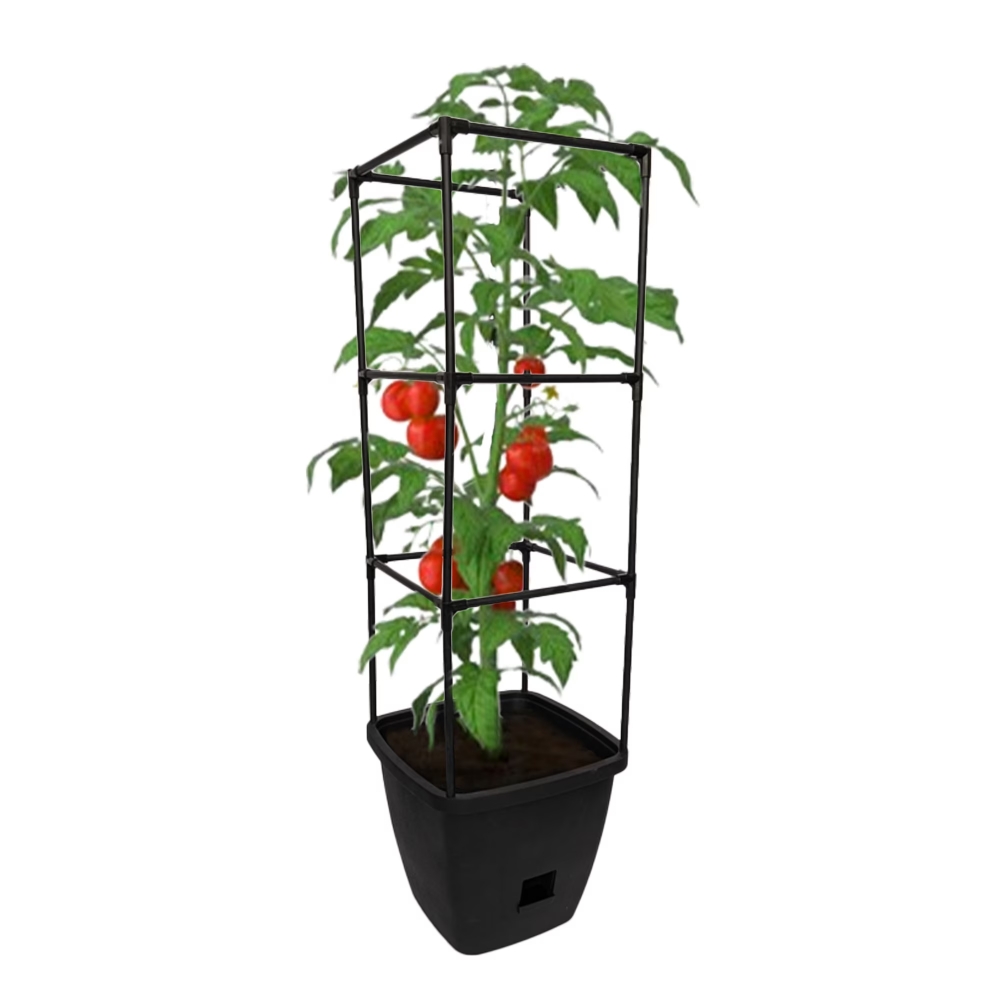 Harvest Bloom Garden Planter with Self-Watering System and Adjustable Trellis for Your Outdoor Balcony, Patio, or Backyard$75.99View on Mallflare
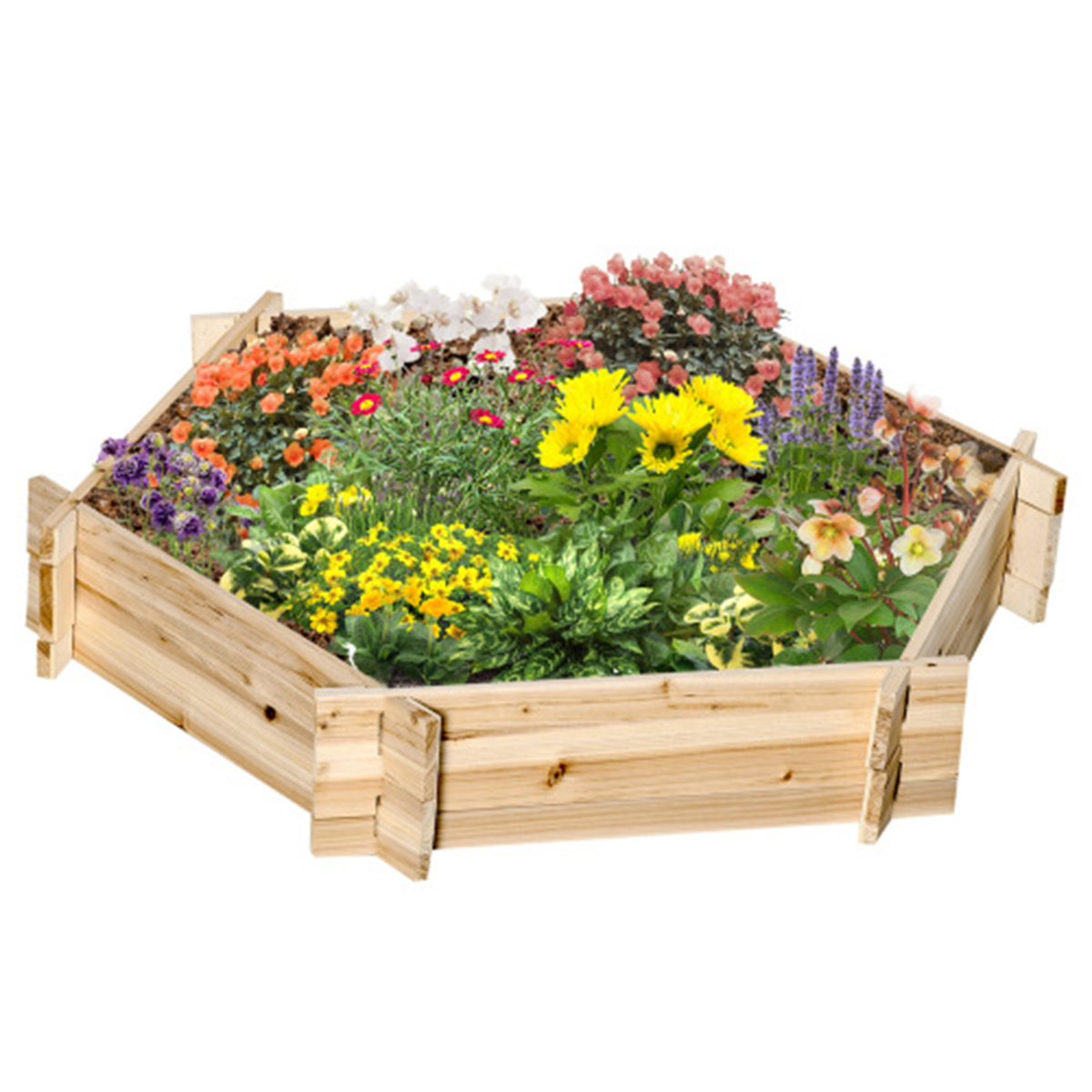 39" x 36" Screwless Hexagon Raised Garden Bed – DIY Herb Planter Box for Outdoor Gardening$82.99View on Mallflare
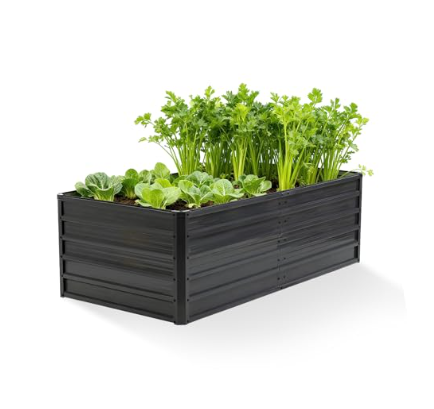 Metal Raised Garden Bed, 6x3x2ft Outdoor Planter Box, Beds For Planting Plants Vegetables, Flowers$98.99View on Mallflare
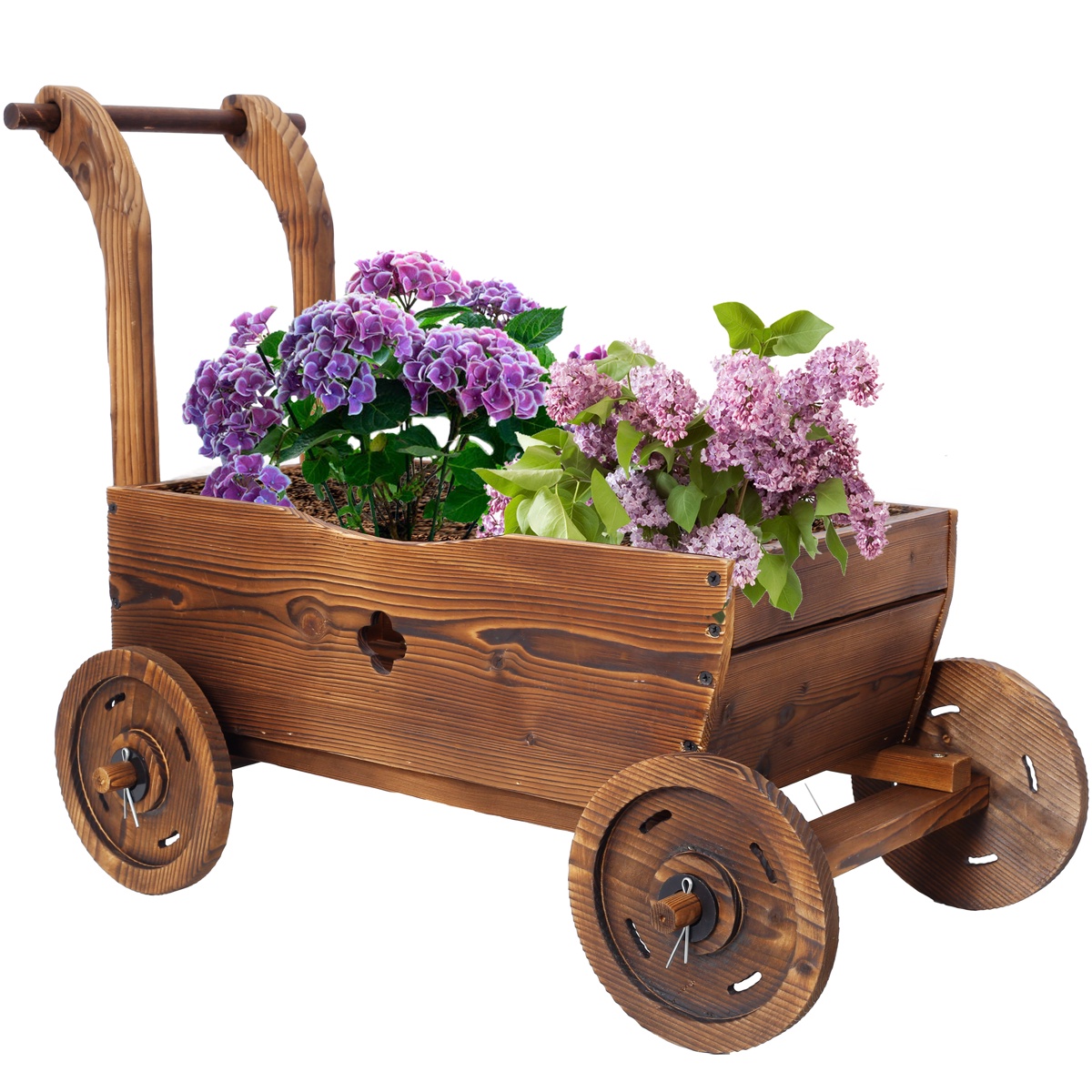 Wooden Wagon Planter Box, Mobile Garden with 4 Wheels, Handle, Drain Hole, Decorative Flower for Indoor & Outdoor Decor, Cart for Patio, Balcony, Brown$100.99View on Mallflare
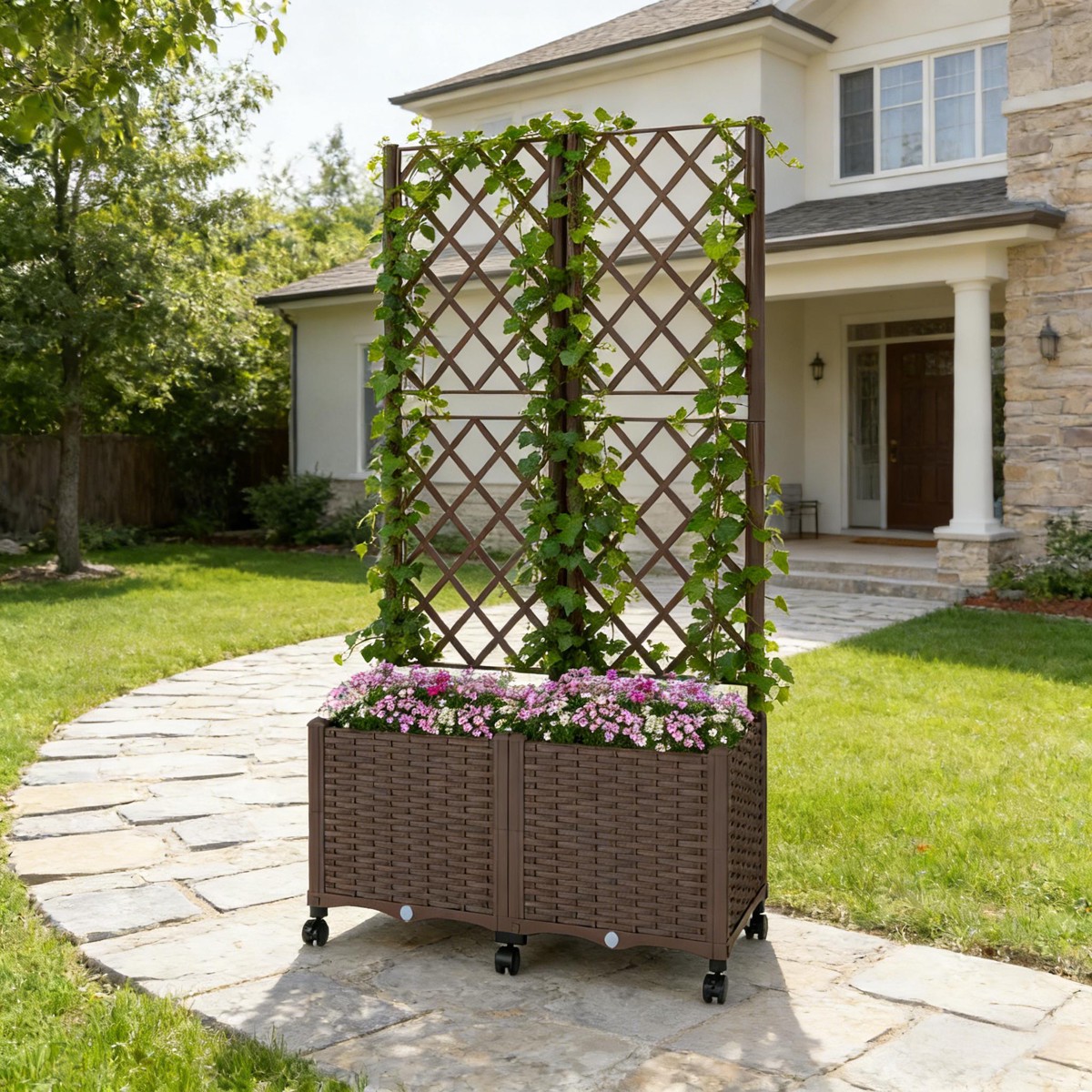 Outdoor Stylish Planter Box,Mobile Raised Garden Bed$134.99View on Mallflare
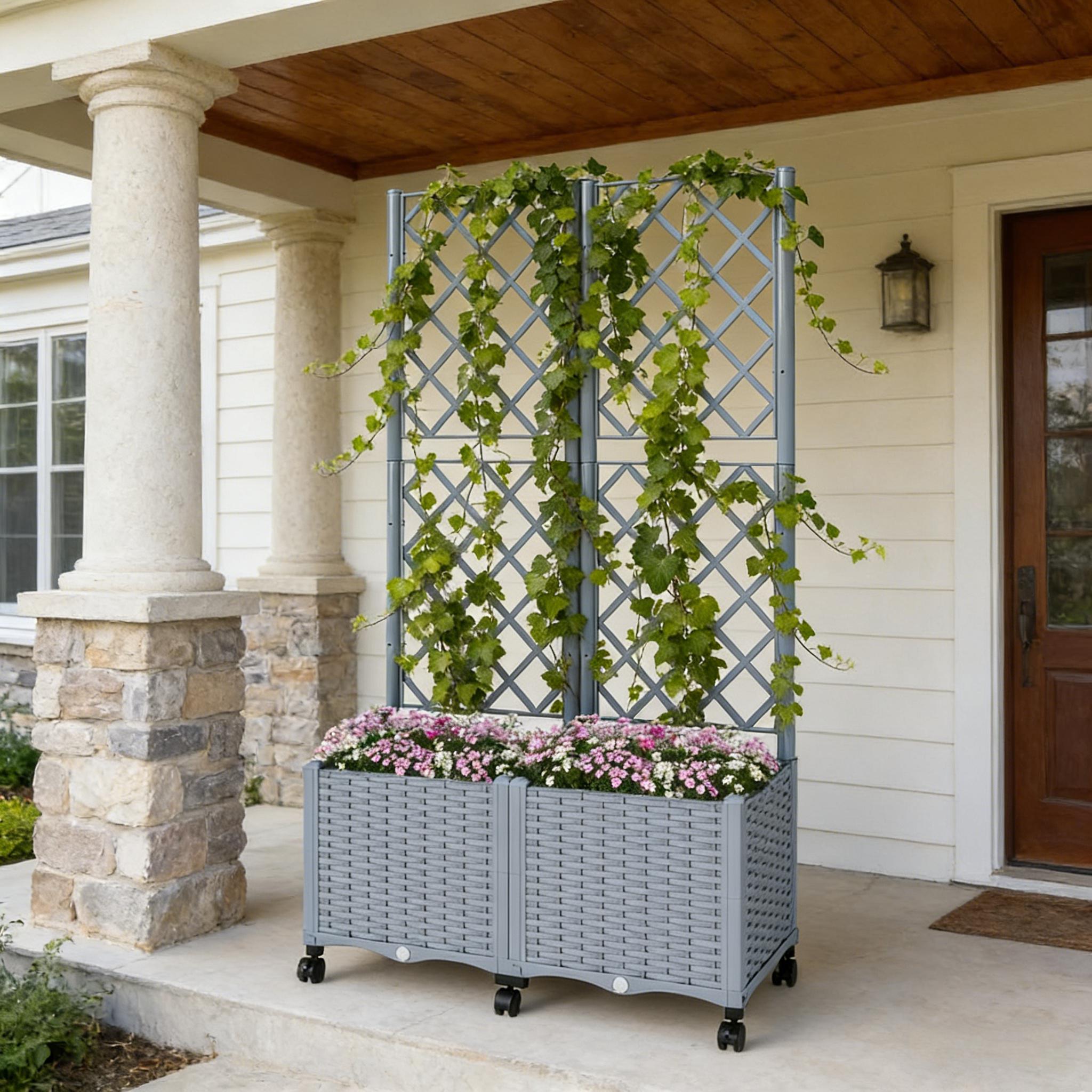 Mobile Raised Garden Bed,Outdoor Stylish Planter Box$134.99View on Mallflare
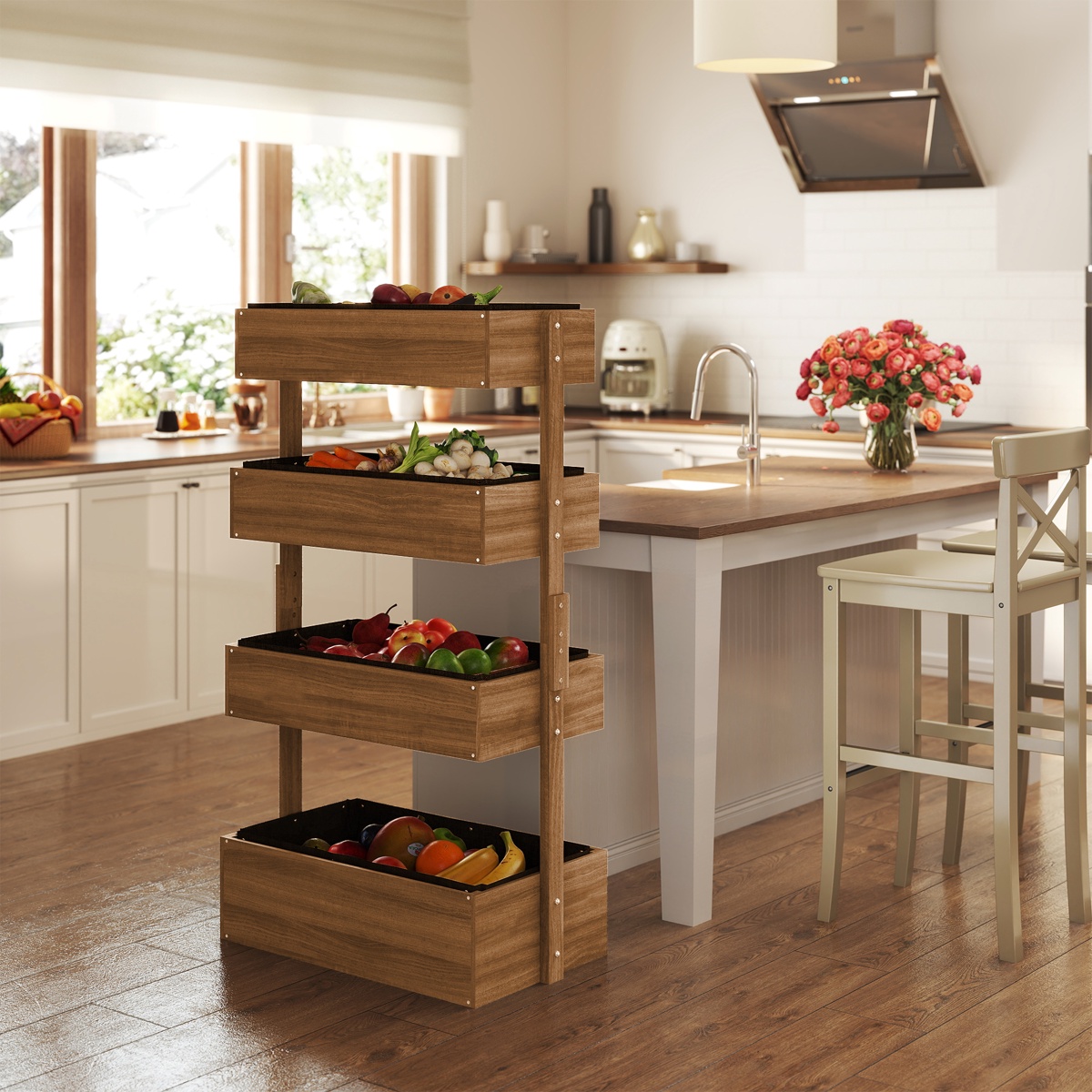 4 Tier Raised Garden Bed, Wooden Planter Box, Self-Draining With Bed Liner For Indoor Outdoor Flowers$157.99View on Mallflare
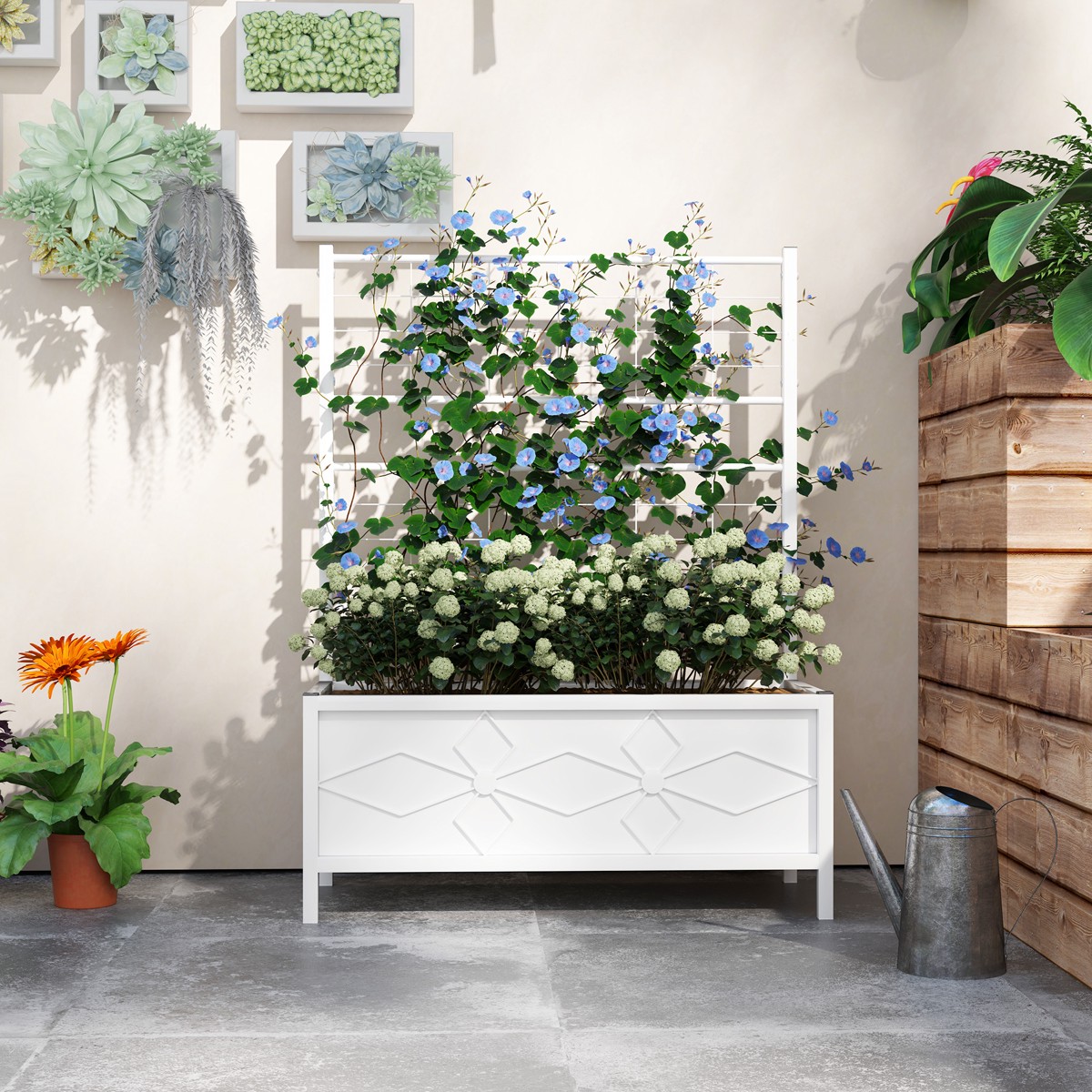 Outdoor Planter Box Galvanized Raised Garden Bed With Trellis For Climbing Vines$166.99View on Mallflare
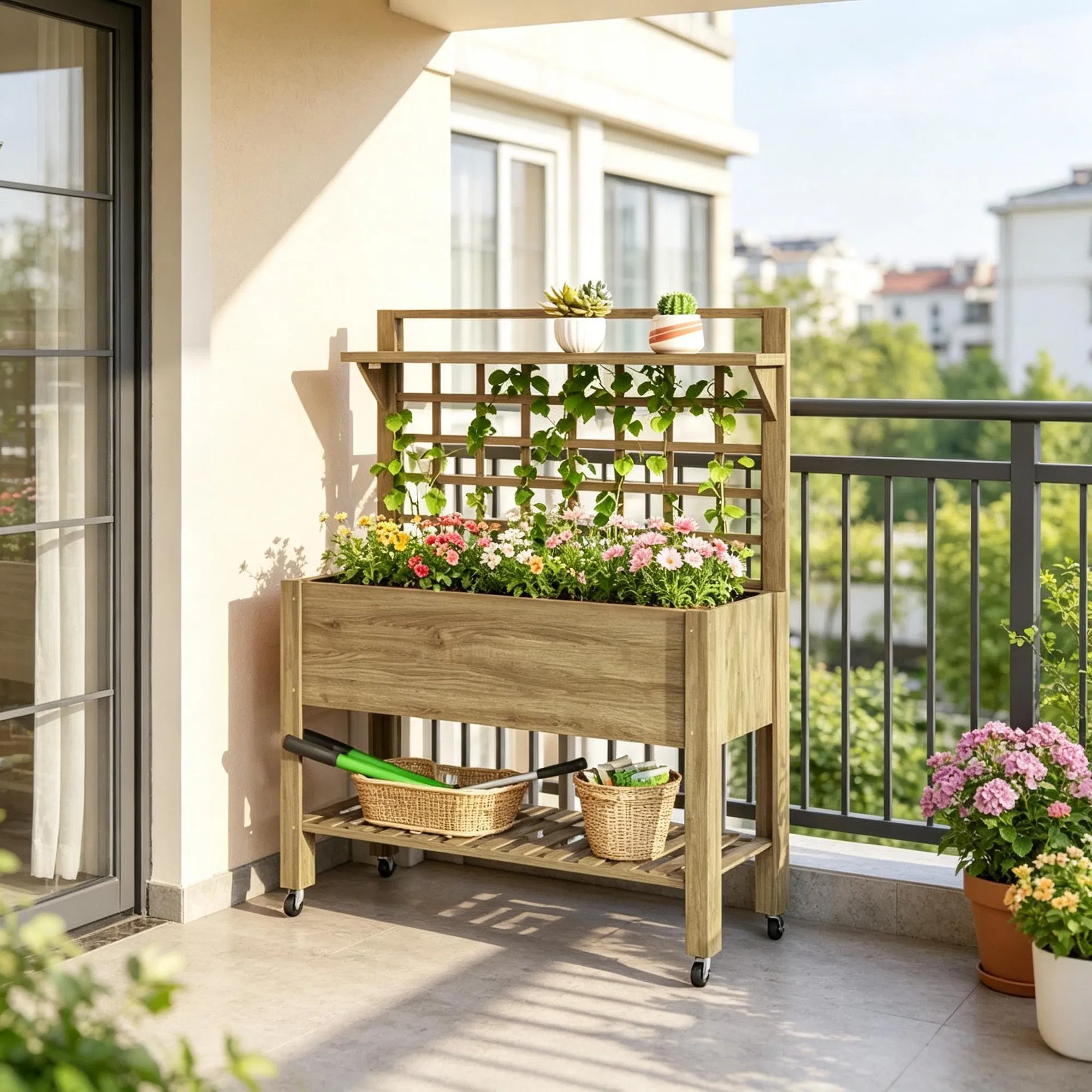 41 Inch Dark Brown Raised Garden Bed Mobile Elevated Wooden Planter Box with Wheels Trellis And Storage Shelf for Outdoor Gardening$166.99View on Mallflare
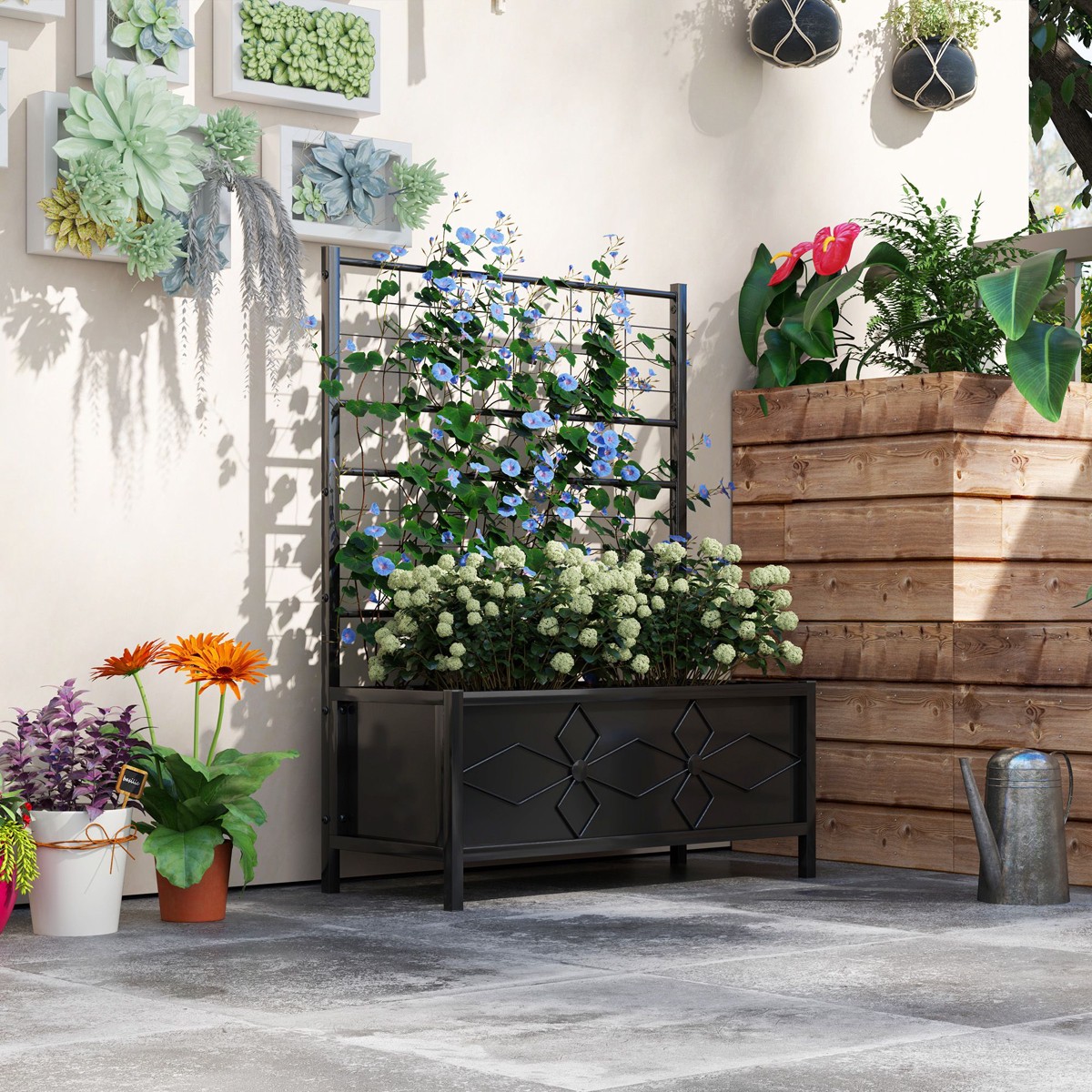 Outdoor Planter Box Galvanized Raised Garden Bed$173.99View on Mallflare
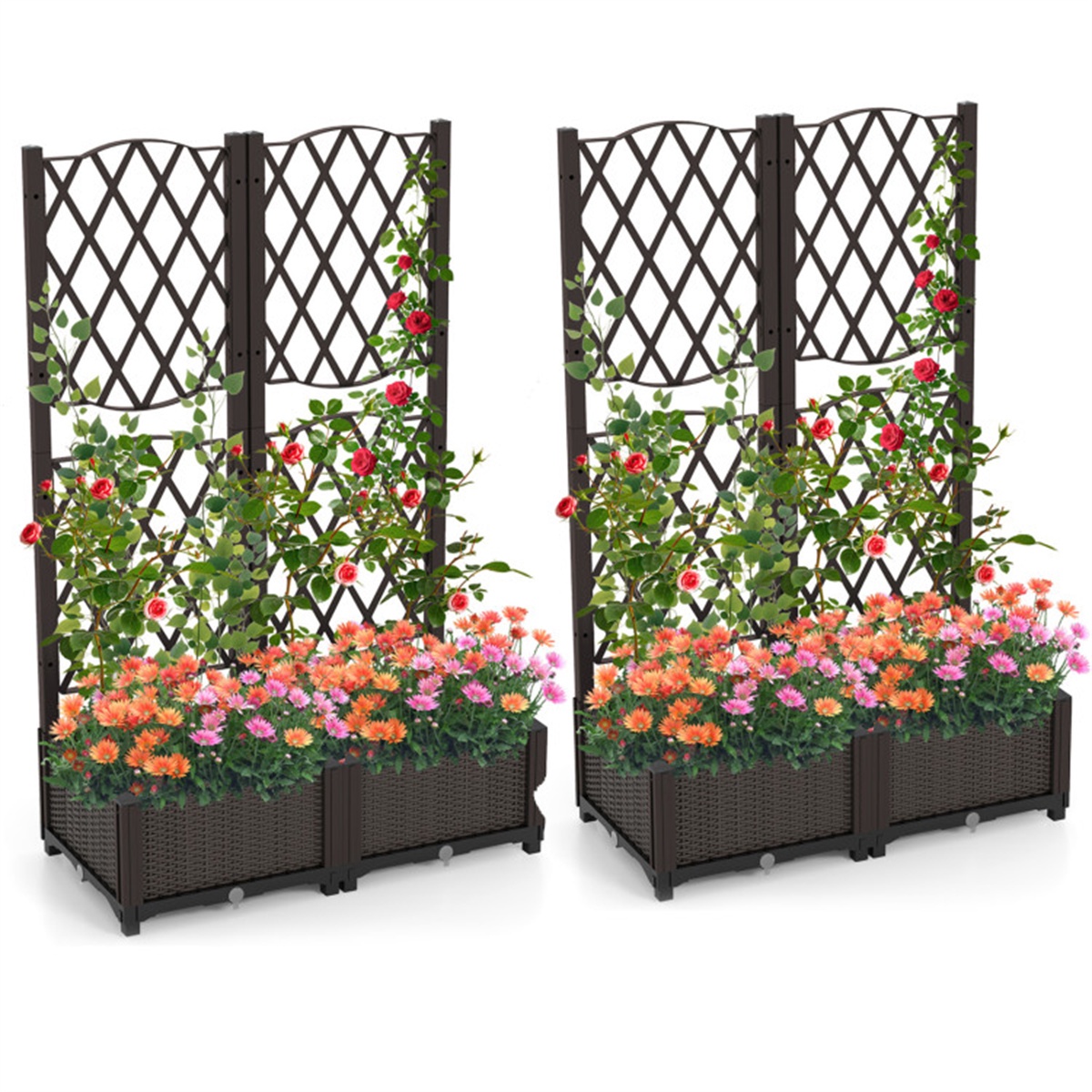 Set of 2 Rustic Style Trellis Planter, Raised Garden Bed Indoor Outdoor Planting Box for Vegetables Flowers$190.99View on Mallflare
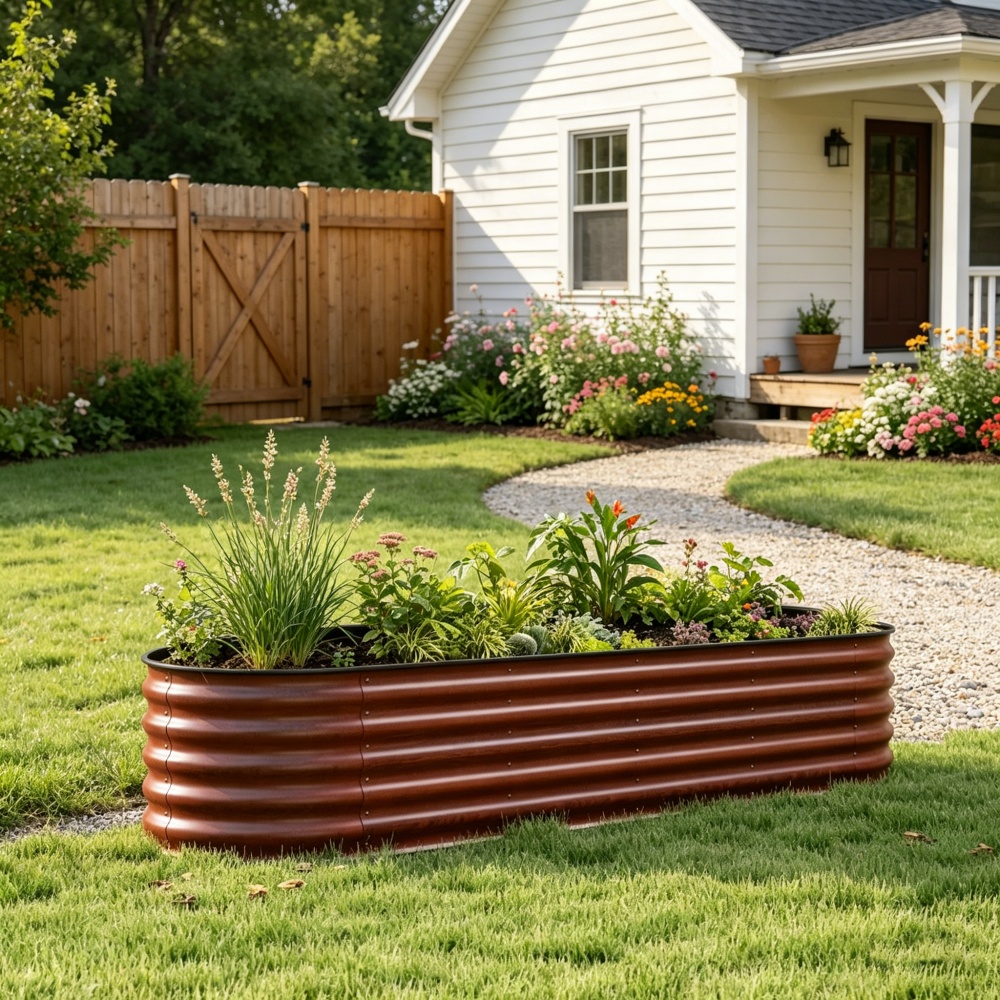 Brown 7.9' x 2' x 1.4' Galvanized Raised Garden Bed – Metal Planter Box with Safety Edging for Outdoor Gardening$201.99View on Mallflare
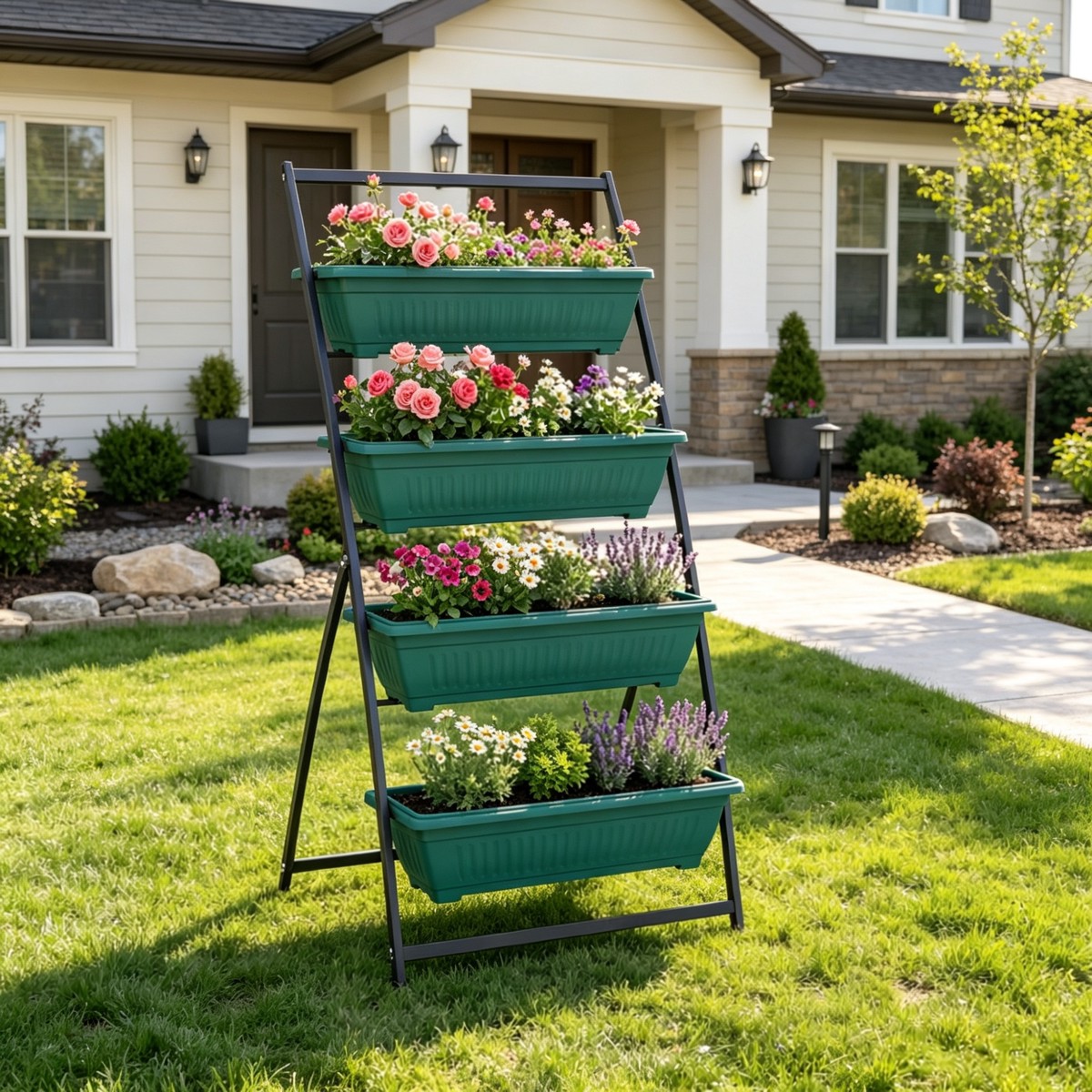 4-Tier Green Vertical Raised Garden Planter – Sturdy 4-Box Outdoor Plant Stand Grow Container for Plants$207.99View on Mallflare
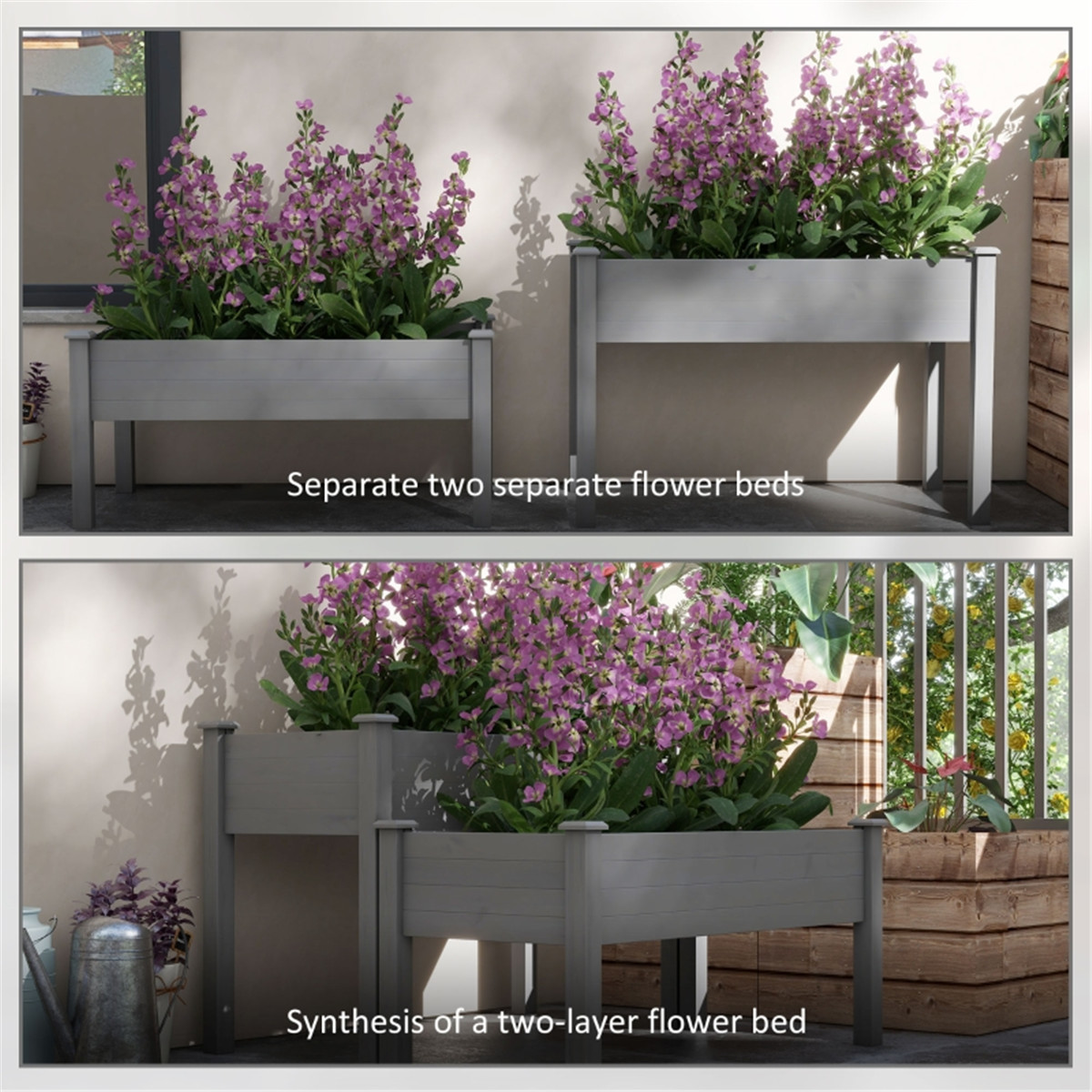 Gray 2-Tier Elevated Wooden Planter Box – Raised Garden Bed with Legs for Outdoor Plants$225.99View on Mallflare
Highlights
- Galvanized steel beds resist rust only when the zinc coating is intact; powder-coated or zinc-aluminum coated panels outlast bare galvanized in wet climates.
- Plastic planters survive freeze-thaw cycles only if labeled UV-stabilized and thick-walled (roughly 3-5 mm); thin polypropylene becomes brittle and cracks within a season or two.
- Elevated beds with legs carry significant wet-soil weight, so leg bracing and a rated load capacity matter more than the box's cosmetic finish.
- Drainage holes and a gravel or fabric liner layer prevent waterlogged roots; self-watering reservoirs suit herbs and shallow greens but not deep-rooted vegetables.
Best use cases
- Best fit for patios and balconies: choose an elevated planter with legs and a self-watering reservoir for herbs, lettuce, and flowers; skip full-size in-ground raised beds that need permanent siting.
- Best fit for entryways and porches: pick classic urn or tall tapered planters in UV-stabilized plastic or glazed ceramic for seasonal color; skip fabric grow bags that look utilitarian and dry out fast.
- Best fit for vegetable gardens: use a galvanized metal or rot-resistant wood raised bed at least 12 inches deep for tomatoes, root crops, and climbing plants; skip shallow decorative pots that restrict root volume.
- Wrong fit: fabric grow bags are for temporary seasonal growing and root pruning, not for permanent porch decor or high-wind exposed sites where they tip and dry rapidly.
Buying tips
- For vegetables, select a bed at least 12 inches of soil depth; for herbs and flowers, 8-10 inches suffices, and elevated boxes should list a wet-soil load rating.
- Choose powder-coated or zinc-aluminum coated galvanized steel over bare galvanized if you live in a coastal or high-rainfall area; rust starts at cut edges and scratches.
- For plastic, insist on UV-stabilized, thick-wall molded resin; thin blow-molded pots chalk and crack after one or two winters.
- Wood beds should use rot-resistant cedar, larch, or heat-treated pine; avoid untreated softwood that decays within a few seasons in contact with wet soil.
Specs
| Material | Metal, wood, plastic, fabric |
|---|---|
| Soil Depth | 8-12 in (herbs) / 12 in+ (vegetables) |
| Drainage | Drainage holes or self-watering reservoir |
| Weather Resistance | UV-stabilized / powder-coated / rot-resistant |
Related searches
What to check before buying
- Measure your patio, porch, or bed footprint and confirm the planter's outer dimensions plus clearance for the legs and drainage tray.
- Check the soil volume the planter holds: a 4x2x1 ft bed holds roughly 8 cubic feet, enough for a small vegetable patch but not for large shrubs.
- Confirm drainage: outdoor planters need drainage holes or a reservoir overflow, and a saucer or feet to keep the base off wet surfaces.
- Verify climate suitability: UV-stabilized plastic and powder-coated metal for sunny exposures; frost-proof ceramic or thick resin for freezing winters.
FAQ
Data sources: eBay / Amazon listings and product attribute feeds. Updated Nov 27, 2026.
Some links on this page are affiliate links. If you buy after clicking one, we may earn a commission at no extra cost to you. This does not change which products appear here or their order. Affiliate disclosure.