
Photos from current listings. Actual item, color, and included accessories may vary.
Indoor Pot Buying Guide
Indoor pots are containers engineered to hold soil and roots while managing drainage, airflow, and weight on indoor surfaces. The primary trade-off is between breathable, moisture-regulating materials (fabric, unglazed ceramic, wood) and sealed, water-tight materials (plastic, glazed ceramic, metal), which determine watering frequency and root health. Choose breathable pots with saucers for moisture-sensitive plants; choose sealed pots with reservoirs only for drought-tolerant species or self-watering setups.
Median $194.99
Key takeaways
- Fabric pots (non-woven polypropylene, 260-400 GSM) air-prune roots and dry 2-3x faster than plastic, requiring more frequent watering but reducing rot risk.
- Plastic pots retain moisture longest; self-watering versions use a reservoir (typically 0.3-1.5 gal) and wick or float indicator to extend watering intervals to 7-14 days.
- Wood planters (cedar, acacia, teak) resist rot naturally; untreated pine degrades within 2-3 seasons indoors if overwatered.
At a glance
- Category
- Raised Garden Beds & Planters
- Last updated
- Nov 28, 2026
Current offers
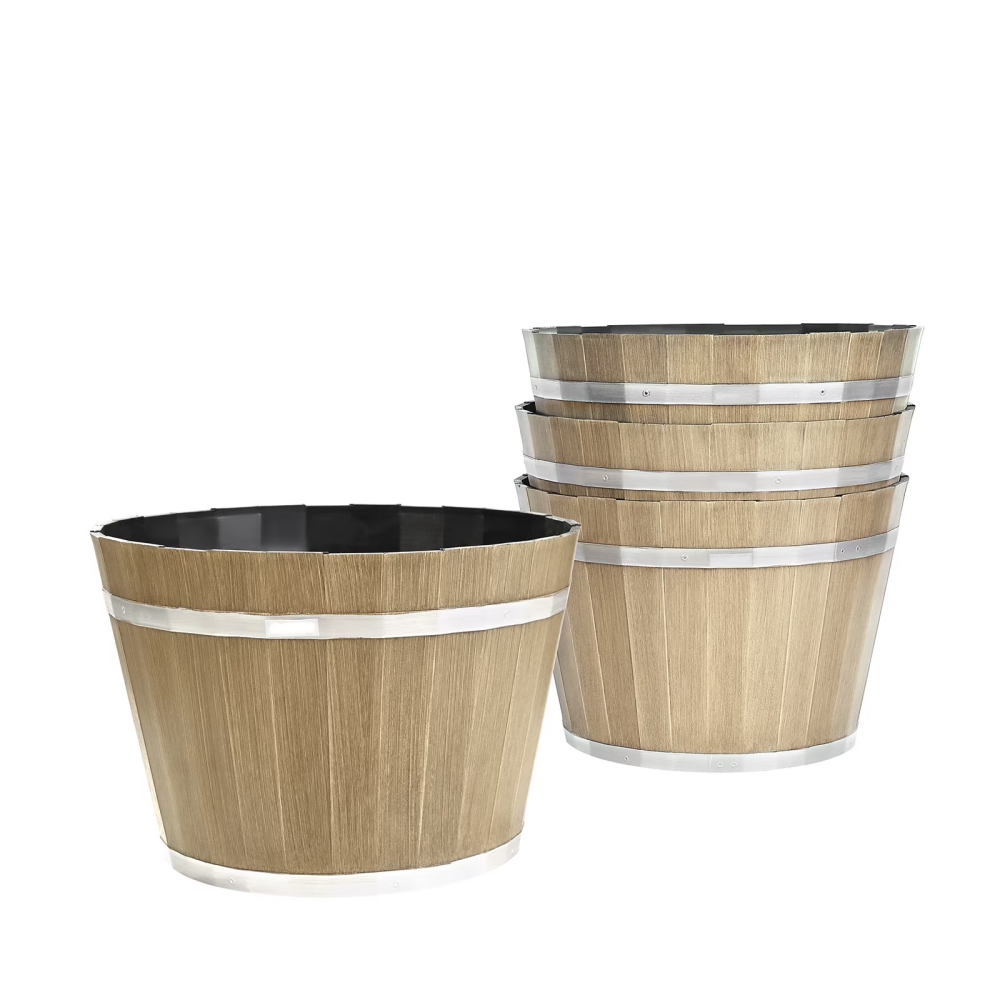 Set of 4 Large 11.81-inch Whiskey Barrel-Style Planters with Drainage Holes, Durable Plastic Flower Pots for Indoor and Outdoor Use, Rustic Brown Design for Gardens, Homes, and Plants$110.99View on Mallflare
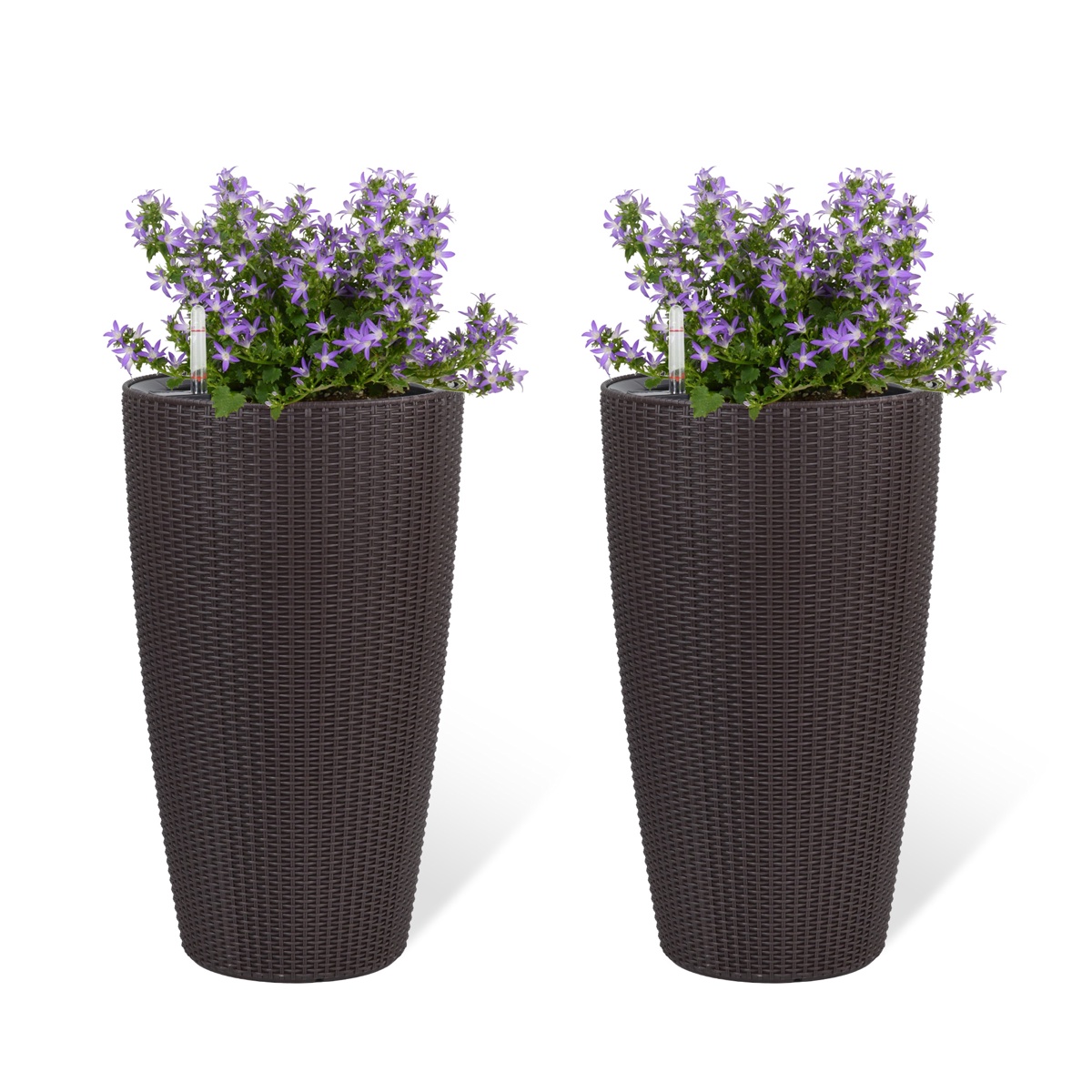 Set Of 2 Faux Rattan Tall Planters Outdoor Indoor Large With Water Level Monitor Inner Bucket, Automatic Watering, Flower Plant Pots For Garden, Patio, Porch, Brown, 22 Inch$112.99View on Mallflare
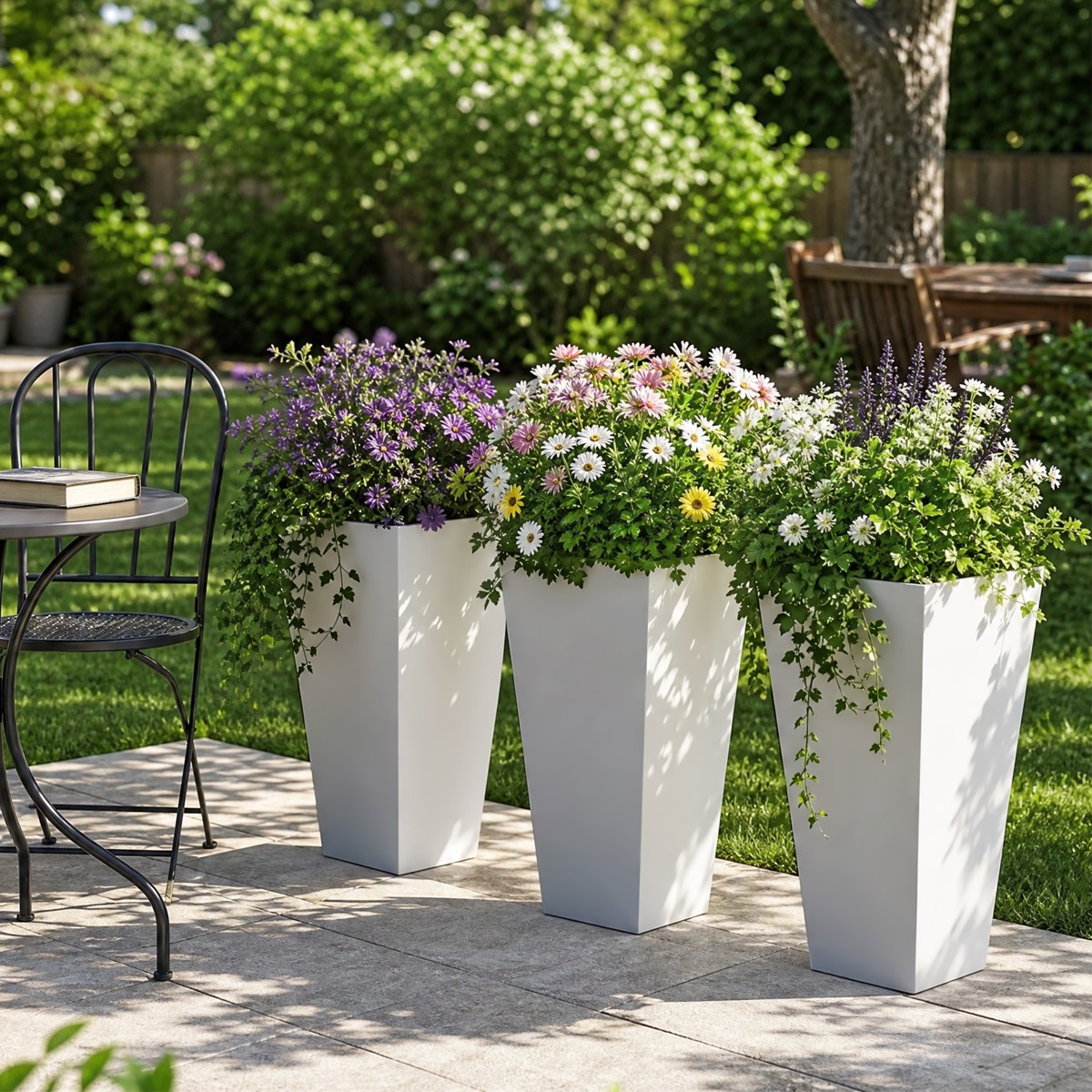 Tall Planters for Outdoor Plants Set of 3, 28 In Taper with Drainage Holes, Indoor Large Plant Pots, White$122.99View on Mallflare
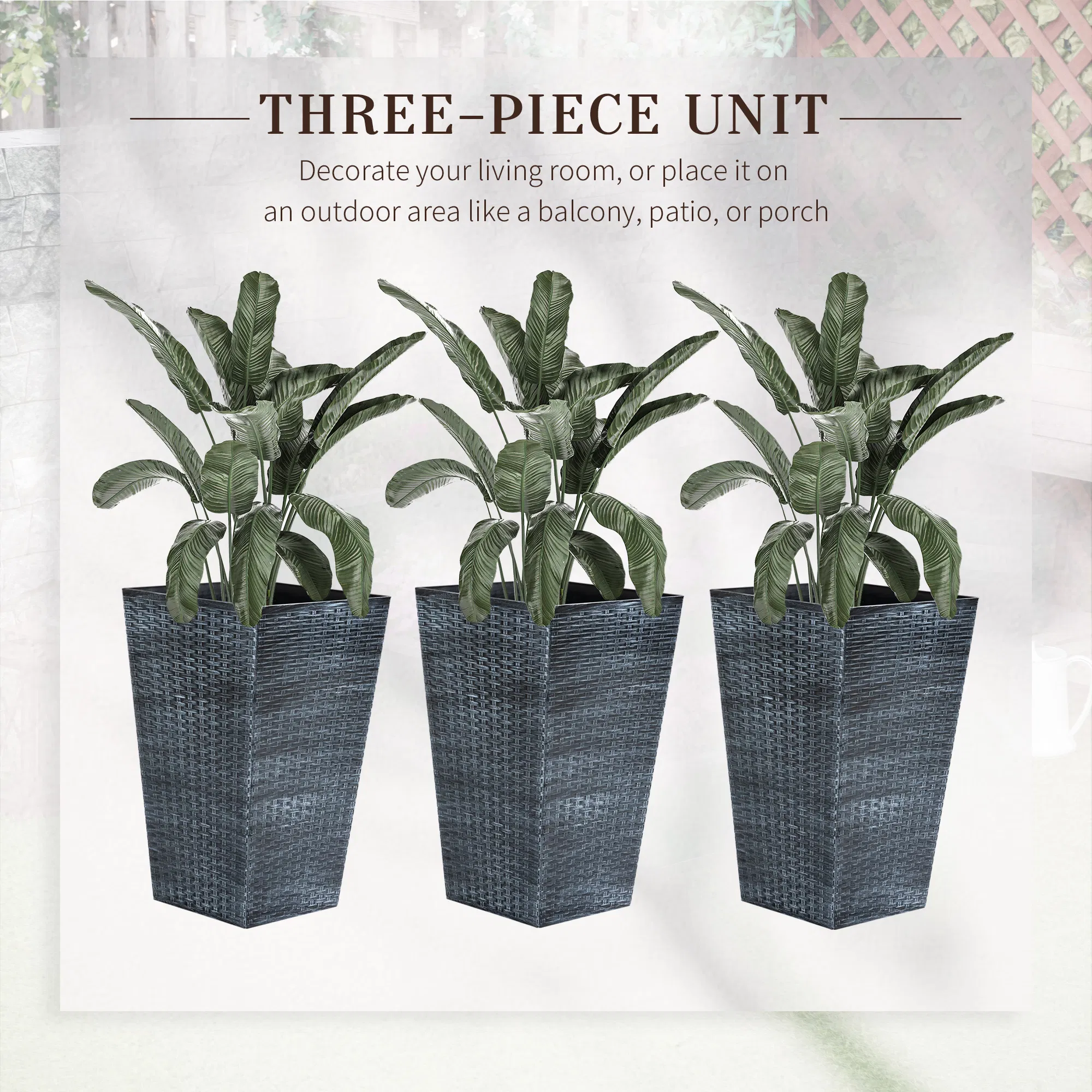 Set of 3 Tall Planters with Drainage Hole, 24" Outdoor Flower Plant Pots, Indoor for Porch, Front Door, Entryway, Patio and Deck, Gray$176.99View on Mallflare
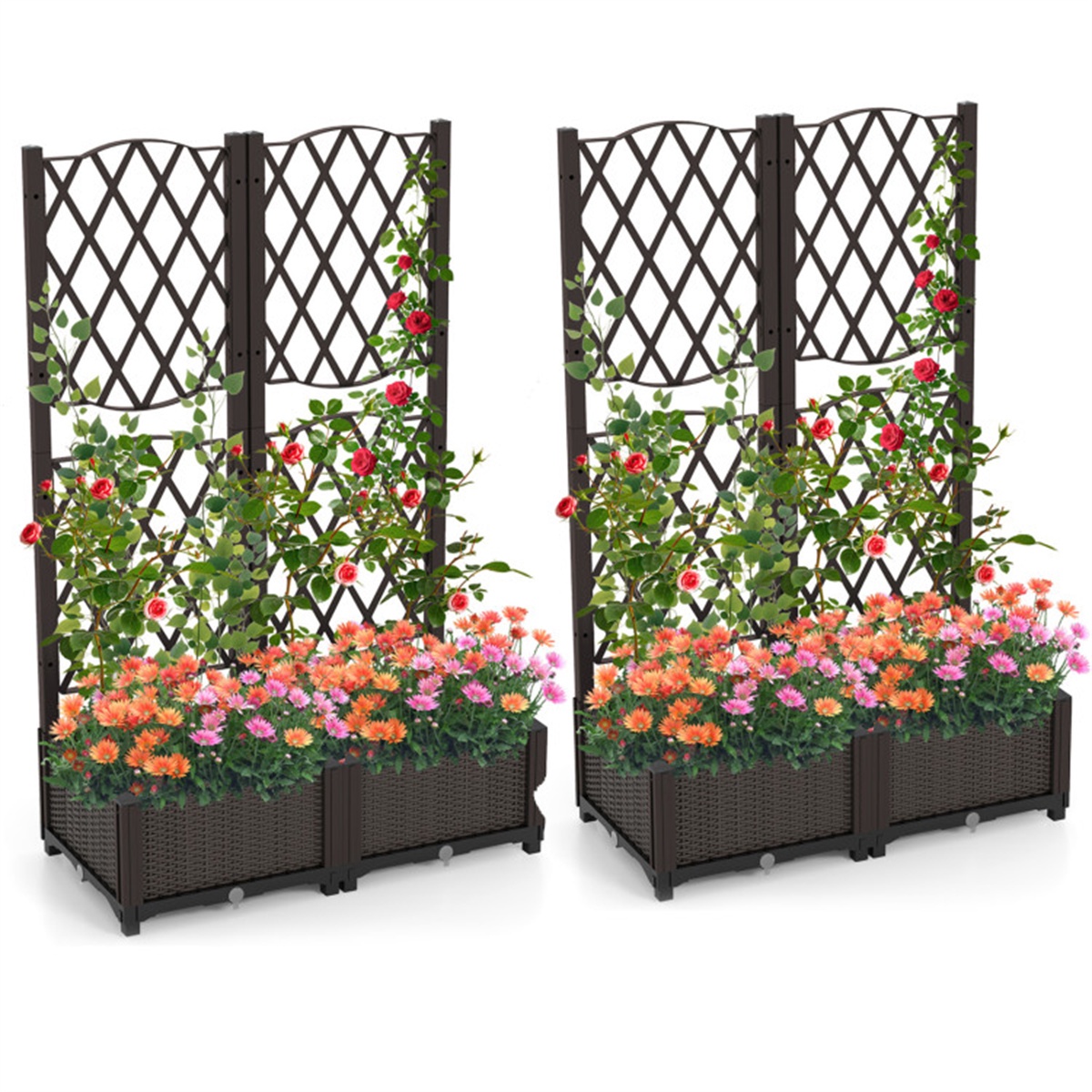 Set of 2 Rustic Style Trellis Planter, Raised Garden Bed Indoor Outdoor Planting Box for Vegetables Flowers$190.99View on Mallflare
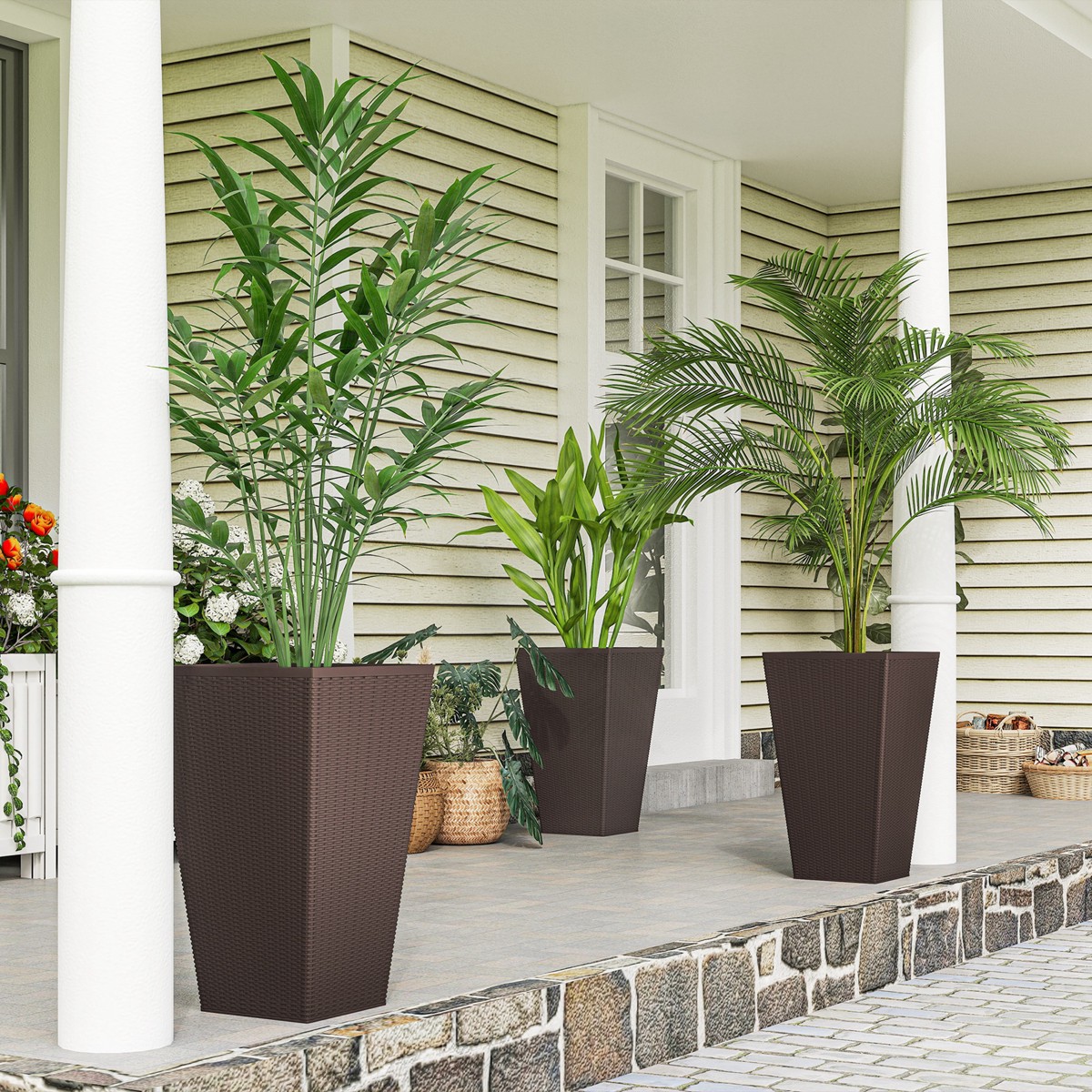 Set of 3 Tall Planters with Drainage Hole, 24" Outdoor Flower Plant Pots, Indoor for Porch, Front Door, Entryway, Patio and Deck, Brown$198.99View on Mallflare
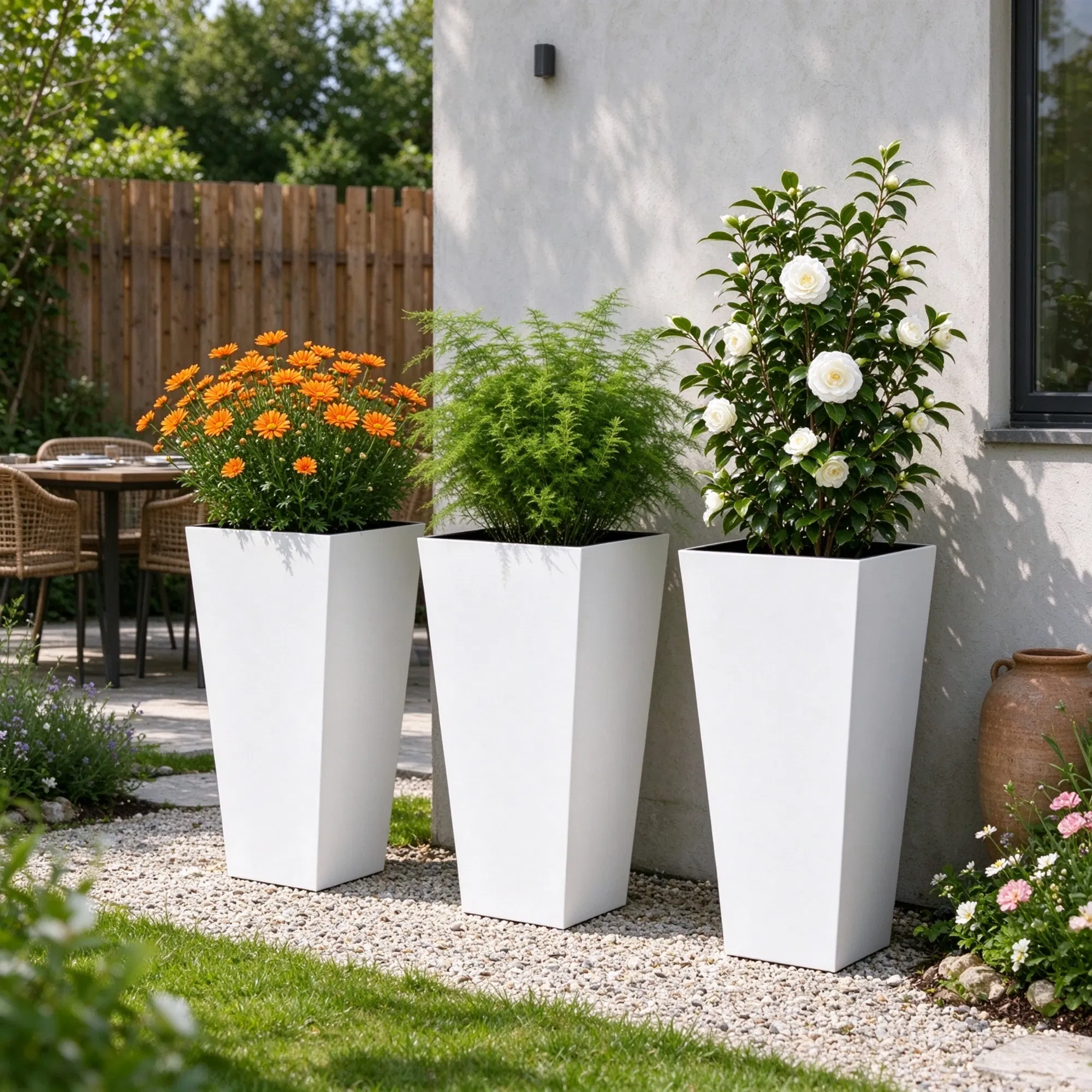 White Tall Planters for Outdoor Plants, Set of 3, 28 Inch Taper with Drainage Holes, Large Indoor Plant Pots$203.99View on Mallflare
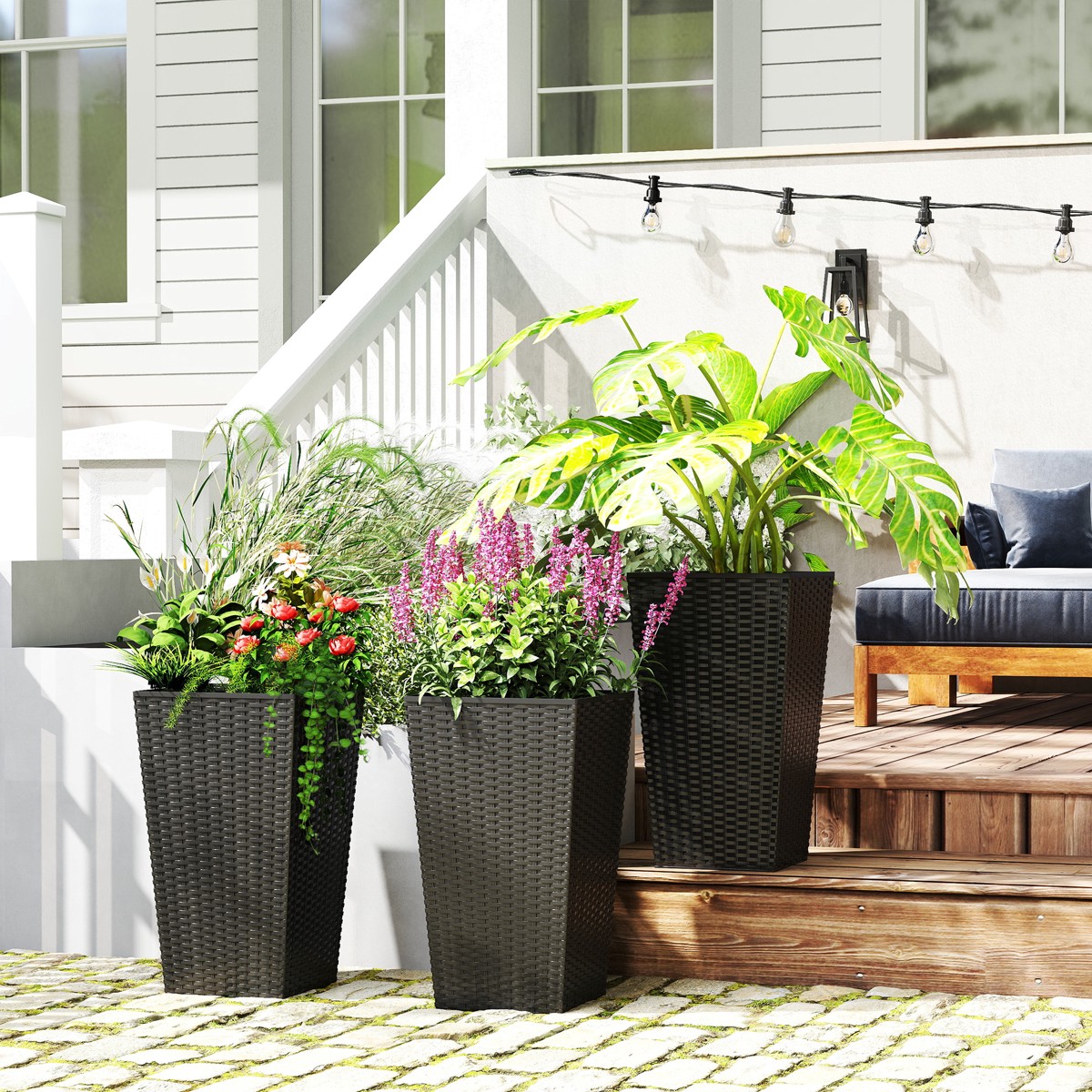 Tall Planters for Outdoor Plants Set of 3, 24 In Taper with Drainage Holes, Rattan Decor Plant Pots for Indoor Front Porch Patio Backyard, Black$225.99View on Mallflare
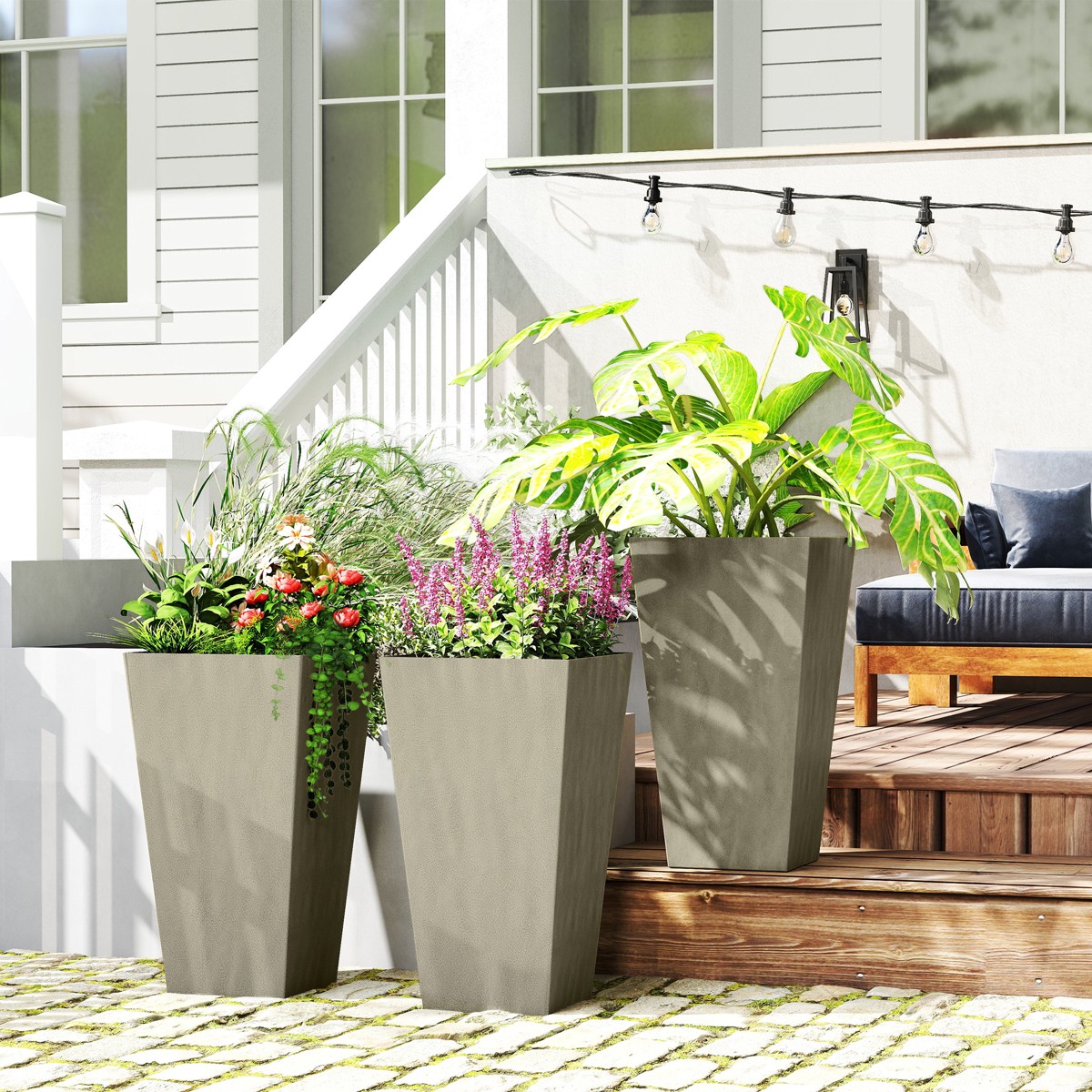 Tall Planters for Outdoor Plants Set of 3, 28 In Taper with Drainage Holes, Indoor Grande Plant Pots, Front Porch Decor, Grey$229.99View on Mallflare
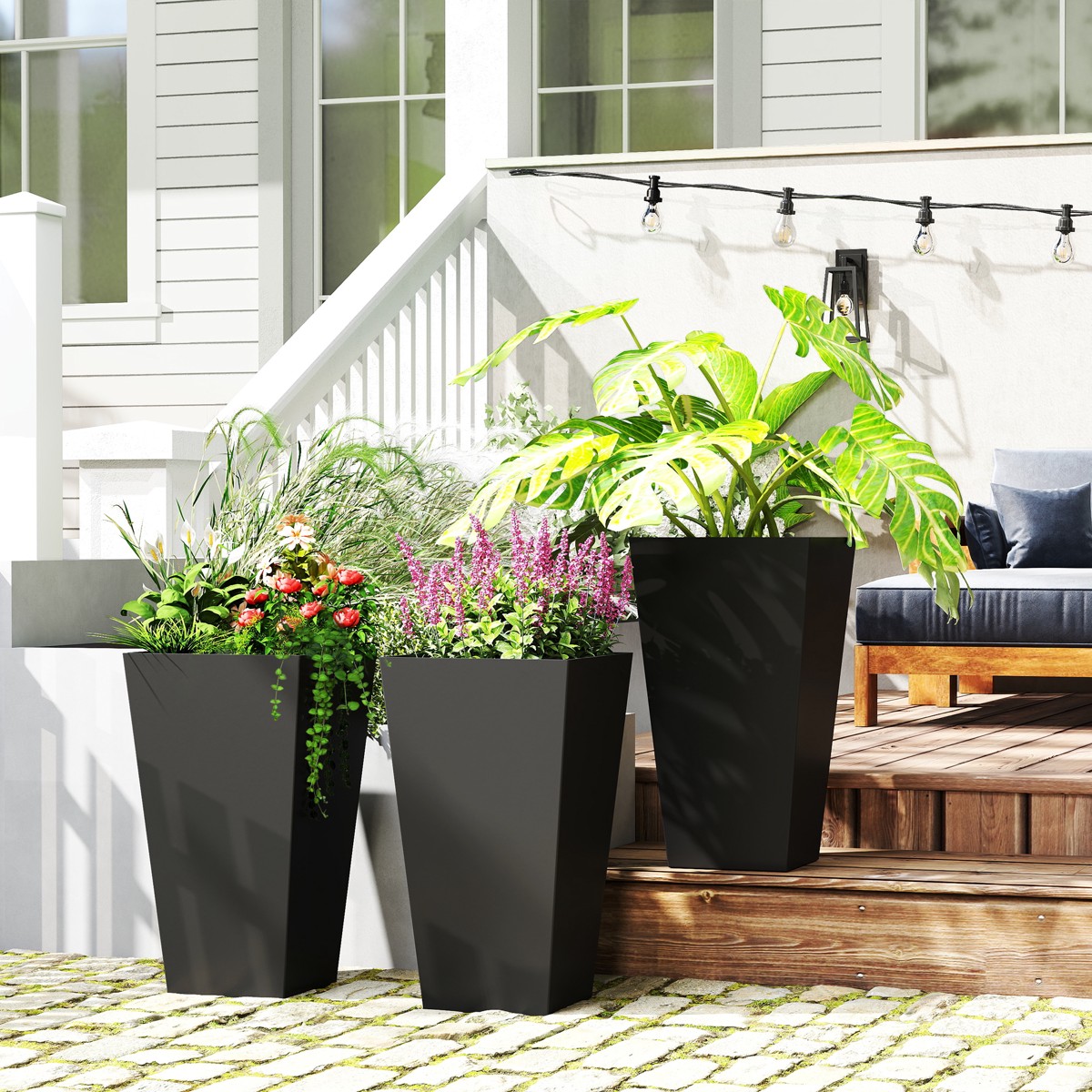 Tall Planters for Outdoor Plants Set of 3, 28 In Taper with Drainage Holes, Indoor Grande Plant Pots, Front Porch Decor, Black$295.99View on Mallflare
Highlights
- Fabric pots (non-woven polypropylene, 260-400 GSM) air-prune roots and dry 2-3x faster than plastic, requiring more frequent watering but reducing rot risk.
- Plastic pots retain moisture longest; self-watering versions use a reservoir (typically 0.3-1.5 gal) and wick or float indicator to extend watering intervals to 7-14 days.
- Wood planters (cedar, acacia, teak) resist rot naturally; untreated pine degrades within 2-3 seasons indoors if overwatered.
- Metal planters (powder-coated steel, galvanized iron) are durable but conduct cold and can rust at drainage holes; use a plastic nursery pot as a liner.
Best use cases
- Best fit: moisture-loving plants (ferns, calathea) in sealed glazed ceramic or plastic pots with drainage saucers; skip fabric and unglazed terracotta, which dry too fast.
- Best fit: succulents and cacti in unglazed terracotta or fabric pots with fast-draining mix; skip self-watering reservoirs, which keep soil too wet.
- Best fit: large floor plants (fiddle leaf fig, monstera) in 14-20 inch diameter plastic or wood pots with caster options; skip pots under 12 inches for root-bound specimens.
- Wrong fit: fabric pots on carpet or wood floors without a waterproof tray; condensation and runoff will damage surfaces.
Buying tips
- Match pot diameter to root ball: choose a pot 2 inches larger in diameter than the nursery pot; going larger risks overwatering and root rot.
- For floor pots, verify the base diameter fits your space: a 16-inch top diameter pot typically has a 12-13 inch base, needing at least 14 inches clearance.
- Check drainage: pots without drainage holes require a 1-2 inch layer of LECA or gravel, but this is less effective than a true drainage hole and saucer.
- Self-watering pots: confirm reservoir capacity and indicator type; float indicators are more reliable than wick-only systems for large pots.
Specs
| Material Type | Fabric / Plastic / Wood / Metal |
|---|---|
| Drainage | Drainage holes vs sealed / reservoir |
| Pot Diameter | 6-20 in (indoor standard) |
| Self-Watering | Reservoir 0.3-1.5 gal w/ indicator |
Related searches
What to check before buying
- Measure available floor or shelf space: pot top diameter + 2 inches for foliage spread; height clearance for plant plus pot.
- Confirm floor type: use waterproof saucers or boot trays under fabric, terracotta, and wood pots on wood or carpet.
- Check weight capacity: a 16-inch pot with moist soil weighs 40-60 lbs; ensure shelves or stands are rated accordingly.
- For hanging pots, verify ceiling joist location and use a swivel hook rated for at least 2x the loaded weight.
FAQ
Data sources: eBay / Amazon listings and product attribute feeds. Updated Nov 28, 2026.
Some links on this page are affiliate links. If you buy after clicking one, we may earn a commission at no extra cost to you. This does not change which products appear here or their order. Affiliate disclosure.