
Photos from current listings. Actual item, color, and included accessories may vary.
Garden Planter With Trellis Buying Guide
A garden planter with trellis combines a soil container and a vertical climbing frame into one unit, letting you grow vining crops and ornamentals in a compact footprint. The core trade-off is between the planter's soil volume and drainage versus the trellis's height and load capacity—weak trellis anchors and shallow boxes are the main failure points. Choose a unit where the trellis is structurally tied to the planter frame (welded metal or through-bolted wood), not a flimsy insert, and match soil depth to your crop's root zone.
Median $178.99
Key takeaways
- Trellis attachment method decides durability: welded steel frames and through-bolted wood resist wind and crop load; clip-in or zip-tied lattice panels fail under heavy vines.
- Soil depth drives crop choice: 10–12 in supports herbs, lettuce, and shallow-root flowers; 14–18 in is needed for tomatoes, cucumbers, and climbing beans.
- Galvanized steel planters resist rot and last decades but heat soil faster; untreated wood insulates roots but requires rot-resistant species like cedar or pressure-treated pine.
At a glance
- Category
- Raised Garden Beds & Planters
- Last updated
- Nov 27, 2026
Current offers
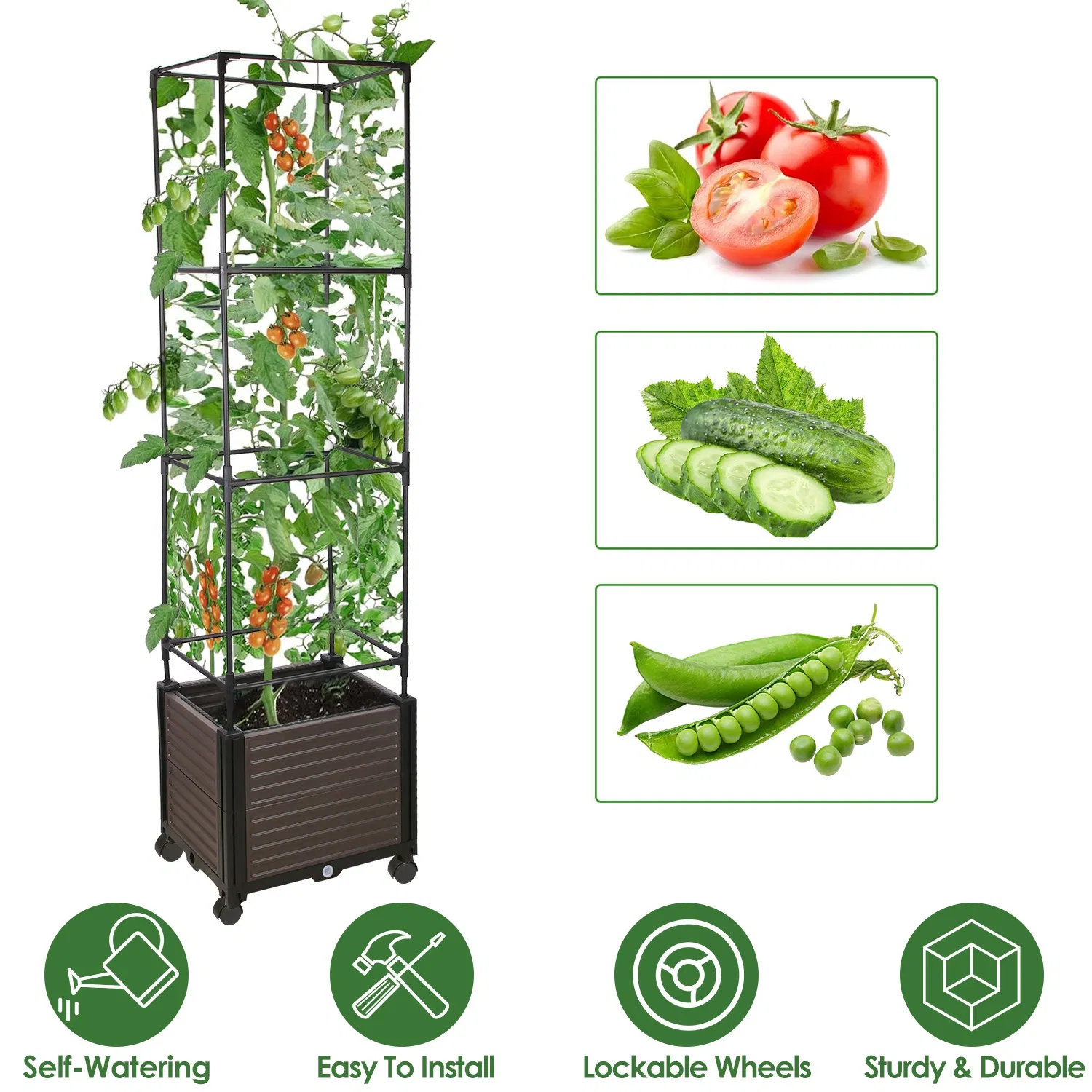 Expandable Rustproof Raised Garden Bed Planter - 62.99in Tall with Trellis, Automatic Water Drainage, 4 Lockable Wheels, Easy Assembly (No Screws), Perfect for Vines/Climbing Plants$73.99View on Mallflare
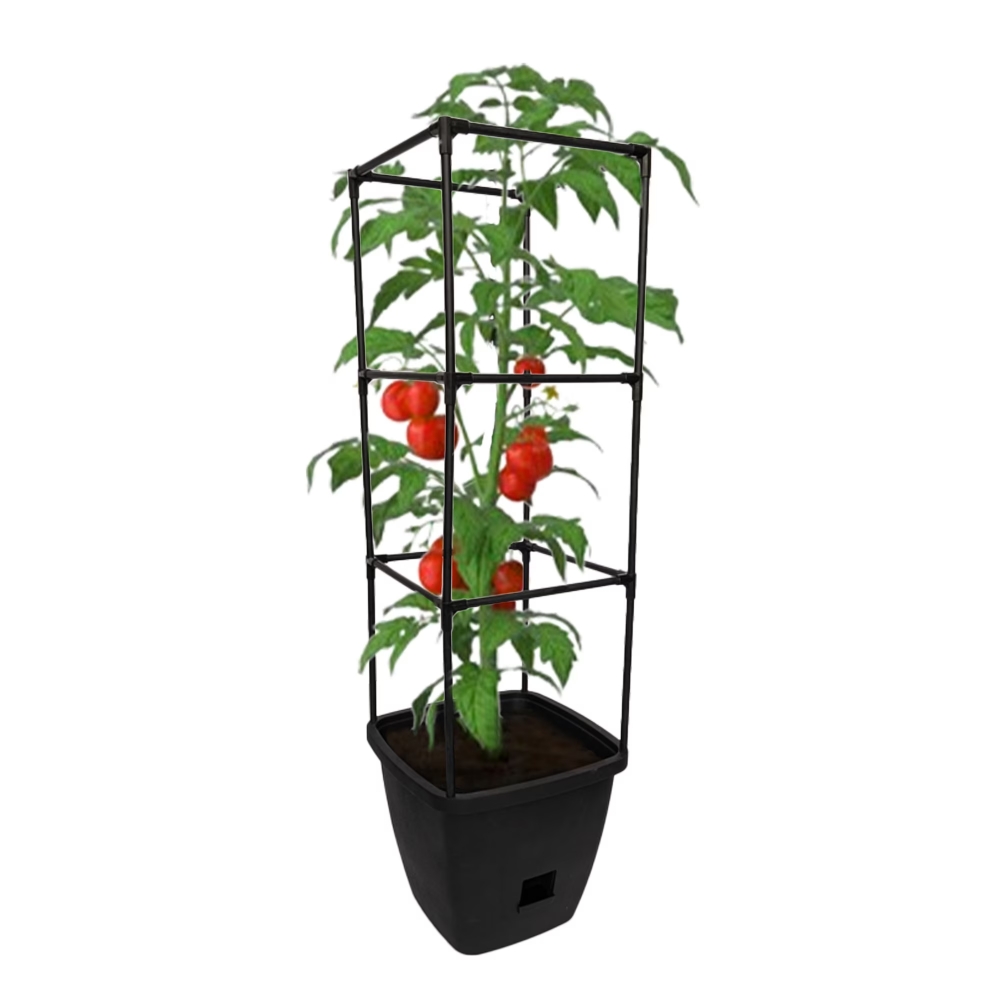 Harvest Bloom Garden Planter with Self-Watering System and Adjustable Trellis for Your Outdoor Balcony, Patio, or Backyard$75.99View on Mallflare
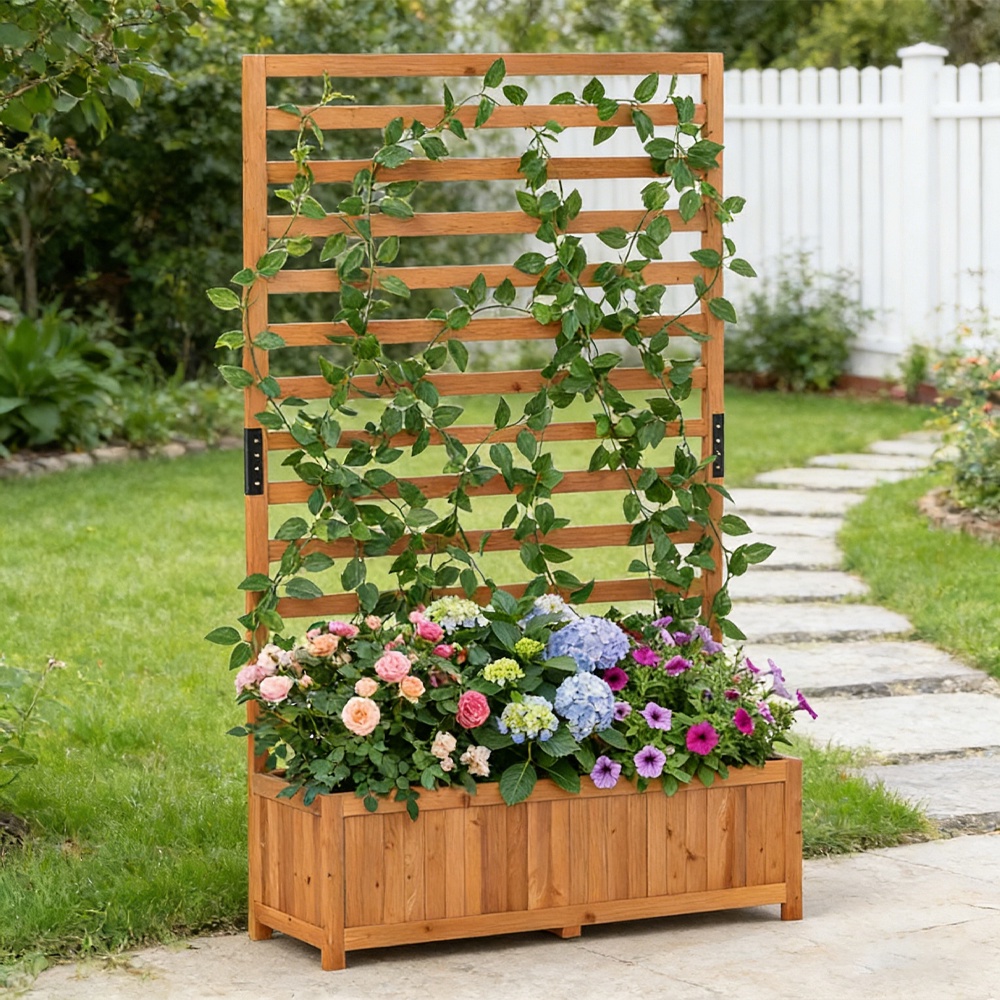 Wooden Raised Garden Bed 59 Inch Tall Elevated Planter Box With Vertical Trellis For Cultivating Vegetables, Flowers, Herbs, Etc$104.99View on Mallflare
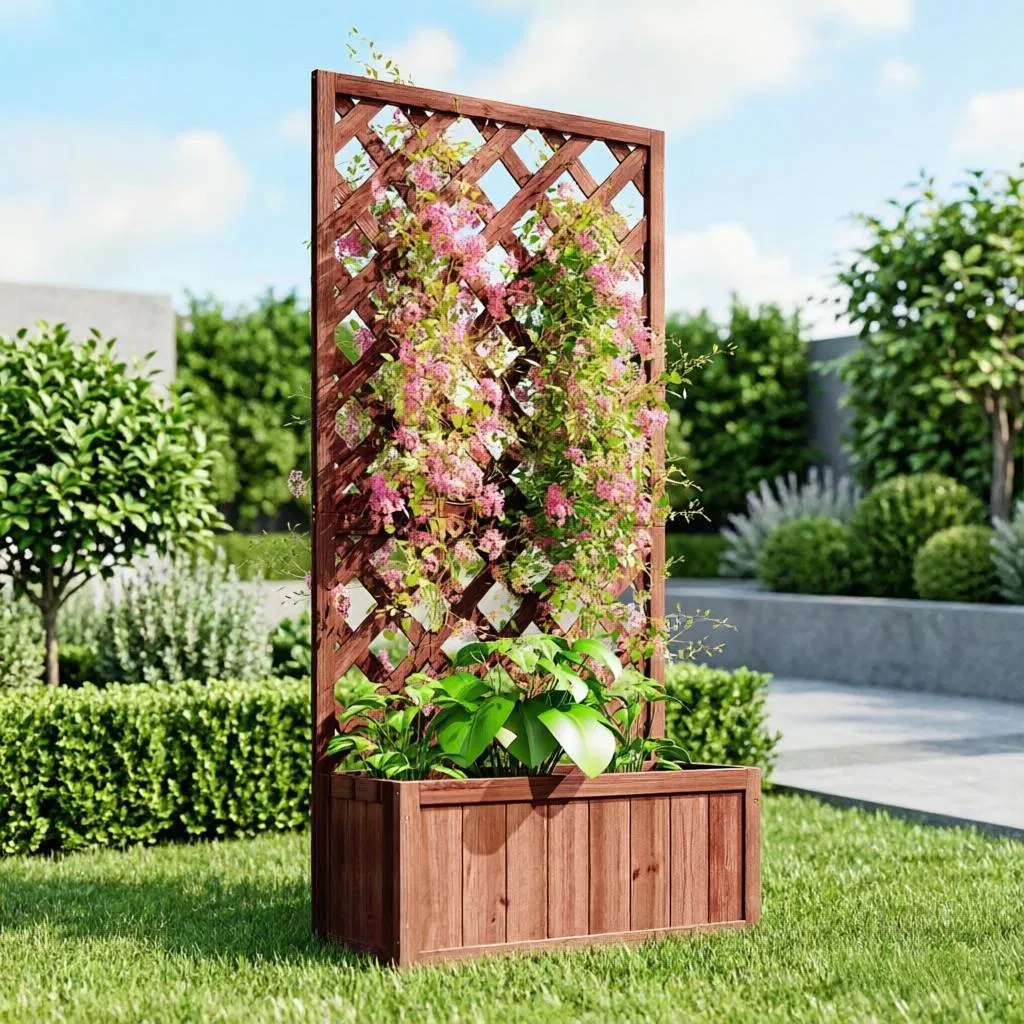 Orange Wooden Raised Garden Bed Planter Box with Trellis for Climbing Plants And Flowers$107.99View on Mallflare
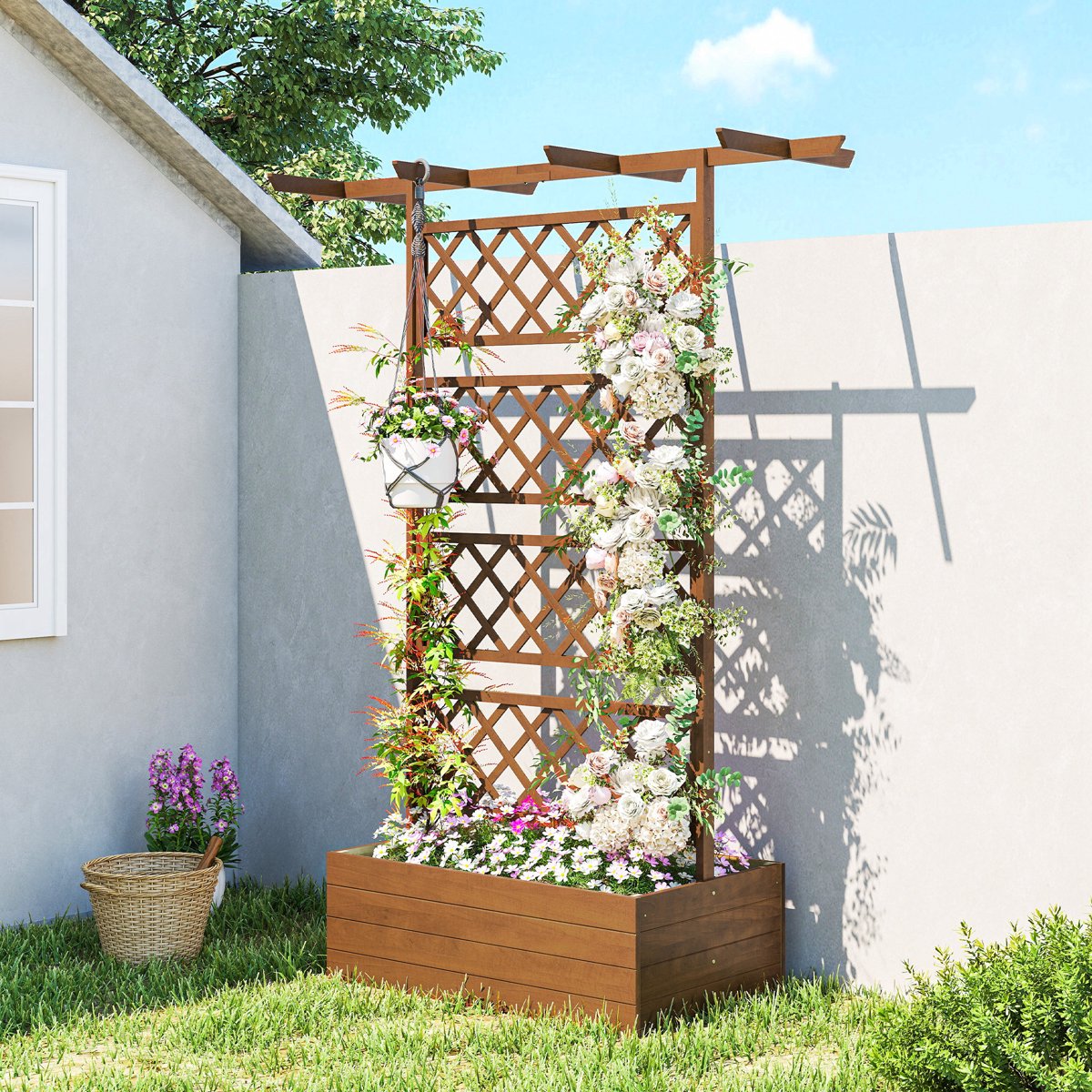 Wooden Trellis Planter Box, Raised Garden Bed to Grow Vegetables, Herbs and Flowers$109.99View on Mallflare
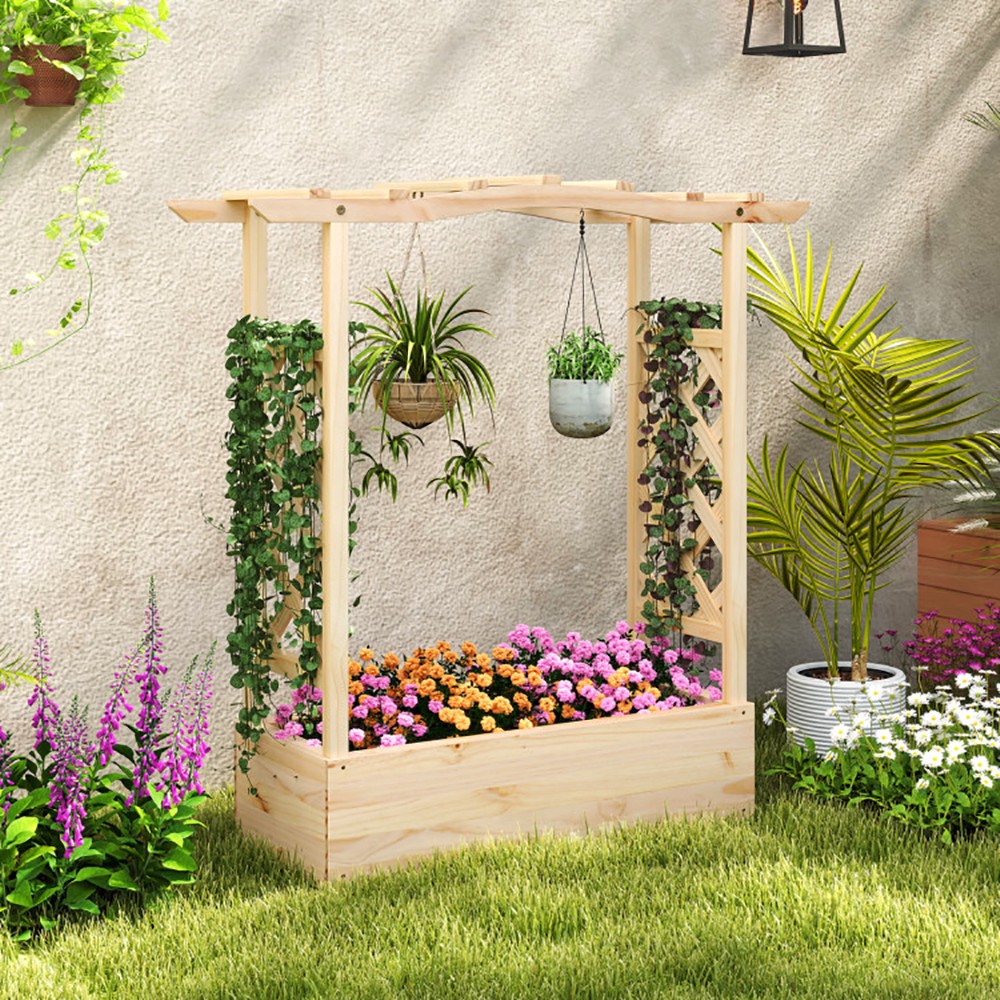 Wooden Raised Garden Bed Planter Box With Trellis And Hanging Roof$127.99View on Mallflare
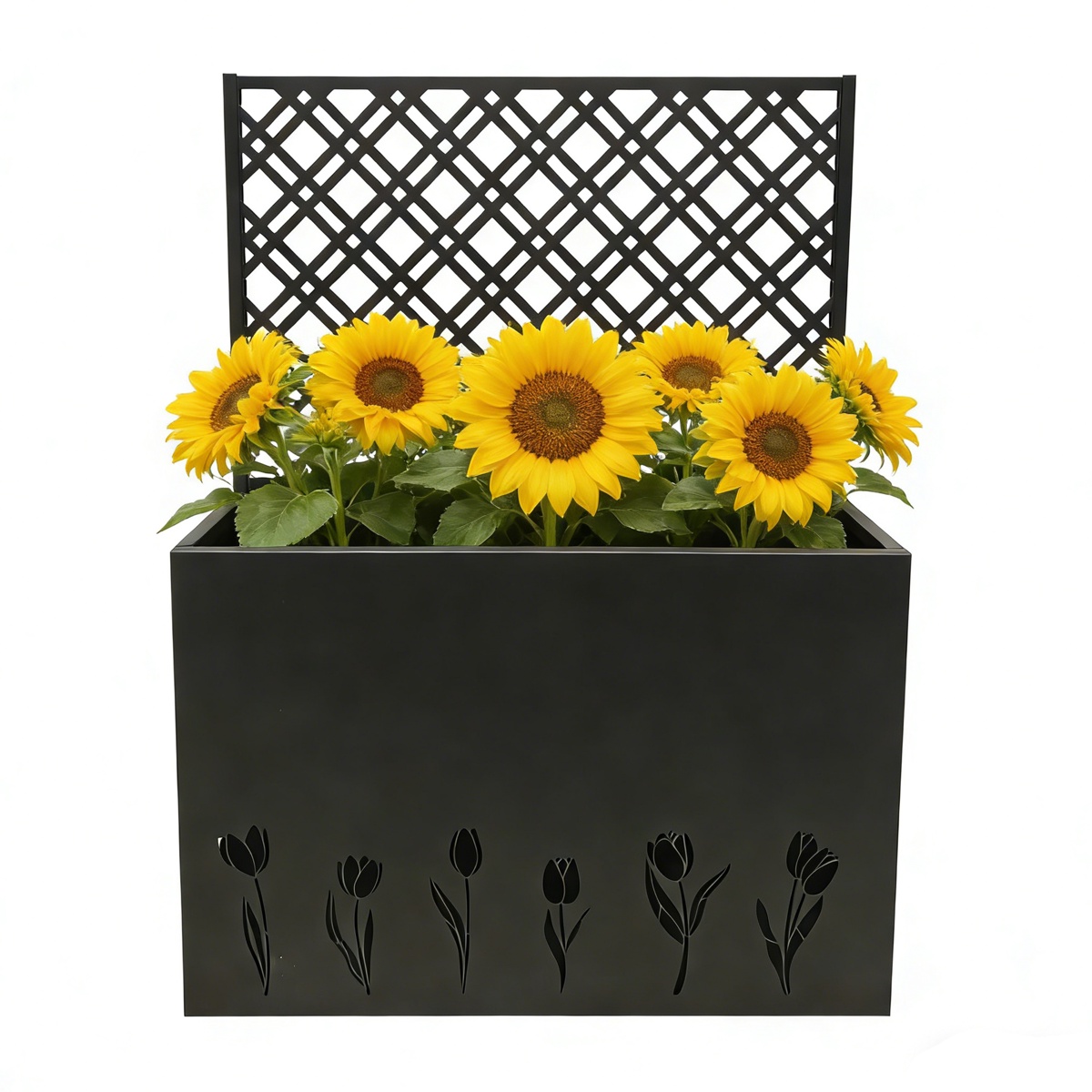 Tall Metal Planter Raised Garden Bed With Trellis 35.5in L X 11.9in W X 47.3in H - Large Flower Box Privacy Screen For Porch, Patio, Commercial Decor, Tulip Black$135.99View on Mallflare
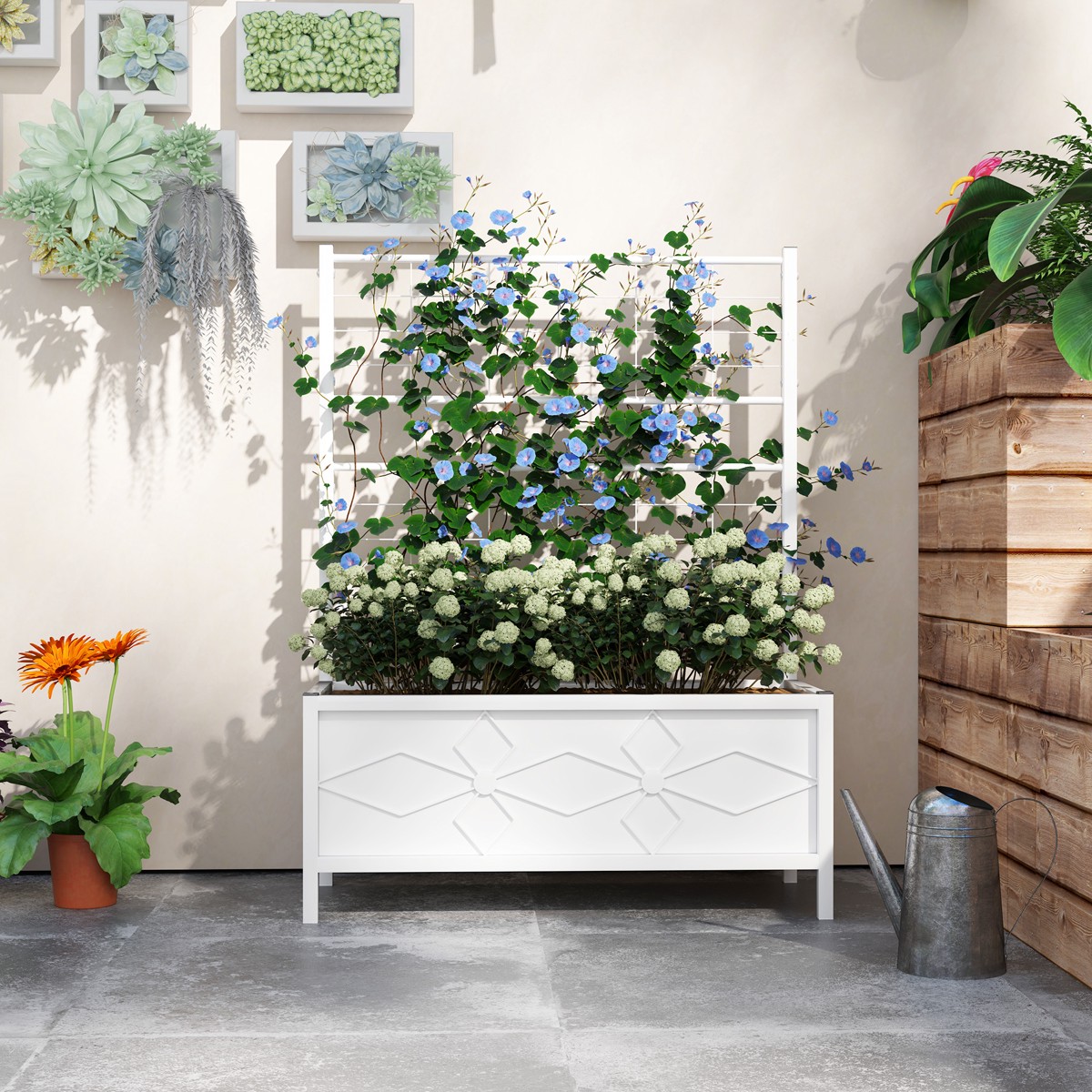 Outdoor Planter Box Galvanized Raised Garden Bed With Trellis For Climbing Vines$166.99View on Mallflare
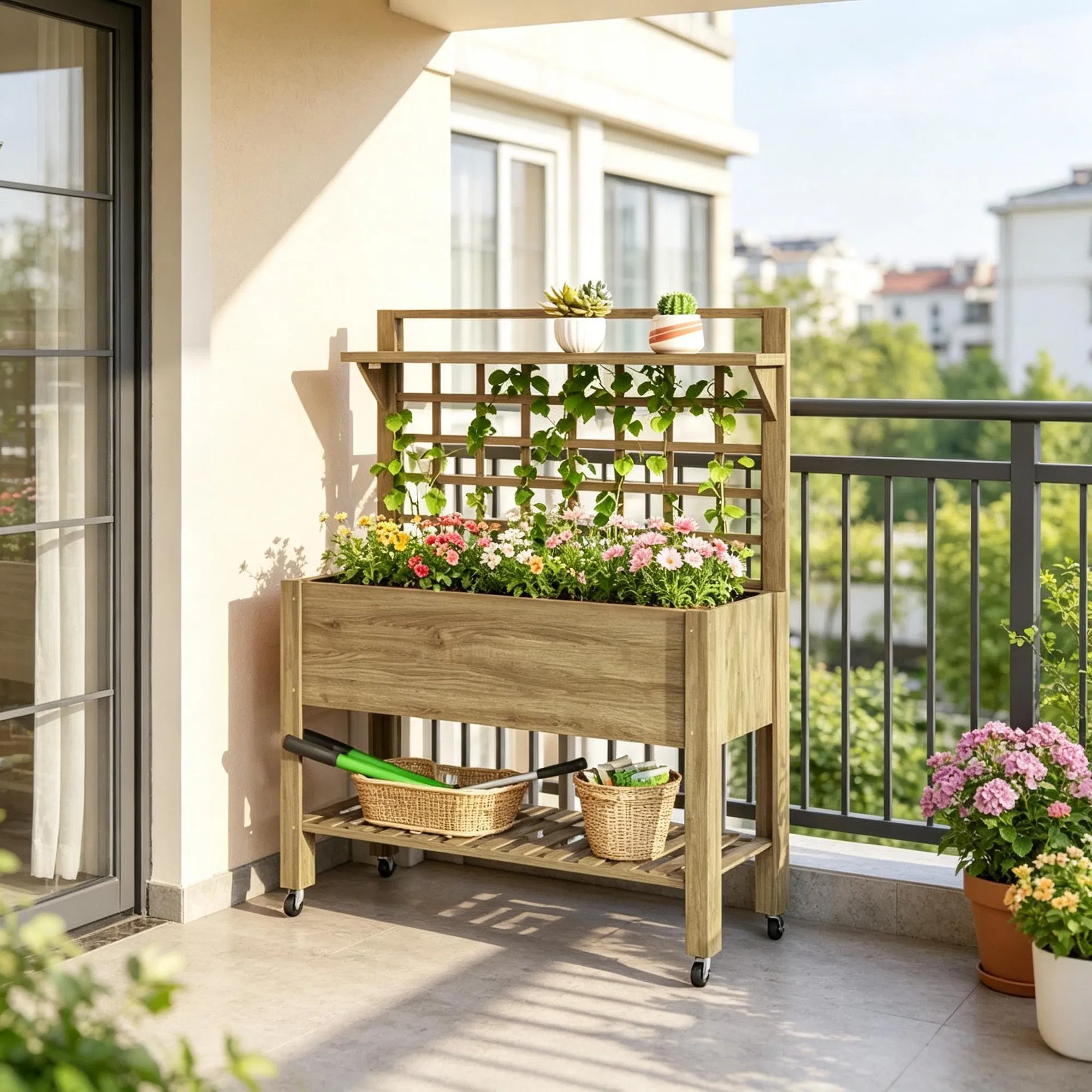 41 Inch Dark Brown Raised Garden Bed Mobile Elevated Wooden Planter Box with Wheels Trellis And Storage Shelf for Outdoor Gardening$166.99View on Mallflare
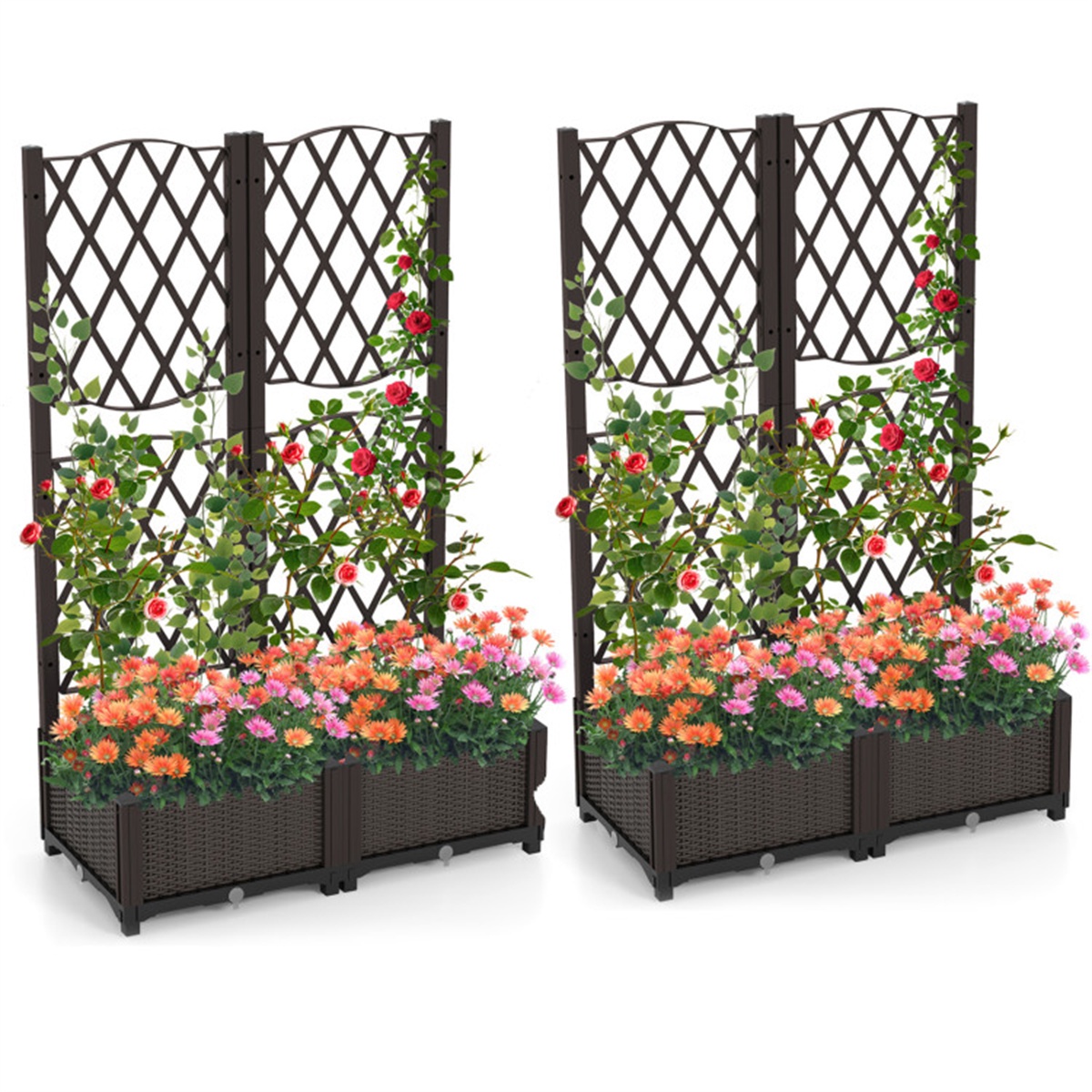 Set of 2 Rustic Style Trellis Planter, Raised Garden Bed Indoor Outdoor Planting Box for Vegetables Flowers$190.99View on Mallflare
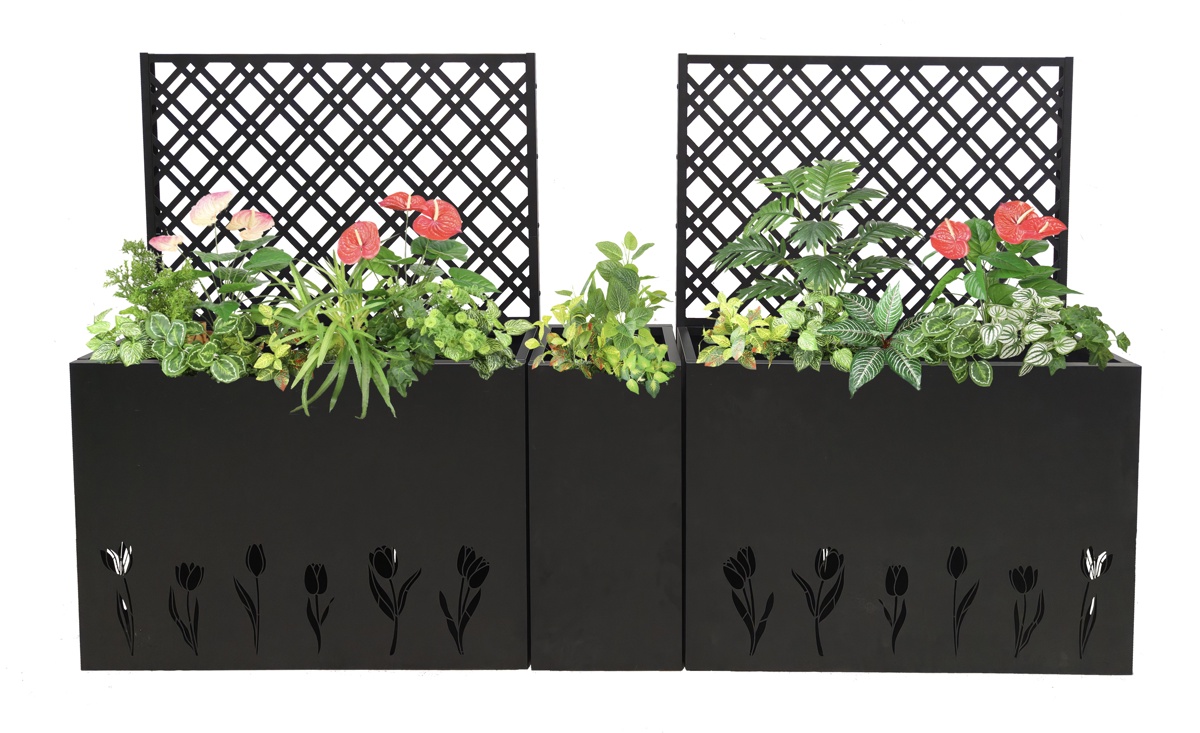 Metal Planter-Trellis Combo Set Of 3 - Raised Garden Bed, Flower Trellis & Privacy Screen For Patio, Balcony, Rust-Resistant Planter Box With Drainage Holes, 23.6in Depth Planting Bed, Tulip$272.99View on Mallflare
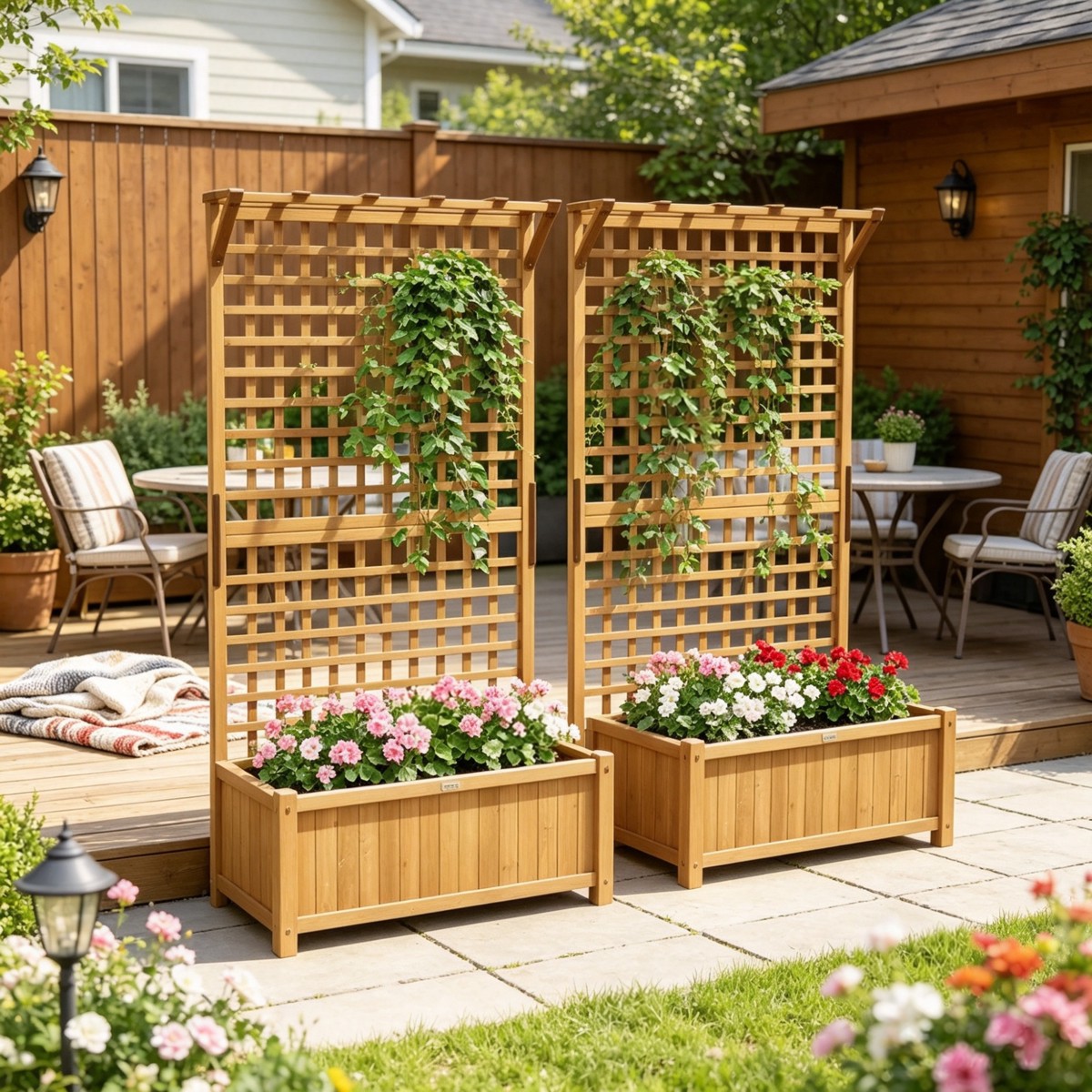 Yellow 2-Pack Wood Trellis Planter – Raised Garden Bed for Climbing Vines, Backyard Privacy Screen$460.99View on Mallflare
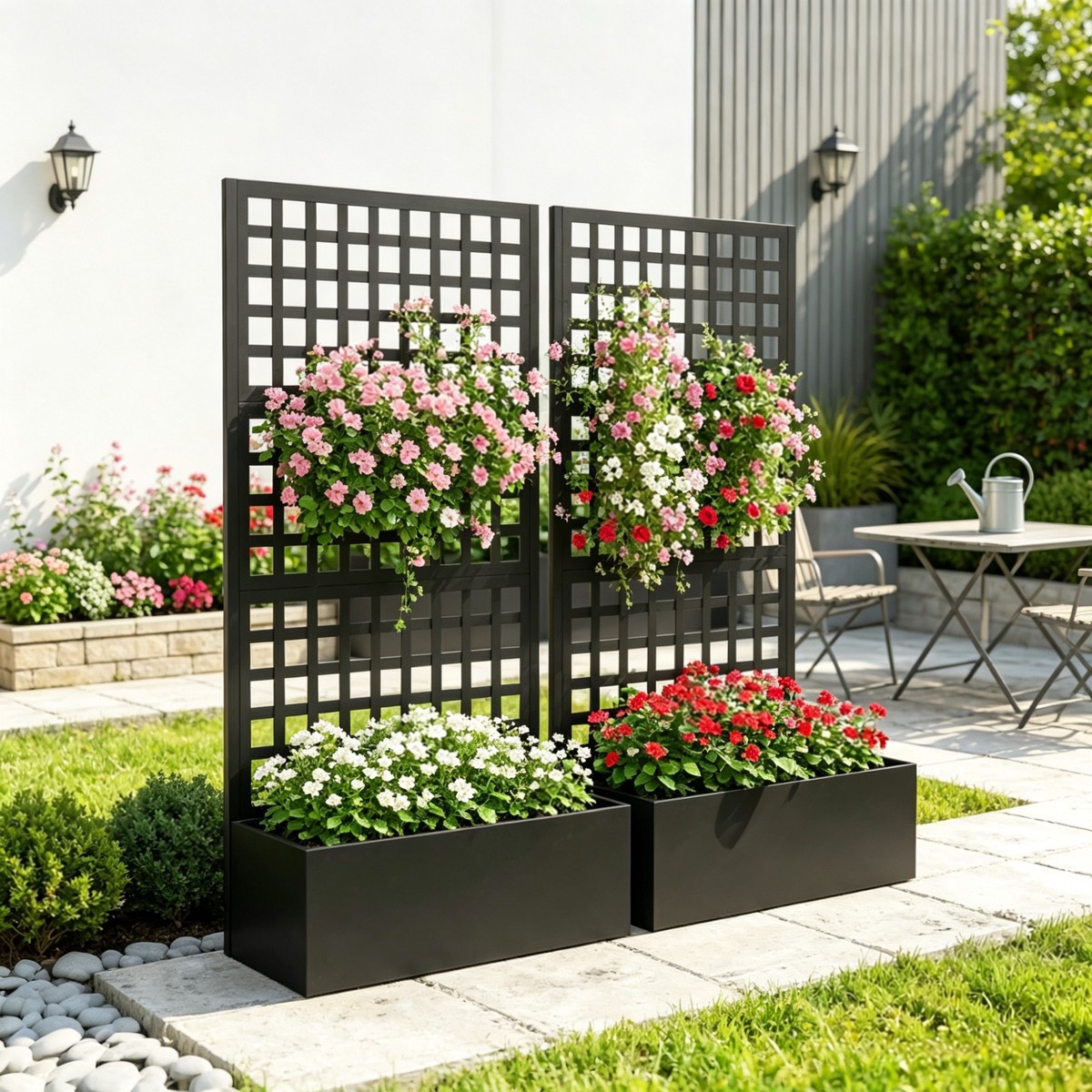 Black 35"x16"x70" Galvanized Raised Garden Bed – Planter Box with Trellis for Climbing Vegetables & Vines(Only one bed)$637.99View on Mallflare
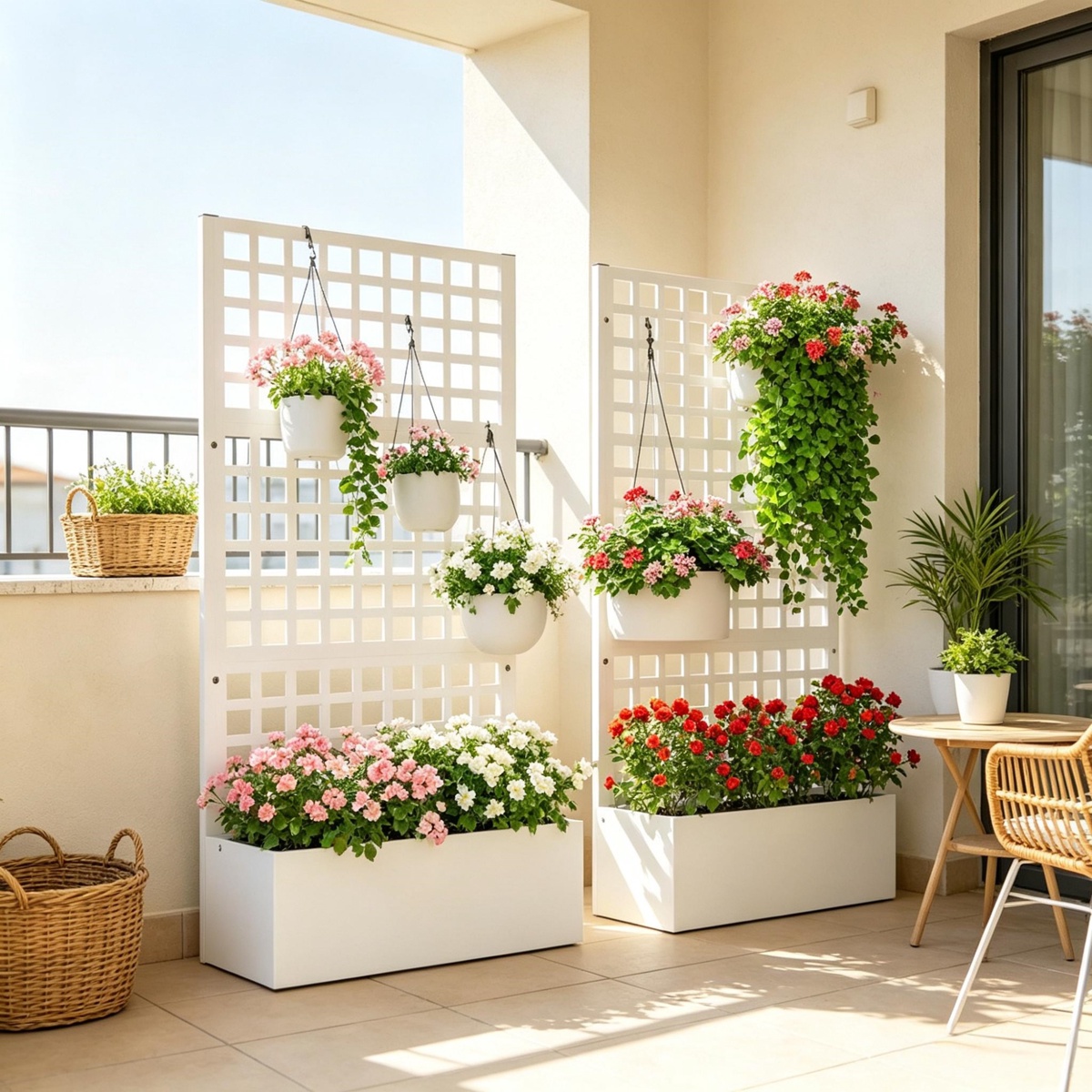 White 35"x16"x70" Galvanized Raised Garden Bed – Planter Box with Trellis for Climbing Vegetables & Vines(Only one bed)$637.99View on Mallflare
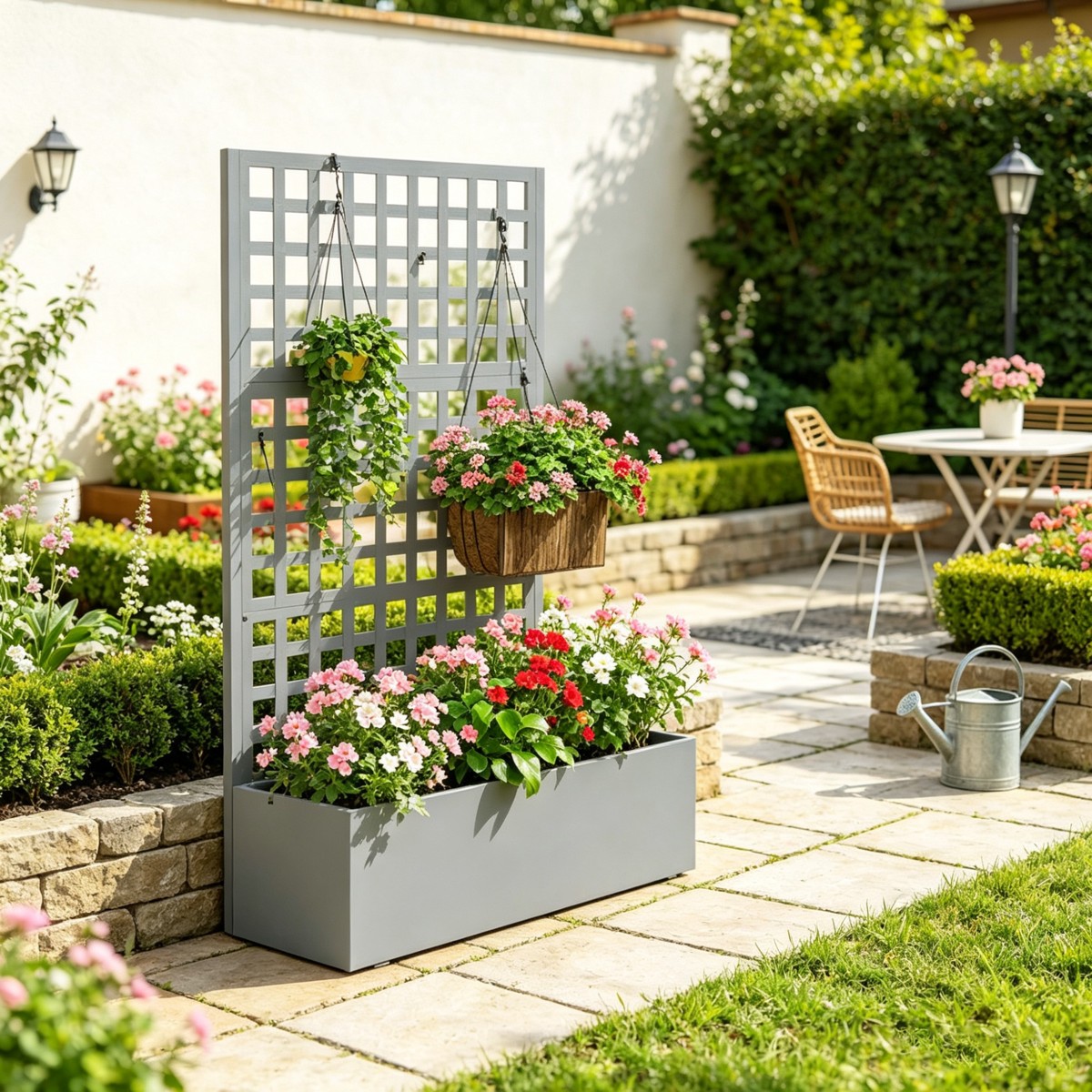 Gray 35"x16"x70" Galvanized Raised Garden Bed – Planter Box with Trellis for Climbing Vegetables & Vines(Only one bed)$637.99View on Mallflare
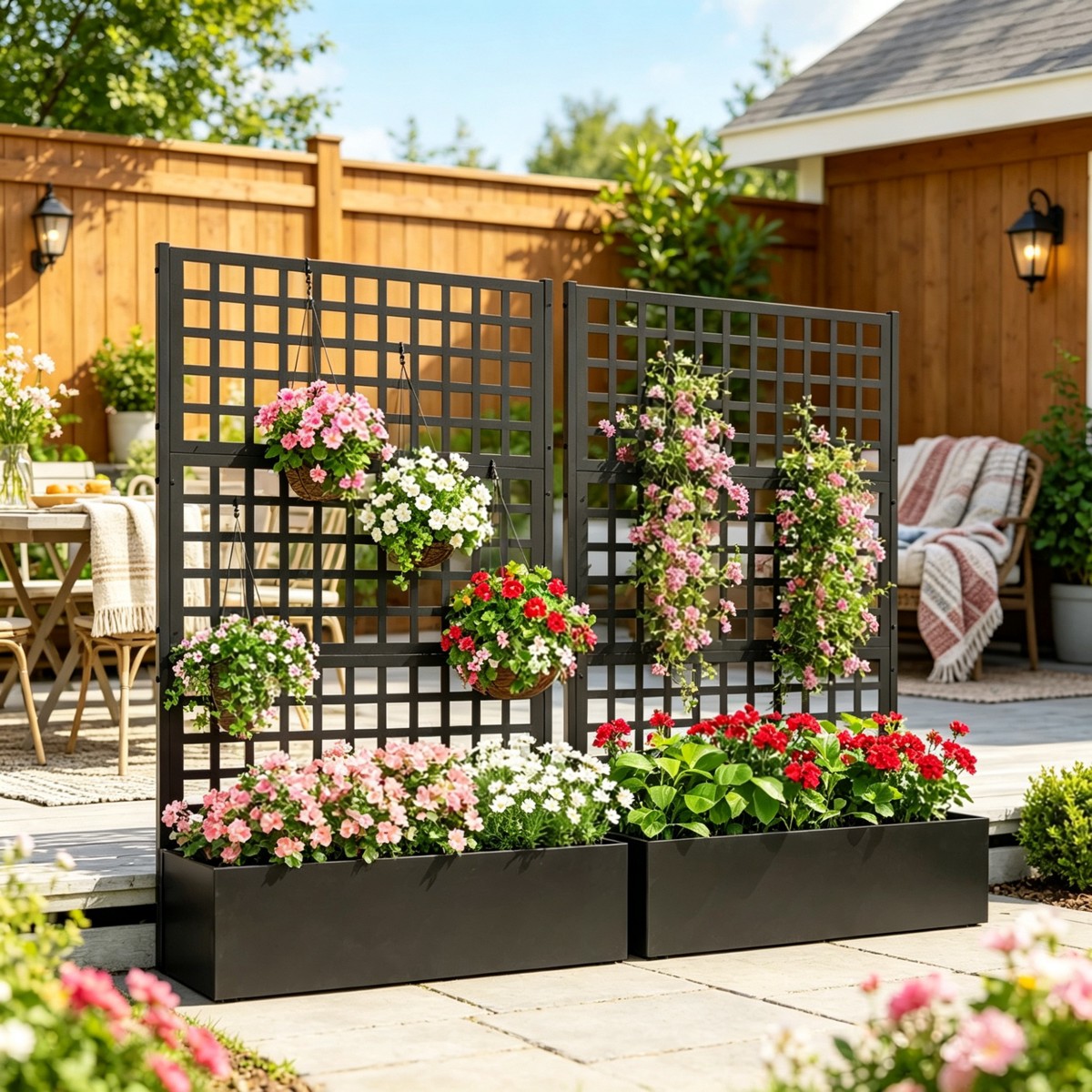 Black 43" x 16" x 70" Galvanized Planter Box – Raised Garden Bed with Trellis for Vines & Climbing Veggies(Only one bed)$637.99View on Mallflare
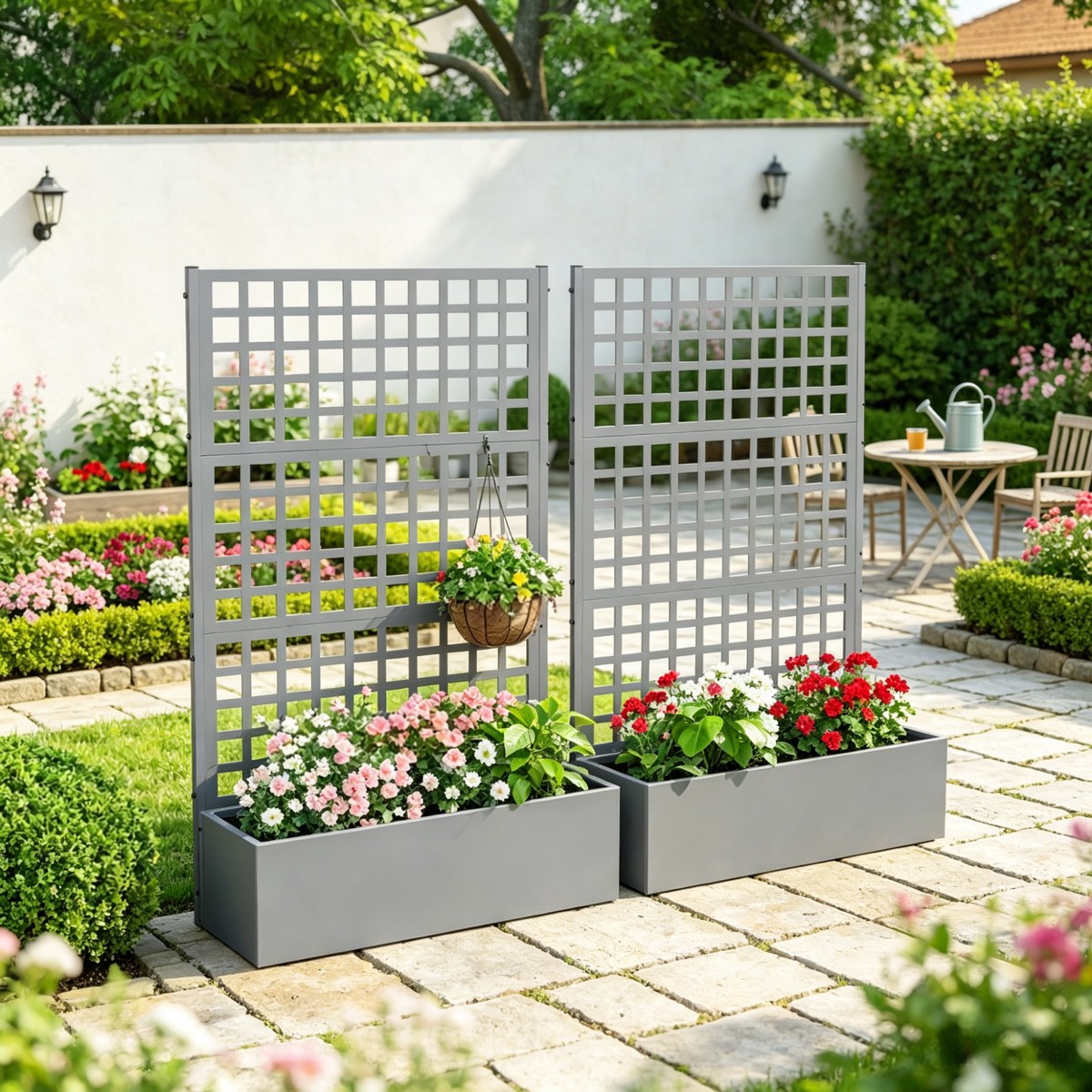 Gray 43" x 16" x 70" Galvanized Planter Box – Raised Garden Bed with Trellis for Vines & Climbing Veggies(Only one bed)$686.99View on Mallflare
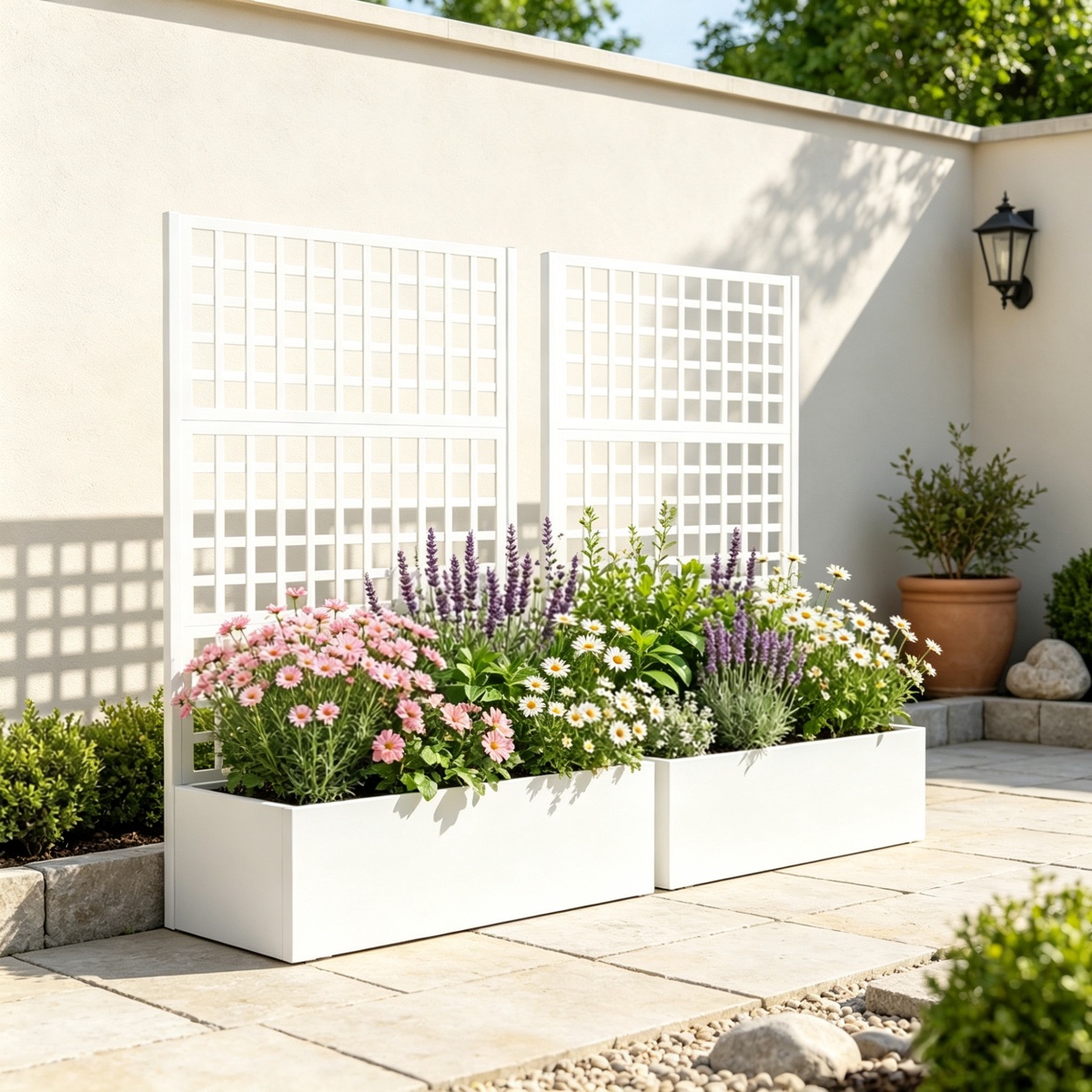 White 43" x 16" x 70" Galvanized Planter Box – Raised Garden Bed with Trellis for Vines & Climbing Veggies(Only one bed)$741.99View on Mallflare
Highlights
- Trellis attachment method decides durability: welded steel frames and through-bolted wood resist wind and crop load; clip-in or zip-tied lattice panels fail under heavy vines.
- Soil depth drives crop choice: 10–12 in supports herbs, lettuce, and shallow-root flowers; 14–18 in is needed for tomatoes, cucumbers, and climbing beans.
- Galvanized steel planters resist rot and last decades but heat soil faster; untreated wood insulates roots but requires rot-resistant species like cedar or pressure-treated pine.
- Self-watering reservoirs (typically 2–5 L) extend time between waterings, but only work if the overflow drain stays above the reservoir line to prevent waterlogging.
Best use cases
- Balcony or patio with full sun: pick a wheeled wooden or metal planter with a 14–18 in soil depth and a trellis at least 4 ft tall for tomatoes and cucumbers; skip shallow 10 in decorative boxes.
- Deck or renter-friendly space: choose a freestanding metal planter with welded arch trellis and drainage holes—no drilling into decking required; avoid models that must be anchored to a wall.
- Growing herbs and lettuce only: a 10–12 in deep planter with a 3–4 ft lattice trellis is sufficient; do not overspend on tall arch systems meant for heavy vines.
- High-wind or exposed site: select a wood planter with through-bolted trellis and a wide base, or a metal frame with ground stakes; skip lightweight plastic or clip-together lattice.
Buying tips
- Match trellis height to crop: 3–4 ft for peas and herbs, 5–6 ft for tomatoes and cucumbers, 6–8 ft for pole beans and climbing roses.
- Check soil volume: a 4x2x1 ft bed holds about 8 cu ft (60 gal) of soil—enough for 2–3 tomato plants; 2x2x1 ft holds 4 cu ft and suits one tomato or several herbs.
- For metal planters, confirm at least 0.8 mm (22-gauge) galvanized steel; thinner panels dent and bow under soil pressure.
- For wood planters, specify rot-resistant cedar, locust, or pressure-treated pine rated for ground contact; avoid untreated pine and composite that lacks UV stabilization.
Specs
| Material | Galvanized steel / Cedar / Pressure-treated wood |
|---|---|
| Soil Depth | 10–18 in (crop-dependent) |
| Trellis Height | 3–8 ft (crop-dependent) |
| Drainage | Pre-drilled holes / overflow drain |
Related searches
What to check before buying
- Measure your space: planter footprint plus 18–24 in clearance for plant growth and trellis lean; account for door and stair widths if moving a wheeled unit.
- Confirm drainage: the planter must have pre-drilled holes or a removable plug; self-watering models need an overflow drain above the reservoir.
- Check surface: wheels suit hardscape only; on gravel or grass, choose a staked or footed base to prevent tipping.
- Verify trellis load: the frame should support 20–30 lb of vine and fruit without sway; metal should be welded at joints, wood should use bolts—not screws—at load points.
FAQ
Data sources: eBay / Amazon listings and product attribute feeds. Updated Nov 27, 2026.
Some links on this page are affiliate links. If you buy after clicking one, we may earn a commission at no extra cost to you. This does not change which products appear here or their order. Affiliate disclosure.