
Photos from current listings. Actual item, color, and included accessories may vary.
Flower Planter Outdoor Buying Guide
Outdoor flower planters are vessels that hold soil and plants on patios, porches, balconies, and in gardens, and they come in wood, metal, fabric, and plastic. The key trade-off is between weather durability and breathability: non-porous materials (glazed ceramic, metal, plastic) hold moisture longer and can cause root rot, while porous or fabric planters dry faster and demand more frequent watering. Choose based on climate and watering routine—fabric or unglazed wood for rainy, humid regions; sealed metal or plastic for dry, sunny exposures; and always match planter volume to the plant's mature root spread.
Median $95.99
Key takeaways
- Fabric grow bags (5- or 3-gallon) are breathable and air-prune roots but dry out 2–3× faster than plastic or glazed ceramic, so they suit hot, dry climates only with daily watering.
- Galvanized steel raised beds (e.g., 2×2×1 ft round) resist rot and rust for 10+ years but heat up in full sun; line with cardboard or use light colors to protect roots.
- Self-watering systems with a reservoir and wicking column extend watering intervals to 5–7 days, but the reservoir must be sized at ~20% of soil volume for reliable capillary action.
At a glance
- Category
- Raised Garden Beds & Planters
- Last updated
- Nov 28, 2026
Current offers
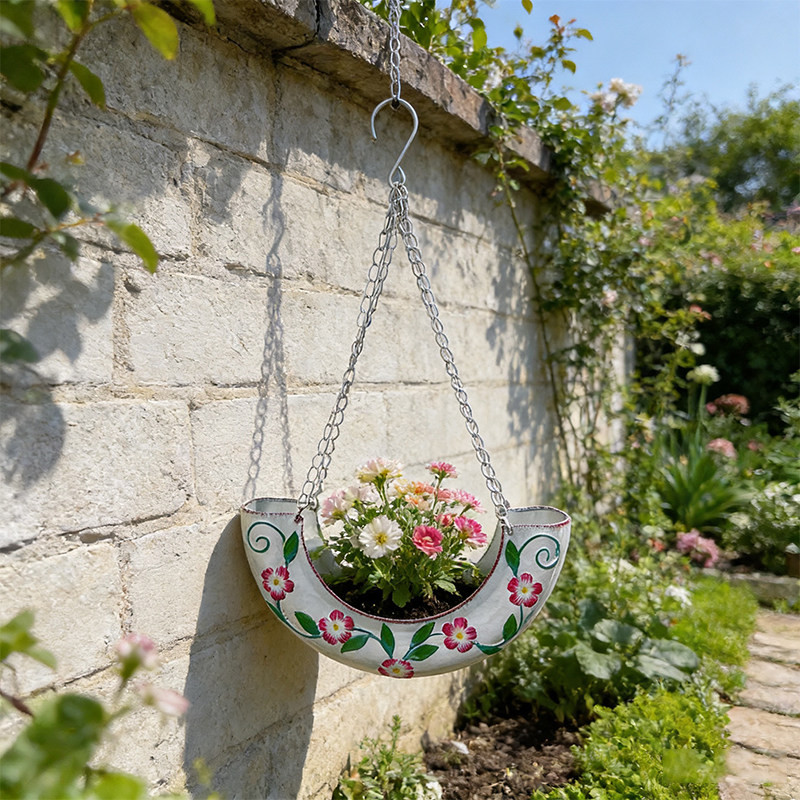 Hanging Metal Planter, Crescent Moon Shape Flower Pot,Hand-Painted Floral Design$59.99Last checked Nov 20, 2026View on eBay
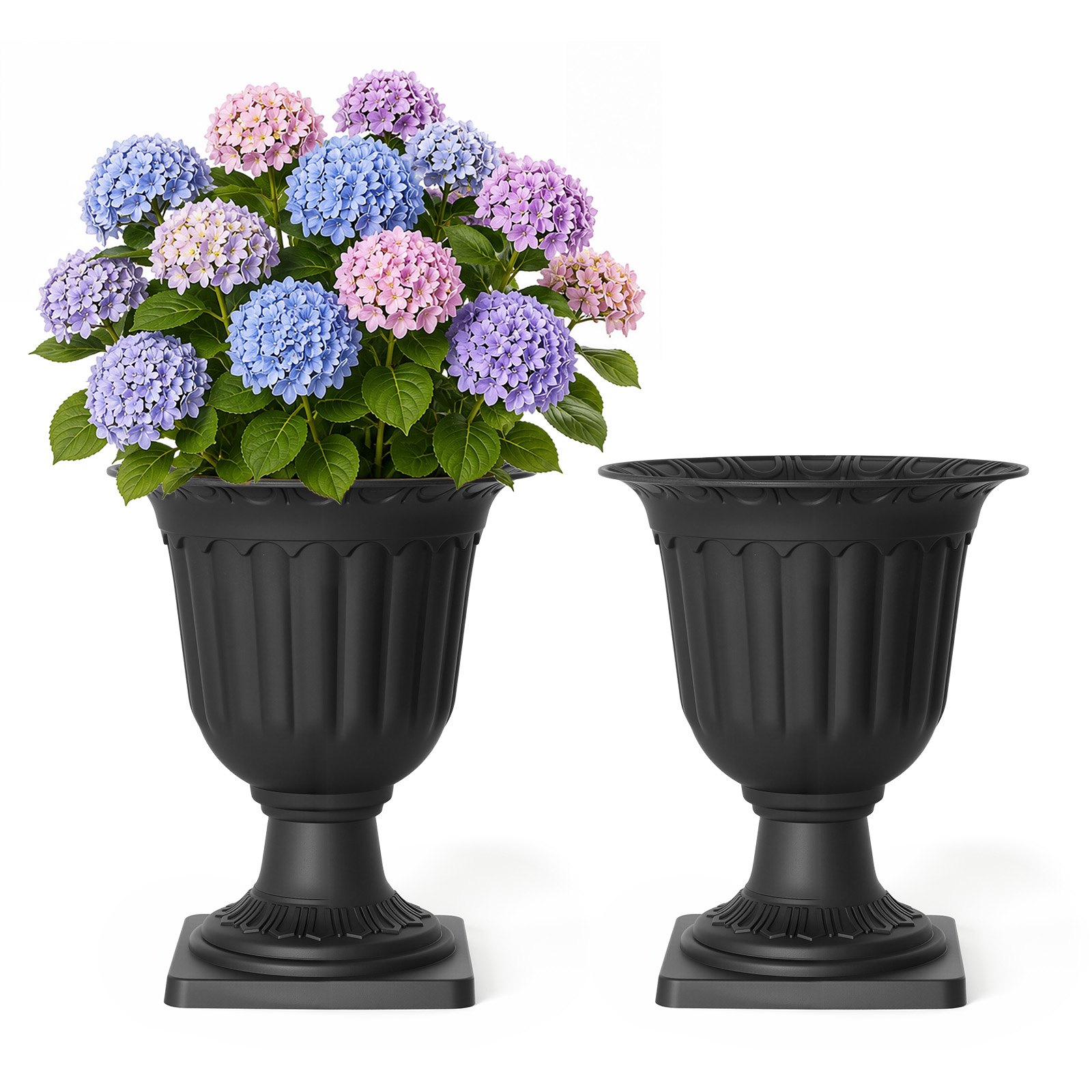 Plastic Urn Planters 15.75"x18.9" 2 PCS Black Classic Urn Flower Pot, for Wedding, Party, Event, Home, Stage, Garden, Balcony, and Patio Decoration, Front Porch Indoor & Outdoor Vase$46.99View on Mallflare
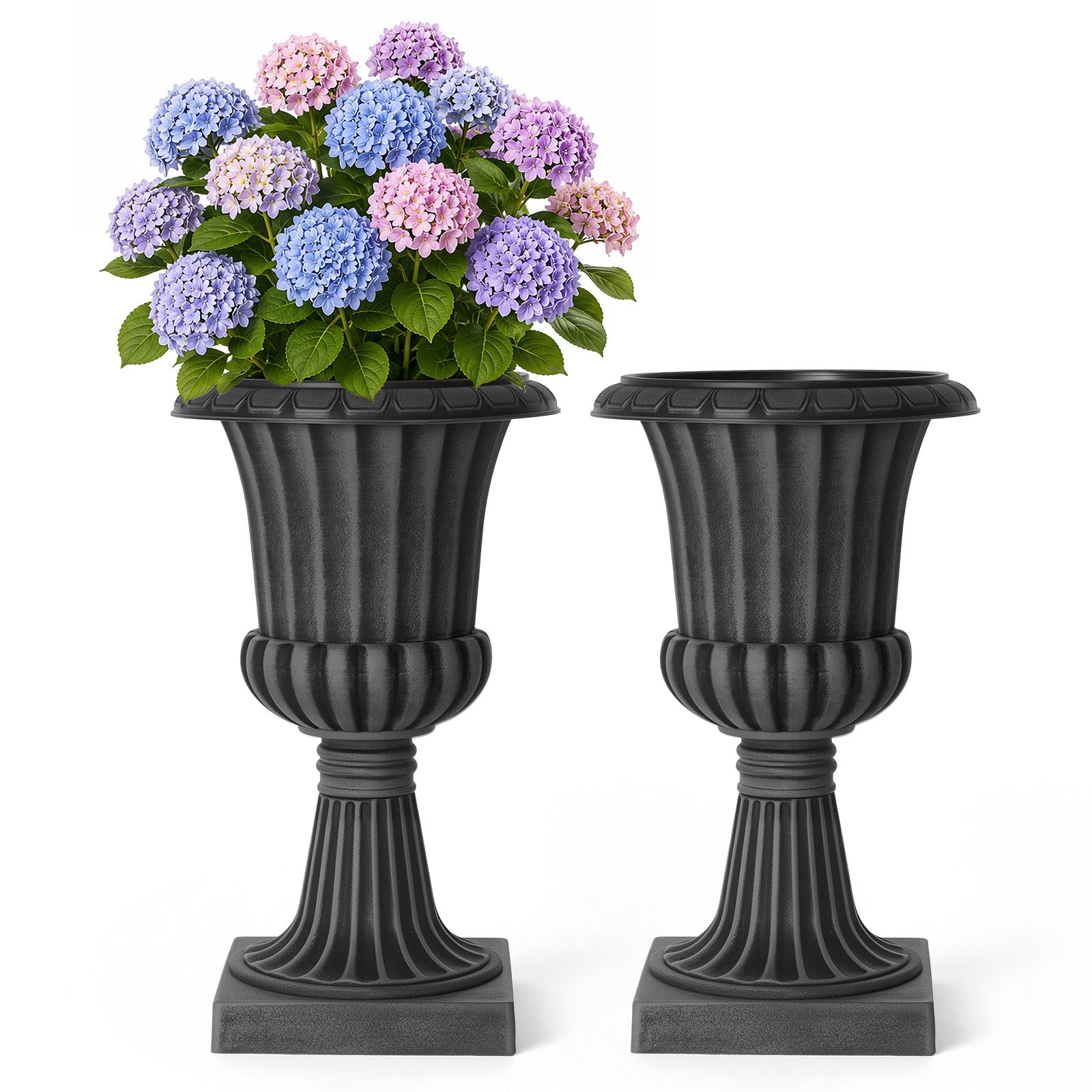 Plastic Urn Planters 13.78"x22.83" 2 PCS Gray Classic Urn Flower Pot, for Wedding, Party, Event, Home, Stage, Garden, Balcony, and Patio Decoration, Front Porch Indoor & Outdoor Vase$51.99View on Mallflare
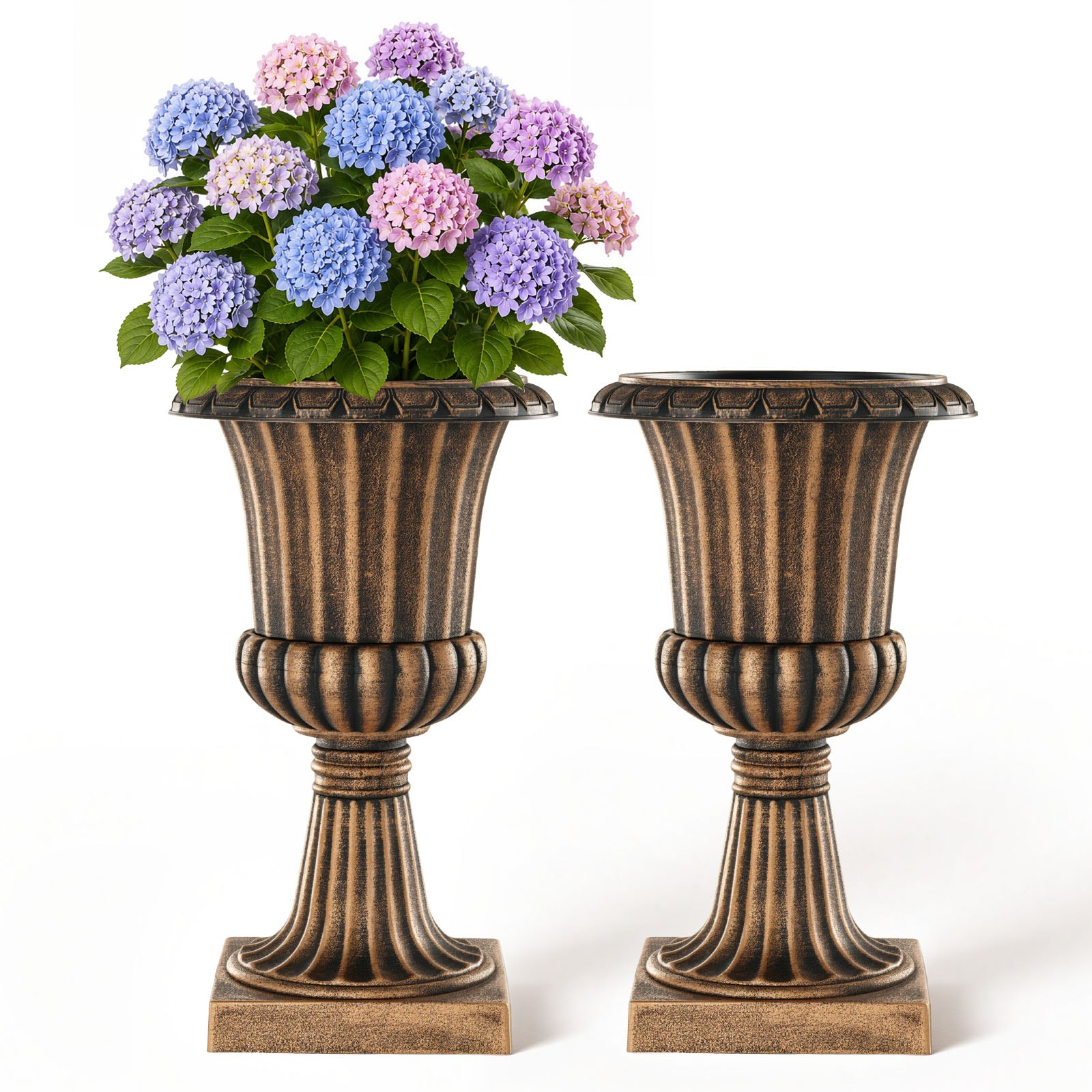 Plastic Urn Planters 13.78"x22.83" 2 PCS Brass Classic Urn Flower Pot, for Wedding, Party, Event, Home, Stage, Garden, Balcony, and Patio Decoration, Front Porch Indoor & Outdoor Vase$61.99View on Mallflare
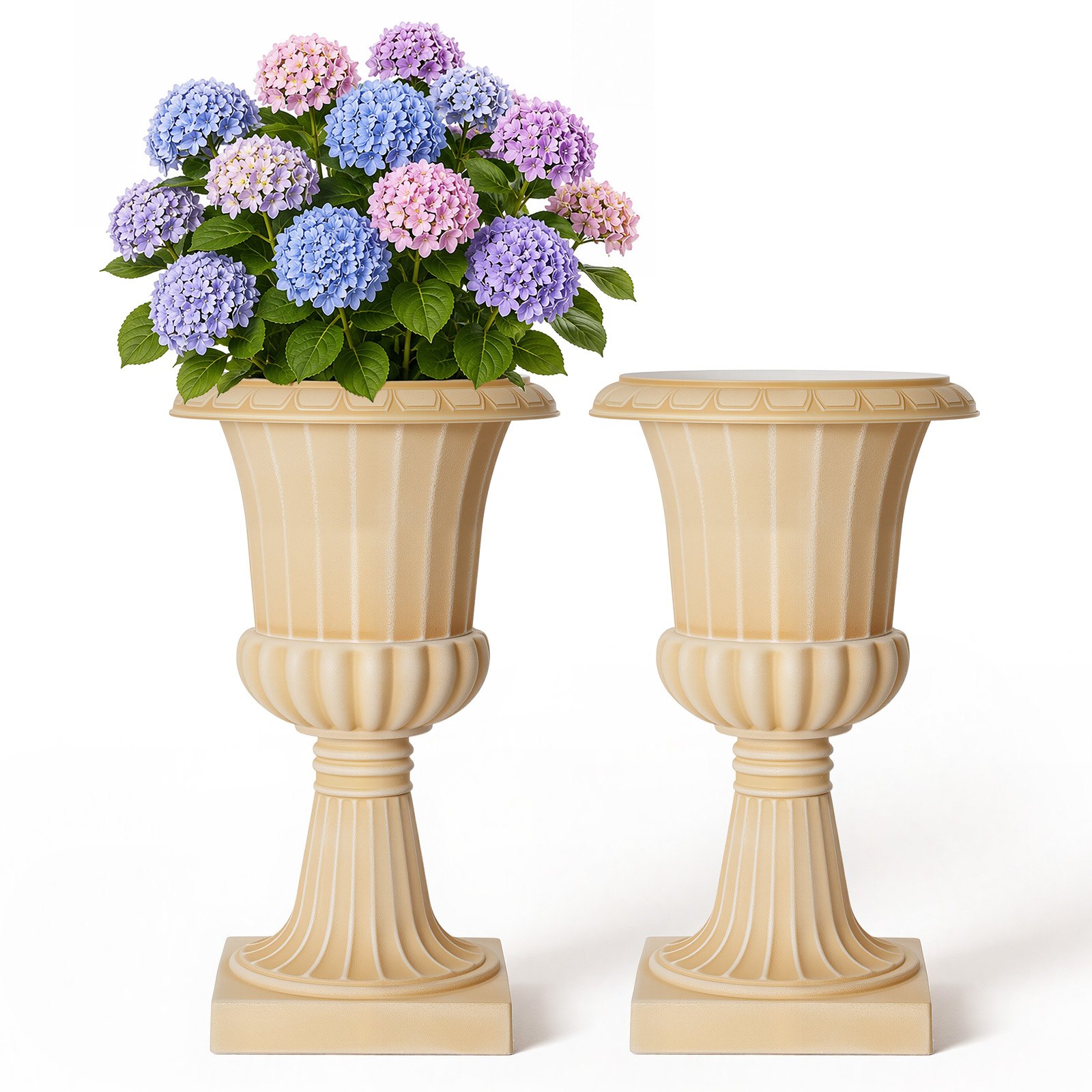 Plastic Urn Planters 13.78"x22.83" 2 PCS Beige Classic Urn Flower Pot, for Wedding, Party, Event, Home, Stage, Garden, Balcony, and Patio Decoration, Front Porch Indoor & Outdoor Vase$62.99View on Mallflare
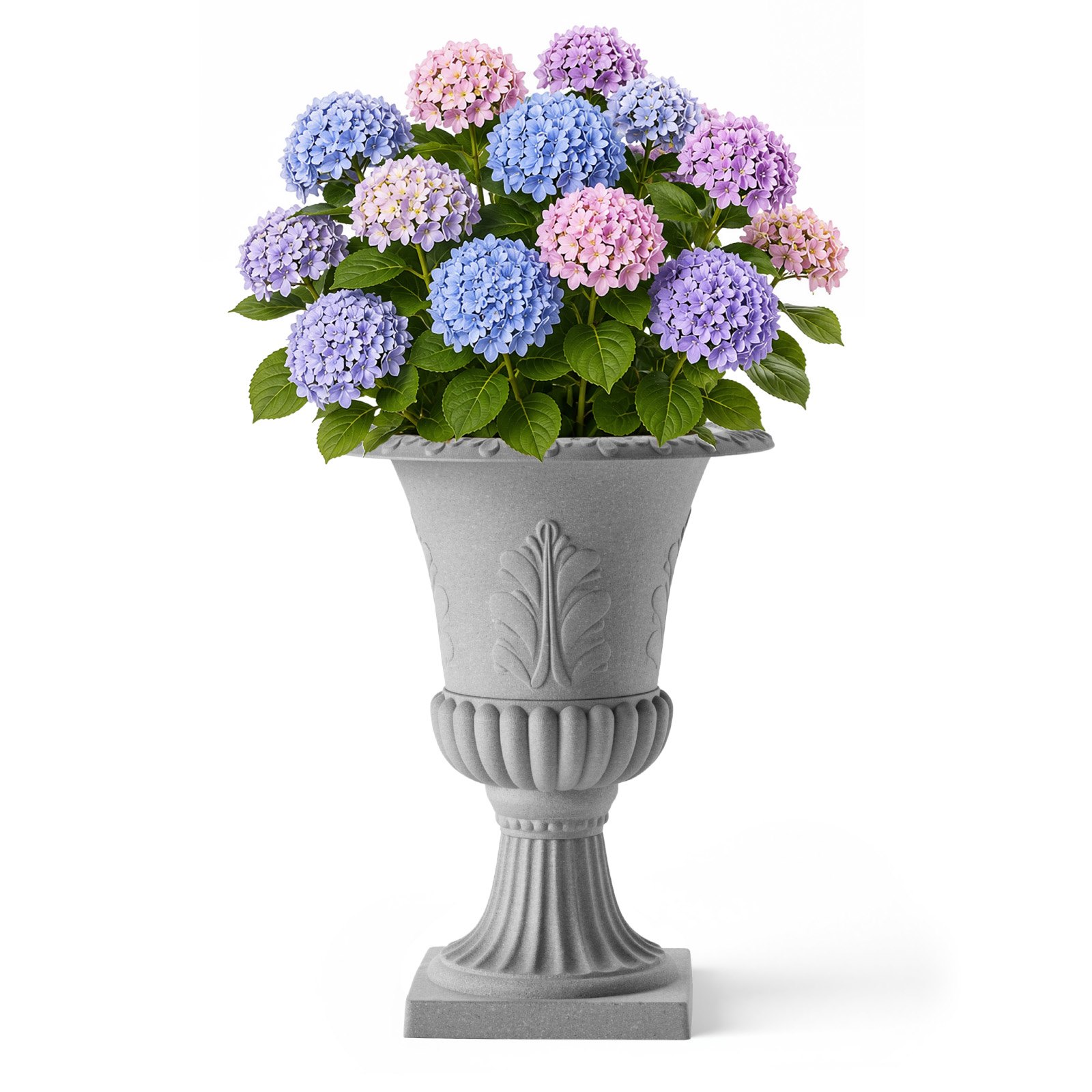 Plastic Urn Planter 15.75"x21.26" 1 Pack Gray Classic Urn Flower Pot, for Wedding, Party, Event, Home, Stage, Garden, Balcony, and Patio Decoration, Front Porch Indoor & Outdoor Vase$67.99View on Mallflare
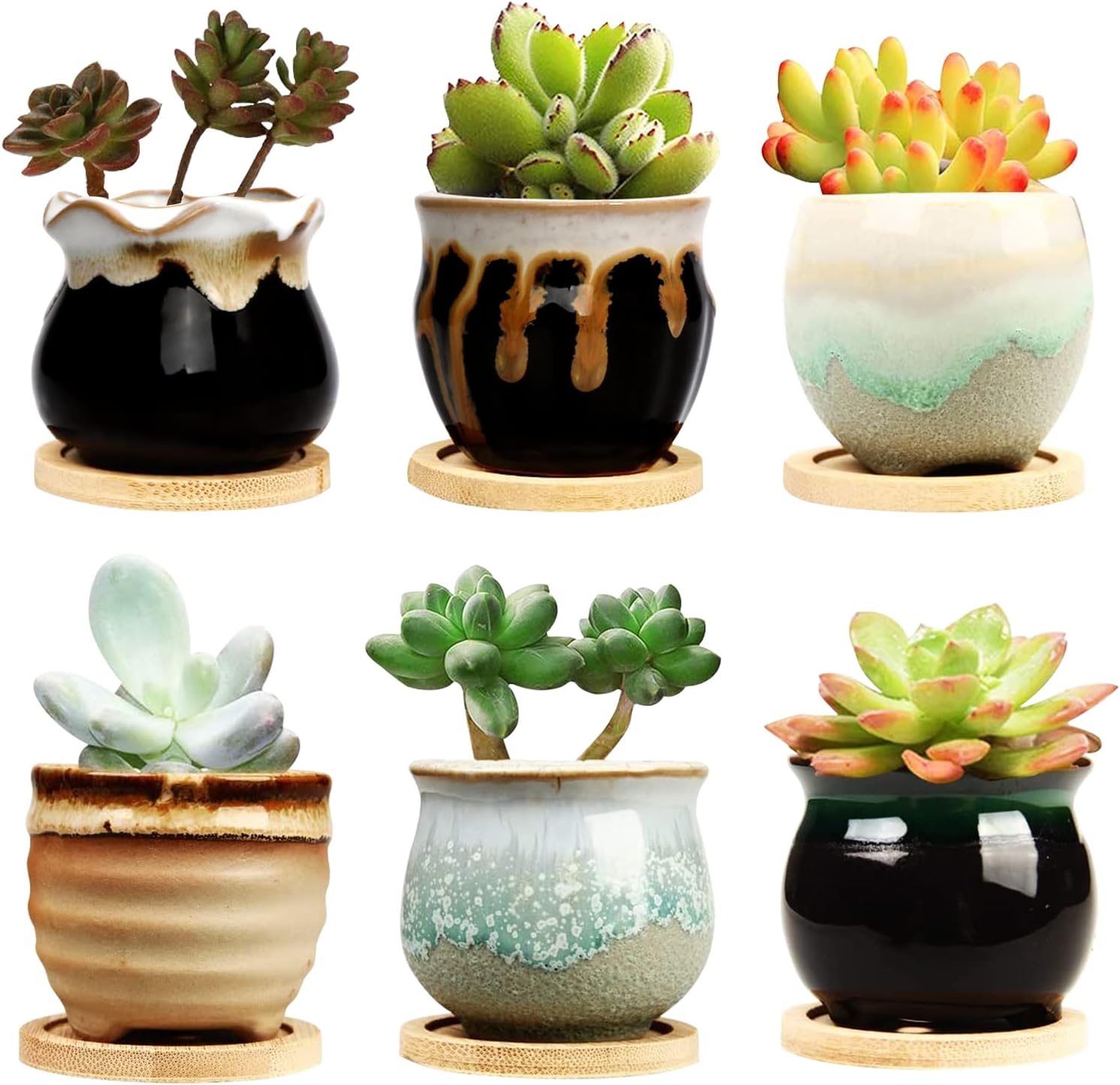 Ceramic Succulent Pot 2.1 Inch, Mini Plant Pot And Small Flower Planter For Succulents, Cactus, Desk And Home Decor$70.99View on Mallflare
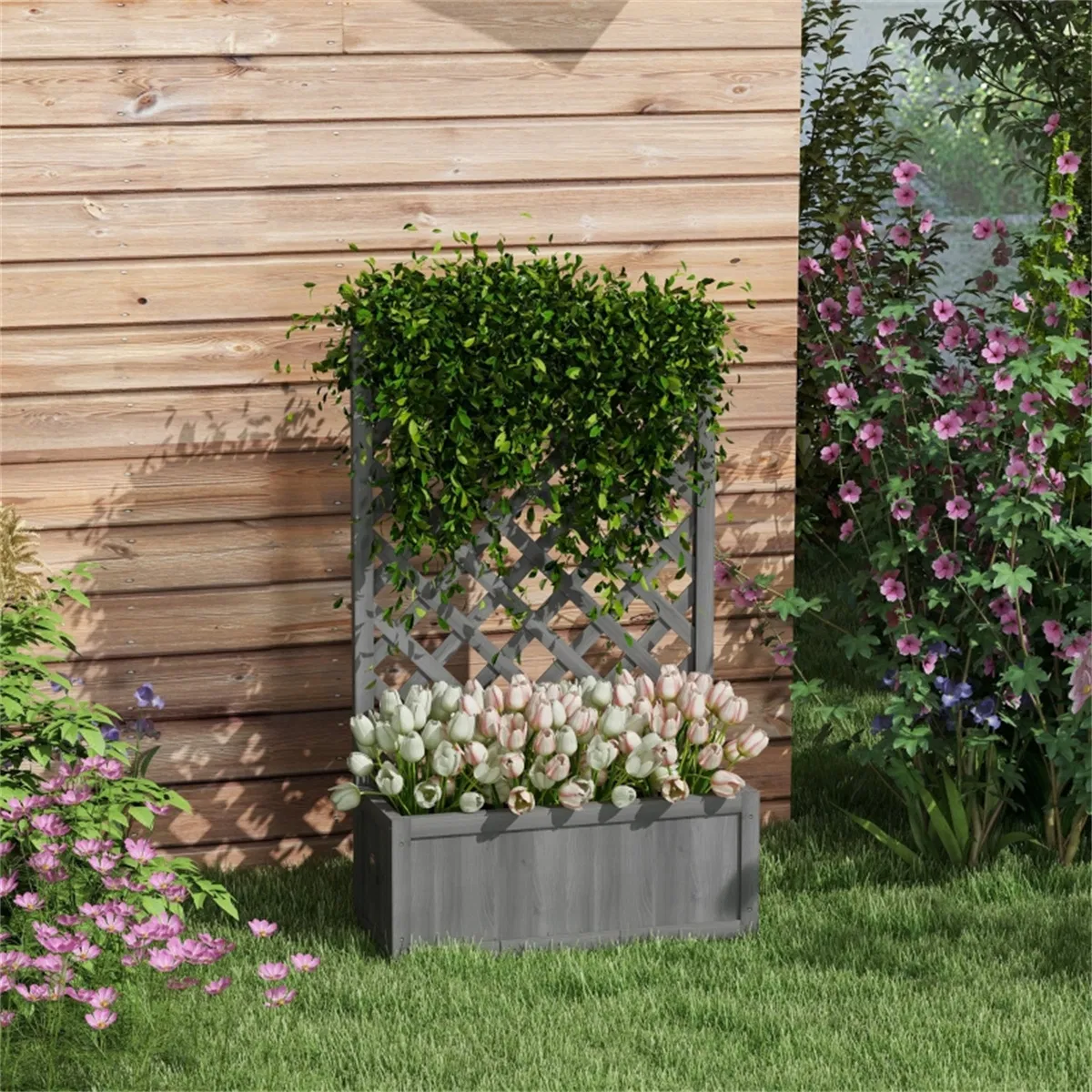 Wooden Planter, Flower shelf,Wood Box$89.99View on Mallflare
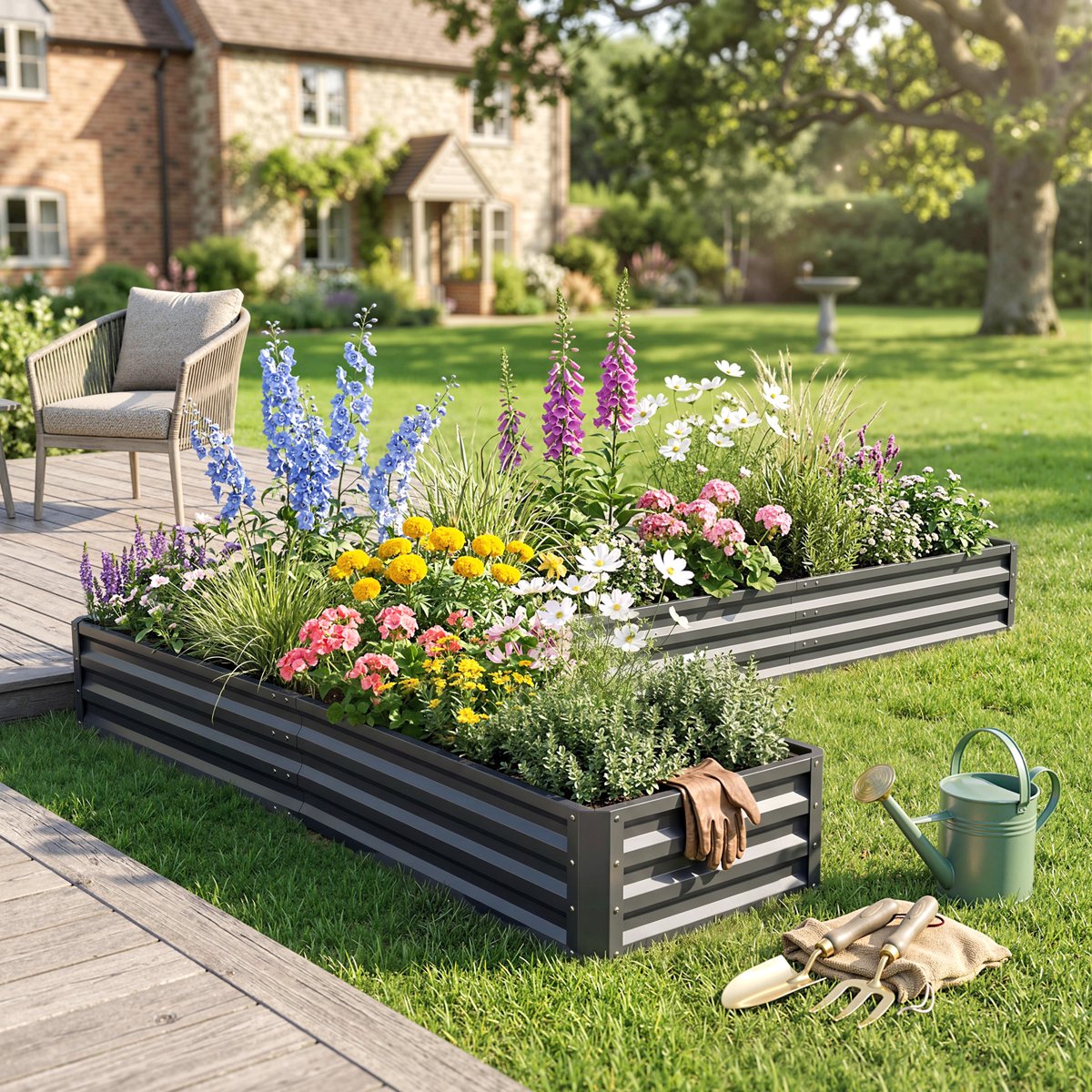 L-Shaped Galvanized Raised Garden Bed, 9.1 x 6.8 x 1 ft Metal Planter Box for Vegetables, Flowers, Herbs, Dark Gray$90.99View on Mallflare
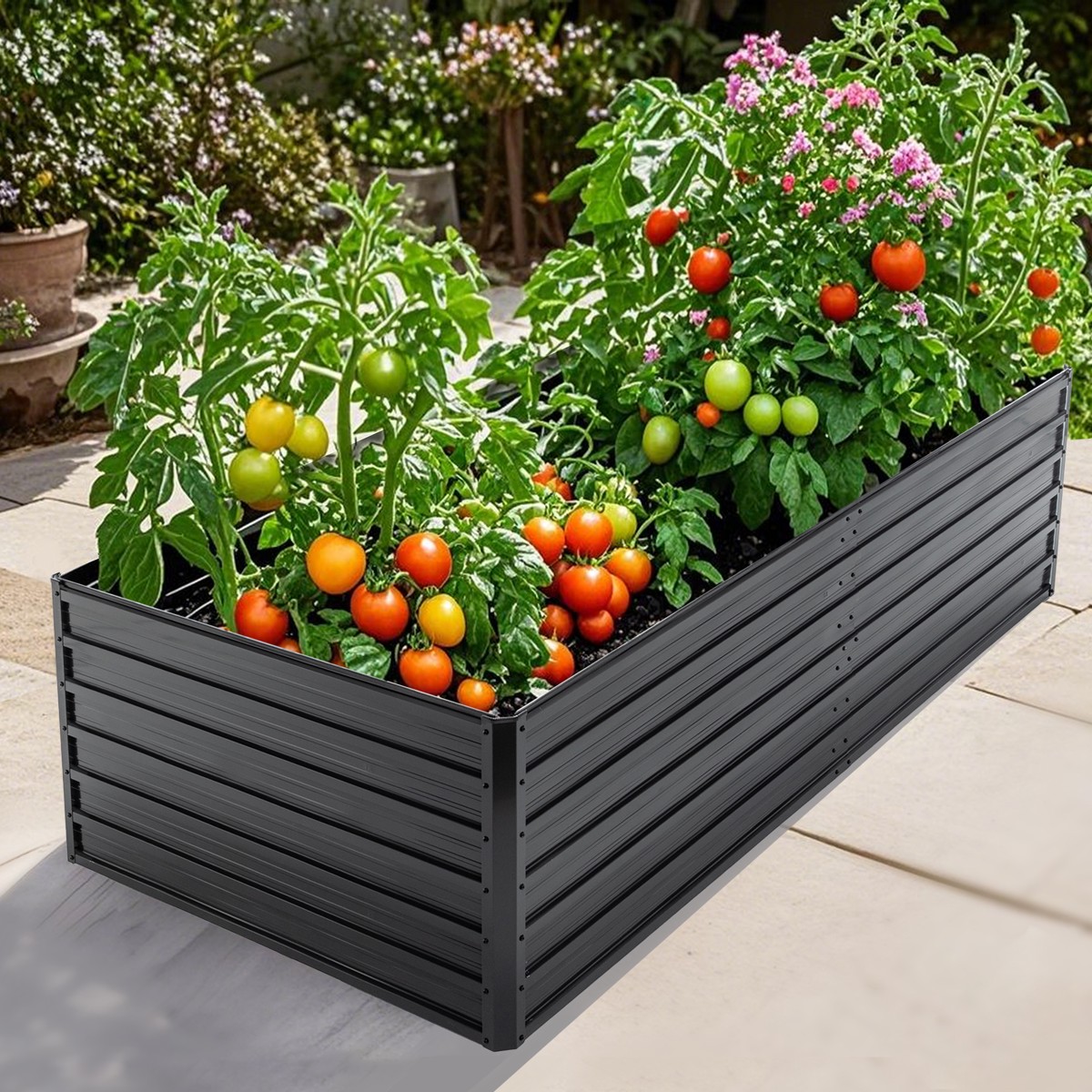 Metal Raised Garden Bed Outdoor 7.2x3.6x2 FT Galvanized Bed Kit,Vegetable Boxes-Rectangle Flower Box,Large Planter Beds For Planting,Fruit,Herb-Black$94.99View on Mallflare
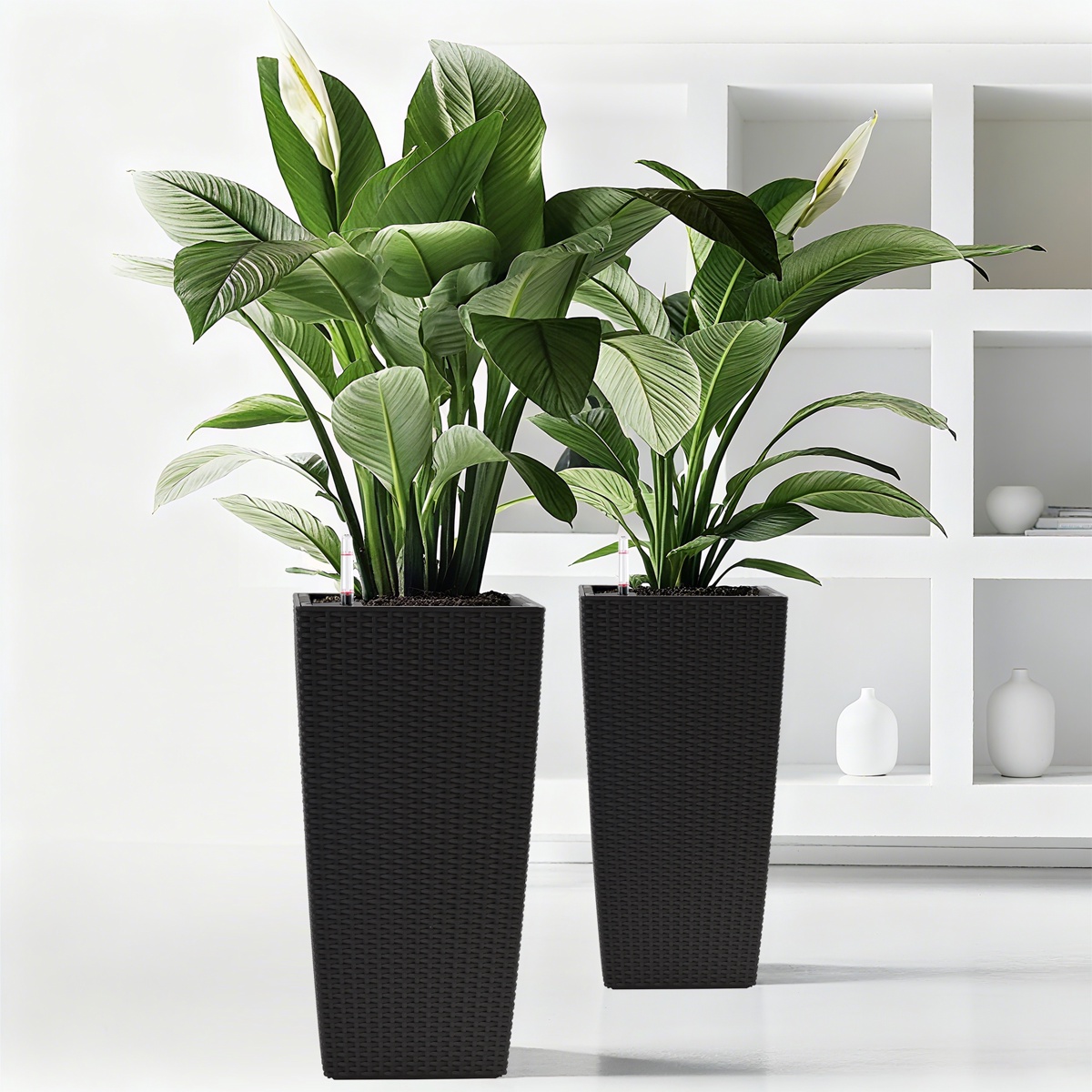 Pack Of 2 Square Planter For Garden 22-Inch High Faux Rattan Design Flower Pot With Automatic Watering System For Porch, Patio, Backyard, Makes Keeping Flowers Easier$95.99View on Mallflare
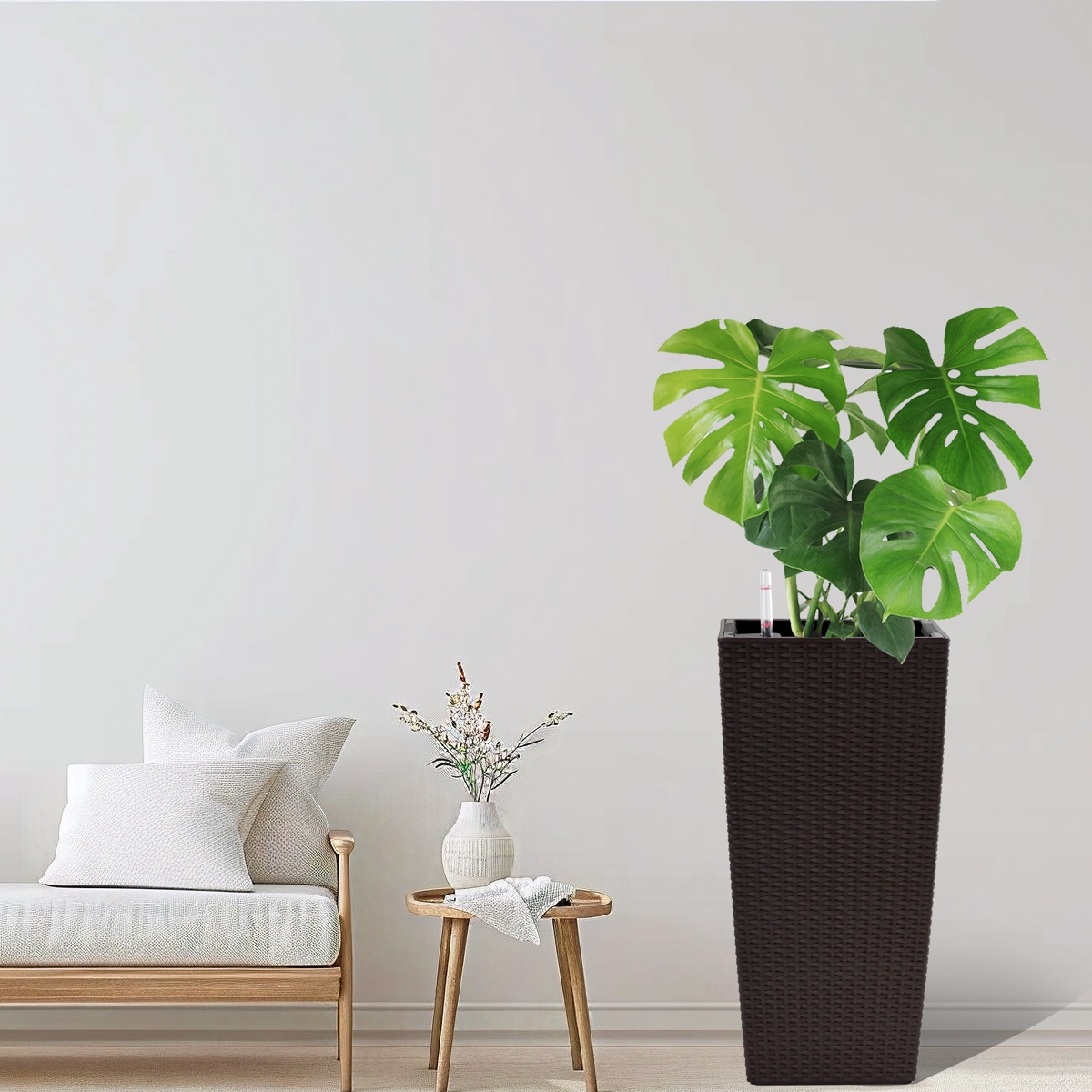 Pack Of 2 Square Planter 22-Inch High Faux Rattan Design Flower Pot With Automatic Watering System For Porch Patio Makes Keeping Flowers Brown Color$95.99View on Mallflare
 Garden Bed, Flower shelf,Wood Planter Box-Coffee$126.99View on Mallflare
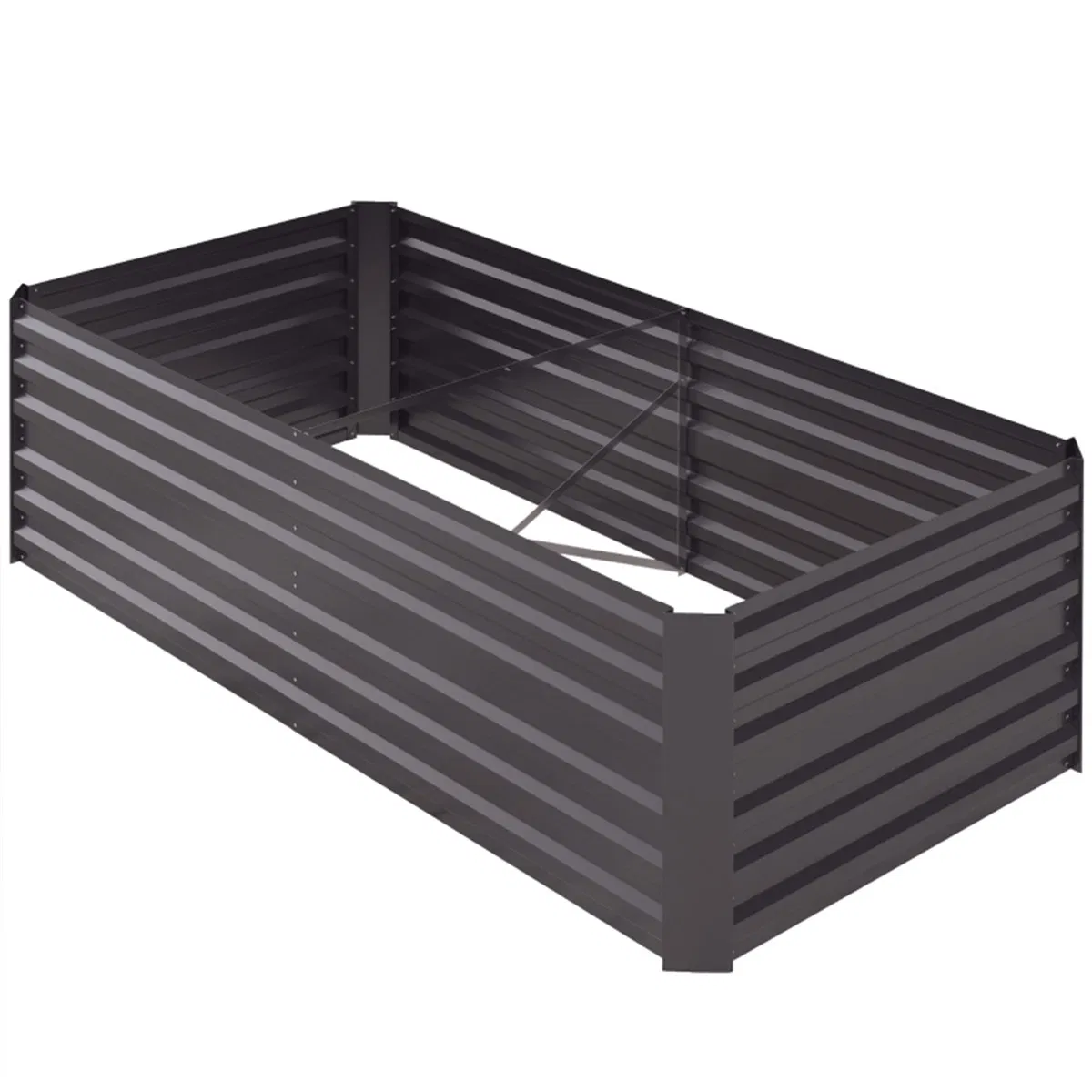
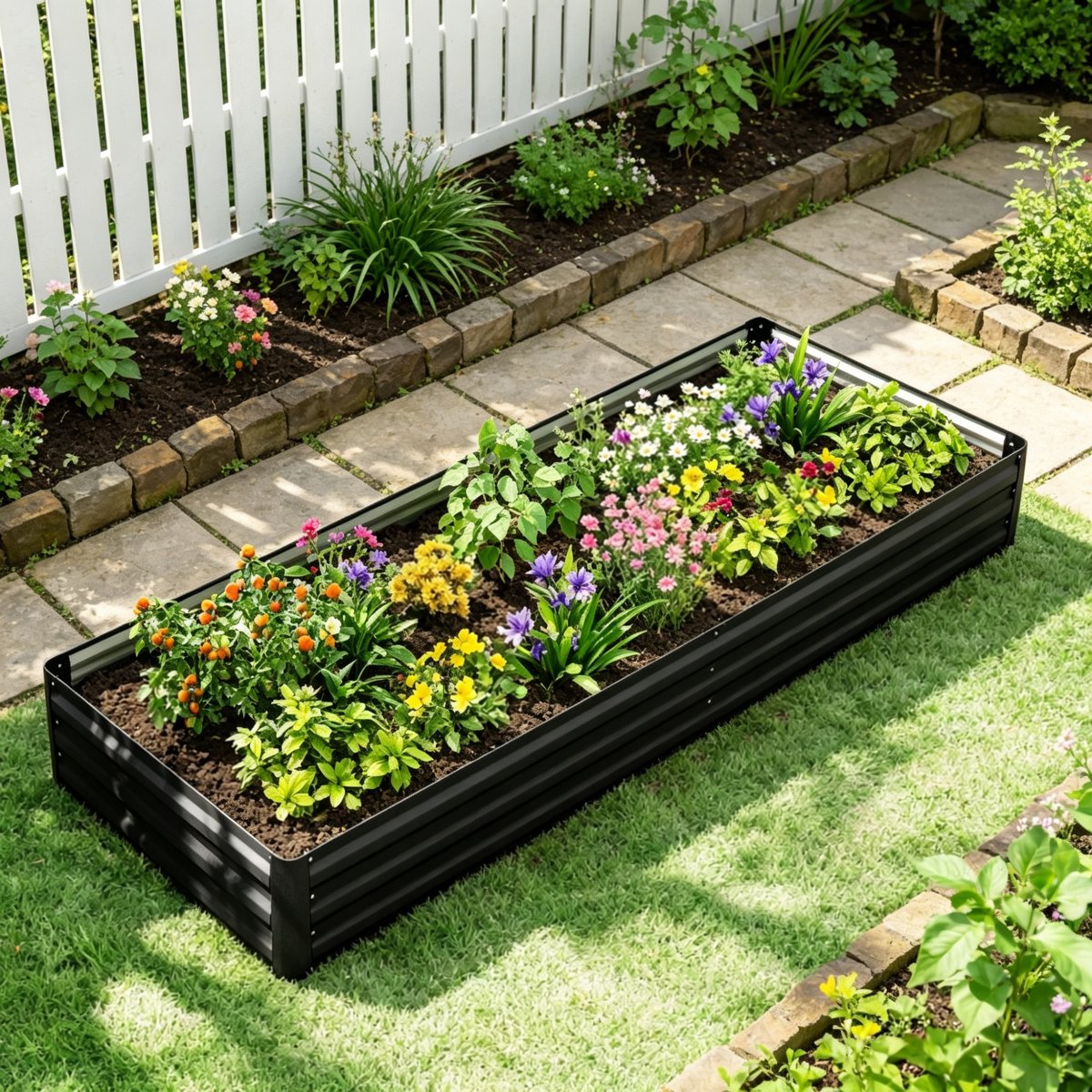 95" x 36" x 12" Black Galvanized Raised Garden Bed – Easy Assembly Planter for Growing Flowers, Herbs, Succulents,Black$127.99View on Mallflare
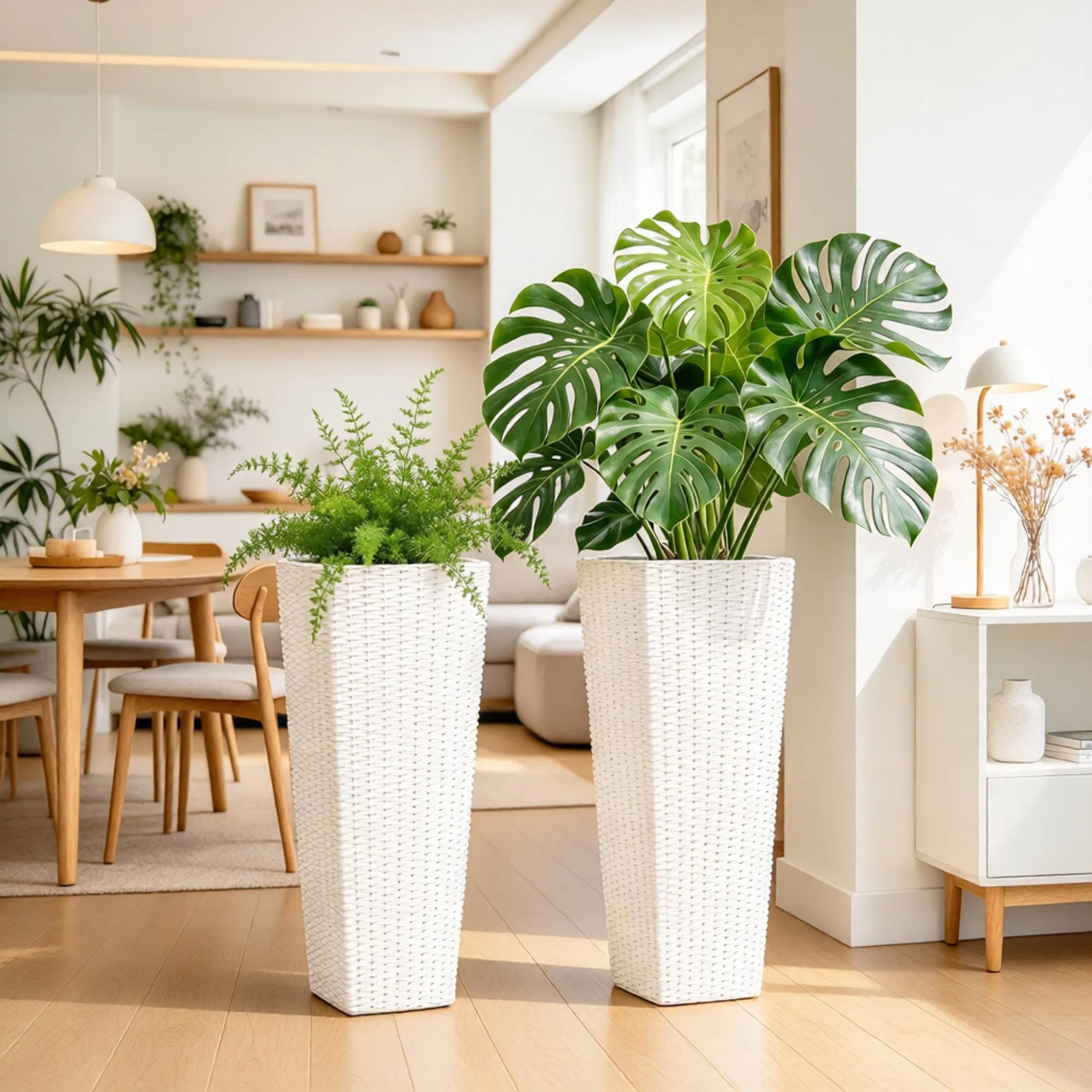 Set of 2 Tall Planters 32 Inch, Plastic Flower Pots for Outdoor Plants with Drainage Holes, White$144.99View on Mallflare
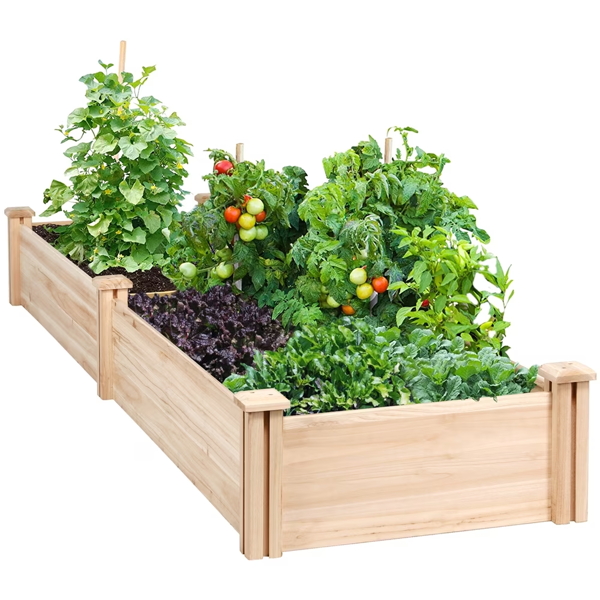 Divisible Planter Box For Home Vegetable Flower, 95inch L X 25inch W X 11inch H, Wood$147.99View on Mallflare
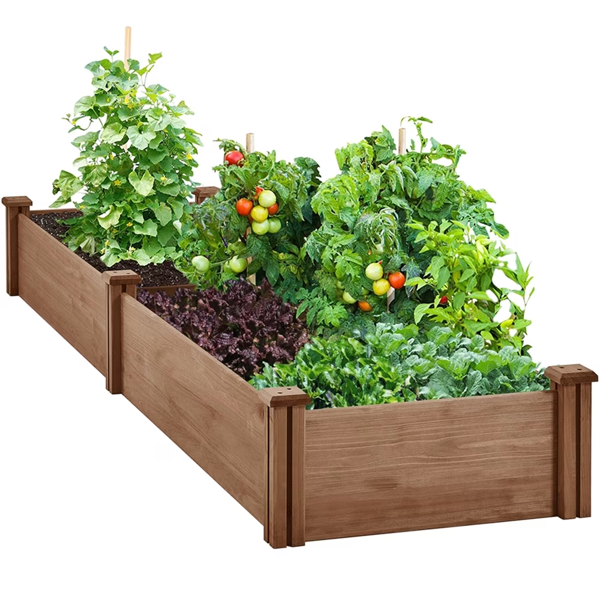 Divisible Planter Box For Home Vegetable Flower, 95inch L X 25inch W X 11inch H, Dark Brown$147.99View on Mallflare
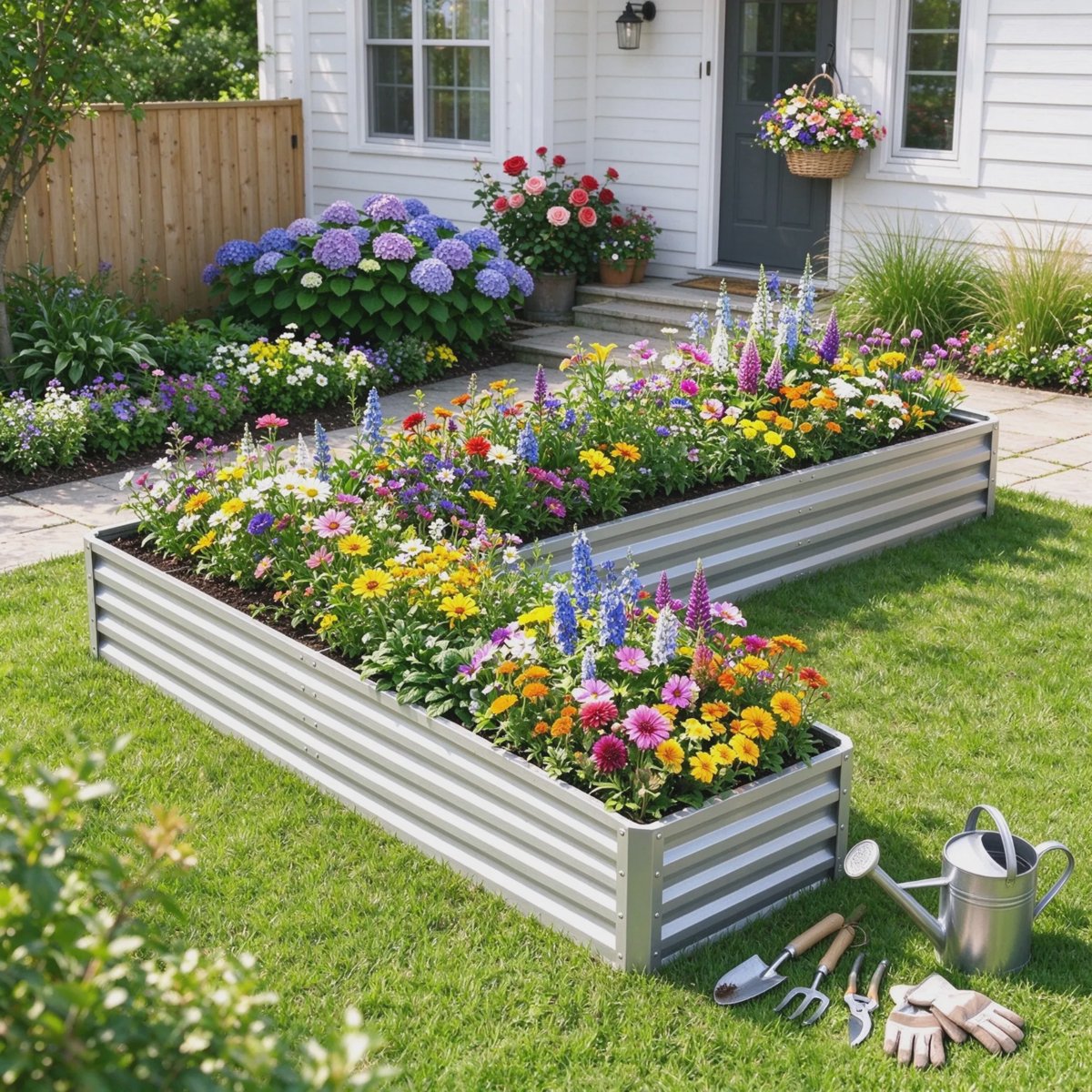 L-Shaped Raised Garden Bed, 9.1 x 6.8 x 1 ft, Metal Planter Box for Vegetables, Flowers & Herbs$149.99View on Mallflare
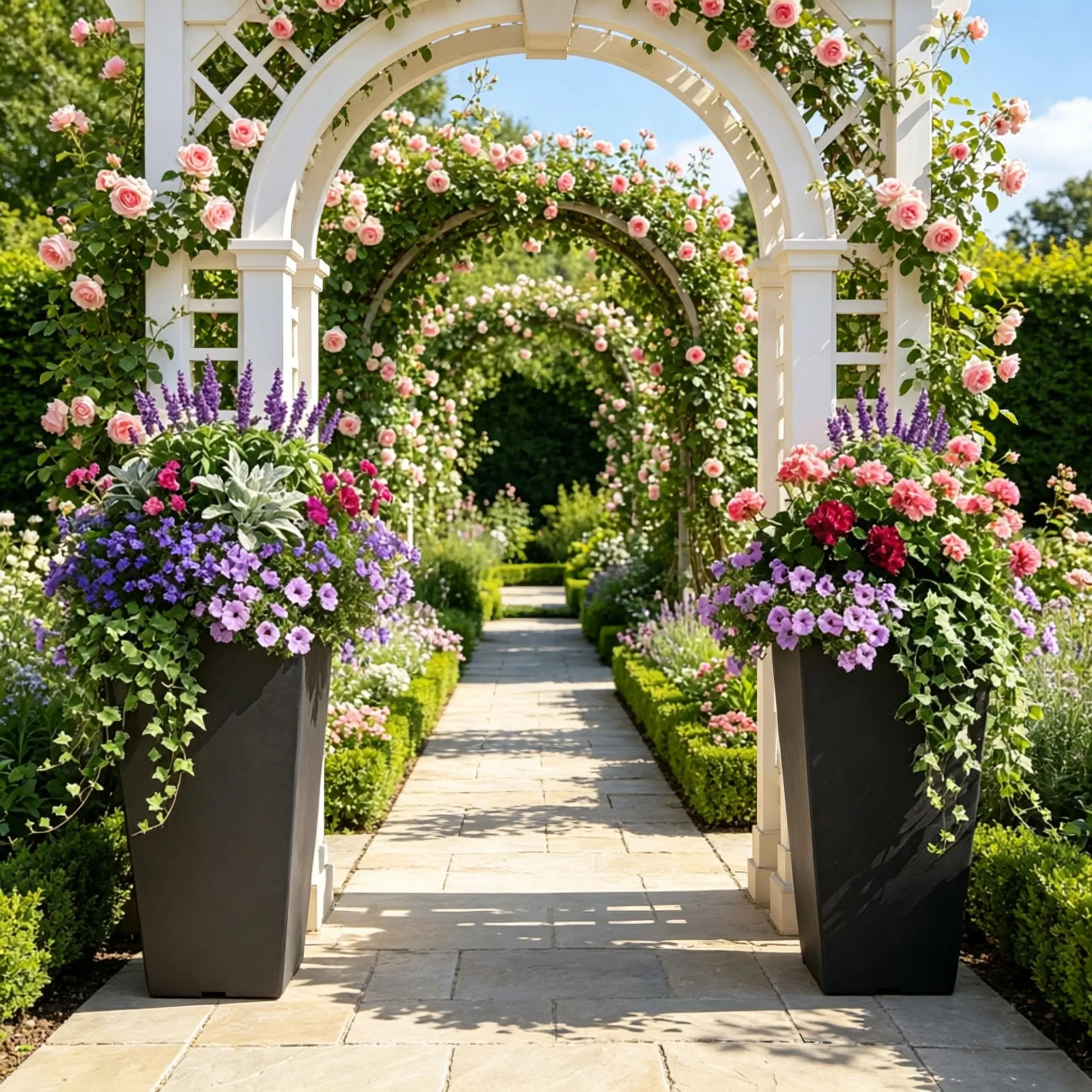 22.5 Inch Tall Square Planter Set of 2 Self-Watering Flower Pots with Removable Inner Bucket for Home Garden Decoration$160.99View on Mallflare
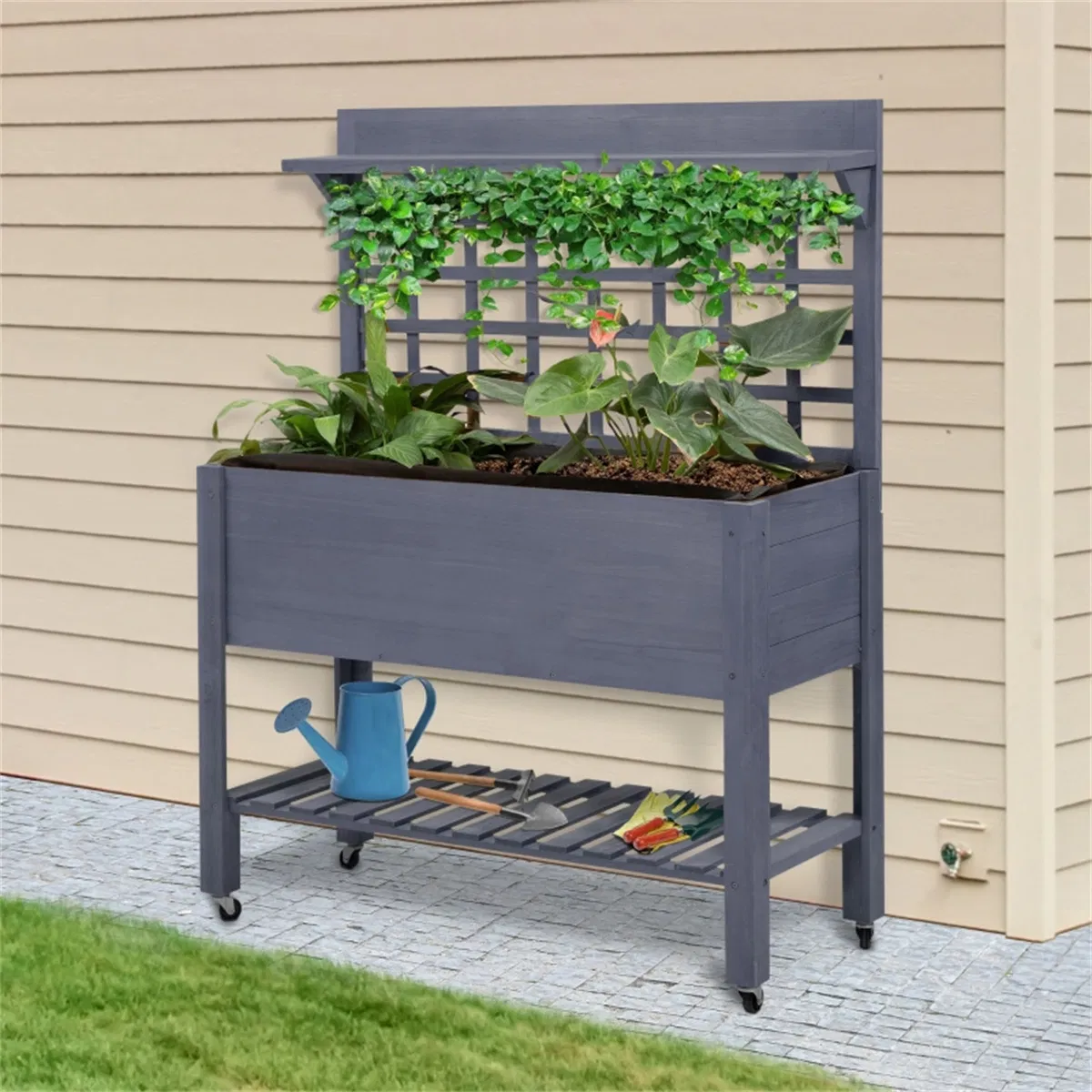 Wooden Planter, Flower shelf,Wood Box,Wooden Garden Box$190.99View on Mallflare
Highlights
- Fabric grow bags (5- or 3-gallon) are breathable and air-prune roots but dry out 2–3× faster than plastic or glazed ceramic, so they suit hot, dry climates only with daily watering.
- Galvanized steel raised beds (e.g., 2×2×1 ft round) resist rot and rust for 10+ years but heat up in full sun; line with cardboard or use light colors to protect roots.
- Self-watering systems with a reservoir and wicking column extend watering intervals to 5–7 days, but the reservoir must be sized at ~20% of soil volume for reliable capillary action.
- Wood planters last longest when cedar or pressure-treated pine is used with a liner; untreated pine rots within 3–5 years in wet climates.
Best use cases
- Best fit: fabric grow bags (3–5 gallon) for tomatoes, peppers, and summer annuals on sunny patios where daily watering is feasible and root aeration matters.
- Best fit: galvanized or powder-coated metal raised beds (1–2 ft deep) for permanent flower borders or vegetable beds in windy, exposed yards where plastic cracks and wood rots.
- Wrong fit: small hanging metal or 3D-printed planters for succulents and air plants only—skip them for moisture-loving blooms like impatiens or ferns, which dry out too fast in tiny volumes.
- Best fit: self-watering plastic raised boxes with legs for balconies and decks where weight and watering frequency are concerns; skip unlined wood or ceramic on wood decks due to water staining and weight.
Buying tips
- For flowers, choose a planter at least 10–12 inches deep and 12 inches wide per plant; shallow bowls under 8 inches dry out too fast for most annuals.
- In rainy or humid climates, pick breathable fabric or unglazed wood over sealed ceramic or plastic to prevent waterlogged roots and fungal disease.
- Check drainage: any outdoor planter must have at least one ½-inch drain hole per 2 gallons of soil; drill extra holes in plastic or metal if needed.
- Match material to UV exposure: polyethylene and powder-coated metal resist UV fading for 5+ years; untreated fabric degrades in 1–2 seasons under strong sun.
Specs
| Material | Wood / Metal / Fabric / Plastic |
|---|---|
| Drainage | Drain holes + saucer or raised feet |
| Watering | Manual vs self-watering reservoir |
| Min Depth | 10–12 in for most flowers |
Related searches
What to check before buying
- Measure the intended spot: balcony rail or hanging bracket must support the planter's wet weight (soil + water + plant), often 20–40 lb for a 5-gallon fabric bag.
- Confirm floor or deck material: ceramic and concrete planters can stain wood decks; use a saucer or elevate with pot feet.
- Check local frost depth and winter temperatures: unglazed ceramic and thin plastic crack below freezing; choose metal, fabric (emptied), or frost-proof resin in cold zones.
- Verify hose or watering-can reach: self-watering reservoirs still need refilling every 1–2 weeks; place planters within reach of a water source.
FAQ
Data sources: eBay / Amazon listings and product attribute feeds. Updated Nov 28, 2026.
Some links on this page are affiliate links. If you buy after clicking one, we may earn a commission at no extra cost to you. This does not change which products appear here or their order. Affiliate disclosure.