
Photos from current listings. Actual item, color, and included accessories may vary.
DIY Raised Garden Bed Buying Guide
DIY raised garden beds are modular or build-it-yourself planters where the buyer supplies assembly labor and often some materials in exchange for lower cost and custom sizing. The core trade-off is material durability versus assembly complexity: galvanized steel and thick cedar resist rot for years but require panels, fasteners, and tools, while thin wood or screwless kits are easier but may bow or degrade within a few seasons. Choose a bed rated for your climate and soil volume, and treat any bed under roughly 1 mm steel thickness or under 2 cm nominal wood thickness as a short-lived compromise.
Median $98.99
Key takeaways
- Galvanized steel beds resist rot and pests indefinitely; use 0.6–1.0 mm thick panels, with 0.8 mm+ preferred for beds deeper than 30 cm to resist soil bowing.
- Cedar and larch are naturally rot-resistant; pine and fir last only 3–5 years in contact with soil unless lined, so pick cedar or larch for permanent beds.
- Screwless hexagon and modular kits assemble without tools but rely on friction or tab joints; they suit light herb and flower loads, not deep root crops.
At a glance
- Category
- Raised Garden Beds & Planters
- Last updated
- Nov 27, 2026
Current offers
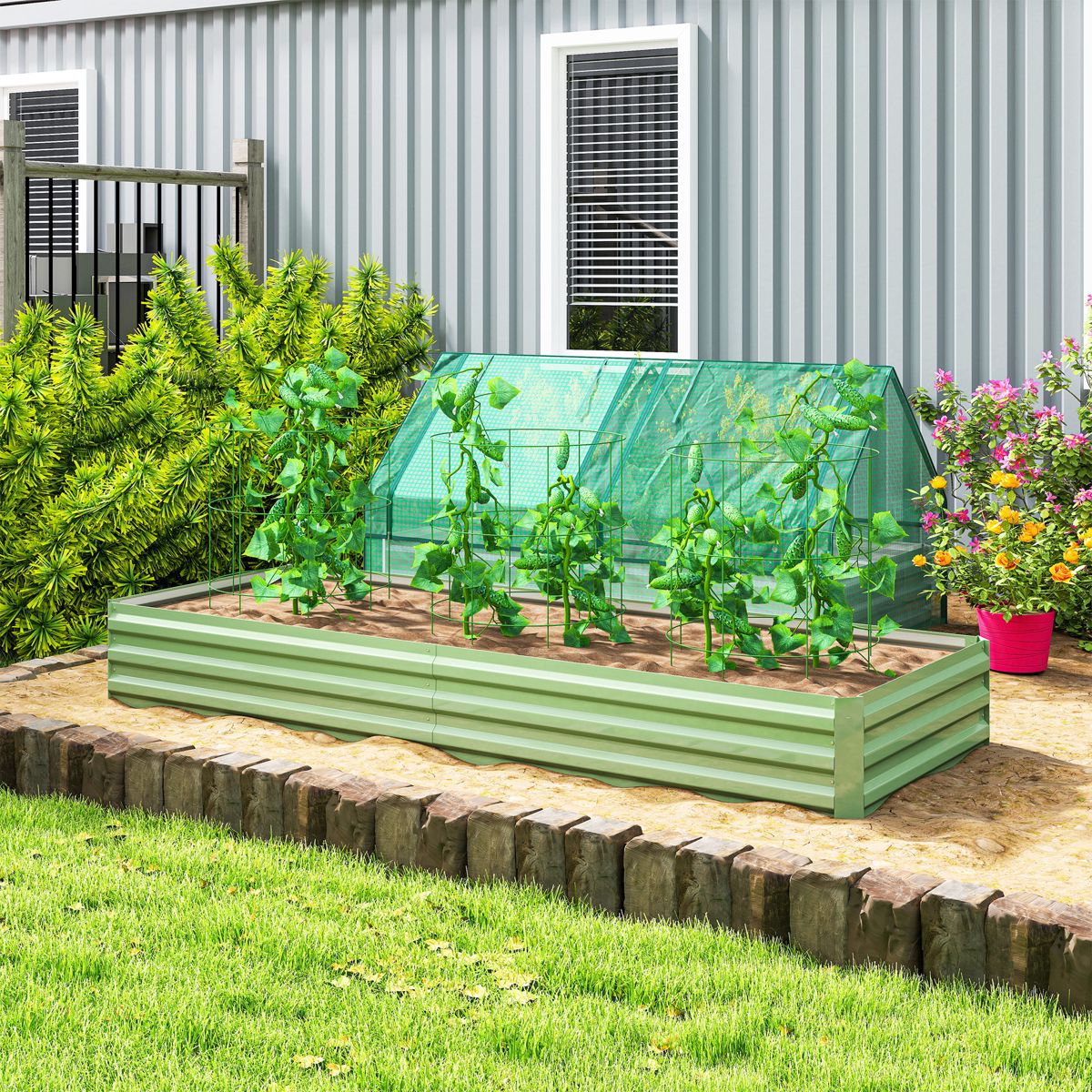 8x3x1FT Galvanized Raised Garden Bed, Easy DIY and Cleaning for Growing Flowers, Herbs, Succulents, Light Green$50.99View on Mallflare
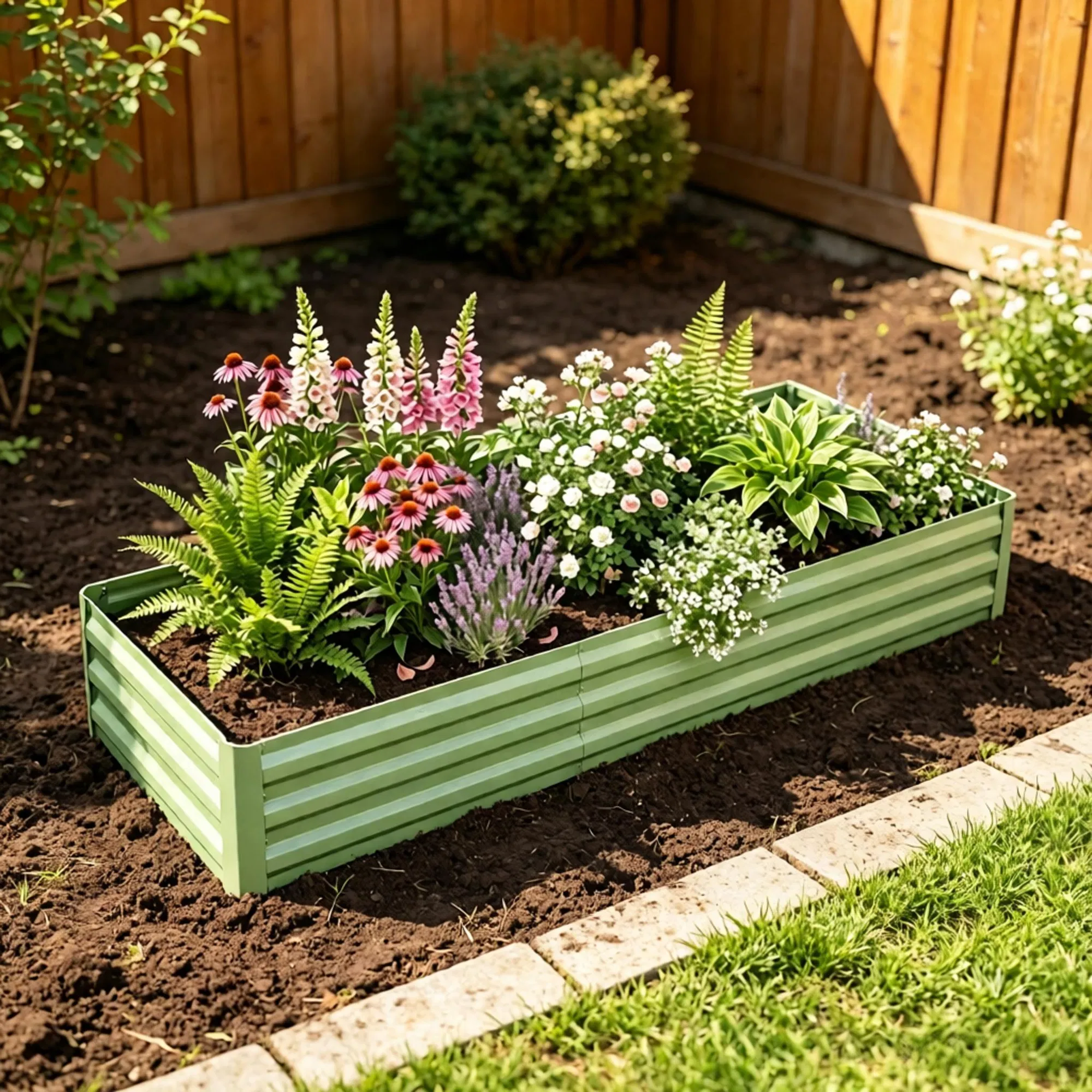 Galvanized Steel Raised Garden Bed Easy DIY Assembly for Growing Flowers Herbs Succulents Light Green$74.99View on Mallflare
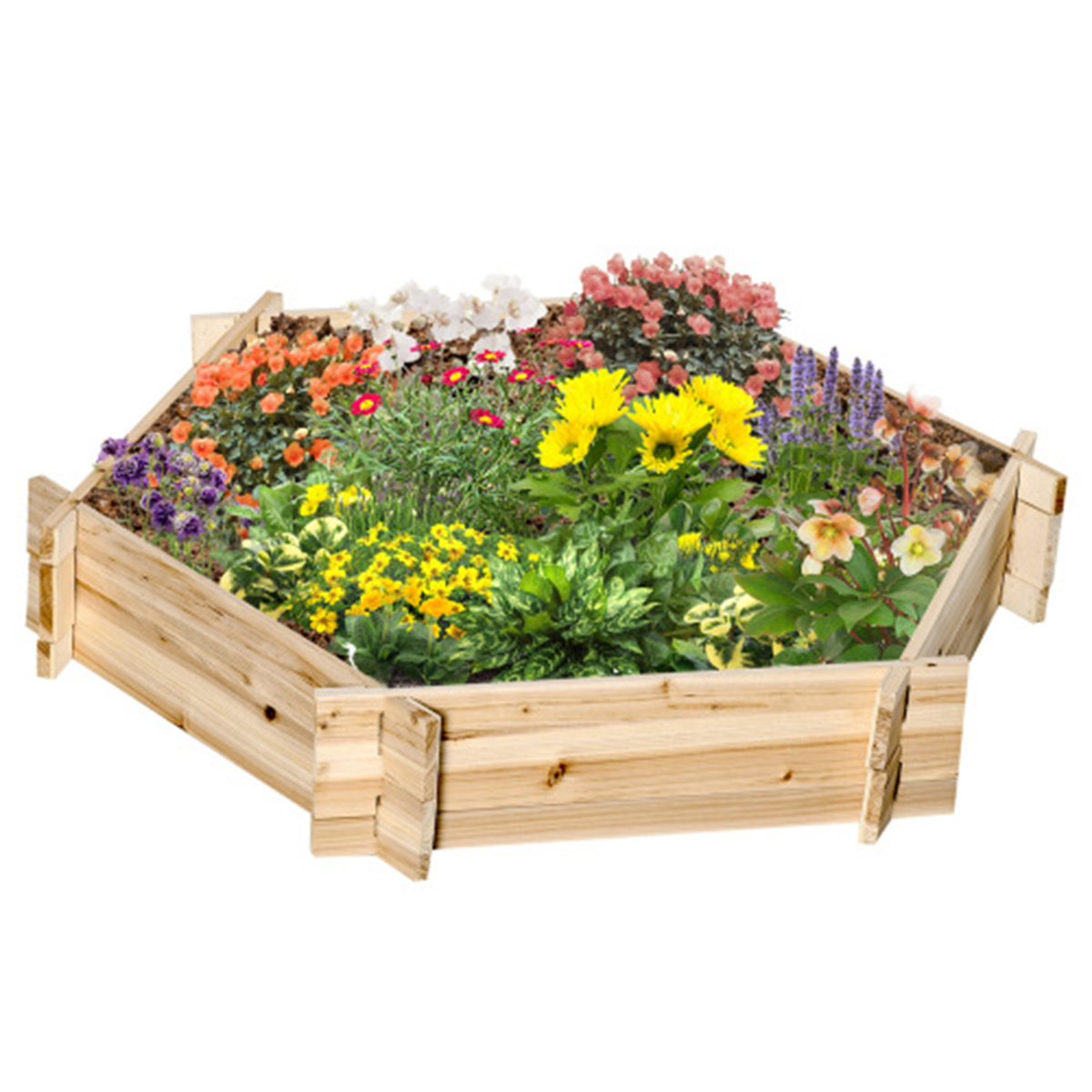 39" x 36" Screwless Hexagon Raised Garden Bed – DIY Herb Planter Box for Outdoor Gardening$82.99View on Mallflare
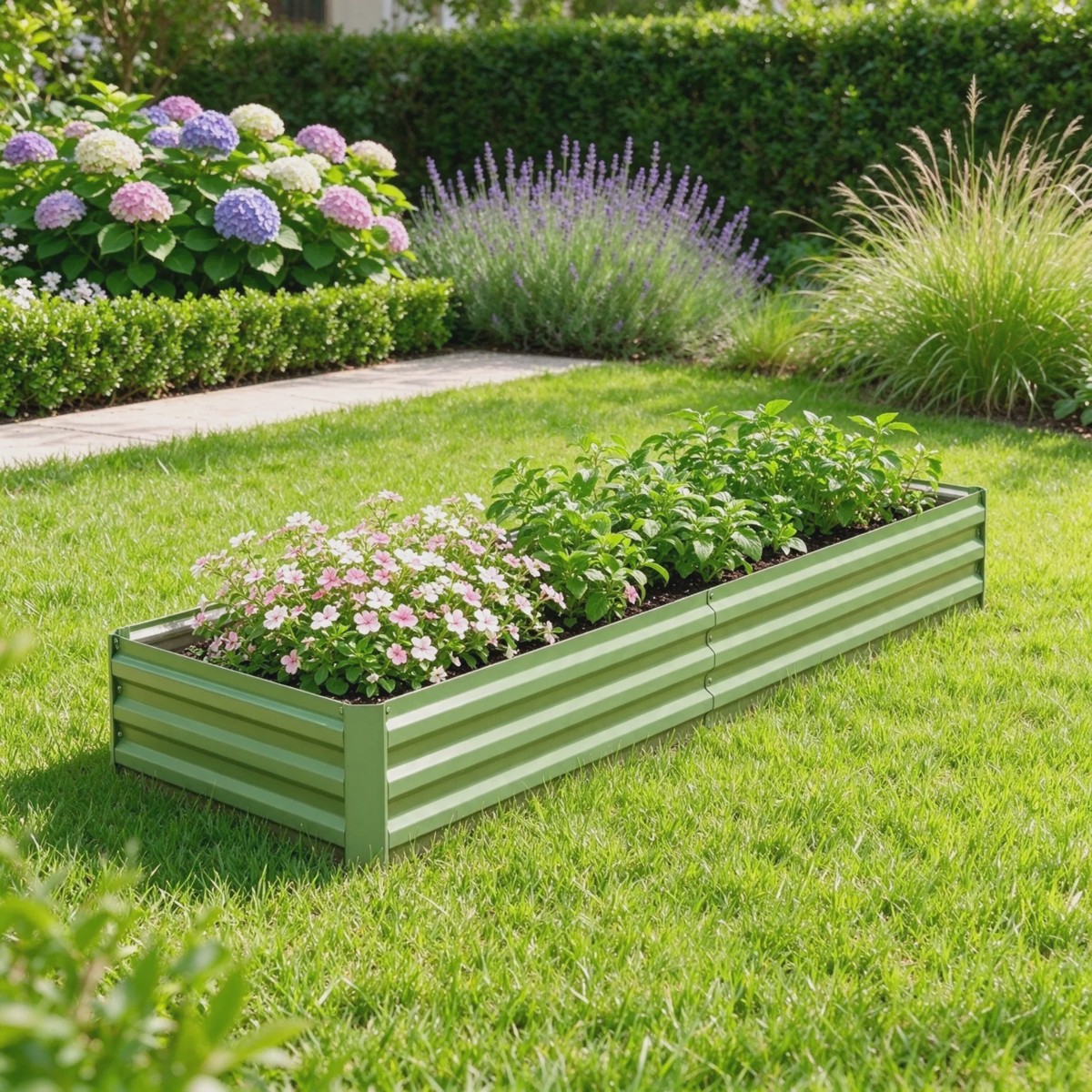 8x3x1 FT Outdoor Raised Garden Bed, Easy DIY Assembly & Cleaning for Flowers, Herbs, Succulents, Light Green$98.99View on Mallflare
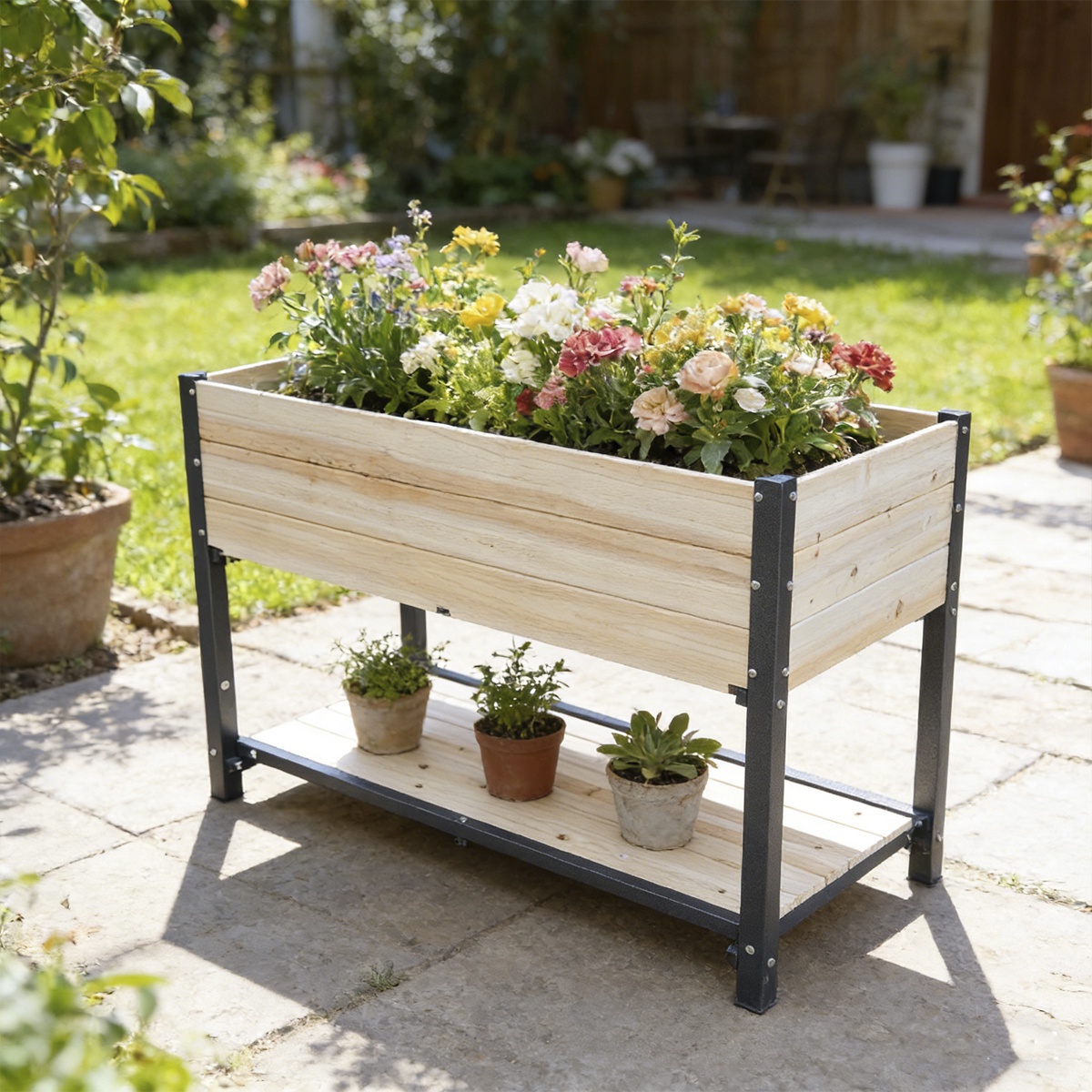 New Style Solid Wood & Iron Frame Raised Garden Bed - Reversible & Replaceable Panels, No Paint Formaldehyde, DIY Planter Box For Vegetables, Fruits, Flowers$121.99View on Mallflare
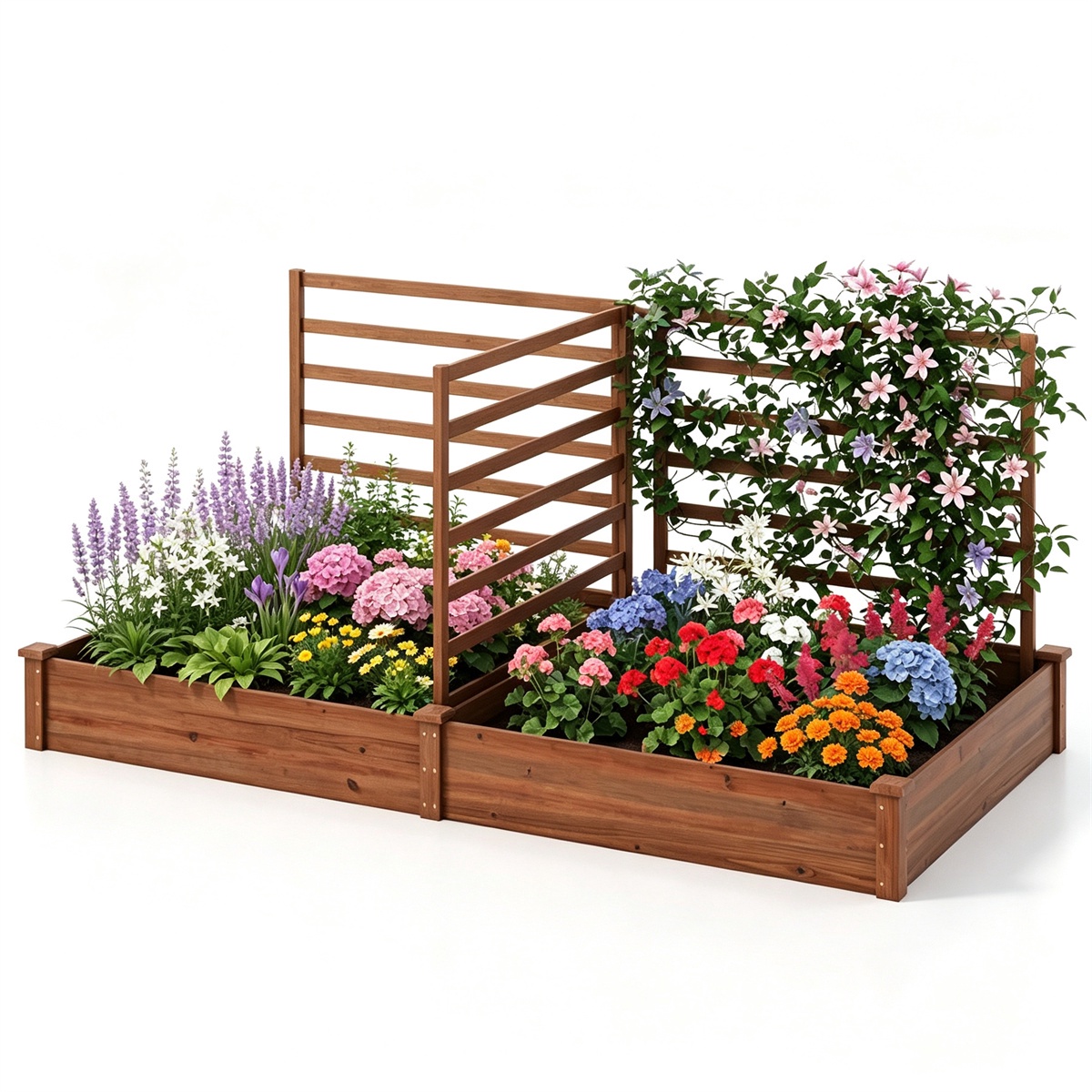 Brown Fir Wood Raised Garden Bed with 3 Climbing Trellises, 2 Large Open-Base Planting Boxes Modular Planter Box, DIY Paintable Elevated Bed for Patio Backyard Vegetable Flower Growing$187.99View on Mallflare
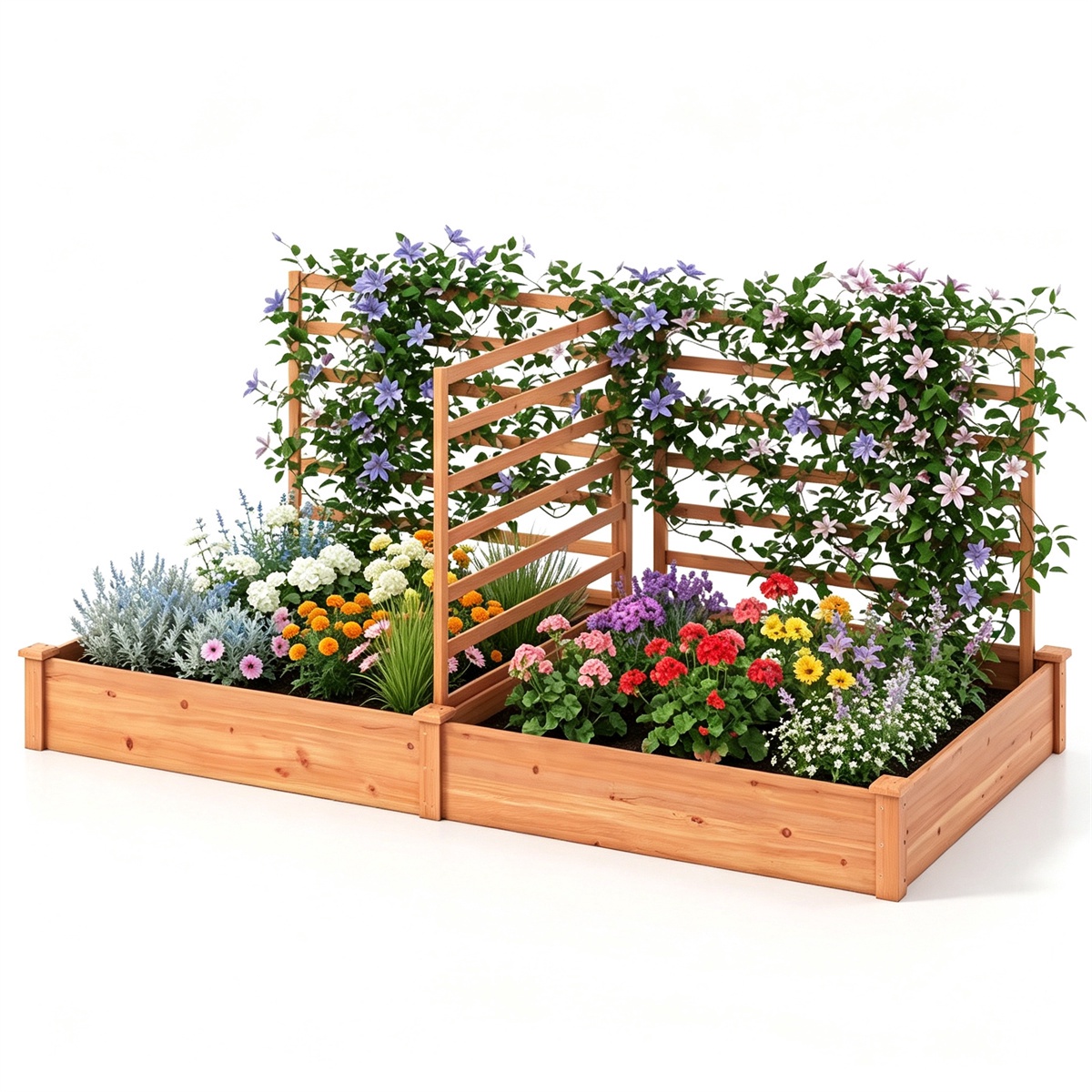 Oak Fir Wood Raised Garden Bed with 3 Climbing Trellises, 2 Large Open-Base Planting Boxes Modular Planter Box, DIY Paintable Elevated Bed for Patio Backyard Vegetable Flower Growing$187.99View on Mallflare
Highlights
- Galvanized steel beds resist rot and pests indefinitely; use 0.6–1.0 mm thick panels, with 0.8 mm+ preferred for beds deeper than 30 cm to resist soil bowing.
- Cedar and larch are naturally rot-resistant; pine and fir last only 3–5 years in contact with soil unless lined, so pick cedar or larch for permanent beds.
- Screwless hexagon and modular kits assemble without tools but rely on friction or tab joints; they suit light herb and flower loads, not deep root crops.
- A 30 cm (12 in) depth suits lettuce, herbs, and radishes; 45 cm (18 in) for carrots and tomatoes; 60 cm (24 in) for deep-rooted perennials and moisture retention.
Best use cases
- Best fit for a permanent vegetable garden: 0.8 mm+ galvanized steel bed 40–60 cm deep; wrong fit: thin screwless kits for deep-rooted tomatoes or carrots.
- Best fit for patios and rental yards that need relocation: modular screwless hexagon beds 20–30 cm deep; wrong fit: heavy timber beds that cannot be moved once filled.
- Best fit for custom dimensions and budget building: cedar or larch boards with corner brackets sized to your space; wrong fit: pine boards without liner for beds meant to last a decade.
- Best fit for instant setup on balconies: compact 30–40 cm deep wood or metal beds with drainage holes; wrong fit: open-bottom beds on concrete or sealed balconies.
Buying tips
- Compute soil volume first: length × width × depth in meters gives cubic meters; a 1.2 × 0.6 × 0.3 m bed needs about 0.22 m³ (roughly 220 L) of soil mix.
- Pick steel thickness by depth: 0.6 mm for beds up to 30 cm, 0.8–1.0 mm for 40–60 cm beds; thinner panels bow outward under wet soil pressure.
- For wood, choose cedar or larch at 2 cm+ nominal thickness; line pine beds with food-safe liner to slow rot and avoid treated-wood contact with edibles.
- Match fastener and hardware to material: stainless or galvanized screws for cedar and steel; plain steel screws stain wood and rust within a season outdoors.
Specs
| Frame Material | Galvanized steel / cedar / larch / pine |
|---|---|
| Steel Thickness | 0.6–1.0 mm (0.8 mm+ for deep beds) |
| Wood Thickness | 2 cm+ nominal for durability |
| Bed Depth | 30 cm shallow · 45 cm standard · 60 cm deep |
Related searches
What to check before buying
- Measure the footprint against your space, leaving 45–60 cm walkway clearance on all sides you need to reach from; beds over 1.2 m wide need access from both long sides.
- Confirm level ground or prepare a level base; a filled 1.2 × 1.2 m bed at 30 cm depth weighs roughly 400–500 kg, so avoid unsupported decking.
- For balconies and patios, choose beds with drainage holes and a saucer or liner; open-bottom beds stain concrete and leak soil.
- Check depth against crop: 30 cm for greens and herbs, 45 cm for tomatoes and carrots, 60 cm for perennials; add a liner or bottom screen against weeds and moles.
FAQ
Data sources: eBay / Amazon listings and product attribute feeds. Updated Nov 27, 2026.
Some links on this page are affiliate links. If you buy after clicking one, we may earn a commission at no extra cost to you. This does not change which products appear here or their order. Affiliate disclosure.