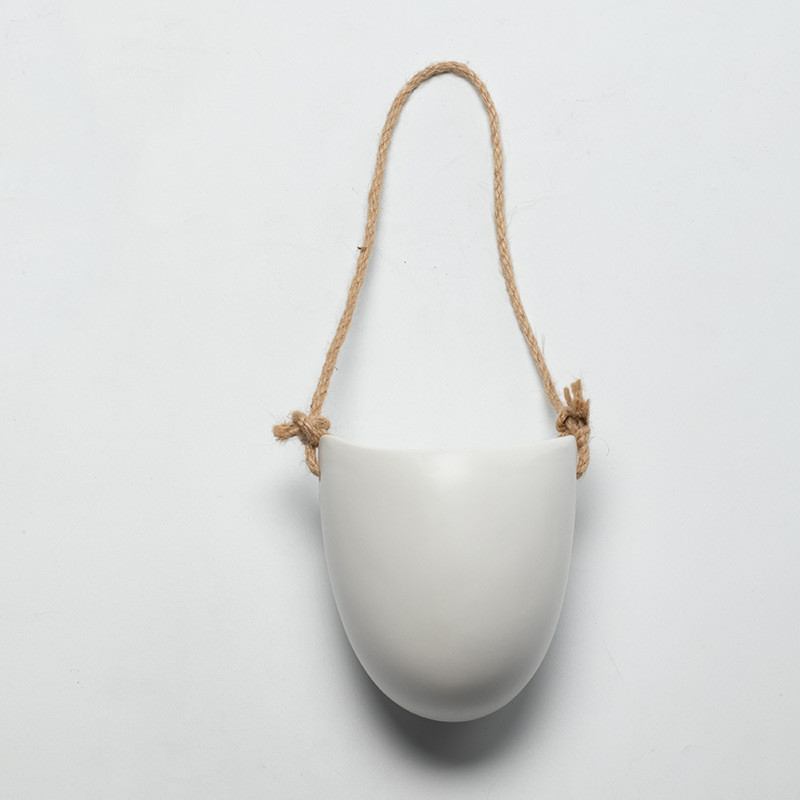

Photos from current listings. Actual item, color, and included accessories may vary.
Ceramic Pot Indoor Plant Buying Guide
Ceramic pots for indoor plants range from porous, breathable terracotta to fully vitrified porcelain, and the core trade-off is moisture control versus water retention. Choose high-fired, glazed stoneware with a drainage hole and saucer for most houseplants; skip unglazed terracotta for moisture-sensitive species and skip sealed decorative pots without drainage unless used as a cachepot.
Median $51.49
Key takeaways
- Firing temperature defines durability: earthenware/terracotta fires around 1000–1150°C and stays porous, while stoneware/porcelain fires above 1200°C and vitrifies to near-zero water absorption.
- Drainage is non-negotiable for direct planting: a single centered hole of at least 1/2 inch diameter (13 mm) prevents perched water; pots without holes are cachepots only.
- Glaze on the interior wall blocks evaporation, so glazed stoneware suits ferns and calatheas while unglazed terracotta suits succulents, cacti, and lavender that need rapid dry-down.
At a glance
- Category
- Raised Garden Beds & Planters
- Last updated
- Nov 28, 2026
Current offers
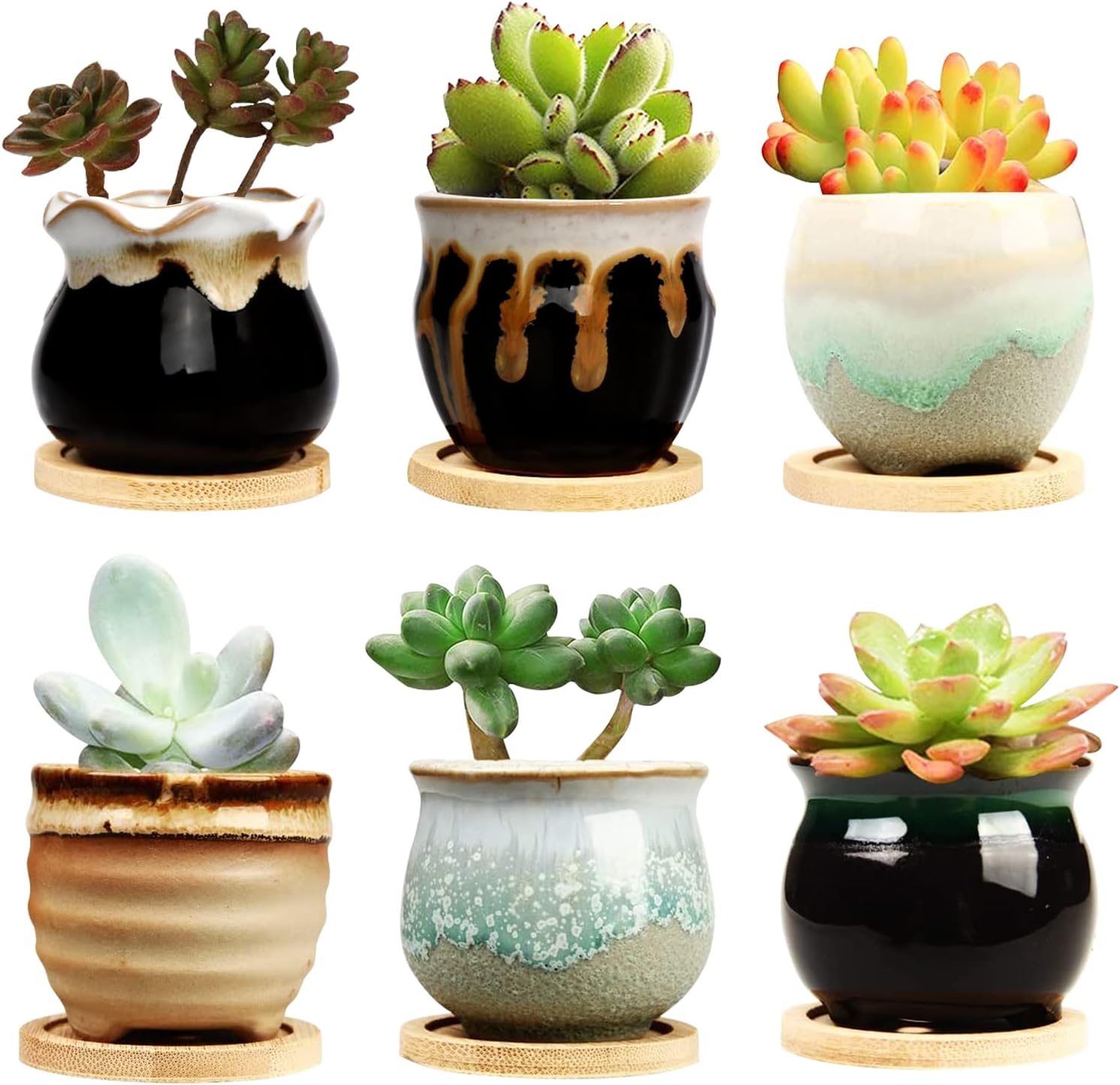
Highlights
- Firing temperature defines durability: earthenware/terracotta fires around 1000–1150°C and stays porous, while stoneware/porcelain fires above 1200°C and vitrifies to near-zero water absorption.
- Drainage is non-negotiable for direct planting: a single centered hole of at least 1/2 inch diameter (13 mm) prevents perched water; pots without holes are cachepots only.
- Glaze on the interior wall blocks evaporation, so glazed stoneware suits ferns and calatheas while unglazed terracotta suits succulents, cacti, and lavender that need rapid dry-down.
- Wall-mounted half pots rely on mechanical fixing, not adhesive alone: select ceramic half-pots under roughly 2 kg with pre-drilled keyhole slots or included metal brackets rated for the pot plus wet soil weight.
Best use cases
- Best fit: unglazed terracotta with drainage for succulents, cacti, and rosemary on sunny sills — the porous wall wicks excess moisture and prevents root rot.
- Best fit: glazed stoneware with drainage and a matching saucer for ficus, pothos, and peace lilies in low-humidity rooms where slower drying is desirable.
- Wrong fit: sealed decorative ceramic without a hole for direct planting — use it strictly as a cachepot with the nursery pot inside and never water into the ceramic void.
- Best fit: small 2–3 inch ceramic pots for 2-inch succulent plugs and desk decor; step up to 6–8 inch pots only when the root ball fills the current container.
Buying tips
- Size the pot by root ball, not by plant height: choose a pot 1–2 inches larger in diameter than the current root spread; going up more than 2 inches risks soggy, uncolonized soil.
- Match ceramic body to watering habits: unglazed terracotta dries roughly twice as fast as glazed stoneware, so pick terracotta if you tend to overwater and glaze if you underwater.
- Confirm the saucer diameter equals or exceeds the pot's top diameter so runoff does not stain furniture; cork or felt pads under the saucer protect wood finishes.
- For wall-mounted half pots, verify the bracket screws into studs or masonry anchors and that the pot's wet weight (dry weight plus soil and water) stays within the bracket rating.
Specs
| Ceramic Body | Terracotta / Stoneware / Porcelain |
|---|---|
| Drainage Hole | ≥1/2 in (13 mm) for direct planting |
| Glaze Coverage | Unglazed porous vs glazed sealed |
| Mount Type | Tabletop, hanging, or wall bracket |
Related searches
What to check before buying
- Measure the shelf, sill, or wall span and confirm the pot's top diameter plus saucer fits with at least 1 inch clearance from walls and neighboring pots.
- Check the drainage hole diameter and count; a single hole under 1/2 inch clogs with grit, so choose pots with one large hole or three smaller ones.
- For wall mounts, identify the wall substrate (drywall, plaster, brick) and have the correct anchors and a level on hand before drilling.
- Verify the pot is rated for indoor use with a non-toxic glaze; food-safe or lead-free glaze labeling matters for pots on kitchen counters and desks.
FAQ
Data sources: eBay / Amazon listings and product attribute feeds. Updated Nov 28, 2026.
Some links on this page are affiliate links. If you buy after clicking one, we may earn a commission at no extra cost to you. This does not change which products appear here or their order. Affiliate disclosure.