
Photos from current listings. Actual item, color, and included accessories may vary.
Solar Wall Light Buying Guide
Solar wall lights are self-contained LED fixtures that combine a photovoltaic panel, rechargeable cell, and dusk-to-dawn controller to light gates, fences, and facades without wiring. The core trade-off is battery chemistry and panel placement versus decorative form: integrated compact units cap output and runtime, while split-panel designs with a cable allow the panel to face direct sun while the lamp sits in shade. Buy fixed-mount dusk-to-dawn units for consistent nightly output; skip micro decorative packs and flame/fairy novelty lights if you need security-grade illumination.
Median $27.99 · New listings
Key takeaways
- Battery chemistry decides lifespan: LiFePO4 cells tolerate 2000+ cycles and heat better than Li-ion or NiMH, which degrade faster in summer-exposed wall mounts.
- Monocrystalline panels convert more per area than polycrystalline, so a compact monocrystalline panel on a split 16.4ft cable outperforms a larger integrated poly panel in shaded mounting spots.
- PIR motion units trigger at roughly 3-8m with 120-degree detection and typically run dim until triggered; pure dusk-to-dawn units run steady all night at lower output.
At a glance
- Category
- Outdoor Lighting & Decor
- Last updated
- Nov 29, 2026
Current offers
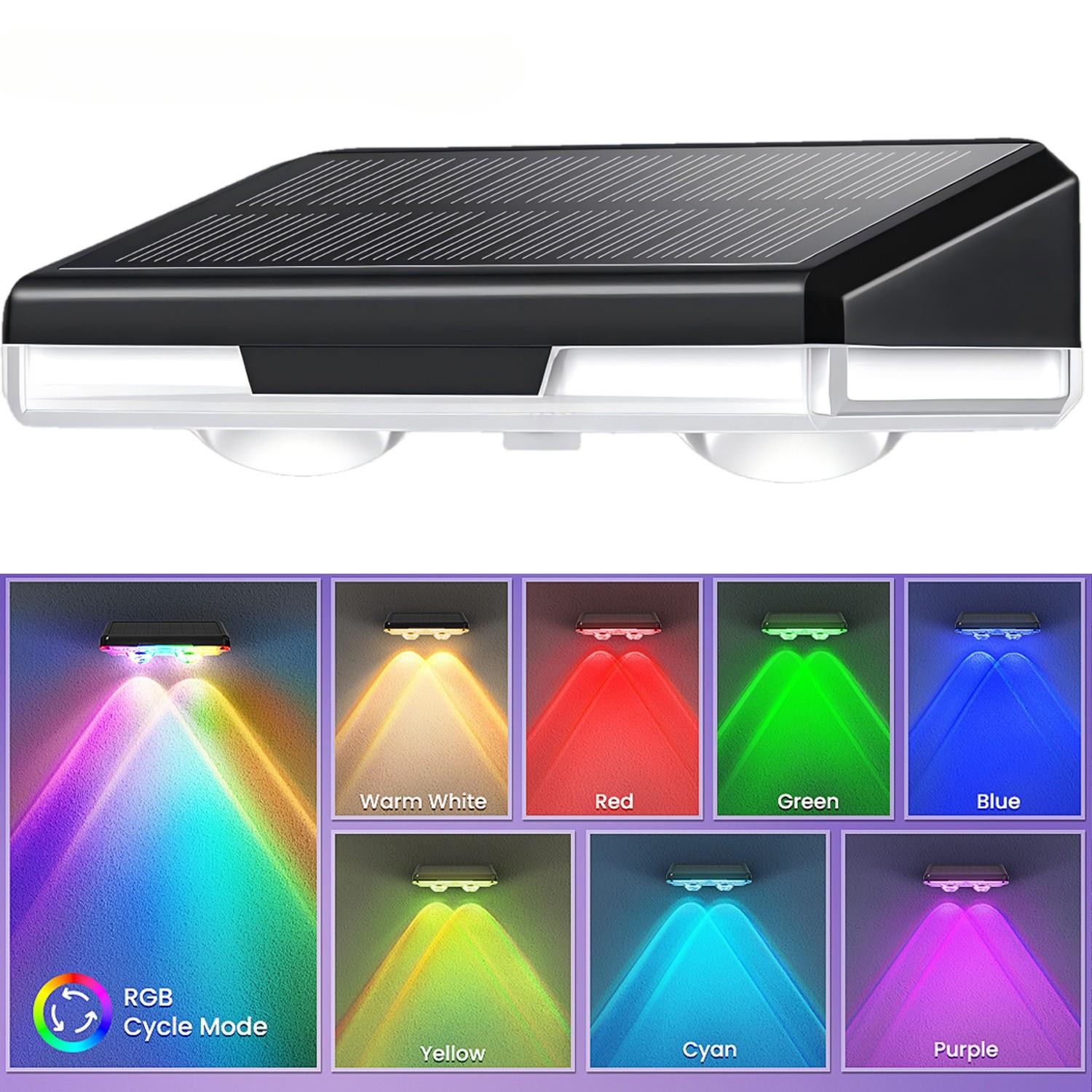 LED Solar Power Fence Lights Deck Door Wall Stair Step Outdoor Garden Decor Lamp$4.99Last checked Nov 28, 2026View on eBay
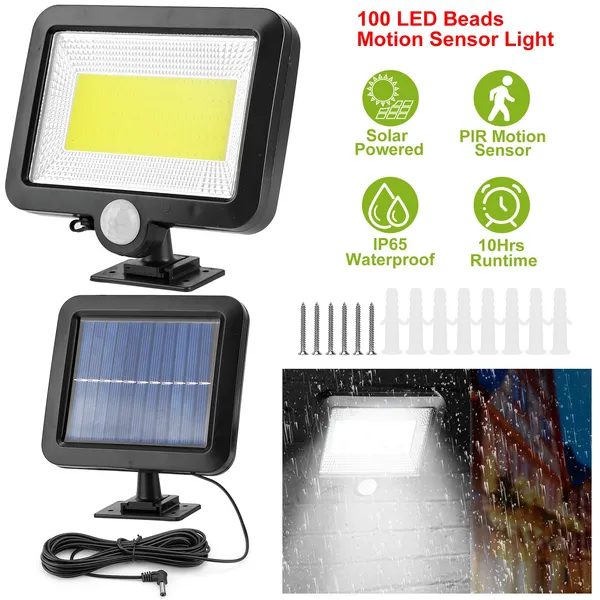 Solar Powered Wall Lights Outdoor 100 LED Beads Motion Sensor Lamp IP65 Waterproof Dusk To Dawn Light$27.99View on Mallflare
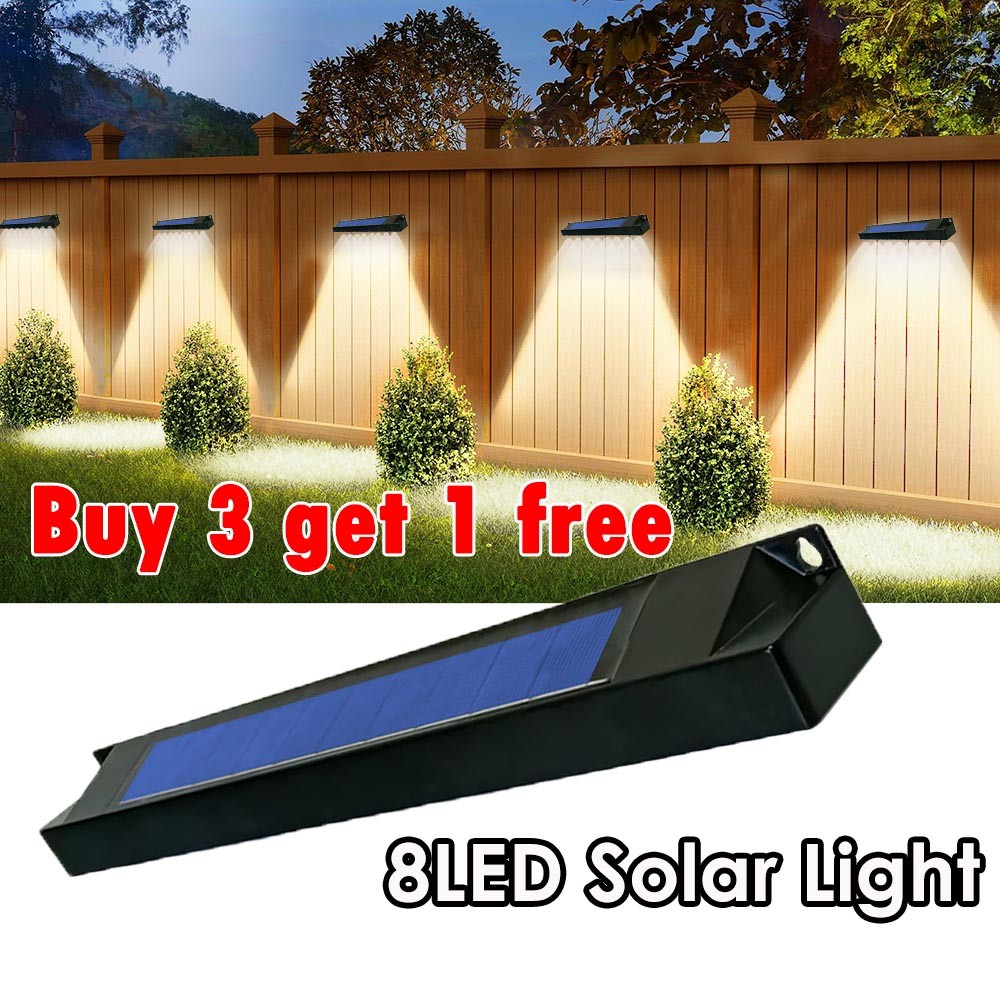 Solar Power Fence Lights 8 LED Deck Door Wall Step Outdoor Garden Decor Lamp$10.99View on eBay
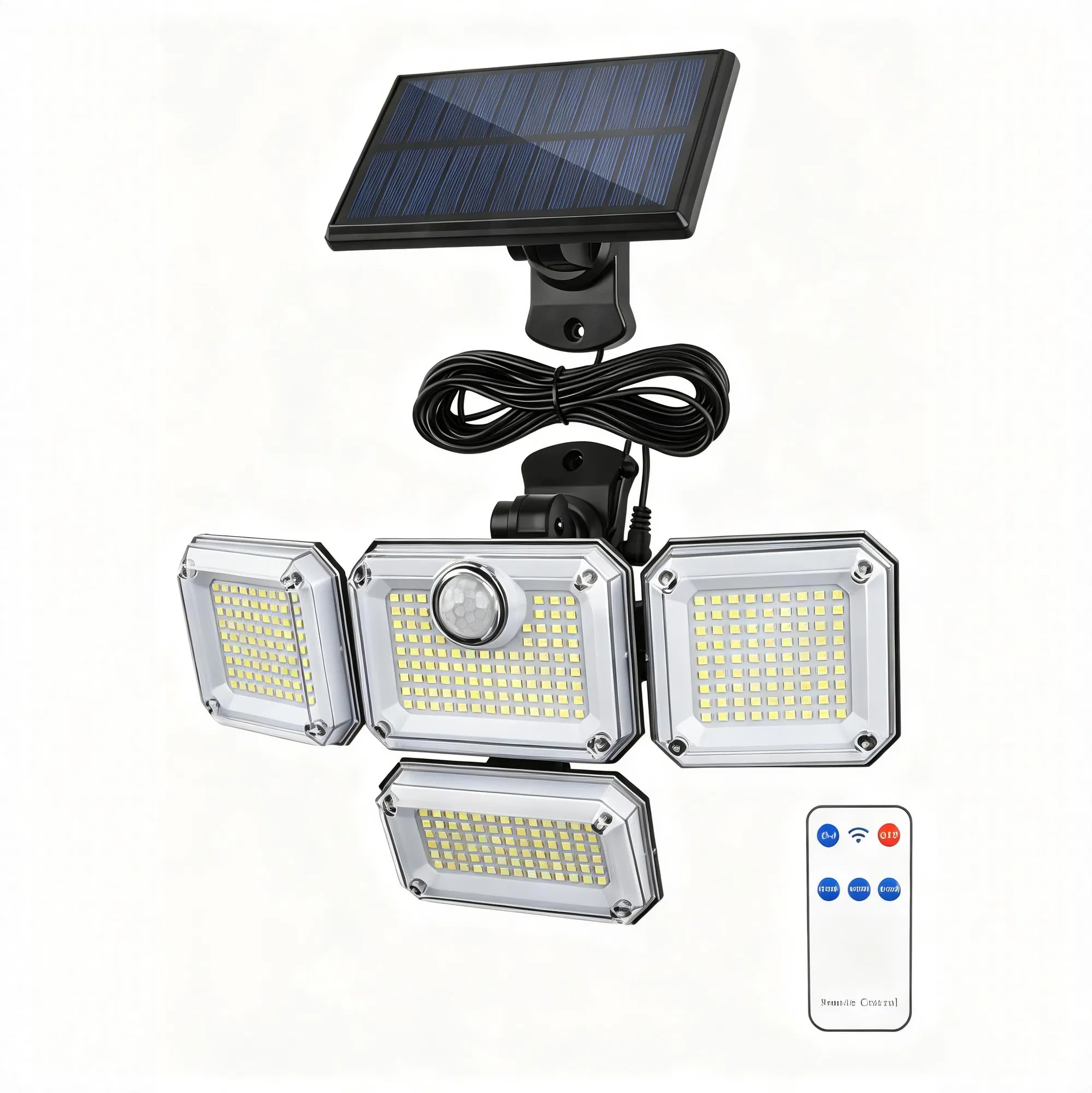 Solar Outdoor Lights with Motion Sensor, 333 LEDs Wide Angle Lights,3 Modes 270,Daylight White Remote Control Waterproof Wall Light for Garage, Yard,2026NEW$31.99View on Mallflare
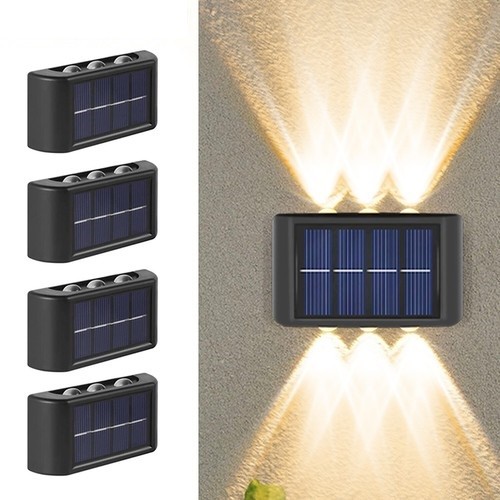 4X Solar Fence Lights Outdoor Dusk to Down LED Garden Yard Patio Wall Decor Lamp$12.59Last checked Nov 28, 2026View on eBay
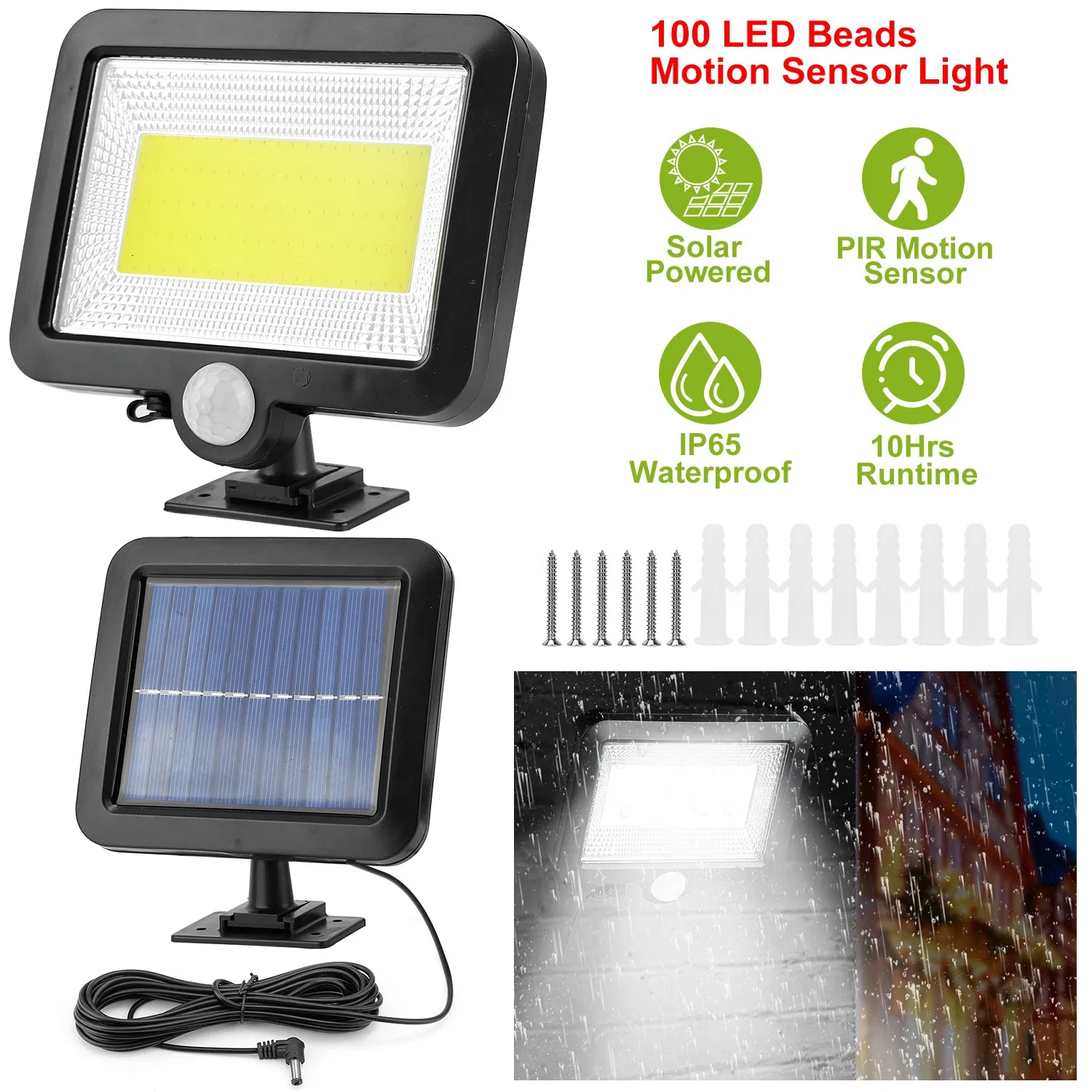 Outdoor Solar Wall Light,Motion & Light Sensor Activated,100 LED Beads,IP65 Waterproof,Rotatable Panel with 16.4ft Cable for Patio Garage Doorway$35.99View on Mallflare
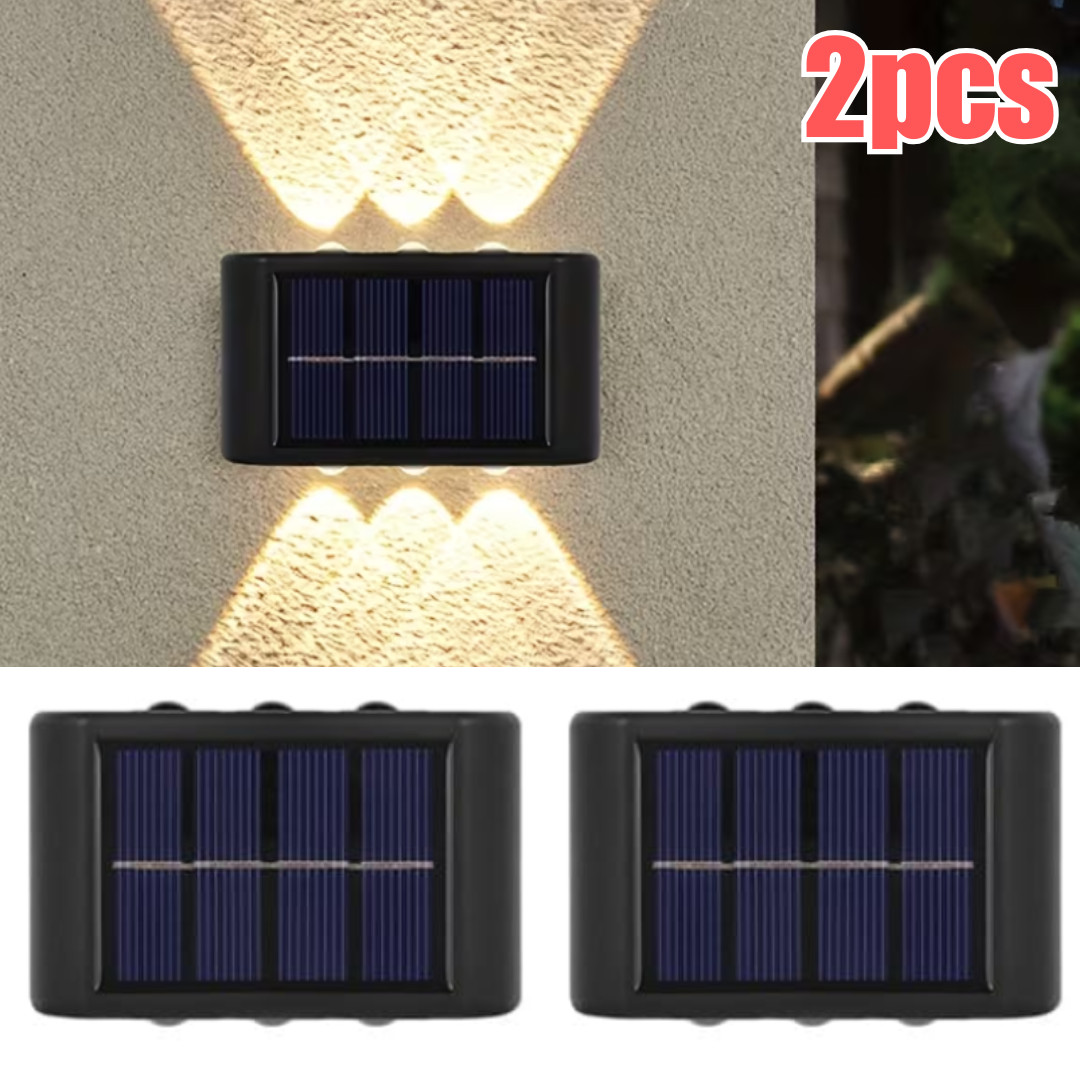 4× Solar Fence Lights Outdoor Dusk to Down LED Garden Yard Patio Wall Decor Lamp$12.59View on eBay
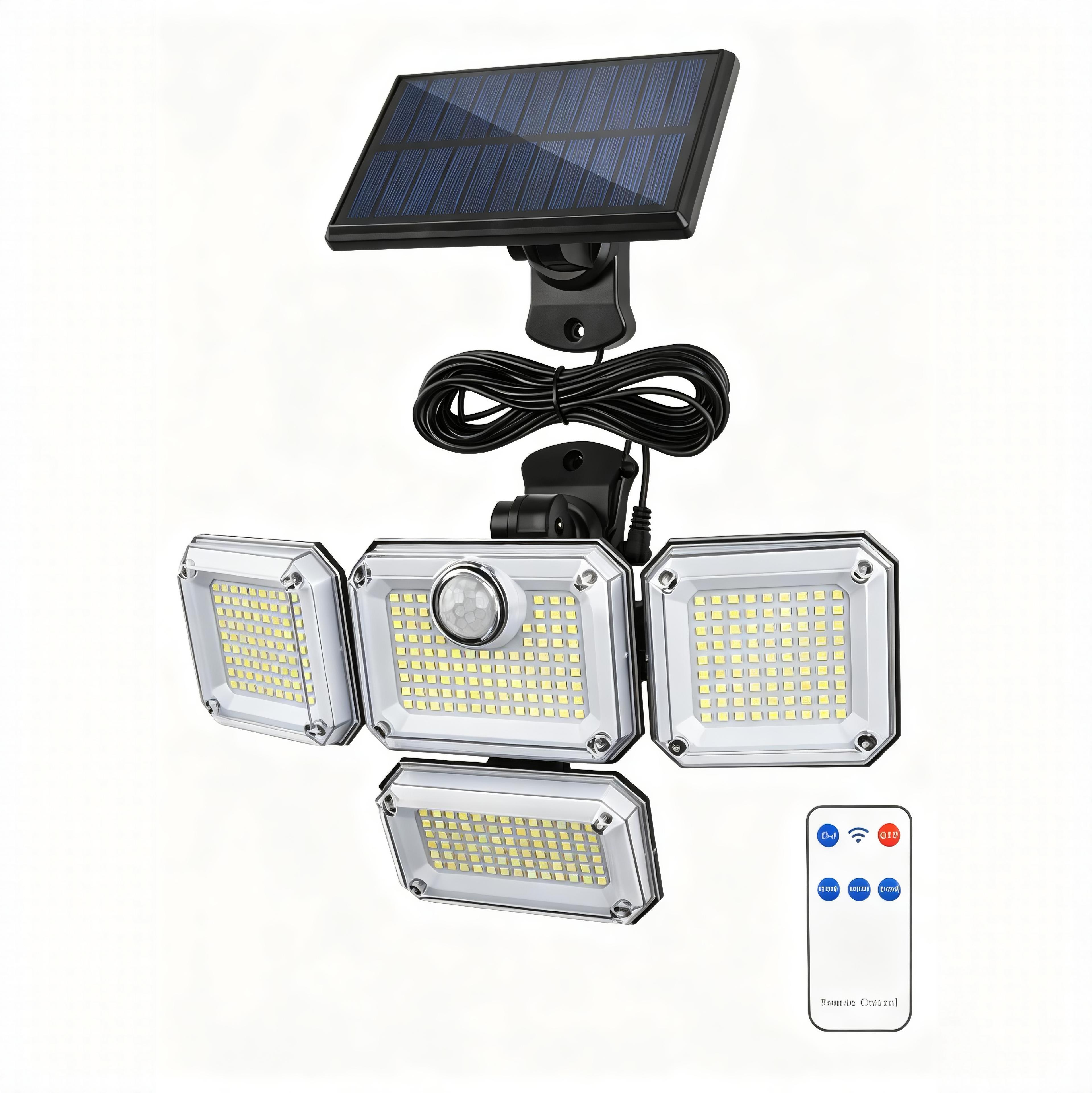 Solar Outdoor Lights with Motion Sensor, 333 LEDs Wide Angle Lights,3 Modes 270°,Daylight White Remote Control ,Waterproof Wall Light for Garage, Yard,2026NEW$45.99View on Mallflare
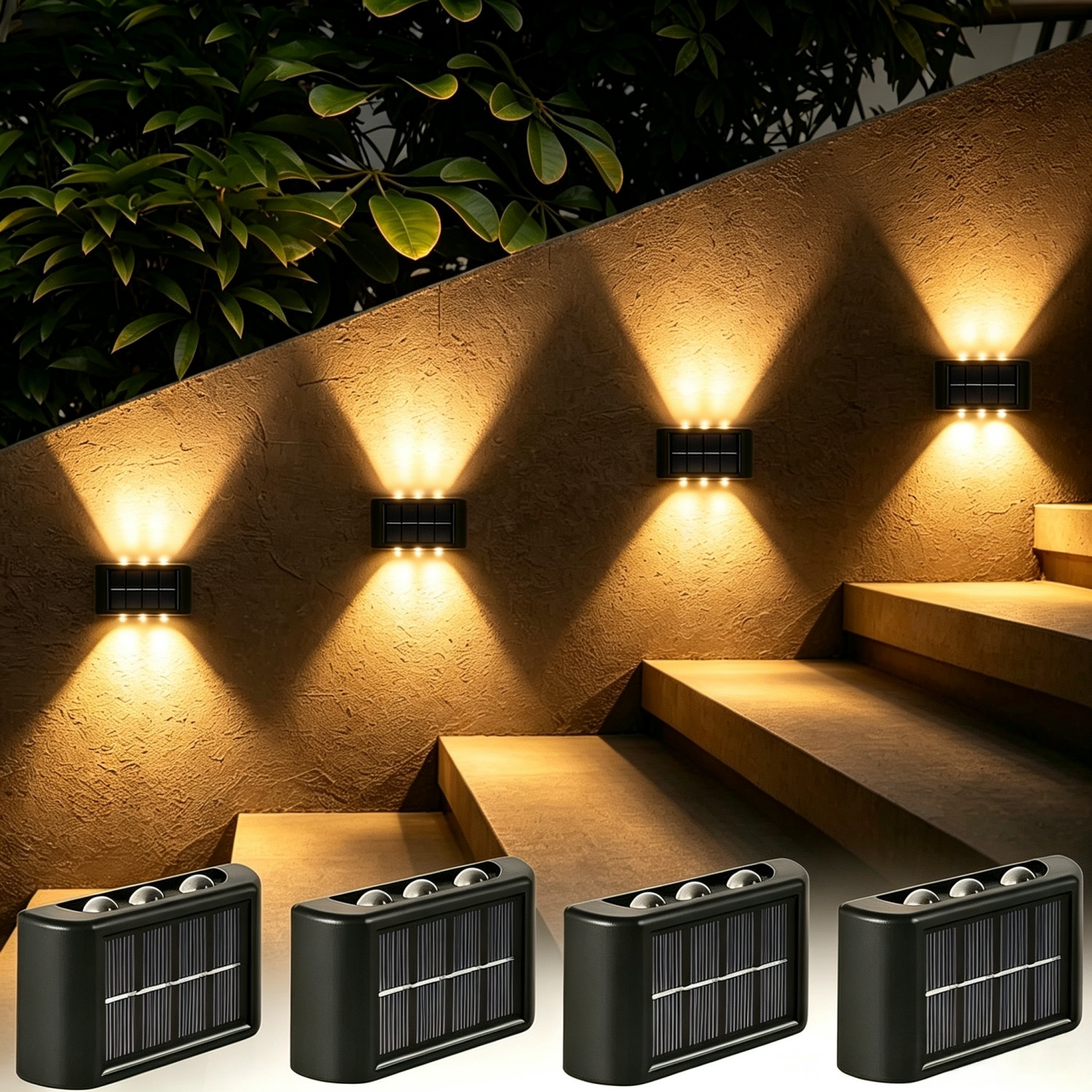 4Pack Solar Wall Lights Outdoor Garden Yard Fence Deck Front Door LED Decor Lamp$12.99Last checked Nov 28, 2026View on eBay
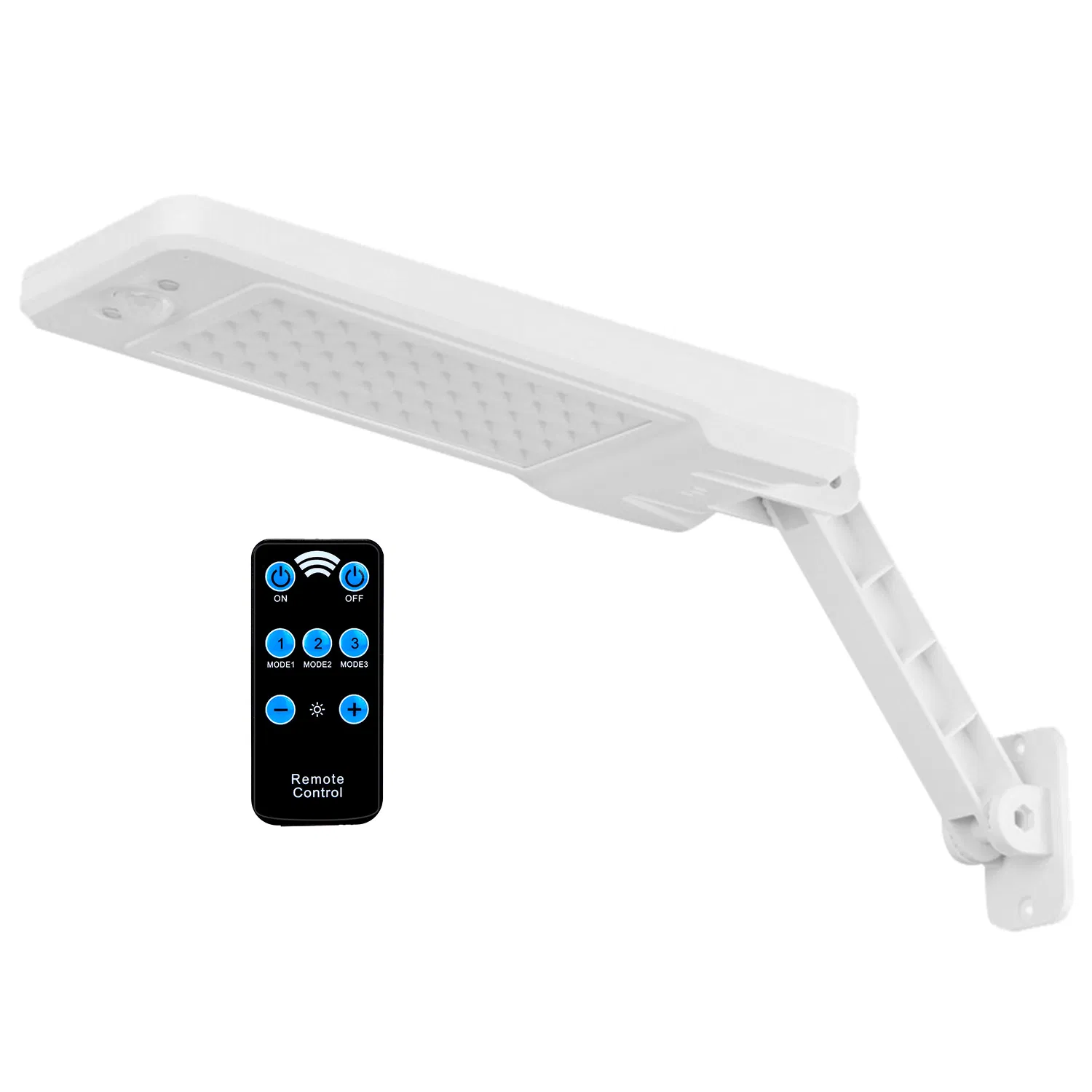 Solar Wall Light Outdoor 60LEDs PIR Motion Sensor Remote Control Wireless Lamps IP65 Waterproof Lighting for Garage Front Door Garden Pathway$46.99View on Mallflare
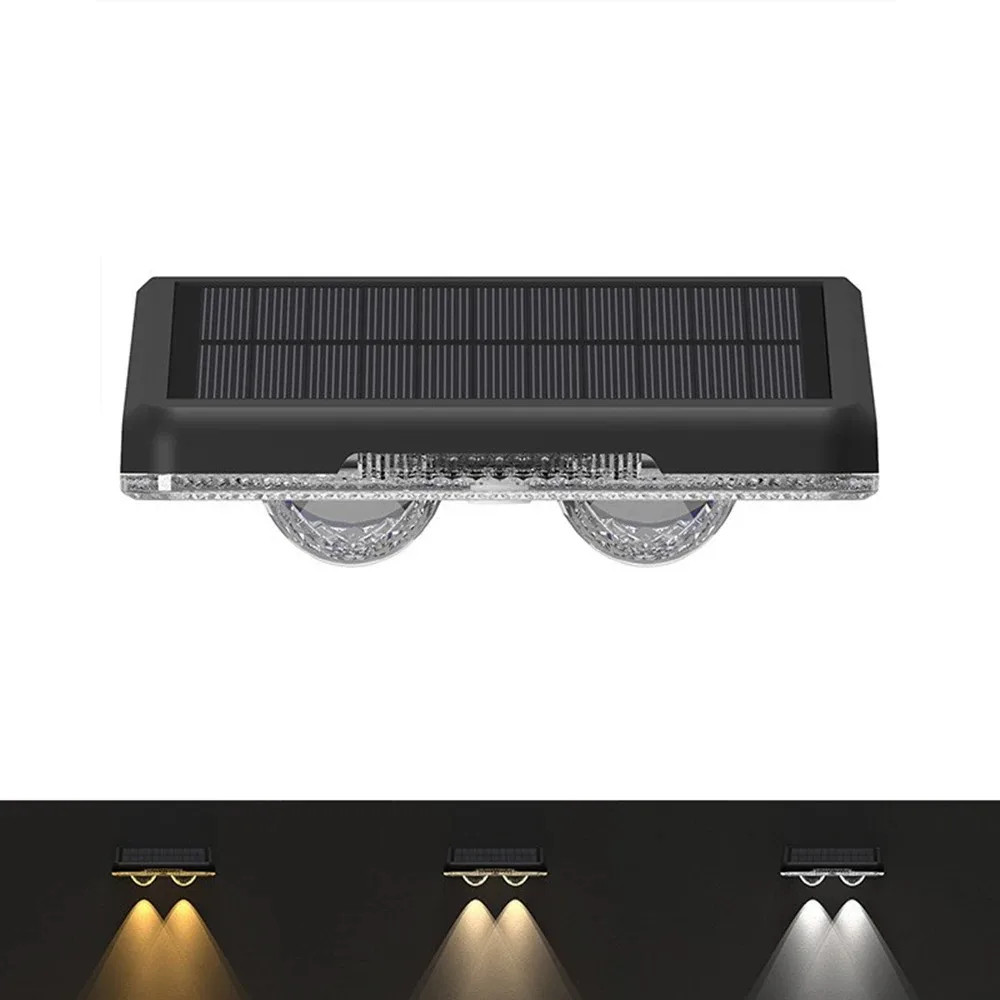 LED Solar Light Outdoor Waterproof Wall Lamp RGB 3Color Path Garden Landscape De$13.99View on eBay
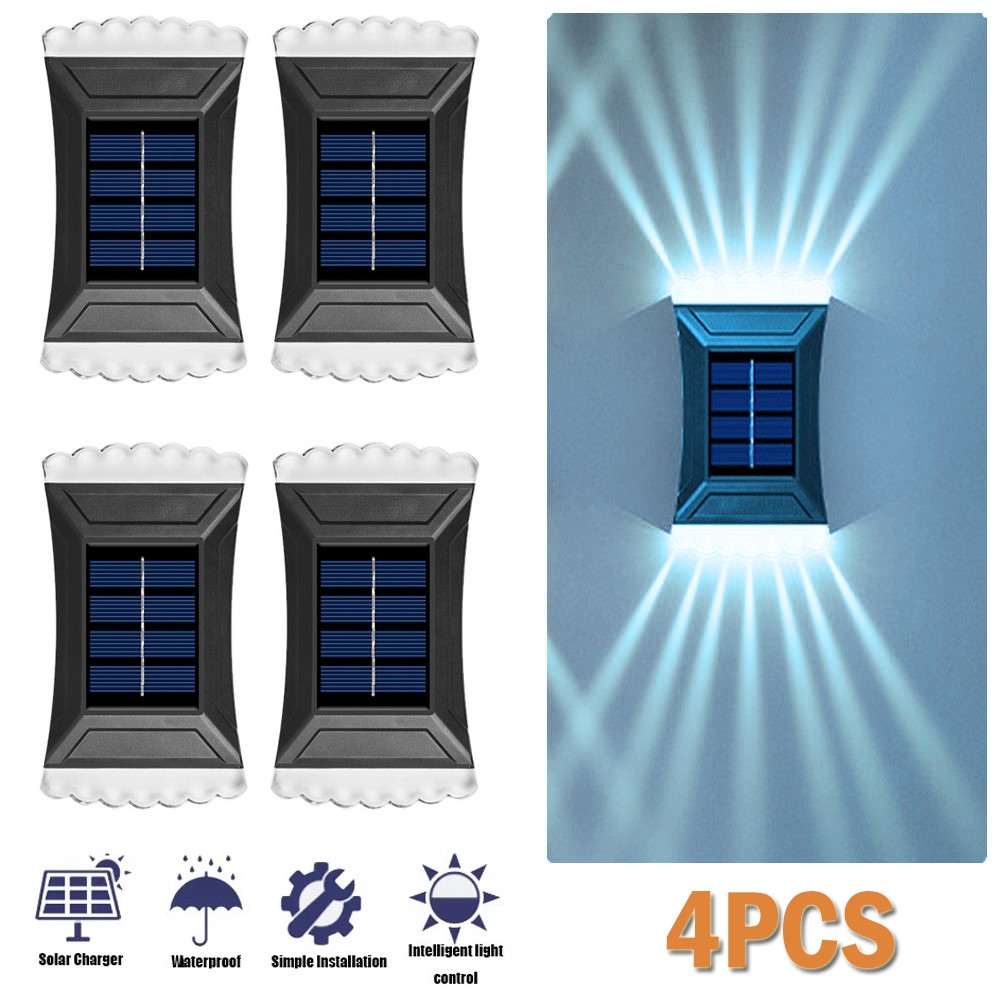 4x Solar Wall Lights Cool White Up And Down Fence Lighting Outdoor Garden Decor$15.69View on eBay
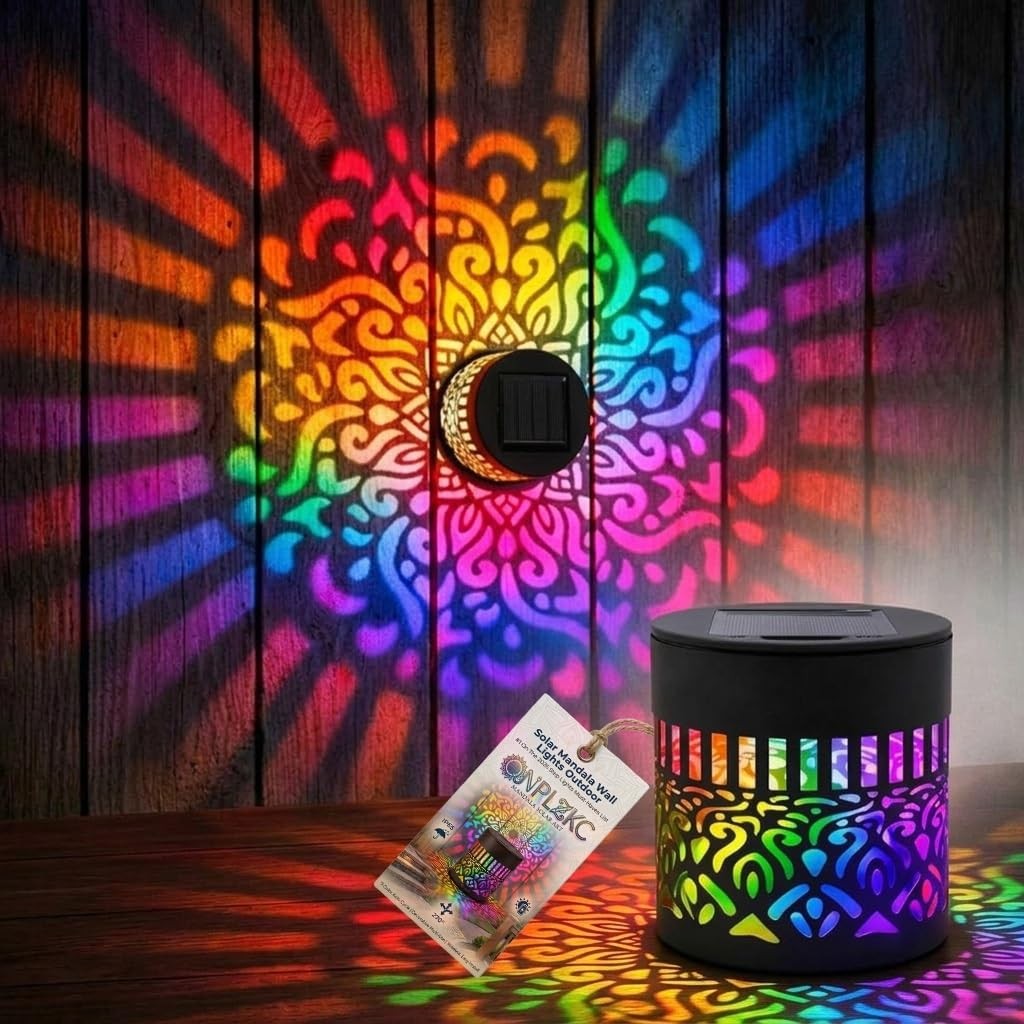 Solar Mandala Lights Outdoor Wall Projector 7 Colors Lighting Decor Waterproof$20.14View on eBay
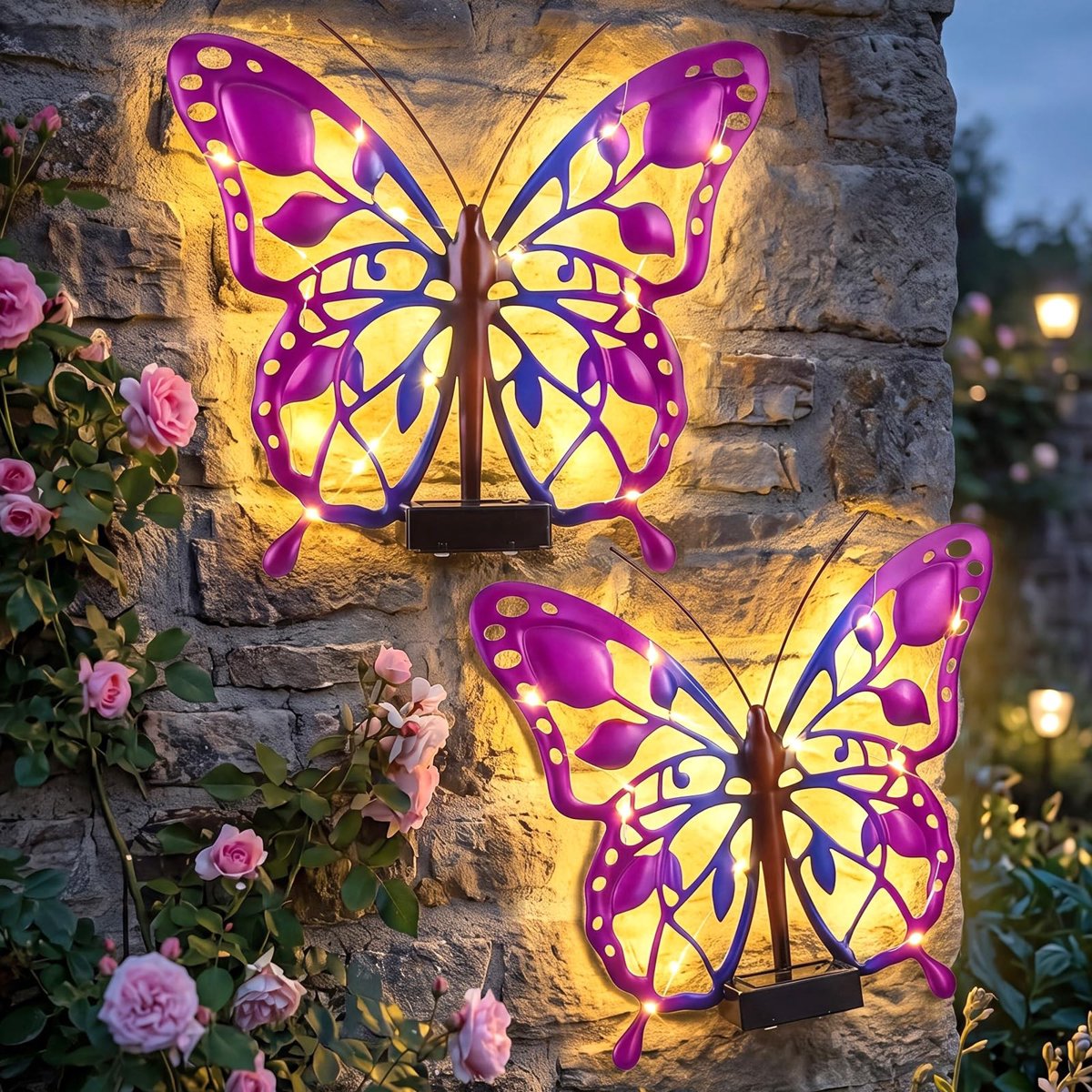 Otoolling 2 Pack Solar Butterfly Lights Outdoor Wall Decor purple and yellow$59.84View on eBay
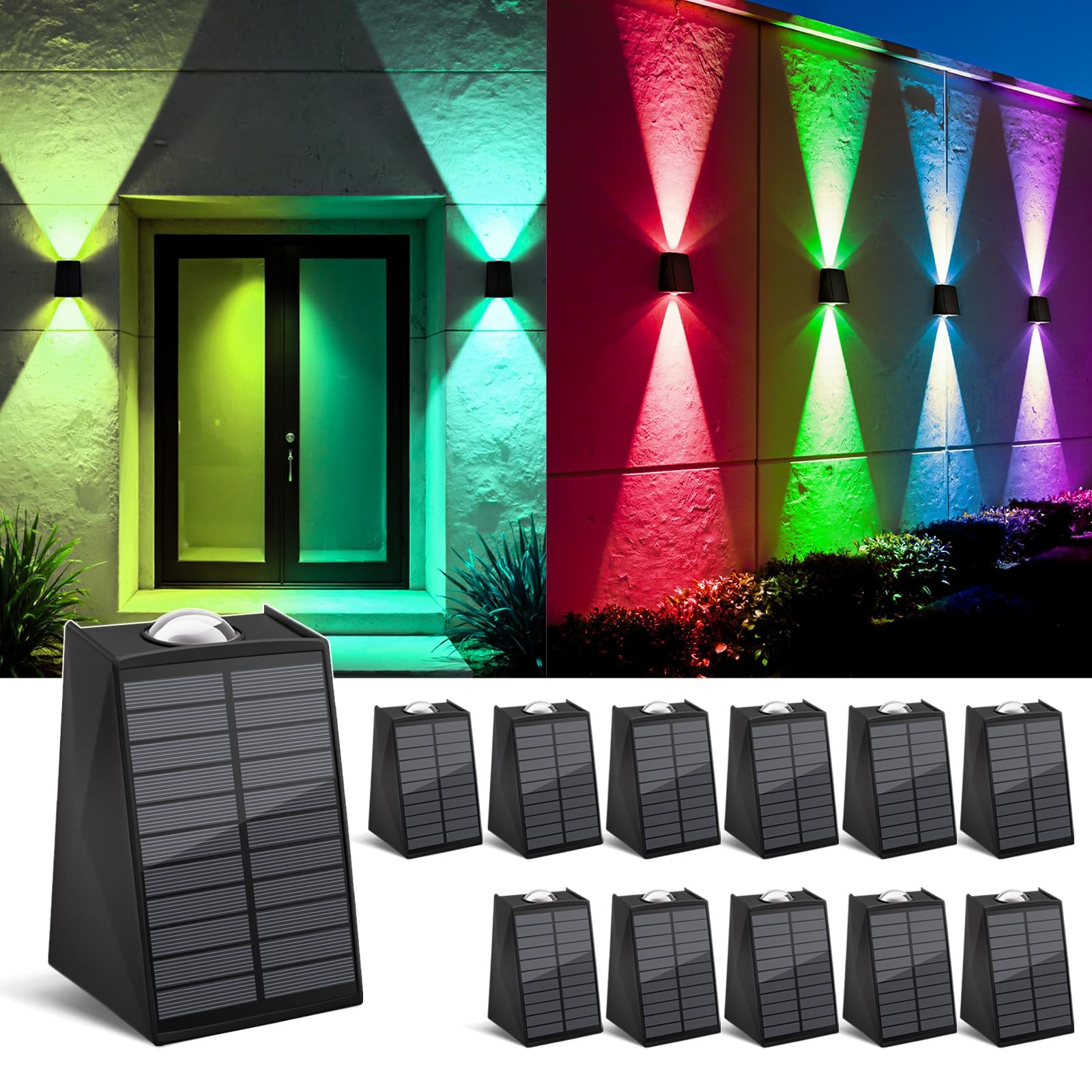 12Pack Color Changing Solar Wall Lights 2 LED Up and Down for Outdoor Decor$129.00View on eBay
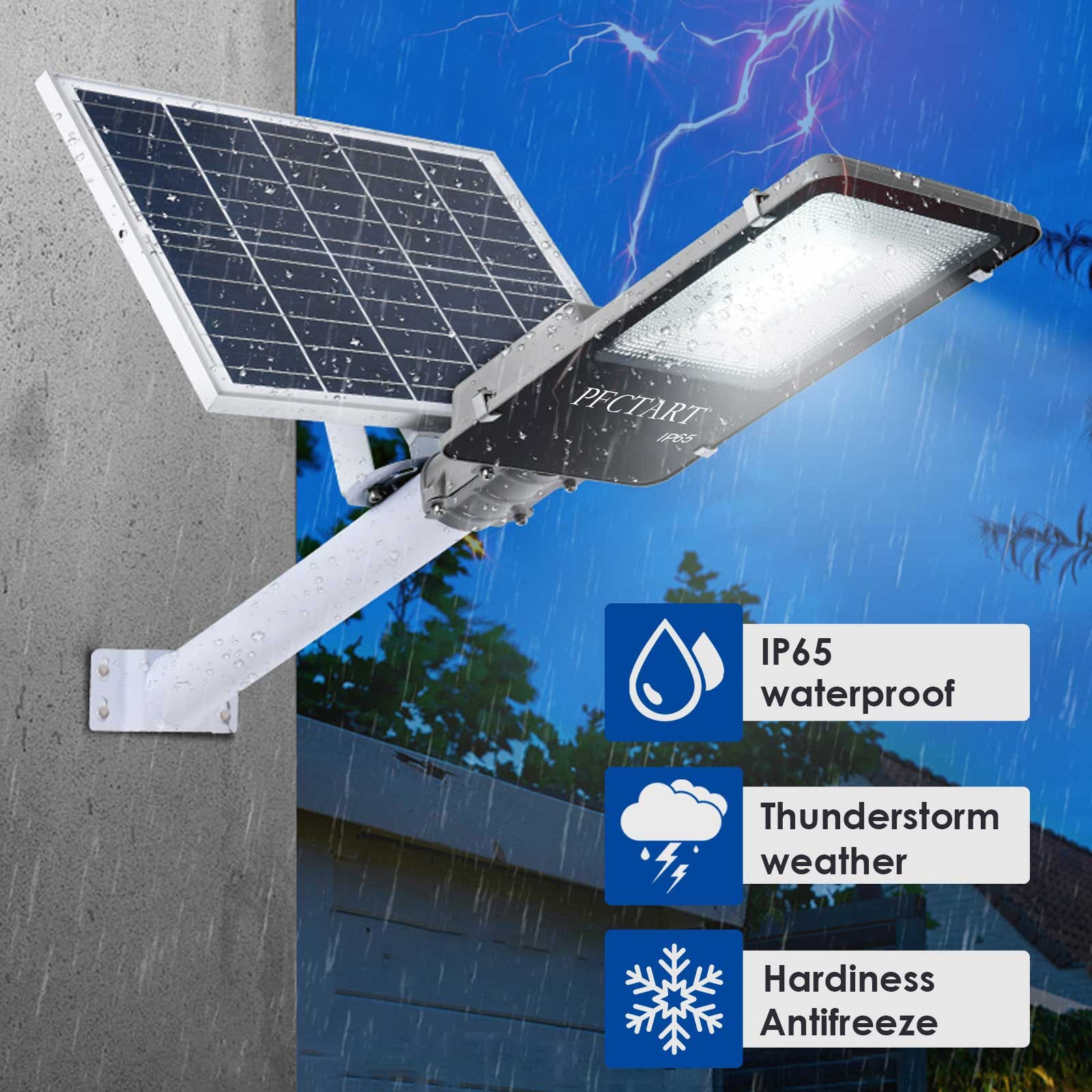 20X 10000W Commercial Solar Street Light Outdoor Dusk to Dawn Flood Wall Lamp$1,440.00New · Last checked Nov 21, 2026View on eBay
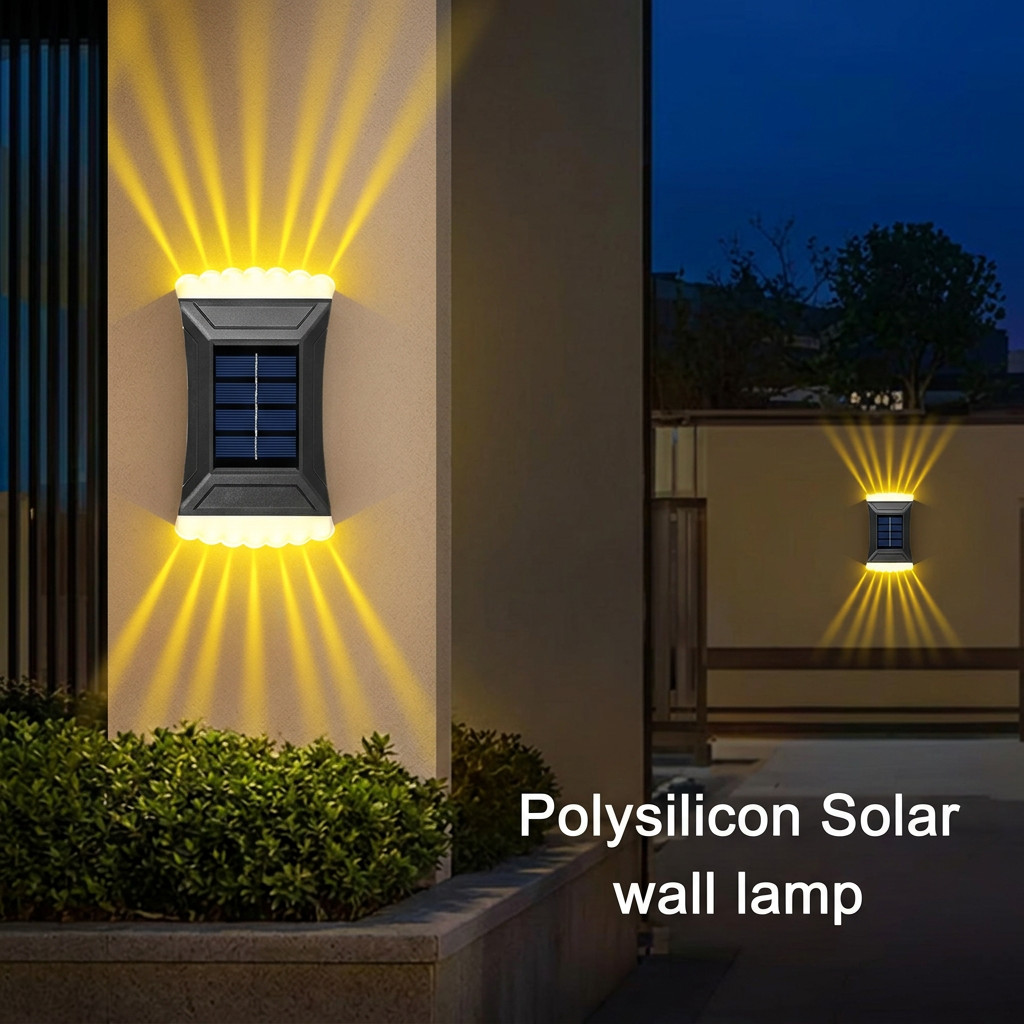 Solar Fence Wall Light Outdoor Garden LED Steps Yard Patio Porch Waterproof Lamp$3,543.00New · Last checked Nov 21, 2026View on eBay
Highlights
- Battery chemistry decides lifespan: LiFePO4 cells tolerate 2000+ cycles and heat better than Li-ion or NiMH, which degrade faster in summer-exposed wall mounts.
- Monocrystalline panels convert more per area than polycrystalline, so a compact monocrystalline panel on a split 16.4ft cable outperforms a larger integrated poly panel in shaded mounting spots.
- PIR motion units trigger at roughly 3-8m with 120-degree detection and typically run dim until triggered; pure dusk-to-dawn units run steady all night at lower output.
- IP65 seals against jets and rain but not submersion; exposed coastal or sprinkler-heavy walls need sealed cable glands and stainless or powder-coated metal housings over bare plastic.
Best use cases
- Best fit: split-panel motion wall light with 16.4ft cable and IP65 rating for garage doors, doorways, and stair walls where the fixture is shaded but the roofline gets sun.
- Best fit: multi-pack (4-12) up/down decorative fence and deck lights in cool white or color-changing for perimeter accent; accept 2-4 hour decorative runtime rather than security brightness.
- Wrong fit: single-LED novelty flame or butterfly units with purple/yellow plastic housings for actual security or pathway lighting; treat them as ornament only.
- Wrong fit: integrated-panel units under deep eaves, north-facing walls, or heavy tree cover — output collapses within weeks; choose a cabled split panel or relocate the mount.
Buying tips
- Size the battery against the panel: a 1200-2000mAh cell paired with a 1-2W monocrystalline panel gives realistic all-night dim output; 600mAh micro units are 3-5 hour decor lights.
- For motion security, require 100+ LED beads or a stated 300-800 lumen output with PIR; 2-LED up/down units are accent-only at roughly 10-30 lumens.
- Pick IP65 minimum for wall mounting and confirm a metal or UV-stabilized ABS housing; unbranded bare plastic yellows and cracks within two seasons in direct sun.
- Prefer split-panel models with a 5m/16.4ft cable when the wall stays shaded; position the panel within that run at 30-45 degrees tilt facing the noon sun.
Specs
| Power Source | Solar panel + battery; no wiring |
|---|---|
| Battery Chemistry | LiFePO4 > Li-ion > NiMH |
| Panel Type | Monocrystalline vs polycrystalline |
| Ingress Rating | IP65 minimum for wall mount |
Related searches
What to check before buying
- Measure the mounting wall and confirm fixture footprint plus up/down throw; door and gate lights need clearance so the PIR cone is not blocked by trim or an overhang.
- Track sun exposure at the actual panel location across the day — a split panel needs 4-6 hours direct sun; integrated units need the lamp face itself in full sun.
- Check mounting hardware and substrate: masonry needs anchors, siding needs a flat bracket, and metal fences may need self-tapping screws; confirm included screws match.
- Verify the unit has an auto on/off photocell and, for motion models, an adjustable sensitivity/timer; fixed always-on units drain cells in winter.
FAQ
Data sources: eBay / Amazon listings and product attribute feeds. Updated Nov 29, 2026.
Some links on this page are affiliate links. If you buy after clicking one, we may earn a commission at no extra cost to you. This does not change which products appear here or their order. Affiliate disclosure.