
Photos from current listings. Actual item, color, and included accessories may vary.
Solar Light Buying Guide
Solar lights are self-contained photovoltaic fixtures that convert daylight into stored battery power for automatic dusk-to-dawn illumination. The decisive trade-off is battery chemistry and panel wattage: sealed NiMH cells with amorphous panels fade within two seasons, while LiFePO4 cells and monocrystalline panels deliver 5+ years of nightly runtime. Buy LiFePO4 with a monocrystalline panel and IP65+ rating for durability; skip sealed NiMH units and any fixture rated below IP44 for permanent outdoor exposure.
Median $17.06
Key takeaways
- Battery chemistry separates tiers: LiFePO4 delivers 2,000+ cycles vs 500-800 for NiMH and 300-500 for sealed lead-acid, directly setting 5+ year vs 1-2 season lifespans.
- Panel type drives recharge speed: monocrystalline panels convert 18-22% vs 6-10% for amorphous, so a 2W mono panel outcharges a 5W amorphous one under overcast skies.
- Ingress rating is the hard durability gate: IP65 handles jet spray and year-round rain; IP44 only survives splashes and fails at exposed pathway and wall-mount positions.
At a glance
- Category
- Outdoor Lighting & Decor
- Last updated
- Nov 29, 2026
Current offers
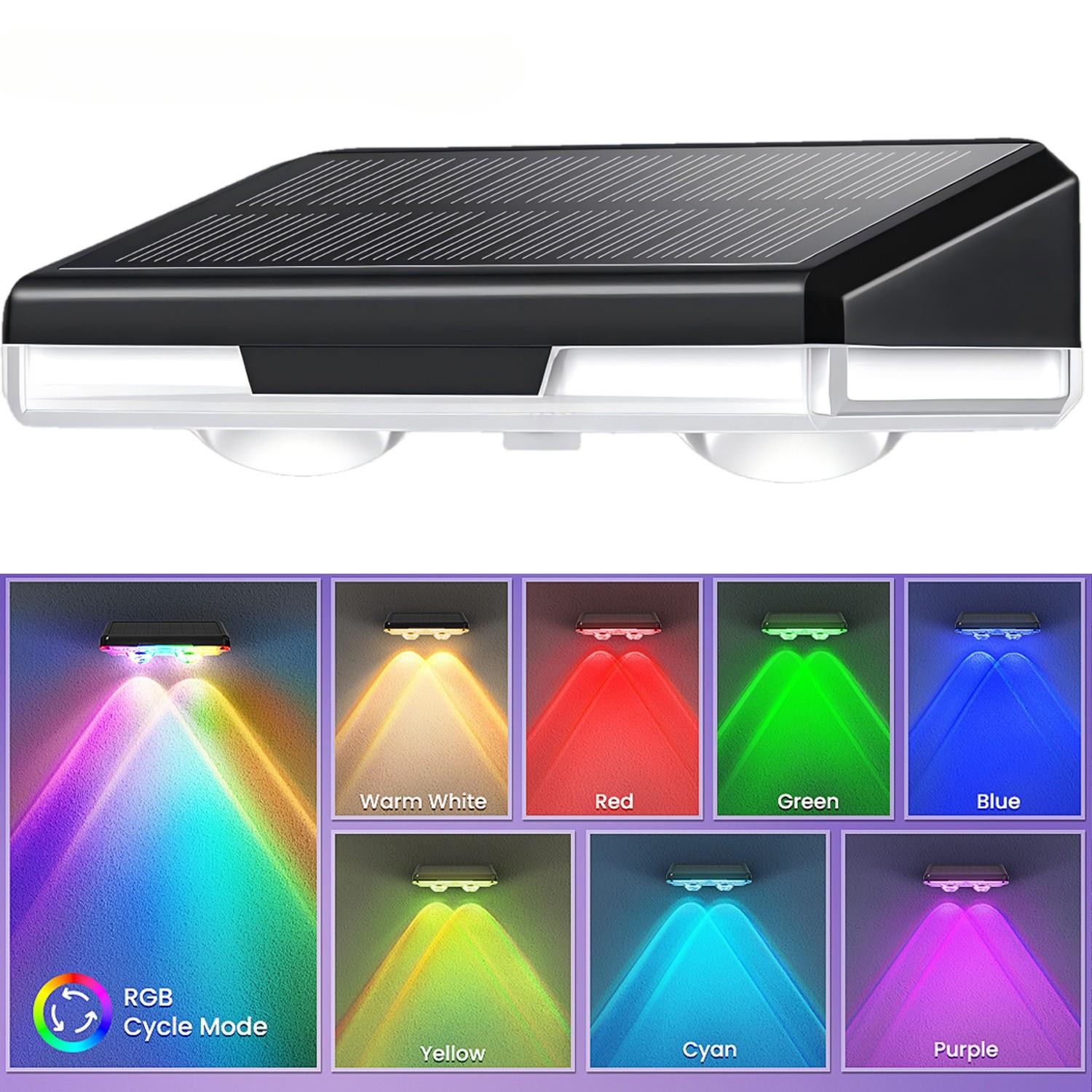 LED Solar Power Fence Lights Deck Door Wall Stair Step Outdoor Garden Decor Lamp$4.99Last checked Nov 28, 2026View on eBay
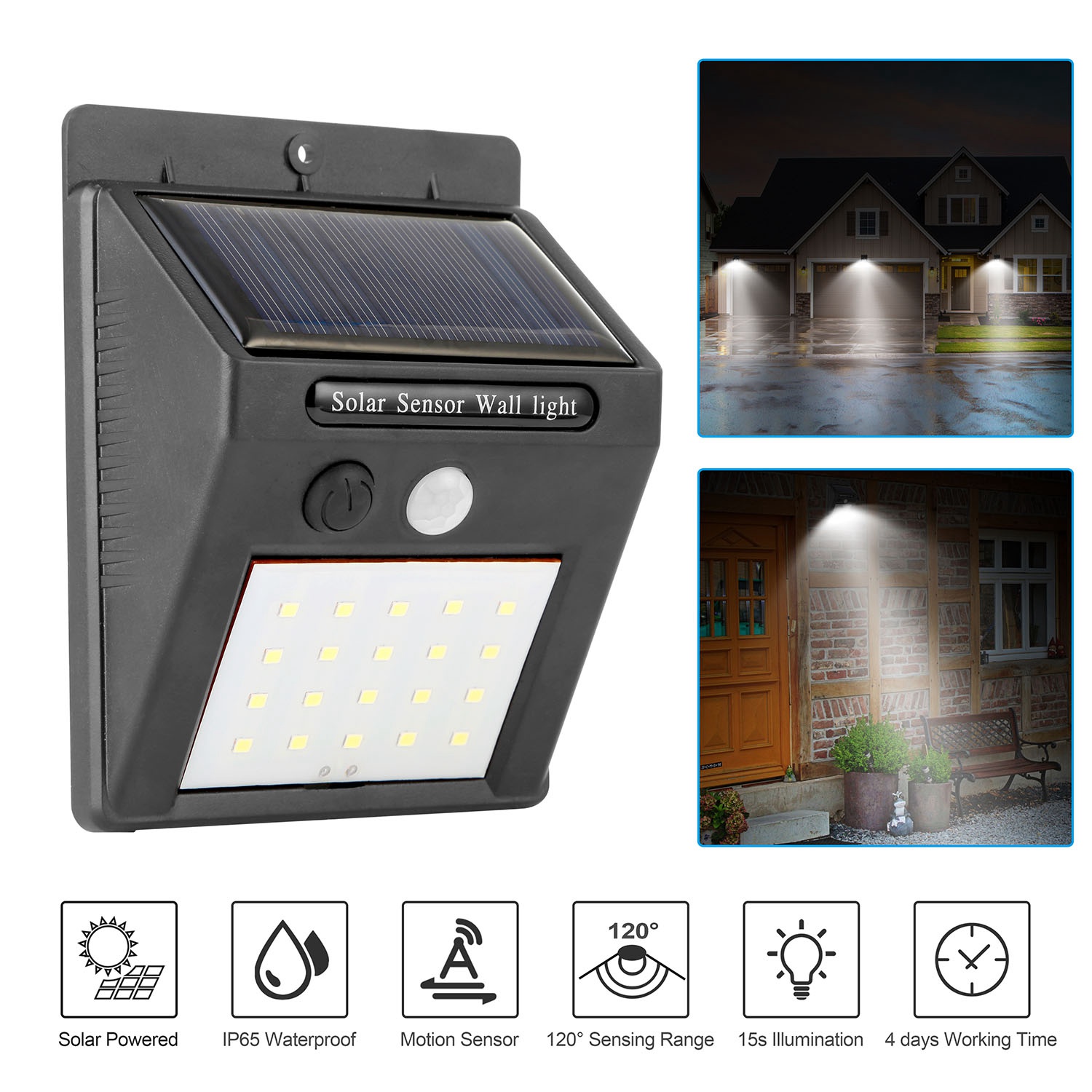 1Pc Solar Light 20 LEDs Outdoor PIR Motion Sensor Lights IP65 Waterproof 120 Degree Sensing Wide Angle Lighting For Garage Front Door Garden Pathway$20.99View on Mallflare
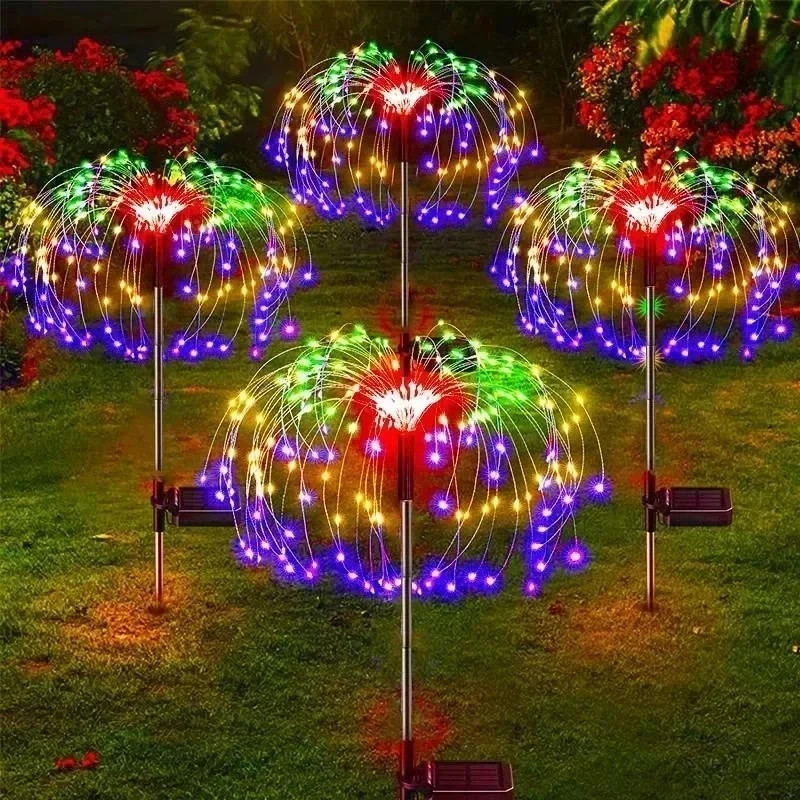 Outdoor LED Solar Firework Lights Garden Decoration Fairy Lights Waterproof Dand$5.45View on eBay
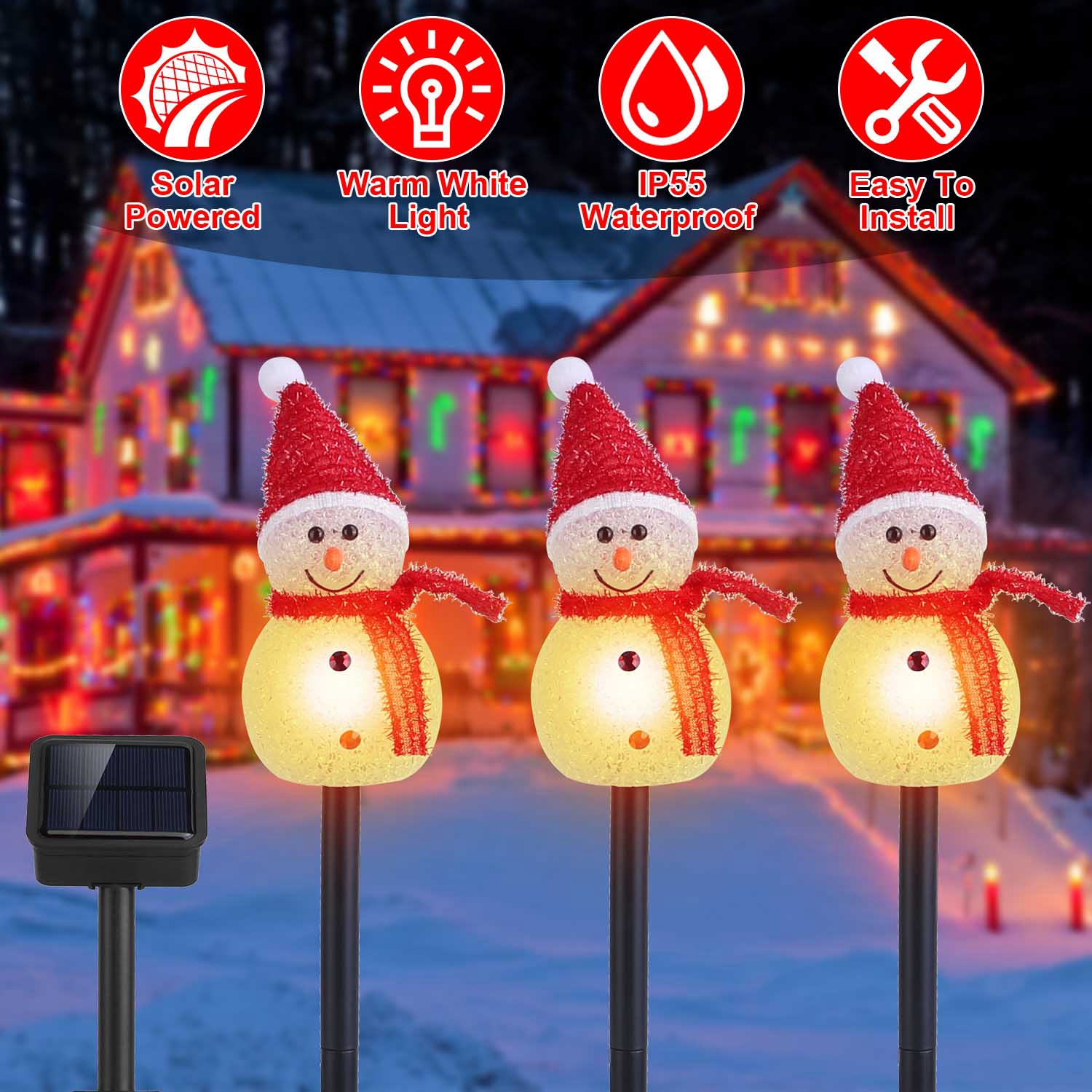 1Pc Solar Powered Lamp 3 Snowmen Outdoor Decorative Christmas Garden Stake Light IP55 Waterproof Santa Landscape Warm White LED Lighting Pathway Yard Patio$21.99View on Mallflare
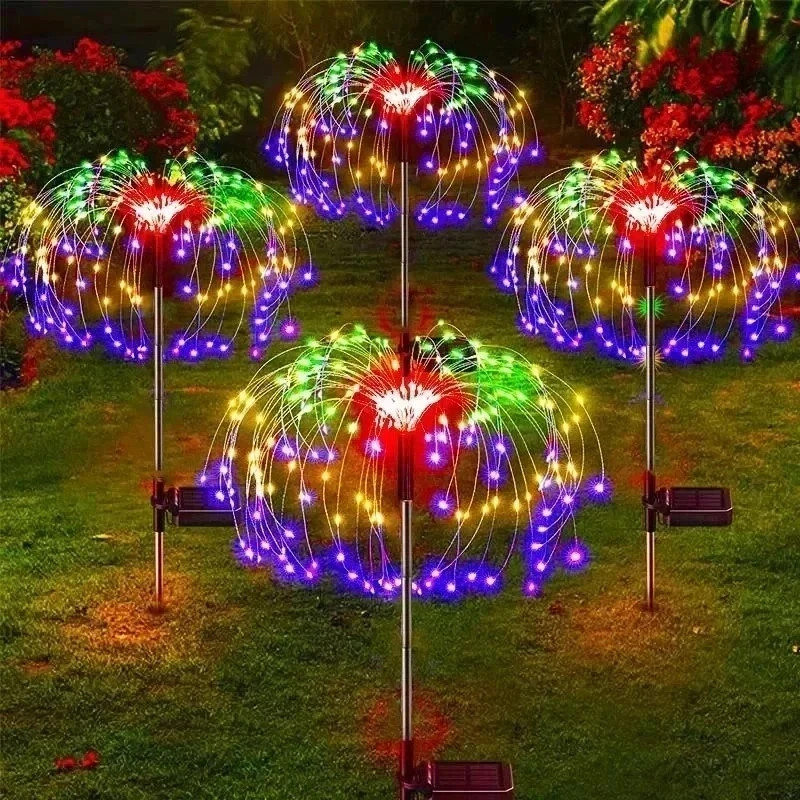 Outdoor LED Solar Firework Lights Garden Decoration Fairy Lights Waterproof Dand$5.99View on eBay
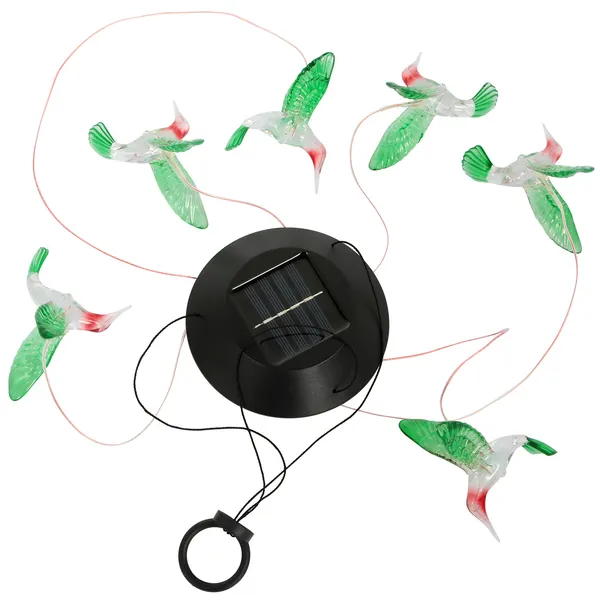 LED Solar Hummingbird Wind Chime String Lights 6 LEDs Color-Changing IP65 Waterproof Decorative Lamp$22.99View on Mallflare
 Solar Lights Outdoor Garden Decor, 1 and 6 head Sunflower Lights,Solar Flowers$8.05View on eBay
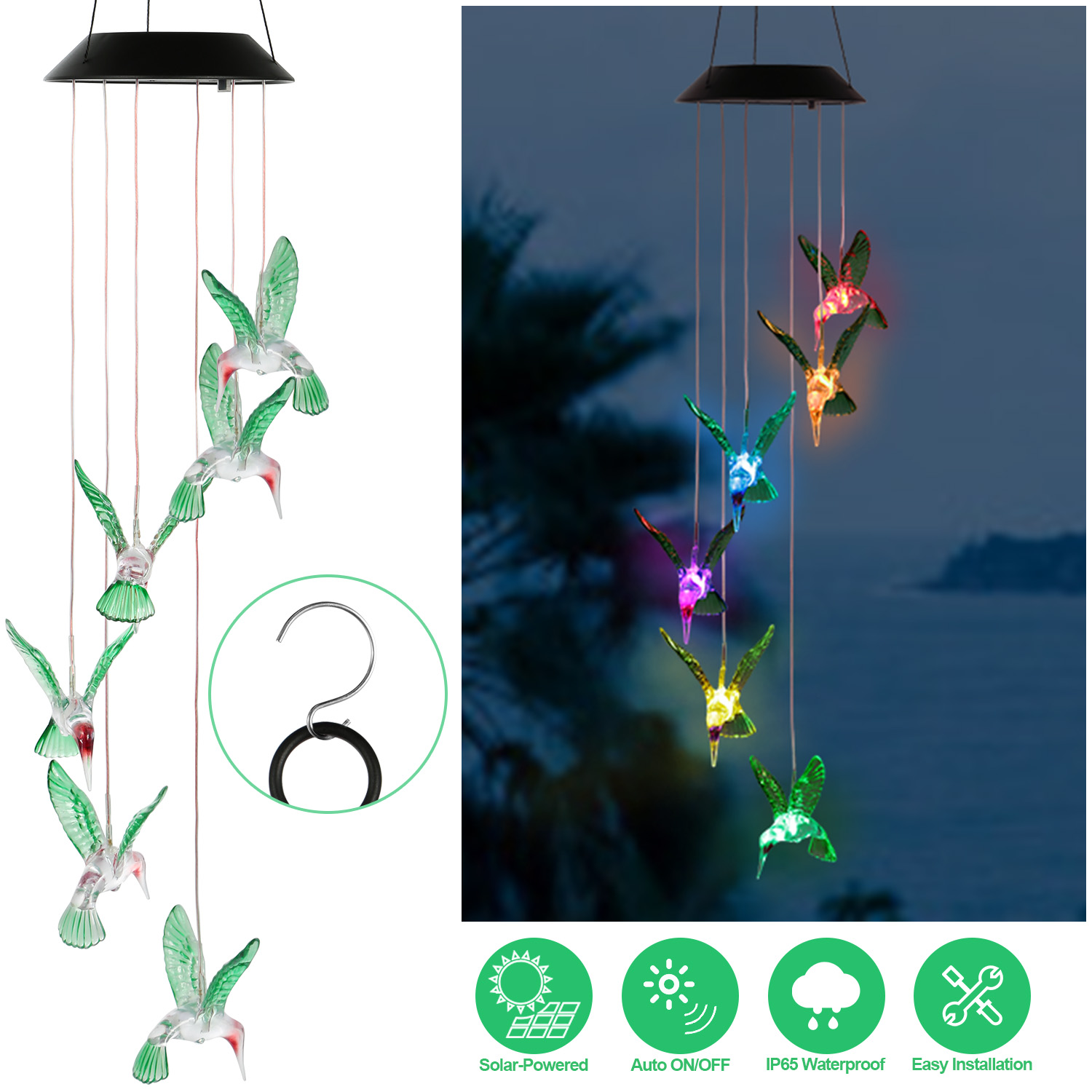 1Pc LED Solar Hummingbird Wind Chime String Lights 6 LEDs Color-Changing IP65 Waterproof Decorative Lamp Lighting For Home Garden Fence Party$23.99View on Mallflare
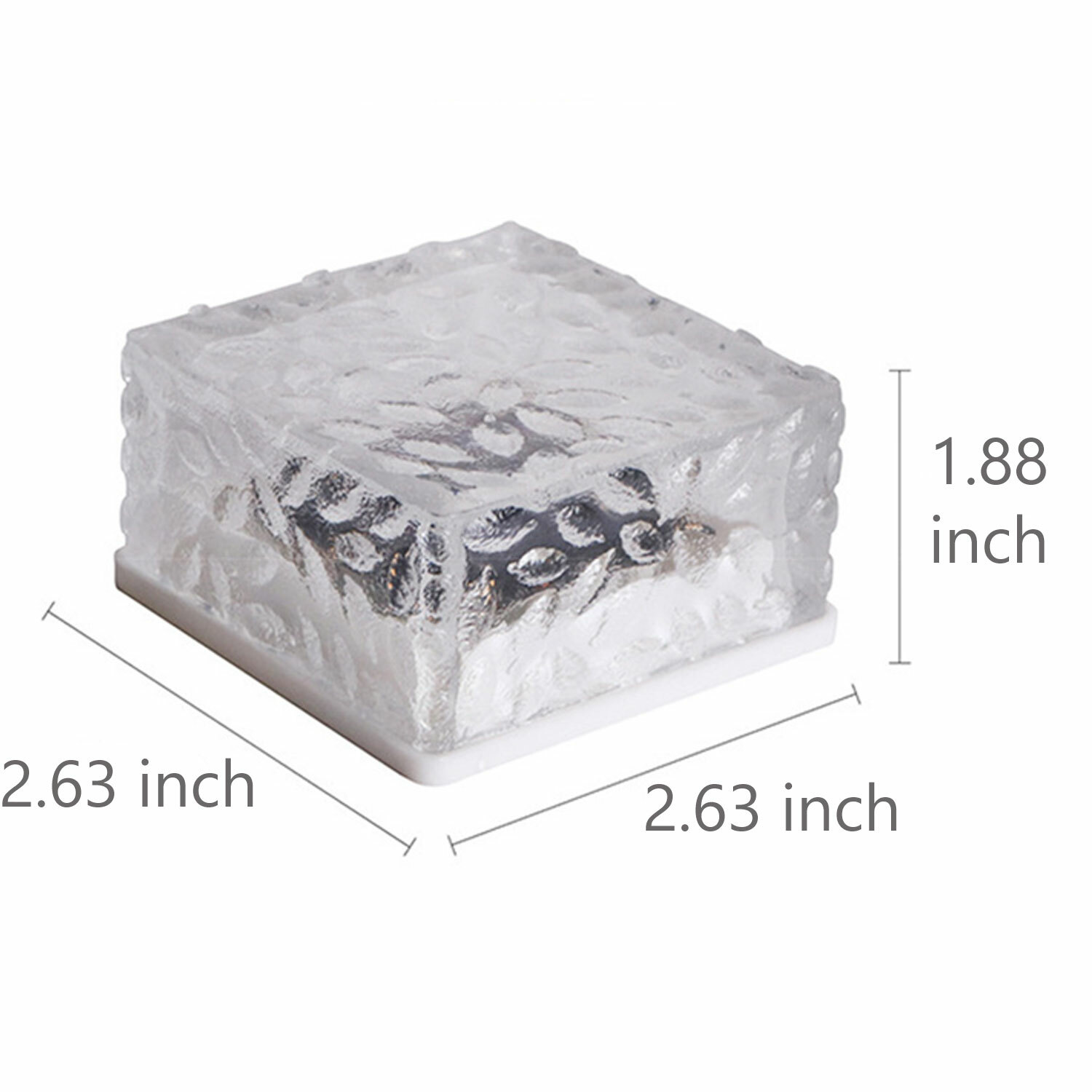 Solar Ice Cube Shaped Lights Outdoor Decorative Yard Waterproof Garden Decor$8.99View on eBay
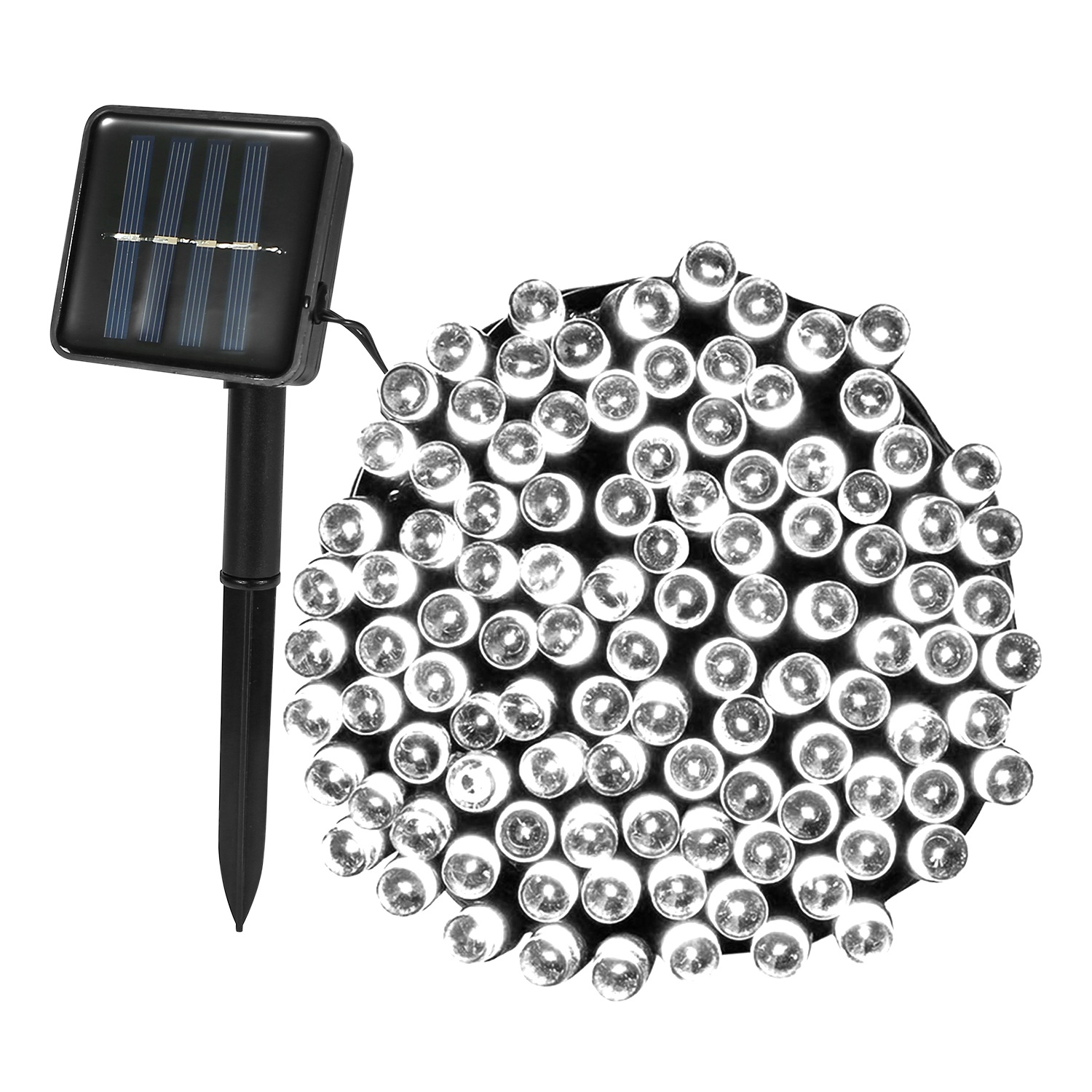 1Pc Solar String Lights LED Power Fairy Light 12M 8 Lighting Mode Cool Waterproof Starry Christmas Wedding Party Decor$23.99View on Mallflare
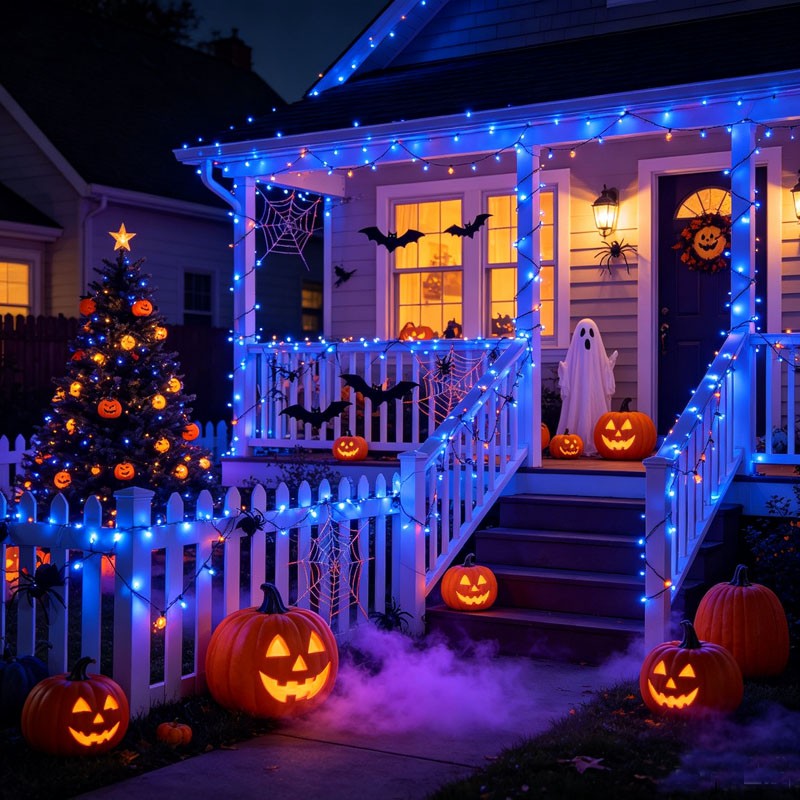 Solar Halloween String Lights Outdoor Waterproof Fairy Yard Decorations Lights$9.88View on eBay
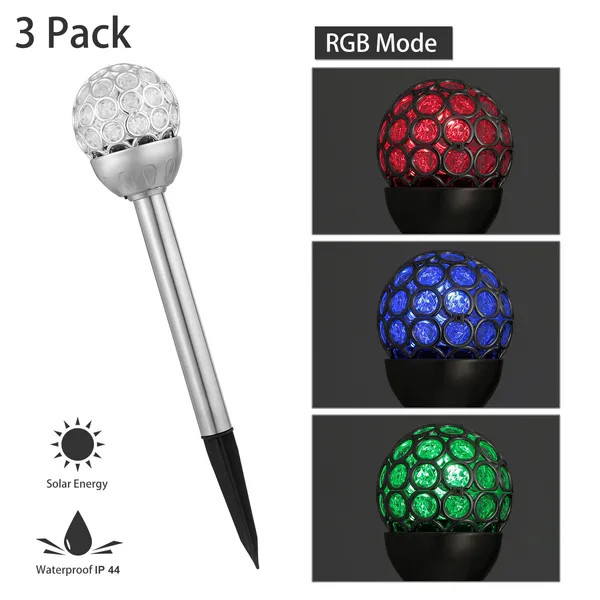 Solarek 3 Pcs Outdoor Solar Lights IP44 Waterproof Ball RGB Light Garden Decor Lamp Landscape Christmas$29.99View on Mallflare
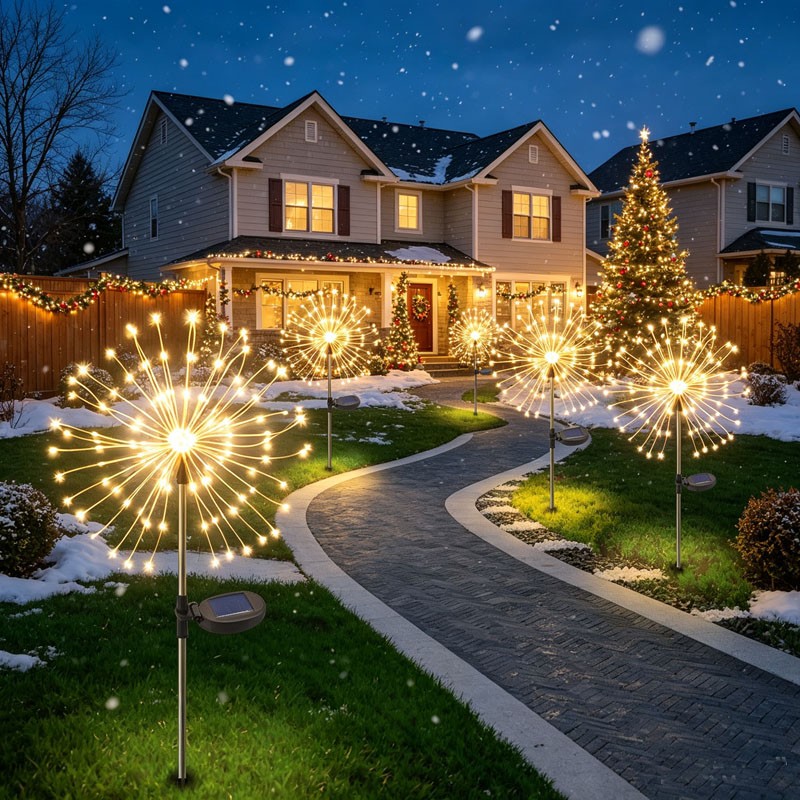 1PC 150 LED Solar Firework Lights Outdoor Garden Decor Waterproof Path Lawn Lamp$10.69View on eBay
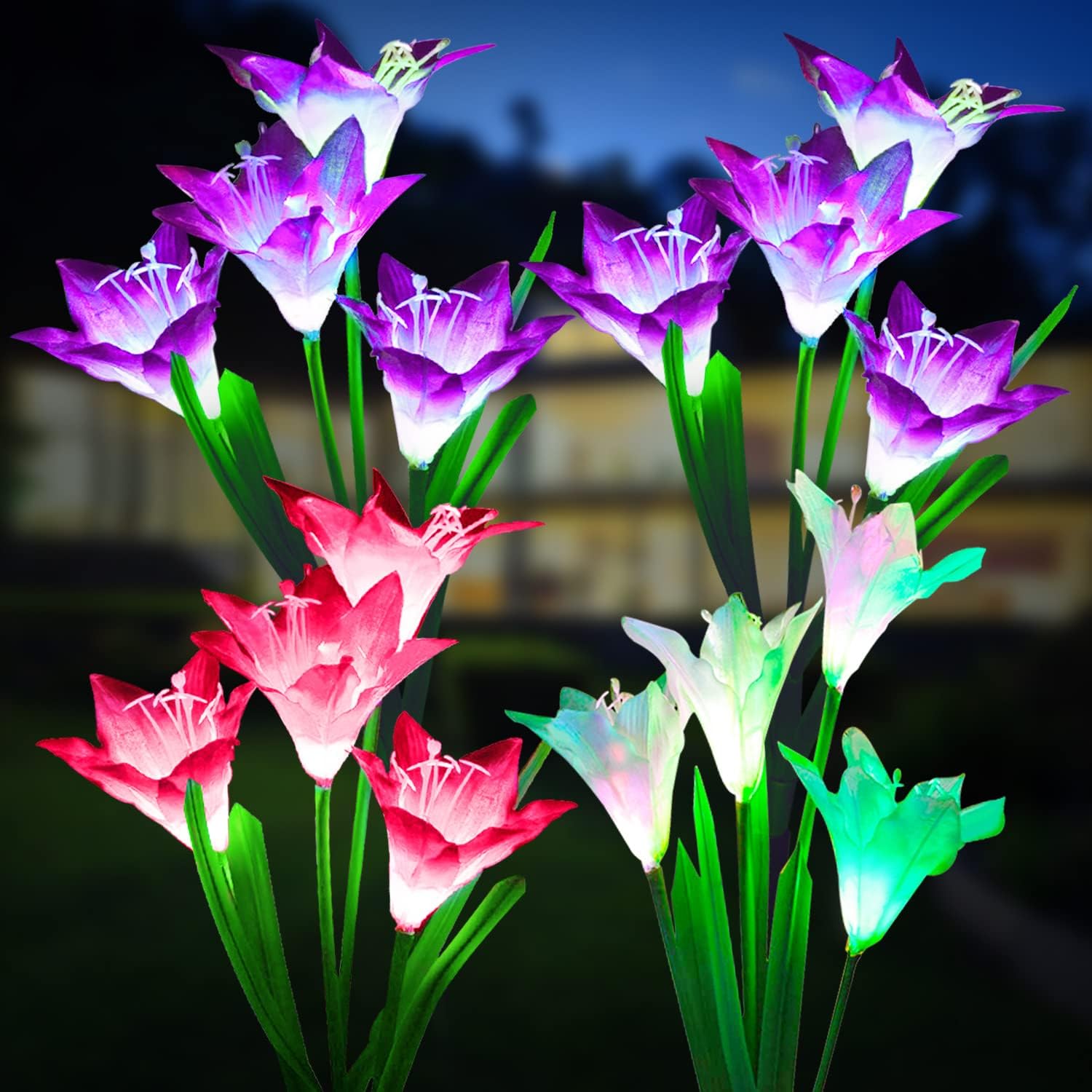 Outdoor Solar Lights, 4 Pack Garden Light with Bigger Lily Flowers, Waterproof 7 Color Changing - Panel for Patio Yard Decoration, Gift for Mom$42.99View on Mallflare
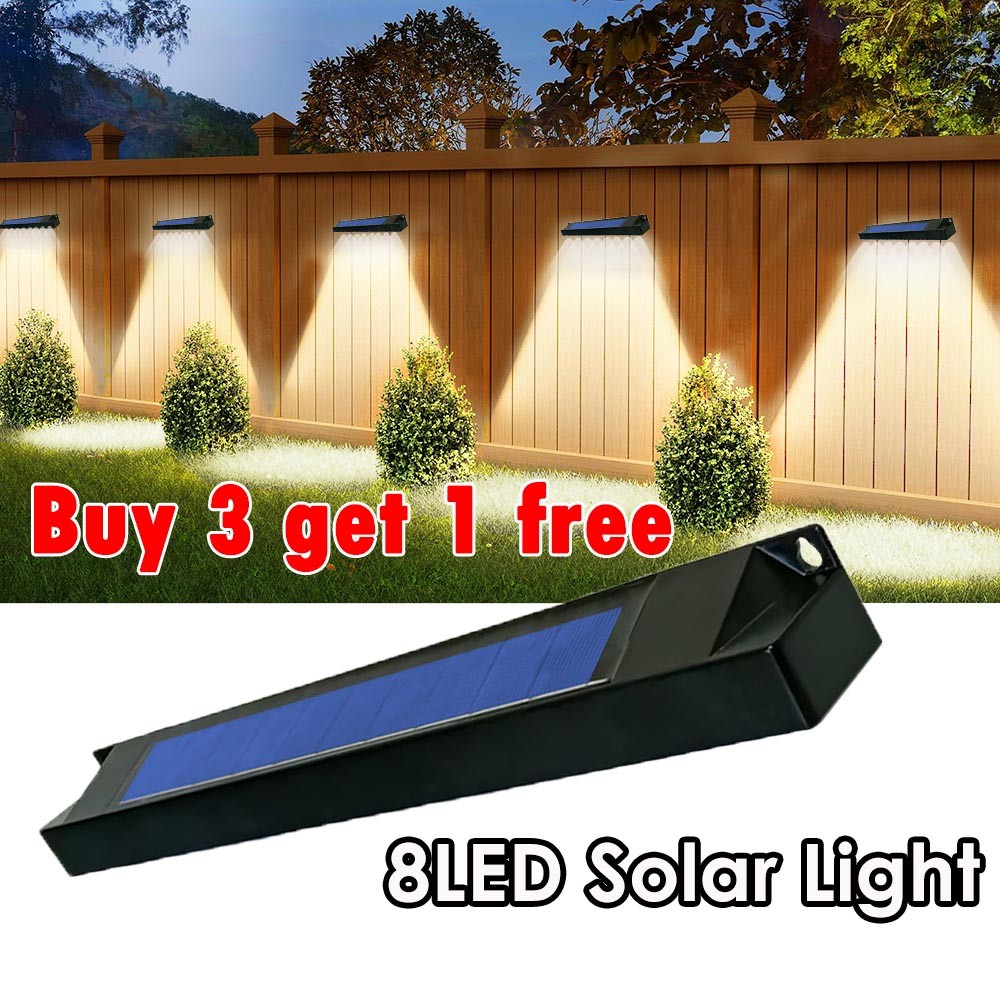 Solar Power Fence Lights 8 LED Deck Door Wall Step Outdoor Garden Decor Lamp$10.99View on eBay
 Warm yellow moon star curtain light with 148 LED solar lights (USB charging type) including 8 lighting modes timer suitable for gardens, terraces, pergolas, porches, windows, backyard tents, I$54.99View on Mallflare
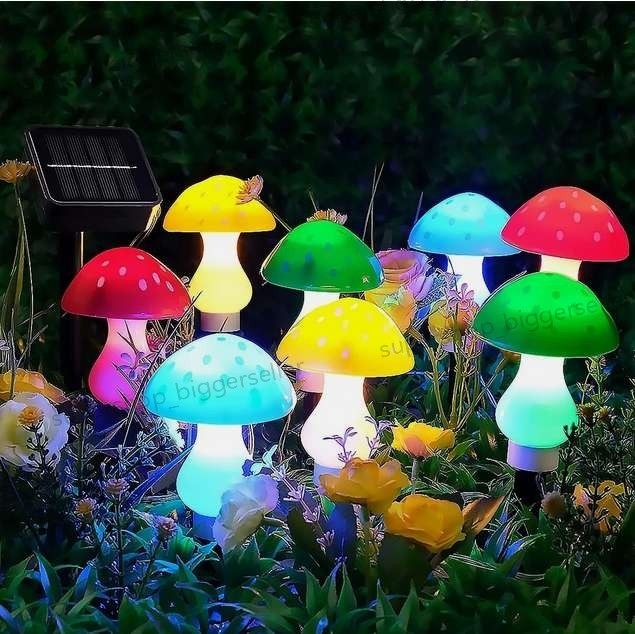 8Pcs LED Solar Mushroom Lights Outdoor Garden Decor Waterproof Fairy Light Lamp$11.99View on eBay
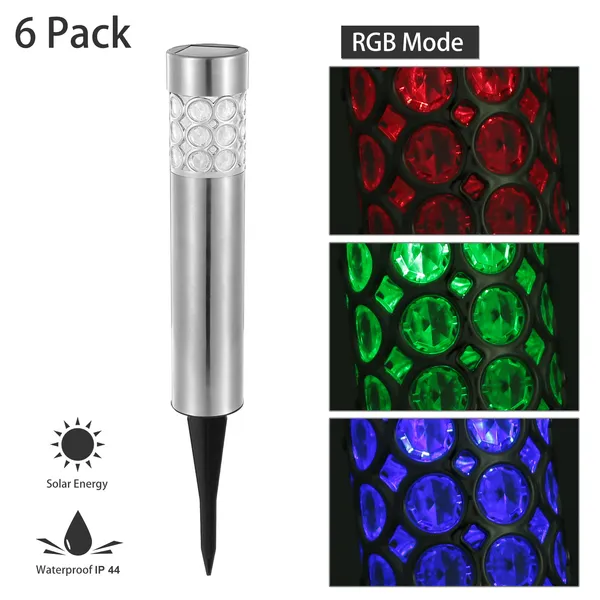 Solarek 6 Pack Outdoor Solar Light IP44 Waterproof RGB Garden Lamp Landscape Lawn Décor$56.99View on Mallflare
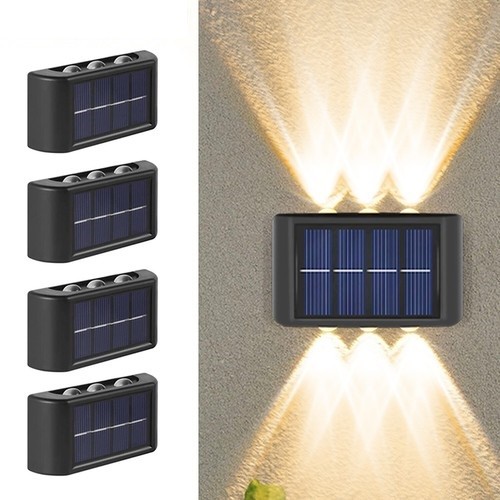 4X Solar Fence Lights Outdoor Dusk to Down LED Garden Yard Patio Wall Decor Lamp$12.59Last checked Nov 28, 2026View on eBay
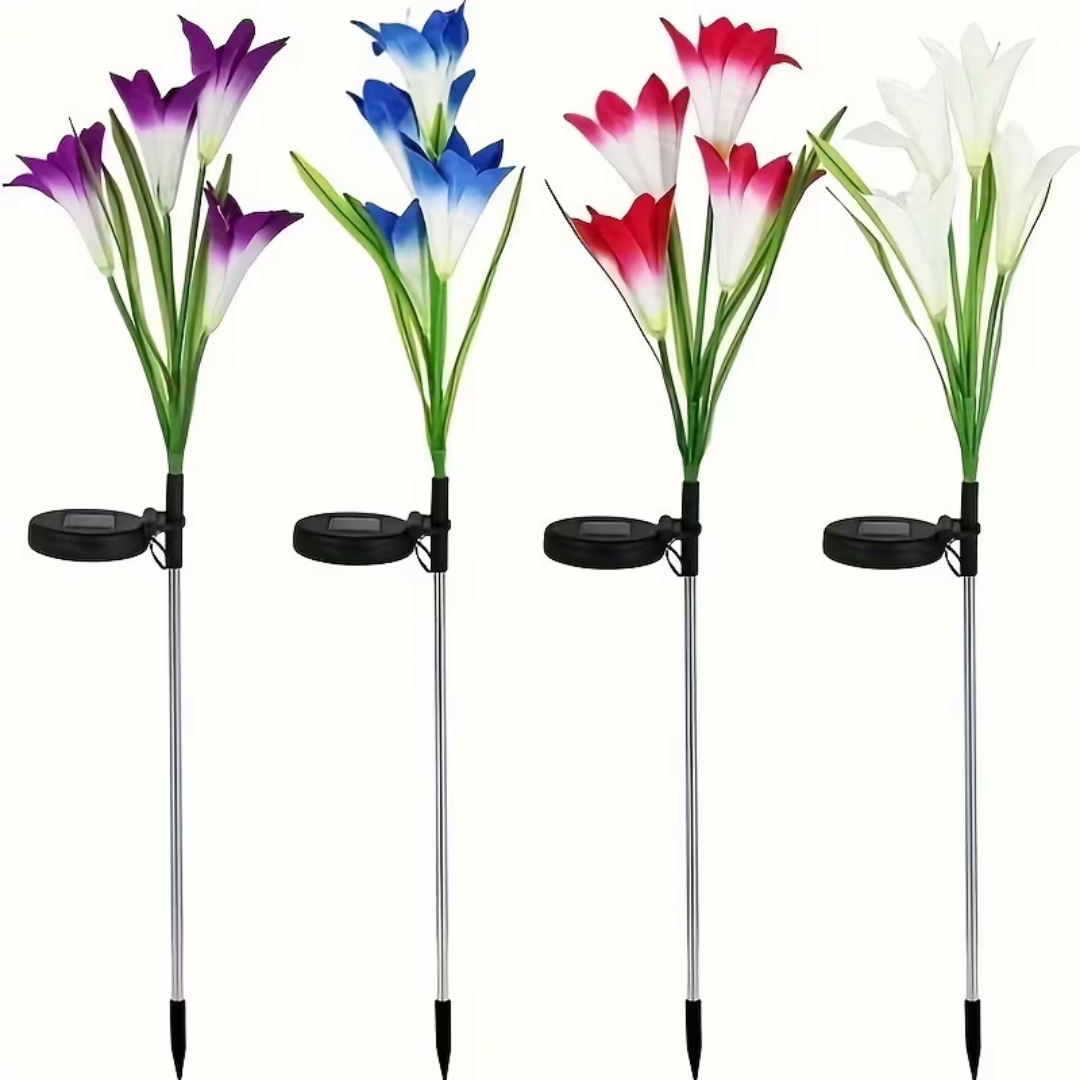 4 packs of solar lights, with 16 larger artificial lilies, multi-color color changing garden decorative courtyard lawn channel (pink+purple+white+blue)$62.99View on Mallflare
Highlights
- Battery chemistry separates tiers: LiFePO4 delivers 2,000+ cycles vs 500-800 for NiMH and 300-500 for sealed lead-acid, directly setting 5+ year vs 1-2 season lifespans.
- Panel type drives recharge speed: monocrystalline panels convert 18-22% vs 6-10% for amorphous, so a 2W mono panel outcharges a 5W amorphous one under overcast skies.
- Ingress rating is the hard durability gate: IP65 handles jet spray and year-round rain; IP44 only survives splashes and fails at exposed pathway and wall-mount positions.
- Motion-sensor models with PIR trigger at 100-120° detection arcs and jump from dim standby to full brightness, trading steady glow for 2-3x longer runtime per charge.
Best use cases
- Pathway and garden bed lighting: pick stake-mounted IP65 fixtures with 2-4 lm per unit and warm-white 2700-3000K LEDs; skip decorative resin statues for primary path safety lighting.
- Festive and holiday display (Christmas, Halloween): choose string/curtain lights with 8-mode controllers and LiFePO4 or USB-rechargeable batteries; skip PIR motion models, which strobe unpredictably during display hours.
- Wall, fence, and garage mounting: select downward-facing wall lamps with 120° PIR sensing and 100-300 lm output; skip ground-stake units, which cast glare upward and miss entry zones.
- Portable patio and pergola ambience: use USB-rechargeable curtain or string lights with 148+ LED counts and timer modes; skip fixed hardwired-style fixtures that cannot move with the seating layout.
Buying tips
- Size the panel to the battery: a 1,200-2,000 mAh LiFePO4 cell needs at least 1.5-2W of monocrystalline panel to recover a full night's draw in 6 peak sun hours.
- Match LED color temperature to task: 2700-3000K warm white for pathways and decor, 4000-5000K cool white for security and motion-sensor fixtures; avoid RGB-only units where white light is primary.
- For string and curtain lights, count LEDs per meter: 10-15 LEDs/m gives full festive coverage; below 8 LEDs/m reads sparse at display distance.
- Prefer replaceable 18650 or AA-format cells over sealed battery packs; sealed packs make the entire fixture disposable when the cell degrades after 2-3 years.
Specs
| Battery Chemistry | LiFePO4 vs NiMH vs SLA |
|---|---|
| Panel Type | Monocrystalline vs Amorphous |
| Ingress Rating | IP65 exposed / IP44 covered |
| Light Output | 2-300 lm by fixture type |
Related searches
What to check before buying
- Measure the mount zone: stake lights need 6-8 in of soft soil depth; wall units need a flat surface at least as wide as the backplate and within panel cable reach.
- Confirm sun exposure: the panel needs 4-6 hours of direct light; shaded porches and north-facing walls require a remote panel on a 10 ft cable or a USB-rechargeable fixture.
- Check the IP rating against position: IP65+ for exposed rain and sprinkler zones, IP44 minimum under eaves and covered patios only.
- Verify companion parts: stakes, mounting screws, and ground spikes are frequently excluded; string lights need a nearby anchor point every 3-5 ft and a controller housing sheltered from standing water.
FAQ
Data sources: eBay / Amazon listings and product attribute feeds. Updated Nov 29, 2026.
Some links on this page are affiliate links. If you buy after clicking one, we may earn a commission at no extra cost to you. This does not change which products appear here or their order. Affiliate disclosure.