
Photos from current listings. Actual item, color, and included accessories may vary.
Wall Light Buying Guide
Wall lights split into two distinct build classes: hardwired mains-voltage fixtures (line-voltage, often lantern or sconce form) and self-contained solar LED units with integrated panels and PIR sensors. The core trade-off is permanent architectural integration and lumen output versus zero-wiring placement freedom and battery-limited runtime. Choose hardwired metal/glass fixtures for primary egress and facade lighting, and choose solar fixtures only for accent, perimeter, and remote placements where running cable is impractical.
Median $46.49 · New listings
Key takeaways
- Hardwired fixtures use E26/Medium base sockets or integrated LED modules at 120V AC; solar units use 3.7V Li-ion batteries with 5.5V-6V panels and 60-100 LED bead arrays.
- Weather sealing is the durability equalizer: hardwired lanterns need wet-location rating and gasketed glass; solar units need IP65 minimum to survive rain and hose spray.
- Photocell (dusk-to-dawn) and PIR motion sensing are separate circuits; combined units draw standby power continuously, so battery capacity and panel wattage determine winter runtime.
At a glance
- Category
- Outdoor Lighting & Decor
- Last updated
- Nov 29, 2026
Current offers
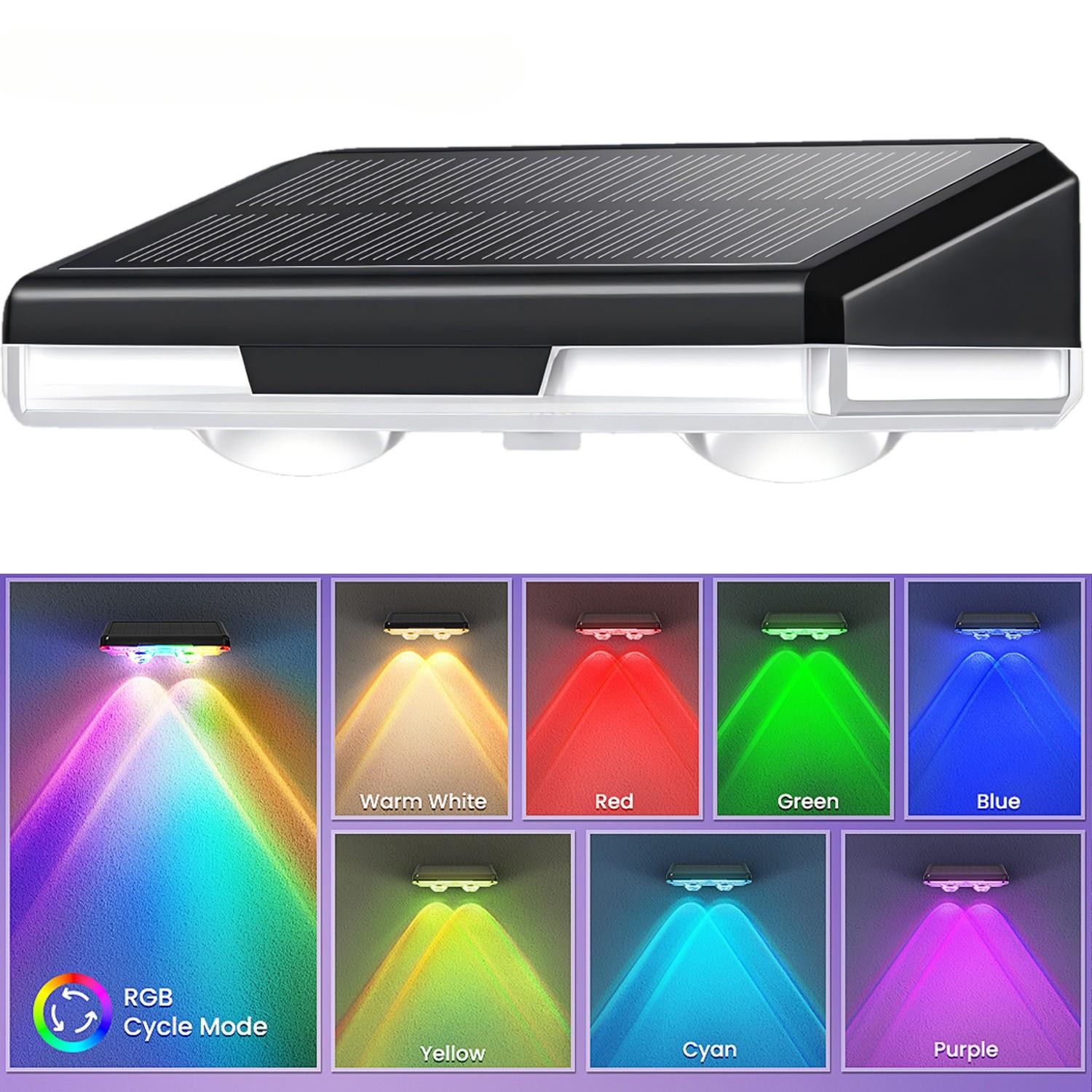 LED Solar Power Fence Lights Deck Door Wall Stair Step Outdoor Garden Decor Lamp$4.99Last checked Nov 28, 2026View on eBay
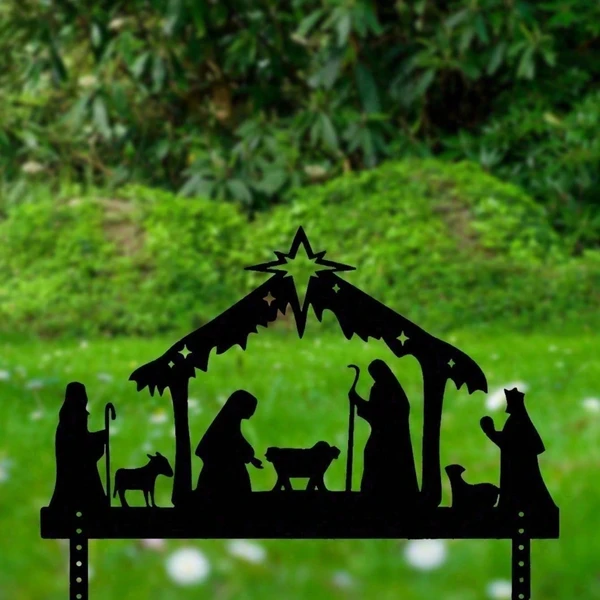 CIFbuy Waterproof Metal Nativity Projector Light Outdoor Wall Christmas Decoration Gift$20.99View on Mallflare
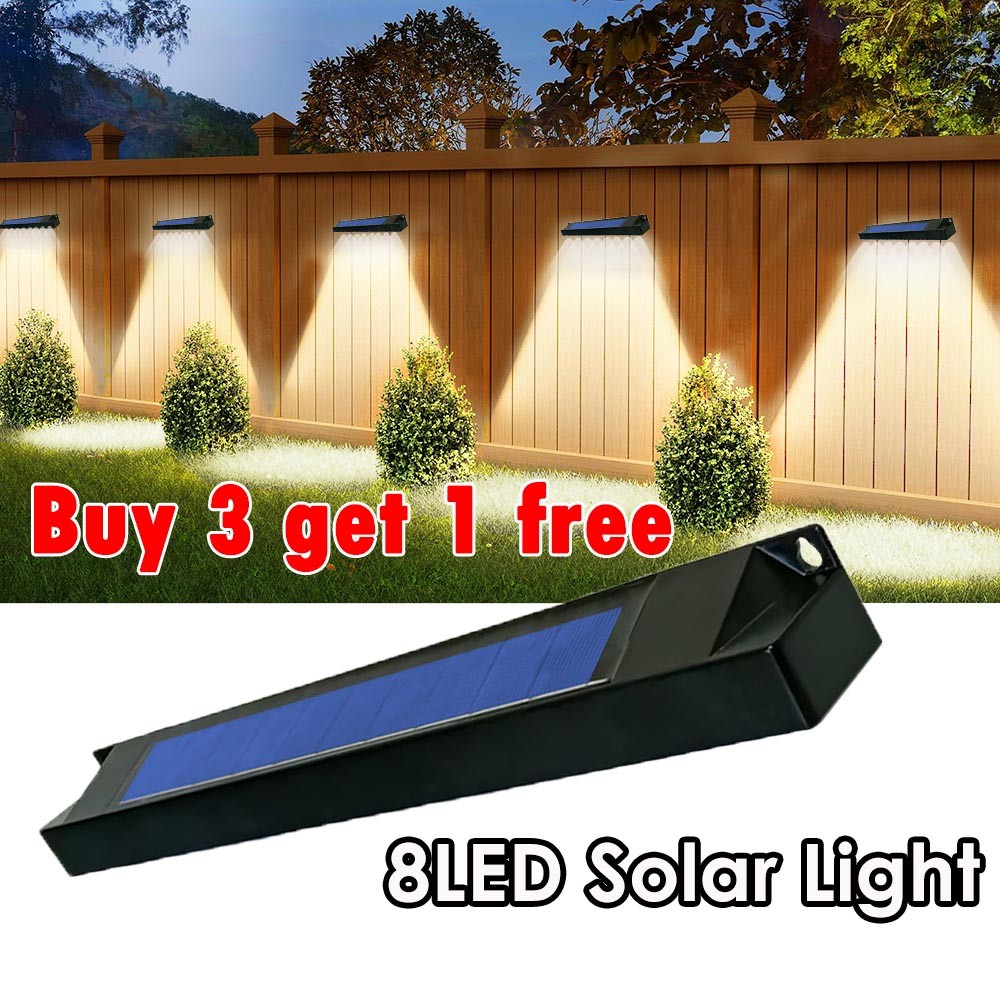 Solar Power Fence Lights 8 LED Deck Door Wall Step Outdoor Garden Decor Lamp$10.99View on eBay
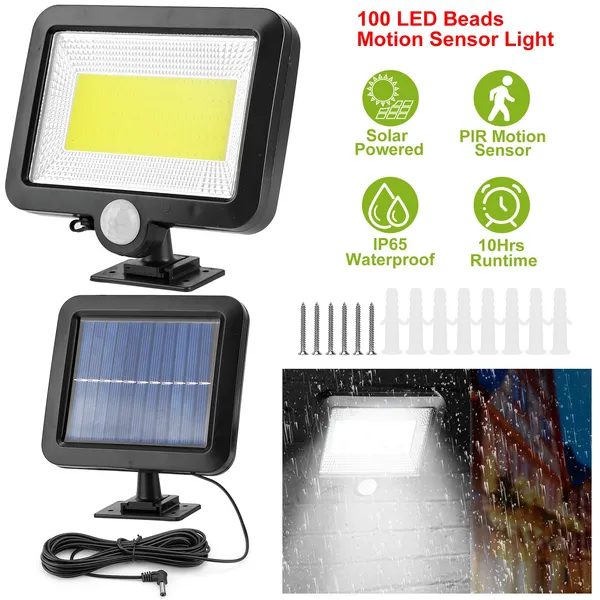 Solar Powered Wall Lights Outdoor 100 LED Beads Motion Sensor Lamp IP65 Waterproof Dusk To Dawn Light$27.99View on Mallflare
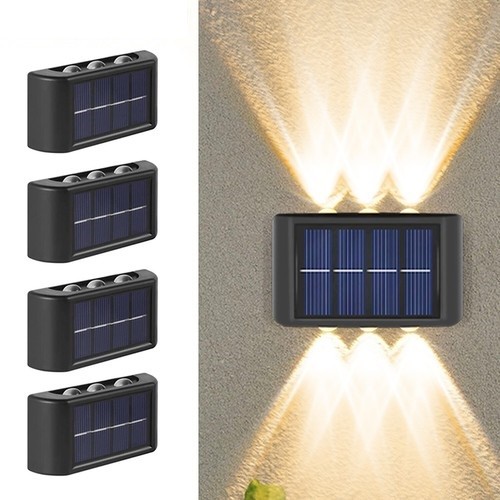 4X Solar Fence Lights Outdoor Dusk to Down LED Garden Yard Patio Wall Decor Lamp$12.59Last checked Nov 28, 2026View on eBay
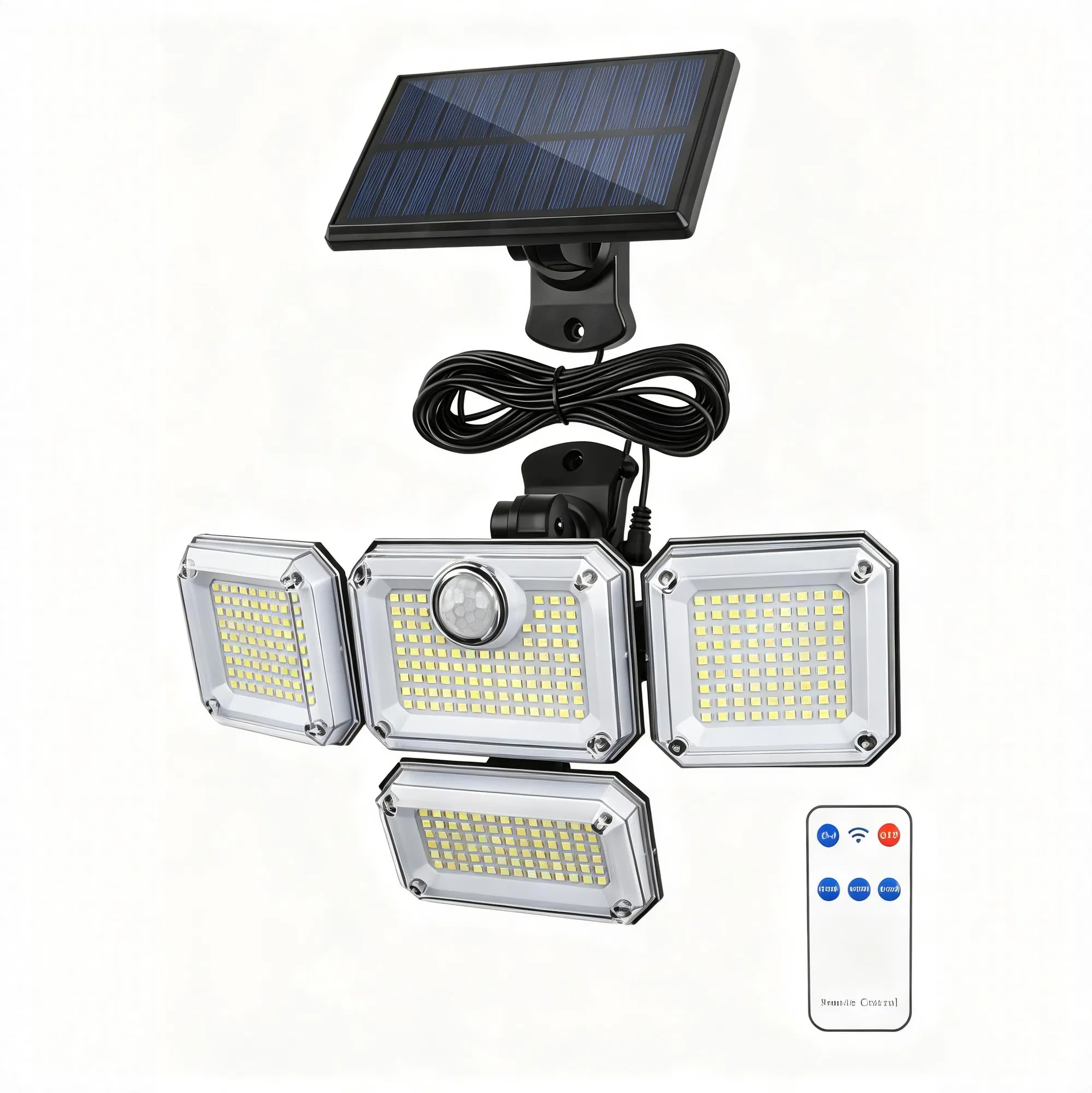 Solar Outdoor Lights with Motion Sensor, 333 LEDs Wide Angle Lights,3 Modes 270,Daylight White Remote Control Waterproof Wall Light for Garage, Yard,2026NEW$31.99View on Mallflare
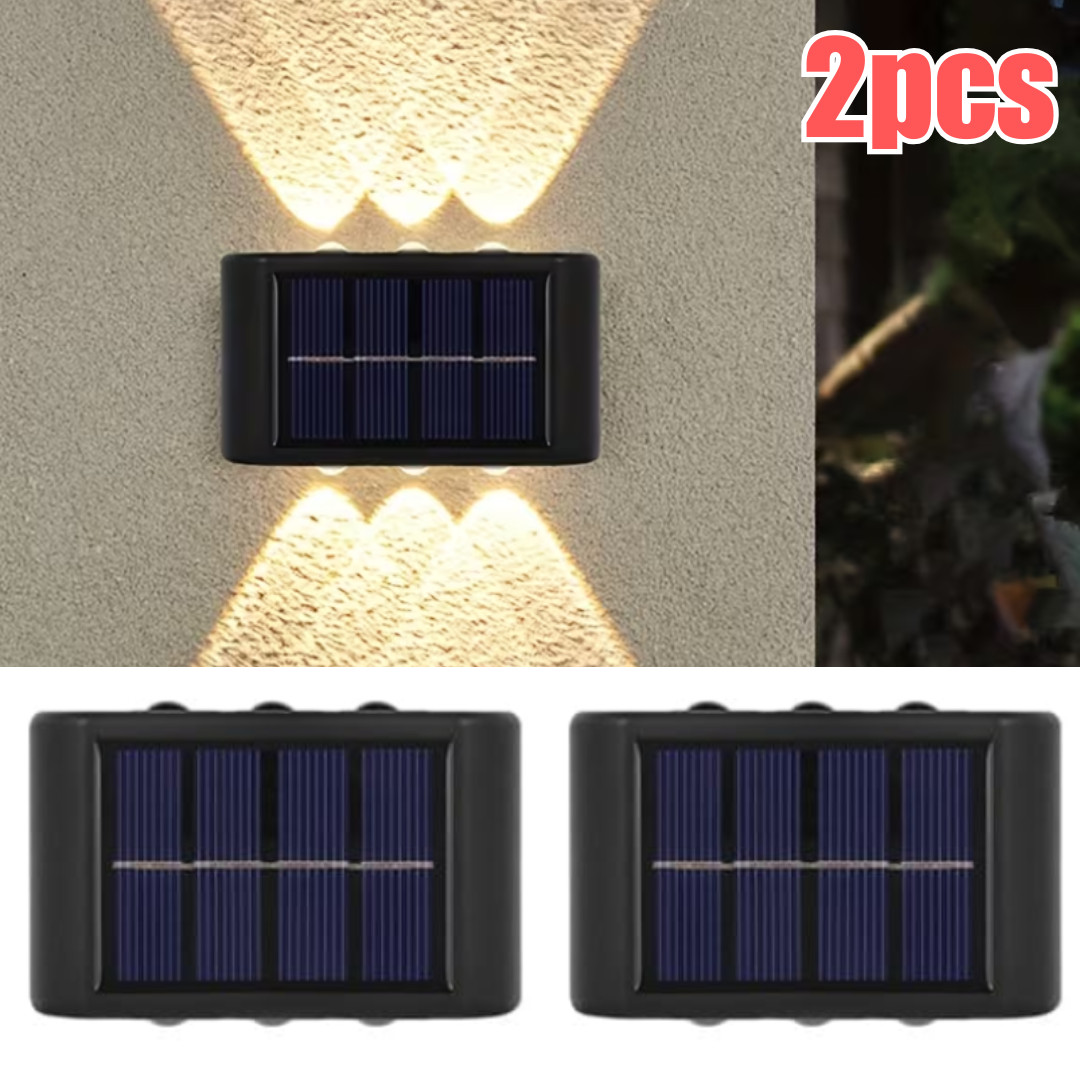 4× Solar Fence Lights Outdoor Dusk to Down LED Garden Yard Patio Wall Decor Lamp$12.59View on eBay
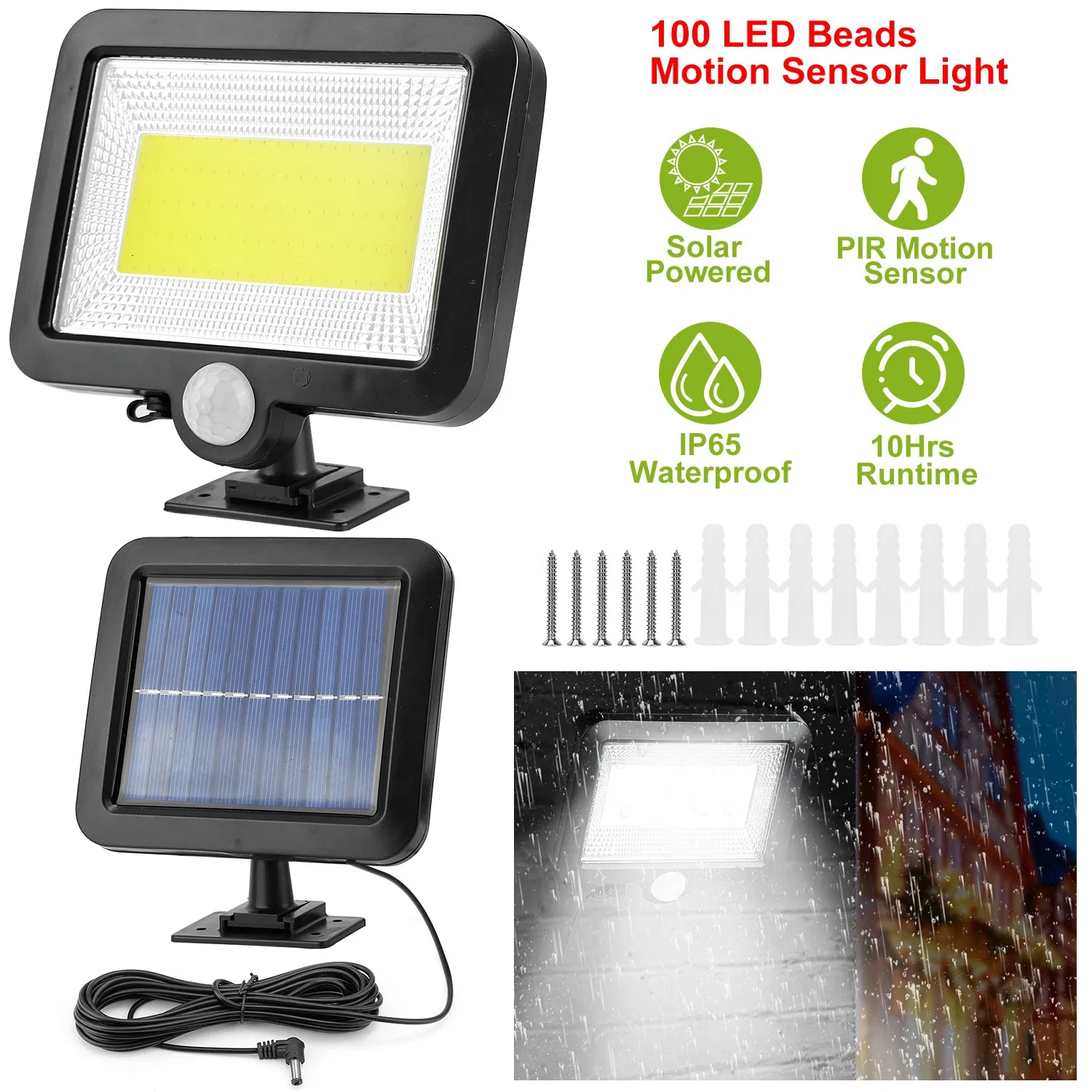 Outdoor Solar Wall Light,Motion & Light Sensor Activated,100 LED Beads,IP65 Waterproof,Rotatable Panel with 16.4ft Cable for Patio Garage Doorway$35.99View on Mallflare
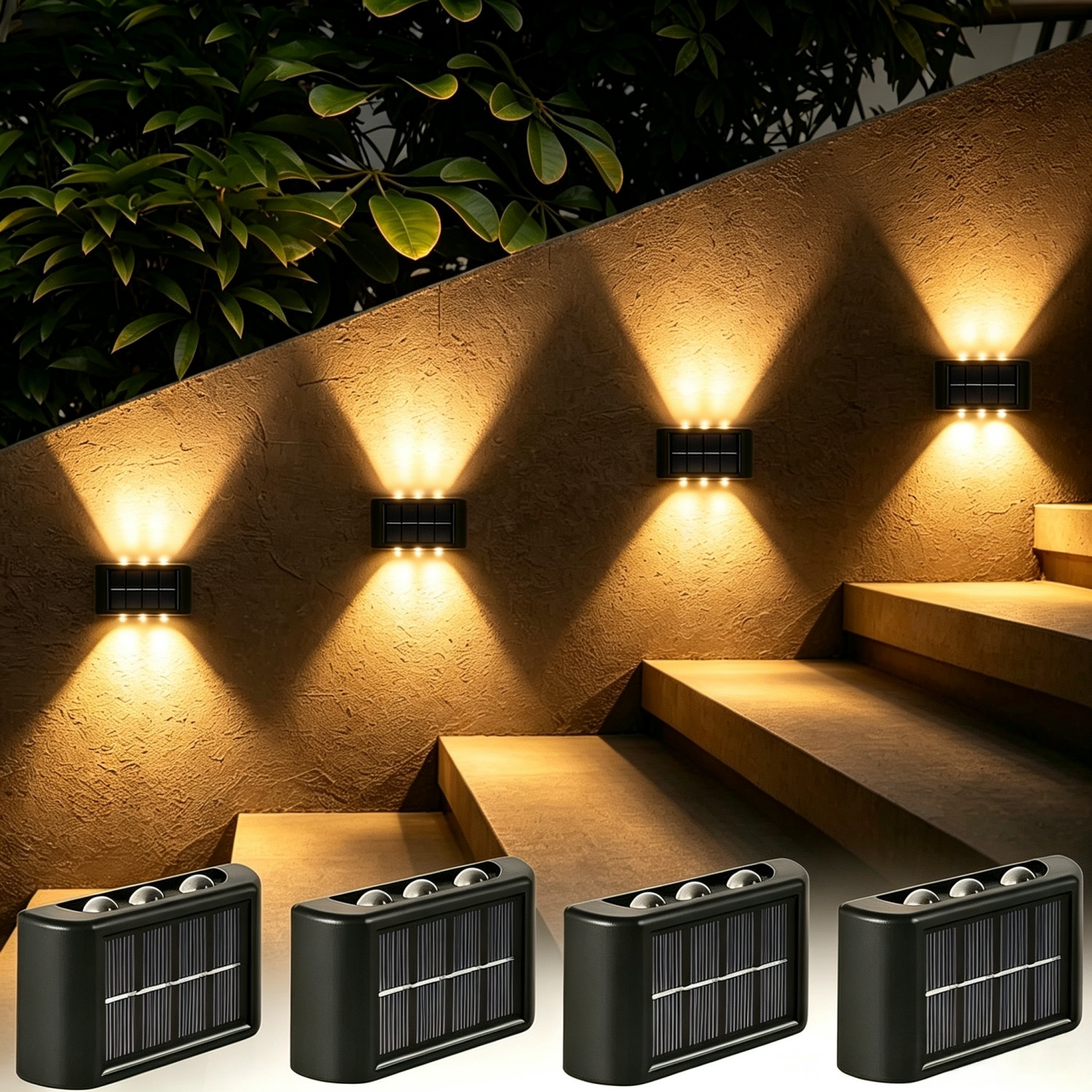 4Pack Solar Wall Lights Outdoor Garden Yard Fence Deck Front Door LED Decor Lamp$12.99Last checked Nov 28, 2026View on eBay
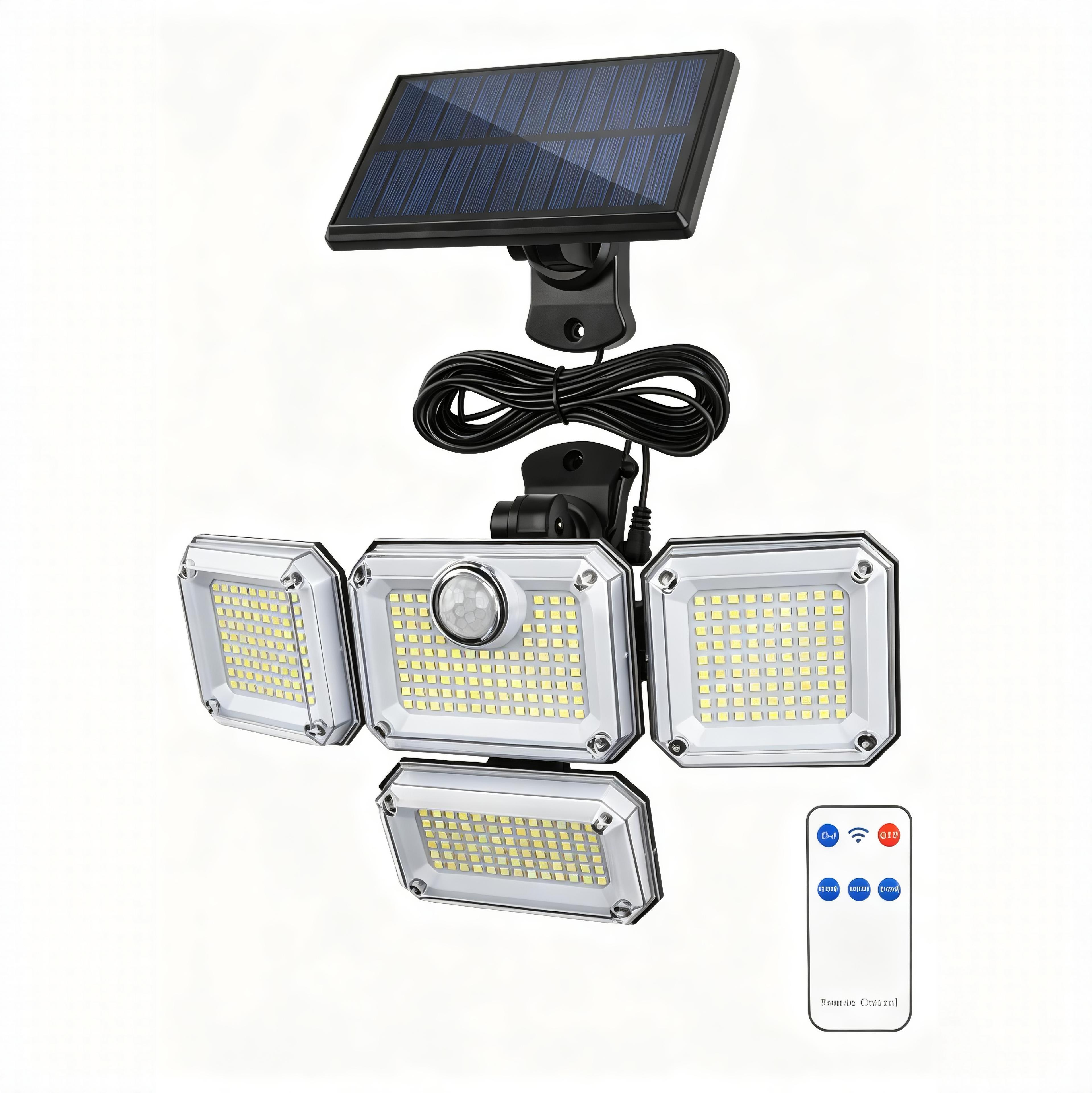 Solar Outdoor Lights with Motion Sensor, 333 LEDs Wide Angle Lights,3 Modes 270°,Daylight White Remote Control ,Waterproof Wall Light for Garage, Yard,2026NEW$45.99View on Mallflare
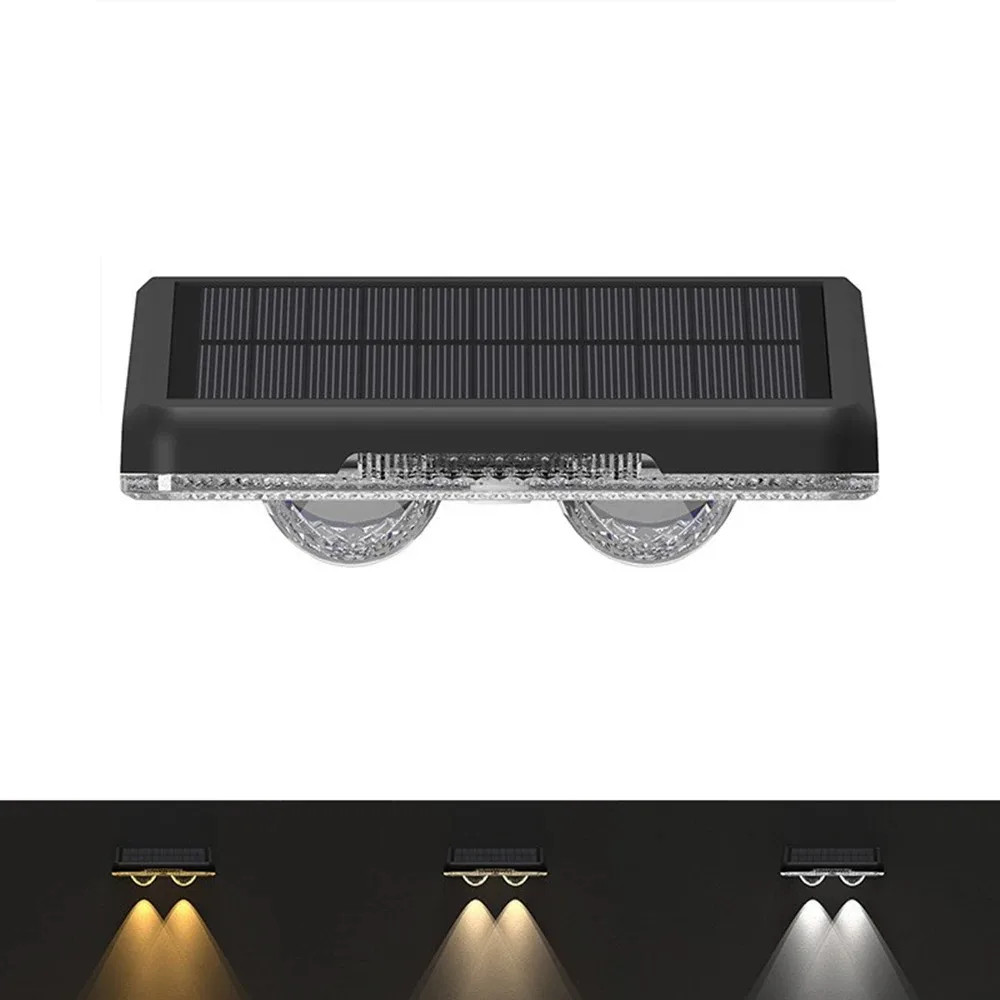 LED Solar Light Outdoor Waterproof Wall Lamp RGB 3Color Path Garden Landscape De$13.99View on eBay
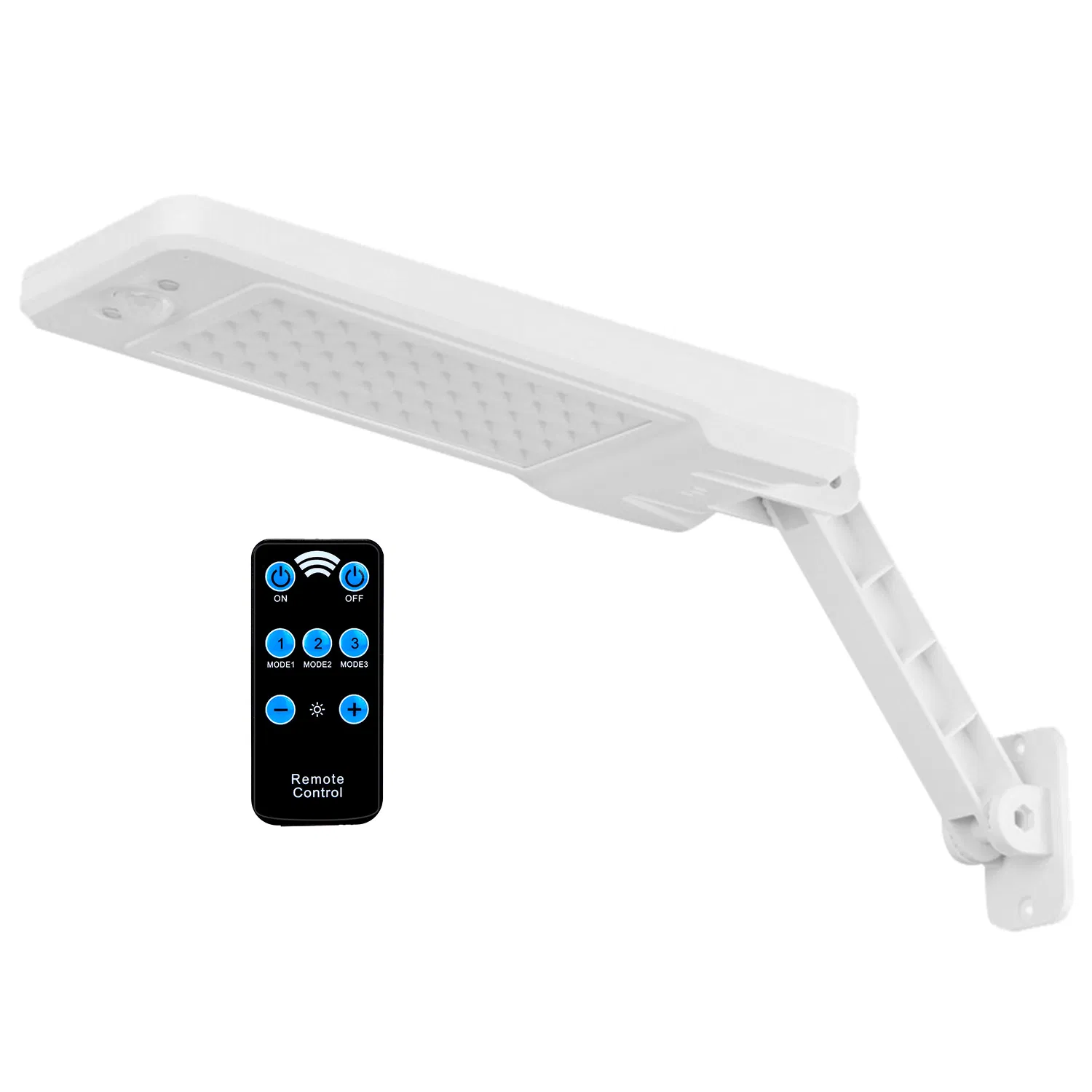 Solar Wall Light Outdoor 60LEDs PIR Motion Sensor Remote Control Wireless Lamps IP65 Waterproof Lighting for Garage Front Door Garden Pathway$46.99View on Mallflare
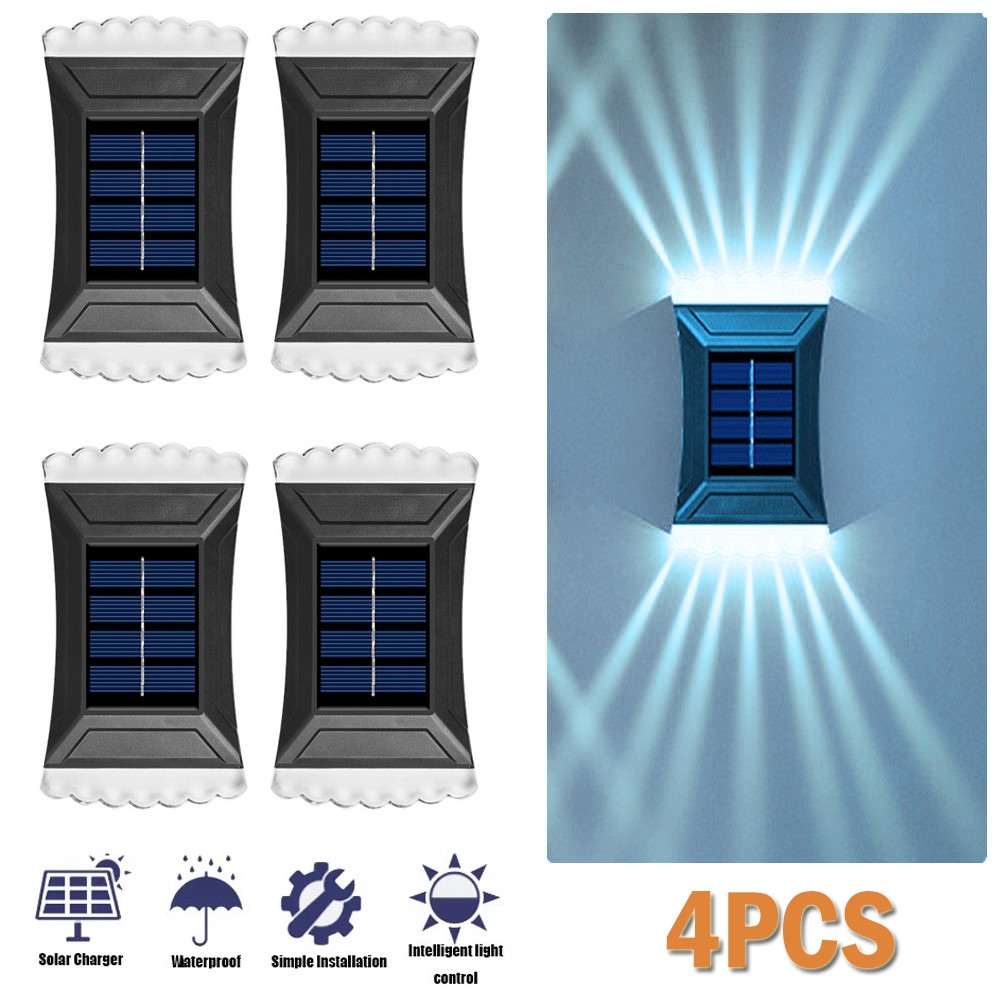 4x Solar Wall Lights Cool White Up And Down Fence Lighting Outdoor Garden Decor$15.69View on eBay
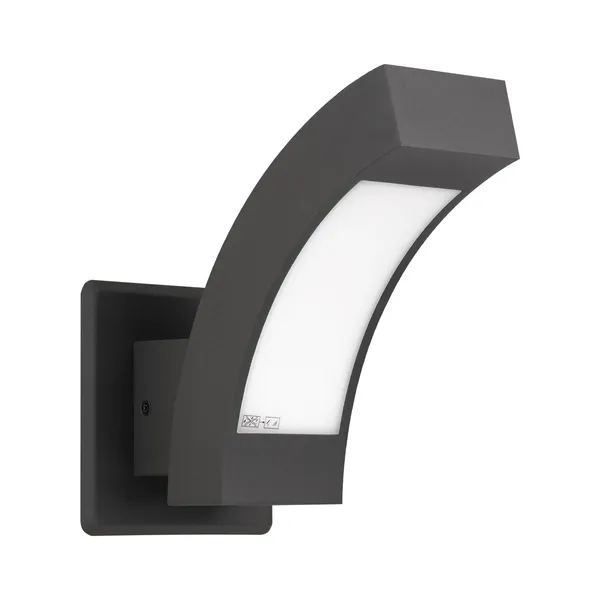 Inowel Wall Lights Outdoor Sconce Modern LED Patio Porch Aluminum Exterior Light Fixture Waterproof IP54 For Hallway House Back Yard Garage 12557$86.99View on Mallflare
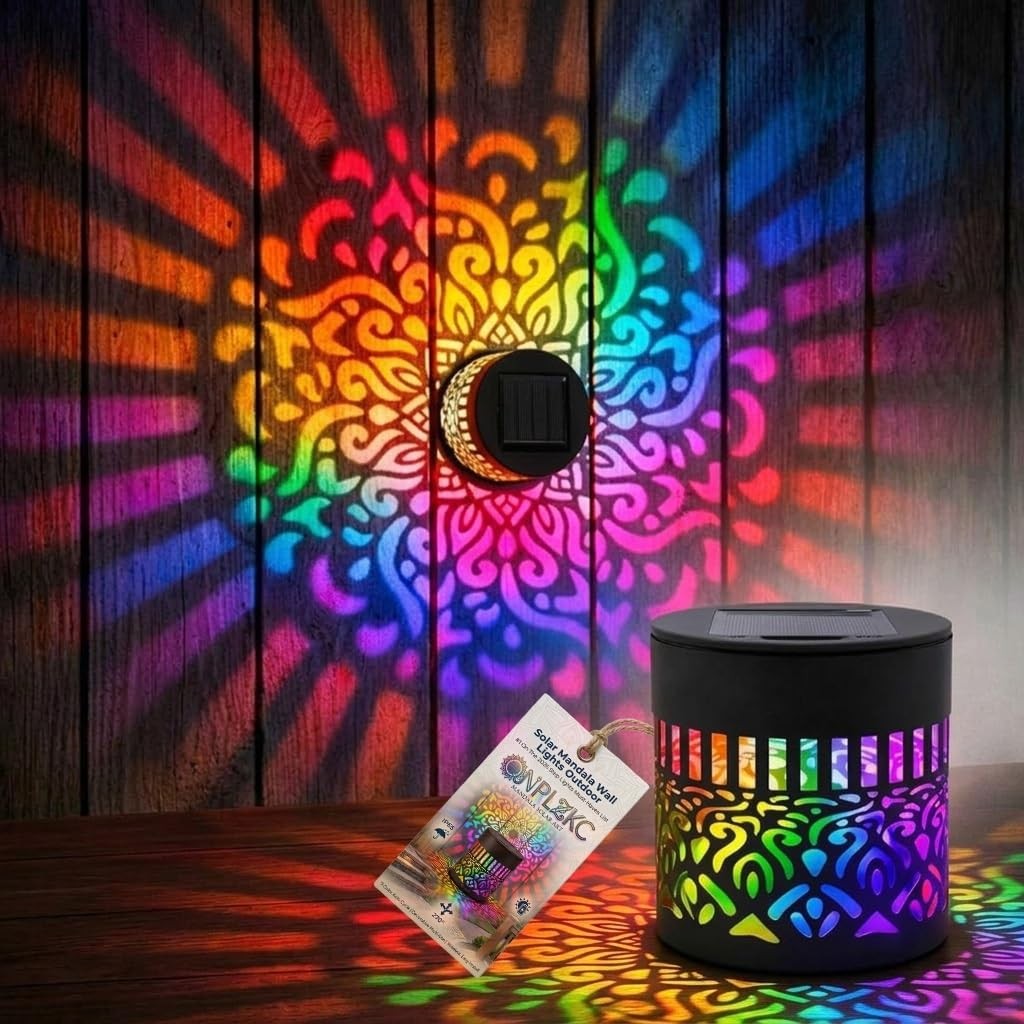 Solar Mandala Lights Outdoor Wall Projector 7 Colors Lighting Decor Waterproof$20.14View on eBay
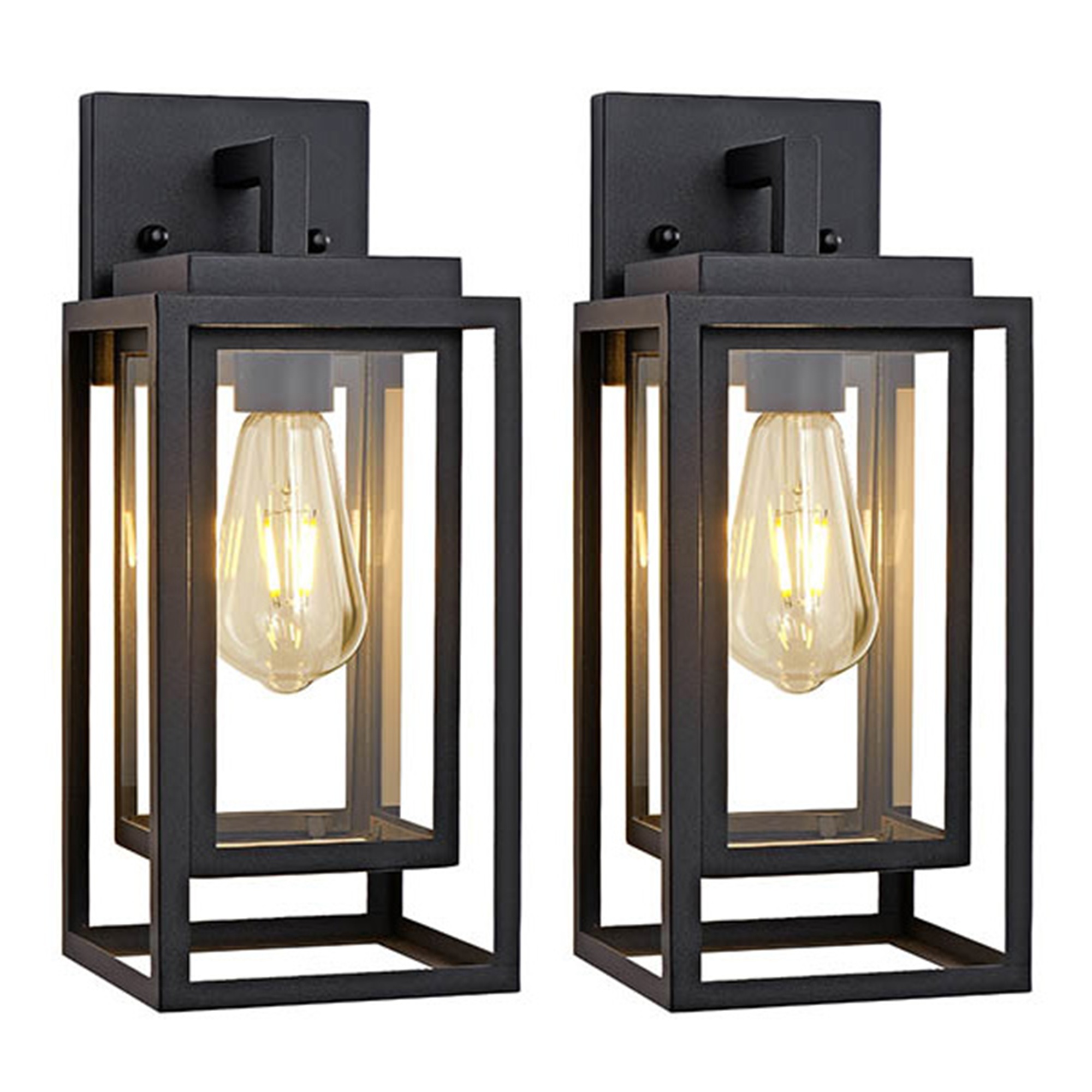 14-inch Outdoor Wall Light, Waterproof External Lantern With Sturdy Rectangular Double-layer Lampshade, Satin Black And Clear Tempered Glass, Wall-mounted, Suitable For House Patio, Front Door, Porch$97.99View on Mallflare
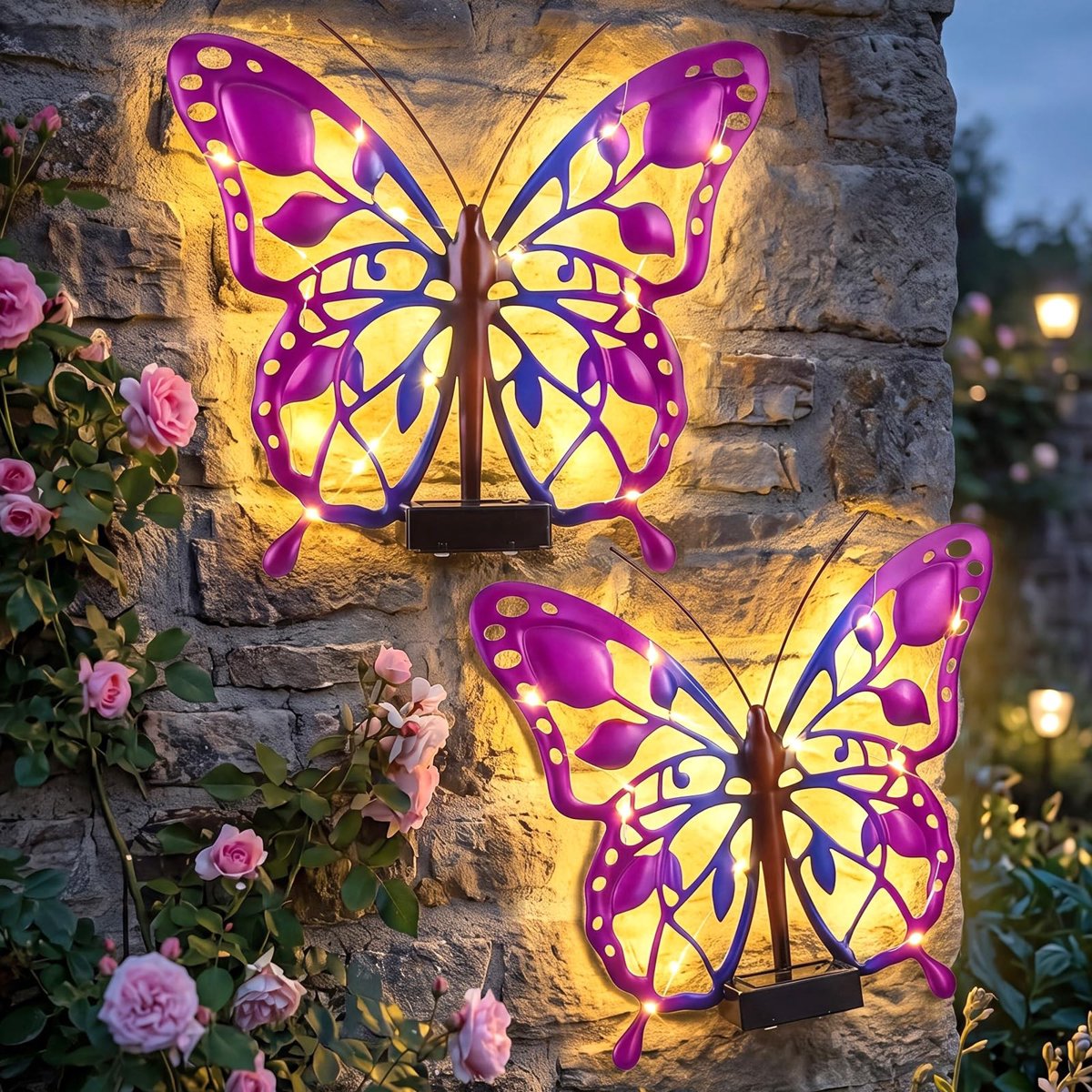 Otoolling 2 Pack Solar Butterfly Lights Outdoor Wall Decor purple and yellow$59.84View on eBay
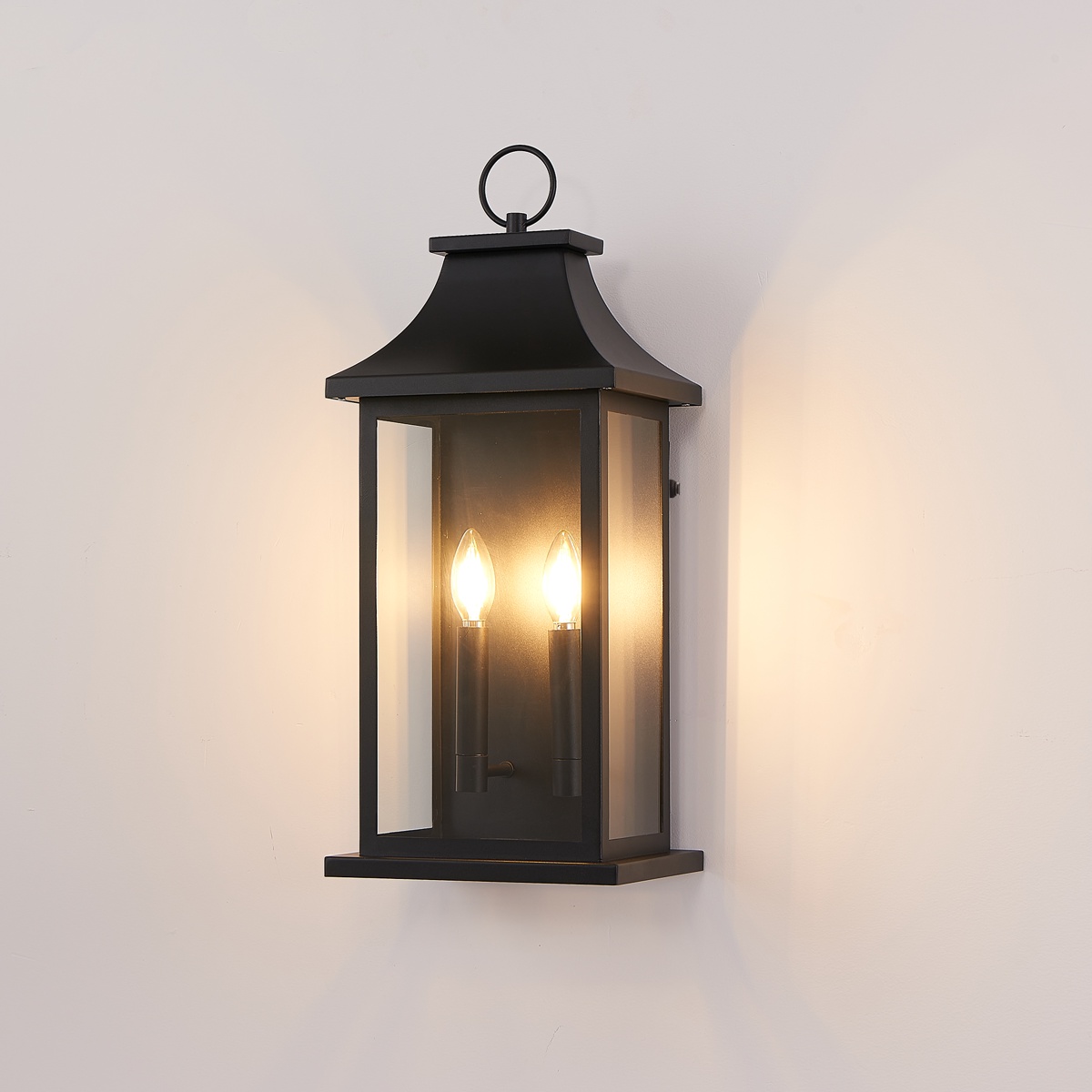 Dusk to Dawn Outdoor Wall Lantern 2-Light, 22.2" Large Outside Sconce, Modern Black Light Fixture with Glass, Waterproof Exterior Lamp for House, Porch, Garage$101.99View on Mallflare
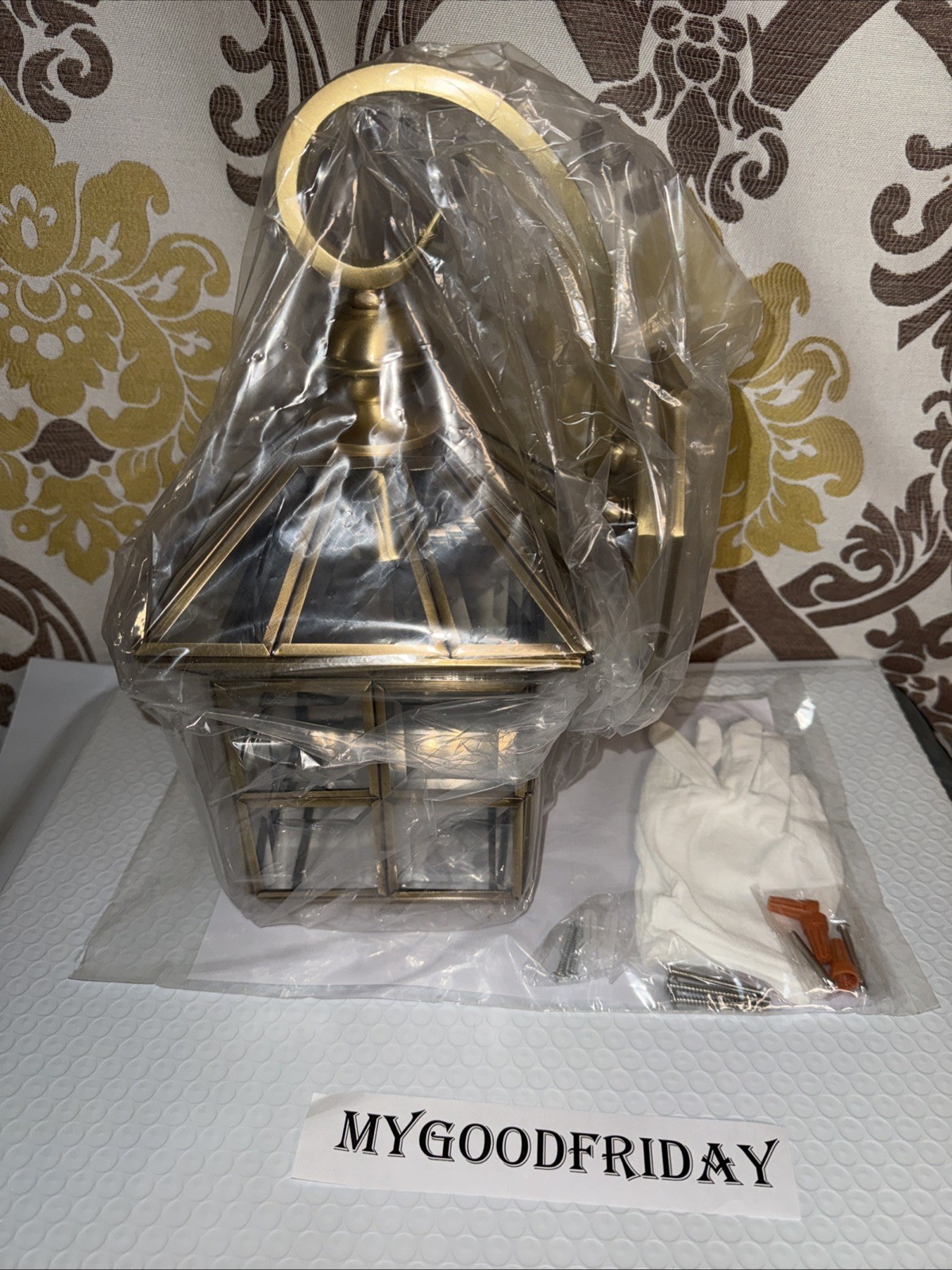 Copper Brass Outdoor Wall Lights,13.4" Exterior Lantern Light Fixture $200$59.99View on eBay
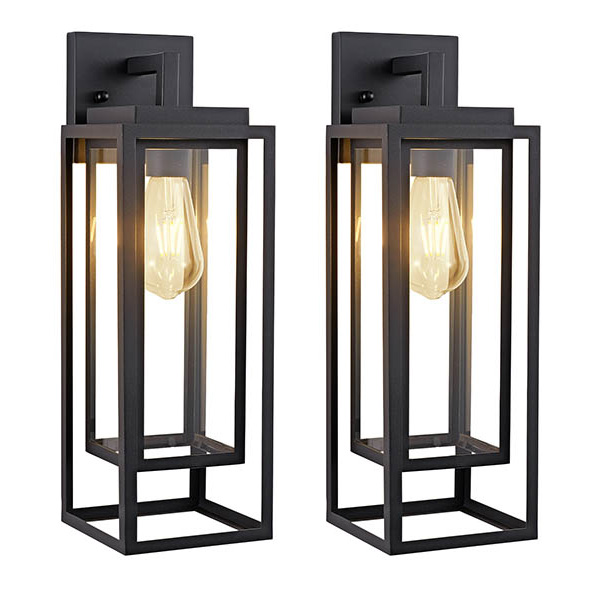 18-inch Outdoor Wall Light, Waterproof External Lantern With Sturdy Rectangular Double-layer Lampshade, Satin Black And Clear Tempered Glass, Wall-mounted, Suitable For House Patio, Front Door, Porch$120.99View on Mallflare
Highlights
- Hardwired fixtures use E26/Medium base sockets or integrated LED modules at 120V AC; solar units use 3.7V Li-ion batteries with 5.5V-6V panels and 60-100 LED bead arrays.
- Weather sealing is the durability equalizer: hardwired lanterns need wet-location rating and gasketed glass; solar units need IP65 minimum to survive rain and hose spray.
- Photocell (dusk-to-dawn) and PIR motion sensing are separate circuits; combined units draw standby power continuously, so battery capacity and panel wattage determine winter runtime.
- Metal is the structural grade that matters: die-cast aluminum or solid brass resists corrosion for decades; powder-coated steel and plastic housings chalk, fade, and crack within a few seasons.
Best use cases
- Primary entry, garage, and patio egress lighting: pick a hardwired die-cast aluminum or brass lantern with wet-location rating and E26 socket or integrated LED — skip solar units, which dim after cloudy days and cannot guarantee egress illumination.
- Fence lines, garden walls, and remote sheds without nearby power: pick IP65 solar units with separable panels on 16.4 ft extension cables so the panel faces sun while the lamp lights shade — skip all-in-one solar heads that panel-shade themselves.
- Holiday and decorative color accents: pick multicolor or up/down solar decor packs (2-12 LED counts) for temporary seasonal coverage — skip premium brass fixtures for temporary decor that gets stored most of the year.
- Security motion lighting on driveways and side yards: pick 100-LED PIR solar units with remote control and adjustable sensitivity — skip low-bead-count decor lamps, whose 2-12 LEDs are insufficient for security glare.
Buying tips
- Match fixture backplate to your junction box: standard 4-inch round/octagon boxes accept most sconces; larger lanterns often need a 5-inch+ backplate or a crossbar adapter.
- For hardwired fixtures, confirm the circuit: a 15A lighting circuit supports many fixtures, but each fixture's max wattage rating (often 60W-100W per socket) caps bulb choice — never exceed it with higher-output LEDs or incandescents.
- Solar runtime math: a 3.7V 1200-2000mAh battery powers 60-100 LEDs for roughly one night; units with 16.4 ft panel cables and 6V panels recharge faster and sustain output through overcast stretches.
- Specify finish by climate: coastal and humid zones need brass, copper, or marine-grade powder coat; inland dry climates tolerate standard powder-coated aluminum, but avoid painted plastic in any freeze-thaw region.
Specs
| Power Source | Hardwired 120V AC vs Solar 3.7V |
|---|---|
| Weather Rating | IP65+ wet-location required |
| Housing Material | Brass / die-cast aluminum / steel |
| Control Type | Photocell, PIR motion, or switch |
Related searches
What to check before buying
- Measure the mounting surface and nearby obstructions — wall light projection (often 7-13 inches) must clear doors, shutters, and downspouts without blocking the walkway.
- Verify power source at the mount: a hardwired fixture needs an existing junction box and switch leg; solar fixtures need 6+ hours of direct panel sun or a 16.4 ft cable run to a sunny spot.
- Confirm electrical standard for hardwired units: 120V/60Hz North American wiring and E26 sockets; import fixtures may use ES/E27 or 220-240V and are not directly compatible.
- Check IP rating and location: IP65 minimum for exposed walls and coastal rain; IP44 covers sheltered porches only. Hardwired fixtures must carry a wet-location listing for uncovered installs.
FAQ
Data sources: eBay / Amazon listings and product attribute feeds. Updated Nov 29, 2026.
Some links on this page are affiliate links. If you buy after clicking one, we may earn a commission at no extra cost to you. This does not change which products appear here or their order. Affiliate disclosure.