
Photos from current listings. Actual item, color, and included accessories may vary.
Solar Outdoor Light Buying Guide
Solar outdoor lights convert sunlight into stored DC power and switch on automatically at dusk; the core trade-off is between decorative low-lumen fixtures and functional IP-rated lighting. Durable options use monocrystalline panels, lithium iron phosphate (LiFePO4) or high-cycle Li-ion cells, and metal or UV-stabilized ABS housings; compromises use amorphous panels, small 600–1200 mAh cells, and brittle plastic that cracks within one season.
Median $20.06
Key takeaways
- Panel type dictates recharge speed: monocrystalline cells convert 18–22% vs 6–10% for amorphous, so a 5–6W mono panel recharges a 2000 mAh cell in ~5 peak sun hours.
- IP rating governs survival: IP65 handles rain jets and dust; IP44 only splashes. Choose IP65+ for path and wall lights, IP44 acceptable for covered porch decor.
- Battery chemistry sets lifespan: LiFePO4 delivers 2000+ cycles and works to -20°C, while standard Li-ion (18650) manages ~500 cycles; both beat old NiMH (200–300 cycles).
At a glance
- Category
- Outdoor Lighting & Decor
- Last updated
- Nov 29, 2026
Current offers
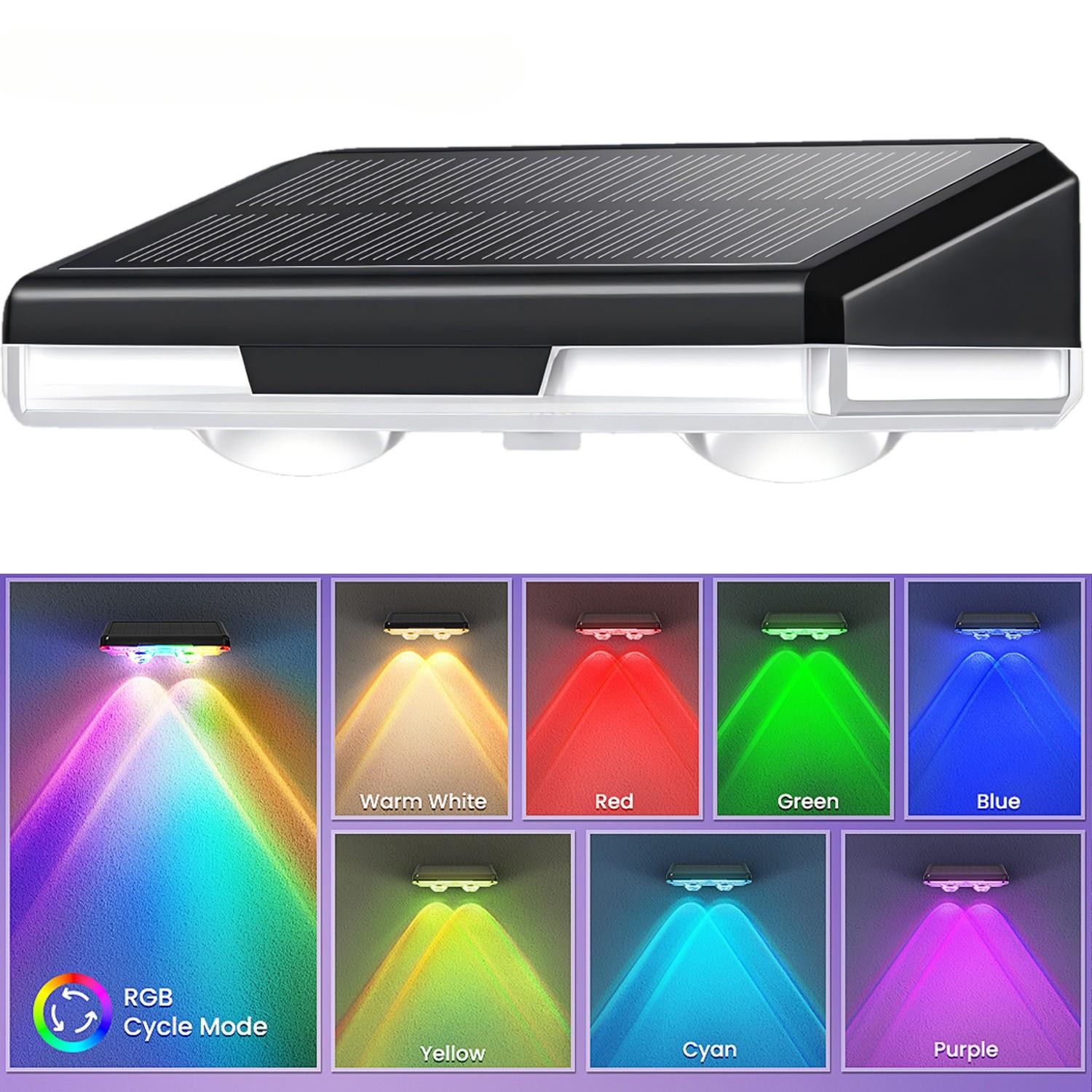 LED Solar Power Fence Lights Deck Door Wall Stair Step Outdoor Garden Decor Lamp$4.99Last checked Nov 28, 2026View on eBay
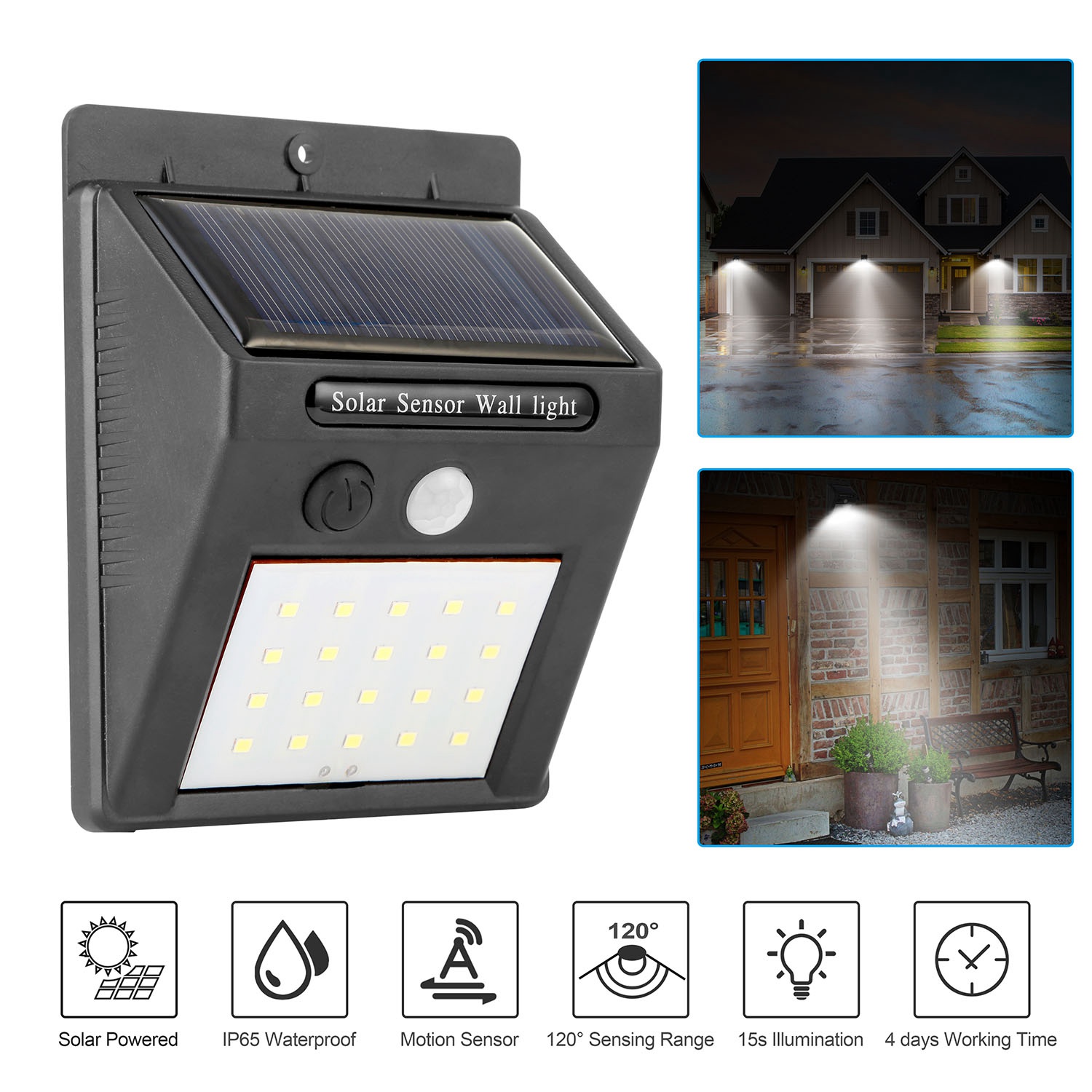 1Pc Solar Light 20 LEDs Outdoor PIR Motion Sensor Lights IP65 Waterproof 120 Degree Sensing Wide Angle Lighting For Garage Front Door Garden Pathway$20.99View on Mallflare
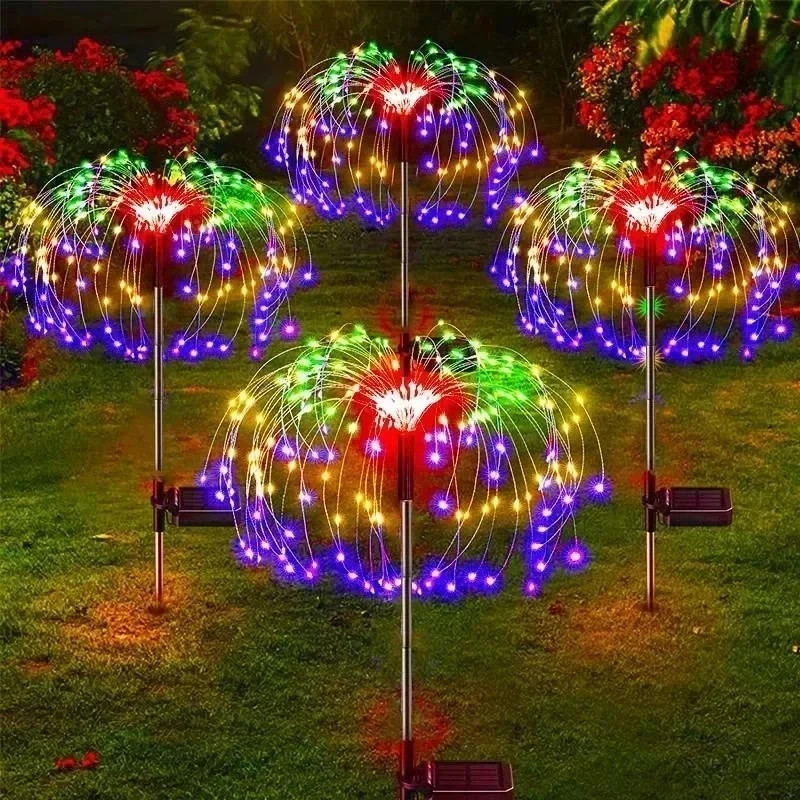 Outdoor LED Solar Firework Lights Garden Decoration Fairy Lights Waterproof Dand$5.45View on eBay
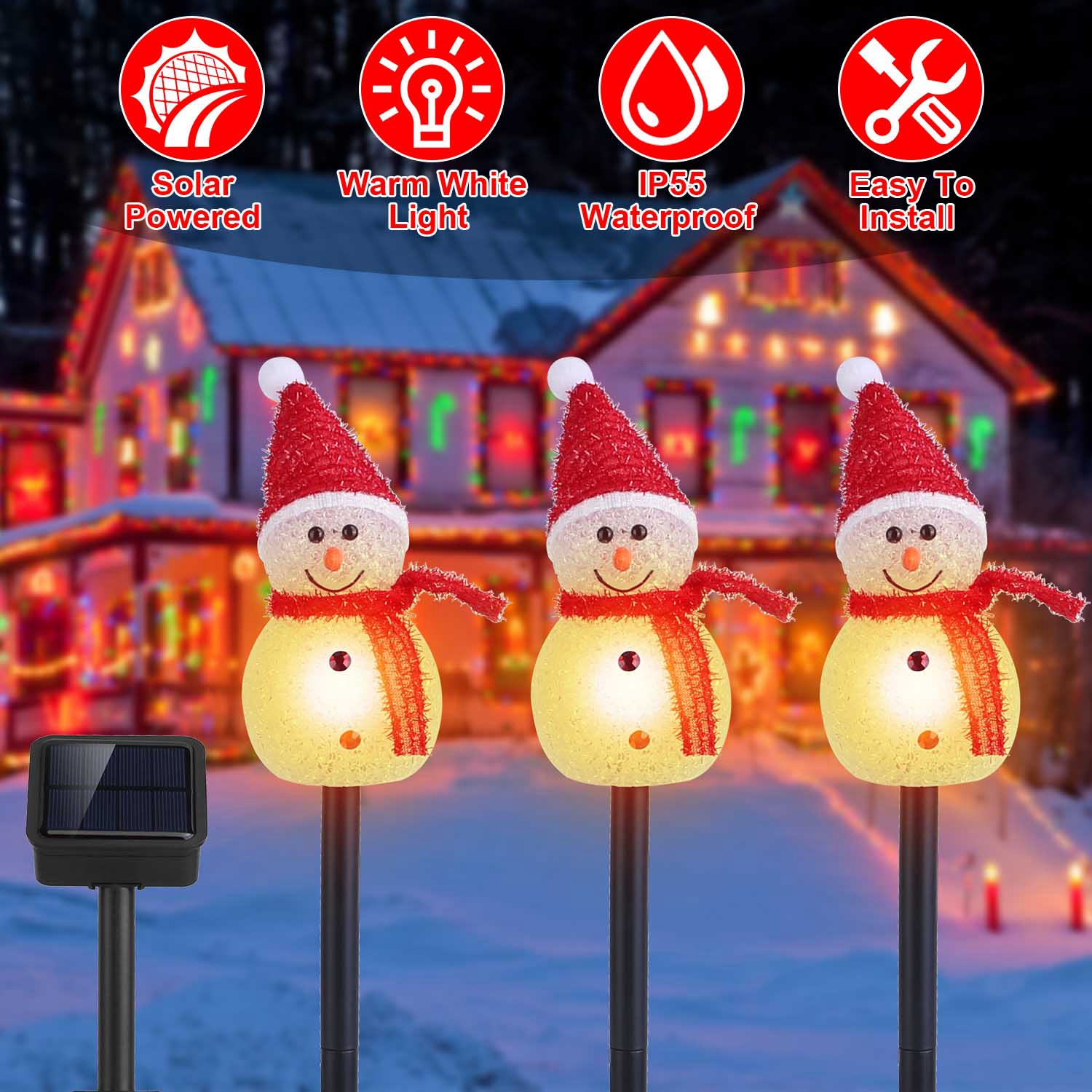 1Pc Solar Powered Lamp 3 Snowmen Outdoor Decorative Christmas Garden Stake Light IP55 Waterproof Santa Landscape Warm White LED Lighting Pathway Yard Patio$21.99View on Mallflare
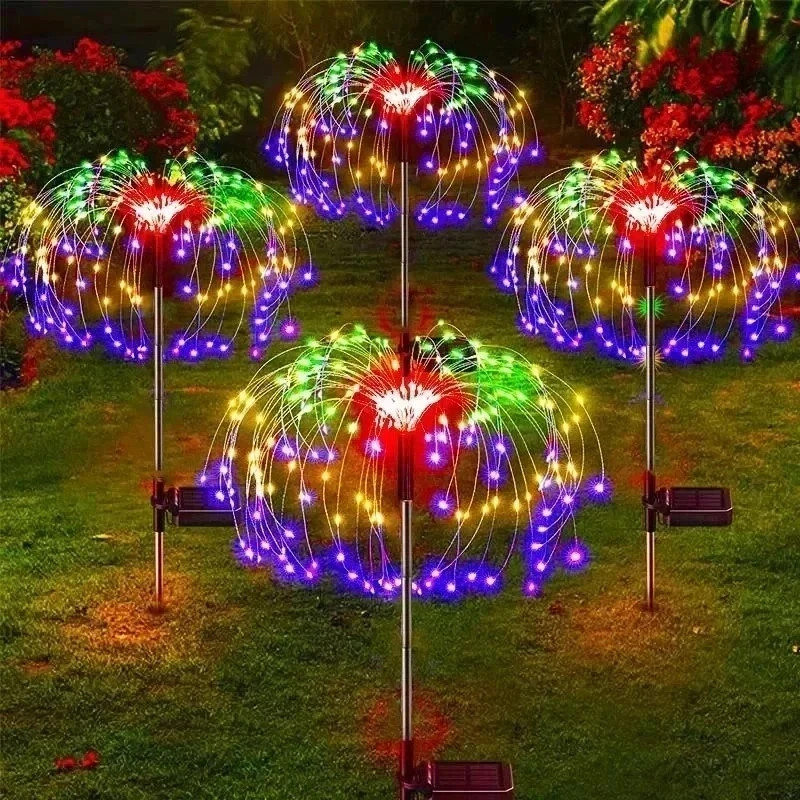 Outdoor LED Solar Firework Lights Garden Decoration Fairy Lights Waterproof Dand$5.99View on eBay
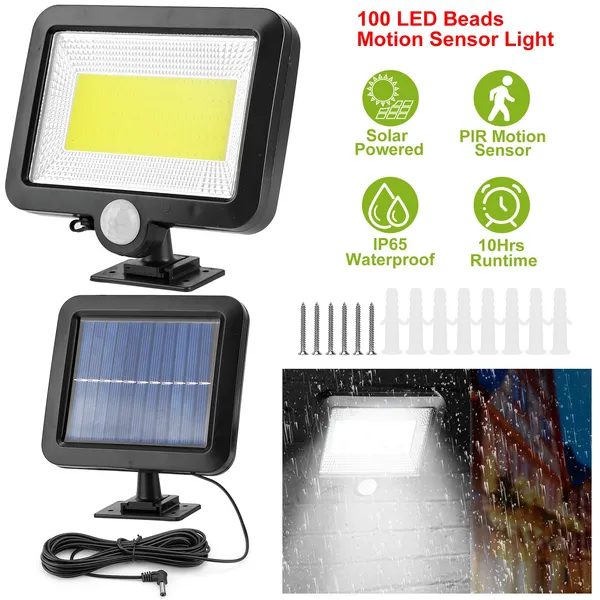 Solar Powered Wall Lights Outdoor 100 LED Beads Motion Sensor Lamp IP65 Waterproof Dusk To Dawn Light$27.99View on Mallflare
 Solar Lights Outdoor Garden Decor, 1 and 6 head Sunflower Lights,Solar Flowers$8.05View on eBay
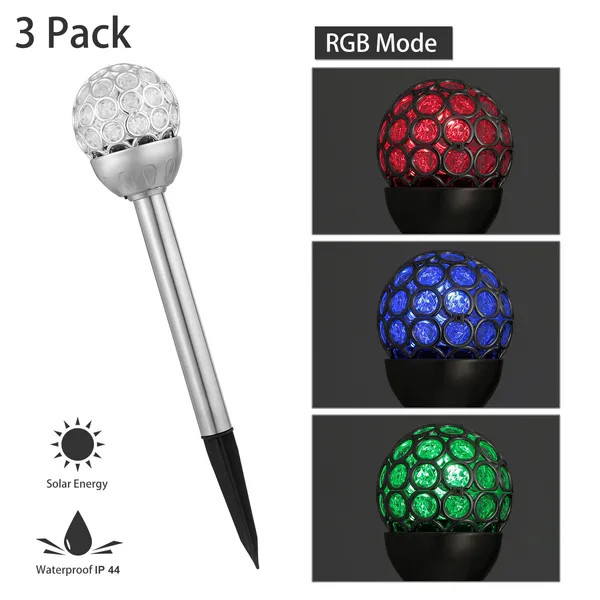 Solarek 3 Pcs Outdoor Solar Lights IP44 Waterproof Ball RGB Light Garden Decor Lamp Landscape Christmas$29.99View on Mallflare
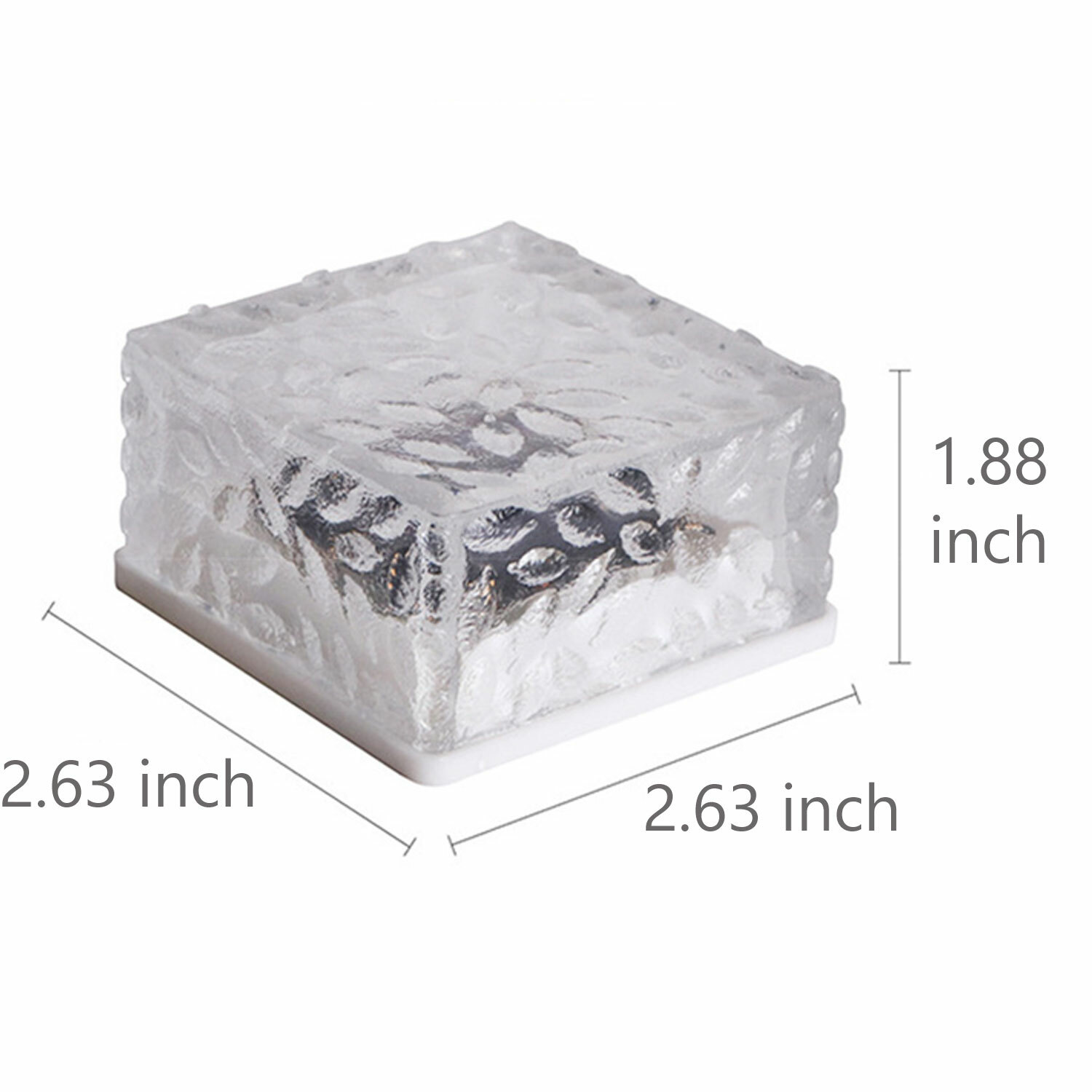 Solar Ice Cube Shaped Lights Outdoor Decorative Yard Waterproof Garden Decor$8.99View on eBay
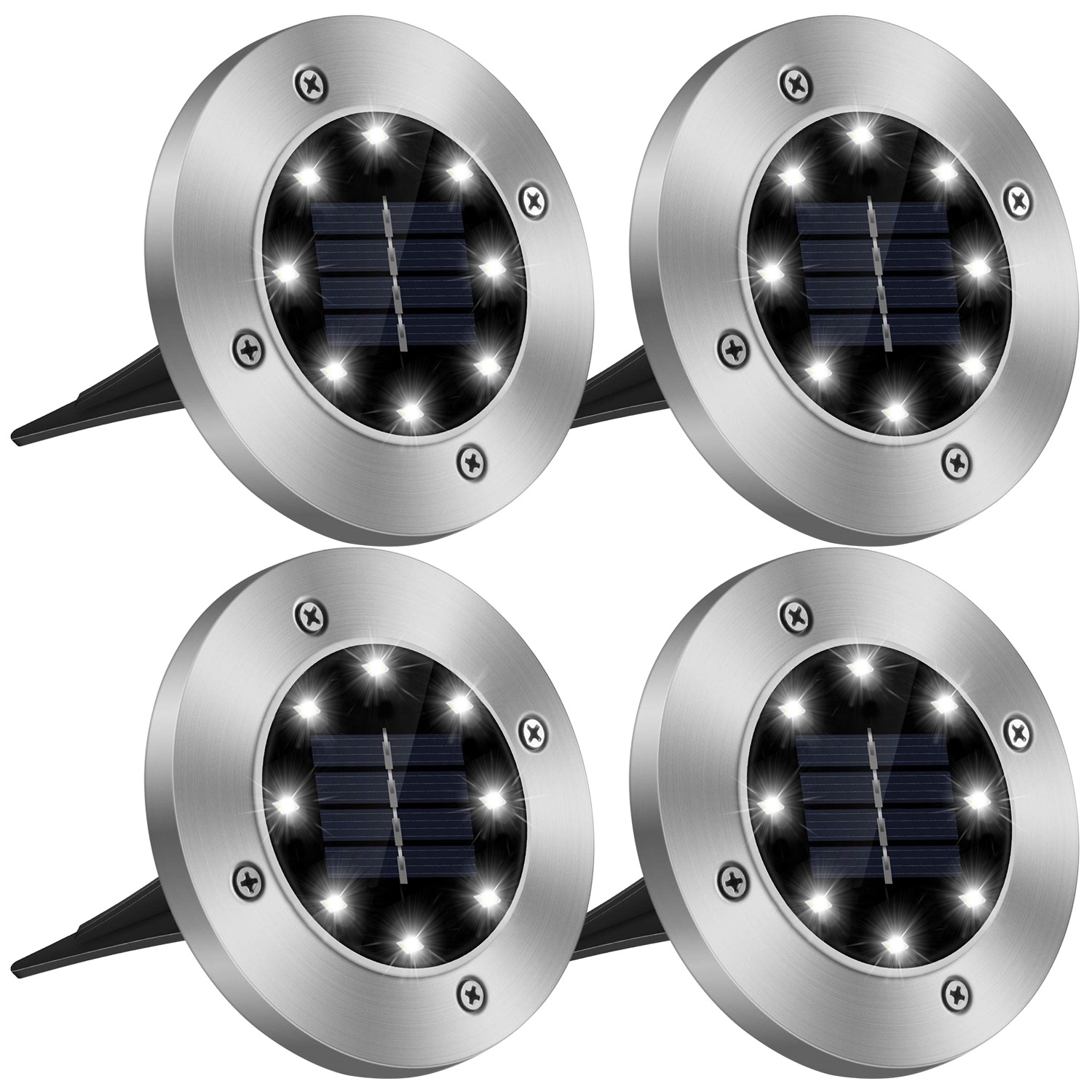 4Pcs Solar Powered Ground Light For Outdoor Garden Decoration IP65 Waterproof Buried In-Ground Lamp Decorative Path Deck Lawn Patio$30.99View on Mallflare
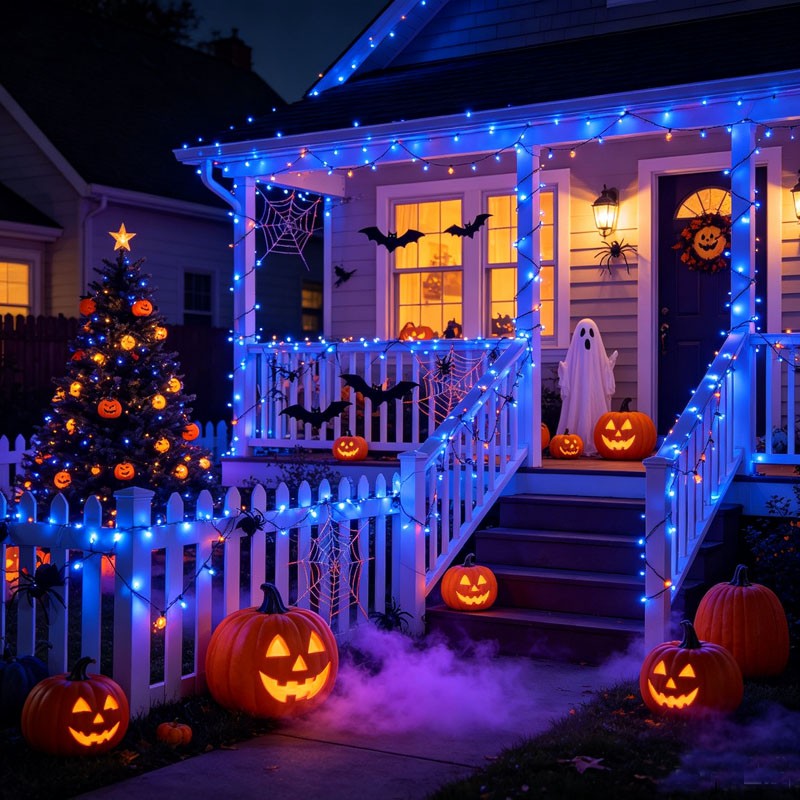 Solar Halloween String Lights Outdoor Waterproof Fairy Yard Decorations Lights$9.88View on eBay
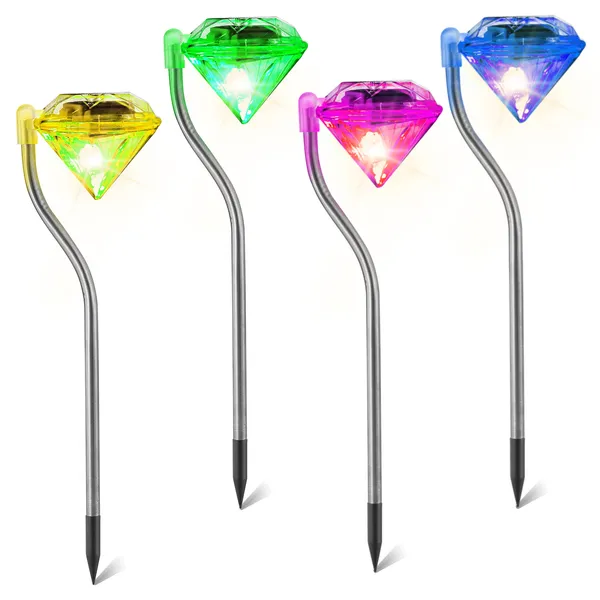 4Pcs Solar Garden Light Outdoor Diamond LED IP65 Waterproof Stake Decorative Lamp$31.99View on Mallflare
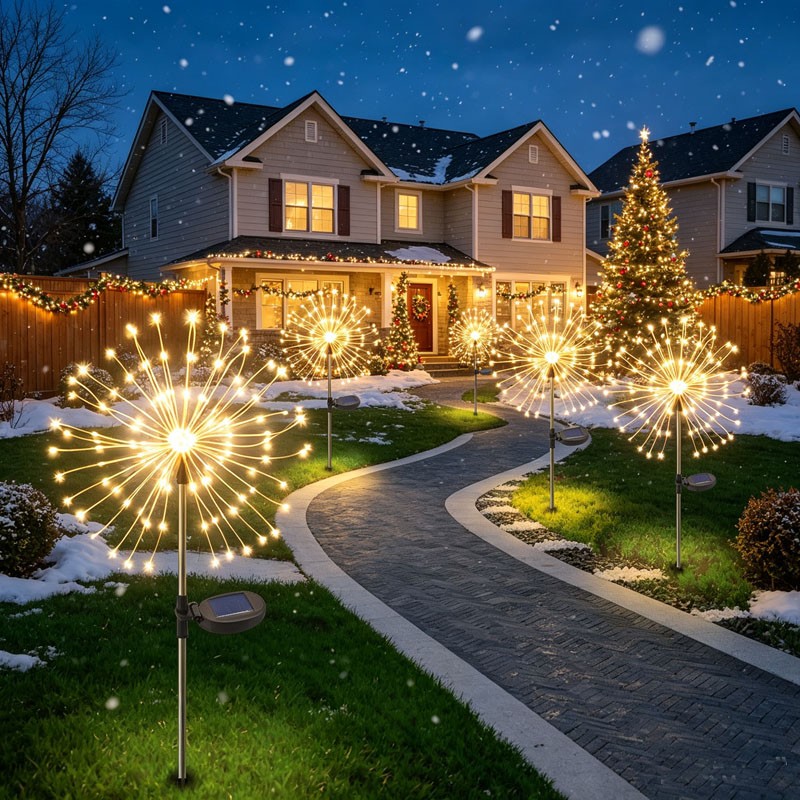 1PC 150 LED Solar Firework Lights Outdoor Garden Decor Waterproof Path Lawn Lamp$10.69View on eBay
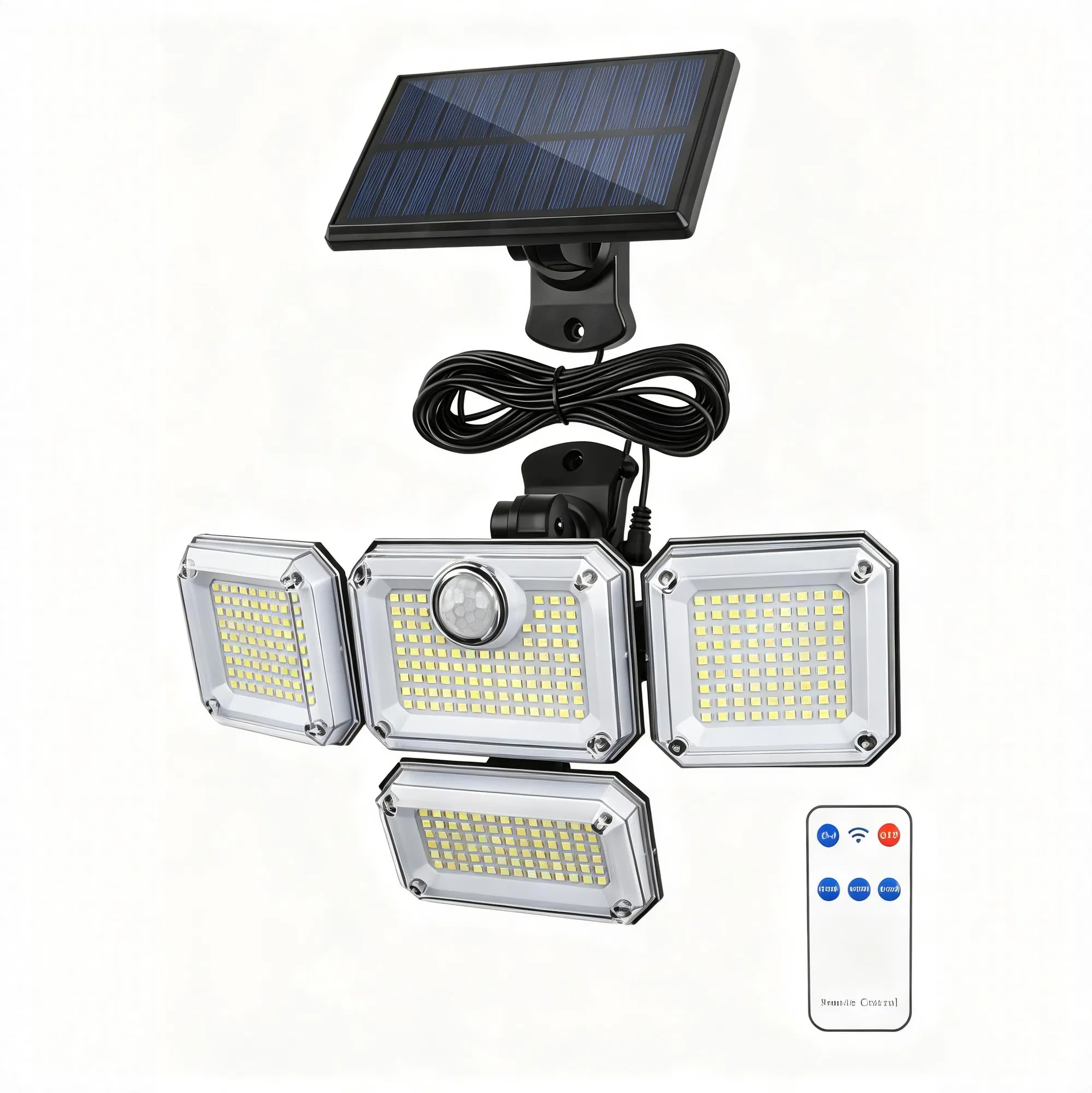 Solar Outdoor Lights with Motion Sensor, 333 LEDs Wide Angle Lights,3 Modes 270,Daylight White Remote Control Waterproof Wall Light for Garage, Yard,2026NEW$31.99View on Mallflare
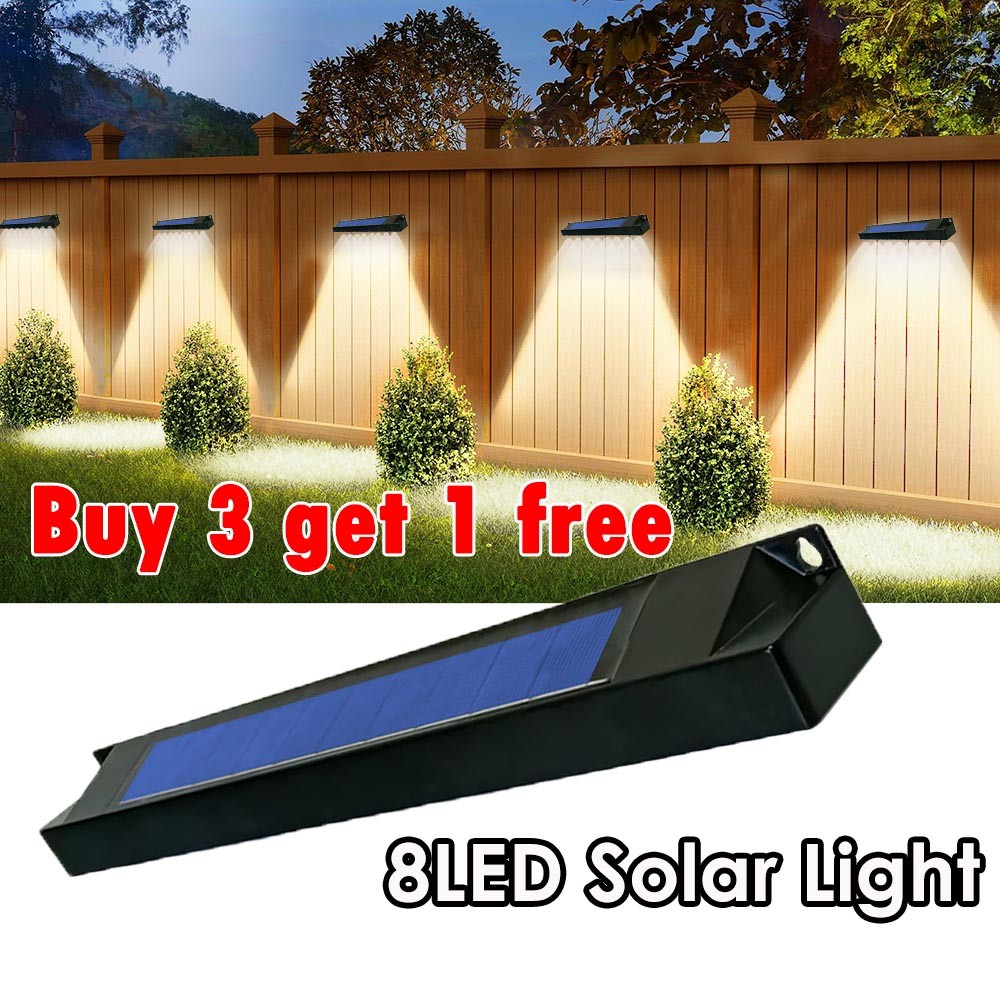 Solar Power Fence Lights 8 LED Deck Door Wall Step Outdoor Garden Decor Lamp$10.99View on eBay
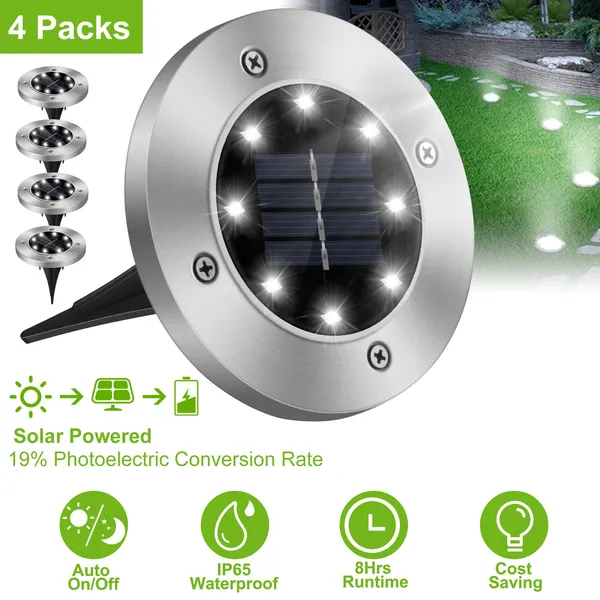 4Pcs Solar Powered Ground Light Outdoor IP65 Waterproof Buried In-Ground Lamp Decorative Path Deck Lawn Patio$32.99View on Mallflare
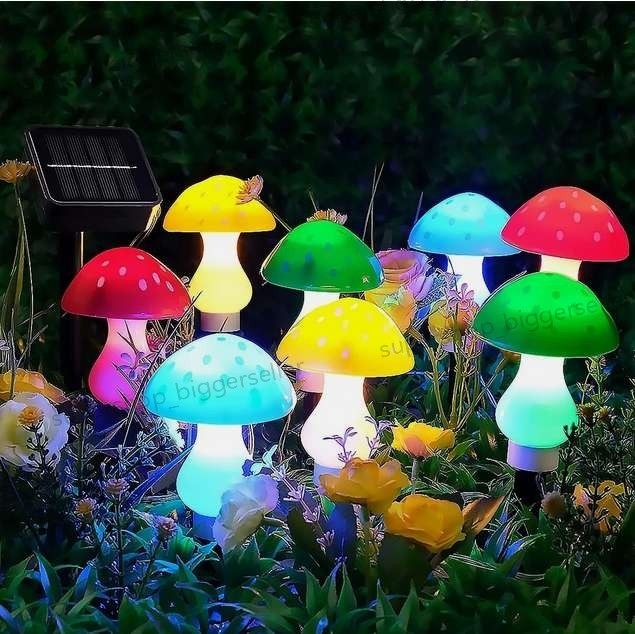 8Pcs LED Solar Mushroom Lights Outdoor Garden Decor Waterproof Fairy Light Lamp$11.99View on eBay
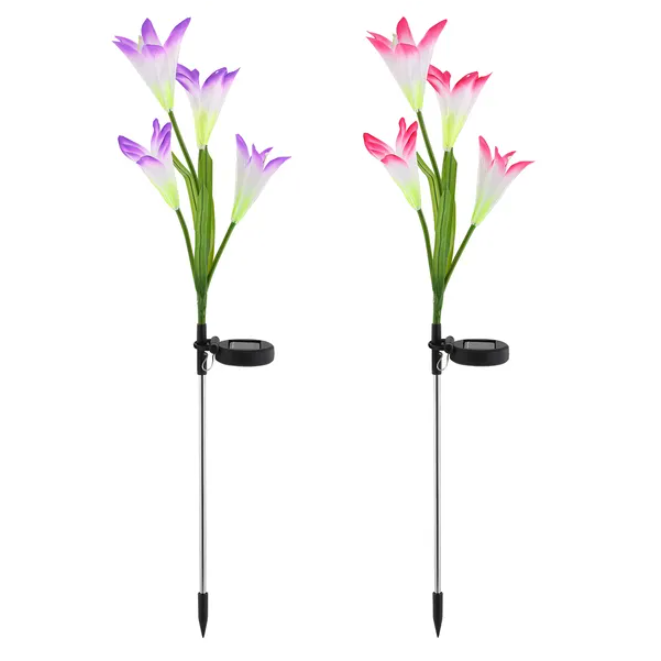 2Pcs Solar Garden Lights Outdoor Lily Flower LED Light$35.99View on Mallflare
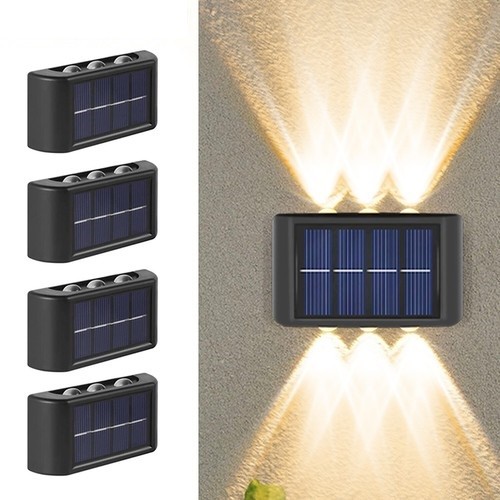 4X Solar Fence Lights Outdoor Dusk to Down LED Garden Yard Patio Wall Decor Lamp$12.59Last checked Nov 28, 2026View on eBay
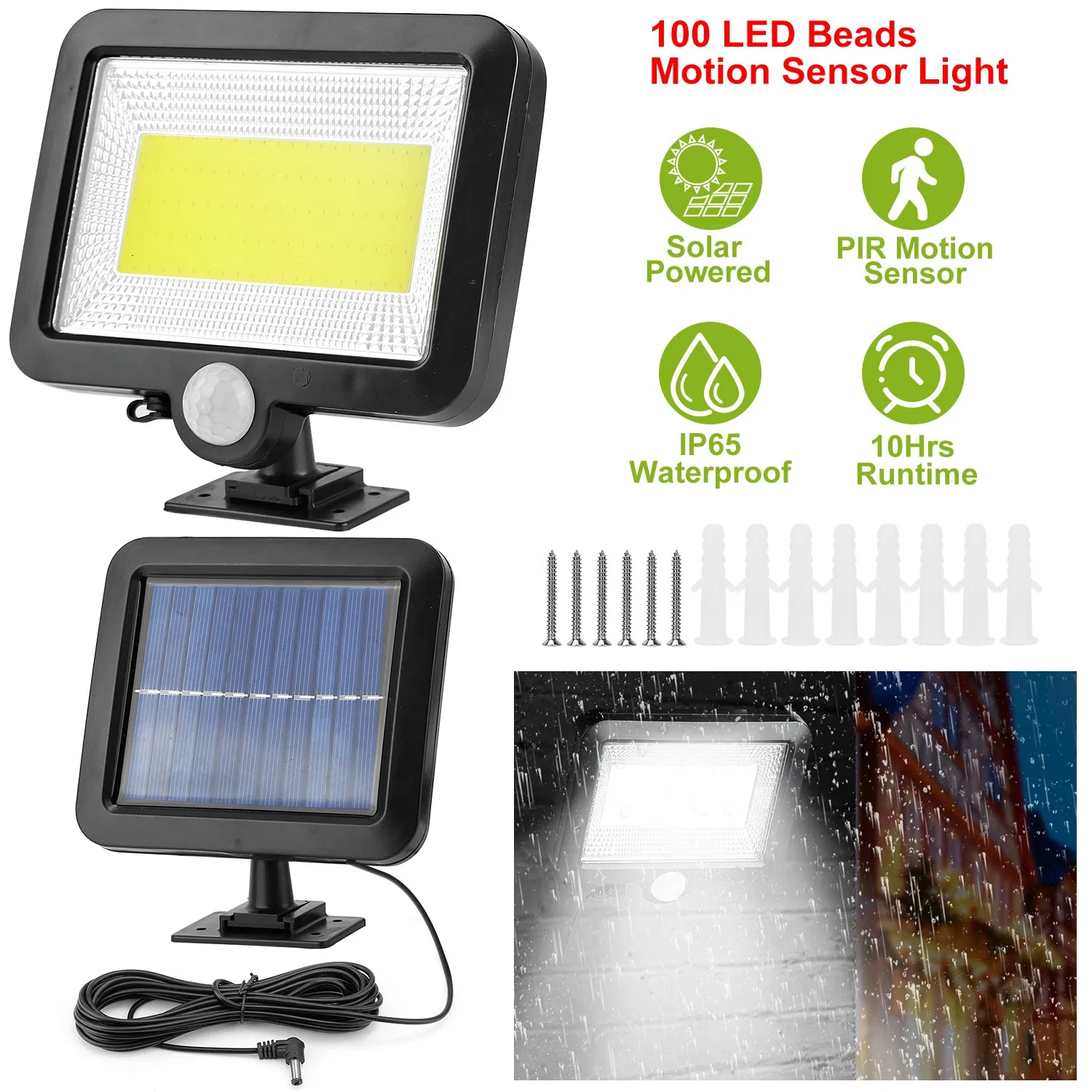 Outdoor Solar Wall Light,Motion & Light Sensor Activated,100 LED Beads,IP65 Waterproof,Rotatable Panel with 16.4ft Cable for Patio Garage Doorway$35.99View on Mallflare
Highlights
- Panel type dictates recharge speed: monocrystalline cells convert 18–22% vs 6–10% for amorphous, so a 5–6W mono panel recharges a 2000 mAh cell in ~5 peak sun hours.
- IP rating governs survival: IP65 handles rain jets and dust; IP44 only splashes. Choose IP65+ for path and wall lights, IP44 acceptable for covered porch decor.
- Battery chemistry sets lifespan: LiFePO4 delivers 2000+ cycles and works to -20°C, while standard Li-ion (18650) manages ~500 cycles; both beat old NiMH (200–300 cycles).
- Lumen output separates decor from security: pathway lights run 10–50 lm, motion-sensor wall lights 100–600 lm (needs 3.7V 2000–3000 mAh cell + PIR), string lights 5–15 lm per bulb.
Best use cases
- Path & garden edge marking: pick 12-pack 10–50 lm stake lights with IP65 and 2.5–3.5" stake spacing; skip high-lumen security heads that glare and drain batteries overnight.
- Garage/door security lighting: choose PIR motion models (120–270° sensing, 100–600 lm, 3 modes) with IP65 and separate 5–6W panel; skip decorative stakes that output <50 lm.
- Decorative string/fairy lighting: use 8-mode copper or ABS string lights with 1–2W panel and 600–1200 mAh cell for 6–8 hr runtime; skip those with <0.5W panels for year-round use.
- Accent statues & ornaments: resin or metal figurines with integrated 0.5–1W panel suit porch/lawn decor; do not substitute for functional pathway lighting—output is typically 5–20 lm.
Buying tips
- Match panel wattage to battery: a 2000 mAh (7.4 Wh) cell needs ~4–6W mono panel for full charge in 4–5 peak sun hours; undersized 1–2W panels leave lights dim by midnight.
- Use the 1.5–2× spacing rule: for 6–12" diameter path lights, place stakes every 4–6 ft; for 20–50 lm output, tighter 4 ft spacing prevents dark gaps.
- Check PIR specs on motion lights: 120–180° coverage at 16–26 ft range and 3 modes (auto/on/off) is functional; 270° heads need 300+ lm to be useful over a driveway.
- Prefer replaceable 18650 or LiFePO4 cells: sealed non-replaceable batteries make the whole fixture disposable in 1–2 years; AA NiMH versions are the lowest-cost replaceable tier.
Specs
| Panel Type | Monocrystalline (18–22%) vs Amorphous (6–10%) |
|---|---|
| Waterproof Rating | IP65+ exposed / IP44 covered only |
| Battery Chemistry | LiFePO4 2000+ cycles / Li-ion ~500 cycles |
| Output Tier | Decor 5–50 lm / Motion 100–600 lm |
Related searches
What to check before buying
- Measure mounting surface and stake depth: wall lights need a 3–5" backplate and 2–3" clearance from eave; path stakes require 4–6" penetrable soil, not rock or mulch mats.
- Confirm sun exposure: panels need 4–6 hours direct sun; shaded eaves reduce output 50%+—choose a remote-panel model or move to a sunnier post.
- Verify IP rating vs location: IP65+ for exposed rain/irrigation zones, IP44 only under covered porches; coastal areas need corrosion-resistant metal or UV-stabilized ABS.
- Check cold-weather battery tolerance: LiFePO4 works to -20°C; standard Li-ion fades below -10°C—choose LiFePO4 for freezing winters.
FAQ
Data sources: eBay / Amazon listings and product attribute feeds. Updated Nov 29, 2026.
Some links on this page are affiliate links. If you buy after clicking one, we may earn a commission at no extra cost to you. This does not change which products appear here or their order. Affiliate disclosure.