
Photos from current listings. Actual item, color, and included accessories may vary.
Outdoor Step Light Buying Guide
Outdoor step lights are low-voltage or solar fixtures that illuminate stair treads, deck edges, and pathway transitions for safety and accent lighting. The primary trade-off is between wired low-voltage systems (reliable, dimmable, requires transformer and trenching) and solar units (zero wiring, but limited by battery capacity and winter sun hours). The decision rule: choose wired 12V AC/DC for permanent decks and year-round reliability; choose solar only for rental properties, remote paths, or temporary installs where running cable is impractical.
Median $64.49 · New listings
Key takeaways
- Solar step lights rely on amorphous or monocrystalline panels with 600–1200 mAh NiMH or LiFePO4 batteries; battery capacity and panel wattage determine runtime, not LED count.
- Wired step lights run on 12V AC/DC via a transformer; choose IP65 or IP67 fixtures with brass or powder-coated aluminum housings for coastal or freeze-thaw climates.
- Mounting style dictates fit: recessed lights need a 2–3 inch cutout and junction box access; surface-mount and triangular corner units screw directly to risers or deck fascia.
At a glance
- Category
- Outdoor Lighting & Decor
- Last updated
- Nov 29, 2026
Current offers
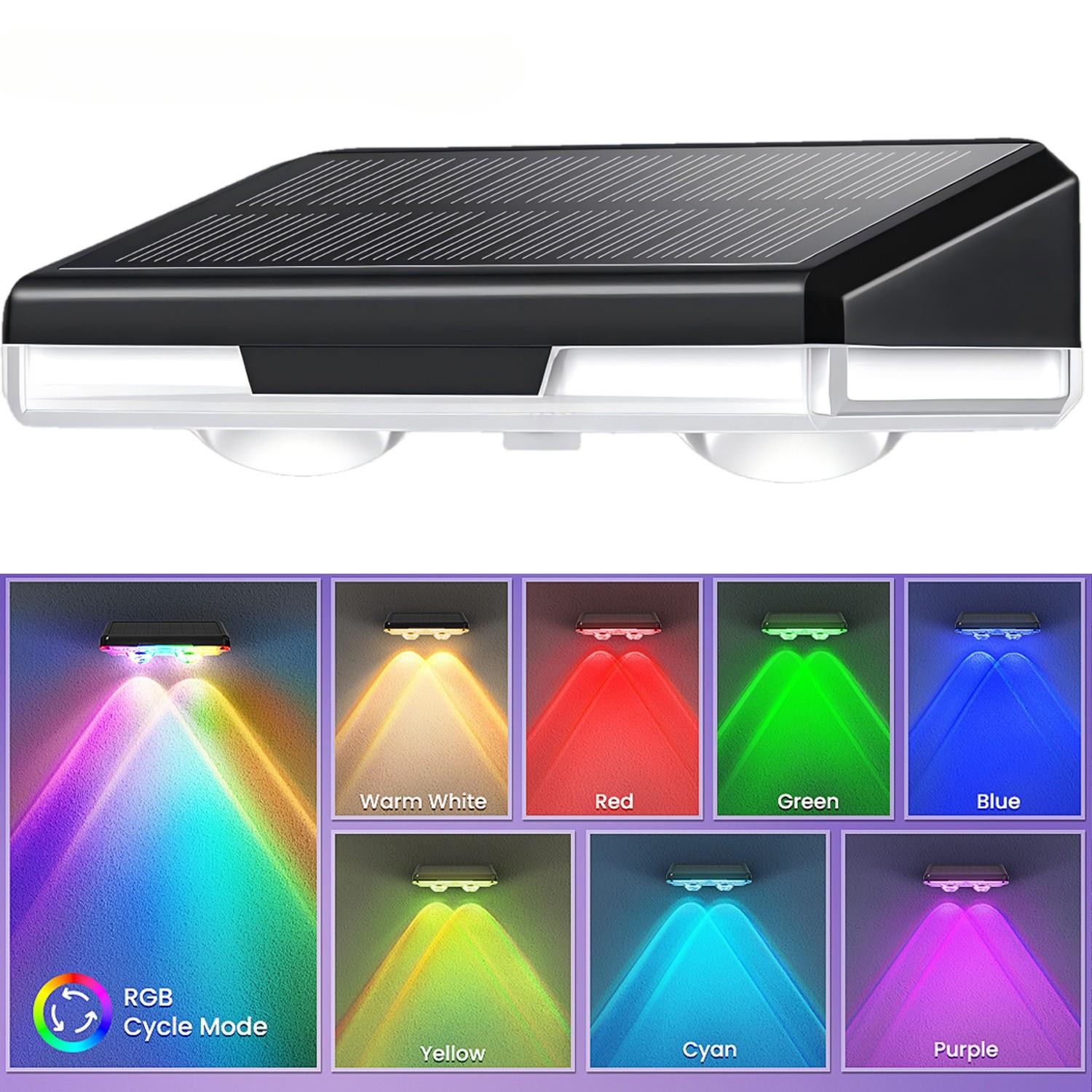 LED Solar Power Fence Lights Deck Door Wall Stair Step Outdoor Garden Decor Lamp$4.99Last checked Nov 28, 2026View on eBay
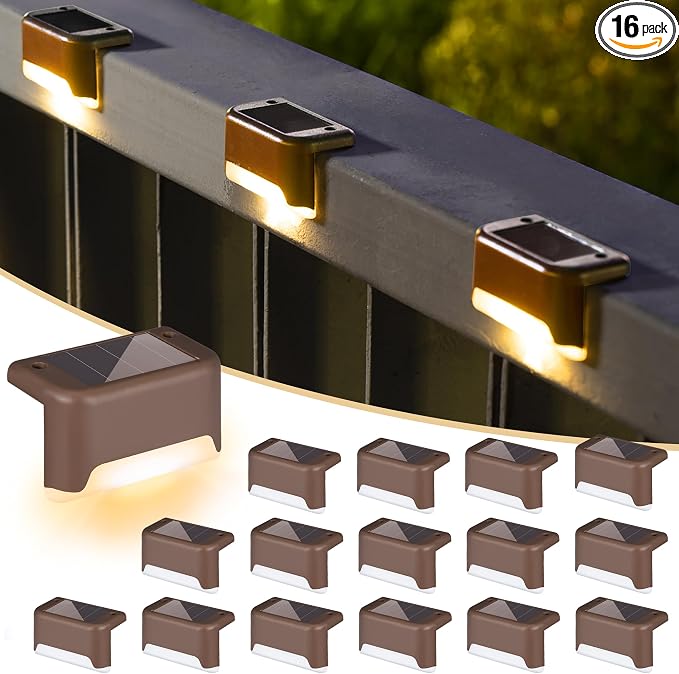 16 Pack Solar Deck Lights Outdoor Waterproof Step Warm White For Patio Garden Stairs$106.99View on Mallflare
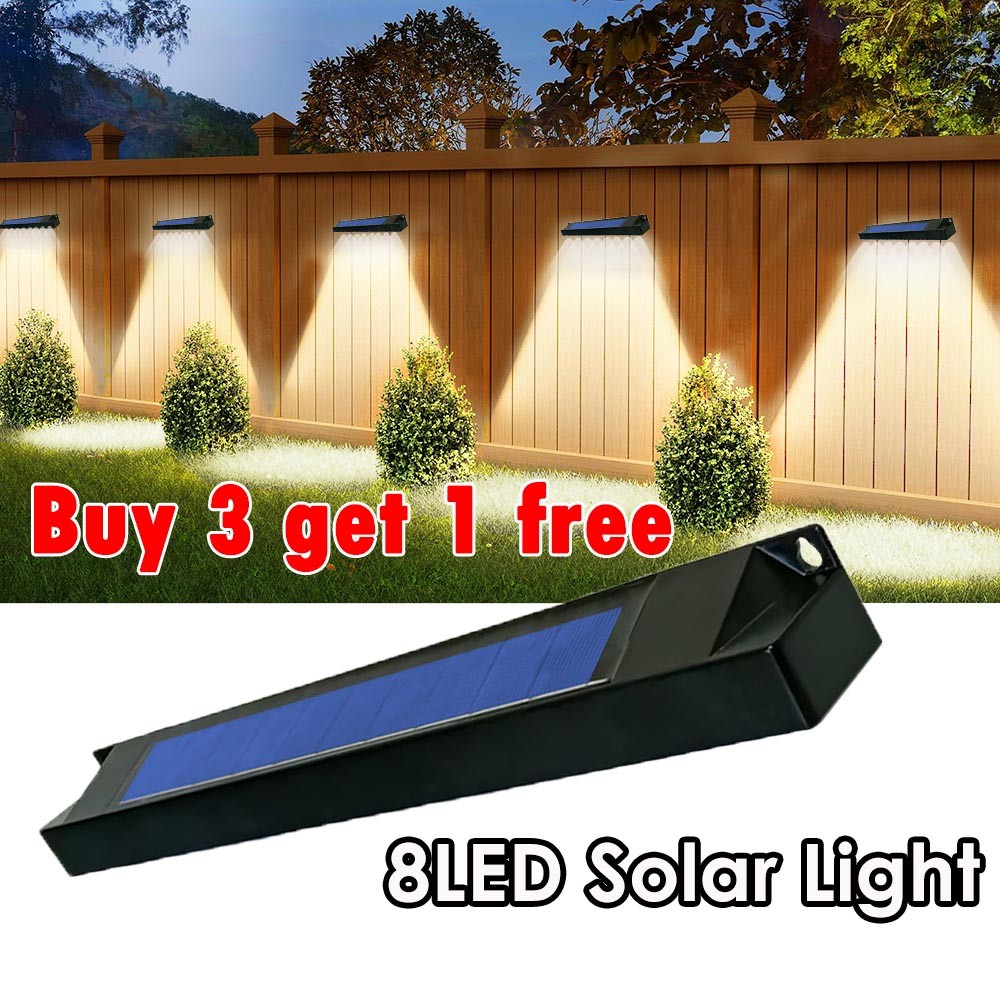 Solar Power Fence Lights 8 LED Deck Door Wall Step Outdoor Garden Decor Lamp$10.99View on eBay
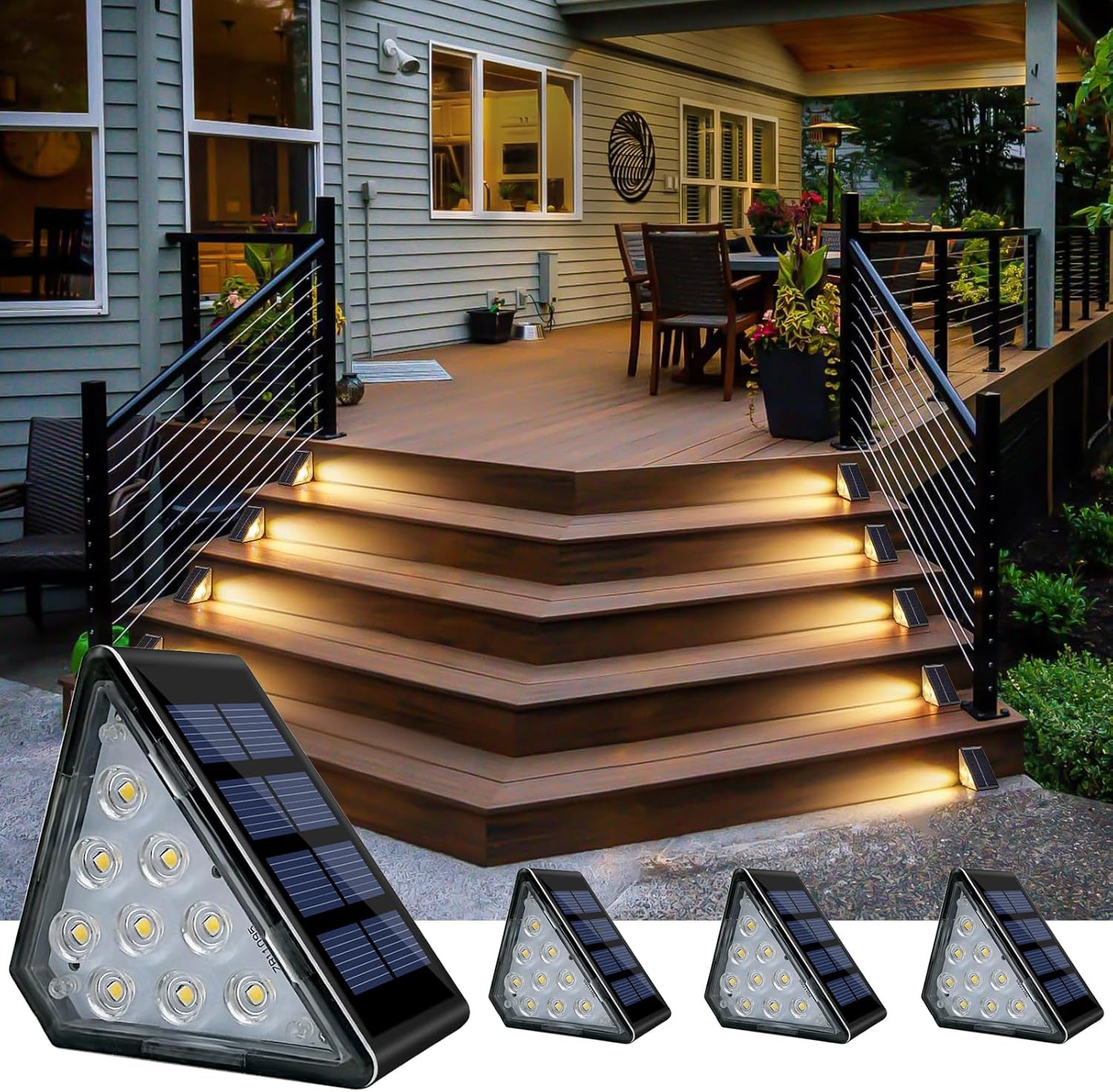 Solar Step Lights, Stair Fence Triangle Lights IP67 Outdoor Waterproof LED Deck$21.99View on eBay
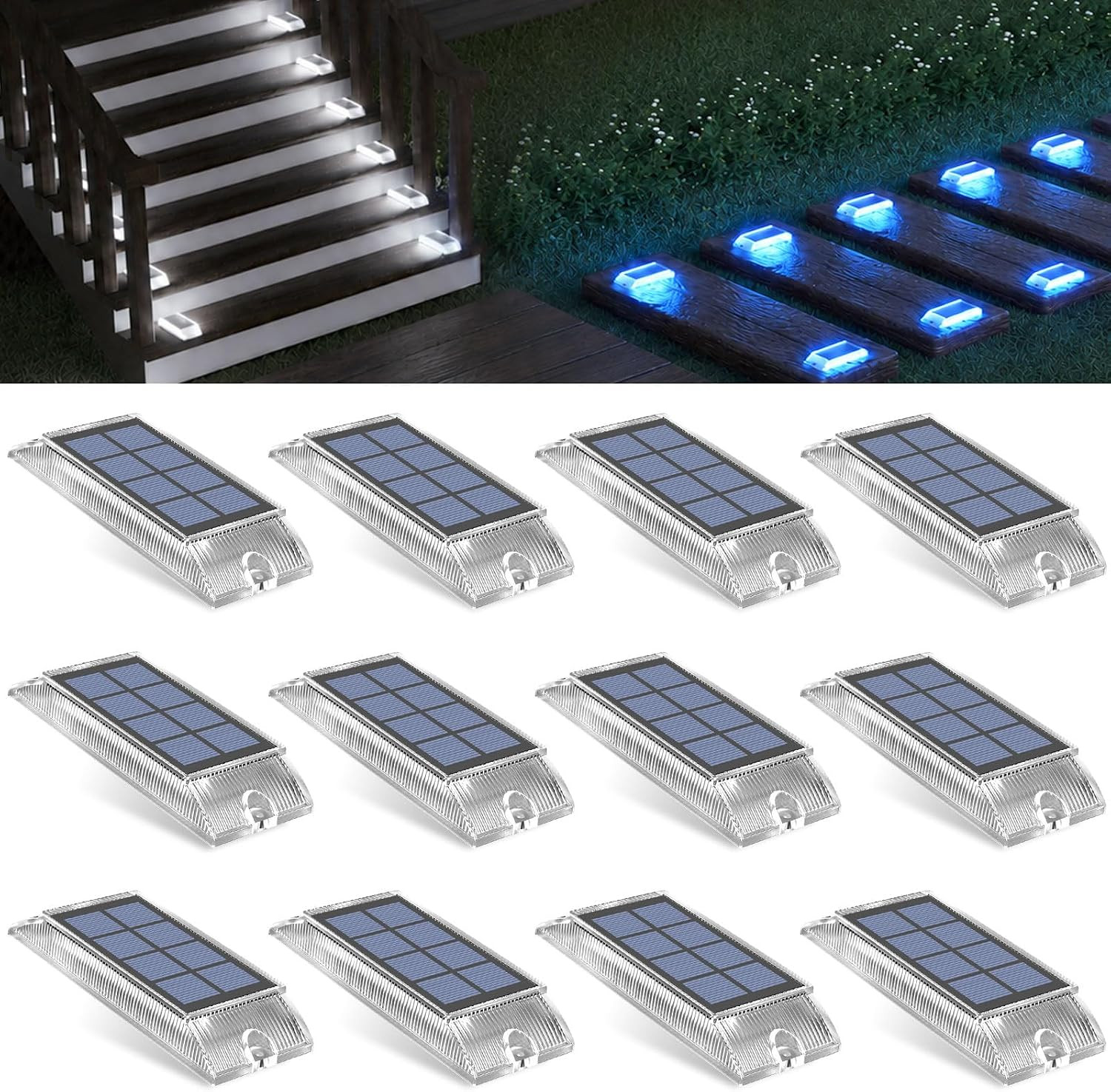 Solar Step Lights Outdoor, 12 Pack 2 Colors in 1 LED Solar Walkway Lights | Wat$119.73View on eBay
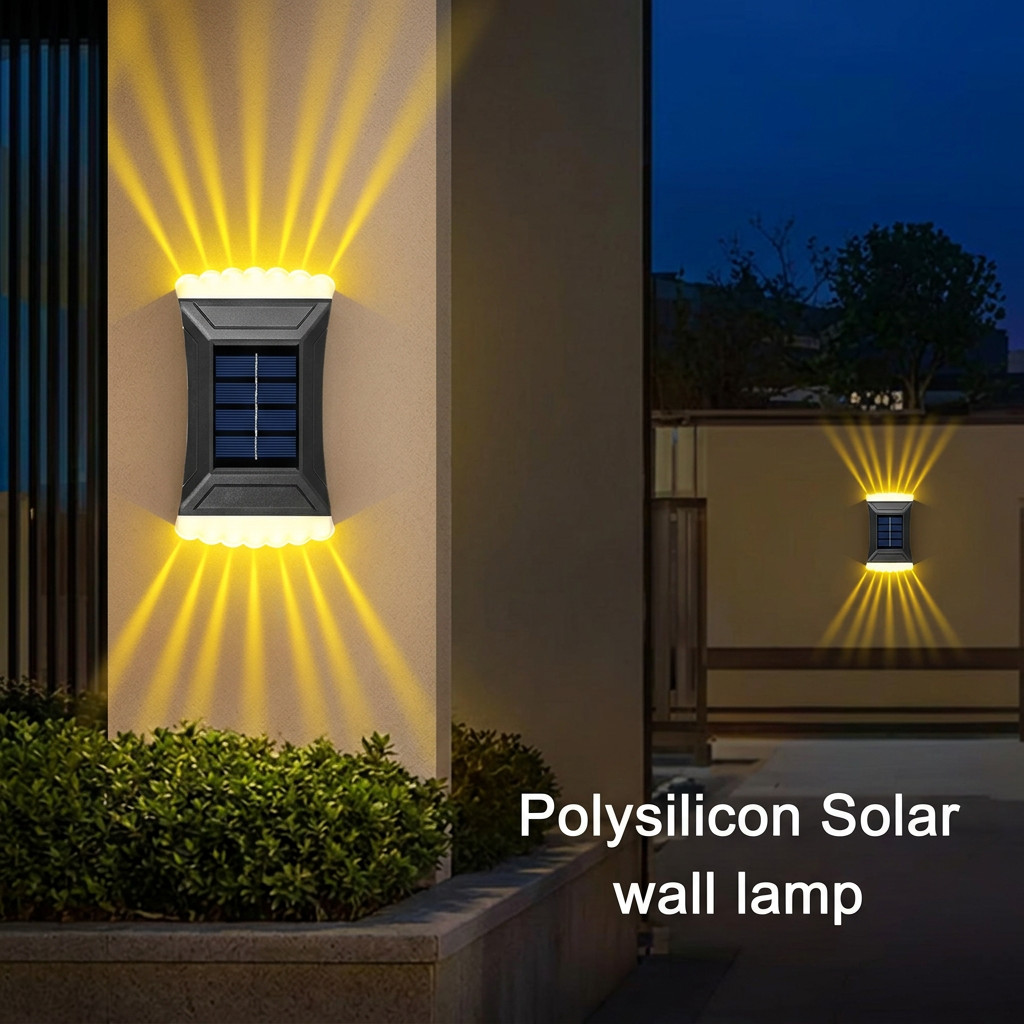 Solar Fence Wall Light Outdoor Garden LED Steps Yard Patio Porch Waterproof Lamp$3,543.00New · Last checked Nov 21, 2026View on eBay
Highlights
- Solar step lights rely on amorphous or monocrystalline panels with 600–1200 mAh NiMH or LiFePO4 batteries; battery capacity and panel wattage determine runtime, not LED count.
- Wired step lights run on 12V AC/DC via a transformer; choose IP65 or IP67 fixtures with brass or powder-coated aluminum housings for coastal or freeze-thaw climates.
- Mounting style dictates fit: recessed lights need a 2–3 inch cutout and junction box access; surface-mount and triangular corner units screw directly to risers or deck fascia.
- Photocell and motion sensor tiers differ: basic dusk-to-dawn costs least but runs all night; motion-activated models conserve battery but create dark intervals between triggers.
Best use cases
- Best fit for permanent wood or composite decks: 12V wired recessed or surface-mount step lights on a 60–100W transformer with a photocell timer; skip solar if the deck is shaded or snow-covered in winter.
- Best fit for rental properties and quick retrofits: solar surface-mount or triangular corner lights with adhesive or screw bases; skip wired units if you cannot drill or trench.
- Wrong fit for primary egress stairs in freezing climates: cheap solar units with NiMH batteries that lose capacity below freezing; specify LiFePO4 solar or wired low-voltage for reliable winter safety lighting.
- Best fit for pathway borders and garden steps: warm-white 2700–3000K solar stake or deck lights in multi-packs for even spacing every 4–6 feet; skip cool-white 6000K units for ambient residential use.
Buying tips
- Calculate transformer load: sum fixture wattage (typically 1–3W LED each) and add 20% headroom; a 60W transformer safely drives 15–20 step lights on a single run.
- For solar, match panel wattage to battery: a 0.5W panel with 600 mAh battery gives 6–8 hours runtime; 1.5W panel with 1200 mAh extends to 10–12 hours in summer but halves in overcast winter.
- Verify IP rating: IP65 handles rain and spray; IP67 is required for recessed units where water pools or for coastal salt spray. Brass or 304 stainless housings outlast painted plastic 3–5x.
- Check voltage and wiring standard: North American 12V AC systems use two-conductor cable and a plug-in transformer; European 230V models need a step-down driver — never mix fixtures across voltages on one run.
Specs
| Power Source | Solar vs 12V wired low-voltage |
|---|---|
| Mounting Type | Recessed / surface / triangular corner |
| Weather Rating | IP65 splash vs IP67 submersible |
| Light Color | 2700–3000K warm vs 6000K cool |
Related searches
What to check before buying
- Measure stair riser height and tread depth: surface-mount units need at least 3 inches of flat riser; recessed units need 2–3 inches of cutout depth plus clearance behind the mounting surface.
- Confirm power source: count available outdoor GFCI outlets within 50 feet for wired transformer placement, or map daily sun hours (minimum 4–6 hours direct sun) for solar panel placement.
- Check climate rating: for freezing winters, choose LiFePO4 solar batteries or wired low-voltage; for coastal areas, specify brass or marine-grade stainless and IP67.
- Account for companion parts: wired systems need a transformer, cable, and waterproof connectors; solar multi-packs often omit mounting screws or adhesive — confirm included hardware before install day.
FAQ
Data sources: eBay / Amazon listings and product attribute feeds. Updated Nov 29, 2026.
Some links on this page are affiliate links. If you buy after clicking one, we may earn a commission at no extra cost to you. This does not change which products appear here or their order. Affiliate disclosure.