
Photos from current listings. Actual item, color, and included accessories may vary.
LED Solar Light Outdoor Buying Guide
Outdoor LED solar lights split into two clear classes: sealed IP65+ fixtures with monocrystalline panels and LiFePO4 batteries for year-round function, versus decorative IP44/IP55 string, stake, and wind-chime pieces that prioritize look over lumen output. The trade-off is panel wattage and battery chemistry against price and ornamentation. Buy IP65+ and monocrystalline panels for path and security lighting; accept IP44/IP55 and amorphous panels only for seasonal decorative accents.
Median $31.40
Key takeaways
- Monocrystalline panels convert 18-22% versus 6-10% for amorphous; choose mono for any light expected to run through winter.
- LiFePO4 batteries deliver 2000-5000 cycles and tolerate -20°C, while sealed lead-acid typically fails after 300-500 cycles and struggles below 0°C.
- IP65 protects against water jets; IP44 only splash-resistant; IP55 dust-protected with jets—only IP65+ is safe for exposed fence, wall, and ground-mount duty.
At a glance
- Category
- Outdoor Lighting & Decor
- Last updated
- Nov 29, 2026
Current offers
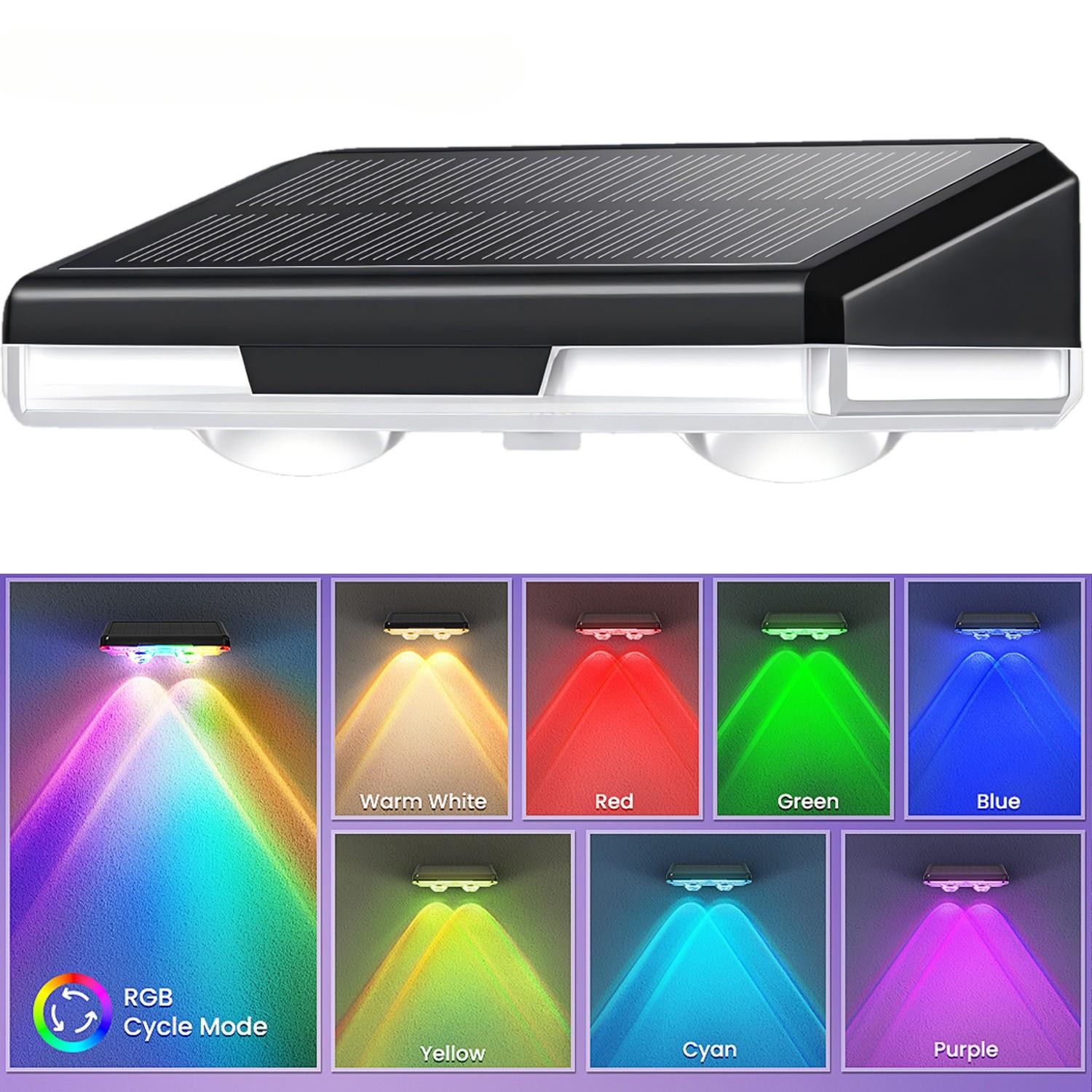 LED Solar Power Fence Lights Deck Door Wall Stair Step Outdoor Garden Decor Lamp$4.99Last checked Nov 28, 2026View on eBay
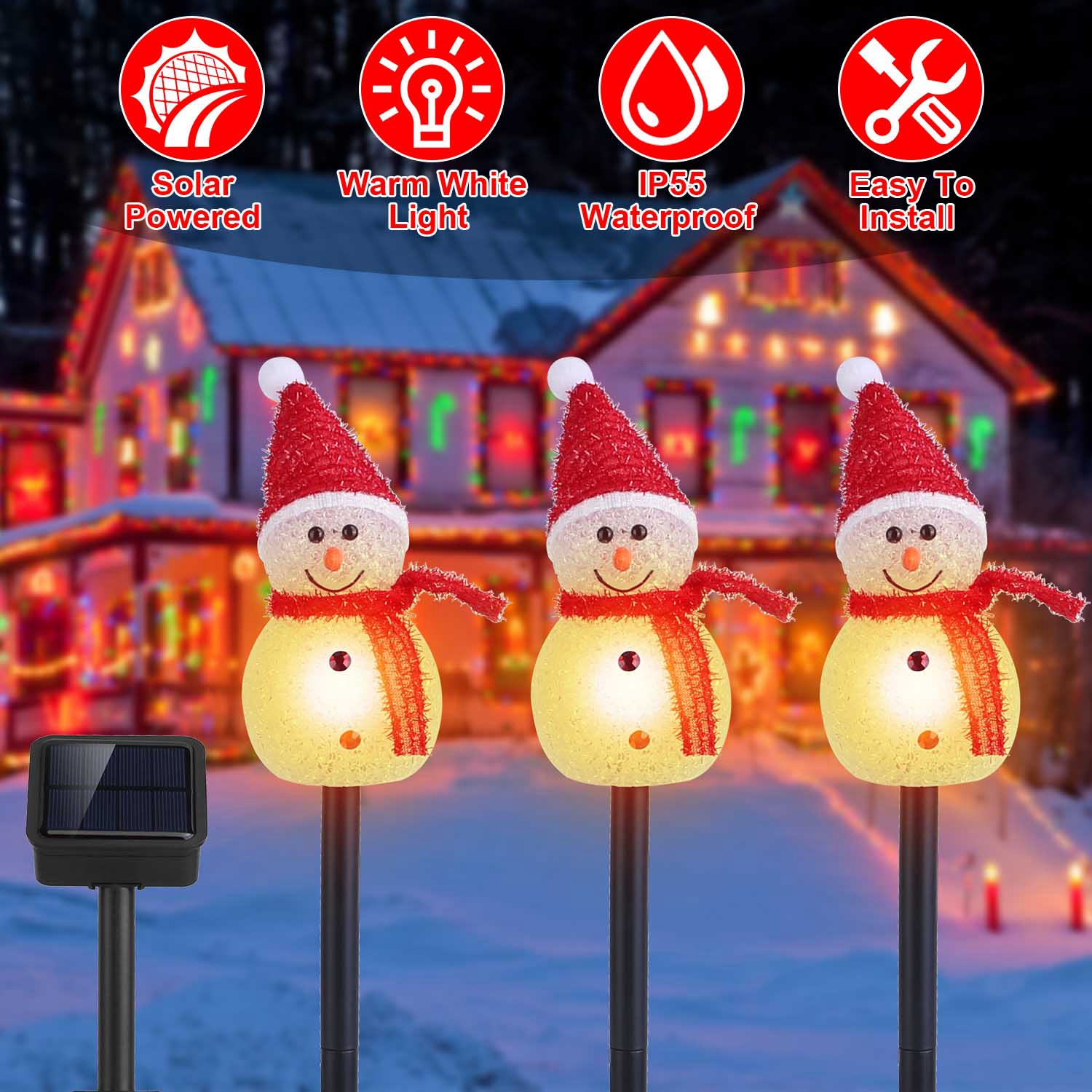 1Pc Solar Powered Lamp 3 Snowmen Outdoor Decorative Christmas Garden Stake Light IP55 Waterproof Santa Landscape Warm White LED Lighting Pathway Yard Patio$21.99View on Mallflare
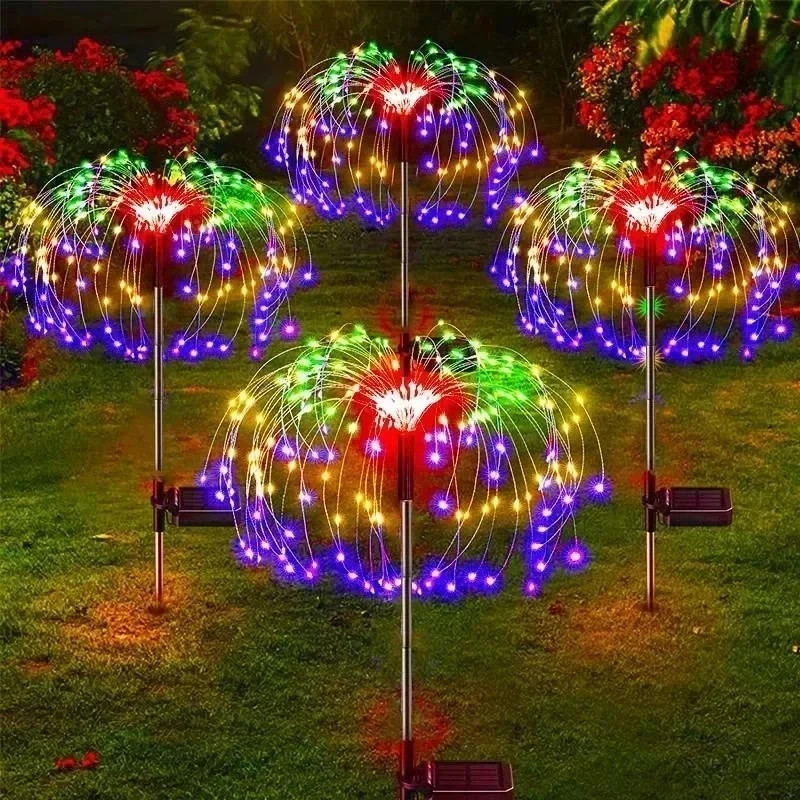 Outdoor LED Solar Firework Lights Garden Decoration Fairy Lights Waterproof Dand$5.45View on eBay
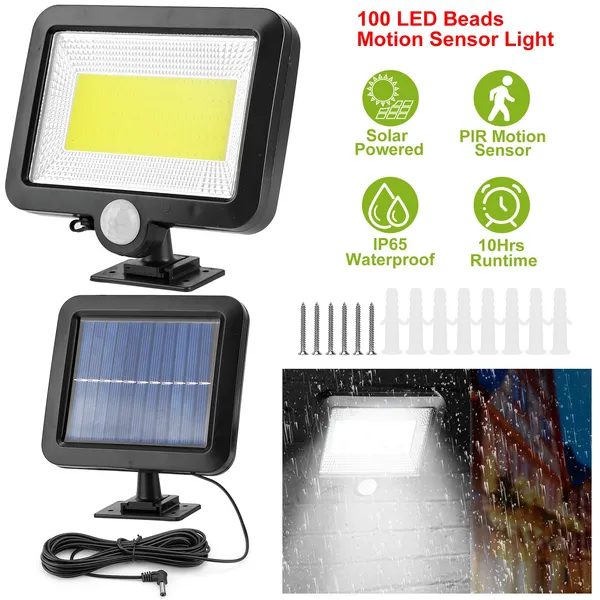 Solar Powered Wall Lights Outdoor 100 LED Beads Motion Sensor Lamp IP65 Waterproof Dusk To Dawn Light$27.99View on Mallflare
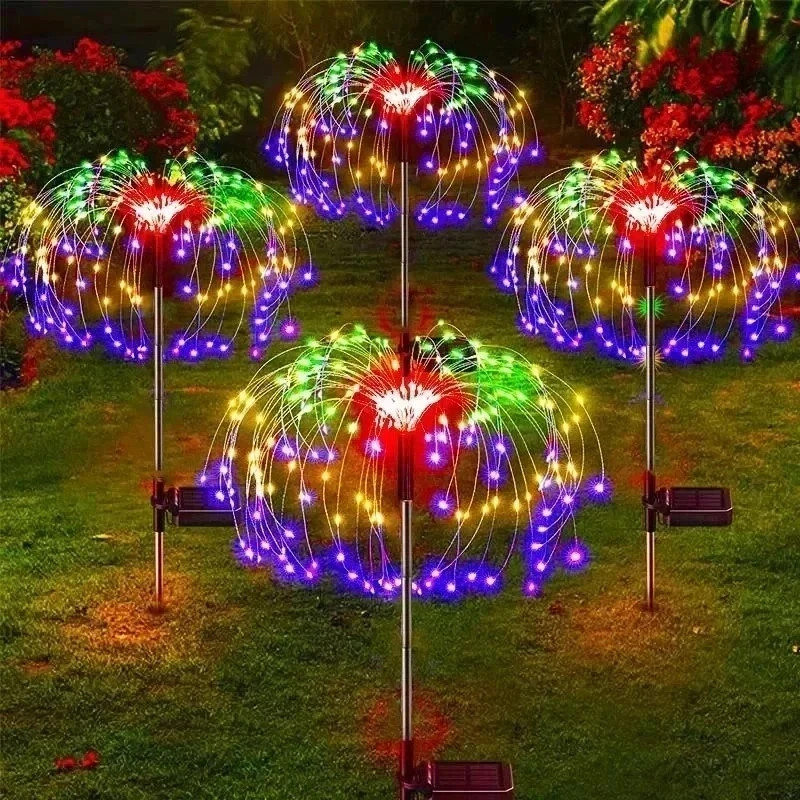 Outdoor LED Solar Firework Lights Garden Decoration Fairy Lights Waterproof Dand$5.99View on eBay
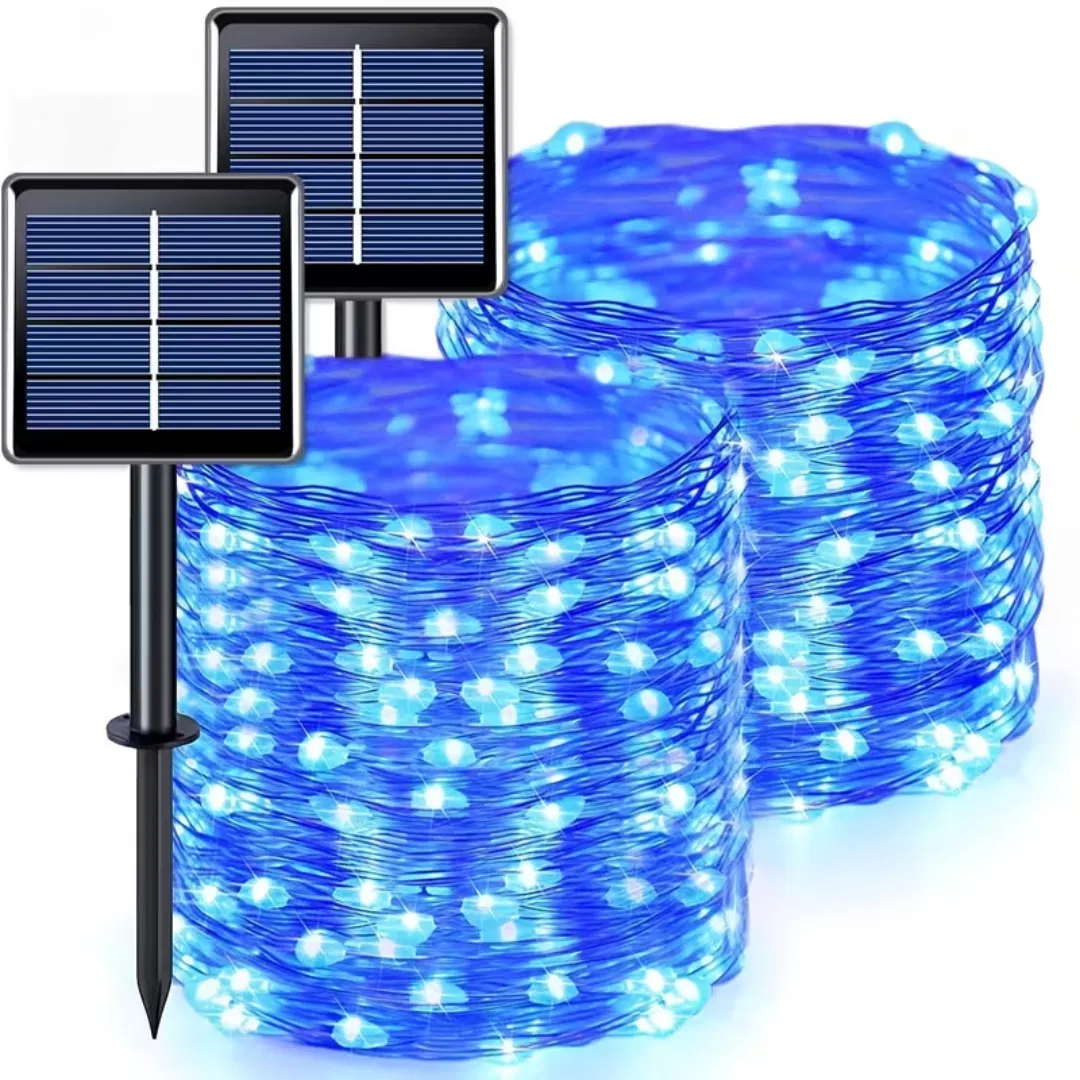 Solar Fairy String Lights, 2-Piece Set, Blue, 330 LED, 8 Modes, Outdoor Christmas for Trees, Weddings, Gardens and Courtyards$28.99View on Mallflare
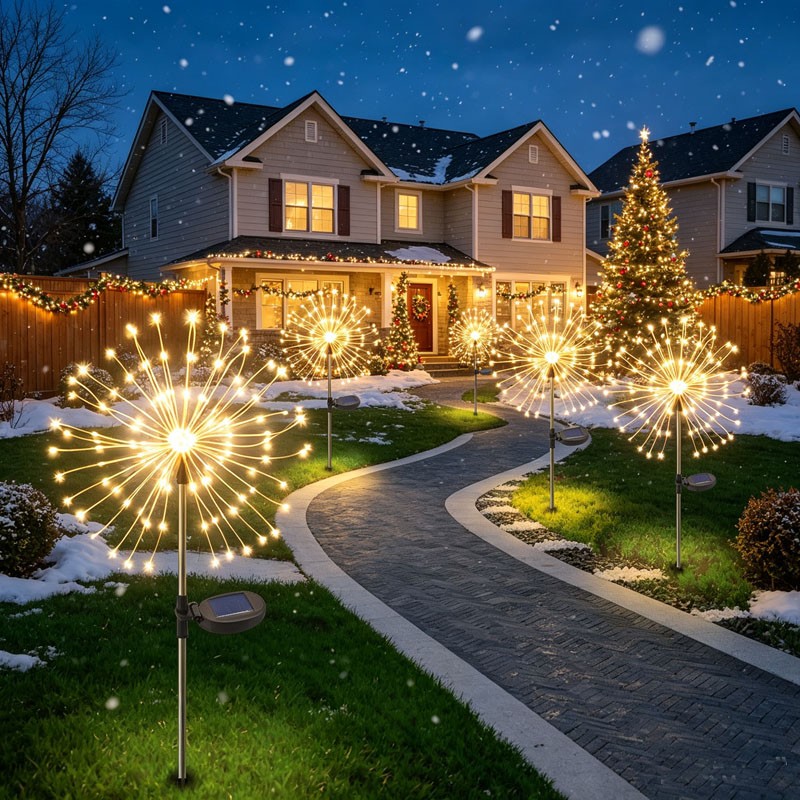 1PC 150 LED Solar Firework Lights Outdoor Garden Decor Waterproof Path Lawn Lamp$10.69View on eBay
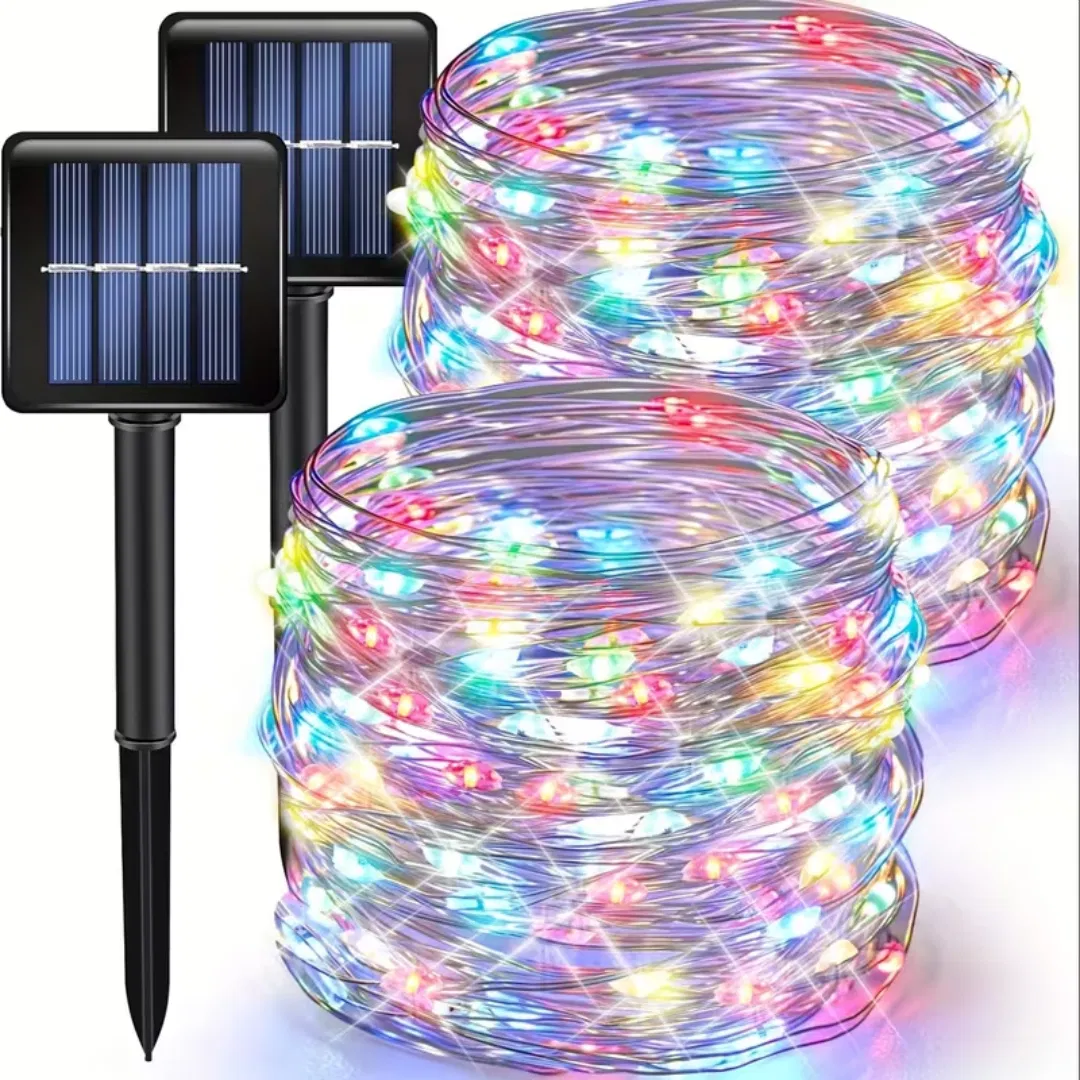 Solar Fairy String Lights 2 Pack, Multicolor 330 LED Outdoor Christmas 8 Modes, for Tree, Wedding Party, Garden, Yard$30.99View on Mallflare
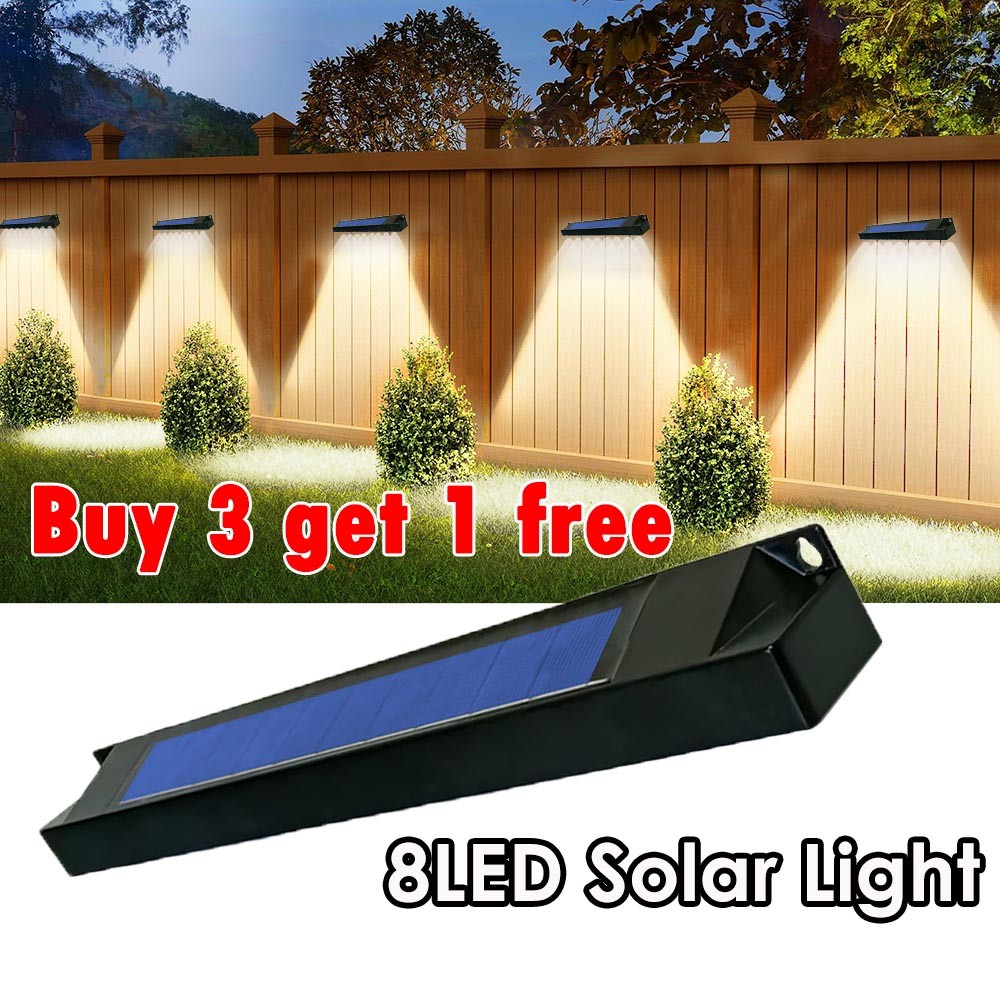 Solar Power Fence Lights 8 LED Deck Door Wall Step Outdoor Garden Decor Lamp$10.99View on eBay
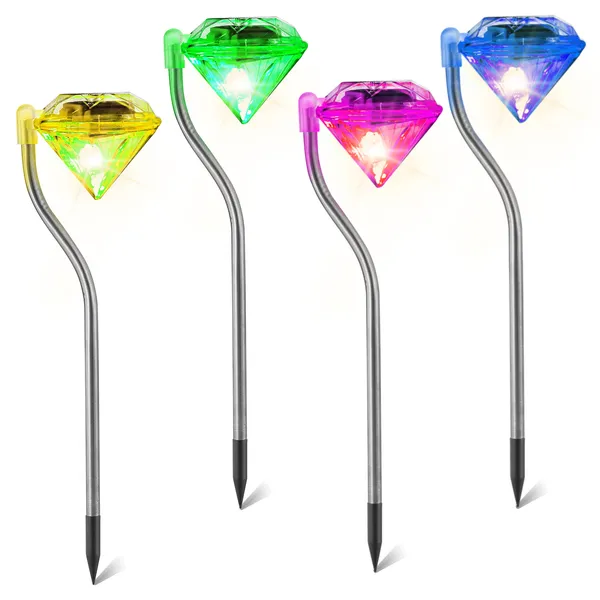 4Pcs Solar Garden Light Outdoor Diamond LED IP65 Waterproof Stake Decorative Lamp$31.99View on Mallflare
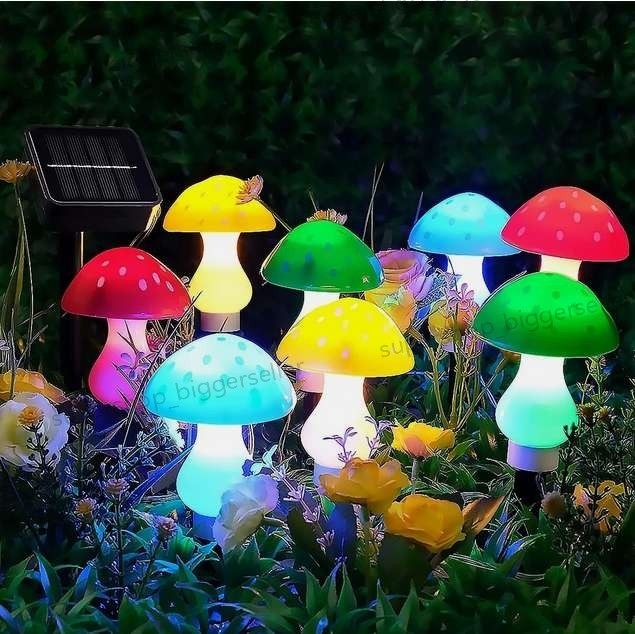 8Pcs LED Solar Mushroom Lights Outdoor Garden Decor Waterproof Fairy Light Lamp$11.99View on eBay
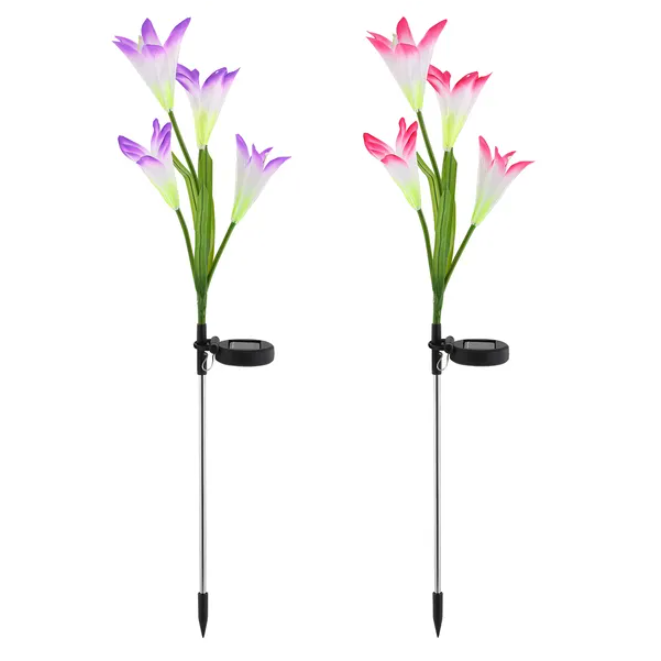 2Pcs Solar Garden Lights Outdoor Lily Flower LED Light$35.99View on Mallflare
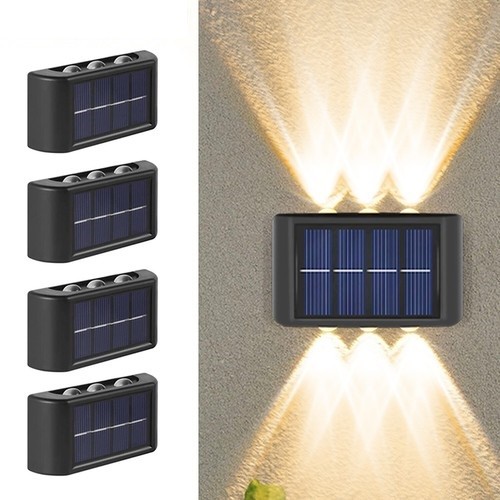 4X Solar Fence Lights Outdoor Dusk to Down LED Garden Yard Patio Wall Decor Lamp$12.59Last checked Nov 28, 2026View on eBay
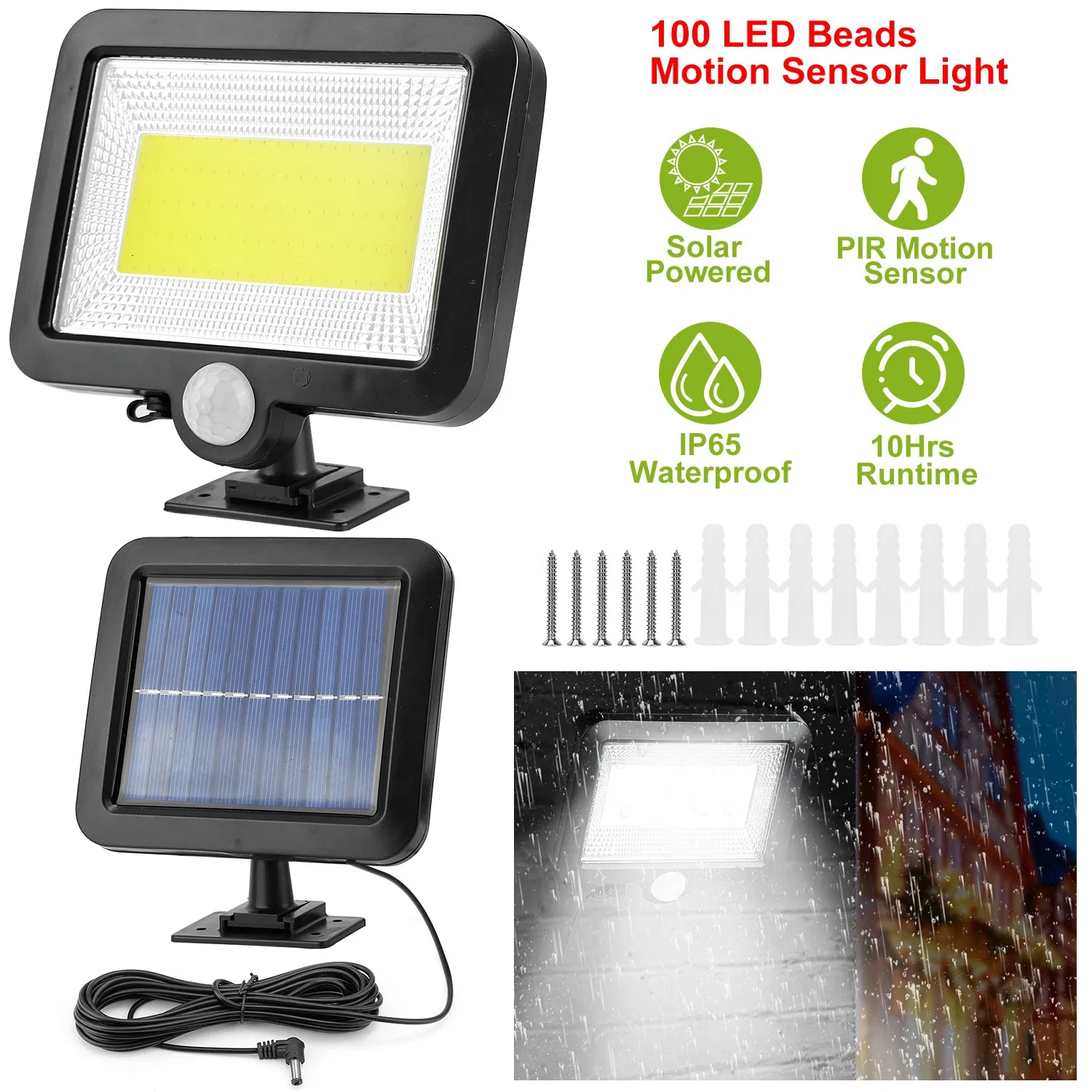 Outdoor Solar Wall Light,Motion & Light Sensor Activated,100 LED Beads,IP65 Waterproof,Rotatable Panel with 16.4ft Cable for Patio Garage Doorway$35.99View on Mallflare
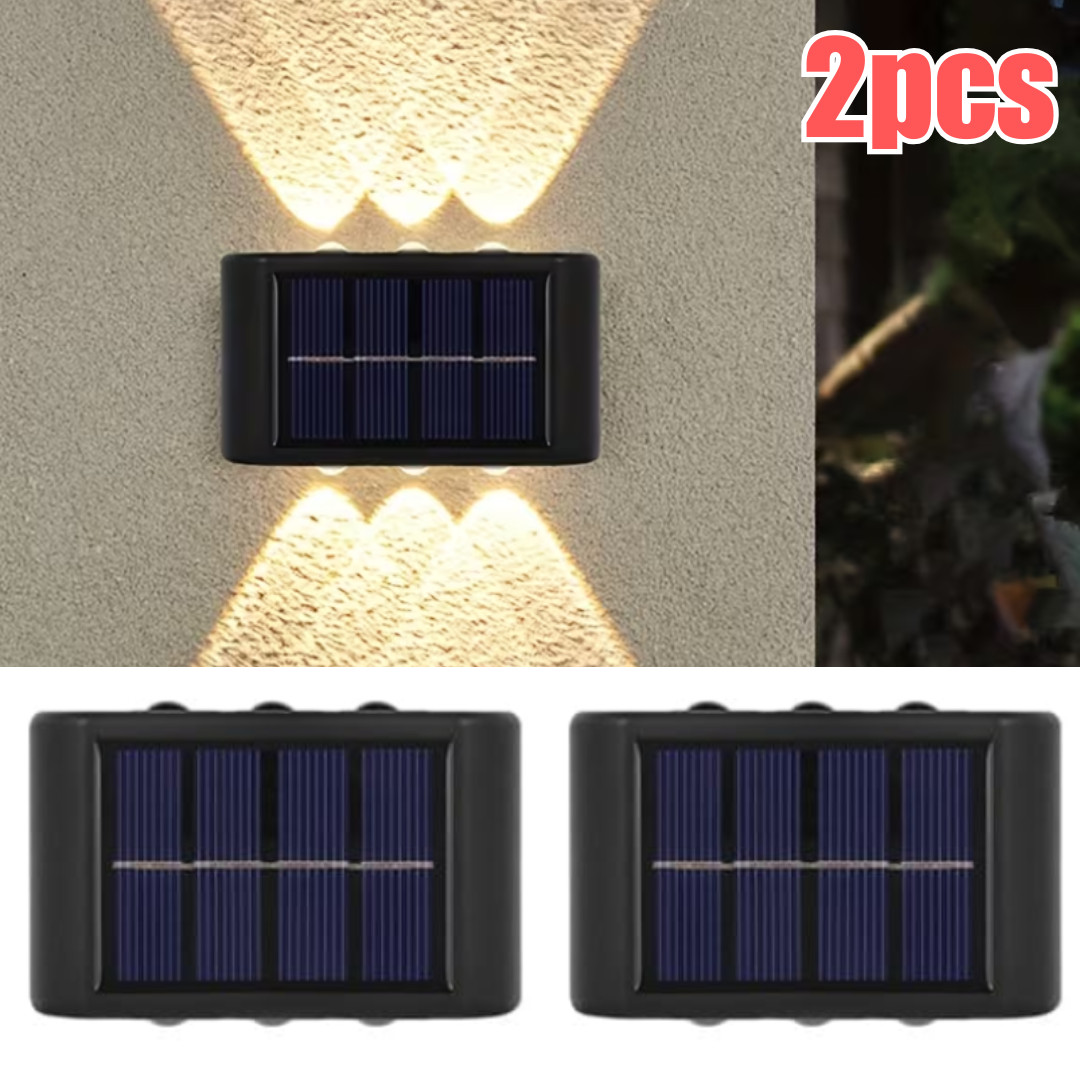 4× Solar Fence Lights Outdoor Dusk to Down LED Garden Yard Patio Wall Decor Lamp$12.59View on eBay
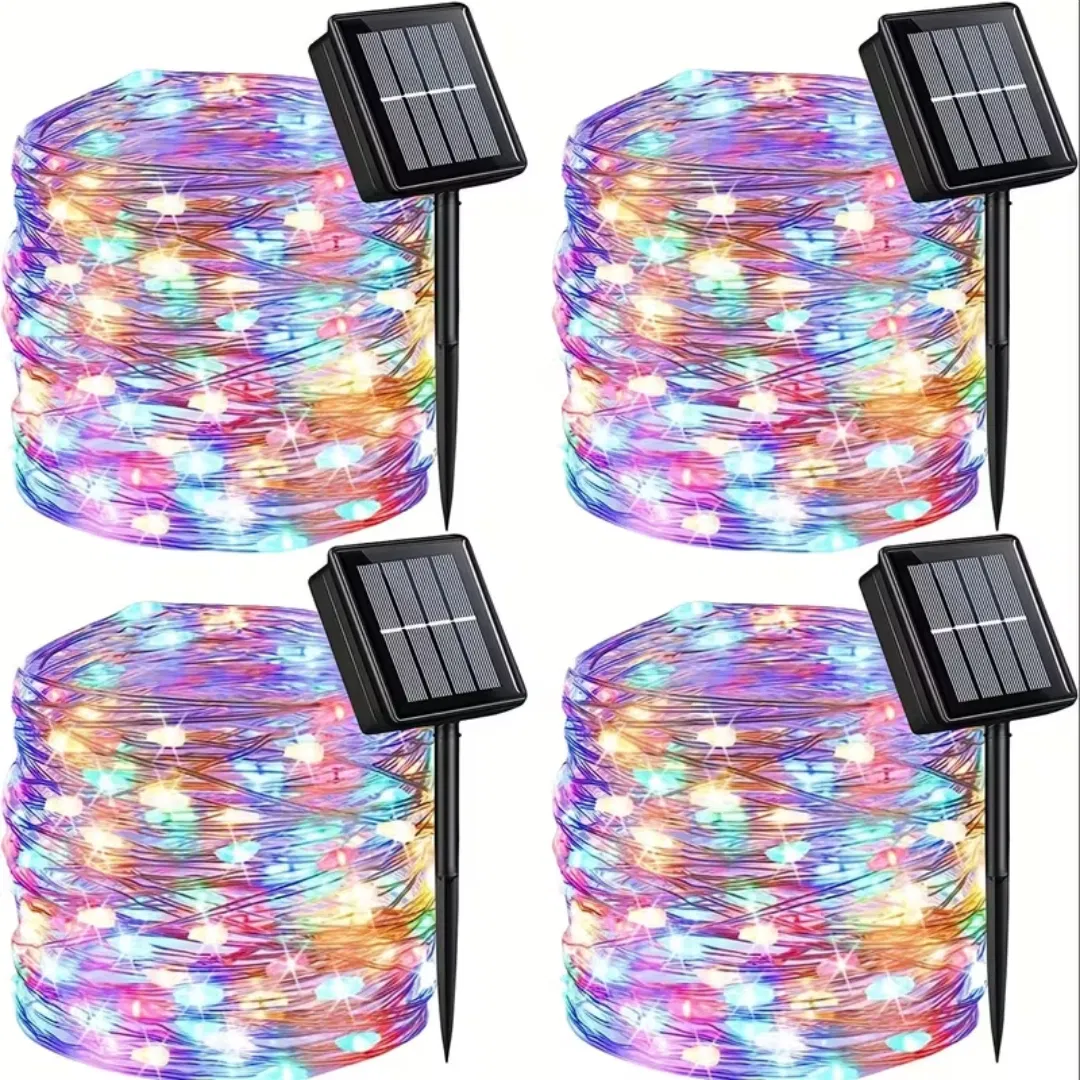 Solar Fairy String Lights, 4 Pack Multicolor 330 LED Outdoor Christmas 8 Modes Wired Flashing for Trees, Wedding Parties, Gardens and Courtyards$39.99View on Mallflare
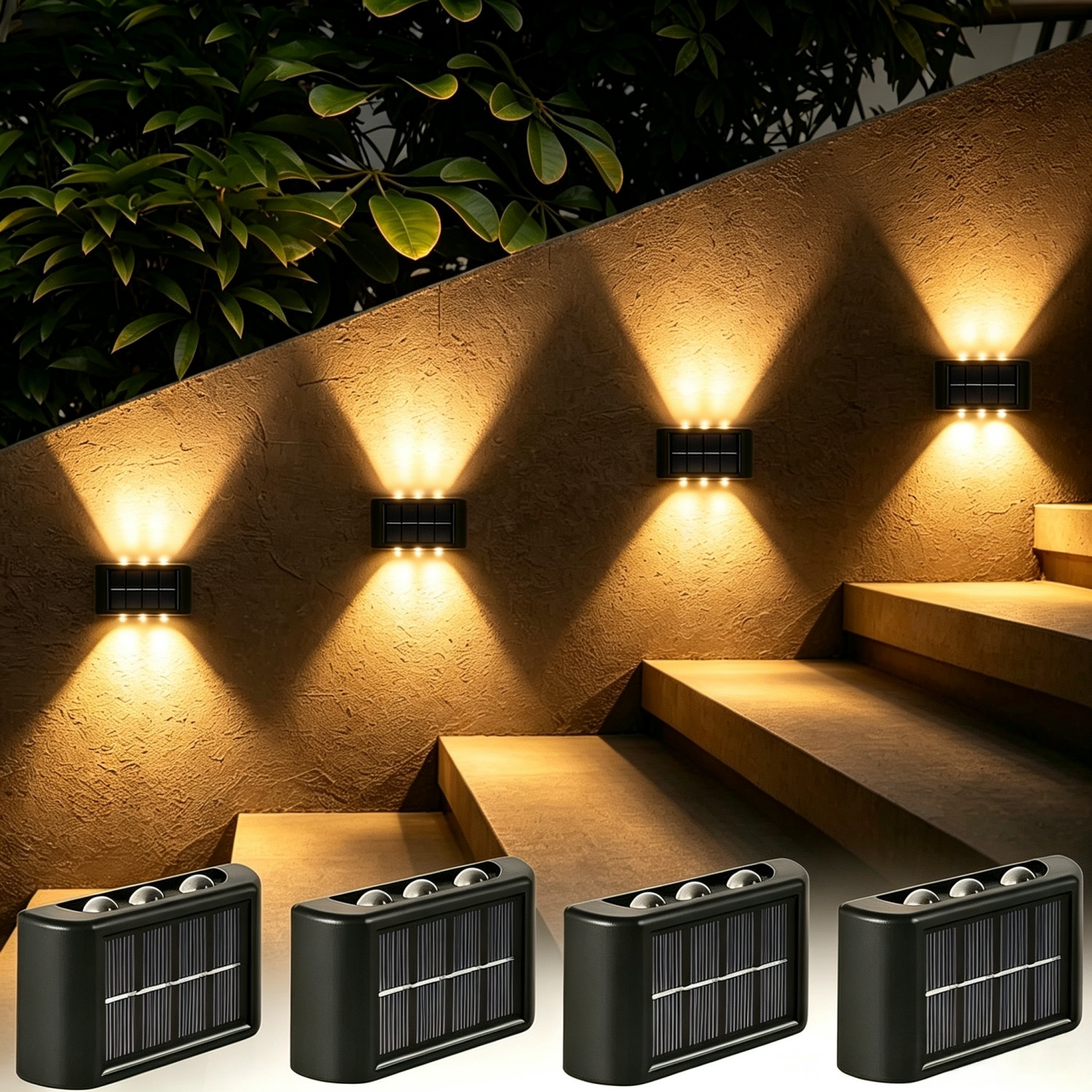 4Pack Solar Wall Lights Outdoor Garden Yard Fence Deck Front Door LED Decor Lamp$12.99Last checked Nov 28, 2026View on eBay
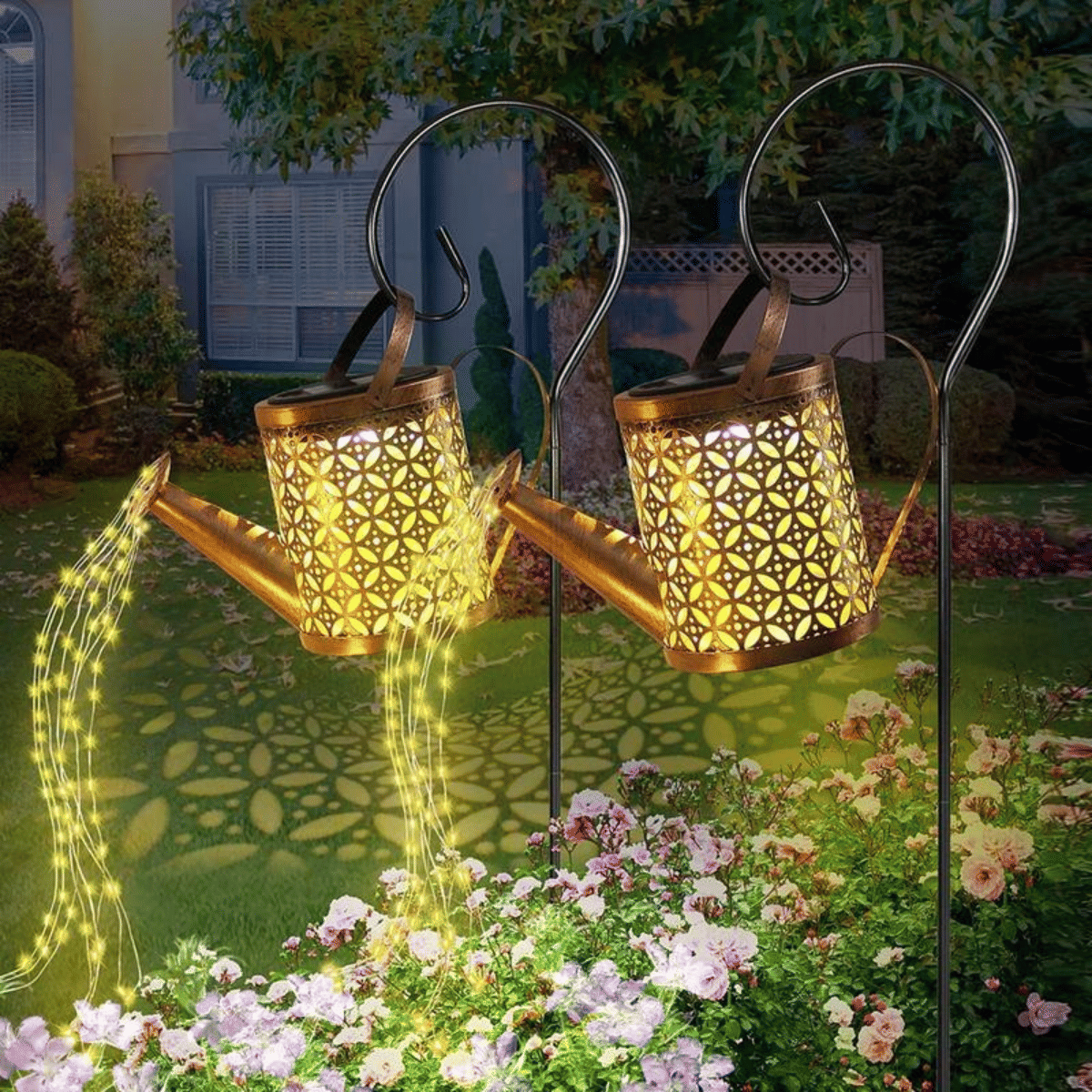 Outdoor Solar Watering Can With Lights Garden Decor Large Powered Lanterns Hanging Waterproof LED Decorative Retro Metal Kettle String For Table Yard Pathway Walkway Gardening Gifts$41.99View on Mallflare
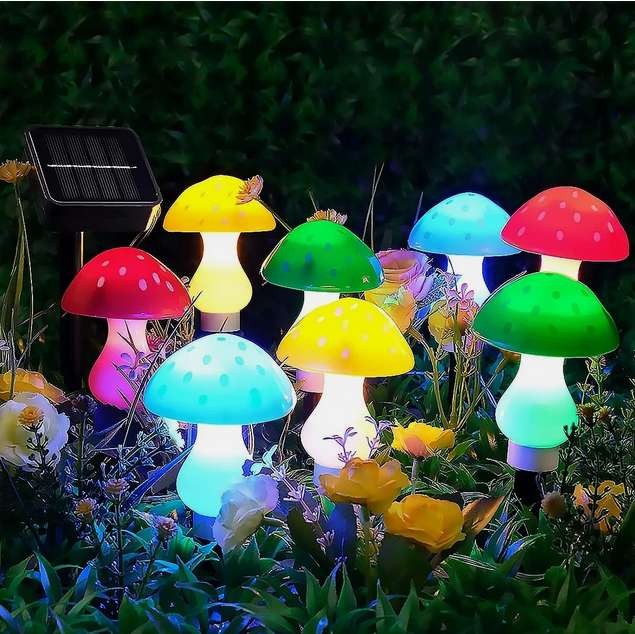 8Pcs LED Solar Mushroom Lights Outdoor Garden Decor Waterproof Fairy Light Lamp$13.79View on eBay
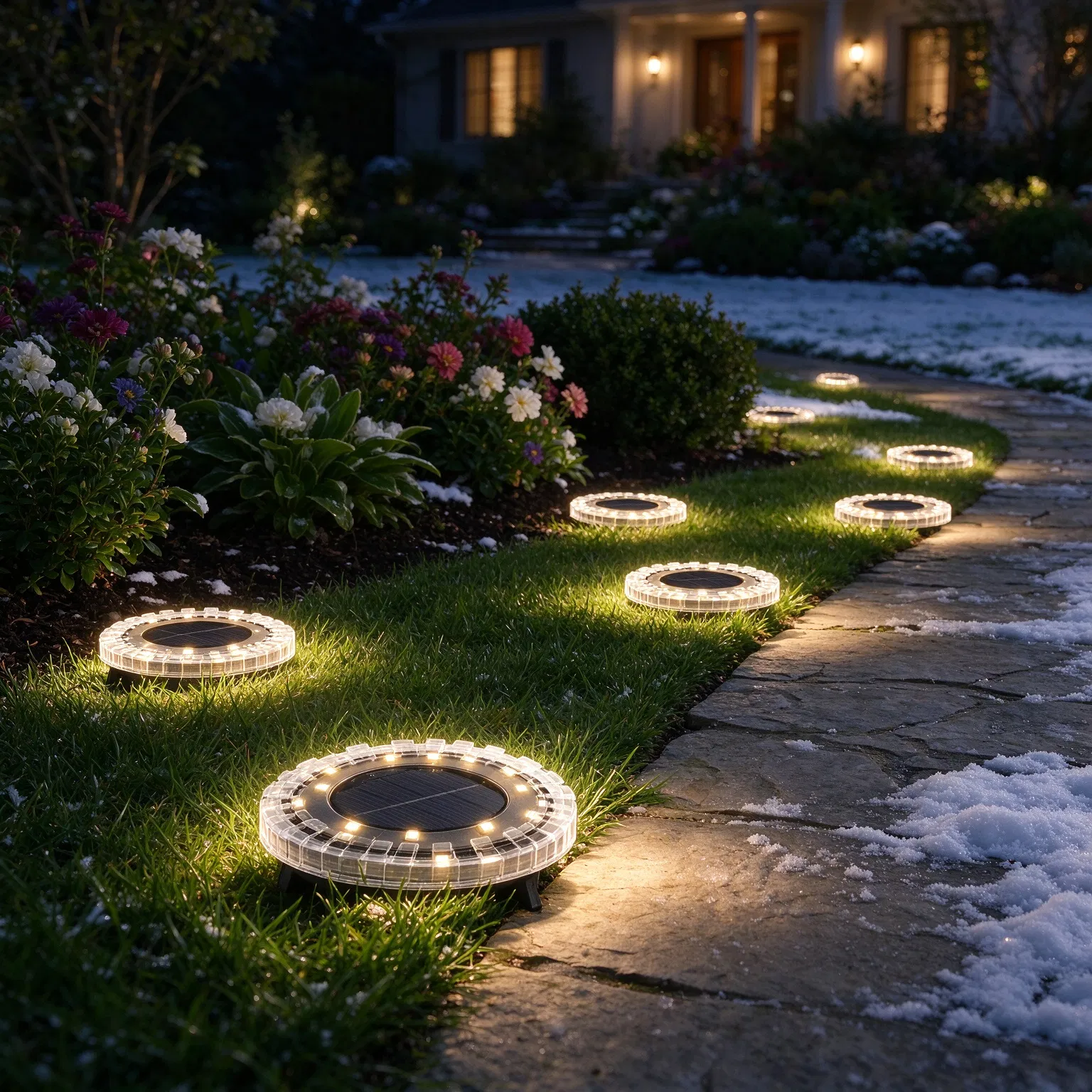 6 Packs Solar Ground Lights Outdoor, 8 LED Beads per Light, 2V Panel and 300mAh Battery, Auto On Off, IP44 Water-Resistant, 2.76in Stake for Pathway Lawn Garden--Warm$43.99View on Mallflare
Highlights
- Monocrystalline panels convert 18-22% versus 6-10% for amorphous; choose mono for any light expected to run through winter.
- LiFePO4 batteries deliver 2000-5000 cycles and tolerate -20°C, while sealed lead-acid typically fails after 300-500 cycles and struggles below 0°C.
- IP65 protects against water jets; IP44 only splash-resistant; IP55 dust-protected with jets—only IP65+ is safe for exposed fence, wall, and ground-mount duty.
- PIR motion sensors rated 120° detection angle and 3-8 m range cut consumption 60-80% versus continuous-on path lights, enabling smaller panels.
Best use cases
- Path and driveway lighting: pick IP65+ stake or bollard lights with monocrystalline panels and PIR, skipping IP44 decorative stakes that dim after one overcast week.
- Fence, wall, and stair accents: choose IP65 wall lamps with 120° PIR and 3-color switching; skip fabric-shade and crystal fixtures, which degrade under UV and rain.
- Seasonal holiday decor: string lights and wind chimes at IP44/IP55 are appropriate for spring-to-fall display; bring them indoors for winter rather than expecting year-round survival.
- Garage and entry security: select 20+ LED PIR floodlights with mono panels and LiFePO4; skip 6-LED wind chimes and firework fairy lights, which provide no usable illumination.
Buying tips
- Panel-to-battery rule: at least 1 W of panel per 1000 mAh of battery for reliable 6-8 hour winter runtime; below that, expect dimming after cloudy days.
- Sizing formula: multiply LED count by 0.5-1 lumen each for decorative pieces and 80-100 lumens each for floodlight heads to estimate real output, not marketing watts.
- Battery chemistry: LiFePO4 for permanent installs; NiMH acceptable only for decorative seasonal pieces; avoid sealed lead-acid in any fixture exposed to freezing.
- PIR specs: require 120° detection angle and at least 3 m range for security-style lights; narrower sensors miss approach paths and cause false-off behavior.
Specs
| Panel Type | Monocrystalline 18-22% vs Amorphous 6-10% |
|---|---|
| Battery Chemistry | LiFePO4 vs NiMH vs Sealed Lead-Acid |
| IP Rating | IP65+ exposed / IP44 covered only |
| Motion Sensor | PIR 120° angle, 3-8 m range |
Related searches
What to check before buying
- Measure mounting surface and spacing: stake lights need 1-1.5 m spacing along paths; verify post or wall diameter matches clamps and screw holes.
- Confirm panel receives 4-6 hours direct sun; shaded mounts demand double panel wattage or a remote panel on an extension cable.
- Match fixture IP rating to exposure: IP65+ for rain-exposed walls, fences, and ground stakes; IP44 only under eaves or covered patios.
- Verify battery is user-replaceable (AA/AAA or 18650 cell) so the fixture survives past the 1-3 year cell lifespan instead of becoming landfill.
FAQ
Data sources: eBay / Amazon listings and product attribute feeds. Updated Nov 29, 2026.
Some links on this page are affiliate links. If you buy after clicking one, we may earn a commission at no extra cost to you. This does not change which products appear here or their order. Affiliate disclosure.