
Photos from current listings. Actual item, color, and included accessories may vary.
LED Outdoor Wall Light Buying Guide
LED outdoor wall lights are hardwired or solar-powered fixtures that illuminate entries, facades, and perimeter walls while surviving weather and UV. The core trade-off is between hardwired mains fixtures with unlimited runtime and solar units with zero wiring but battery-limited output and lifespan. Choose hardwired for primary security and door lighting; choose solar only for accent, fence, and post-mount locations where a cable run is impractical.
Median $29.99 · New listings
Key takeaways
- Hardwired fixtures run directly off 120V/230V line voltage with no battery degradation; solar fixtures depend on Li-ion or NiMH cells that lose 20-30% capacity within 2-3 years.
- IP65 is the minimum outdoor rating (dust-tight, jet-water resistant); IP44 only resists splashes and fails in exposed coastal or rain-driven locations.
- Integrated LED arrays rated 50,000 hours outlast replaceable-bulb fixtures rated 15,000-25,000 hours, but non-replaceable LEDs mean fixture replacement at end of life.
At a glance
- Category
- Outdoor Lighting & Decor
- Last updated
- Nov 29, 2026
Current offers
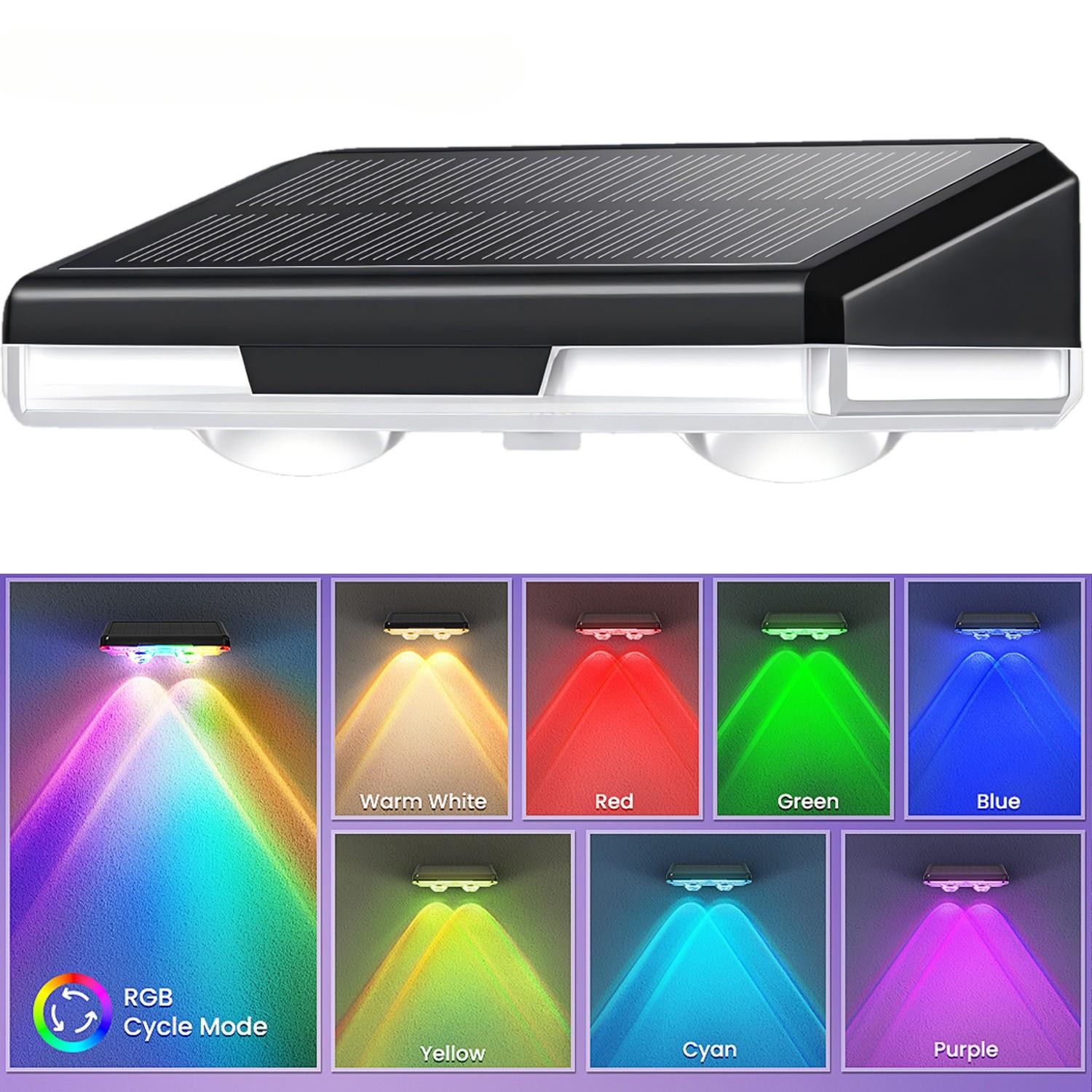 LED Solar Power Fence Lights Deck Door Wall Stair Step Outdoor Garden Decor Lamp$4.99Last checked Nov 28, 2026View on eBay
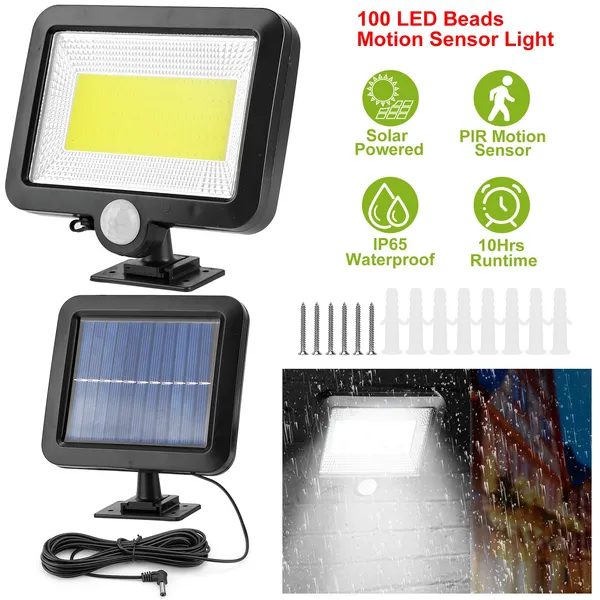 Solar Powered Wall Lights Outdoor 100 LED Beads Motion Sensor Lamp IP65 Waterproof Dusk To Dawn Light$27.99View on Mallflare
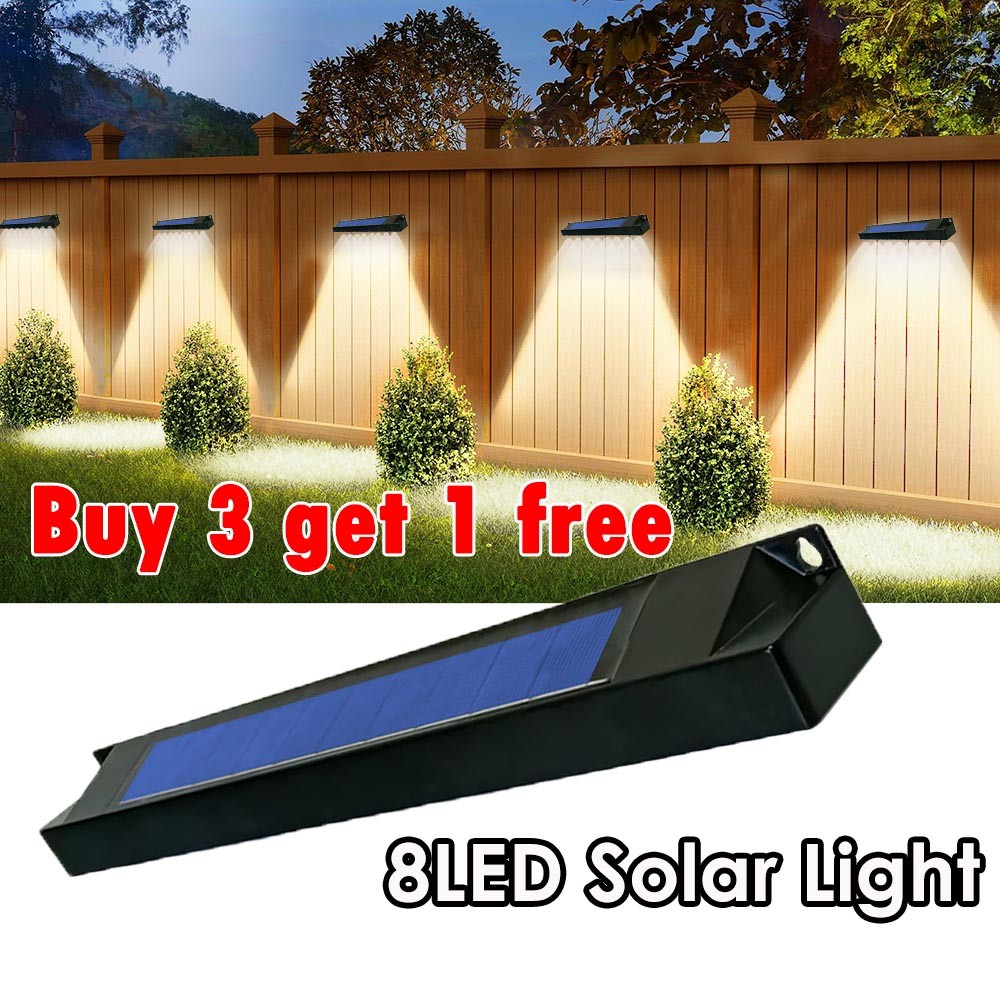 Solar Power Fence Lights 8 LED Deck Door Wall Step Outdoor Garden Decor Lamp$10.99View on eBay
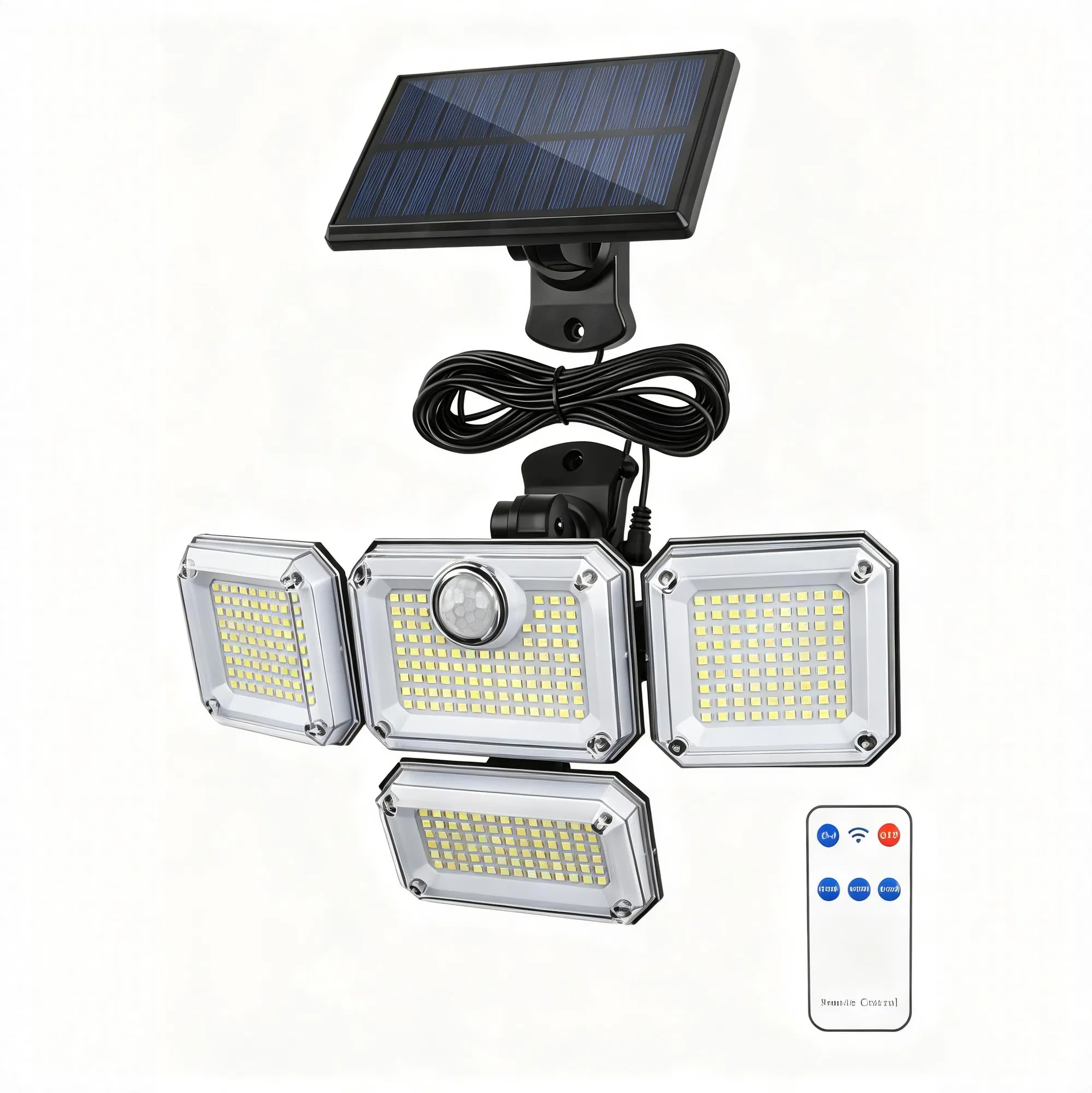 Solar Outdoor Lights with Motion Sensor, 333 LEDs Wide Angle Lights,3 Modes 270,Daylight White Remote Control Waterproof Wall Light for Garage, Yard,2026NEW$31.99View on Mallflare
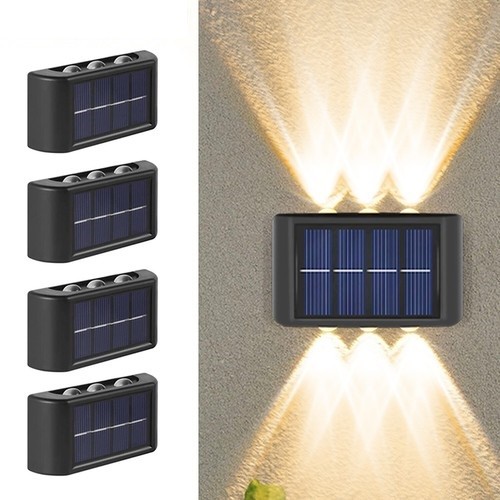 4X Solar Fence Lights Outdoor Dusk to Down LED Garden Yard Patio Wall Decor Lamp$12.59Last checked Nov 28, 2026View on eBay
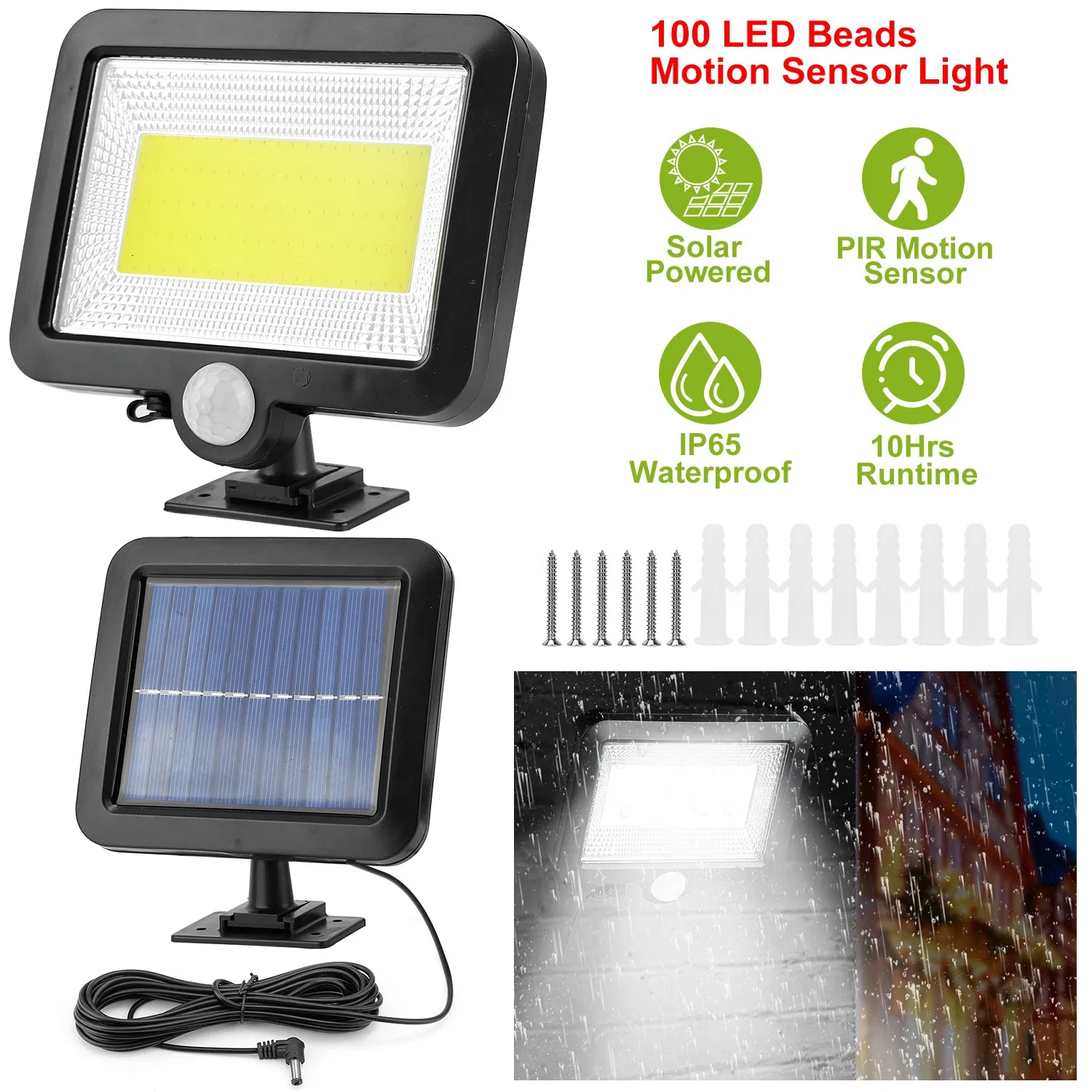 Outdoor Solar Wall Light,Motion & Light Sensor Activated,100 LED Beads,IP65 Waterproof,Rotatable Panel with 16.4ft Cable for Patio Garage Doorway$35.99View on Mallflare
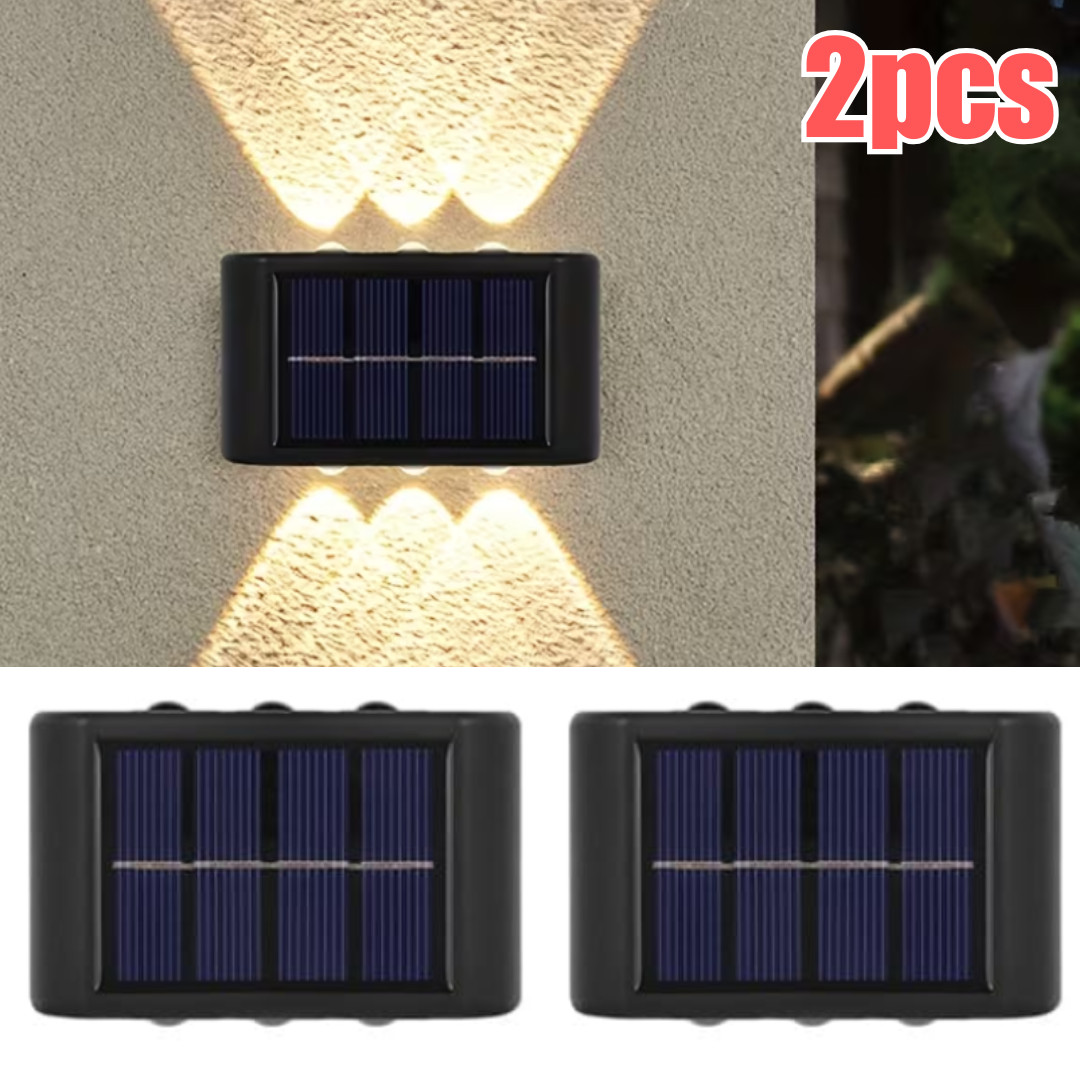 4× Solar Fence Lights Outdoor Dusk to Down LED Garden Yard Patio Wall Decor Lamp$12.59View on eBay
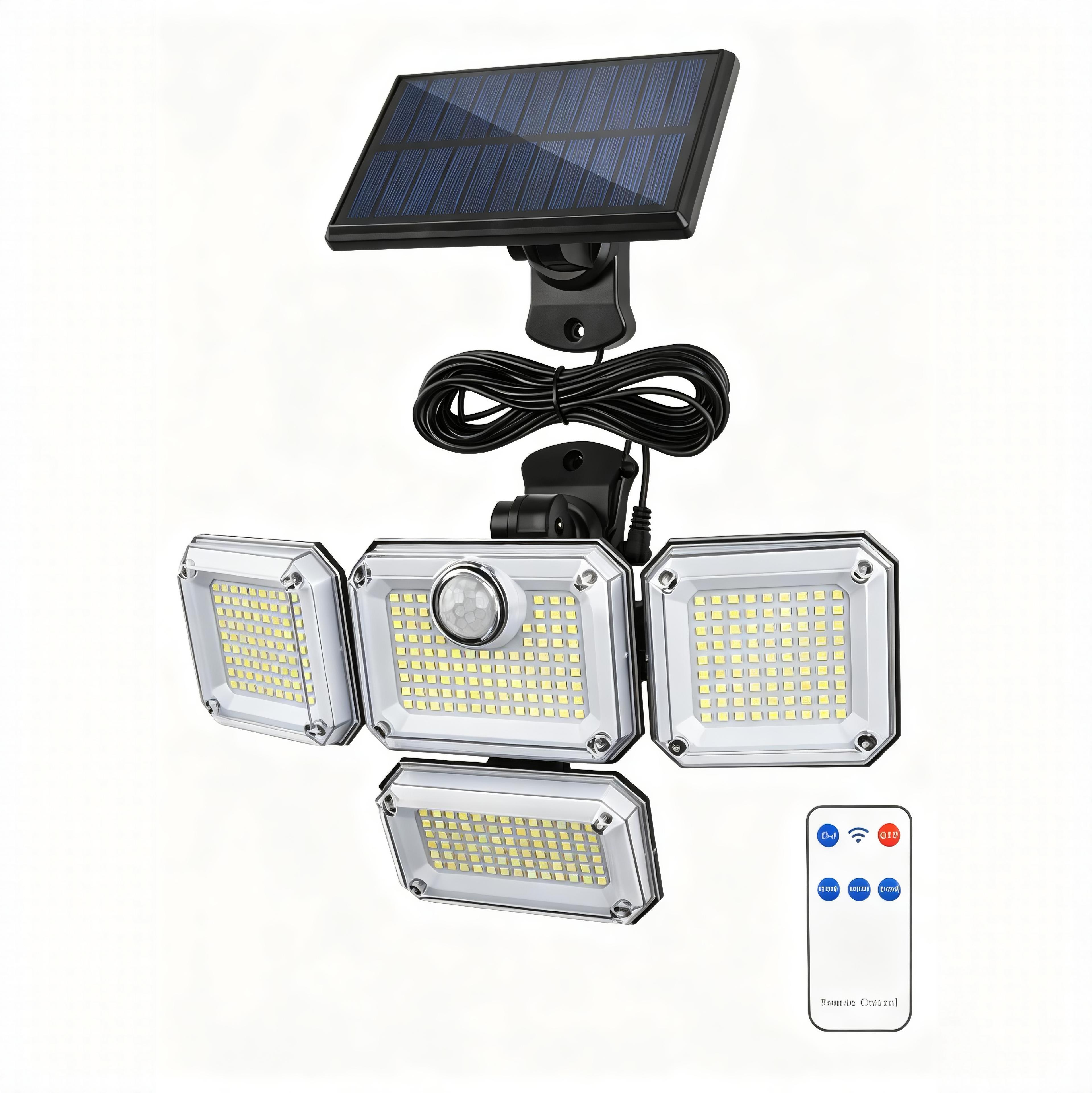 Solar Outdoor Lights with Motion Sensor, 333 LEDs Wide Angle Lights,3 Modes 270°,Daylight White Remote Control ,Waterproof Wall Light for Garage, Yard,2026NEW$45.99View on Mallflare
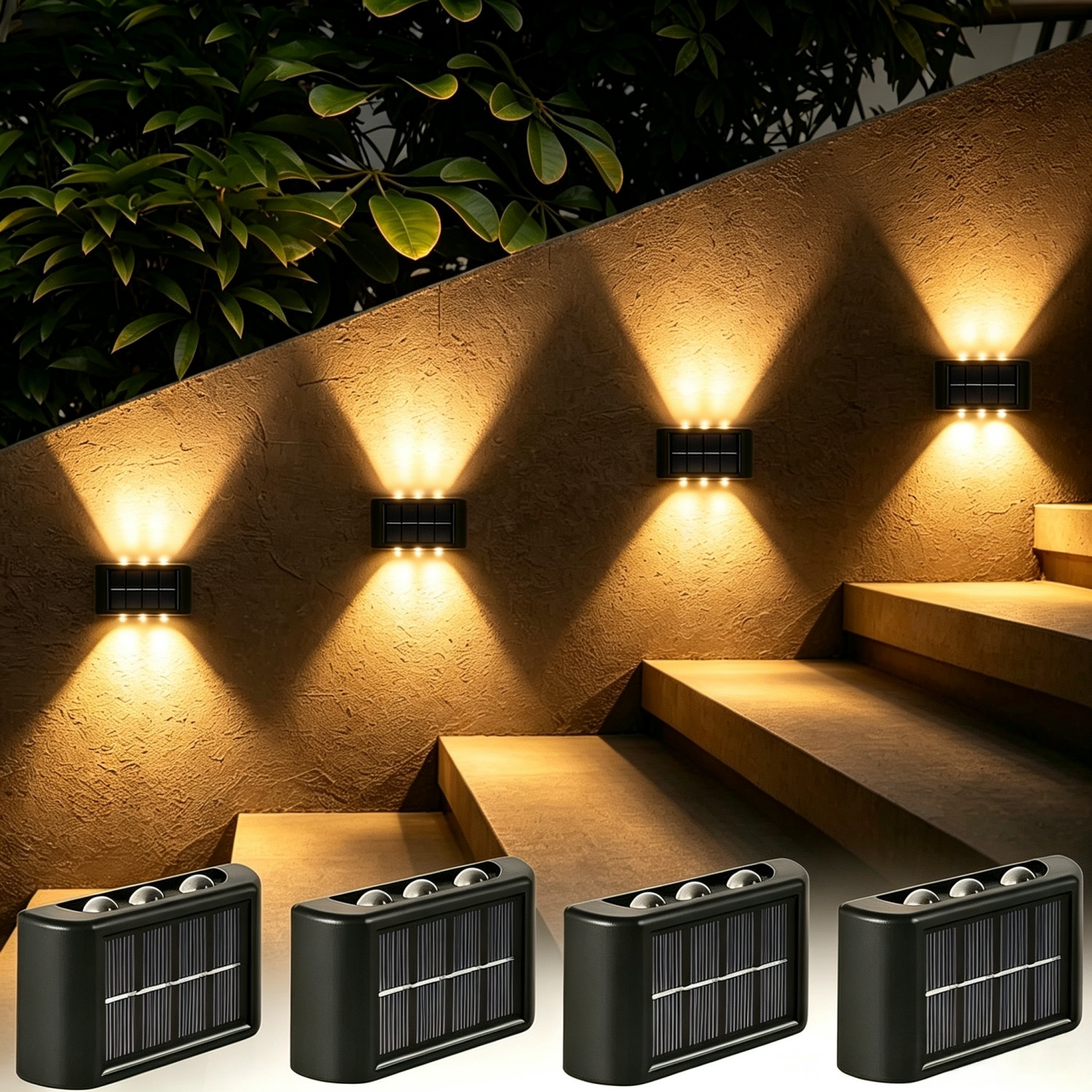 4Pack Solar Wall Lights Outdoor Garden Yard Fence Deck Front Door LED Decor Lamp$12.99Last checked Nov 28, 2026View on eBay
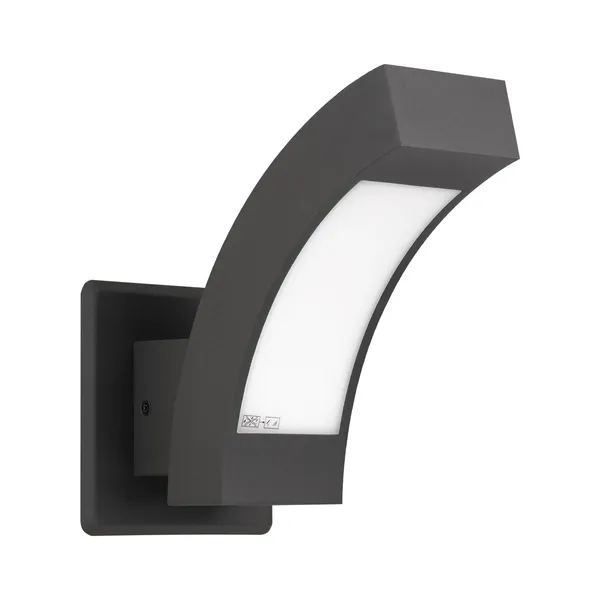 Inowel Wall Lights Outdoor Sconce Modern LED Patio Porch Aluminum Exterior Light Fixture Waterproof IP54 For Hallway House Back Yard Garage 12557$86.99View on Mallflare
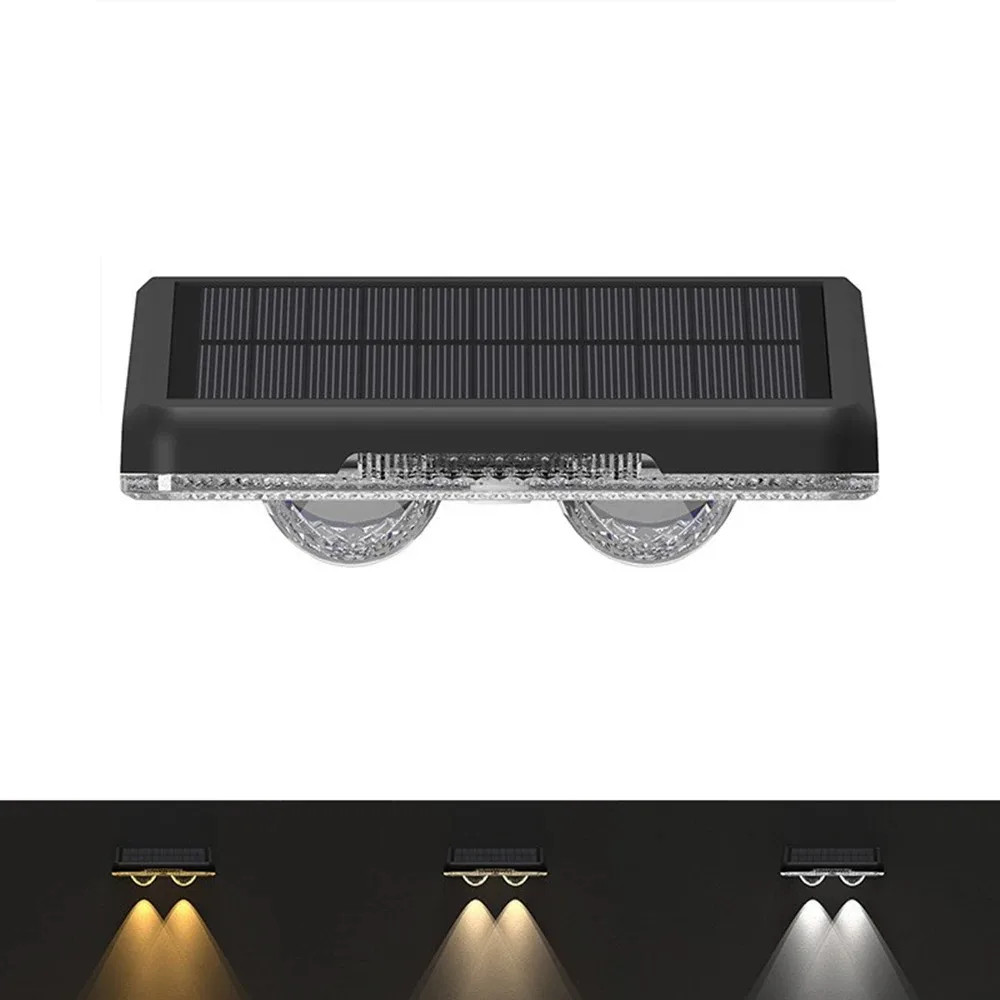 LED Solar Light Outdoor Waterproof Wall Lamp RGB 3Color Path Garden Landscape De$13.99View on eBay
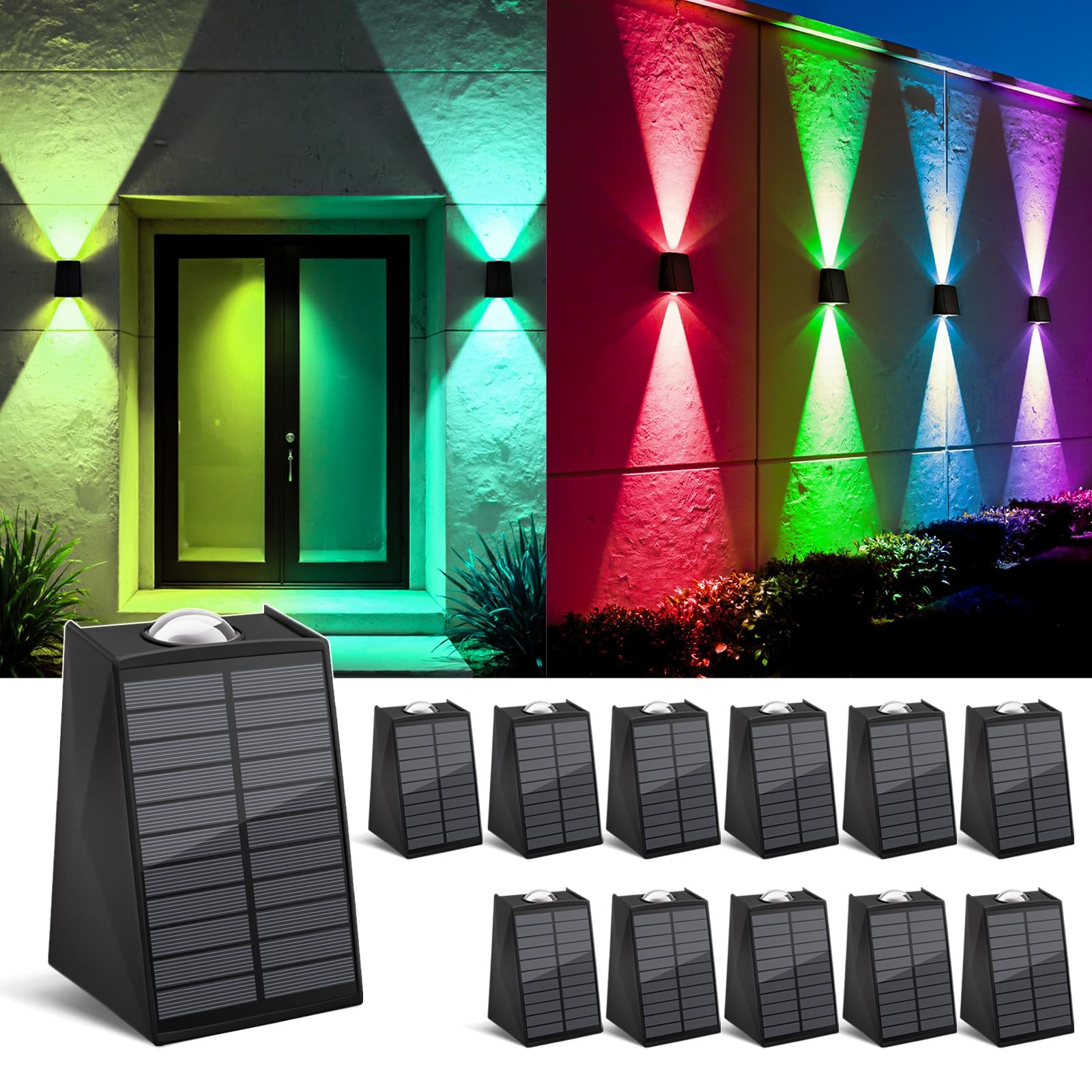 12Pack Color Changing Solar Wall Lights 2 LED Up and Down for Outdoor Decor$129.00View on eBay
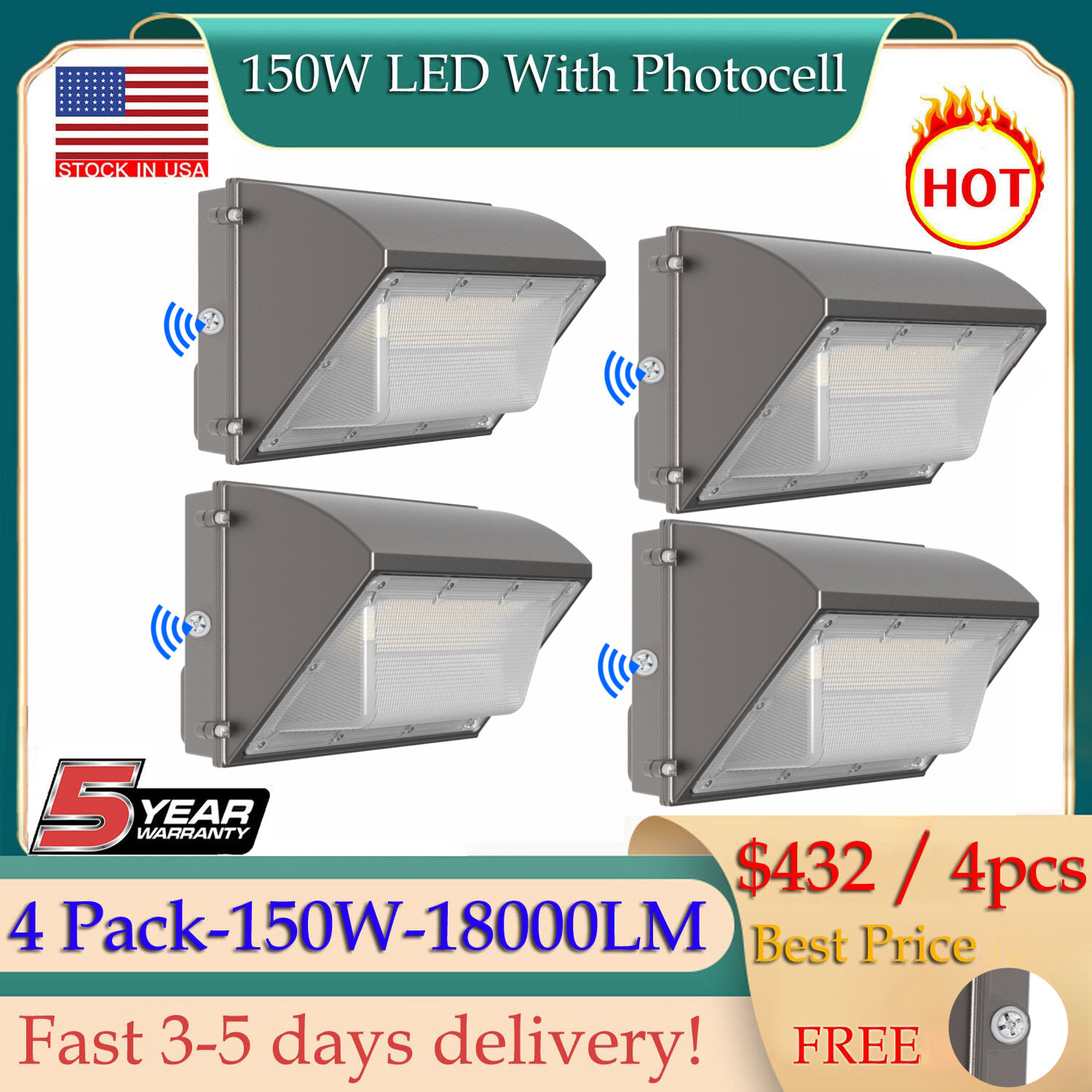 150Watt - 18000LM LED Wall Pack Light,Outdoor Commercial and Industrial Lighting$266.01Last checked Nov 16, 2026View on eBay
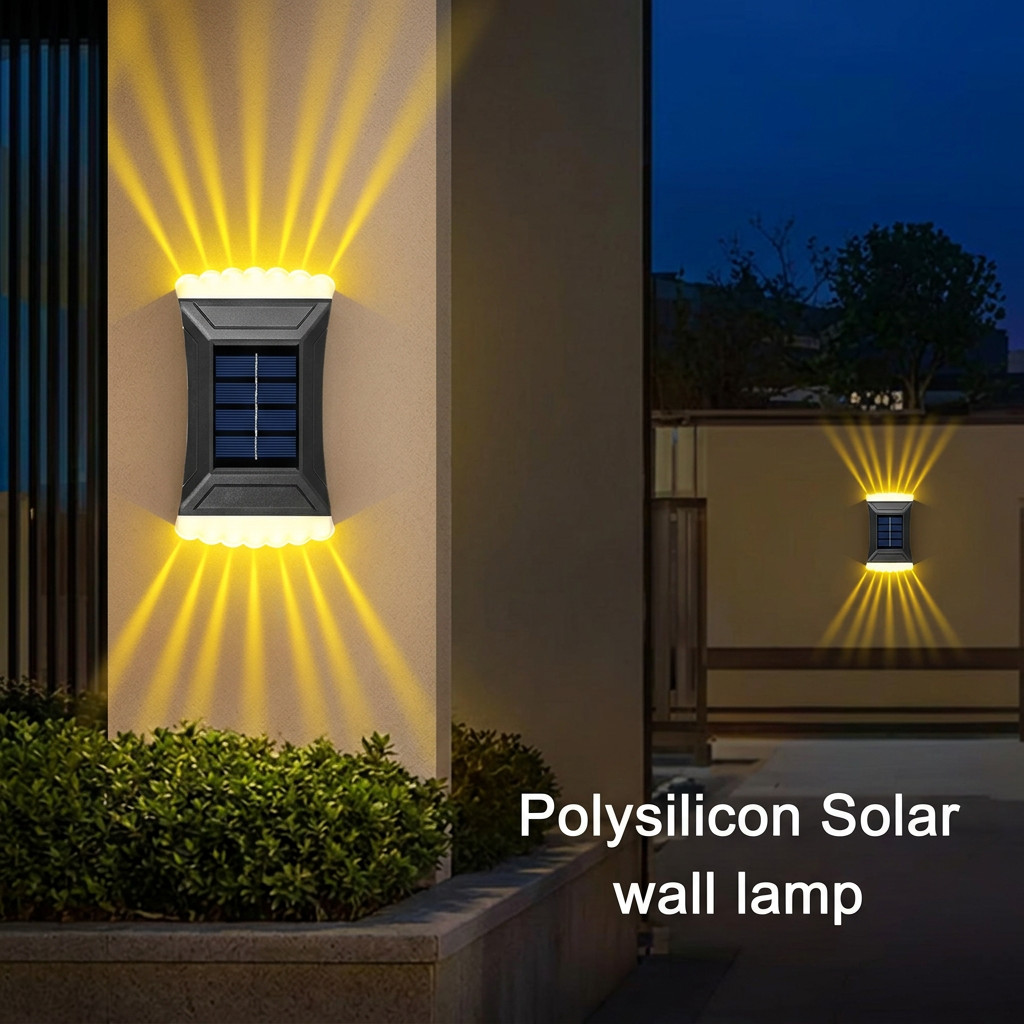 Solar Fence Wall Light Outdoor Garden LED Steps Yard Patio Porch Waterproof Lamp$3,543.00New · Last checked Nov 21, 2026View on eBay
Highlights
- Hardwired fixtures run directly off 120V/230V line voltage with no battery degradation; solar fixtures depend on Li-ion or NiMH cells that lose 20-30% capacity within 2-3 years.
- IP65 is the minimum outdoor rating (dust-tight, jet-water resistant); IP44 only resists splashes and fails in exposed coastal or rain-driven locations.
- Integrated LED arrays rated 50,000 hours outlast replaceable-bulb fixtures rated 15,000-25,000 hours, but non-replaceable LEDs mean fixture replacement at end of life.
- Photocell (dusk-to-dawn) and PIR motion sensors are separate circuits; motion-only units stay dark until triggered, while dusk-to-dawn units burn all night and need line power or a large solar panel.
Best use cases
- Primary entry, garage, and porch lighting: pick a hardwired 120V fixture with integrated LED and photocell; skip solar, which dims after cloudy days and cannot guarantee code-level egress lighting.
- Fence posts, deck rails, and stair risers: choose low-output solar step lights (IP65, 10-50 lumens); hardwiring these runs is costly and low-voltage transformers add failure points.
- Security perimeter and dark side yards: select a hardwired 20-50W flood-style wall light with PIR motion or a dual-head design; solar motion units drop to low output in winter and mis-trigger in wind.
- Rental or no-wiring facades: use solar wall lights with a separable panel on a 16.4 ft cable so the panel faces sun while the lamp sits in shade; skip all-in-one solar units mounted under eaves.
Buying tips
- Match lumen output to mounting height: 300-500 lm for 6-8 ft entry walls, 700-1200 lm for driveway and garage facades, and 100-300 lm for step and fence accents.
- Check the backplate diameter and junction-box compatibility: most hardwired wall lights fit a 4-inch round or 4-inch octagon box; a smaller backplate exposes the box and requires a mounting plate.
- For solar, size the panel to the battery: a 100-LED motion light needs a 3-6W panel and 1200-2000mAh cell to sustain dusk-to-dawn; tiny 0.5W panels only support motion-triggered bursts.
- Select die-cast aluminum or stainless steel (304/316) housings over ABS plastic; plastic yellows and cracks under UV within 2-3 seasons, while powder-coated aluminum holds 10+ years.
Specs
| Power Source | Hardwired 120V/230V vs Solar |
|---|---|
| Weather Rating | IP65 min exposed / IP44 covered |
| Light Output | 100-2000 lm by application |
| Housing Material | Die-cast aluminum / 304-316 steel |
Related searches
What to check before buying
- Measure the mounting wall height and width: fixture width should be 1/3 to 1/2 the door width, and the light center 66-72 inches above the floor for entries.
- Confirm wiring: a hardwired unit needs an existing junction box, wall switch leg, and 120V (US) or 230V (EU) supply; solar needs 6-8 hours of direct sun at the panel location.
- Verify outdoor rating and location: IP65 for exposed walls, IP44 only under covered porches; coastal installs require 316 stainless or marine-grade aluminum.
- Check sensor coverage and wiring: PIR range is typically 20-40 ft with a 120-degree field; dual-brightness motion units need constant line power, not a switched leg.
FAQ
Data sources: eBay / Amazon listings and product attribute feeds. Updated Nov 29, 2026.
Some links on this page are affiliate links. If you buy after clicking one, we may earn a commission at no extra cost to you. This does not change which products appear here or their order. Affiliate disclosure.