
Photos from current listings. Actual item, color, and included accessories may vary.
Outdoor Privacy Panel Buying Guide
Outdoor privacy panels are freestanding or stake-mounted screens that block sightlines to AC units, trash cans, pool equipment, and patios without building a permanent fence. The core trade-off is material weather resistance versus weight and anchoring: HDPE/vinyl and powder-coated metal resist rot and UV, while cedar needs sealing and artificial boxwood is cosmetic rather than structural. The decision rule is simple: match the panel to the wind load and ground type—staked panels for soil, freestanding metal for hardscape, and rigid panels anywhere wind exceeds 20 mph.
Median $108.49
Key takeaways
- HDPE/vinyl panels are UV-stabilized and won't rot, warp, or need painting; cedar is natural but requires annual sealing to prevent gray weathering and warping.
- Powder-coated steel or aluminum frames resist rust better than bare metal; check coating thickness—60 microns or more is the durability threshold for coastal or humid climates.
- Ground stakes of 19.7 in suit standard soil; 27.6 in stakes are needed for loose or sandy ground where uplift is a risk.
At a glance
- Category
- Garden Fencing & Privacy Screens
- Last updated
- Nov 27, 2026
Current offers
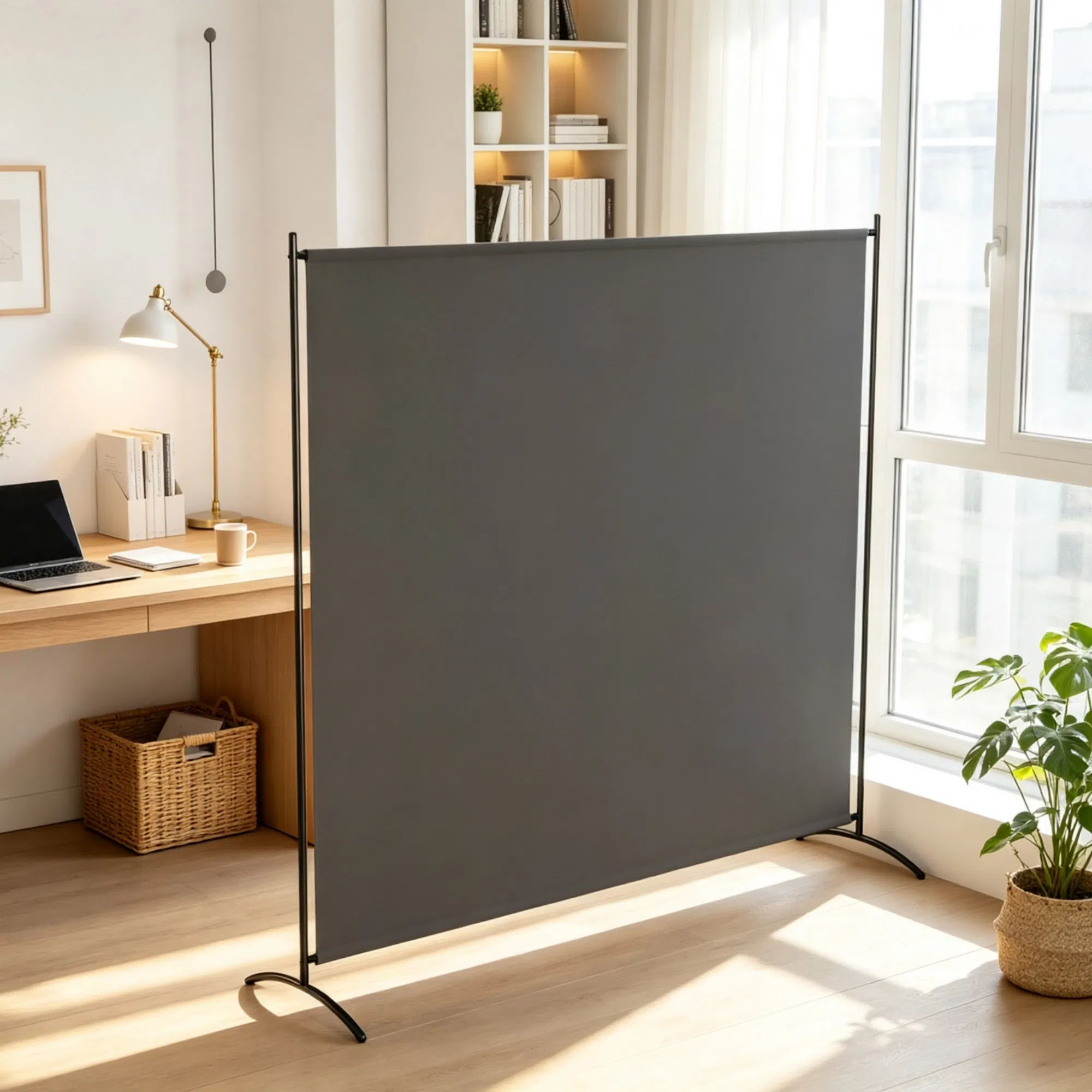 5.9ft Freestanding Outdoor Privacy Screen UPF30+ Room Divider Panel, Dark Gray$77.99View on Mallflare
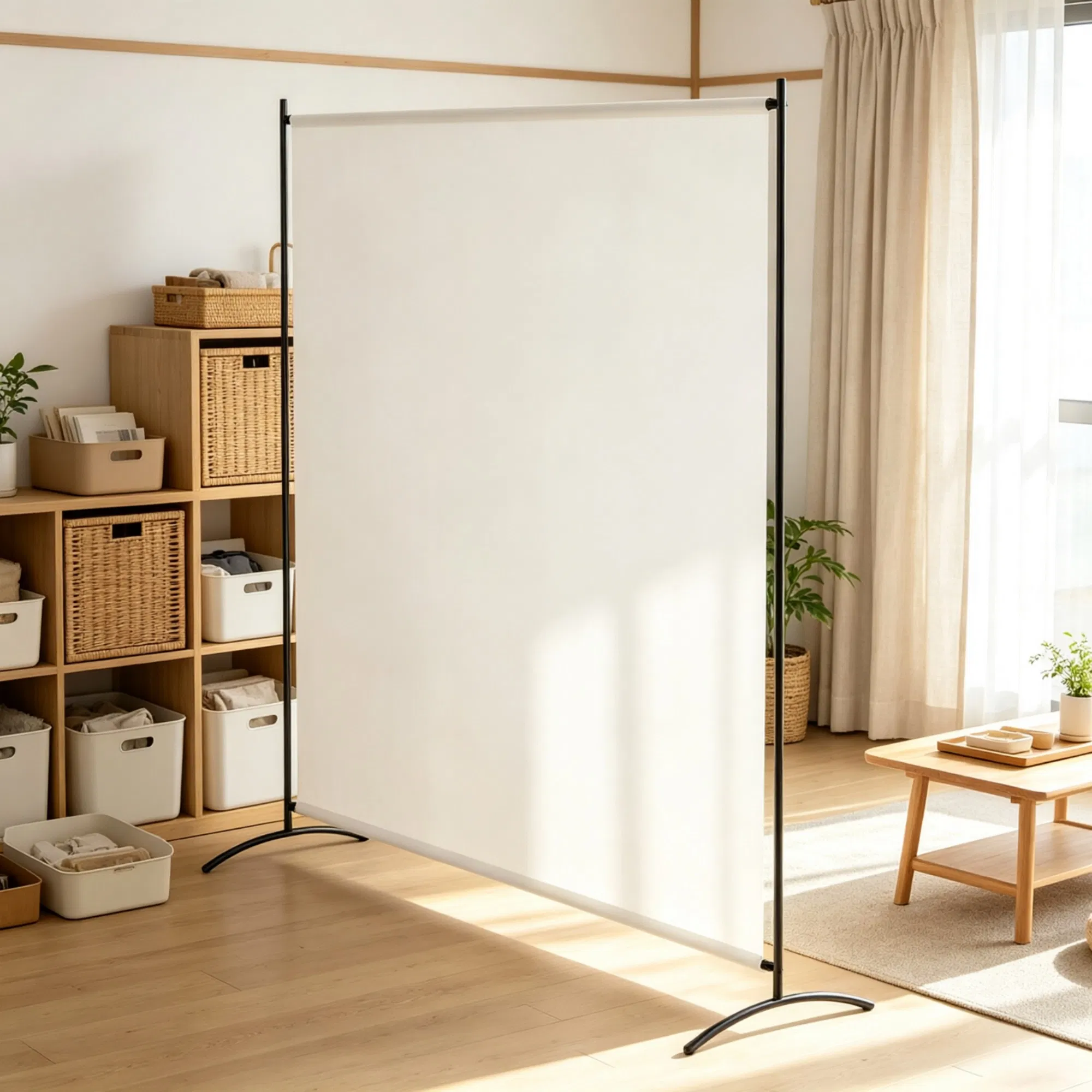 5.9ft Freestanding Outdoor Privacy Screen UPF30+ Room Divider Panel, Beige$86.99View on Mallflare
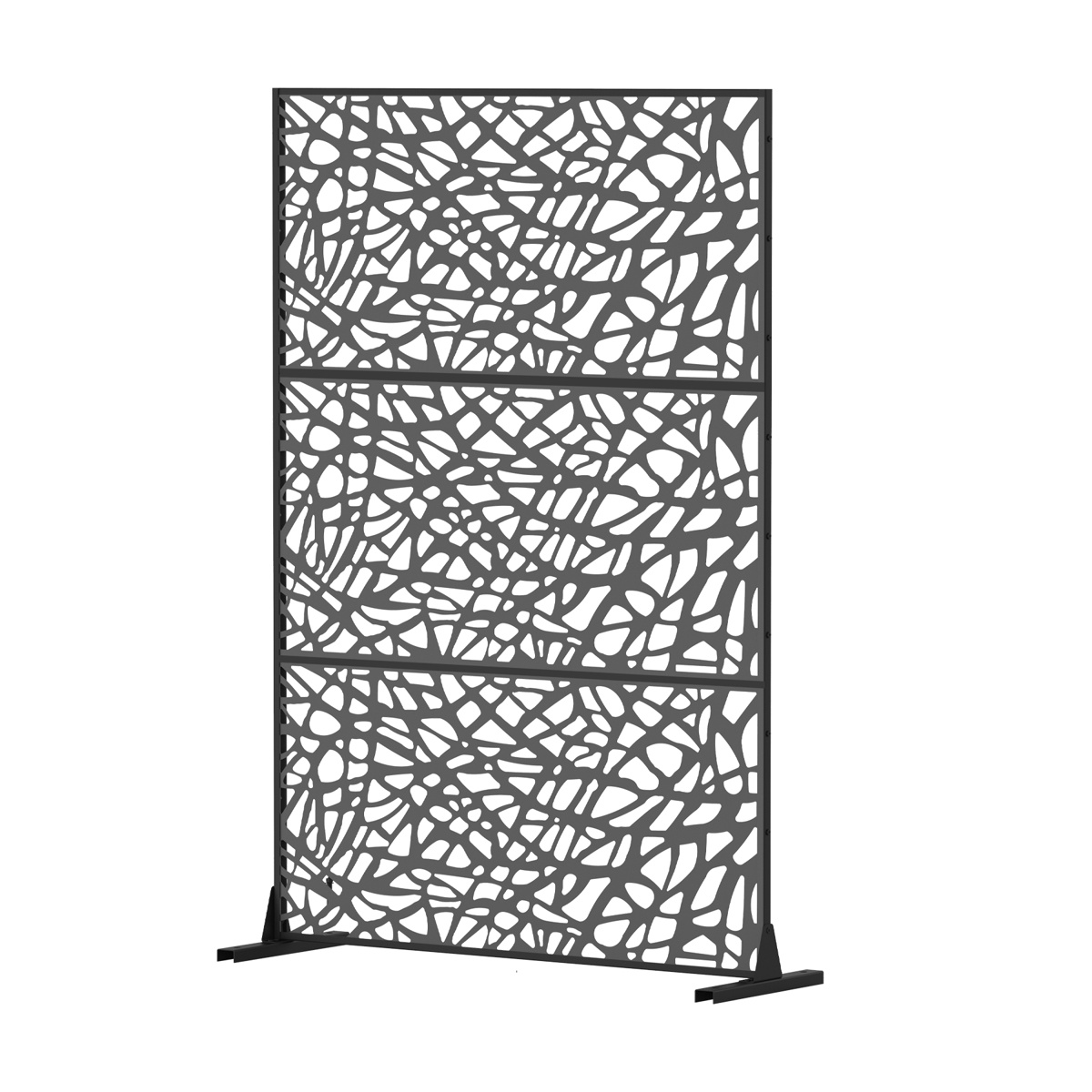 Metal Privacy Screens And Plastic Panels With Free Standing, Freestanding Outdoor Indoor Screen, Decorative For Balcony Patio Garden, Room Divider, Mesh Shape$129.99View on Mallflare
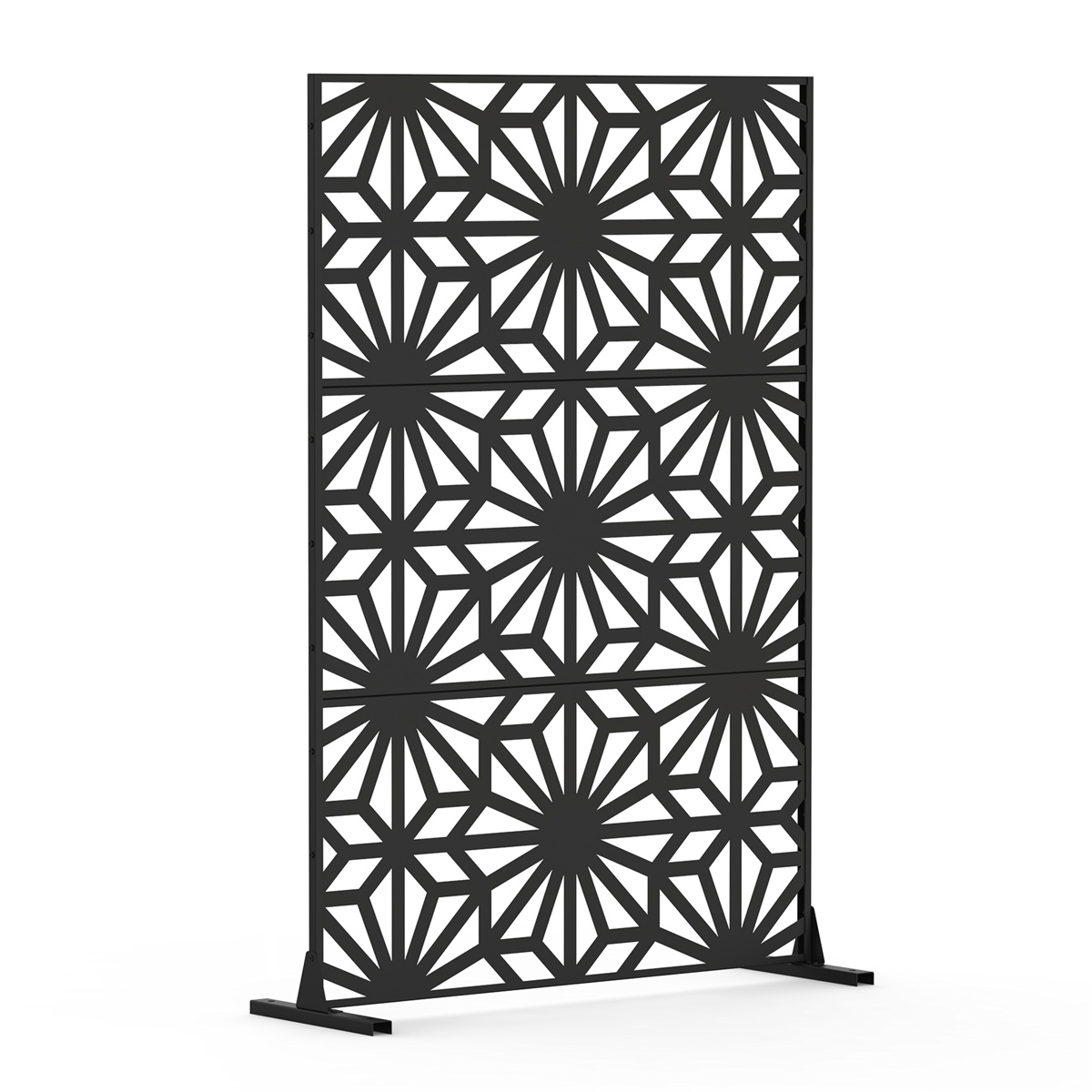 Metal Privacy Screens And Panels With Free Standing, Freestanding Outdoor Indoor Screen, Decorative For Balcony Patio Garden, Sun Flower Shape$155.99View on Mallflare
Highlights
- HDPE/vinyl panels are UV-stabilized and won't rot, warp, or need painting; cedar is natural but requires annual sealing to prevent gray weathering and warping.
- Powder-coated steel or aluminum frames resist rust better than bare metal; check coating thickness—60 microns or more is the durability threshold for coastal or humid climates.
- Ground stakes of 19.7 in suit standard soil; 27.6 in stakes are needed for loose or sandy ground where uplift is a risk.
- Artificial boxwood panels are 1.5 in thick and UV-treated for fade resistance, but they are decorative overlays—not structural privacy screens for high-wind areas.
Best use cases
- Best fit: use stake-mounted vinyl or metal panels (36–50 in wide, 45–76 in tall) to screen AC units and trash cans in soil beds; skip freestanding panels there because wind tips them.
- Best fit: choose freestanding powder-coated metal screens with weighted bases for balconies, patios, and rental properties where digging is not allowed; skip staked panels on concrete.
- Best fit: pick cedar panels (61–72.8 in tall) for a natural look around pool equipment when you will seal them annually; skip cedar in constantly wet shade where rot outpaces maintenance.
- Best fit: use artificial boxwood panels as a lightweight cosmetic layer on existing fences or balcony railings; skip them as a standalone privacy solution in windy, exposed locations.
Buying tips
- Calculate panel coverage: a 36 in wide panel covers 3 ft; for a 8 ft AC unit you need three panels plus overlap, so buy one extra panel for corners and posts.
- Match stake length to soil: 19.7 in stakes for firm loam, 27.6 in for sand or loose fill; in rocky ground use freestanding panels with ballast instead.
- Choose HDPE/vinyl for zero-maintenance wet climates, powder-coated aluminum for coastal salt air, and cedar only if you will seal it yearly.
- Check panel height against sightline: 45–50 in hides equipment from street level; 61–76 in blocks second-story and neighbor views.
Specs
| Panel Material | HDPE/vinyl, powder-coated metal, cedar |
|---|---|
| Mounting Type | Ground stake (19.7–27.6 in) or freestanding |
| Panel Height | 45–76 in (sightline dependent) |
| UV / Weather Rating | UV-stabilized; rust-proof coating required |
Related searches
What to check before buying
- Measure the equipment footprint plus 6 in clearance on all sides for airflow—AC units need unobstructed exhaust or they overheat.
- Confirm ground type: soil accepts stakes, concrete or pavers require freestanding bases or weighted feet.
- Check local wind exposure: in gust-prone or coastal areas, select metal frames with anchored bases rather than hollow vinyl stakes.
- Verify panel material compatibility with your climate: UV-stabilized HDPE for sun, powder-coated metal for salt, sealed cedar for dry climates.
FAQ
Data sources: eBay / Amazon listings and product attribute feeds. Updated Nov 27, 2026.
Some links on this page are affiliate links. If you buy after clicking one, we may earn a commission at no extra cost to you. This does not change which products appear here or their order. Affiliate disclosure.