
Photos from current listings. Actual item, color, and included accessories may vary.
Outdoor Privacy Wall Buying Guide
An outdoor privacy wall is a freestanding or fence-mounted screen that blocks sightlines and wind using rigid panels, modular tiles, or artificial greenery. The core trade-off is between soft, lightweight foliage that blocks view but not force, and rigid metal or wood frames that resist wind load at the cost of weight and anchoring demands. Buy rigid framed or thick composite panels for exposed, windy sites; choose artificial hedge rolls or boxwood tiles only for sheltered balconies and decorative view-blocking where wind uplift is not a factor.
Median $142.99
Key takeaways
- Artificial ivy and boxwood screens use UV-stabilized polyethylene leaves on a mesh or PE backing; UV rating and leaf attachment method (zip-tie vs staple) determine colorfastness and shedding over 2-3 seasons.
- Rigid wood privacy screens rely on vertical slat spacing and panel thickness; tighter gaps (under 2 in) block sightlines while open slats preserve airflow and reduce wind load on the frame.
- Metal privacy panels (perforated or laser-cut) are powder-coated steel or aluminum; aluminum resists rust at the coast but dents, while powder-coated steel is heavier and needs touch-up at cut edges.
At a glance
- Category
- Garden Fencing & Privacy Screens
- Last updated
- Nov 29, 2026
Current offers
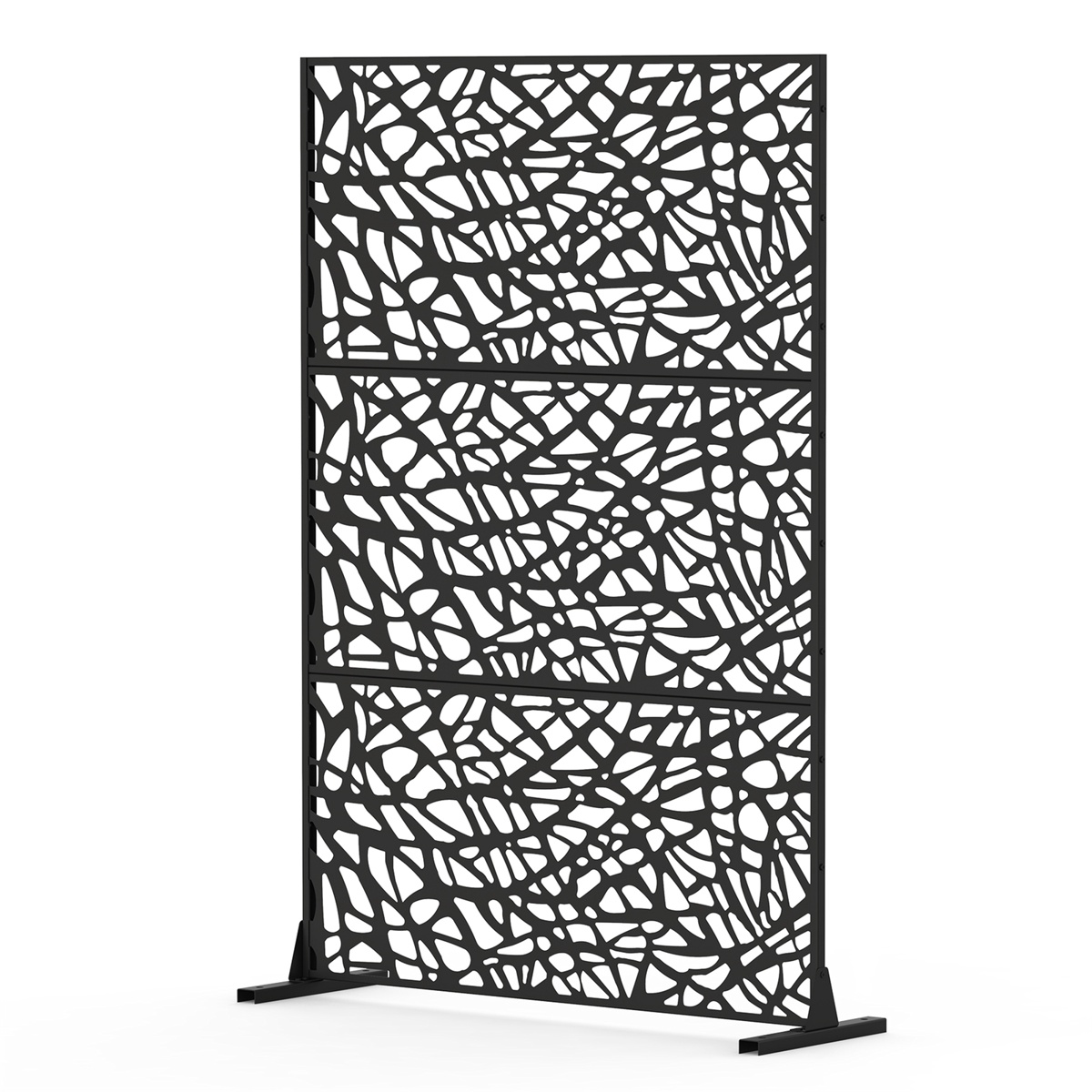 4'x6' Decorative Fence, Indoor &Outdoor Freestanding Metal Privacy Screen Panels$164.86Last checked Nov 24, 2026View on eBay
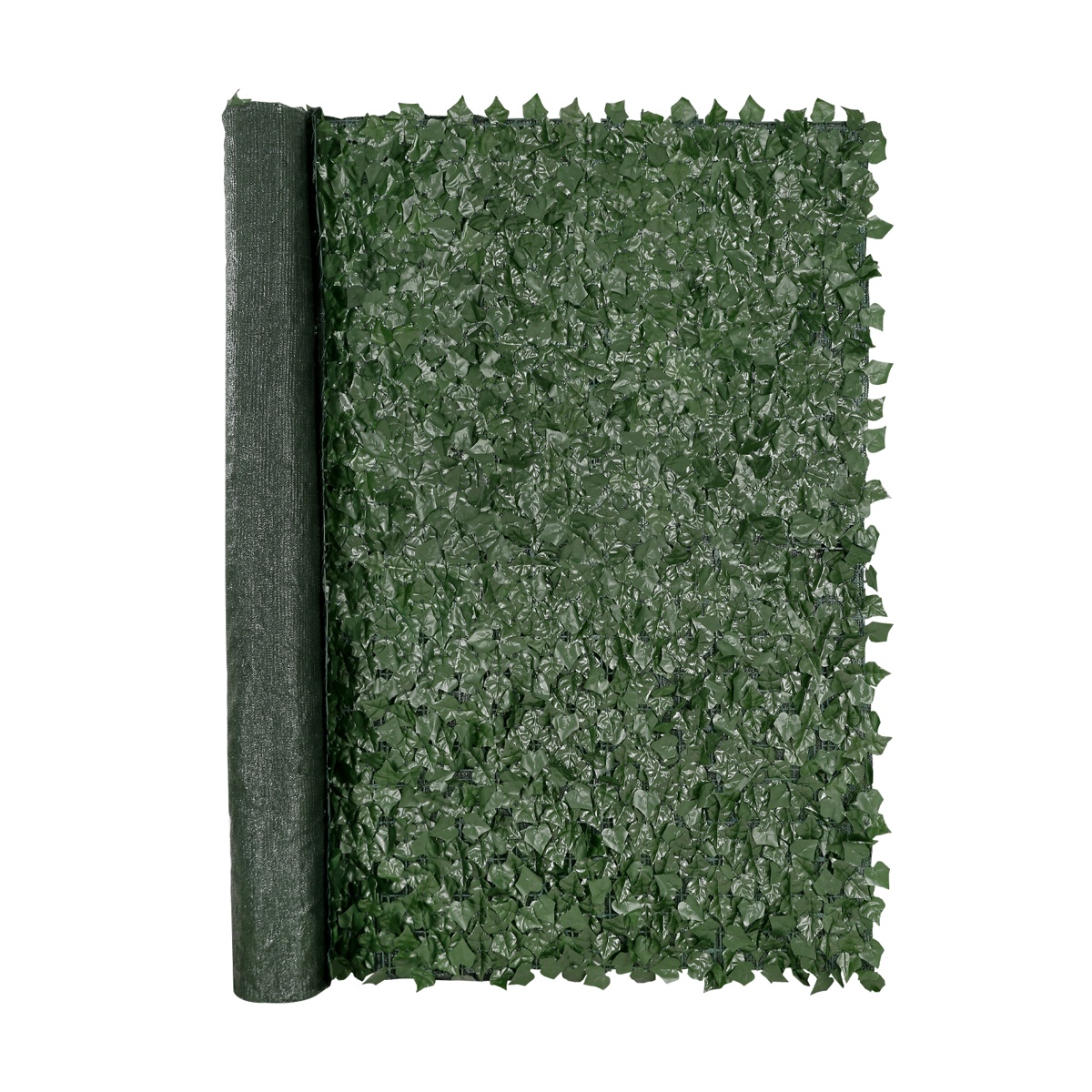 VEVOR Ivy Privacy Fence, 96 X 72 In Artificial Green Wall Screen, Greenery Ivy With Mesh Cloth Backing And Strengthened Joint, Faux Hedges Vine Leaf Decoration For Outdoor Garden, Yard, Balcony$39.99View on Mallflare
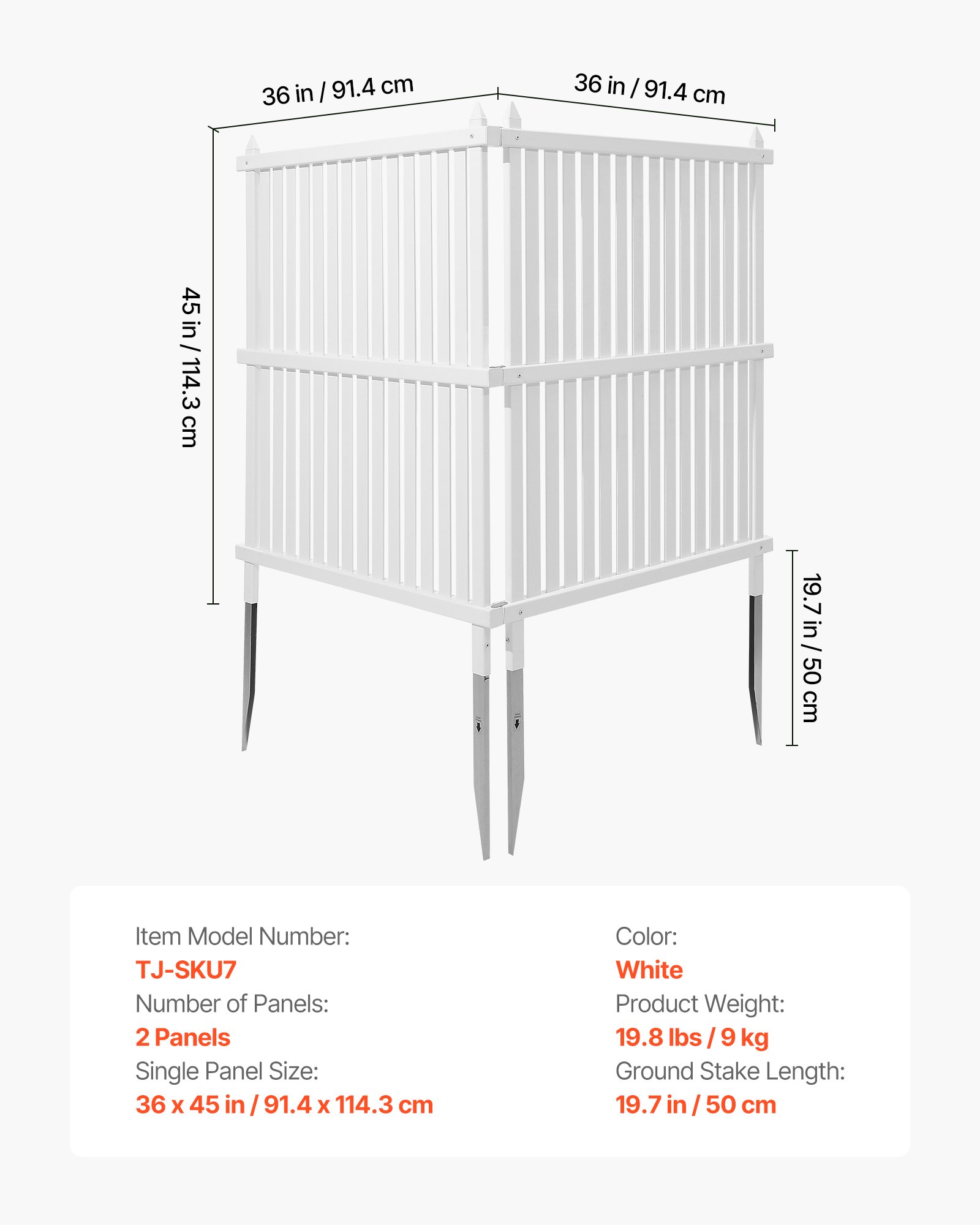 2 Panels Outdoor Privacy Screen, 36 X 45 In Air Conditioner Fence With 19.7 In Ground Stakes, Pool Equipment Enclosure, Strip Vinyl Ideal For Trash Can And A/C Units, White$82.99View on Mallflare
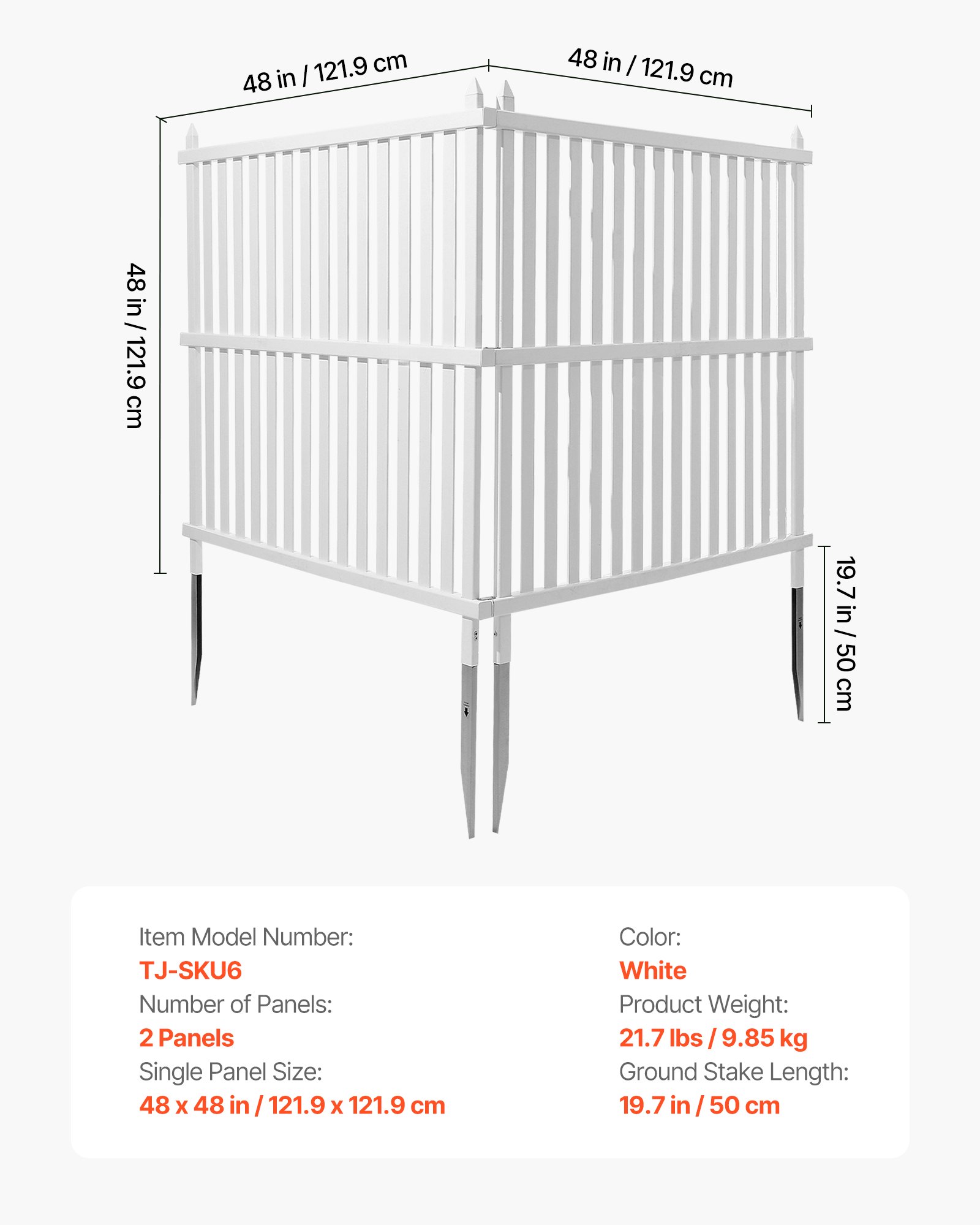 2 Panels Outdoor Privacy Screen, 48 X 48 In Air Conditioner Fence With 19.7 In Ground Stakes, Pool Equipment Enclosure, Strip Vinyl Ideal For Trash Can And A/C Units, White$88.99View on Mallflare
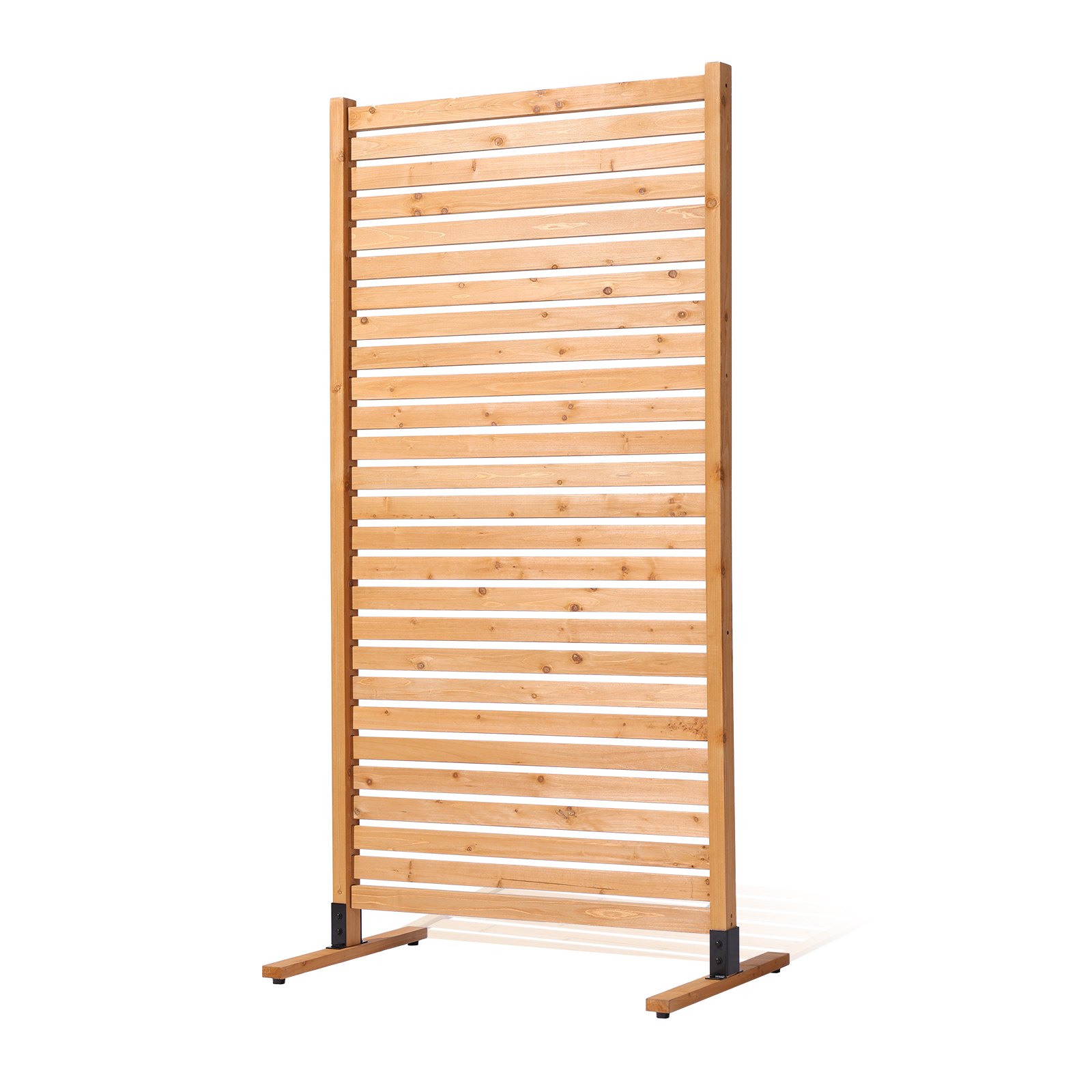 Wooden Privacy Screen 36' X 76' Freestanding Outdoor For Patio$100.99View on Mallflare
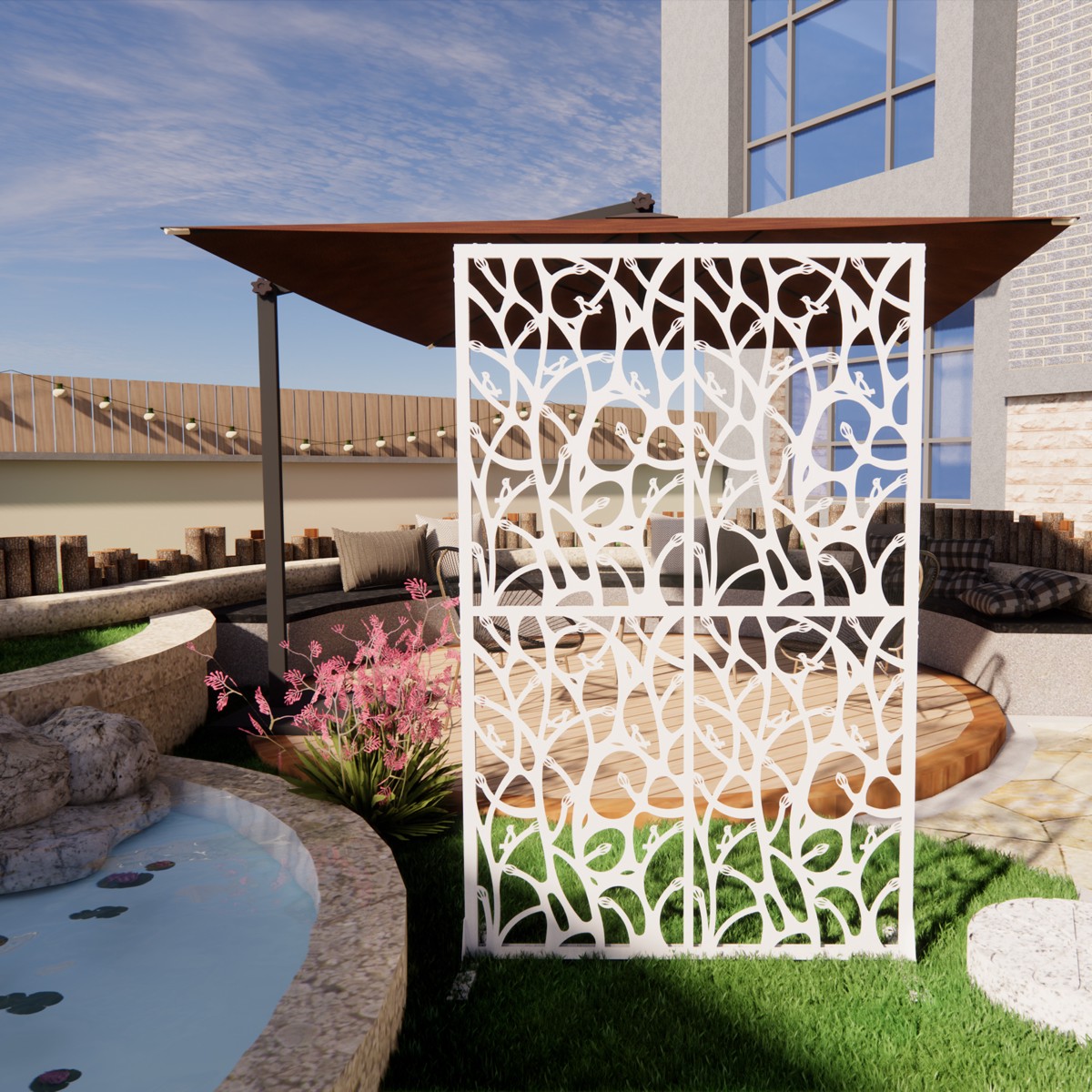 Metal Privacy Screens W3.8Ft X H6Ft Outdoor And Indoor Divider With Free Standing Decorative Screen For Balcony Patio Garden Room White Bird Shape$105.99View on Mallflare
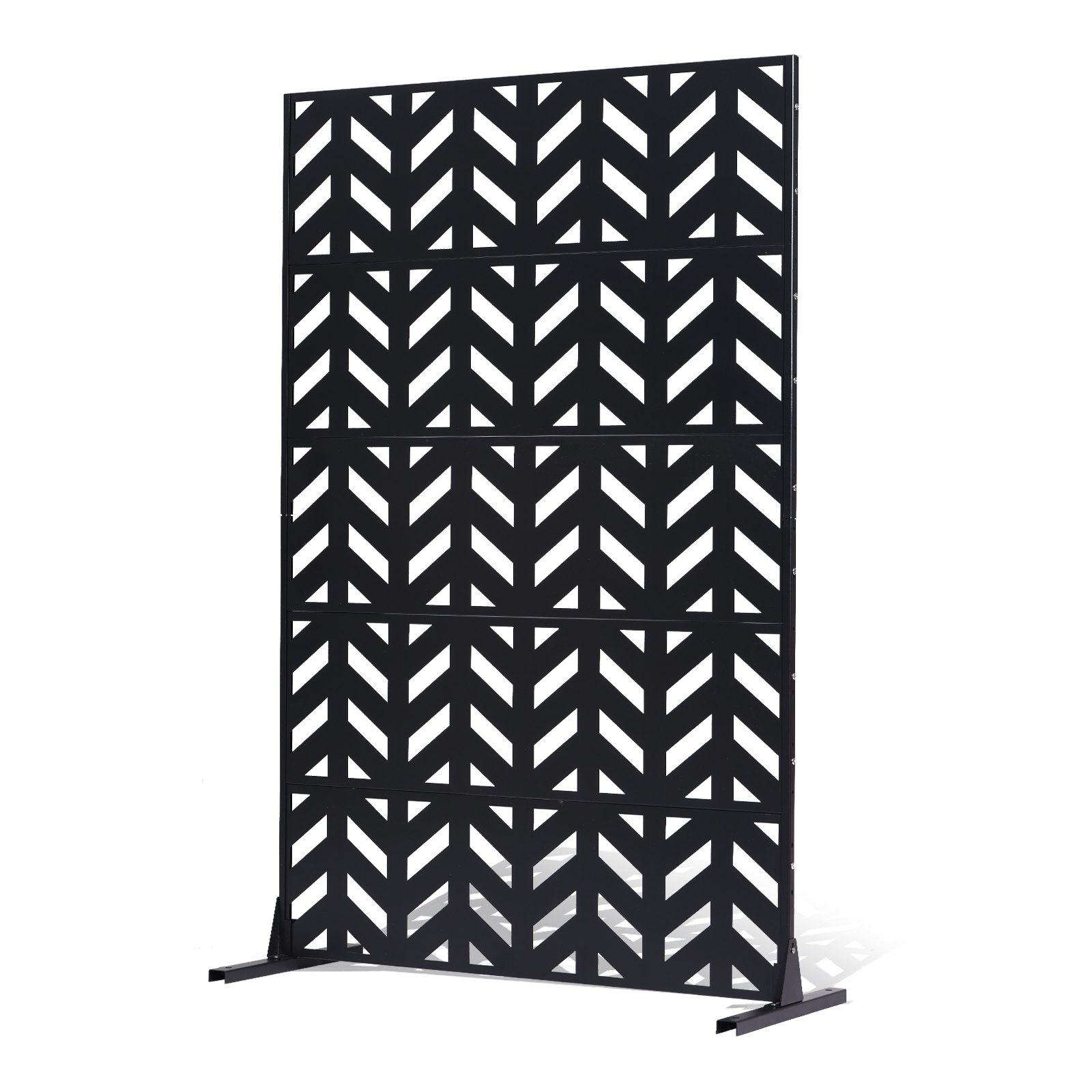 Metal Privacy Screen 47' X 72' Freestanding Outdoor Screens For Patio$107.99View on Mallflare
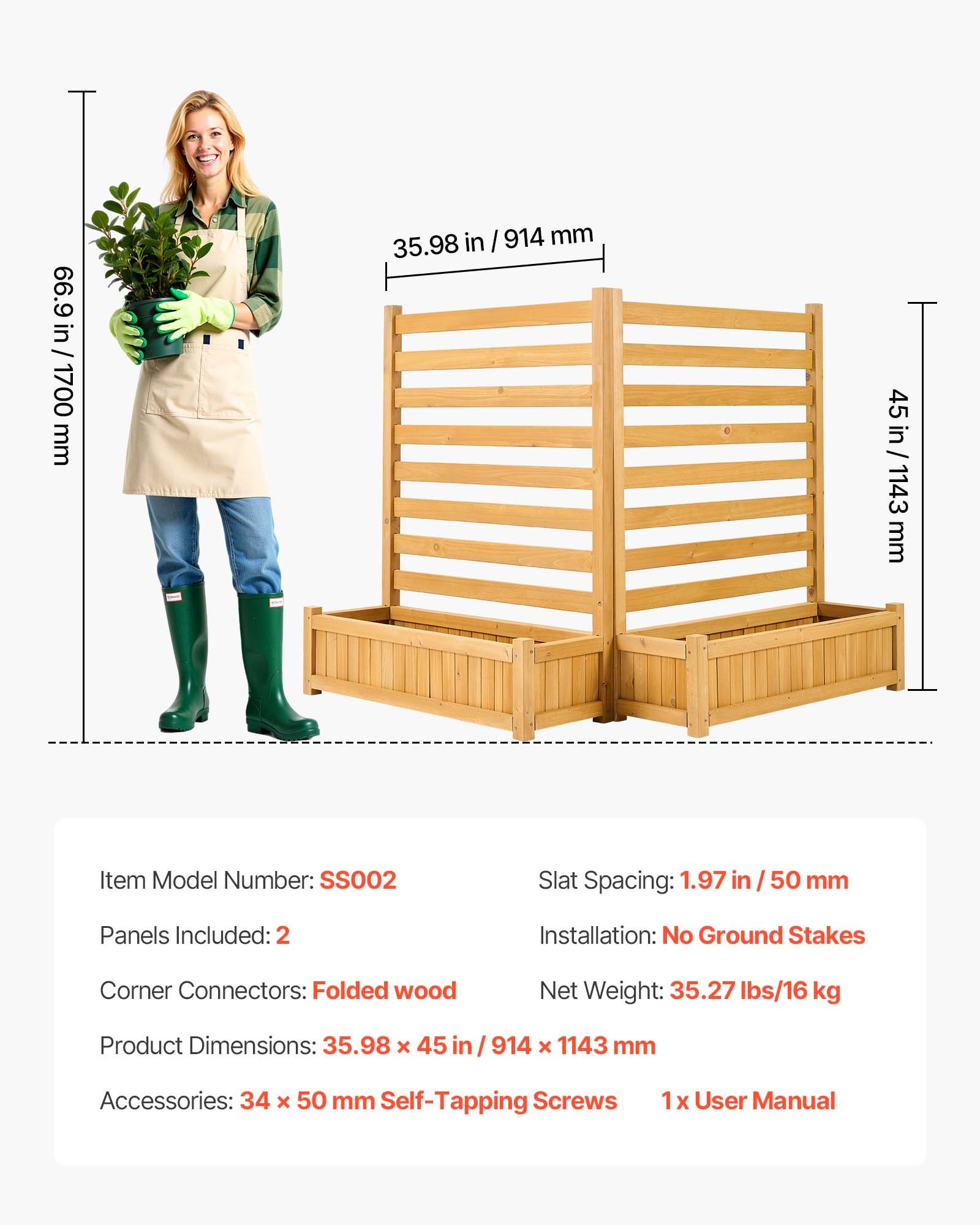 Wooden Privacy Fence, 36 X 45 Inch Air Conditioner 2 Slatted Panel Solid Outdoor Wood Screen With 2 Planters, Metal Stakes, Trash Can Hider Fences Suitable For Garden, Pool$113.99View on Mallflare
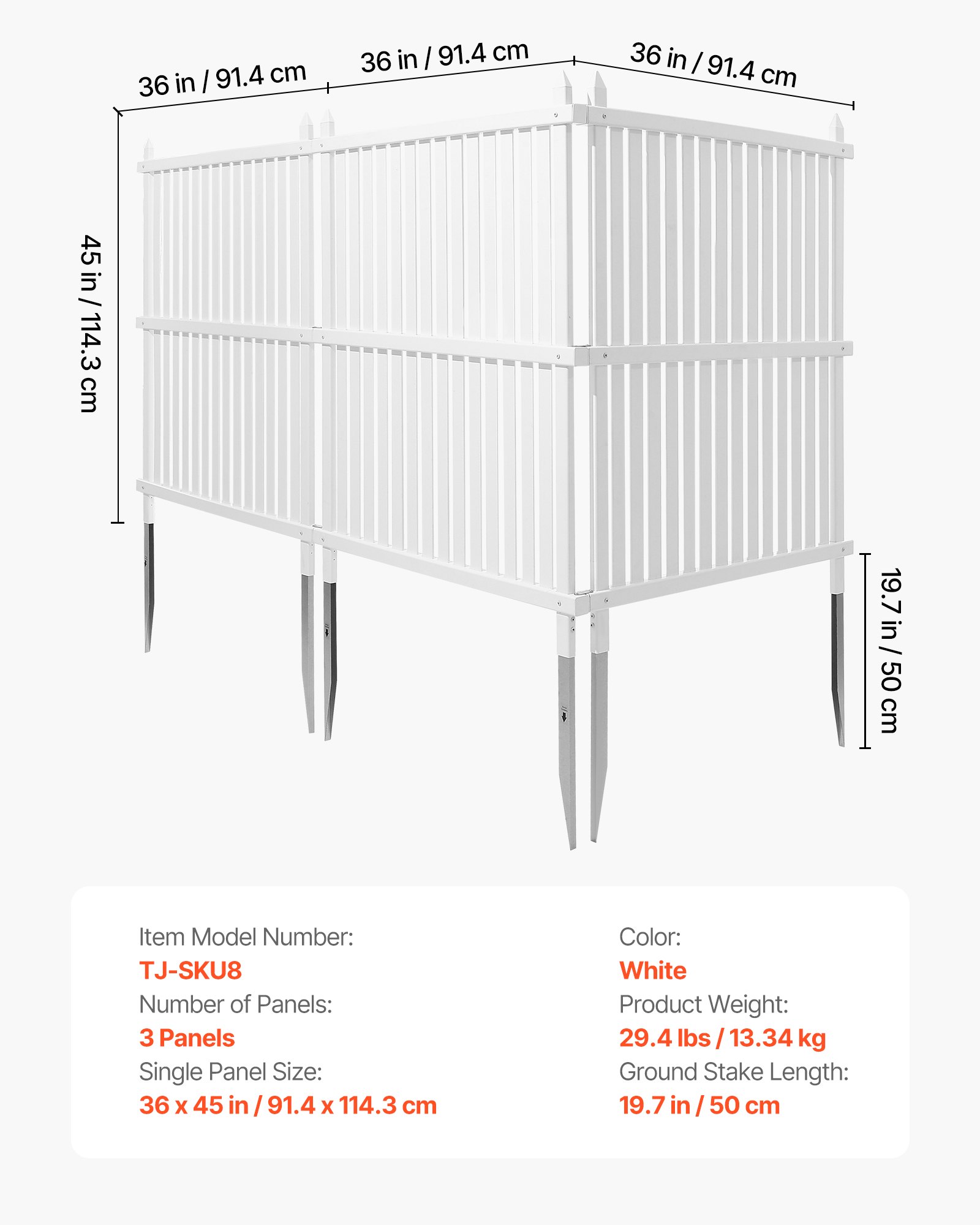 3 Panels Outdoor Privacy Screen, 36 X 45 In Air Conditioner Fence With 19.7 In Ground Stakes, Pool Equipment Enclosure, Strip Vinyl Ideal For Trash Can And A/C Units, White$114.99View on Mallflare
 Decorative Outdoor Privacy Screen, See-Through Divider/Separator with Twisted Branch Motif for Fun Shadows or Climbing Plant Trellis, Fence Panel for Garden Walkway, Backyard, 6.5FT$115.99View on Mallflare
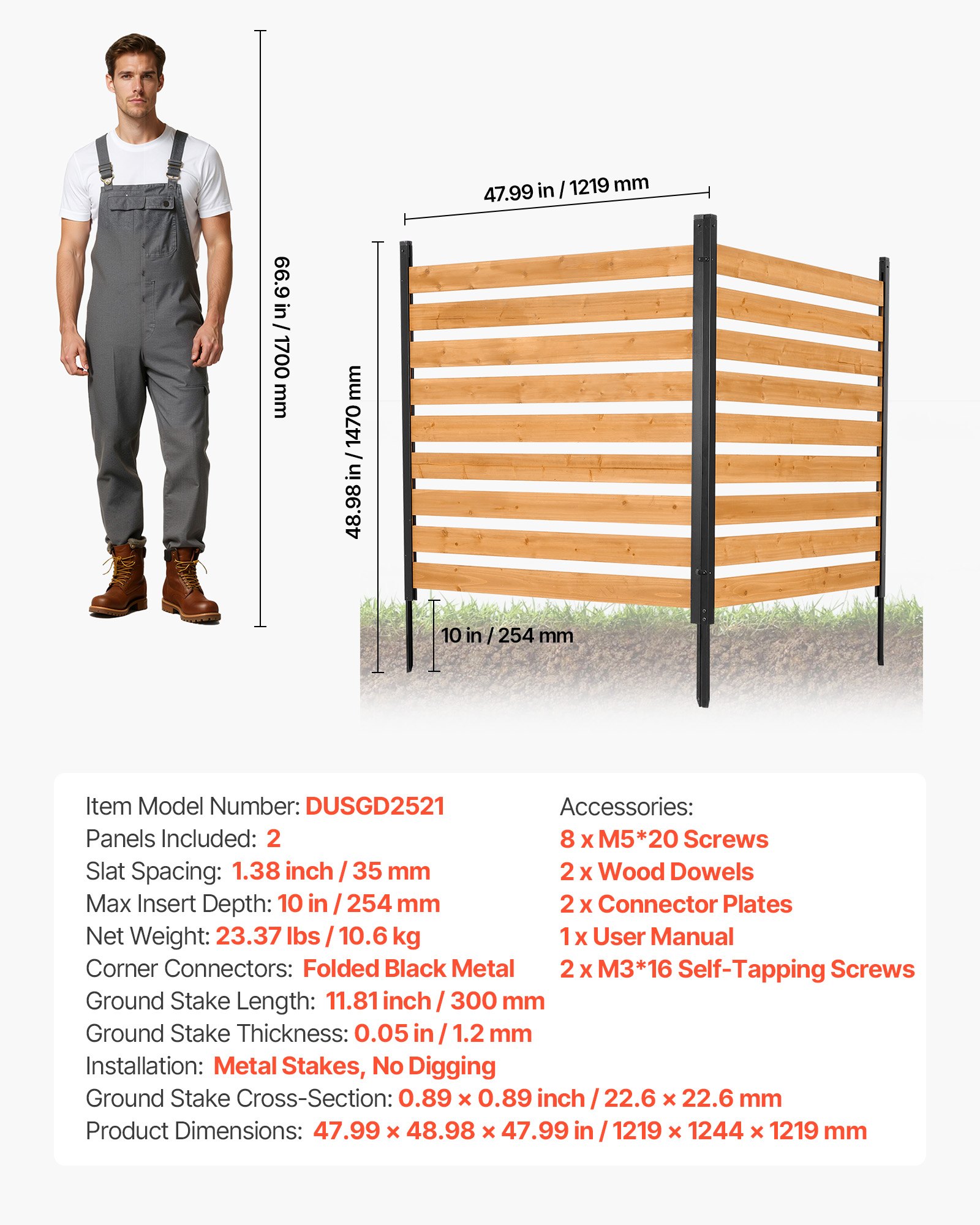 Wooden Privacy Fence, 48 X 49 X 28 Inch Air Conditioner 2 Panel Solid Outdoor Wood Screen With Metal Stakes, Steel Frame, Trash Can Hider Fences Suitable For Garden, Pool$117.99View on Mallflare
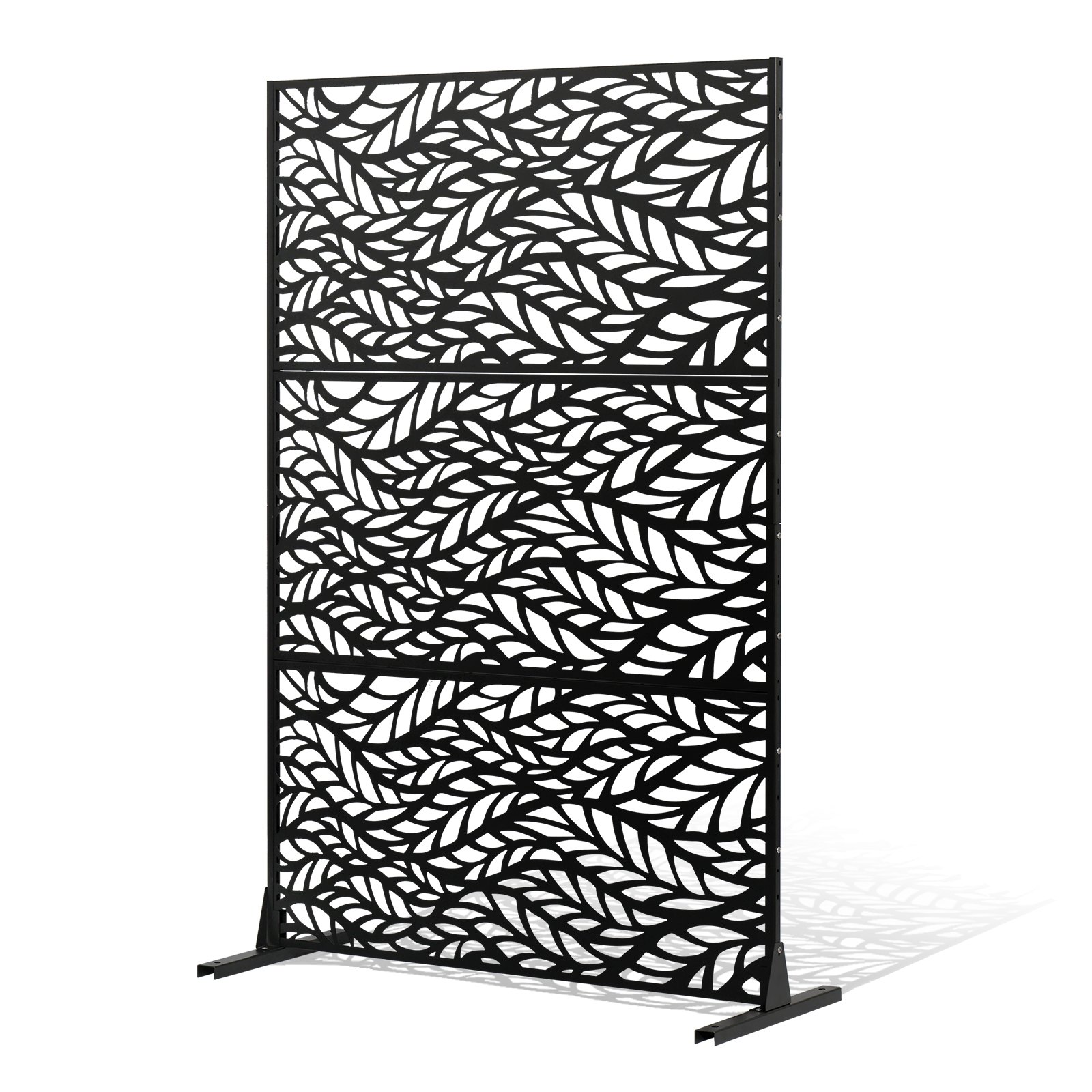 Metal Privacy Screen 47' X 72' Outdoor Screens & Panels For Patio Black$129.99View on Mallflare
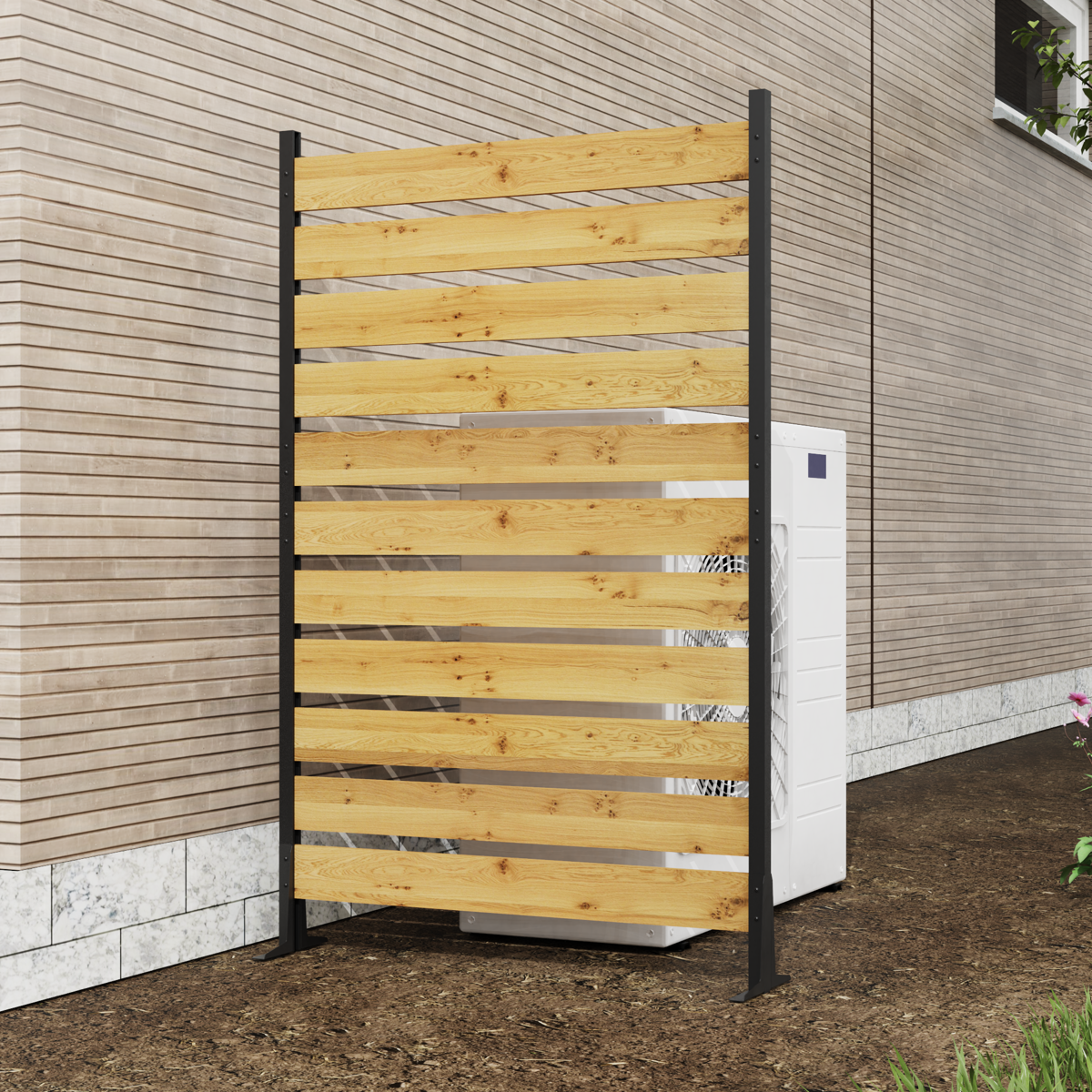 72.8"H x 38.5"W(1 Panel) Cedar Wood Privacy Screen, Outdoor Walls, Fence for Pool Equipment Enclosure, Trash Can Enclosures, Air Conditioner$136.99View on Mallflare
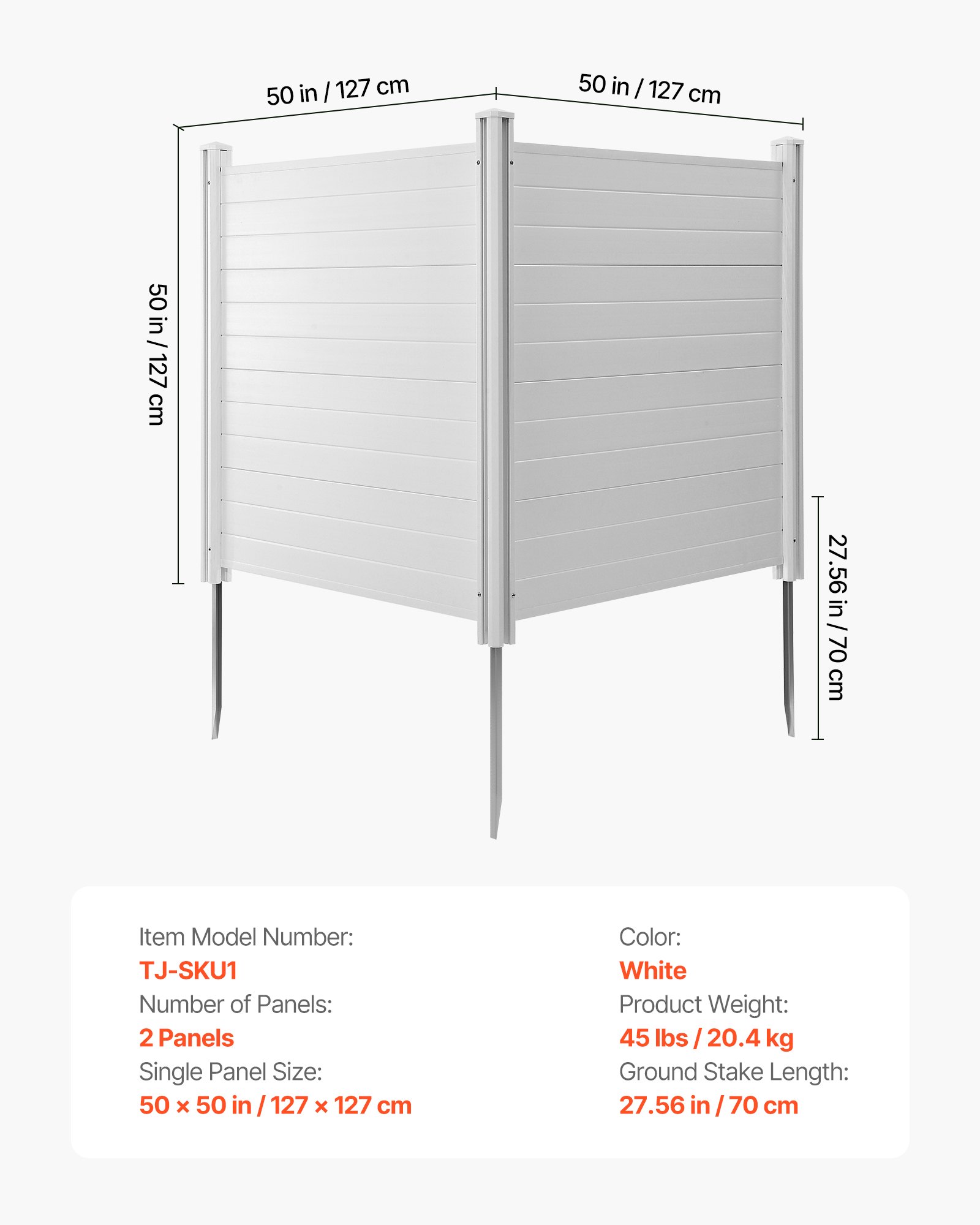 2 Panels Outdoor Privacy Screen, 50 X 50 In Air Conditioner Fence With 27.6 In Ground Stakes, Pool Equipment Enclosure, Horizontal Vinyl Ideal For Trash Can And A/C Units, White$142.99View on Mallflare
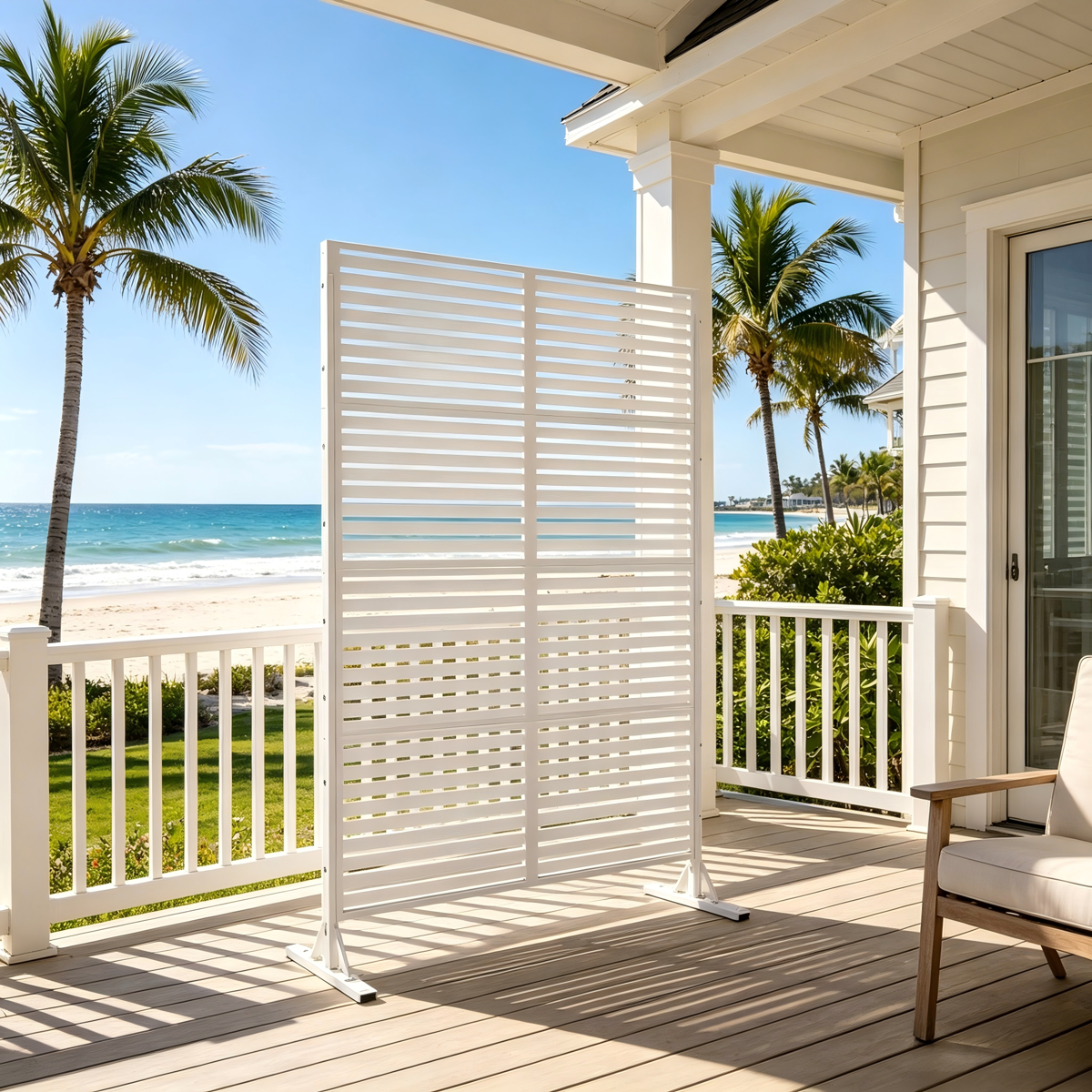 70.87" H × 46.06" W White Metal Privacy Screen, Freestanding Slatted Patio Divider Fence, Coastal & Beach House Decor, Indoor Room & Sunroom Partition, Kid Play Yard & Pet Safe Outdoor Deck Balcony Ba$146.99View on Mallflare
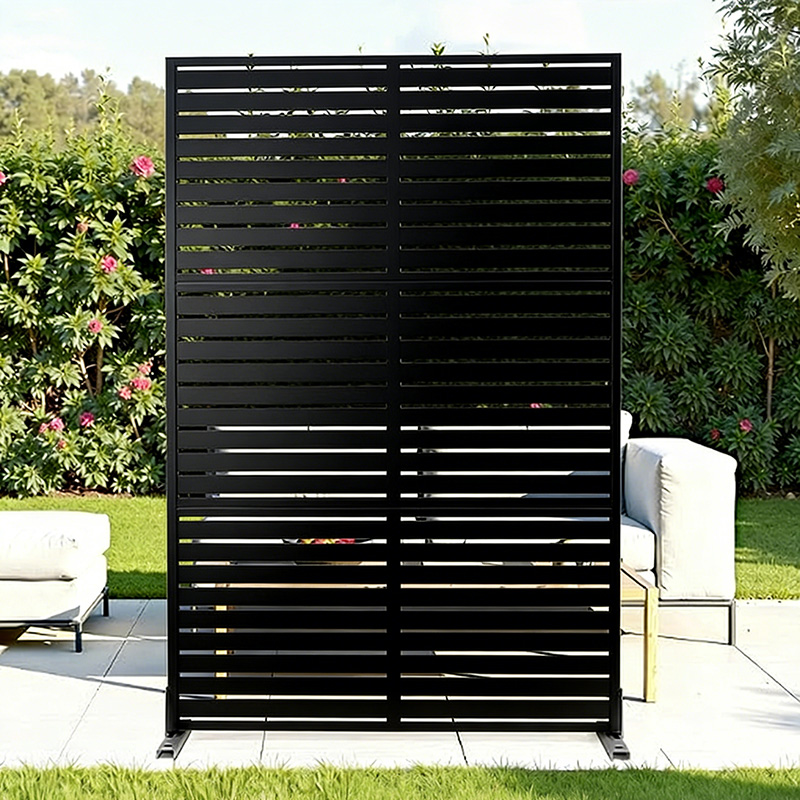 70.87" H × 46.06" W Black Metal Outdoor Privacy Screen, Freestanding Slatted Patio Decorative Fence Divider for Balcony Backyard Deck$146.99View on Mallflare
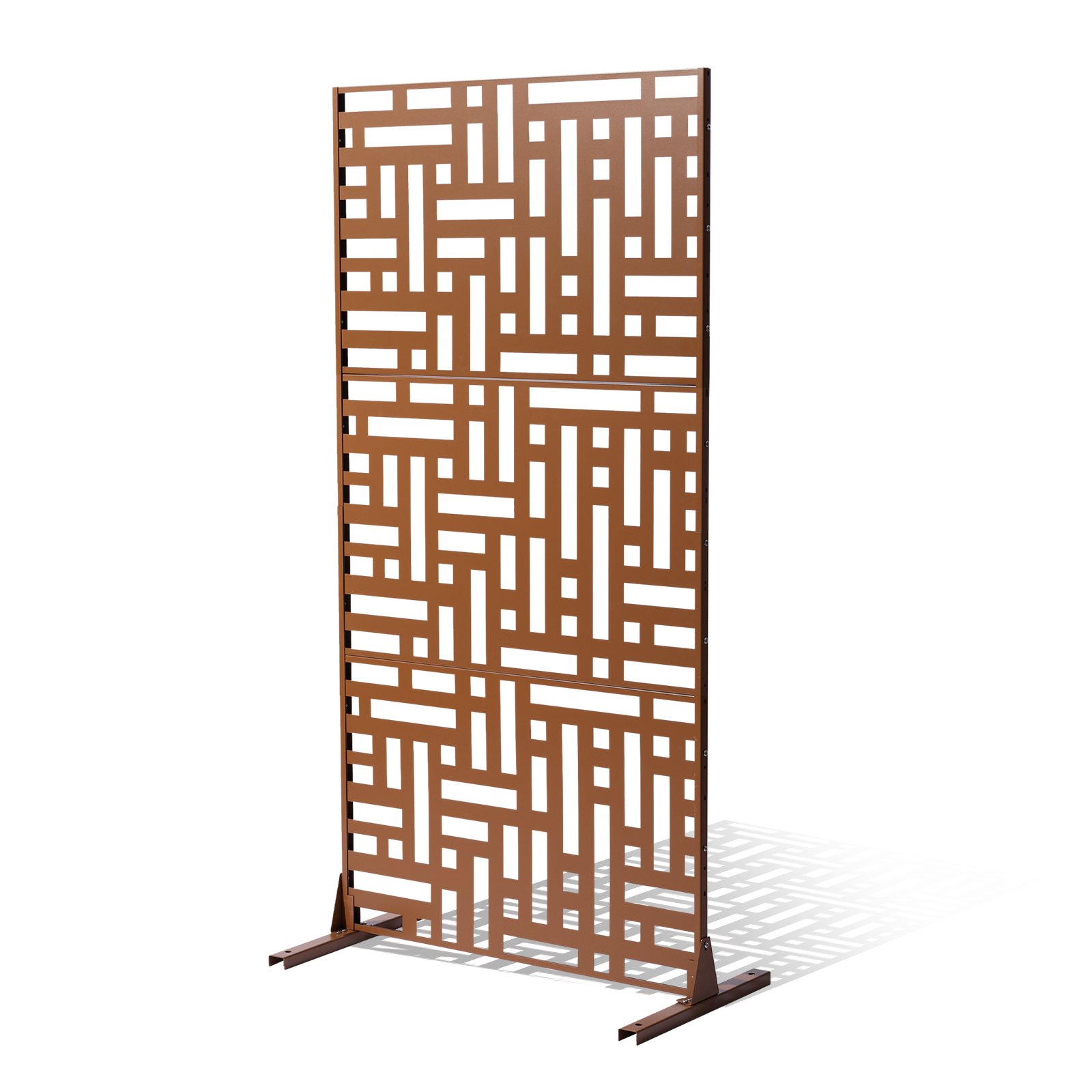 Metal Privacy Screen 47'x76' Outdoor Screens & Panels For Patio Brown$147.99View on Mallflare
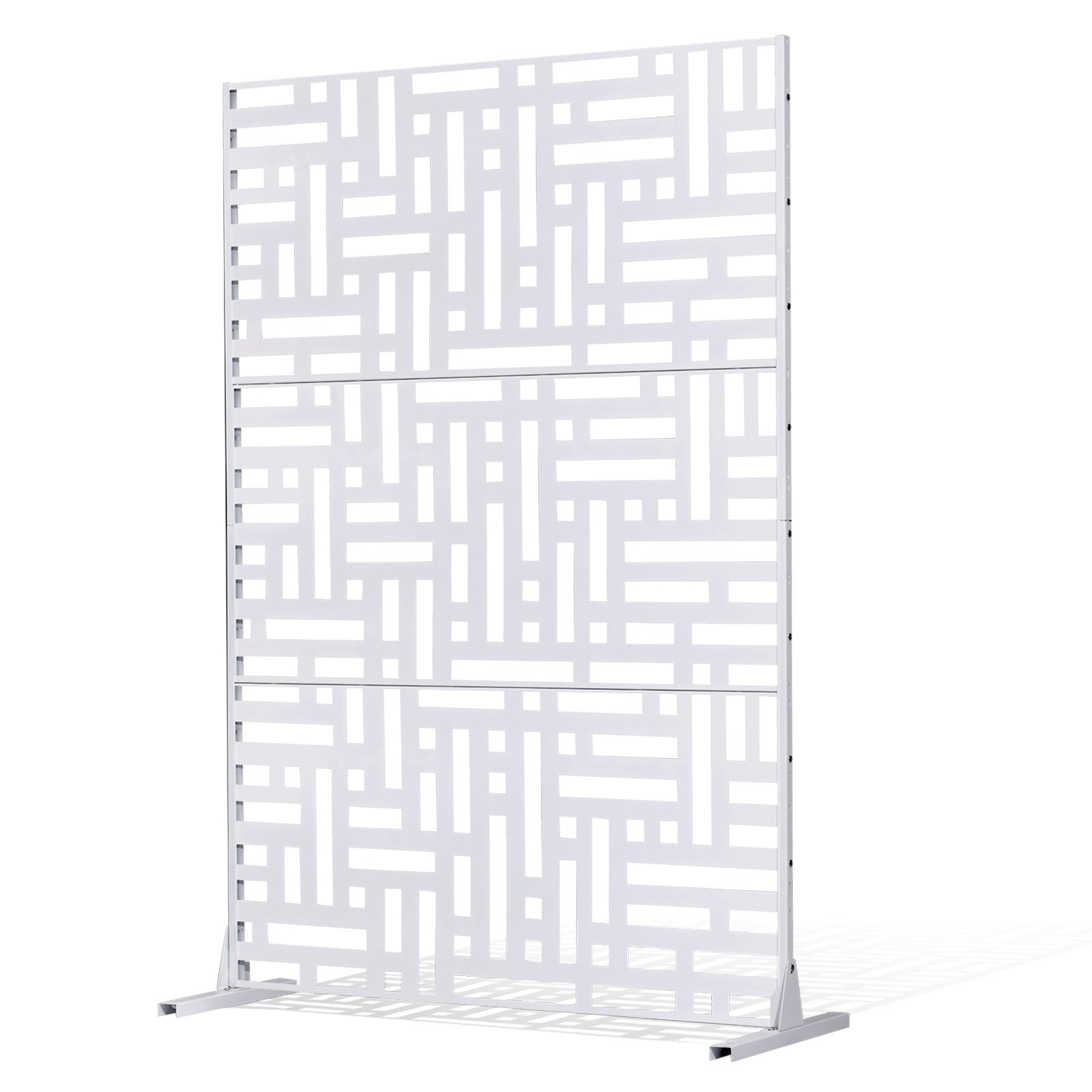 Metal Privacy Screen 47' X 76' Outdoor Screens & Panels For Patio White$152.99View on Mallflare
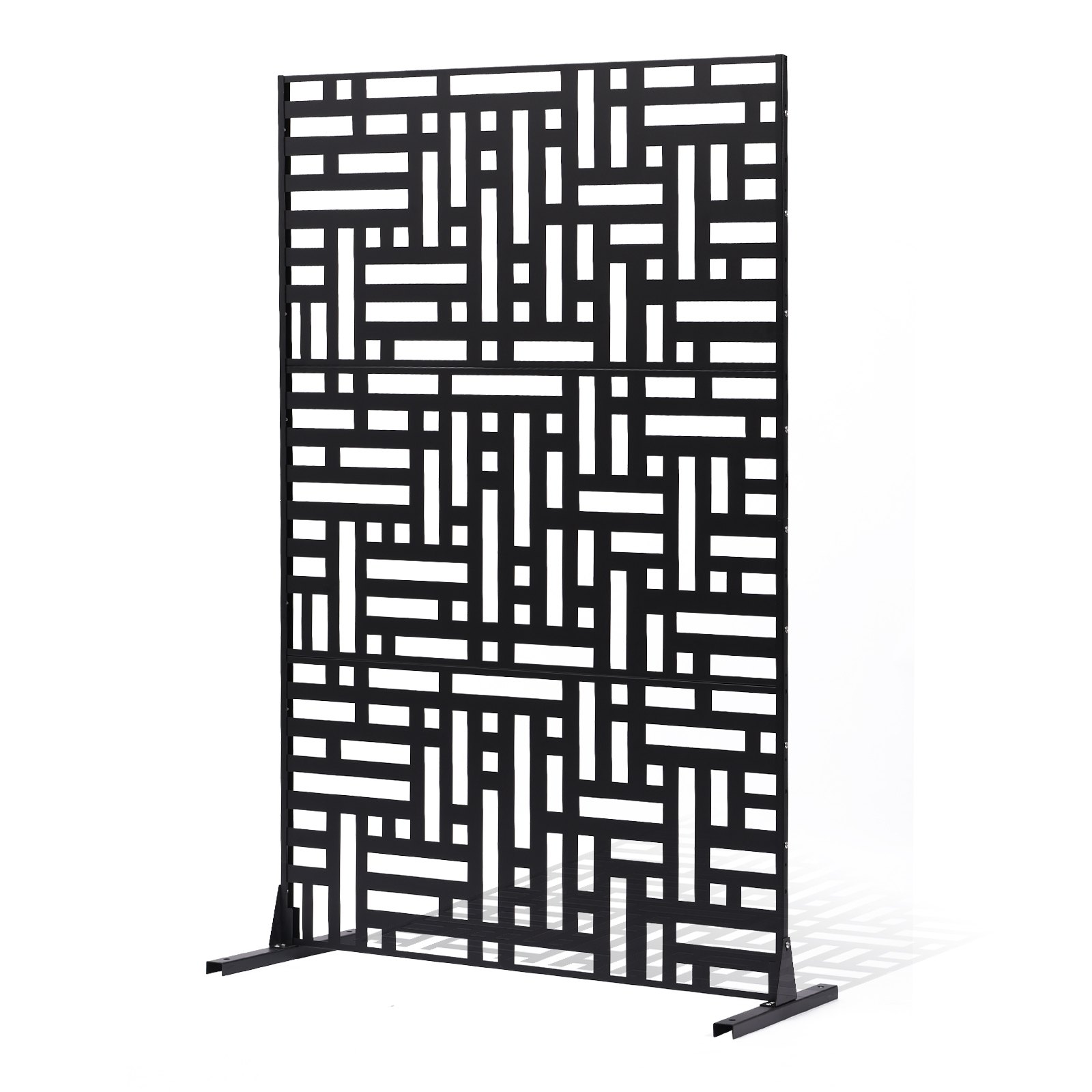 Metal Privacy Screen 47' X 76' Outdoor Screens & Panels For Patio Black$153.99View on Mallflare
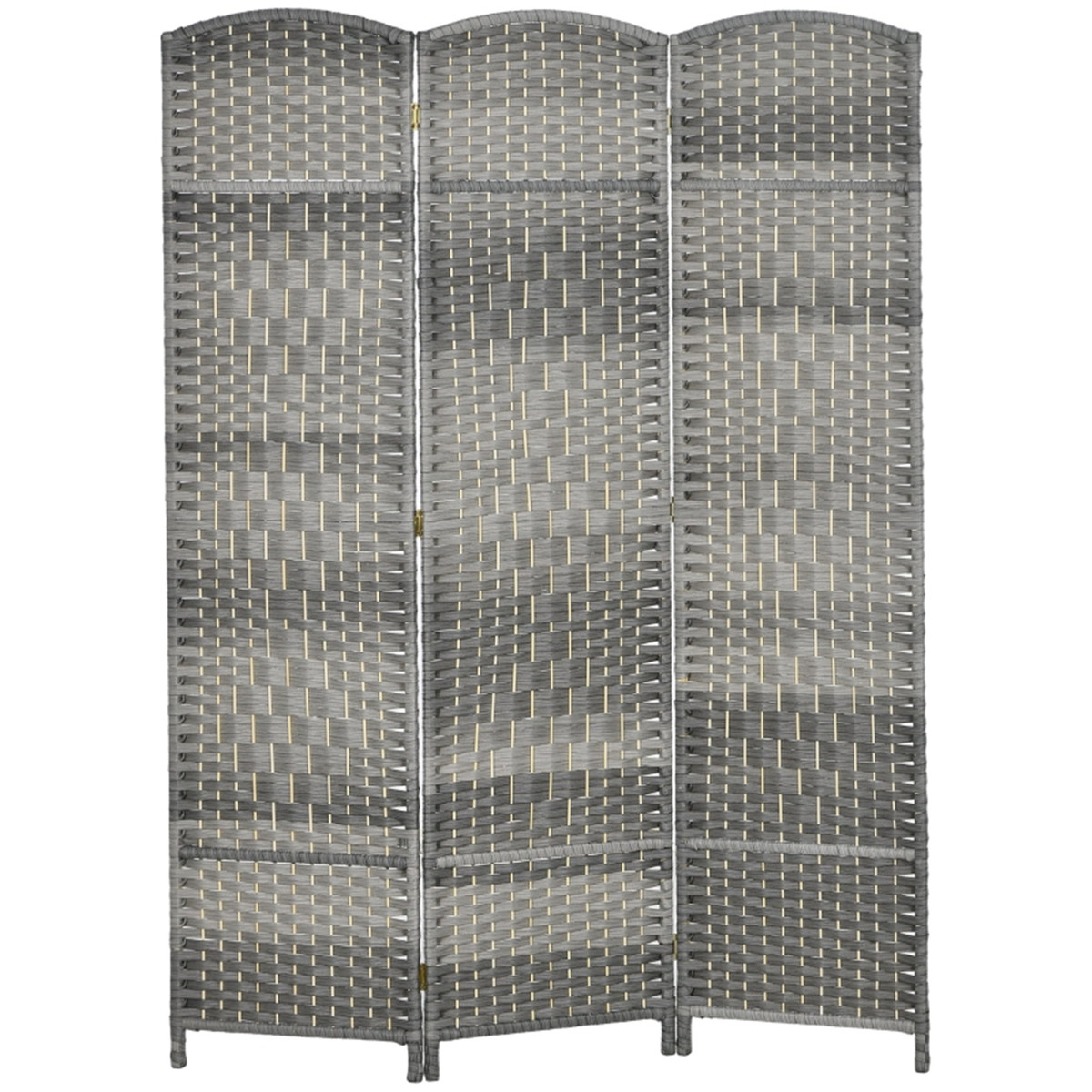 Outdoor Privacy Screen$171.99View on Mallflare
Highlights
- Artificial ivy and boxwood screens use UV-stabilized polyethylene leaves on a mesh or PE backing; UV rating and leaf attachment method (zip-tie vs staple) determine colorfastness and shedding over 2-3 seasons.
- Rigid wood privacy screens rely on vertical slat spacing and panel thickness; tighter gaps (under 2 in) block sightlines while open slats preserve airflow and reduce wind load on the frame.
- Metal privacy panels (perforated or laser-cut) are powder-coated steel or aluminum; aluminum resists rust at the coast but dents, while powder-coated steel is heavier and needs touch-up at cut edges.
- Wind load is the deciding engineering factor: a 6 ft tall solid panel acts as a sail, so post embedment depth and panel-to-post brackets matter more than leaf density for year-round durability.
Best use cases
- Best fit for balcony or rental patio: artificial boxwood hedge tiles (24 x 16 in, 1.5 in thick) zipped to an existing railing — light, renter-friendly, no digging; skip solid wood panels that need post anchors.
- Best fit for pool equipment, trash cans, or AC units: a rigid cedar or metal screen panel (e.g., 72.8 in H x 38.5 in W) with a framed back — hides utility without trapping heat; skip floppy mesh foliage that sags and collects debris.
- Best fit for a windy, exposed yard boundary: powder-coated metal or thick framed wood panels set in concrete footings; skip artificial ivy rolls and mesh-backed greenery, which tear at grommets and balloon in gusts.
- Wrong fit for full-height property-line screening in high-wind zones: lightweight artificial hedge panels alone — they block view but not force and will need re-securing every season.
Buying tips
- Measure the panel coverage, not the nominal size: a 96 x 72 in artificial ivy screen covers 48 sq ft; boxwood tiles at 24 x 16 in cover 2.67 sq ft each, so 6 tiles equal one 4 x 4 ft section.
- Match post embedment to panel height: a 6 ft solid panel needs posts set at least 2 ft into the ground in concrete; screw-in anchors are only adequate for panels under 4 ft or sheltered sites.
- For artificial greenery, choose UV-rated polyethylene with a mesh or non-woven backing and reinforced grommets; staple-attached leaves shed faster than zip-tied or woven-in leaves.
- Check panel thickness for rigidity: artificial boxwood at 1.5 in thick holds shape; thinner 1 in tiles fold and show backing gaps. Wood slats should be at least 1 in thick with a sealed or cedar finish.
Specs
| Panel Material | Artificial PE foliage / cedar / coated metal |
|---|---|
| Coverage Per Unit | 2.67-48 sq ft depending on format |
| Mounting Type | Post-embedded / railing tie / freestanding base |
| Wind Rating | Rigid anchored panels only for exposed sites |
Related searches
What to check before buying
- Measure the exact opening (height x width) and subtract post or frame width; panels are nominal and a 72 in panel plus a 2 in frame exceeds a 72 in gap.
- Confirm wind exposure: open, coastal, or rooftop sites need rigid anchored panels; courtyard or balcony corners tolerate artificial hedge and mesh screens.
- Check ground or mounting surface: soil and grass allow post embedment; concrete patios and balconies need weighted bases or railing clamps instead of digging.
- Confirm the panel ships with mounting hardware (brackets, zip ties, or post bases); artificial screens without grommets or reinforced edges require separate fasteners.
FAQ
Data sources: eBay / Amazon listings and product attribute feeds. Updated Nov 29, 2026.
Some links on this page are affiliate links. If you buy after clicking one, we may earn a commission at no extra cost to you. This does not change which products appear here or their order. Affiliate disclosure.