
Photos from current listings. Actual item, color, and included accessories may vary.
Electric Fence Buying Guide
Electric fencing is a psychological barrier that delivers a short, high-voltage pulse to deter animals, and the core trade-off is between sufficient joule output for reliable shock and net/insulator construction that survives weather and repeated moves. Choose a mains-powered energizer with at least 0.5 stored joules and a dual-layer conductive net for permanent garden or livestock duty; skip battery-only novelty units and single-wire kits that cannot maintain voltage over distance.
Median $140.99
Key takeaways
- Energizer output is rated in stored joules: garden protection needs 0.3–0.5 J, sheep and goats 0.5–1 J, cattle and horses 1–2 J, and long runs or wet vegetation 2 J or more.
- Voltage on the fence line should read 4,000–6,000 V for short-haired livestock and 6,000–8,000 V for predator deterrence; below 3,000 V indicates grounding or insulation faults.
- Netting fences are defined by height and mesh: 35-inch netting suits sheep, goats, and poultry; 40–48-inch netting is required for deer and jumping dogs.
At a glance
- Category
- Garden Fencing & Privacy Screens
- Last updated
- Nov 29, 2026
Current offers
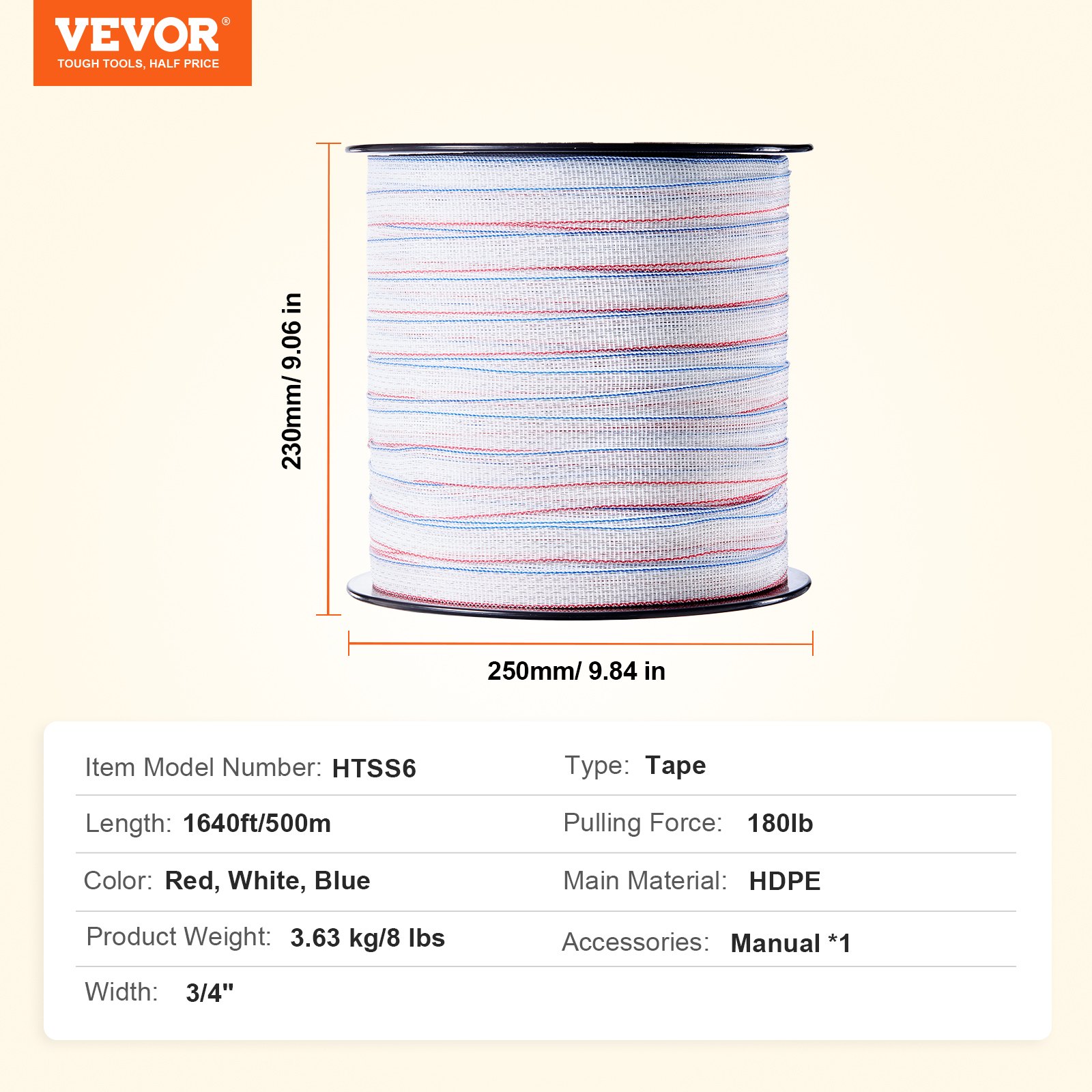 VEVOR 1640Ft 500M Electric Fence Tape Fencing Polytape Horse Cattle Livestock$62.99View on Mallflare
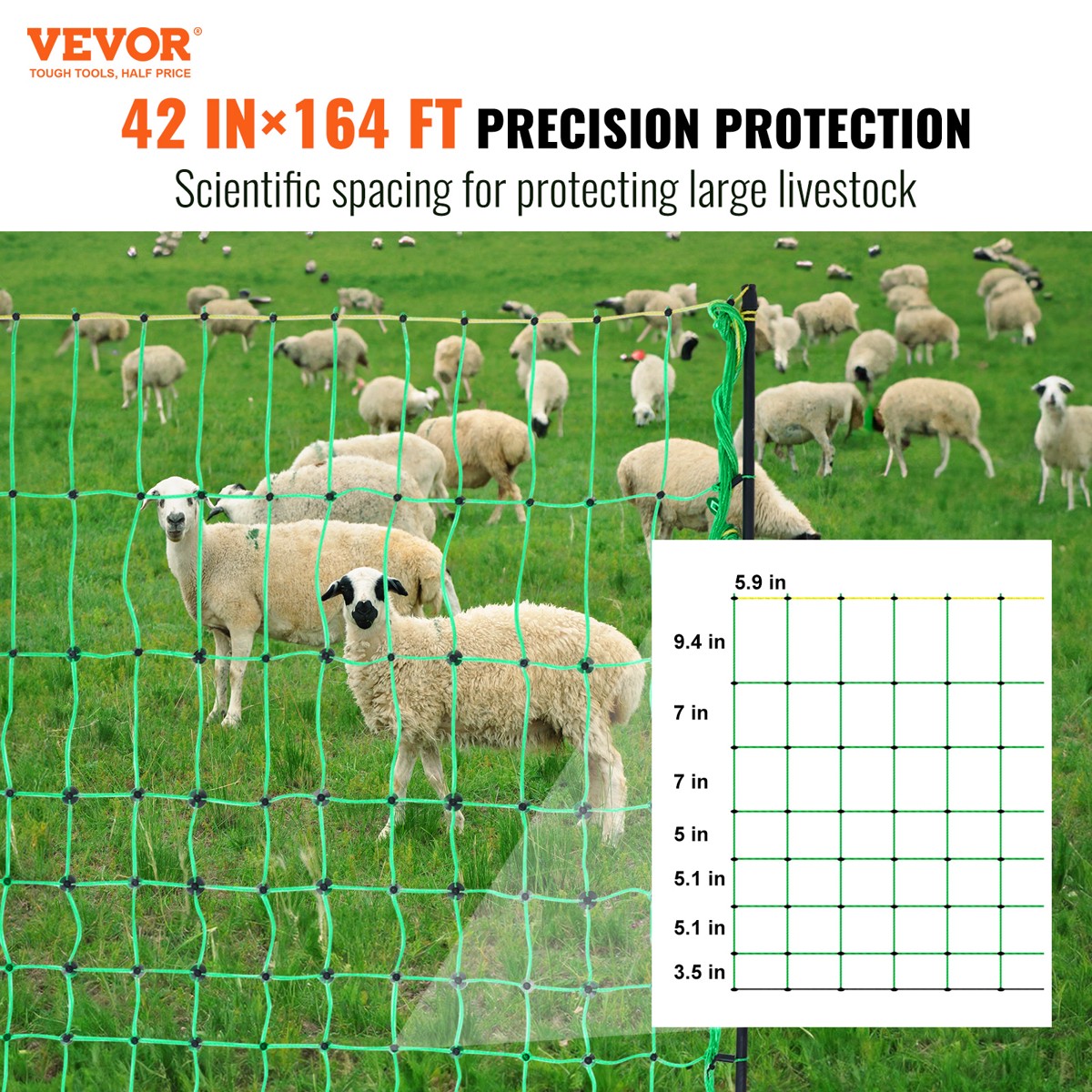 VEVOR Electric Fence Netting, 42 H X 164L, PE Net Fencing With Posts & Double-Spiked Stakes, Utility Portable Mesh For Goats, Sheep, Lambs, Deer, Hogs, Dogs, Used In Backyards, Farms, And Ranches$140.99View on Mallflare
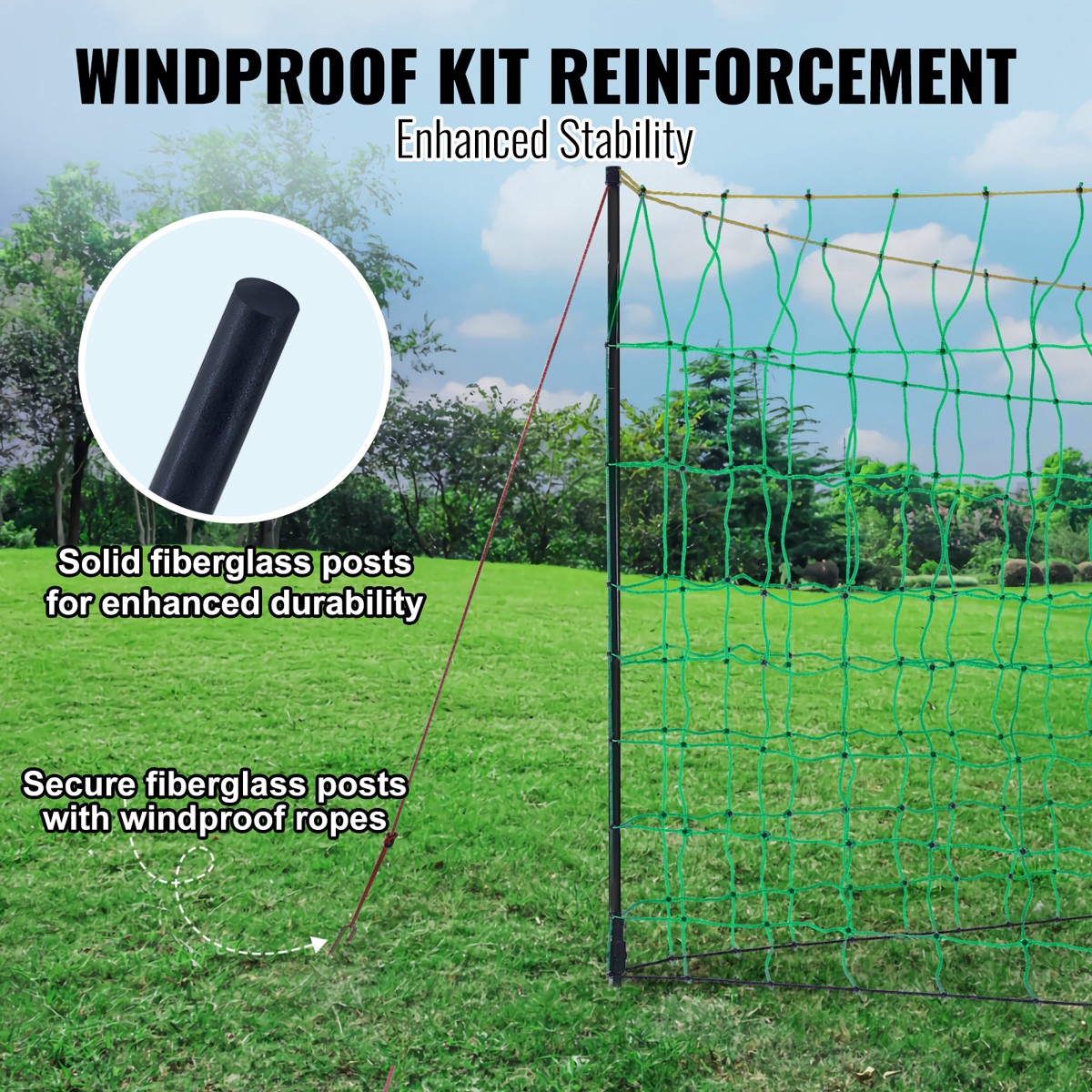 VEVOR Electric Fence Netting, 35 H X 164inch L, PE Net Fencing With Posts & Double-Spiked Stakes, Utility Portable Mesh For Goats, Sheep, Lambs, Deer, Hogs, Dogs, Used In Backyards, Farms, And Ranches$145.99View on Mallflare
Highlights
- Energizer output is rated in stored joules: garden protection needs 0.3–0.5 J, sheep and goats 0.5–1 J, cattle and horses 1–2 J, and long runs or wet vegetation 2 J or more.
- Voltage on the fence line should read 4,000–6,000 V for short-haired livestock and 6,000–8,000 V for predator deterrence; below 3,000 V indicates grounding or insulation faults.
- Netting fences are defined by height and mesh: 35-inch netting suits sheep, goats, and poultry; 40–48-inch netting is required for deer and jumping dogs.
- Conductive strands must be at least 0.15 mm stainless or tinned copper; polyethylene nets with fewer than 6 conductive strands lose voltage over 164-foot runs.
Best use cases
- Choose a 35-inch portable net with double-spiked posts for rotational goat, sheep, or poultry grazing; skip permanent wire systems if the fence moves weekly.
- Choose a 40–48-inch net or 5–7 strand wire fence for deer and dog containment; skip 35-inch netting because deer clear it and dogs jump it.
- Choose a mains-powered 1–2 J energizer for a permanent garden perimeter over 300 feet; skip solar-only units in shaded gardens where panel output falls below recharge needs.
- Choose a battery energizer with a 12 V deep-cycle battery for remote paddocks without mains power; skip AAA or D-cell units that cannot sustain voltage overnight.
Buying tips
- Match energizer joules to fence length: multiply total fence feet by 0.01 J for clean dry wire, then double the result for netting or vegetation contact.
- For netting, confirm the post spike is at least 6 inches of double-spiked steel; single 4-inch spikes pull out in sandy or loose soil.
- Grounding is half the circuit: install three 6-foot galvanized ground rods spaced 10 feet apart for every 1 J of energizer output.
- Use a fence tester rated to 10,000 V to verify at least 4,000 V at the farthest point; voltage below that threshold means add ground rods or reduce fence length.
Specs
| Energizer Output | 0.3–2 J stored (garden to cattle) |
|---|---|
| Fence Voltage | 4,000–8,000 V on line |
| Netting Height | 35 in (small stock) / 40–48 in (deer) |
| Power Source | Mains 110–240 V / 12 V battery / solar |
Related searches
What to check before buying
- Measure the perimeter and divide by net panel length (typically 164 inches per panel) to confirm panel count and gate placement.
- Confirm soil type: loose sand or rocky ground requires longer spike posts or weighted base insulators to keep netting upright.
- Check power source distance: mains energizers need a weatherproof outlet within 10 feet; battery units need a dry enclosure for the 12 V battery.
- Verify plug and voltage standard: mains energizers are 110–120 V in North America and 220–240 V elsewhere, and solar controllers need 12 V battery compatibility.
FAQ
Data sources: eBay / Amazon listings and product attribute feeds. Updated Nov 29, 2026.
Some links on this page are affiliate links. If you buy after clicking one, we may earn a commission at no extra cost to you. This does not change which products appear here or their order. Affiliate disclosure.