
Photos from current listings. Actual item, color, and included accessories may vary.
Deer Fence Buying Guide
Deer fencing is a physical barrier system designed to exclude browsing deer from gardens, orchards, and agricultural plots, and the primary trade-off is between height/rigidity (permanent woven-wire or welded-wire systems that physically block deer) and portability/electrification (temporary poly-netting or electric netting that trains deer to avoid the area). The clear decision rule is: if deer pressure is chronic and you are protecting a fixed garden, choose a permanent 7.5-8 ft woven-wire or welded-wire fence with rigid posts; if you need movable protection for rotational grazing or seasonal beds, choose electric poly-netting rated for deer and sized to the perimeter.
Median $132.99
Key takeaways
- Deer jump height is the governing metric: a 7.5 ft (2.3 m) minimum fence height is required for reliable exclusion, and 8 ft is the standard for high-pressure areas; fences under 6 ft will be cleared by most adult deer.
- Woven-wire field fence with heavy zinc coating (Class 3 or 2.5 oz/ft² zinc) resists rust for 20+ years, while lightly galvanized or uncoated wire fails at welds within a few seasons—zinc coating weight, not wire gauge alone, determines lifespan.
- Electric poly-netting for deer uses 6-8 horizontal strands with conductive monofilament and double-spiked posts; it is a psychological barrier requiring an energizer sized to the total net length and a good ground rod, not a physical wall.
At a glance
- Category
- Garden Fencing & Privacy Screens
- Last updated
- Nov 27, 2026
Current offers
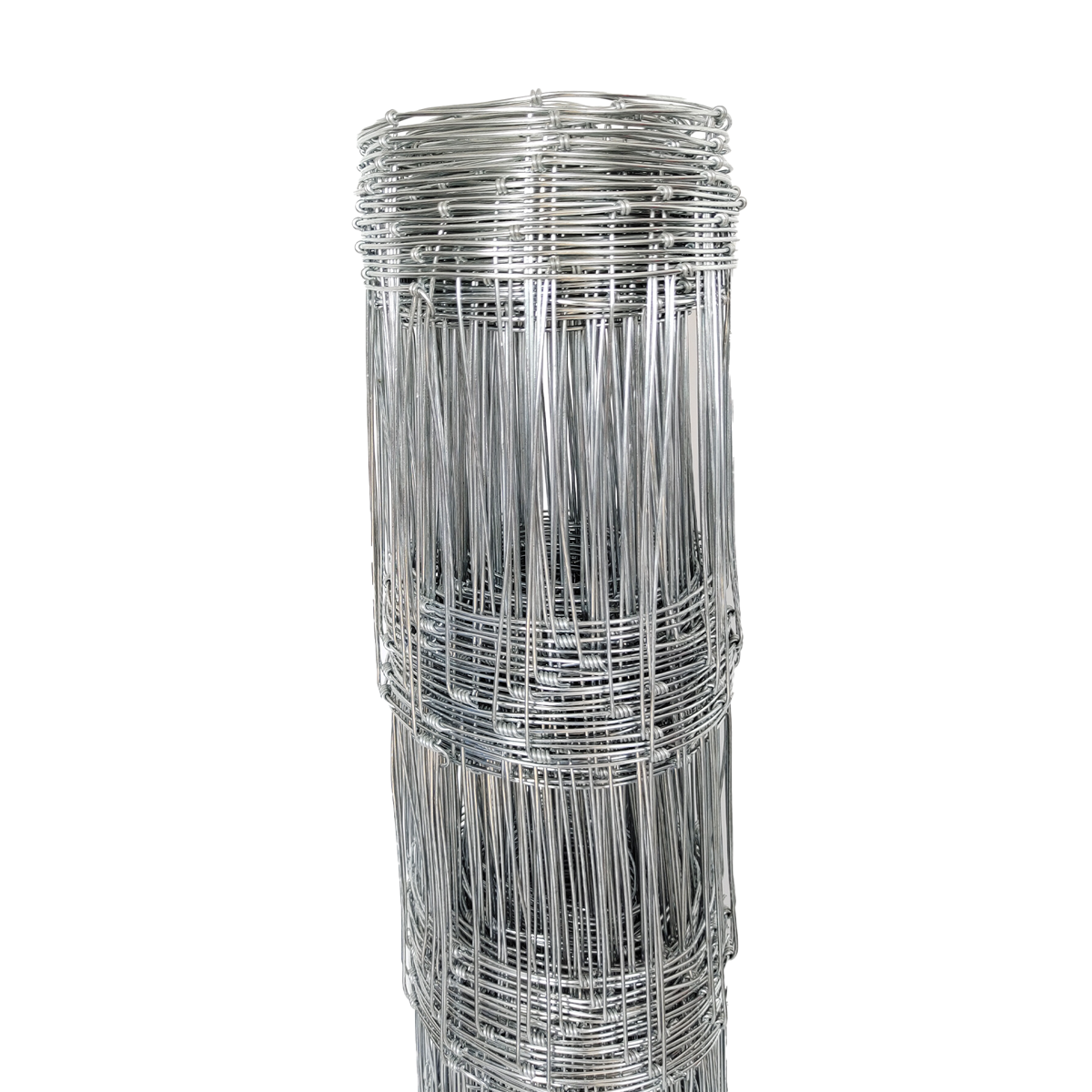 Farm Fence 3ft X 164ft 14Gauge Heavy Zinc Coating Cattle Fence,Galvanized Field Wire Fencing Deer Fence,Goat Fence,Hog For Yard Livestock & Animals Protection$116.99View on Mallflare
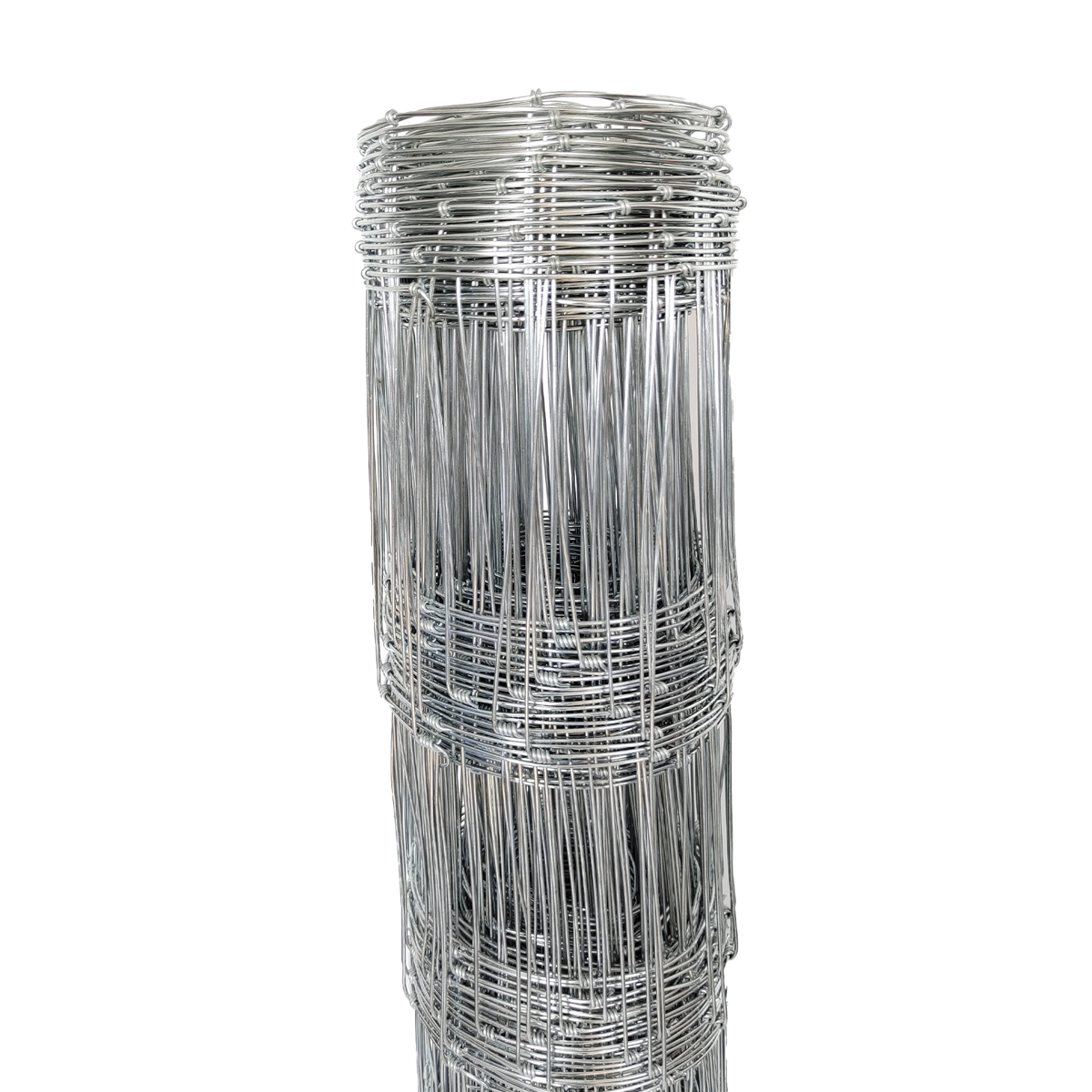 Farm Fence 3ft X 164ft 13Gauge Heavy Zinc Coating Cattle Fence,Galvanized Field Wire Fencing Deer Fence,Goat Fence,Hog For Yard Livestock & Animals Protection$121.99View on Mallflare
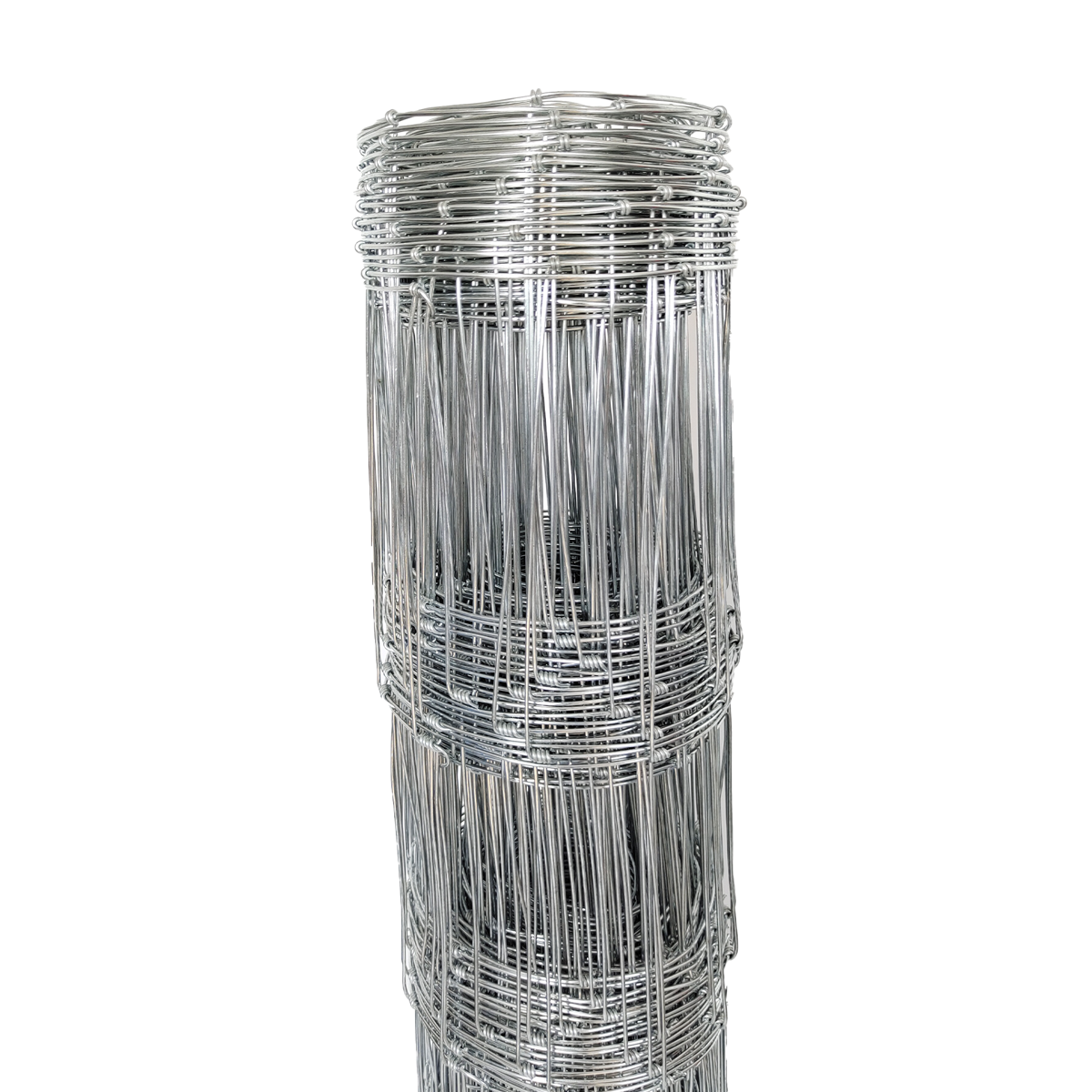 Farm Fence 4ft X 164ft 14Gauge Heavy Zinc Coating Cattle Fence,Galvanized Field Wire Fencing Deer Fence,Goat Fence,Hog For Yard Livestock & Animals Protection$143.99View on Mallflare
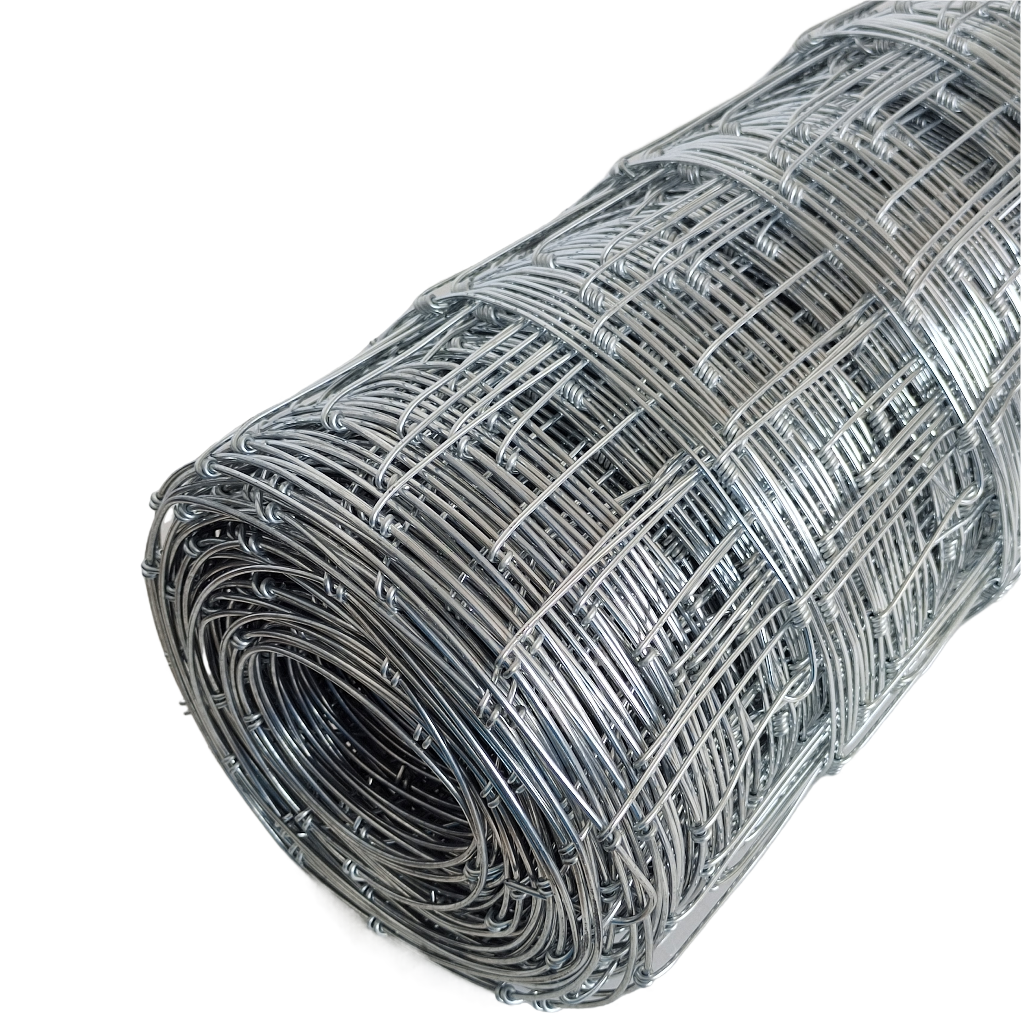 Farm Fence 5ft X 328ft 14Gauge Heavy Zinc Coating Cattle Fence,Galvanized Field Wire Fencing Deer Fence,Goat Fence,Hog For Yard Livestock & Animals Protection$200.99View on Mallflare
Highlights
- Deer jump height is the governing metric: a 7.5 ft (2.3 m) minimum fence height is required for reliable exclusion, and 8 ft is the standard for high-pressure areas; fences under 6 ft will be cleared by most adult deer.
- Woven-wire field fence with heavy zinc coating (Class 3 or 2.5 oz/ft² zinc) resists rust for 20+ years, while lightly galvanized or uncoated wire fails at welds within a few seasons—zinc coating weight, not wire gauge alone, determines lifespan.
- Electric poly-netting for deer uses 6-8 horizontal strands with conductive monofilament and double-spiked posts; it is a psychological barrier requiring an energizer sized to the total net length and a good ground rod, not a physical wall.
- Welded-wire garden fencing (14-12.5 gauge) is rigid and chew-resistant but must be paired with a top rail or tensioned line at 7.5-8 ft; woven field fence is more flexible and better for uneven terrain and long runs.
Best use cases
- Fixed backyard vegetable garden with chronic deer pressure: install a permanent 7.5-8 ft woven-wire or welded-wire fence with 4x4 in or 2x4 in mesh and steel T-posts or wood posts every 8-10 ft; skip temporary plastic netting, which deer push through and jump.
- Rotational grazing, orchard rows, or seasonal beds where the fence must move: choose electric poly-netting with double-spiked posts and a dedicated energizer; skip permanent woven wire, which cannot be relocated without rebuilding posts and tension.
- Large acreage perimeter or livestock-adjacent property: select heavy zinc-coated field fence (Class 3) in 330 ft or 100 ft rolls with 12.5-gauge wire; skip lightweight welded wire, which buckles under snow load and animal pressure on long spans.
- Small ornamental bed or individual tree protection: use 5-6 ft welded-wire cylinders or mesh guards around trunks rather than a full perimeter fence; skip full electric netting, which is overkill and requires an energizer for a tiny area.
Buying tips
- Calculate perimeter first: add the four sides of the garden plus gate width, then add 10% for corners and tensioning; order roll lengths (100 ft or 330 ft) to match, since splicing woven wire weakens the fence line.
- Match mesh opening to the animal: 2x4 in or 4x4 in mesh blocks deer noses and prevents fawn entry; 6x6 in or larger mesh lets deer heads through and invites damage—use 2x4 in for gardens with young trees.
- For electric netting, size the energizer to total net length: a 0.25-joule energizer handles roughly 1,640 ft of single-strand net under light weed load, and joules must increase with net length and vegetation contact.
- Specify zinc coating class for permanent wire: Class 3 (2.5 oz/ft²) is the coastal and high-humidity standard; Class 1 (0.28 oz/ft²) is only suitable for arid, low-corrosion sites and will rust at welds within several years.
Specs
| Fence Height | 7.5-8 ft for deer exclusion |
|---|---|
| Material & Coating | Zinc-coated steel; Class 3 (2.5 oz/ft²) |
| Mesh Opening | 2x4 in or 4x4 in woven/welded |
| Electric Netting | 6-8 strands, double-spiked posts, energizer |
Related searches
What to check before buying
- Measure the exact perimeter and gate locations, and confirm fence height clears the 7.5 ft deer-jump threshold at the lowest ground point along the run.
- Identify soil type and post spacing: rocky or sandy soil requires driven T-posts or concrete-set wood posts at 8-10 ft intervals, and corners need bracing regardless of material.
- Confirm power access for electric netting: an energizer needs a 110V outlet or 12V battery/solar setup, plus a ground rod driven at least 3 ft into moist soil for the circuit to complete.
- Check local fencing ordinances and HOA rules for maximum height and setback, since an 8 ft fence may require a permit or be restricted in front-yard or shared-property lines.
FAQ
Data sources: eBay / Amazon listings and product attribute feeds. Updated Nov 27, 2026.
Some links on this page are affiliate links. If you buy after clicking one, we may earn a commission at no extra cost to you. This does not change which products appear here or their order. Affiliate disclosure.