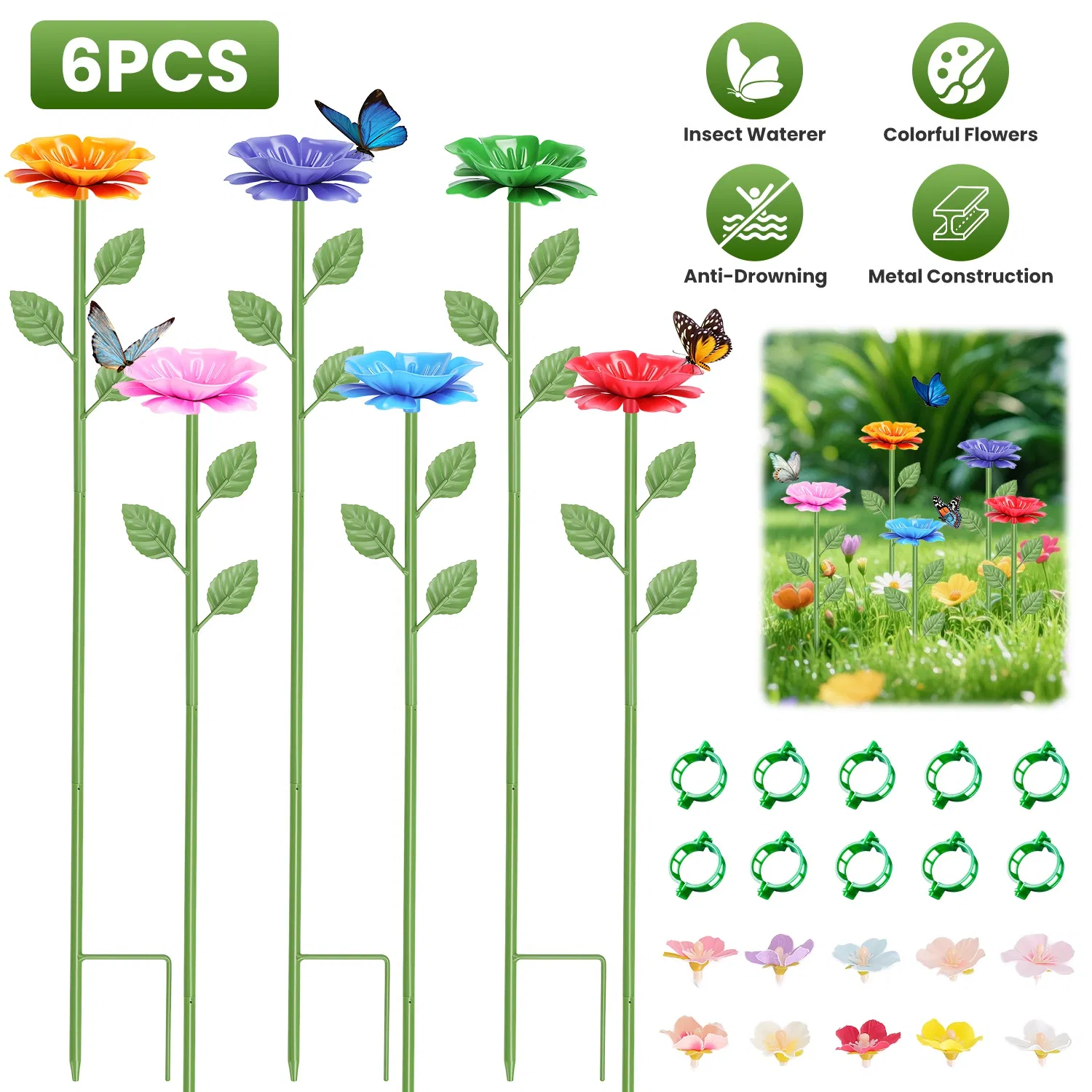

Photos from current listings. Actual item, color, and included accessories may vary.
Bee Feeder Jar Buying Guide
A bee feeder jar is a container that delivers sugar syrup to honeybees through a lid with perforated holes or a mesh screen, and it is the primary tool for supplemental feeding during dearth or colony buildup. The core trade-off is between glass jars that seal reliably and plastic jars that resist impact, plus lid engineering that controls drip rate without drowning bees. Choose a jar with a tight-fitting, bee-safe lid and a volume matched to your hive strength; skip open dishes or loose lids that leak and drown foragers.
Key takeaways
- Lid hole size drives safety: 0.5–1.0 mm perforations or a fine stainless mesh let bees draw syrup without pooling or drowning.
- Glass mason jars (Mason/Kilner thread) seal better and resist deformation; plastic jars survive drops but can warp and leak at the lid.
- Feed volume should match colony size: 0.5–1 L jar for a nuc or weak hive, 1–2 L for a strong summer colony; oversized jars chill syrup and drip.
At a glance
- Category
- Bee Feeders & Mite Treatment
- Last updated
- Nov 23, 2026
Current offers
Highlights
- Lid hole size drives safety: 0.5–1.0 mm perforations or a fine stainless mesh let bees draw syrup without pooling or drowning.
- Glass mason jars (Mason/Kilner thread) seal better and resist deformation; plastic jars survive drops but can warp and leak at the lid.
- Feed volume should match colony size: 0.5–1 L jar for a nuc or weak hive, 1–2 L for a strong summer colony; oversized jars chill syrup and drip.
- External feeder jars mount at the entrance or on a stake; internal jars sit above the cluster in an empty super or feeder box for cold-weather access.
Best use cases
- Best fit: an entrance or stake-mounted jar with a perforated lid for spring buildup and dearth feeding in warm weather; skip it for winter feeding below 10°C because bees won't break cluster to reach it.
- Best fit: an internal jar placed in an empty super above the cluster for late-winter or early-spring feeding; skip large external jars when nighttime temperatures drop near freezing.
- Best fit: a small plastic jar with a fine mesh lid for nucs and mating hives; skip 2 L jars on weak colonies because they cannot consume the syrup before it ferments or attracts robbers.
Buying tips
- Match lid thread to jar: standard Mason/regular-mouth (70 mm) and wide-mouth (86 mm) lids are not interchangeable; buy lids sized to your jar's thread diameter.
- Pick perforated metal or stainless mesh lids over drilled plastic; plastic holes deform and enlarge, causing drips and bee drowning.
- Use 1:1 sugar syrup by weight for spring buildup and 2:1 for fall storage; never feed honey or dark syrup that triggers robbing.
- Mount the jar so the lid sits 2–5 mm above the landing board or screen; a tight seal against a flat surface stops airflow and syrup flow.
Specs
| Jar Material | Glass mason vs food-grade plastic |
|---|---|
| Lid Type | Perforated metal / stainless mesh |
| Hole Size | 0.5–1.0 mm or fine mesh |
| Capacity | 0.5–2 L by colony strength |
Related searches
What to check before buying
- Measure your jar's mouth diameter (regular ~70 mm, wide ~86 mm) and confirm the lid matches before ordering.
- Confirm the feeder mounts securely to your hive entrance, stake, or empty super without tipping when full.
- Check that the lid perforations are 0.5–1.0 mm or a fine mesh; larger holes drip and drown bees.
- Verify ambient temperature stays above 10°C for external jar feeding; below that, switch to an internal feeder above the cluster.
FAQ
Data sources: eBay / Amazon listings and product attribute feeds. Updated Nov 23, 2026.
Some links on this page are affiliate links. If you buy after clicking one, we may earn a commission at no extra cost to you. This does not change which products appear here or their order. Affiliate disclosure.