
Photos from current listings. Actual item, color, and included accessories may vary.
Resin Storage Shed Buying Guide
Resin storage sheds are the low-maintenance, rot-proof alternative to wood and metal, but panel thickness, UV stabilization, and floor design vary wildly and determine whether the shed survives a decade of sun or cracks in two winters. Buyers most often err by sizing the footprint before checking local permit height limits and by skipping a rigid base, which voids the weather seal on every model.
Median $384.99 · New listings
Key takeaways
- Resin sheds are blow-molded or injection-molded high-density polyethylene (HDPE); thicker double-wall panels (roughly 1 in / 25 mm and up) resist denting and hold screws far better than single-wall 0.3–0.5 in skins.
- UV stabilization separates a 10-year panel from a 2-year one: look for UV-stabilized resin claims and a wall color molded through the plastic rather than painted on.
- Roof pitch matters for snow and rain shedding — sloping single-pitch roofs clear water faster, while gable roofs add headroom at the ridge but collect snow on both planes.
At a glance
- Category
- Outdoor Structures, Shade & Awnings
- Last updated
- Nov 27, 2026
Current offers
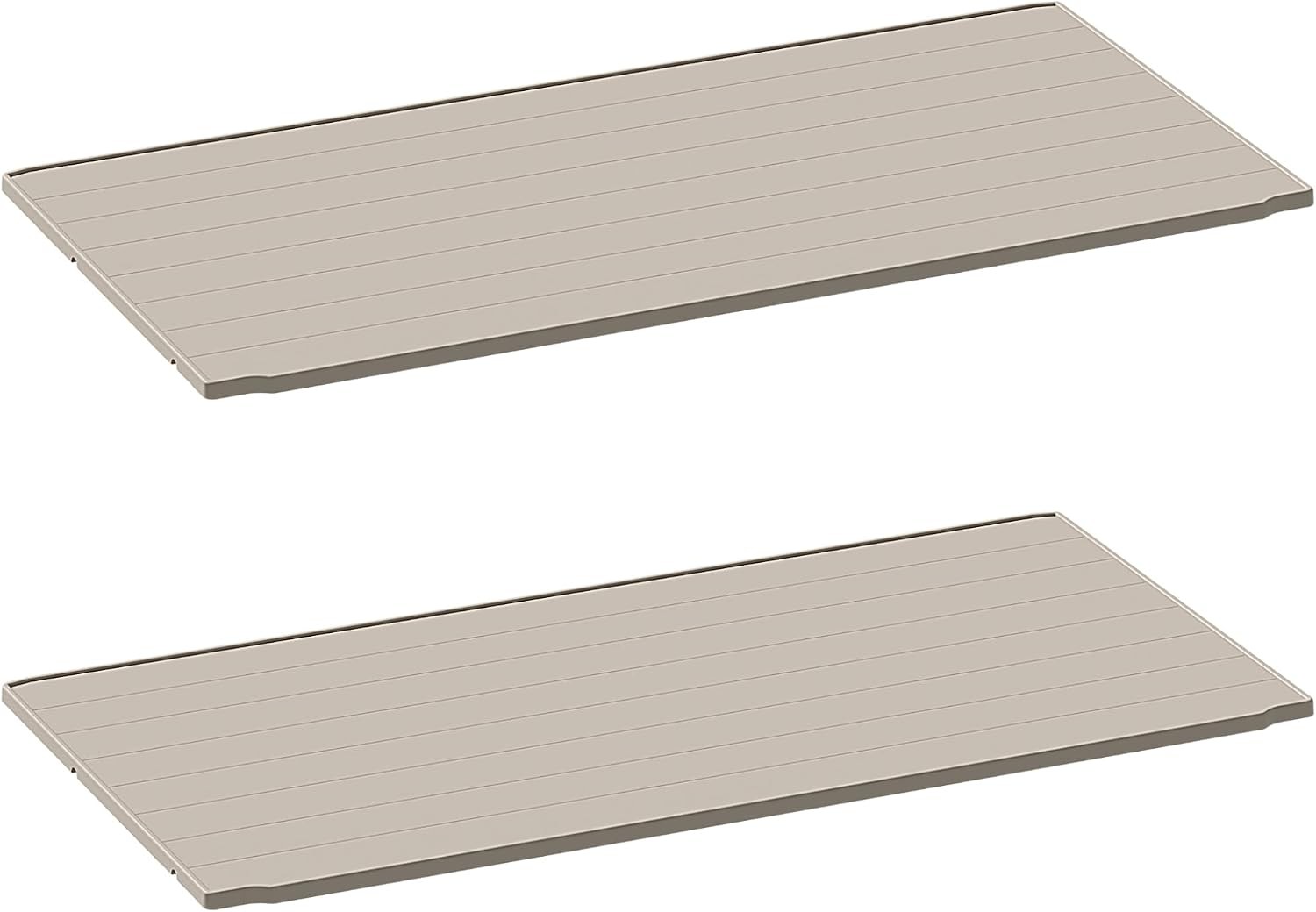 Shelf of Resin Outdoor Storage Cabinet 26 Cu Ft Horizontal Outdoor Storage Shed$118.98Last checked Nov 24, 2026View on eBay
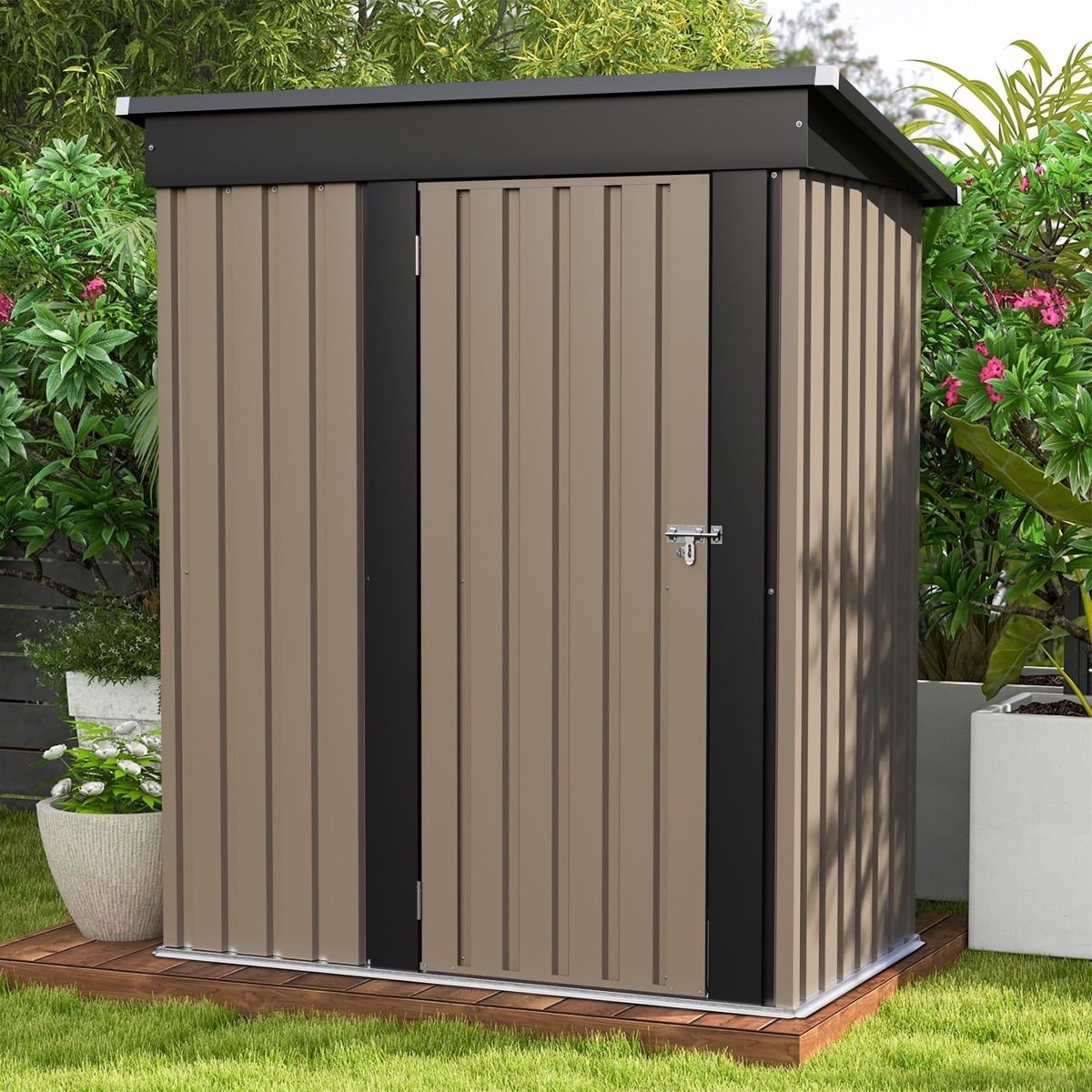 Patiowell 5x3 FT Outdoor Resin Storage Shed Sloping Roof Lockable Door$152.29Last checked Nov 25, 2026View on eBay
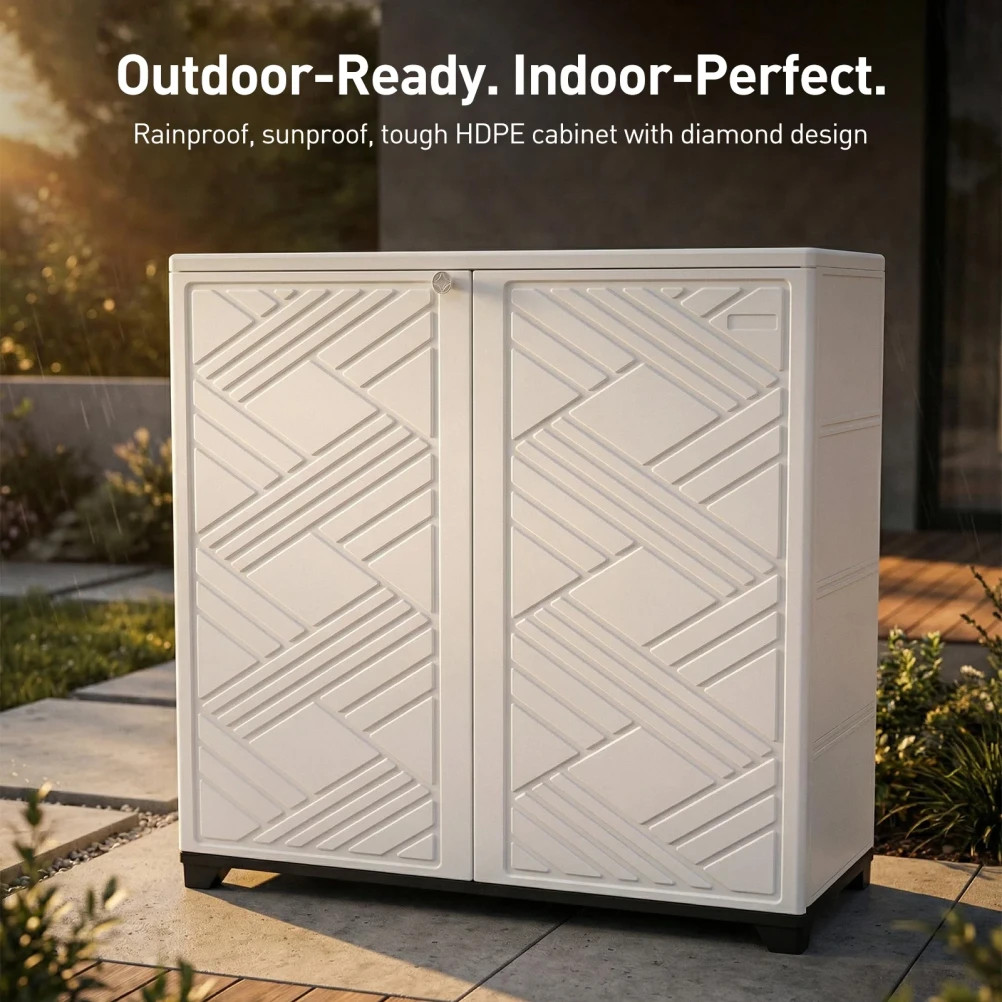 Outdoor Storage Cabinet Space-Saving Resin Shed for Patio Indoor&Outdoor$155.99Last checked Nov 23, 2026View on eBay
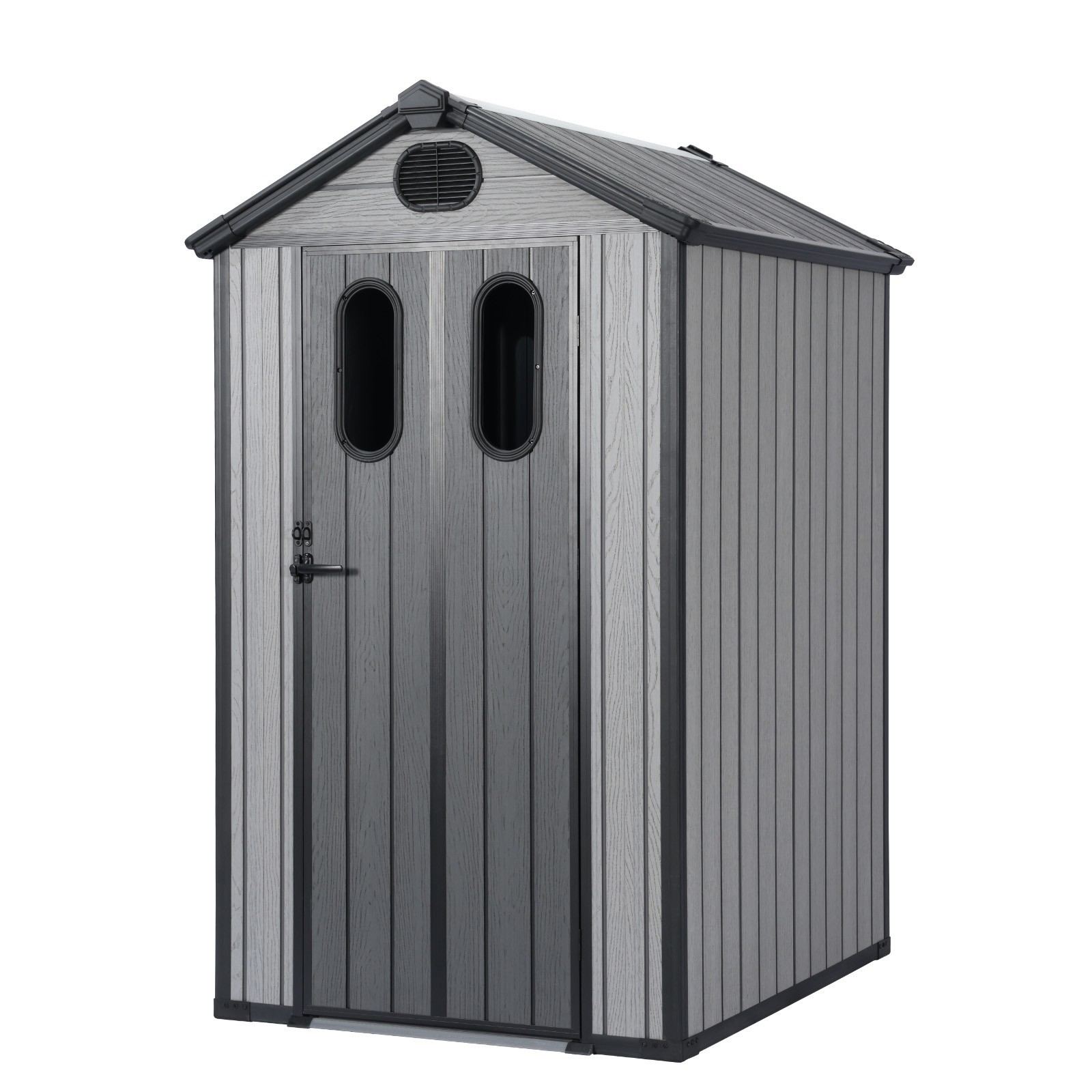 Aoodor 4/5/6 FT Outdoor Storage Shed Resin Tool House Lockable Door 4 Windows$269.99Last checked Nov 16, 2026View on eBay
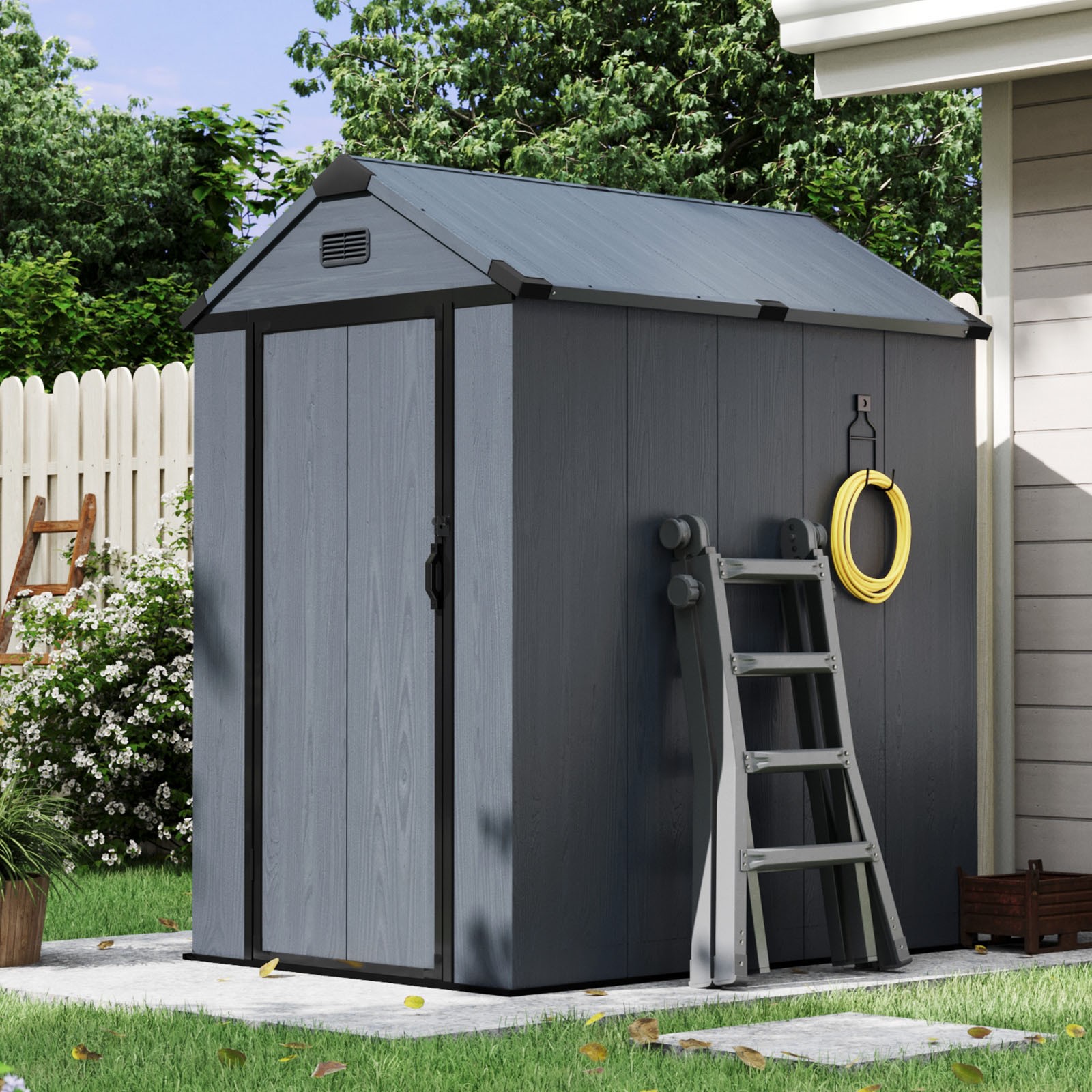 4×6FT All-Weather Resin Storage Shed Weatherproof Tool Shed with Floor Dark Gray$295.61New · Last checked Nov 23, 2026View on eBay
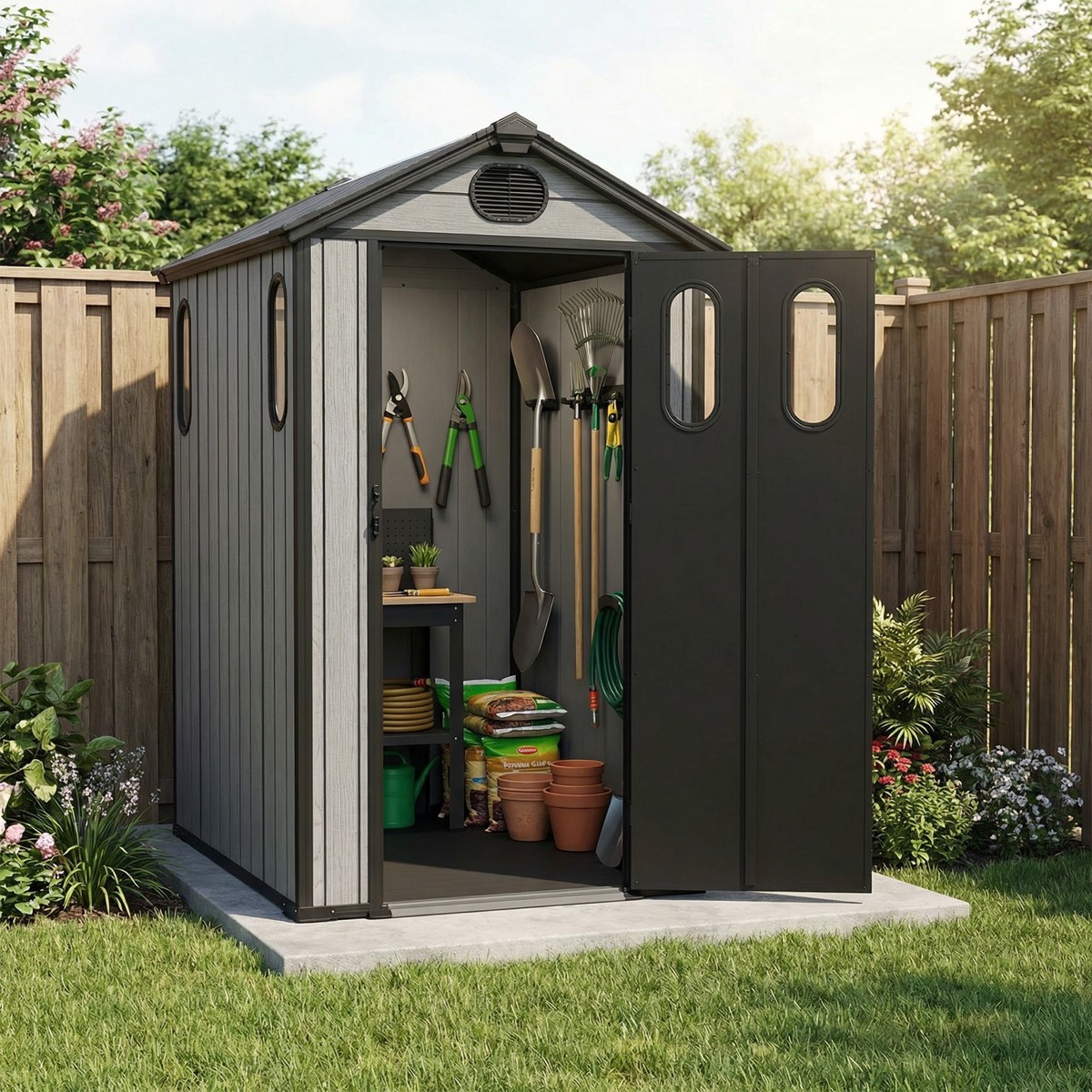 Aoodor 4.2x5.2 FT Outdoor Storage Shed Resin Tool House Lockable Door 4 Windows$299.99Last checked Nov 14, 2026View on eBay
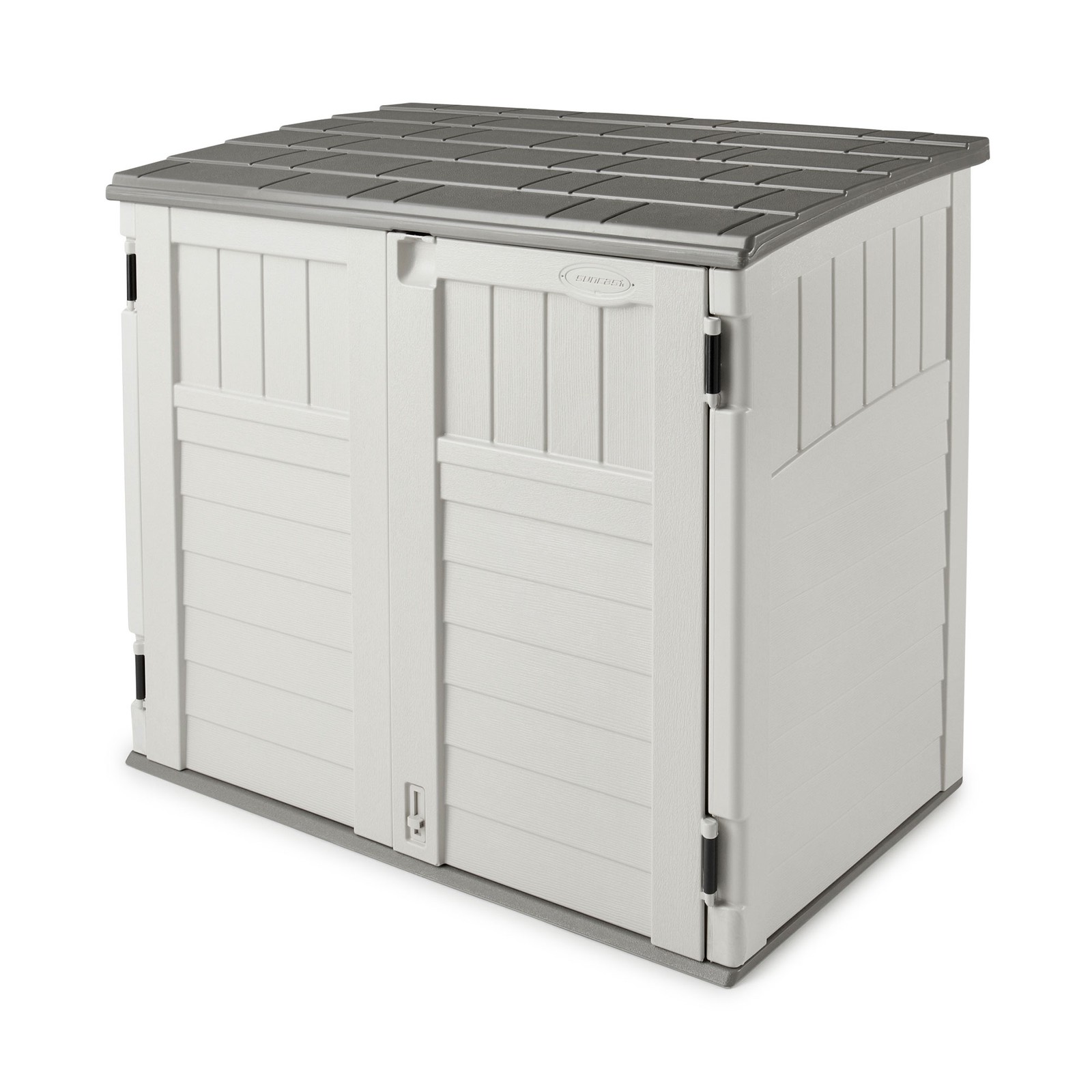 Suncast BMS2500 53 x 31.5 x 45.5" Horizontal Resin Outdoor Storage Shed w/ Floor$334.99Last checked Nov 14, 2026View on eBay
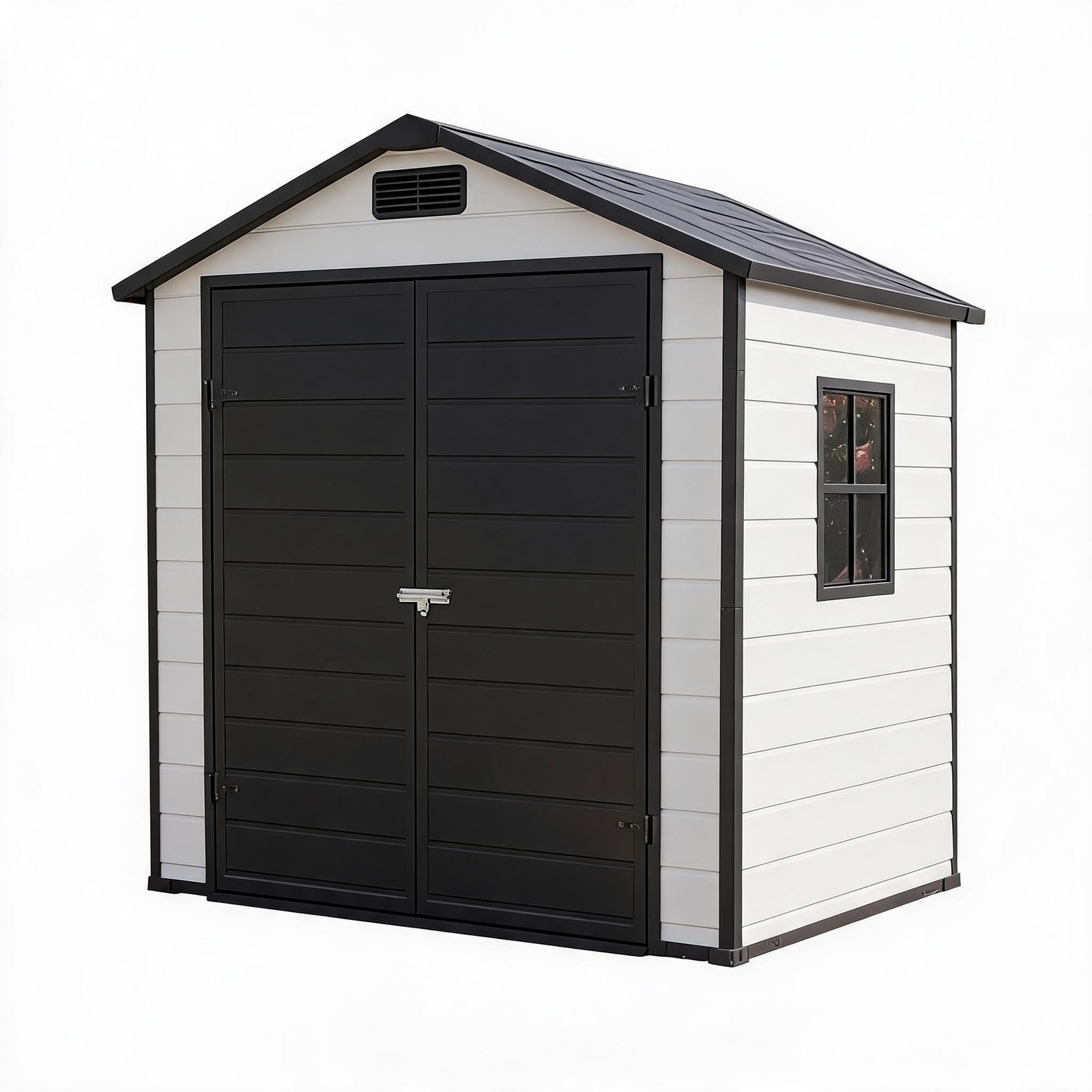 Storage Shed 6x4ft Resin Outdoor Plastic Garden Tool w/ Floor & Window$353.77New · Last checked Nov 23, 2026View on eBay
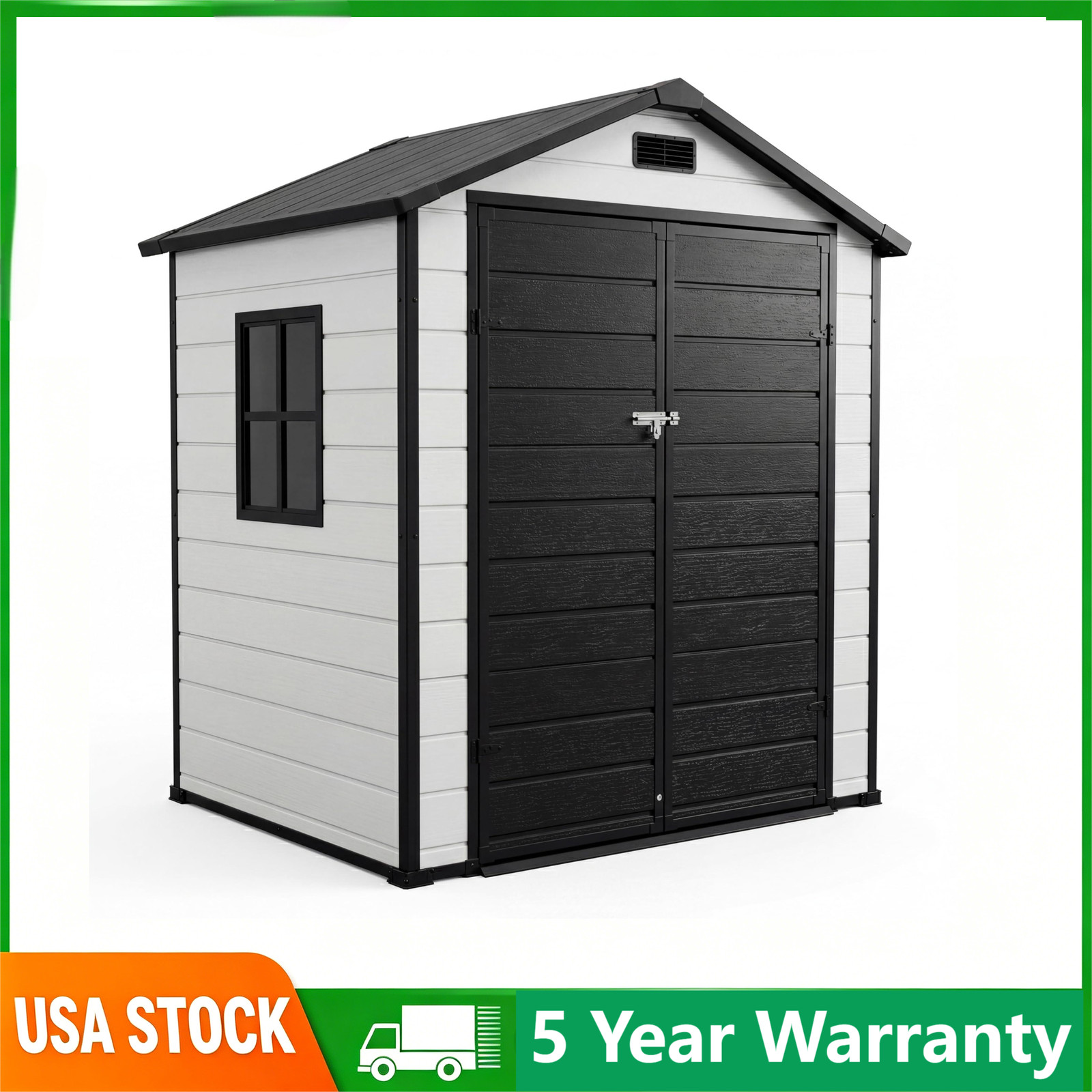 6' x 4' Outdoor Storage Shed with Floor Plastic Resin Garden Shed W/ Window Door$358.20Last checked Nov 14, 2026View on eBay
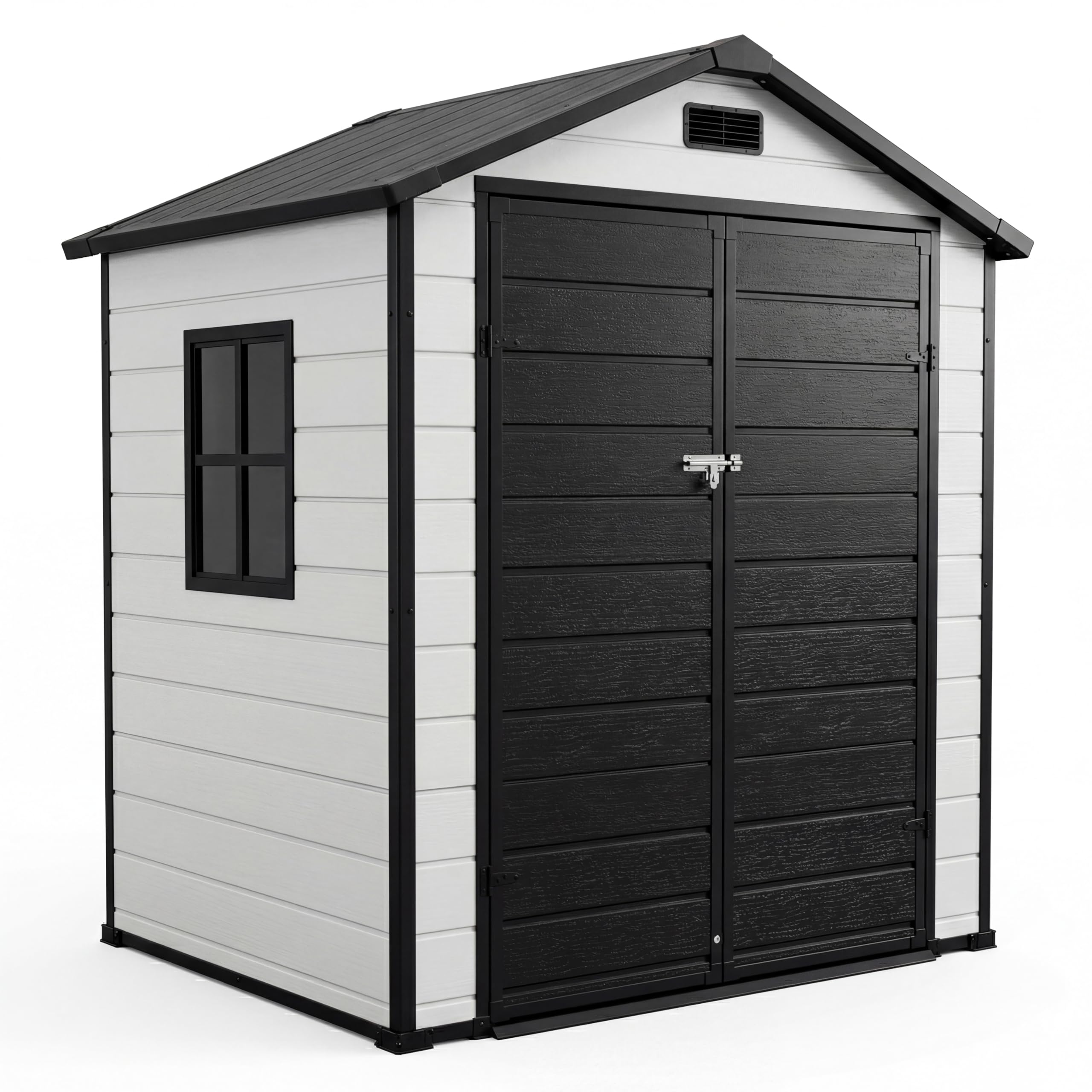 6x4 FT Resin Outdoor Storage Shed with Floor Double Doors Lockable Window Garden$374.99Last checked Nov 16, 2026View on eBay
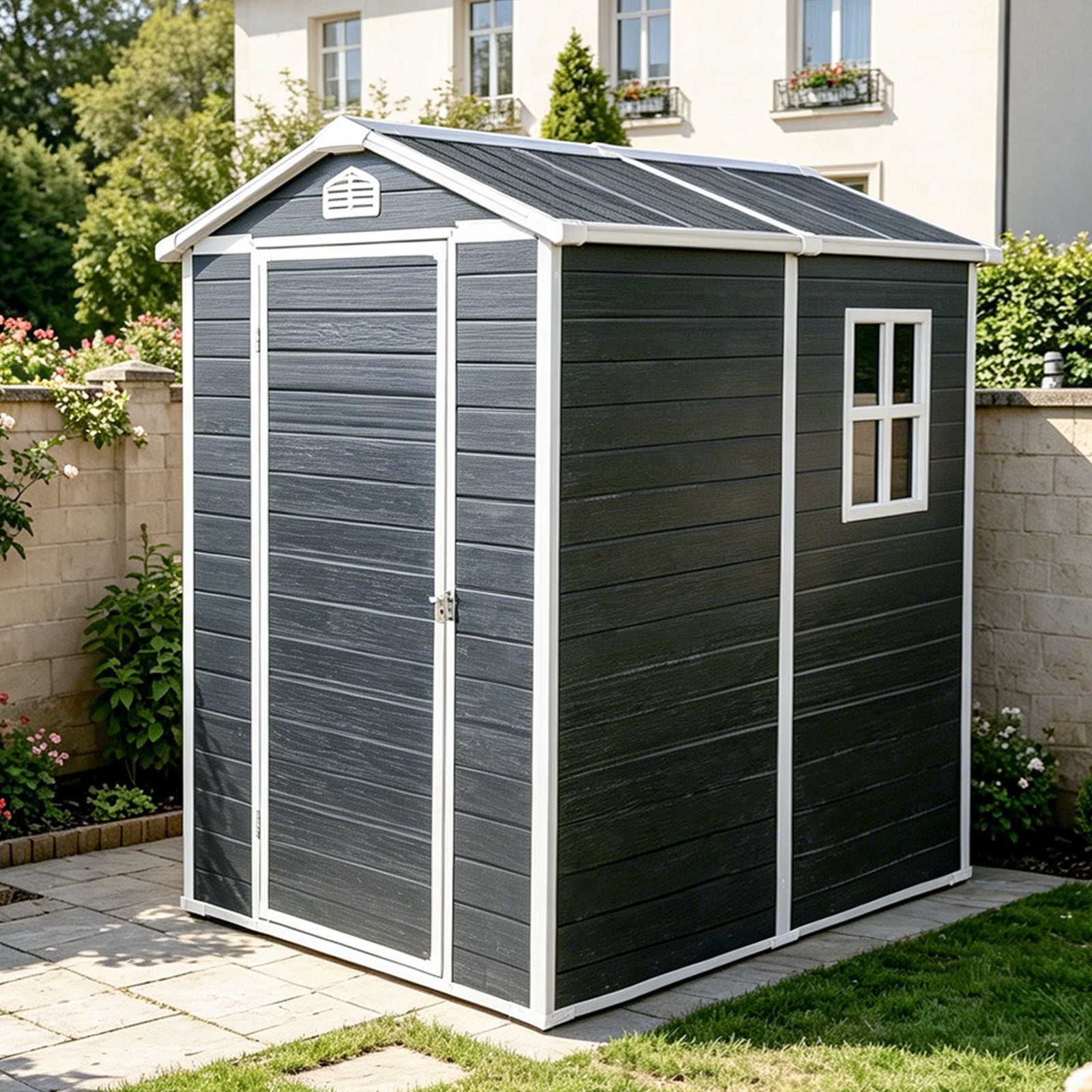 4x6 FT Outdoor Resin Storage Shed Garden Shed w/Floor & Lockable Door for Yard$384.99Last checked Nov 14, 2026View on eBay
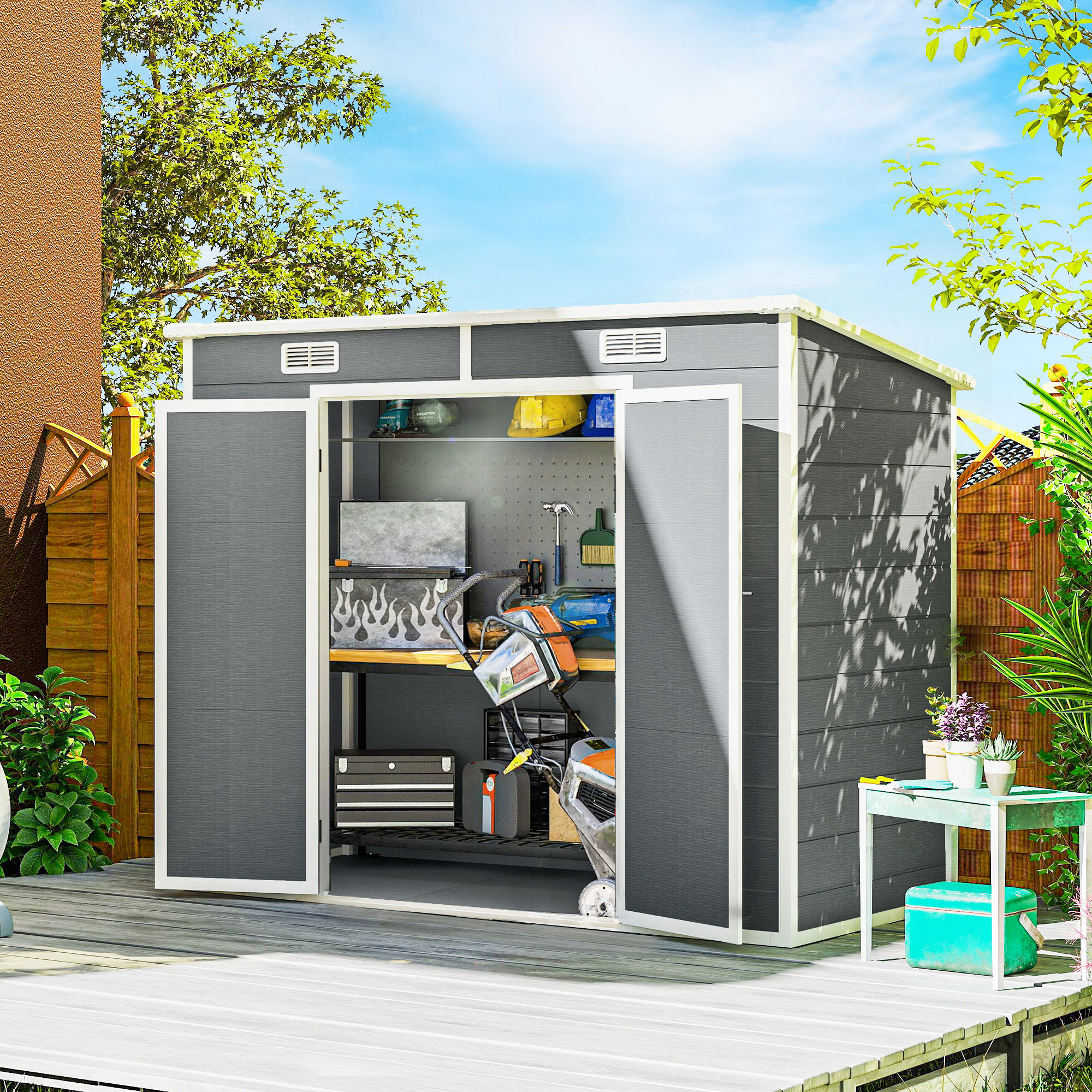 Outsunny Outdoor Storage Shed, Resin Shed with Floor$389.99Last checked Nov 17, 2026View on eBay
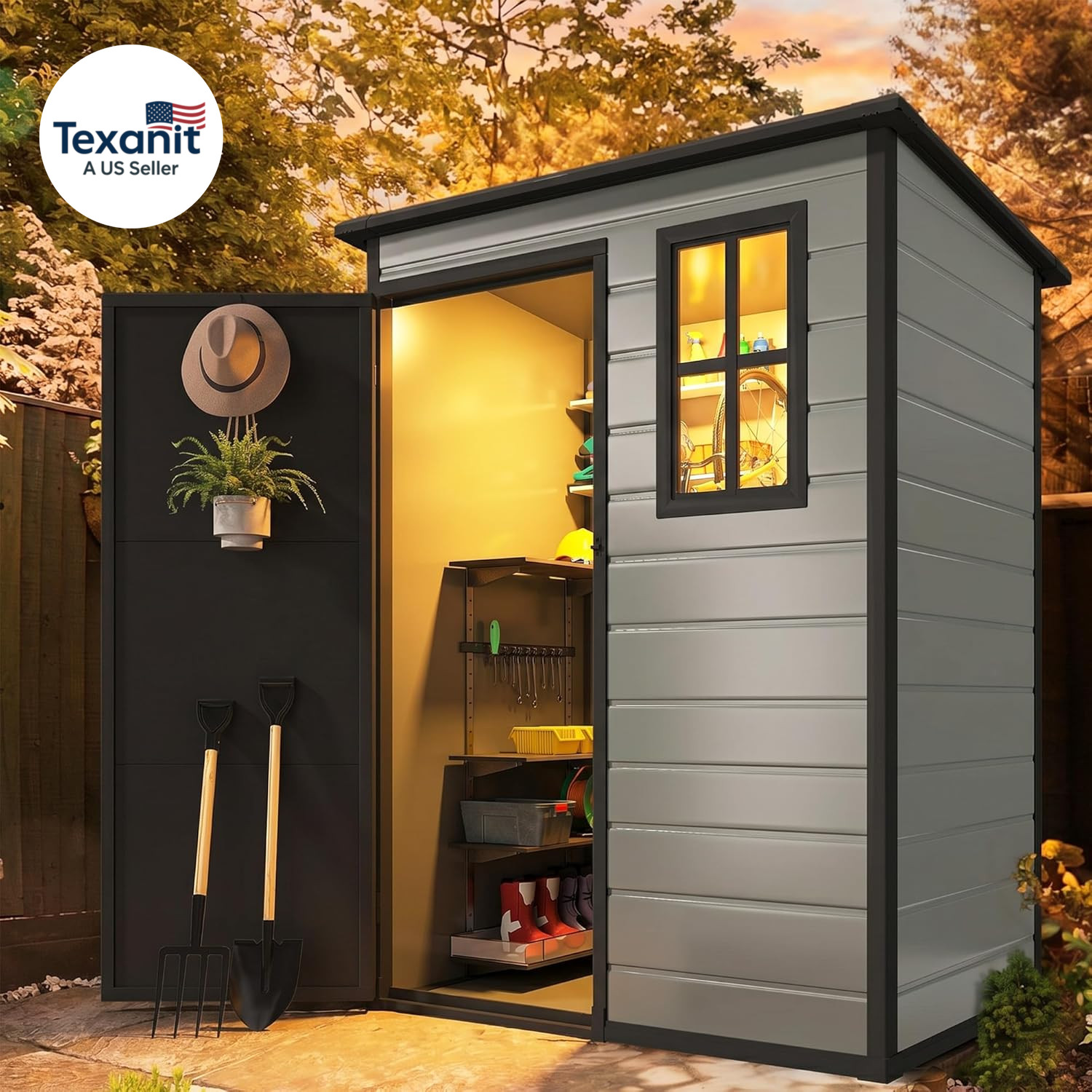 5x3FT Resin Outdoor Storage Shed Waterproof Lockable Garden Tool Shed$487.71Last checked Nov 14, 2026View on eBay
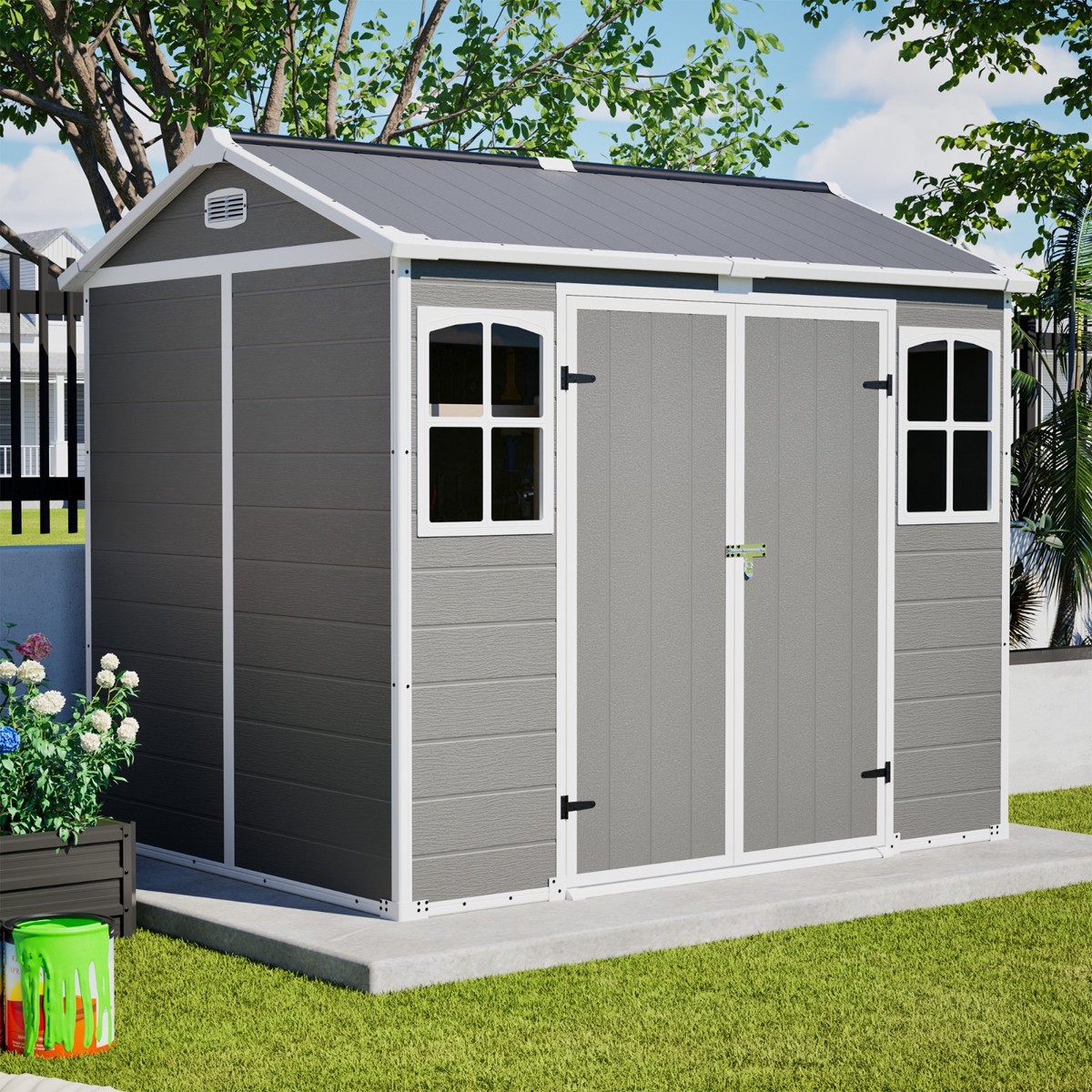 8x6FT Outdoor Resin Storage Shed w/Lockable Doors Plastic Shed w/Floor &Window$669.99Last checked Nov 14, 2026View on eBay
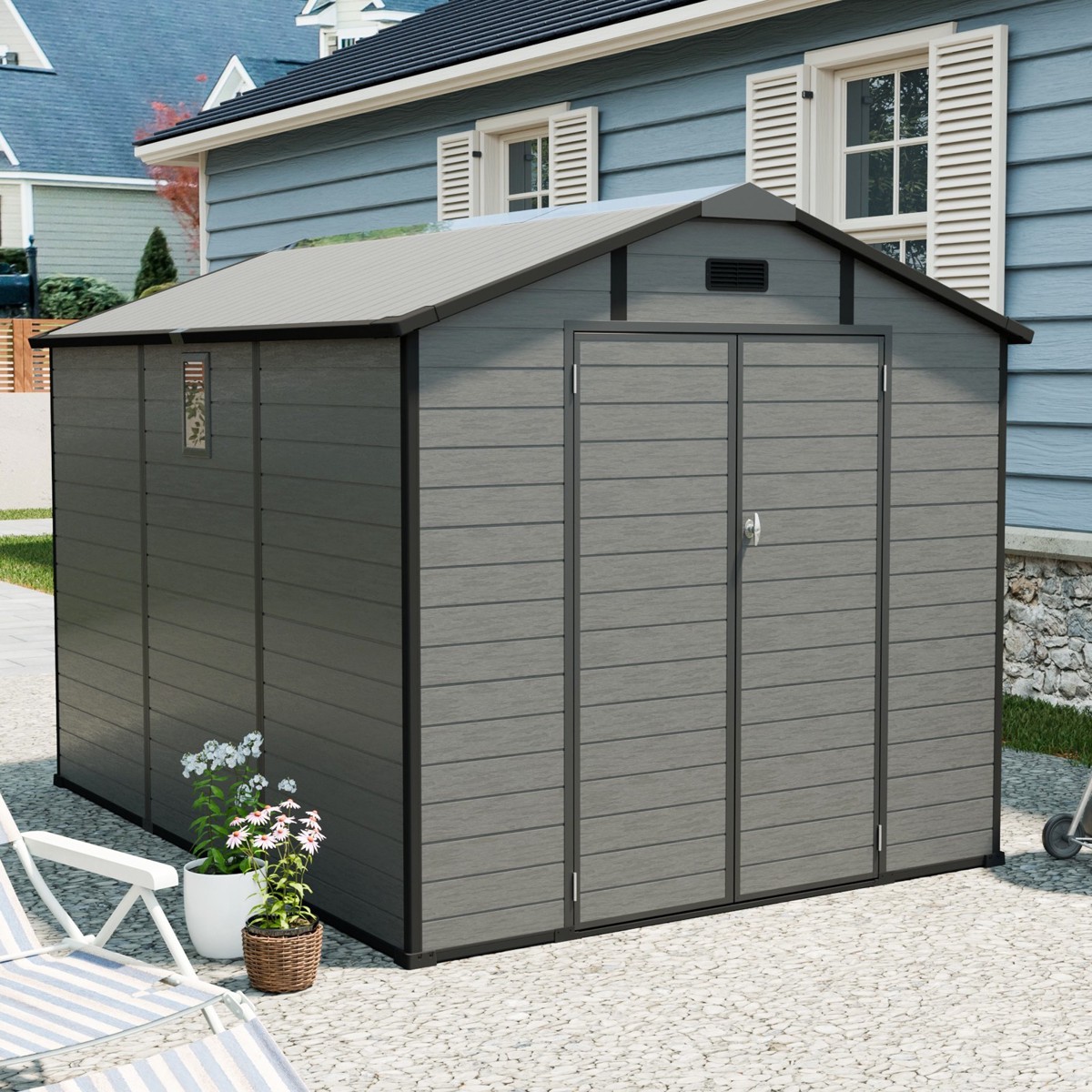 8'x10' Plastic Outdoor Storage Shed Resin Shed with Window & Lockable Doors$909.99Last checked Nov 14, 2026View on eBay
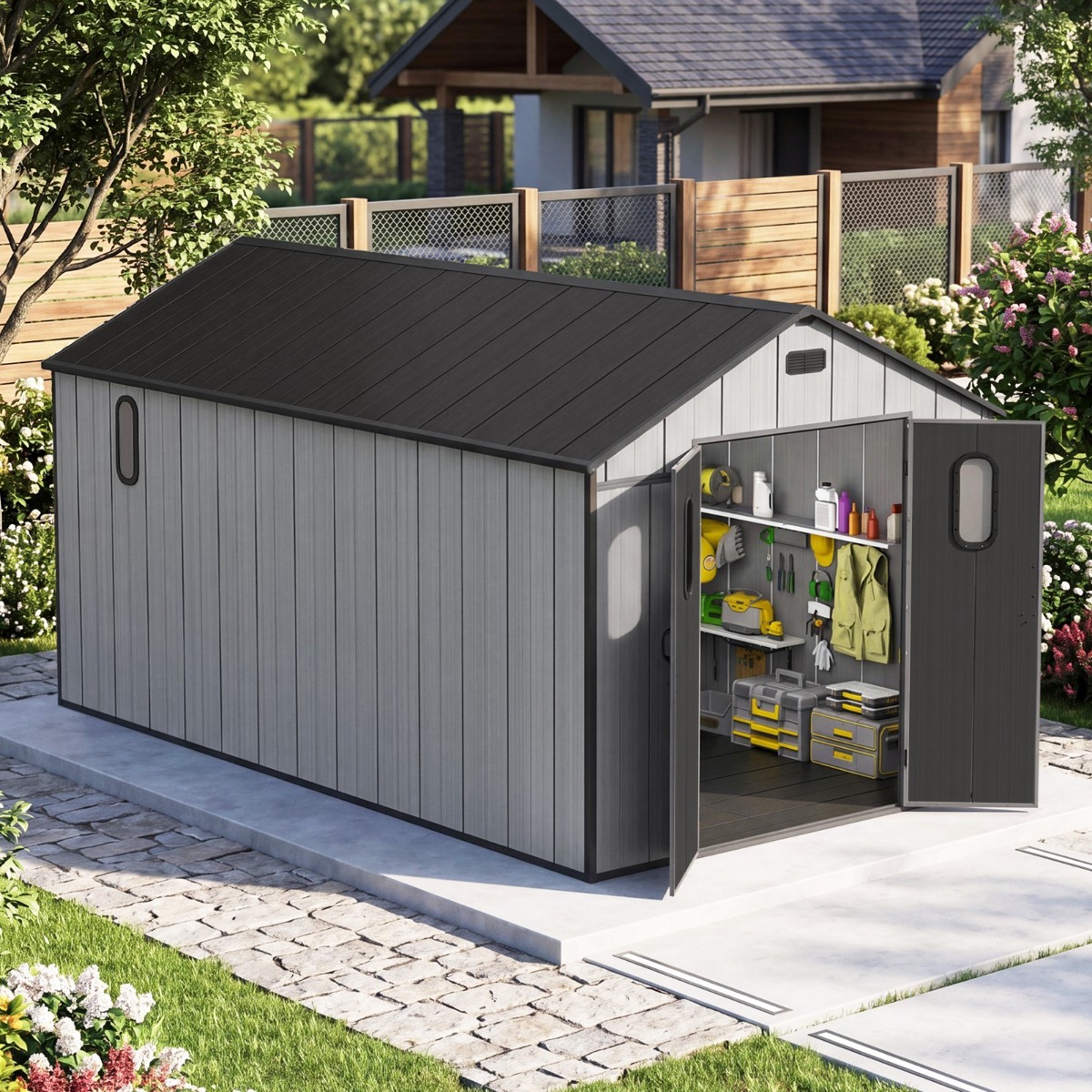 Domi 8'X14' Outdoor Resin Storage Shed,Plastic Garden Shed w/floor&Lockable Door$1,169.99New · Last checked Nov 23, 2026View on eBay
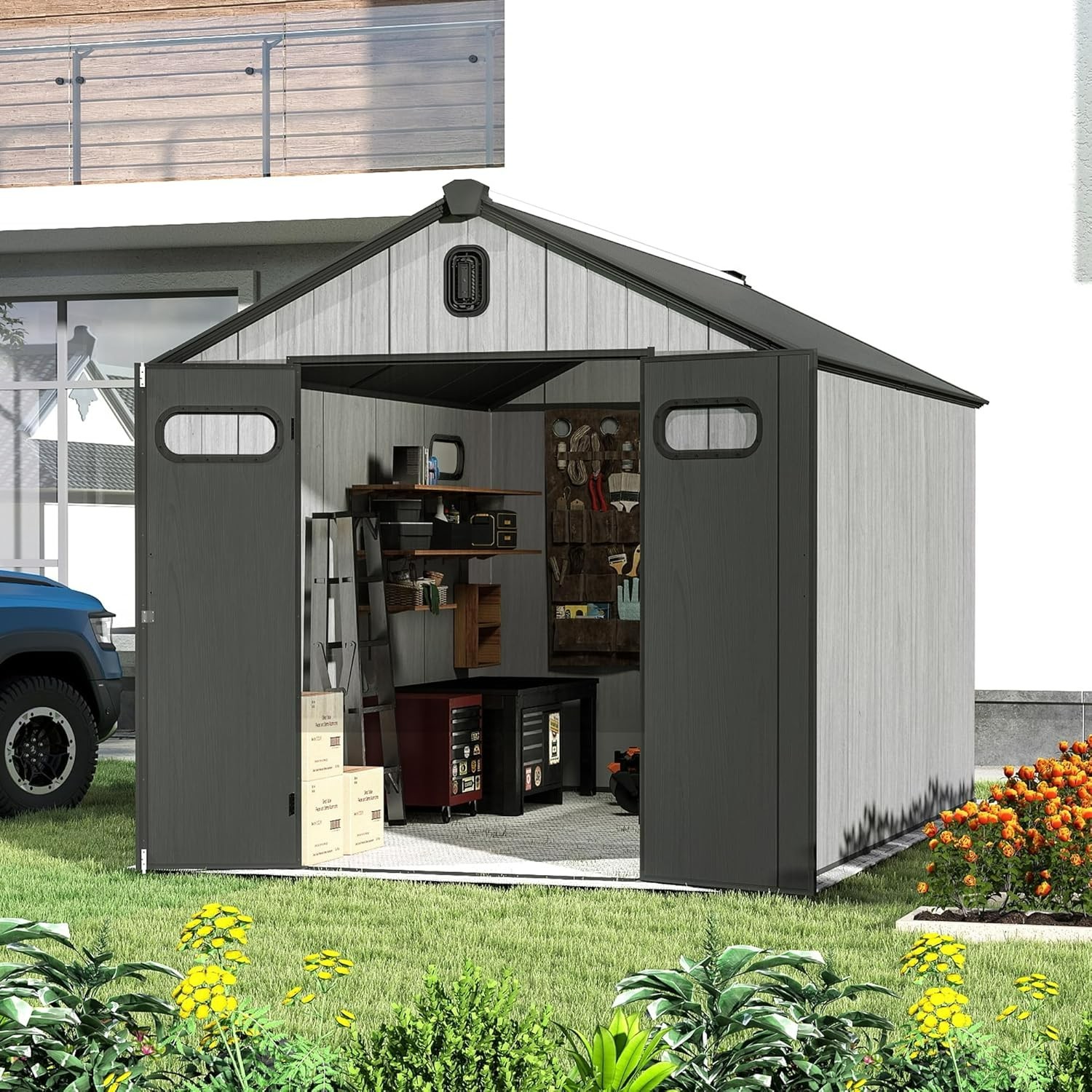 Domi 8'X12' Outdoor Resin Storage Shed,Plastic Garden Shed w/Lockable Door$1,199.98Last checked Nov 14, 2026View on eBay
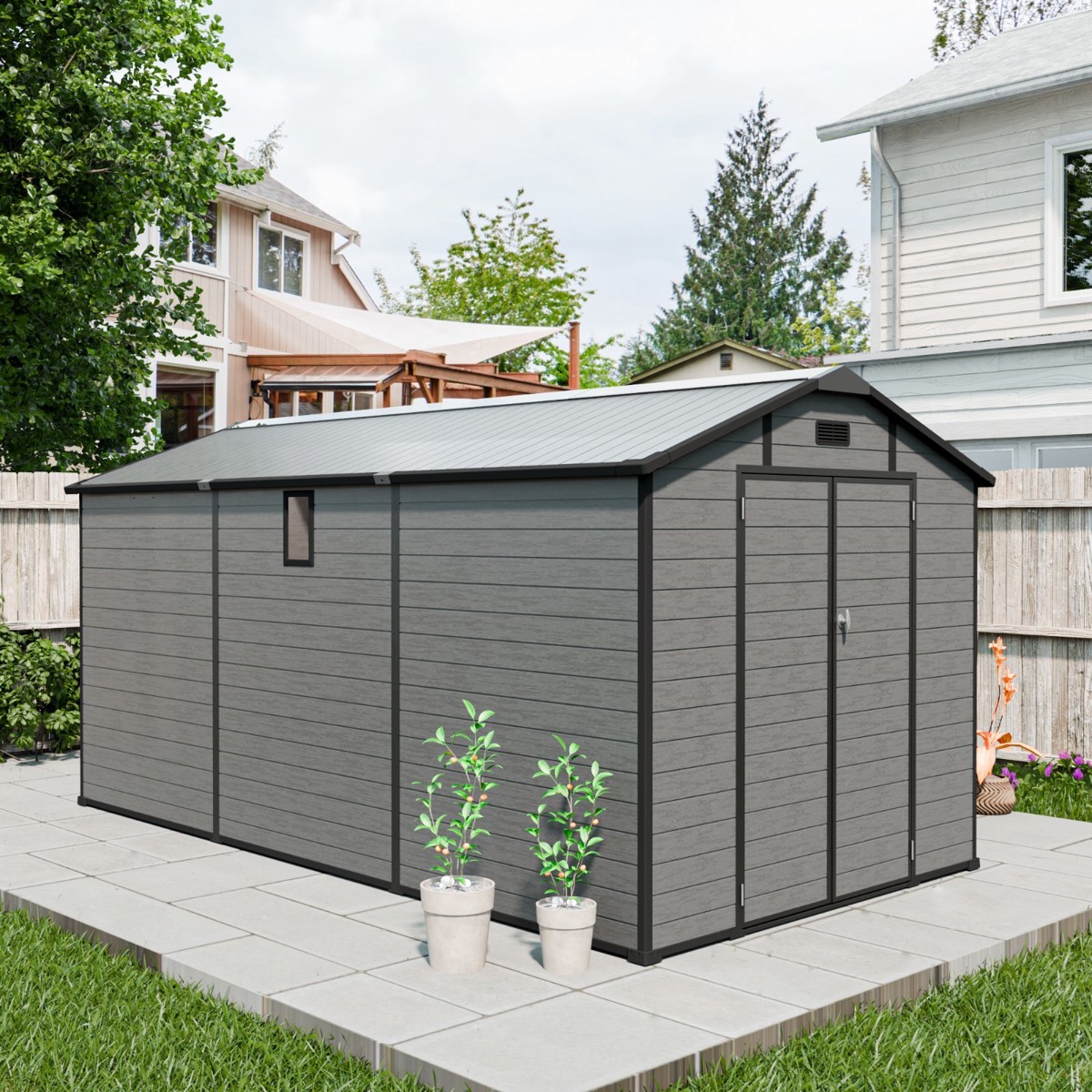 8x14 FT Outdoor Resin Storage Shed Tool House with Floor & Air Vents for Yard$1,279.99Last checked Nov 14, 2026View on eBay
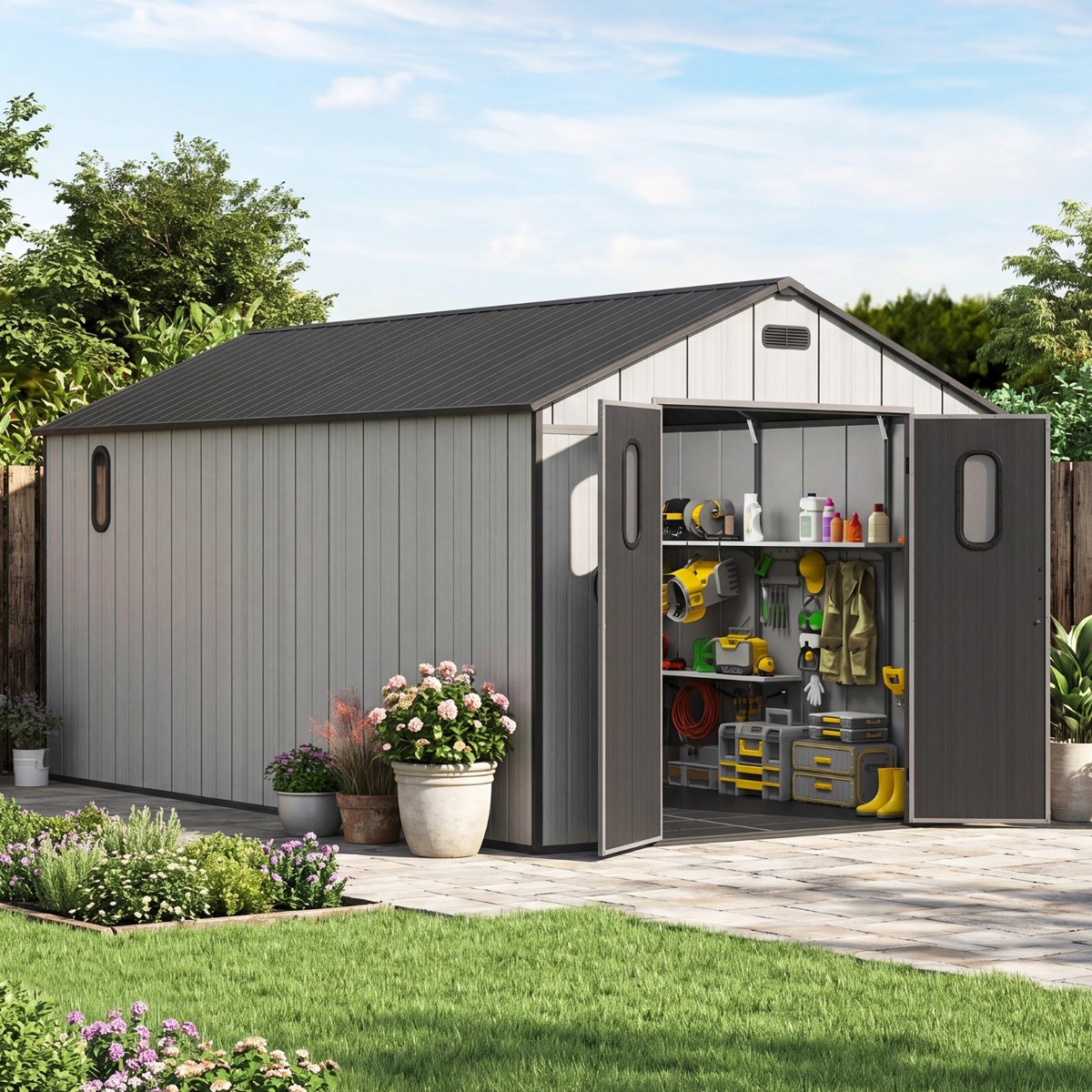 Domi 8'X16' Outdoor Resin Storage Shed,Plastic Garden Shed w/floor&Lockable Door$1,349.99New · Last checked Nov 23, 2026View on eBay
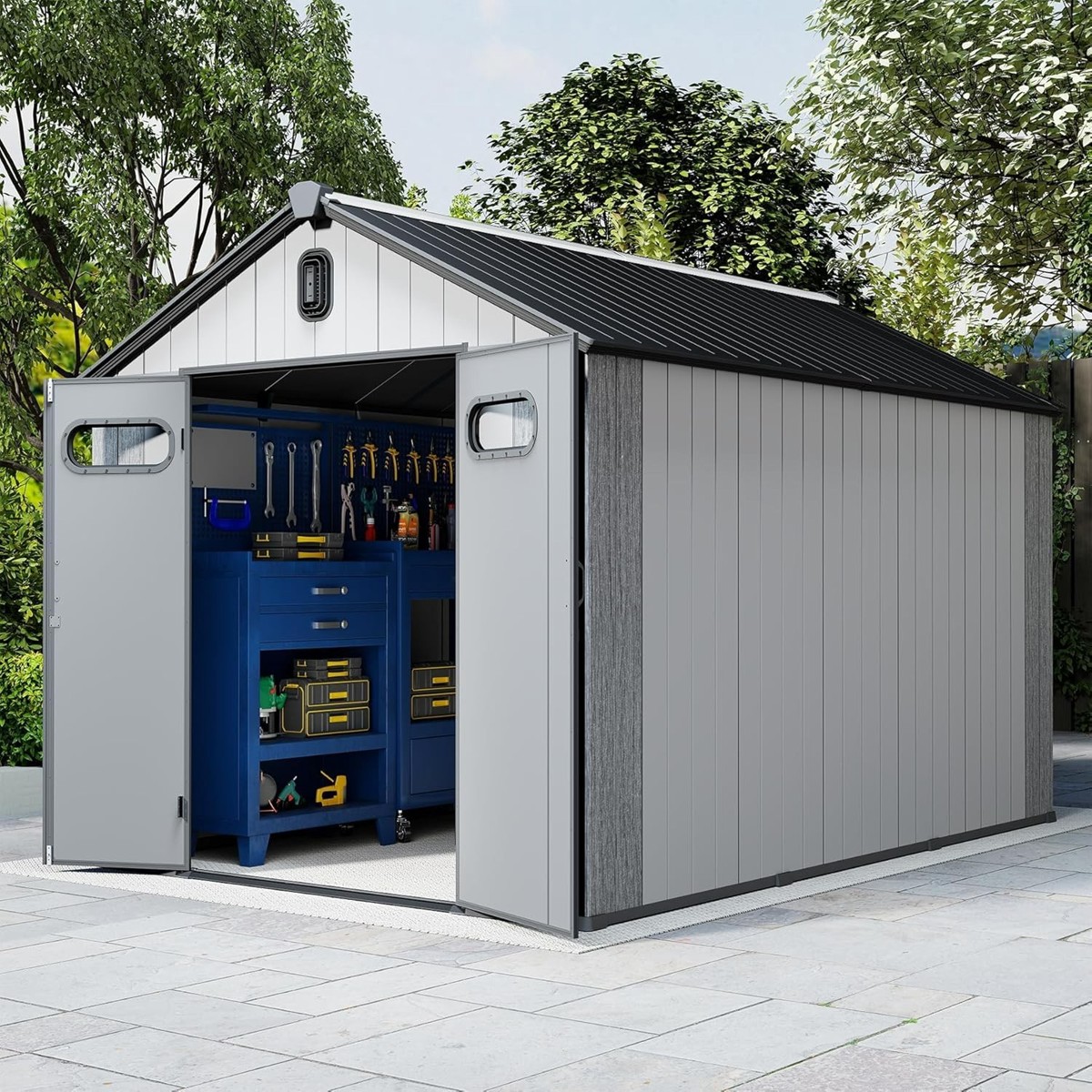 Domi 8'X14' Outdoor Resin Storage Shed,Plastic Garden Shed w/Lockable Door$1,394.99Last checked Nov 14, 2026View on eBay
Highlights
- Resin sheds are blow-molded or injection-molded high-density polyethylene (HDPE); thicker double-wall panels (roughly 1 in / 25 mm and up) resist denting and hold screws far better than single-wall 0.3–0.5 in skins.
- UV stabilization separates a 10-year panel from a 2-year one: look for UV-stabilized resin claims and a wall color molded through the plastic rather than painted on.
- Roof pitch matters for snow and rain shedding — sloping single-pitch roofs clear water faster, while gable roofs add headroom at the ridge but collect snow on both planes.
- A molded resin floor with a raised lip keeps tools dry; floorless or skimpy-floor kits require a poured concrete or compacted gravel pad that you supply, adding real cost and labor.
Best use cases
- Best fit: a 4x6 ft or 5x3 ft lockable resin shed with a molded floor for garden tools, mower, and bikes on a small patio or side yard — skip anything larger if your pad is under 6 ft deep.
- Best fit: an 8x6 ft to 8x10 ft model with windows and air vents when you need light and airflow for potting supplies or a small workspace; skip windowless units if you will be inside during the day.
- Wrong fit: 8x14 ft and 8x16 ft resin sheds for storing heavy equipment or vehicles — resin floors and wall anchors are not rated for vehicle loads; choose a metal or wood structure instead.
- Wrong fit: any resin shed in a high-wind or heavy-snow zone without checking the manufacturer's wind and snow load rating and anchoring it to a ground kit or concrete slab.
Buying tips
- Check wall thickness before brand: double-wall panels of at least 1 in (25 mm) hold up to impact and insulate better than single-wall skins, which flex and crack at screw points.
- Prioritize UV-stabilized, color-through resin over painted panels — paint flakes and fades, while molded color hides scratches and resists yellowing.
- Size the footprint to your actual pad plus clearance: an 8x6 ft shed needs roughly 8x6 ft of level base, and doors need 2–3 ft of swing or slide clearance in front.
- Avoid floorless kits unless you are pouring a concrete slab; a molded resin floor with a raised lip keeps moisture out and saves a separate base purchase.
Specs
| Panel Construction | Double-wall HDPE vs single-wall |
|---|---|
| Panel Thickness | ~1 in (25 mm) double-wall vs 0.3–0.5 in |
| UV & Color | UV-stabilized, color-through vs painted |
| Floor & Anchoring | Molded floor w/ lip vs floorless kit |
Related searches
What to check before buying
- Measure your level pad or patio footprint, door approach, and side clearance — confirm the shed's exact exterior dimensions, not just nominal size, since roof overhangs add inches.
- Verify local permit rules for accessory structures, including height limits and setback distances, before ordering a tall gable-roof model.
- Confirm the base is level and compacted (or concrete) — resin panels are flexible and will gap or misalign on uneven ground.
- Check wind and snow load ratings plus anchoring hardware (ground anchors or slab bolts) for your climate zone.
FAQ
Data sources: eBay / Amazon listings and product attribute feeds. Updated Nov 27, 2026.
Some links on this page are affiliate links. If you buy after clicking one, we may earn a commission at no extra cost to you. This does not change which products appear here or their order. Affiliate disclosure.